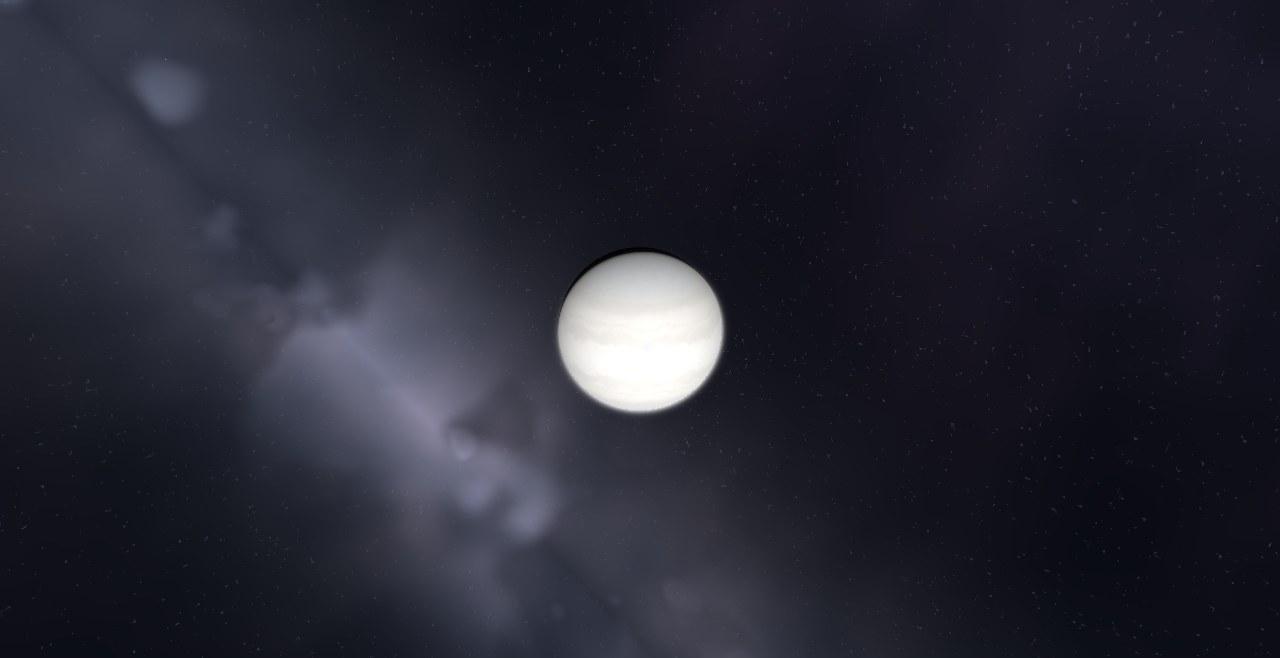
KOI-142 - System
Kepler-88, also KOI-142, nicknamed the king of transit variations. An outer giant yanks the inner transiting planet far off a regular clock.
Exoplanets
Tour the most extraordinary, record-breaking exoplanets discovered by modern science. Simulate hyper-eccentric worlds, extreme "Hot Jupiters," and the most fascinating alien star systems in our galaxy.
Share
Kepler-88, also KOI-142, nicknamed the king of transit variations. An outer giant yanks the inner transiting planet far off a regular clock.
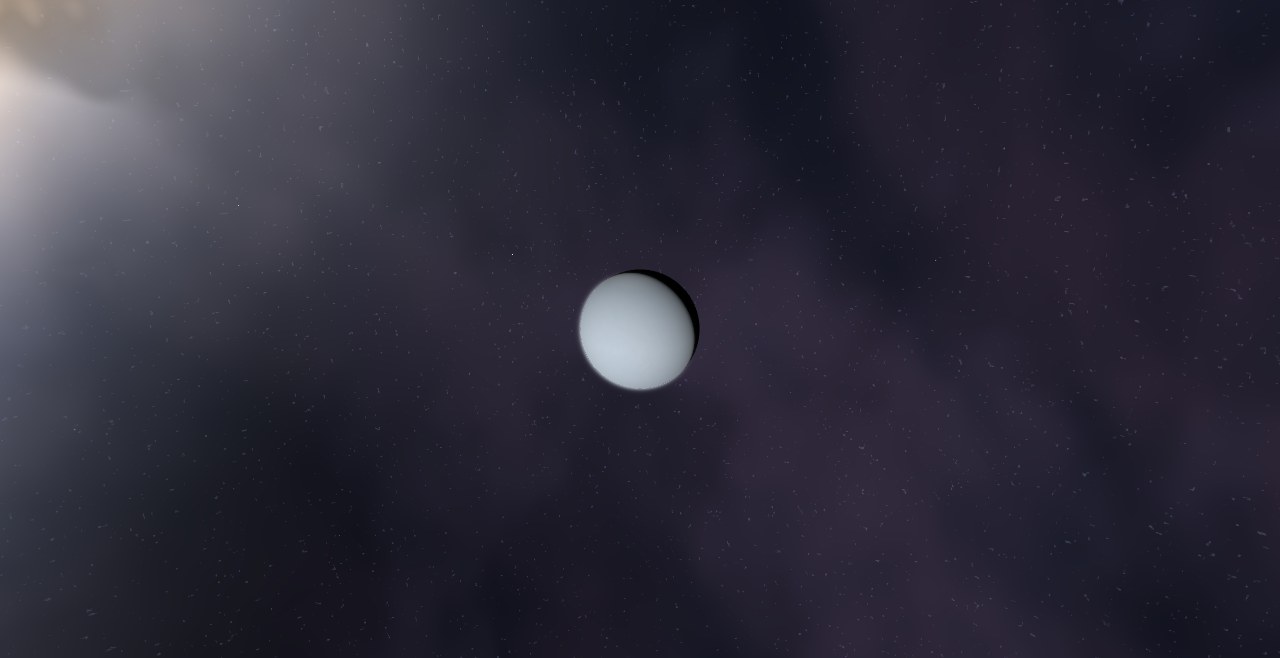
Kepler-90, also called KOI-351, the only eight-planet system known besides possibly our own. Its packed planets rival the Solar System in number.
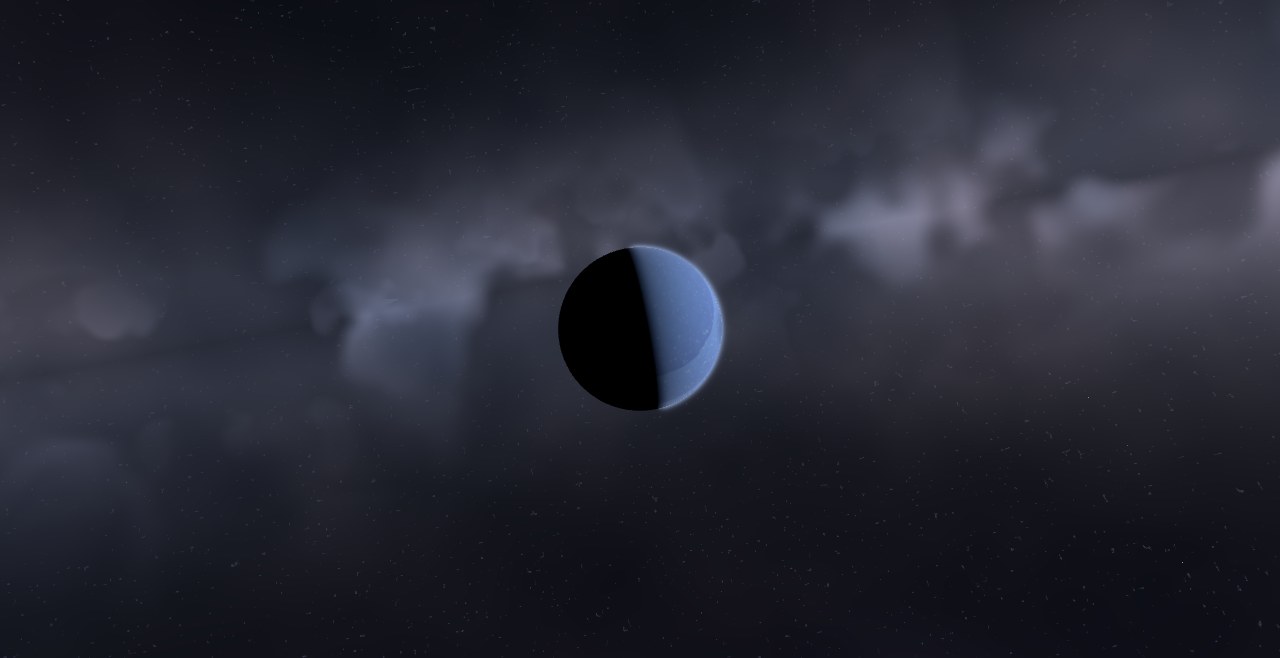
Kepler-89, also KOI-94, site of the first seen planet-planet eclipse. One planet was caught partly blocking another as both transited. The overlap was caught in the Kepler light curve.
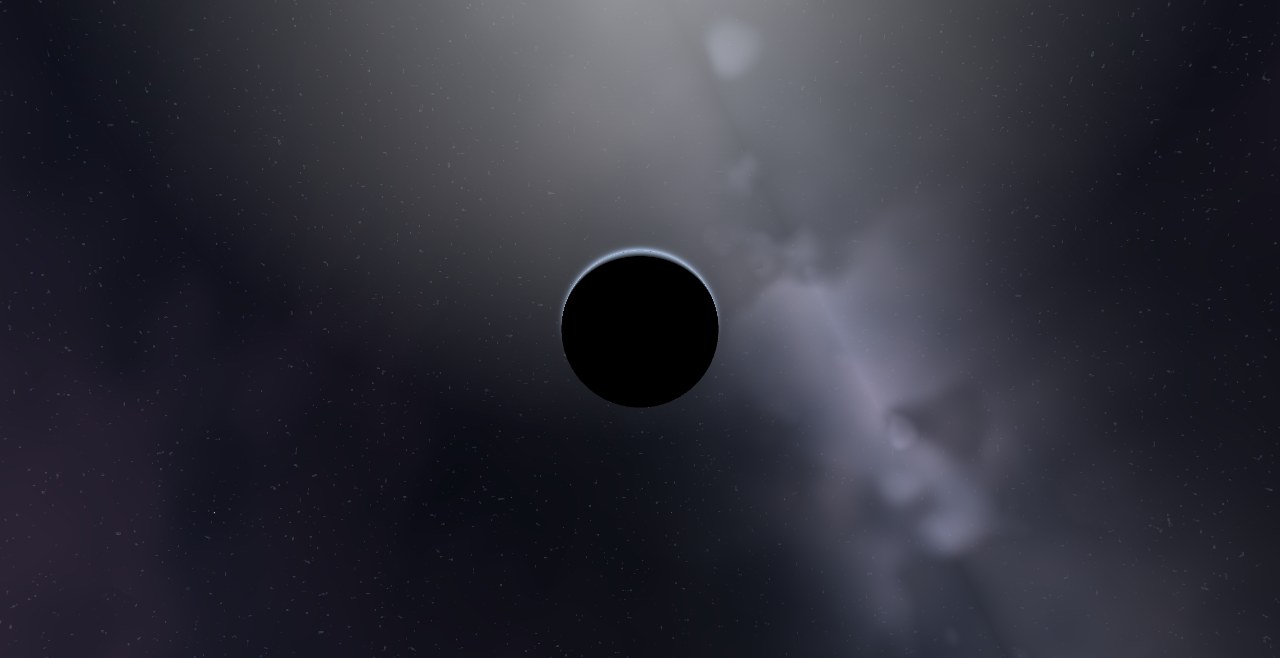
Kepler-10 b, the first rocky exoplanet with a measured density. Kepler's first solid world is a lava planet orbiting in less than a day. A larger outer planet, Kepler-10 c, also transits.
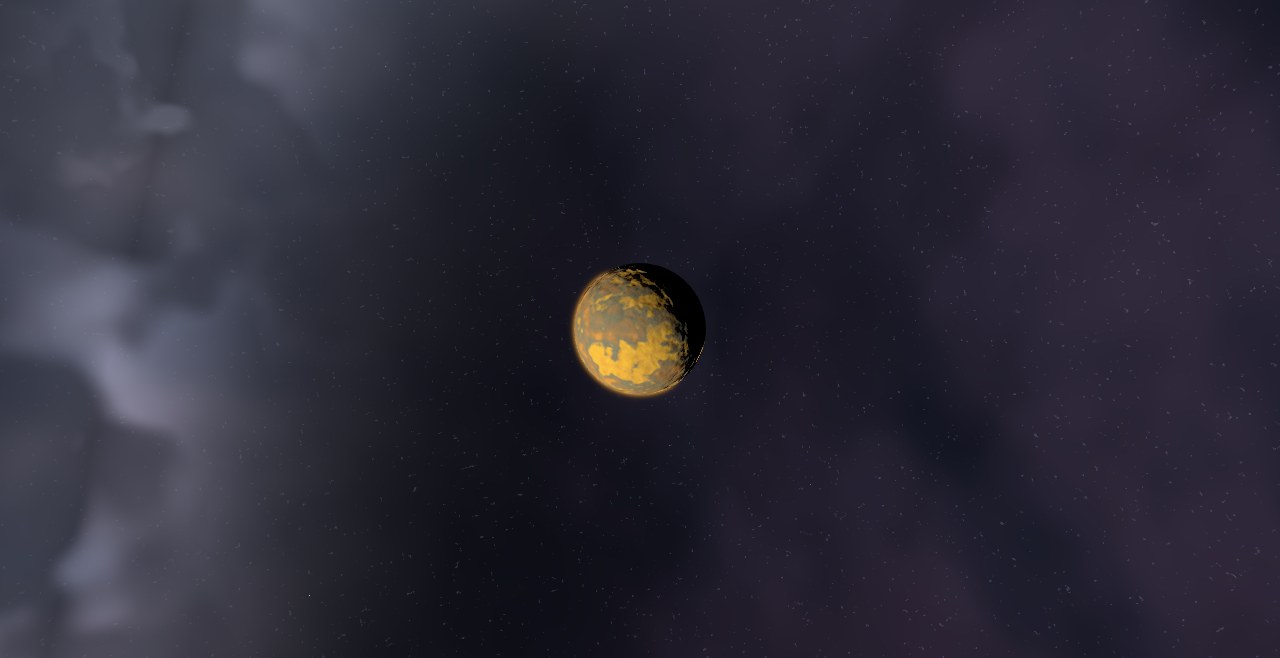
Kepler-11, the first compact six-planet system. Six low-density worlds orbit inside the distance of Venus and continually perturb one another.
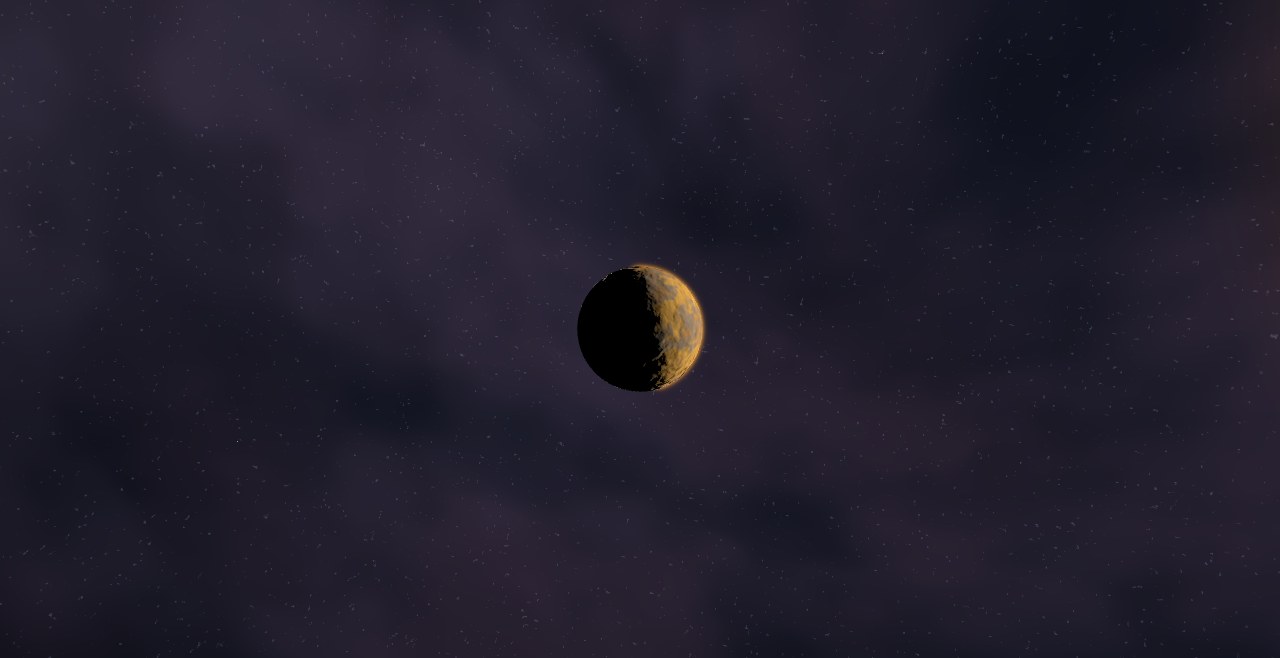
Kepler-138, a low-density system whose outer planets are candidate water worlds. Their masses and radii imply oceans under thick atmospheres.
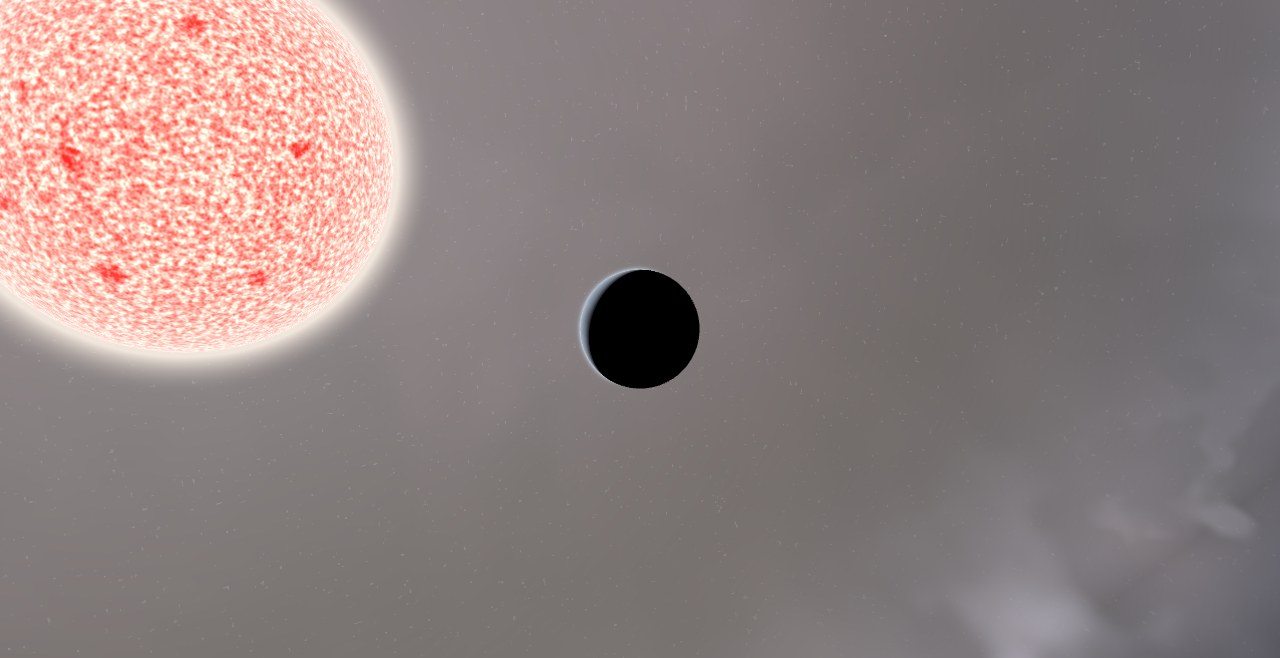
Kepler-1520 b, a disintegrating planet. A dusty tail trailing this tiny world makes its transits change shape from orbit to orbit. The object is also known as KIC 12557548 b.
Kepler-16 b, the first transiting circumbinary planet — a Tatooine world. It eclipses both stars of a close pair as it orbits their barycenter.
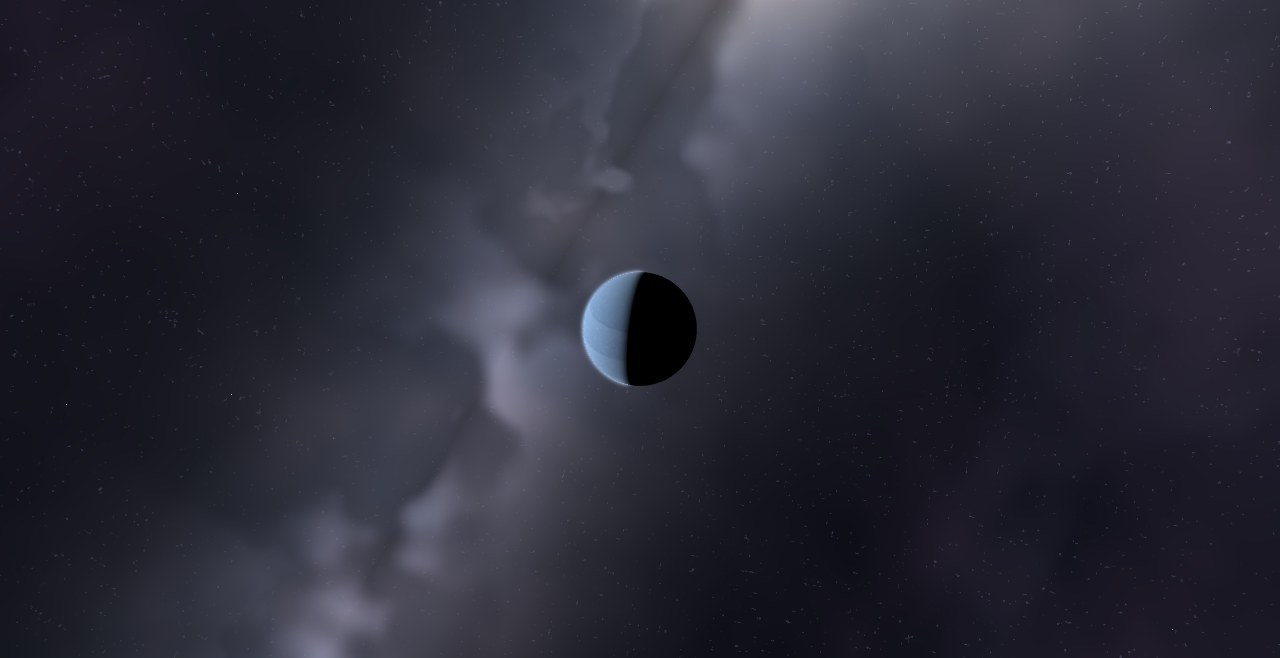
Kepler-1625 b, host of the strongest exomoon candidate yet claimed. A Neptune-sized moon has been proposed from Hubble transit residuals, still unconfirmed.
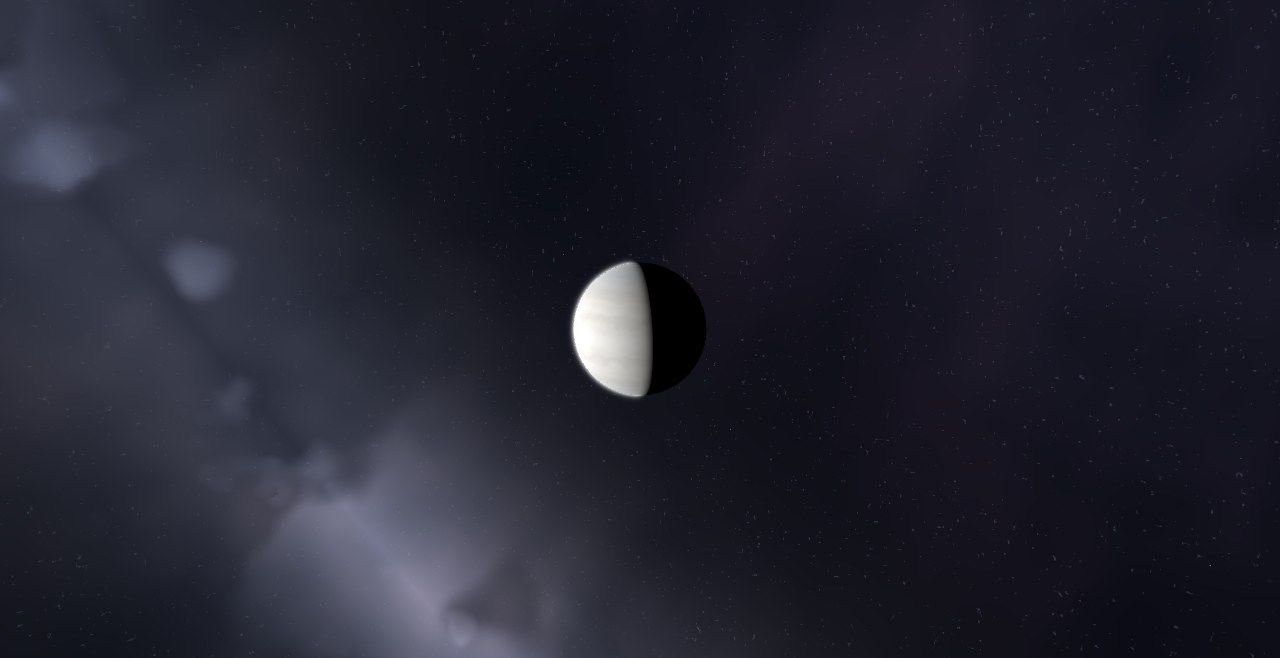
Kepler-1647 b, a gas giant on the longest circumbinary orbit Kepler found. It circles two stars near their shared habitable zone. Its year around the stellar pair lasts about three years.
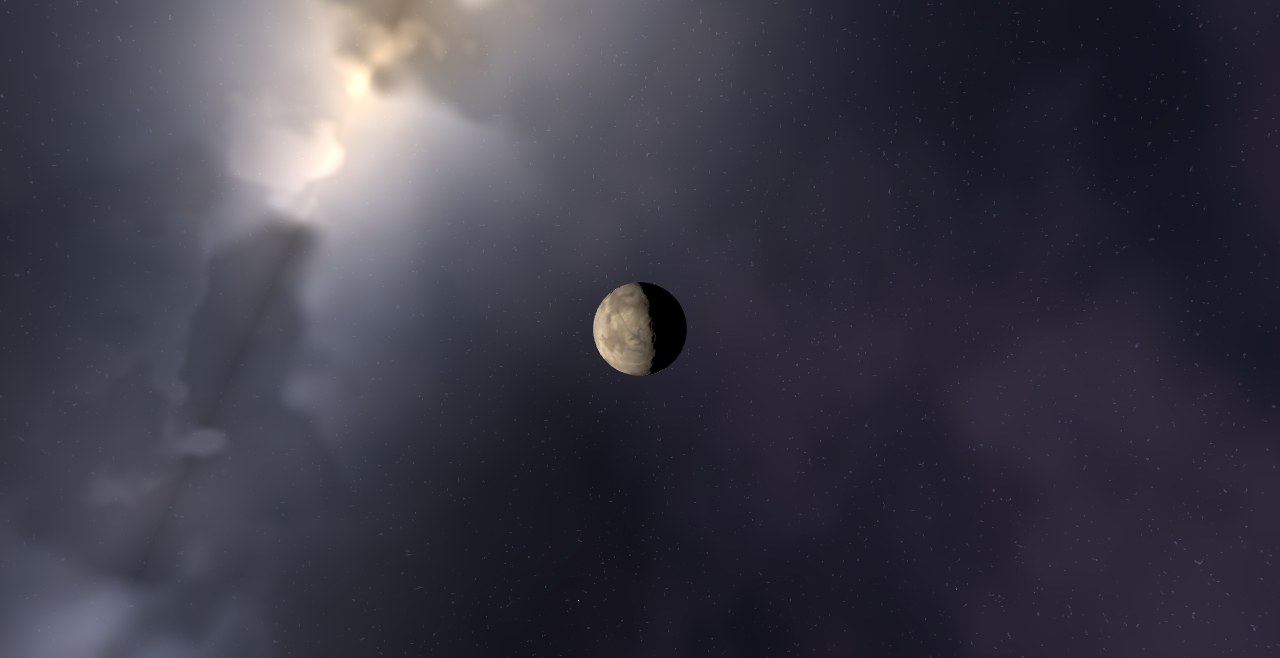
Kepler-1649 c, an Earth-sized habitable-zone planet missed by the pipeline and recovered by citizen scientists rechecking Kepler false positives.
Kepler-186 f, the first Earth-sized planet found in a habitable zone. It is the outermost of five worlds around a cool red dwarf. The red-dwarf host lies about 580 light-years away.
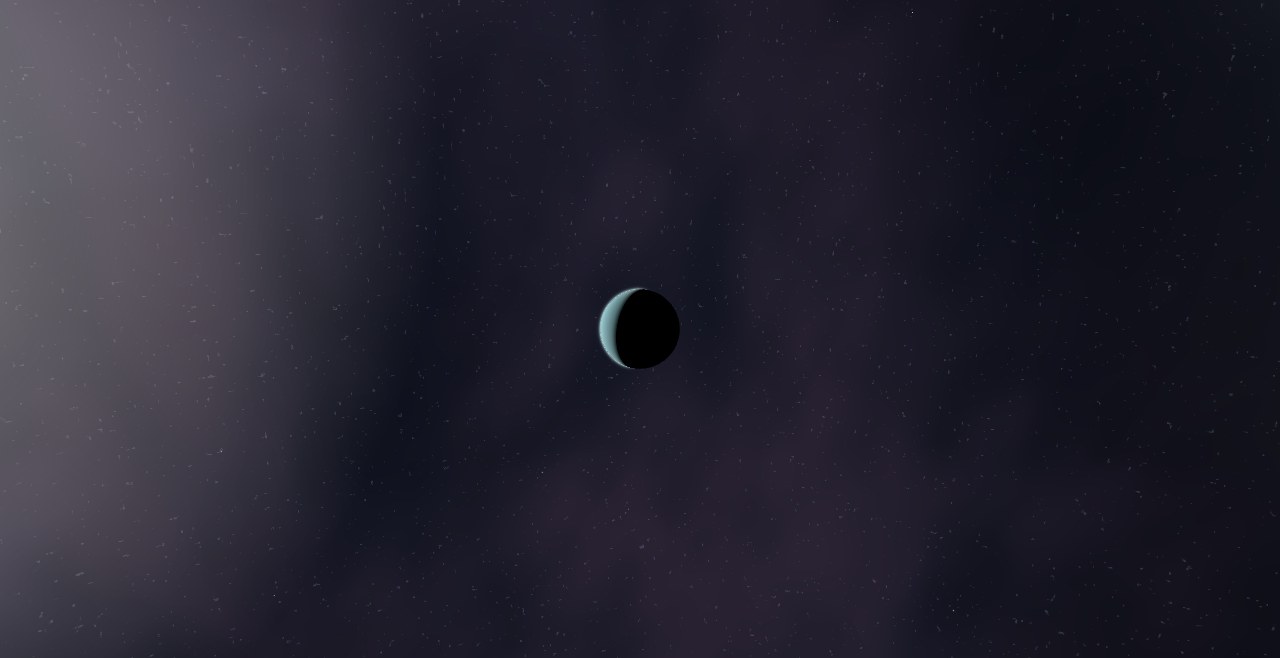
Kepler-19, whose unseen outer planet was the first world discovered purely from transit timing. Kepler-19 c never crosses the star itself. Only the inner planet, Kepler-19 b, is seen to transit.
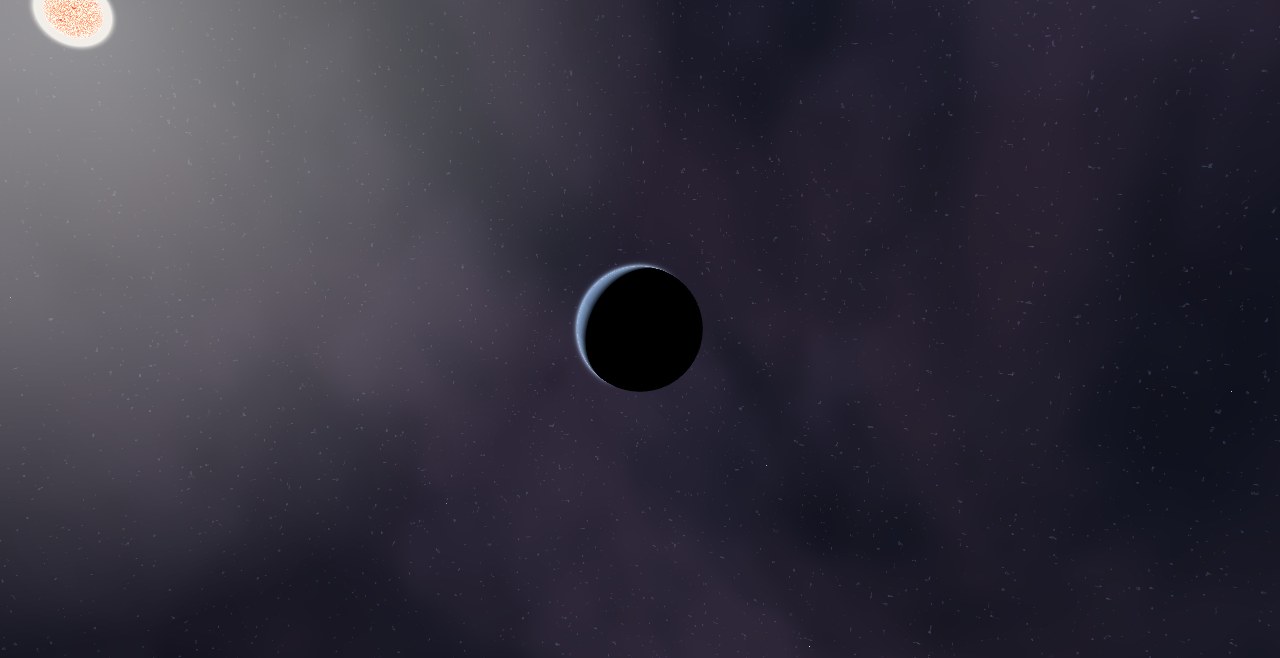
Kepler-20, the first system with Earth-sized planets. Kepler-20 e and f alternate with larger worlds in a tight, mixed-size chain. Earth-sized e and f were announced together in 2011.
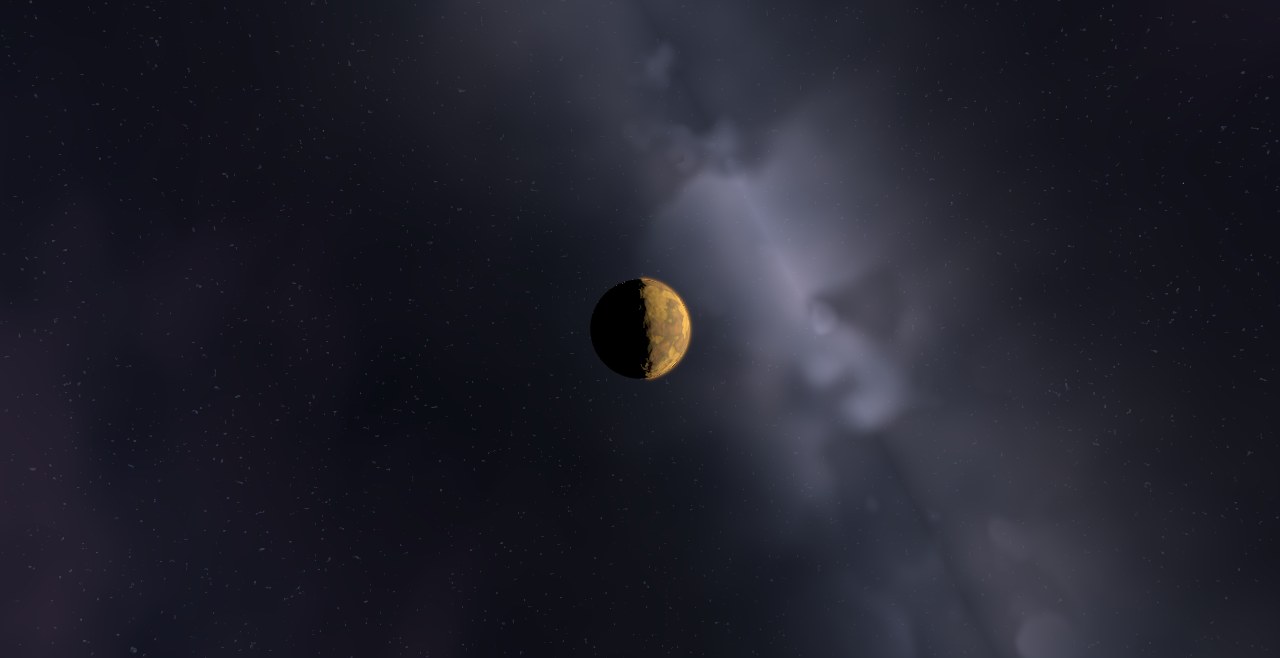
Kepler-22 b, the first planet Kepler found in a habitable zone. This super-Earth-sized world circles a Sun-like star every 290 days. The planet is roughly 2.4 times Earth's radius.
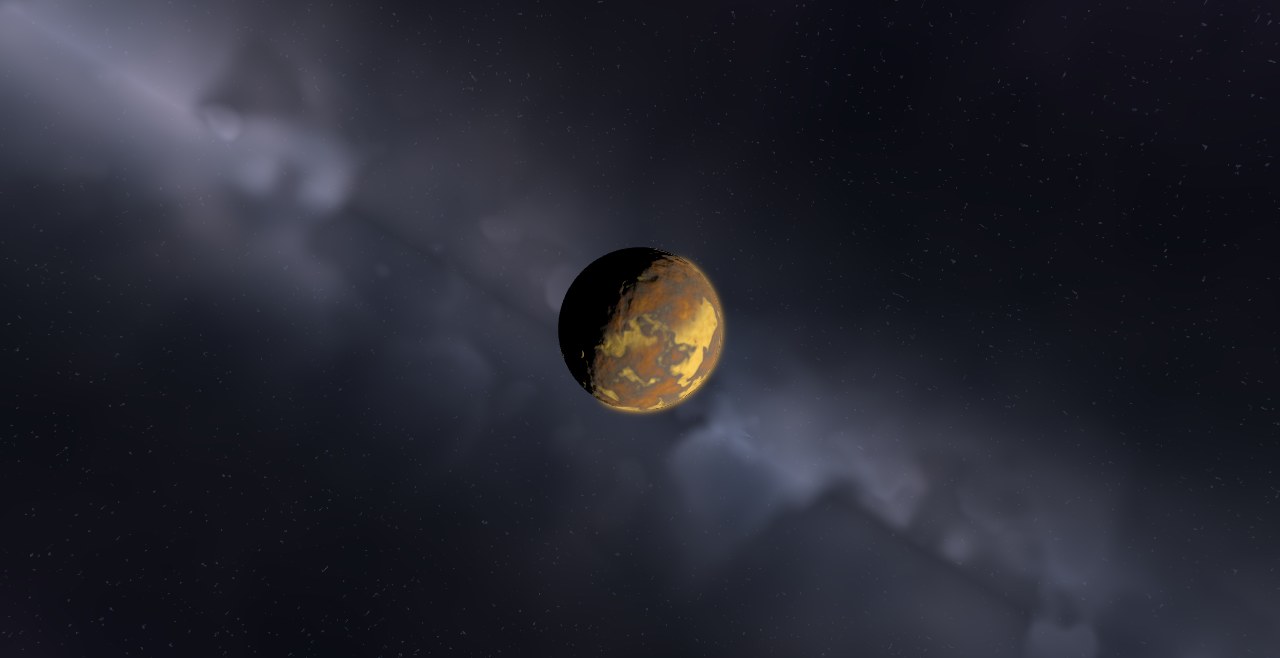
Kepler-223, four planets locked in a chain of mean-motion resonances. Their orbits repeat like a gravitational clockwork. Neighboring pairs sit in 4:3, 3:2, and 4:3 resonances.
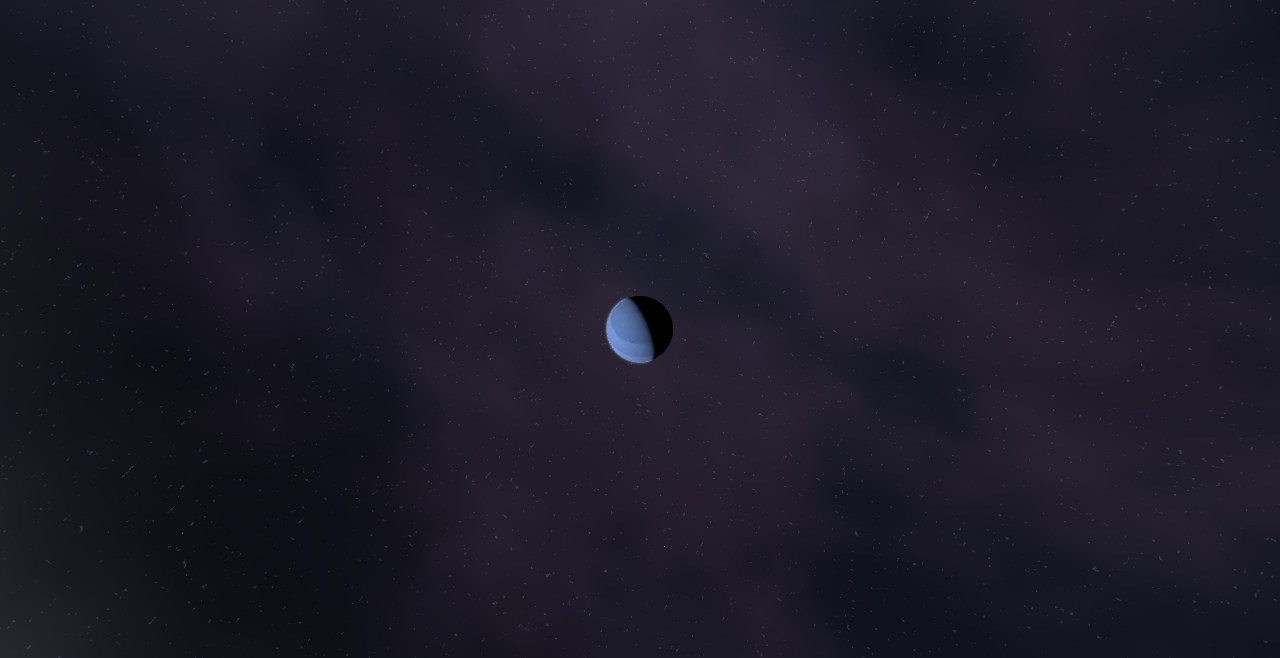
Kepler-30, a resonant three-planet system used to watch starspots. Transits crossing spots measured that the planets and star share one plane.
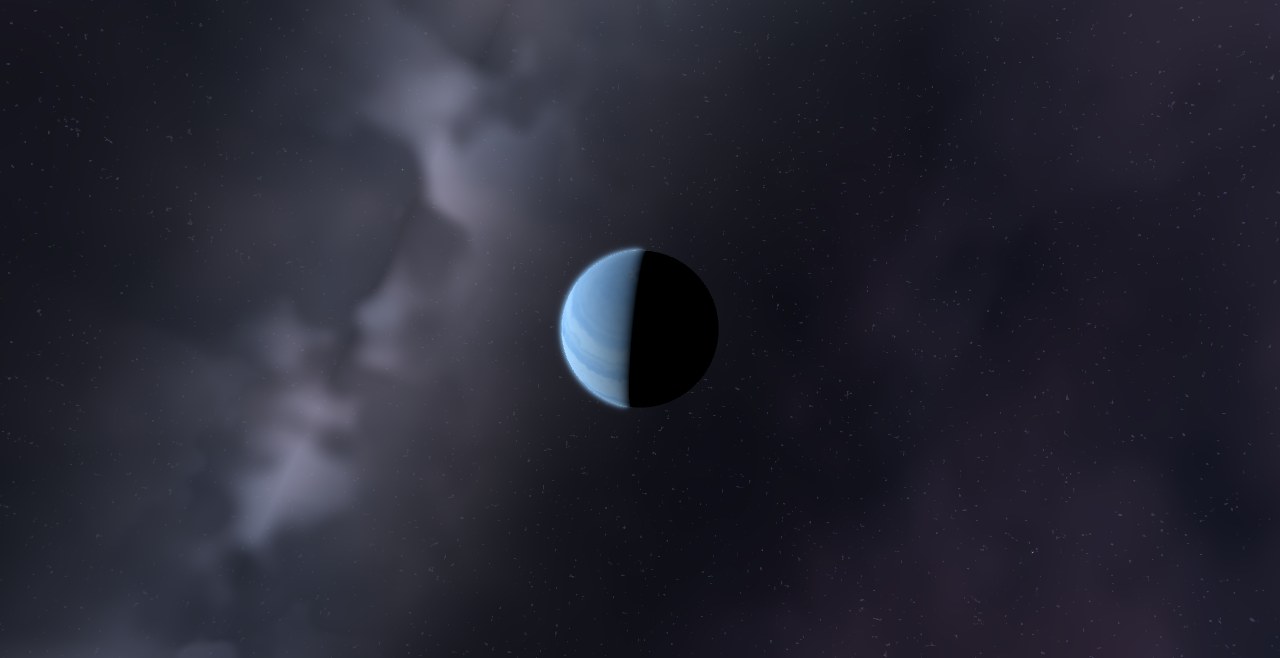
Kepler-34 b, a circumbinary giant orbiting a pair of Sun-like stars. Like Kepler-16, it is a Tatooine world, but around two brighter stars. The planet's year around the pair lasts about 289 days.