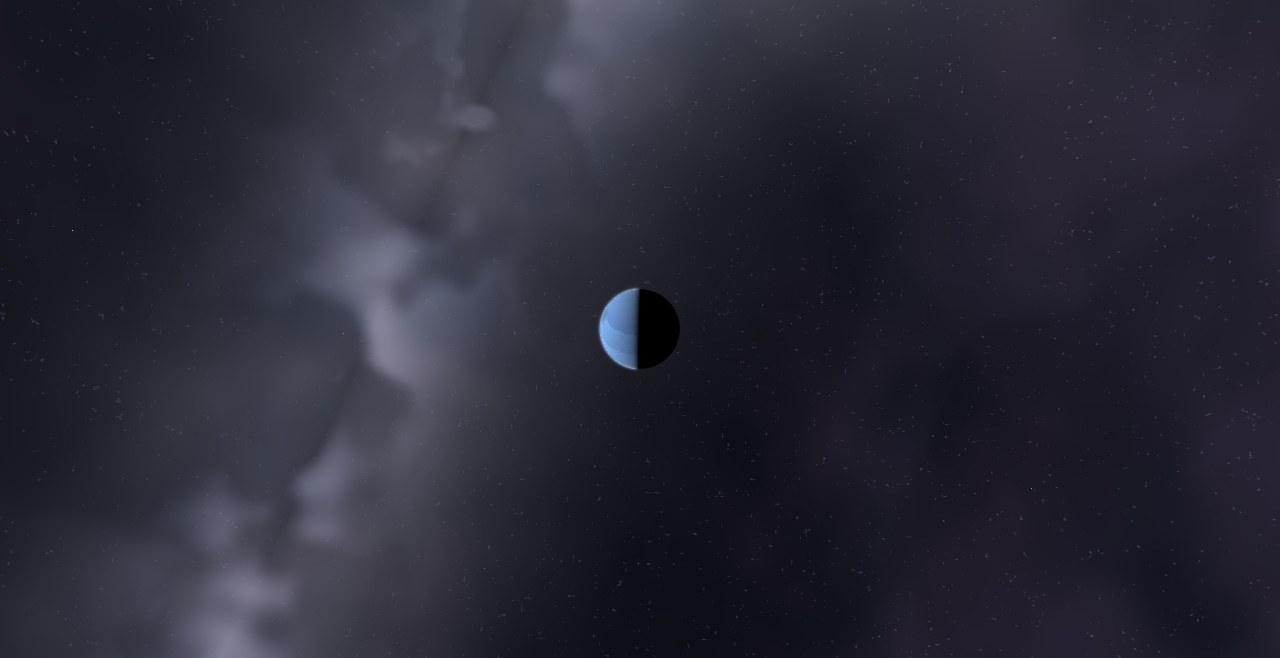
Kepler-35 - System
Kepler-35 b, a Saturn-sized planet orbiting two stars. Its transits of both stars helped prove circumbinary planets are common, not flukes. Both stars are smaller and cooler than the Sun.
Exoplanets
Tour the most extraordinary, record-breaking exoplanets discovered by modern science. Simulate hyper-eccentric worlds, extreme "Hot Jupiters," and the most fascinating alien star systems in our galaxy.
Share
Kepler-35 b, a Saturn-sized planet orbiting two stars. Its transits of both stars helped prove circumbinary planets are common, not flukes. Both stars are smaller and cooler than the Sun.
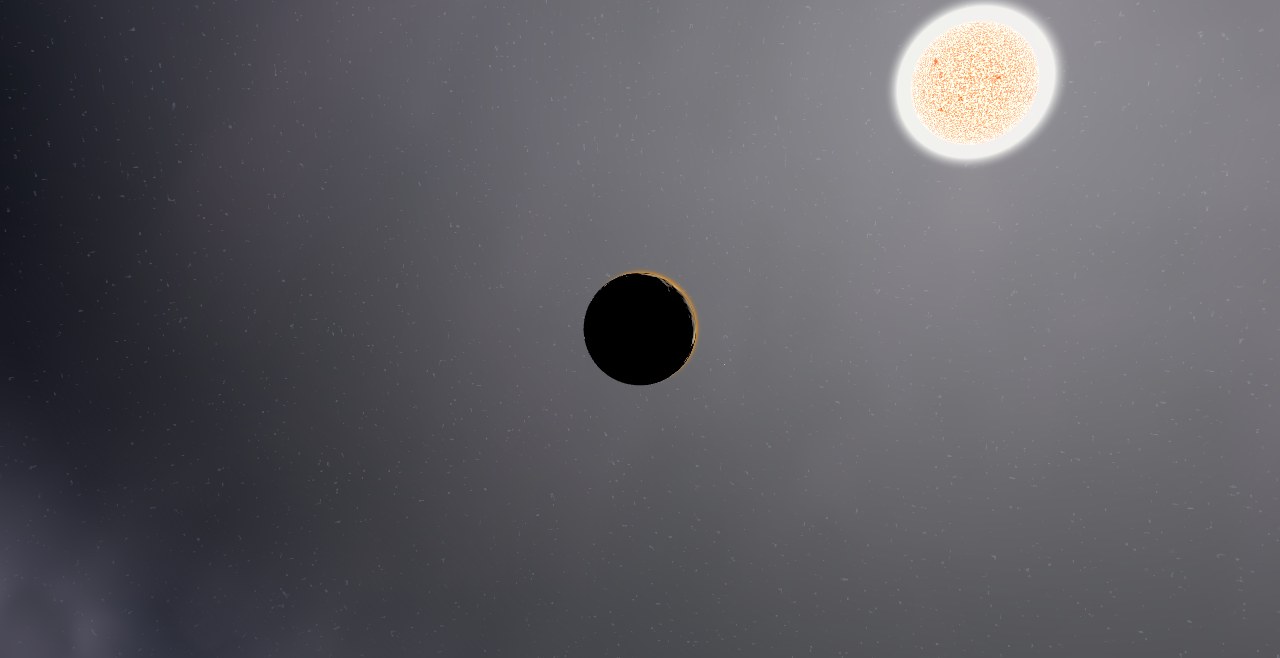
Kepler-36, where a rocky world and a puffy mini-Neptune orbit only 0.01 AU apart. Their transit times swing wildly from the mutual tugs. Their bulk densities differ by nearly a factor of eight.
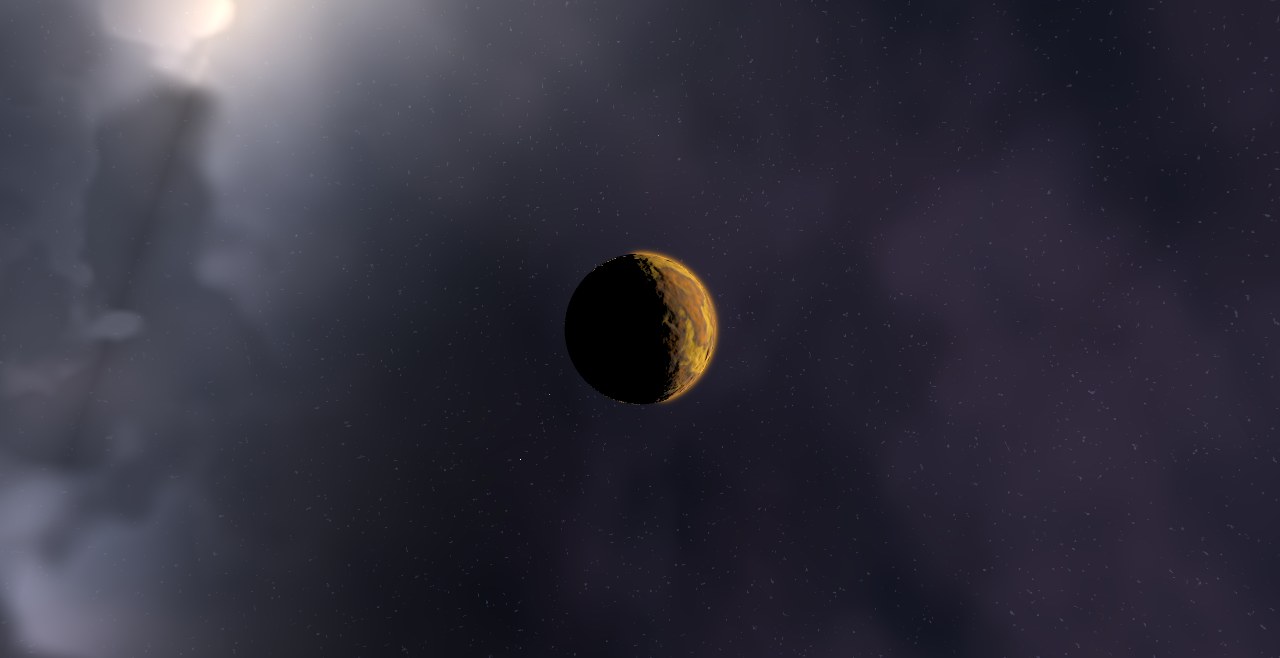
Kepler-37, famous for Kepler-37 b, announced as a planet smaller than Mercury. The inner world is one of the tiniest Kepler ever found. The host is a bright G dwarf, so the tiny dips were hard-won.
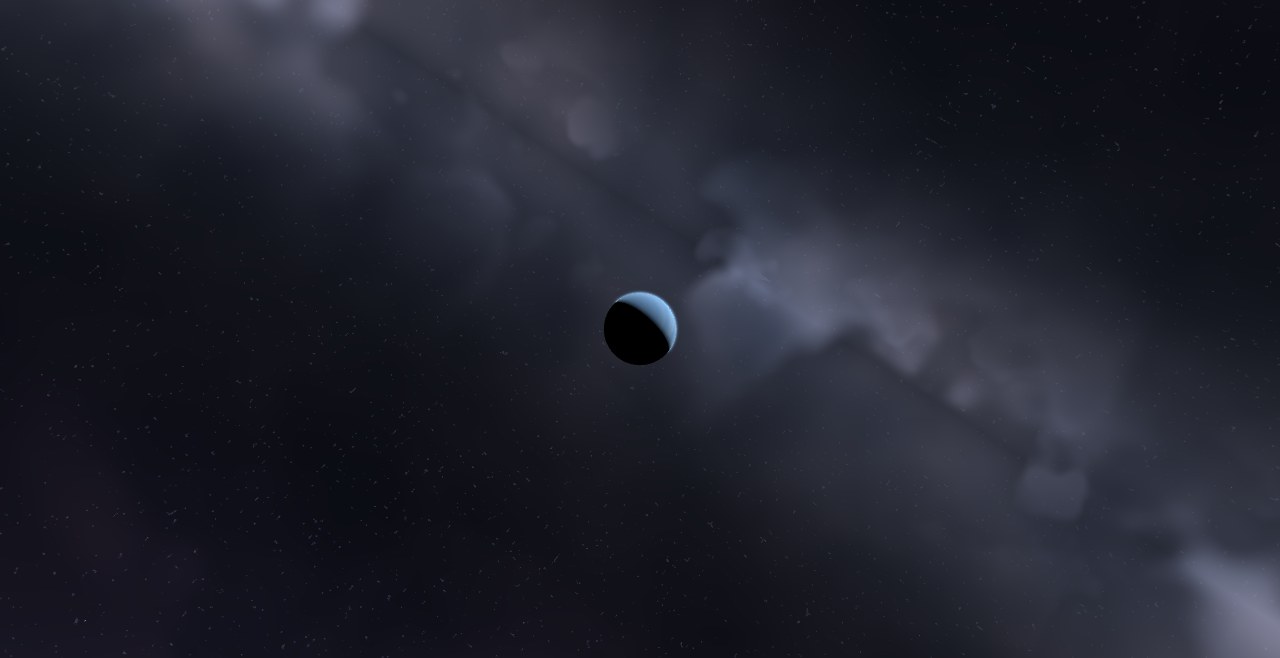
Kepler-38 b, one of the smallest circumbinary planets found by Kepler. It orbits a stellar pair just outside the zone where orbits go unstable.
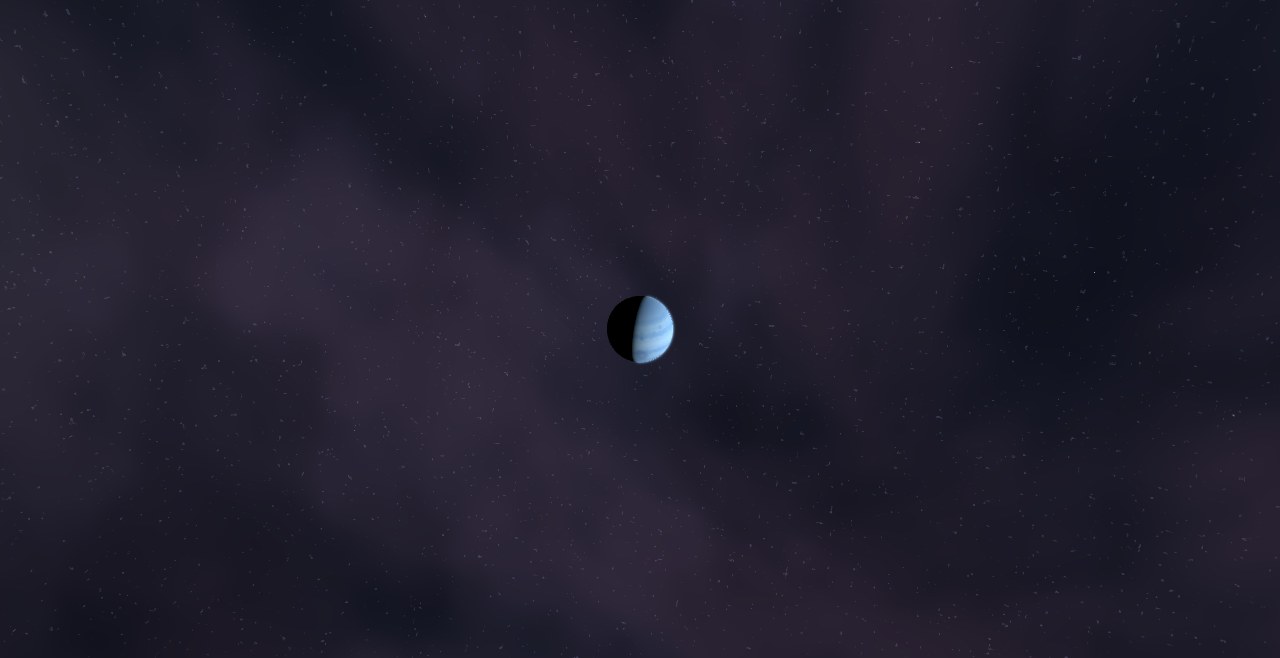
Kepler-413 b, a circumbinary planet whose transits turn on and off. Rapid orbital precession makes the planet miss the stellar disks for years.
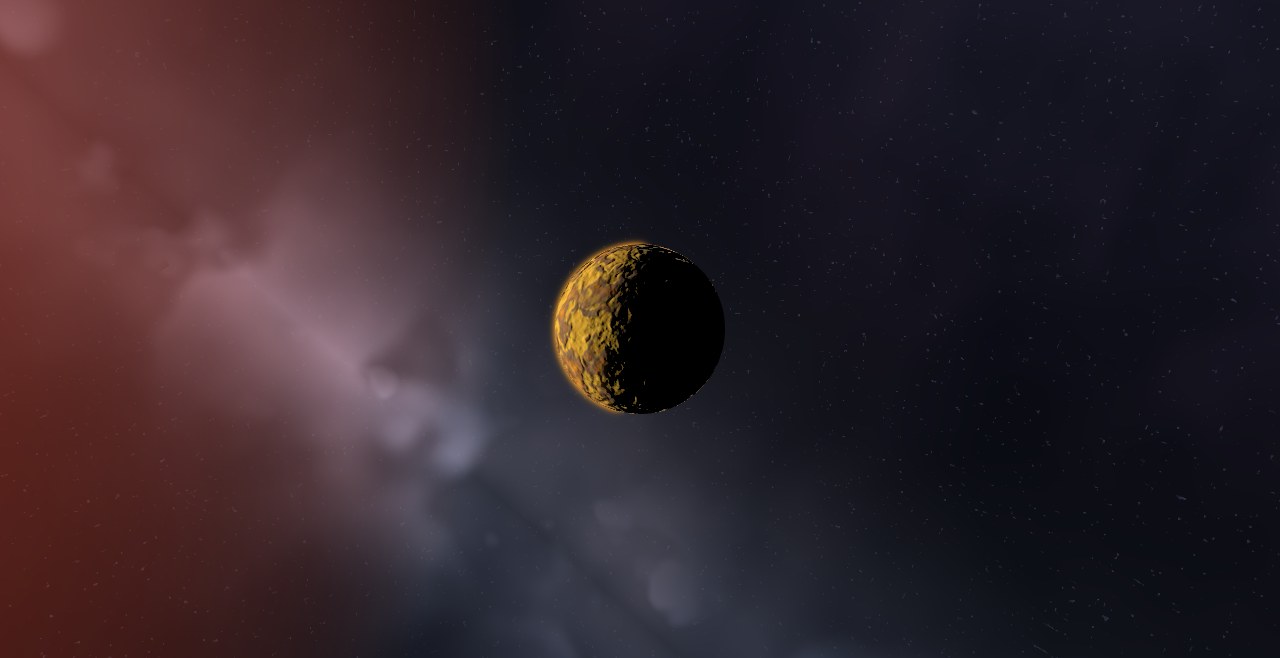
Kepler-42, three planets smaller than Earth around a tiny red dwarf. The whole system would fit well inside Mercury's orbit. All three planets are smaller than Earth itself.
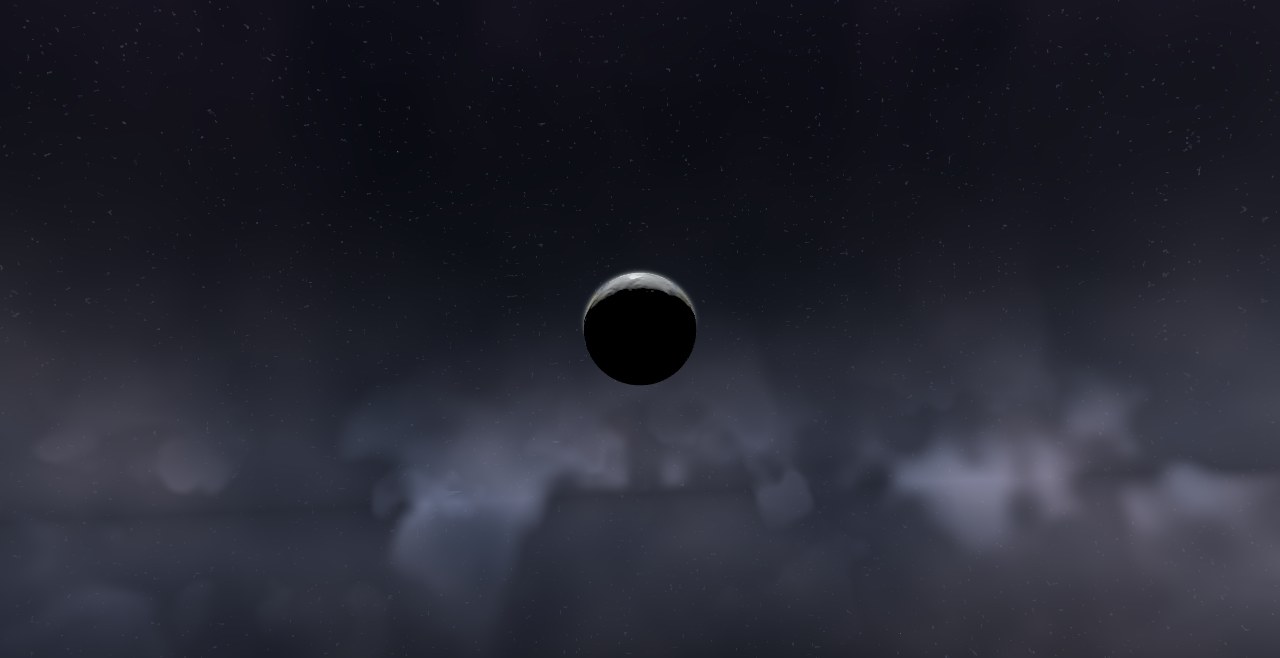
Kepler-442 b, one of the most Earth-like planets Kepler found. It sits in the habitable zone of a K dwarf with a size close to Earth's. It receives about two-thirds of the sunlight Earth gets.
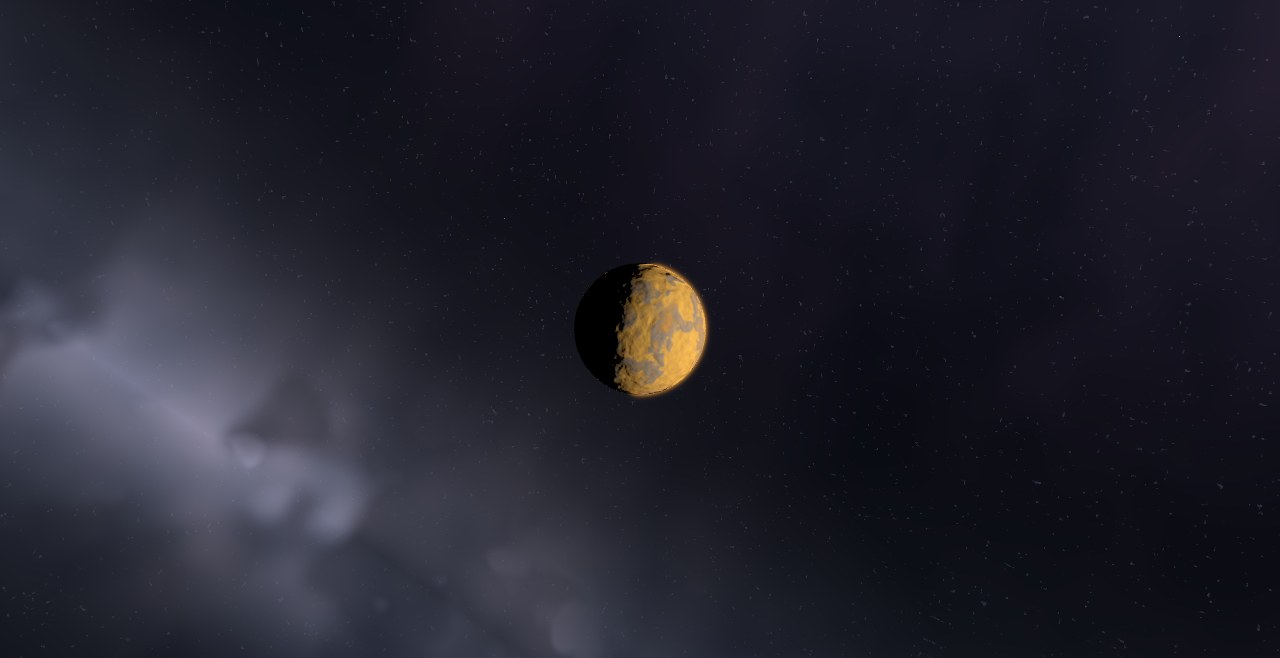
Kepler-444, an ancient compact system about 11 billion years old. Five sub-Earth planets orbit a star that formed when the Galaxy was young.
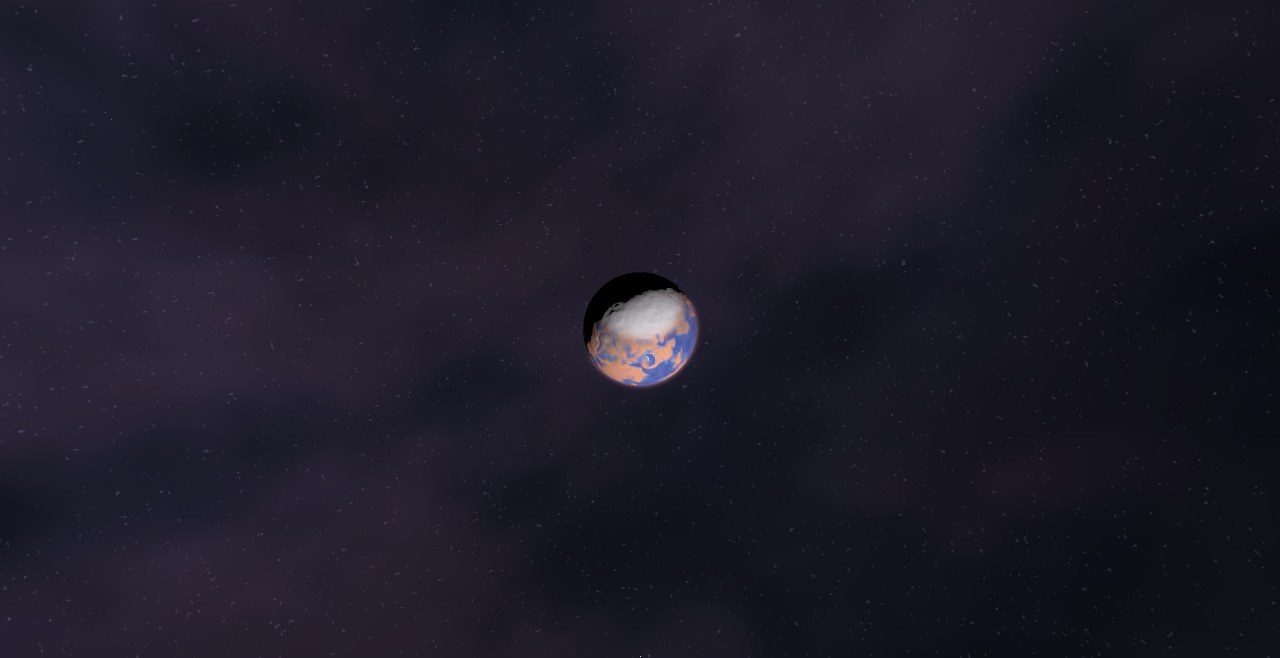
Kepler-452 b, called Earth's older cousin. It is a super-Earth in the habitable zone of a Sun-like star somewhat older than the Sun. It receives only modestly more starlight than Earth.
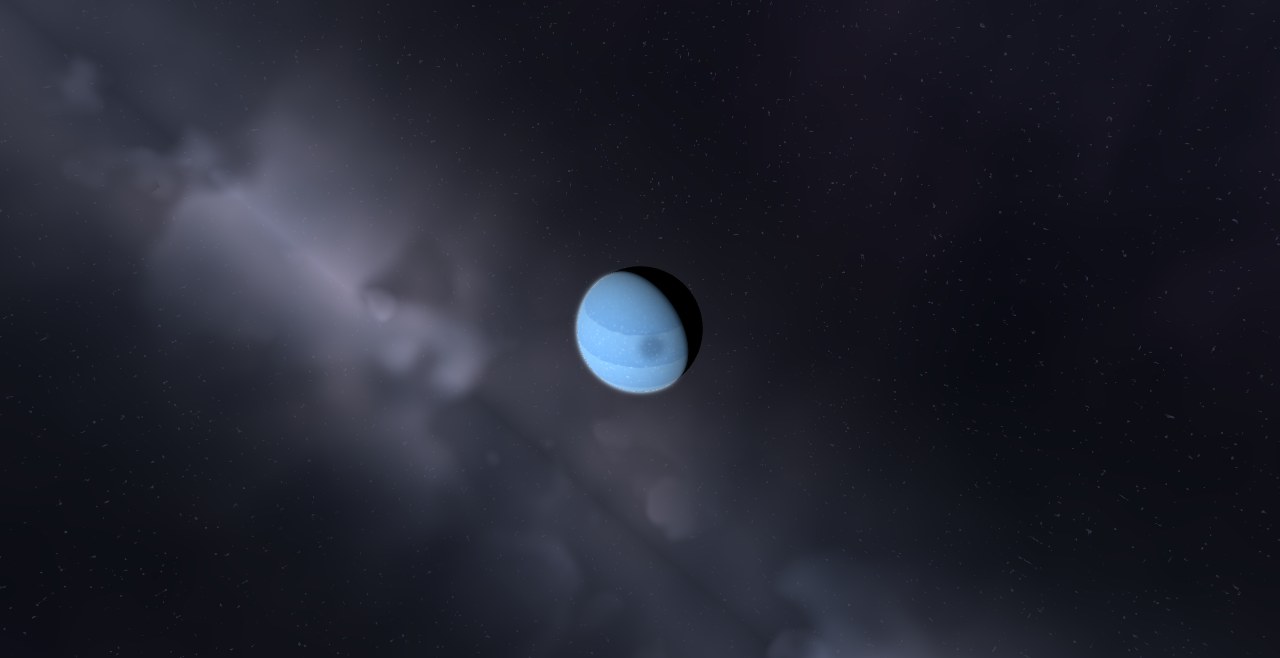
Kepler-453 b, a circumbinary giant that only transits about 9 percent of the time. Precession carries it in and out of our line of sight. Most seasons the planet misses the stars entirely.
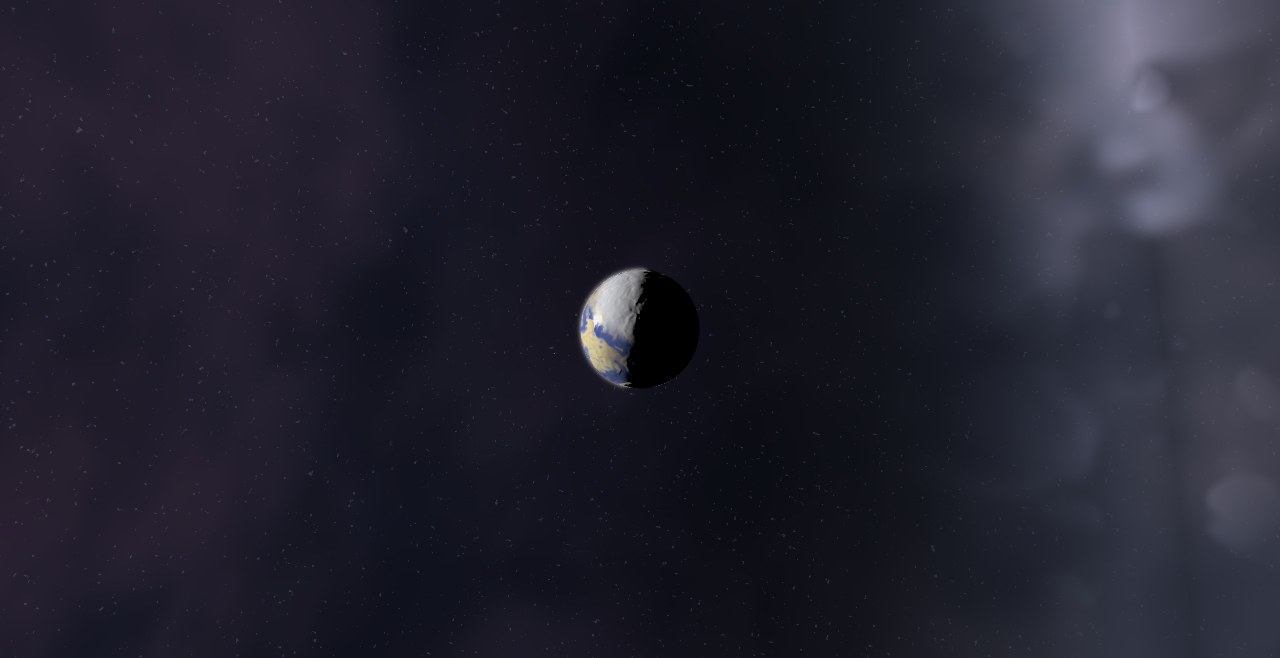
Kepler-47, the first multi-planet system around two stars. At least one of its circumbinary worlds sits near the binary's habitable zone. The stellar pair itself eclipses about every week.
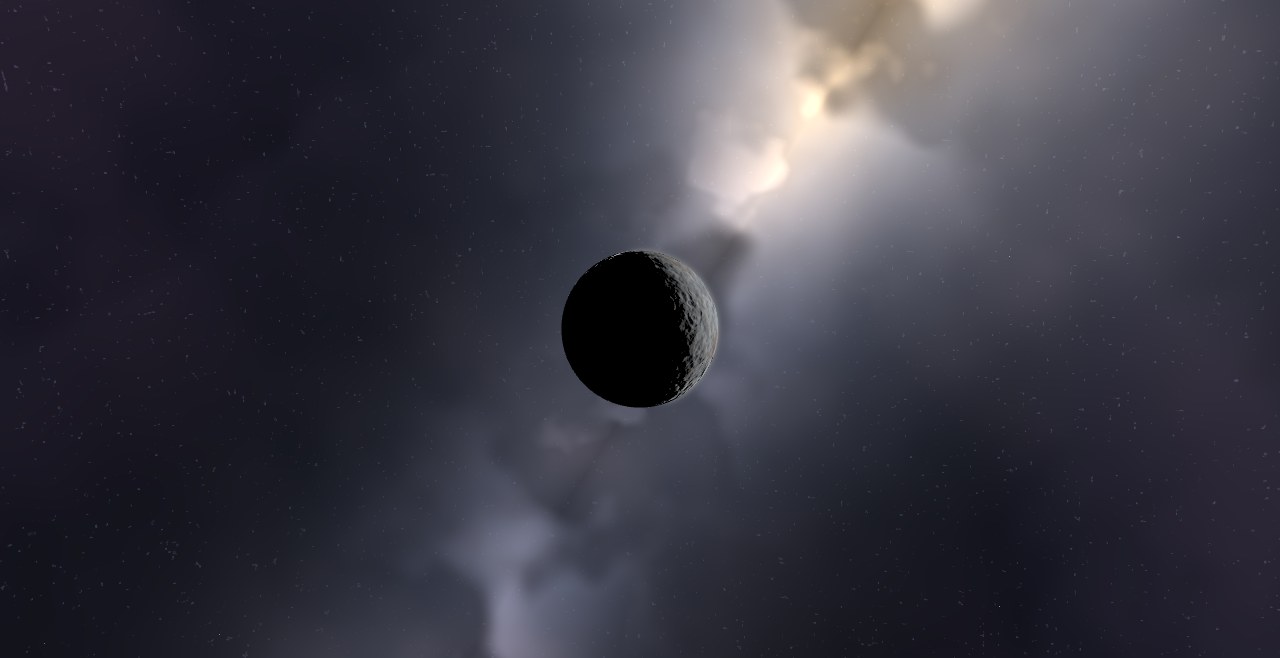
Kepler-51, the super-puff system. These planets are nearly as large as Jupiter but only a few Earth masses — cotton-candy densities. Planets b, c, and d are all super-puffs.
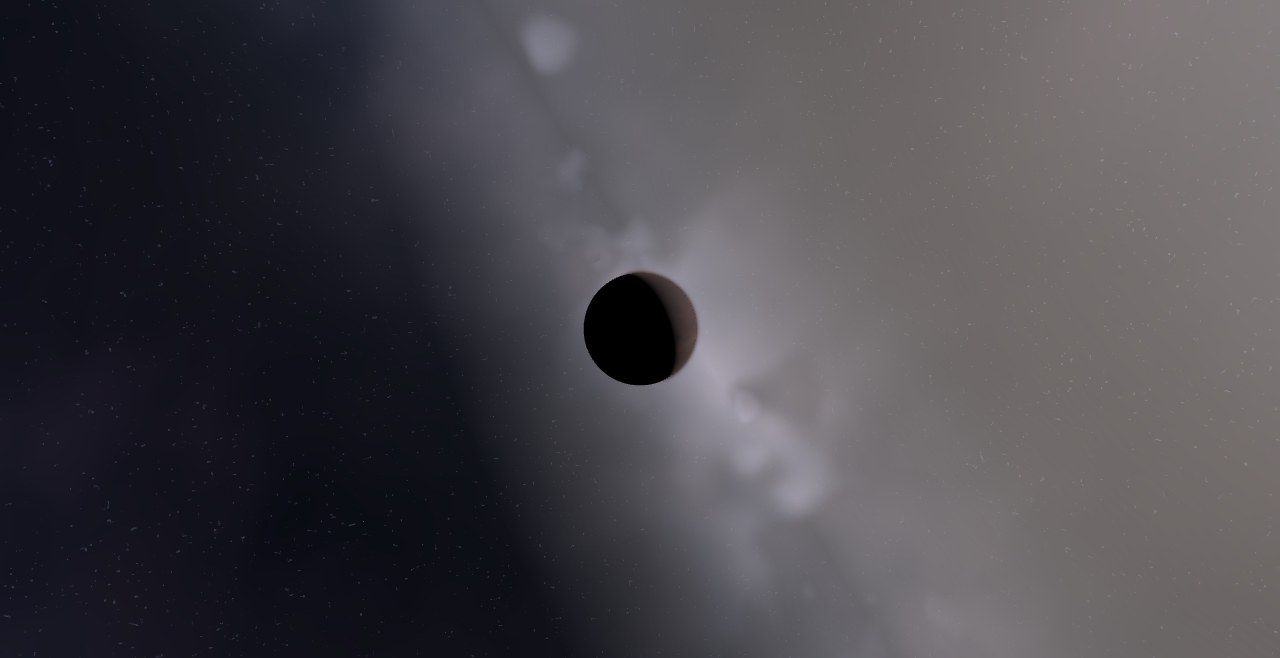
Kepler-56, the first multi-planet system found tilted relative to its star. The planets share a plane that is tipped against the stellar equator.
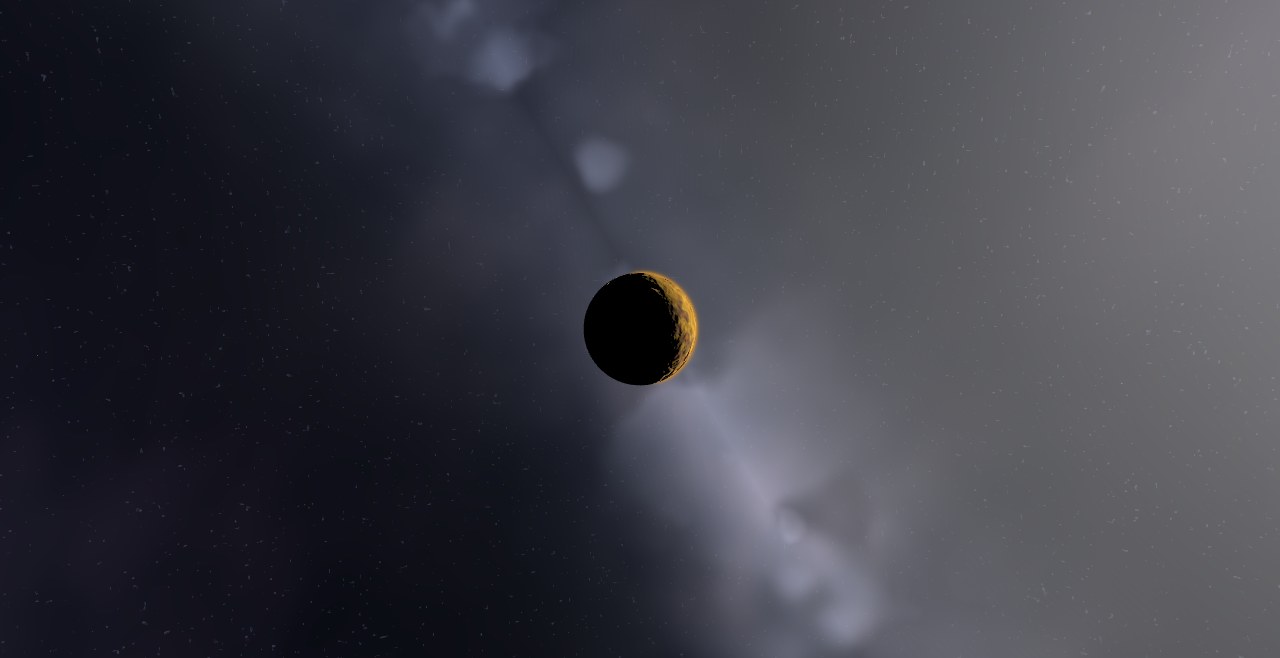
Kepler-60, three planets hovering near a three-body resonance. Small shifts in spacing would decide whether the chain holds or goes chaotic.
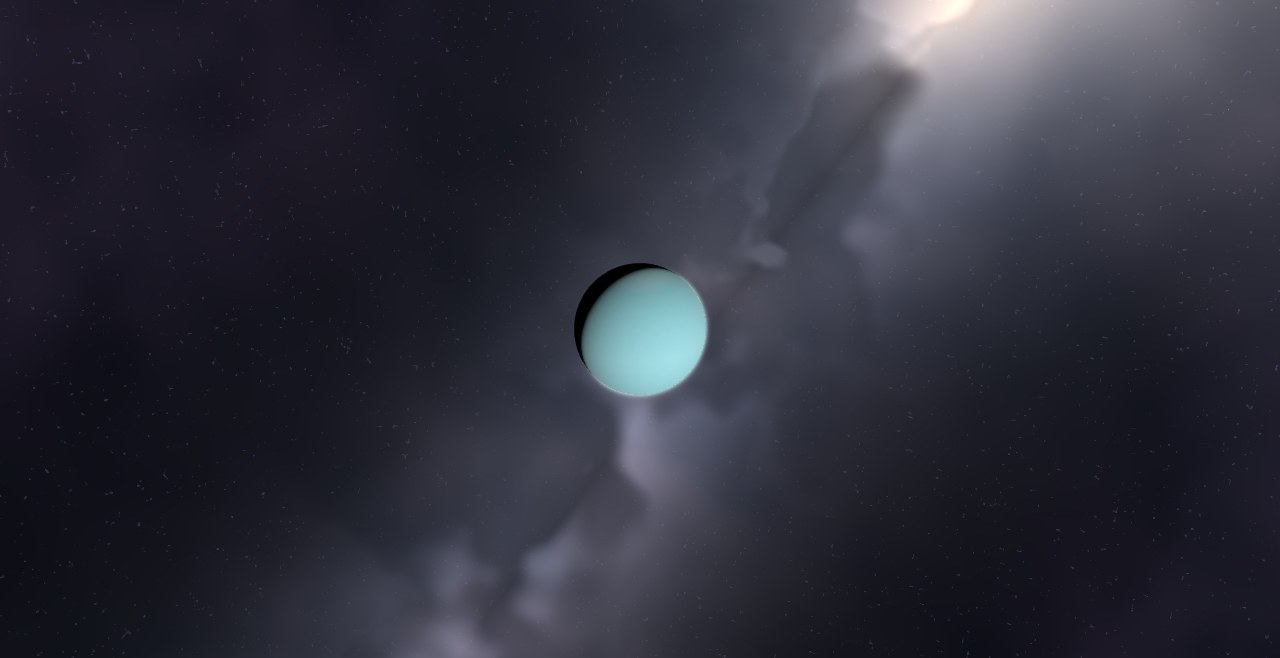
Kepler-62, a five-planet system with two worlds in the habitable zone. Kepler-62 f was an early favorite in the search for temperate rocky planets.
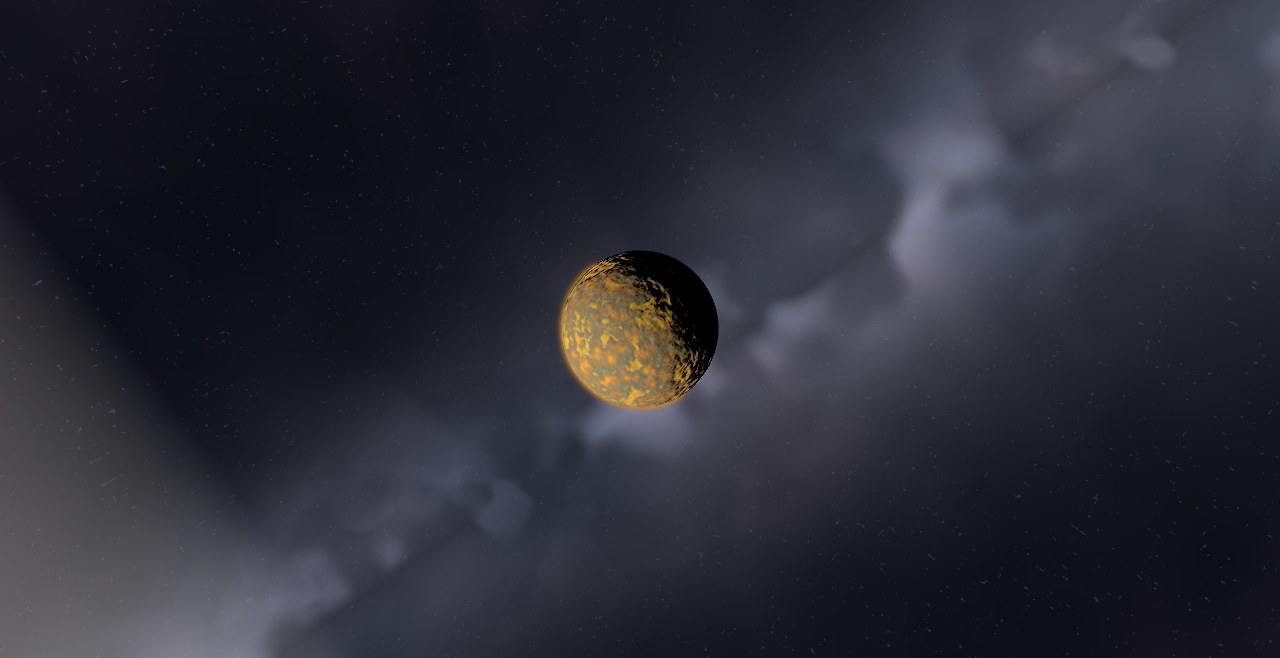
Kepler-78 b, an Earth-sized lava world with both a measured mass and radius. It orbits so close that a year lasts only 8.5 hours. Its density is close to Earth's, so the planet is rock.
Kepler-79, four low-density planets near resonance. Like Kepler-51, they are puffier than their masses suggest, a clue to thick atmospheres.
Kepler-80, a compact resonant chain of five planets. Neighboring orbits are so close that transit timing reveals their masses. Transit timing of the chain yields several of the masses.