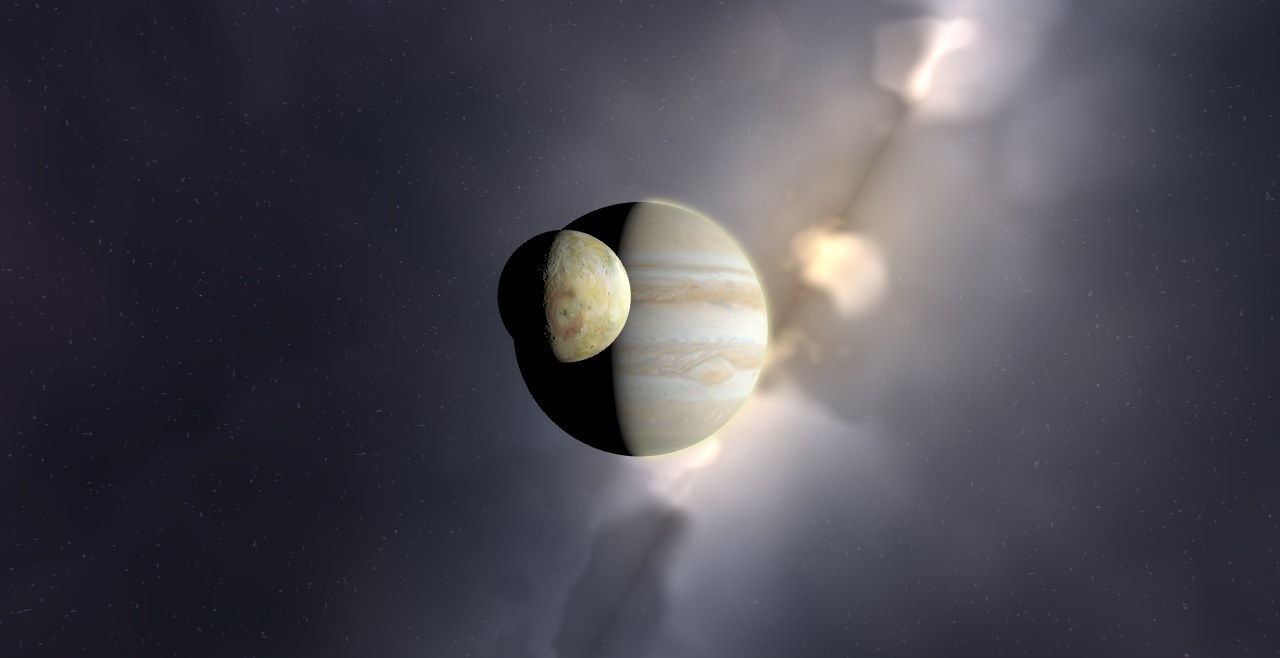
Jupiter and the Galilean Moons
Simulate Jupiter and its four Galilean moons: Io, Europa, Ganymede, and Callisto. Watch the historic 4:2:1 Laplace orbital resonance play out in interactive Newtonian 3D.
Scenarios
Experience our local cosmic neighborhood with an interactive 3D solar system simulator. Run real-time planetary gravity models, track orbits, and experiment with the delicate gravitational balance of local planets and moons using high-precision data templates.
Share
Simulate Jupiter and its four Galilean moons: Io, Europa, Ganymede, and Callisto. Watch the historic 4:2:1 Laplace orbital resonance play out in interactive Newtonian 3D.
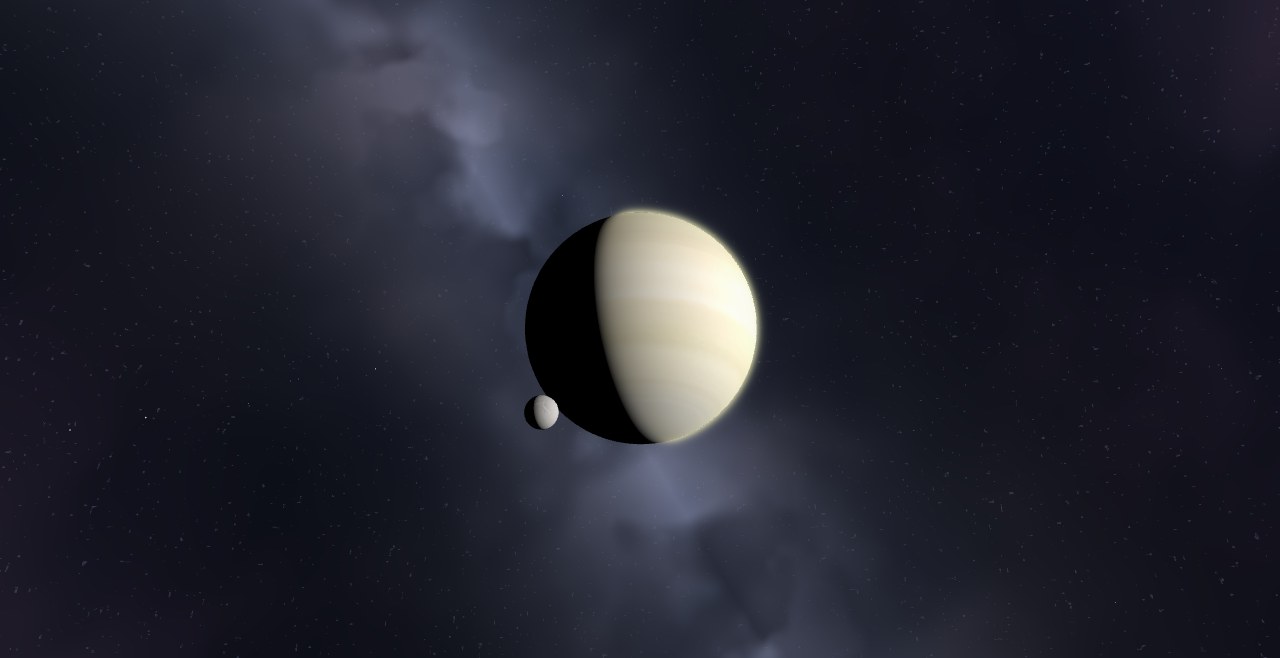
Explore Saturn, its major moons including Titan and Enceladus, and thousands of dynamic ring particles. Watch gravitational shepherd moons carve distinct gaps across the rings.
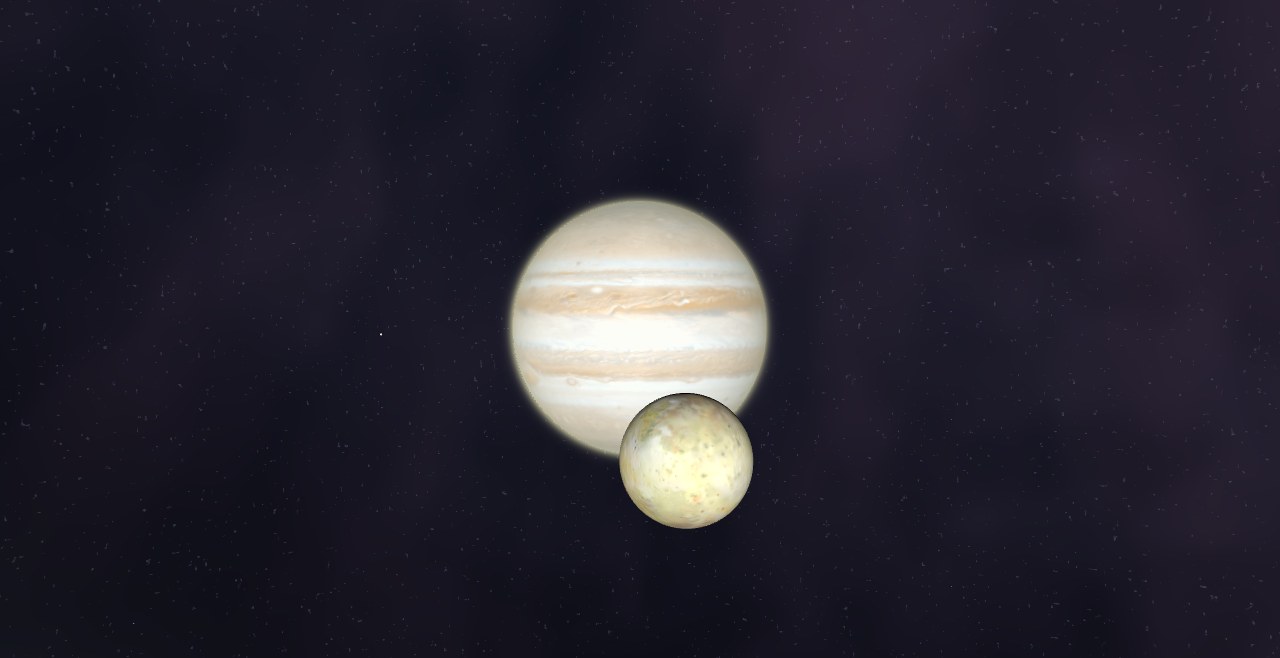
Witness Comet Shoemaker-Levy 9's historic 1994 collision with Jupiter. Track 21 fragmented icy nuclei plunging into the gas giant's atmosphere at 60 km/s in realistic 3D.
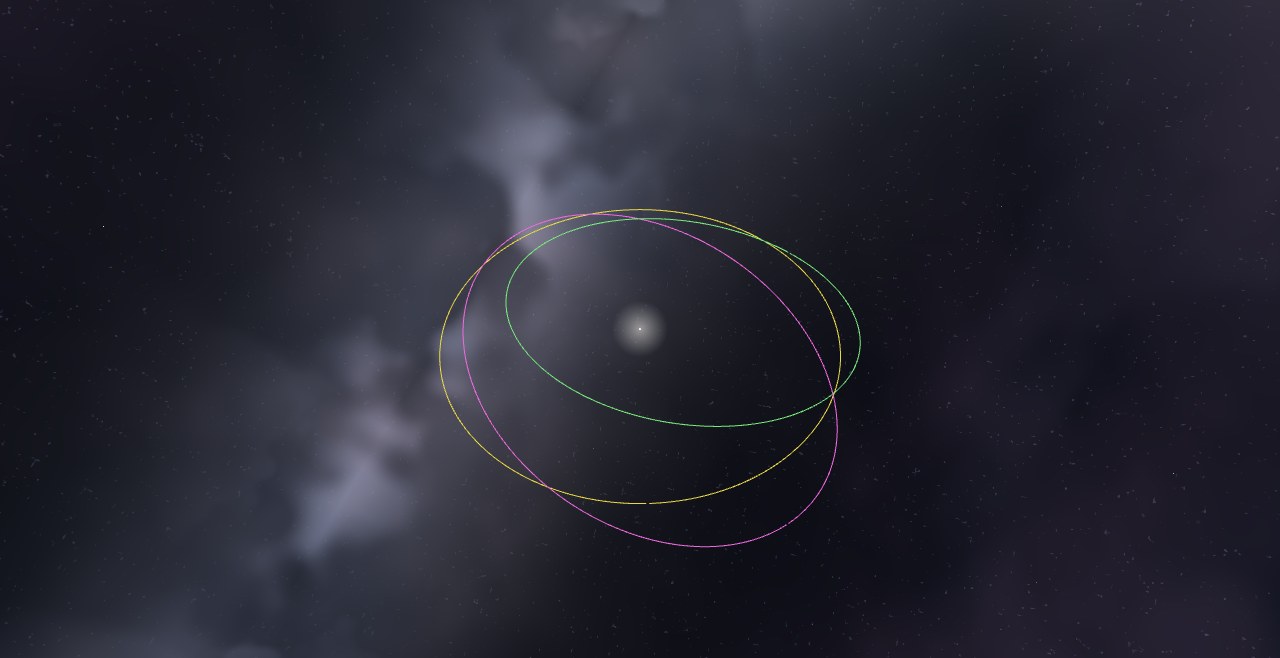
Explore Earth's known Trojan asteroids, 2010 TK7 and 2020 XL5. Watch them librate around the Sun-Earth L4 and L5 Lagrange points 60 degrees ahead of and behind our planet in 3D.
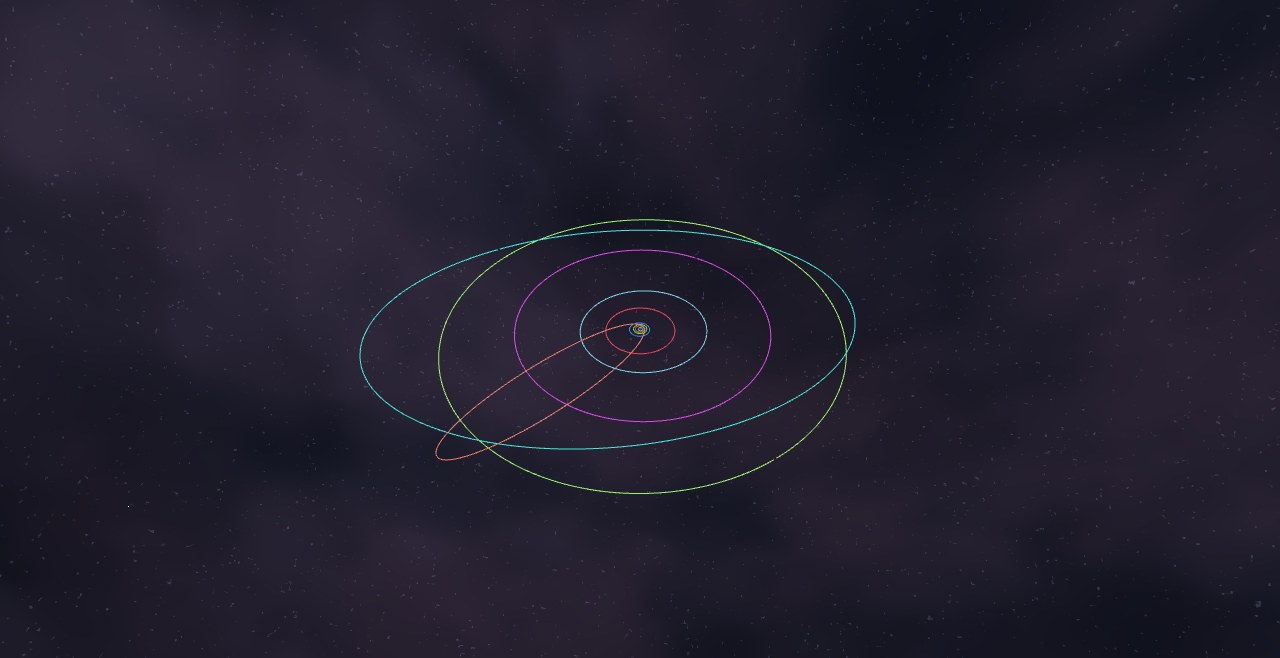
Follow Halley's Comet (1P/Halley) on its 76-year retrograde journey across the Solar System. Trace its dramatic path from beyond Neptune's orbit back toward perihelion in 3D.
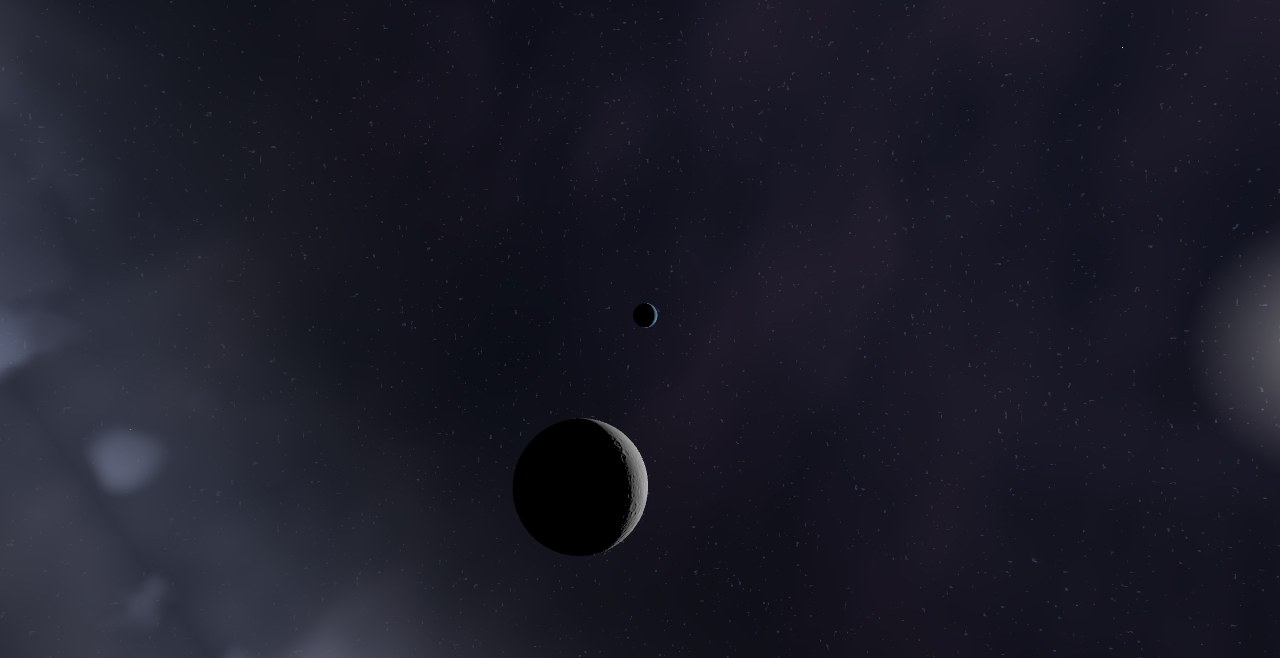
Explore the Earth-Moon system in precise Newtonian 3D. Watch our tidally locked Moon orbit at 384,400 km while solar gravitational perturbations subtly modulate its orbital path.
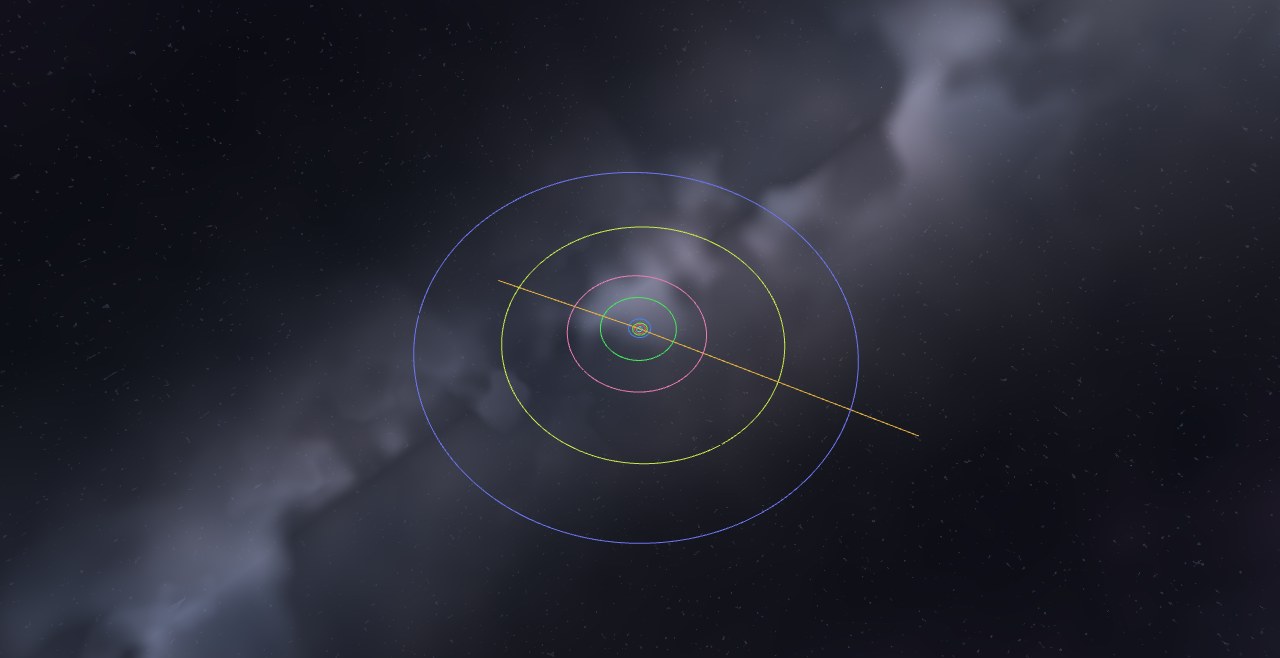
Follow 1I/ʻOumuamua, humanity's first discovered interstellar visitor. Trace its dramatic high-speed hyperbolic plunge around the Sun and escape from our Solar System in 3D.
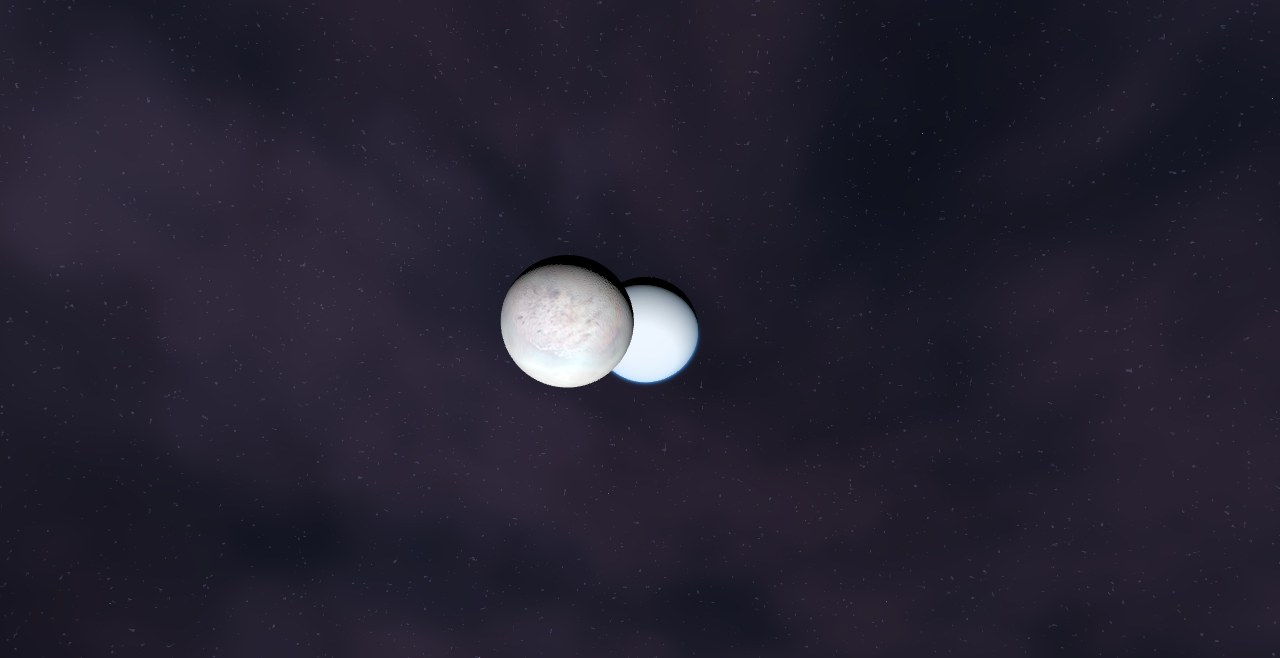
Explore Neptune's moon system, dominated by massive retrograde moon Triton. Discover the captured Kuiper Belt origins of Proteus, Larissa, and highly eccentric Nereid in 3D.
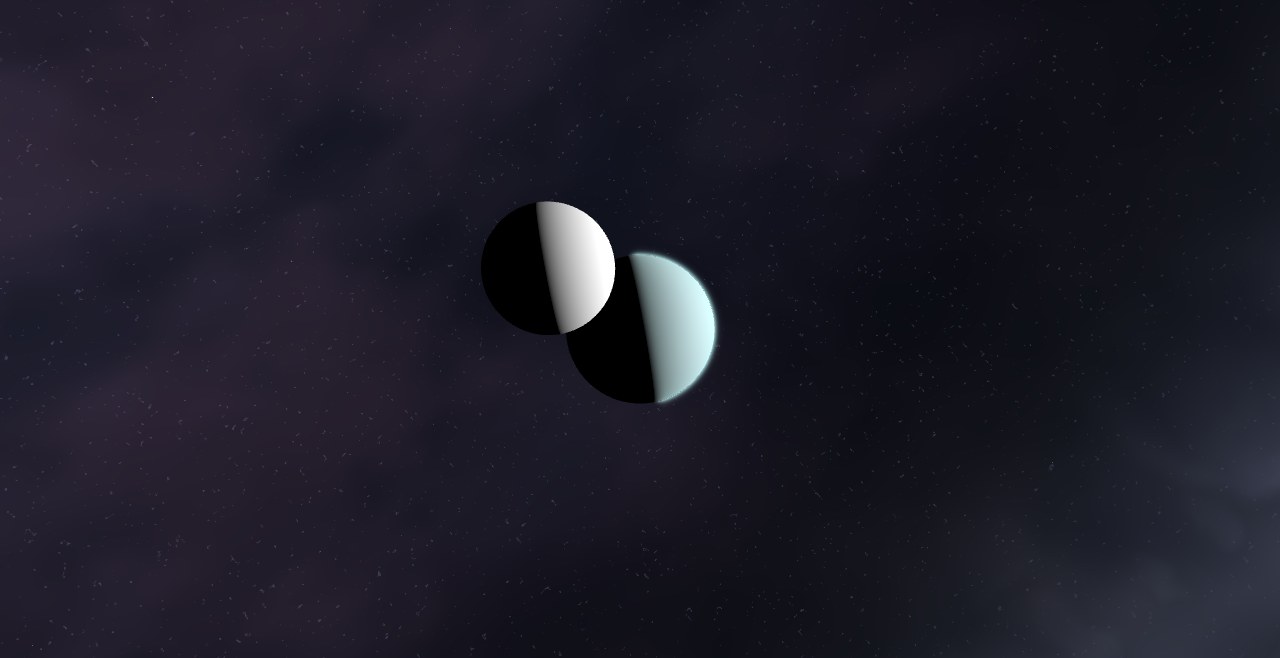
Explore Uranus and its ring-moon system, tilted 98 degrees on its side. Watch Miranda, Ariel, Titania, Oberon, and shepherd moons orbit in the planet's extreme equatorial plane.
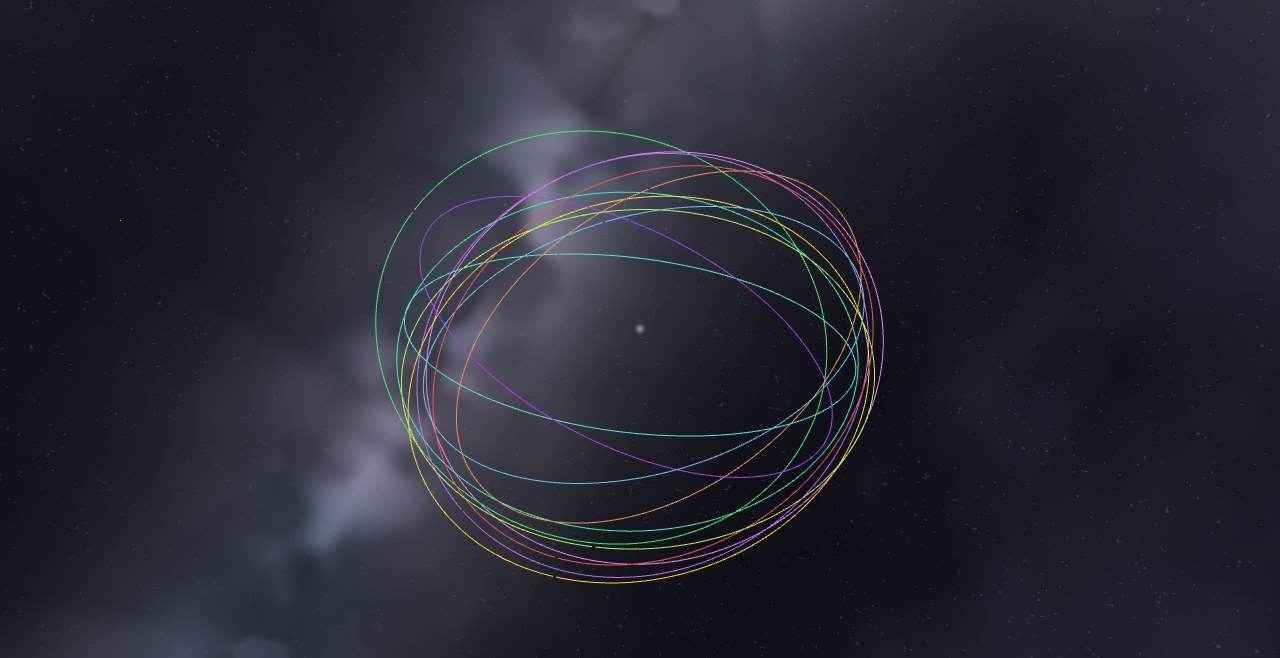
Simulate Jupiter's ten largest Trojan asteroids co-orbiting the Sun at the L4 Greek and L5 Trojan Lagrange points, preserved since the dawn of the Solar System in 3D.
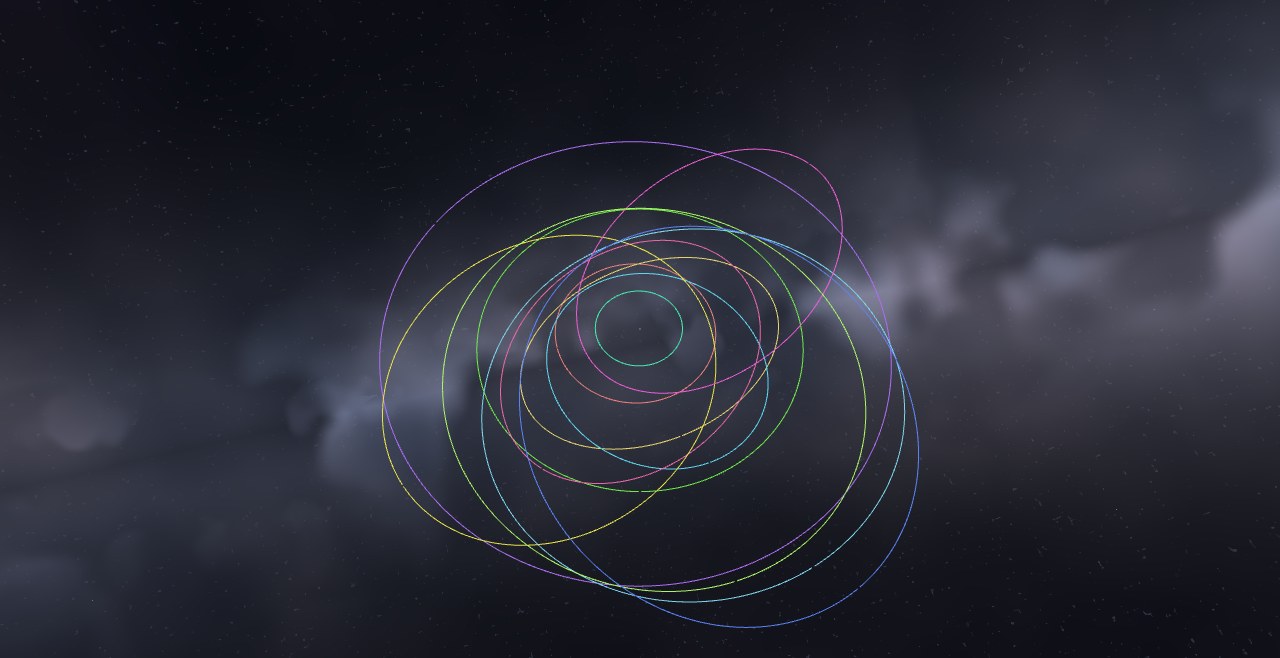
Track the eight largest Centaur asteroids, including ringed Chariklo and Chiron, as they navigate chaotic, planet-crossing orbits between Jupiter and Neptune in 3D.
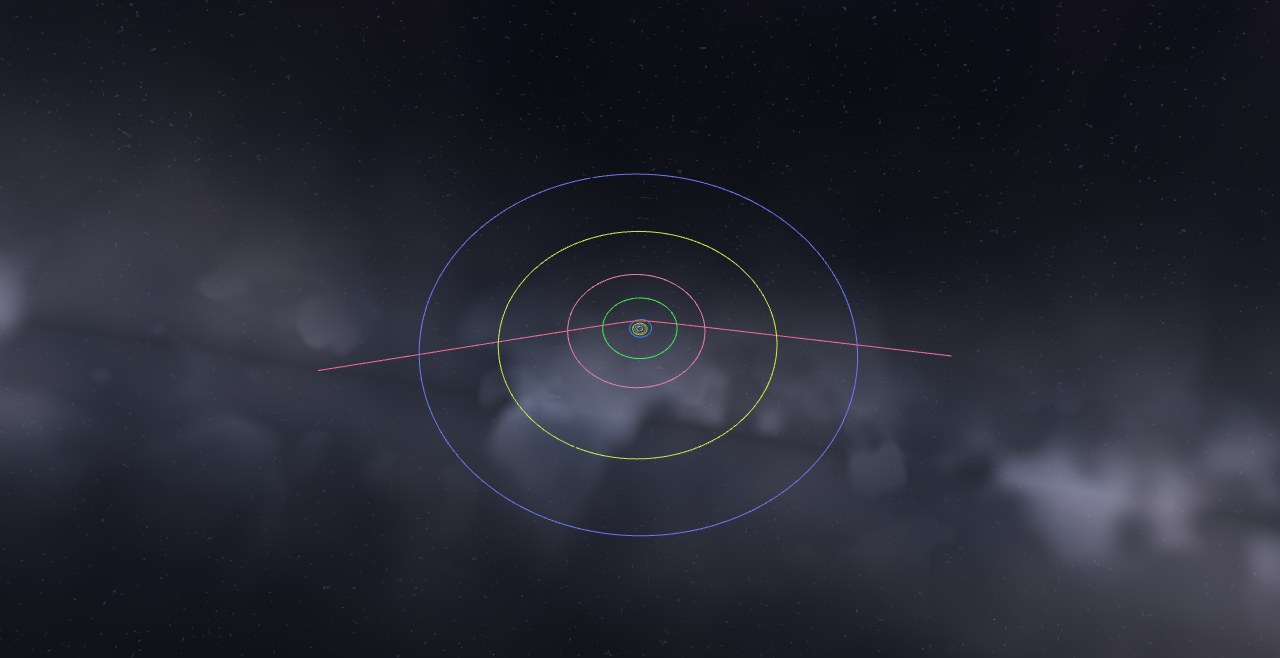
Track interstellar comet 3I/ATLAS hurtling inbound through the Solar System at 58 km/s. Witness its extreme hyperbolic trajectory across planetary space in interactive 3D.
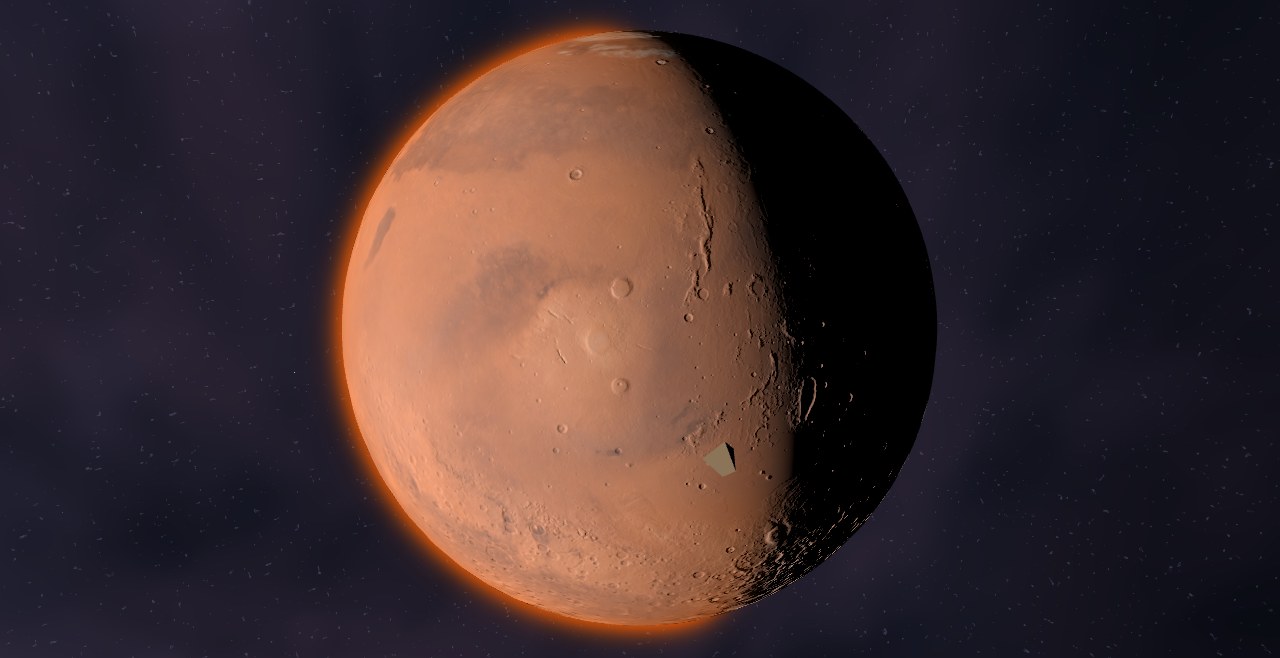
Simulate Mars and its doomed moons, Phobos and Deimos. Watch swift Phobos skim just 6,000 km above the Martian surface while outer moon Deimos traces a serene 30-hour orbit.
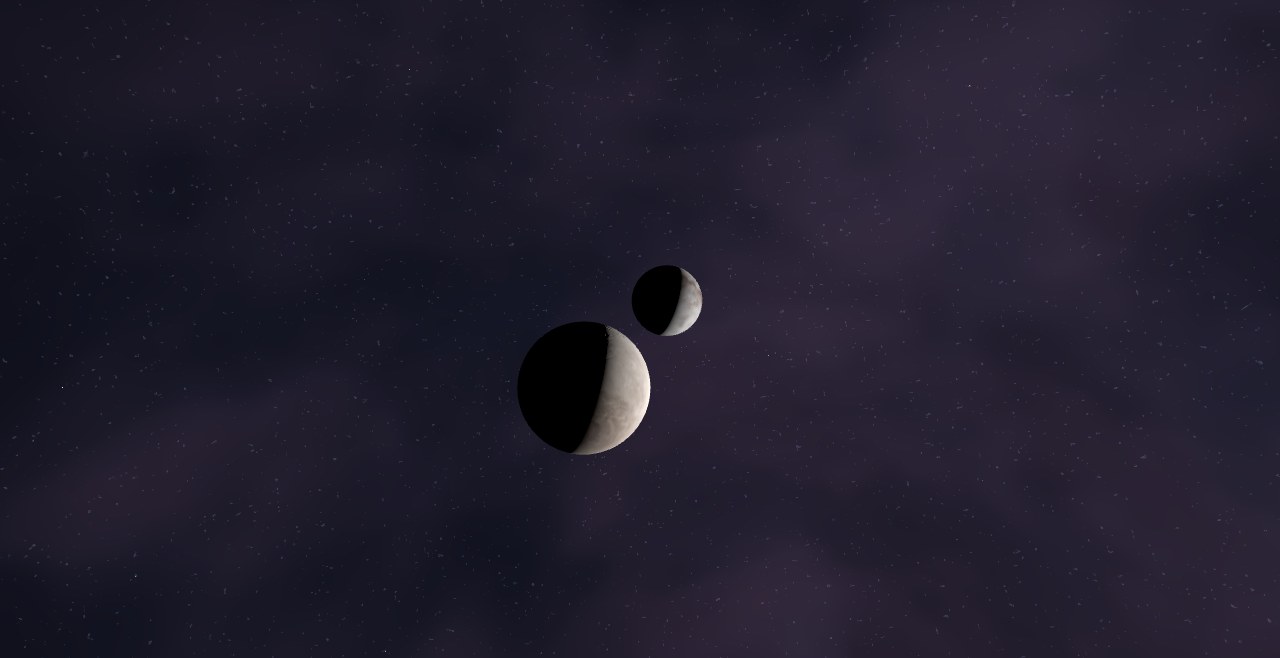
Explore Pluto and its five moons: Charon, Styx, Nix, Kerberos, and Hydra. Witness a true binary dwarf planet whose barycenter floats in open space outside Pluto itself.
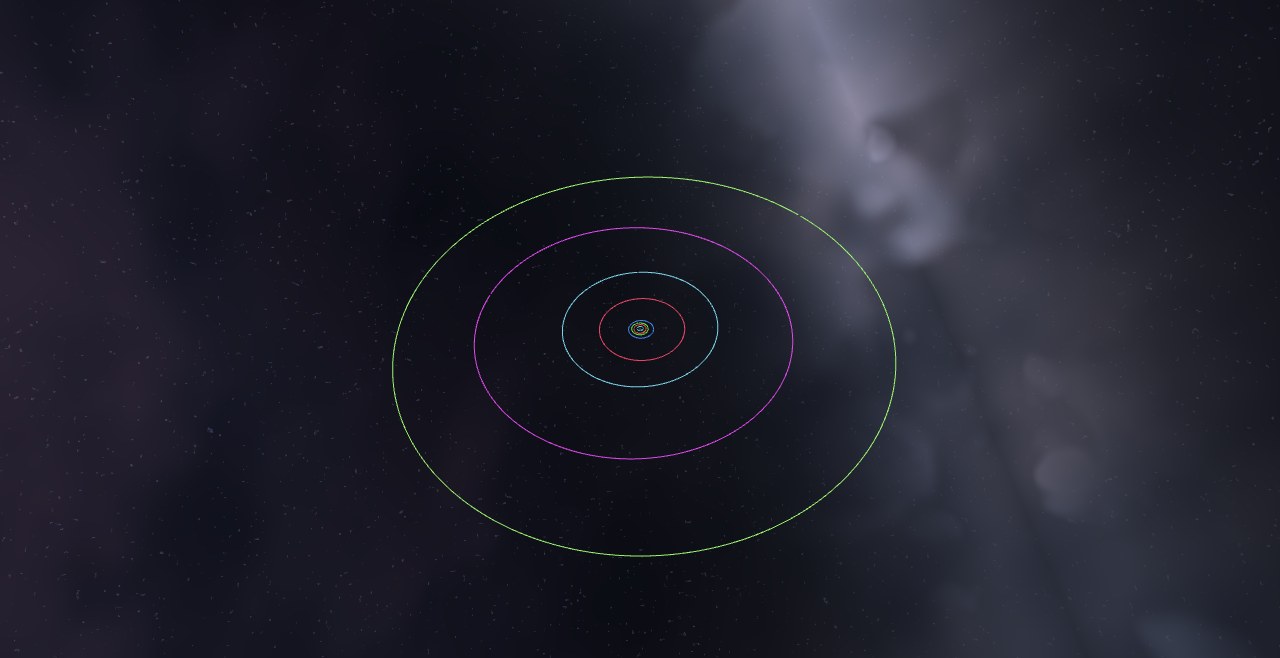
Explore the full Solar System in realistic 3D. Watch all eight major planets orbit the Sun based on high-precision NASA JPL Horizons ephemerides with interactive controls.
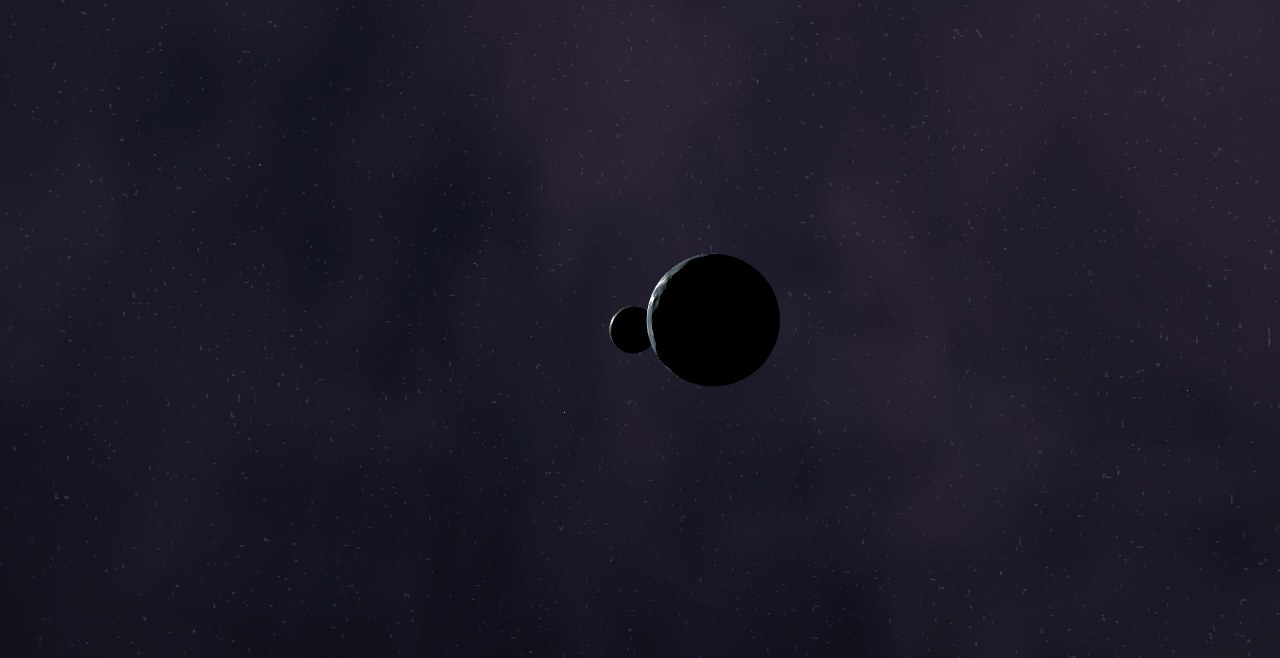
Journey 68 AU from the Sun to explore dwarf planet Eris and its moon Dysnomia. Trace the 37,000 km orbit that revealed Eris's immense mass in the distant scattered disc.
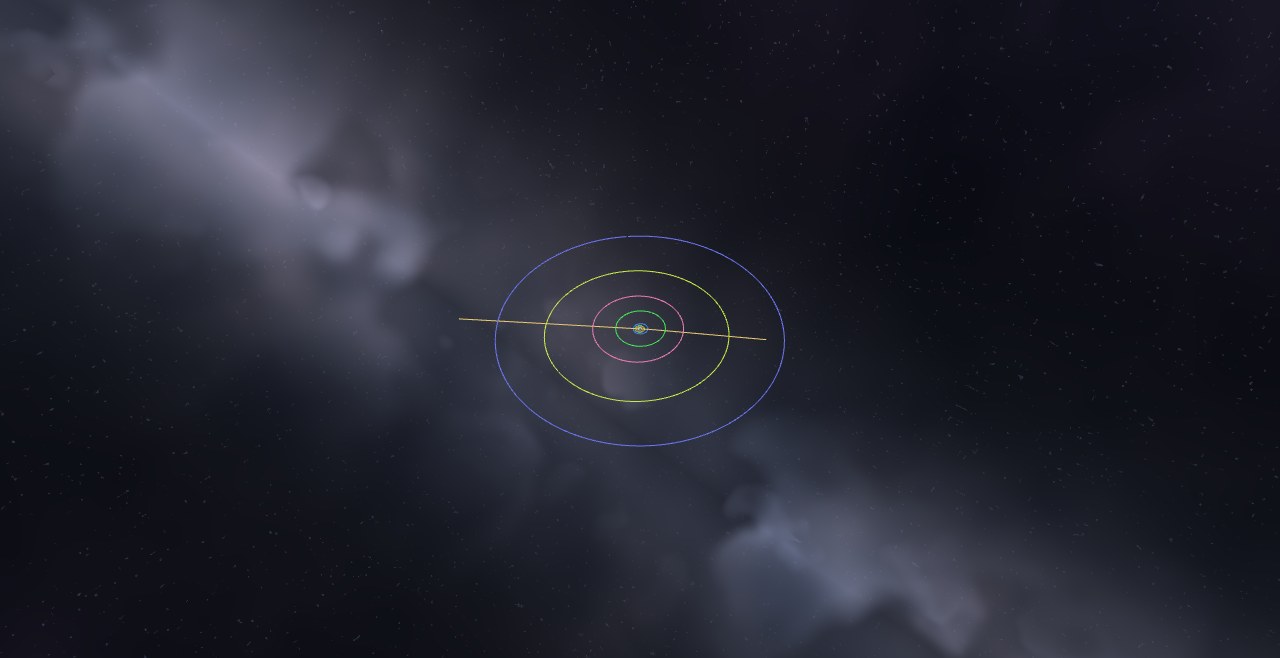
Simulate interstellar comet 2I/Borisov traversing our Solar System on an unbound hyperbolic path (eccentricity 3.4). Watch the visitor round the Sun and head back into deep space.
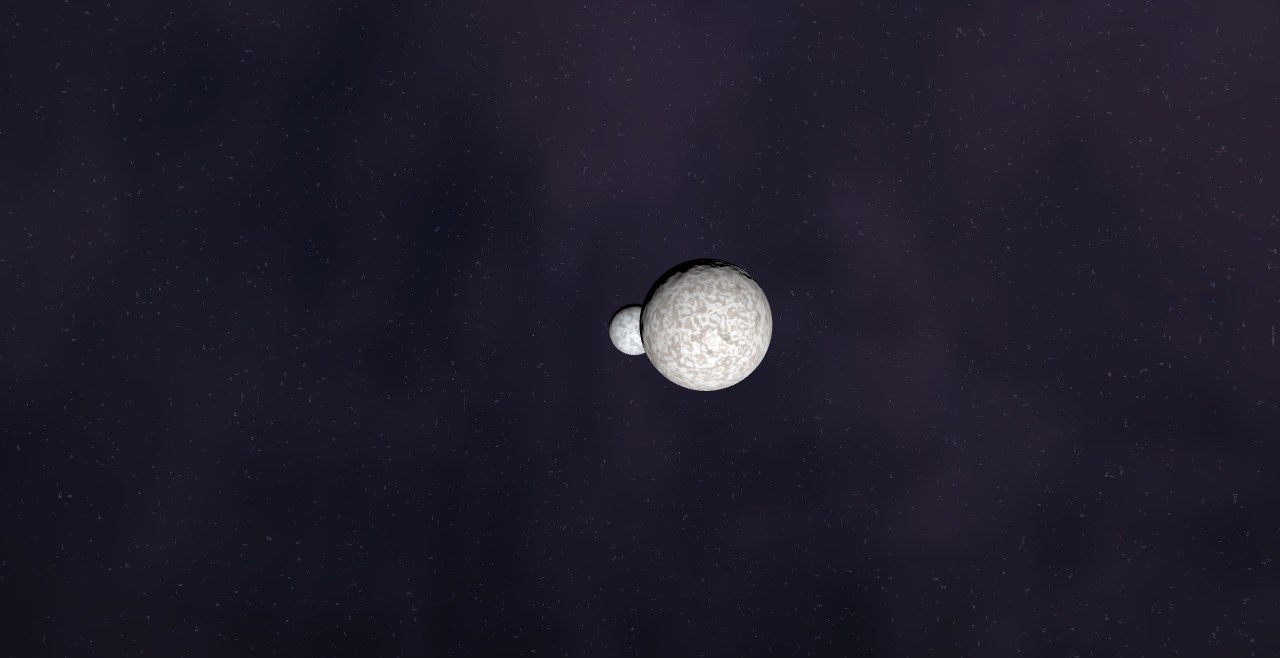
Venture into the Kuiper Belt to explore dwarf planet Makemake and its elusive moon MK2. Follow their mutual orbit 45 AU from the Sun in this accurate gravitational simulation.