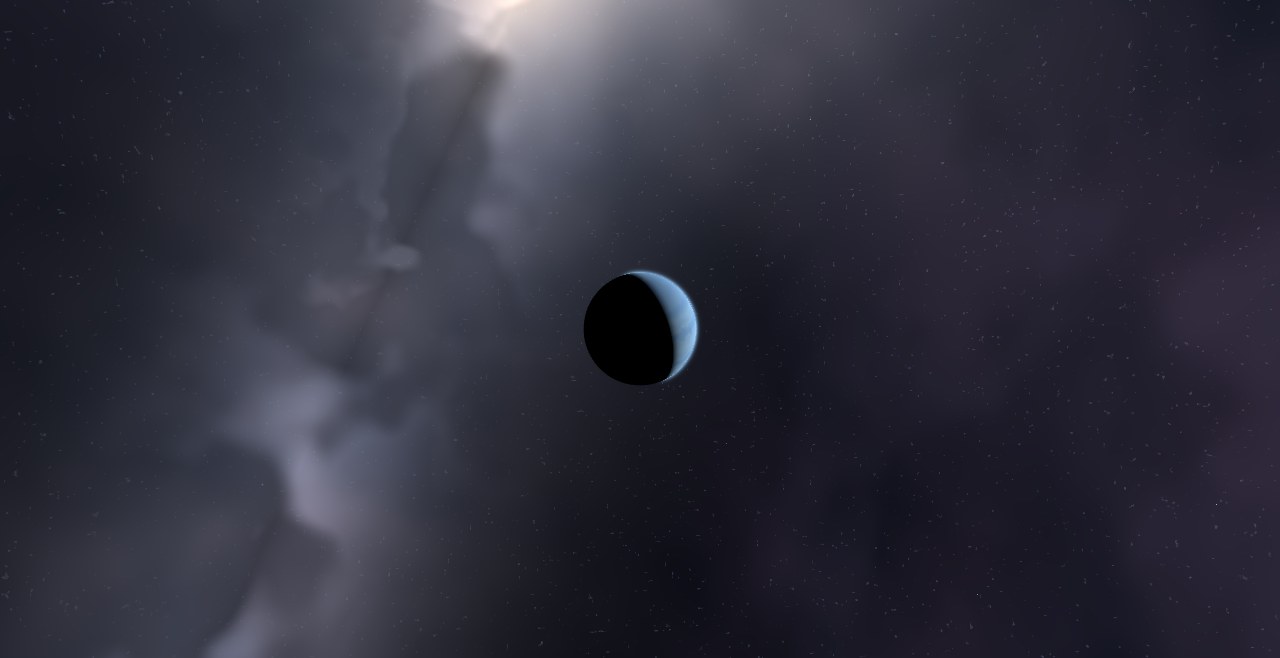
HD 39091 - System
Pi Mensae, also HD 39091. An eccentric giant was already known; TESS then found an inner transiting super-Earth, its first planet. The super-Earth was TESS's first confirmed planet.
Exoplanets
Tour the most extraordinary, record-breaking exoplanets discovered by modern science. Simulate hyper-eccentric worlds, extreme "Hot Jupiters," and the most fascinating alien star systems in our galaxy.
Share
Pi Mensae, also HD 39091. An eccentric giant was already known; TESS then found an inner transiting super-Earth, its first planet. The super-Earth was TESS's first confirmed planet.
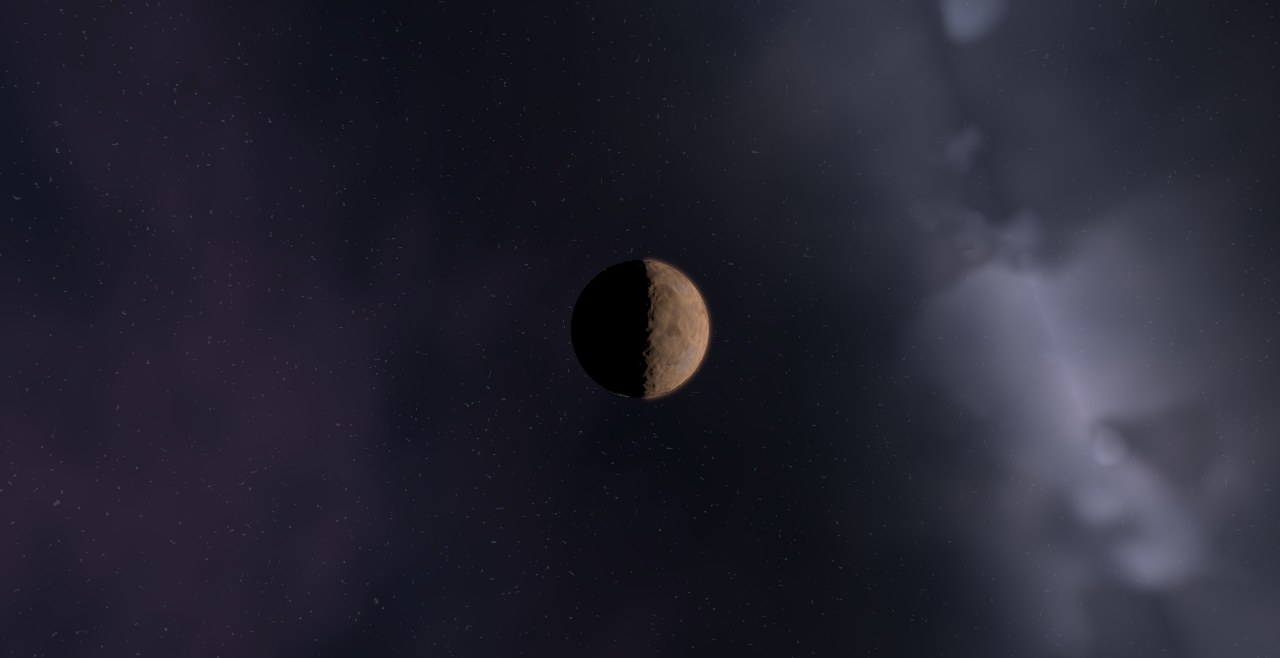
HD 40307, a nearby packed system of super-Earths. Several worlds orbit inside a few tenths of an AU around a quiet K dwarf. The star is a quiet K dwarf about 42 light-years away.
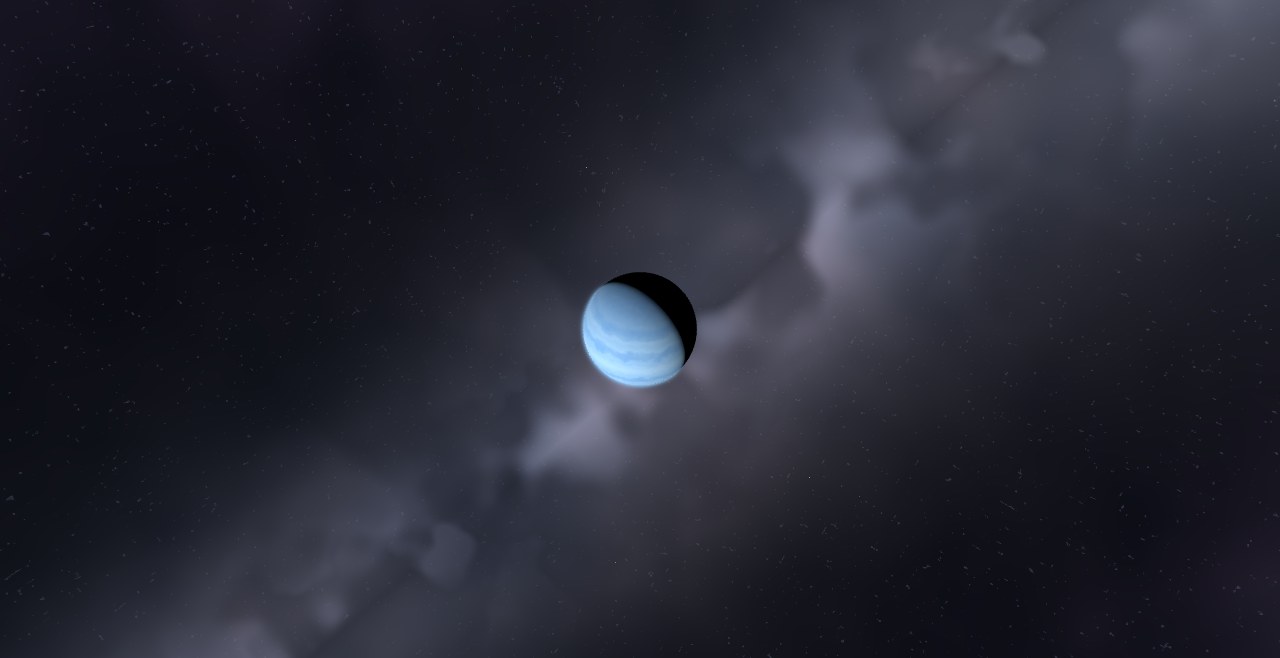
HD 45364, two giant planets locked in a 3:2 mean-motion resonance. They were likely captured into that rhythm while migrating through the disk.
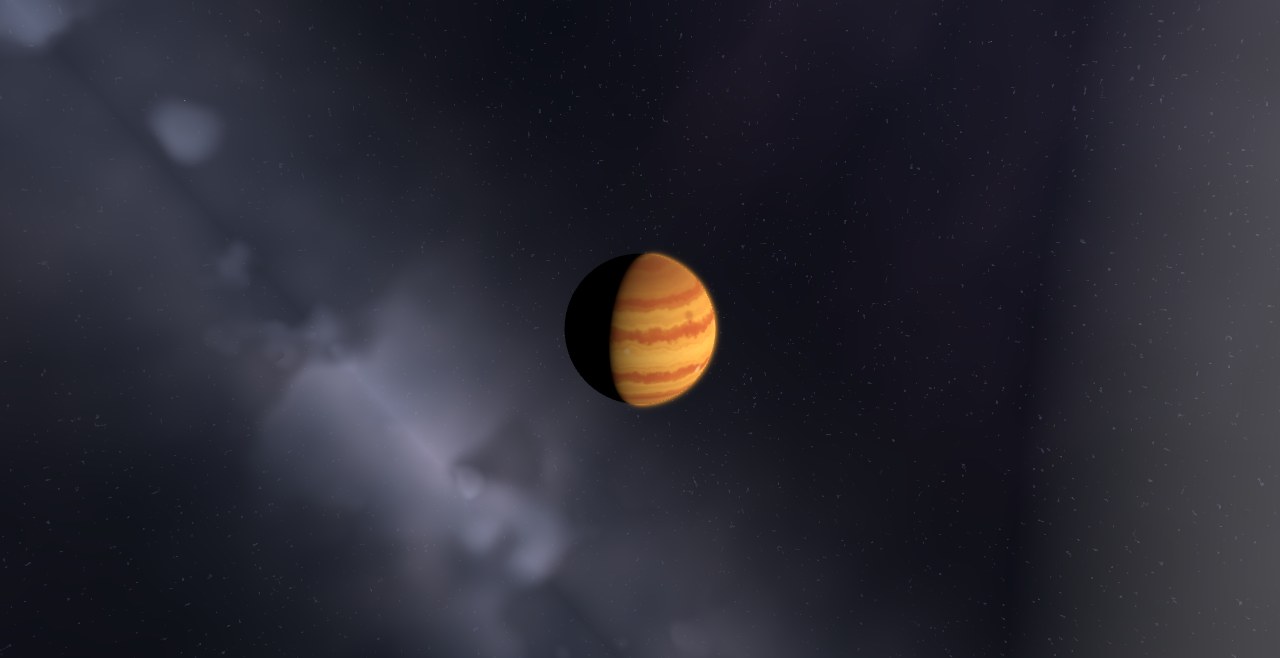
HD 80606 b, a giant with eccentricity near 0.93. At perihelion it is flash-heated by a factor of hundreds within a few hours. Each close pass lasts only hours before the planet retreats.
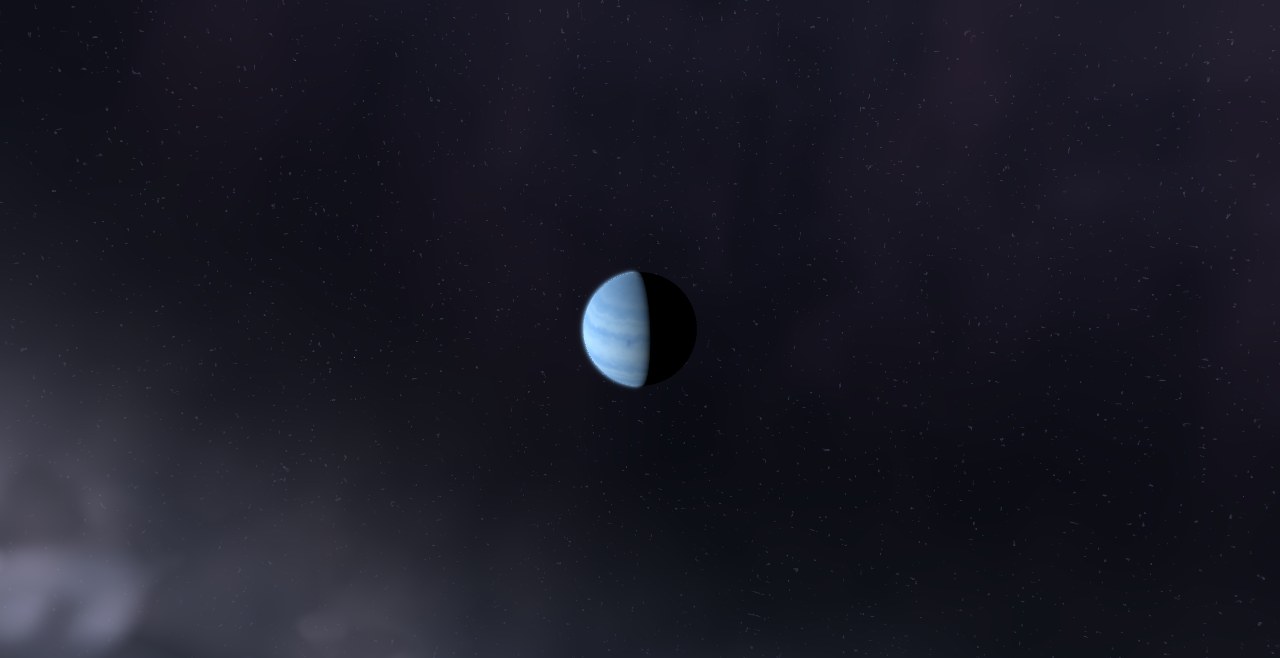
HD 82943, a pair of giant planets in a 2:1 resonance. The inner world completes two orbits for each one of the outer, a Jupiter-Saturn-like lock.
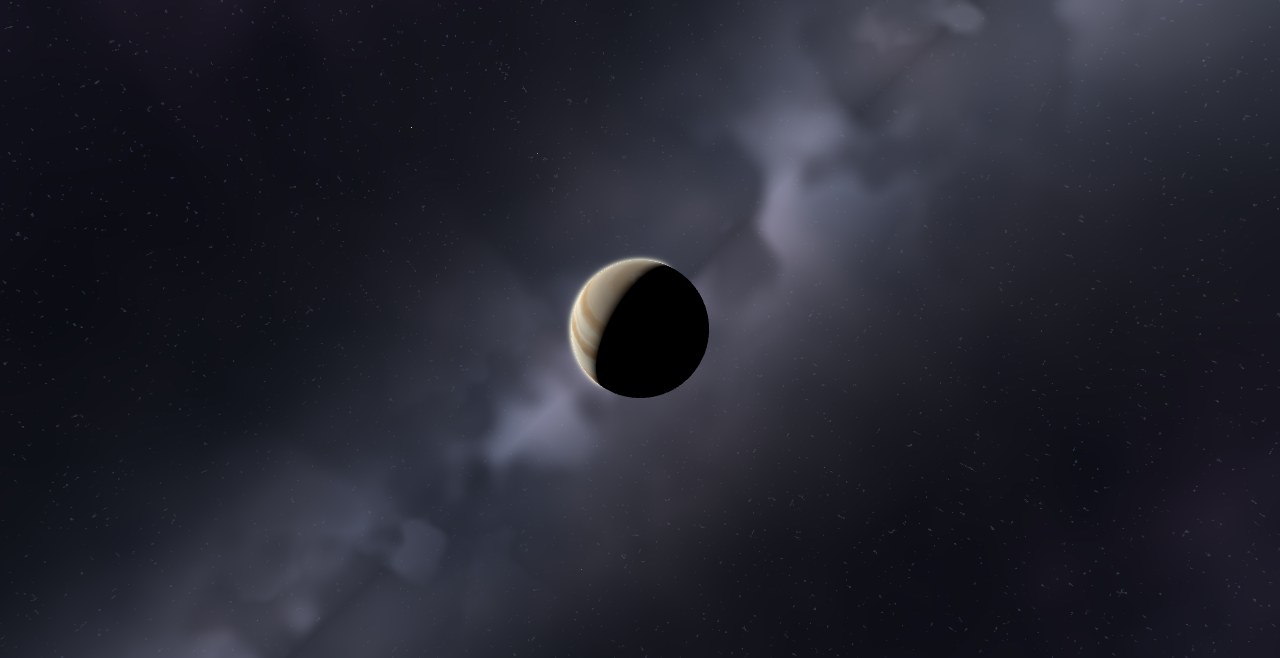
HD 95086 b, a young giant planet imaged in a debris disk. It is one of the lower-mass planets seen directly, still glowing from formation. It remains one of the lower-mass planets seen directly.
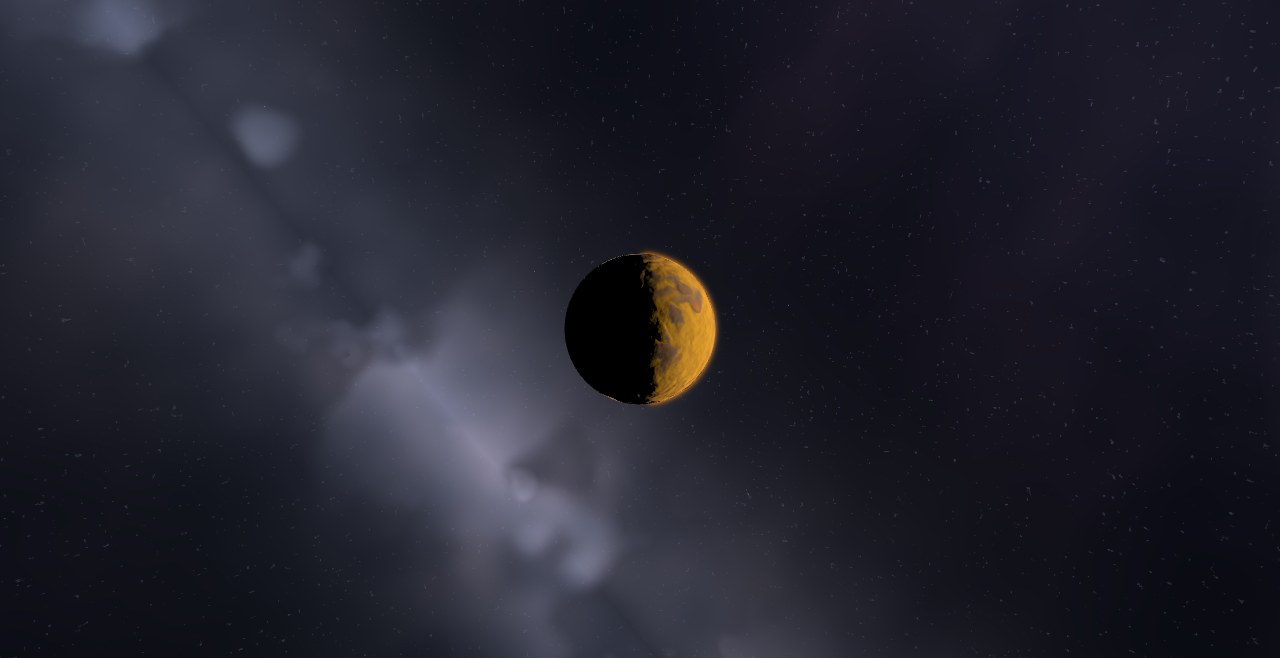
HIP 41378 b and c, a rare pair of long-period transiting planets. Most transiting worlds orbit in days; these take weeks to more than a year. Alignments this long are rare, so few such planets transit.
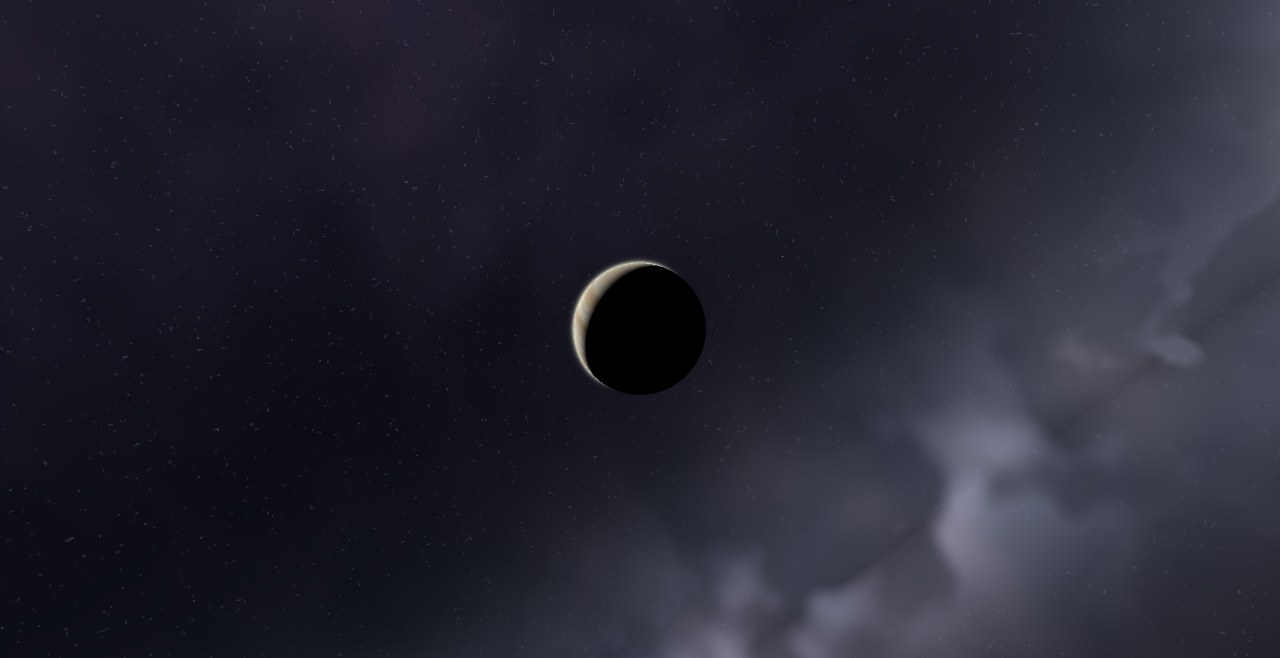
HIP 65426 b, the first exoplanet JWST imaged directly. This wide, young giant was a commissioning target for the telescope's coronagraphs. The planet orbits far outside any region we can transit.
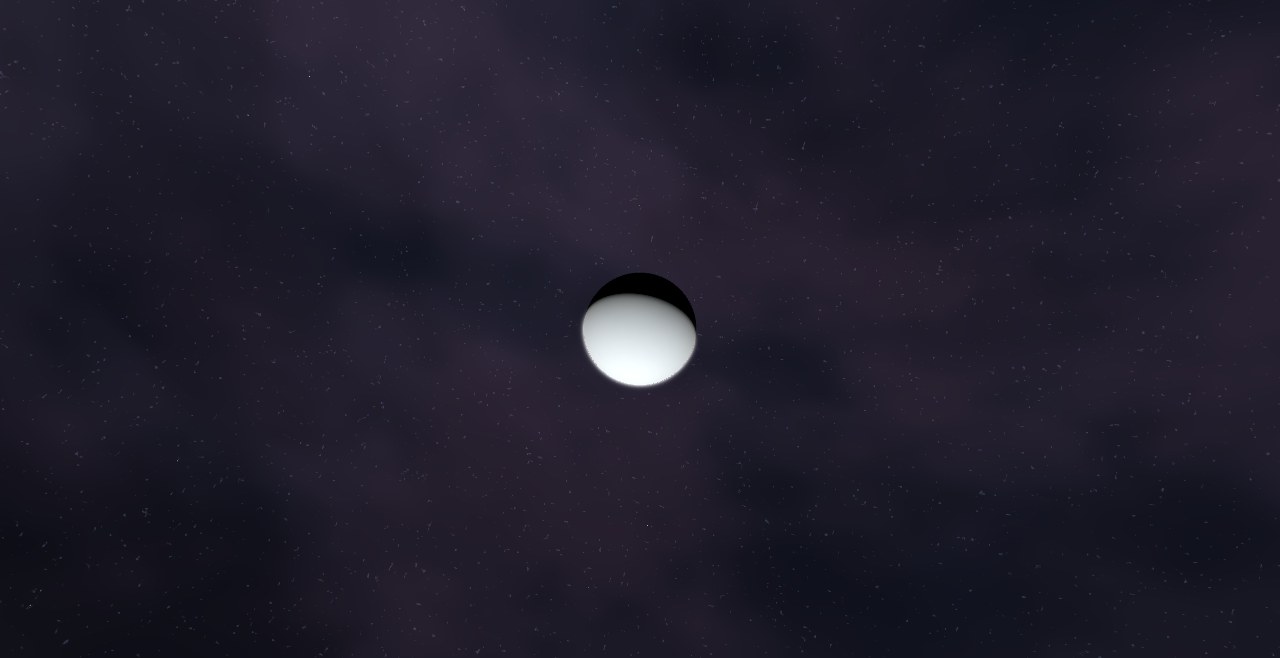
HIP 67522 b, a Jupiter-sized planet around a 17-million-year-old Sun-like star. Stellar flares and the young planet interact. The planet's radius is still inflated by youth.
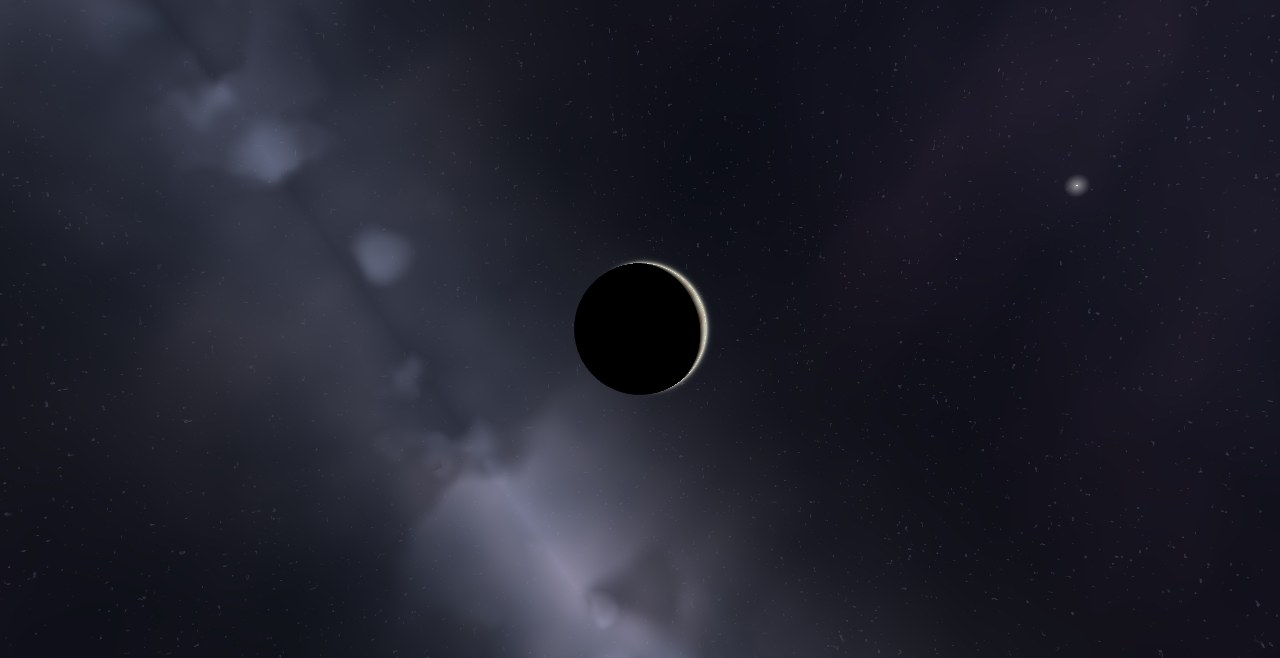
HR 2562 b, a massive companion imaged inside a debris disk. It sits near the planet-brown-dwarf boundary, carving a gap in the dust. The companion was found with the Gemini Planet Imager.
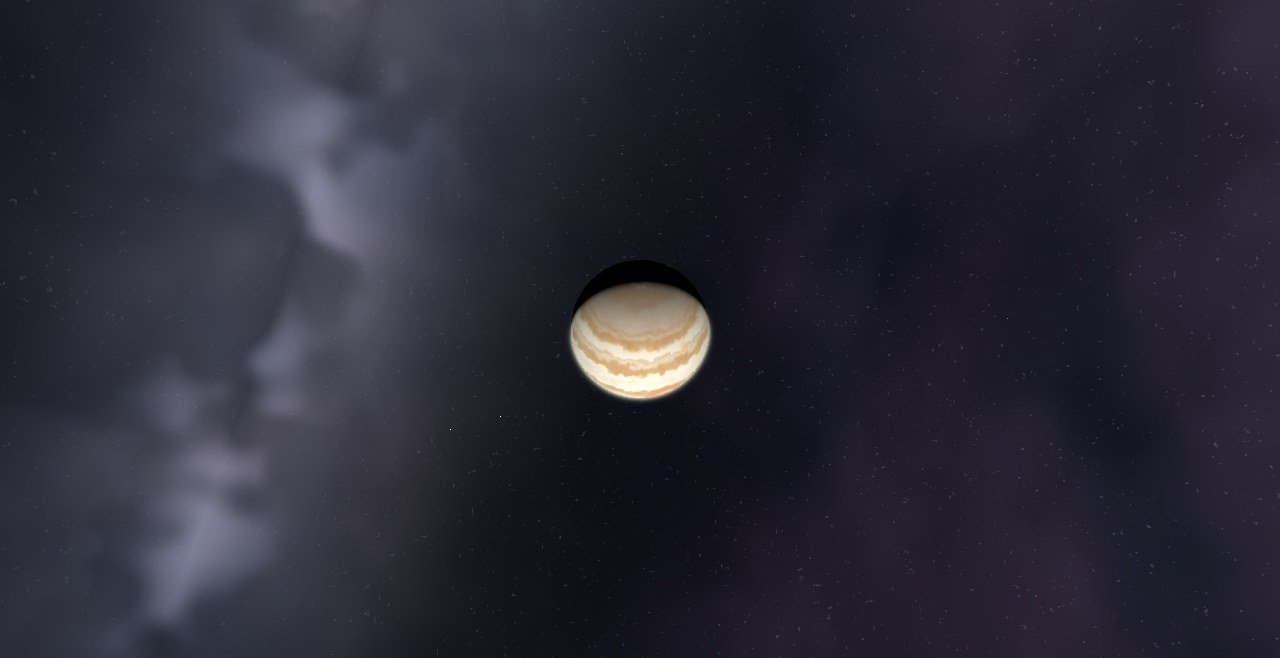
HR 8799, the first multi-planet system ever photographed. Four young giant planets orbit far outside a debris disk, all seen directly. The four planets were announced together in 2008.
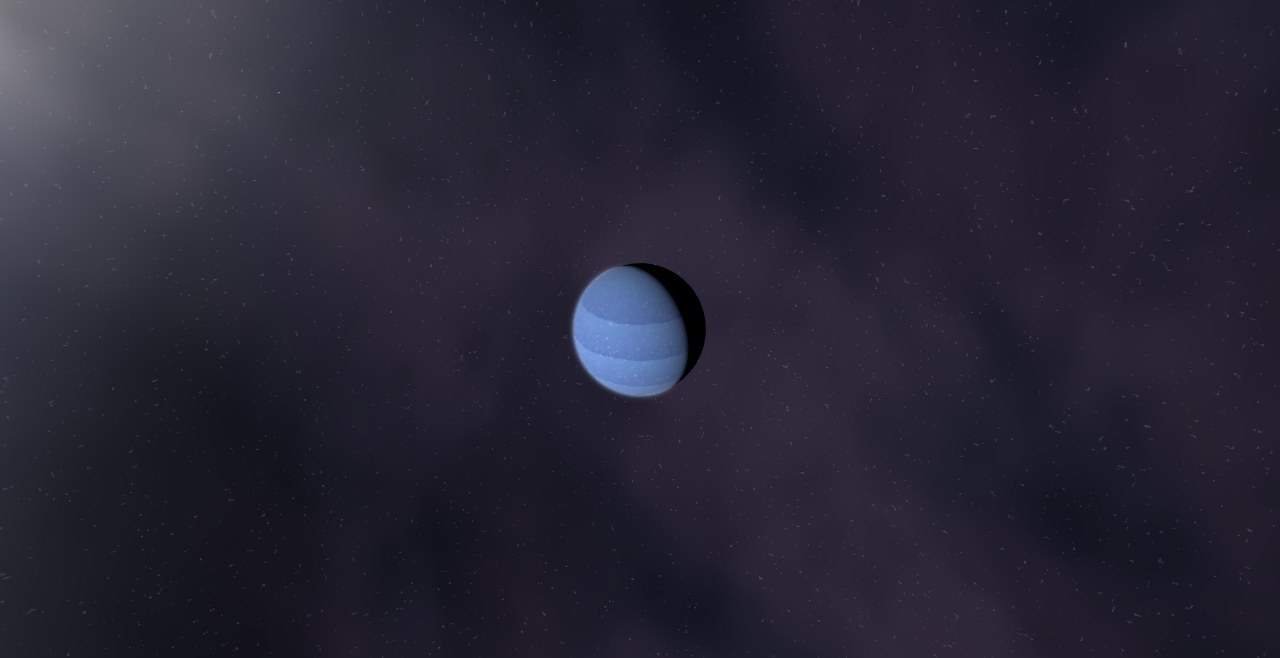
K2-138, a chain of six sub-Neptunes near resonance, found by citizen scientists. The planets form an even, peas-in-a-pod sequence. The star is a K dwarf, and the chain was found in K2 data.
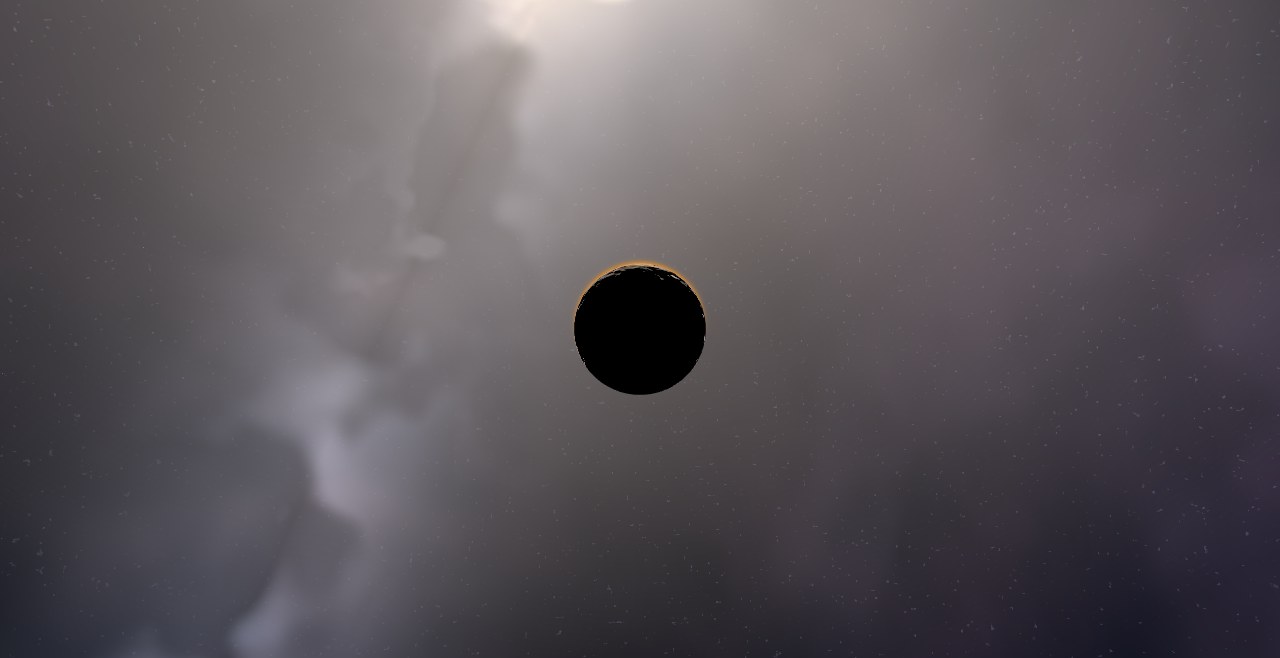
K2-141 b, a lava world on an ultra-short orbit. The dayside is hot enough for a rock-vapor atmosphere that may rain out as magma. A year on the lava world lasts only about 6.7 hours.
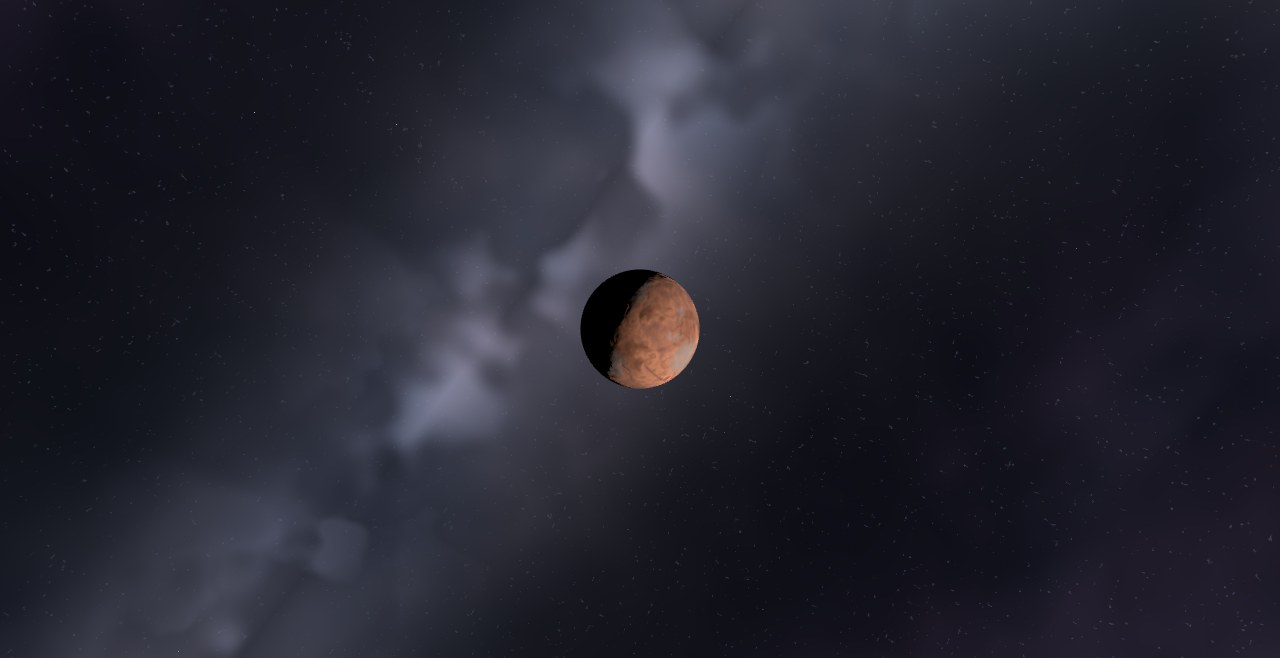
K2-18 b, a temperate sub-Neptune in the habitable zone of a red dwarf. It is one of JWST's most studied small-planet atmospheres. Hubble reported water vapor in its thick atmosphere.
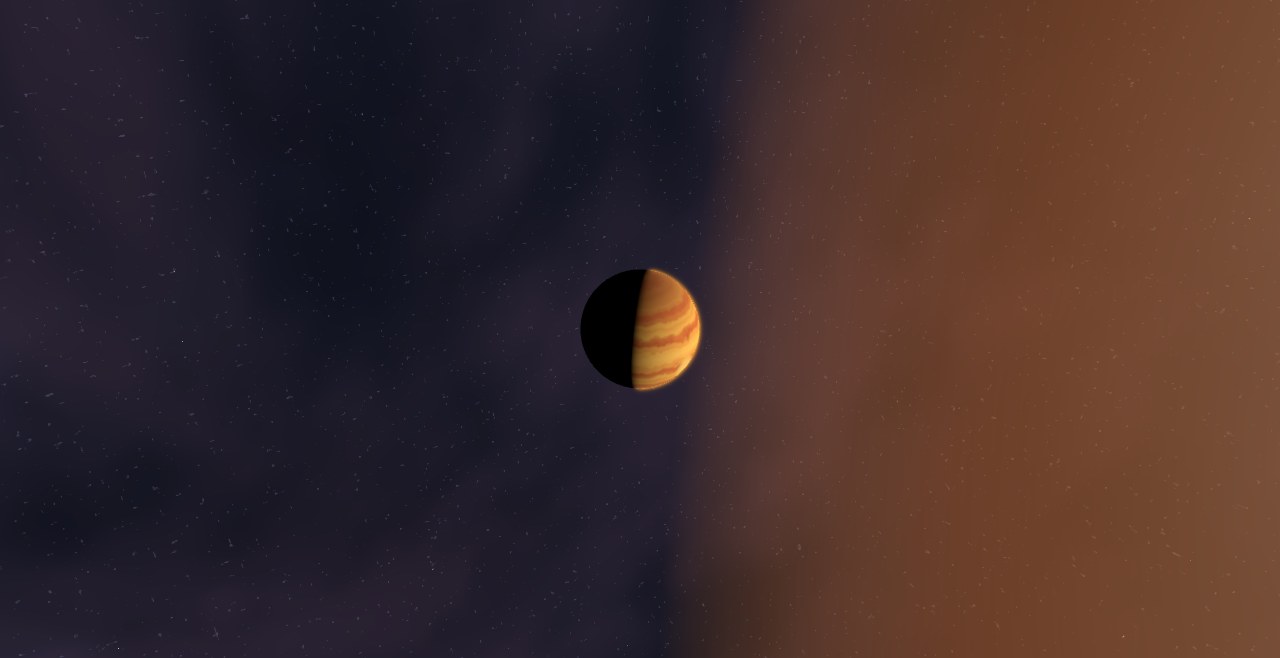
K2-22 b, a disintegrating planet. Dust lost from this ultra-short-period world makes the transit look different every time it passes. The orbit is only about nine hours long.
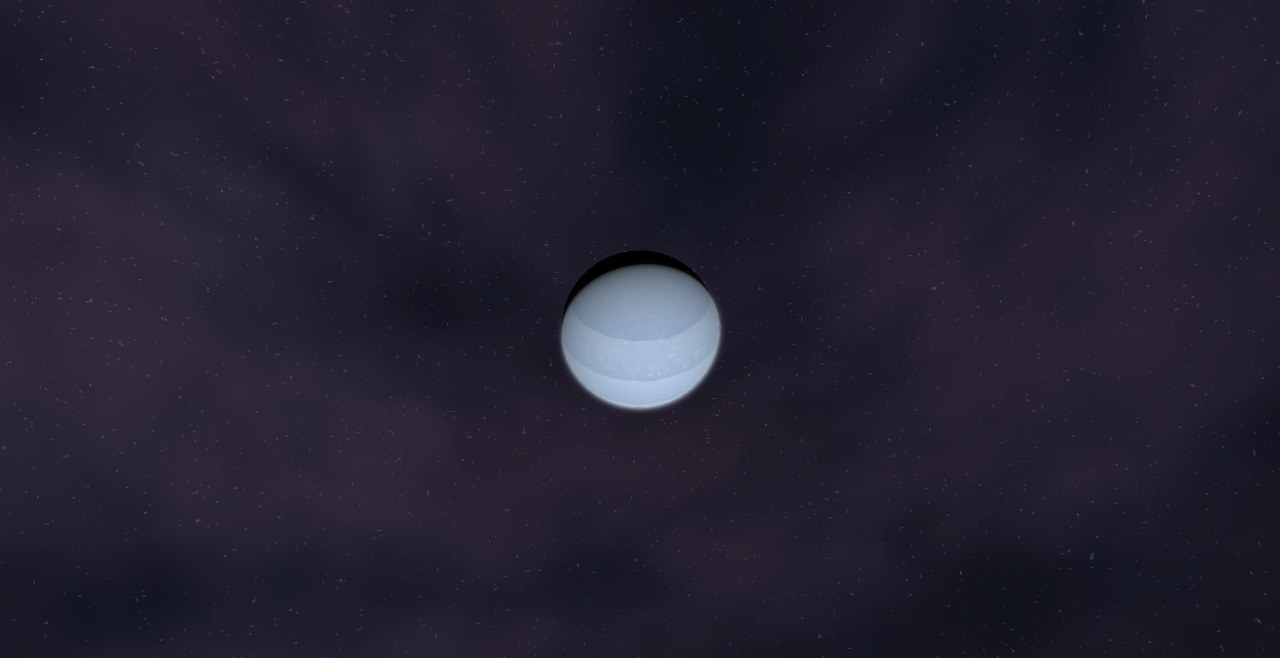
K2-266, a compact system whose innermost planet is strongly misaligned. The ultra-short inner world does not share the outer planets' plane.
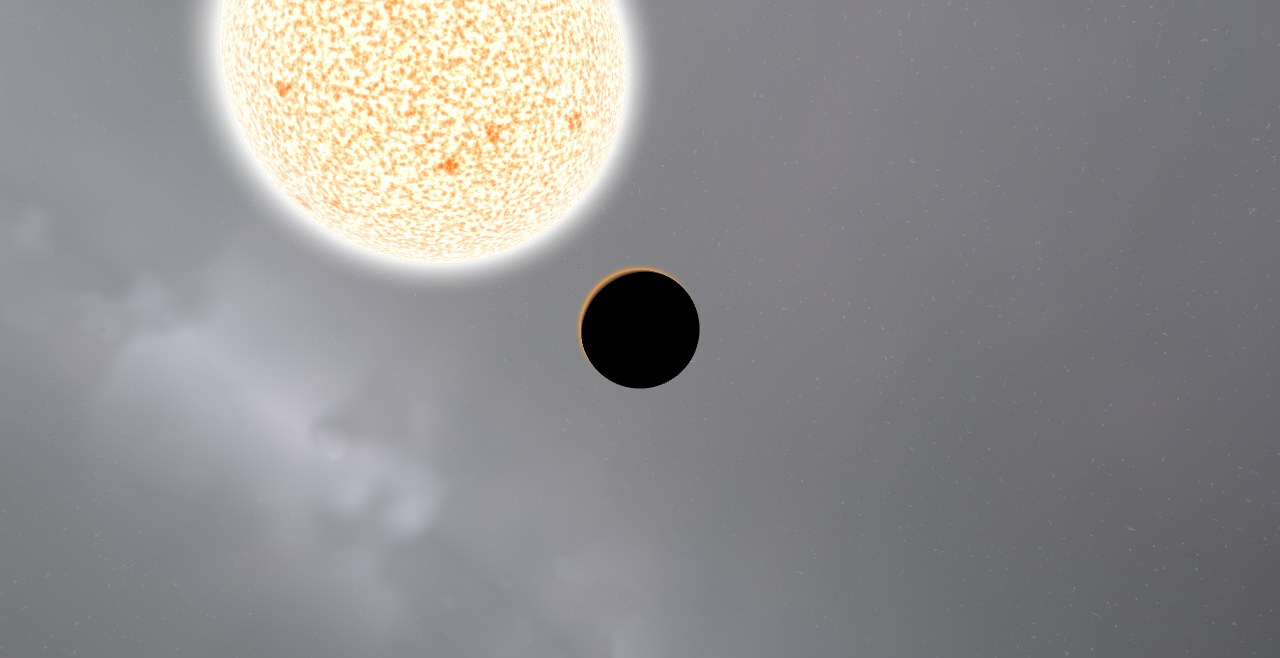
KELT-1 b, a brown dwarf on a hot-Jupiter orbit. At about 27 Jupiter masses it is a bridge between planets and stars, inflated by the heat. It transits, so both its radius and mass are known.
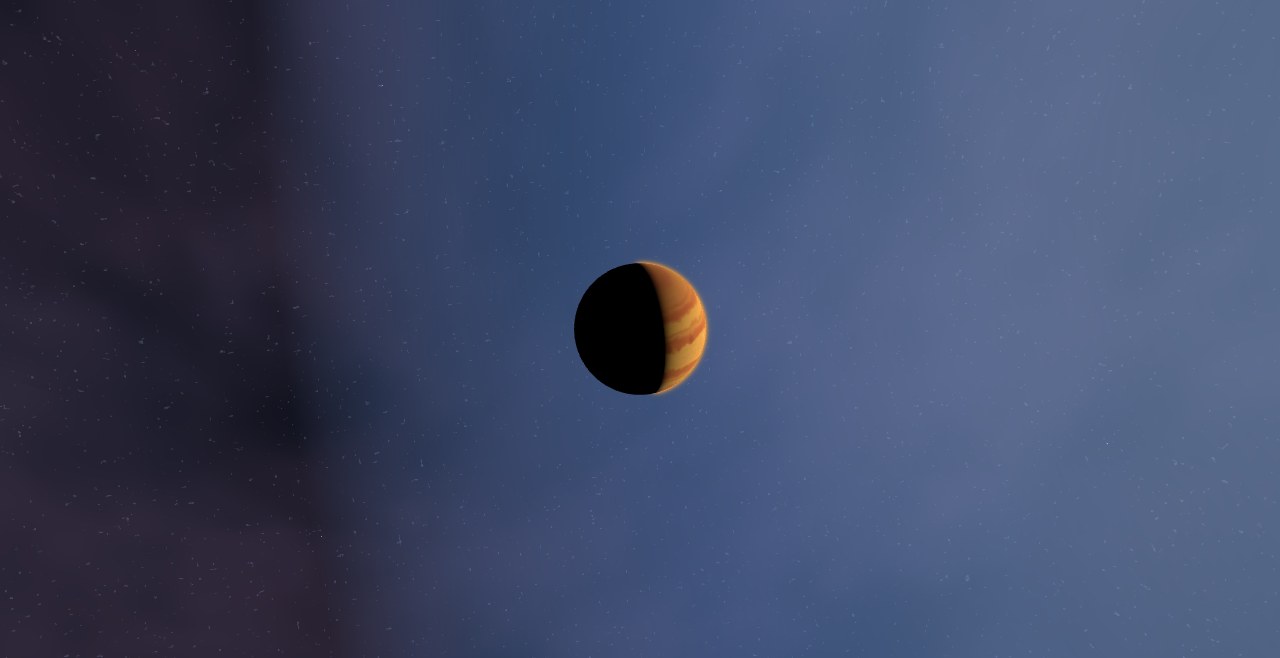
KELT-9 b, the hottest known giant planet. It orbits an A-type star so closely that molecules on the dayside are torn apart. Dayside temperatures climb past 4000 kelvin.