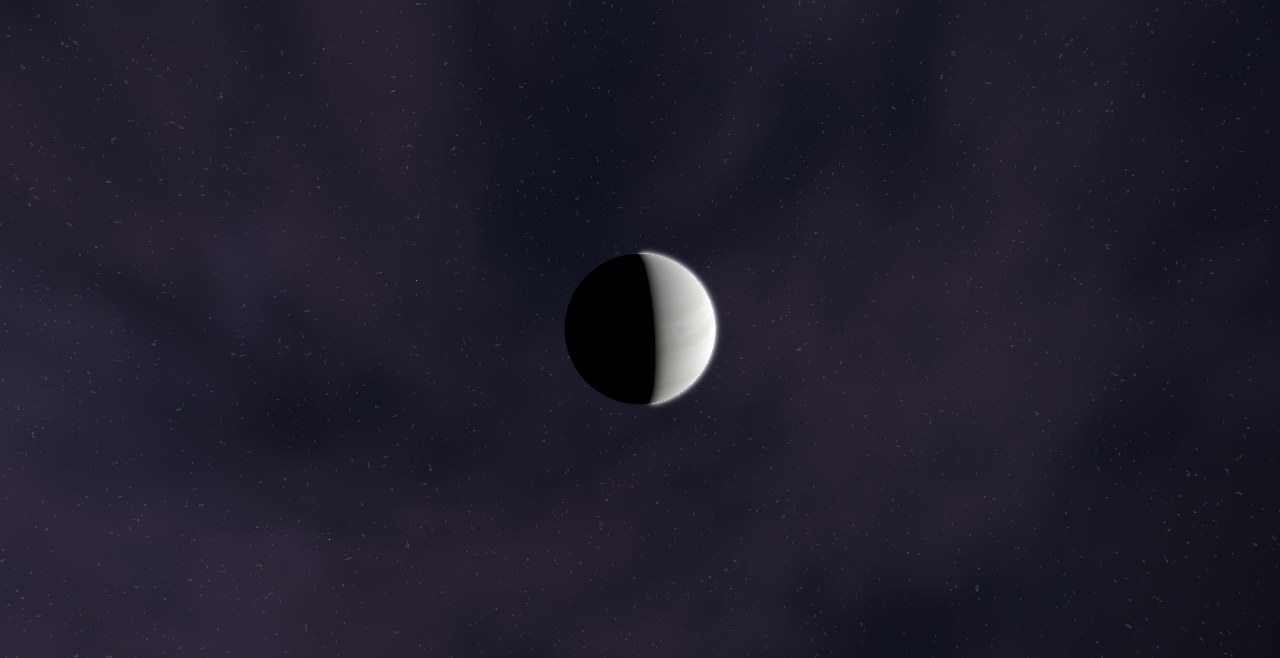
HD 10180 - System
HD 10180, one of the richest radial-velocity systems. At least six planets, mostly packed inside Earth's orbit, orbit this quiet Sun-like star.
Exoplanets
Step into hyper-stable cosmic architectures. Simulate six-planet systems to see how complex orbital resonances prevent catastrophic planet collisions.
Share
HD 10180, one of the richest radial-velocity systems. At least six planets, mostly packed inside Earth's orbit, orbit this quiet Sun-like star.
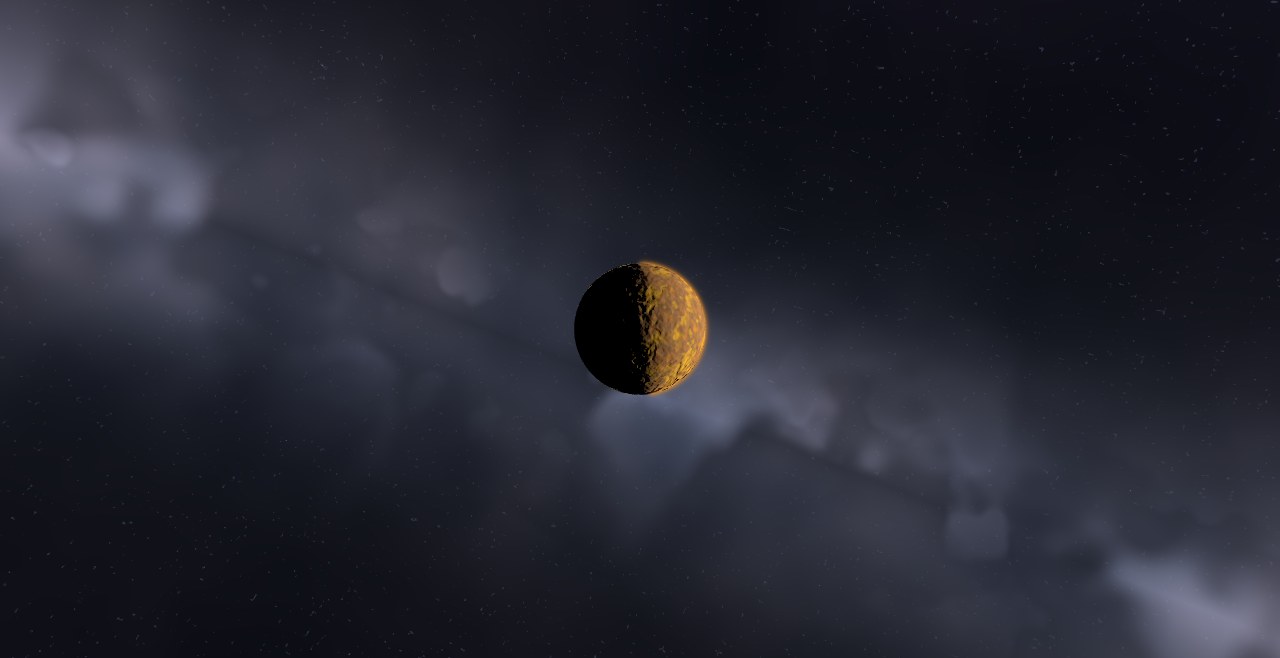
HD 110067, six sub-Neptunes in a resonant chain about 105 light-years away. Their periods follow a neat near-integer pattern around a bright K dwarf.
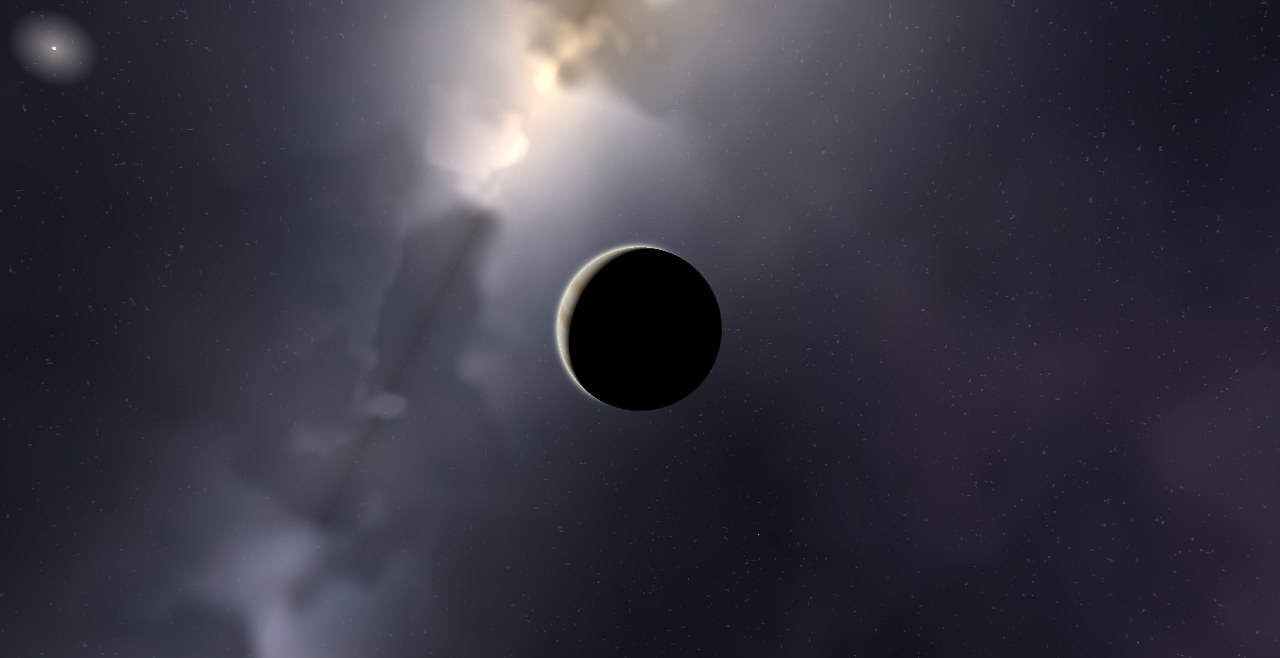
HD 191939, a Sun-like G-type star of 0.81 solar masses, with its 6 planets on orbits from 8.9 days to 7.93 years.
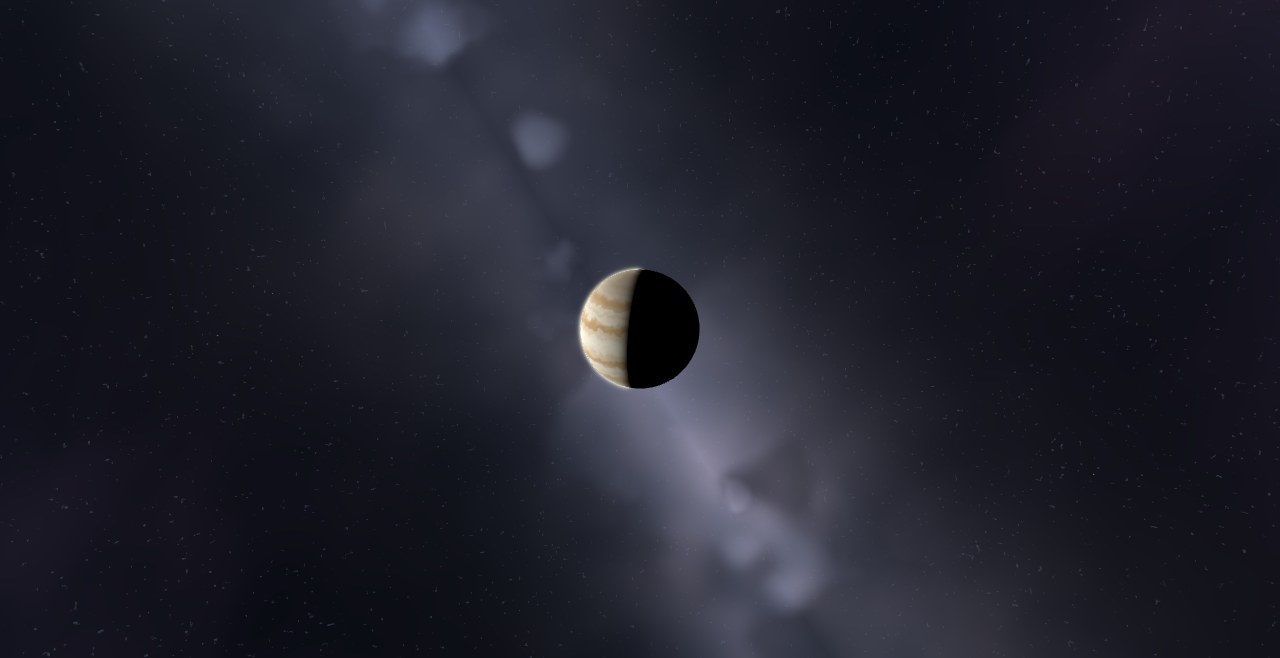
HD 219134, one of the nearest multi-planet systems. This K dwarf, 21 light-years away, has transiting super-Earths plus outer giants. At 21 light-years, several of its planets transit.
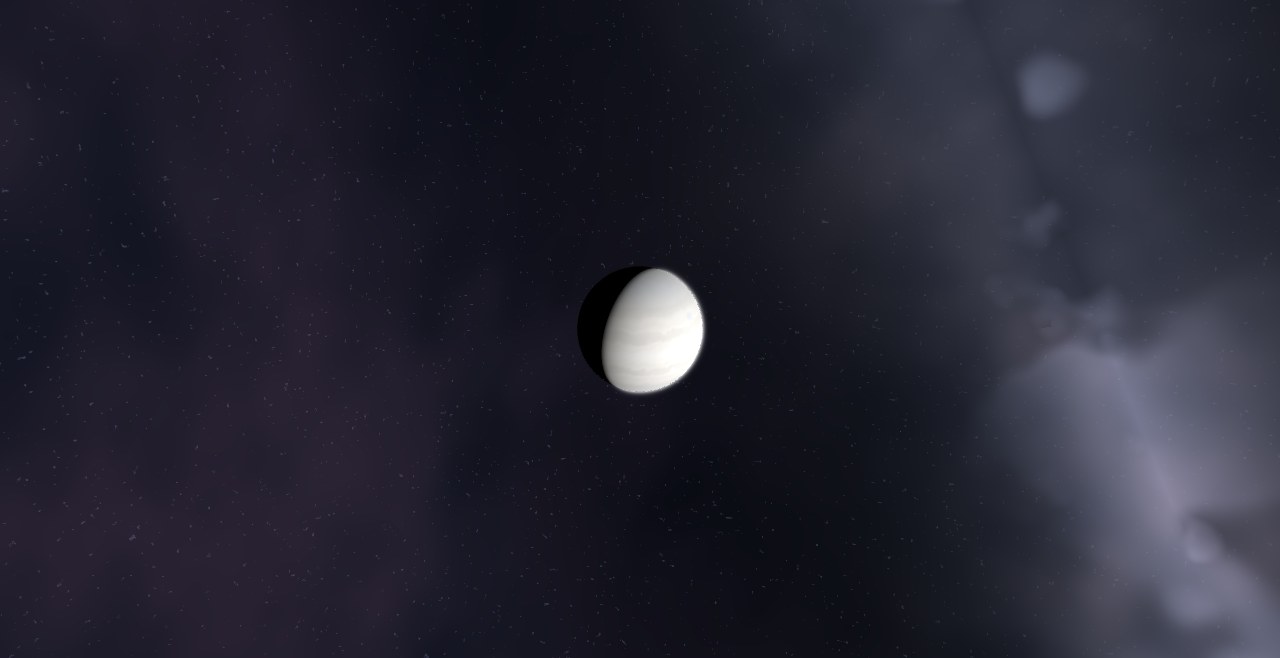
HD 34445, a Sun-like G-type star of 1.07 solar masses, with its 6 planets on orbits from 49.2 days to 15.6 years.
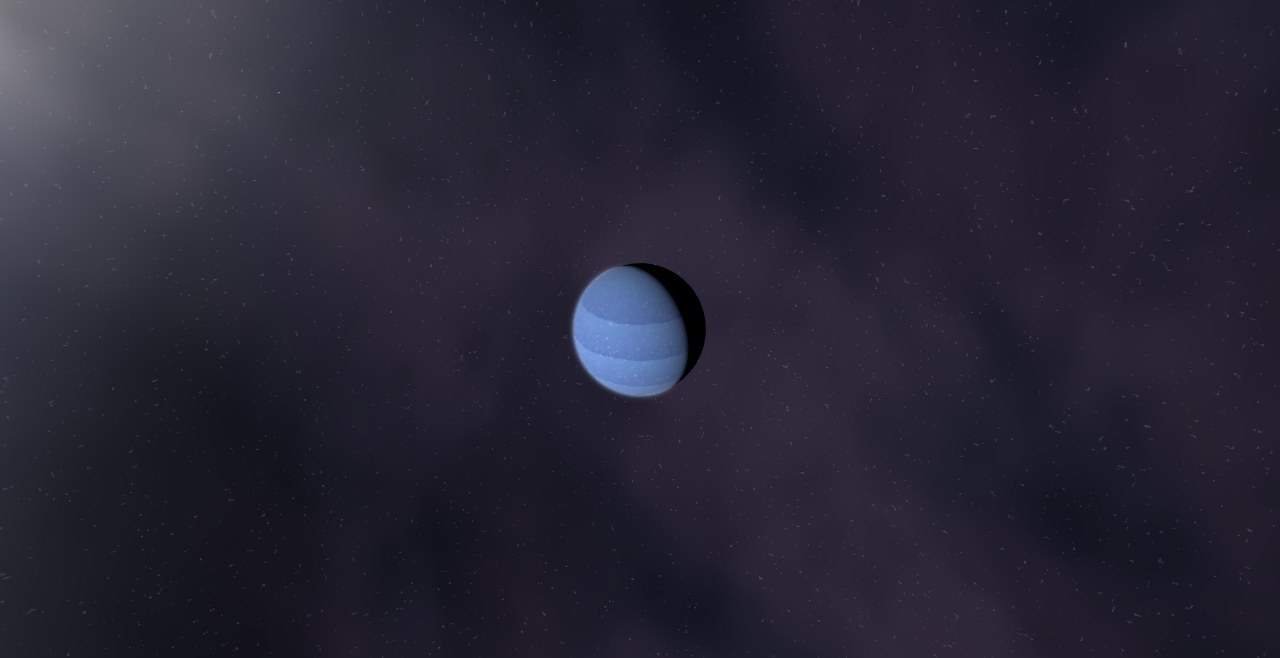
K2-138, a chain of six sub-Neptunes near resonance, found by citizen scientists. The planets form an even, peas-in-a-pod sequence. The star is a K dwarf, and the chain was found in K2 data.
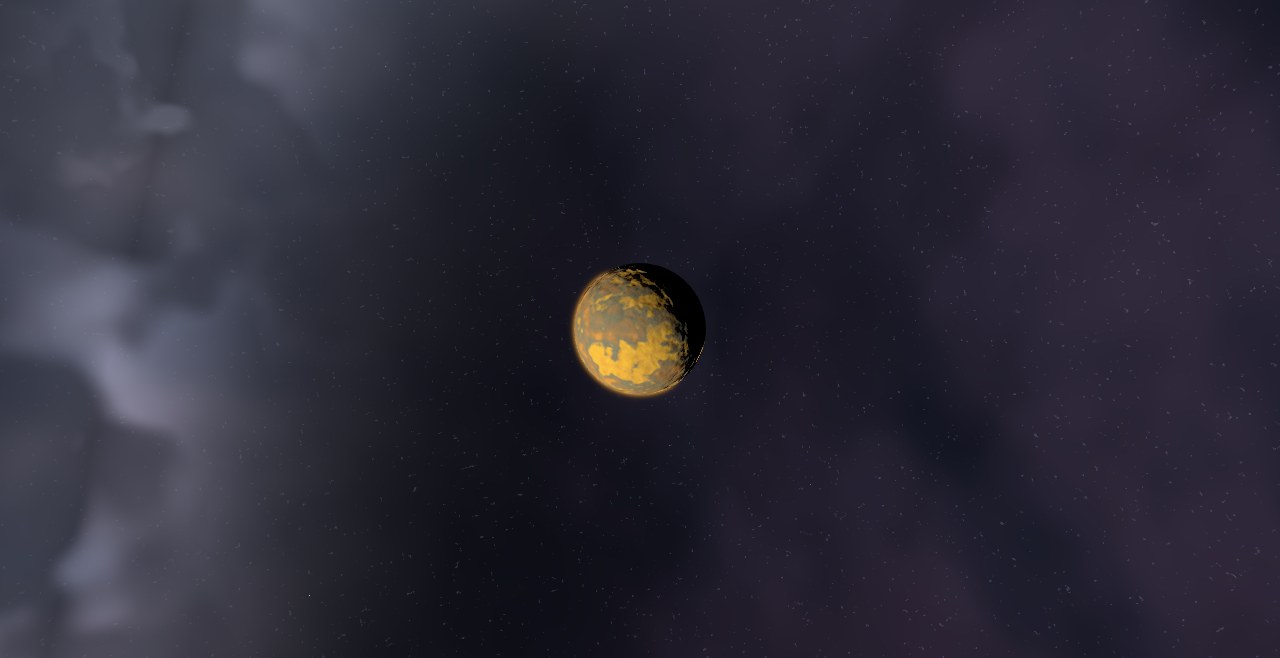
Kepler-11, the first compact six-planet system. Six low-density worlds orbit inside the distance of Venus and continually perturb one another.
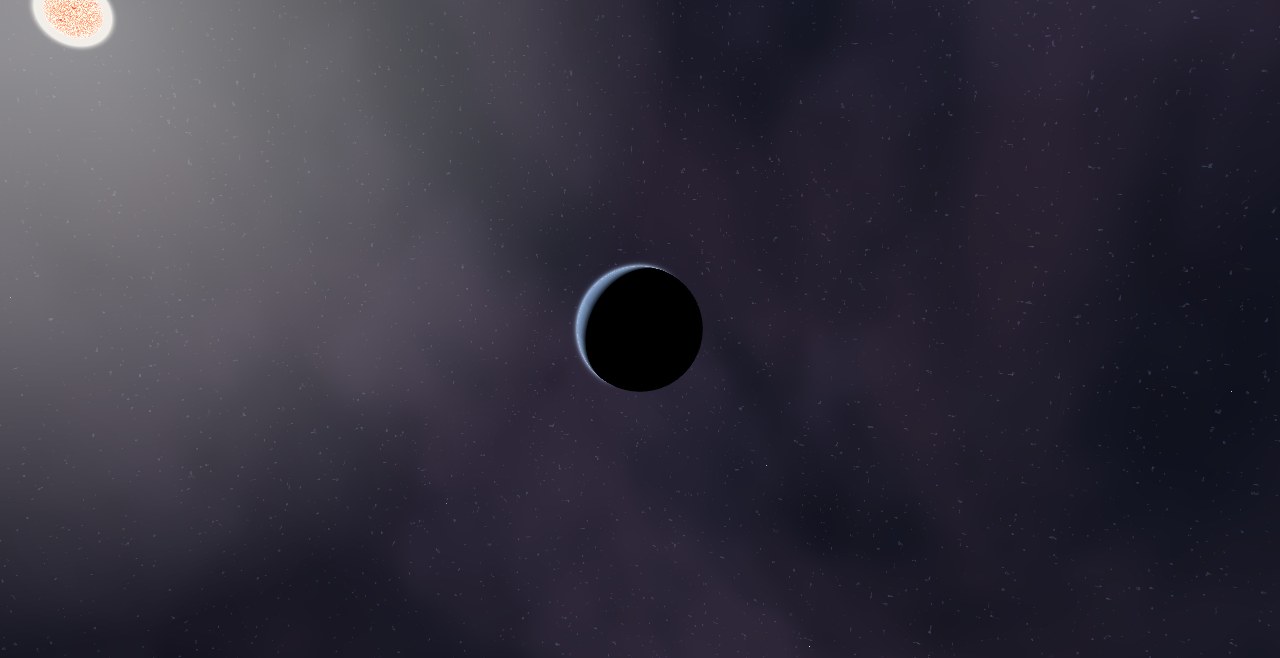
Kepler-20, the first system with Earth-sized planets. Kepler-20 e and f alternate with larger worlds in a tight, mixed-size chain. Earth-sized e and f were announced together in 2011.
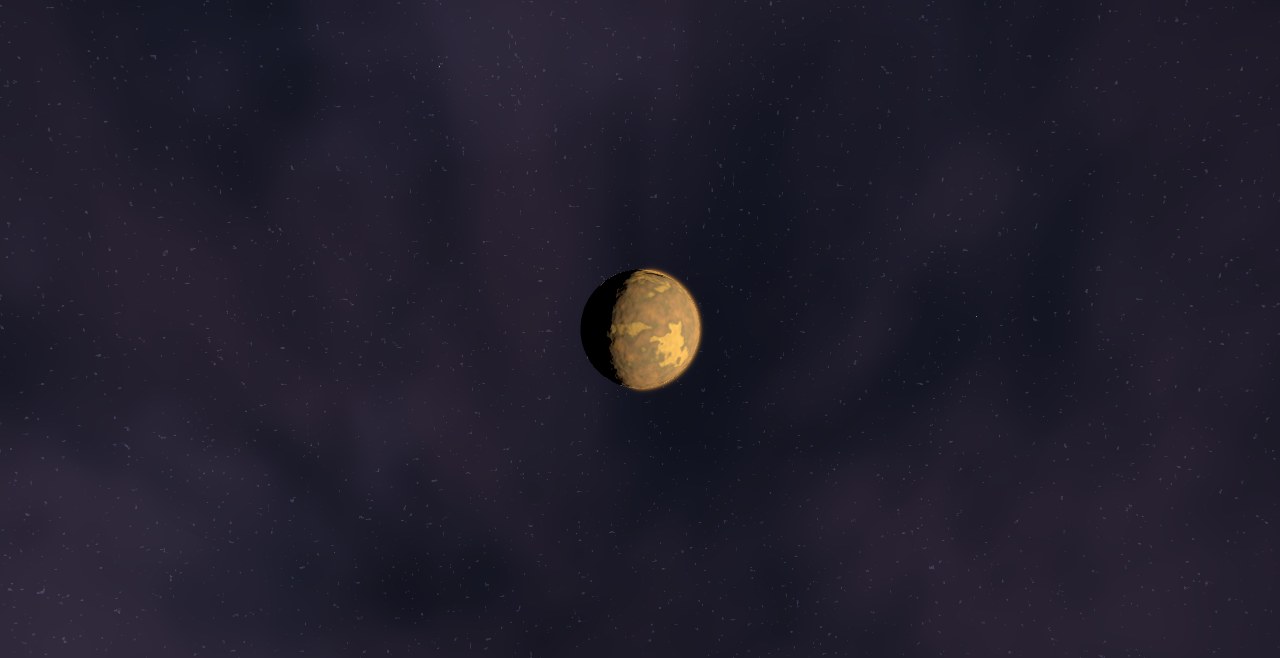
TOI-1136, a young compact six-planet system. The planets are still losing formation heat, so they look puffier than older worlds of the same mass.
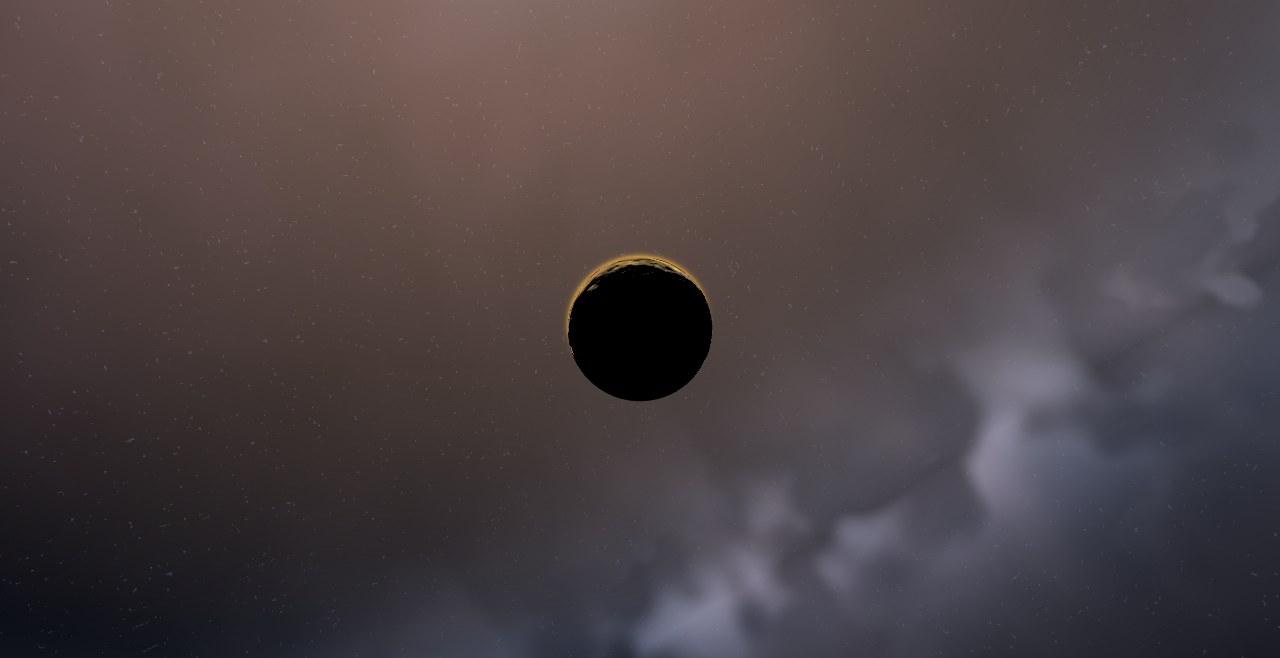
TOI-178, six planets in a Laplace-like resonant chain. Five outer worlds keep a repeating period pattern while differing wildly in density. The inner planet sits just outside the resonant chain.