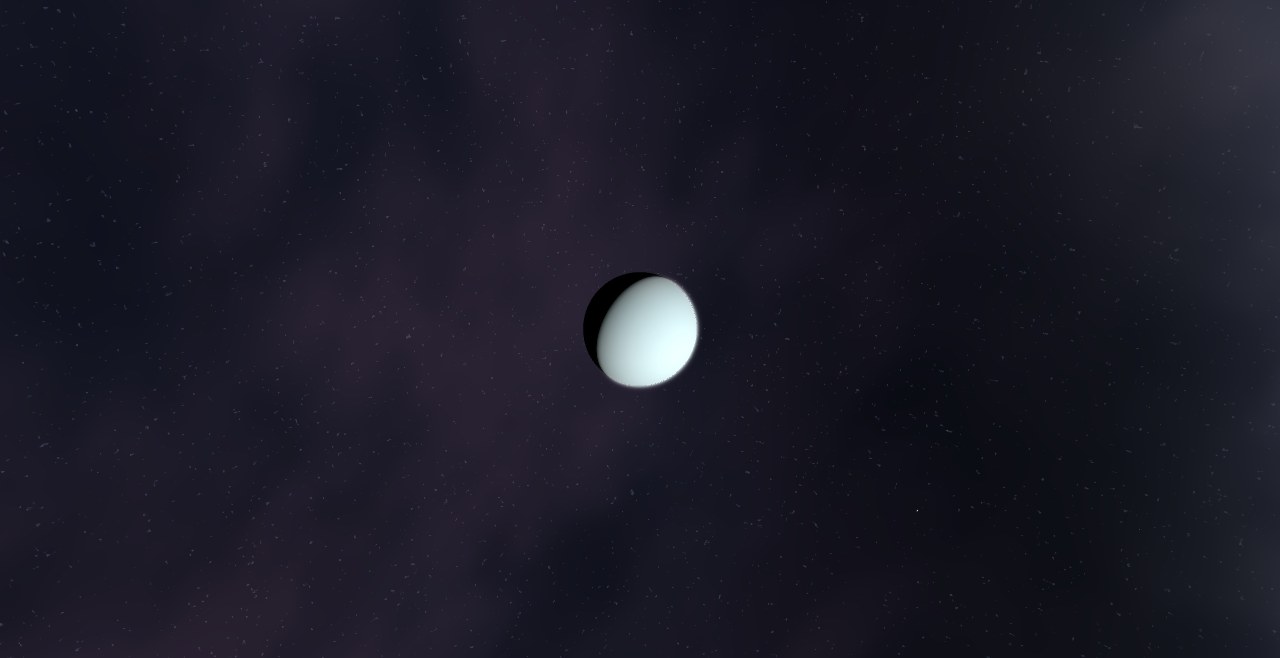
GJ 436 - System
GJ 436 b, an eccentric hot Neptune trailing a huge comet-like helium and hydrogen tail. The oval orbit has persisted despite strong tides. The tail extends millions of kilometers behind the planet.
Exoplanets
Tour the most extraordinary, record-breaking exoplanets discovered by modern science. Simulate hyper-eccentric worlds, extreme "Hot Jupiters," and the most fascinating alien star systems in our galaxy.
Share
GJ 436 b, an eccentric hot Neptune trailing a huge comet-like helium and hydrogen tail. The oval orbit has persisted despite strong tides. The tail extends millions of kilometers behind the planet.
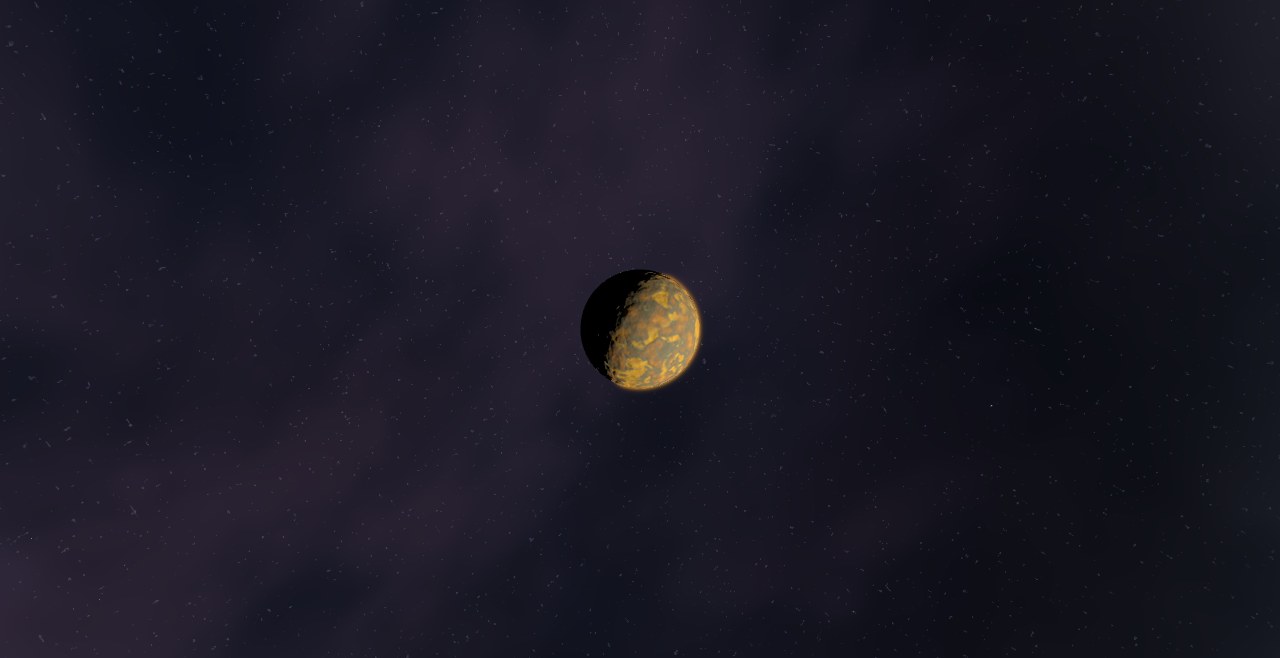
GJ 486 b, a hot rocky planet around a nearby red dwarf. JWST watches its dayside glow to see whether any atmosphere survives. Emission spectra test whether any air remains at all.
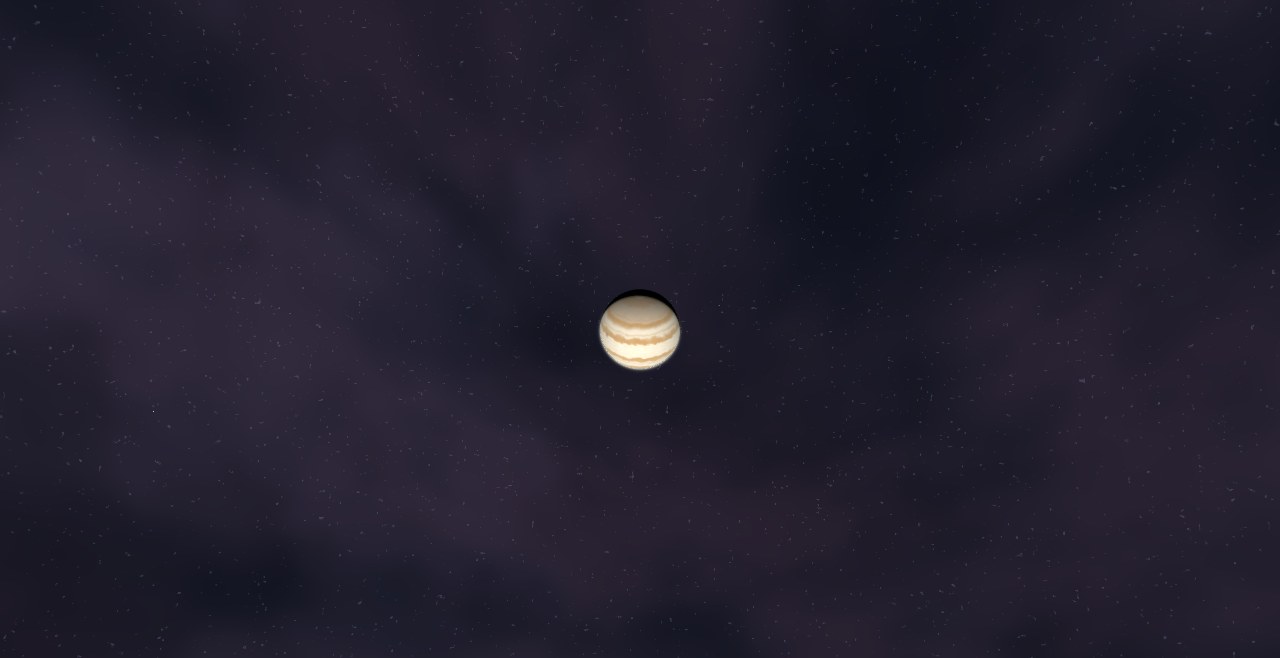
GJ 504 b, a cold giant planet imaged far from a Sun-like star. It is pinkish in infrared and one of the least massive planets seen directly.
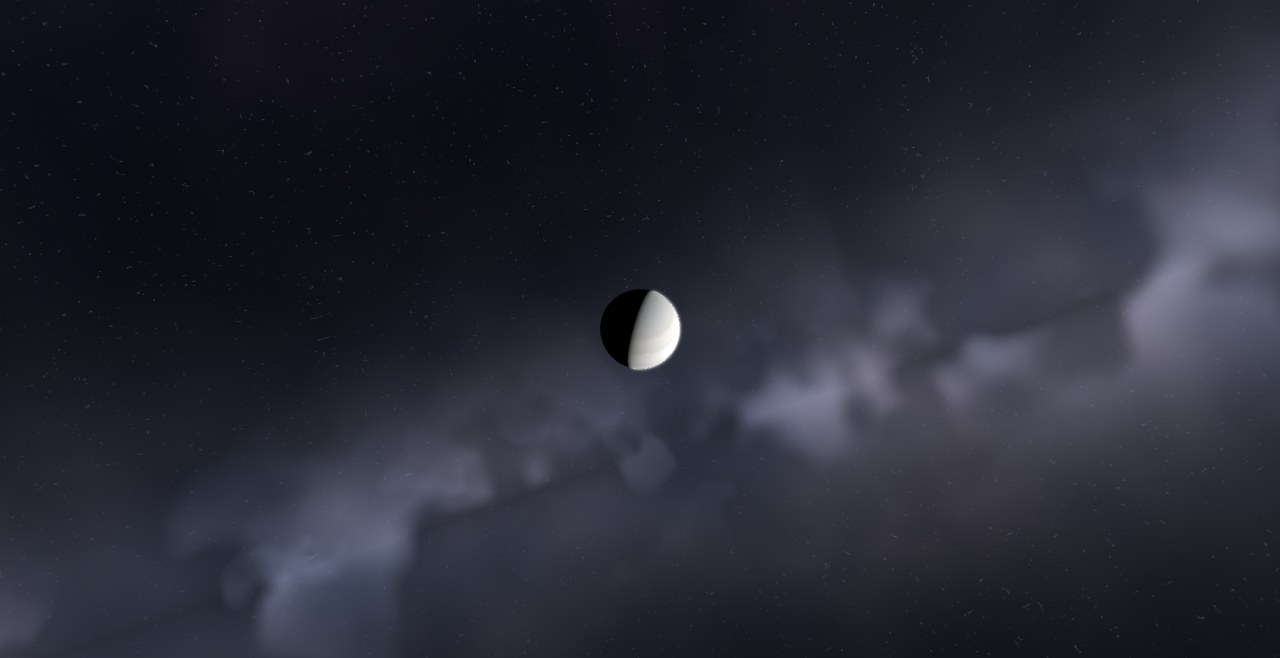
GJ 876, the first planet found around a red dwarf. Its giants are locked in a Laplace resonance, so their orbits keep a repeating gravitational rhythm.
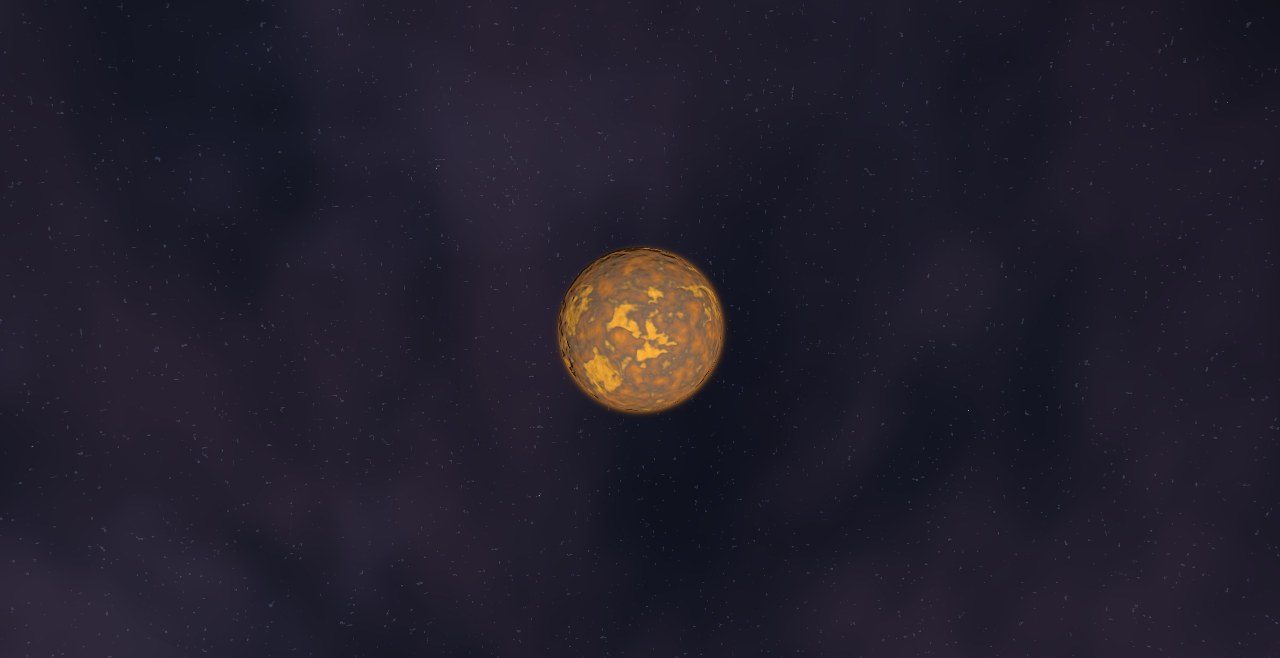
GJ 9827, three planets straddling the radius valley. Neighbors on either side of the rocky-to-gaseous divide orbit the same star. The three planets were found by K2 photometry.
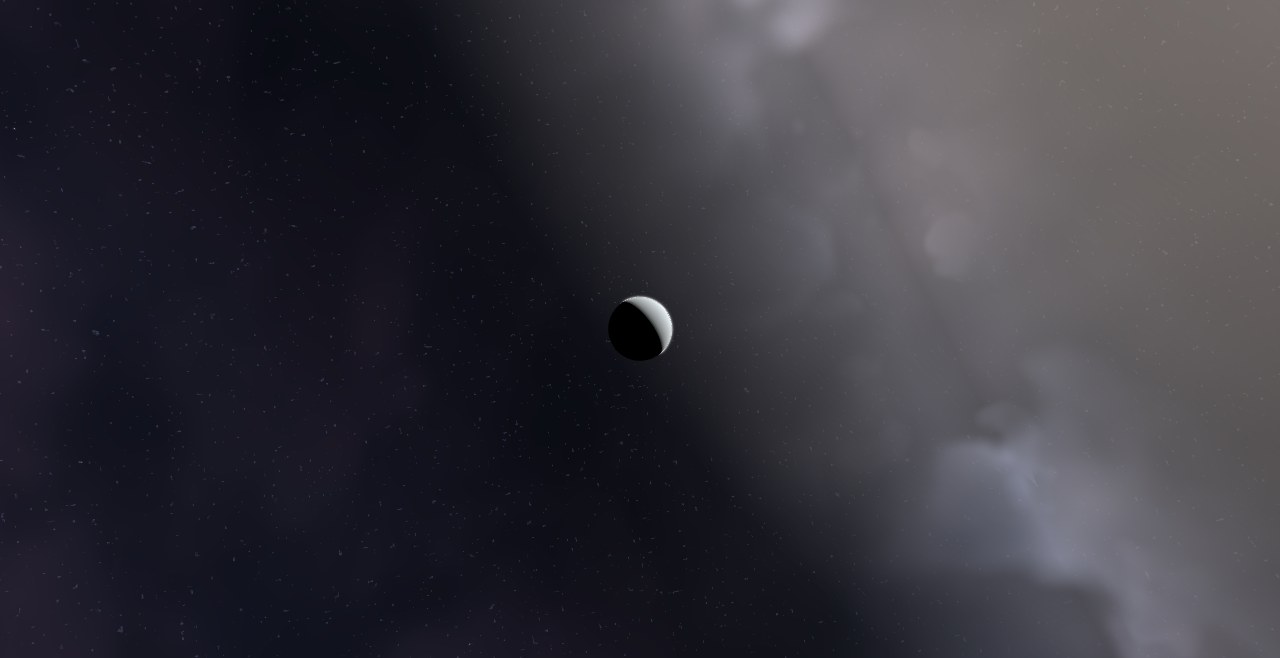
HAT-P-11 b, an eccentric warm Neptune with water vapor in its atmosphere. It is one of the smallest planets with a measured transmission spectrum.
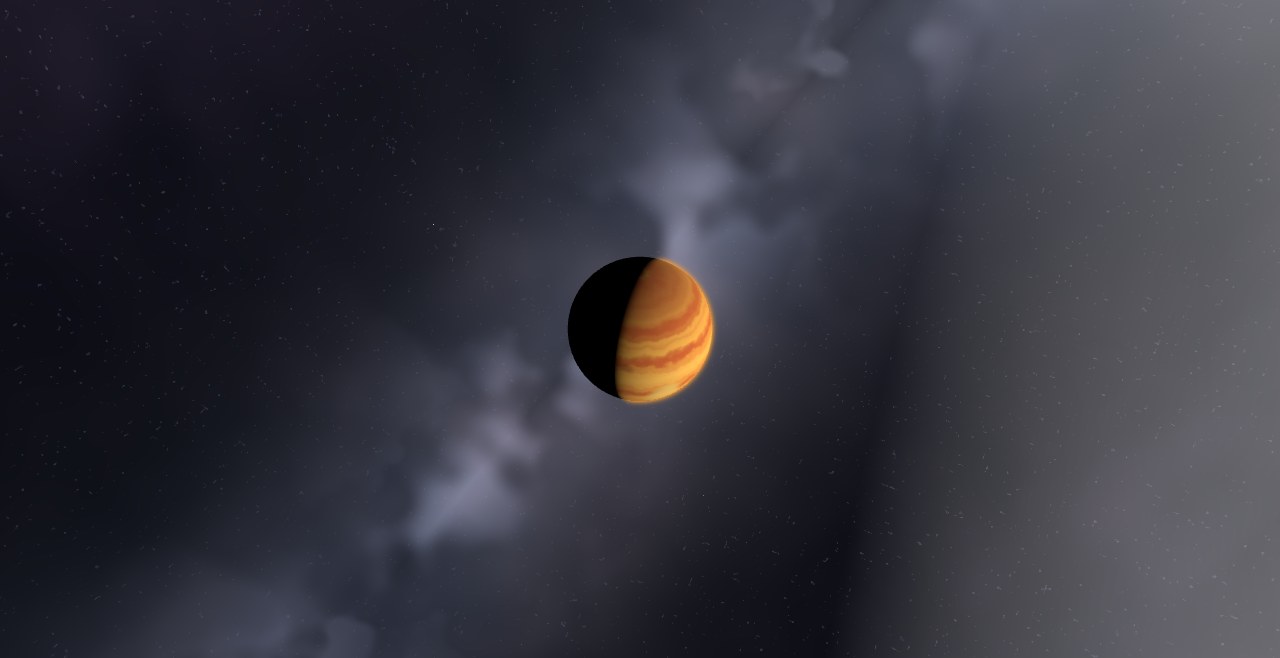
HAT-P-2 b, a massive eccentric hot Jupiter. Eight Jupiter masses on a stretched orbit make the insolation swing sharply each perihelion. The planet is about eight times Jupiter's mass.
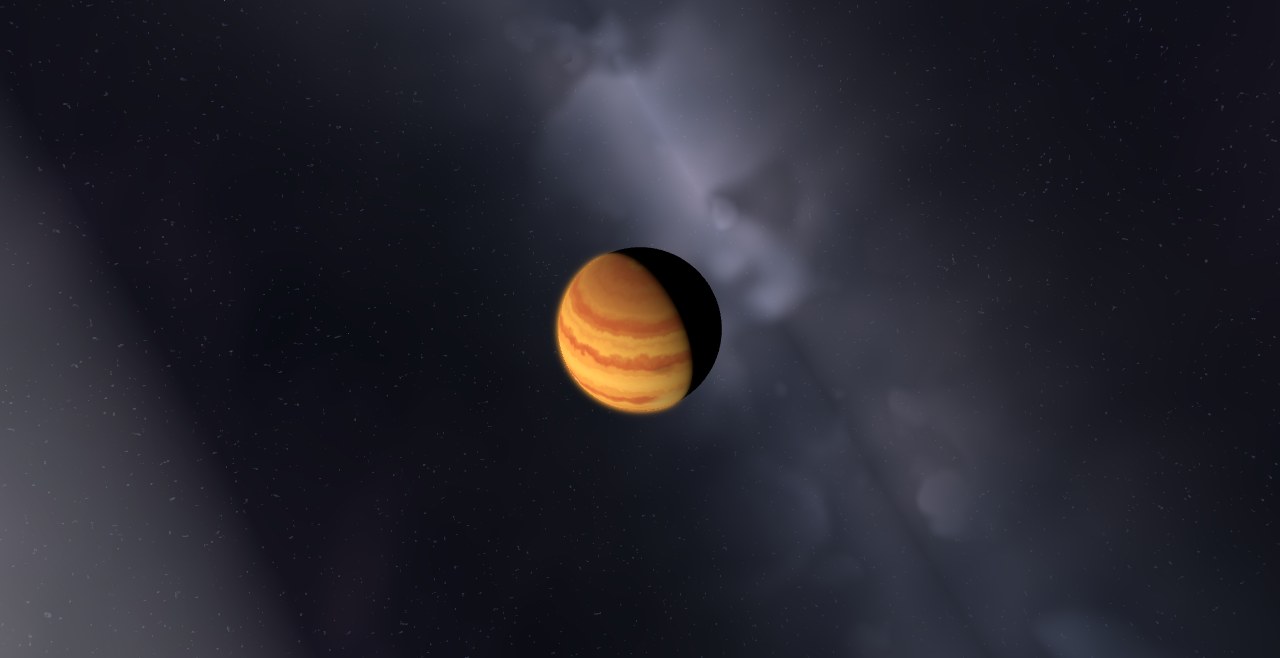
HAT-P-7 b, whose phase curve Kepler measured early on. This hot Jupiter is misaligned, and reflected light shifts as it orbits. The planet's orbit is retrograde relative to the star.
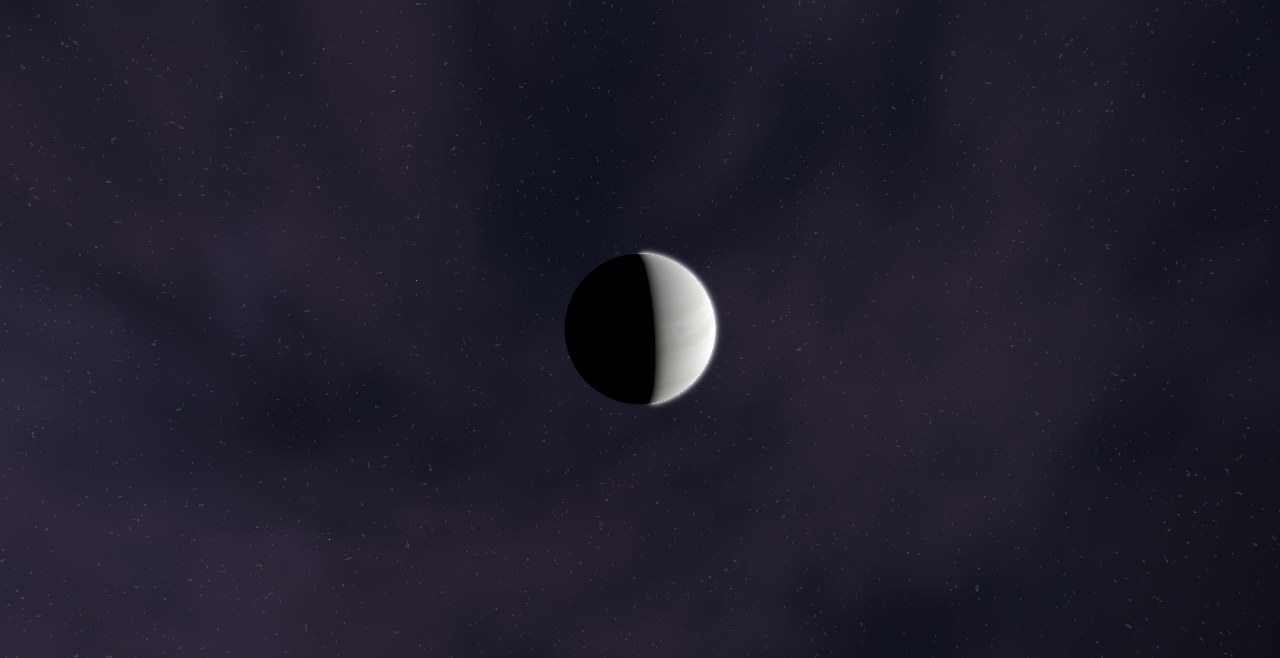
HD 10180, one of the richest radial-velocity systems. At least six planets, mostly packed inside Earth's orbit, orbit this quiet Sun-like star.
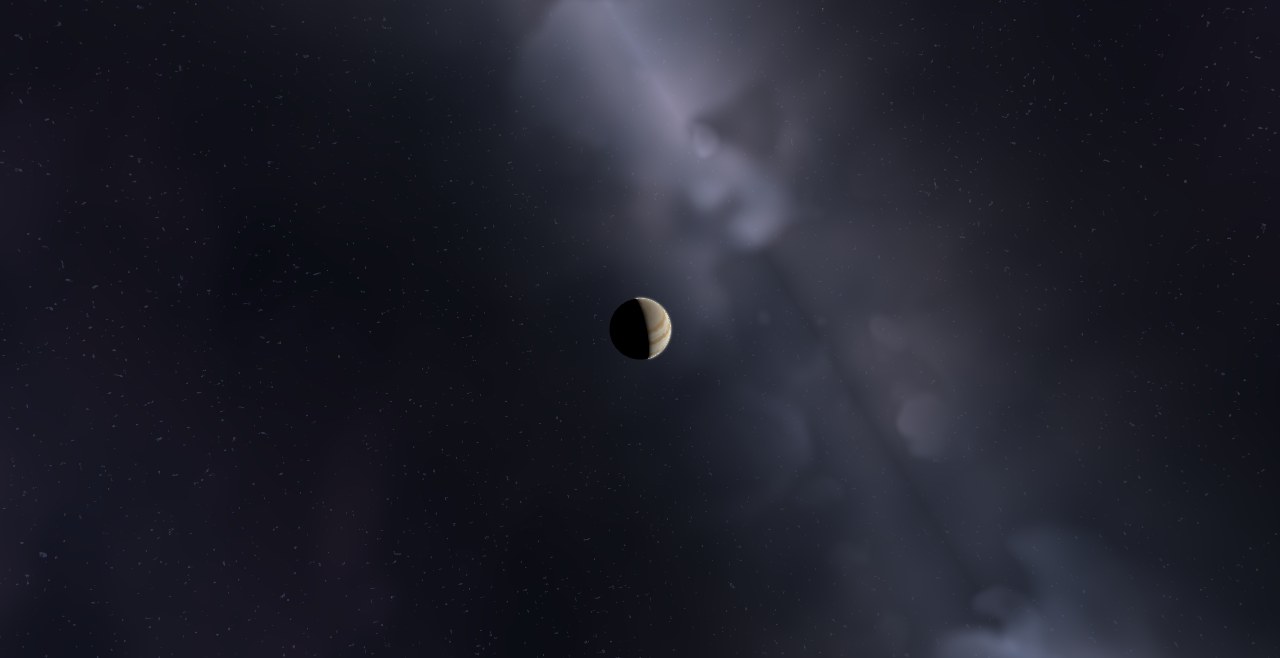
HD 106906 b, a giant planet imaged at hundreds of AU. It orbits far above a debris disk, a clue to scattering or a stellar flyby. The planet's separation is hundreds of astronomical units.
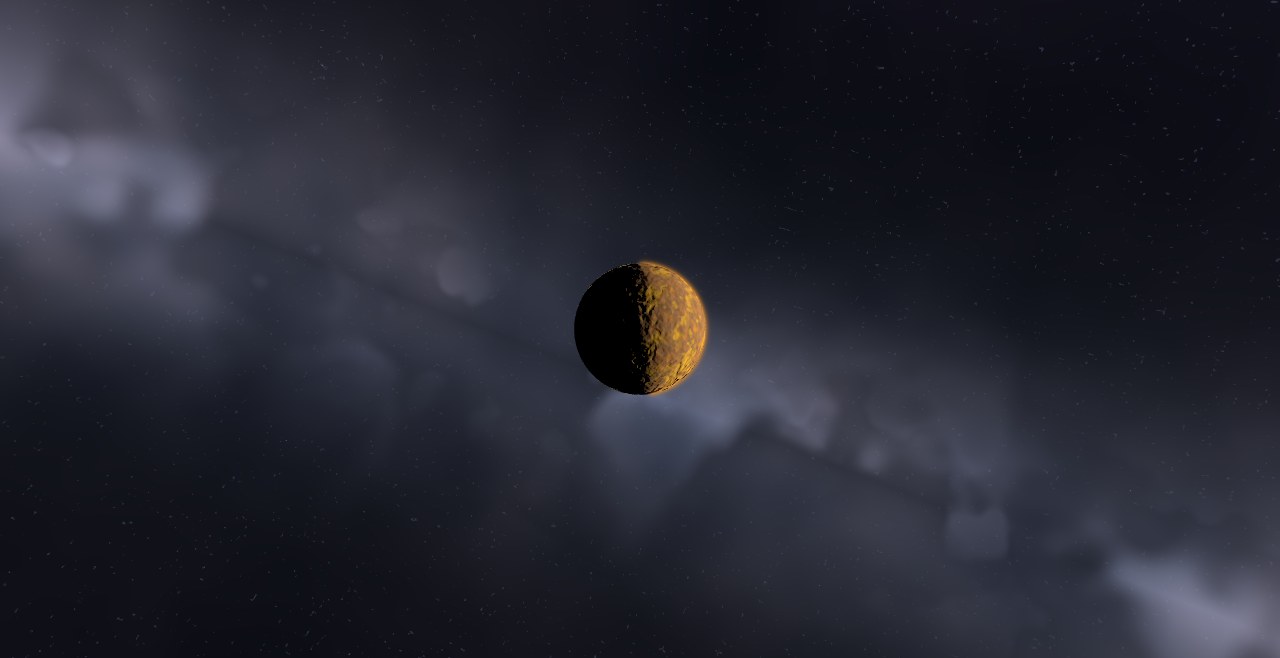
HD 110067, six sub-Neptunes in a resonant chain about 105 light-years away. Their periods follow a neat near-integer pattern around a bright K dwarf.
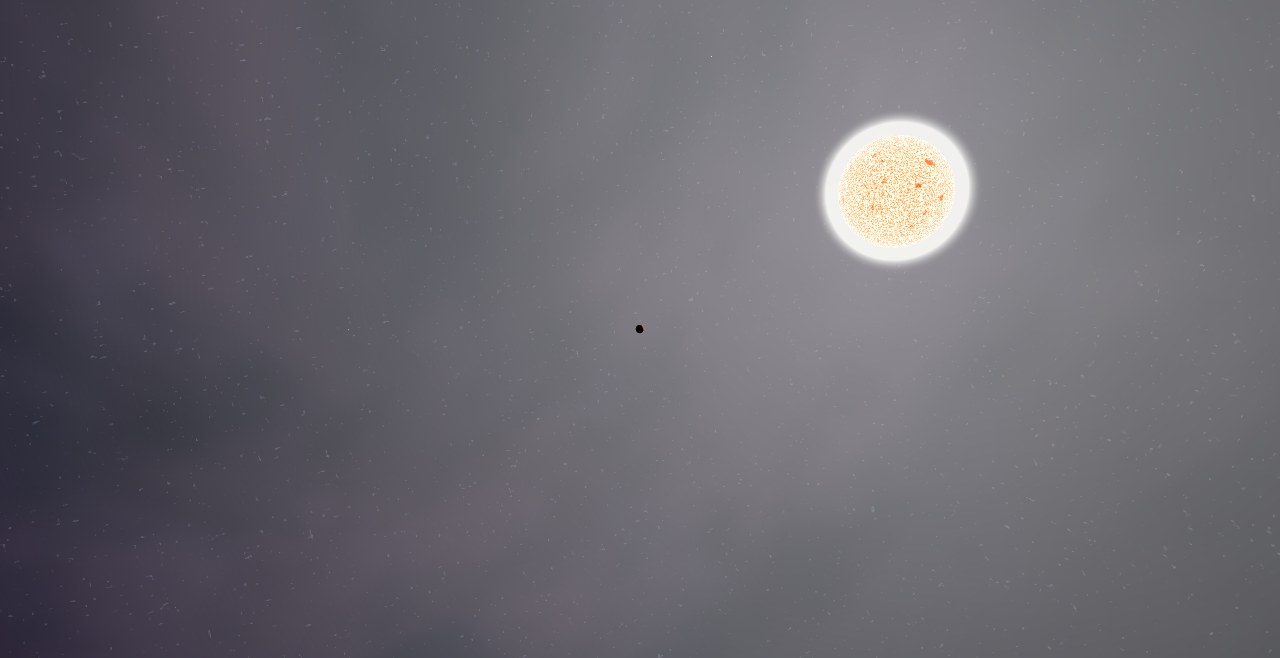
HD 149026 b, a hot Saturn with an enormous heavy core. It is smaller than Jupiter despite its mass, implying a huge load of rock and ice. The core may hold most of the planet's mass.
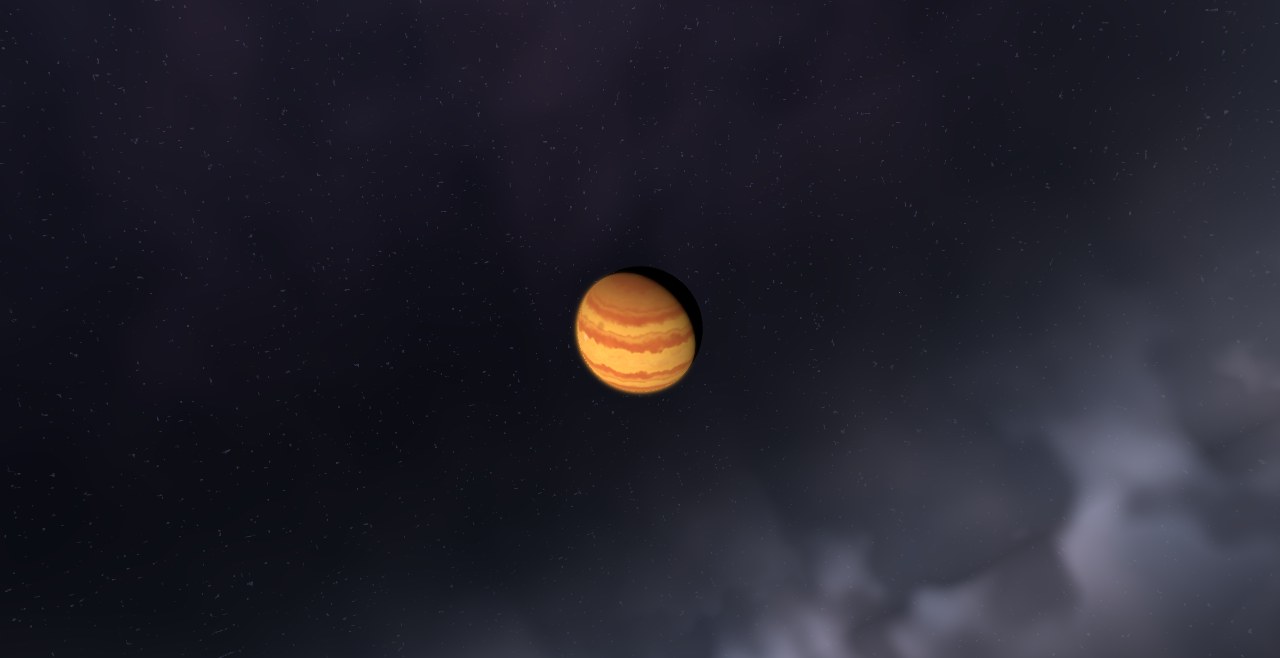
HD 17156 b, an early discovery of an eccentric transiting giant. It spends most of its year far out, then dives in for a brief, hot transit.
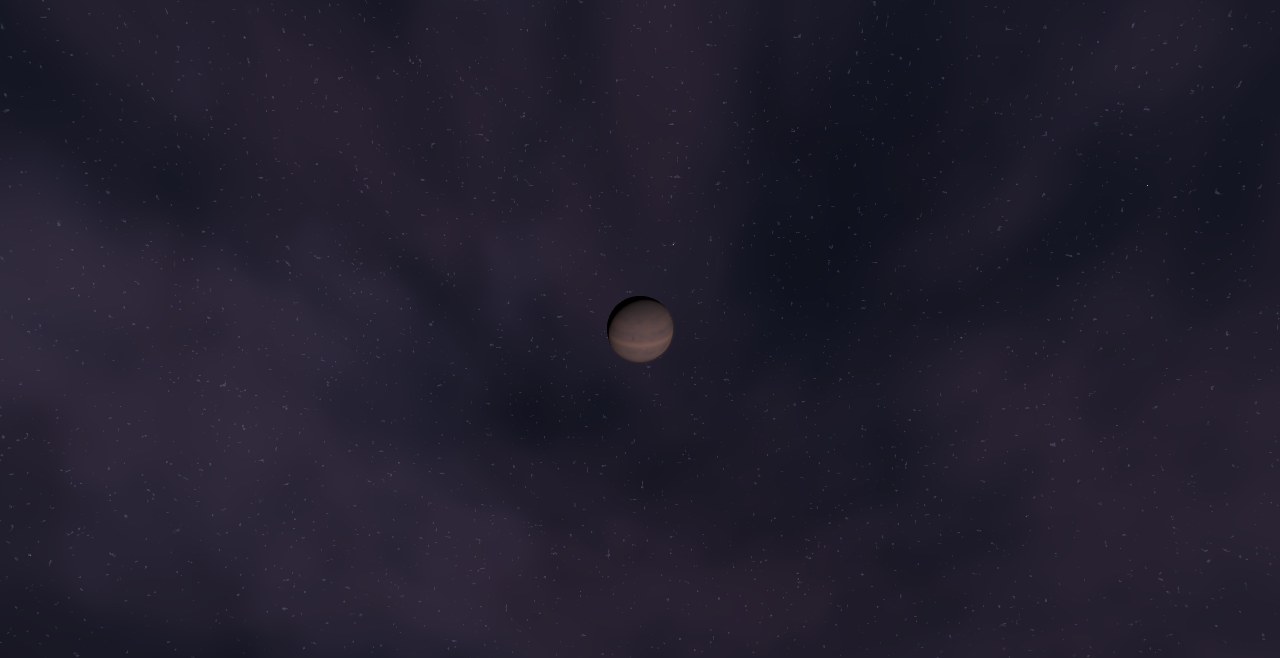
HD 189733 b, the first exoplanet to have a weather map. This deep-blue hot Jupiter has a measured day-night contrast and ferocious winds. Sodium, water, and high-speed winds have been measured.
HD 20782 b, a giant whose eccentricity is about 0.95 — among the most elongated planetary orbits known. It nearly skims the star, then retreats.
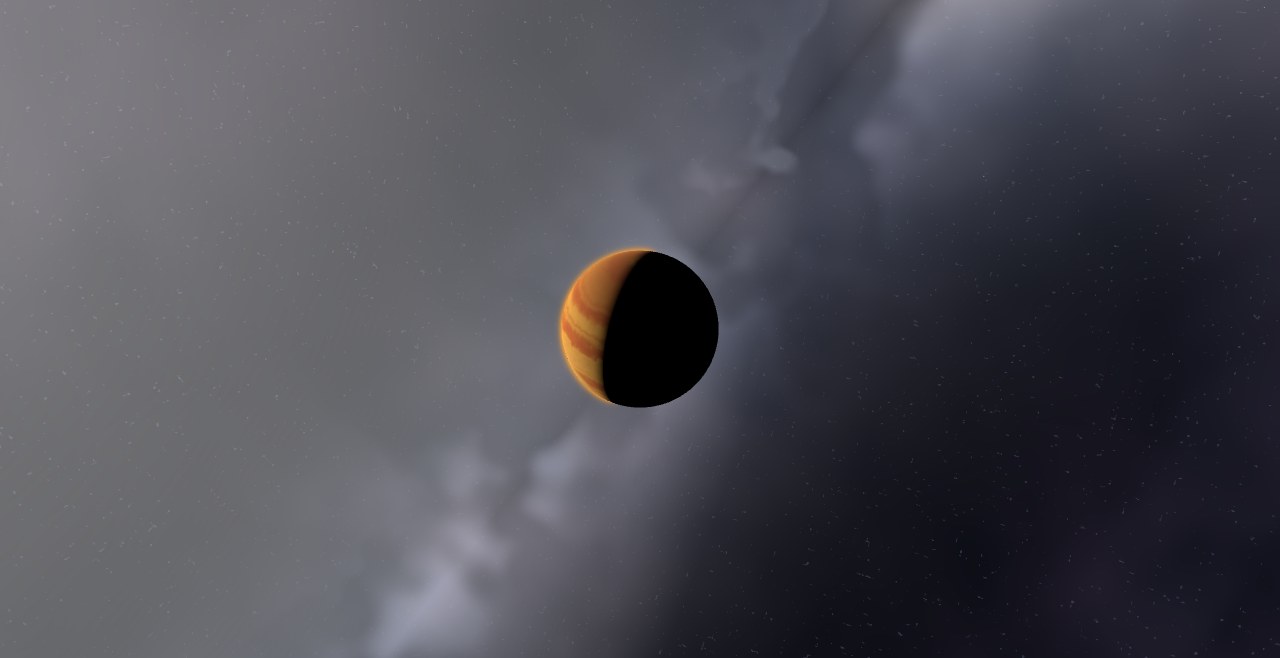
HD 209458 b, nicknamed Osiris. It was the first transiting exoplanet and the first whose atmosphere was measured, including escaping hydrogen.
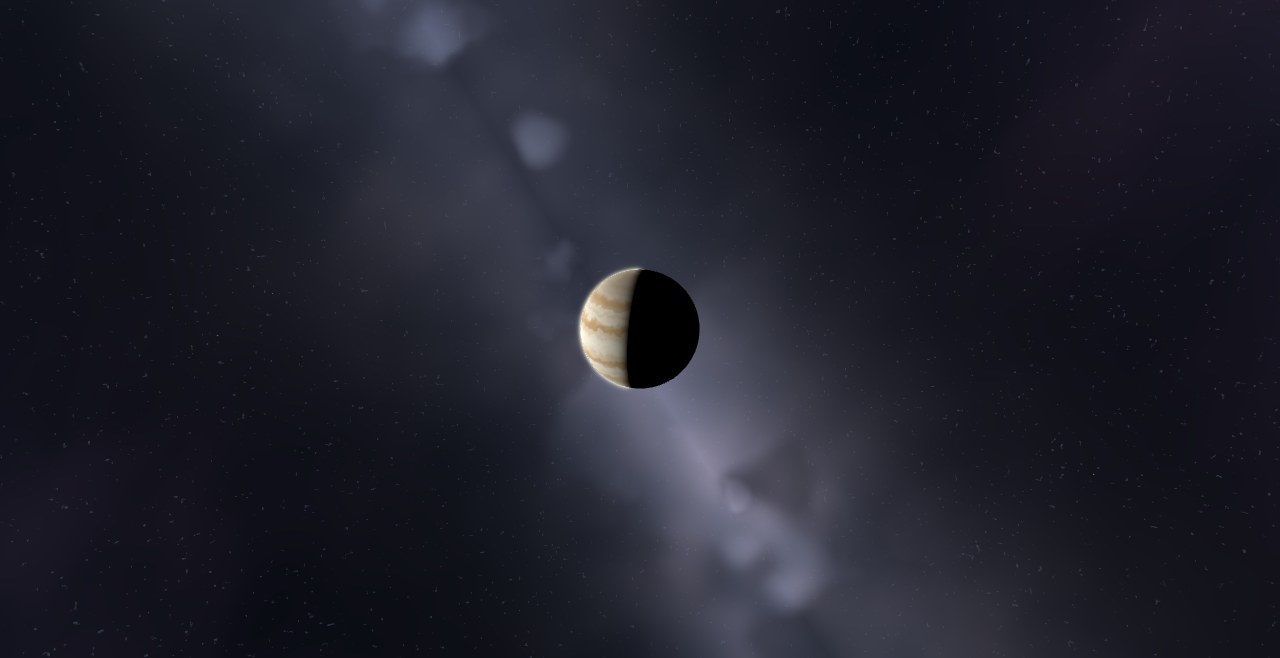
HD 219134, one of the nearest multi-planet systems. This K dwarf, 21 light-years away, has transiting super-Earths plus outer giants. At 21 light-years, several of its planets transit.
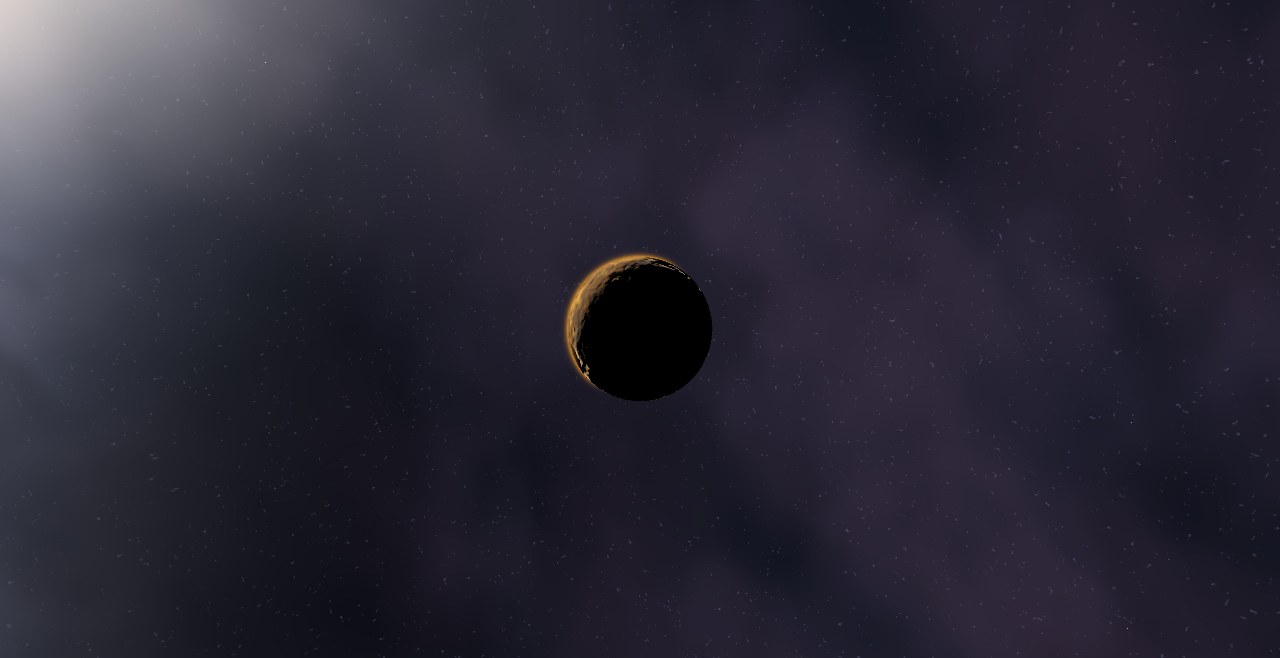
HD 3167, a multi-planet system with perpendicular orbits. The inner transiting world is tipped about 90 degrees from the outer planets. A polar inner orbit is rare among compact multiplanet systems.