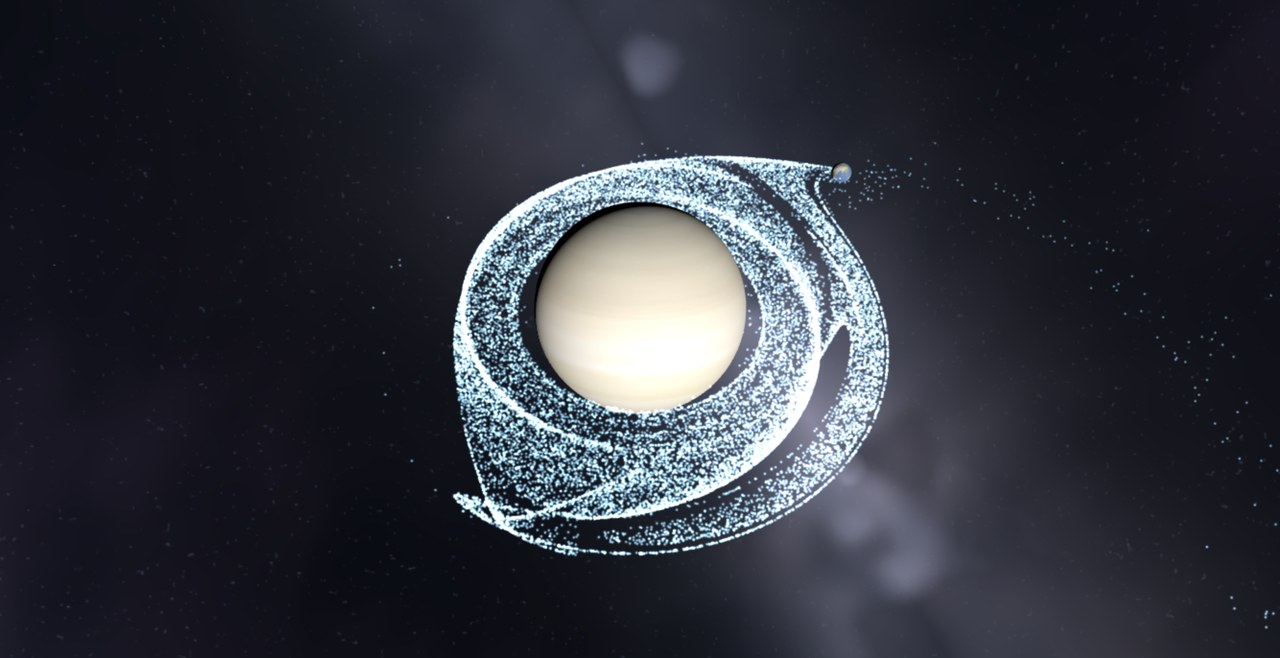
Earth Versus the Rings of Saturn
What if Earth orbited inside Saturn's ring system? Watch an Earth-mass world plow through thousands of icy ring particles, carving immense gaps and raising dramatic spiral density wakes.
Scenarios
Unleash cosmic chaos in the ultimate gravitational physics sandbox. What happens when you rewrite the laws of physics or rearrange the cosmos? This section lets you break reality, trigger planetary impacts, and test tidal stability.
Share
What if Earth orbited inside Saturn's ring system? Watch an Earth-mass world plow through thousands of icy ring particles, carving immense gaps and raising dramatic spiral density wakes.
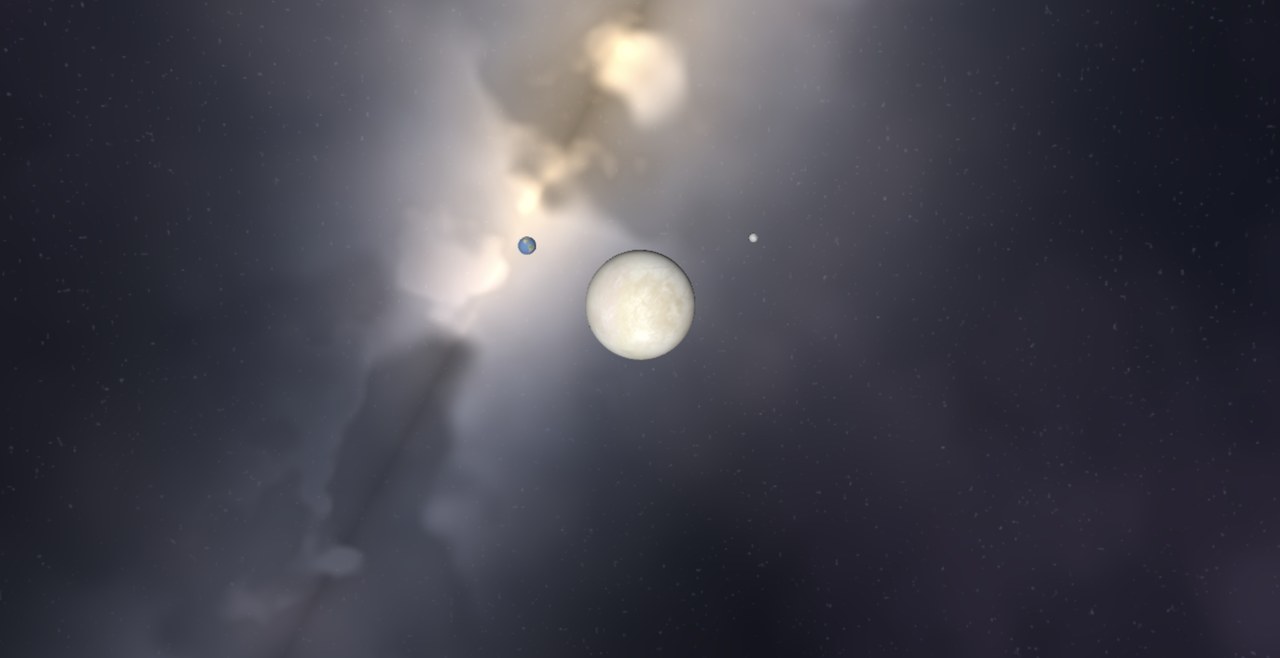
What if Earth had two natural satellites? Explore the gravitational stability of Earth with both our Moon and Jupiter's icy moon Europa in co-orbiting harmony in interactive 3D.
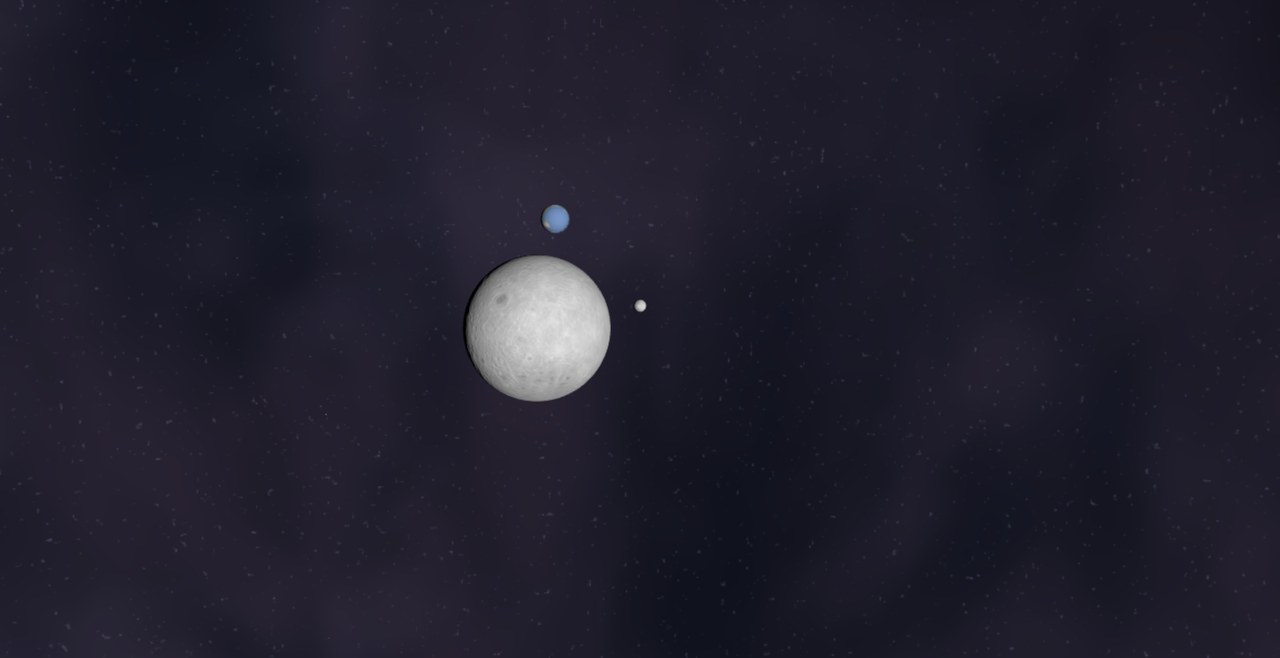
What if Saturn's cratered moon Mimas orbited our Moon as a submoon? Test the orbital stability of a moon-orbiting moon nested inside Earth's lunar Hill sphere in interactive 3D.
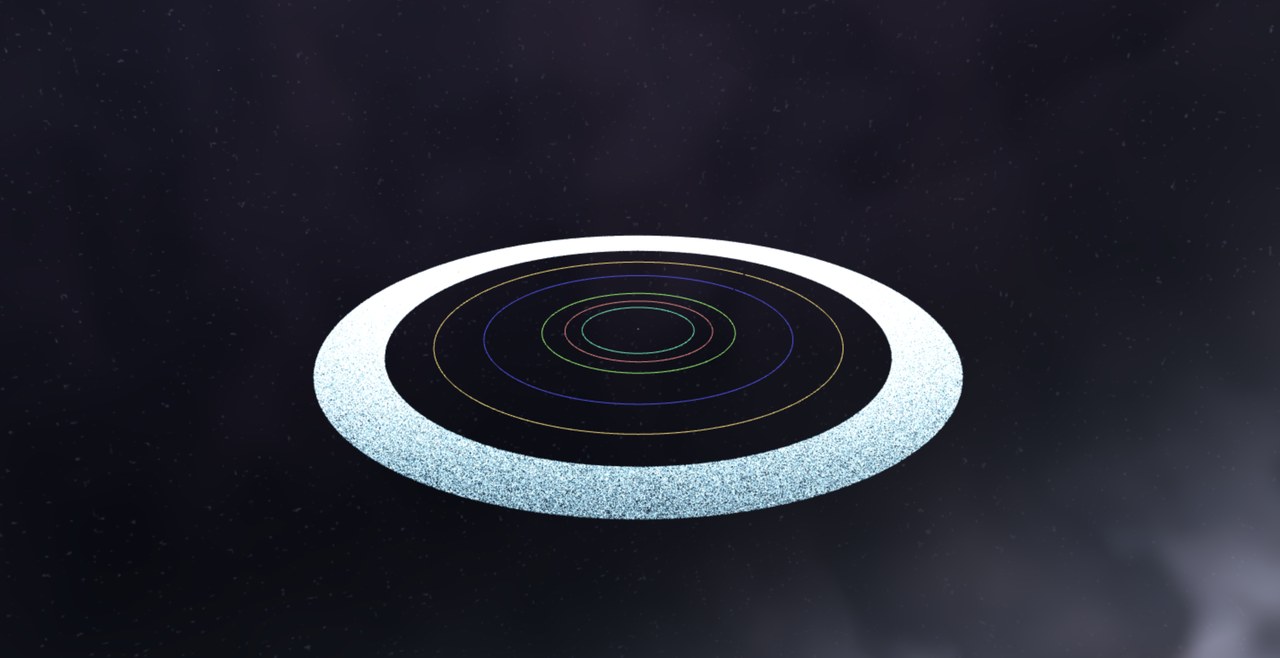
Explore the early Solar System through the Nice model: simulate Jupiter, Saturn, and three ice giants in a compact resonant chain surrounded by a massive primordial planetesimal disk.
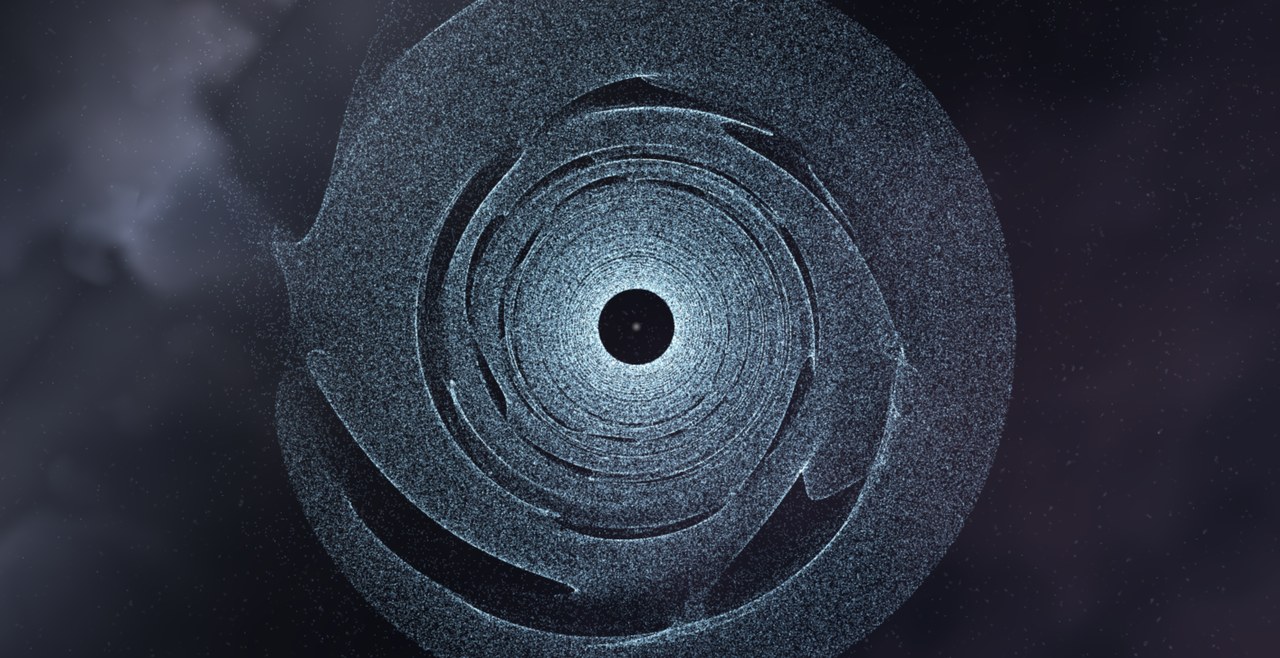
Simulate planetary oligarchic growth: watch twelve embryonic protoplanets collide, scatter, and accrete amid a dense disk of 400,000 debris particles around a newborn star in 3D.
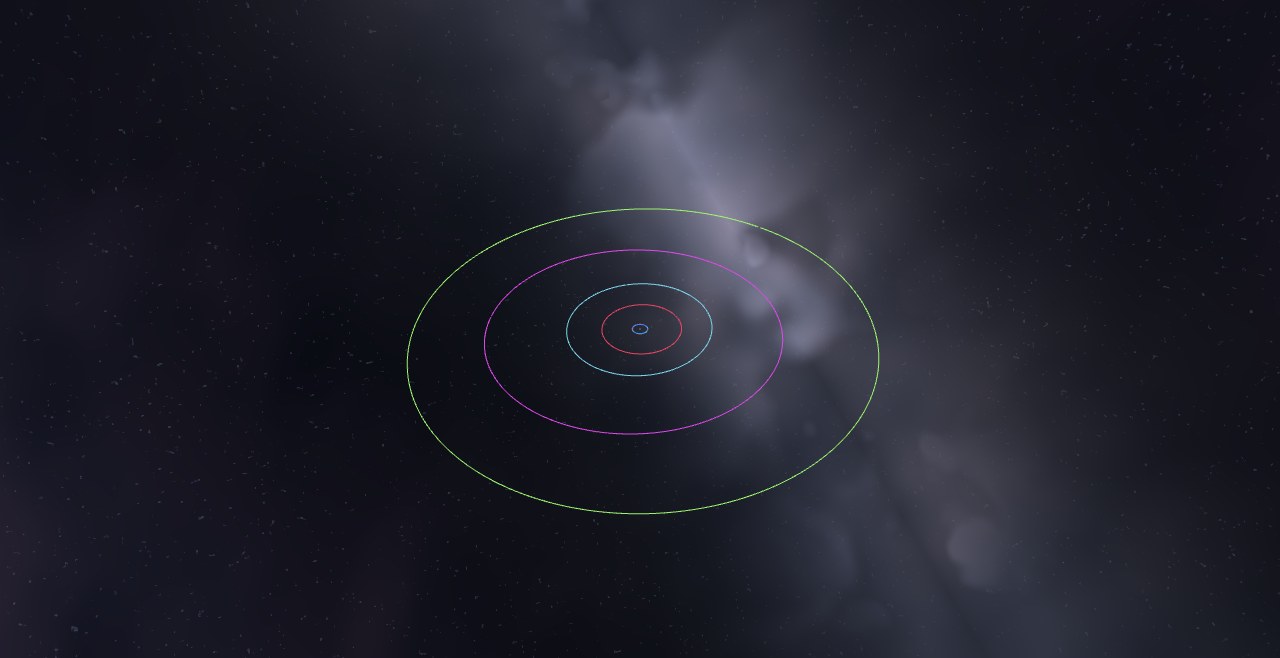
What if Mercury, Venus, Earth, and Mars shared one identical 1 AU orbit spaced 90 degrees apart? Test the gravitational stability of this co-orbital four-planet ring in 3D.
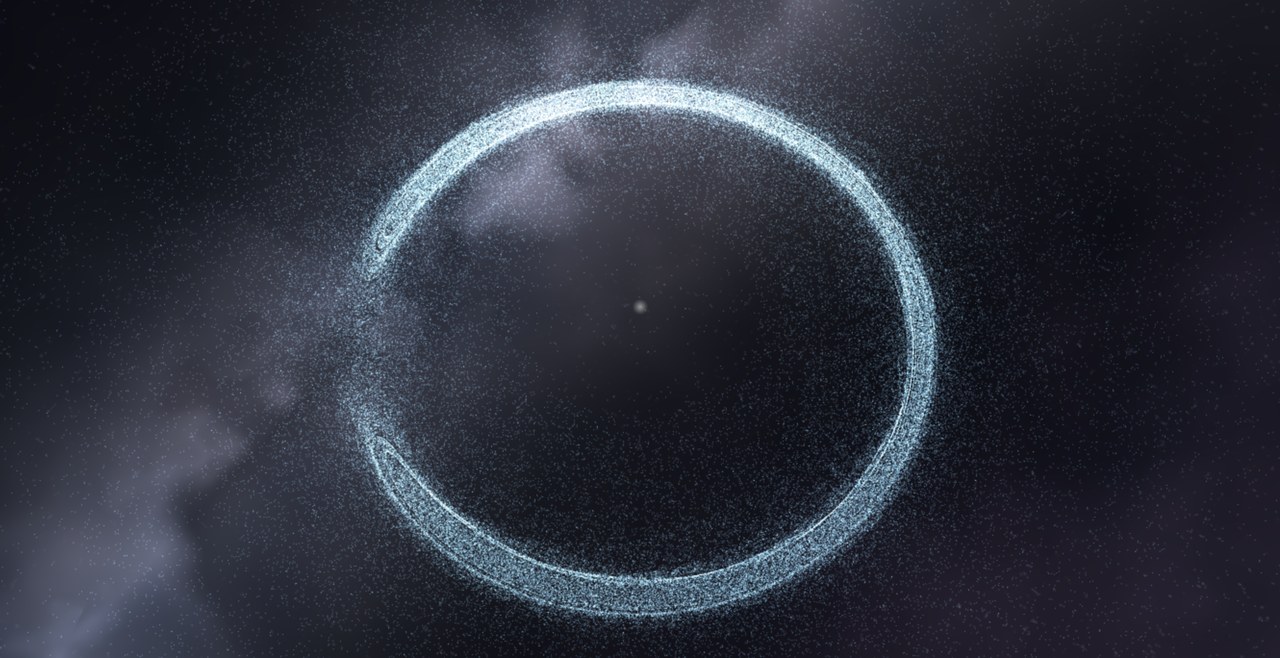
Simulate a 300-Earth-mass gas giant embedded in a massive 200,000-particle planetesimal ring. Watch the giant shepherd material into Lagrange clouds, clear gaps, and eject debris in 3D.
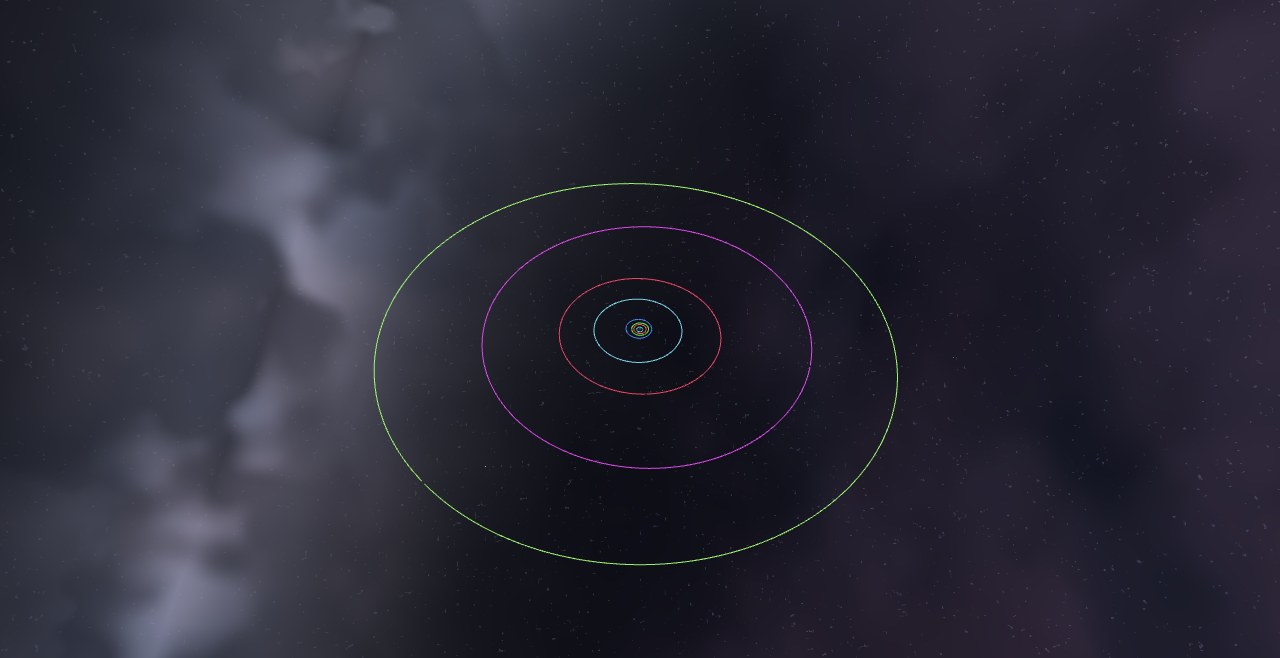
What if Jupiter and Saturn traded places in the Solar System? Experience the catastrophic orbital chaos as swapped gas giants destabilize the asteroid belt and planetary orbits in 3D.
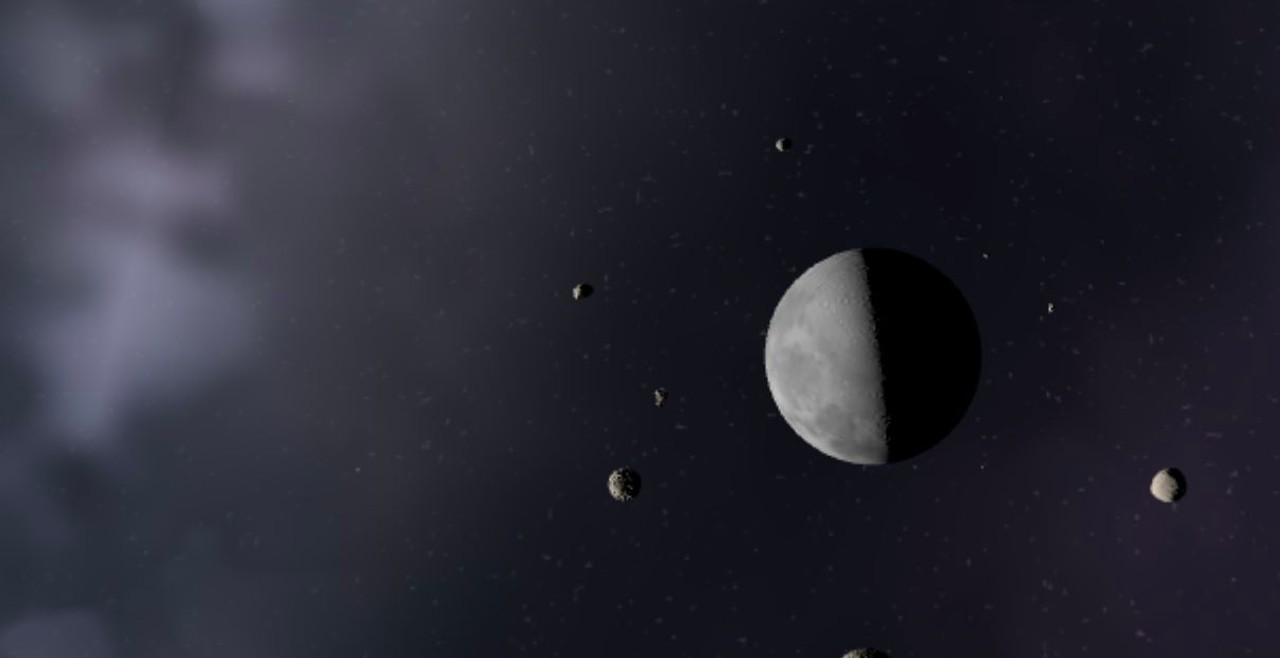
What if the Moon were struck by twenty asteroids, comets, and Ceres? Watch shockwaves and impact scars ripple across the lunar surface in slow motion.
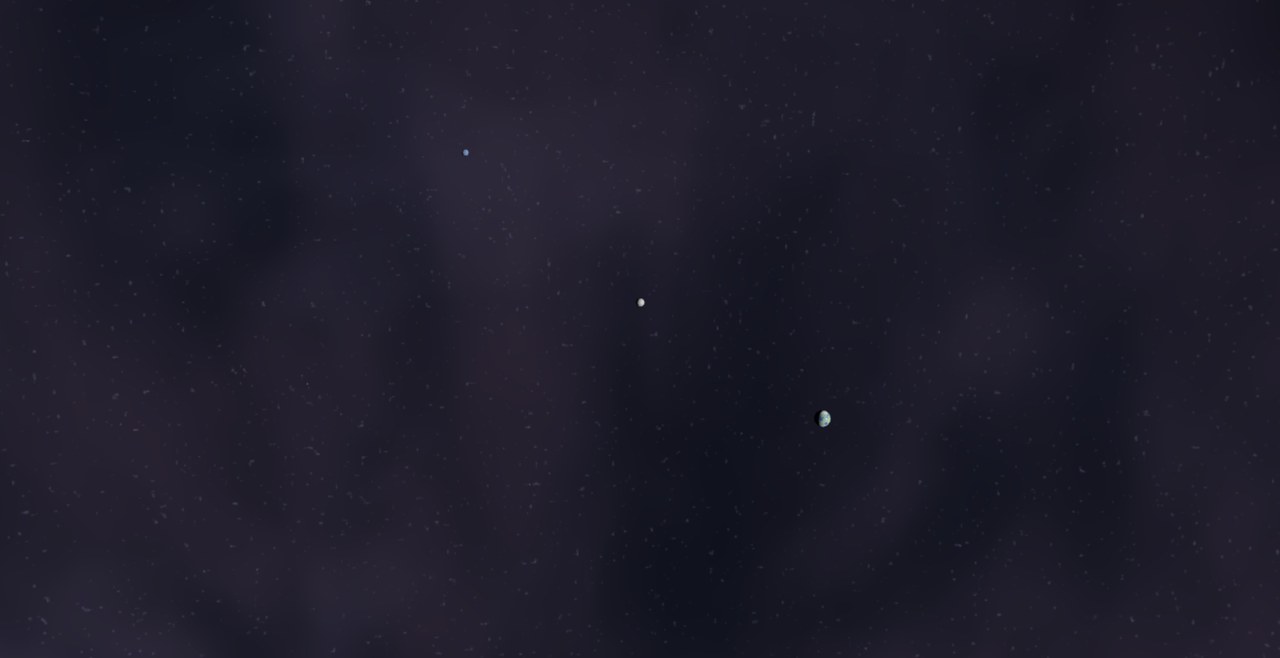
What if an Earth-mass rogue planet flew through the inner Solar System? Watch the cosmic intruder gravitationally strip the Moon right out of Earth's orbit in this dramatic simulation.
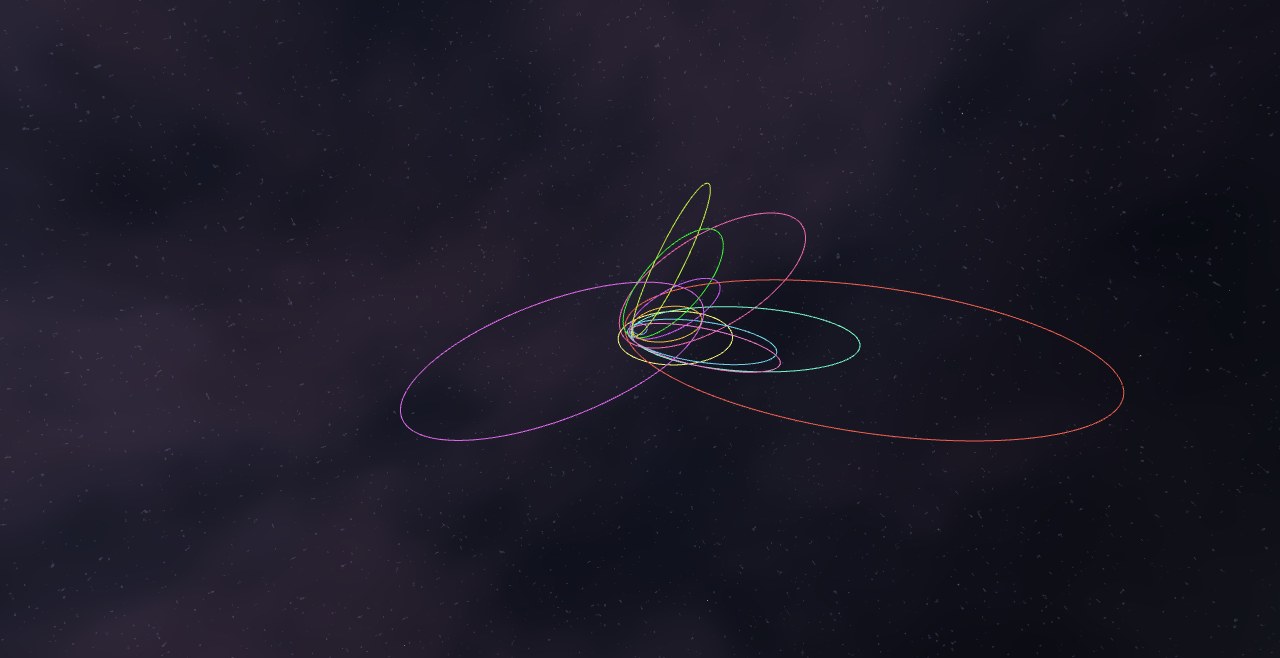
Could a mysterious Planet Nine lurk in the outer dark? Test whether a hypothetical distant super-Earth can gravitationally shepherd Sedna and extreme detached trans-Neptunian objects in 3D.
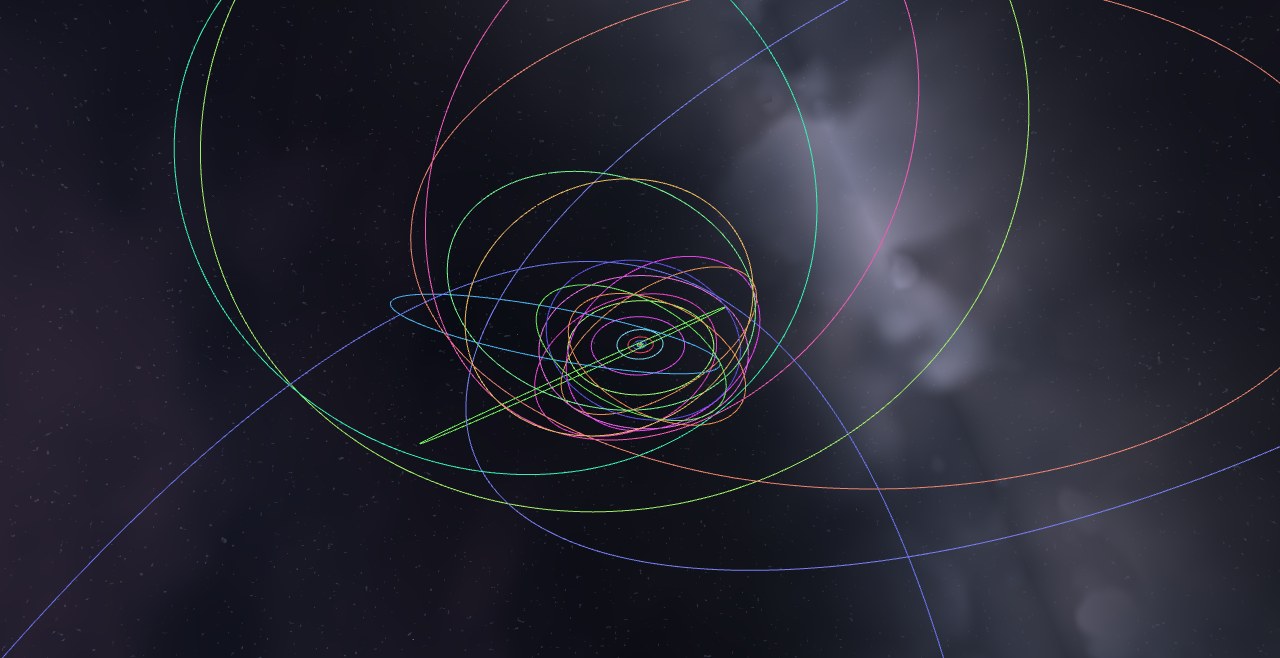
What if a red dwarf star passed 40 AU from the Sun? Simulate a stellar close encounter and watch how a passing star perturbs planetary orbits and scrambles the Kuiper Belt in 3D.
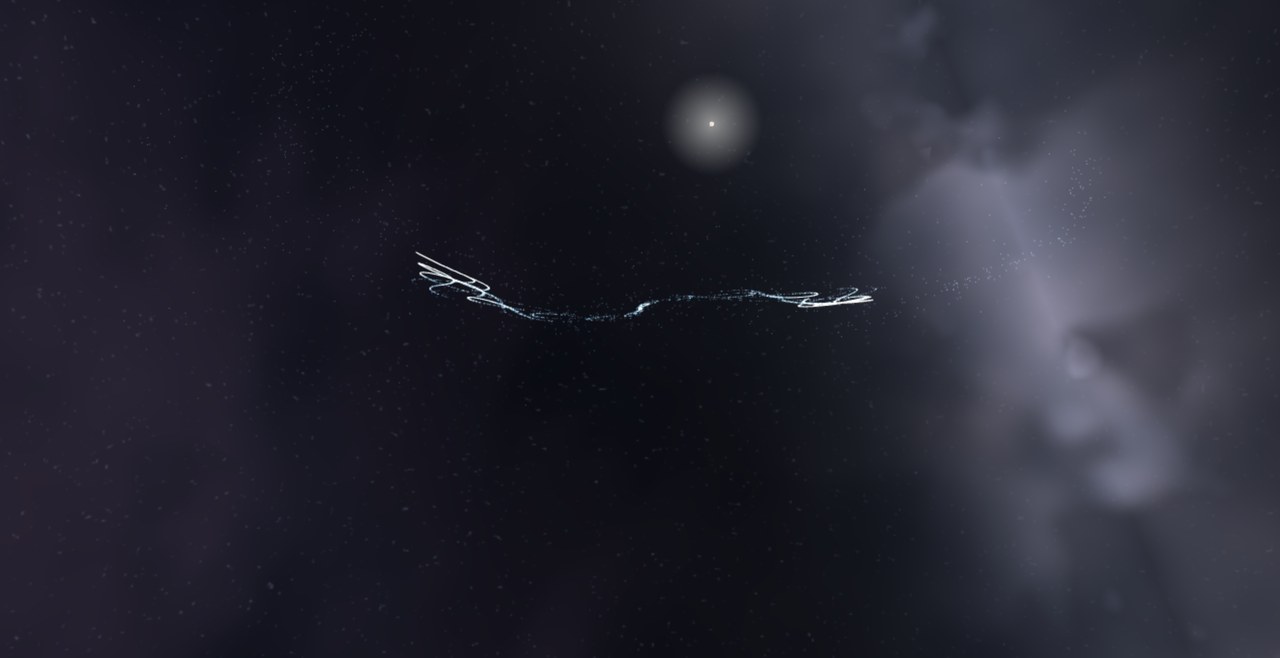
What if Earth were ringed like a mini-Saturn? Explore the outer limits of Earth's gravitational sphere of influence, testing where solar tides strip away orbiting ring particles.
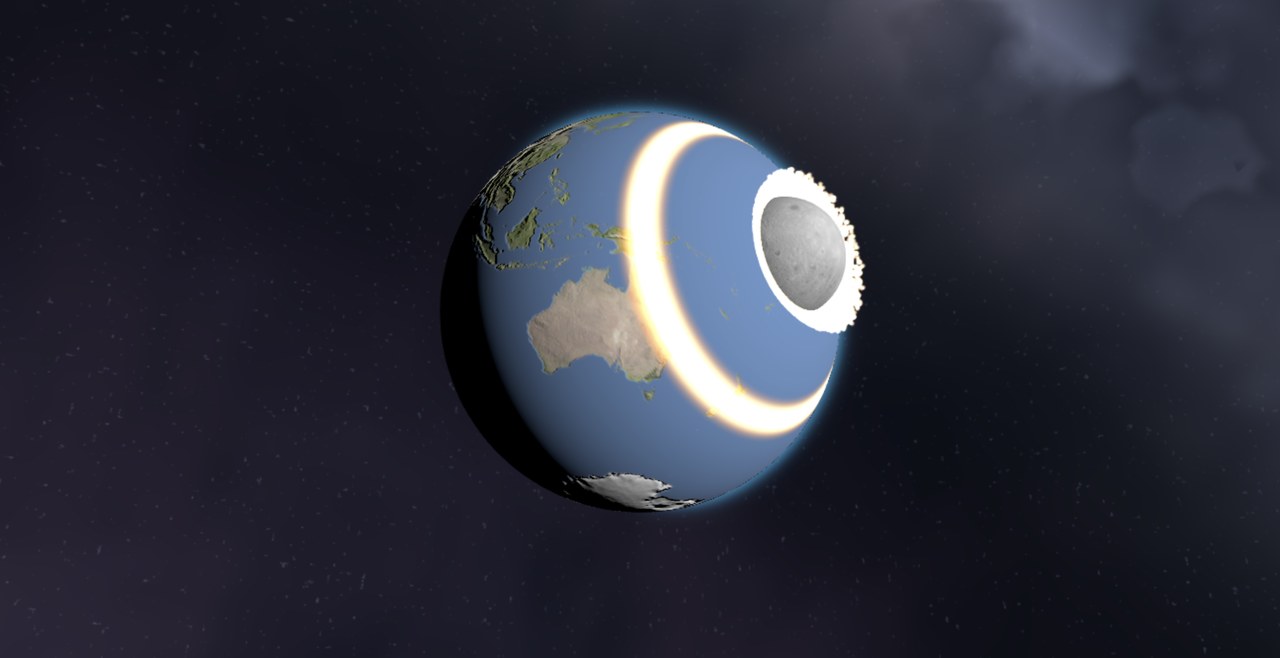
What if the Moon lost orbital velocity and plunged toward Earth? Simulate the catastrophic gravitational collision as the Moon spirals inward to collide with our home planet in 3D.
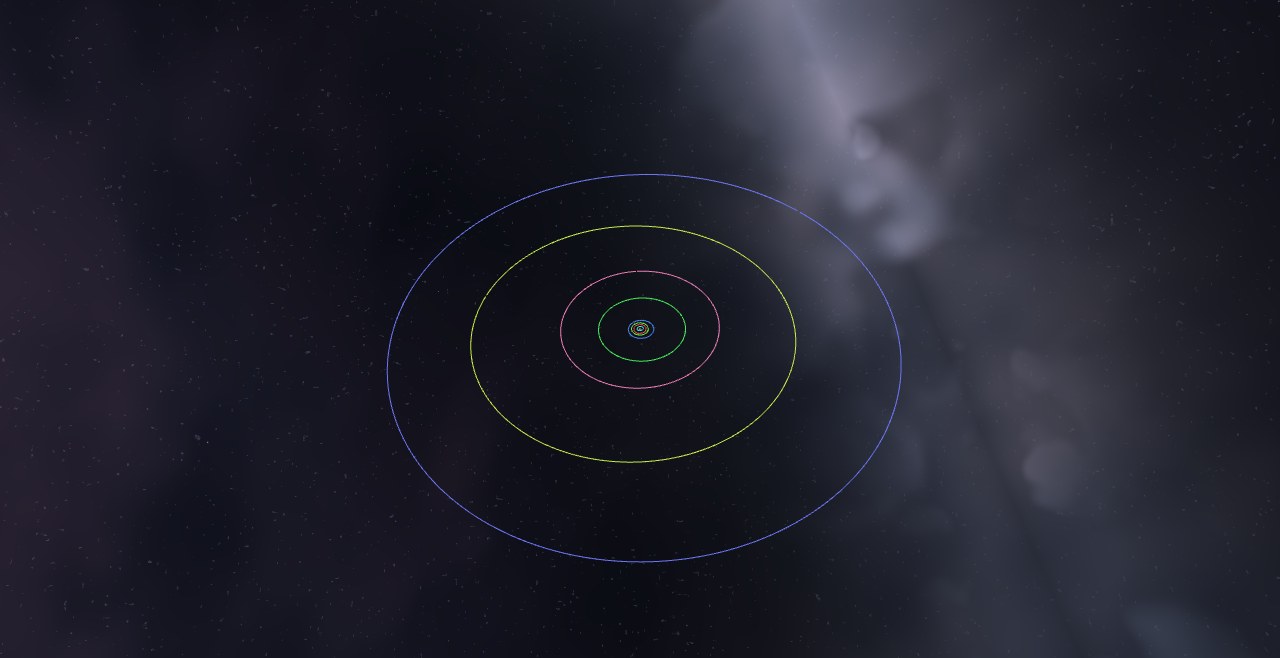
What if our Solar System formed a scorching Hot Jupiter inside Mercury's orbit? Explore how a four-day giant planet changes the gravitational balance of the inner planets in 3D.
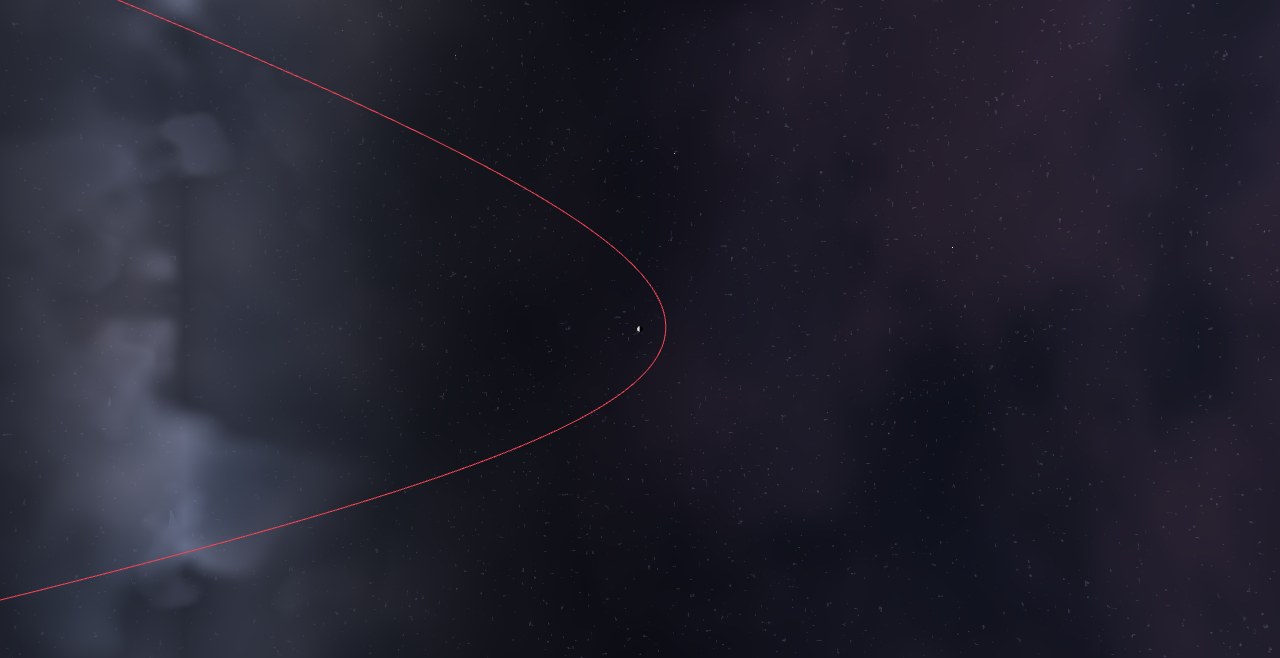
Simulate the binary-exchange capture of Triton by Neptune. Watch a primordial Kuiper Belt binary encounter Neptune, binding one icy world into a retrograde orbit while violently ejecting the other.
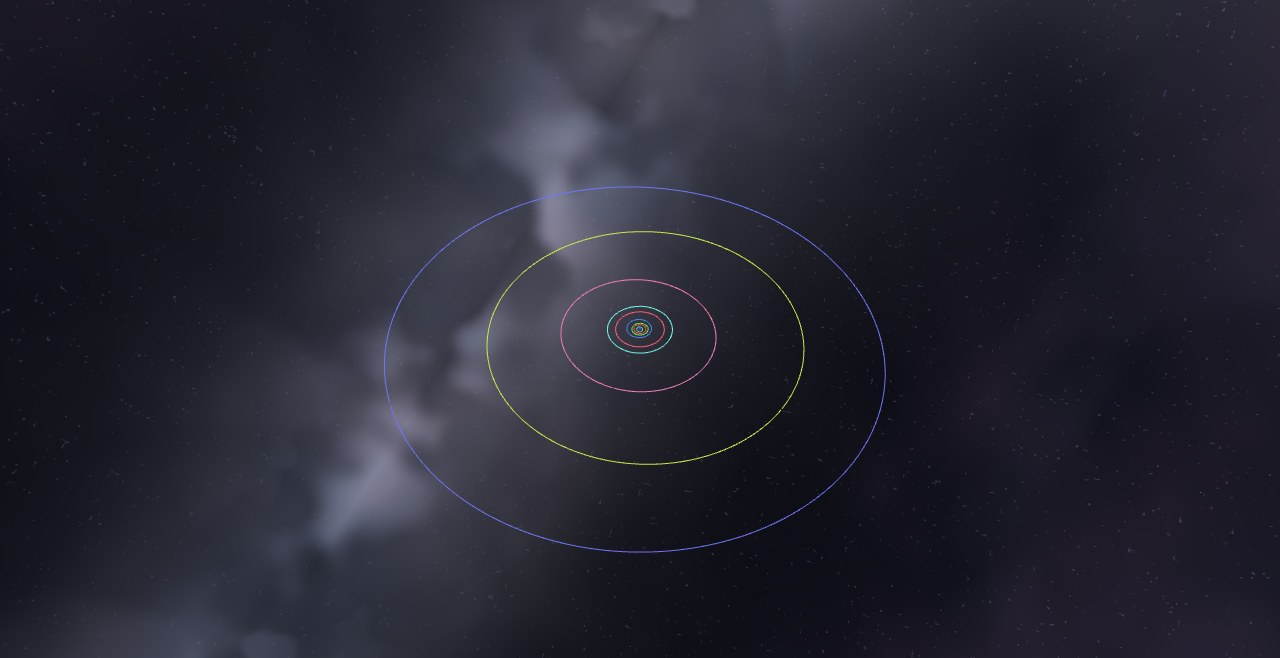
What if our Solar System possessed two giant Jupiters at 3 AU and 4 AU? Test the extreme gravitational perturbations and orbital disruptions inflicted on the terrestrial planets in 3D.
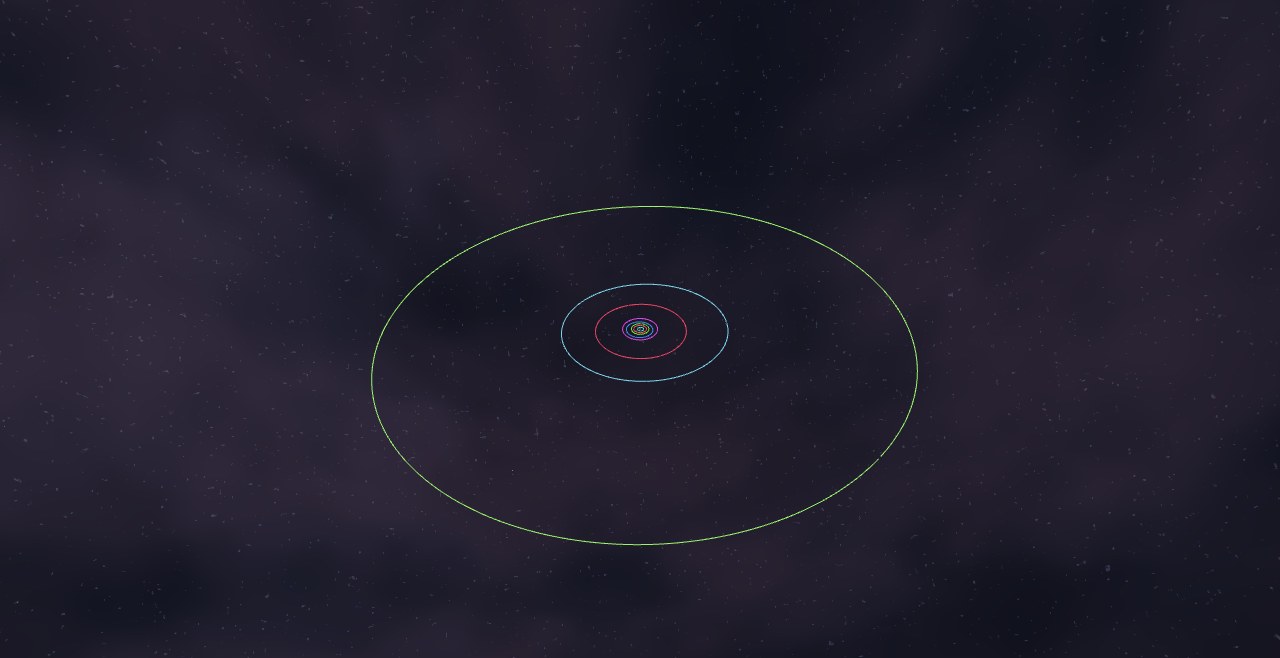
What if Uranus orbited at 2 AU right in the heart of the asteroid belt? Explore the disruptive orbital chaos as an ice giant dominates the region between Mars and Jupiter in 3D.