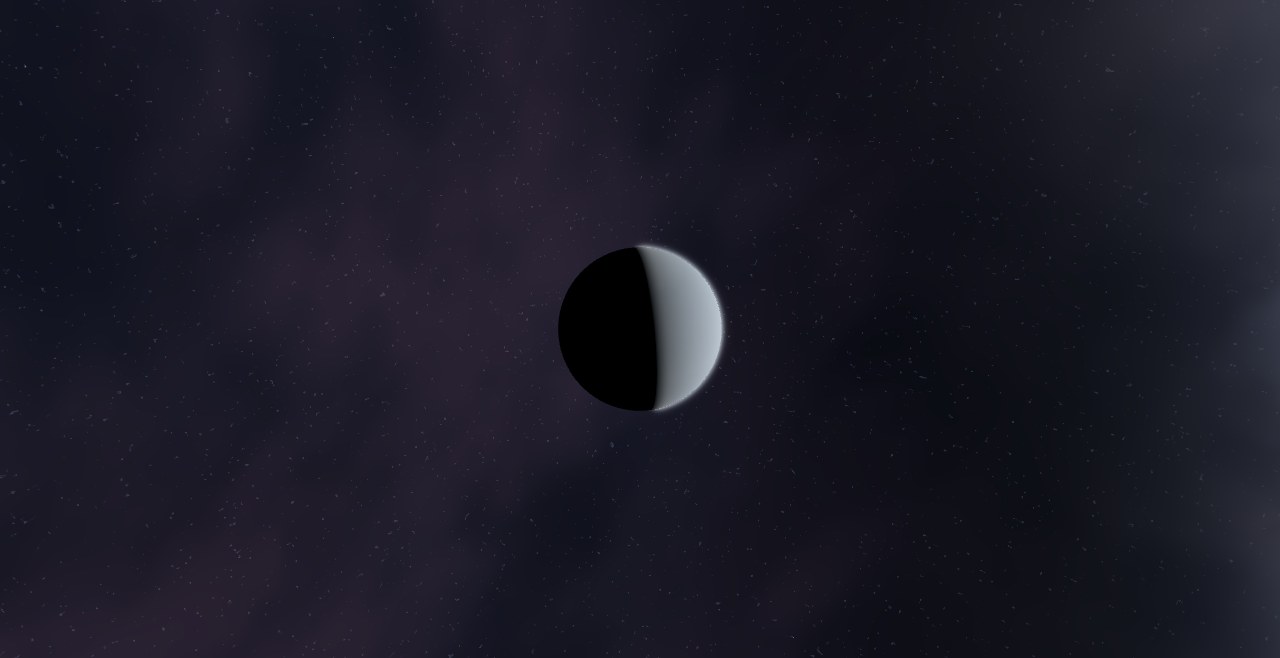
Kepler-9 - System
Kepler-9, the first planets confirmed by transit timing variations. The two giants tug each other so hard their transit clocks drift. A smaller inner world, Kepler-9 d, transits as well.
Exoplanets
Tour the most extraordinary, record-breaking exoplanets discovered by modern science. Simulate hyper-eccentric worlds, extreme "Hot Jupiters," and the most fascinating alien star systems in our galaxy.
Share
Kepler-9, the first planets confirmed by transit timing variations. The two giants tug each other so hard their transit clocks drift. A smaller inner world, Kepler-9 d, transits as well.
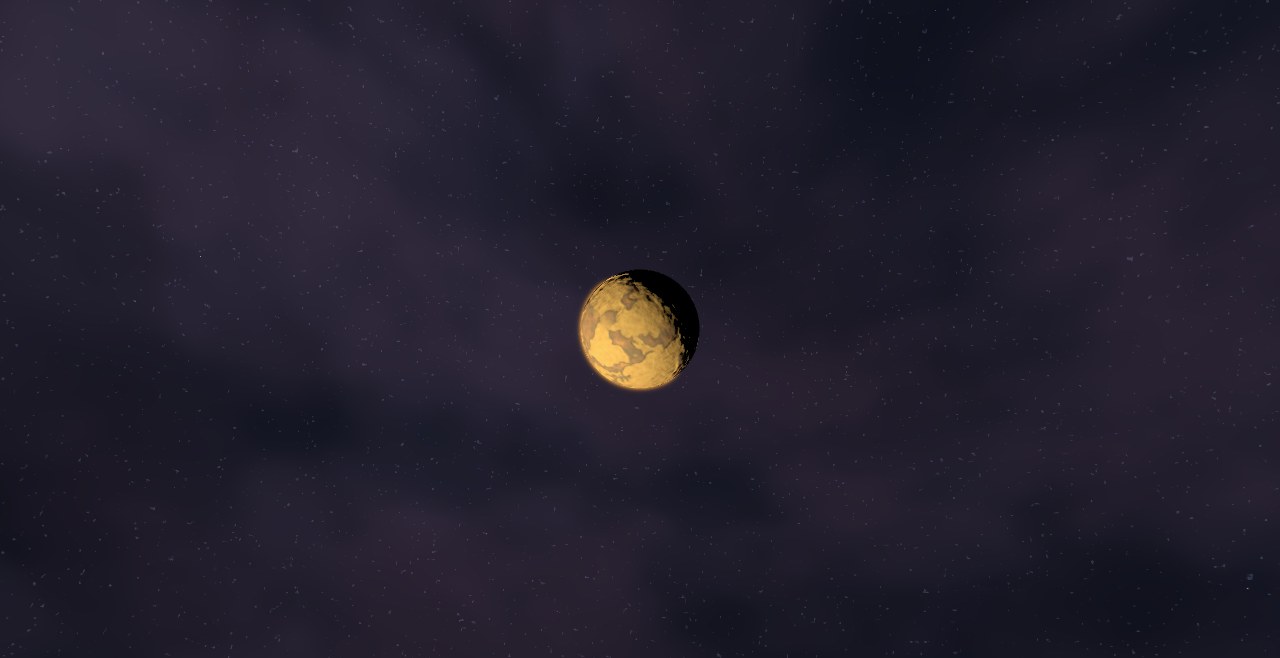
L 98-59, a nearby compact system around a bright red dwarf. The inner planet may be volcanic, and outer worlds sit near the habitable zone. The host is bright enough for detailed JWST spectra.
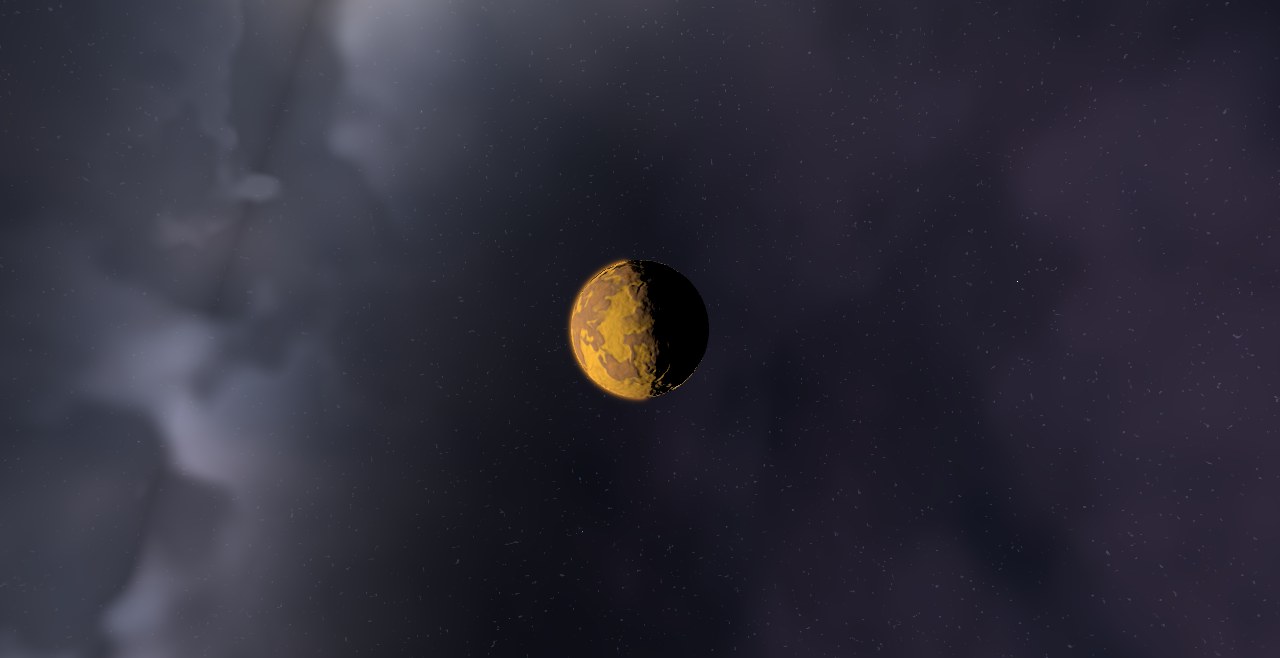
LHS 1140, a nearby red dwarf with a rocky habitable-zone super-Earth. LHS 1140 b is a leading target for atmospheric study with JWST. An inner planet, LHS 1140 c, transits the star as well.
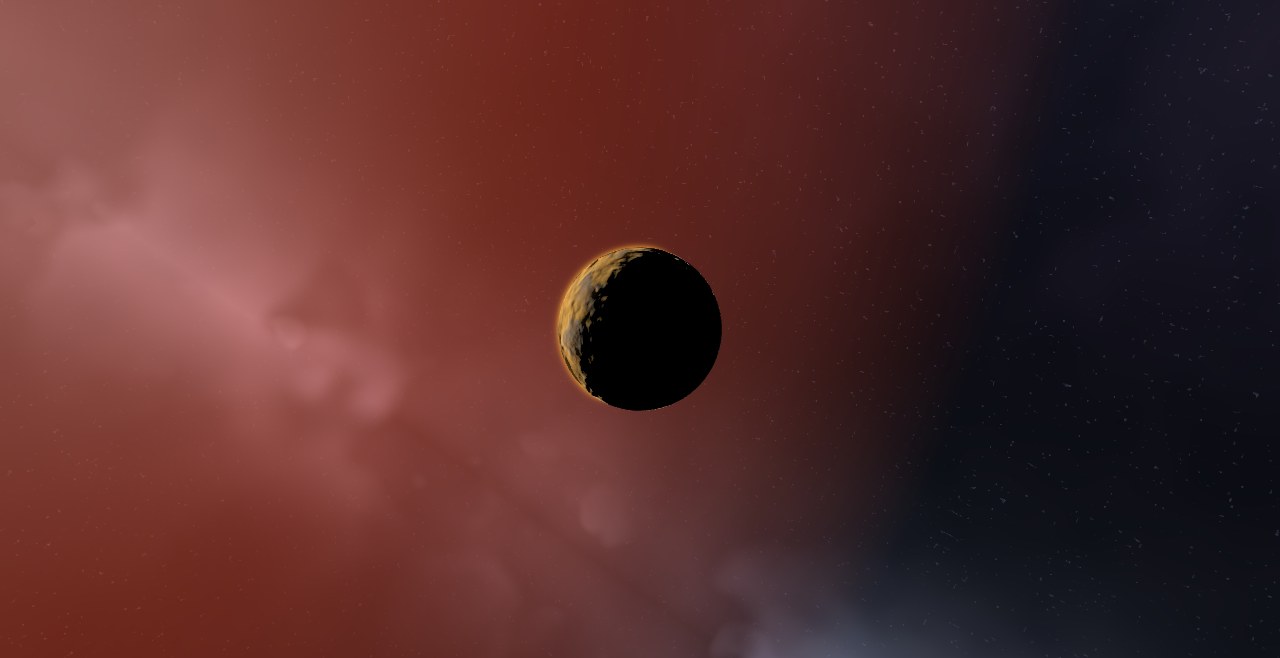
LHS 3844 b, a bare-rock planet with no detected atmosphere. Its dayside phase curve shows heat reradiated straight from the surface. The world orbits in only about 11 hours.
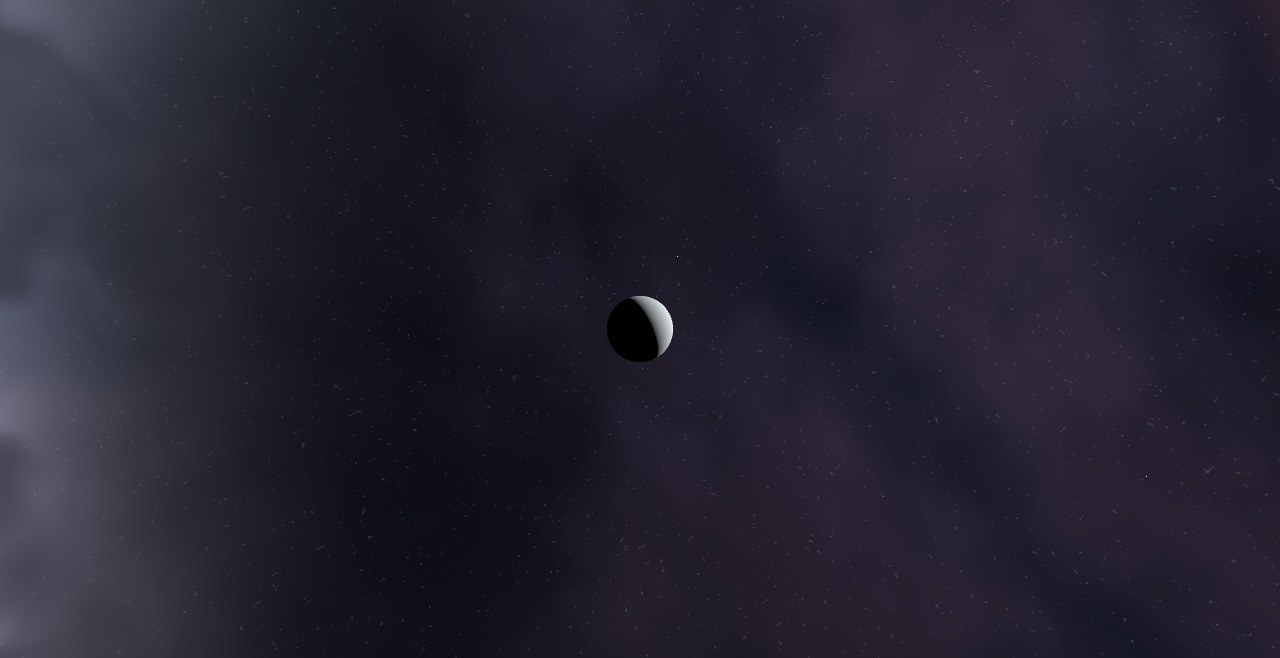
LP 890-9, also SPECULOOS-2, an ultracool dwarf with two Earth-sized planets. The outer one transits in the habitable zone. The host is one of the coolest stars known to have planets.
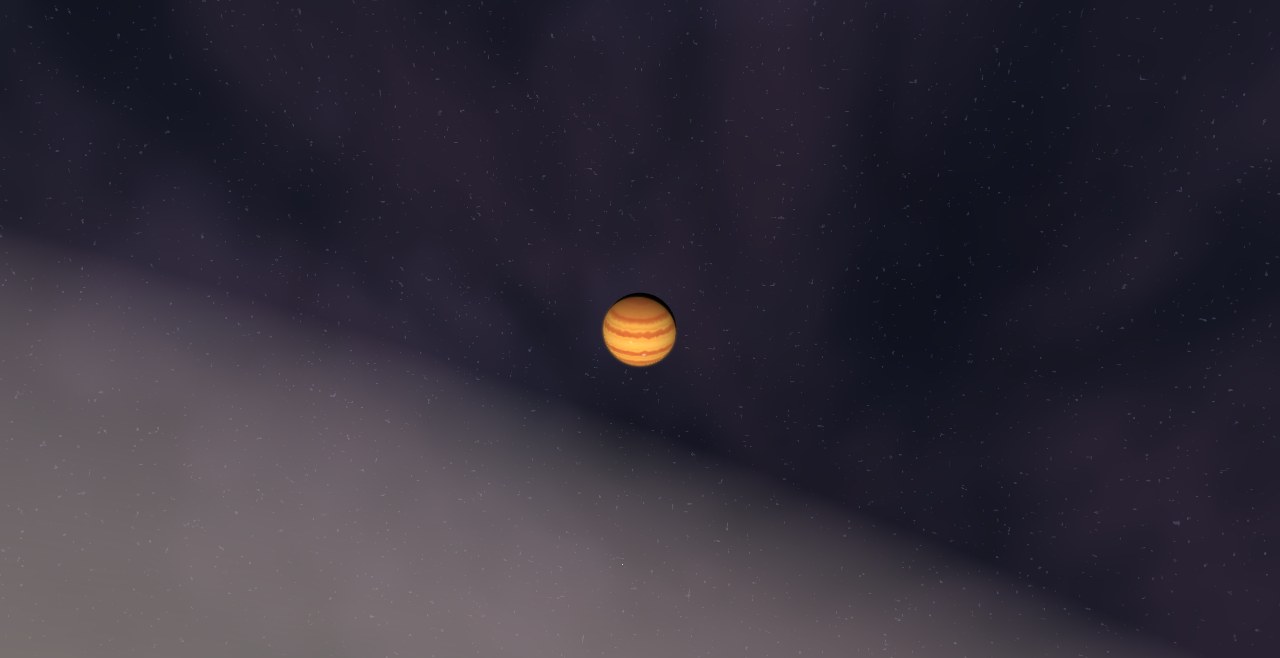
NGTS-10 b, an ultra-short-period hot Jupiter orbiting in about 18 hours. Tides are expected to drag this already-close planet inward. It was found by the Next-Generation Transit Survey.
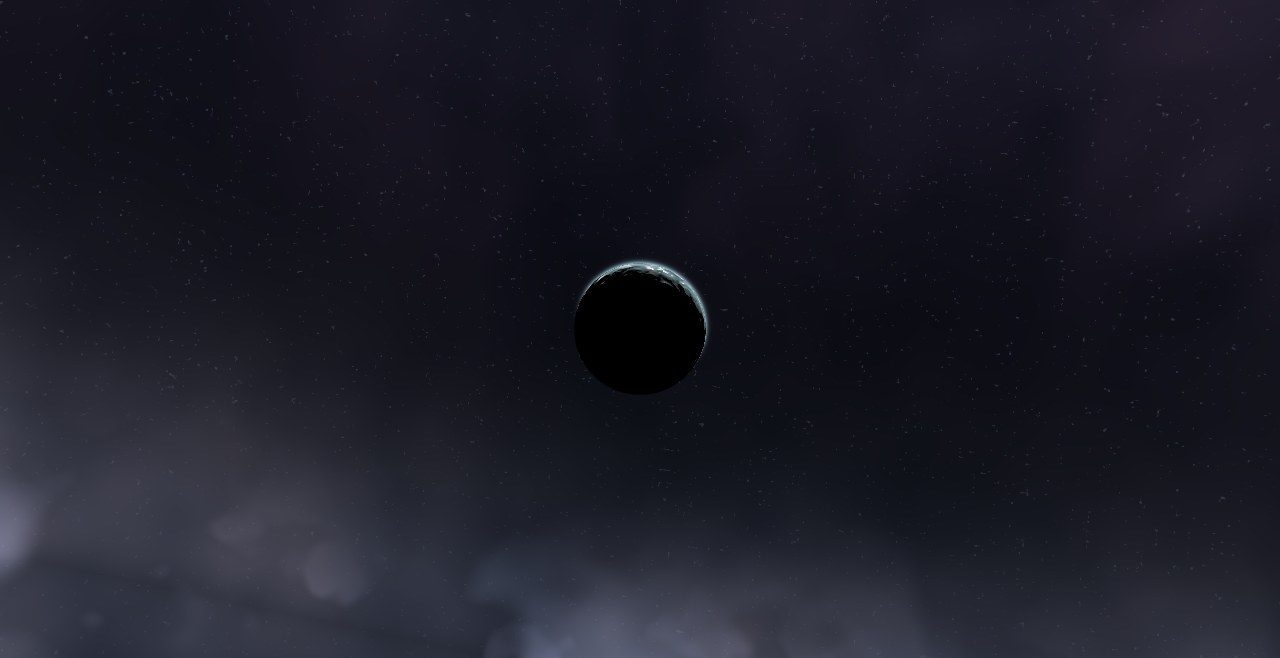
OGLE-2005-BLG-390L b, a cold super-Earth found by gravitational microlensing. It was the first icy, low-mass planet detected far from its star.
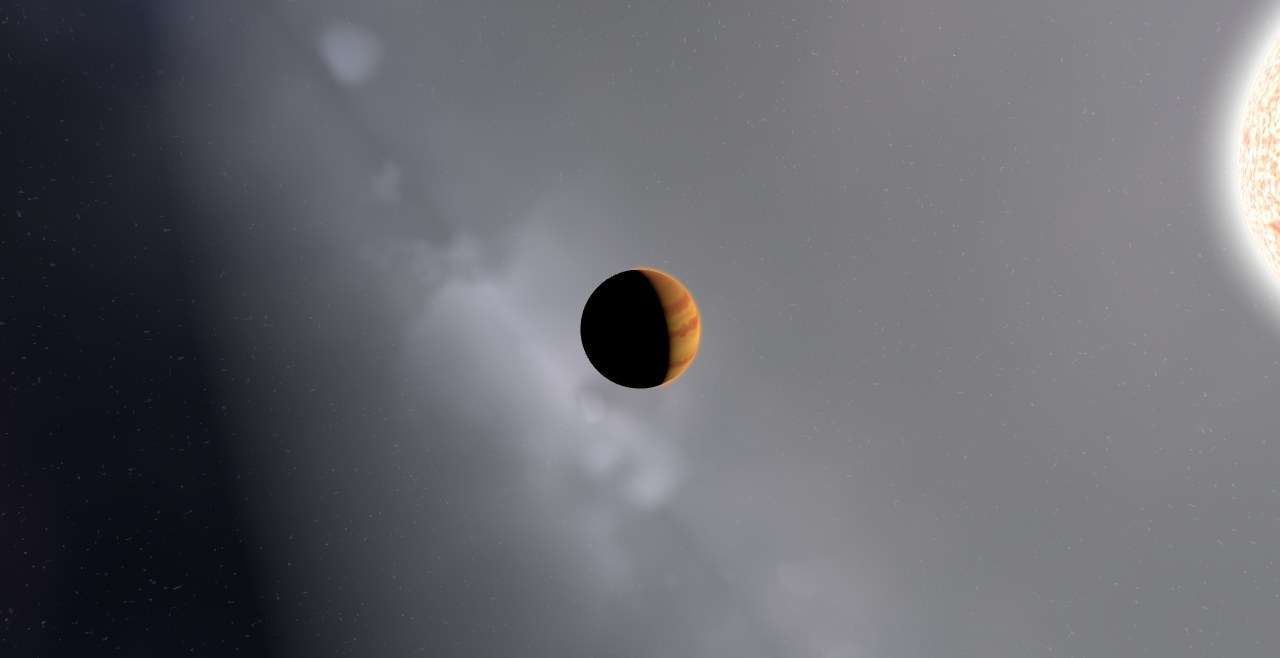
OGLE-TR-56 b, the first planet discovered by the transit method itself. Earlier transiting worlds had already been found by radial velocity.
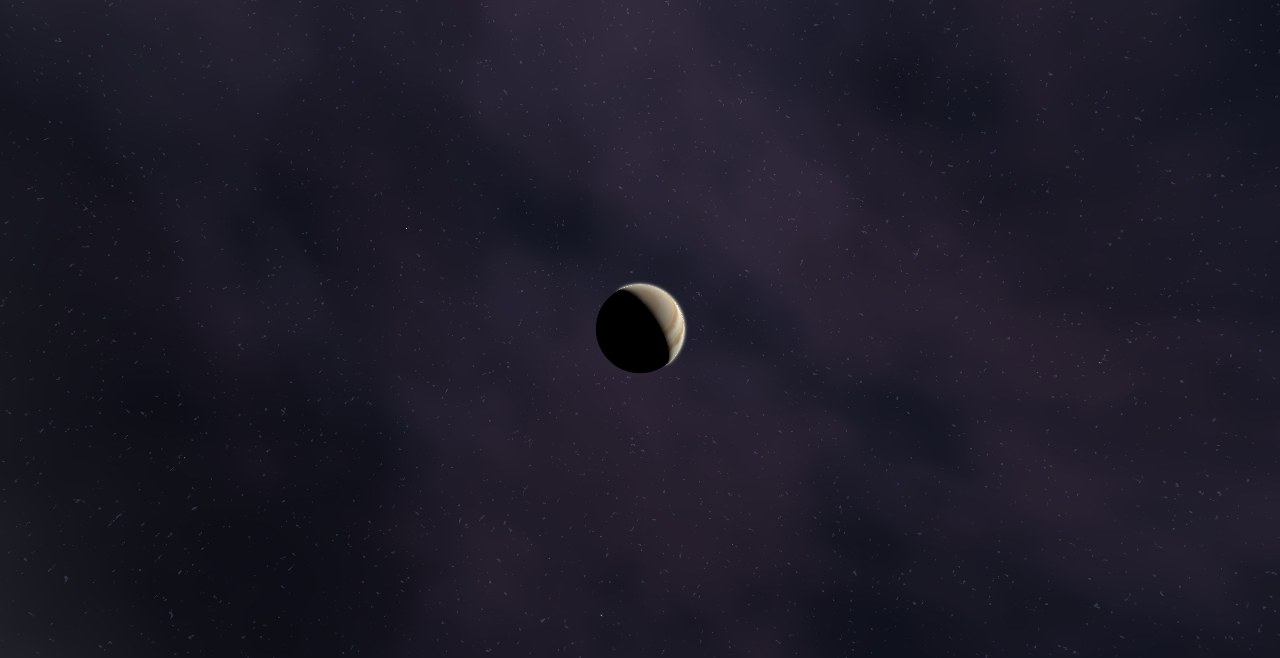
PDS 70, the first system where planets were seen still forming. Two giants sit inside a gap they have cleared in the protoplanetary disk. Both PDS 70 b and c are still accreting gas.
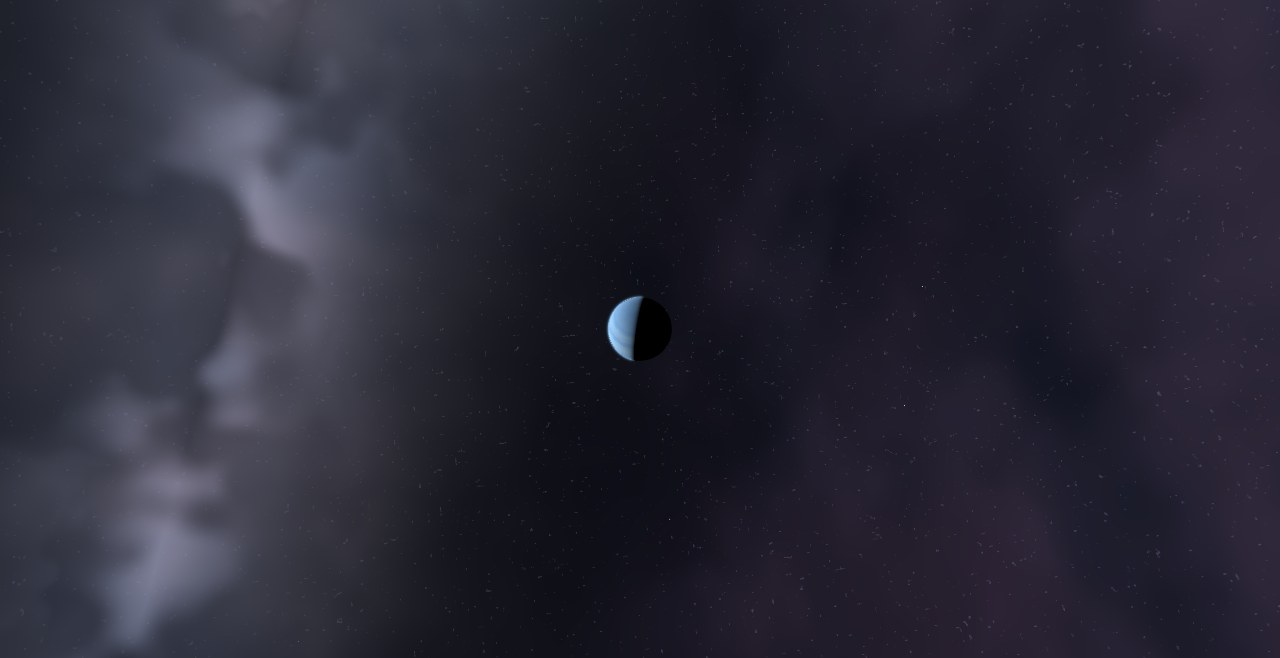
PH1, or Kepler-64 b, a planet in a quadruple star system. It orbits one stellar pair while a second binary shines in the distance. Volunteers in Planet Hunters spotted it in Kepler data.
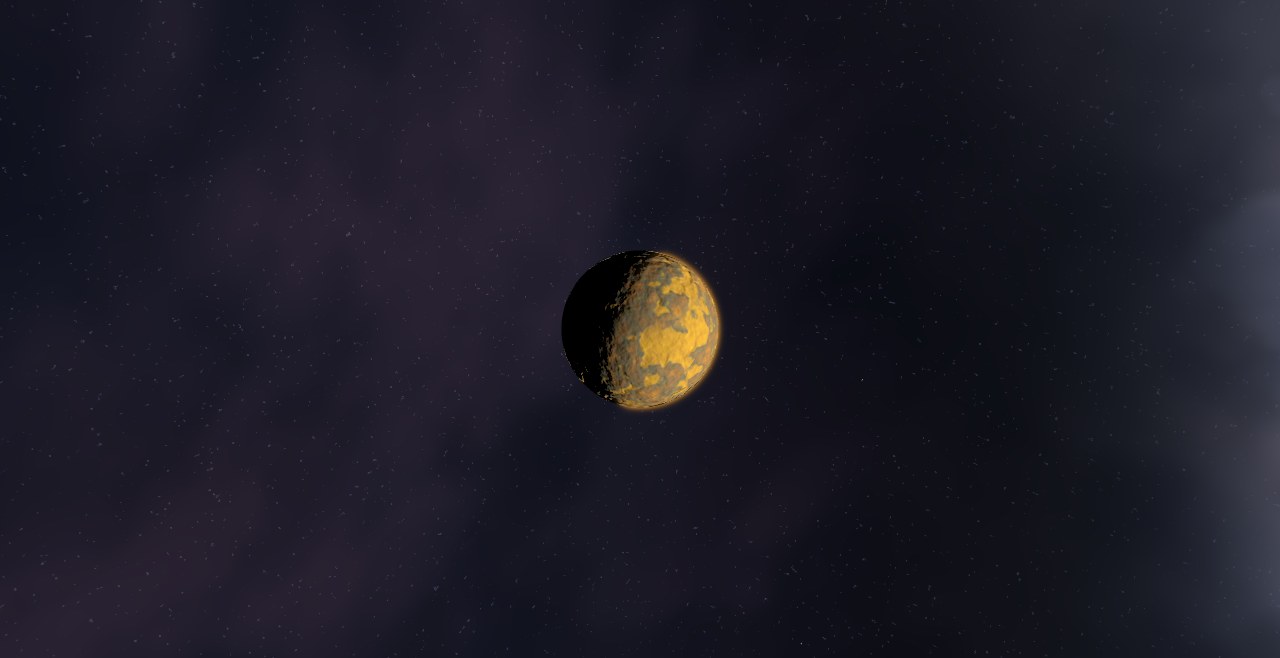
PSR B1257+12, the first confirmed exoplanets. In 1992 pulsar timing revealed three worlds, including a Moon-mass body, around a dead star. The host is a millisecond pulsar, not a living star.
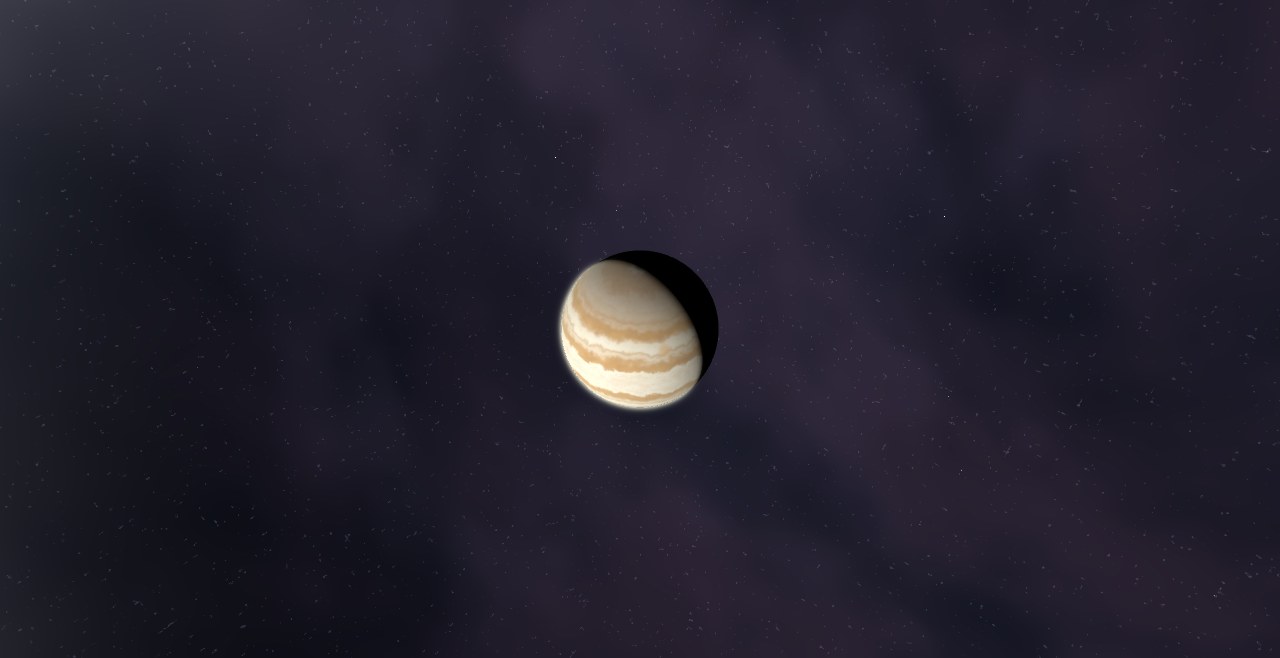
The Methuselah planet PSR B1620-26 b, about 12.7 billion years old. It circles a pulsar and white dwarf in the globular cluster Messier 4. Its orbit around the pair takes roughly a century.
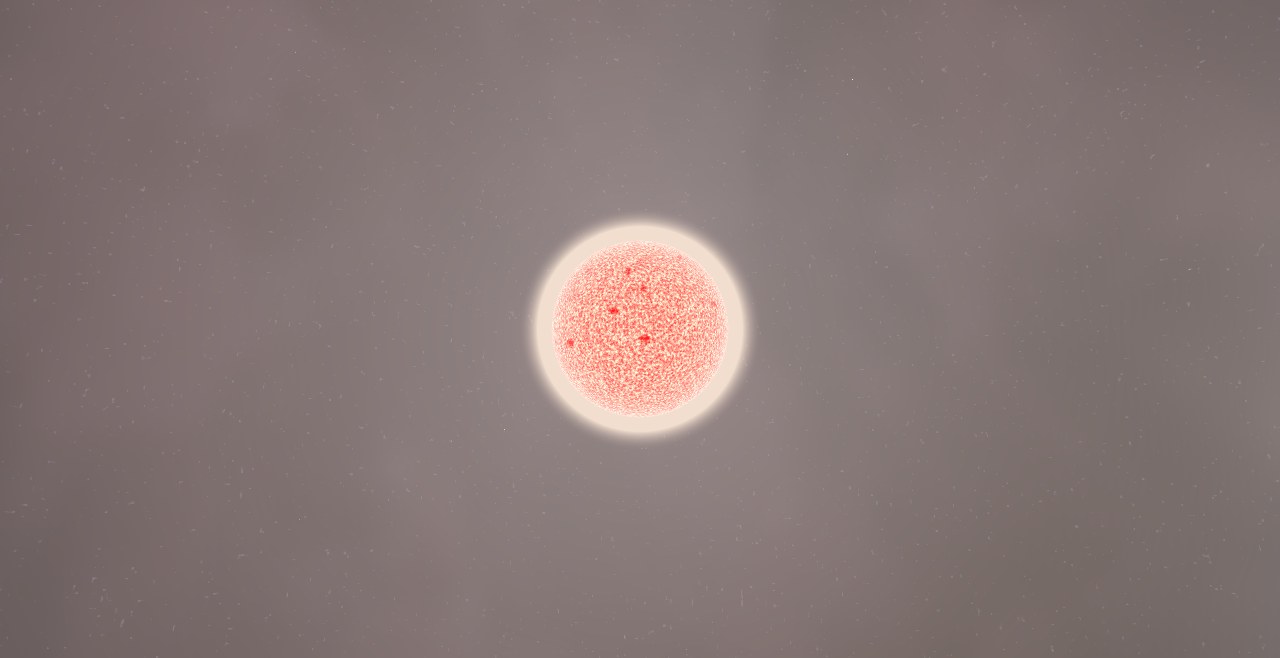
PSR J1719-1438 b, the so-called diamond planet. This ultra-dense remnant orbits a millisecond pulsar every 2.2 hours and may be crystallized carbon.
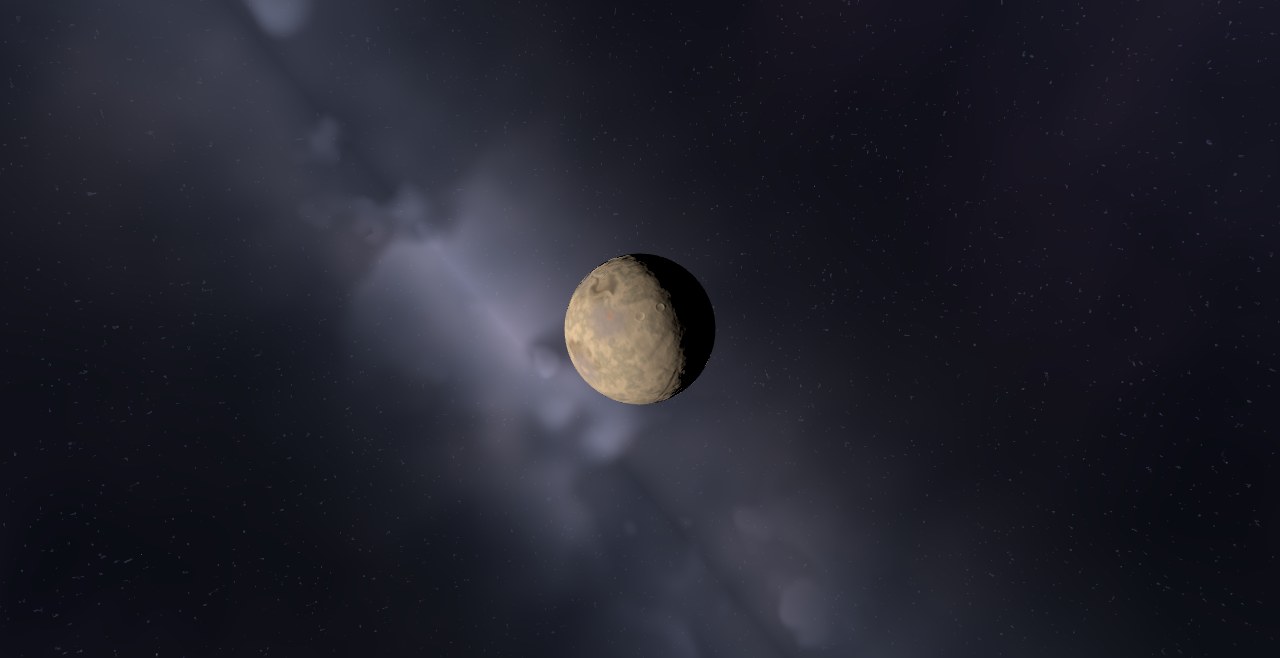
Proxima Centauri, the nearest star to the Sun. Proxima b is an Earth-mass world in the habitable zone, only 4.2 light-years away. The host is a flare-active red dwarf in Alpha Centauri.
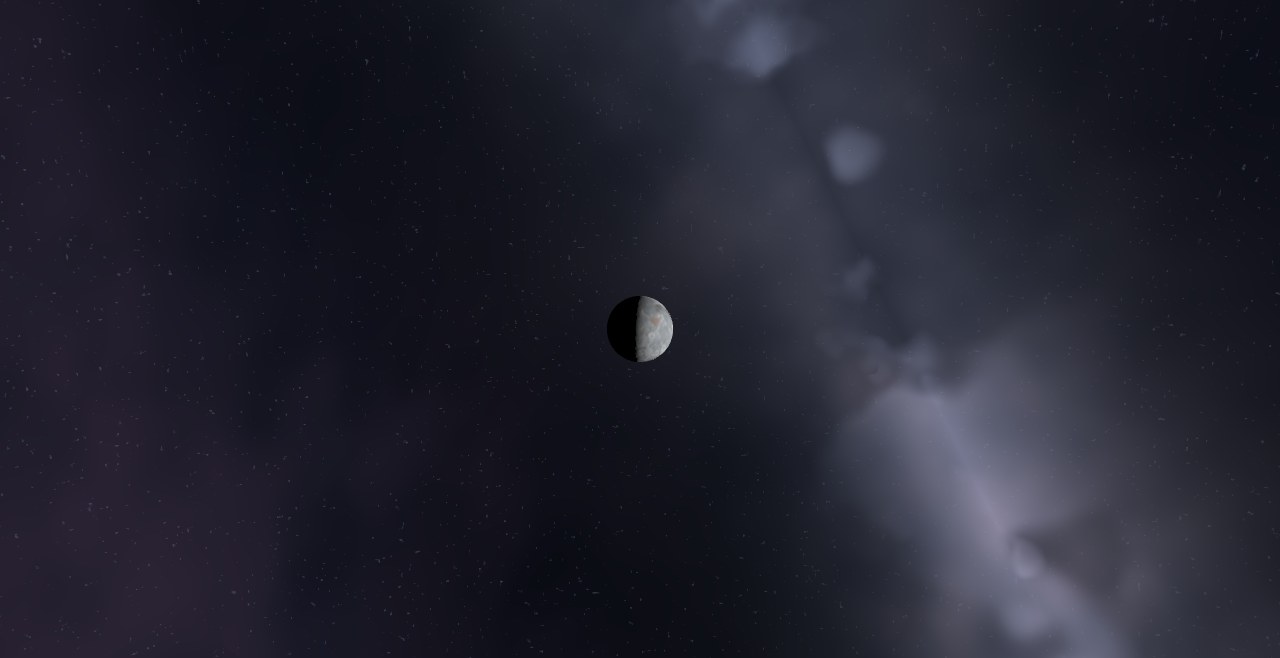
Ross 128 b, a temperate Earth-mass planet about 11 light-years away. Its quiet red-dwarf host is a neighbor of Proxima Centauri. It receives a similar amount of starlight to the Earth.
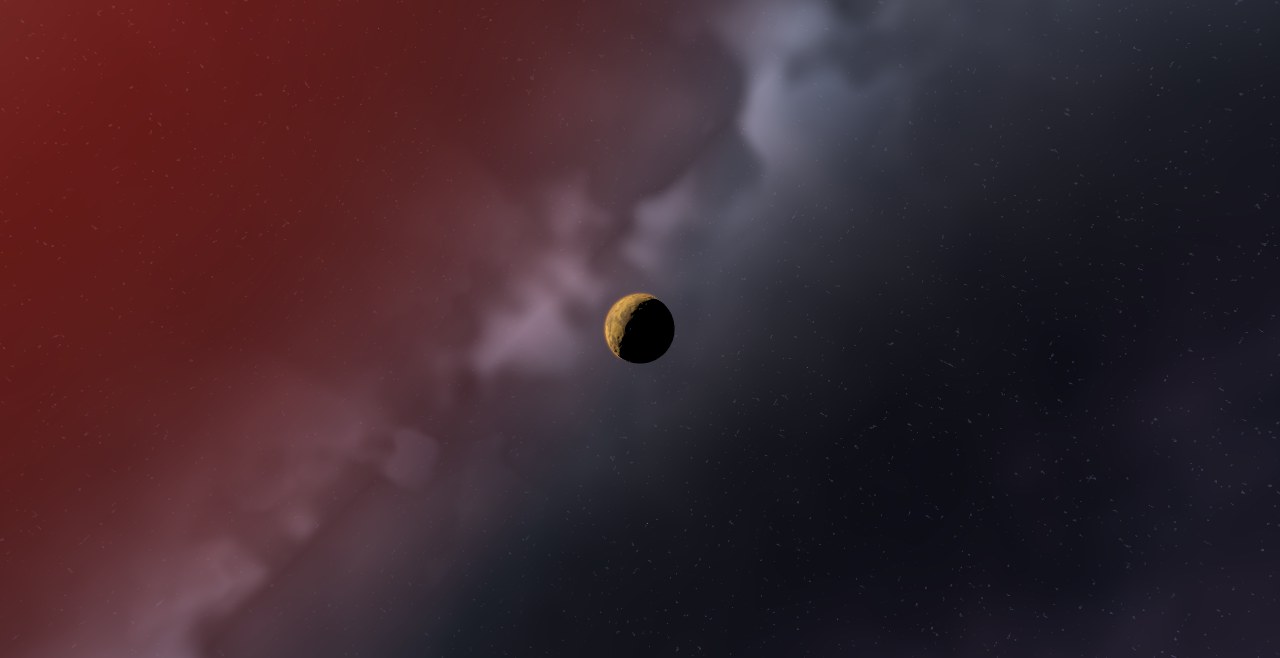
SPECULOOS-3 b, an Earth-sized planet on a 17-hour orbit around an ultracool dwarf. It is a nearby laboratory for bare, roasted rock. The host is only about 55 light-years away.
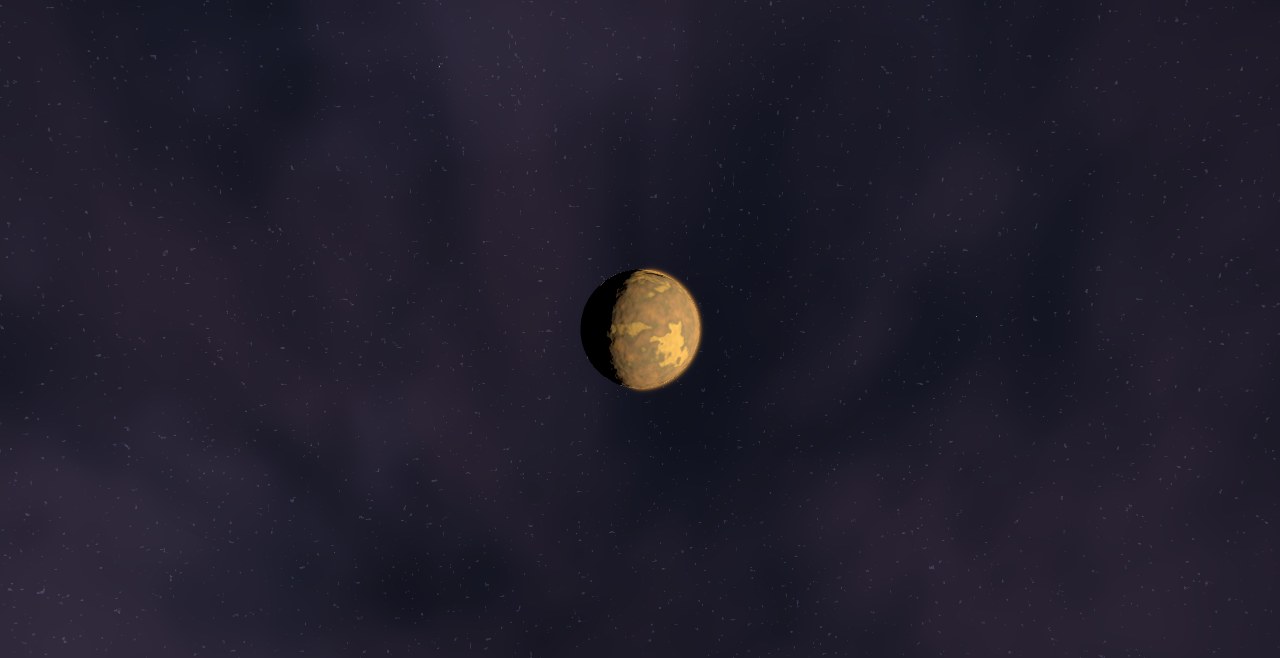
TOI-1136, a young compact six-planet system. The planets are still losing formation heat, so they look puffier than older worlds of the same mass.
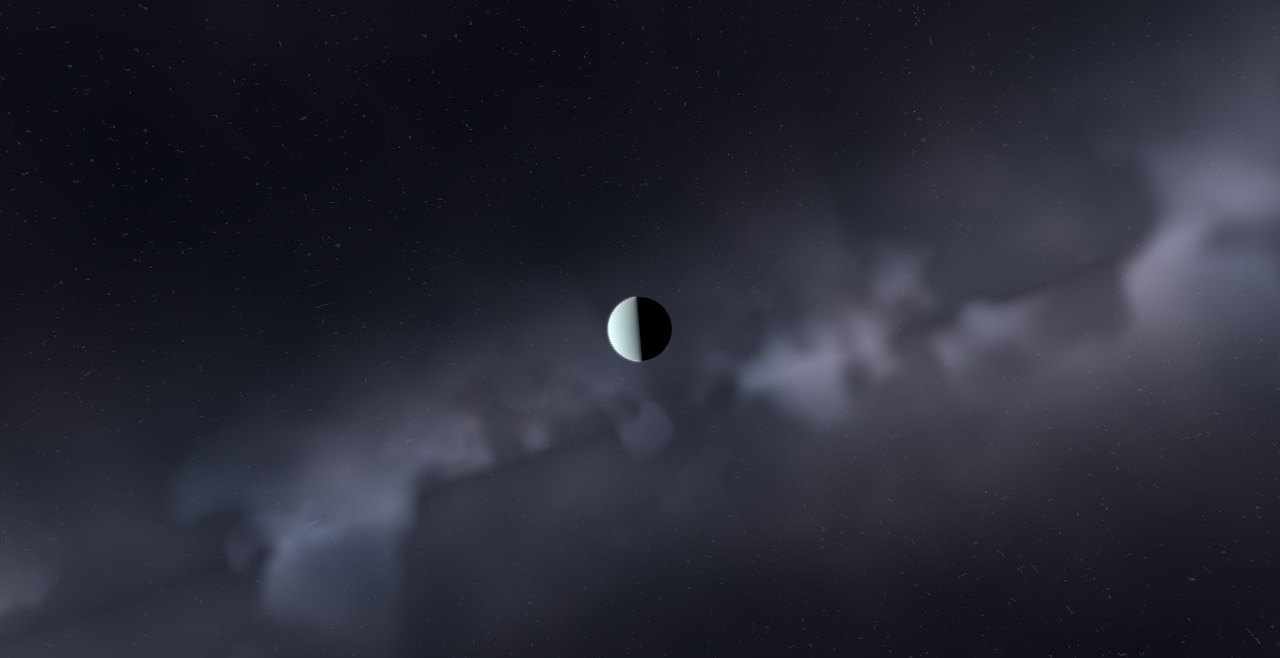
TOI-1338, a TESS circumbinary system. Planets orbit both members of an eclipsing binary, a Tatooine architecture found after Kepler. The binary eclipses, and planets b and c orbit both stars.