47 UMa - System
47 Ursae Majoris, one of the first Sun-like stars found to host Jupiter-like planets on year-long orbits rather than a scorched hot Jupiter.
Exoplanets
Model multi-planet architectures to see how three competing gravitational forces pull on each other over millions of simulation years.
Share
47 Ursae Majoris, one of the first Sun-like stars found to host Jupiter-like planets on year-long orbits rather than a scorched hot Jupiter.
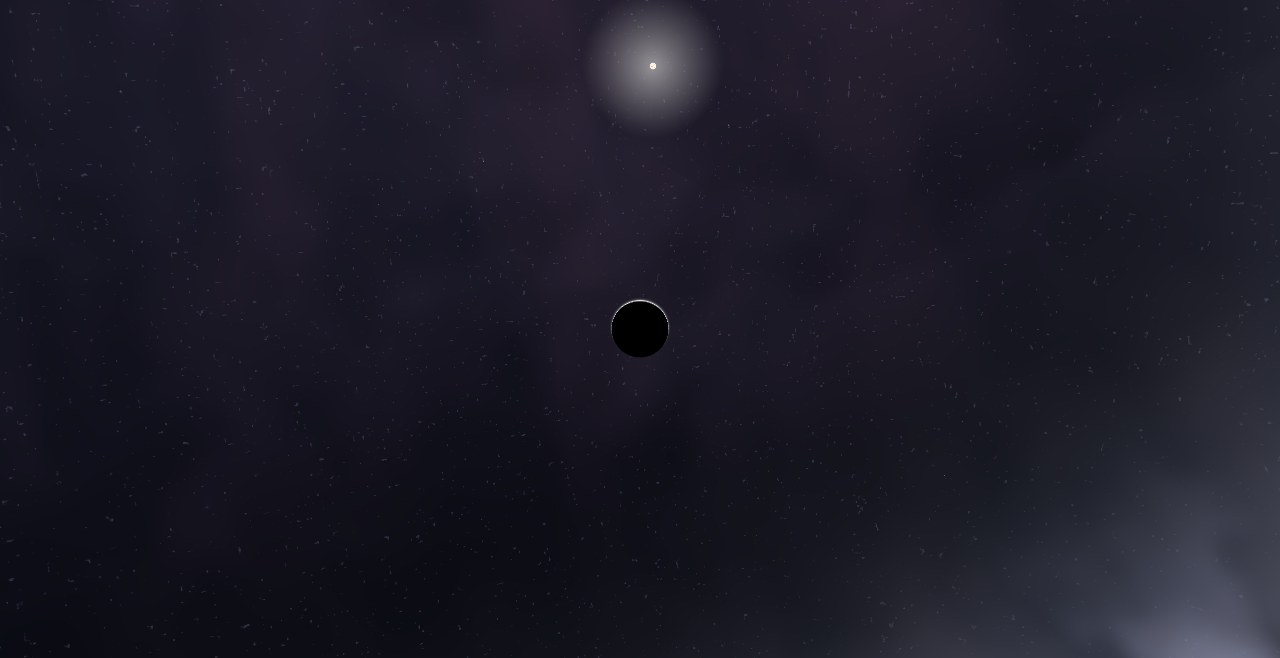
61 Vir, a Sun-like G-type star of 0.94 solar masses, and 61 Vir b, a 5.1-Earth-mass planet, with an orbital period of 4.2 days, at 0.050 AU from its star, on an eccentric orbit (e ≈ 0.12).
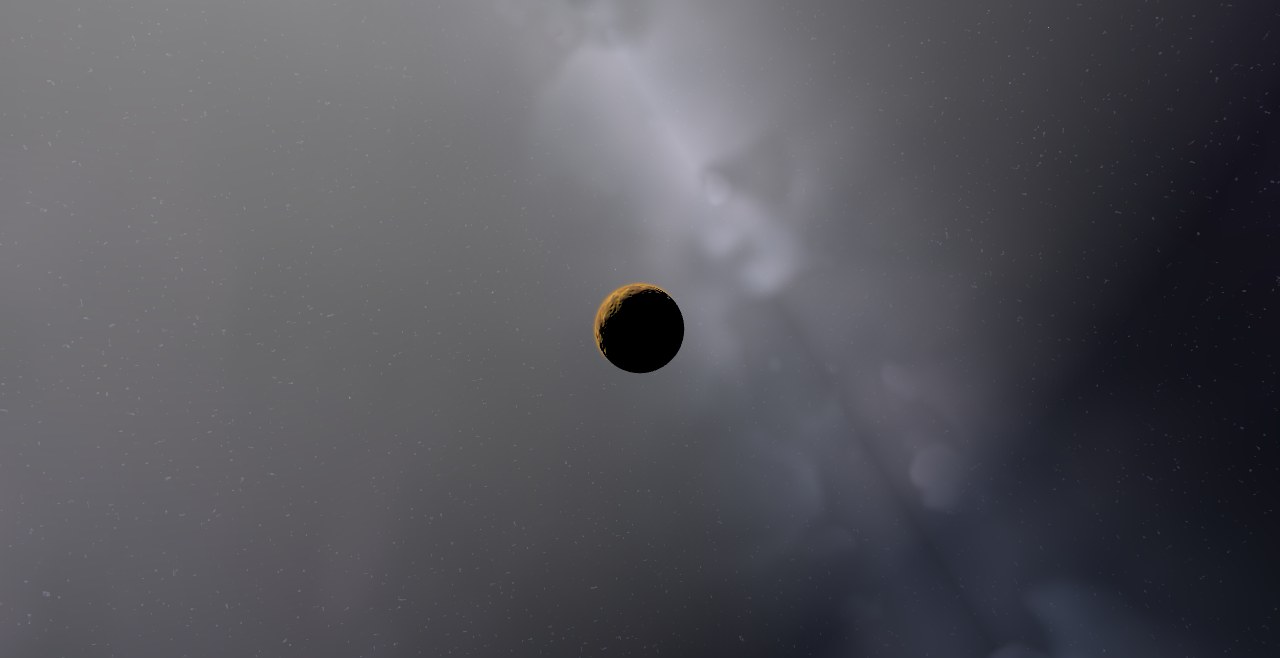
DMPP-2, a Sun-like F-type star of 1.41 solar masses, and DMPP-2 c, a 0.16-Jupiter-mass companion, with an orbital period of 3.2 days, at 0.048 AU from its star, on an eccentric orbit (e ≈ 0.28).
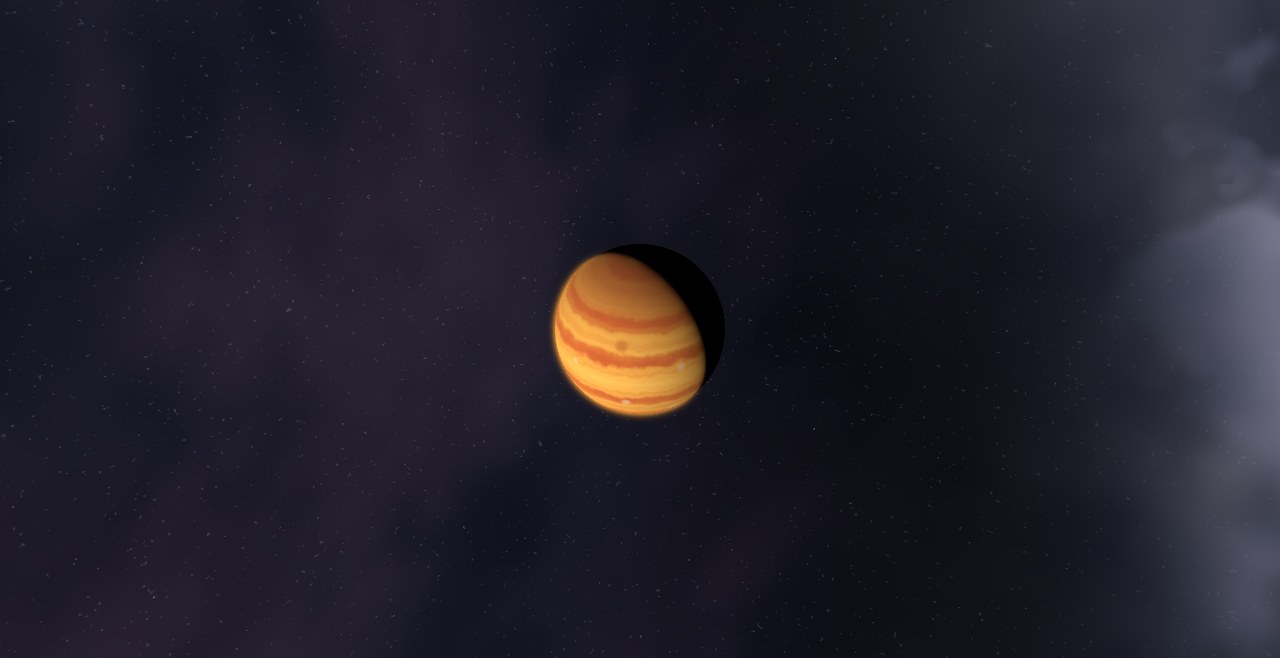
EPIC 249893012, a Sun-like G-type star of 1.05 solar masses, and EPIC 249893012 b, a 8.8-Earth-mass planet, with an orbital period of 3.6 days, at 0.047 AU from its star, and an equilibrium temperature near.
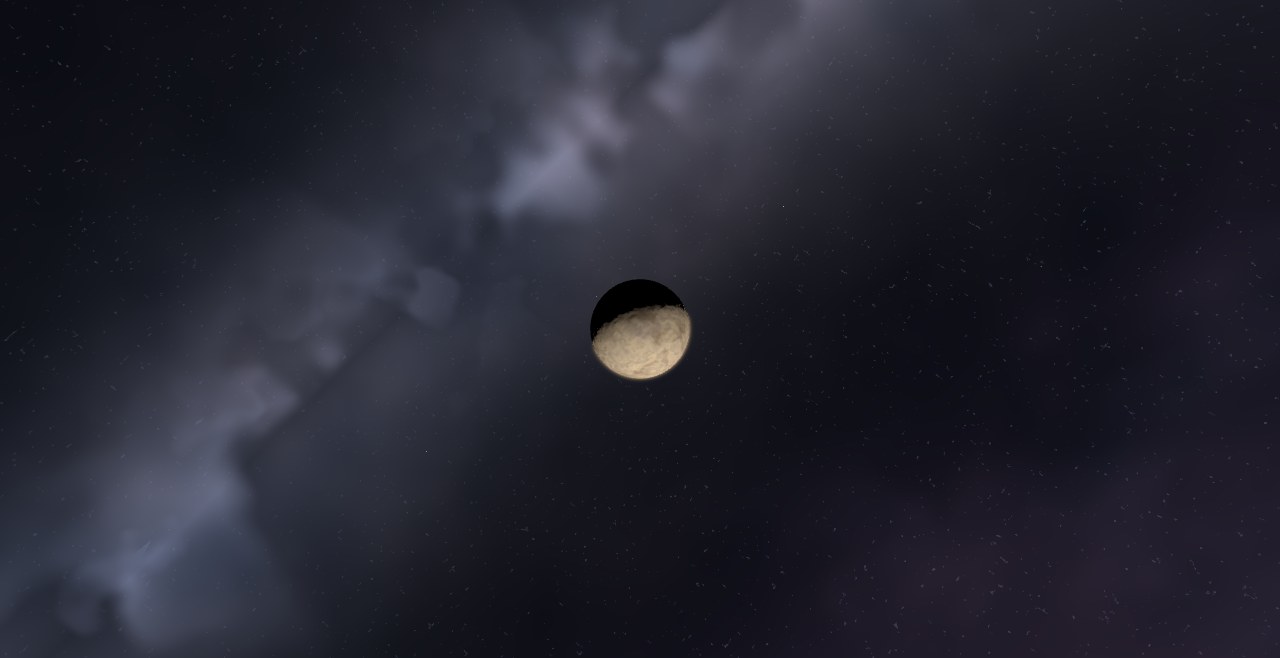
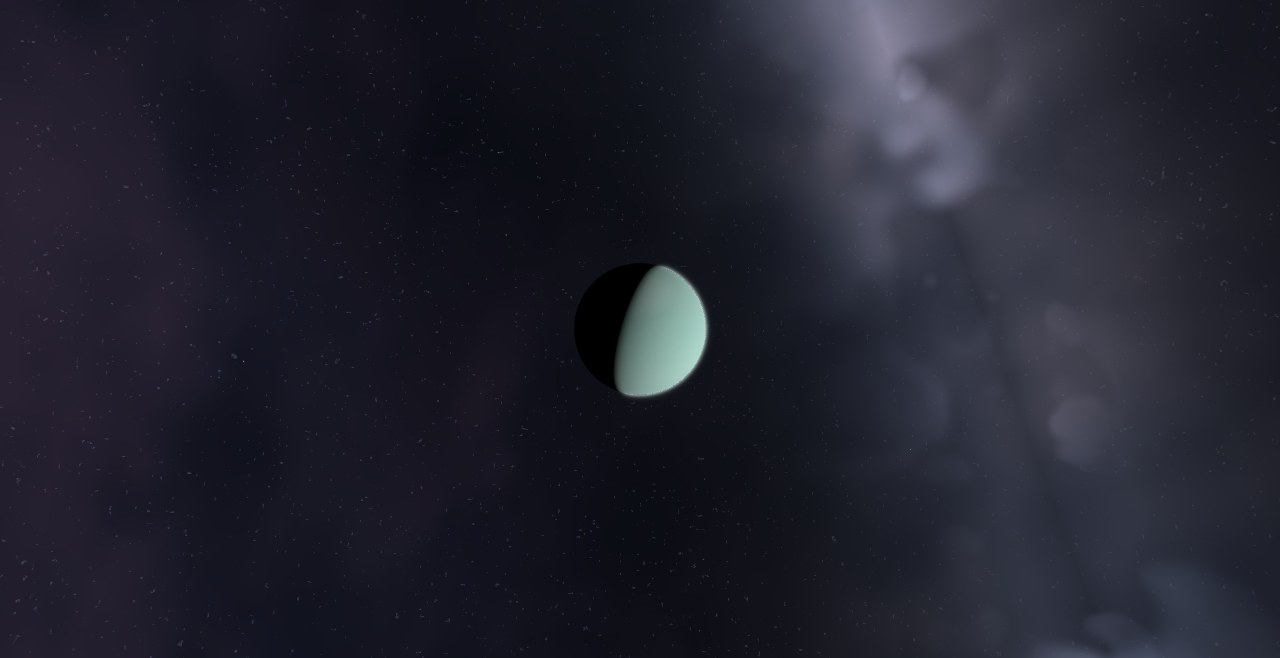
GJ 1061, a cool M-dwarf of 0.12 solar masses, and GJ 1061 b, a 1.1-Earth-mass planet, with an orbital period of 3.2 days, at 0.021 AU from its star.
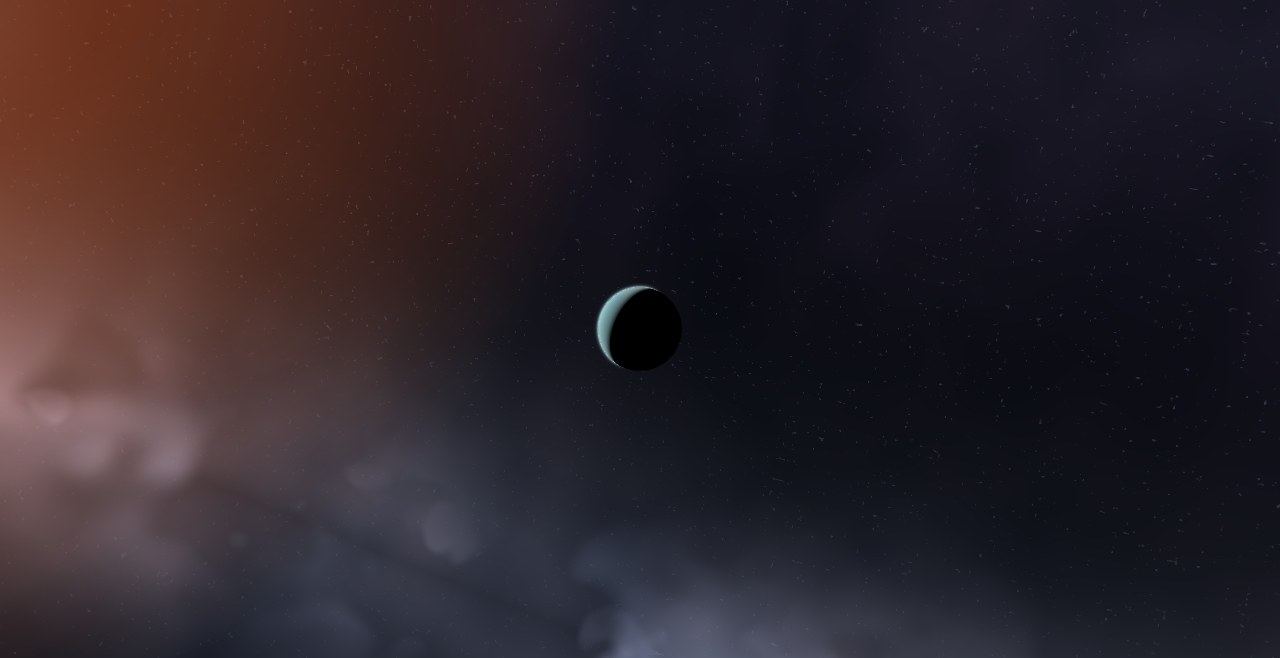
GJ 163, a cool M-dwarf of 0.40 solar masses, and GJ 163 b, a 10.6-Earth-mass planet, with an orbital period of 8.6 days, at 0.061 AU from its star, on an eccentric orbit (e ≈ 0.07).
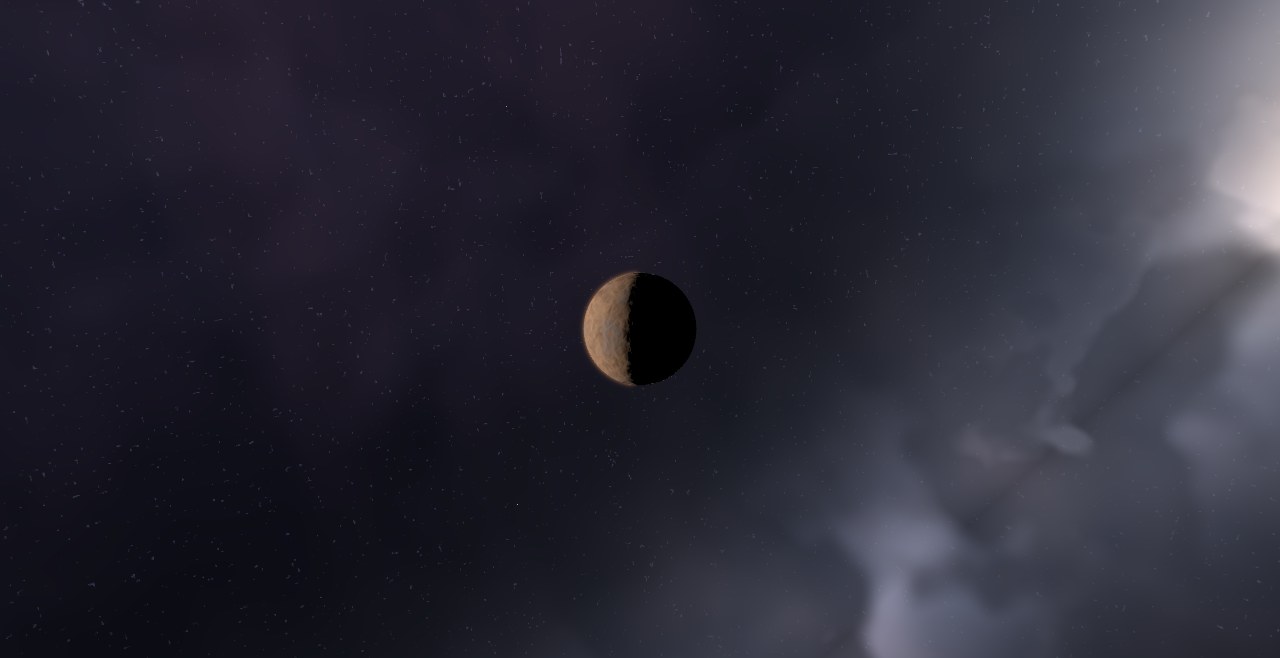
GJ 180, a cool M-dwarf of 0.43 solar masses, and GJ 180 b, a 6.5-Earth-mass planet, with an orbital period of 17.1 days, at 0.092 AU from its star, on an eccentric orbit (e ≈ 0.07).
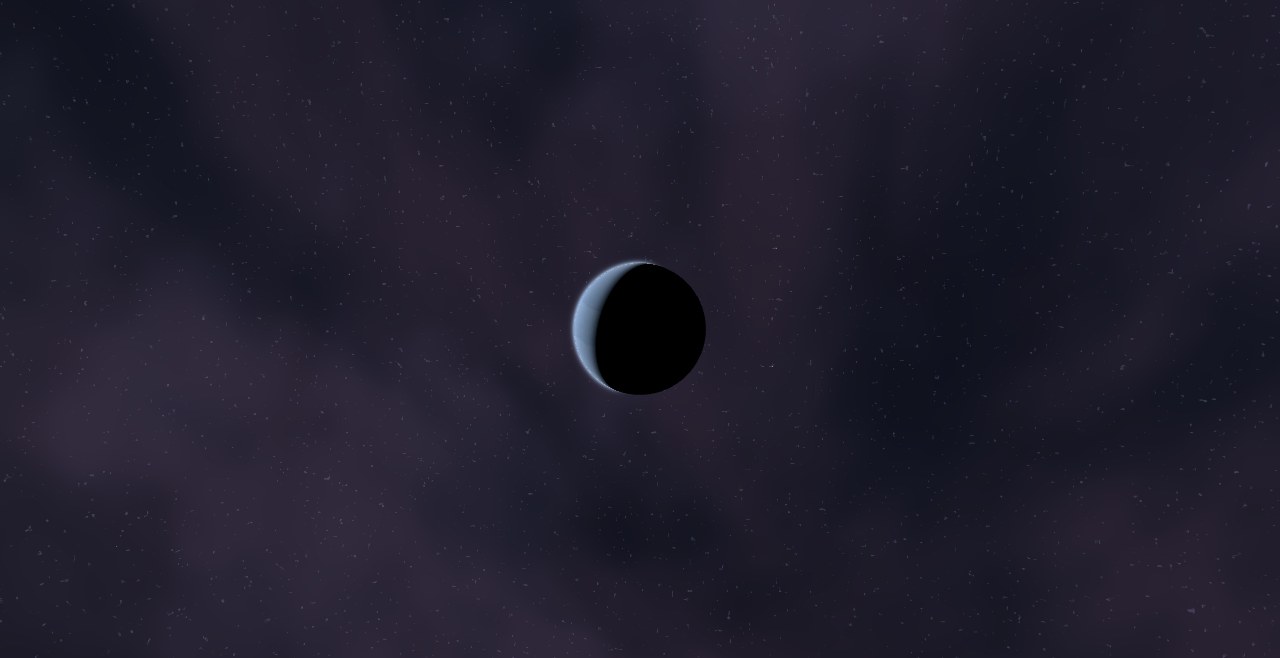
GJ 3138, a cool M-dwarf of 0.68 solar masses, and GJ 3138 b, a 1.8-Earth-mass planet, with an orbital period of 1.2 days, at 0.020 AU from its star, on an eccentric orbit (e ≈ 0.19).
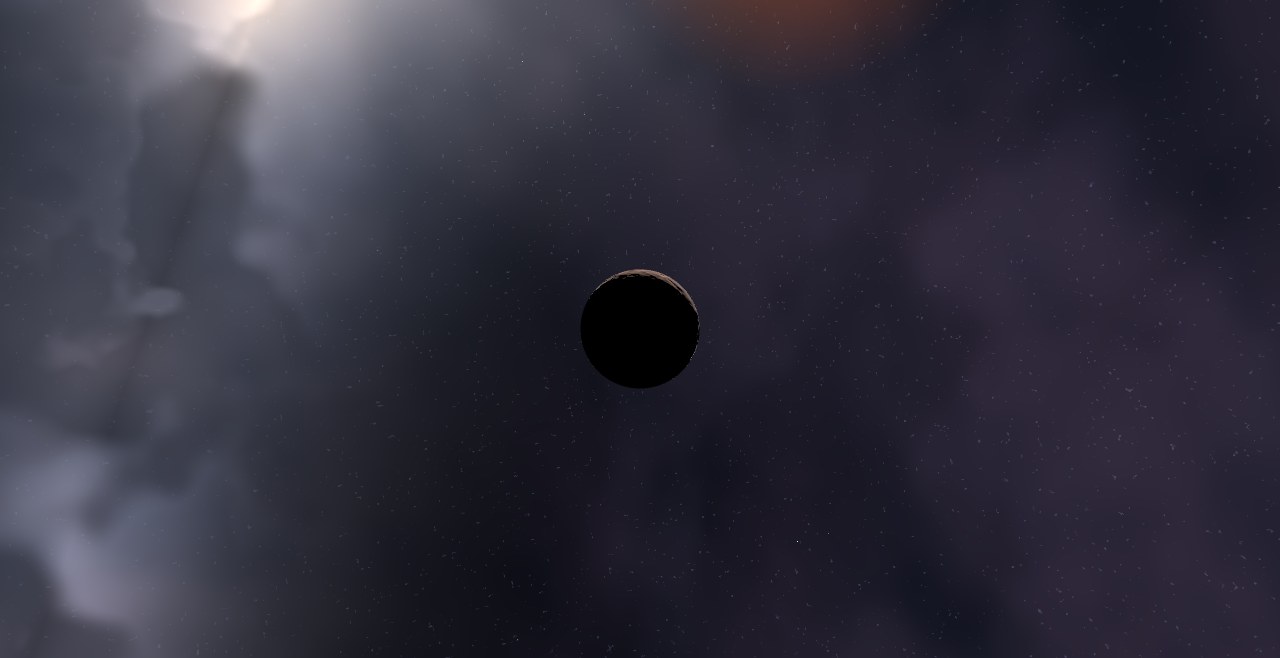
GJ 357, a nearby red dwarf with a transiting hot Earth and an outer habitable-zone planet. The outer world does not transit. The system is about 31 light-years from the Sun.
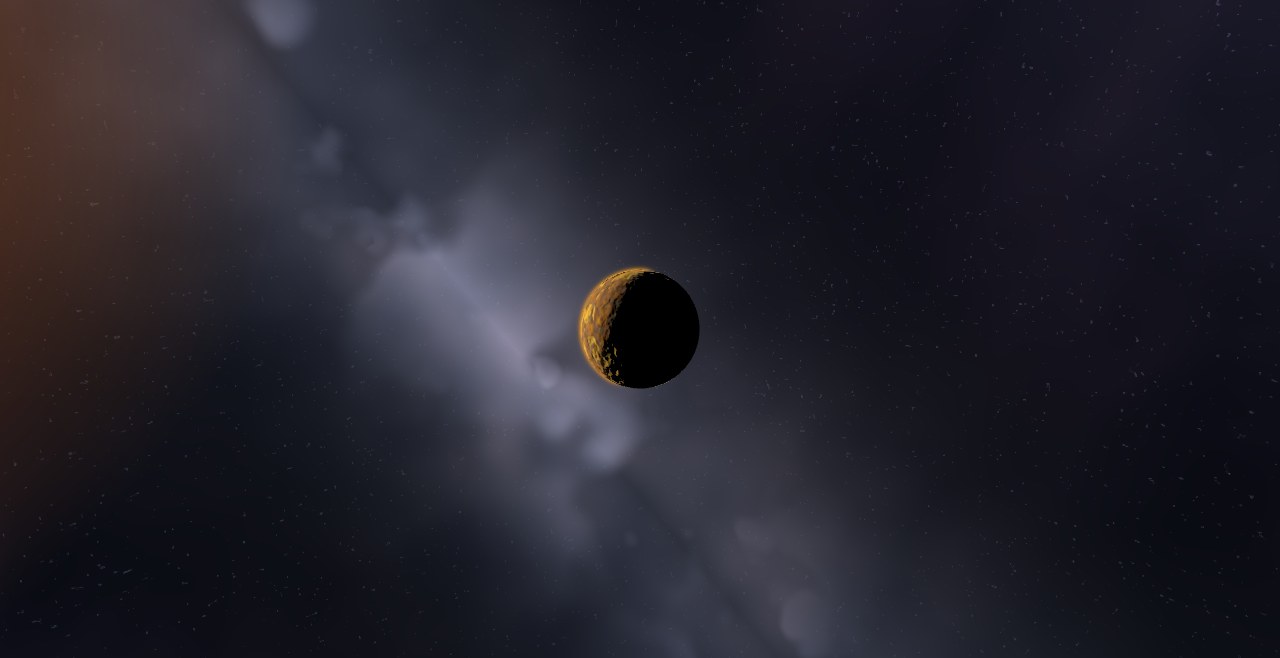
GJ 3998, an orange K-type dwarf of 0.52 solar masses, and GJ 3998 b, a 2.5-Earth-mass planet, with an orbital period of 2.7 days, at 0.030 AU from its star.
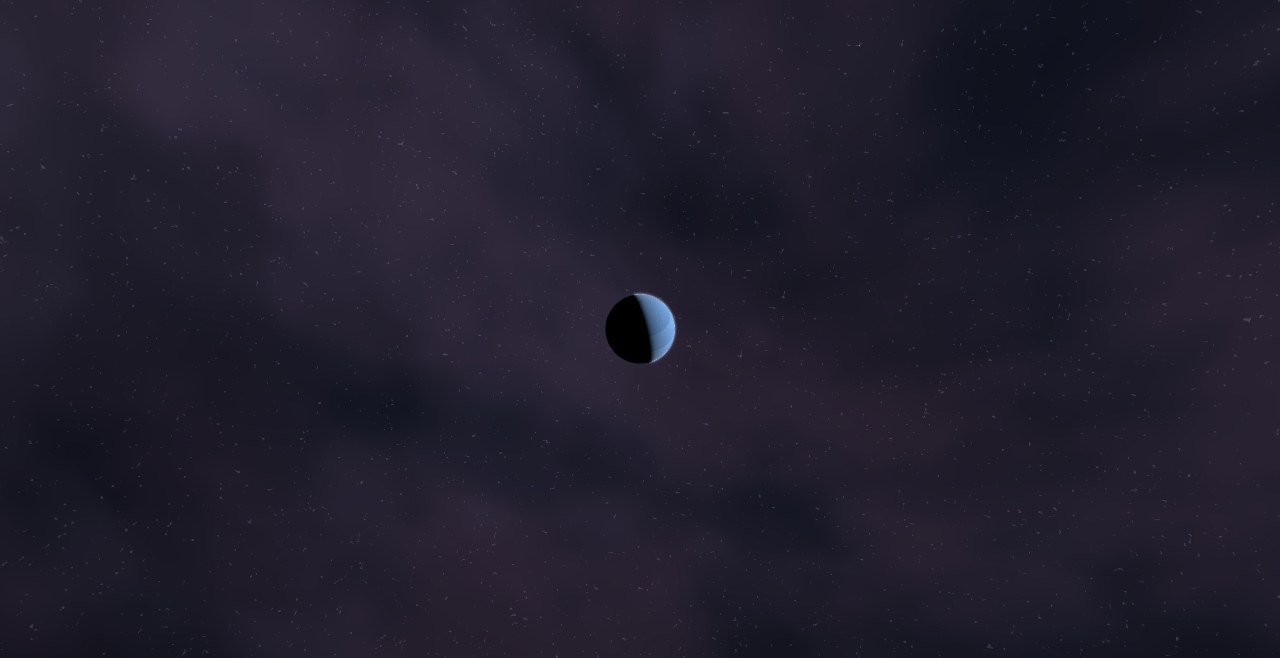
GJ 433, a cool M-dwarf of 0.48 solar masses, and GJ 433 b, a 6.0-Earth-mass planet, with an orbital period of 7.4 days, at 0.062 AU from its star.
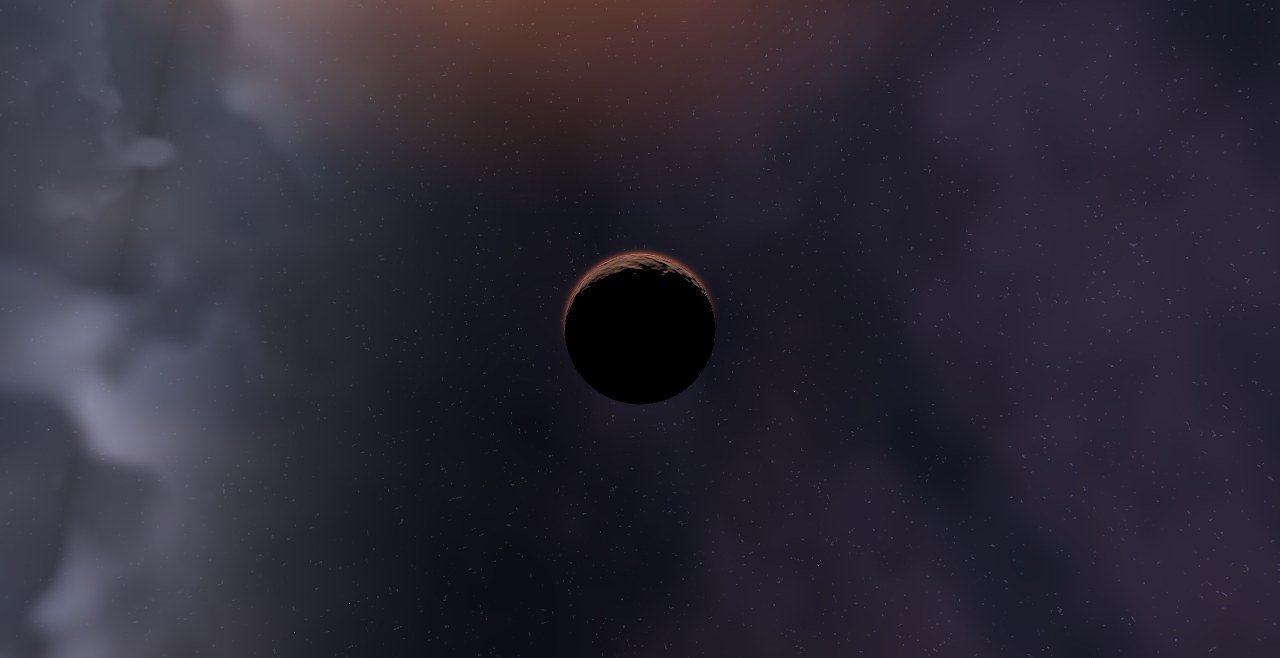
GJ 581, a cool M-dwarf of 0.29 solar masses, and GJ 581 e, a 2.5-Earth-mass planet, with an orbital period of 3.1 days, at 0.028 AU from its star.
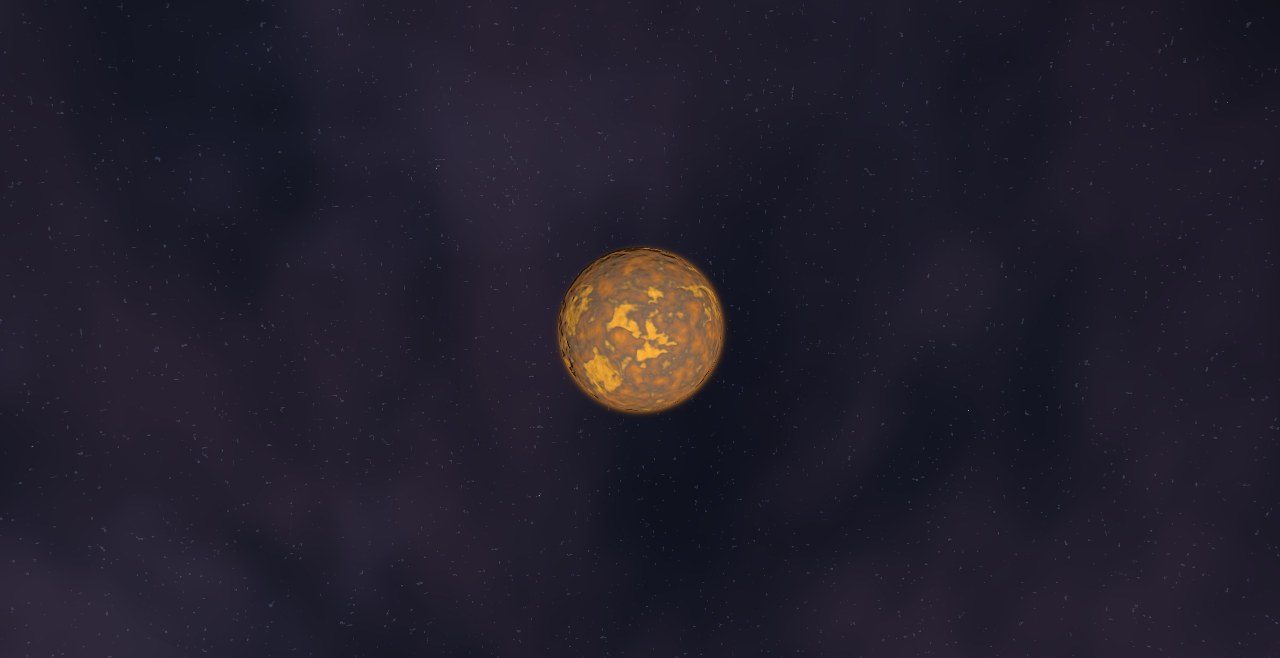
GJ 9827, three planets straddling the radius valley. Neighbors on either side of the rocky-to-gaseous divide orbit the same star. The three planets were found by K2 photometry.
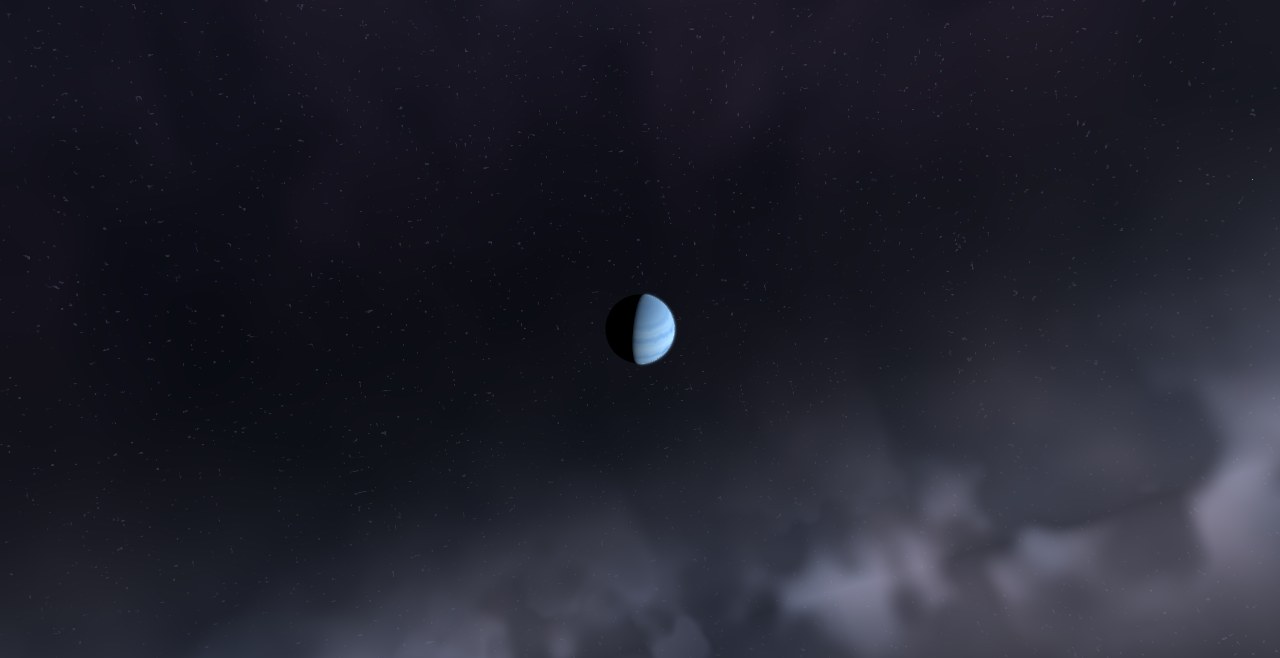
HD 11506, a Sun-like G-type star of 1.22 solar masses, and HD 11506 c, a 0.40-Jupiter-mass companion, with an orbital period of 224 days, at 0.771 AU from its star, on an eccentric orbit (e ≈ 0.23).
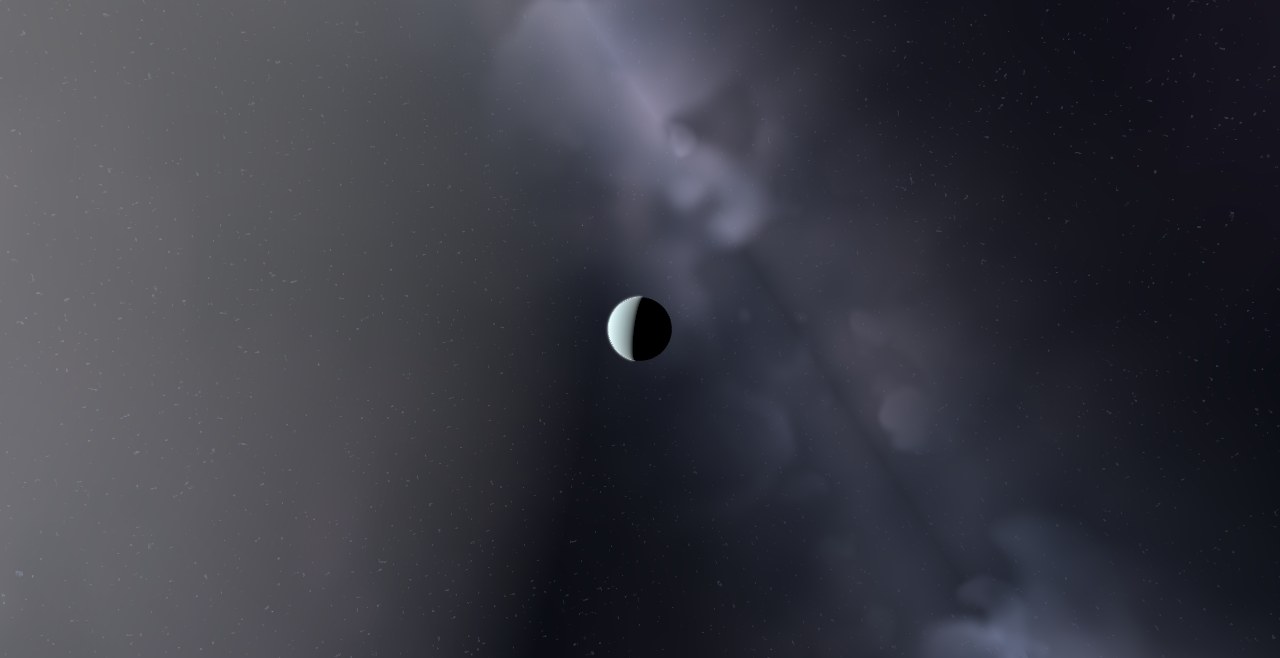
HD 125612, a Sun-like G-type star of 1.05 solar masses, and HD 125612 c, a 15.6-Earth-mass planet, with an orbital period of 4.2 days, at 0.051 AU from its star, on an eccentric orbit (e ≈ 0.15).
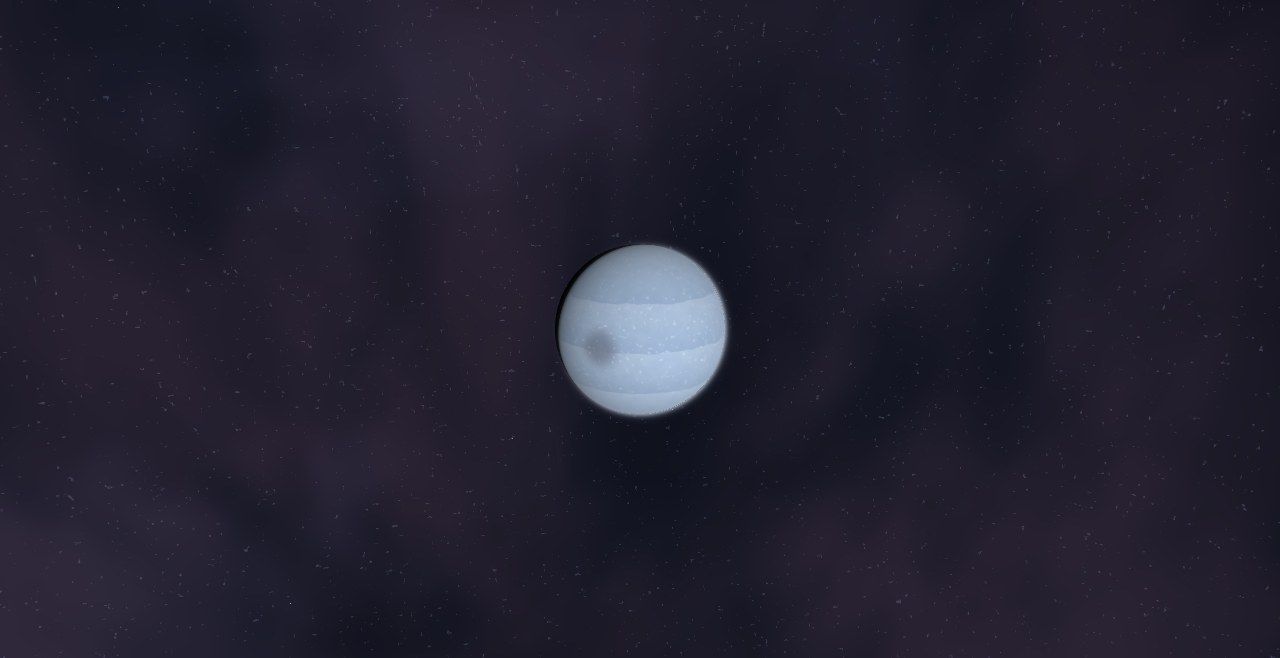
HD 136352, a Sun-like G-type star of 0.87 solar masses, and HD 136352 b, a 4.7-Earth-mass planet, with an orbital period of 11.6 days, at 0.096 AU from its star, and an equilibrium temperature near 905 K.
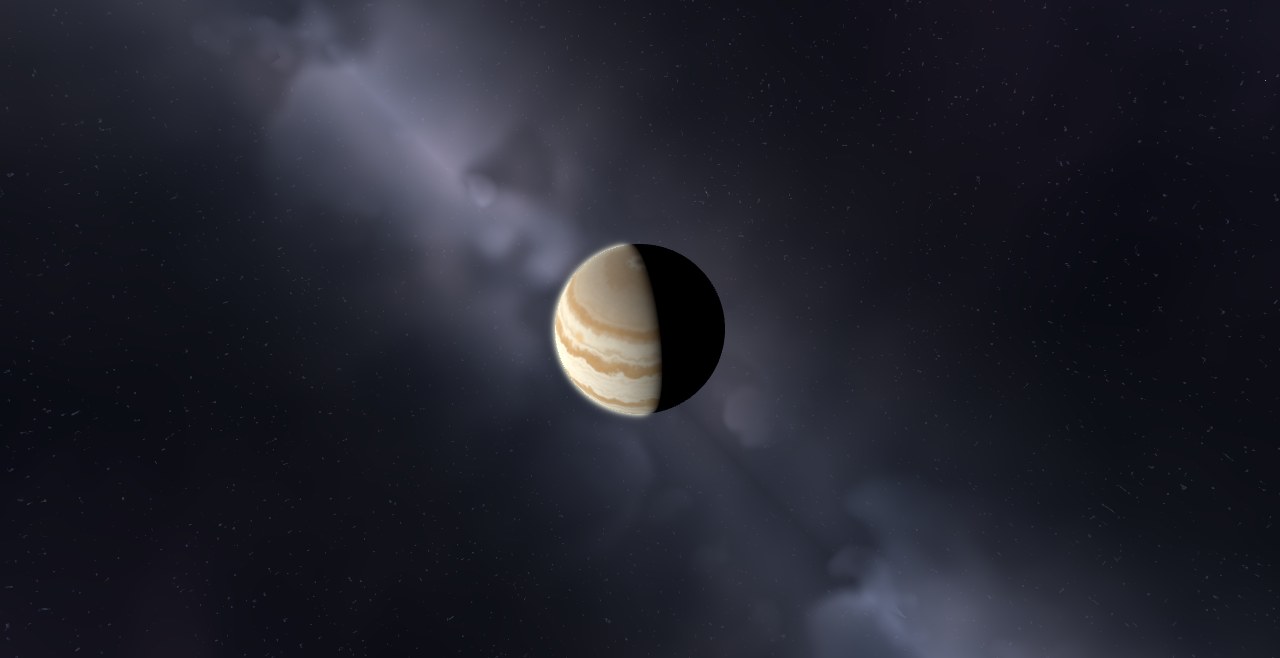
HD 142, a Sun-like F-type star of 1.21 solar masses, and HD 142 A d, a 0.26-Jupiter-mass companion, with an orbital period of 108 days, at 0.474 AU from its star, on an eccentric orbit (e ≈ 0.13).
HD 153557, an orange K-type dwarf of 0.79 solar masses, and HD 153557 b, a 0.06-Jupiter-mass companion, with an orbital period of 7.3 days, at 0.068 AU from its star, on an eccentric orbit (e ≈ 0.07).