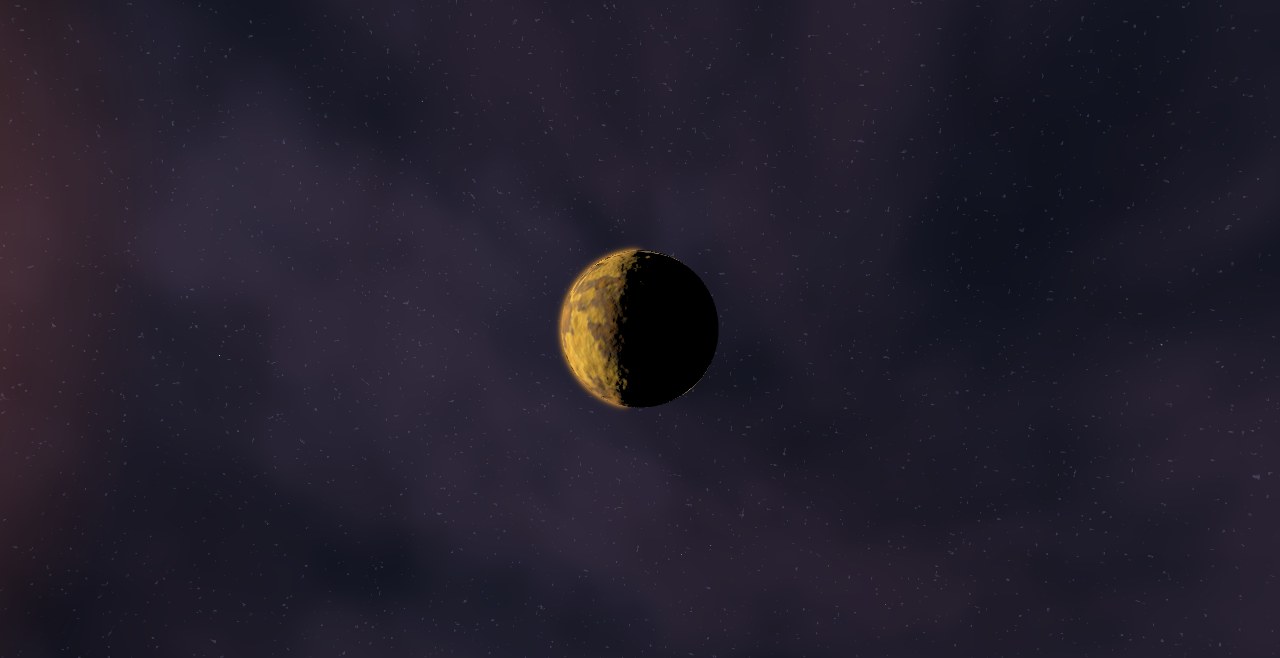
Barnard's star - System
Barnard's Star, the nearest single star to the Sun. Its low-mass planets are among the closest known worlds beyond the Solar System. The star is famous for its rapid motion across the sky.
Exoplanets
Run dense, multi-planetary simulations showcasing stable configurations, close-proximity orbits, and planetary interactions.
Share
Barnard's Star, the nearest single star to the Sun. Its low-mass planets are among the closest known worlds beyond the Solar System. The star is famous for its rapid motion across the sky.
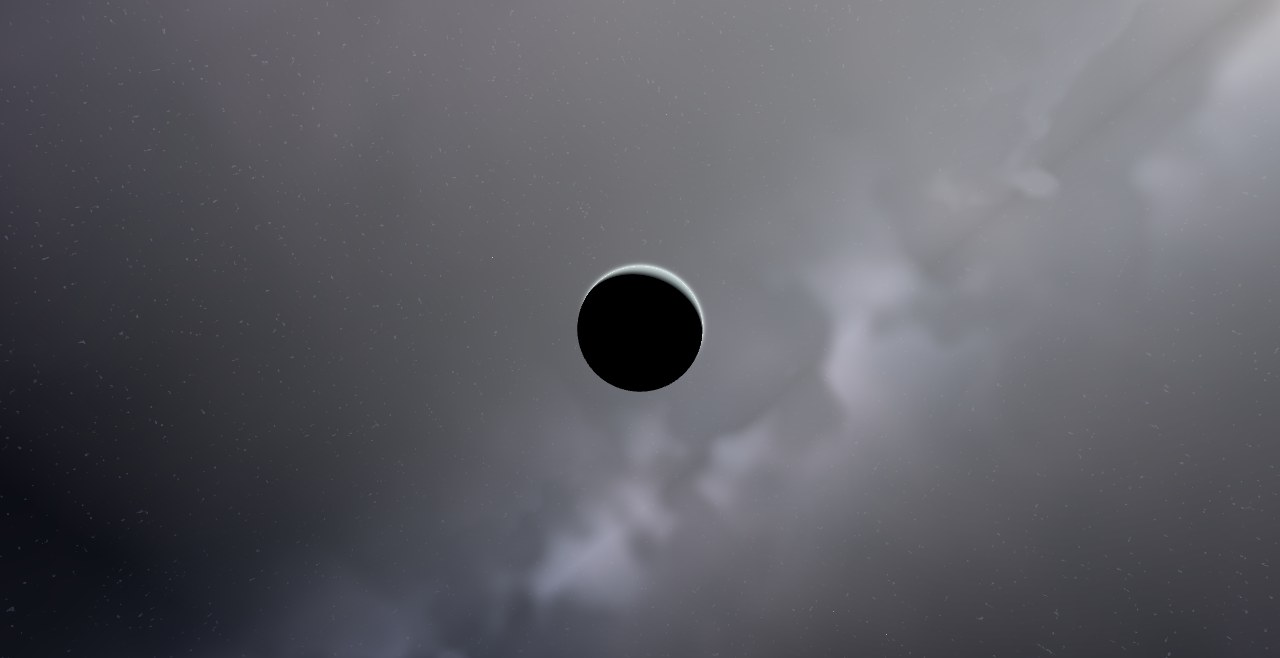
DMPP-1, a Sun-like F-type star of 1.21 solar masses, and DMPP-1 d, a 4.7-Earth-mass planet, with an orbital period of 3.1 days, at 0.045 AU from its star, on an eccentric orbit (e ≈ 0.36).
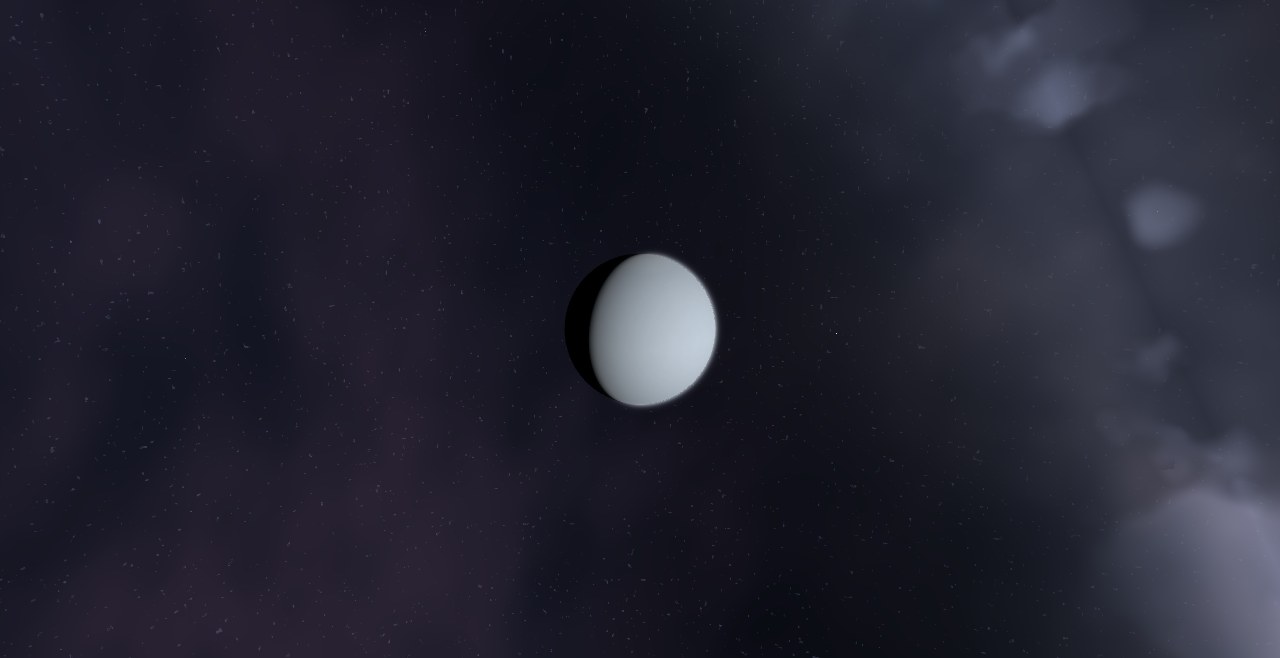
GJ 3293, a cool M-dwarf of 0.42 solar masses, and GJ 3293 e, a 3.3-Earth-mass planet, with an orbital period of 13.3 days, at 0.082 AU from its star, on an eccentric orbit (e ≈ 0.21).
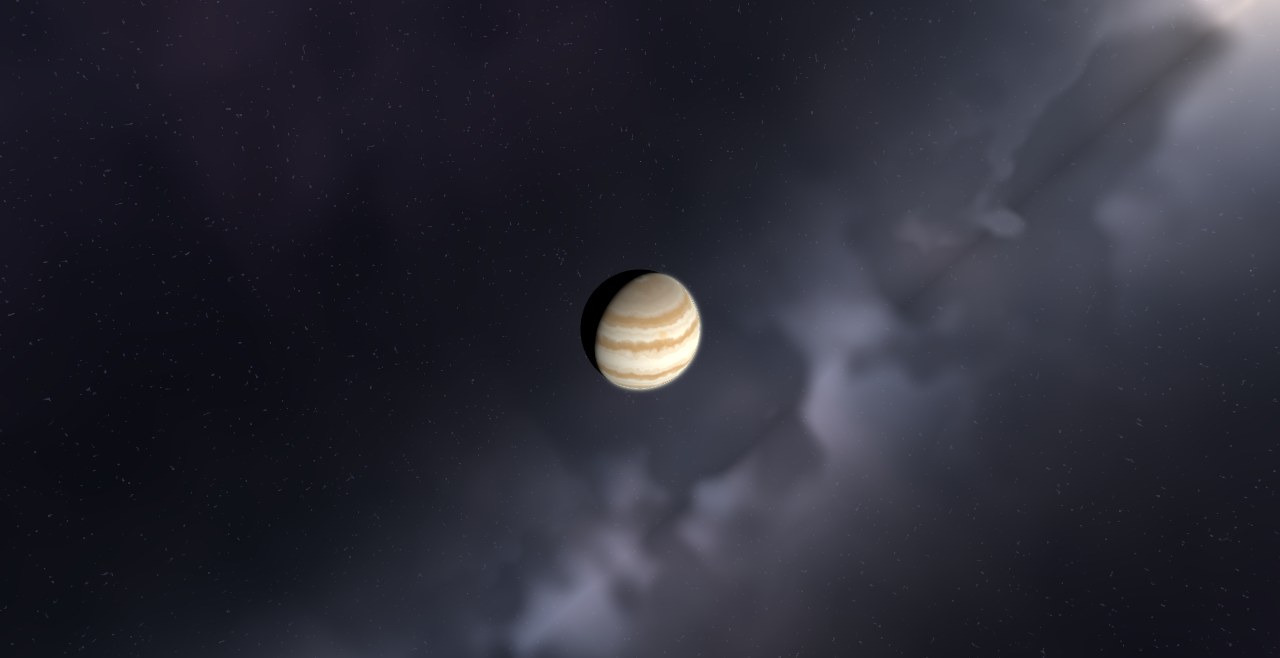
GJ 676 A, an orange K-type dwarf of 0.63 solar masses, and GJ 676 A d, a 3.8-Earth-mass planet, with an orbital period of 3.6 days, at 0.039 AU from its star, on an eccentric orbit (e ≈ 0.19).
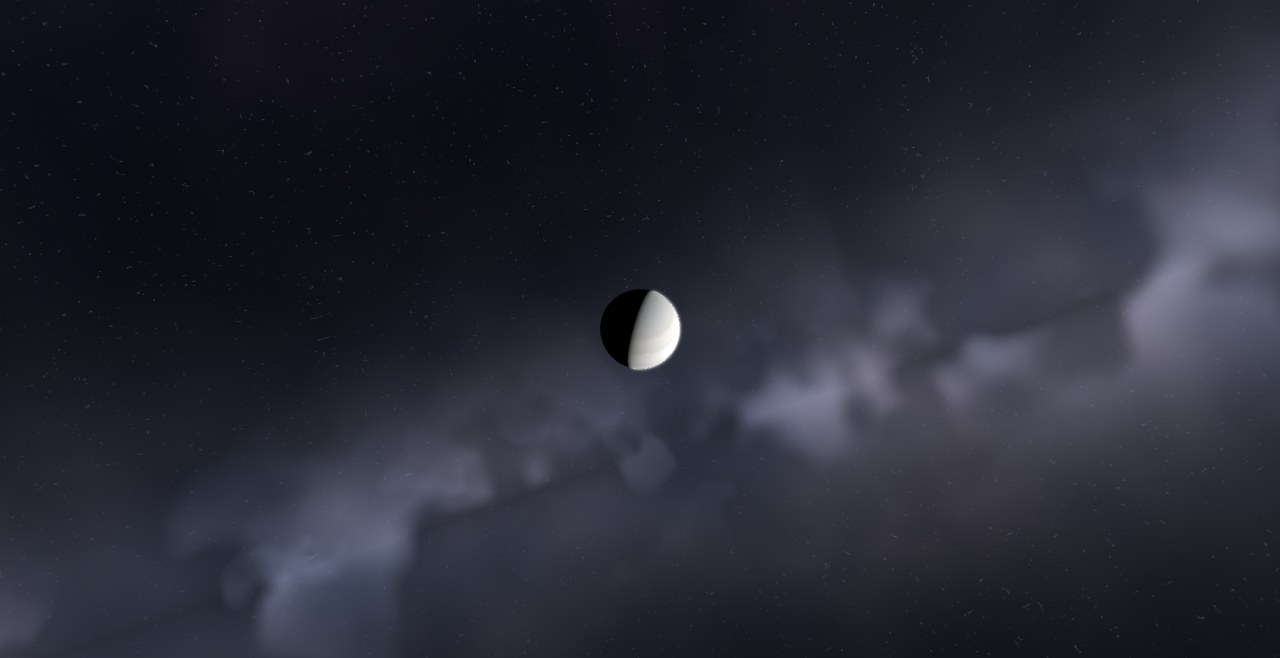
GJ 876, the first planet found around a red dwarf. Its giants are locked in a Laplace resonance, so their orbits keep a repeating gravitational rhythm.
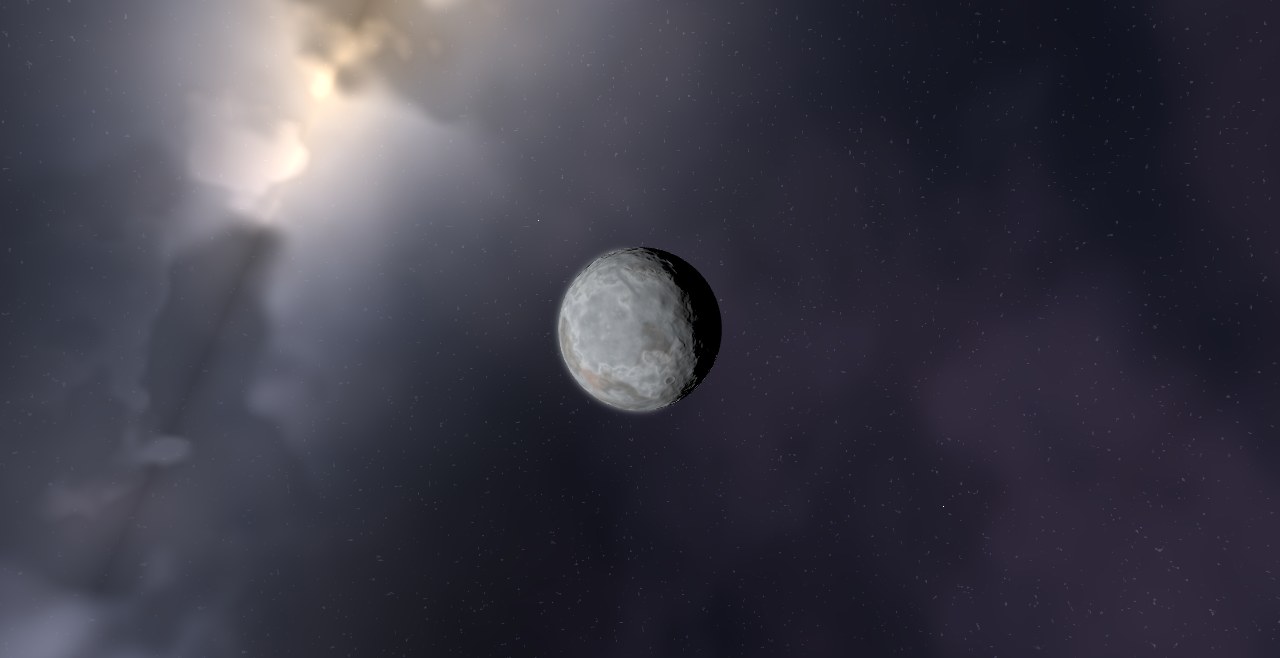
GJ 887, a cool M-dwarf of 0.49 solar masses, and GJ 887 e, a 1.5-Earth-mass planet, with an orbital period of 4.4 days, at 0.042 AU from its star, and an equilibrium temperature near 544 K.
HD 141399, an orange K-type dwarf of 1.07 solar masses, and HD 141399 b, a 0.45-Jupiter-mass companion, with an orbital period of 94.4 days, at 0.415 AU from its star.
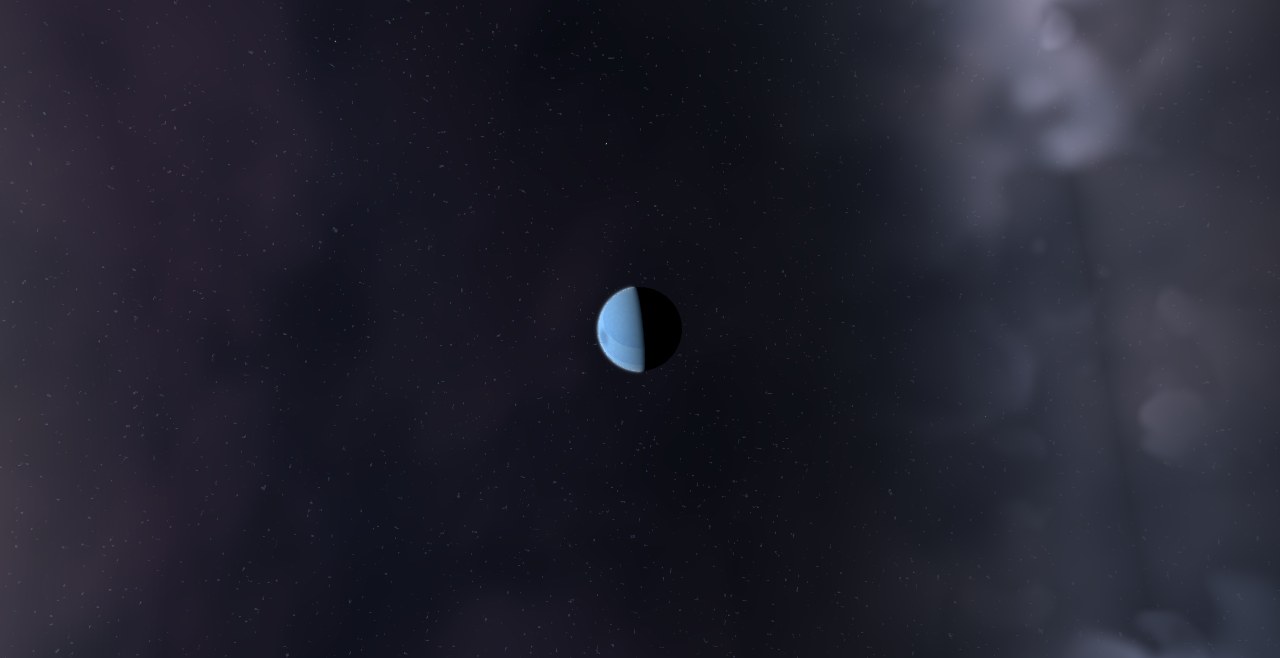
HD 160691, a Sun-like G-type star of 1.13 solar masses, and HD 160691 d, a confirmed exoplanet, with an orbital period of 9.6 days.
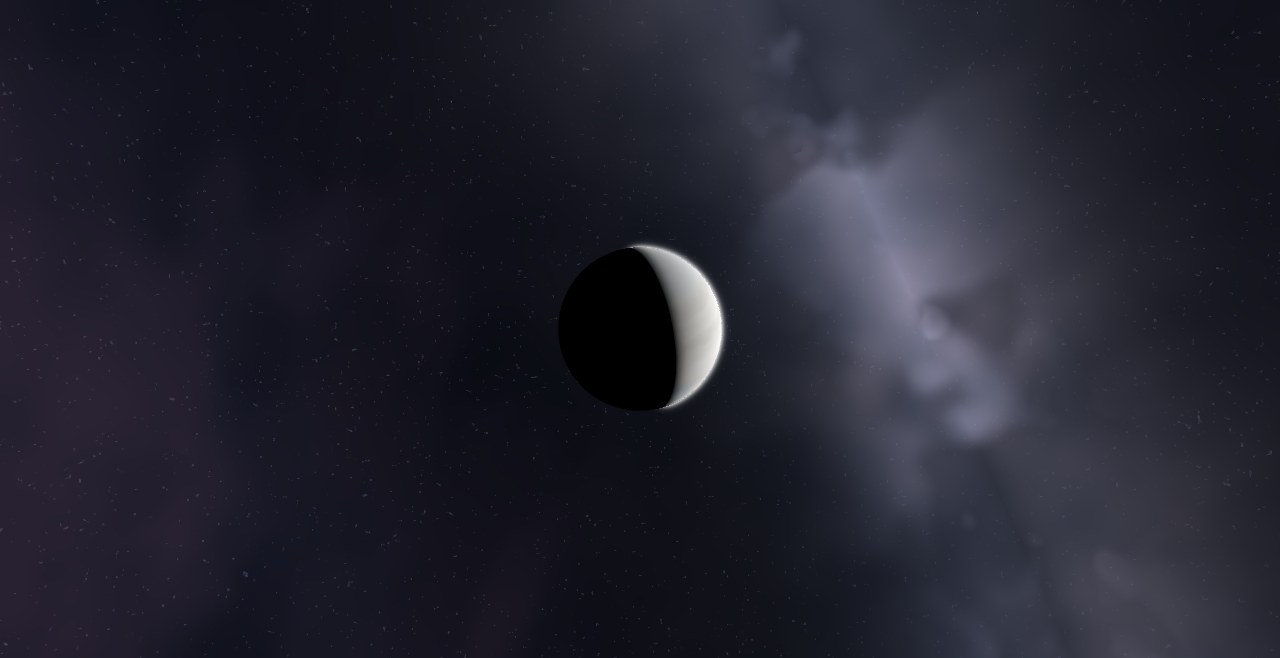
HD 164922, a Sun-like G-type star of 0.92 solar masses, and HD 164922 d, a 4.0-Earth-mass planet, with an orbital period of 12.5 days, at 0.103 AU from its star, on an eccentric orbit (e ≈ 0.12).
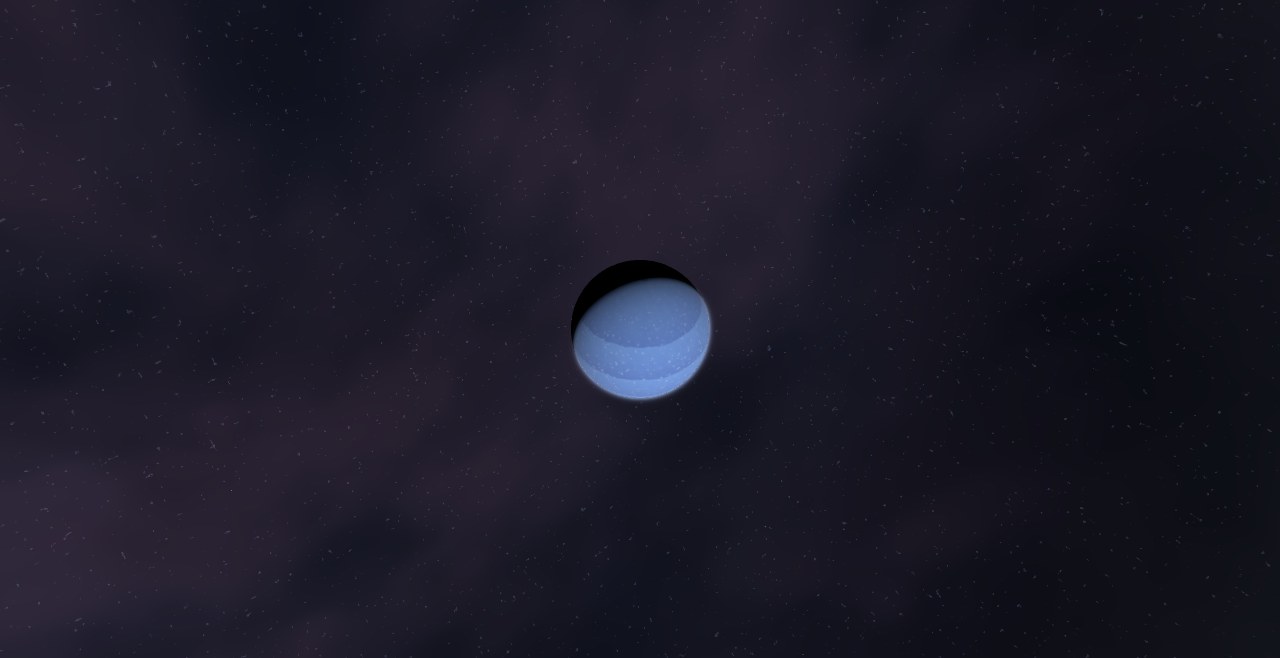
HD 20781, an orange K-type dwarf of 0.70 solar masses, and HD 20781 b, a 1.9-Earth-mass planet, with an orbital period of 5.3 days, at 0.053 AU from its star, on an eccentric orbit (e ≈ 0.10).
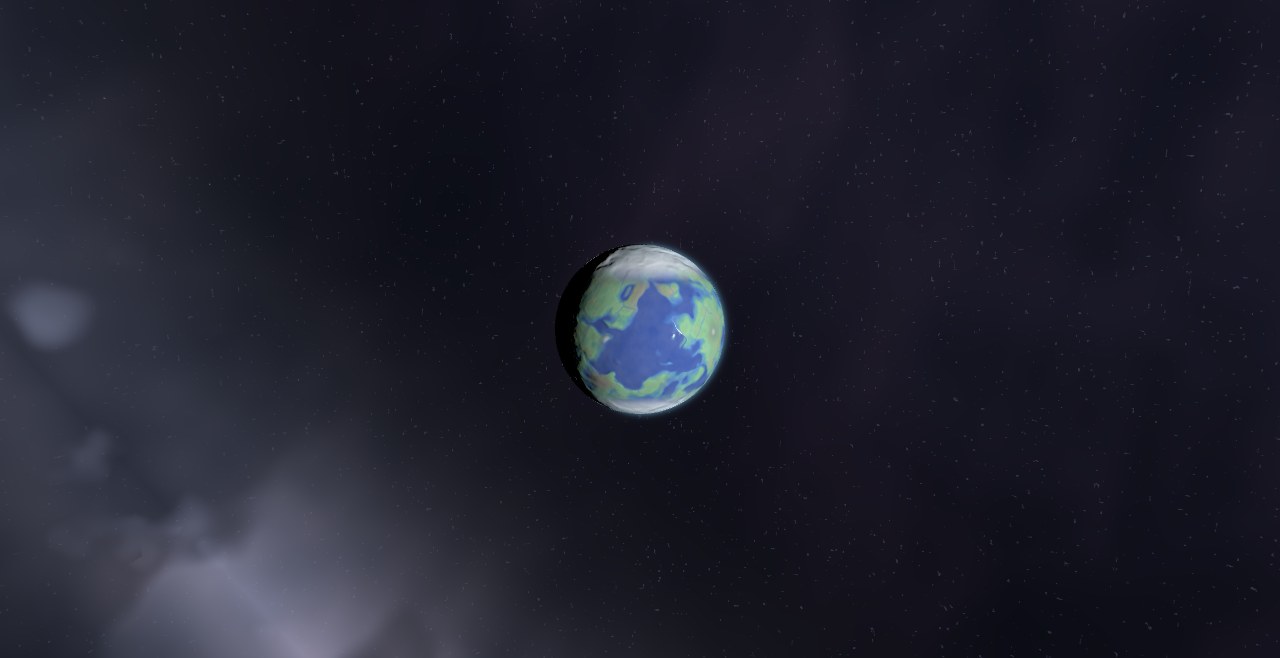
HD 20794, a Sun-like G-type star of 0.79 solar masses, and HD 20794 b, a 2.1-Earth-mass planet, with an orbital period of 18.3 days, at 0.126 AU from its star, on an eccentric orbit (e ≈ 0.06).
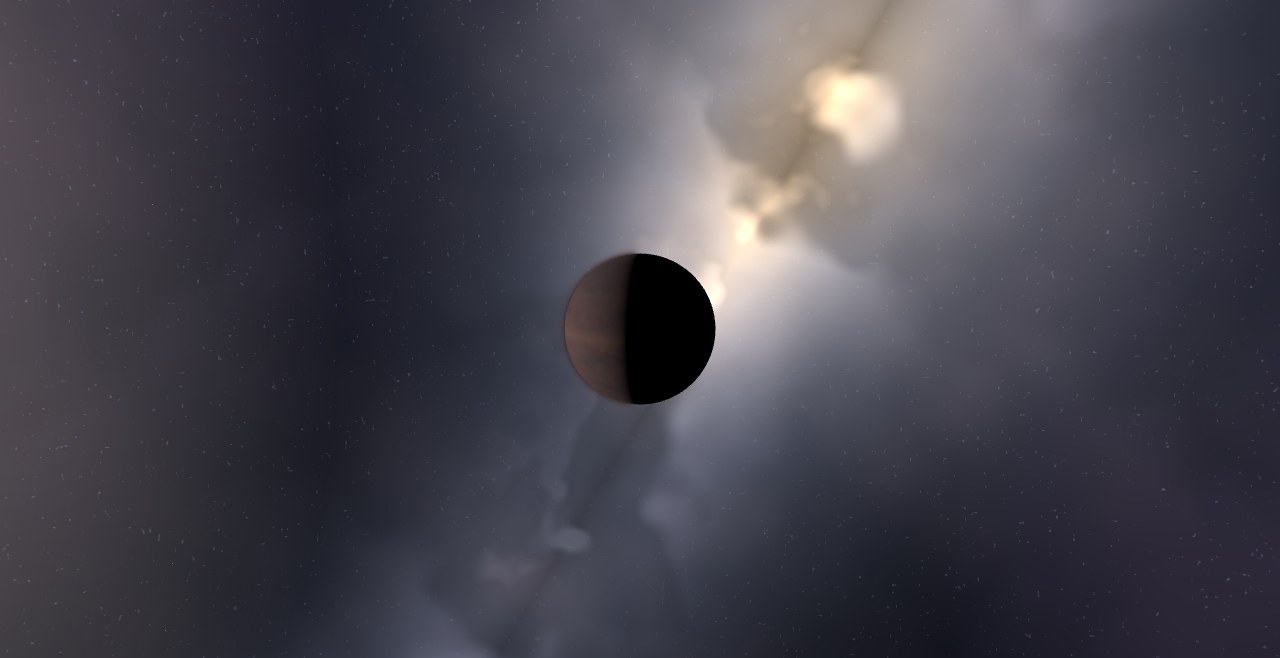
HD 215152, an orange K-type dwarf of 0.77 solar masses, and HD 215152 b, a 1.8-Earth-mass planet, with an orbital period of 5.8 days, at 0.058 AU from its star.
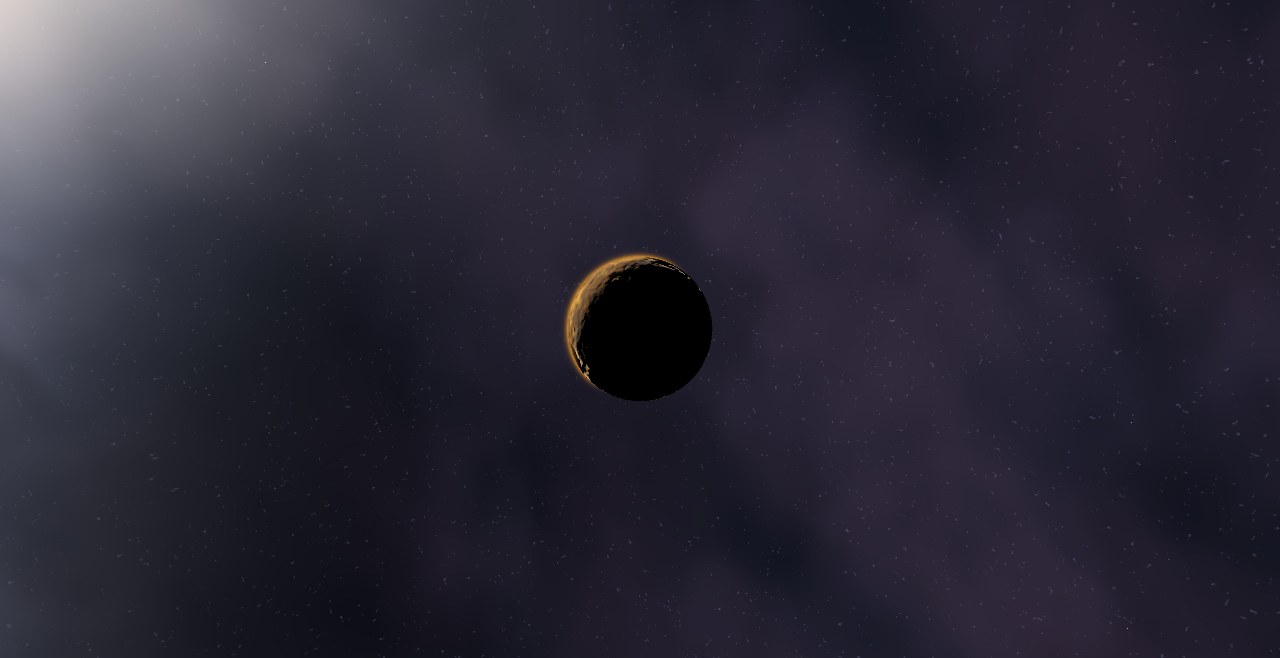
HD 3167, a multi-planet system with perpendicular orbits. The inner transiting world is tipped about 90 degrees from the outer planets. A polar inner orbit is rare among compact multiplanet systems.
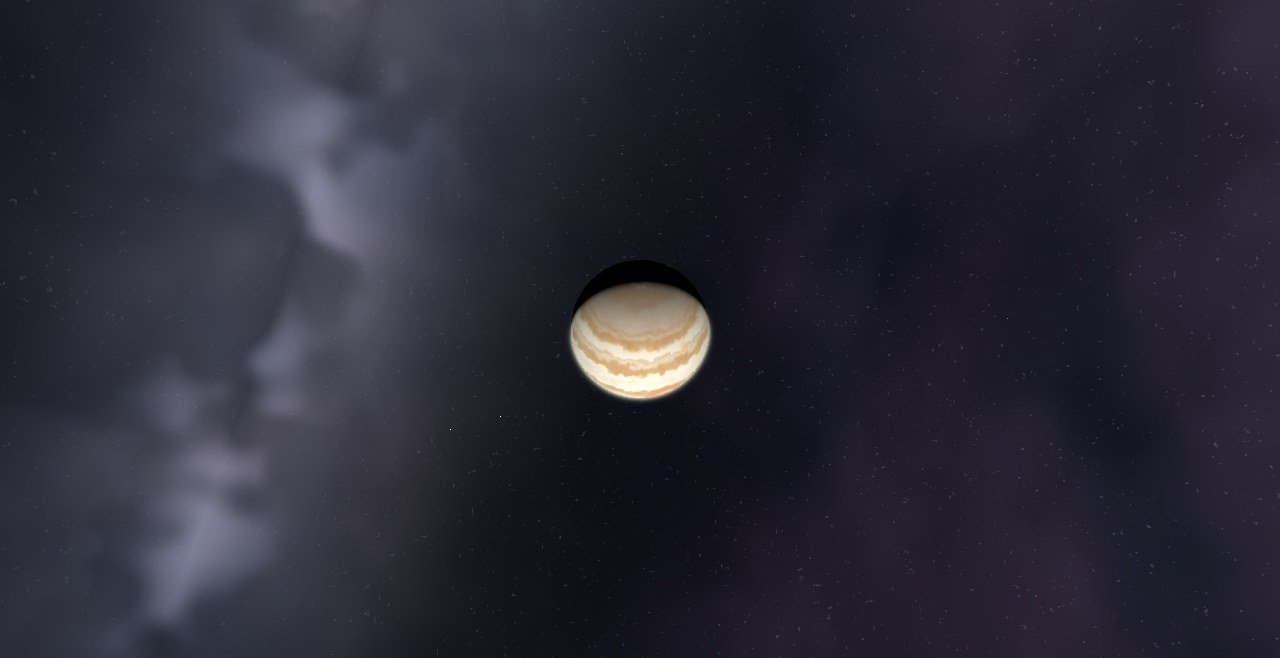
HR 8799, the first multi-planet system ever photographed. Four young giant planets orbit far outside a debris disk, all seen directly. The four planets were announced together in 2008.
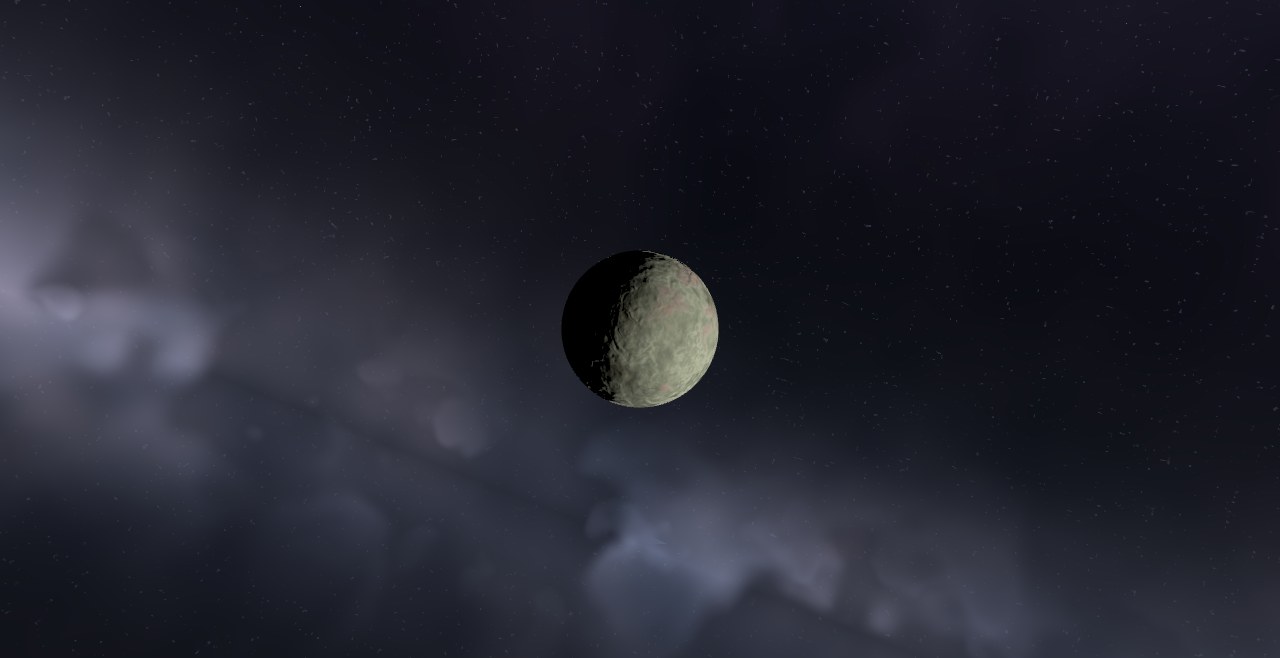
K2-133, a cool M-dwarf of 0.46 solar masses, and K2-133 b, a planet with 1.3 Earth radii, with an orbital period of 3.1 days, at 0.032 AU from its star.
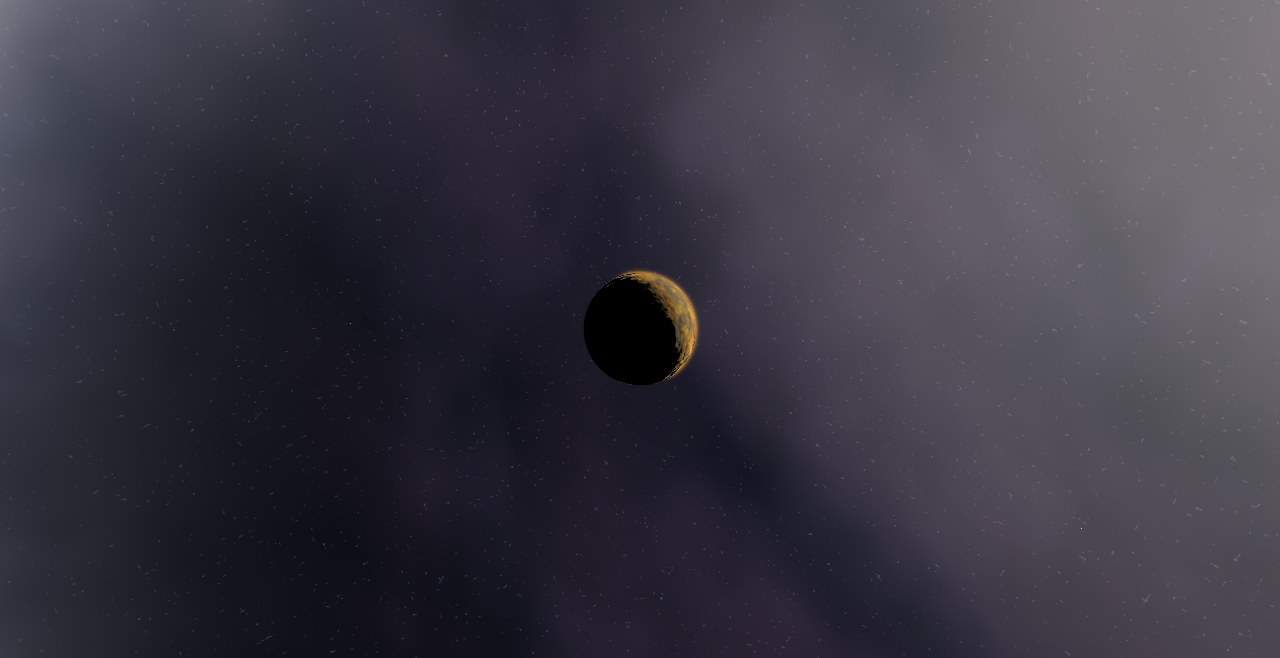
K2-187, a Sun-like G-type star of 0.97 solar masses, and K2-187 b, a planet with 1.2 Earth radii, with an orbital period of 18.6 hours.
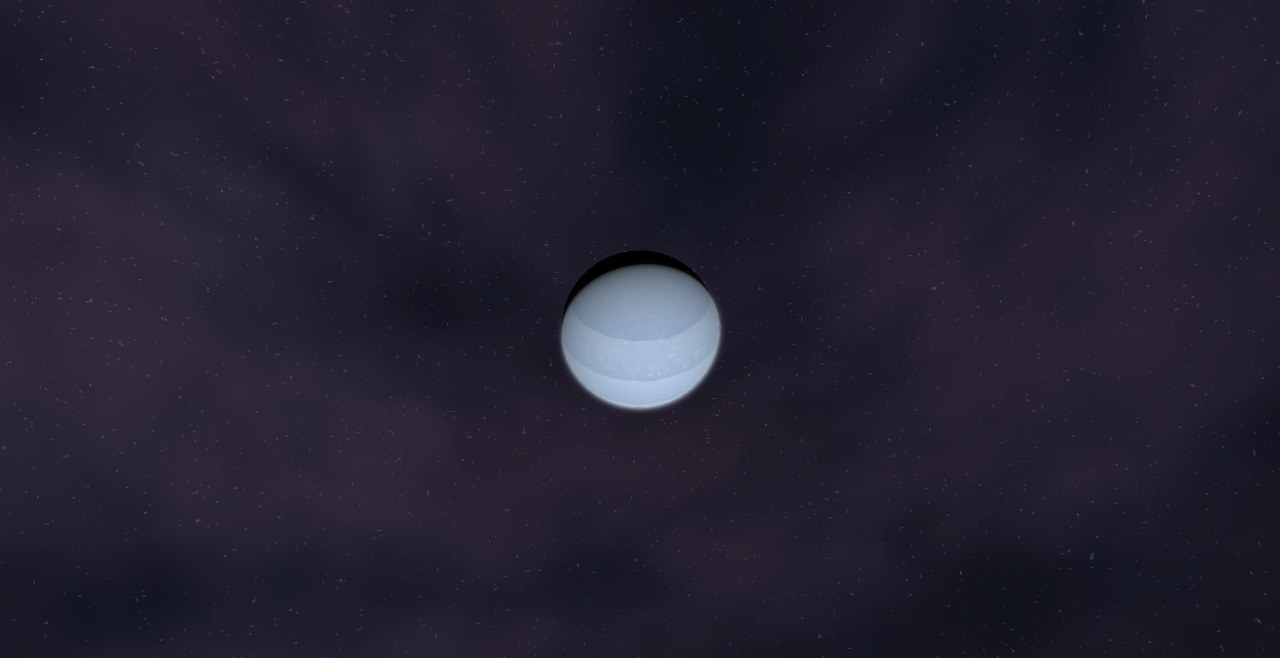
K2-266, a compact system whose innermost planet is strongly misaligned. The ultra-short inner world does not share the outer planets' plane.
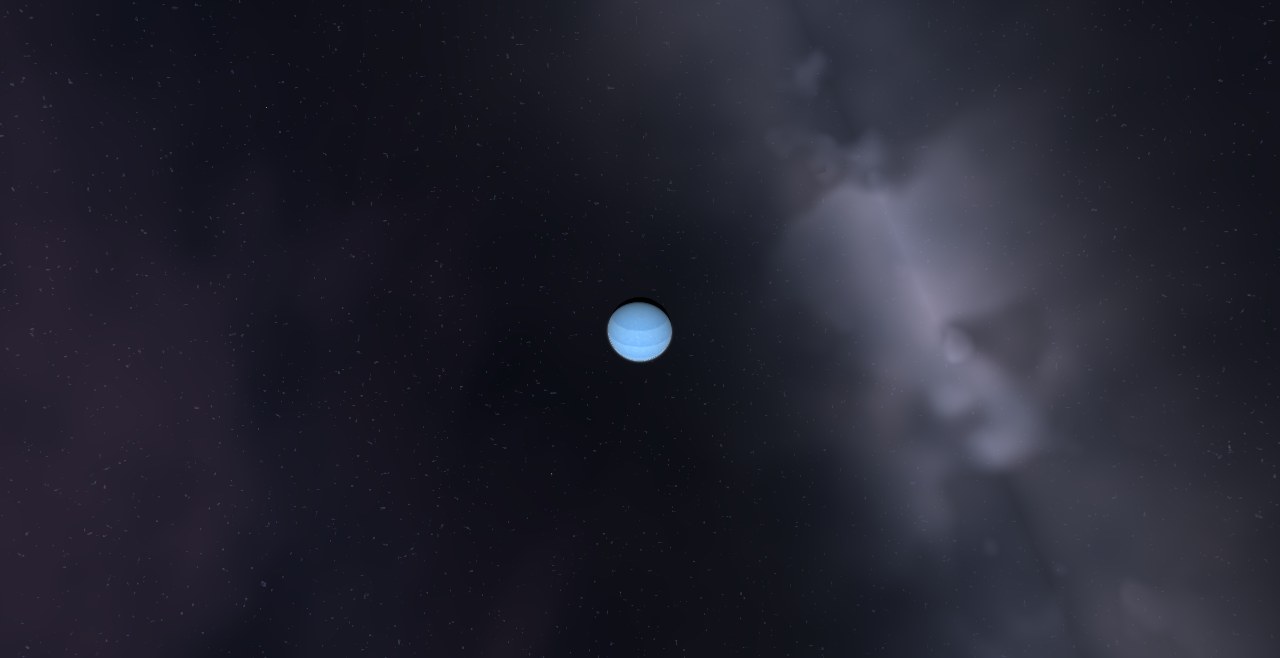
K2-285, an orange K-type dwarf of 0.83 solar masses, and K2-285 b, a 9.7-Earth-mass planet, with an orbital period of 3.5 days, at 0.038 AU from its star, and an equilibrium temperature near 1,089 K.