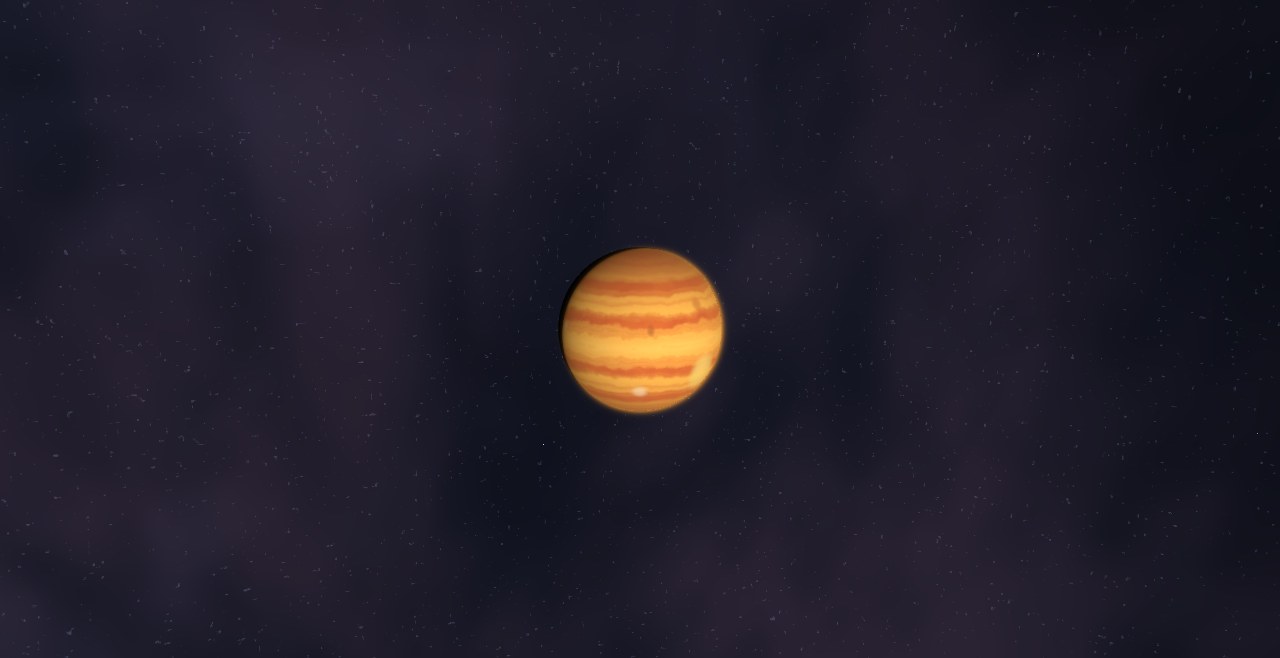
WASP-33 - System
WASP-33 b, a retrograde hot Jupiter around a pulsating A-type star. The planet and the star's vibrations perturb each other every orbit. The orbit is retrograde relative to the star's spin.
Exoplanets
Tour the most extraordinary, record-breaking exoplanets discovered by modern science. Simulate hyper-eccentric worlds, extreme "Hot Jupiters," and the most fascinating alien star systems in our galaxy.
Share
WASP-33 b, a retrograde hot Jupiter around a pulsating A-type star. The planet and the star's vibrations perturb each other every orbit. The orbit is retrograde relative to the star's spin.
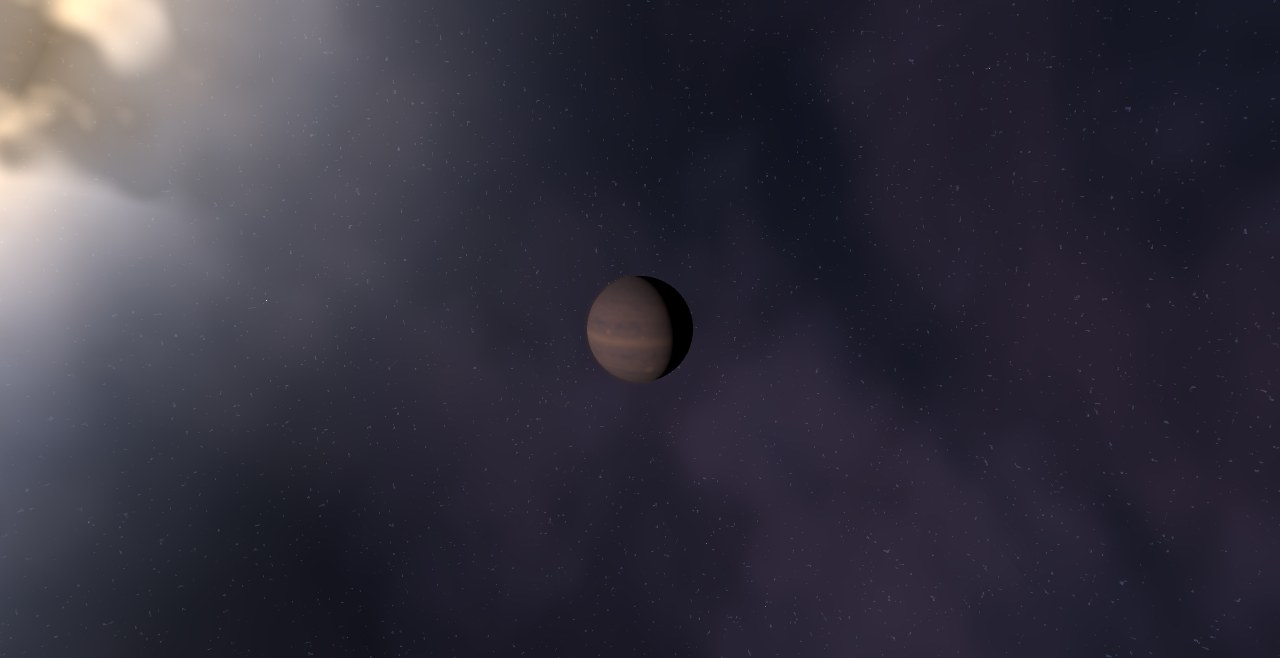
WASP-39 b, the benchmark planet of JWST's first exoplanet results. Its puffy atmosphere revealed water, carbon dioxide, and photochemical sulfur dioxide.
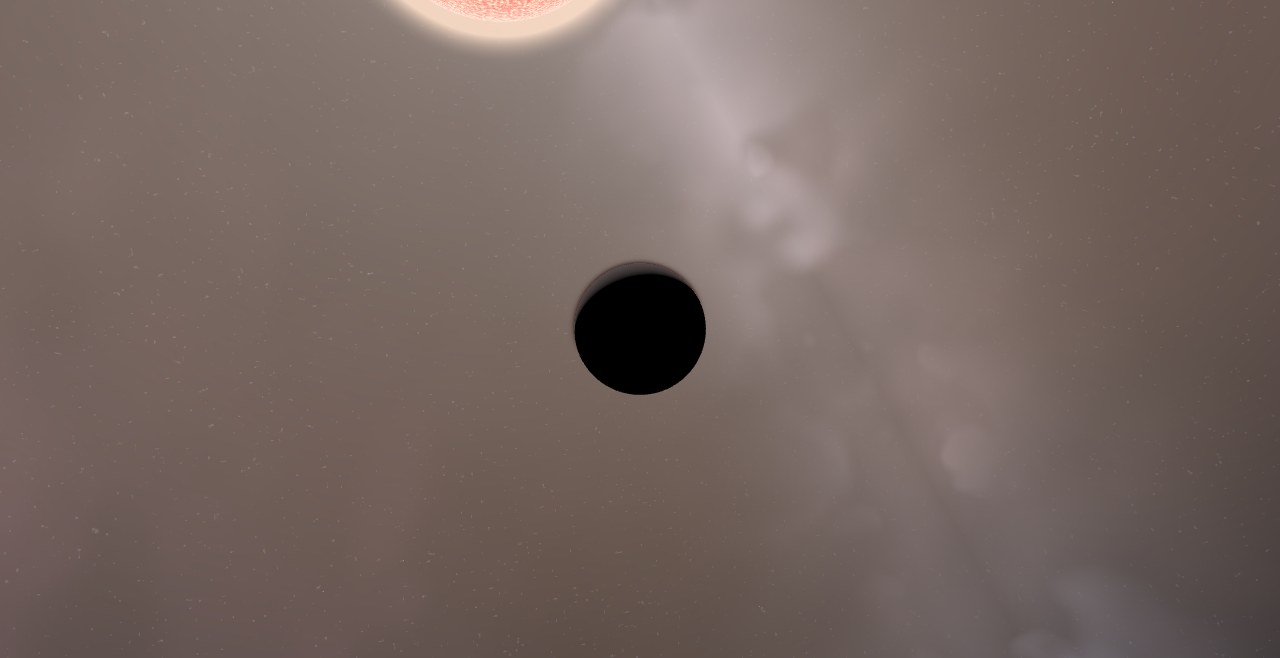
WASP-43 b, a benchmark hot Jupiter for phase curves. Hubble and JWST have mapped how heat flows from its permanent dayside to the night. A year lasts about 19.5 hours around a K dwarf.
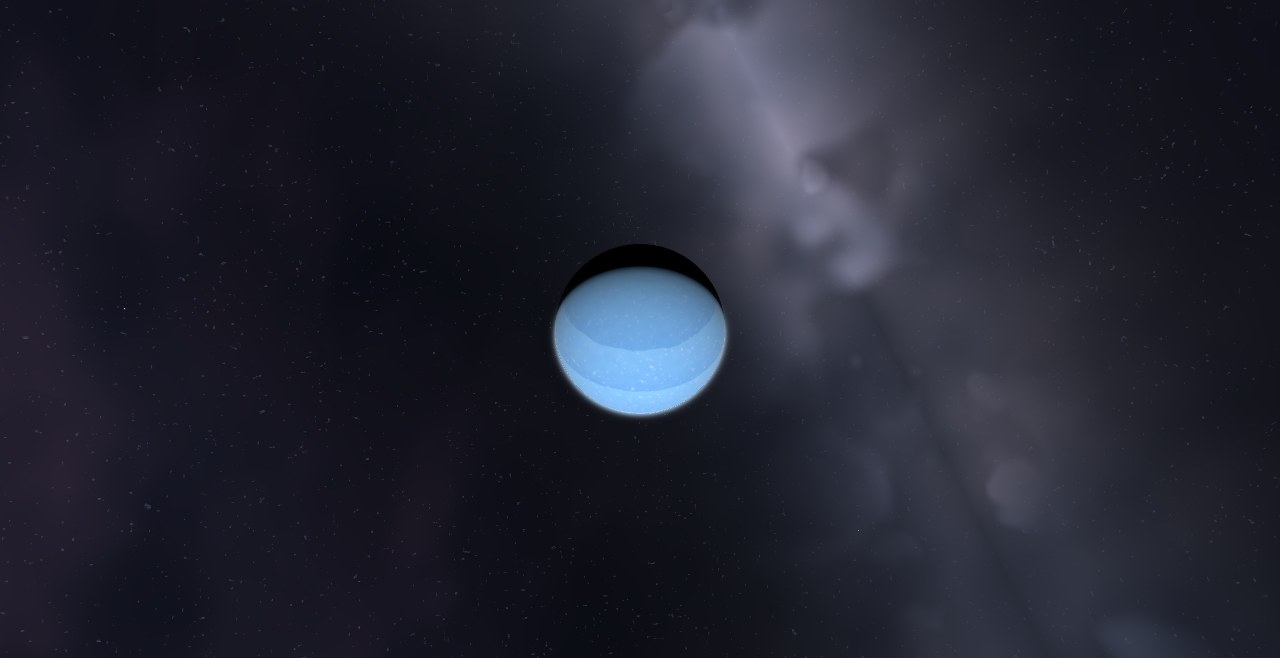
WASP-47, a rare hot Jupiter with nearby sibling planets. An inner super-Earth and an outer Neptune show the giant did not clear the system. Hot Jupiters almost never keep such close neighbors.
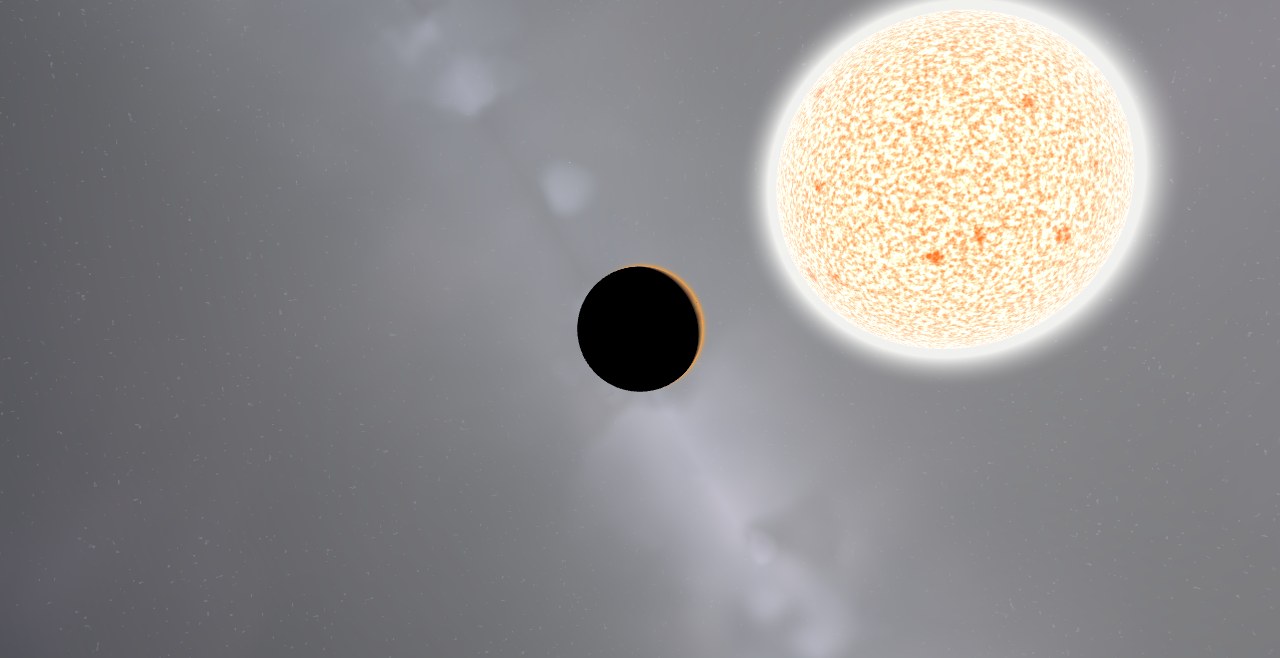
WASP-76 b, an ultra-hot Jupiter where iron vapor on the dayside may condense as it flows onto the cooler night side. The night side is cool enough that iron could rain.
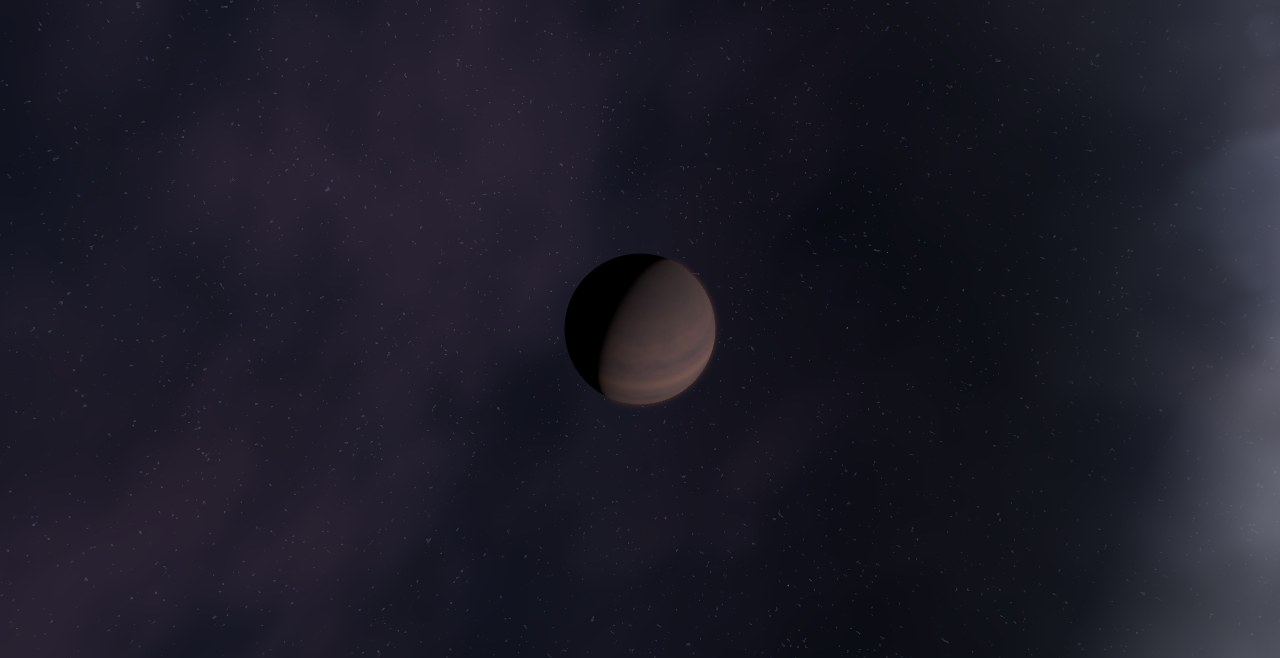
WASP-96 b, a clear hot Saturn used for some of JWST's first exoplanet spectra. Water showed up in a nearly cloud-free atmosphere. The spectrum is unusually free of high-altitude clouds.
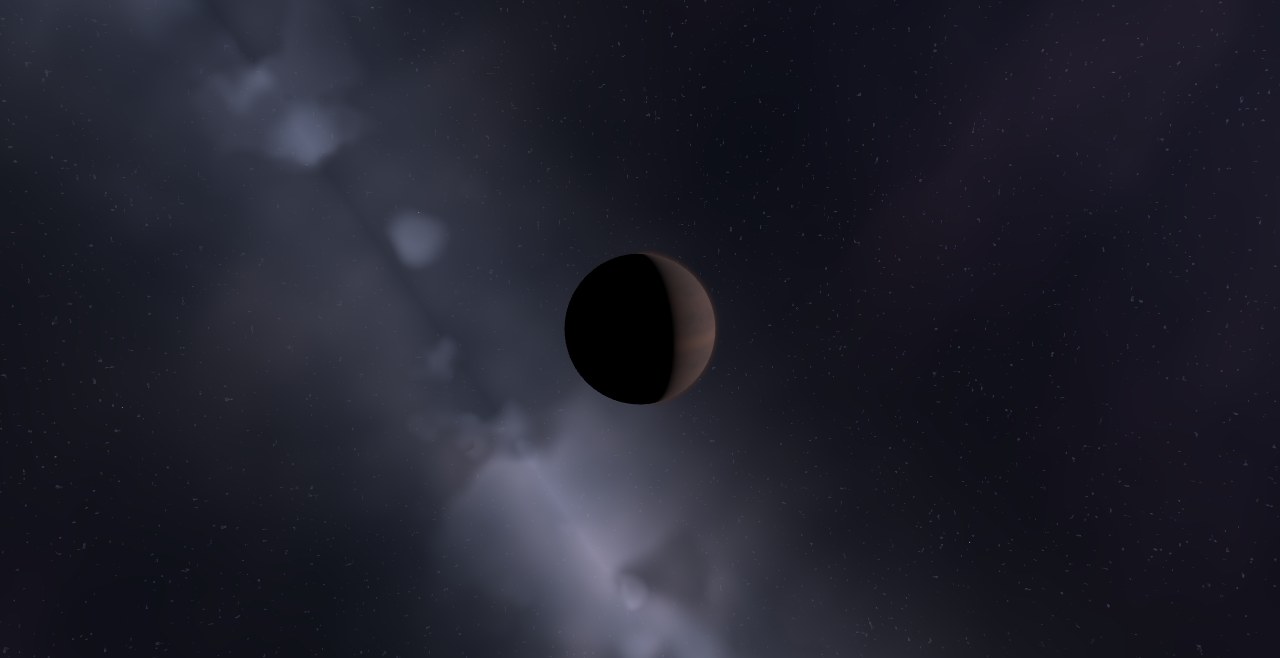
WD 1856 b, a Jupiter-sized world that survived or arrived around a white dwarf. It transits a dead star only about the size of Earth. A year around the white dwarf lasts only 1.4 days.
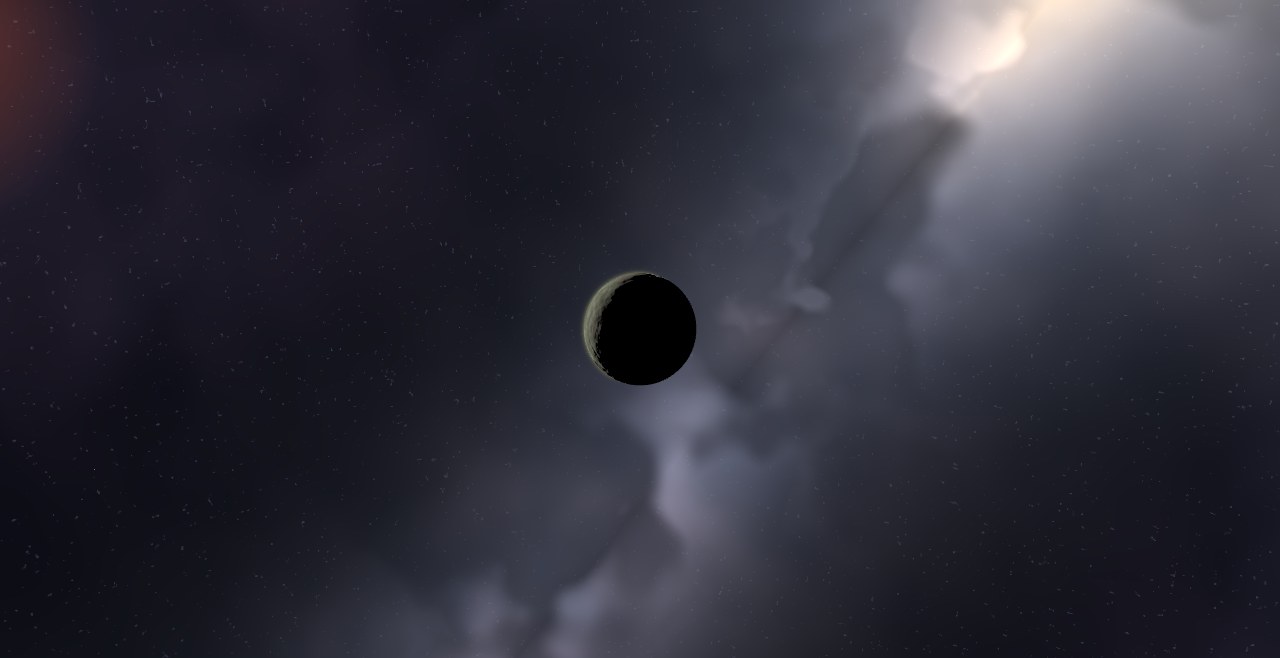
Wolf 1061, a red dwarf 14 light-years away. Planet c orbits in the habitable zone of one of the nearest known planetary systems. Three planets orbit this nearby M dwarf.
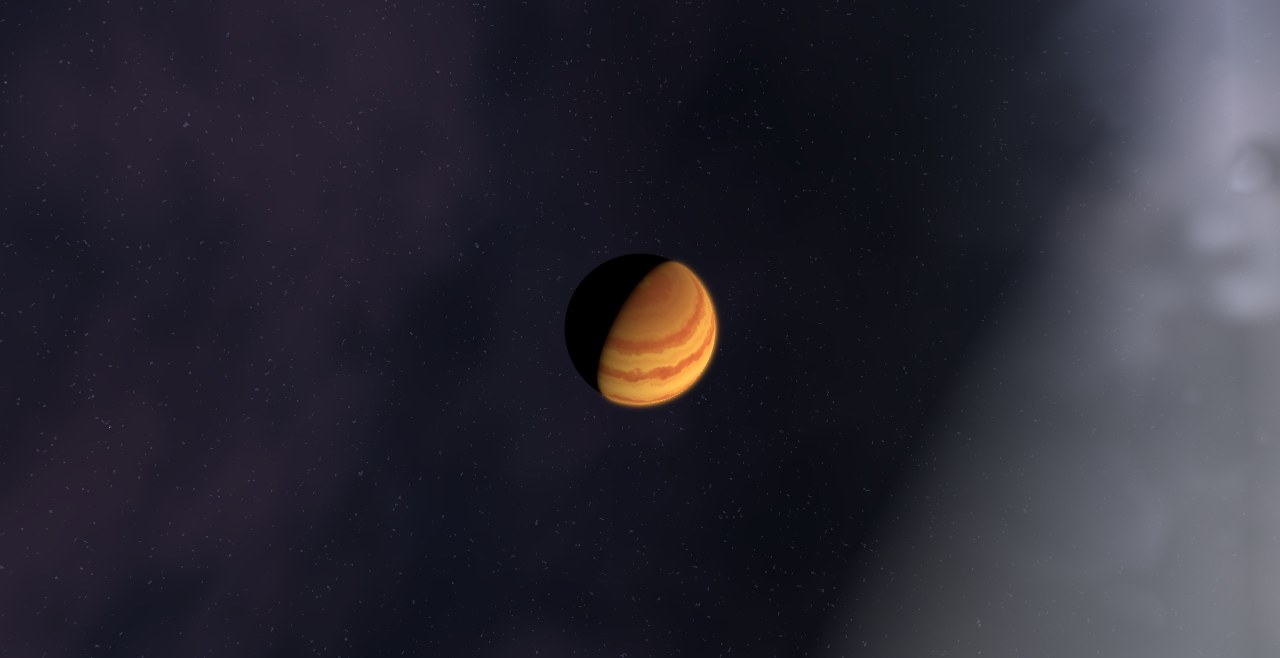
XO-3 b, a massive hot Jupiter on a tilted, eccentric orbit. Its spin-orbit misalignment is evidence that the planet was scattered inward. The planet is roughly twelve times Jupiter's mass.
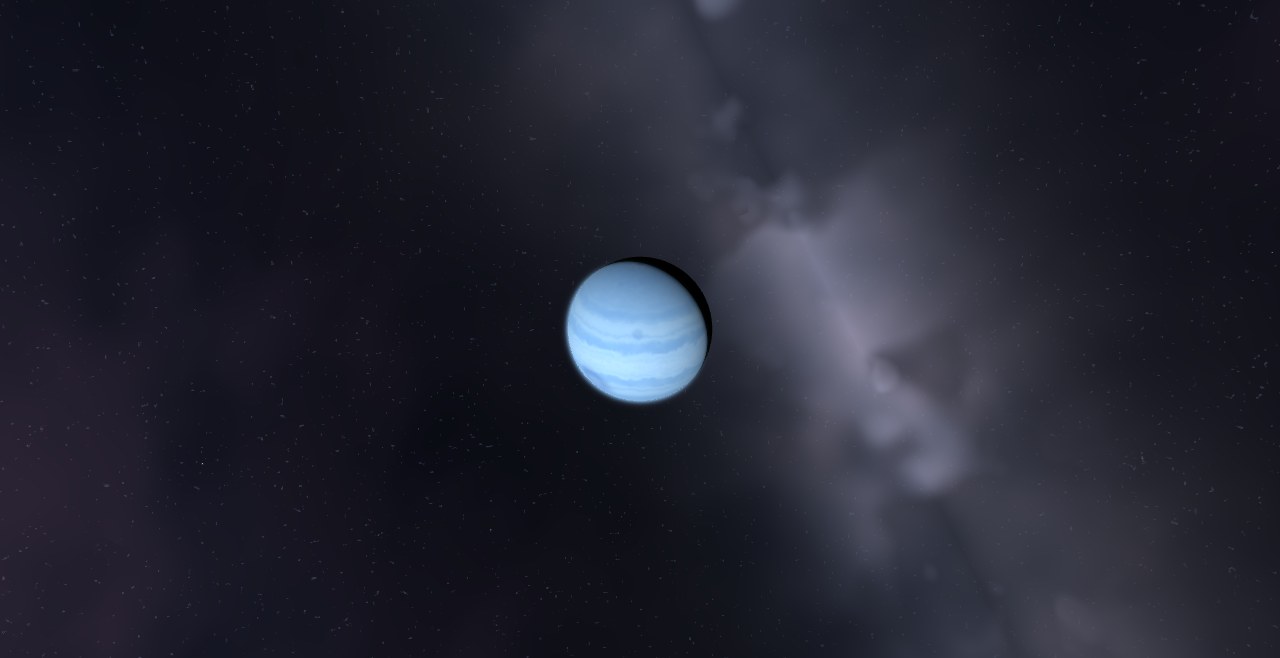
Beta Pictoris, a young star with a famous debris disk and two imaged giant planets. Beta Pic b was the first exoplanet whose spin was measured.
Epsilon Eridani, one of the nearest young Sun-like stars. It has a debris disk and a giant planet, a snapshot of an early planetary system. The star itself is only about 10 light-years from the Sun.
Gamma Cephei Ab, the earliest radial-velocity planet signal. Suspected in 1988 and confirmed in 2002, it orbits in a close binary star system.
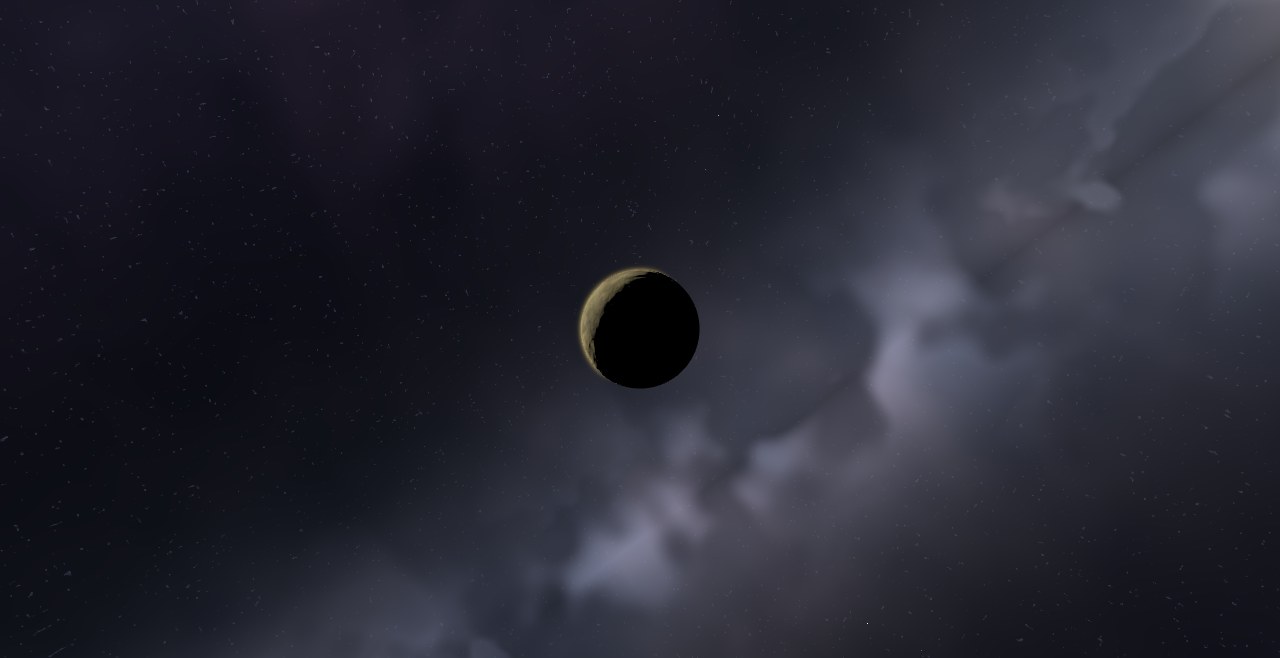
Tau Ceti, the nearest single Sun-like star. Its compact super-Earths make this neighbor a long-standing target in the search for nearby worlds.
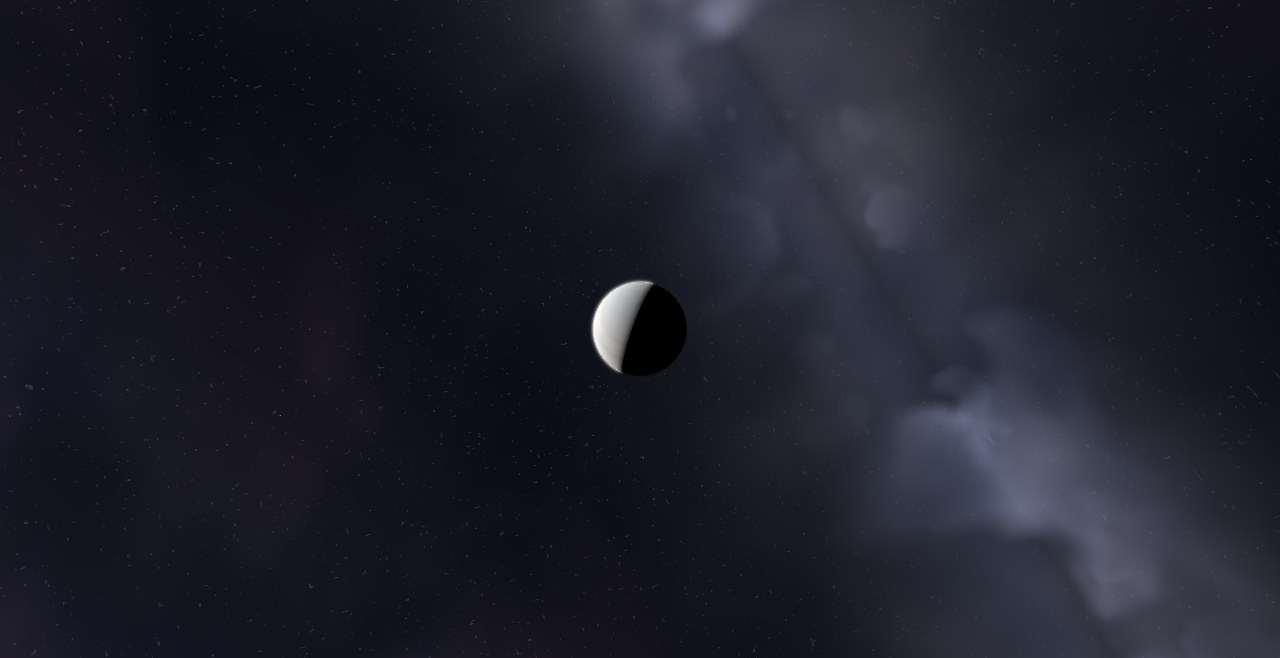
Upsilon Andromedae, the first multi-planet system found around a main-sequence star. Three giants on mutually tilted, eccentric orbits tug one another.