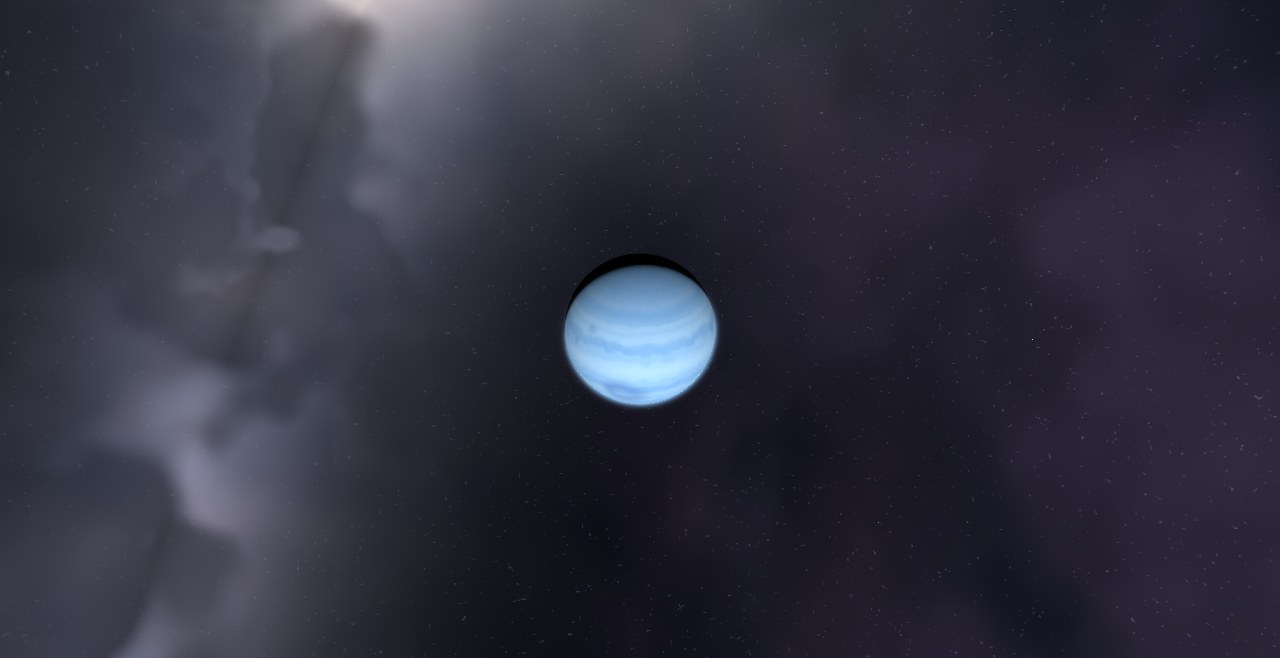
16 Cyg B - System
16 Cygni B b, a giant with eccentricity near 0.7. The distant stellar companion 16 Cygni A is the usual suspect for pumping that extreme orbit.
Exoplanets
Landmark exoplanet systems: the first confirmed planets, the discoveries that opened each detection method, and the architectures that changed the field. Pulsar planets, 51 Pegasi, transiting hot Jupiters, imaged giants, circumbinary worlds, and compact chains such as TRAPPIST-1. These systems also remain in their planet-count lists.
16 Cygni B b, a giant with eccentricity near 0.7. The distant stellar companion 16 Cygni A is the usual suspect for pumping that extreme orbit.
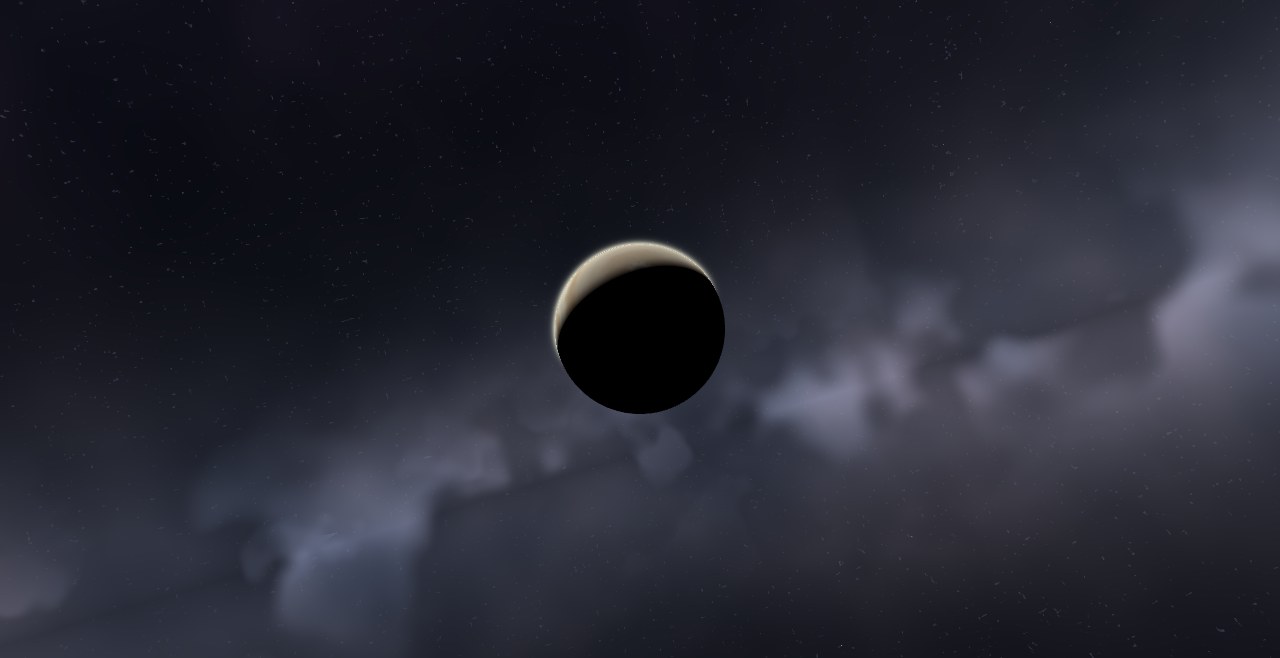
2M1207 b, the first planetary-mass object ever imaged. It orbits a young brown dwarf, wide enough to be seen directly in infrared light. The 2004 image was taken with the Very Large Telescope.
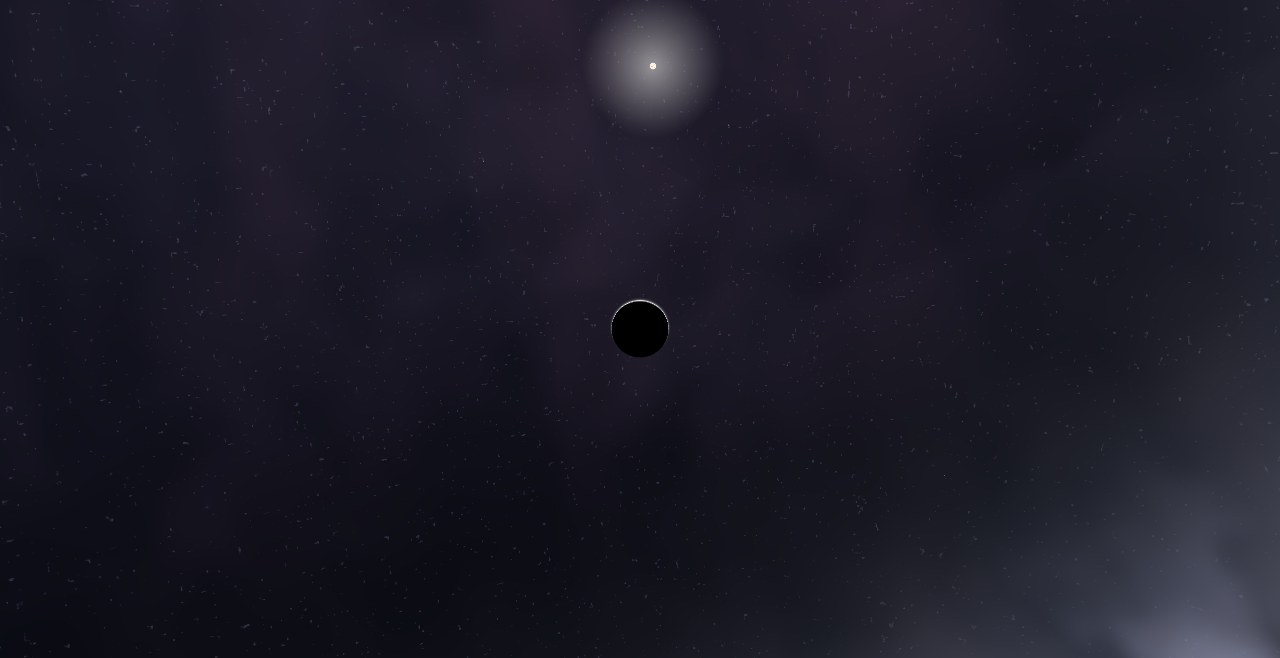
47 Ursae Majoris, one of the first Sun-like stars found to host Jupiter-like planets on year-long orbits rather than a scorched hot Jupiter.
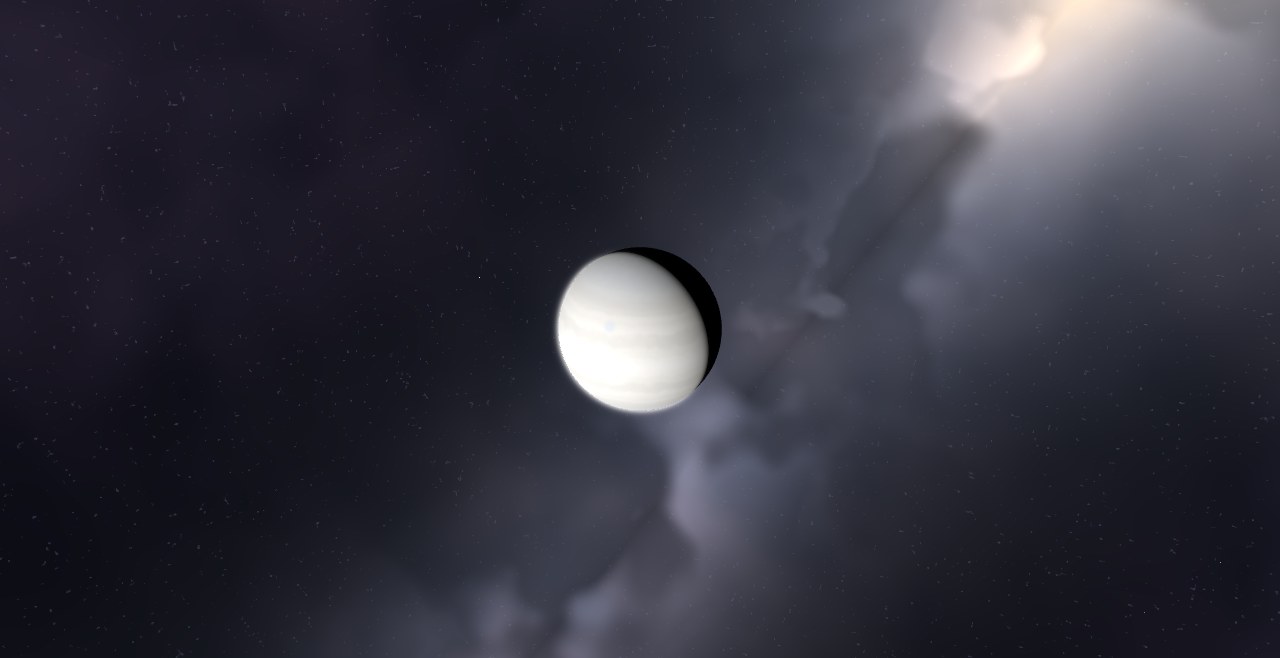
51 Eridani b, a young Jupiter analog imaged in a debris disk. Its methane-rich atmosphere looks more like Jupiter's than most imaged giants.
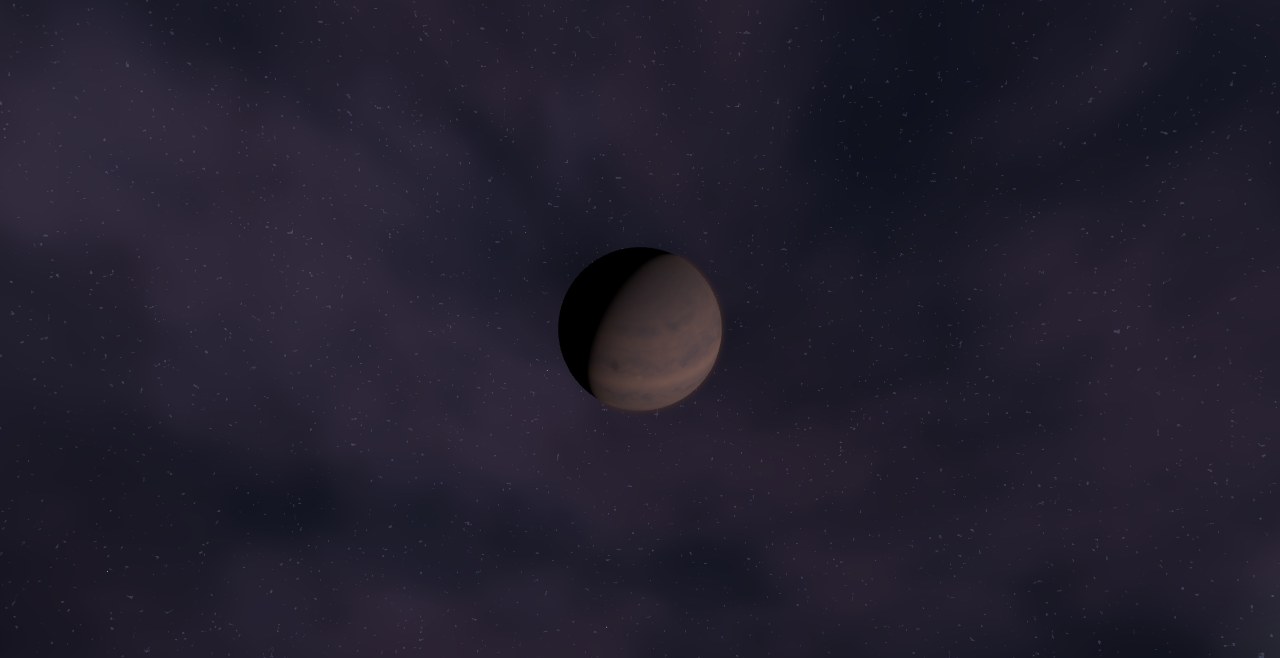
51 Pegasi b, the first planet found around a Sun-like star. This 1995 hot Jupiter won Michel Mayor and Didier Queloz the 2019 Nobel Prize in Physics.
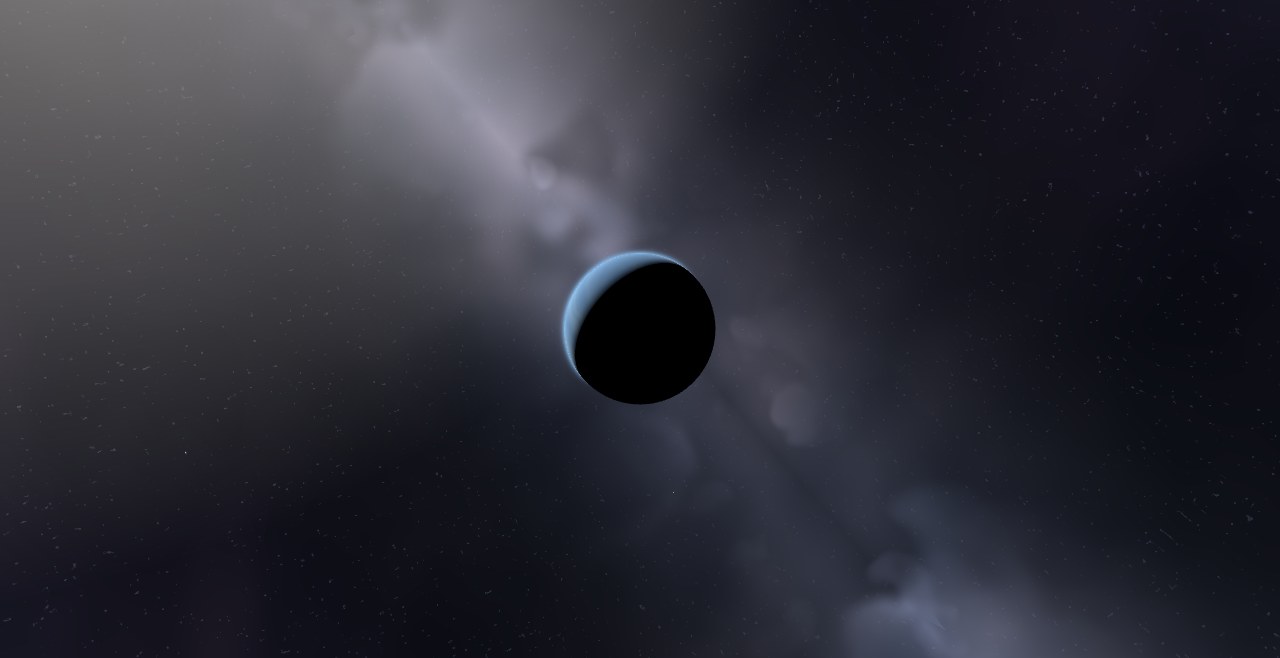
Nearby 55 Cancri, a five-planet system about 41 light-years away. Inner world 55 Cnc e is a lava super-Earth and a prime target for JWST. The host also has a distant red-dwarf companion.
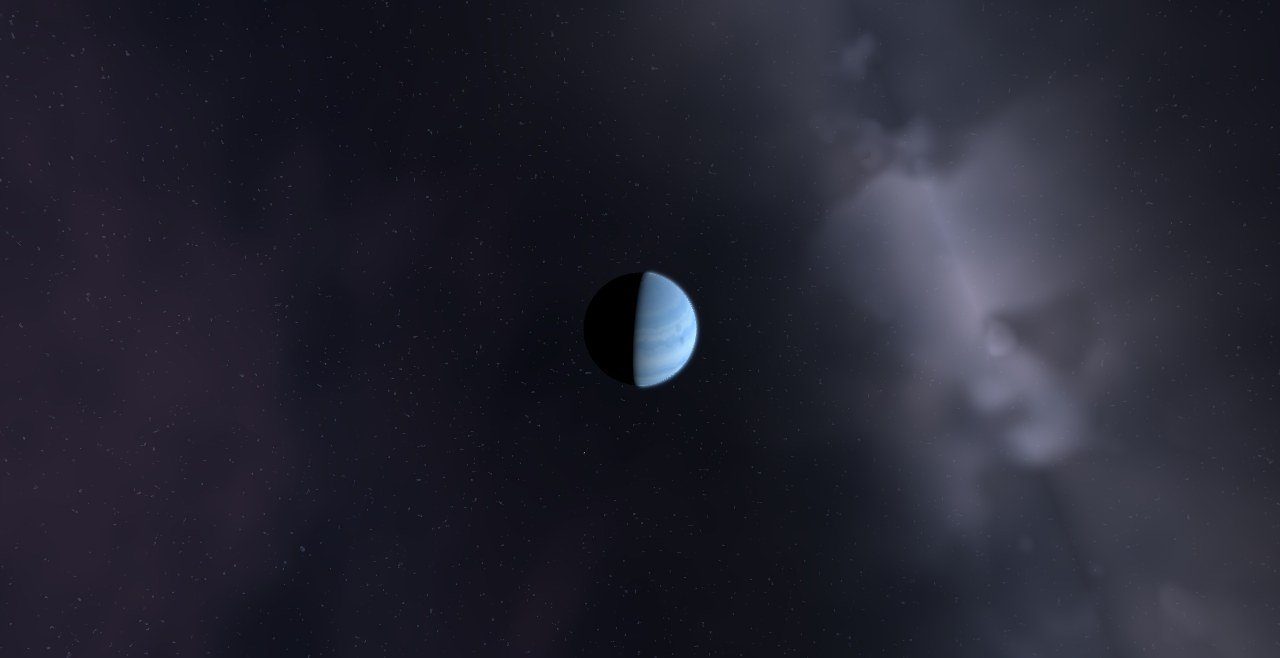
70 Virginis b, a massive eccentric giant announced in 1996. It was one of the first exoplanets and briefly a candidate for a habitable moon host.
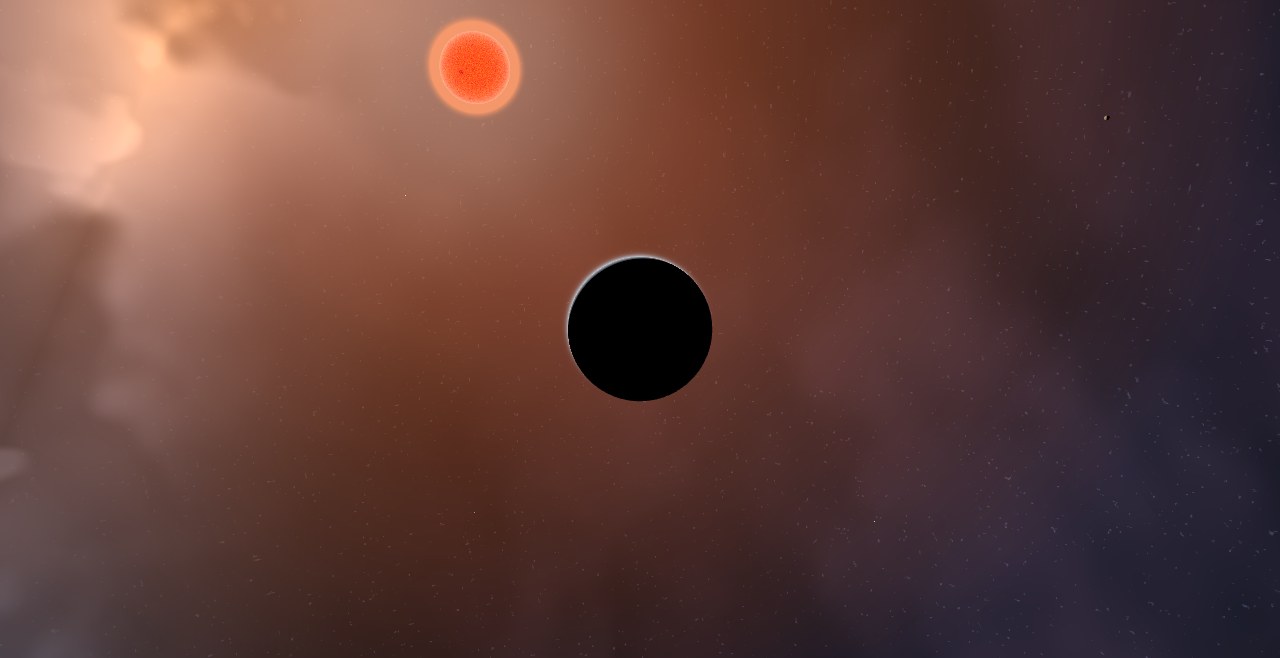
AU Microscopii, a young nearby red dwarf still wrapped in a debris disk. Its transiting planets are puffy worlds that have barely finished forming.
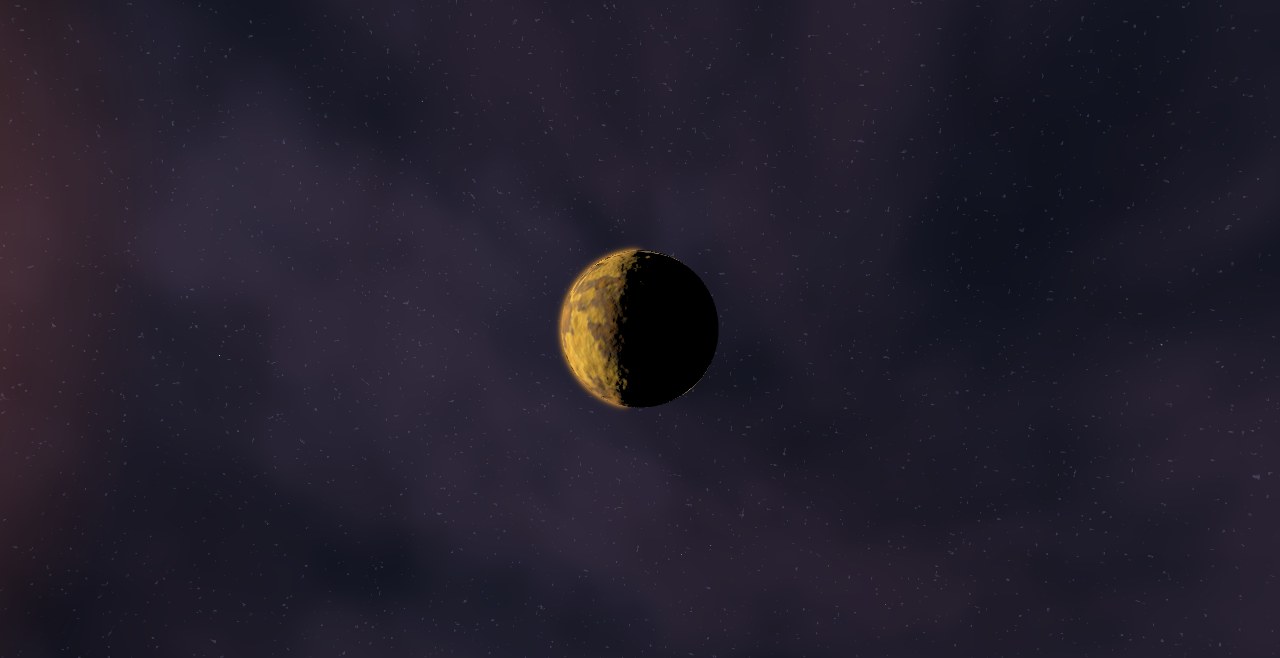
Barnard's Star, the nearest single star to the Sun. Its low-mass planets are among the closest known worlds beyond the Solar System. The star is famous for its rapid motion across the sky.
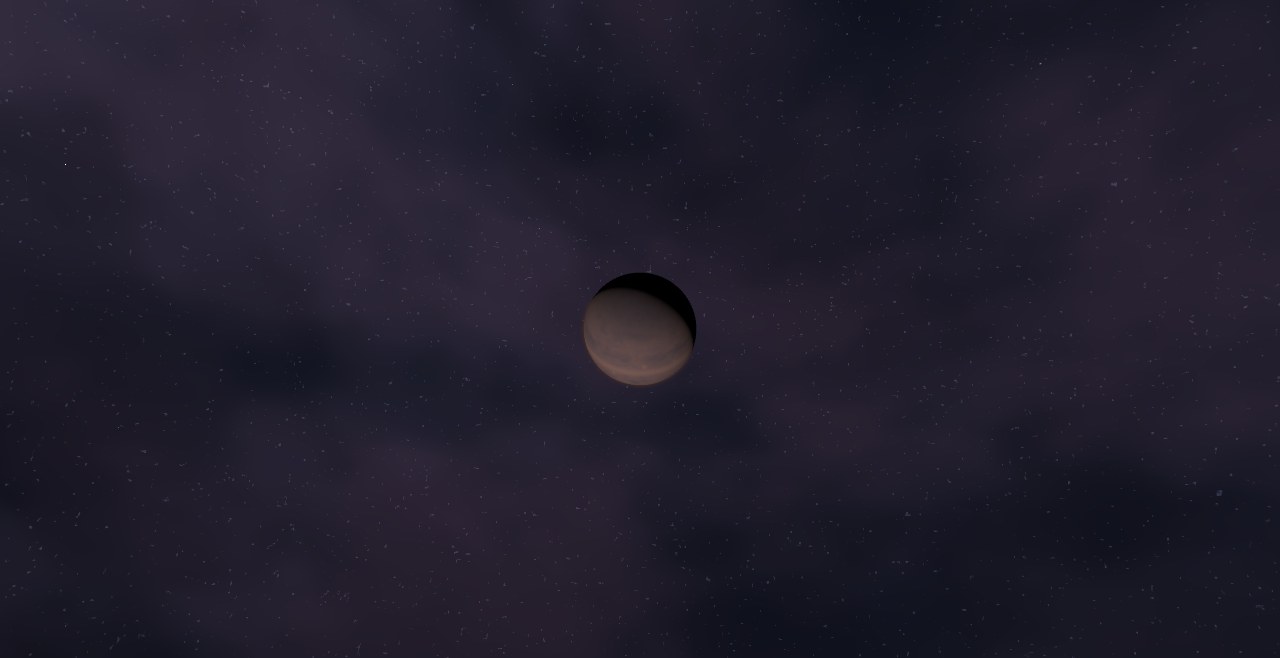
CI Tauri c, a giant planet on a 25-day eccentric orbit. The host is only about 2 million years old and still surrounded by a protoplanetary disk.
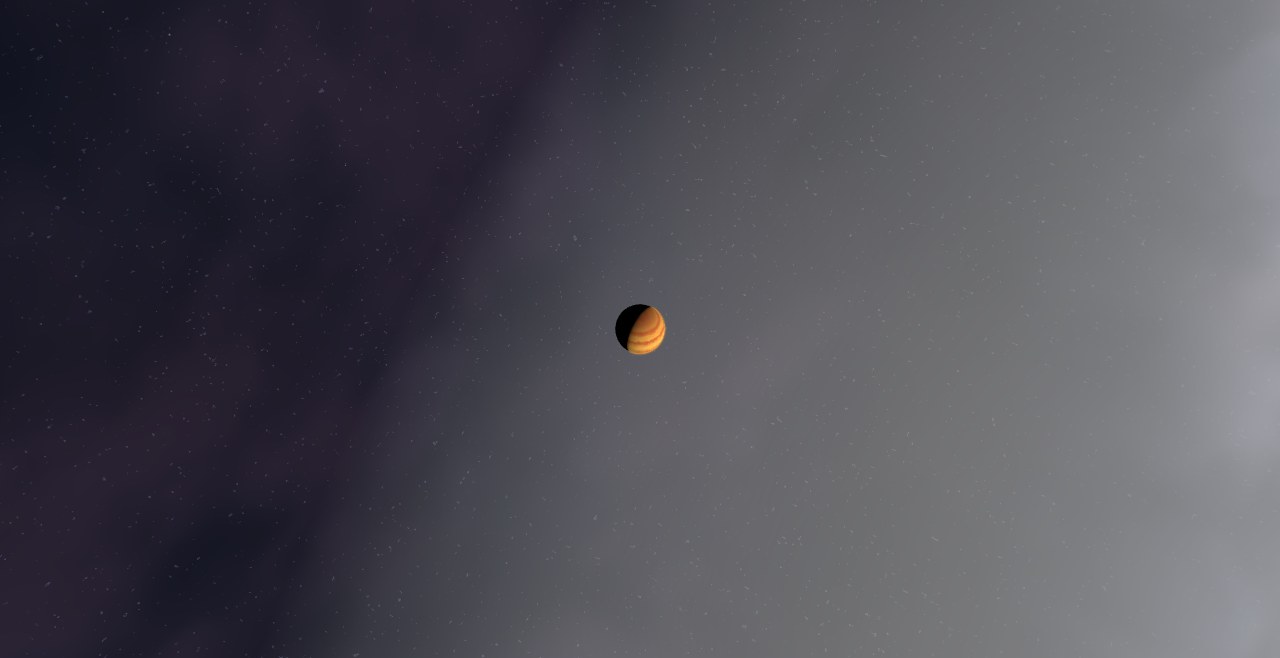
CoRoT-1 b, the first exoplanet whose changing phases were seen in visible light. The orbiting hot Jupiter brightens and fades like a moon. The signal is the planet's own changing brightness.
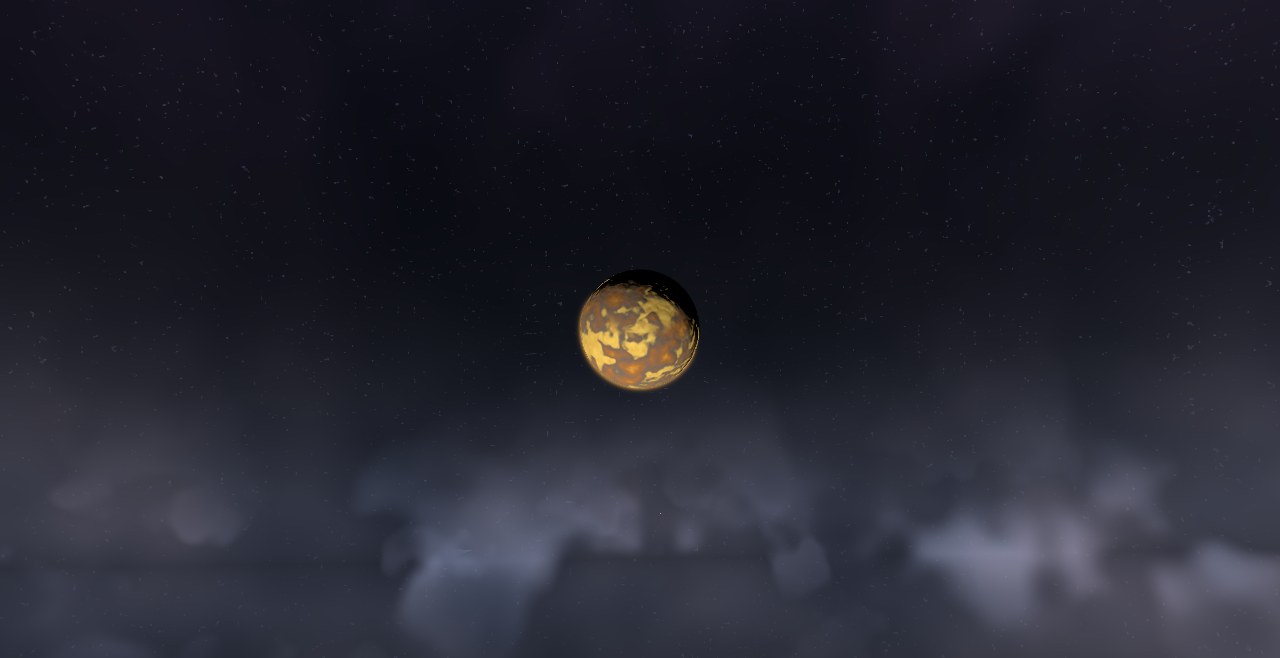
CoRoT-7 b, the first super-Earth found to transit and a leading candidate for the first rocky exoplanet, baked on an orbit of less than a day.
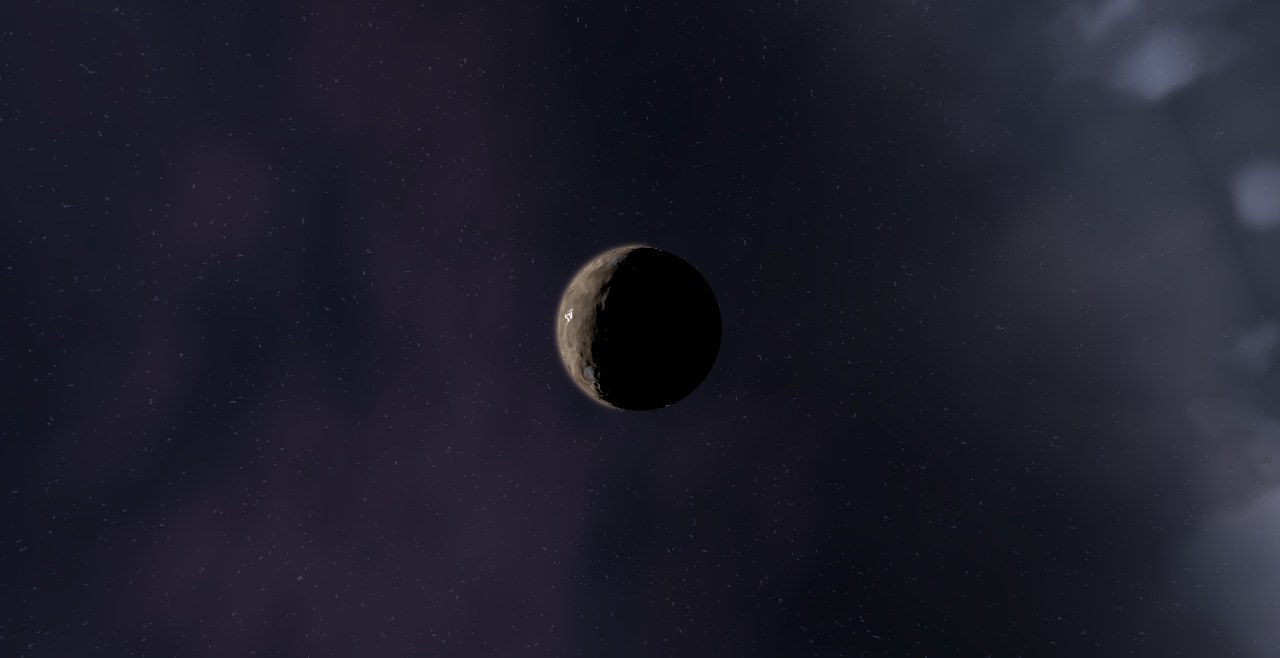
GJ 1002, a nearby quiet red dwarf with two Earth-mass planets in the habitable zone, among the closest temperate worlds known. Both planets were found by radial-velocity monitoring.
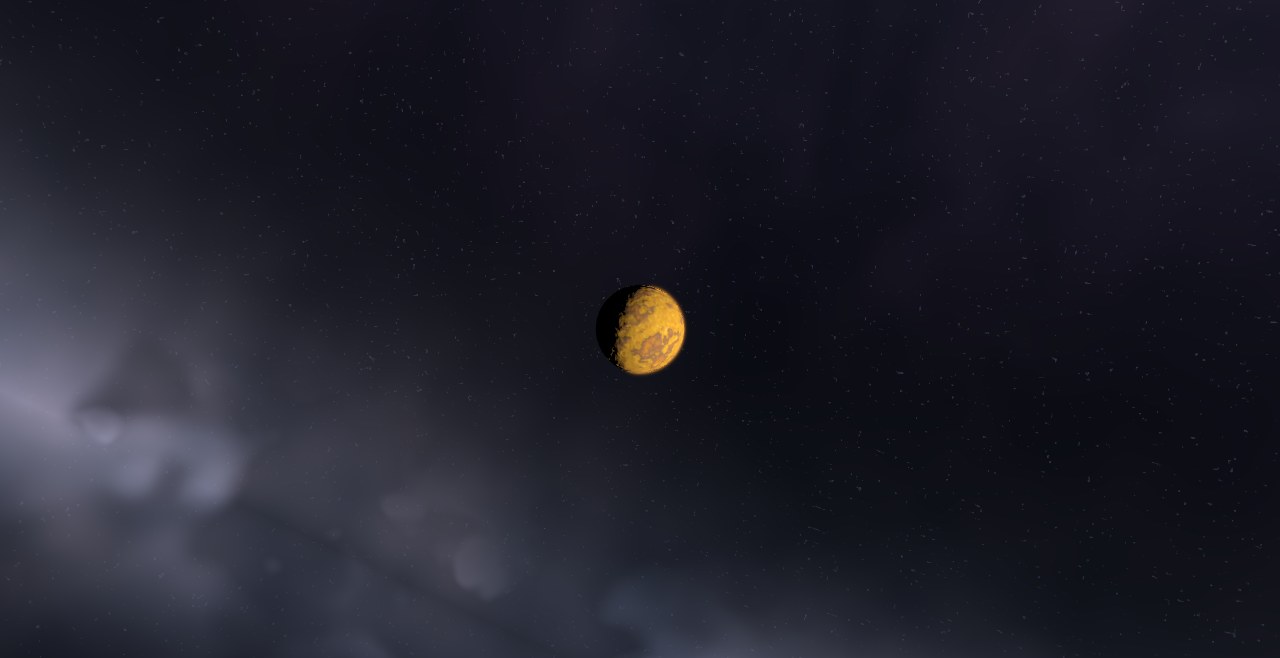
GJ 1132 b, a nearby rocky planet that may have lost and then rebuilt an atmosphere. It is a key JWST target for secondary atmospheres. The red dwarf is only about 41 light-years from the Sun.
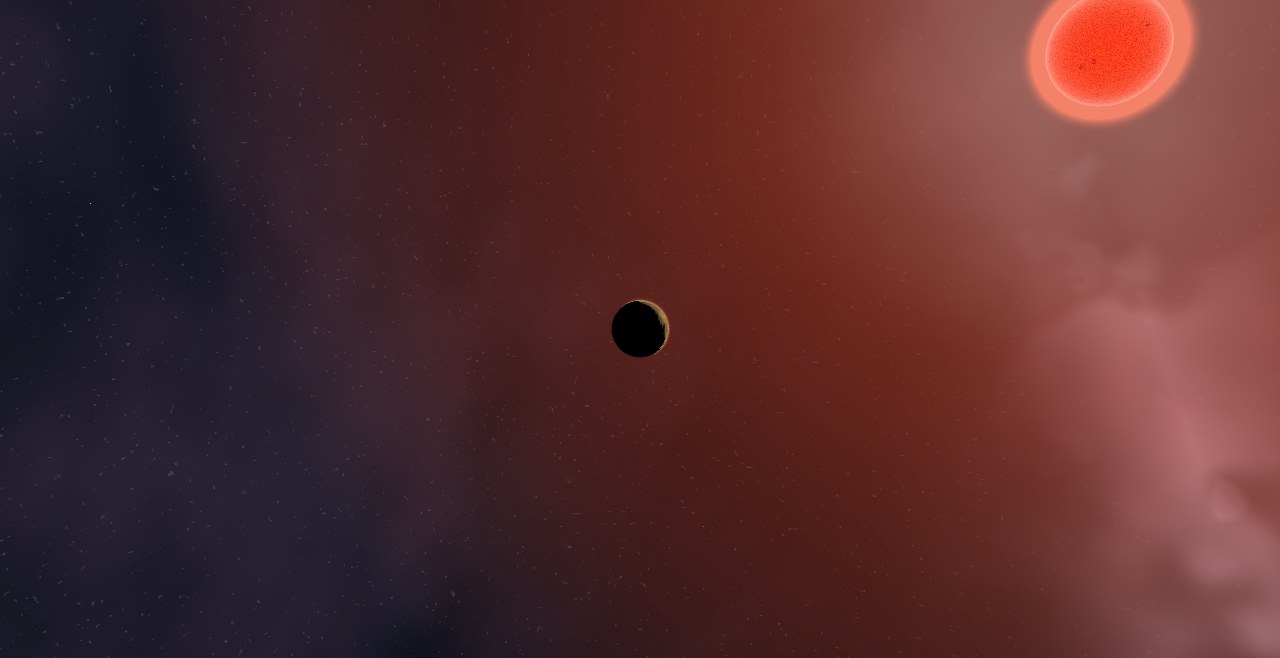
GJ 1214 b, the archetype sub-Neptune. This nearby mini-Neptune has a famously flat transmission spectrum, hiding water, haze, or both. The red-dwarf host is only about 48 light-years away.
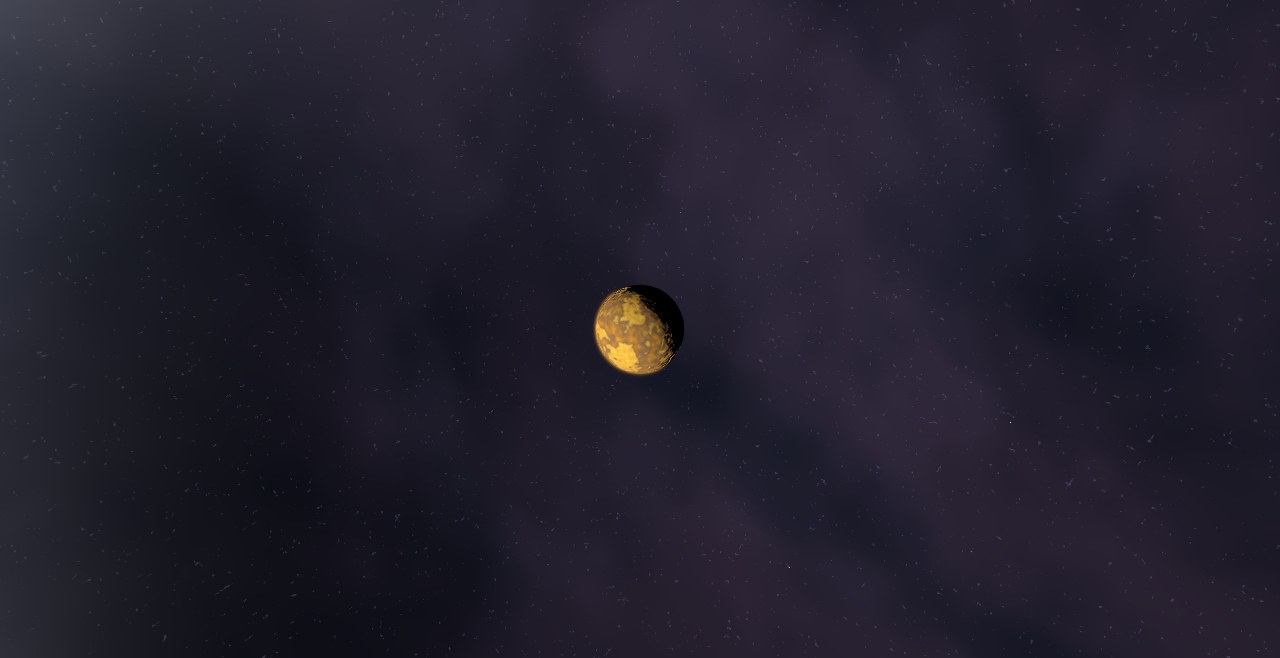
GJ 273, Luyten's Star, a nearby red dwarf only 12 light-years away. Its planets include a world near the inner edge of the habitable zone. Radial velocities revealed the planets.
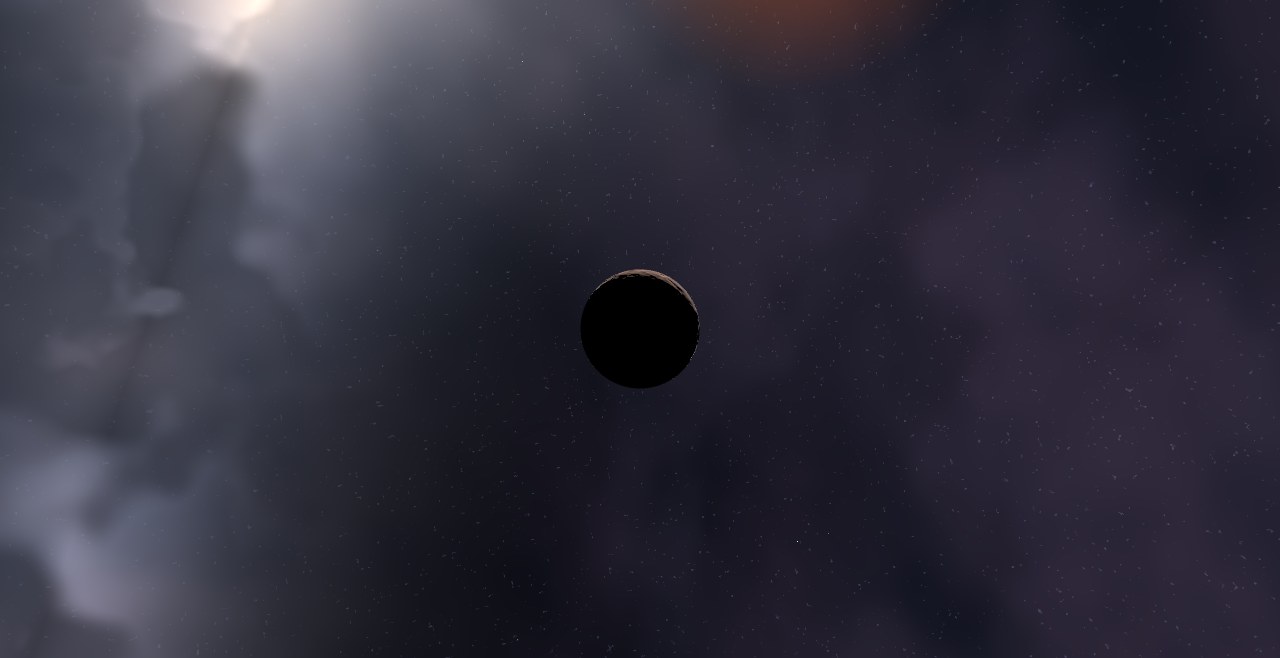
GJ 357, a nearby red dwarf with a transiting hot Earth and an outer habitable-zone planet. The outer world does not transit. The system is about 31 light-years from the Sun.
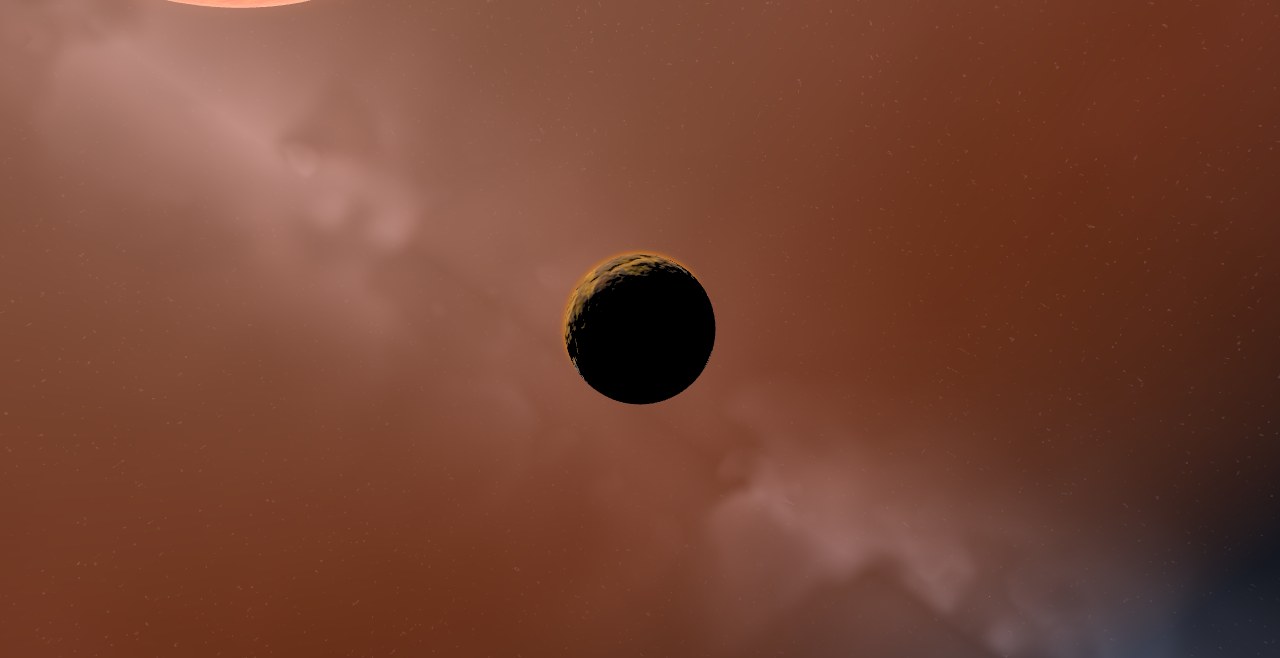
GJ 367 b, an iron-rich world on an ultra-short orbit. A year lasts about eight hours, and the high density points to an exposed iron core. The density is higher than Earth's.