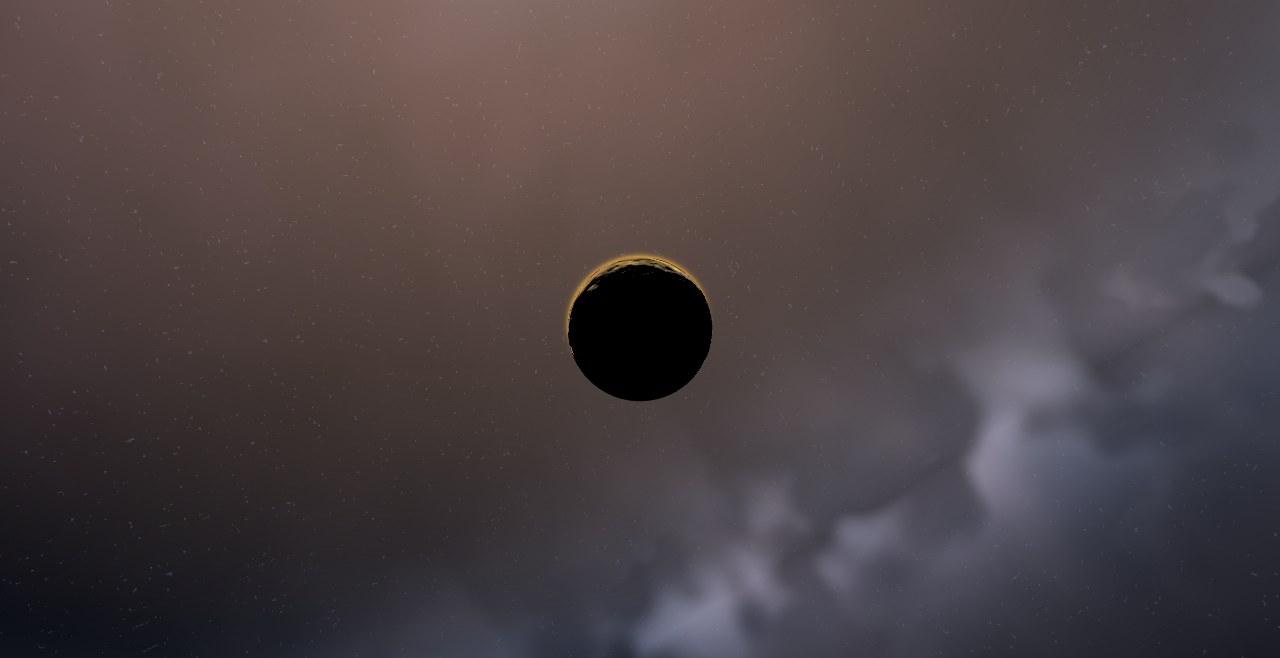
TOI-178 - System
TOI-178, six planets in a Laplace-like resonant chain. Five outer worlds keep a repeating period pattern while differing wildly in density. The inner planet sits just outside the resonant chain.
Exoplanets
Tour the most extraordinary, record-breaking exoplanets discovered by modern science. Simulate hyper-eccentric worlds, extreme "Hot Jupiters," and the most fascinating alien star systems in our galaxy.
Share
TOI-178, six planets in a Laplace-like resonant chain. Five outer worlds keep a repeating period pattern while differing wildly in density. The inner planet sits just outside the resonant chain.
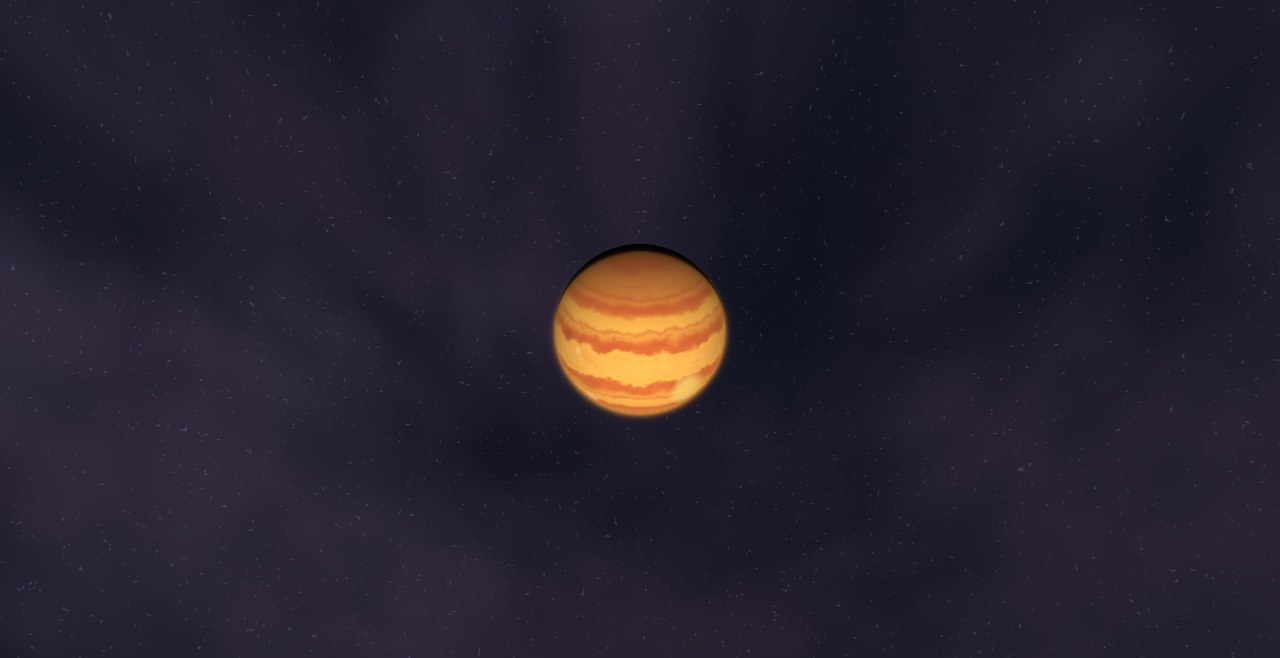
TOI-2109 b, one of the shortest-period giant planets known. An orbit of about 16 hours makes it an ultra-hot Jupiter near tidal breakup. The dayside is hot enough to vaporize most metals.
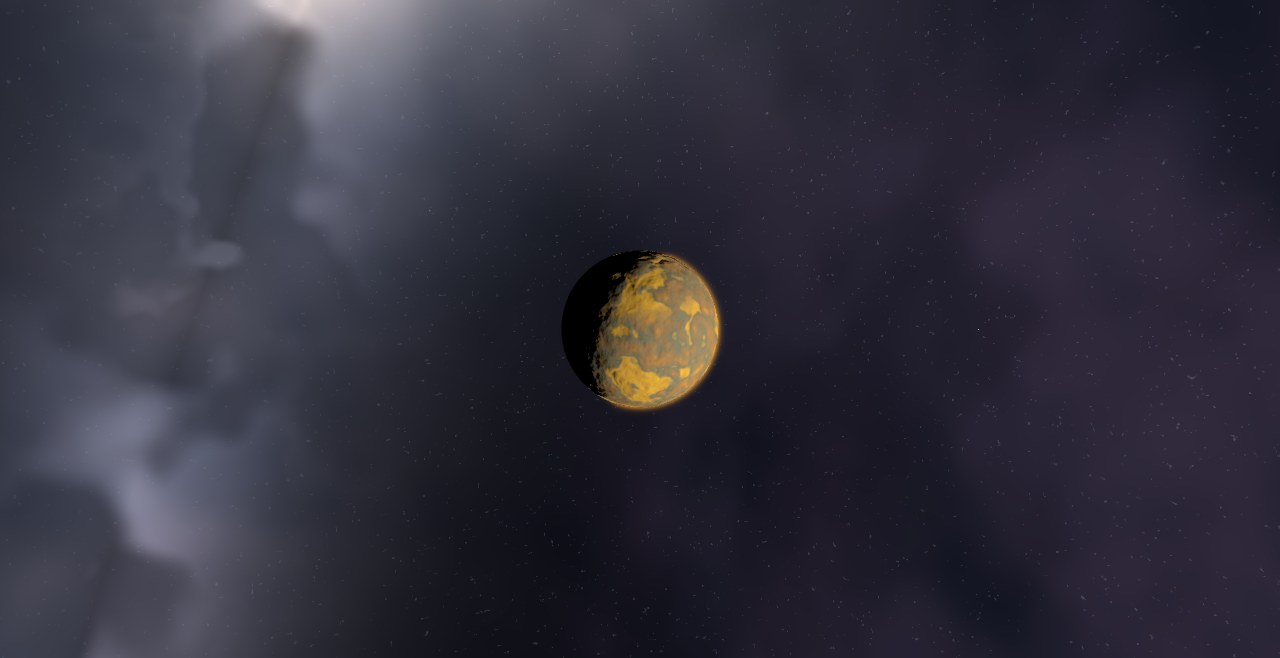
TOI-270, a nearby benchmark of one super-Earth and two sub-Neptunes. The trio is a clean target for comparing rocky and gaseous atmospheres.
TOI-561, an ancient thick-disk star about 10 billion years old. Its ultra-short-period rocky planet formed when the Milky Way was young. The inner planet's year lasts only about 10.5 hours.
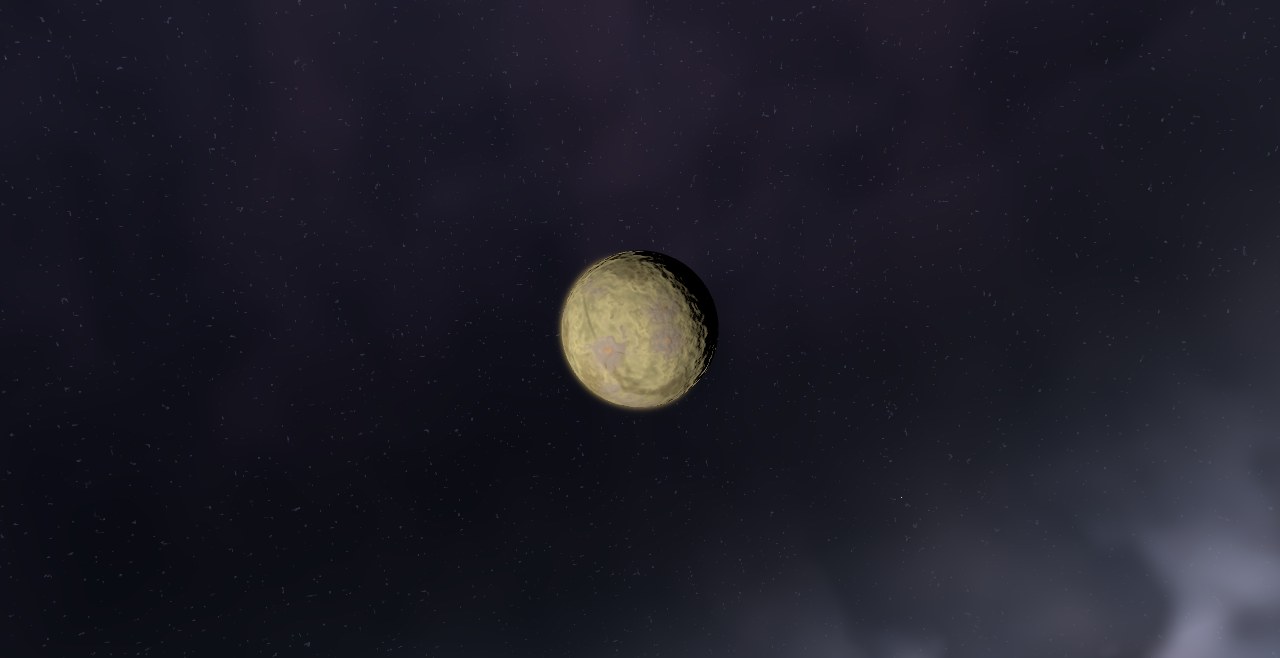
TOI-700, TESS's first Earth-sized habitable-zone planet. TOI-700 d orbits a quiet nearby red dwarf together with three inner worlds. TOI-700 e is a second world in the habitable zone.
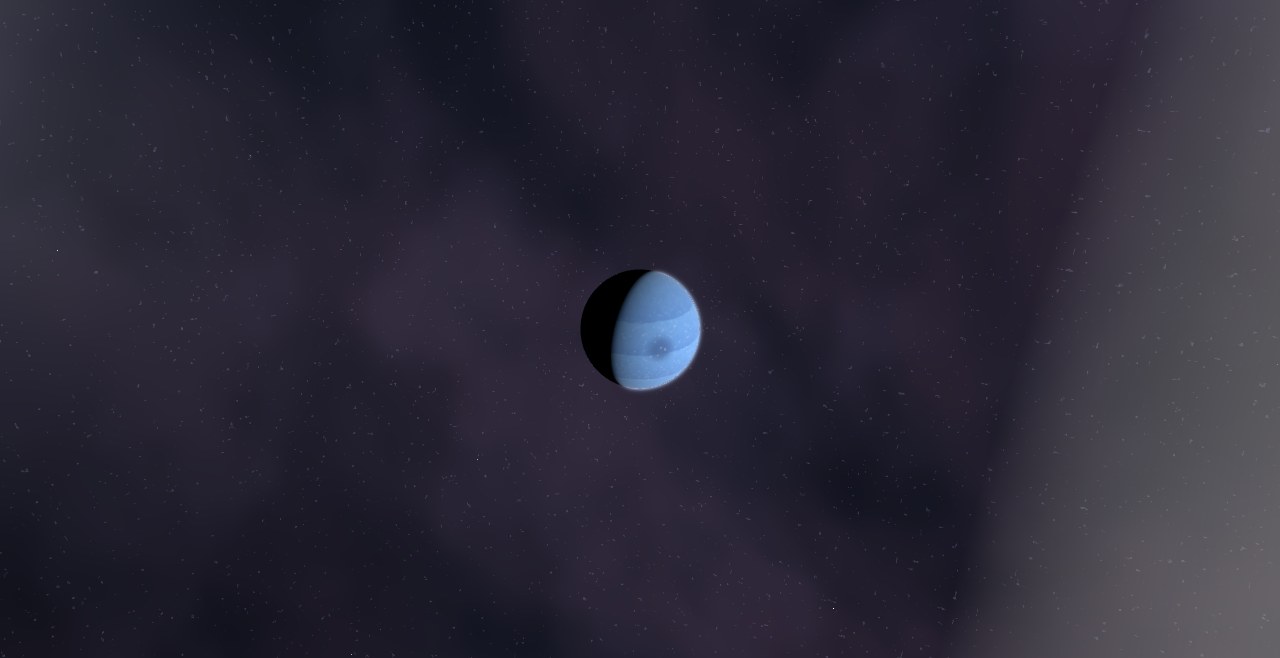
TOI-849 b, a dense Neptune sitting in the hot-Neptune desert. It may be the exposed core of a giant planet that lost its envelope. A year on this world lasts only about 19 hours.
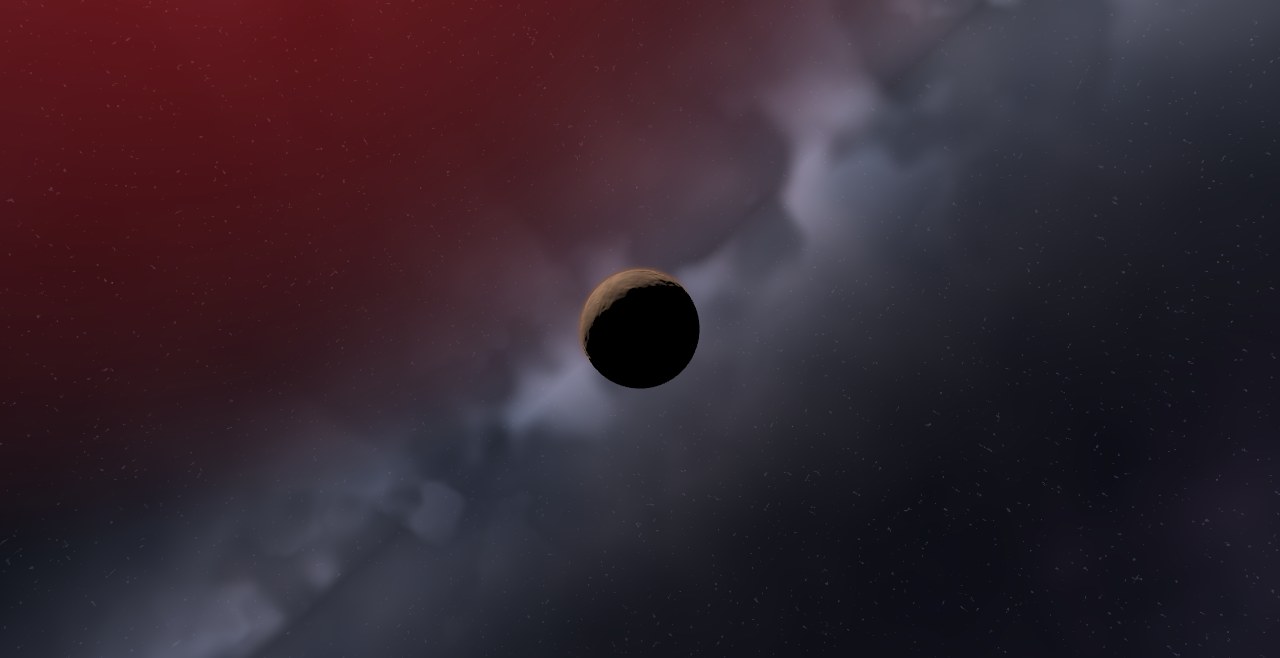
TRAPPIST-1, seven Earth-sized worlds in a resonant chain around an ultracool dwarf. Several orbit in the habitable zone, closer in than Mercury.
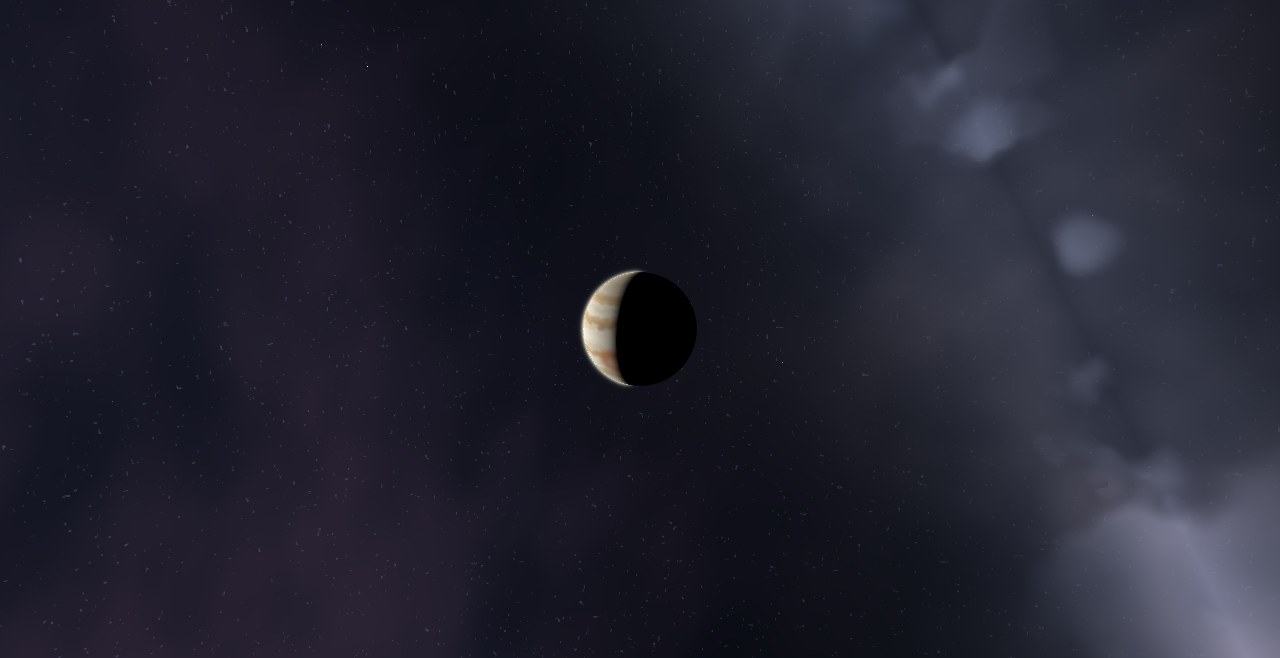
TYC 8998-760-1, a young star with two giant planets imaged on wide orbits. It is one of the few multi-planet systems seen directly. Both planets are still glowing from their formation heat.
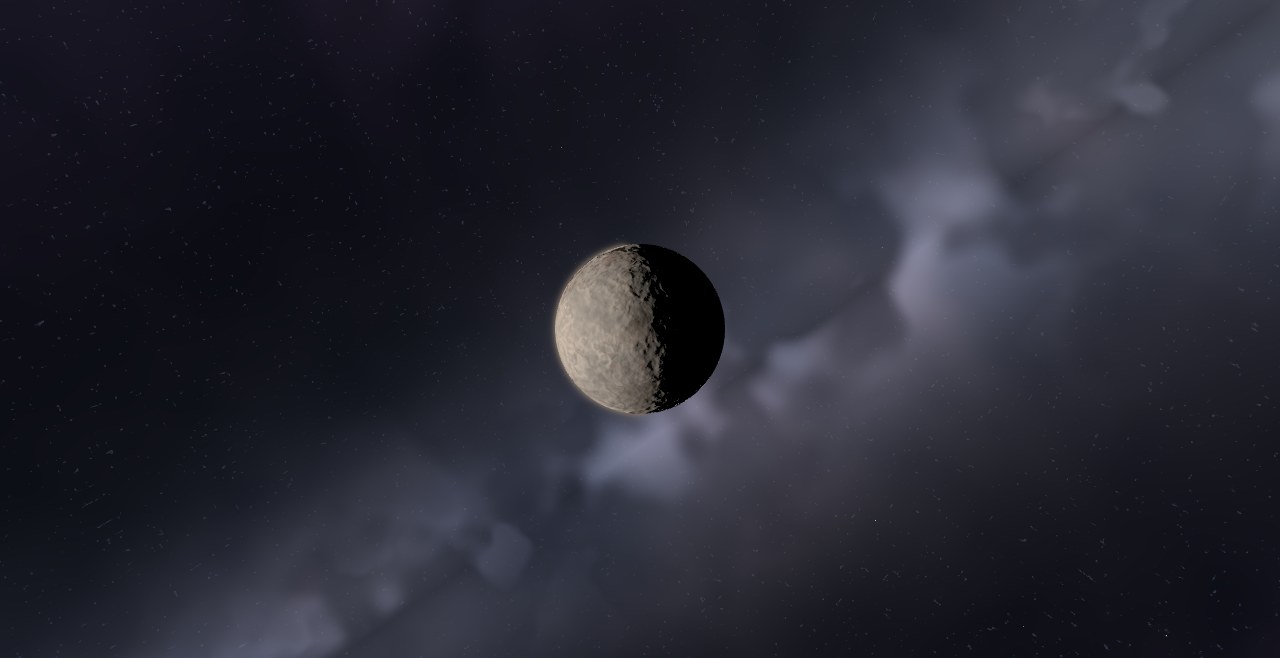
Teegarden's Star, a nearby ultracool dwarf with two Earth-mass planets in the habitable zone, among the closest potentially temperate worlds.
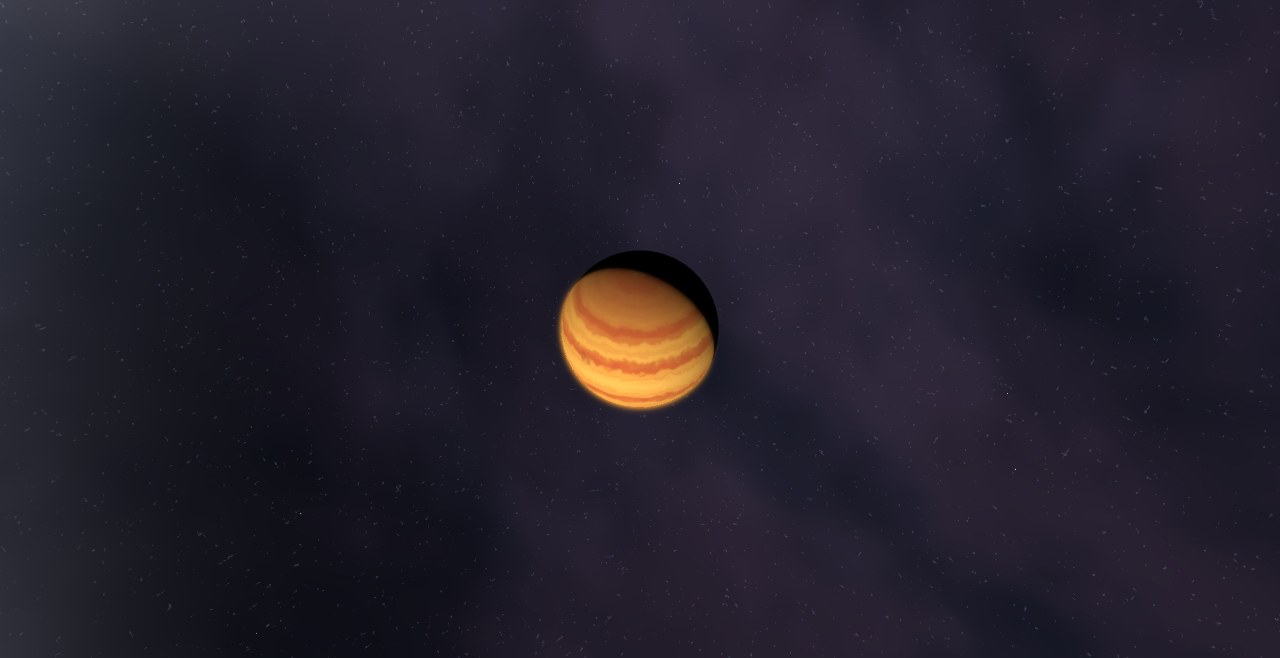
TrES-2 b, the darkest known exoplanet. It reflects less than one percent of incoming light, darker than coal, despite being a hot Jupiter. Kepler later refined that coal-dark albedo.
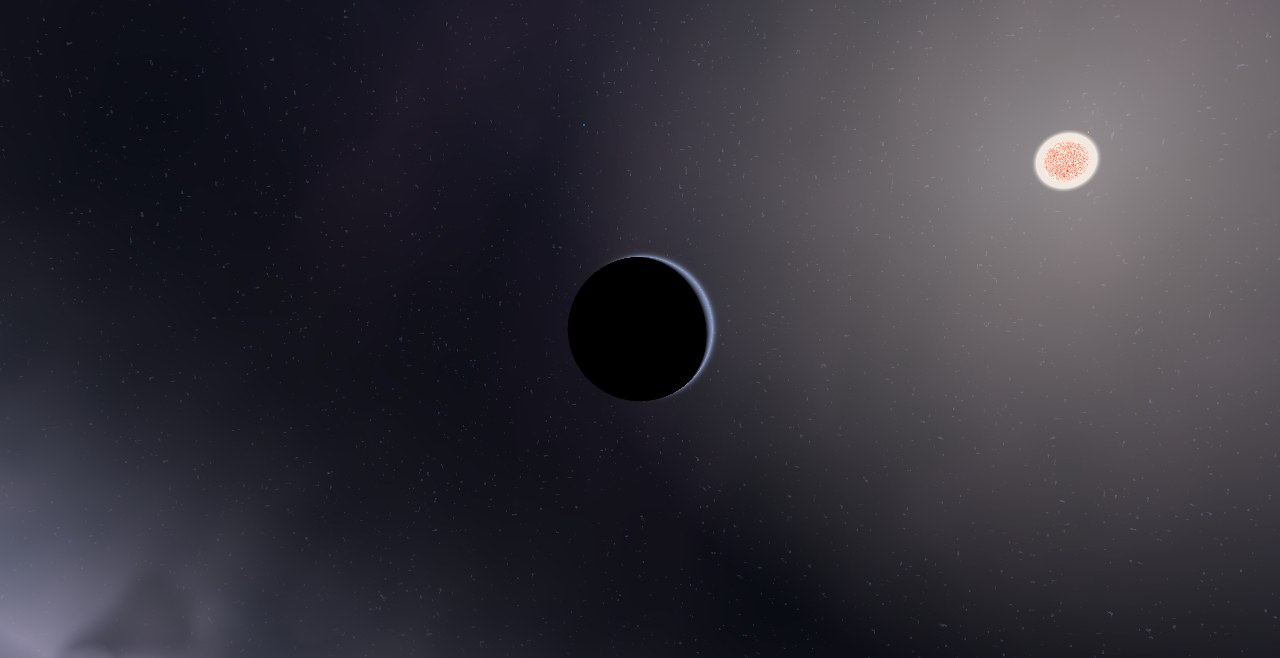
V1298 Tau, a 20-million-year-old star with four transiting planets. They are still contracting and look far puffier than mature planets. The star is a young K dwarf in Taurus.
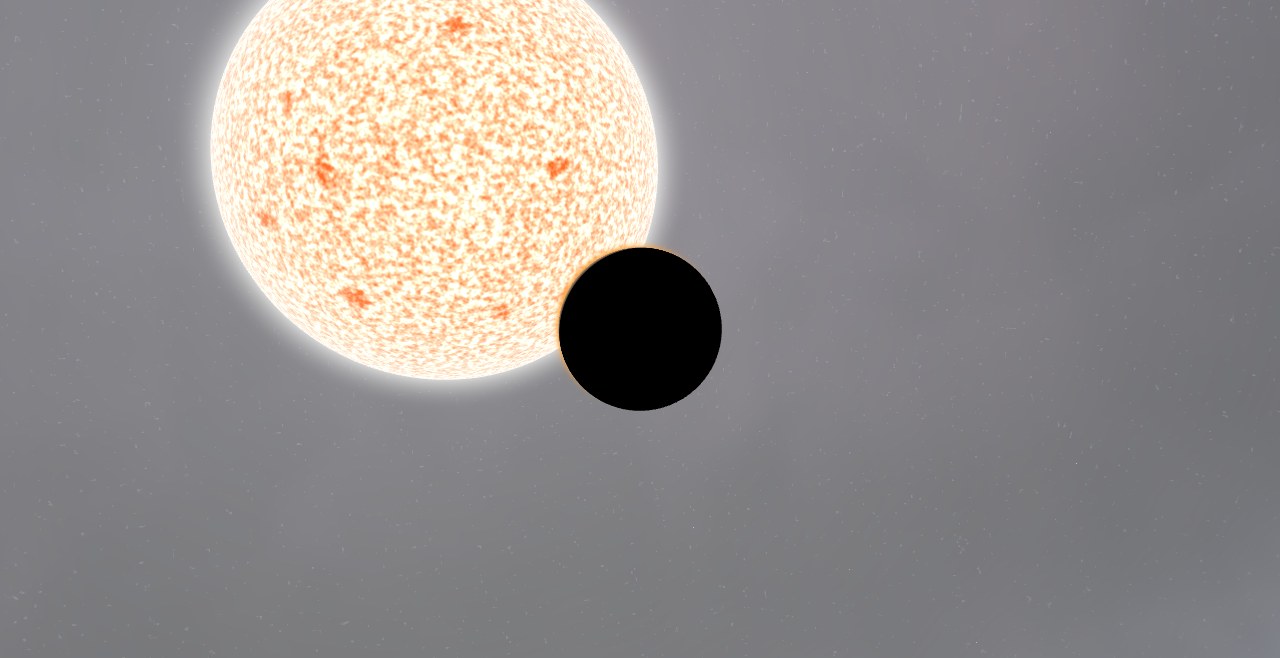
WASP-103 b, the first planet whose tidal bulge was measured. CHEOPS detected the deformation as this hot Jupiter is stretched by its star. The planet is one of the closest, hottest Jupiters known.
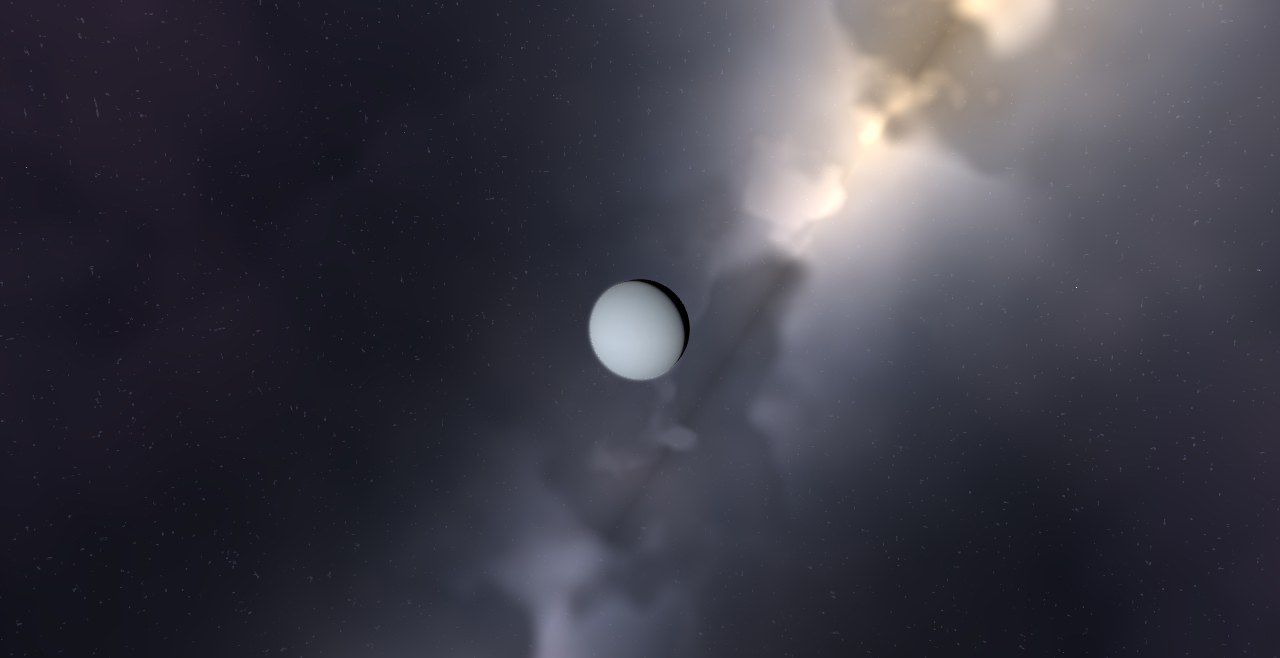
WASP-107 b, a super-puff Neptune with a helium tail. It is almost Jupiter-sized but only about 30 Earth masses, and its atmosphere is leaking.
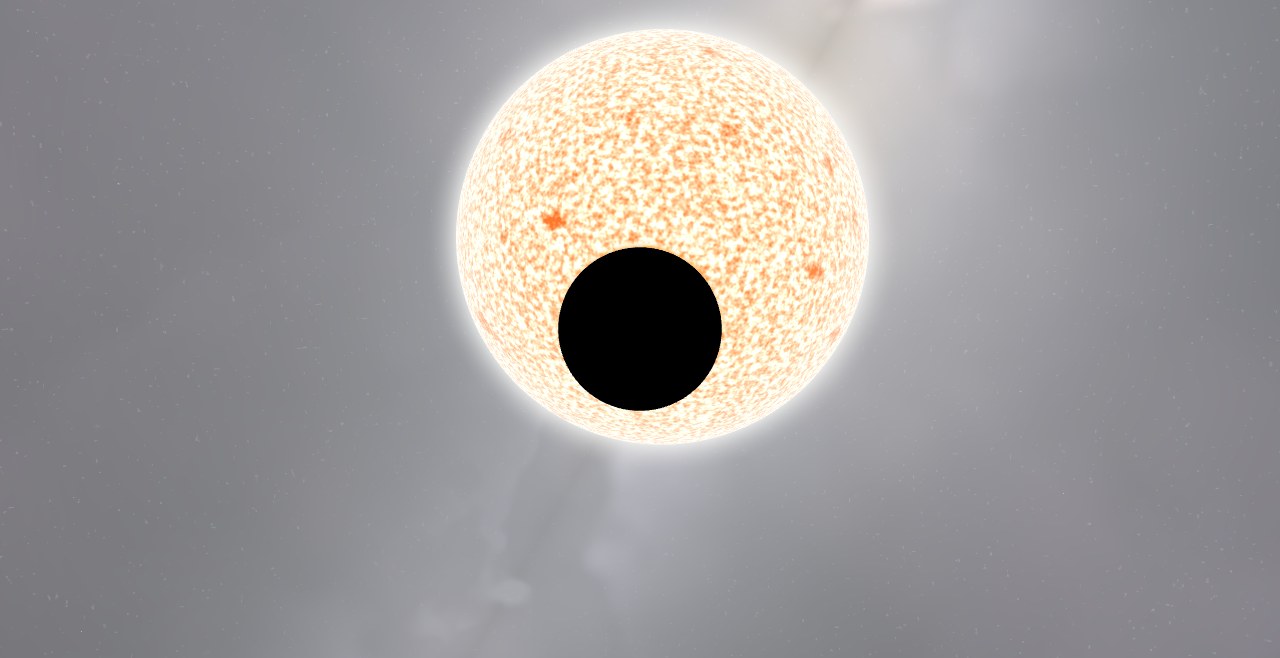
WASP-12 b, an inflated hot Jupiter so close that tides stretch it. Its orbit is decaying, and the planet may be spiraling into the star. Its year lasts a little more than one day.
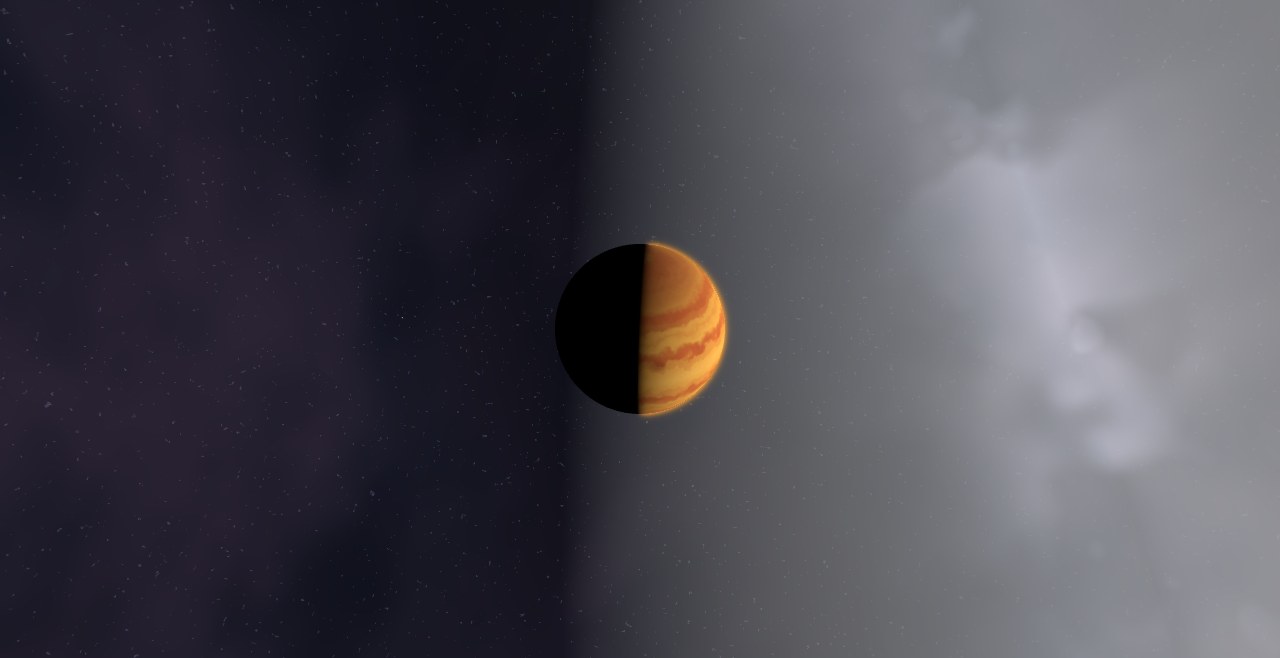
WASP-121 b, an ultra-hot Jupiter with a stratosphere. Metals and water are seen escaping from the dayside of this tidally locked world. One orbit takes only about 30 hours.
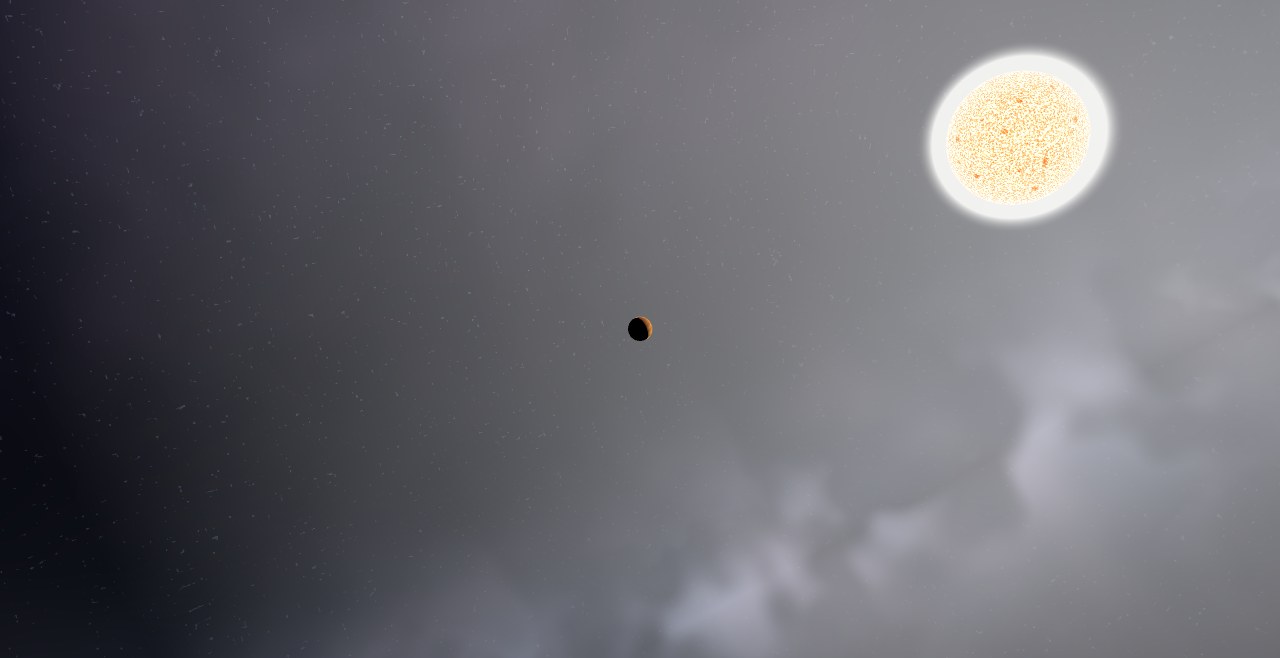
WASP-17 b, the first planet found on a retrograde orbit. This bloated hot Jupiter circles opposite its star's spin and is larger than Jupiter.
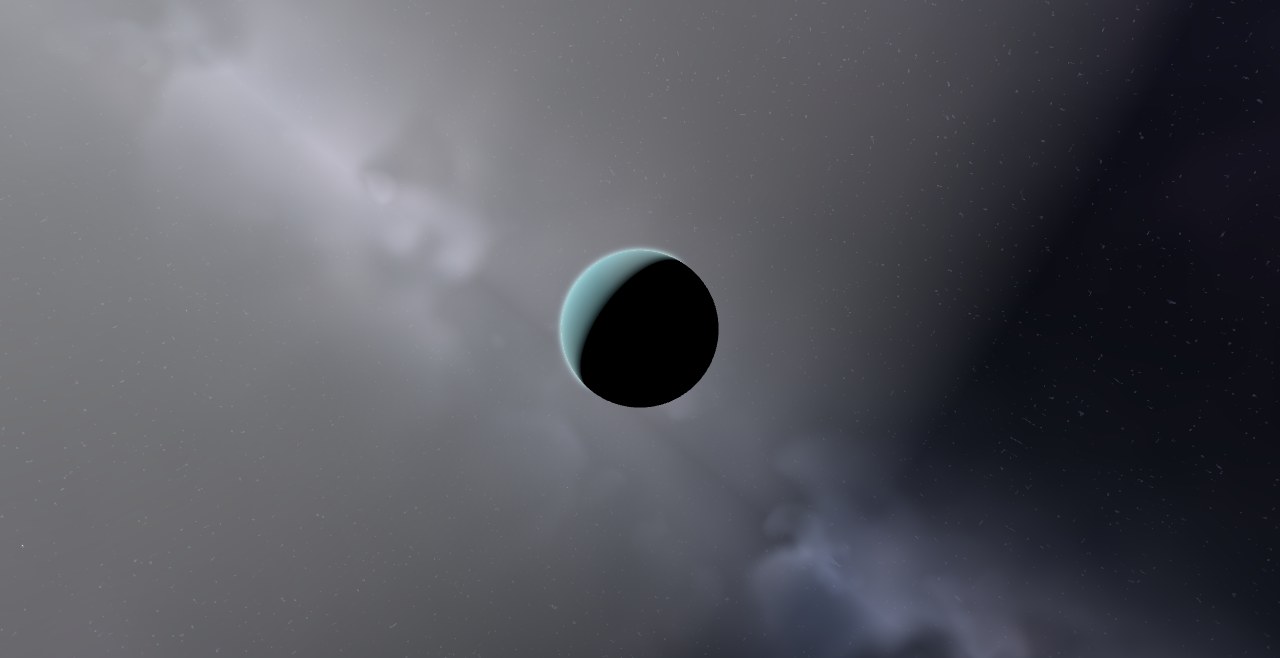
WASP-18 b, a massive hot Jupiter ten times Jupiter's mass. It is a key target for measuring whether tides are pulling it into the star. It is one of the most massive hot Jupiters known.
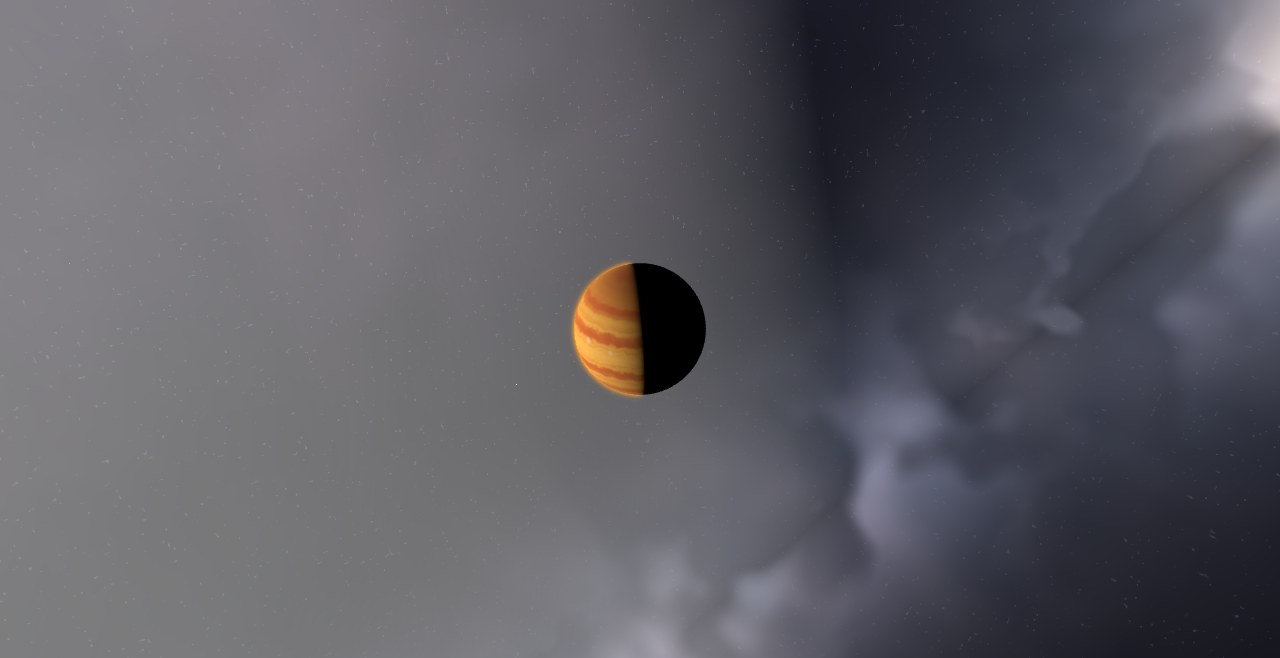
WASP-19 b, an ultra-short-period hot Jupiter on a decaying orbit. A year lasts about 19 hours, and tides are dragging the planet inward. The period is only about 0.79 days and still shrinking.