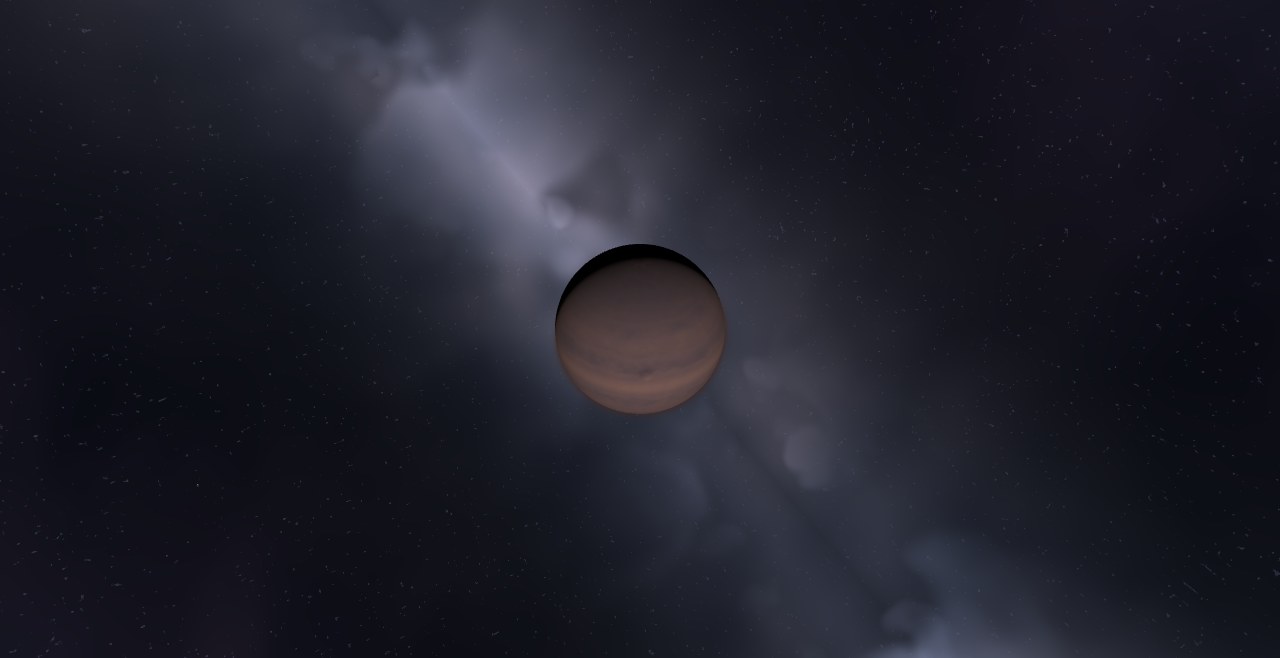
HD 176986 - System
HD 176986, an orange K-type dwarf of 0.79 solar masses, and HD 176986 b, a 5.4-Earth-mass planet, with an orbital period of 6.5 days, at 0.063 AU from its star, and an equilibrium temperature near 767 K.
Exoplanets
Model multi-planet architectures to see how three competing gravitational forces pull on each other over millions of simulation years.
Share
HD 176986, an orange K-type dwarf of 0.79 solar masses, and HD 176986 b, a 5.4-Earth-mass planet, with an orbital period of 6.5 days, at 0.063 AU from its star, and an equilibrium temperature near 767 K.
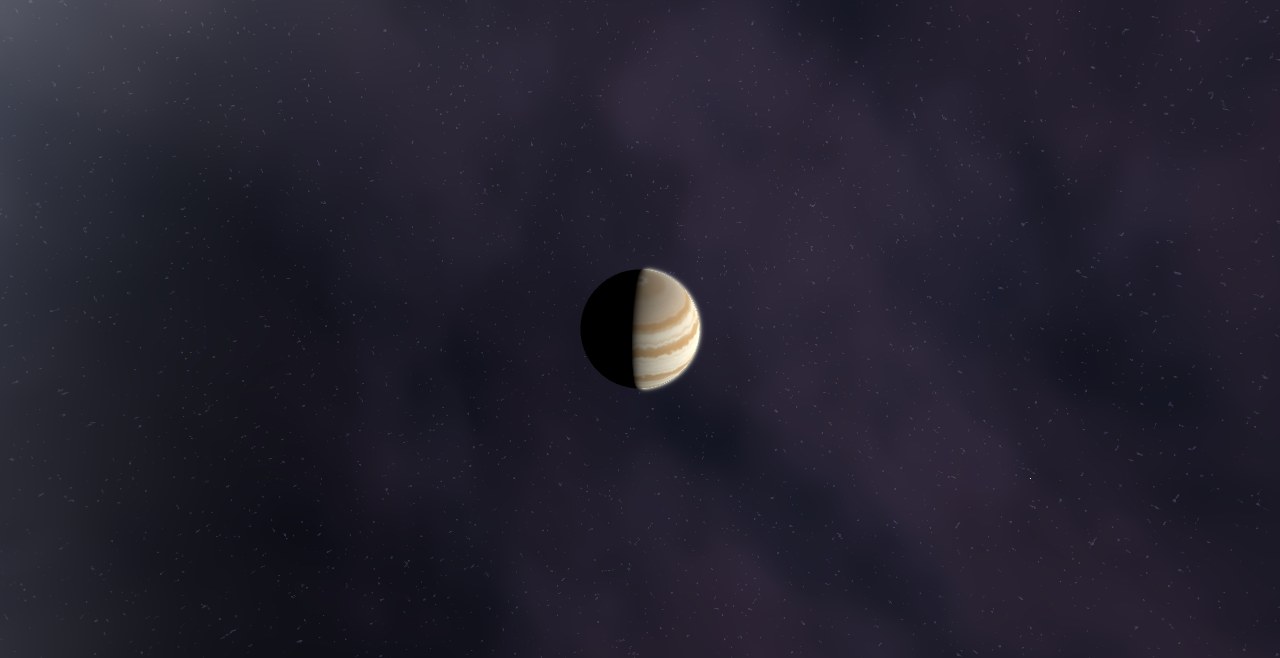
HD 181433, an orange K-type dwarf of 0.86 solar masses, and HD 181433 b, a 7.2-Earth-mass planet, with an orbital period of 9.4 days, at 0.083 AU from its star, on an eccentric orbit (e ≈ 0.40).
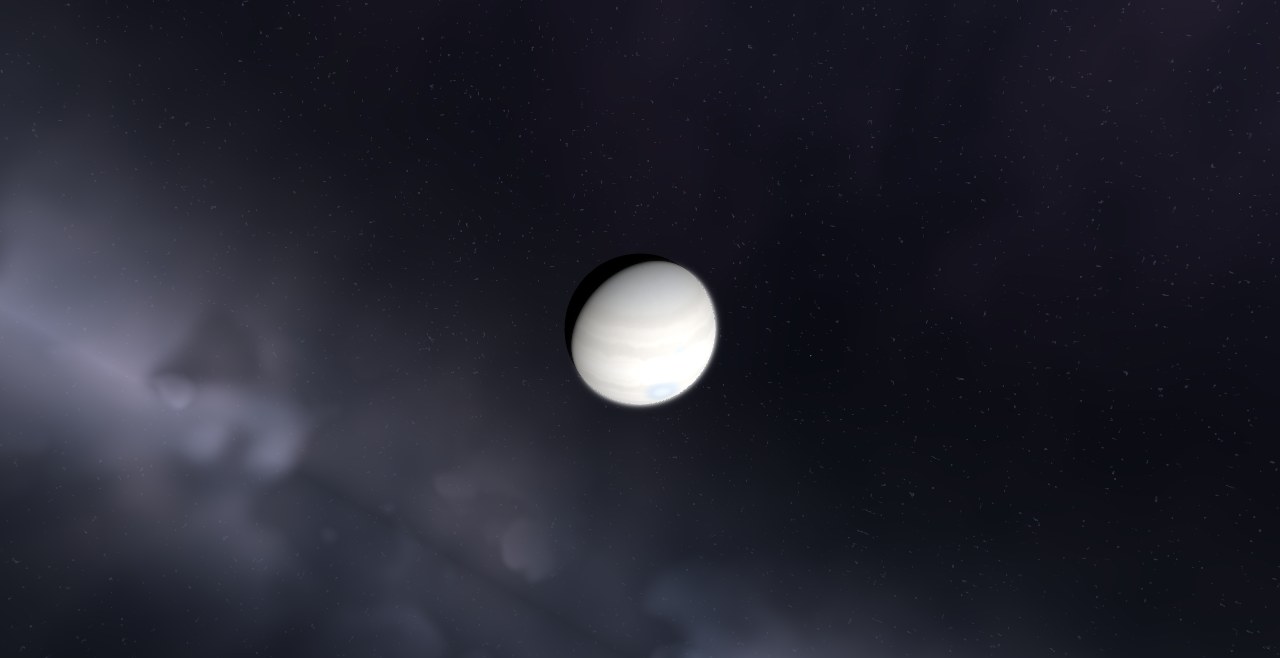
HD 184010, an orange K-type dwarf of 1.35 solar masses, and HD 184010 b, a 0.31-Jupiter-mass companion, with an orbital period of 287 days, at 0.940 AU from its star.
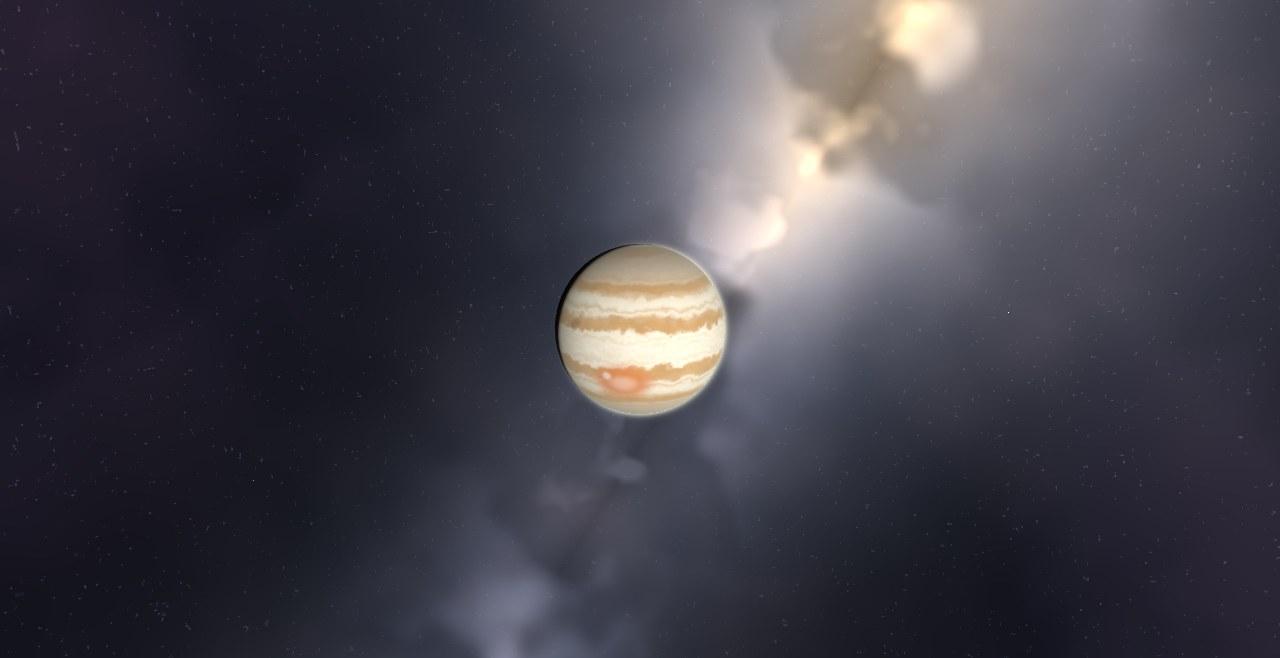
HD 204313, a Sun-like G-type star of 1.03 solar masses, and HD 204313 c, a 0.05-Jupiter-mass companion, with an orbital period of 35.0 days, at 0.211 AU from its star, on an eccentric orbit (e ≈ 0.06).
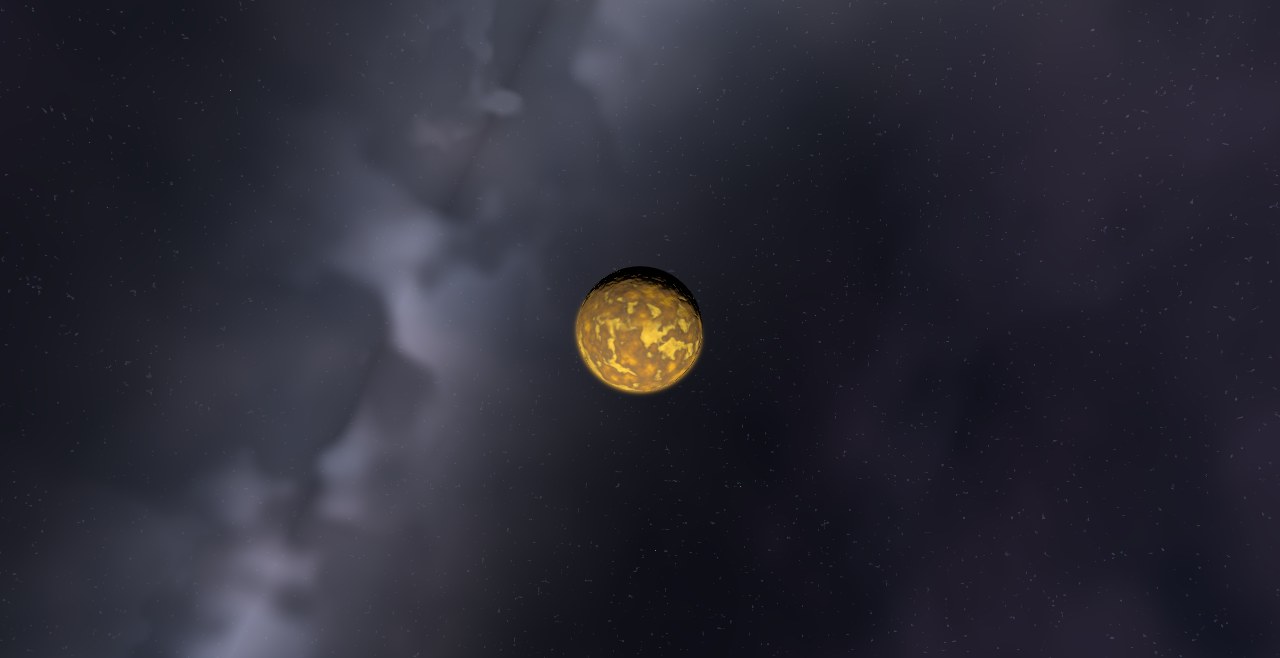
HD 224018, a Sun-like G-type star of 1.01 solar masses, and HD 224018 b, a 4.1-Earth-mass planet, with an orbital period of 10.6 days, at 0.095 AU from its star, and an equilibrium temperature near 968 K.
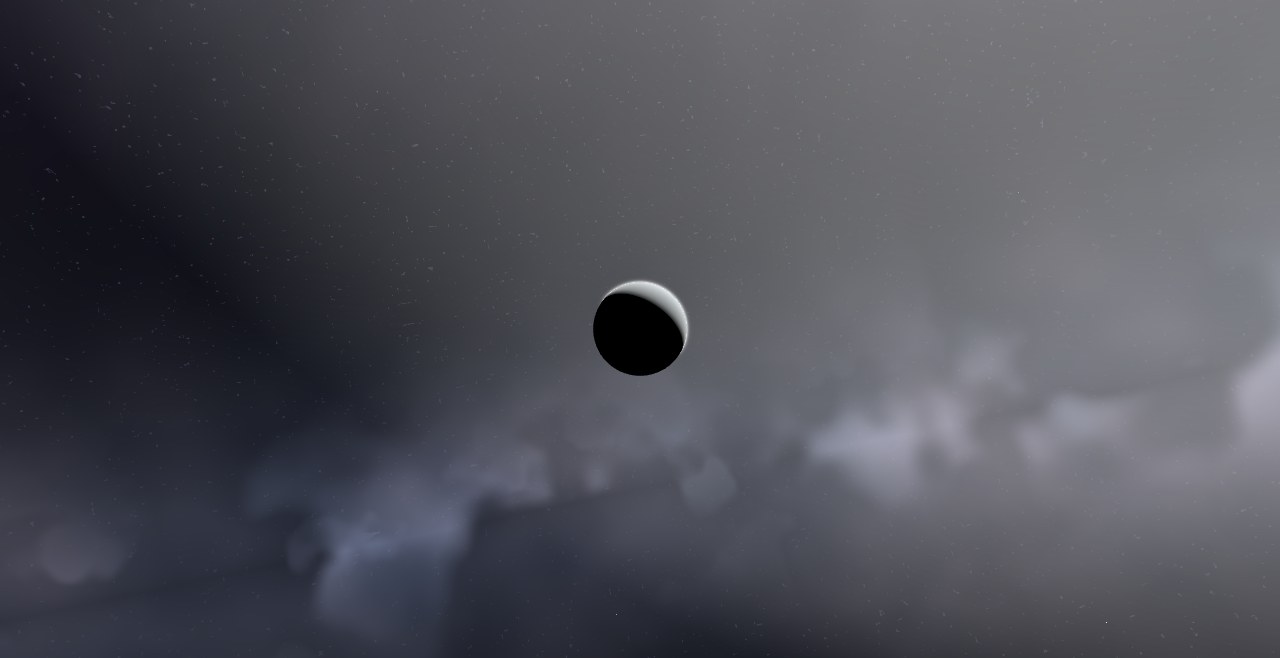
HD 22946, a Sun-like F-type star of 1.10 solar masses, and TOI-411 b, a 13.7-Earth-mass planet, with an orbital period of 4.0 days, at 0.057 AU from its star, and an equilibrium temperature near 1,241 K.
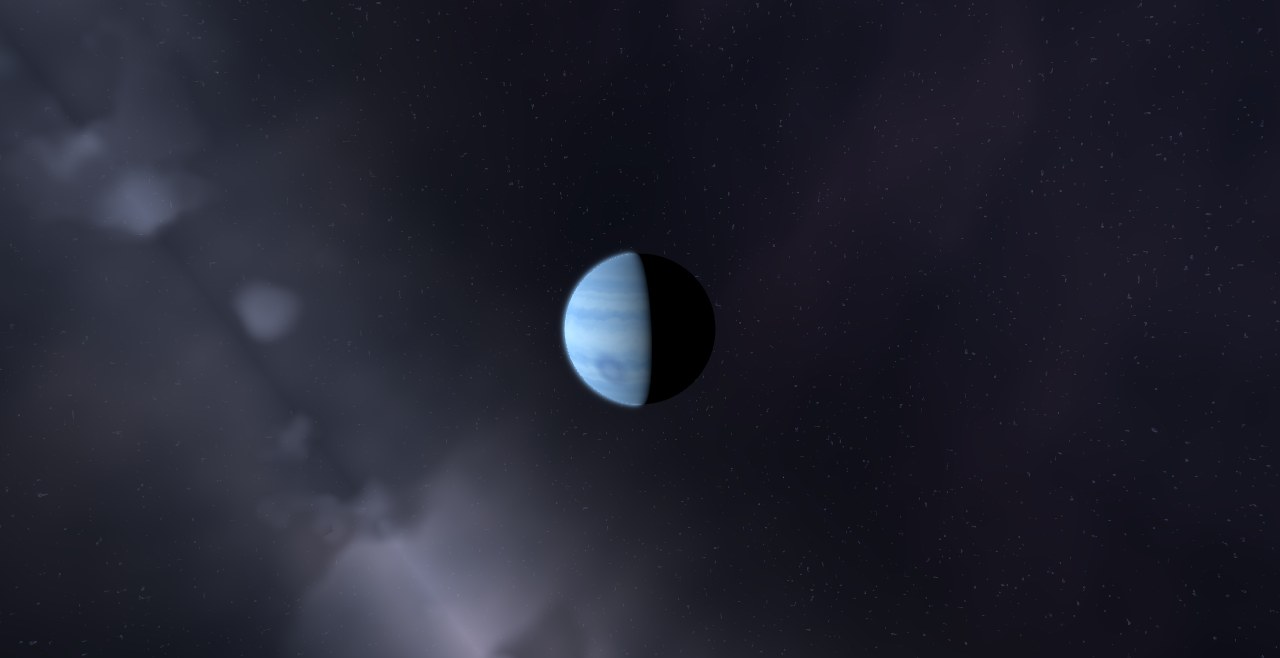
HD 27894, an orange K-type dwarf of 0.80 solar masses, and HD 27894 b, a 0.62-Jupiter-mass companion, with an orbital period of 18.0 days, at 0.125 AU from its star.
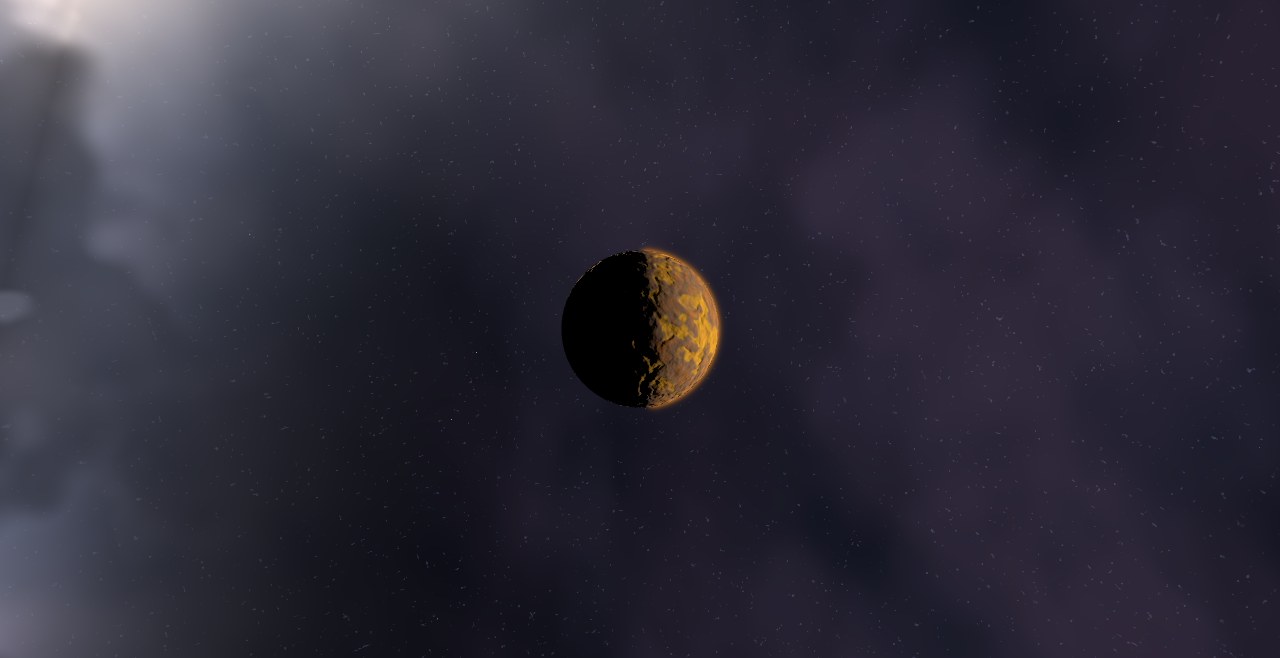
HD 28109, a Sun-like F-type star of 1.23 solar masses, and HD 28109 b, a 6.2-Earth-mass planet, with an orbital period of 22.9 days, and an equilibrium temperature near 867 K.
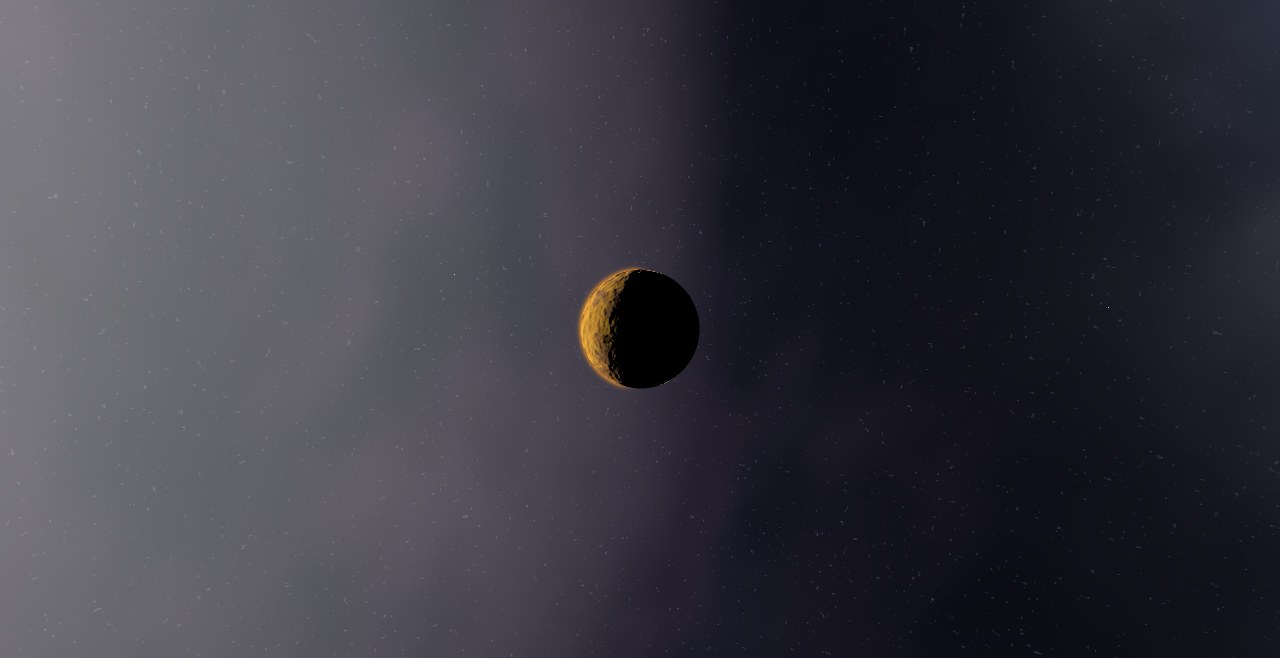
HD 28471, a Sun-like G-type star of 0.98 solar masses, and HD 28471 b, a 3.7-Earth-mass planet, with an orbital period of 3.2 days, at 0.042 AU from its star, and an equilibrium temperature near 1,377 K.
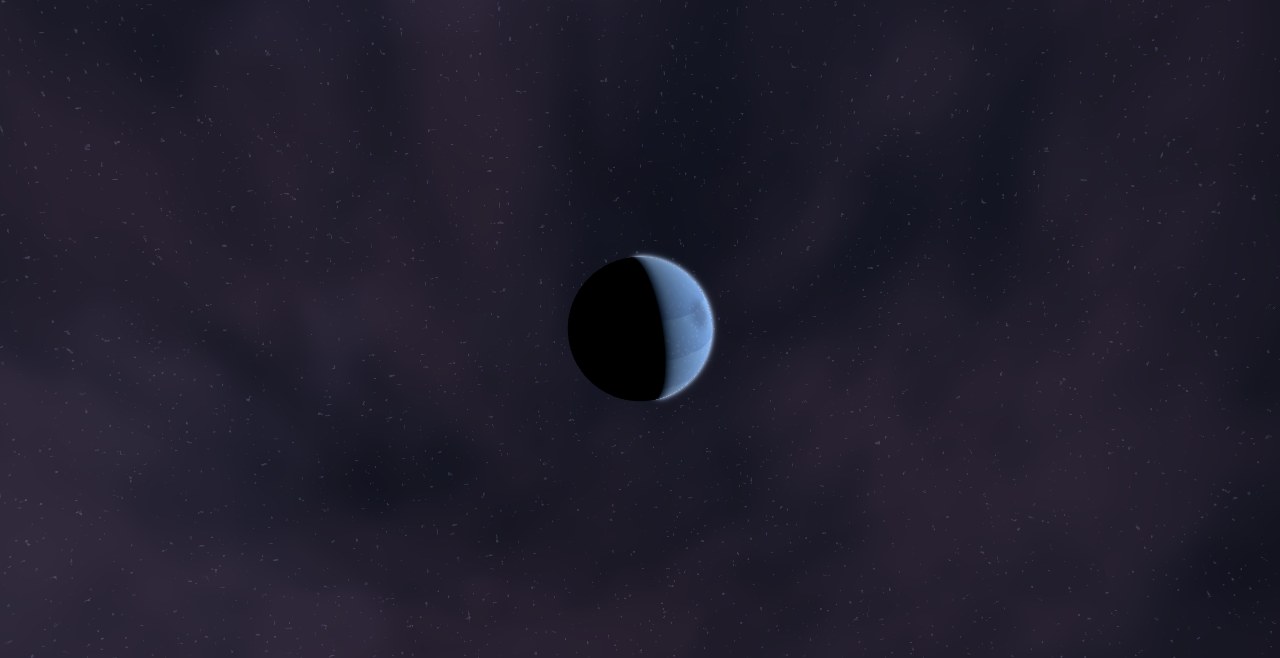
HD 31527, a Sun-like G-type star of 0.96 solar masses, and HD 31527 b, a 10.5-Earth-mass planet, with an orbital period of 16.6 days, at 0.125 AU from its star, on an eccentric orbit (e ≈ 0.10).
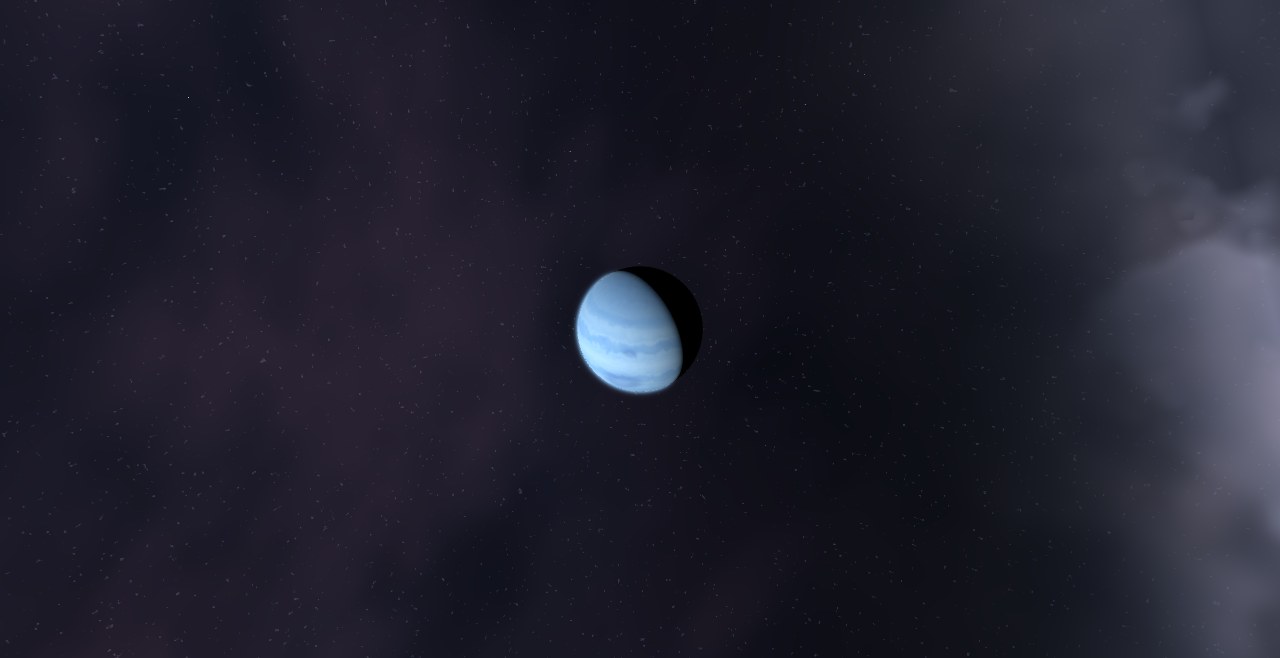
HD 33142, an orange K-type dwarf of 1.52 solar masses, and HD 33142 d, a 0.20-Jupiter-mass companion, with an orbital period of 89.9 days, at 0.452 AU from its star, on an eccentric orbit (e ≈ 0.19).
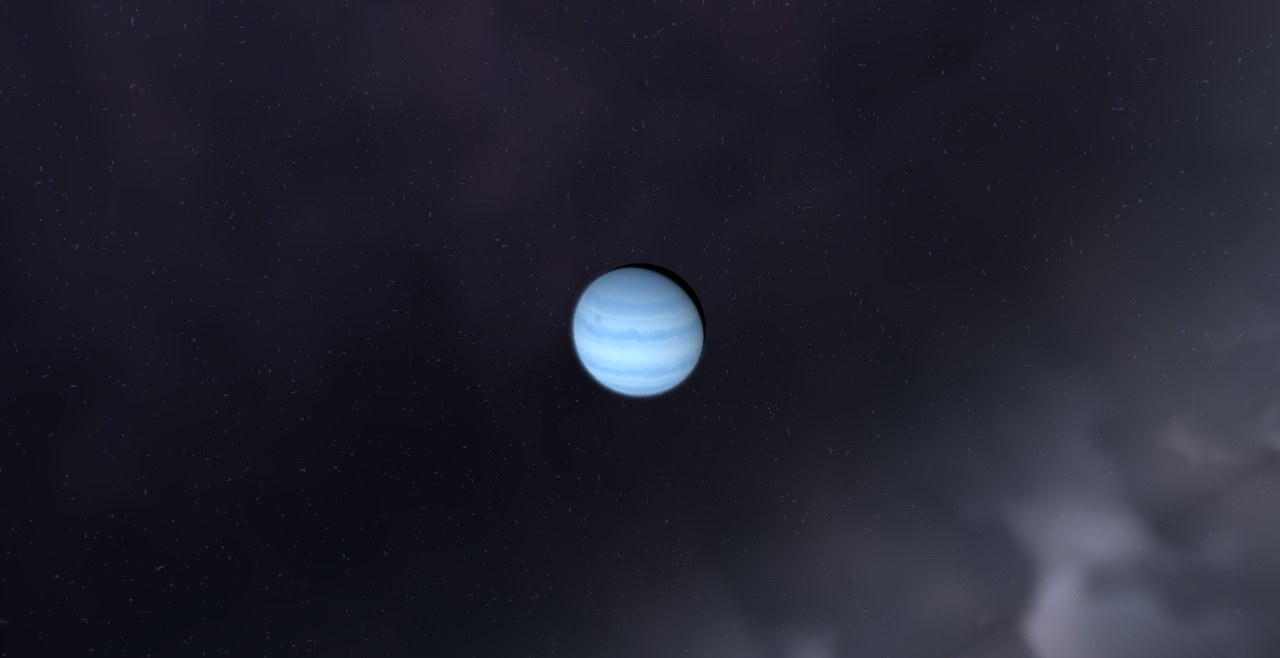
HD 37124, a Sun-like G-type star of 0.85 solar masses, and HD 37124 b, a 0.68-Jupiter-mass companion, with an orbital period of 154 days, at 0.534 AU from its star, on an eccentric orbit (e ≈ 0.05).
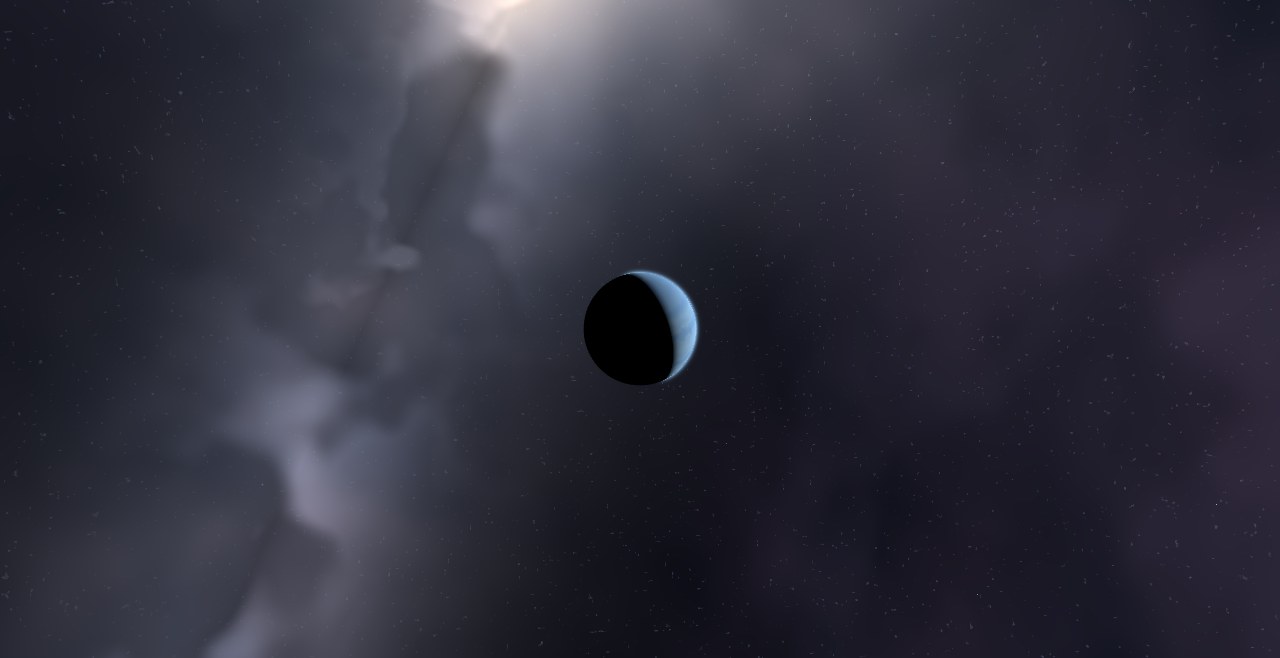
Pi Mensae, also HD 39091. An eccentric giant was already known; TESS then found an inner transiting super-Earth, its first planet. The super-Earth was TESS's first confirmed planet.
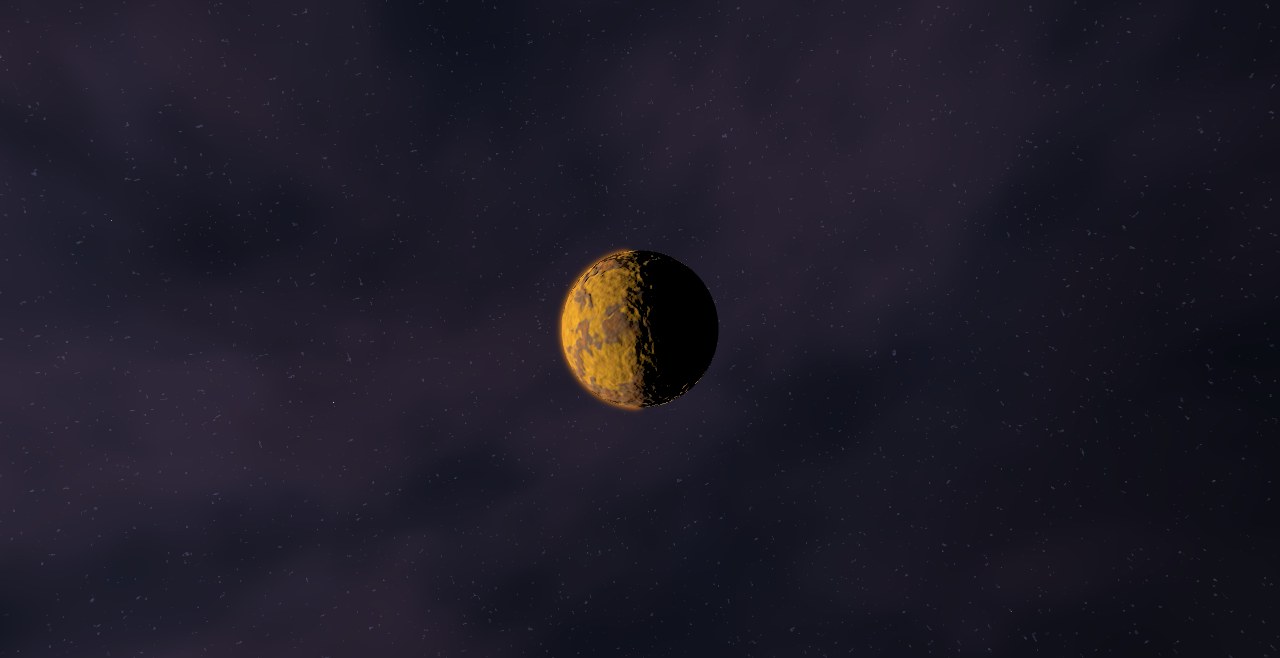
HD 39194, a Sun-like G-type star of 0.86 solar masses, and HD 39194 b, a 4.6-Earth-mass planet, with an orbital period of 5.6 days, at 0.059 AU from its star, on an eccentric orbit (e ≈ 0.10).
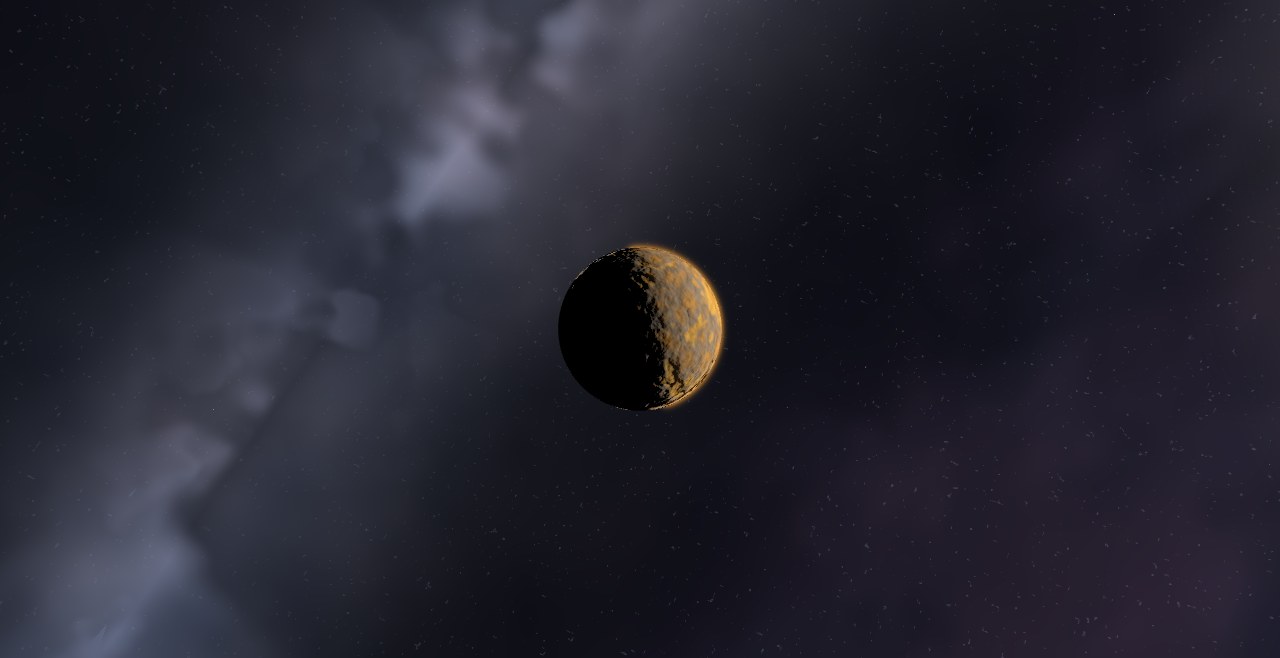
HD 48948, an orange K-type dwarf of 0.69 solar masses, and HD 48948 b, a 4.9-Earth-mass planet, with an orbital period of 7.3 days, at 0.065 AU from its star, and an equilibrium temperature near 957 K.
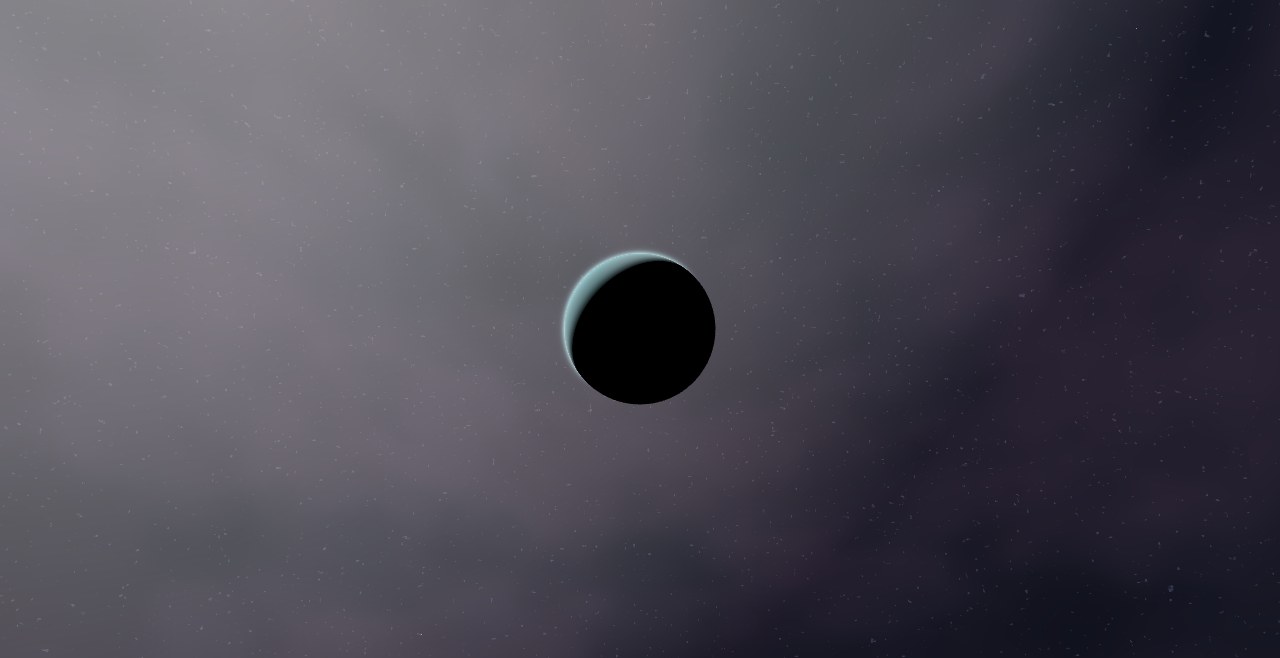
HD 63433, a Sun-like G-type star of 0.96 solar masses, and HD 63433 d, a planet with 1.1 Earth radii, with an orbital period of 4.2 days, at 0.050 AU from its star, and an equilibrium temperature near 1,040 K.
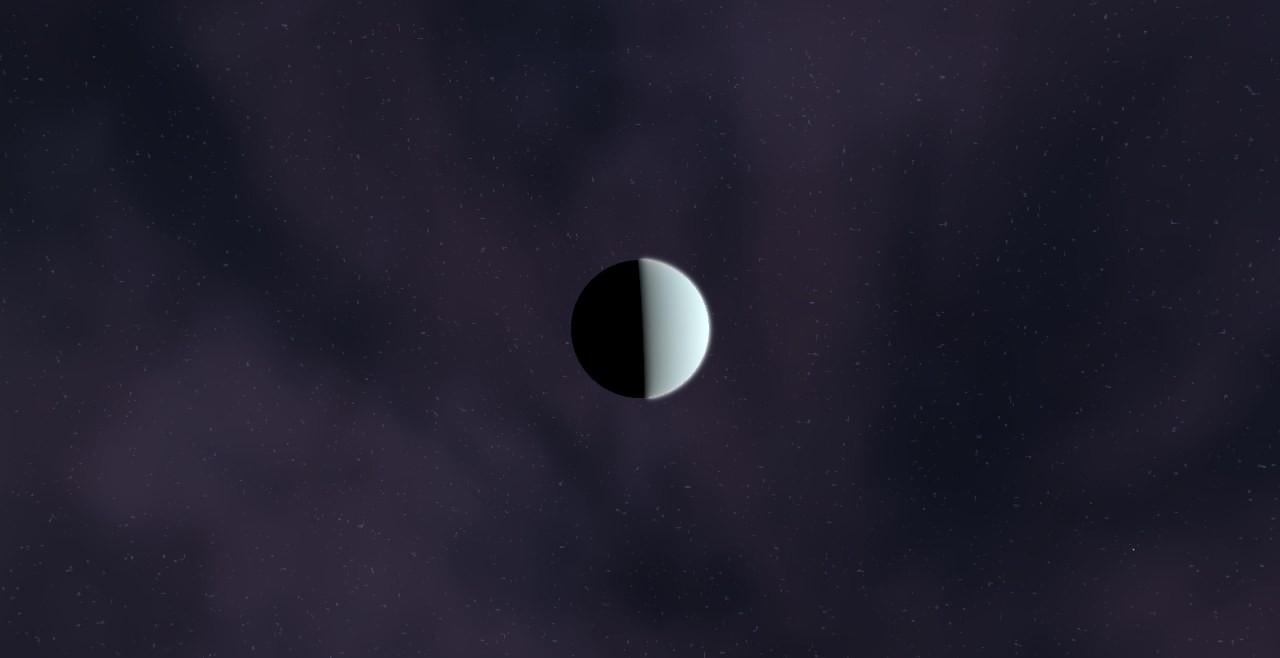
HD 69830, a Sun-like G-type star of 0.86 solar masses, and HD 69830 b, a 10.2-Earth-mass planet, with an orbital period of 8.7 days, at 0.079 AU from its star, on an eccentric orbit (e ≈ 0.10).
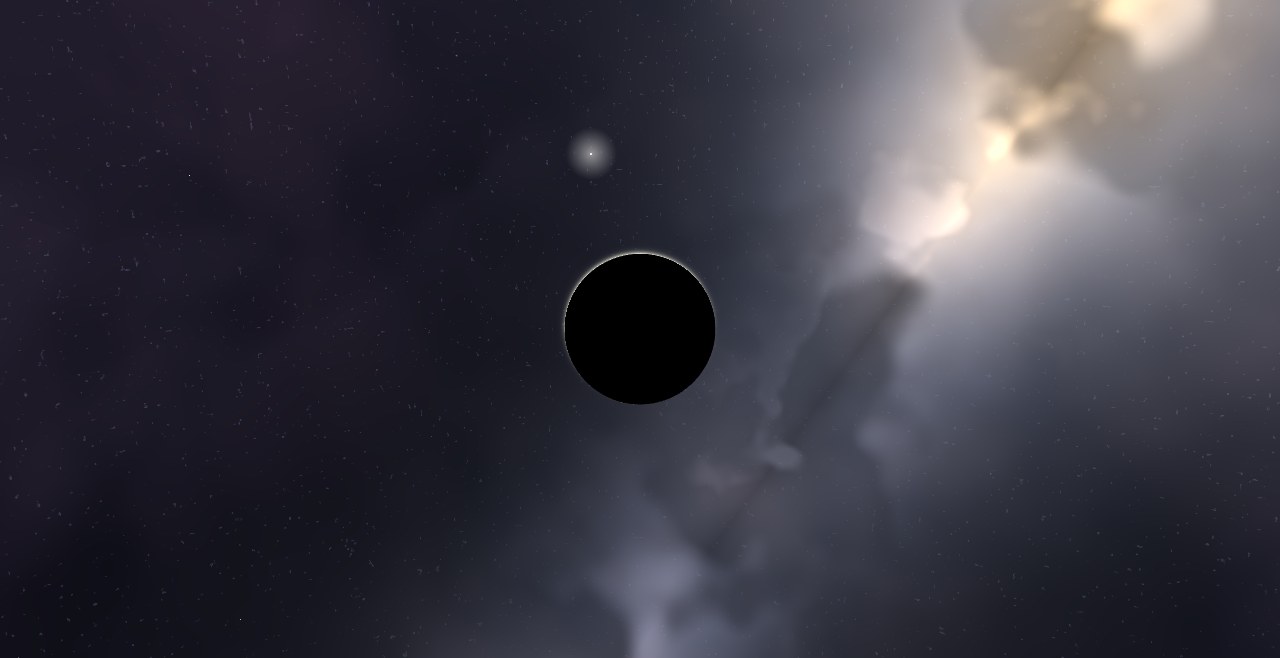
HD 73344, a Sun-like F-type star of 1.20 solar masses, and HD 73344 b, a 10.5-Earth-mass planet, with an orbital period of 15.6 days, at 0.131 AU from its star, and an equilibrium temperature near 911 K.