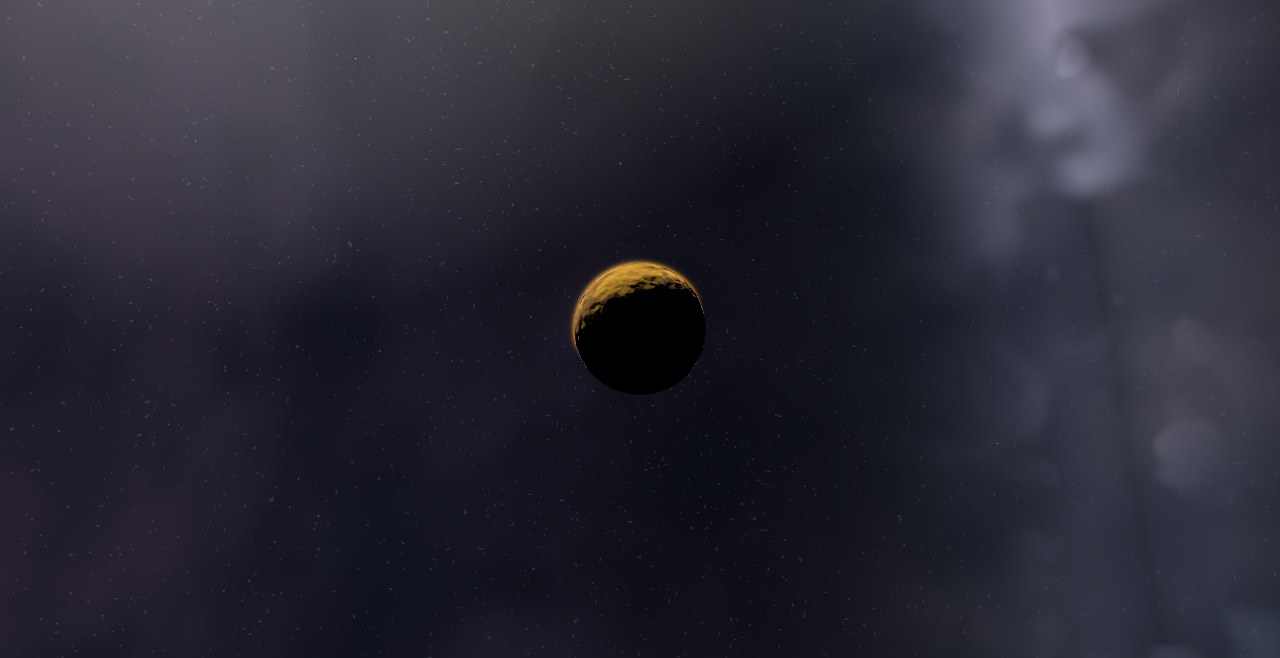
Kepler-104 - System
Kepler-104, a Sun-like G-type star of 0.82 solar masses, and Kepler-104 b, a planet with 3.1 Earth radii, with an orbital period of 11.4 days, at 0.094 AU from its star.
Exoplanets
Model multi-planet architectures to see how three competing gravitational forces pull on each other over millions of simulation years.
Share
Kepler-104, a Sun-like G-type star of 0.82 solar masses, and Kepler-104 b, a planet with 3.1 Earth radii, with an orbital period of 11.4 days, at 0.094 AU from its star.
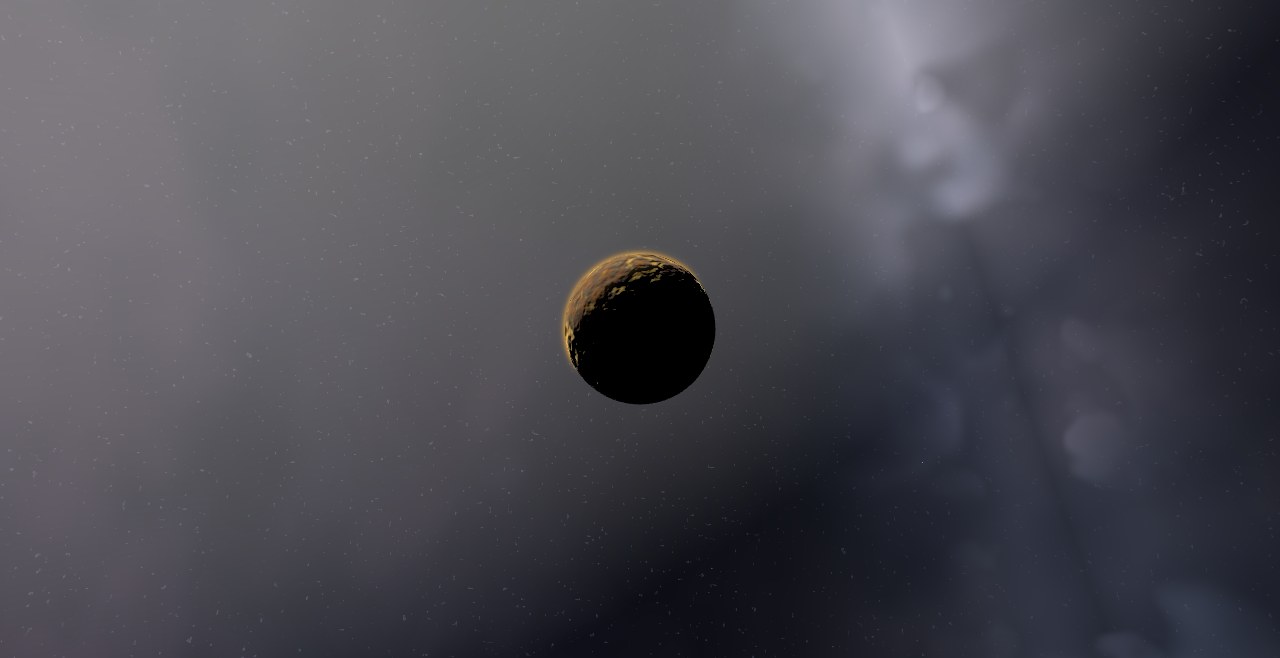
Kepler-1073, a Sun-like G-type star of 1.00 solar masses, and Kepler-1073 d, a planet with 1.5 Earth radii, with an orbital period of 2.5 days.
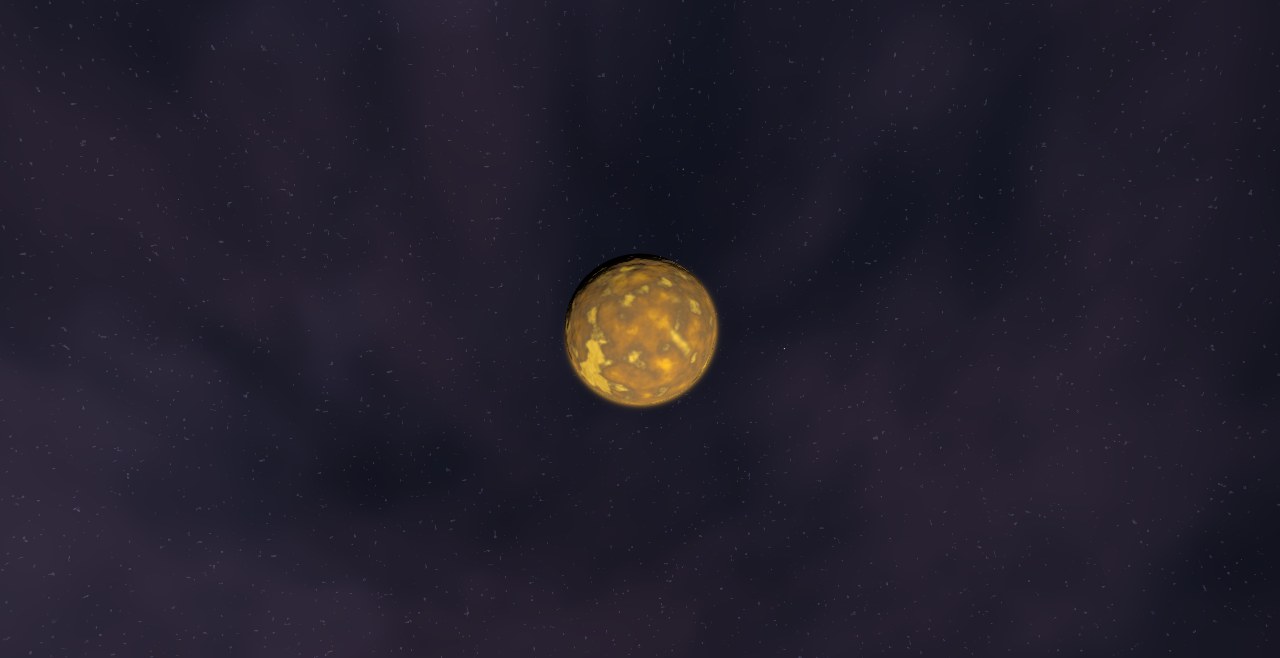
Kepler-1130, a Sun-like G-type star of 0.94 solar masses, and Kepler-1130 c, a planet with 0.8 Earth radii, with an orbital period of 3.3 days.
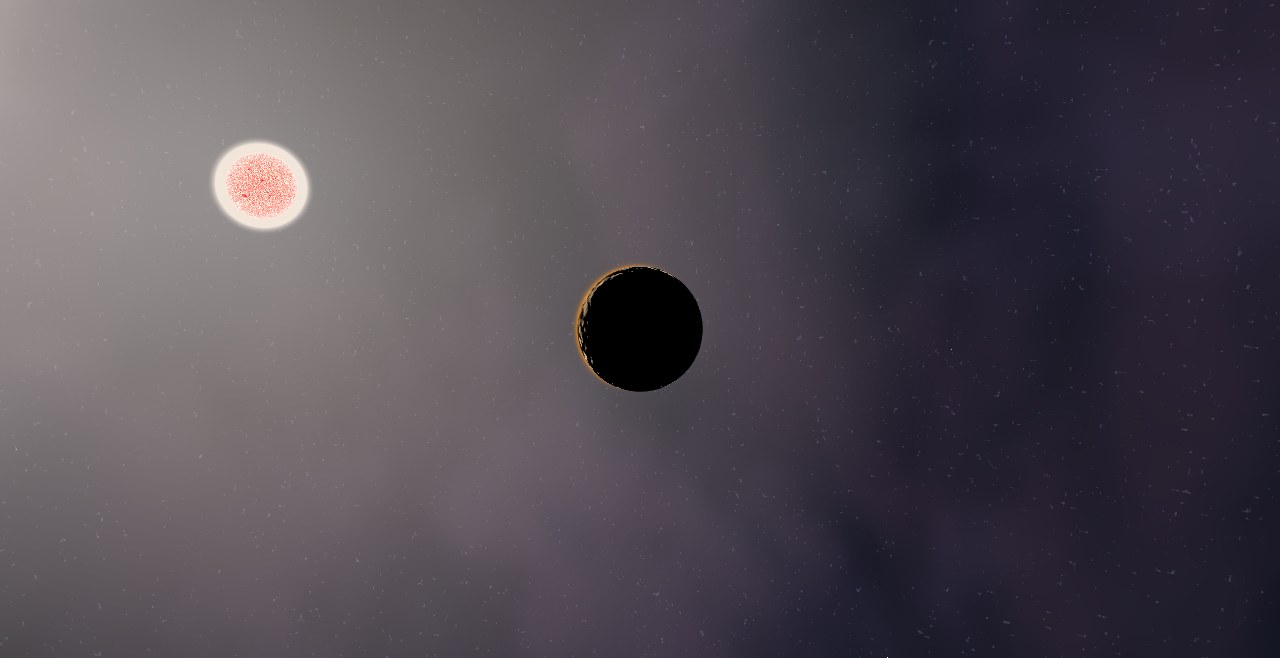
Kepler-114, an orange K-type dwarf of 0.77 solar masses, and Kepler-114 b, a planet with 1.3 Earth radii, with an orbital period of 5.2 days, at 0.053 AU from its star.
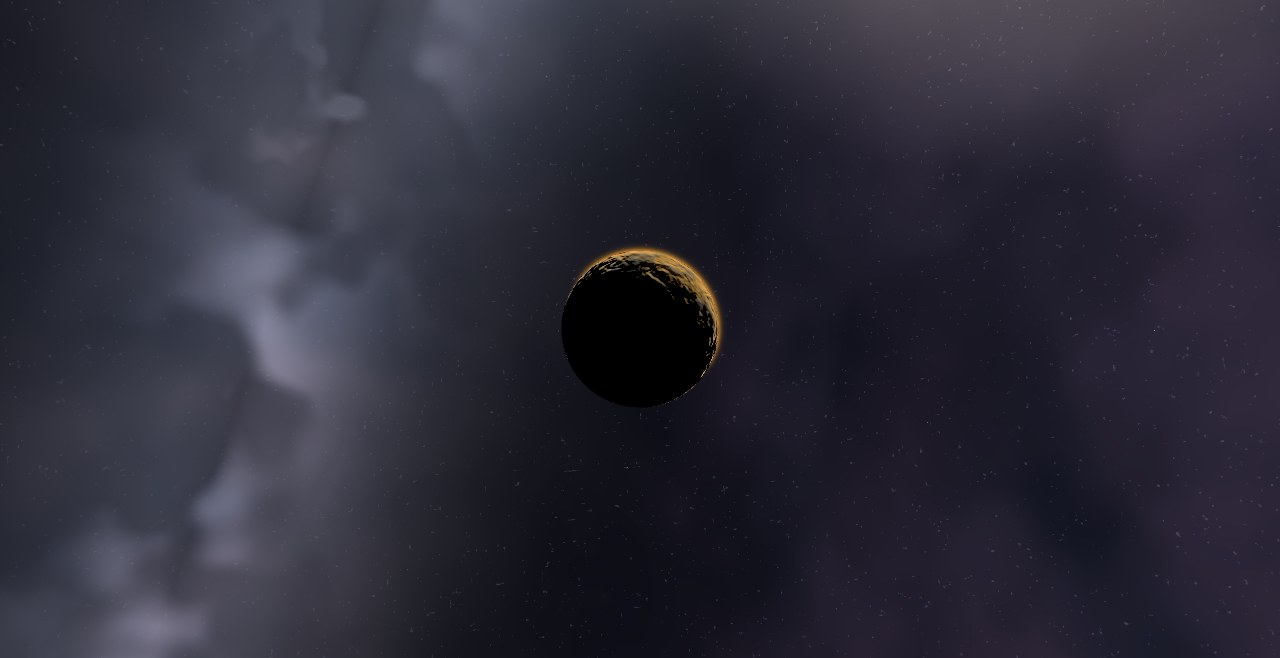
Kepler-124, an orange K-type dwarf of 0.71 solar masses, and Kepler-124 b, a planet with 0.7 Earth radii, with an orbital period of 3.4 days, at 0.039 AU from its star.
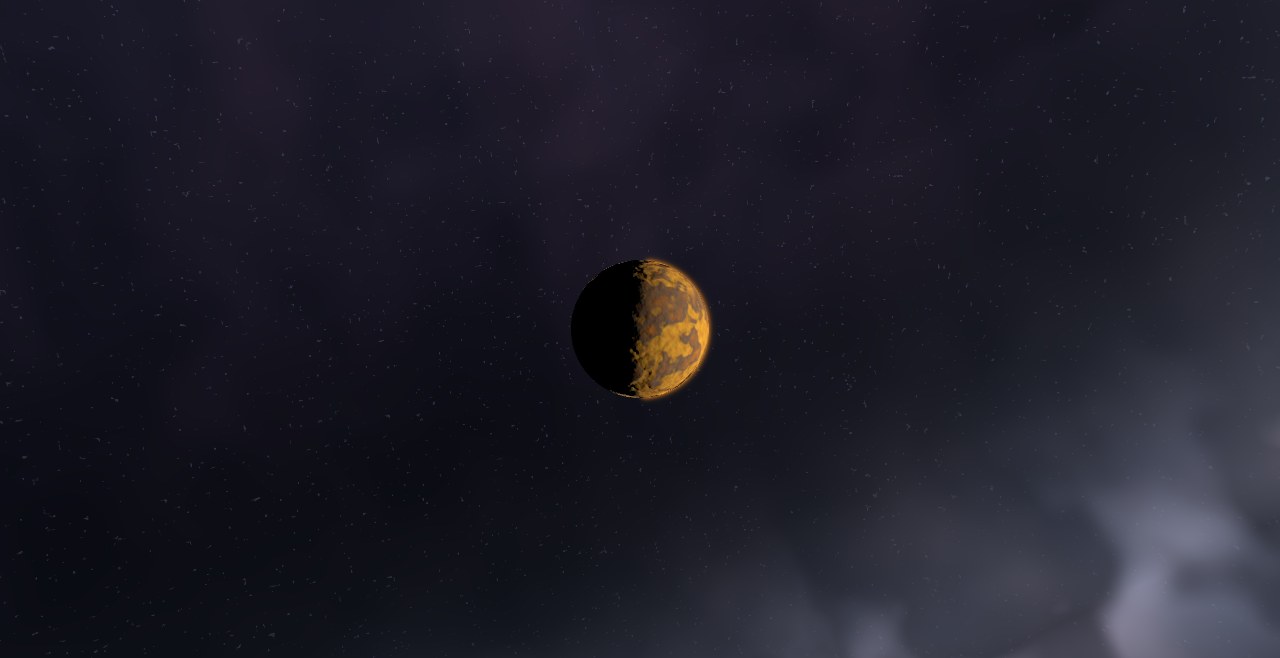
Kepler-1254, an orange K-type dwarf of 0.78 solar masses, and Kepler-1254 c, a planet with 1.3 Earth radii, with an orbital period of 3.6 days.
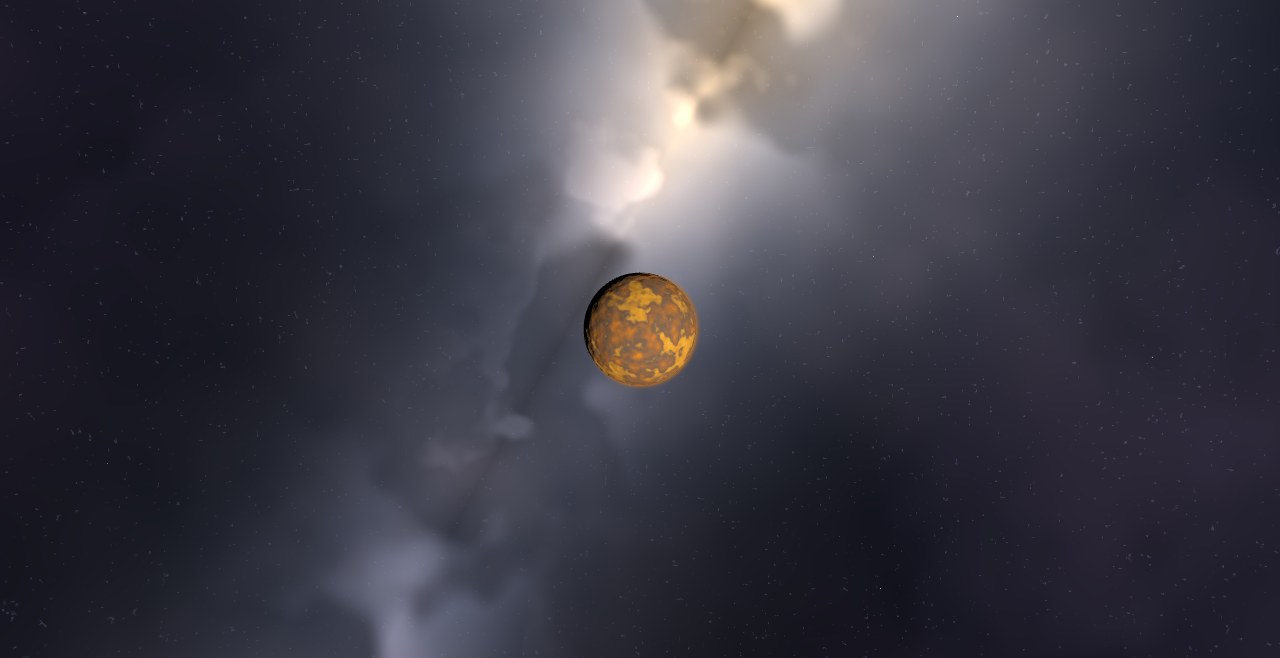
Kepler-126, a Sun-like F-type star of 1.11 solar masses, and Kepler-126 b, a planet with 1.5 Earth radii, with an orbital period of 10.5 days, at 0.099 AU from its star.
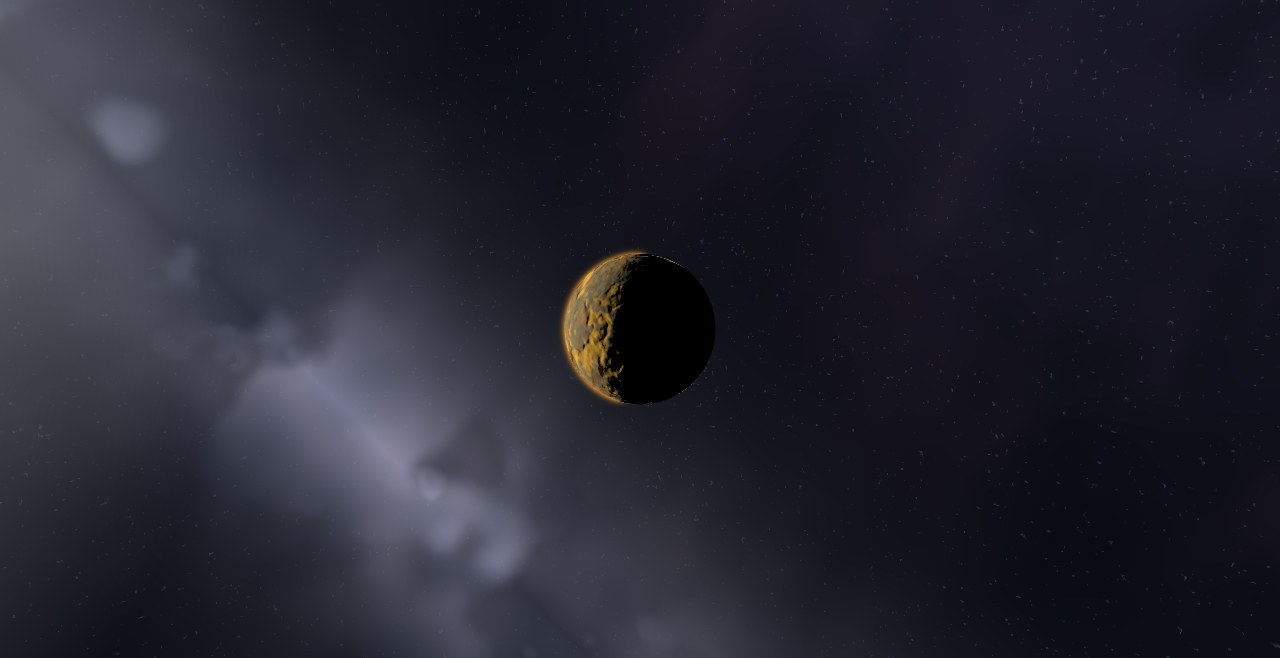
Kepler-127, a Sun-like F-type star of 1.25 solar masses, and Kepler-127 b, a planet with 1.4 Earth radii, with an orbital period of 14.4 days, at 0.125 AU from its star.
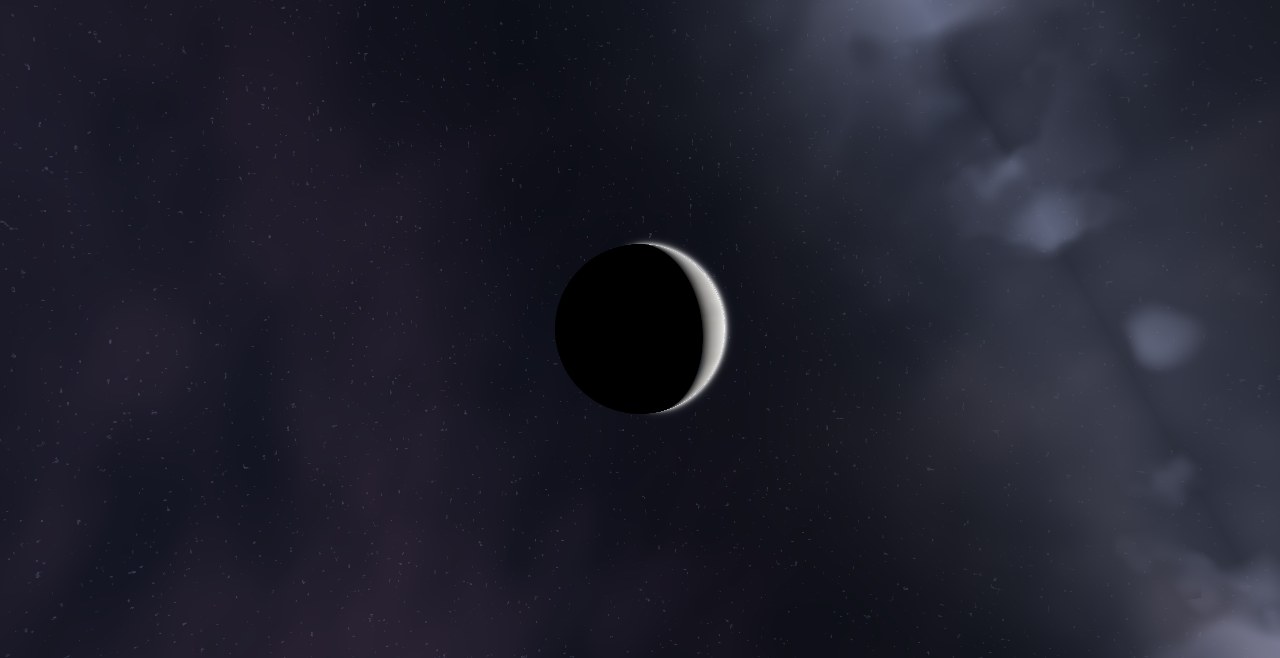
Kepler-129, a Sun-like G-type star of 1.18 solar masses, and Kepler-129 b, a 0.06-Jupiter-mass companion, with an orbital period of 15.8 days, at 0.130 AU from its star.
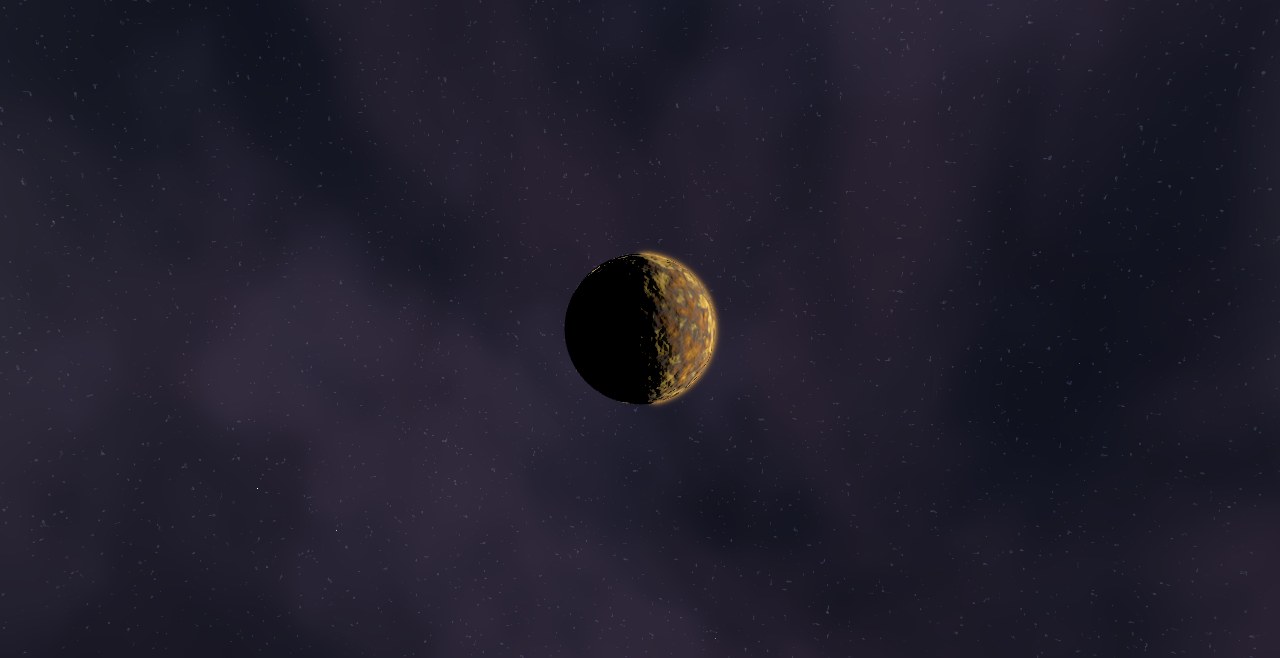
Kepler-130, a Sun-like G-type star of 1.00 solar masses, and Kepler-130 b, a planet with 1.0 Earth radii, with an orbital period of 8.5 days, at 0.079 AU from its star.
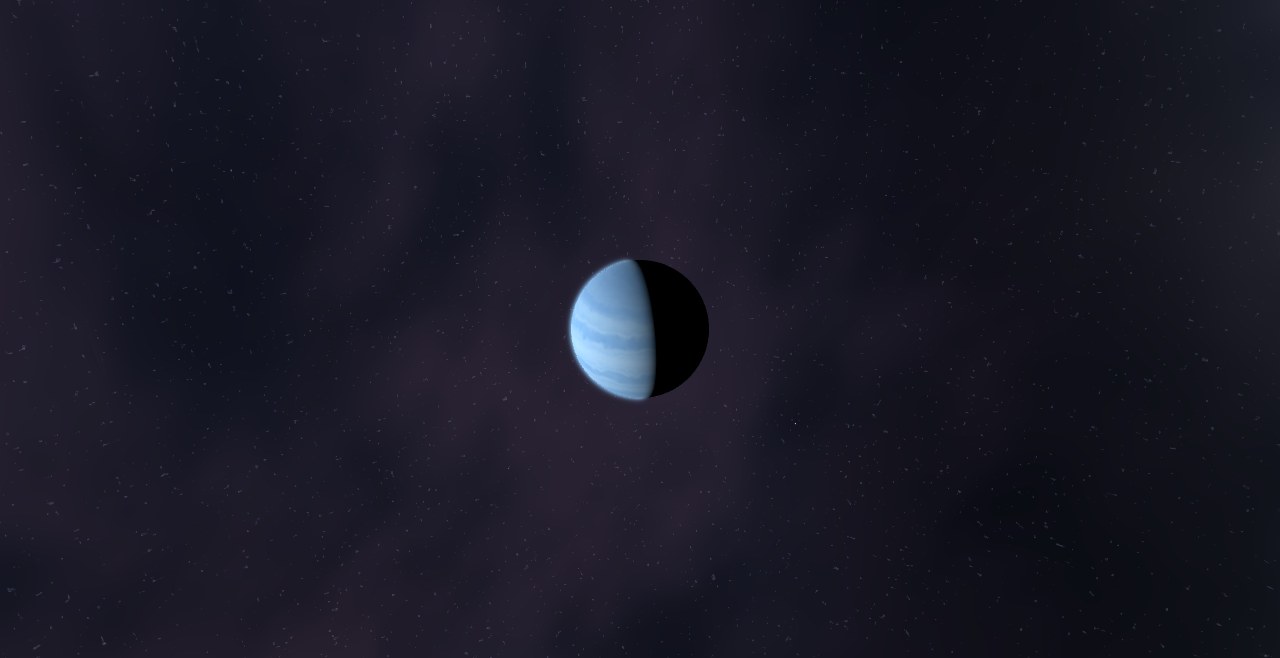
Kepler-1311, a Sun-like G-type star of 1.03 solar masses, and Kepler-1311 c, a planet with 1.2 Earth radii, with an orbital period of 2.5 days.
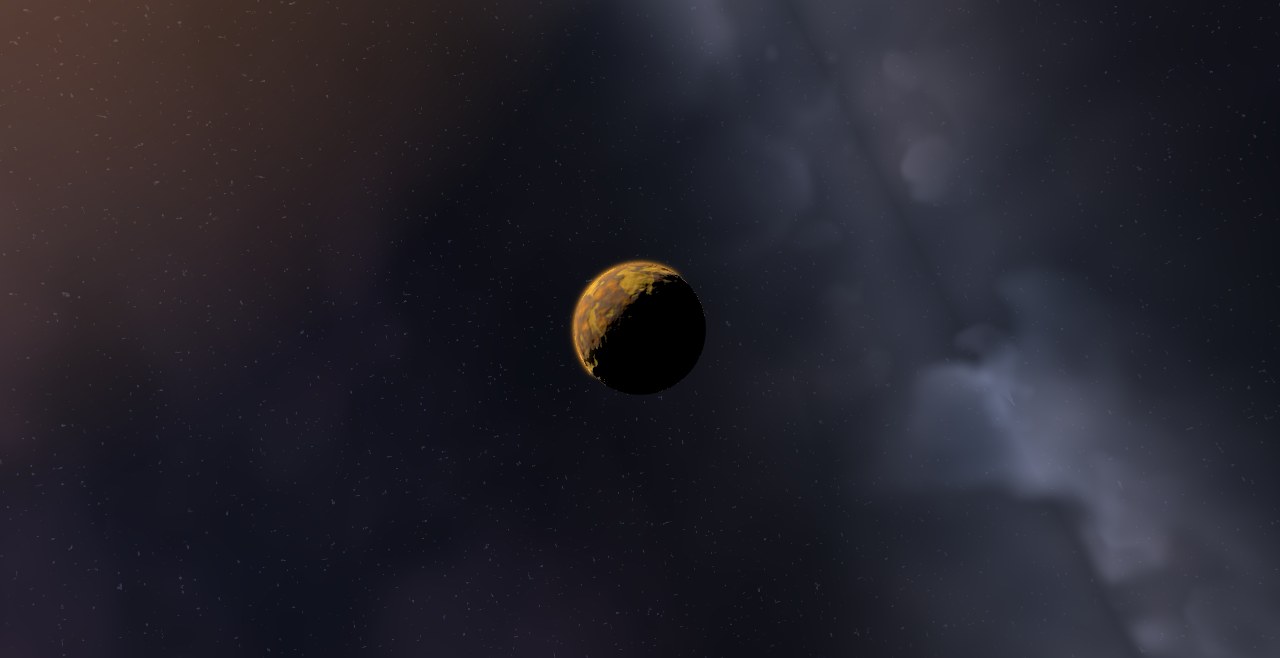
Kepler-1321, an orange K-type dwarf of 0.54 solar masses, and Kepler-1321 c, a planet with 2.4 Earth radii, with an orbital period of 2.2 days.
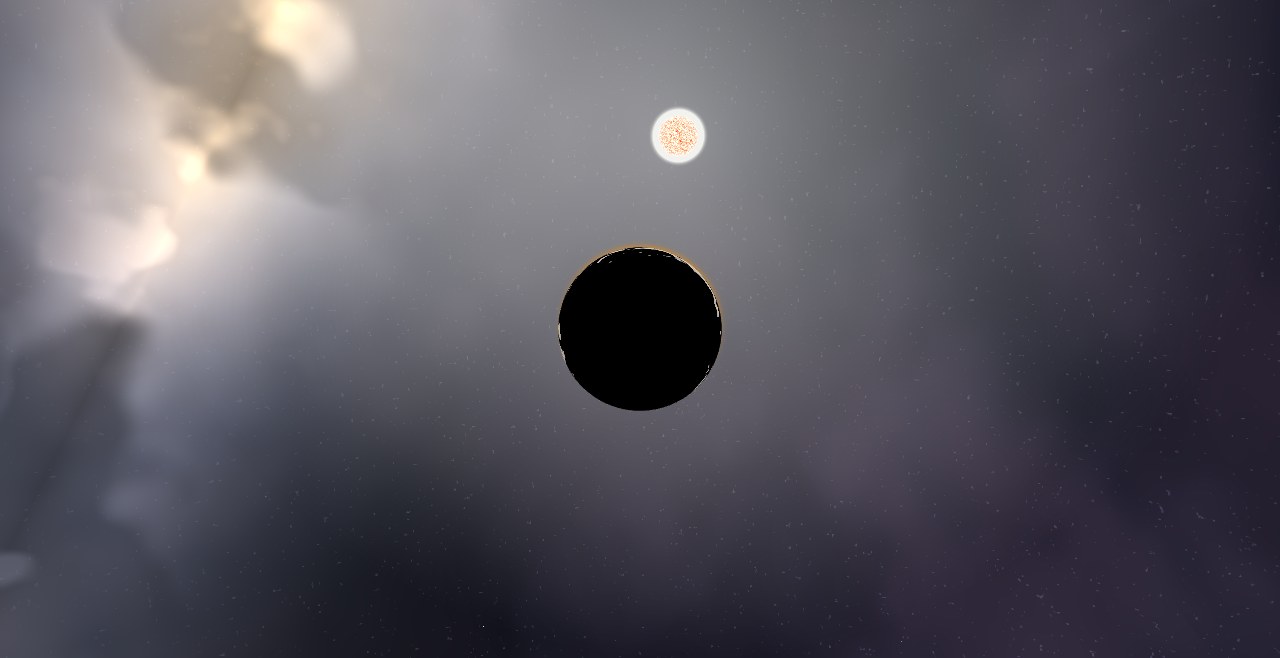
Kepler-142, a Sun-like G-type star of 0.98 solar masses, and Kepler-142 b, a planet with 2.0 Earth radii, with an orbital period of 2.0 days, at 0.032 AU from its star.
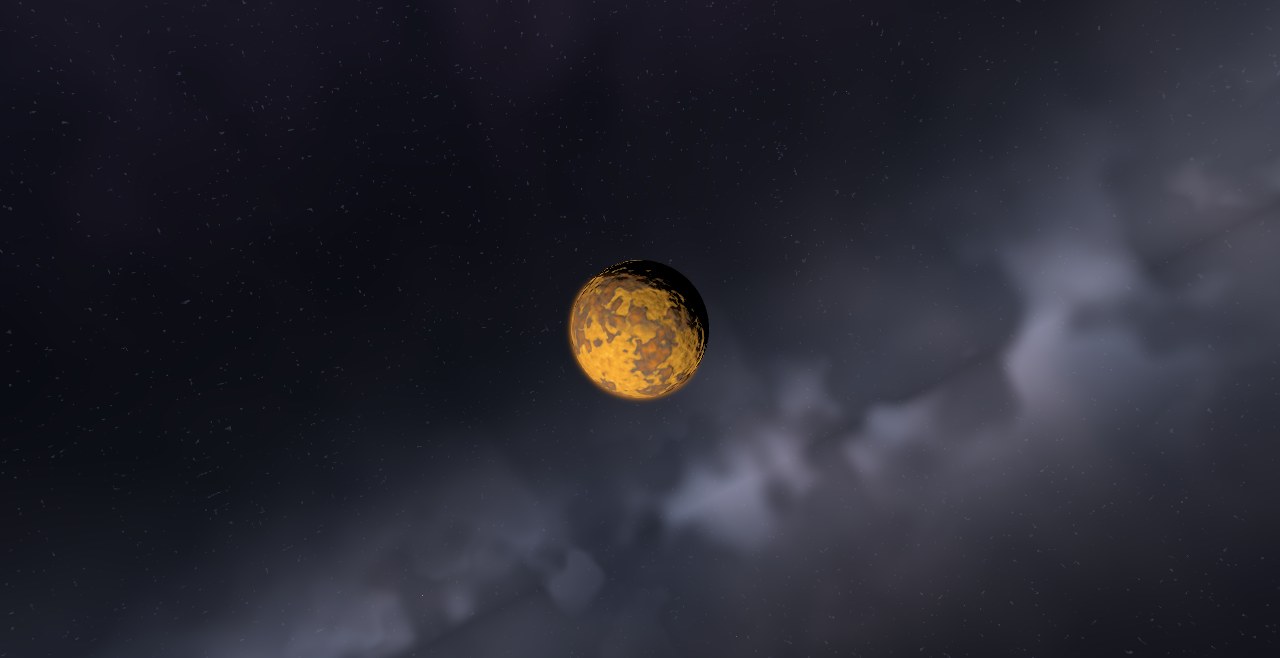
Kepler-1468, a Sun-like G-type star of 1.04 solar masses, and Kepler-1468 c, a planet with 1.1 Earth radii, with an orbital period of 3.5 days.
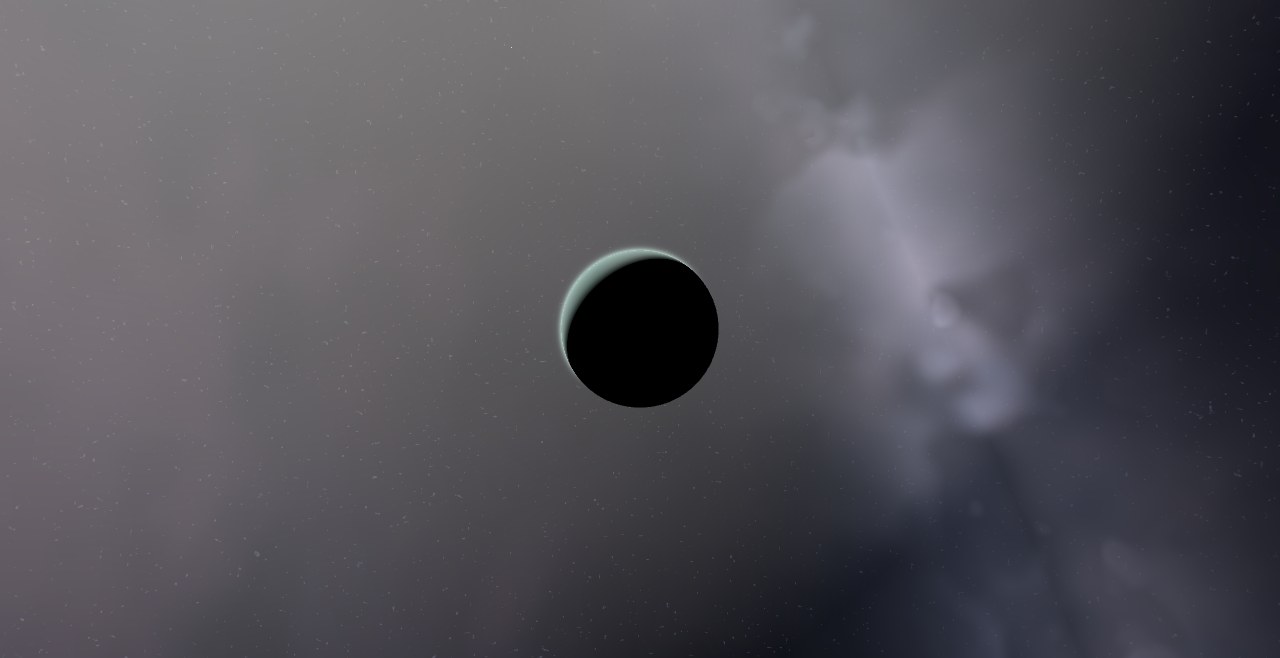
Kepler-148, an orange K-type dwarf of 0.86 solar masses, and Kepler-148 b, a planet with 1.8 Earth radii, with an orbital period of 1.7 days, at 0.028 AU from its star.
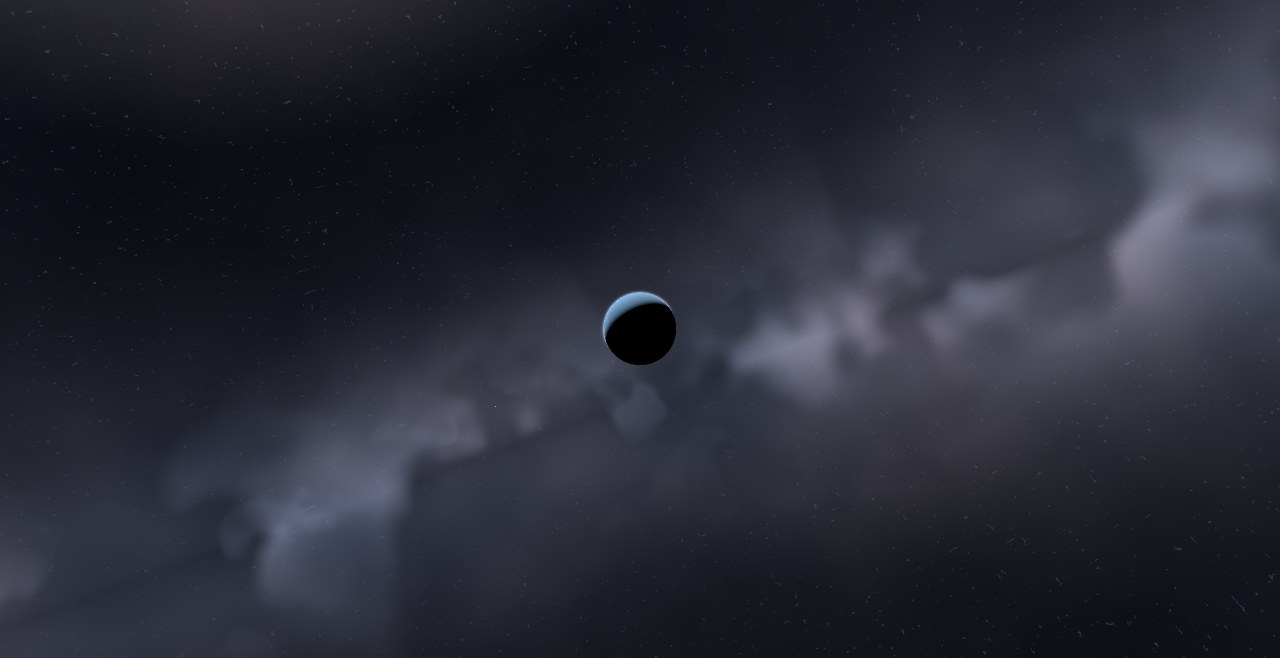
Kepler-149, a Sun-like G-type star of 1.01 solar masses, and Kepler-149 b, a planet with 4.2 Earth radii, with an orbital period of 29.2 days, at 0.184 AU from its star.
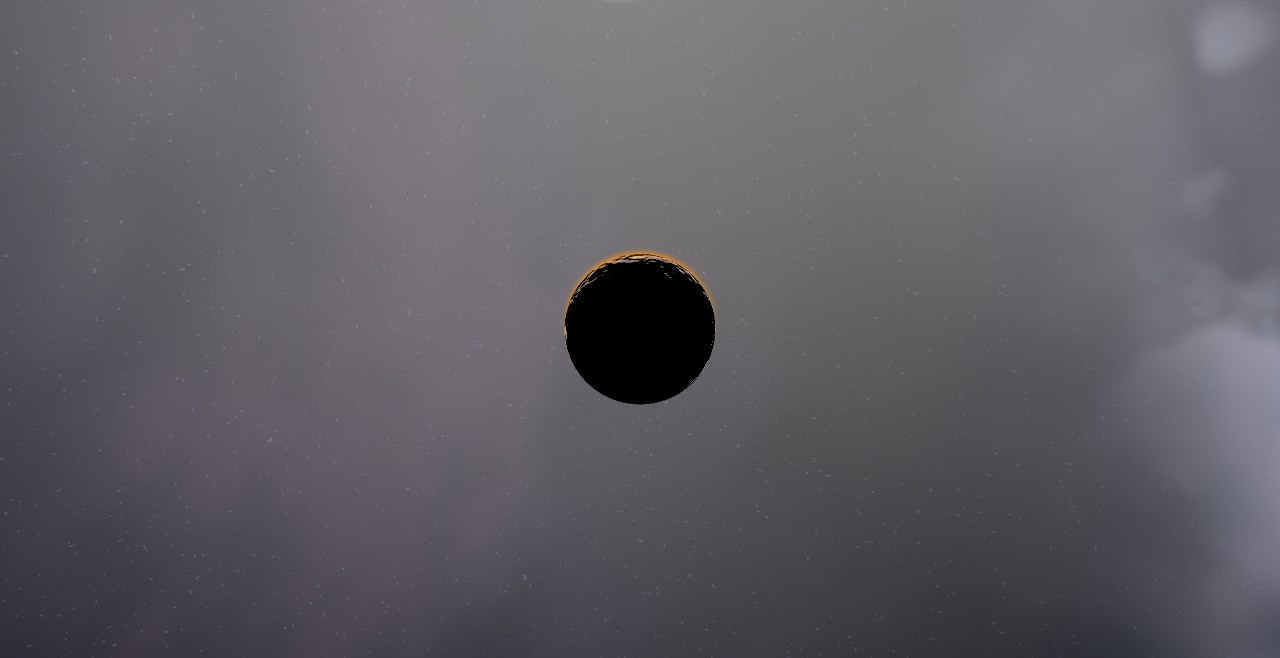
Kepler-1530, a Sun-like G-type star of 1.01 solar masses, and Kepler-1530 b, a planet with 1.6 Earth radii, with an orbital period of 2.6 days.
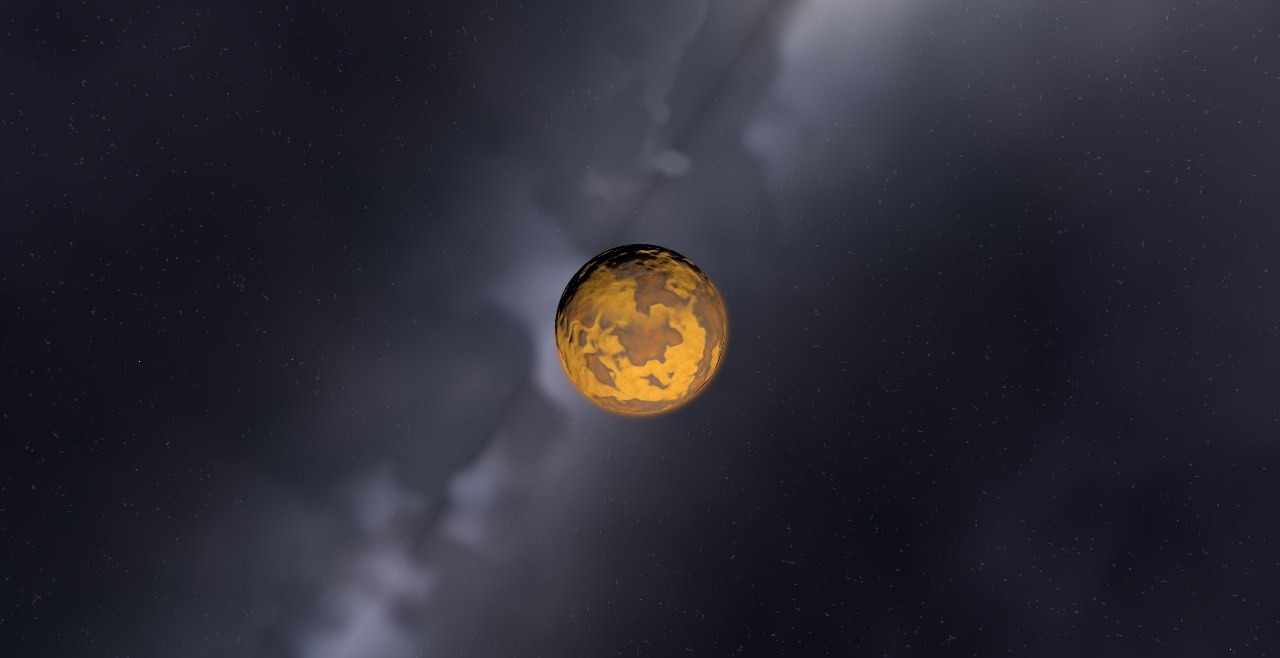
Kepler-157, a Sun-like G-type star of 1.02 solar masses, and Kepler-157 b, a planet with 1.3 Earth radii, with an orbital period of 1.7 days, at 0.028 AU from its star.