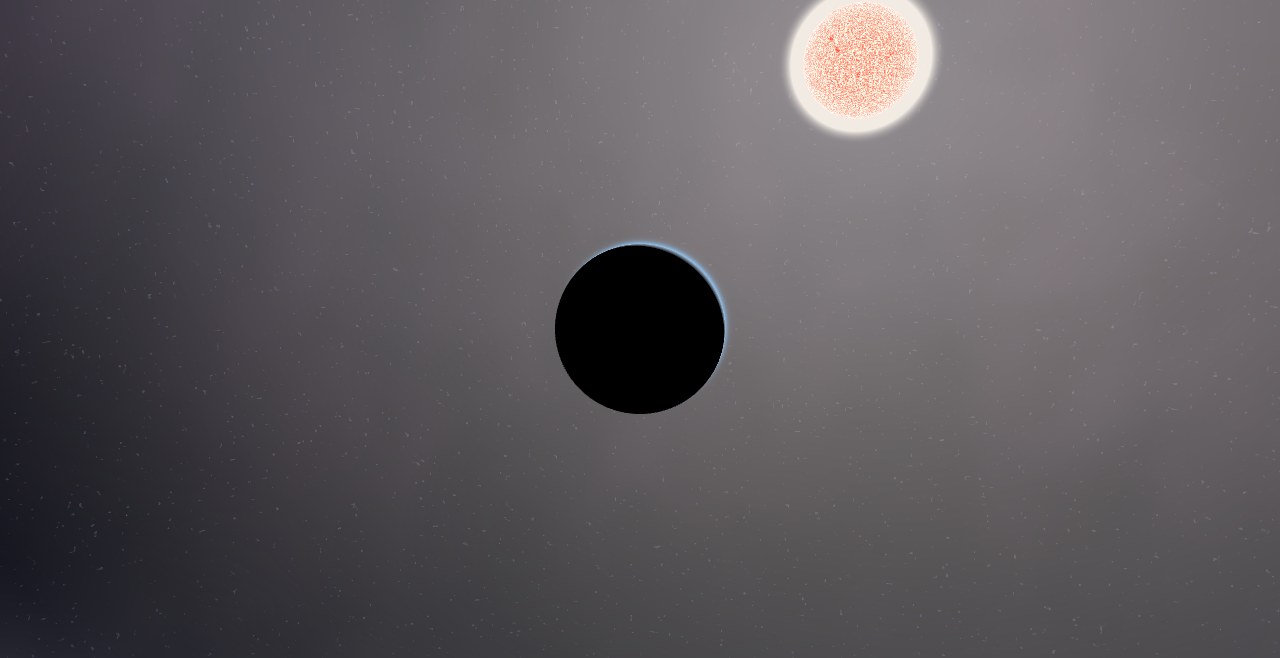
HD 7924 - System
HD 7924, an orange K-type dwarf of 0.83 solar masses, and HD 7924 b, a 6.4-Earth-mass planet, with an orbital period of 5.4 days, at 0.060 AU from its star, on an eccentric orbit (e ≈ 0.06).
Exoplanets
Model multi-planet architectures to see how three competing gravitational forces pull on each other over millions of simulation years.
Share
HD 7924, an orange K-type dwarf of 0.83 solar masses, and HD 7924 b, a 6.4-Earth-mass planet, with an orbital period of 5.4 days, at 0.060 AU from its star, on an eccentric orbit (e ≈ 0.06).
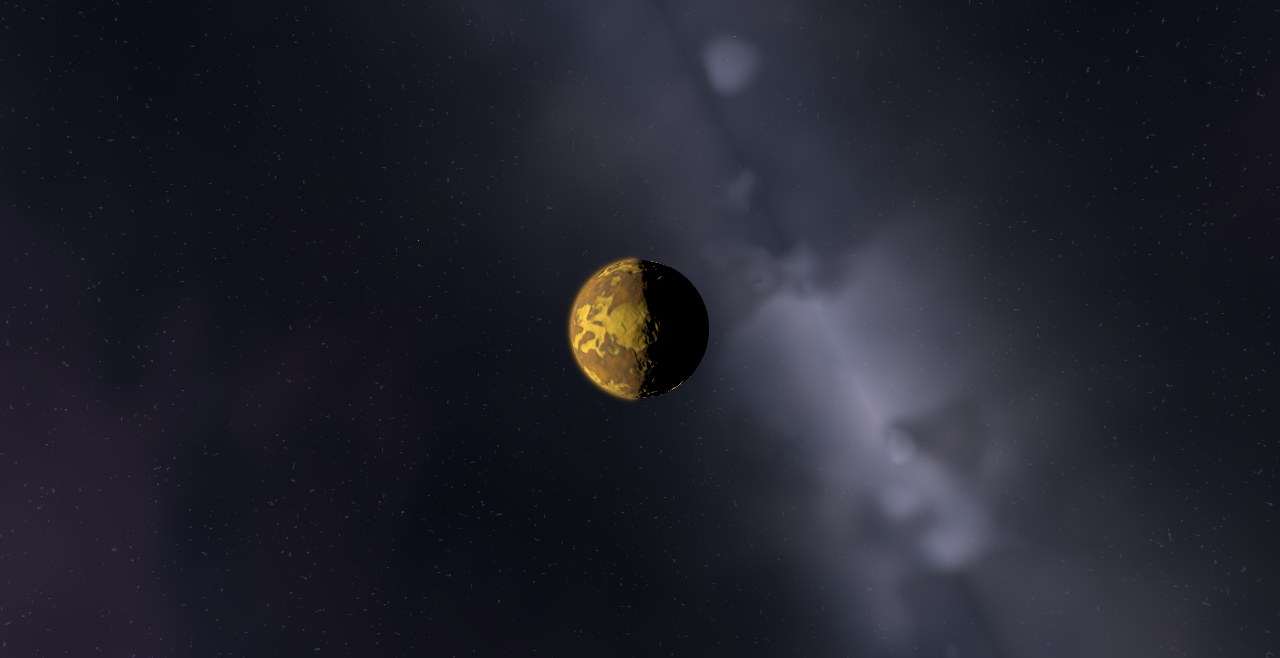
HD 93385, a Sun-like G-type star of 1.04 solar masses, and HD 93385 b, a 4.2-Earth-mass planet, with an orbital period of 7.3 days, at 0.076 AU from its star, on an eccentric orbit (e ≈ 0.29).
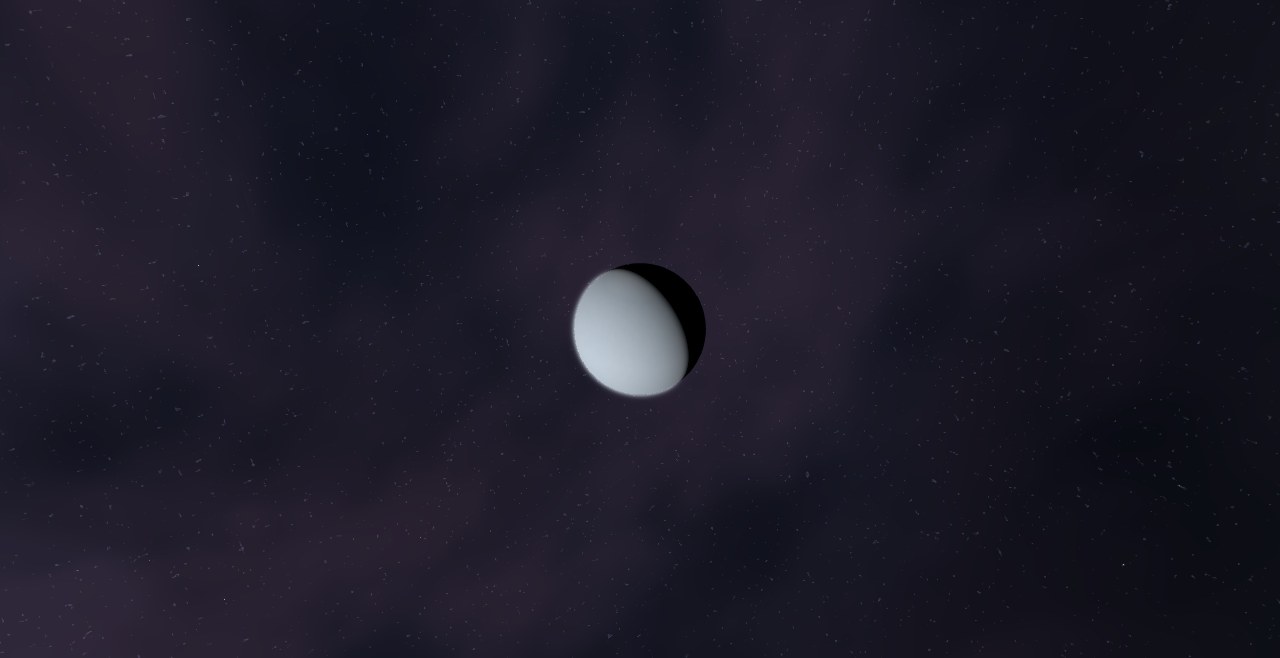
HD 96700, a Sun-like G-type star of 0.89 solar masses, and HD 96700 b, a 8.9-Earth-mass planet, with an orbital period of 8.1 days, at 0.078 AU from its star, on an eccentric orbit (e ≈ 0.14).
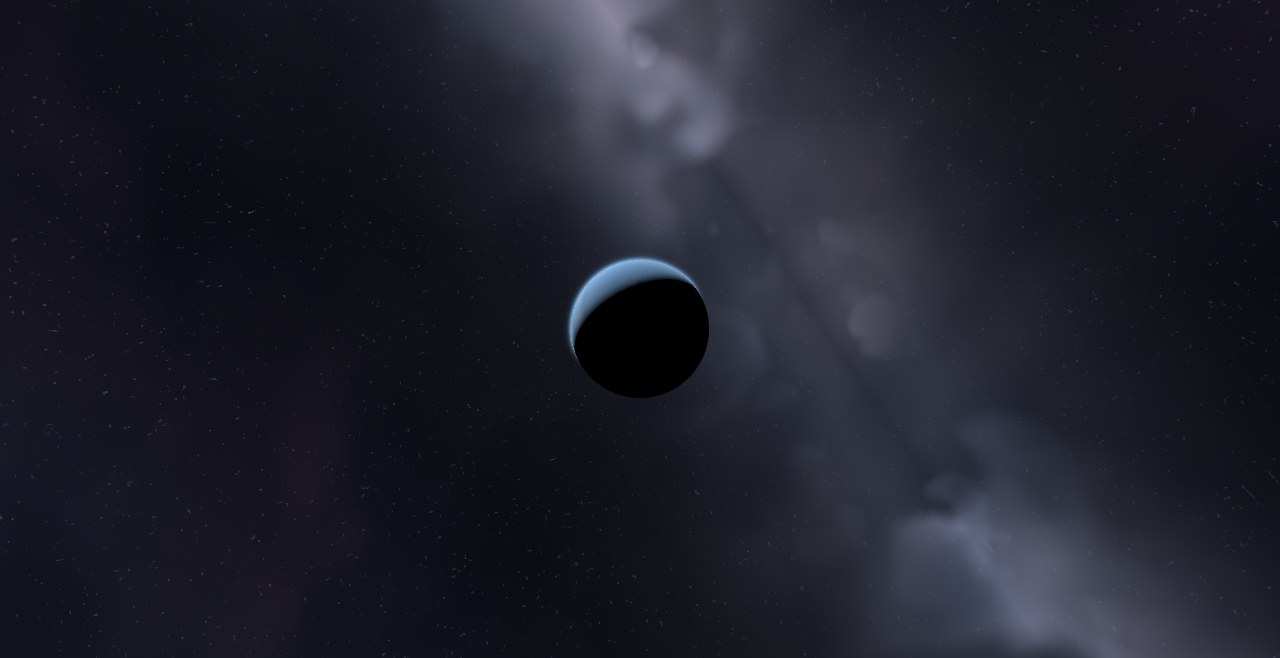
HIP 14810, a Sun-like G-type star of 1.01 solar masses, and HIP 14810 b, a 3.90-Jupiter-mass companion, with an orbital period of 6.7 days, at 0.070 AU from its star, on an eccentric orbit (e ≈ 0.14).
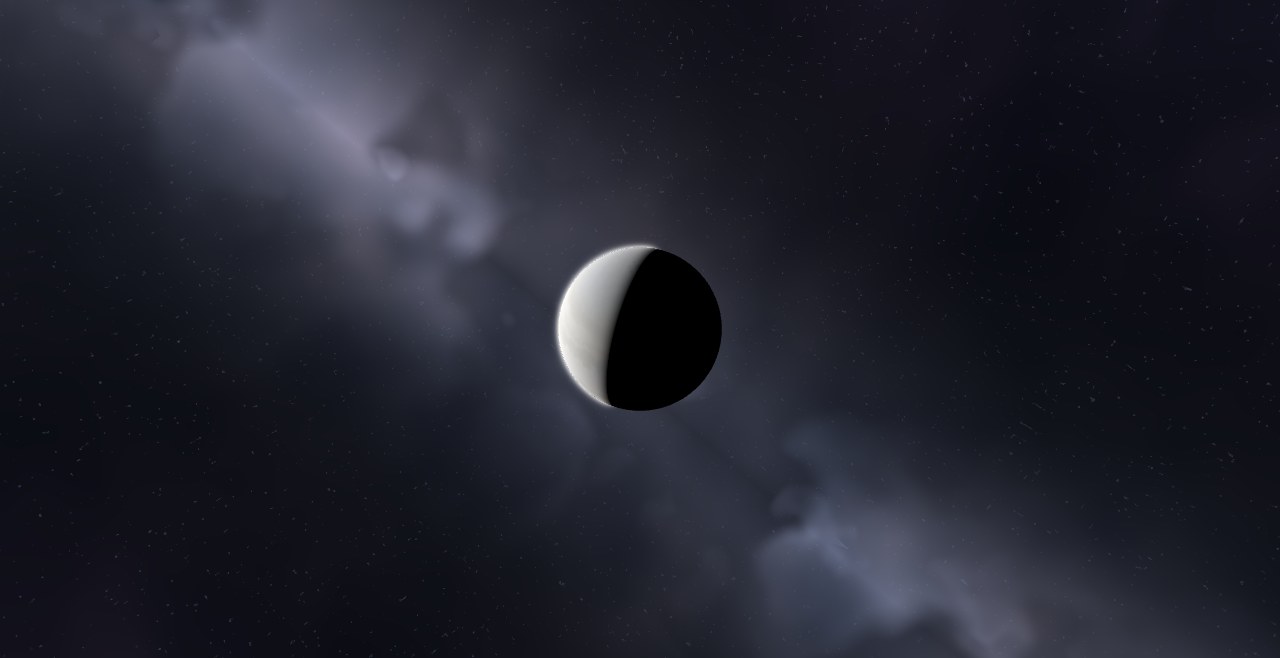
HIP 57274, an orange K-type dwarf of 0.73 solar masses, and HIP 57274 b, a 6.4-Earth-mass planet, with an orbital period of 8.1 days, at 0.070 AU from its star, on an eccentric orbit (e ≈ 0.19).
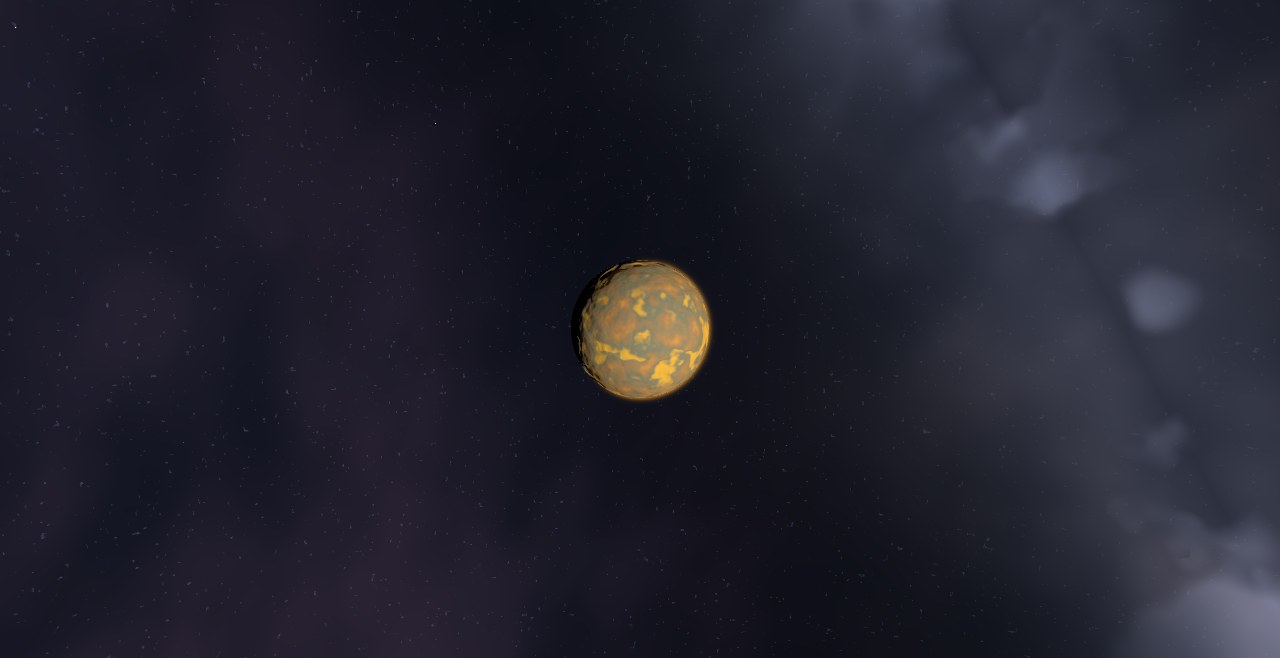
HR 858, a Sun-like F-type star of 1.20 solar masses, and HR 858 b, a 3.5-Earth-mass planet, with an orbital period of 3.6 days, at 0.049 AU from its star, and an equilibrium temperature near 1,552 K.
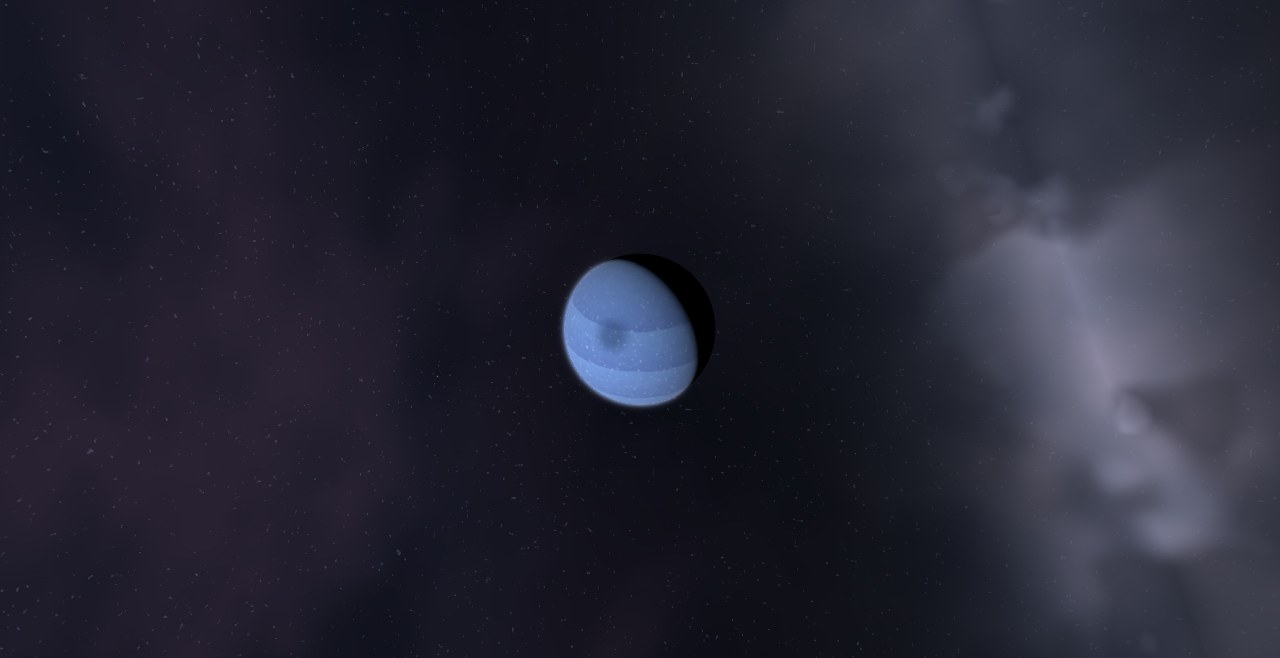
K2-136, an orange K-type dwarf of 0.74 solar masses, and K2-136 b, a 4.3-Earth-mass planet, with an orbital period of 8.0 days, at 0.071 AU from its star, and an equilibrium temperature near 610 K.
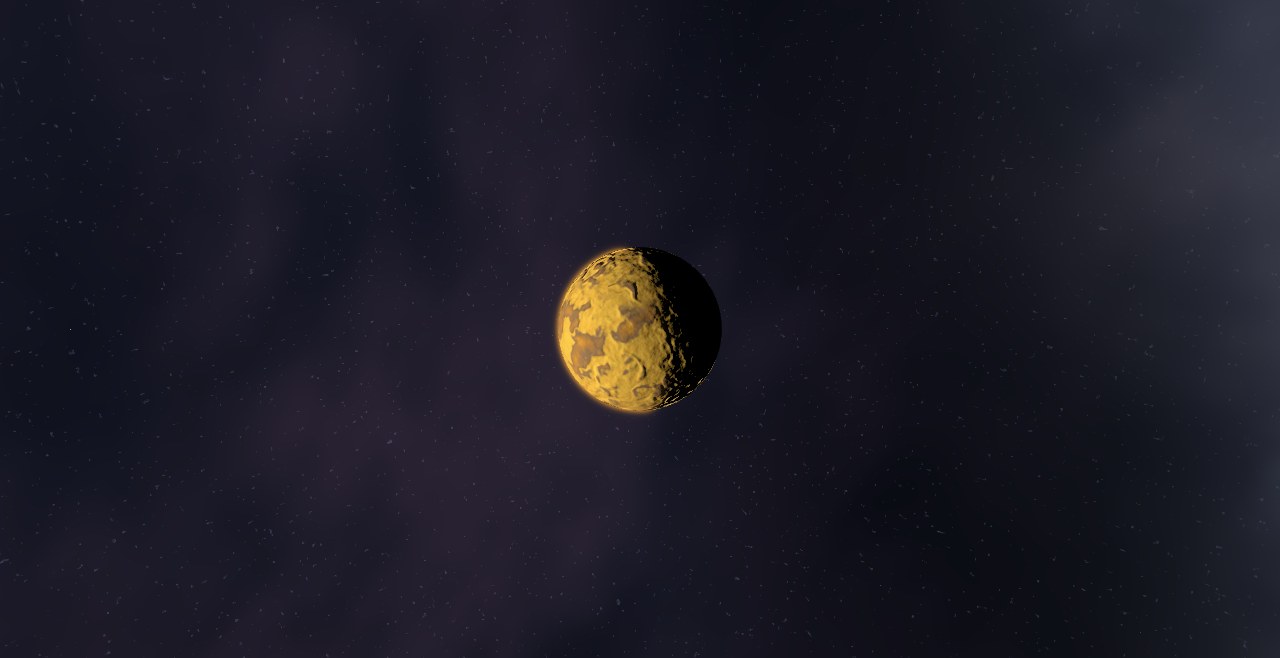
K2-148, an orange K-type dwarf of 0.65 solar masses, and K2-148 b, a planet with 1.3 Earth radii, with an orbital period of 4.4 days, at 0.045 AU from its star.
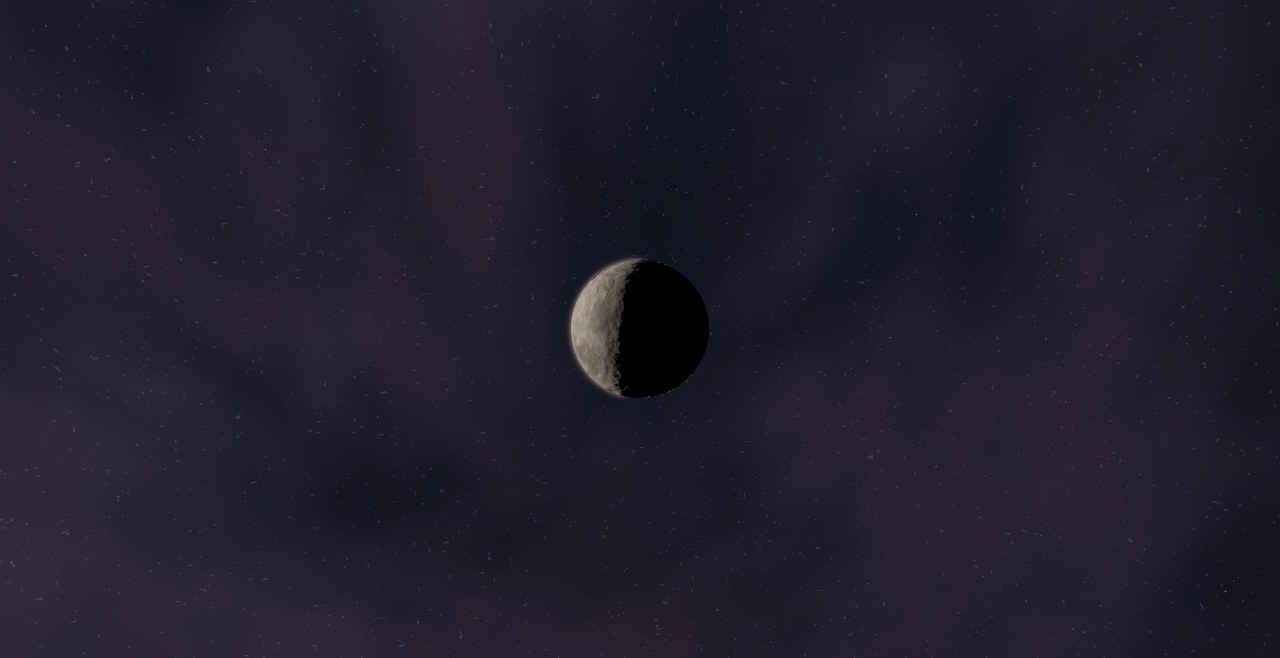
K2-155, an orange K-type dwarf of 0.65 solar masses, and K2-155 b, a planet with 1.8 Earth radii, with an orbital period of 6.3 days, at 0.056 AU from its star, and an equilibrium temperature near 708 K.
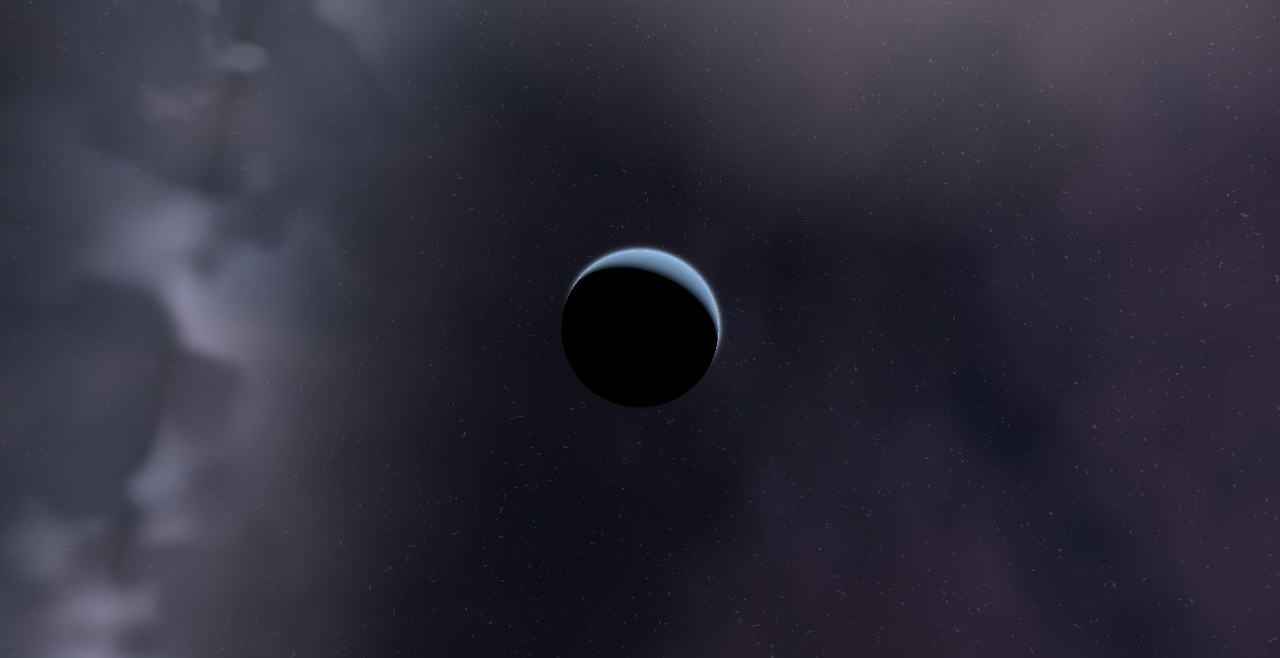
K2-157, a Sun-like G-type star of 0.89 solar masses, and K2-157 b, a 1.1-Earth-mass planet, with an orbital period of 8.8 hours, at 0.010 AU from its star, and an equilibrium temperature near 2,432 K.
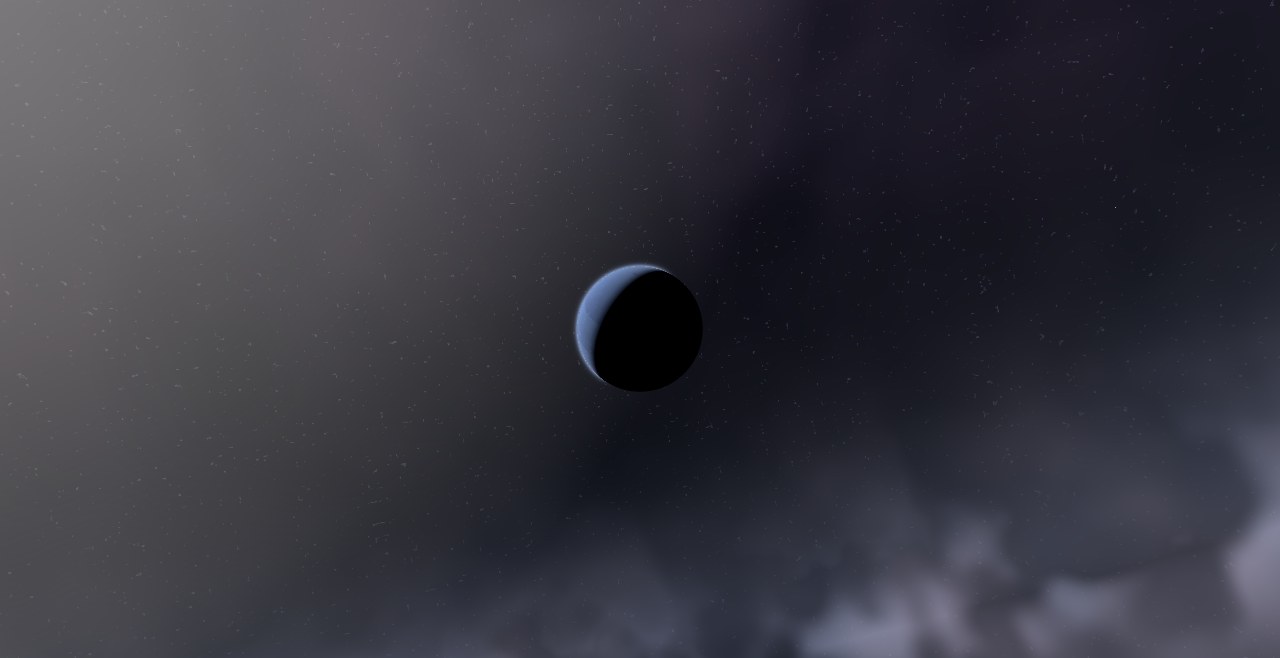
K2-19, a Sun-like G-type star of 0.89 solar masses, and K2-19 d, a 6.2-Earth-mass planet, with an orbital period of 2.5 days, at 0.035 AU from its star, and an equilibrium temperature near 1,258 K.
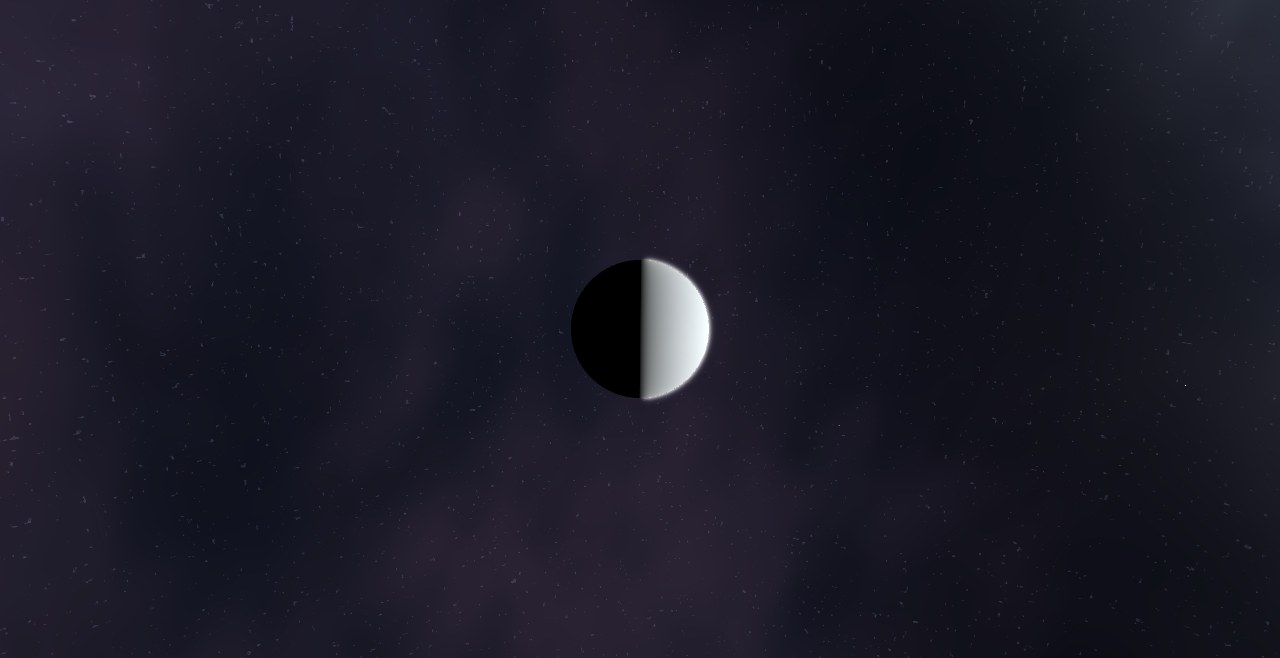
K2-233, an orange K-type dwarf of 0.79 solar masses, and K2-233 b, a 2.4-Earth-mass planet, with an orbital period of 2.5 days, at 0.033 AU from its star, and an equilibrium temperature near 1,127 K.
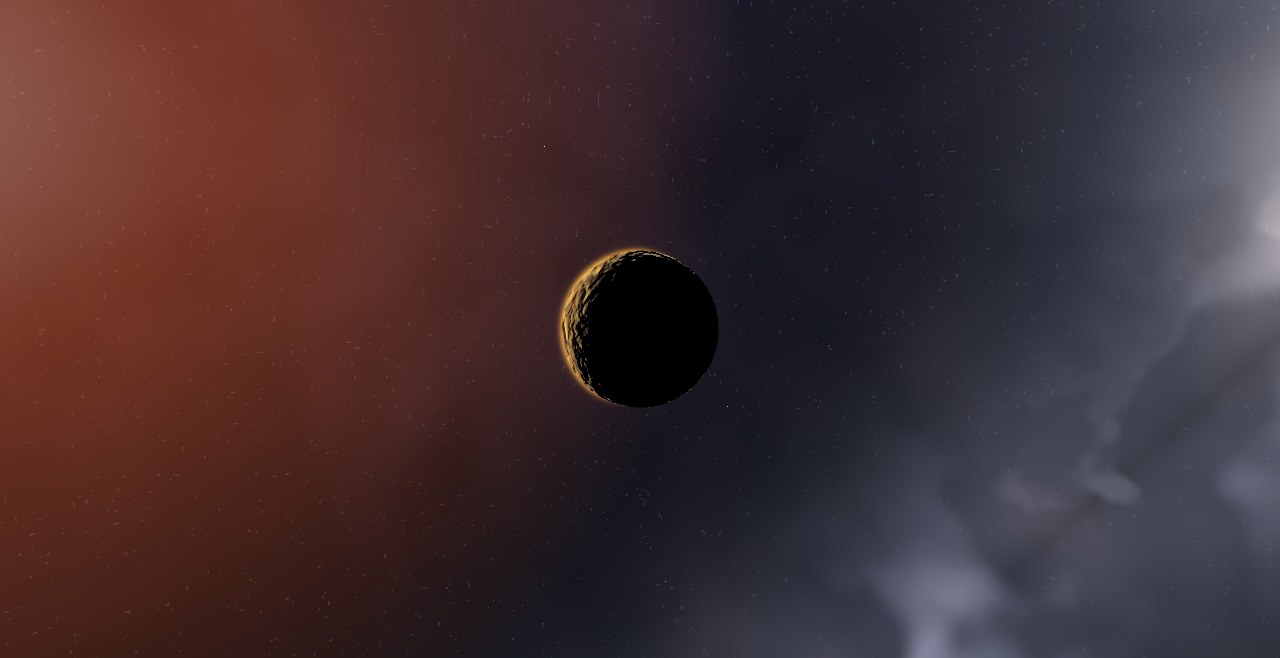
K2-239, a cool M-dwarf of 0.40 solar masses, and K2-239 b, a planet with 1.1 Earth radii, with an orbital period of 5.2 days, at 0.044 AU from its star, and an equilibrium temperature near 502 K.
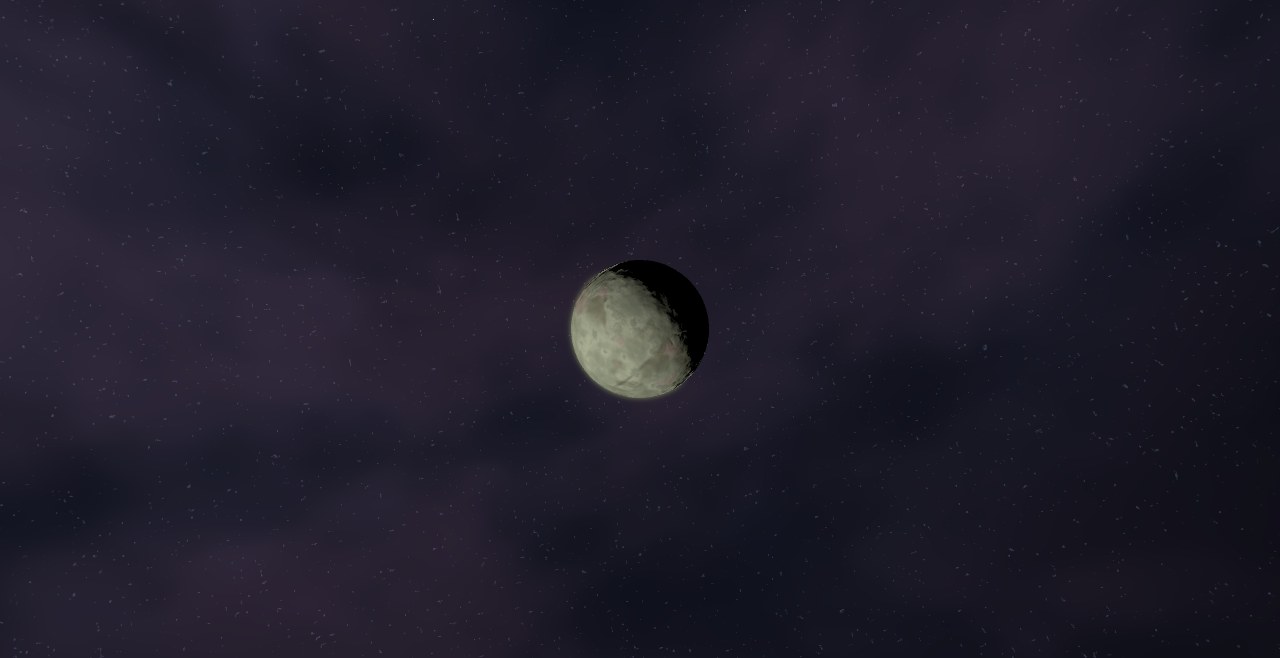
K2-3, a cool M-dwarf of 0.55 solar masses, and K2-3 b, a 5.1-Earth-mass planet, with an orbital period of 10.1 days, at 0.075 AU from its star, and an equilibrium temperature near 501 K, on an eccentric orbit.
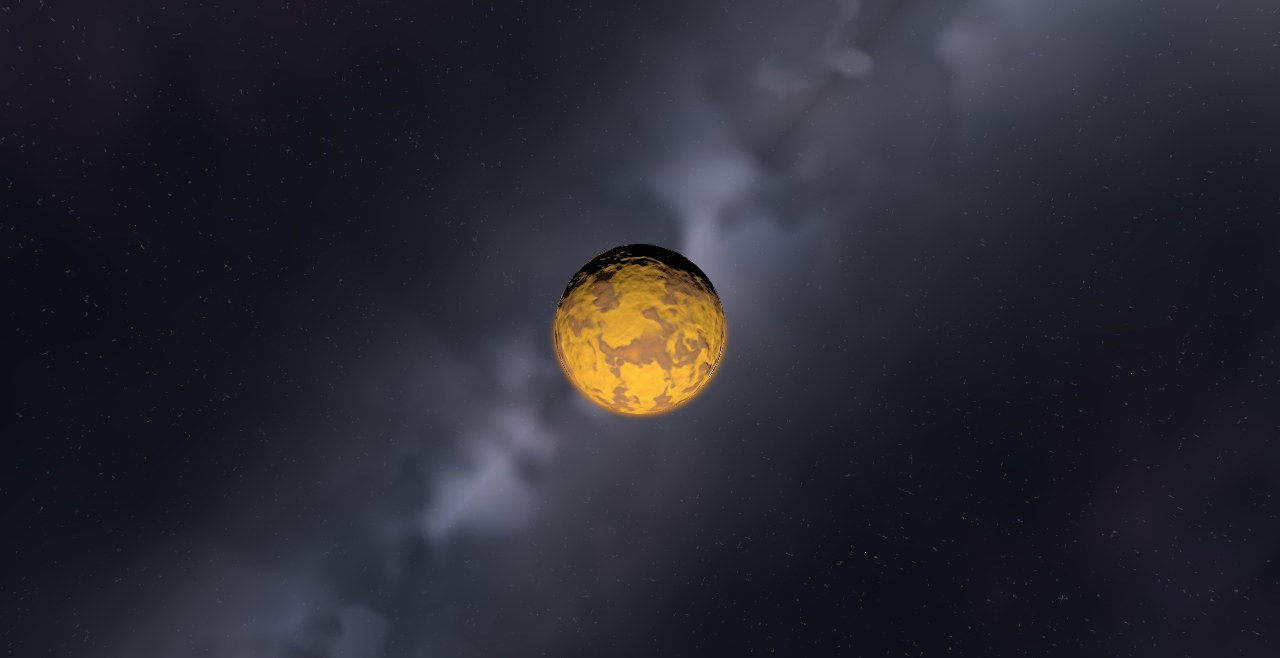
K2-37, a Sun-like G-type star of 0.84 solar masses, and K2-37 b, a planet with 1.4 Earth radii, with an orbital period of 4.4 days, and an equilibrium temperature near 949 K.
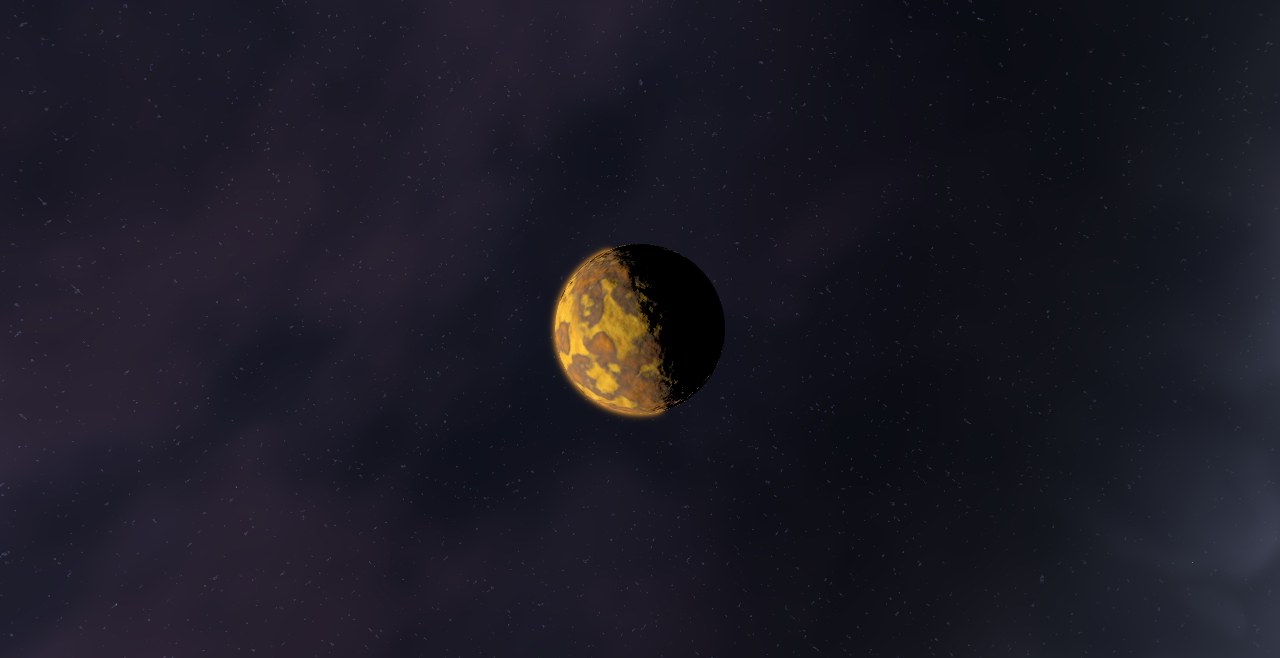
K2-58, a Sun-like G-type star of 0.89 solar masses, and K2-58 c, a planet with 1.6 Earth radii, with an orbital period of 2.5 days, at 0.035 AU from its star.
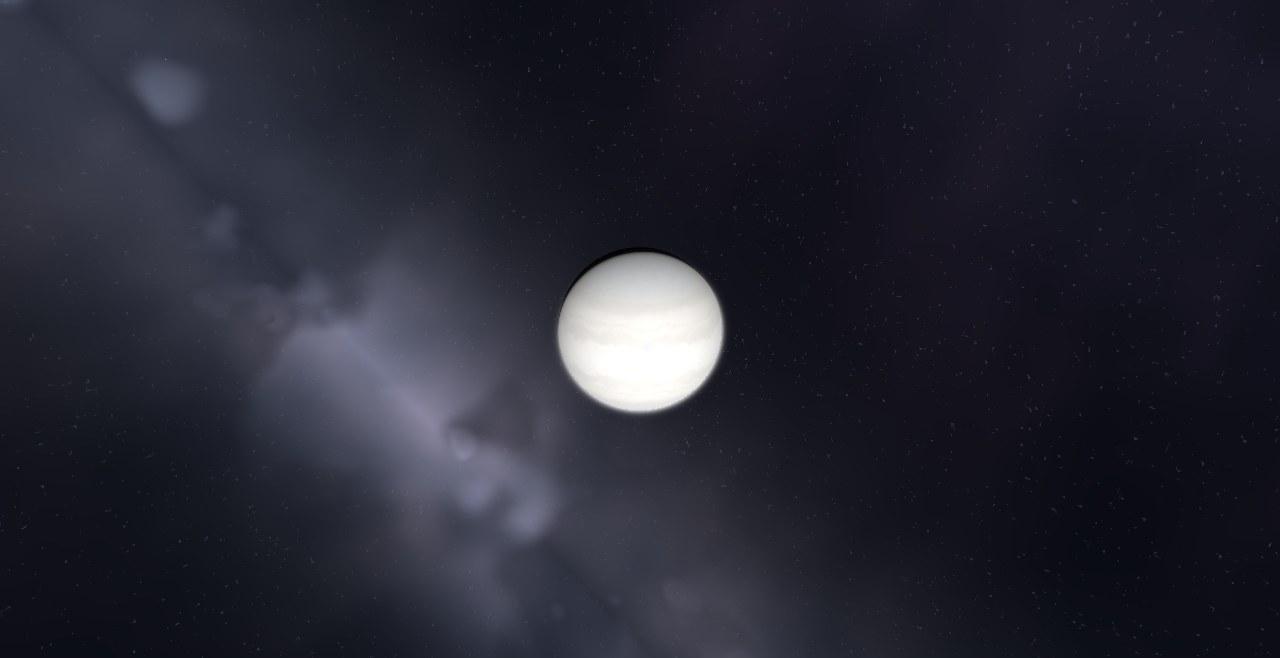
Kepler-88, also KOI-142, nicknamed the king of transit variations. An outer giant yanks the inner transiting planet far off a regular clock.
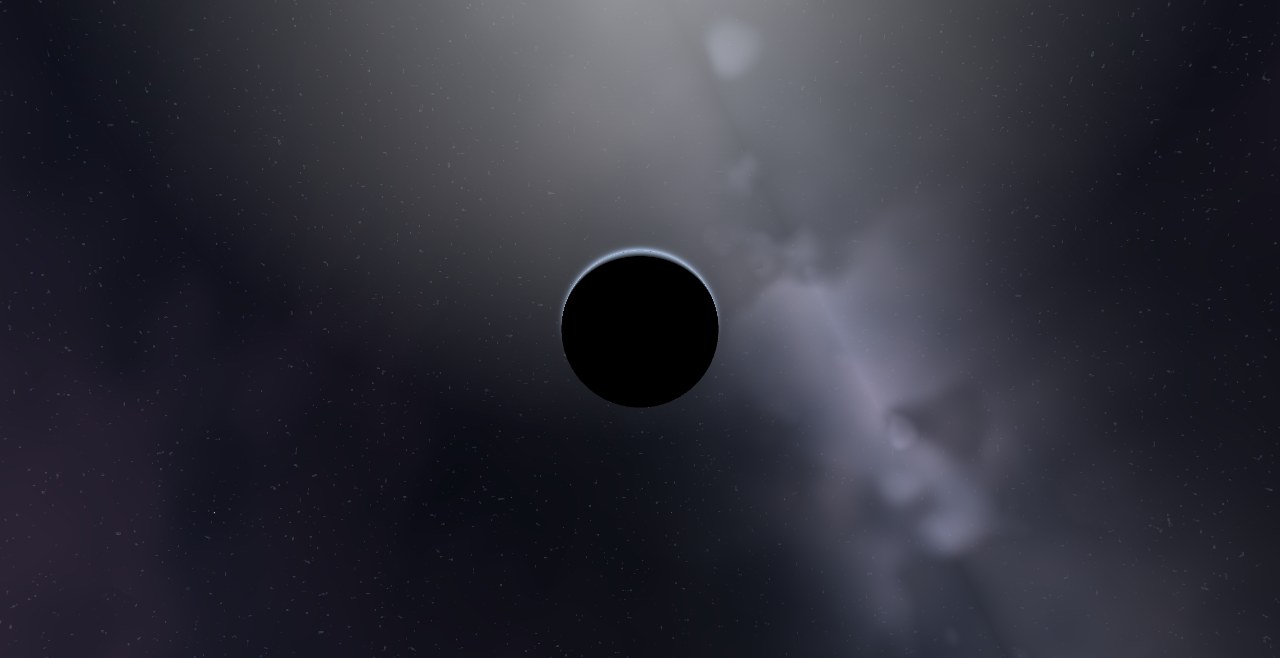
Kepler-10 b, the first rocky exoplanet with a measured density. Kepler's first solid world is a lava planet orbiting in less than a day. A larger outer planet, Kepler-10 c, also transits.