Kepler-160 - System
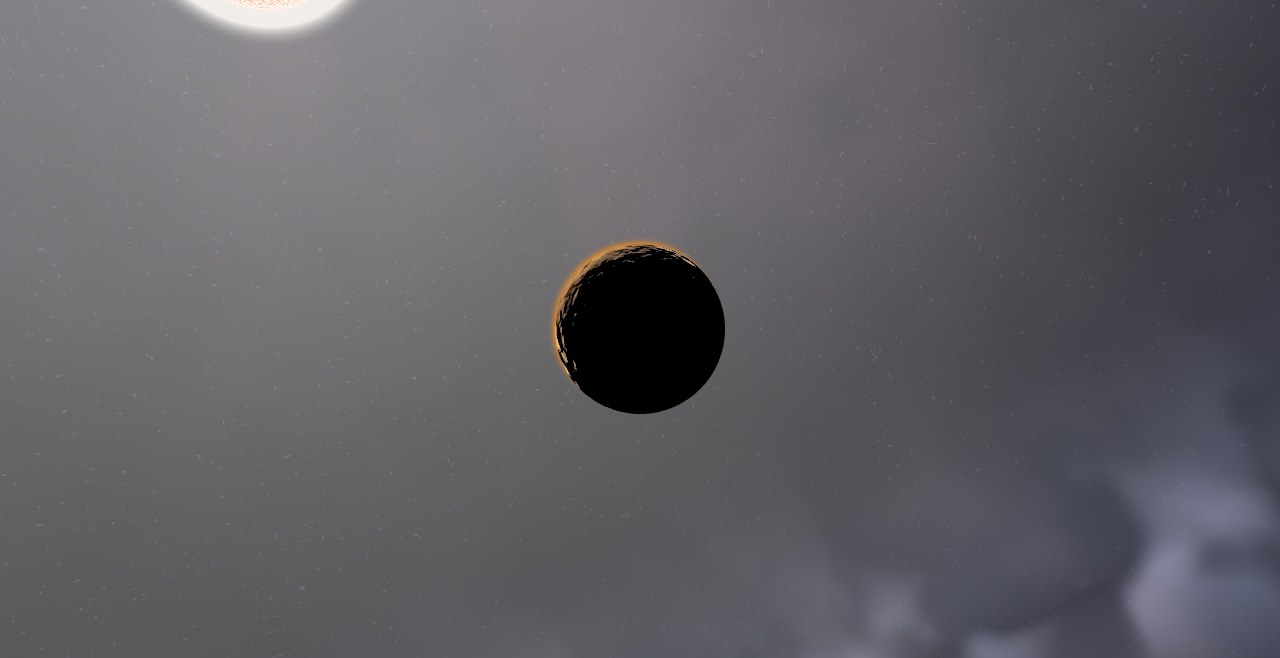
Kepler-160, a Sun-like G-type star of 1.00 solar masses, and Kepler-160 b, a planet with 1.7 Earth radii, with an orbital period of 4.3 days, at 0.055 AU from its star.
Exoplanets
Model multi-planet architectures to see how three competing gravitational forces pull on each other over millions of simulation years.
Share
Kepler-160, a Sun-like G-type star of 1.00 solar masses, and Kepler-160 b, a planet with 1.7 Earth radii, with an orbital period of 4.3 days, at 0.055 AU from its star.
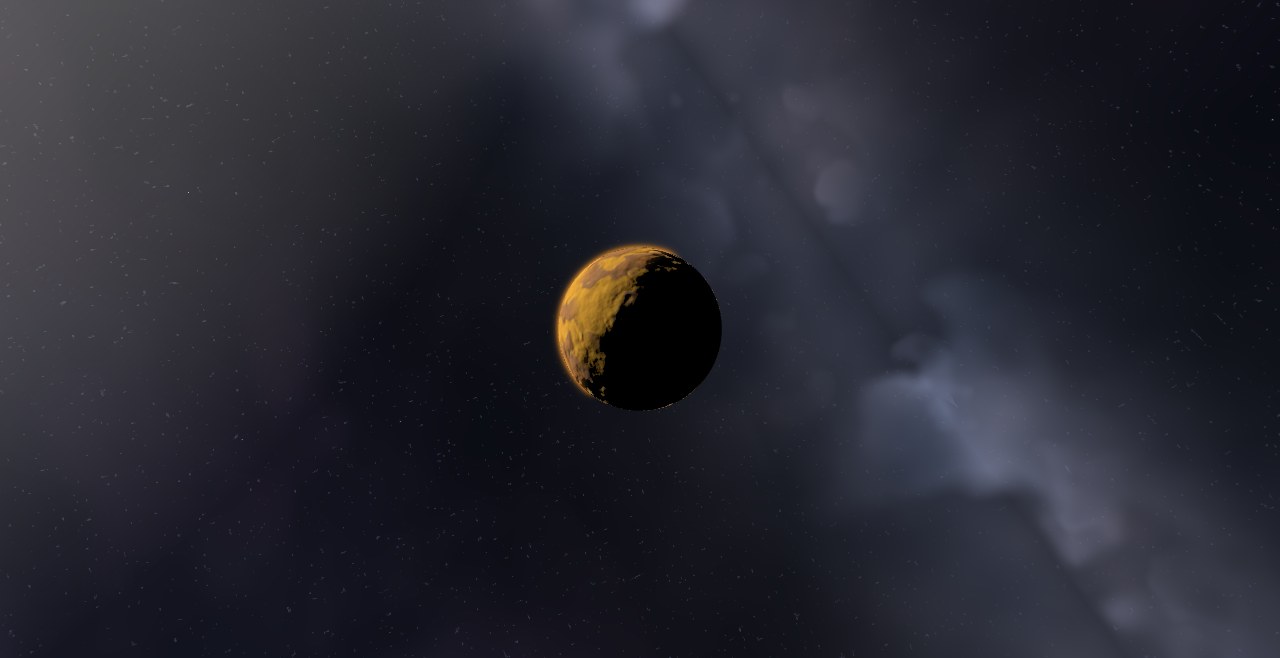
Kepler-166, a Sun-like G-type star of 0.88 solar masses, and Kepler-166 b, a planet with 2.3 Earth radii, with an orbital period of 7.7 days, at 0.072 AU from its star.
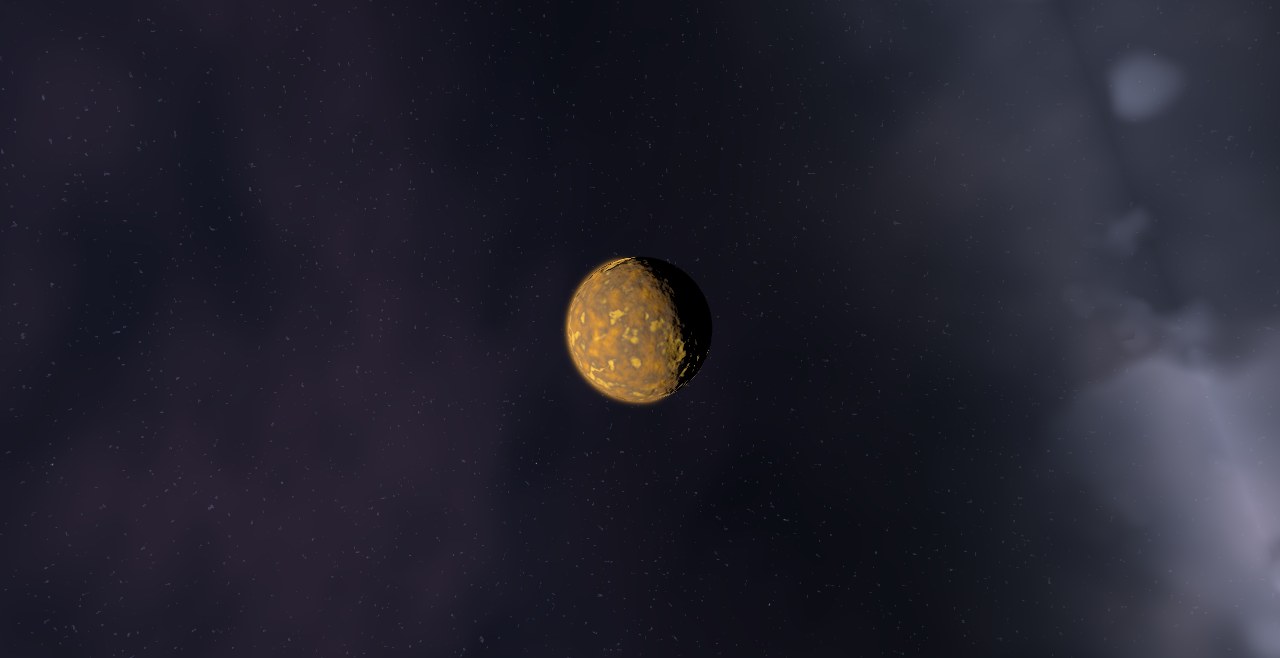
Kepler-1669, an orange K-type dwarf of 0.67 solar masses, and Kepler-1669 d, a planet with 1.2 Earth radii, with an orbital period of 4.7 days, at 0.047 AU from its star, and an equilibrium temperature near.
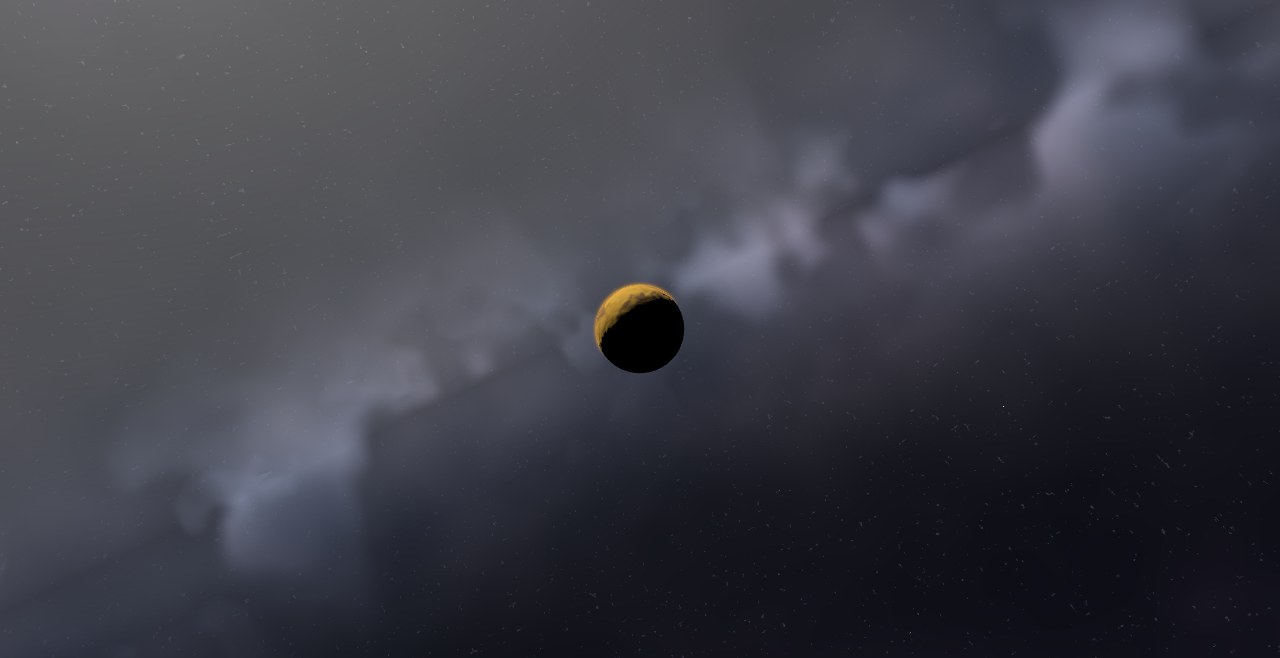
Kepler-171, a Sun-like G-type star of 0.98 solar masses, and Kepler-171 b, a planet with 2.3 Earth radii, with an orbital period of 4.2 days, at 0.050 AU from its star.
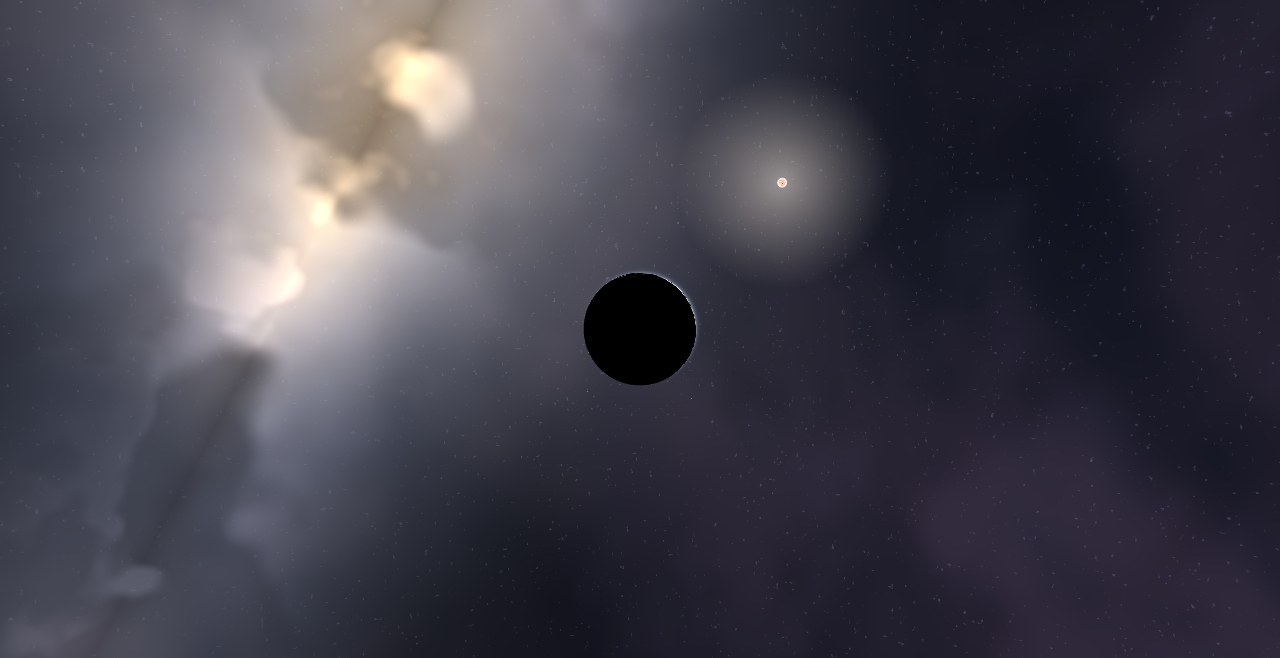
Kepler-174, an orange K-type dwarf of 0.60 solar masses, and Kepler-174 b, a planet with 2.0 Earth radii, with an orbital period of 14.0 days, at 0.100 AU from its star.
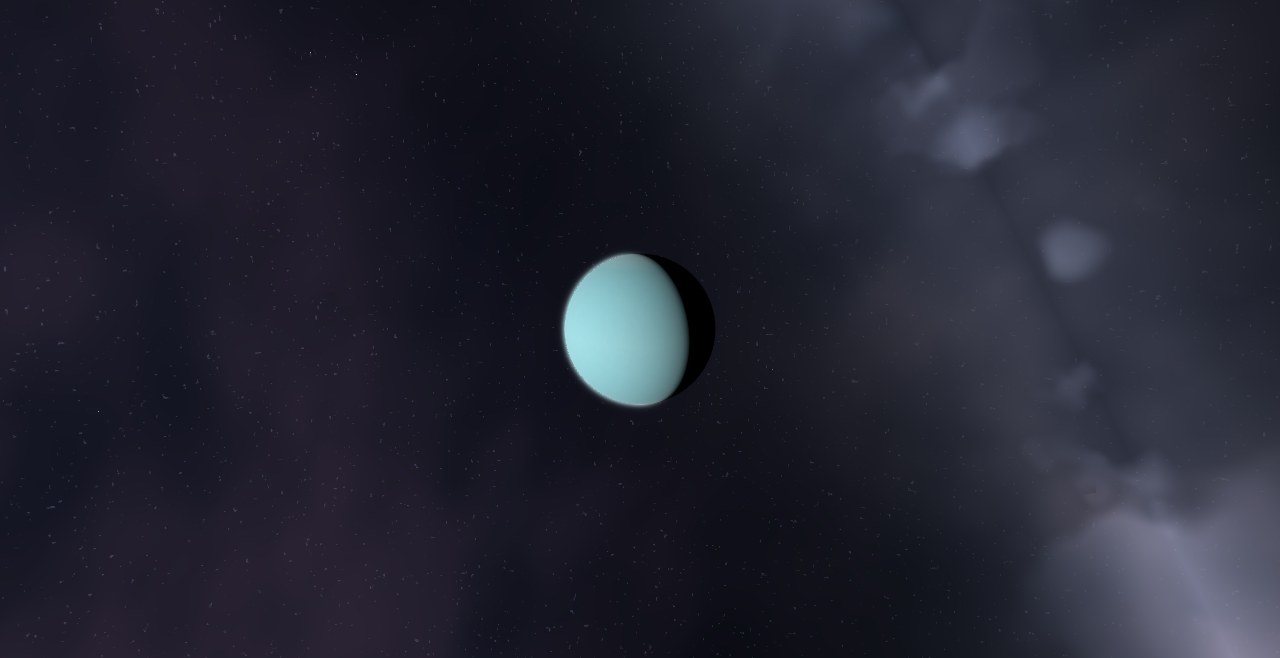
Kepler-178, a Sun-like G-type star of 0.85 solar masses, and Kepler-178 b, a planet with 2.9 Earth radii, with an orbital period of 9.6 days, at 0.085 AU from its star.
Kepler-18, a Sun-like G-type star of 0.97 solar masses, and Kepler-18 b, a 6.9-Earth-mass planet, with an orbital period of 3.5 days, at 0.045 AU from its star.
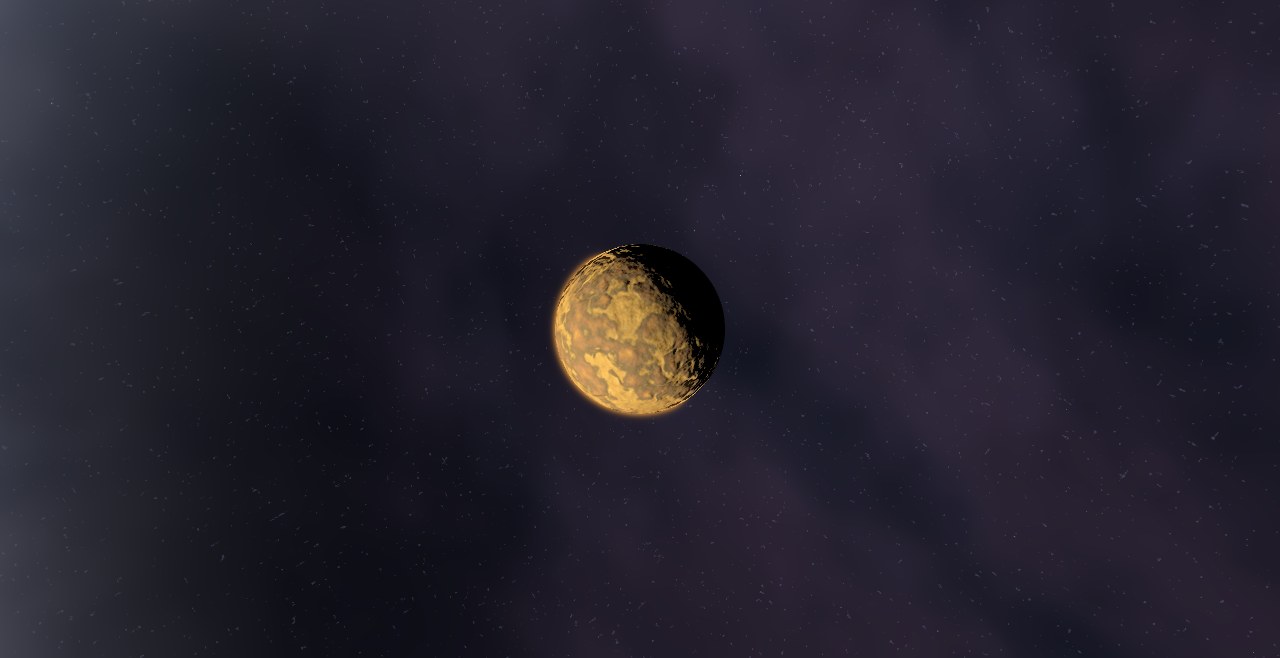
Kepler-184, a Sun-like G-type star of 0.87 solar masses, and Kepler-184 b, a planet with 2.4 Earth radii, with an orbital period of 10.7 days, at 0.092 AU from its star.
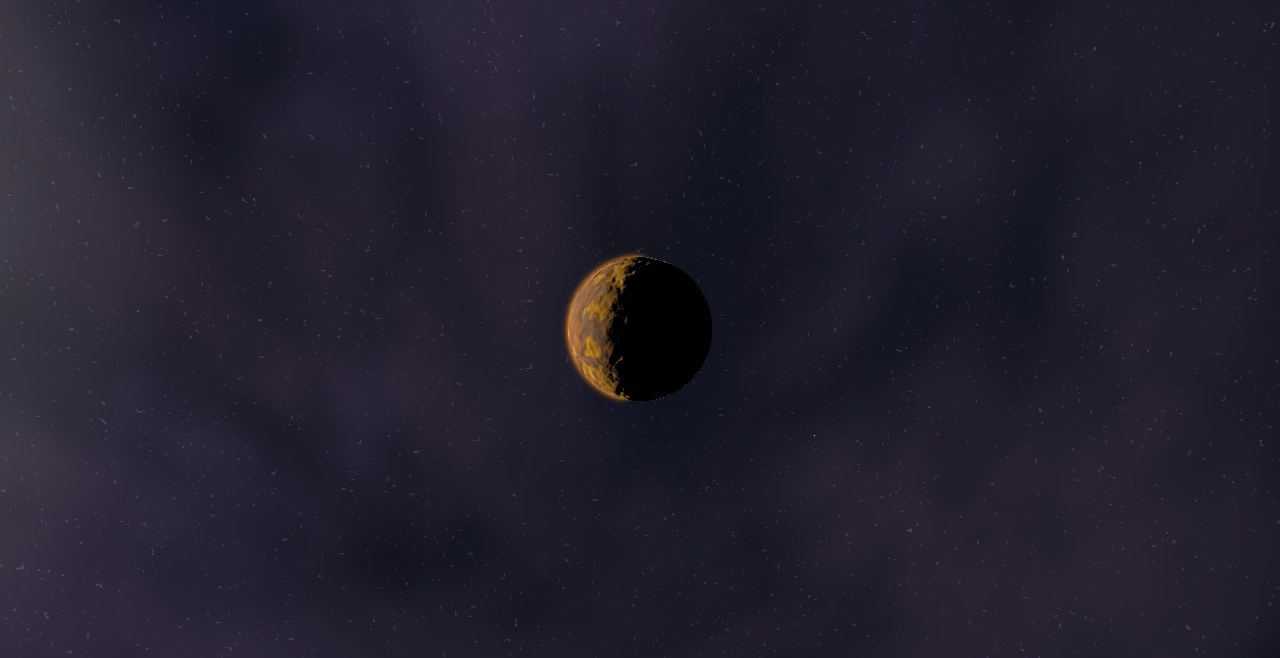
Kepler-191, a Sun-like G-type star of 0.84 solar masses, and Kepler-191 b, a planet with 1.3 Earth radii, with an orbital period of 9.9 days, at 0.087 AU from its star.
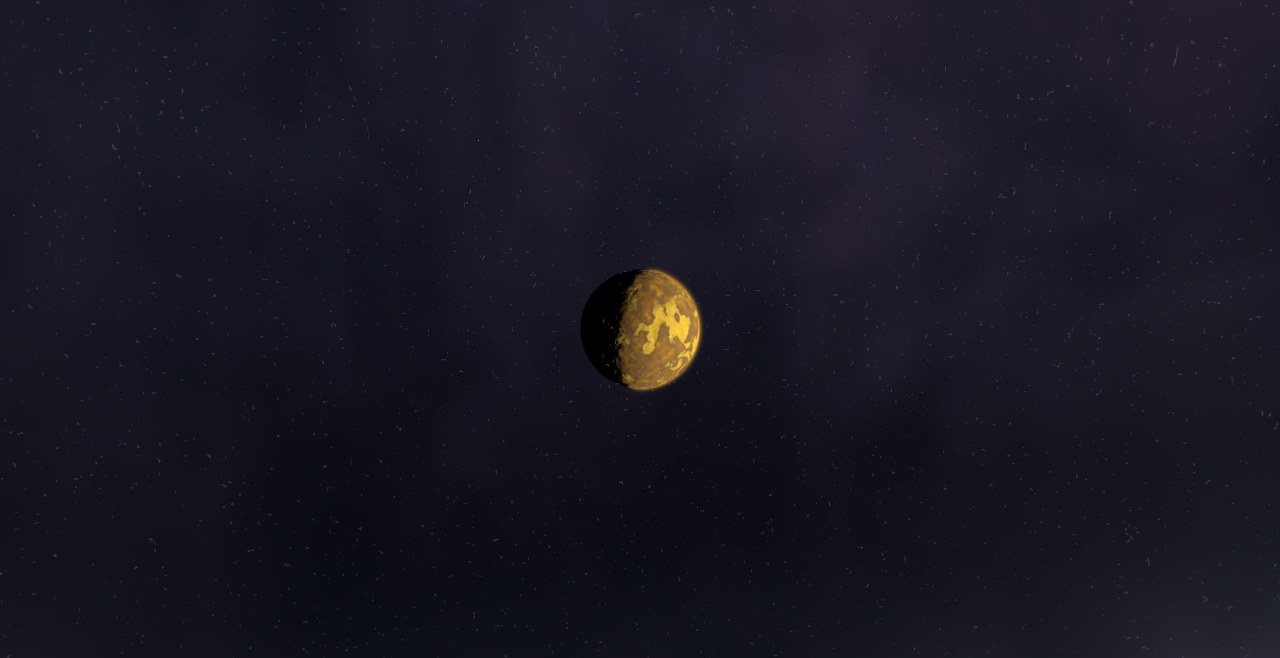
Kepler-192, a Sun-like G-type star of 0.94 solar masses, and Kepler-192 b, a planet with 2.7 Earth radii, with an orbital period of 9.9 days, at 0.090 AU from its star.
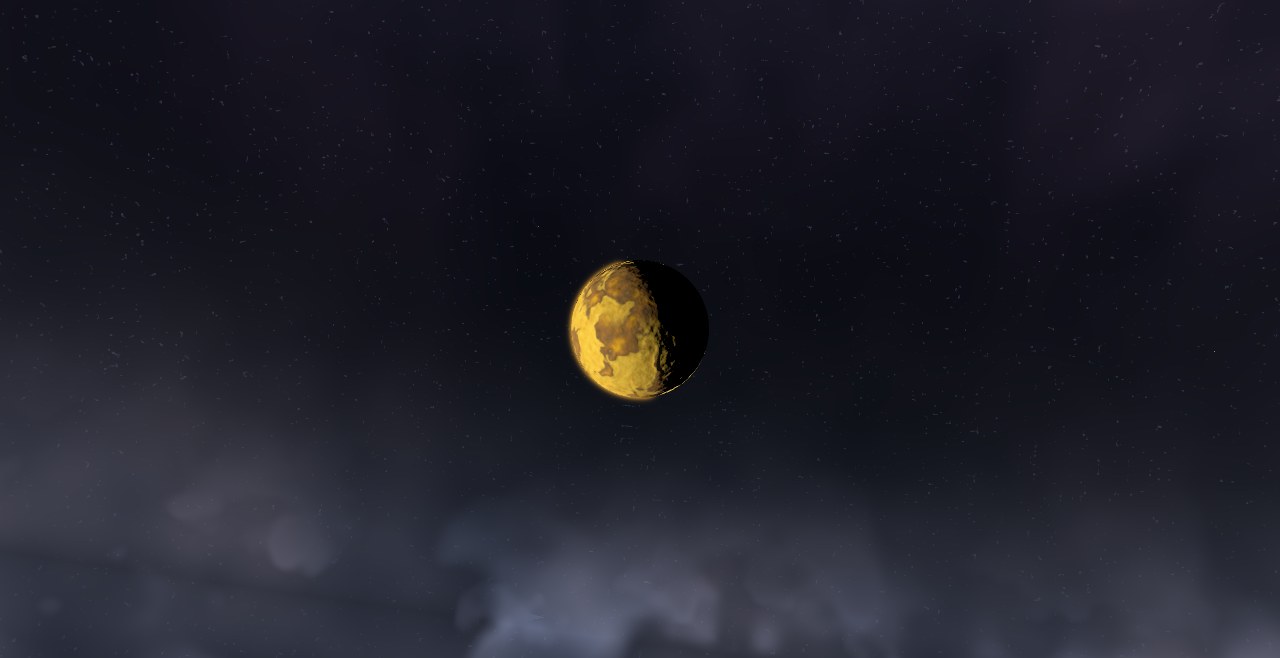
Kepler-194, a Sun-like F-type star of 0.94 solar masses, and Kepler-194 b, a planet with 1.5 Earth radii, with an orbital period of 2.1 days, at 0.032 AU from its star.
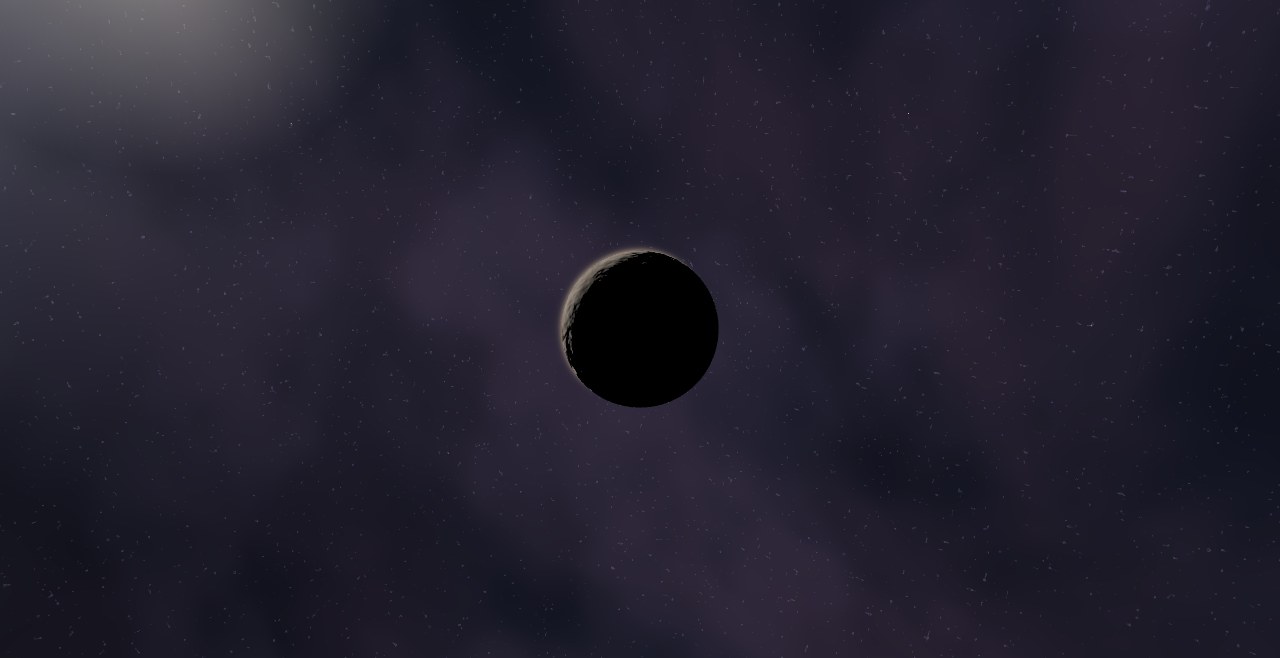
Kepler-196, an orange K-type dwarf of 0.81 solar masses, and Kepler-196 b, a planet with 1.9 Earth radii, with an orbital period of 20.7 days, at 0.138 AU from its star.
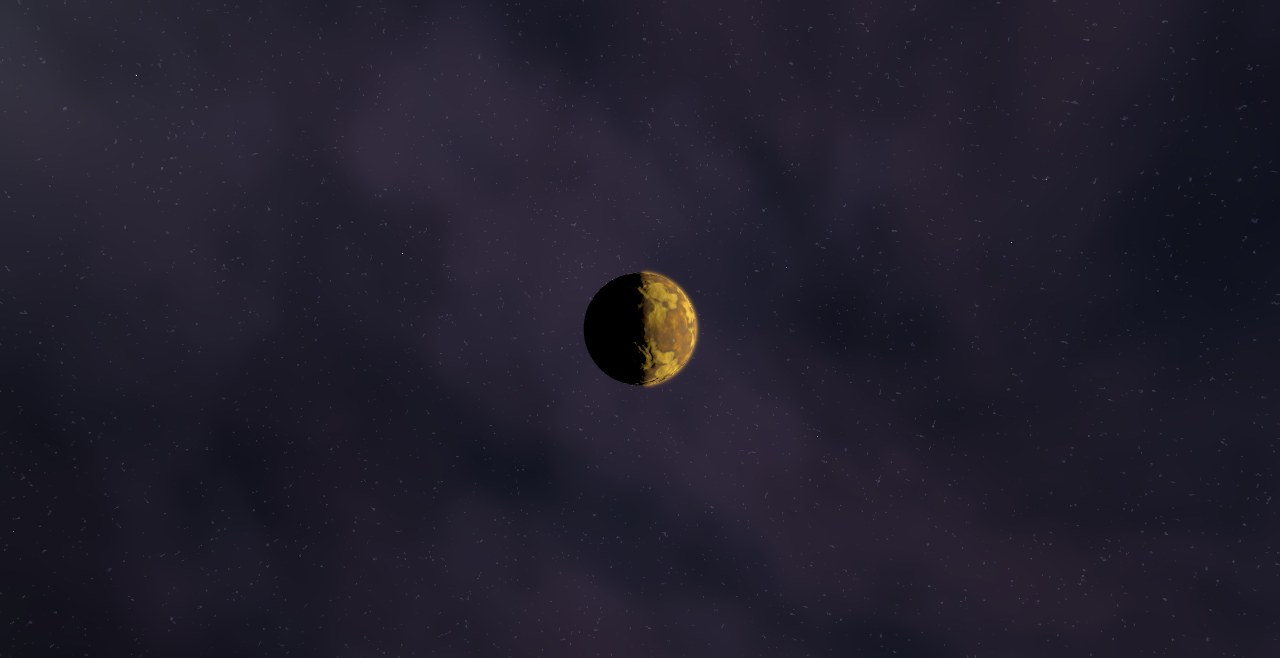
Kepler-198, a Sun-like G-type star of 0.97 solar masses, and Kepler-198 b, a planet with 2.8 Earth radii, with an orbital period of 17.8 days, at 0.131 AU from its star.
Kepler-203, a Sun-like G-type star of 1.06 solar masses, and Kepler-203 b, a planet with 2.6 Earth radii, with an orbital period of 3.2 days, at 0.043 AU from its star.
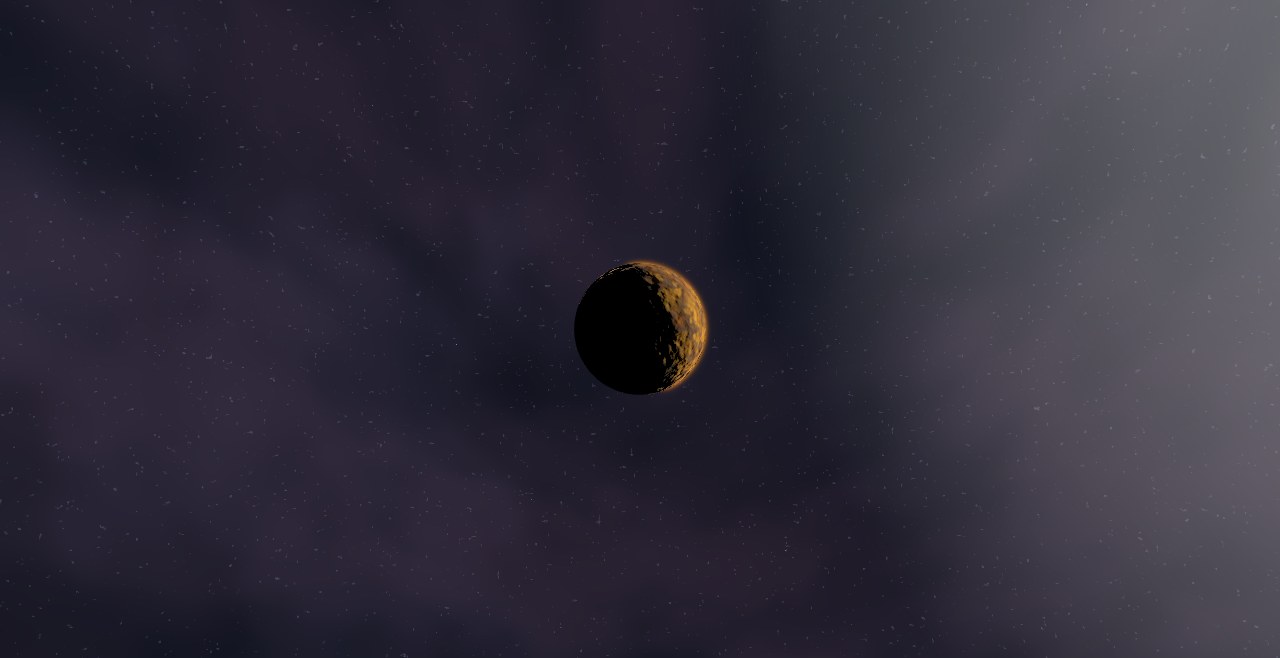
Kepler-206, a Sun-like G-type star of 0.96 solar masses, and Kepler-206 b, a planet with 1.2 Earth radii, with an orbital period of 7.8 days, at 0.078 AU from its star.
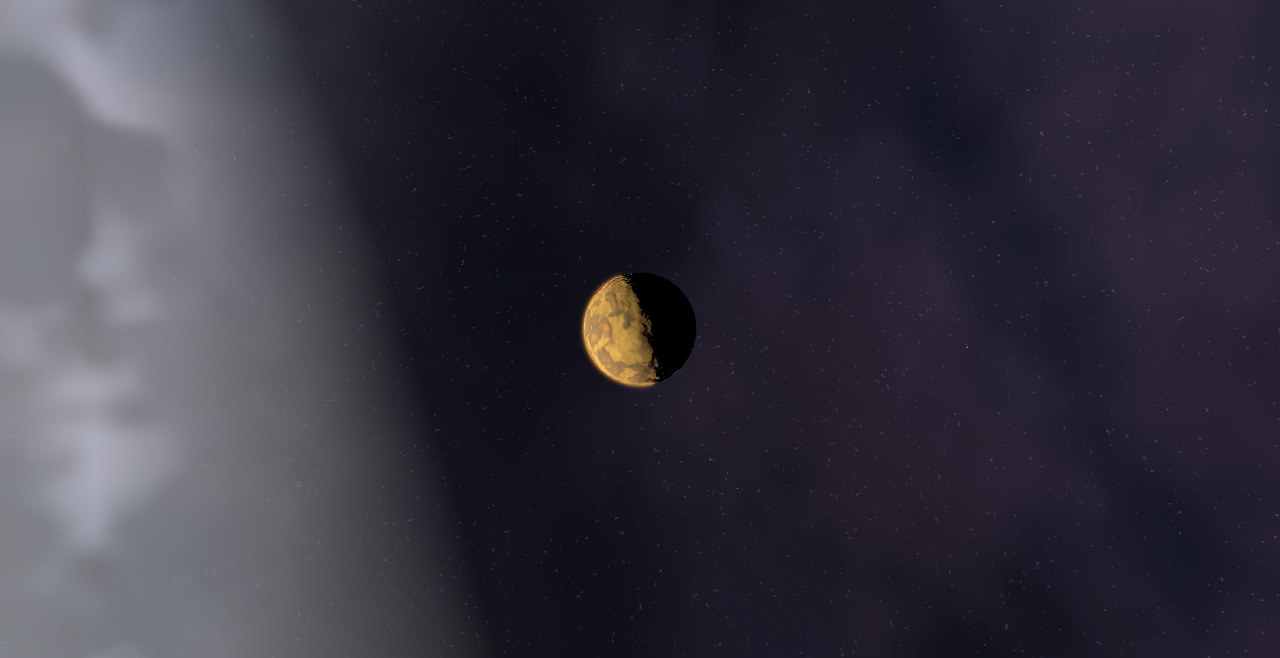
Kepler-207, a Sun-like G-type star of 1.31 solar masses, and Kepler-207 b, a planet with 1.6 Earth radii, with an orbital period of 1.6 days, at 0.029 AU from its star.
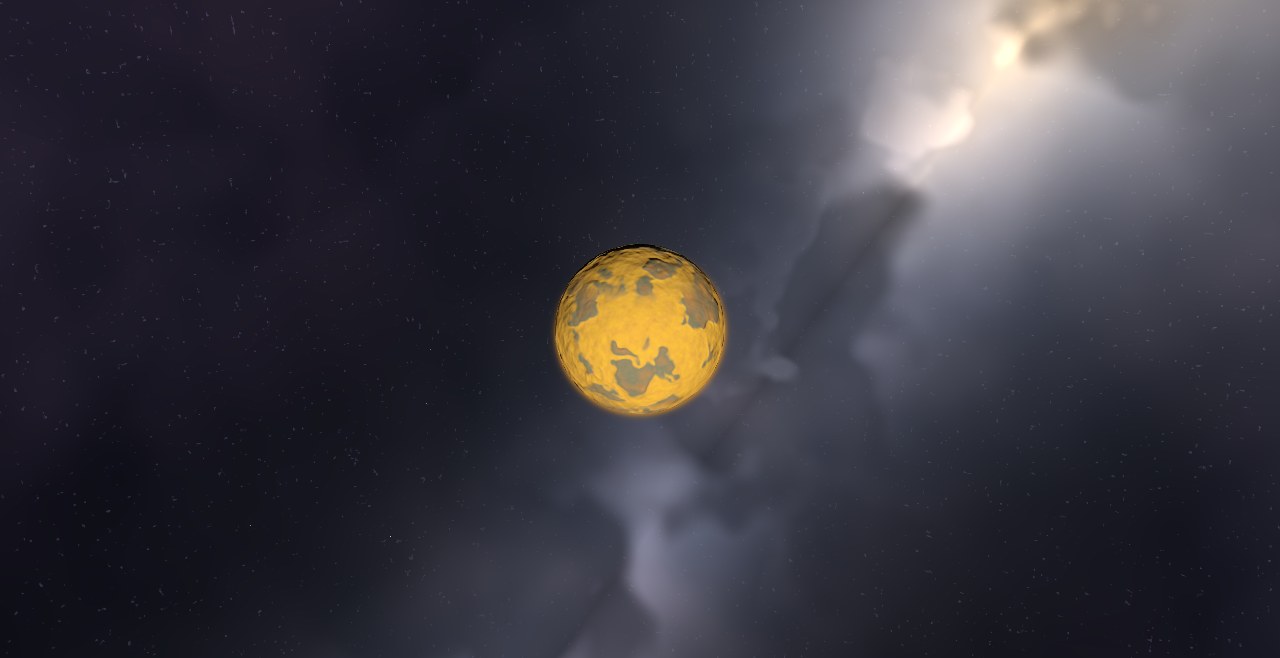
Kepler-217, a Sun-like F-type star of 1.37 solar masses, and Kepler-217 b, a planet with 2.2 Earth radii, with an orbital period of 5.4 days, at 0.065 AU from its star.
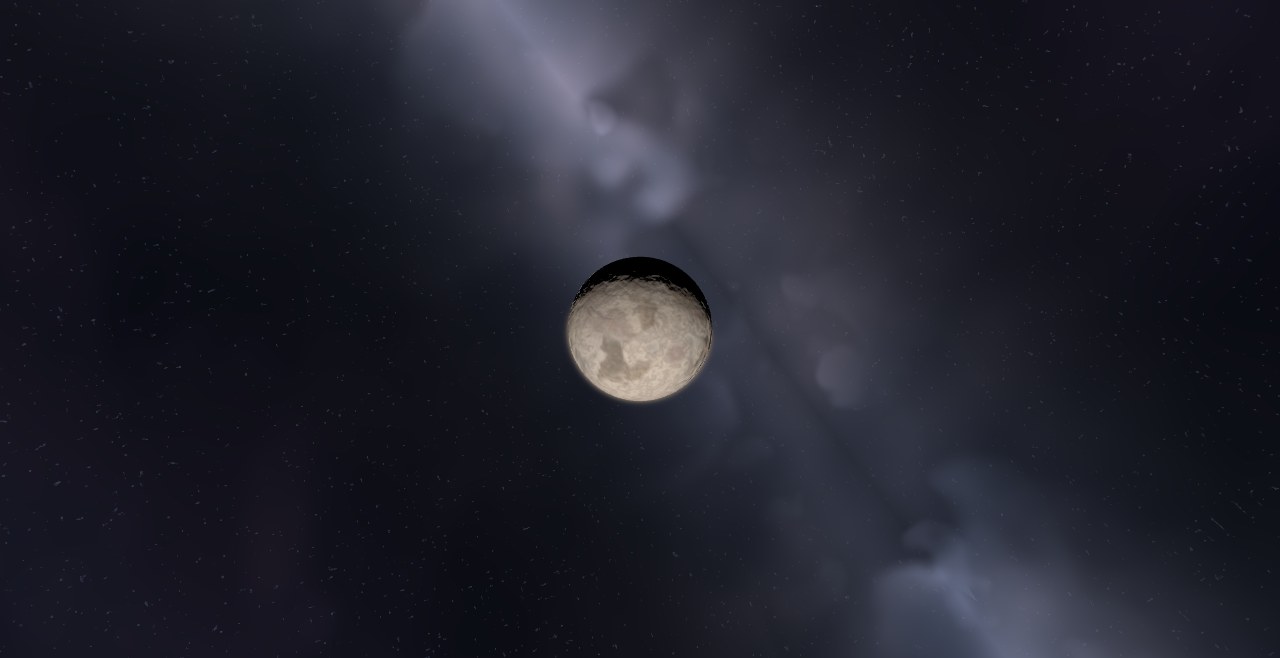
Kepler-218, a Sun-like G-type star of 1.01 solar masses, and Kepler-218 b, a planet with 1.5 Earth radii, with an orbital period of 3.6 days, at 0.046 AU from its star.