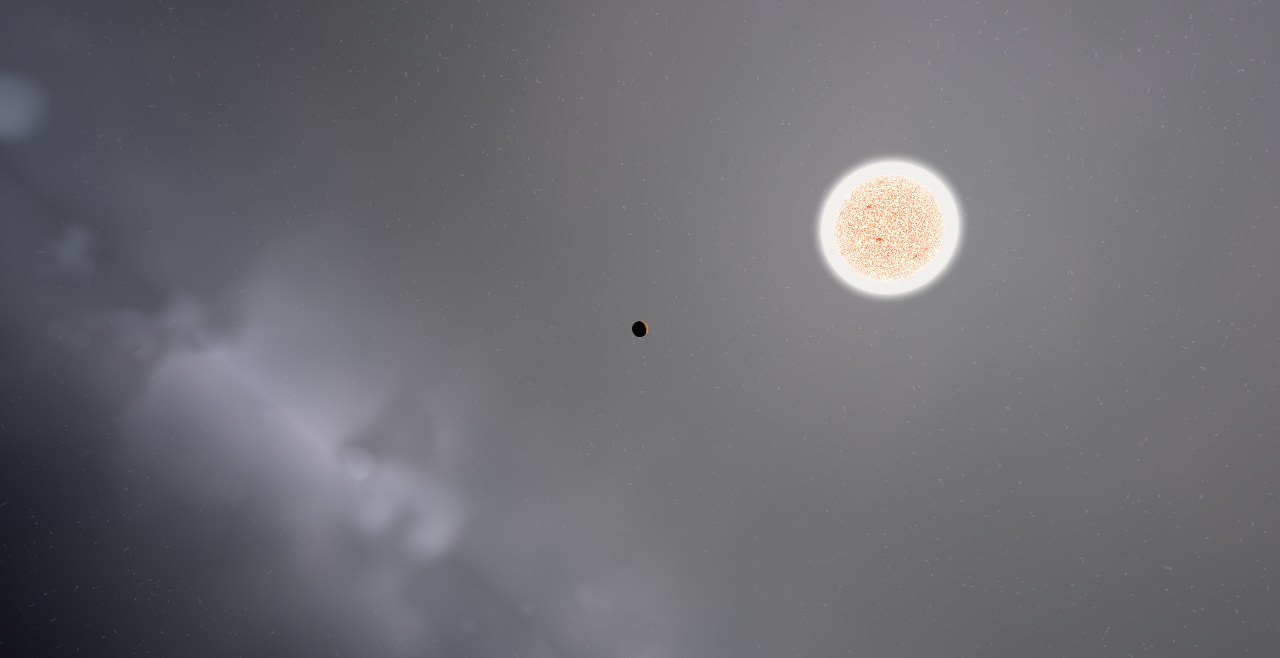
WASP-97 - System
WASP-97, a Sun-like G-type star of 1.18 solar masses, and WASP-97 b, a 1.36-Jupiter-mass companion, with an orbital period of 2.1 days.
Scenarios
Discover alien solar systems and explore worlds far beyond our own. Simulate extreme orbital environments, habitable zones, and tightly packed resonant chains discovered by modern astronomy, all mapped accurately from real exoplanetary discovery data.
Share
WASP-97, a Sun-like G-type star of 1.18 solar masses, and WASP-97 b, a 1.36-Jupiter-mass companion, with an orbital period of 2.1 days.
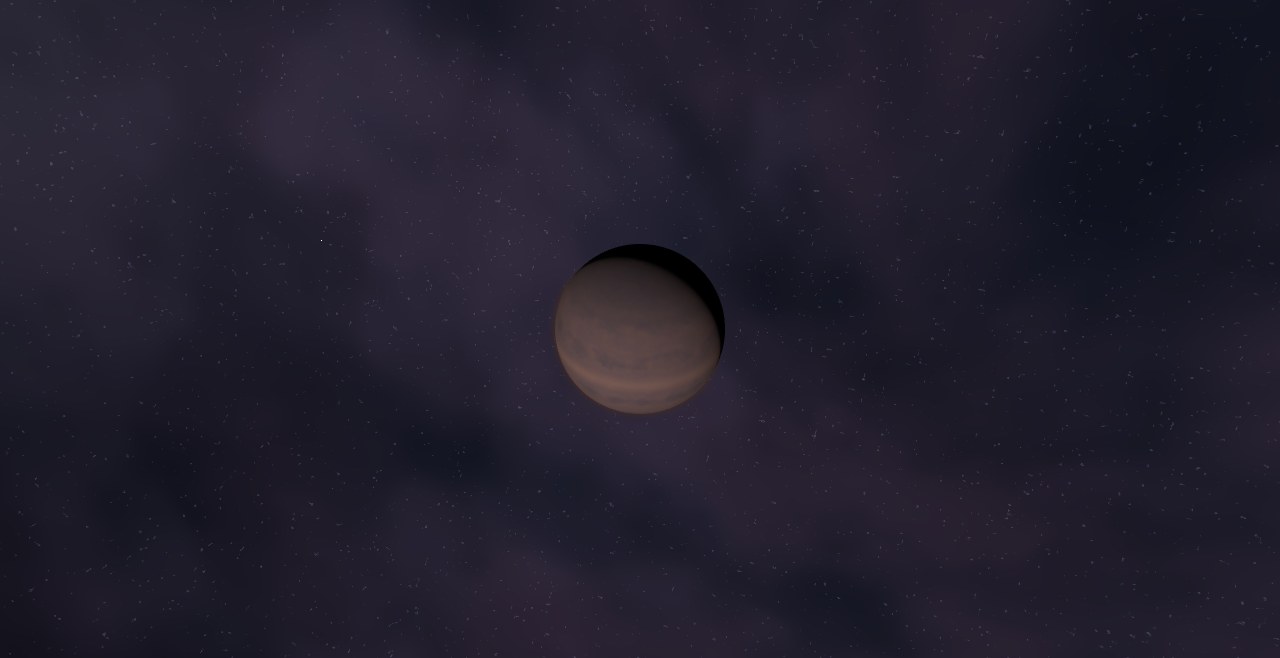
WASP-98, a Sun-like G-type star of 0.81 solar masses, and WASP-98 b, a 0.92-Jupiter-mass companion, with an orbital period of 3.0 days, at 0.038 AU from its star, and an equilibrium temperature near 1,171 K.
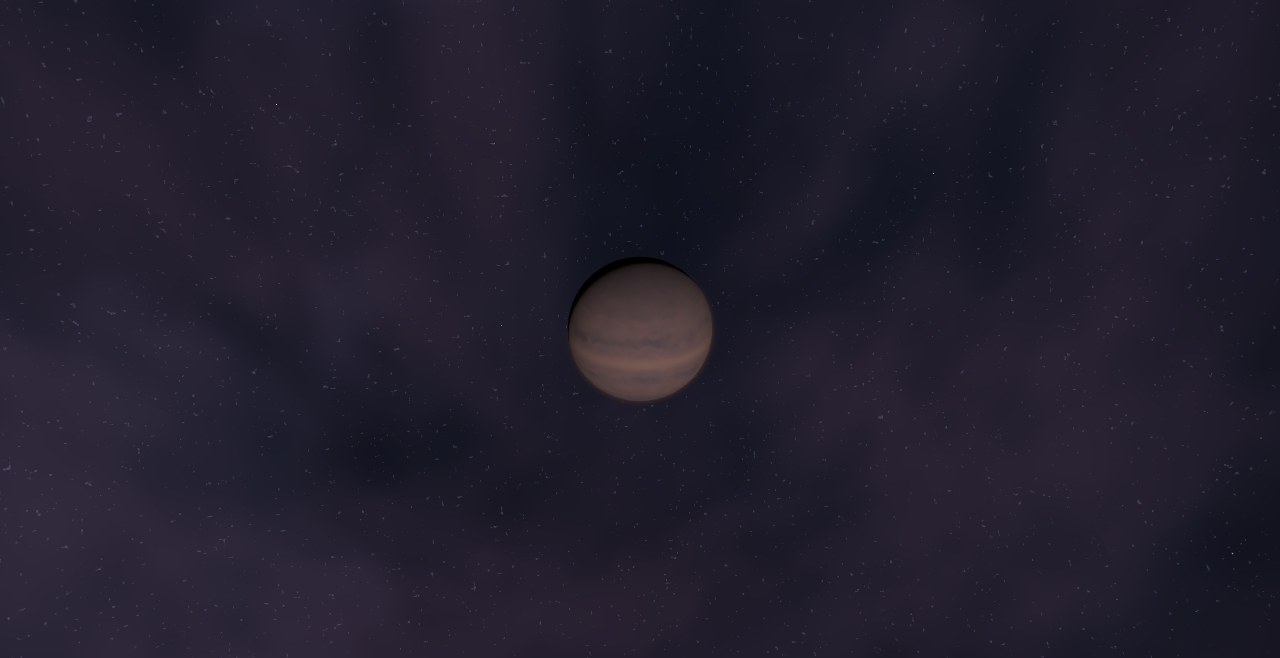
WASP-99, a Sun-like F-type star of 1.21 solar masses, and WASP-99 b, a 2.43-Jupiter-mass companion, with an orbital period of 5.8 days.
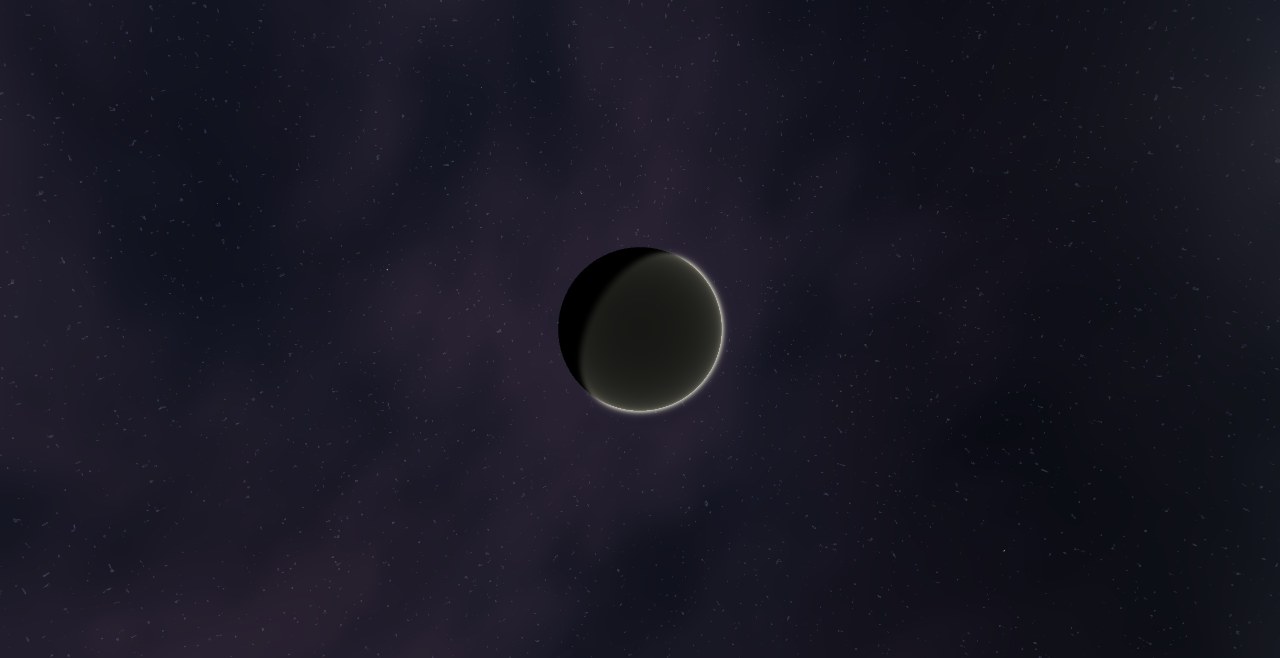
WD 0806-661, and WD 0806-661 b, a 7.00-Jupiter-mass companion, and an equilibrium temperature near 357 K.
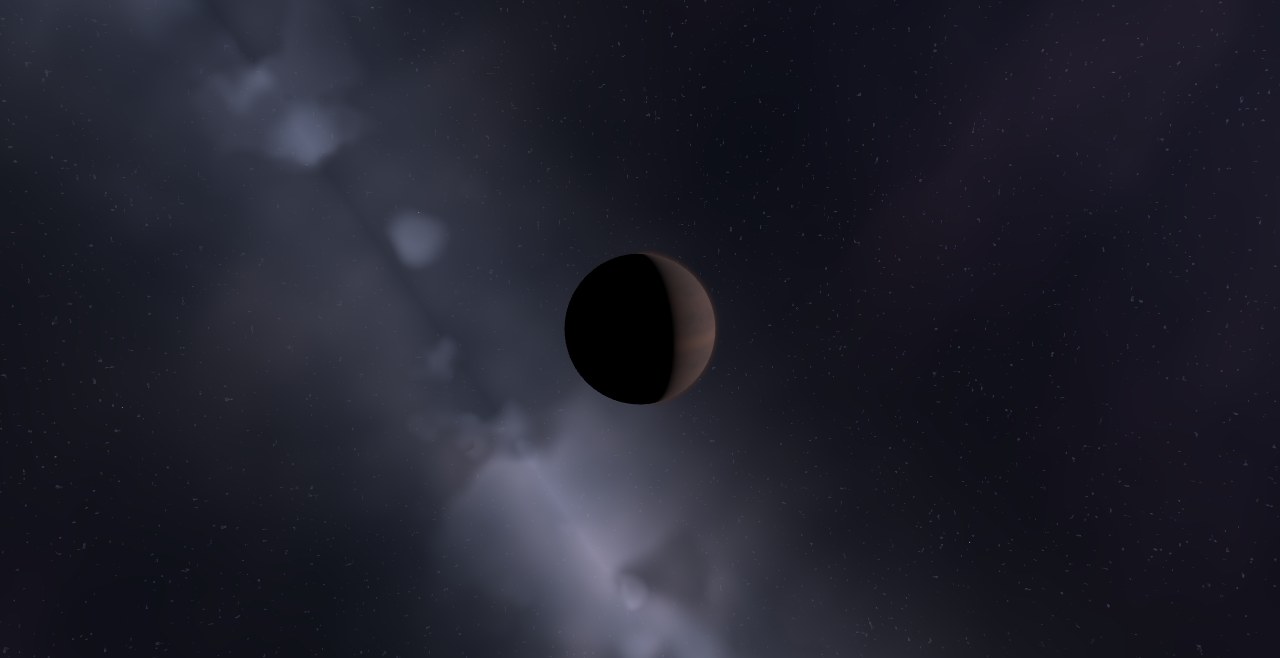
WD 1856 b, a Jupiter-sized world that survived or arrived around a white dwarf. It transits a dead star only about the size of Earth. A year around the white dwarf lasts only 1.4 days.
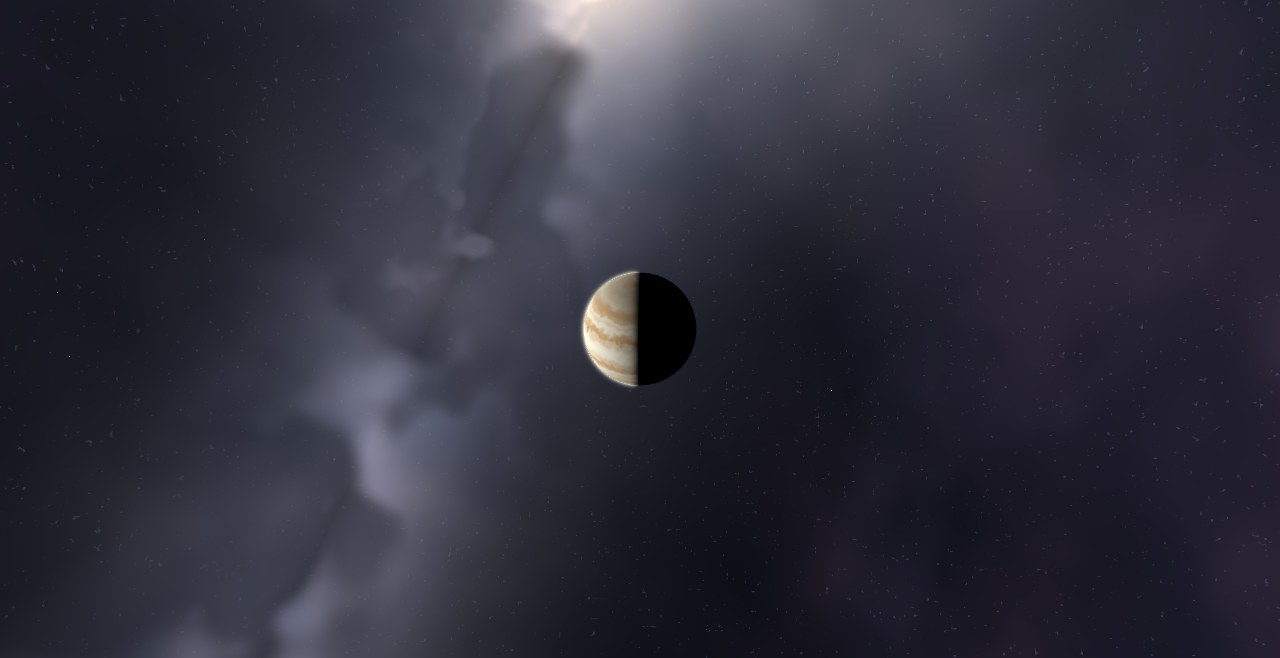
WISE J033605.05-014350.4, a cool M-dwarf of 0.01 solar masses, and WISE J033605.05-014350.4 b, a 8.25-Jupiter-mass companion, with an orbital period of 7.01 years, at 0.970 AU from its star, and an equilibrium.
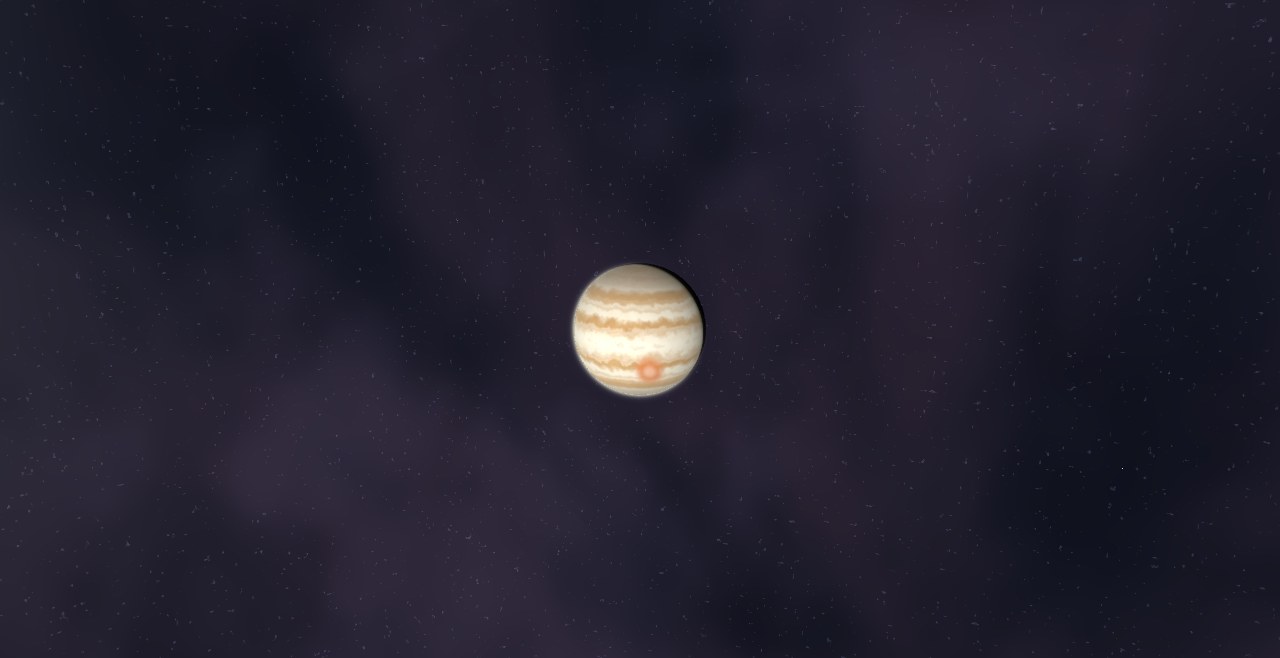
WISEP J121756.91+162640.2 A, a cool M-dwarf of 0.03 solar masses, and WISEP J121756.91+162640.2 A b, a 22.0-Jupiter-mass companion, at 8.000 AU from its star, and an equilibrium temperature near 450 K.
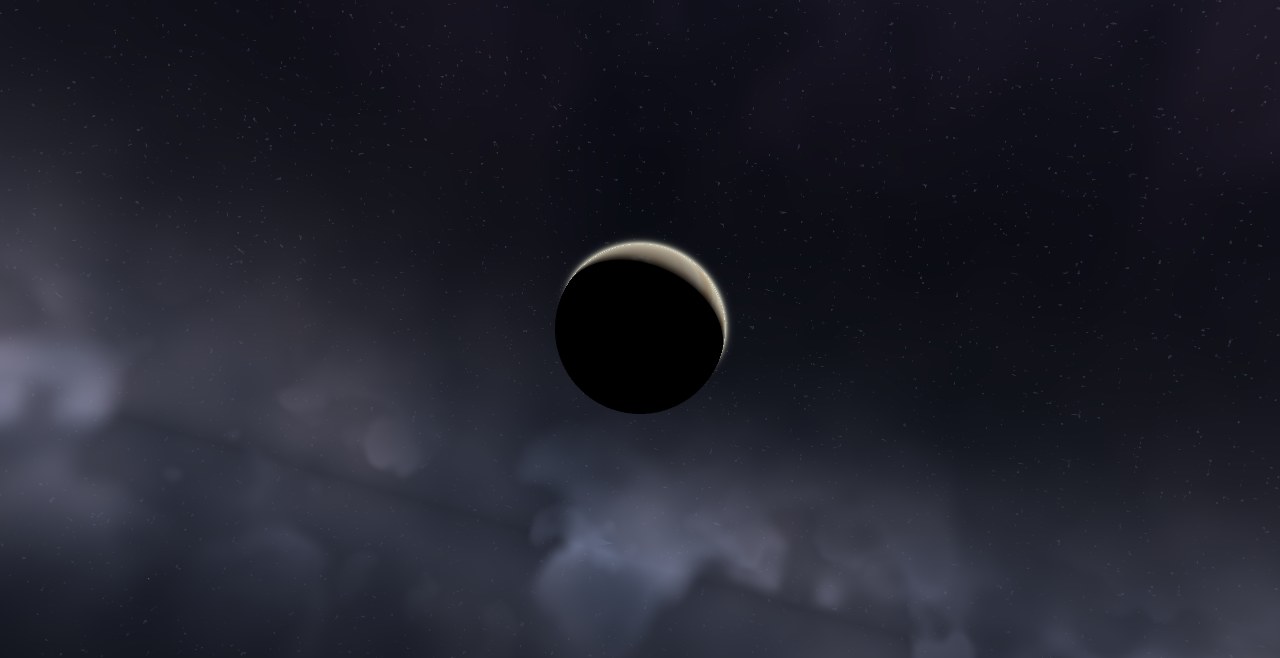
WISPIT 1, an orange K-type dwarf of 0.72 solar masses, and WISPIT 1 b, a 10.4-Jupiter-mass companion, at 338 AU from its star.
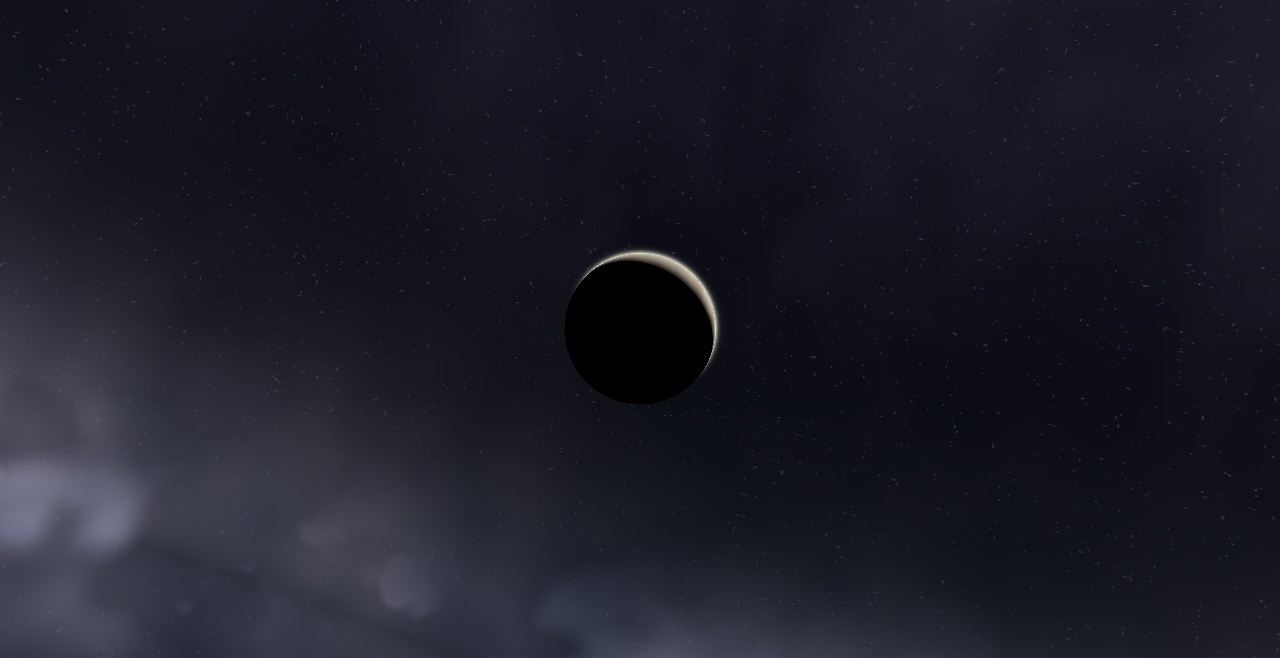
WISPIT 2, an orange K-type dwarf of 1.08 solar masses, and WISPIT 2 c, a 10.0-Jupiter-mass companion, at 14.0 AU from its star, and an equilibrium temperature near 2,050 K.
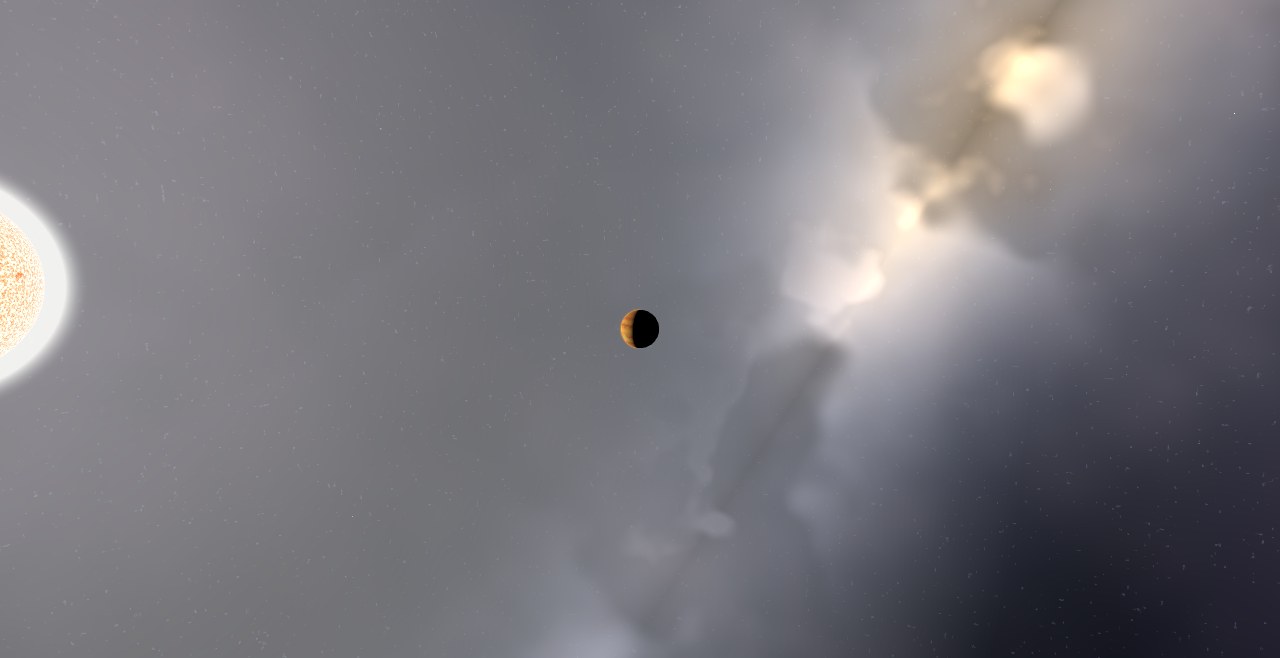
WTS-1, a Sun-like F-type star of 1.20 solar masses, and WTS-1 b, a 4.01-Jupiter-mass companion, with an orbital period of 3.4 days, at 0.047 AU from its star, and an equilibrium temperature near 1,500 K.
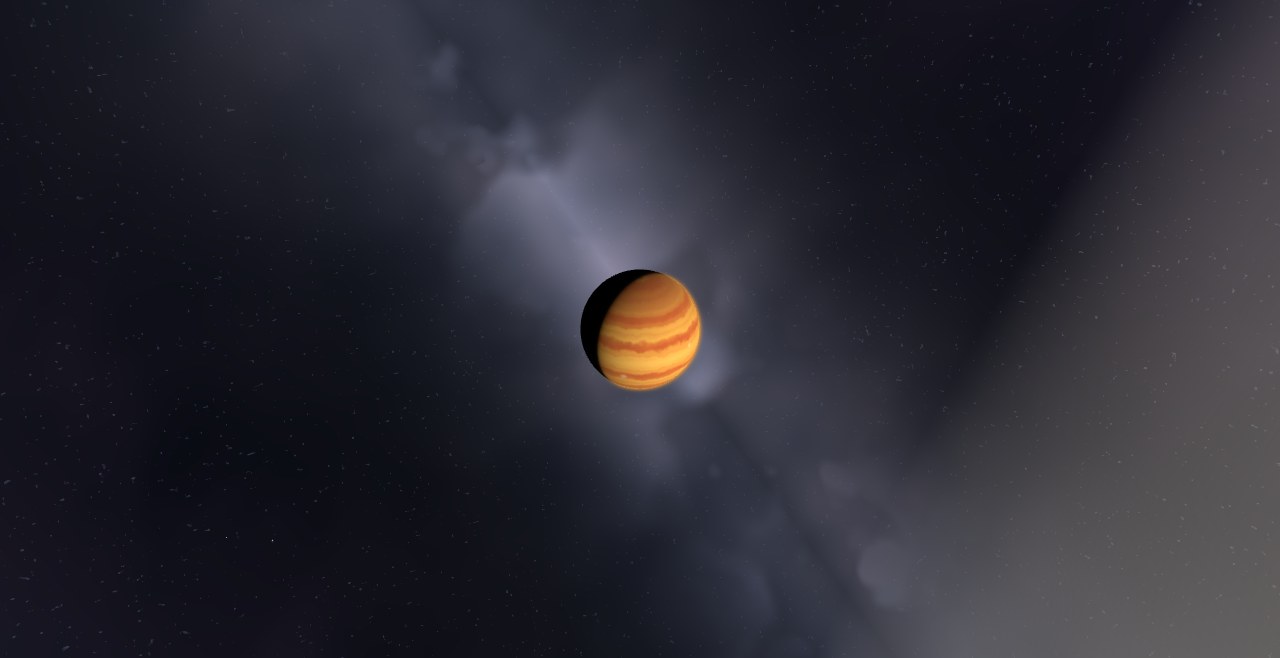
WTS-2, an orange K-type dwarf of 0.82 solar masses, and WTS-2 b, a 1.12-Jupiter-mass companion, with an orbital period of 1.0 days, at 0.019 AU from its star, and an equilibrium temperature near 2,000 K.
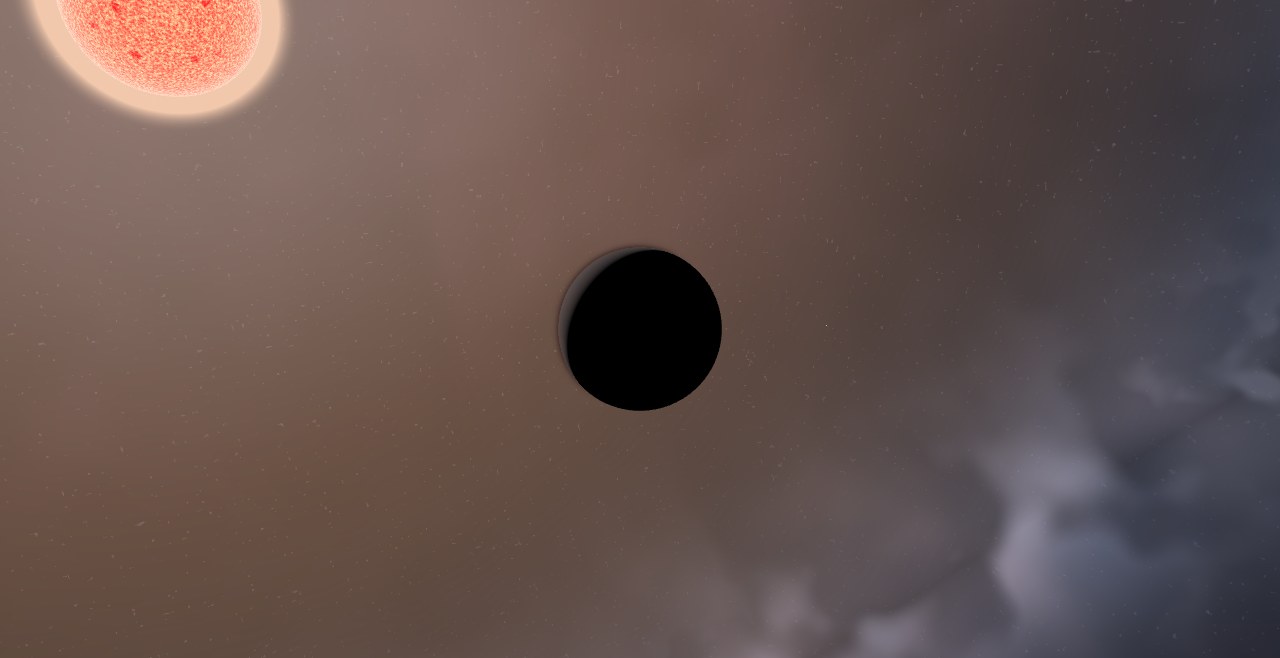
Wendelstein-1, an orange K-type dwarf of 0.65 solar masses, and Wendelstein-1 b, a 0.59-Jupiter-mass companion, with an orbital period of 2.7 days, at 0.028 AU from its star, and an equilibrium temperature.
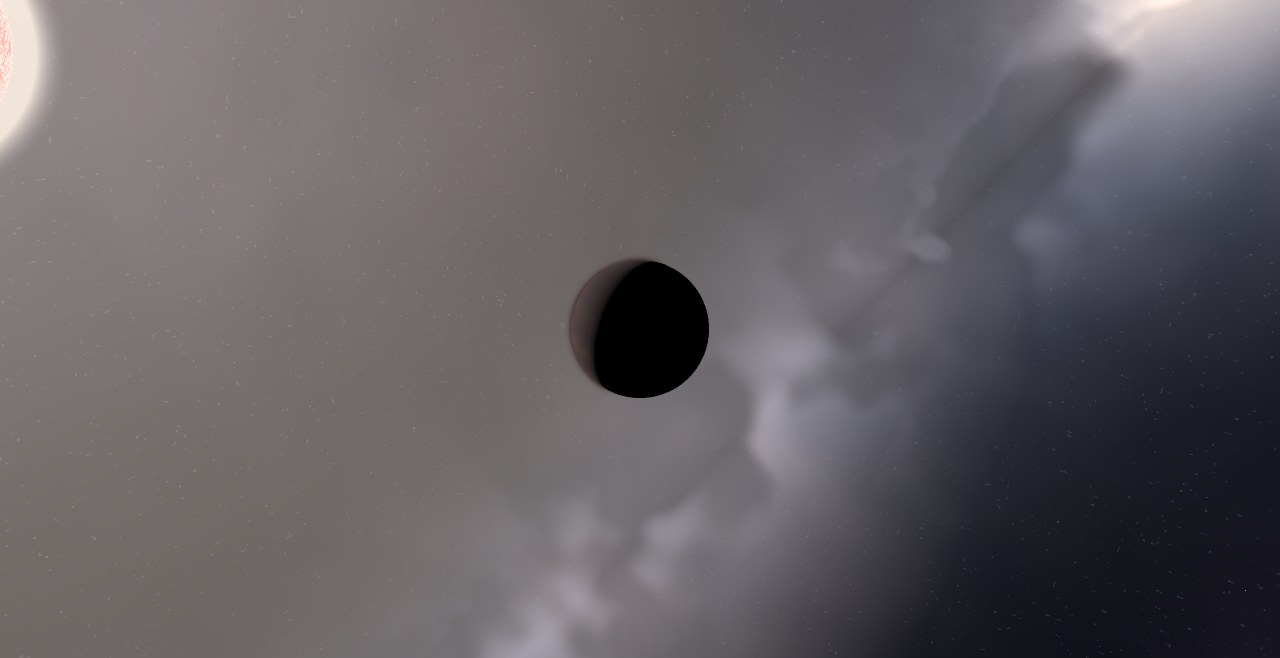
Wendelstein-2, an orange K-type dwarf of 0.73 solar masses, and Wendelstein-2 b, a 0.73-Jupiter-mass companion, with an orbital period of 1.8 days, at 0.023 AU from its star, and an equilibrium temperature.
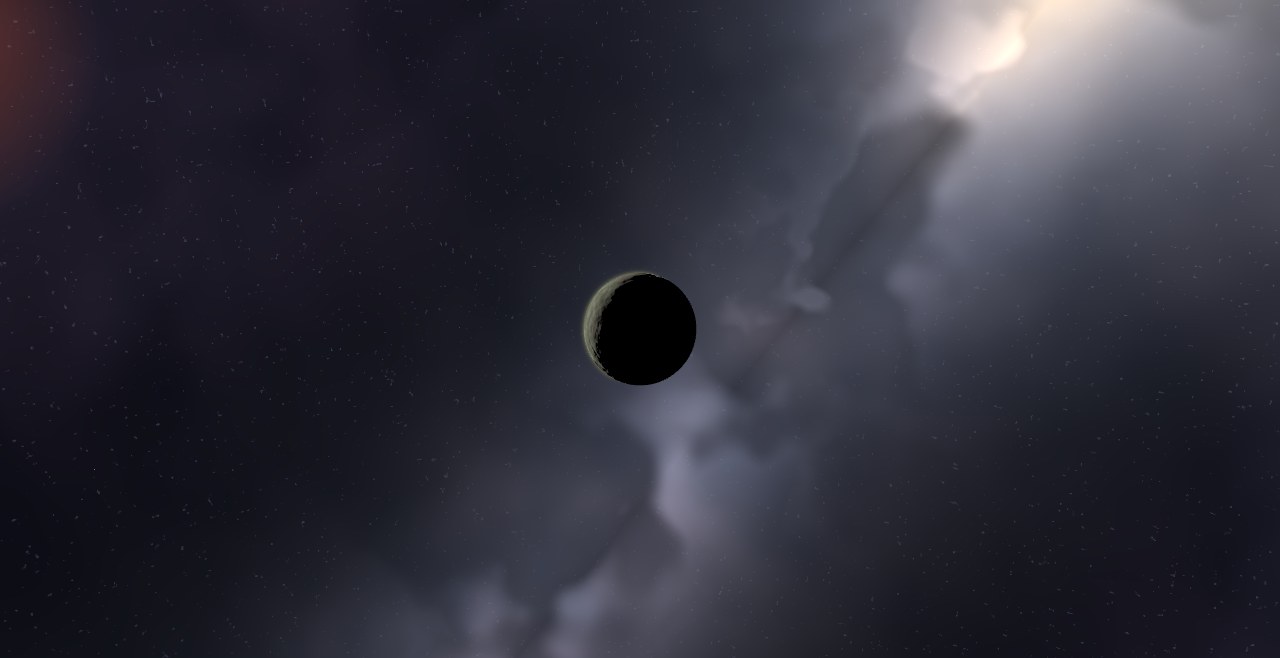
Wolf 1061, a red dwarf 14 light-years away. Planet c orbits in the habitable zone of one of the nearest known planetary systems. Three planets orbit this nearby M dwarf.
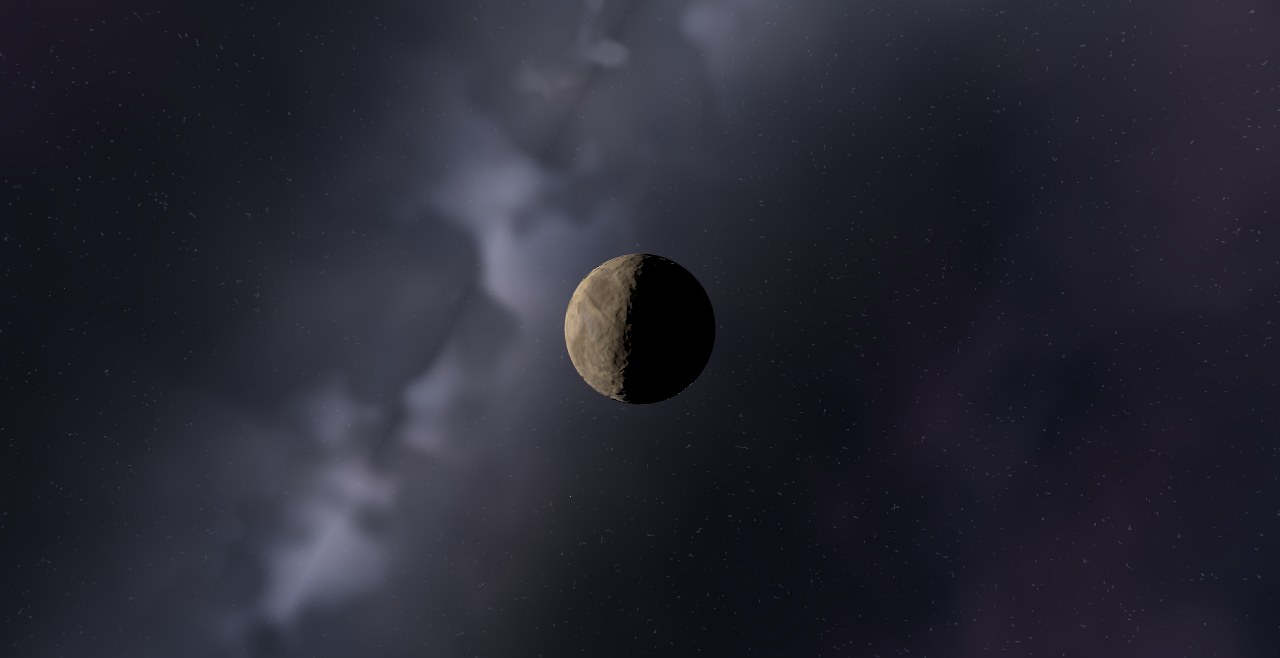
Wolf 1069, a cool M-dwarf of 0.17 solar masses, and Wolf 1069 b, a 1.3-Earth-mass planet, with an orbital period of 15.6 days, at 0.067 AU from its star, and an equilibrium temperature near 250 K.
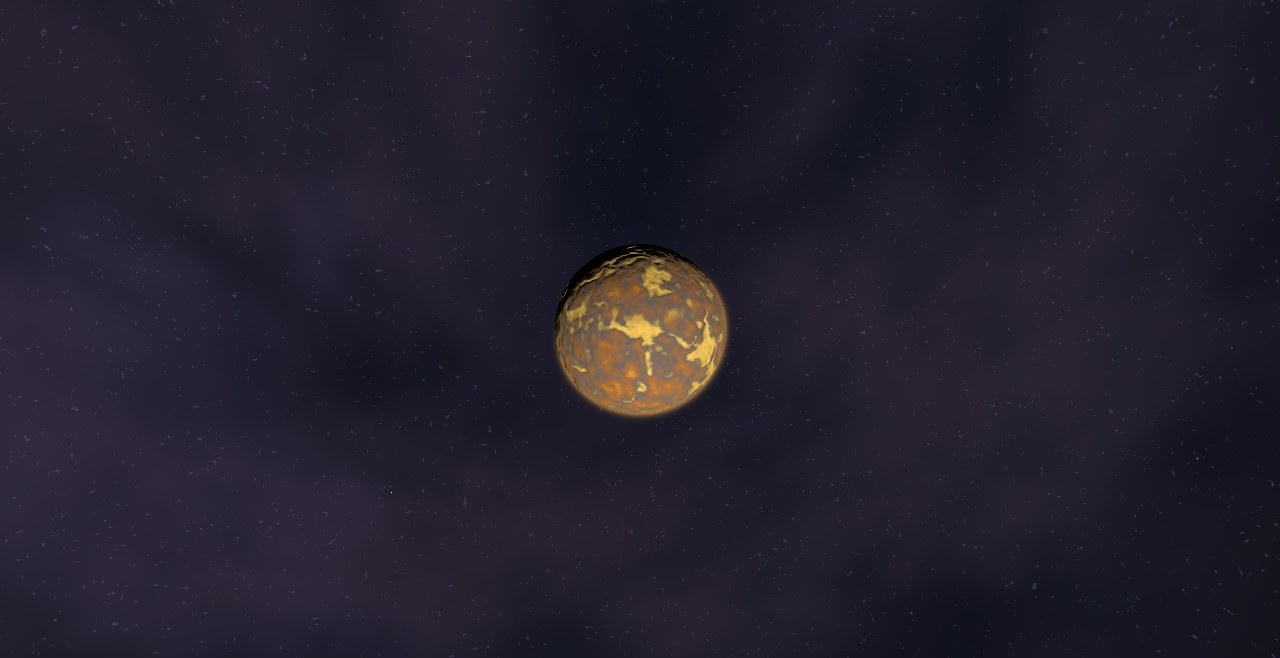
Wolf 327, a cool M-dwarf of 0.41 solar masses, and Wolf 327 b, a 2.5-Earth-mass planet, with an orbital period of 13.8 hours, at 0.010 AU from its star, and an equilibrium temperature near 996 K.
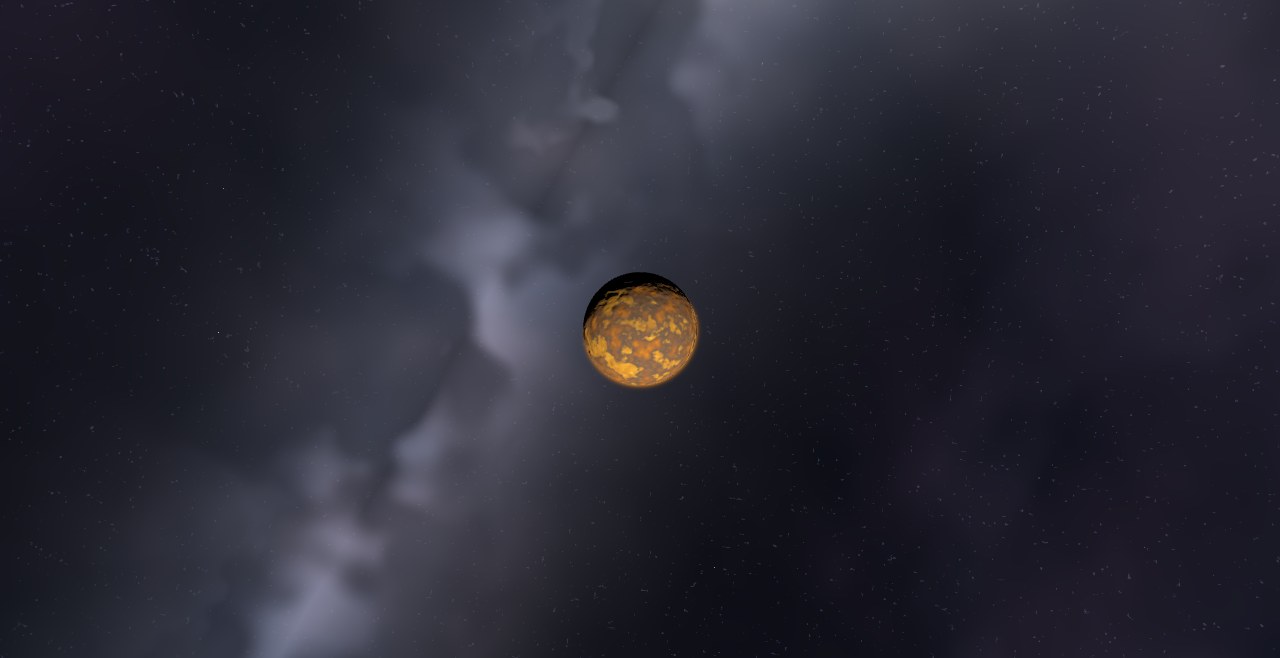
Wolf 503, an orange K-type dwarf of 0.69 solar masses, and Wolf 503 b, a 6.3-Earth-mass planet, with an orbital period of 6.0 days, at 0.057 AU from its star, and an equilibrium temperature near 790 K.
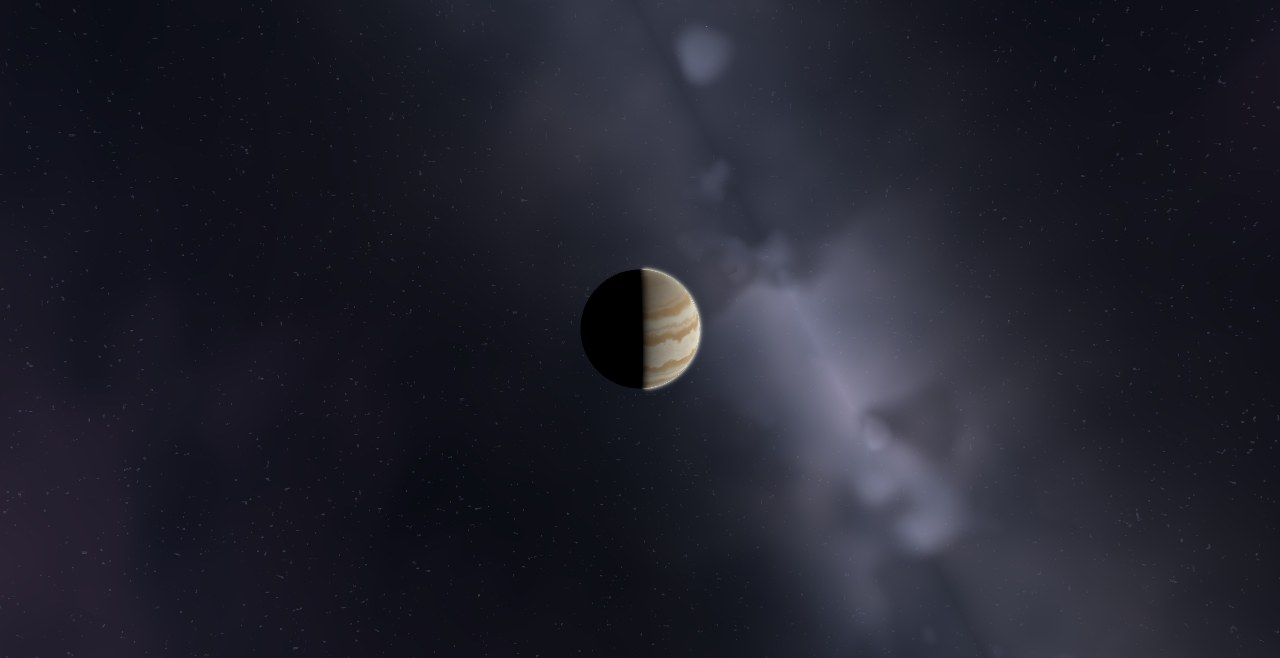
XEST 17-036, a cool M-dwarf of 0.26 solar masses, and KOINTREAU-1 b, a 10.6-Jupiter-mass companion, at 690 AU from its star.