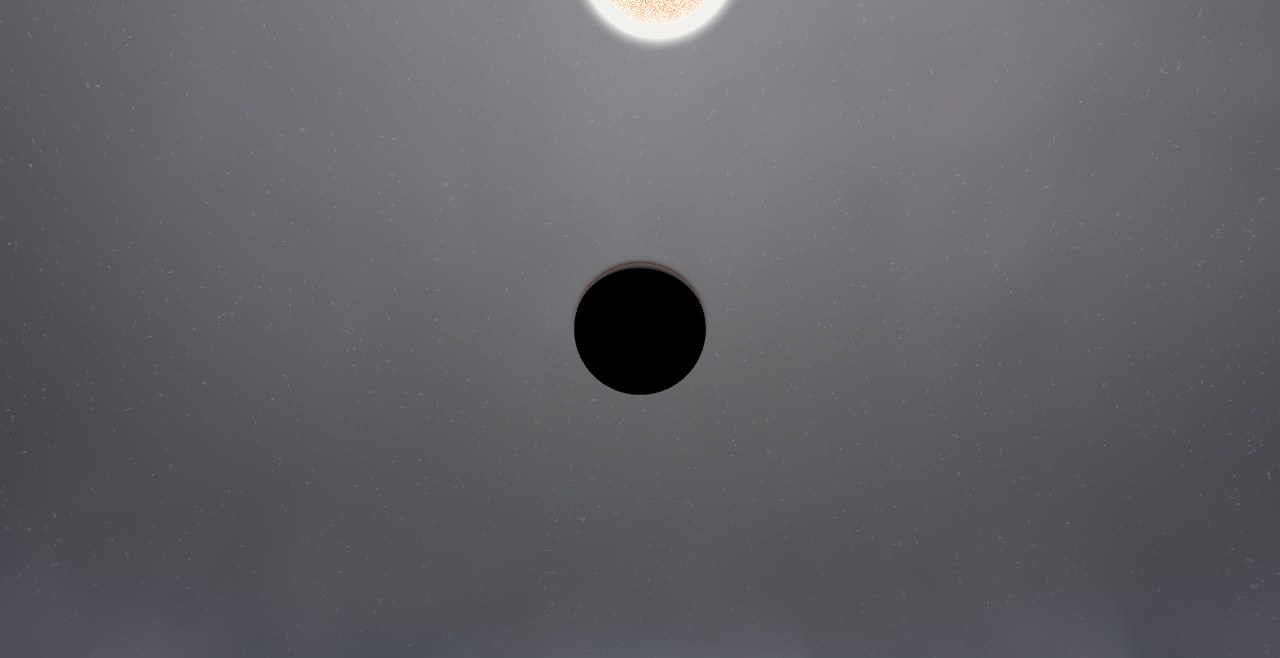
XO-1 - System
XO-1, a Sun-like G-type star of 0.88 solar masses, and XO-1 b, a 0.83-Jupiter-mass companion, with an orbital period of 3.9 days.
Scenarios
Discover alien solar systems and explore worlds far beyond our own. Simulate extreme orbital environments, habitable zones, and tightly packed resonant chains discovered by modern astronomy, all mapped accurately from real exoplanetary discovery data.
Share
XO-1, a Sun-like G-type star of 0.88 solar masses, and XO-1 b, a 0.83-Jupiter-mass companion, with an orbital period of 3.9 days.
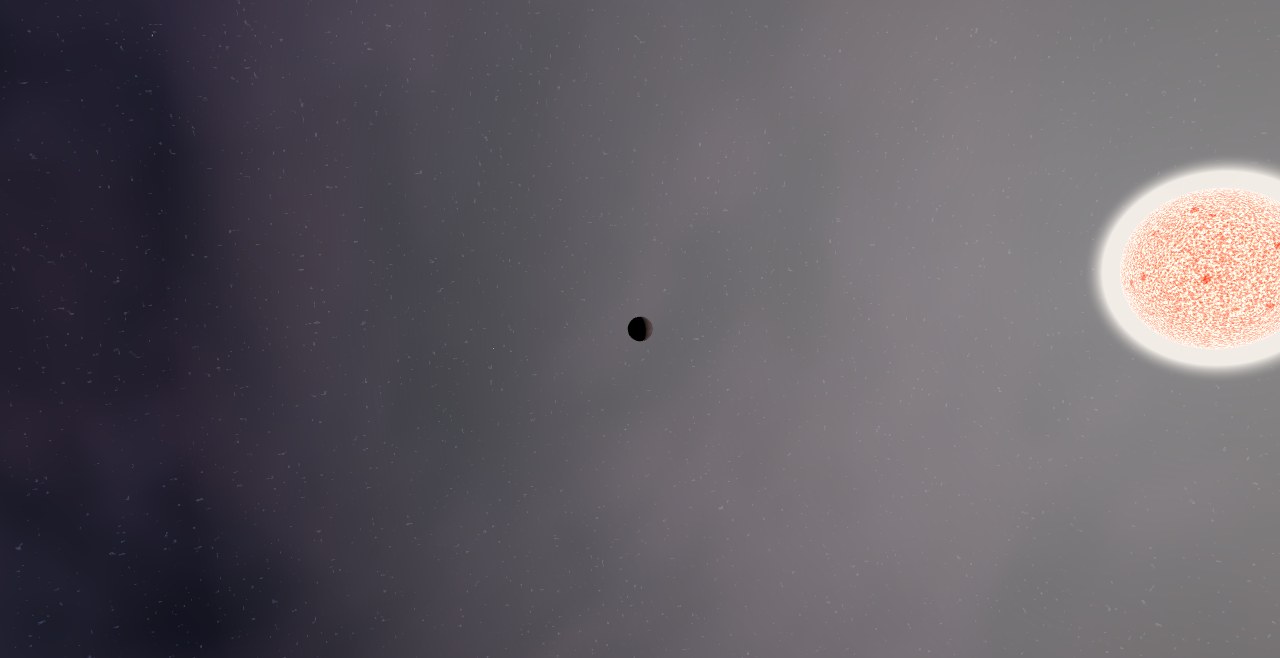
XO-2 N, a Sun-like G-type star of 0.96 solar masses, and XO-2 N b, a 0.59-Jupiter-mass companion, with an orbital period of 2.6 days, at 0.037 AU from its star.
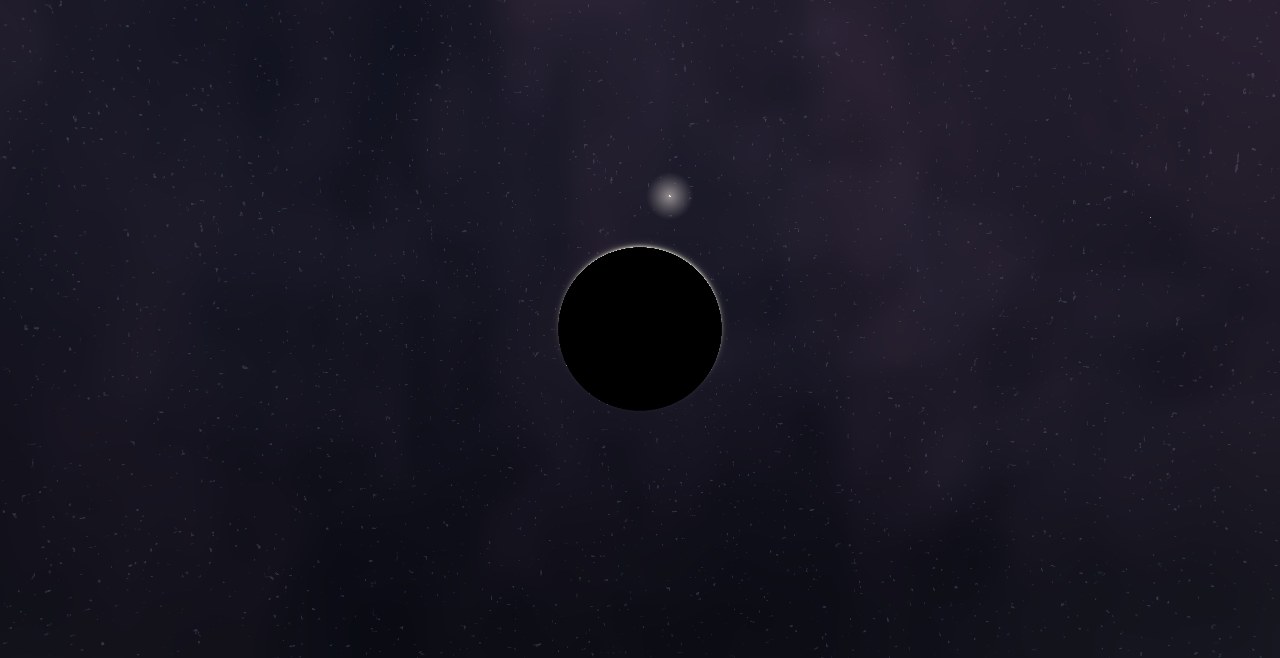
XO-2 S, a Sun-like G-type star of 0.98 solar masses, and XO-2 S b, a 0.26-Jupiter-mass companion, with an orbital period of 18.2 days, at 0.135 AU from its star, on an eccentric orbit (e ≈ 0.15).
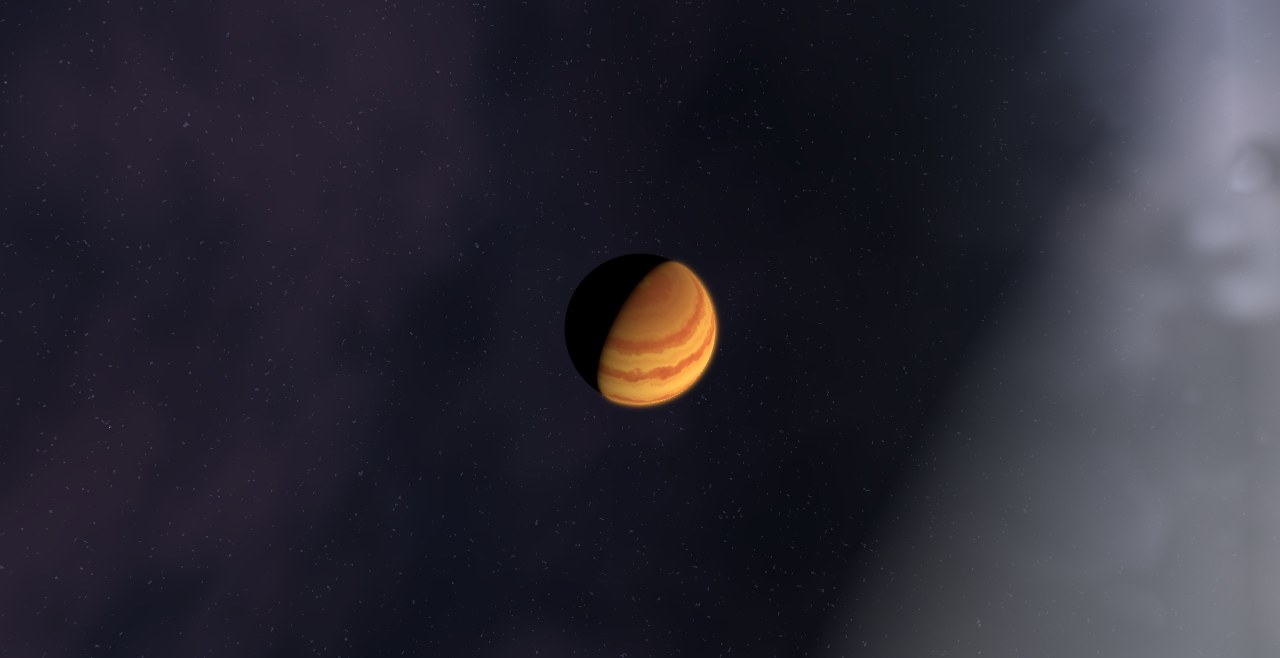
XO-3 b, a massive hot Jupiter on a tilted, eccentric orbit. Its spin-orbit misalignment is evidence that the planet was scattered inward. The planet is roughly twelve times Jupiter's mass.
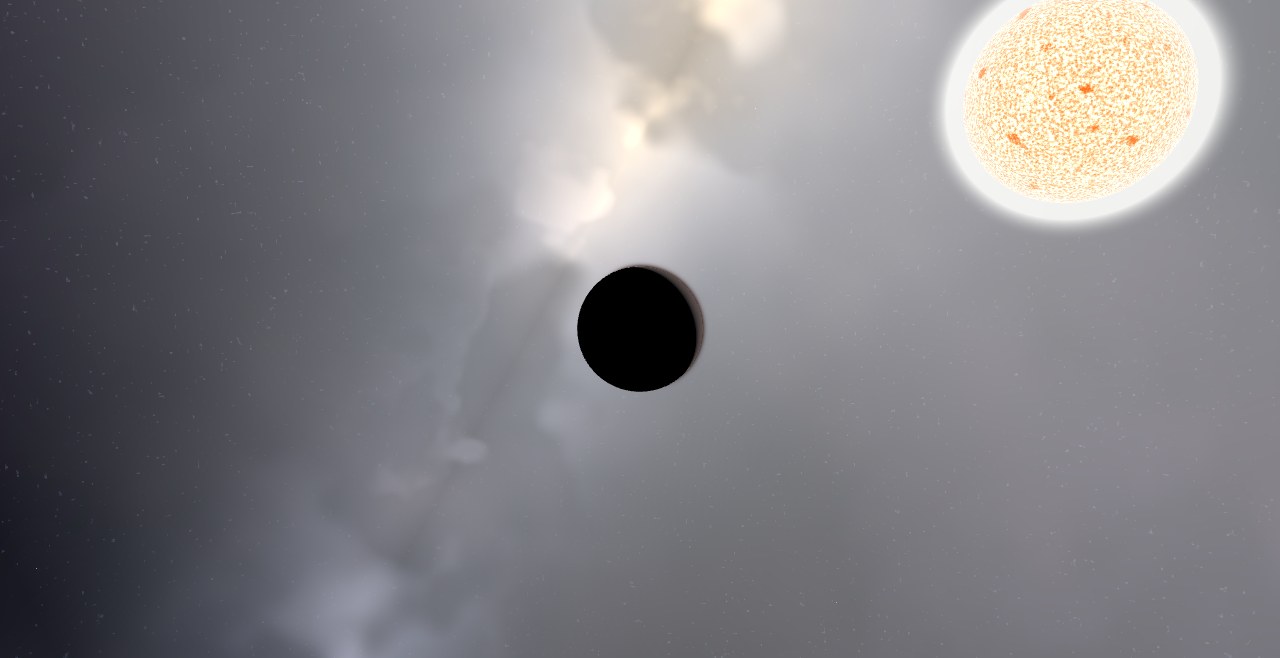
XO-4, a Sun-like F-type star of 1.10 solar masses, and XO-4 b, a 1.42-Jupiter-mass companion, with an orbital period of 4.1 days.
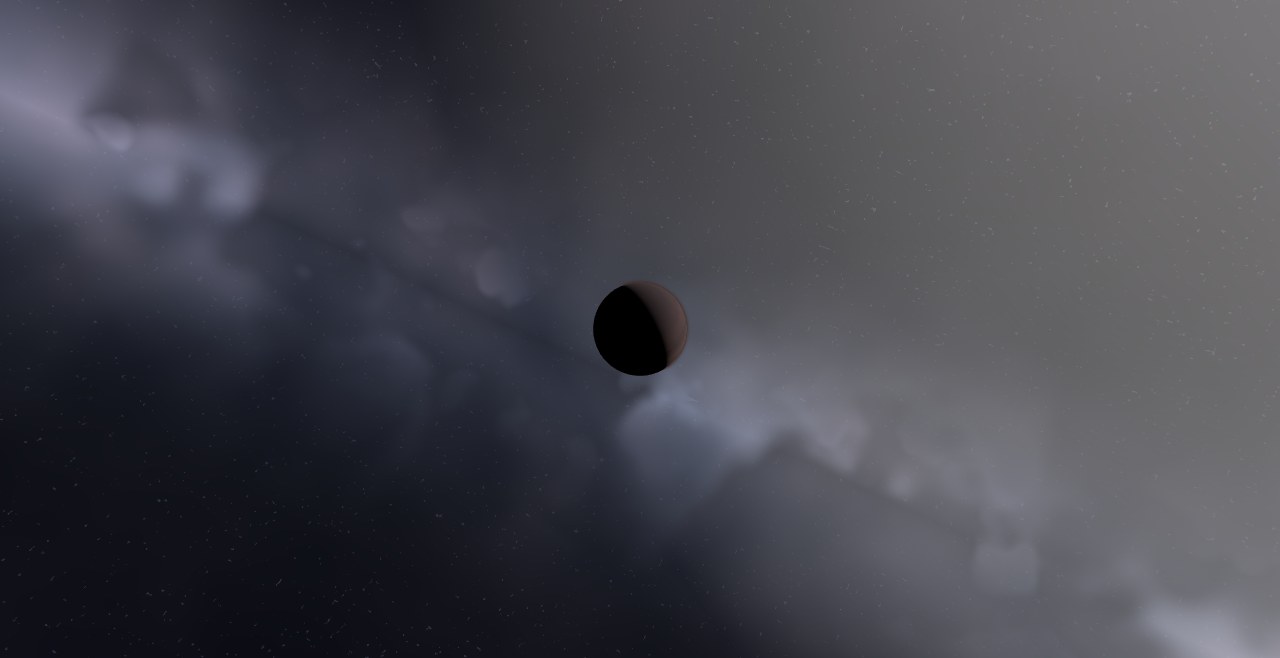
XO-5, a Sun-like G-type star of 1.04 solar masses, and XO-5 b, a 1.19-Jupiter-mass companion, with an orbital period of 4.2 days, at 0.051 AU from its star, and an equilibrium temperature near 1,230 K.
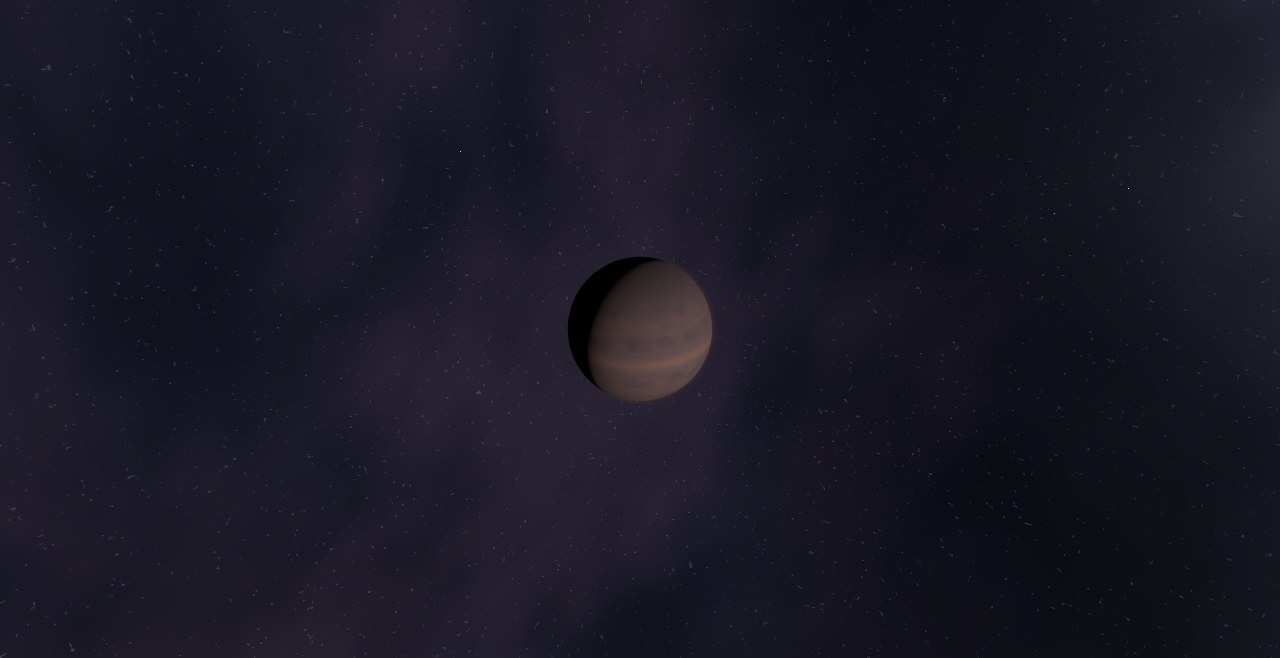
XO-6, a Sun-like F-type star of 1.47 solar masses, and XO-6 b, a 4.40-Jupiter-mass companion, with an orbital period of 3.8 days, at 0.082 AU from its star, and an equilibrium temperature near 1,577 K.
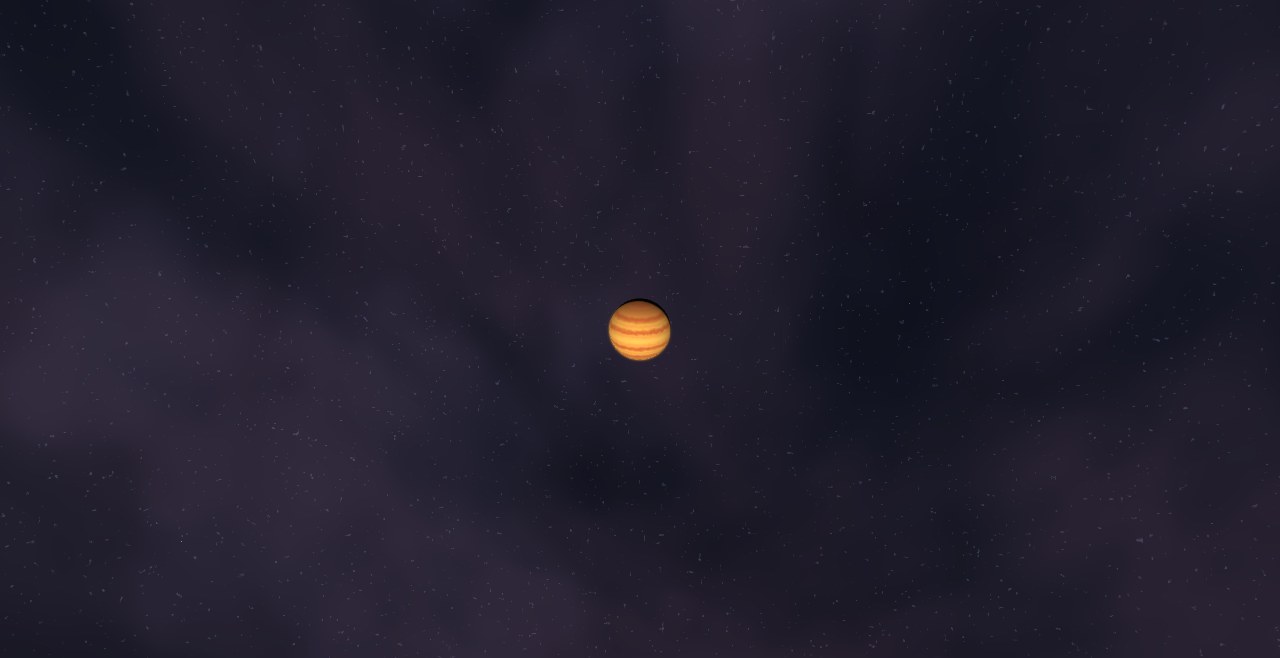
XO-7, a Sun-like G-type star of 1.41 solar masses, and XO-7 b, a 0.71-Jupiter-mass companion, with an orbital period of 2.9 days, at 0.044 AU from its star, and an equilibrium temperature near 1,743 K.
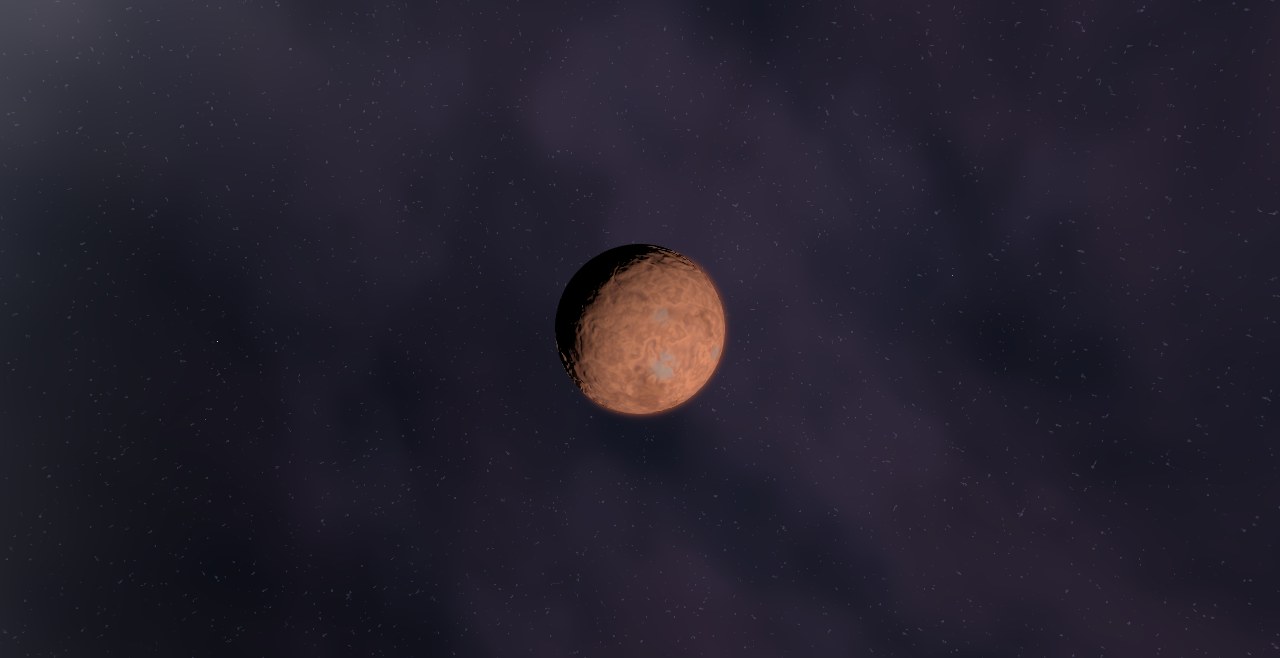
YZ Cet, a cool M-dwarf of 0.14 solar masses, and YZ Cet b, a 0.7-Earth-mass planet, with an orbital period of 2.0 days, at 0.016 AU from its star, and an equilibrium temperature near 471 K, on an eccentric.
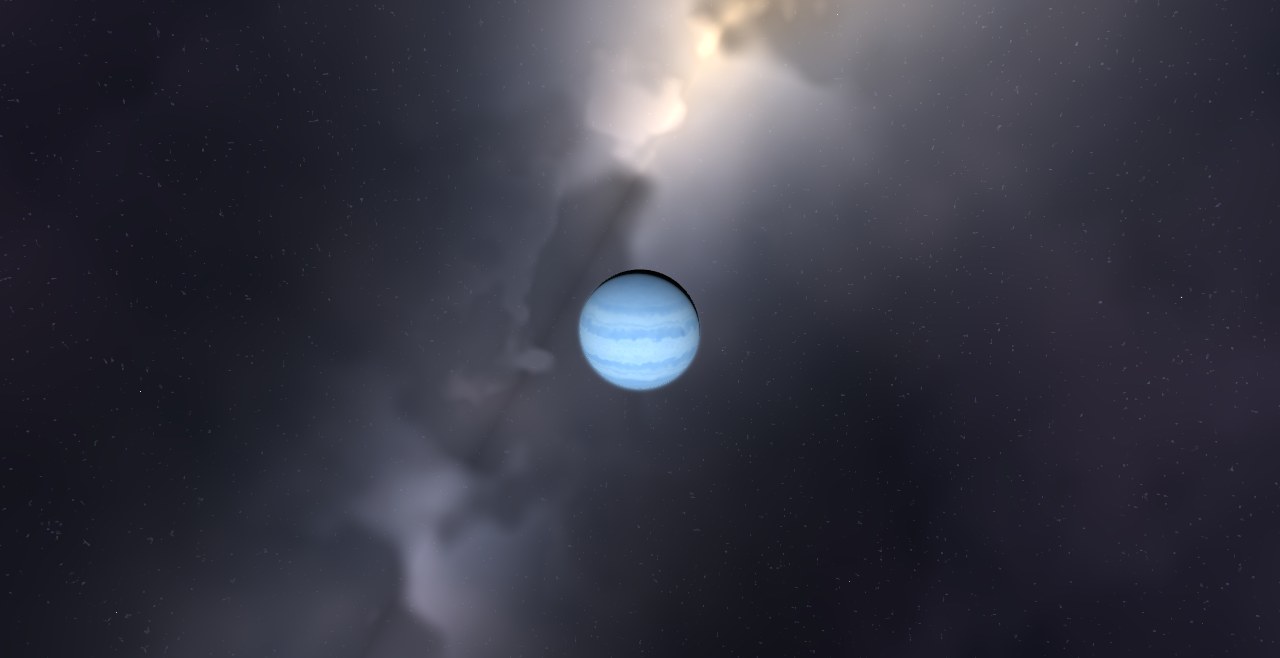
alf Ari, an orange K-type dwarf of 1.50 solar masses with 1 confirmed companion (alf Ari b) on NASA archive orbits.
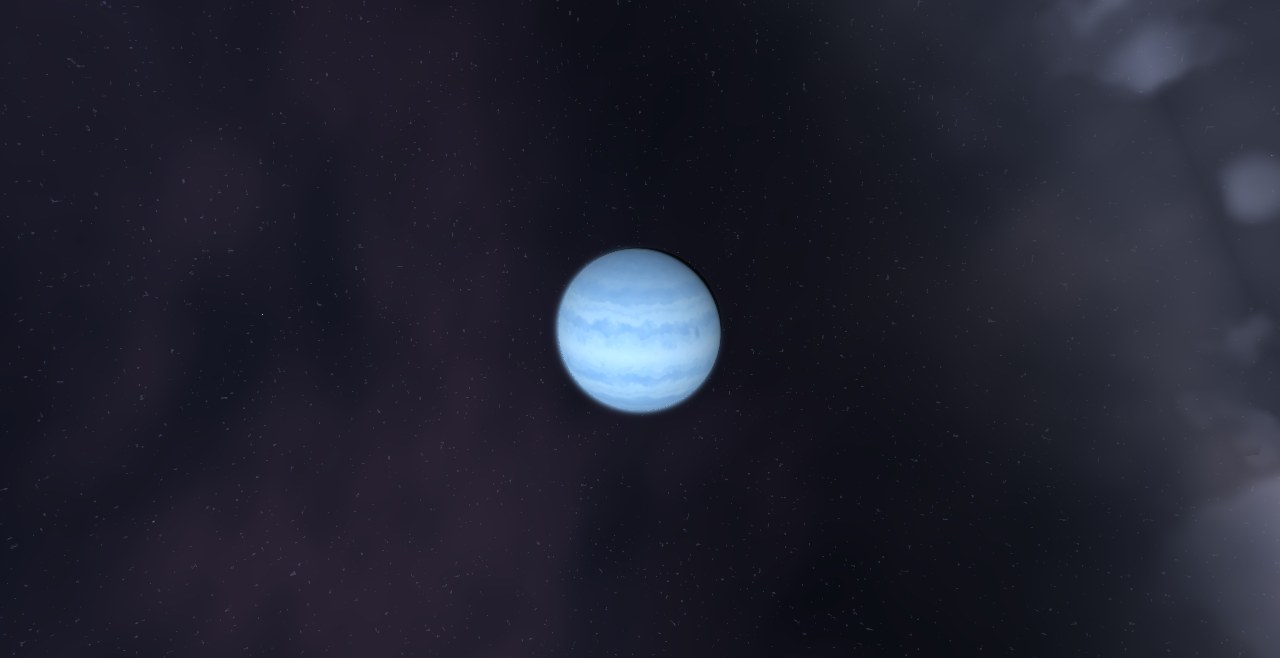
alf Tau, an orange K-type dwarf of 1.13 solar masses with 1 confirmed companion (alf Tau b) on NASA archive orbits.
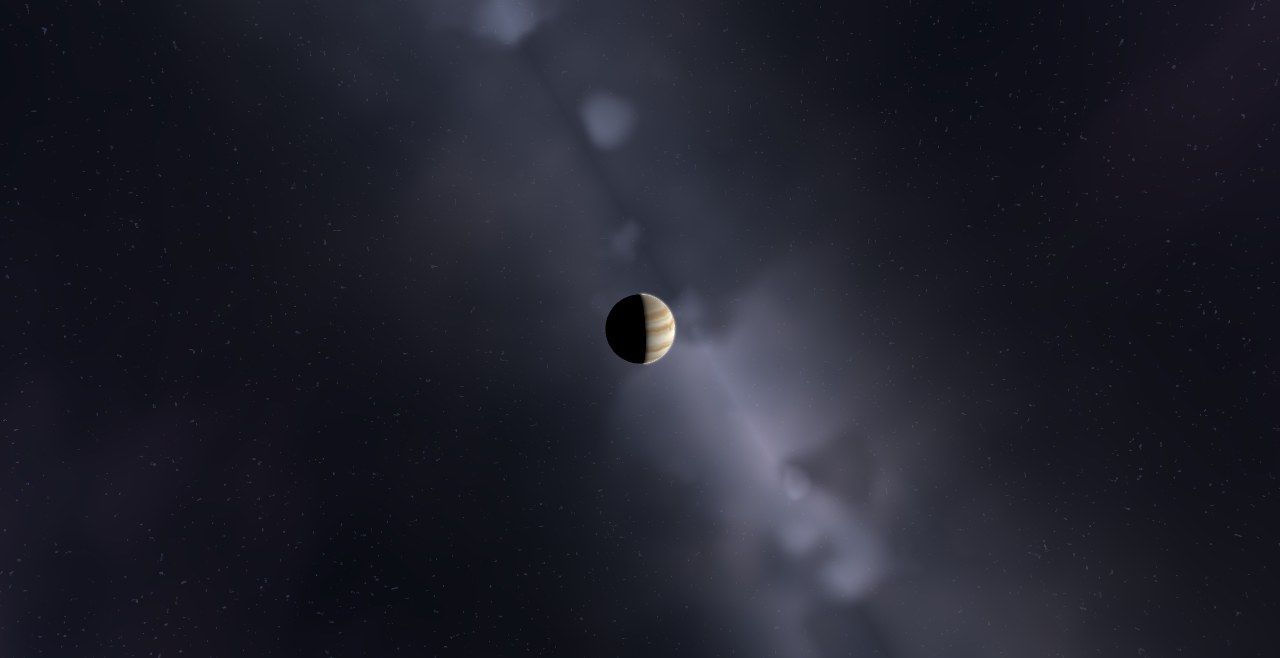
b Cen A, a hot B-type star of 5.50 solar masses with 1 confirmed companion (b Cen AB b) on NASA archive orbits.
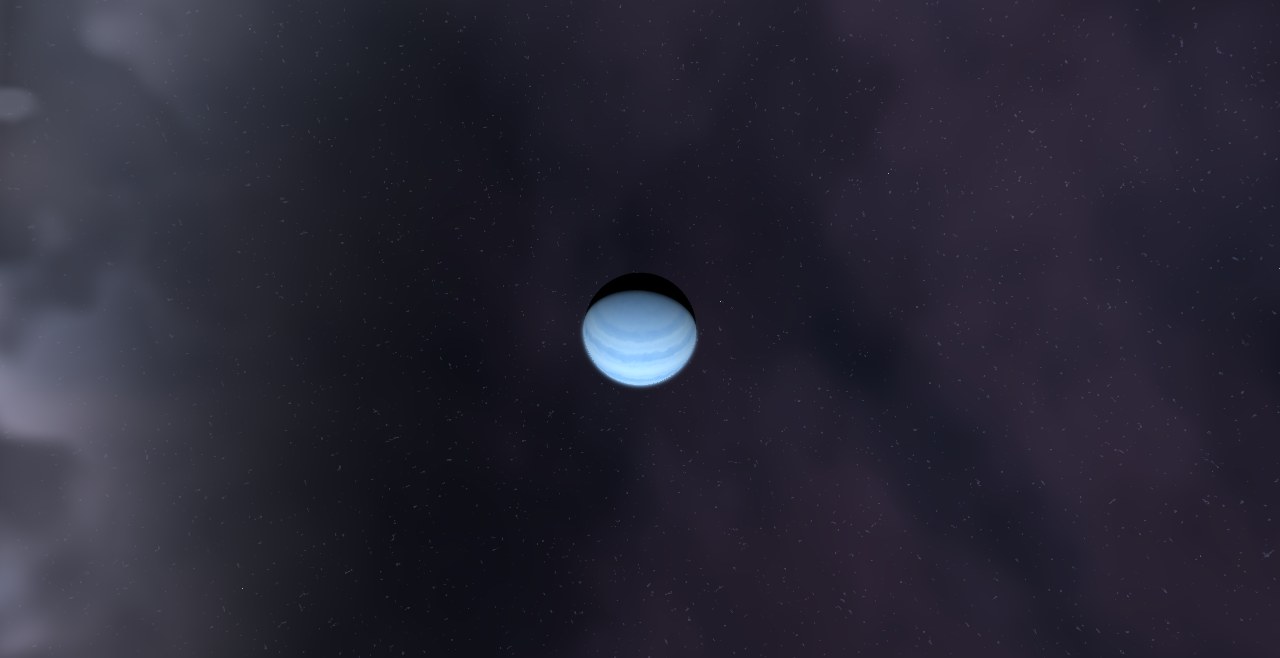
bet Cnc, an orange K-type dwarf of 1.70 solar masses with 1 confirmed companion (bet Cnc b) on NASA archive orbits.
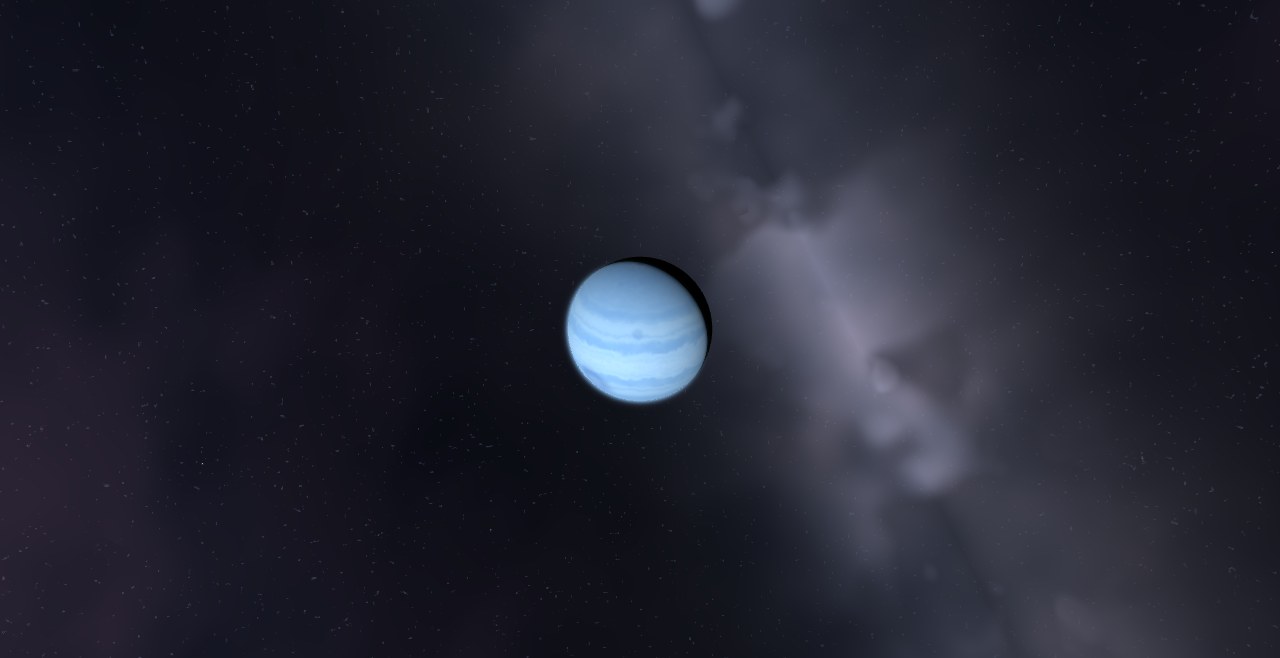
Beta Pictoris, a young star with a famous debris disk and two imaged giant planets. Beta Pic b was the first exoplanet whose spin was measured.
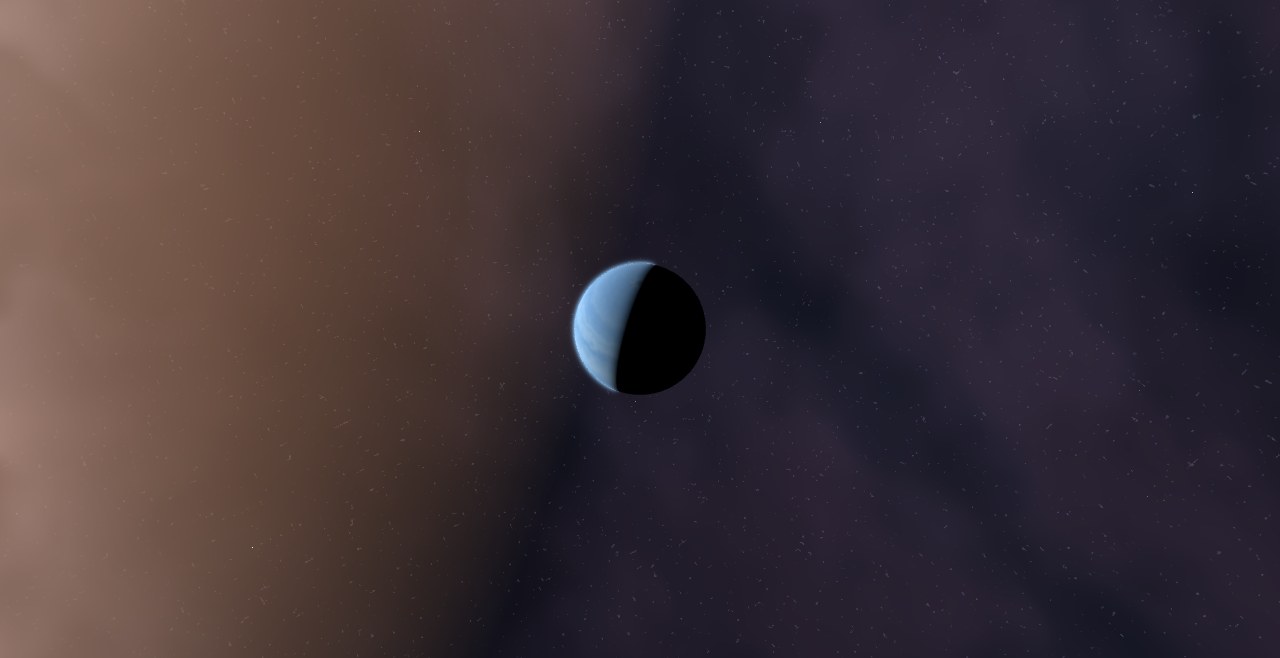
bet UMi, an orange K-type dwarf of 1.40 solar masses with 1 confirmed companion (bet UMi b) on NASA archive orbits.
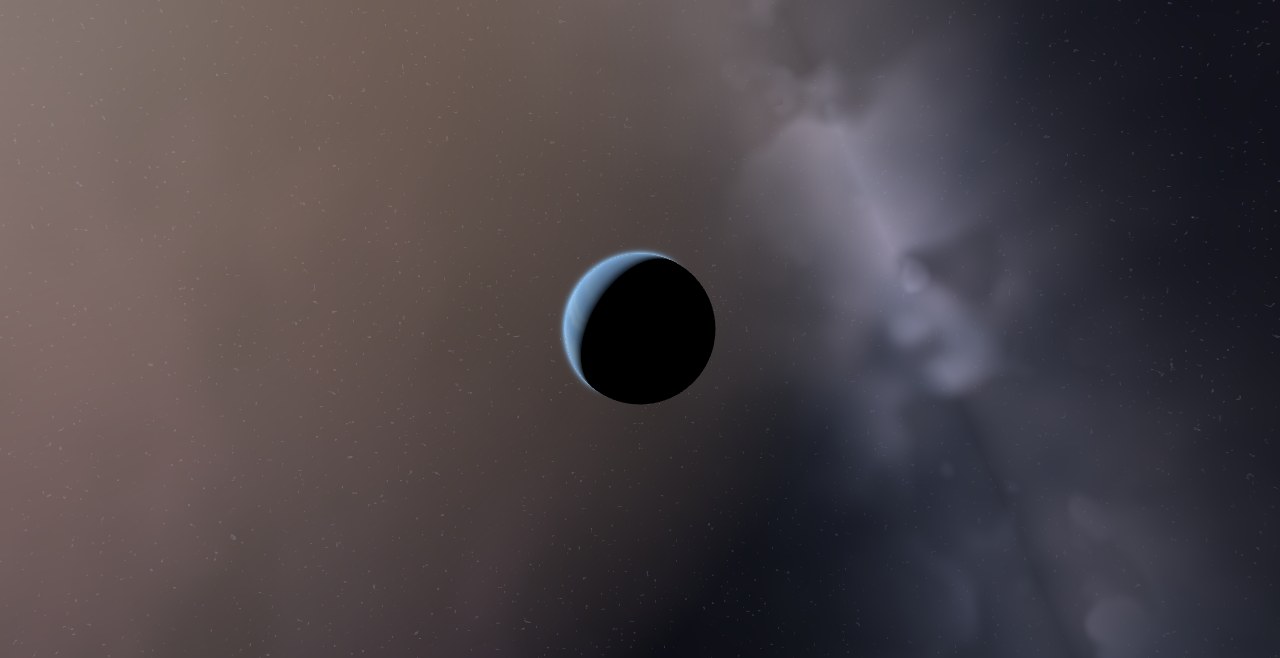
eps CrB, an orange K-type dwarf of 1.70 solar masses with 1 confirmed companion (eps CrB b) on NASA archive orbits.
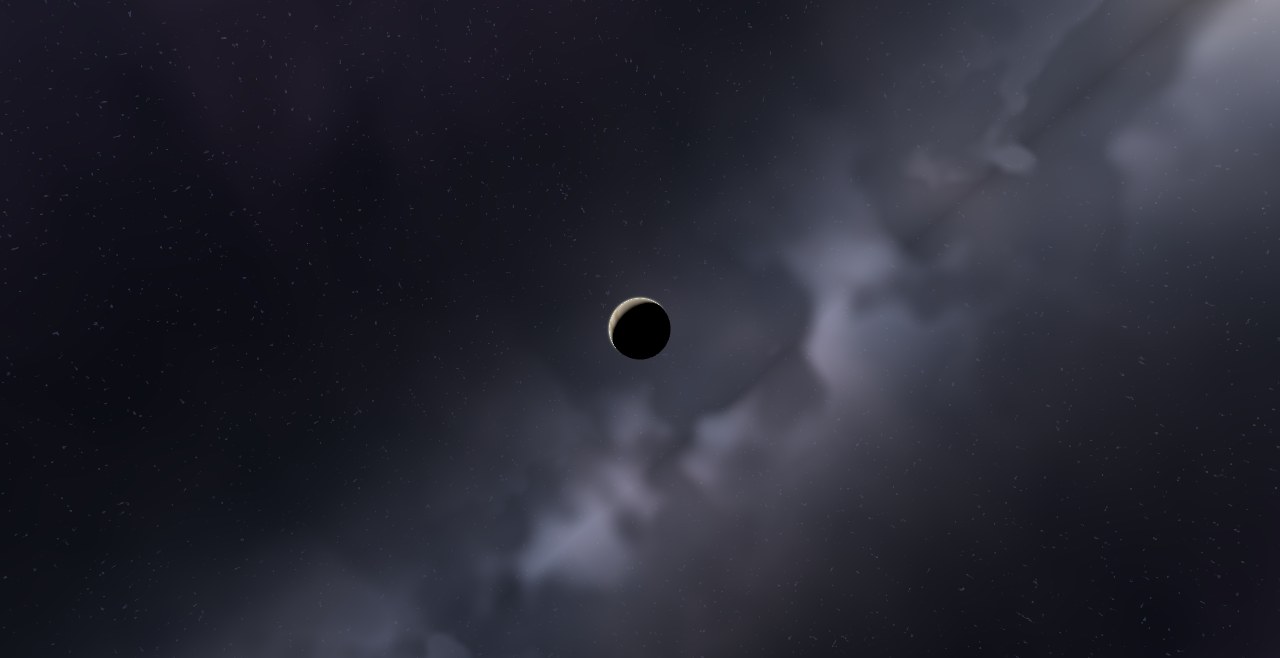
Epsilon Eridani, one of the nearest young Sun-like stars. It has a debris disk and a giant planet, a snapshot of an early planetary system. The star itself is only about 10 light-years from the Sun.
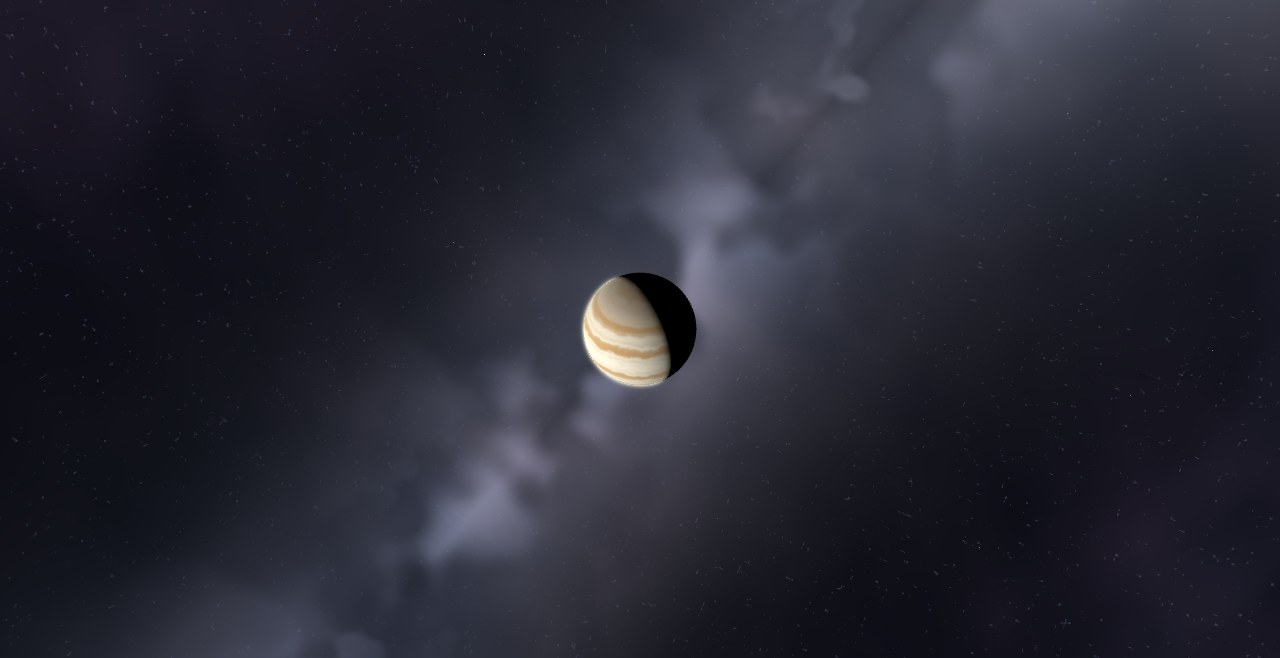
eps Ind A, an orange K-type dwarf of 0.80 solar masses with 1 confirmed companion (eps Ind A b) on NASA archive orbits.