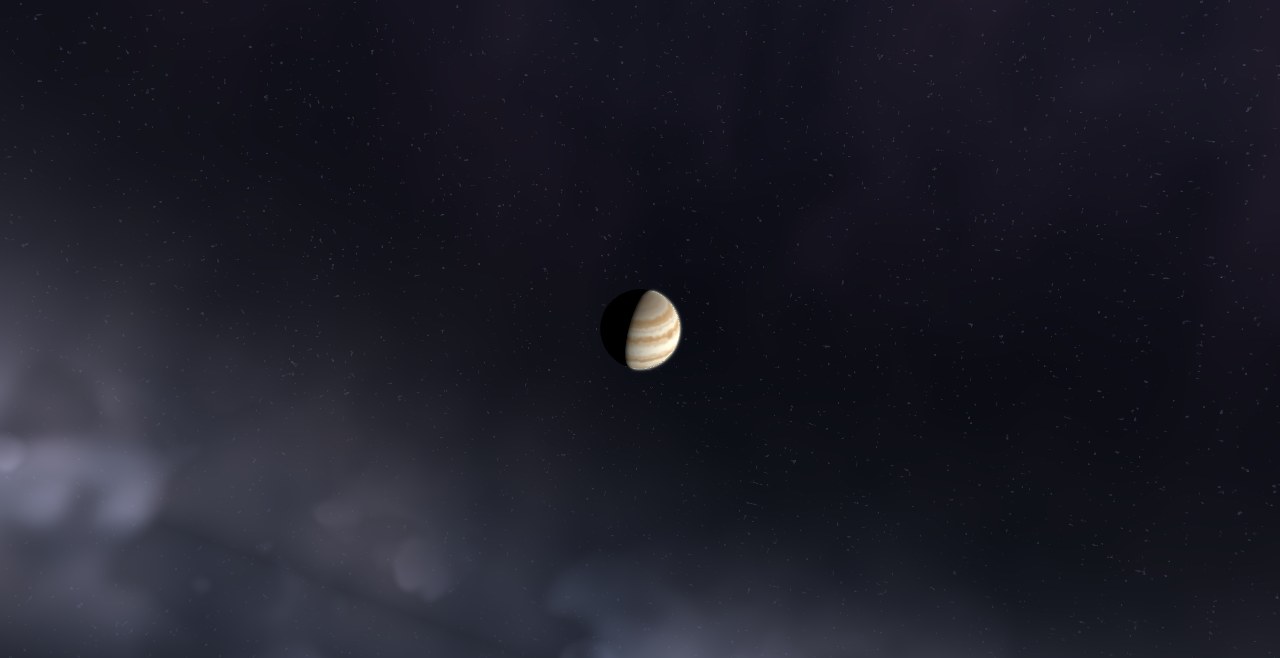
WASP-8 - System
WASP-8, a Sun-like G-type star of 1.34 solar masses, and WASP-8 c, a 9.45-Jupiter-mass companion, with an orbital period of 11.8 years, at 5.280 AU from its star.
Scenarios
Discover alien solar systems and explore worlds far beyond our own. Simulate extreme orbital environments, habitable zones, and tightly packed resonant chains discovered by modern astronomy, all mapped accurately from real exoplanetary discovery data.
Share
WASP-8, a Sun-like G-type star of 1.34 solar masses, and WASP-8 c, a 9.45-Jupiter-mass companion, with an orbital period of 11.8 years, at 5.280 AU from its star.
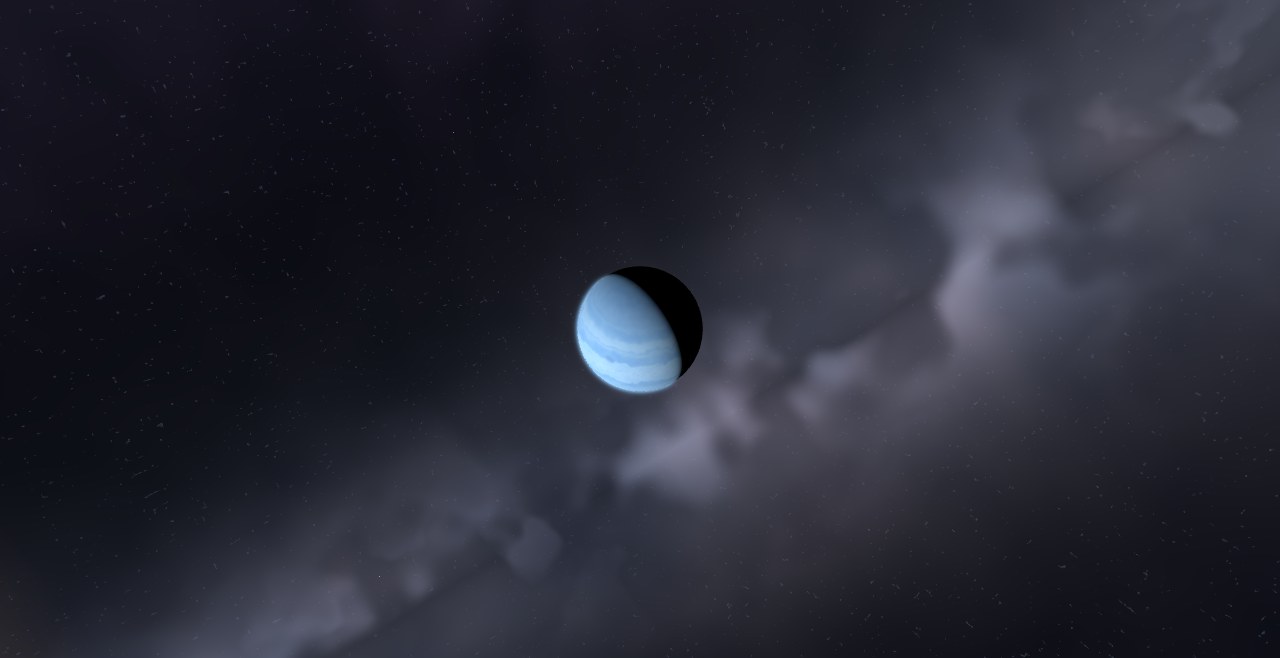
WASP-80, an orange K-type dwarf of 0.58 solar masses, and WASP-80 b, a 0.54-Jupiter-mass companion, with an orbital period of 3.1 days, at 0.034 AU from its star, and an equilibrium temperature near 825 K.
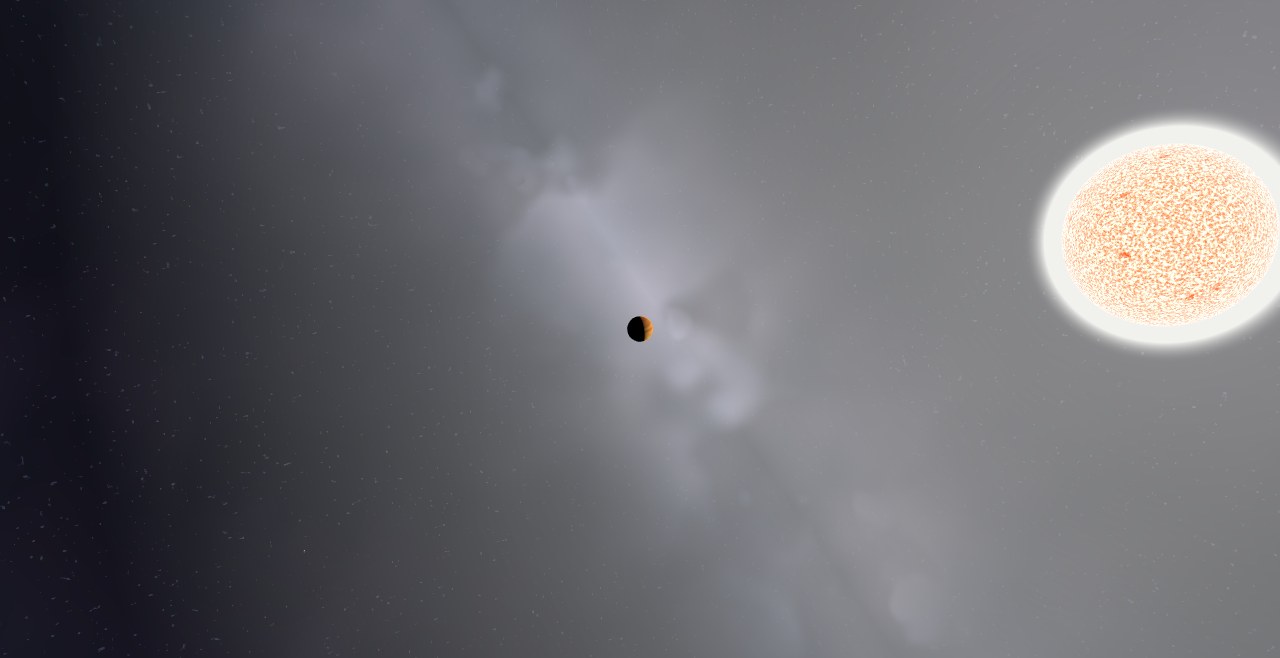
WASP-81, a Sun-like G-type star of 1.08 solar masses, and WASP-81 b, a 0.73-Jupiter-mass companion, with an orbital period of 2.7 days, at 0.039 AU from its star, and an equilibrium temperature near 1,623 K.
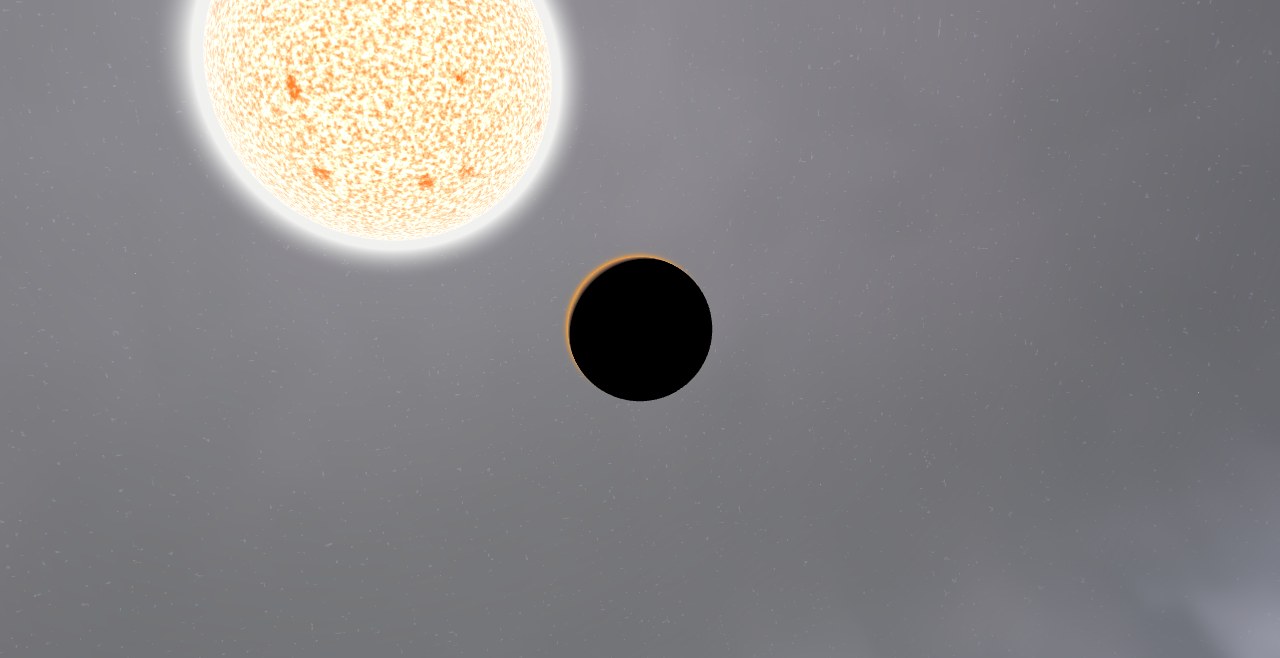
WASP-82, a Sun-like F-type star of 1.48 solar masses, and WASP-82 b, a 1.17-Jupiter-mass companion, with an orbital period of 2.7 days.
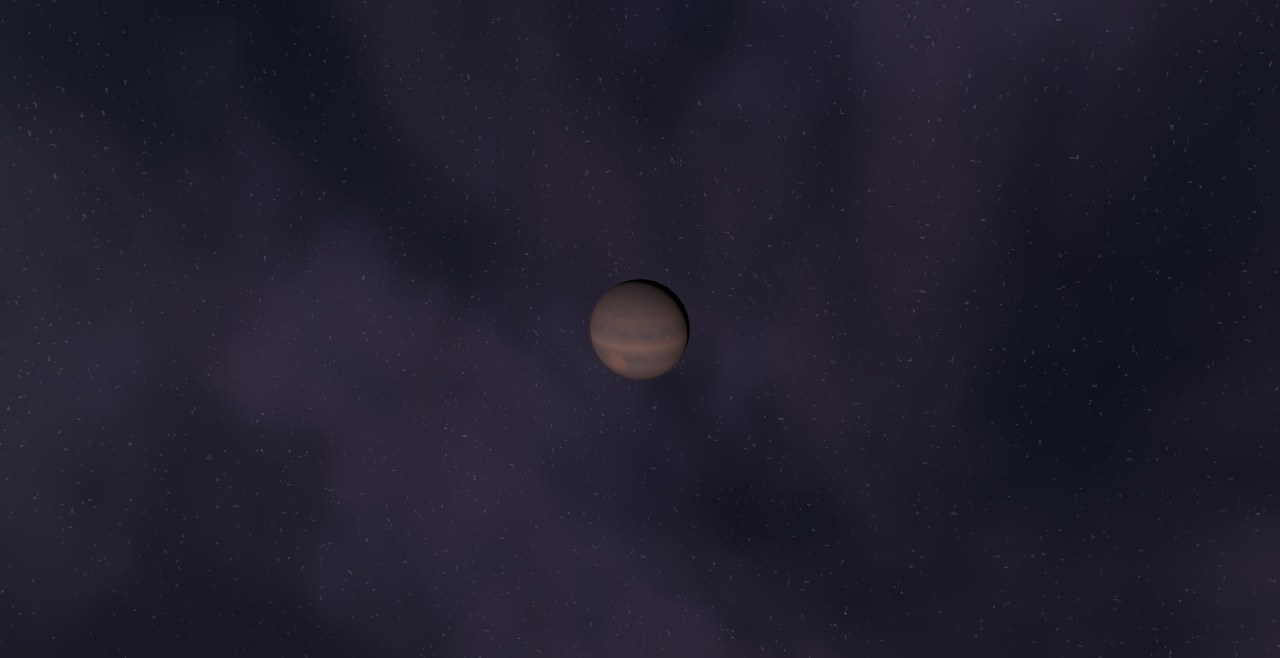
WASP-83, a Sun-like G-type star of 1.11 solar masses, and WASP-83 b, a 0.30-Jupiter-mass companion, with an orbital period of 5.0 days, at 0.059 AU from its star, and an equilibrium temperature near 1,120 K.
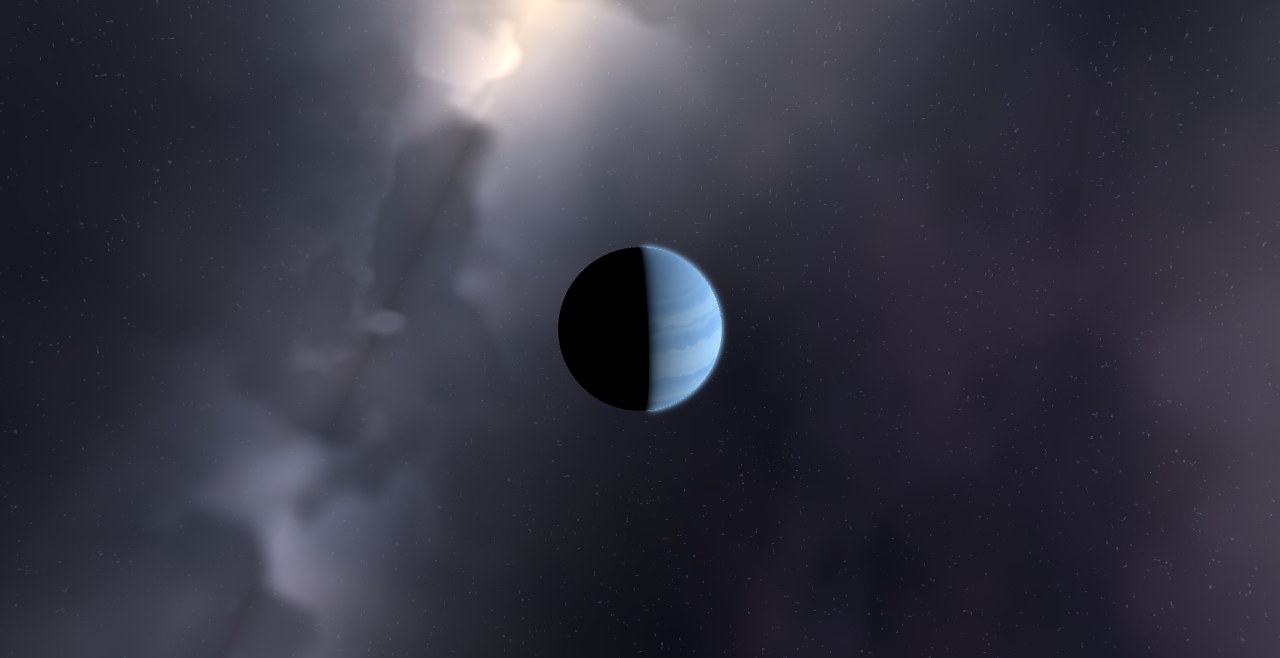
WASP-84, an orange K-type dwarf of 0.85 solar masses, and WASP-84 c, a 15.2-Earth-mass planet, with an orbital period of 1.4 days, at 0.024 AU from its star, and an equilibrium temperature near 1,329 K.
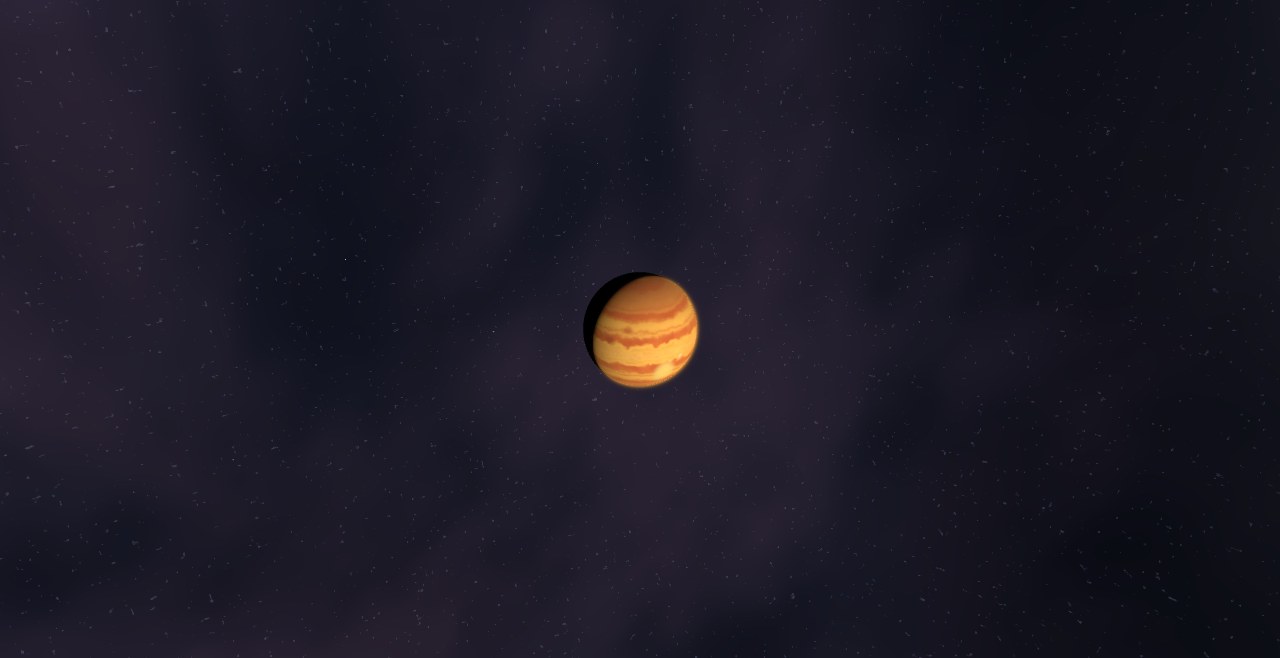
WASP-85 A, a Sun-like G-type star of 1.09 solar masses, and WASP-85 A b, a 1.26-Jupiter-mass companion, with an orbital period of 2.7 days, at 0.039 AU from its star, and an equilibrium temperature near 1,452 K.
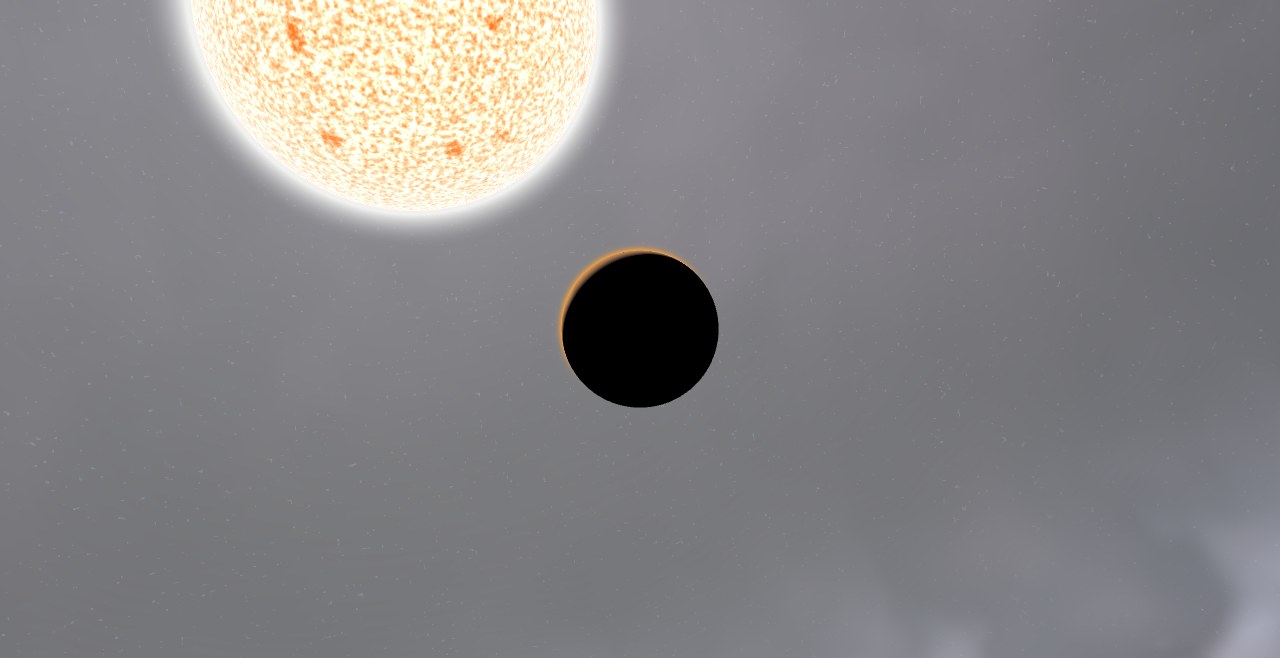
WASP-87, a Sun-like F-type star of 1.20 solar masses, and WASP-87 b, a 2.18-Jupiter-mass companion, with an orbital period of 1.7 days, at 0.029 AU from its star.
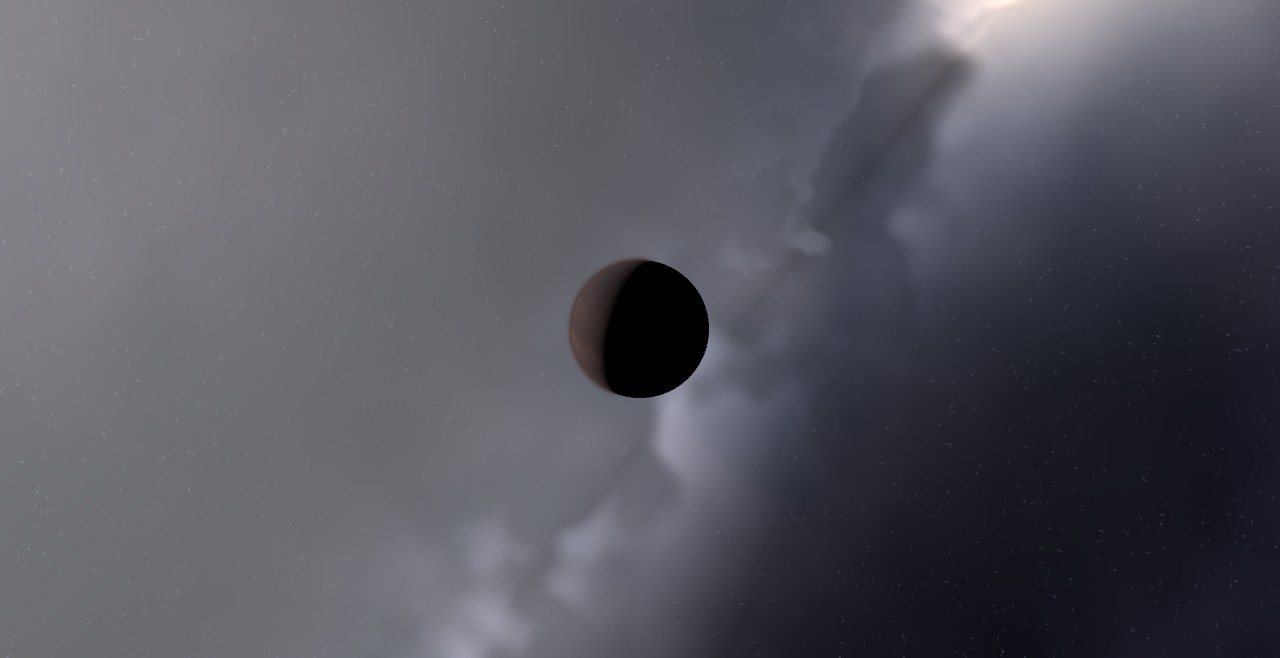
WASP-88, a Sun-like F-type star of 0.94 solar masses, and WASP-88 b, a 0.42-Jupiter-mass companion, with an orbital period of 5.0 days.
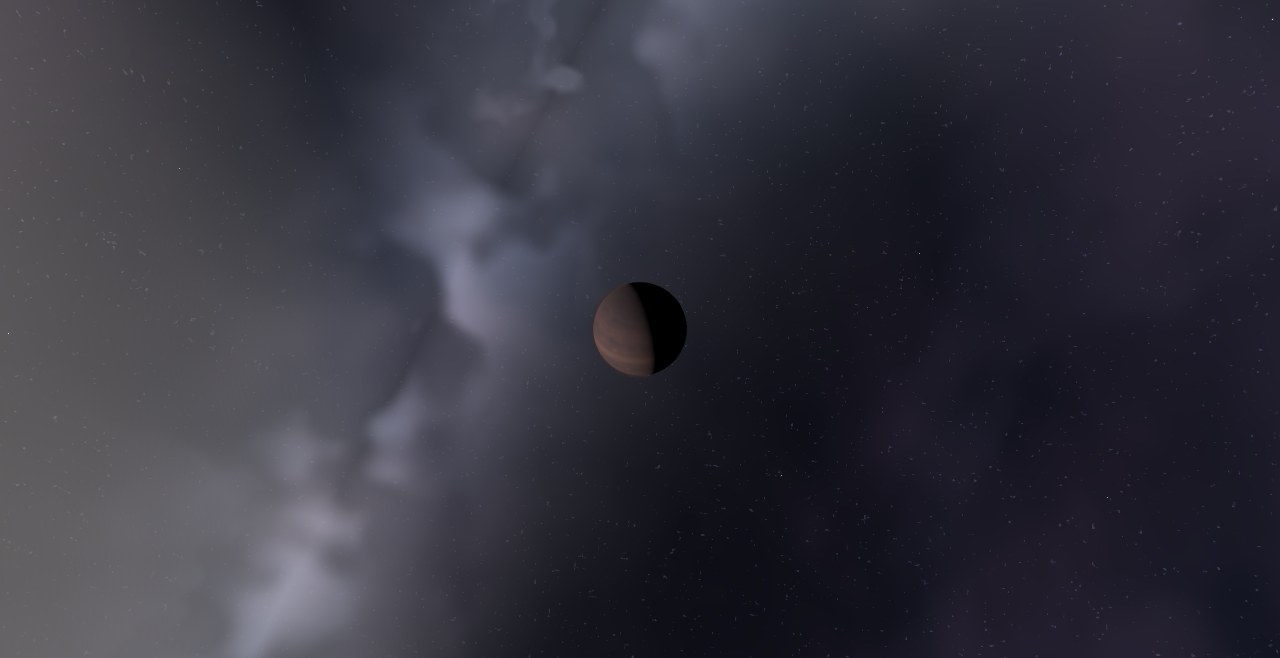
WASP-89, an orange K-type dwarf of 0.92 solar masses, and WASP-89 b, a 5.90-Jupiter-mass companion, with an orbital period of 3.4 days, at 0.043 AU from its star, and an equilibrium temperature near 1,120 K.
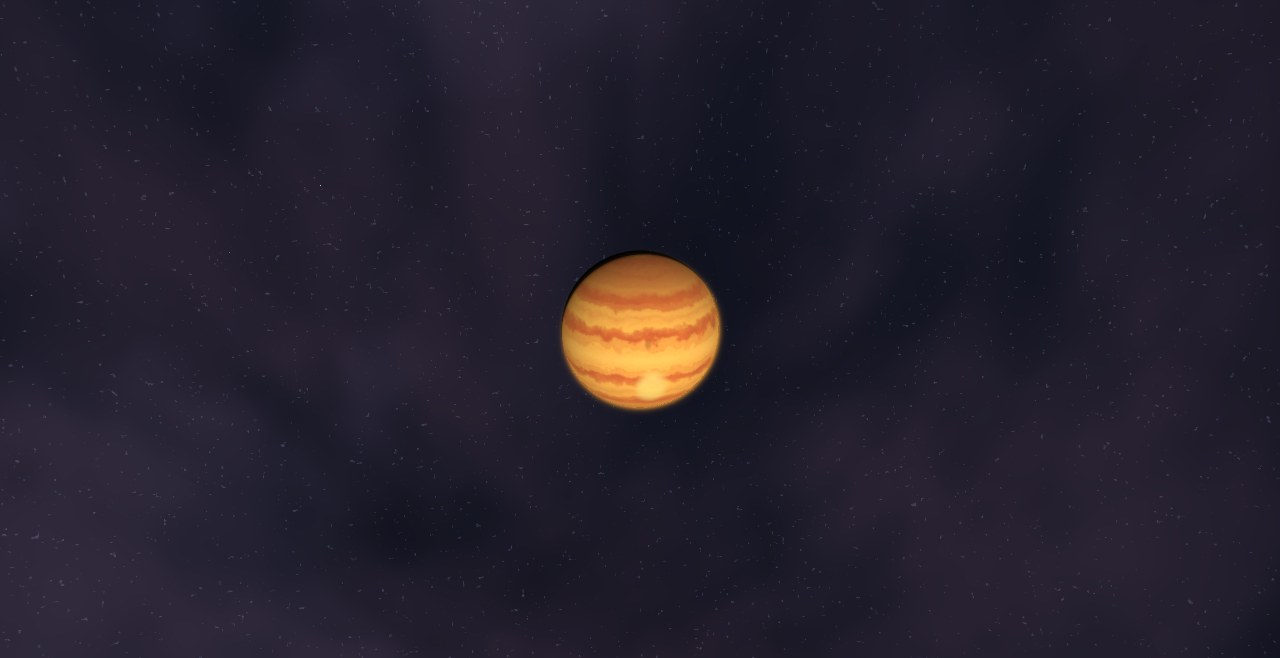
WASP-90, a Sun-like F-type star of 1.55 solar masses, and WASP-90 b, a 0.63-Jupiter-mass companion, with an orbital period of 3.9 days, at 0.056 AU from its star, and an equilibrium temperature near 1,840 K.
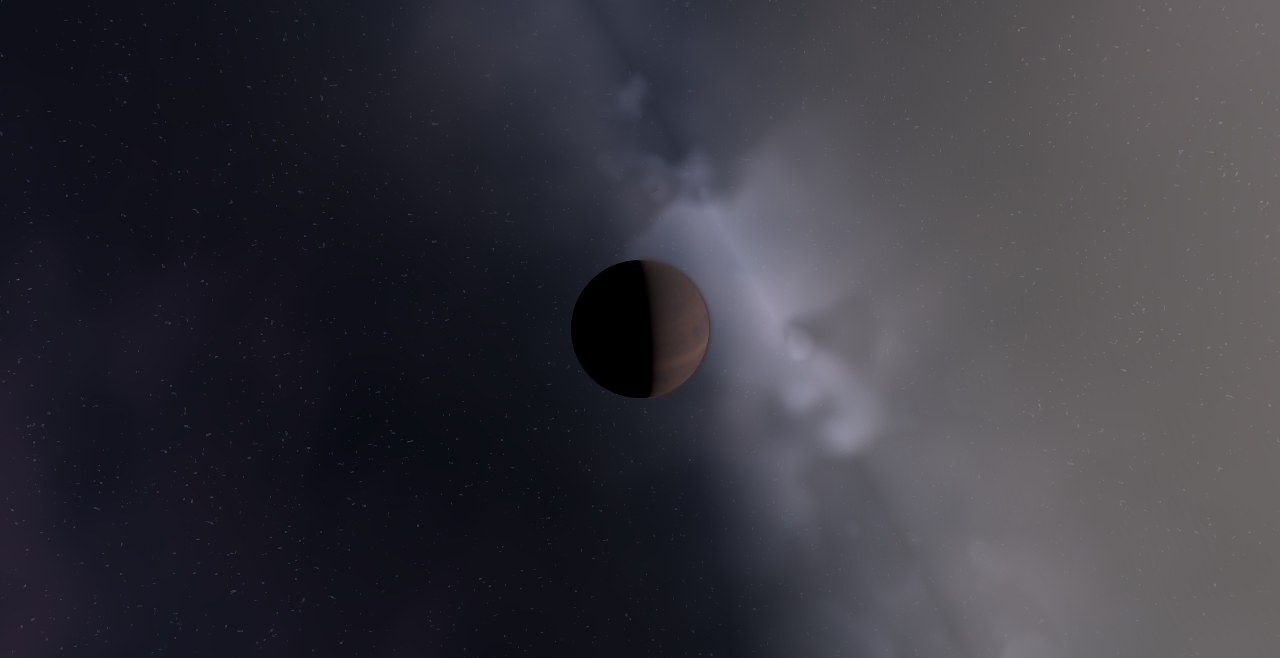
WASP-91, an orange K-type dwarf of 0.84 solar masses, and WASP-91 b, a 1.34-Jupiter-mass companion, with an orbital period of 2.8 days, at 0.037 AU from its star, and an equilibrium temperature near 1,160 K.
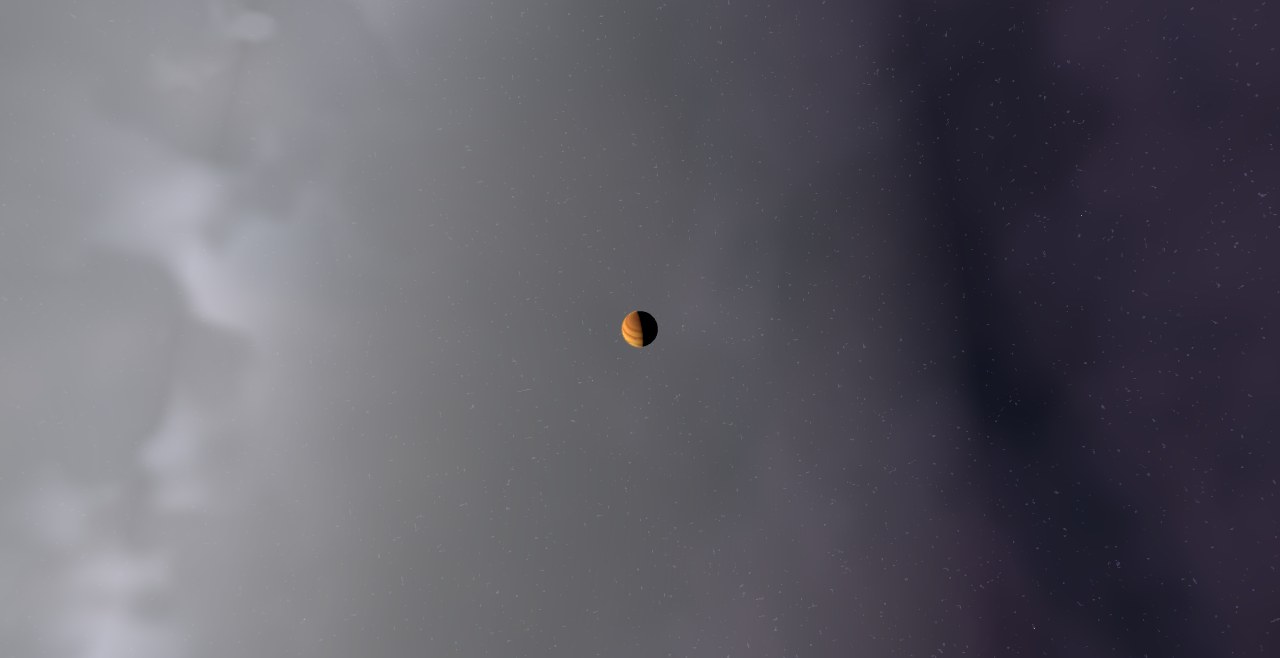
WASP-92, a Sun-like F-type star of 1.19 solar masses, and WASP-92 b, a 0.81-Jupiter-mass companion, with an orbital period of 2.2 days, at 0.035 AU from its star, and an equilibrium temperature near 1,871 K.
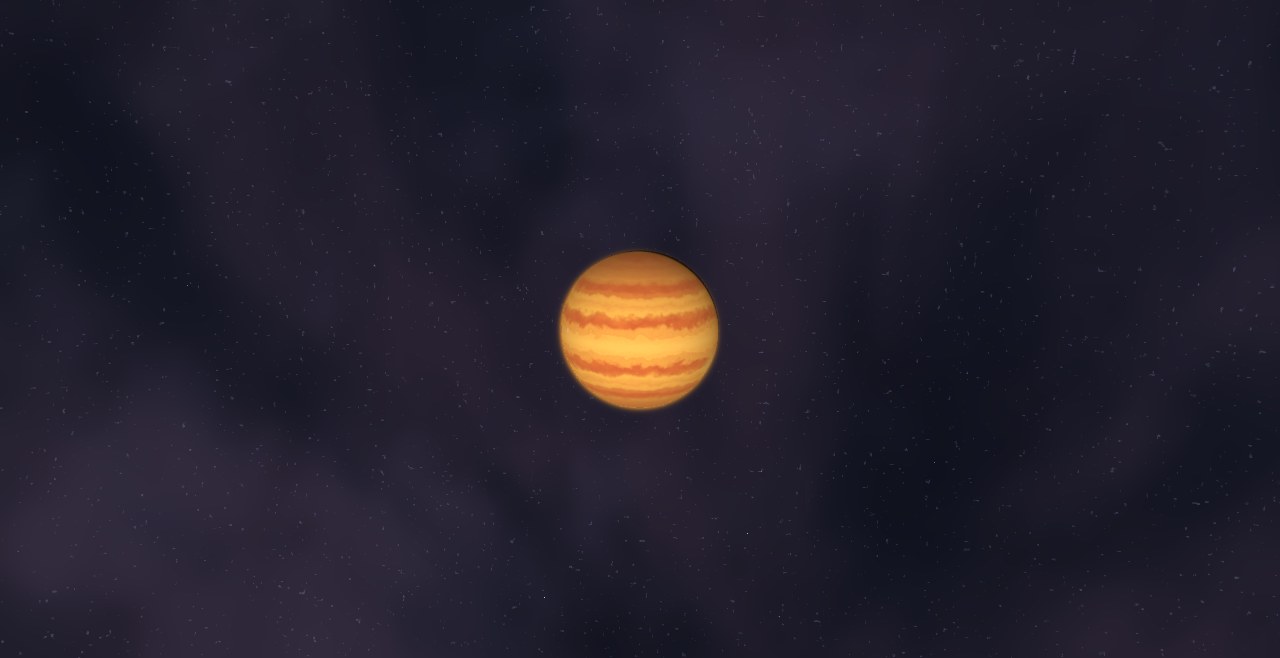
WASP-93, a Sun-like F-type star of 1.33 solar masses, and WASP-93 b, a 1.47-Jupiter-mass companion, with an orbital period of 2.7 days, at 0.042 AU from its star, and an equilibrium temperature near 1,942 K.
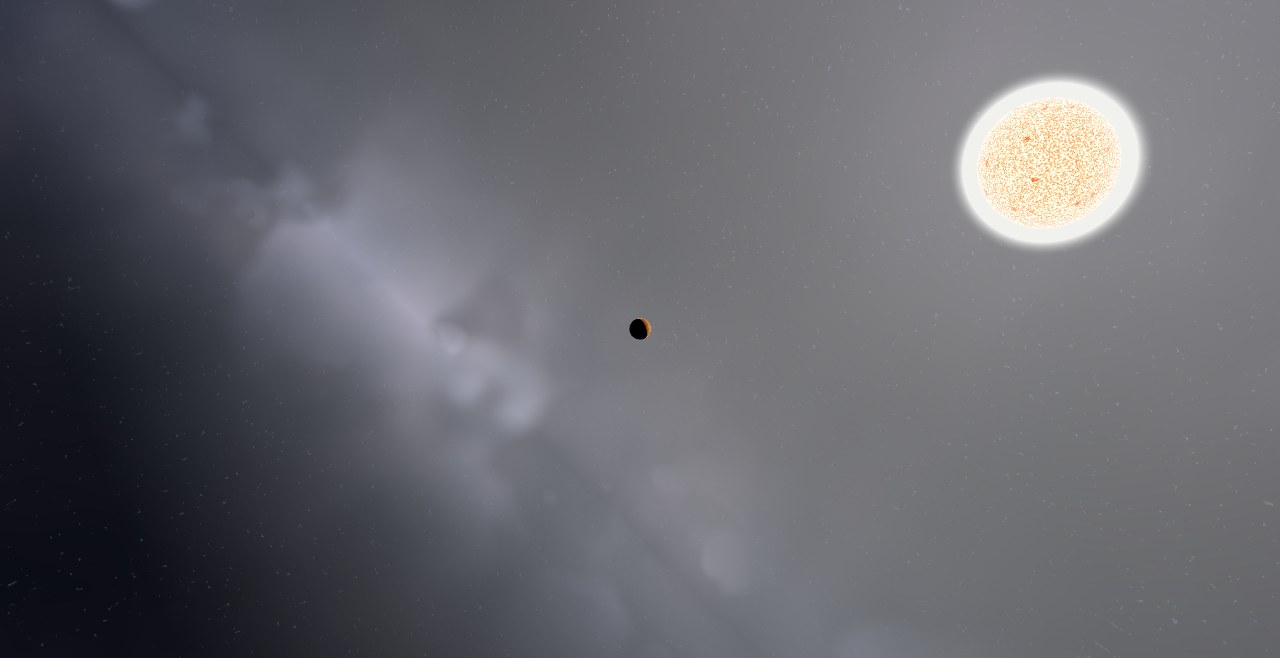
WASP-94 A, a Sun-like F-type star of 1.67 solar masses, and WASP-94 A b, a 0.50-Jupiter-mass companion, with an orbital period of 4.0 days.
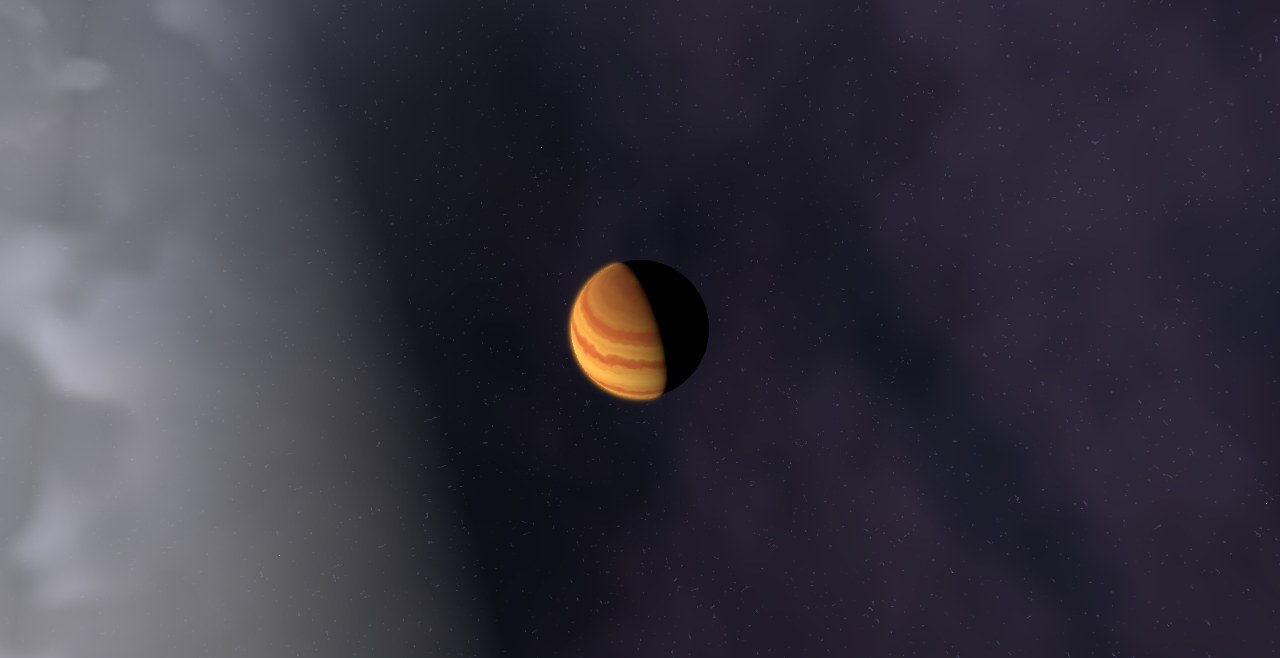
WASP-94 B, a Sun-like F-type star of 1.24 solar masses, and WASP-94 B b, a 0.62-Jupiter-mass companion, with an orbital period of 2.0 days, at 0.034 AU from its star.
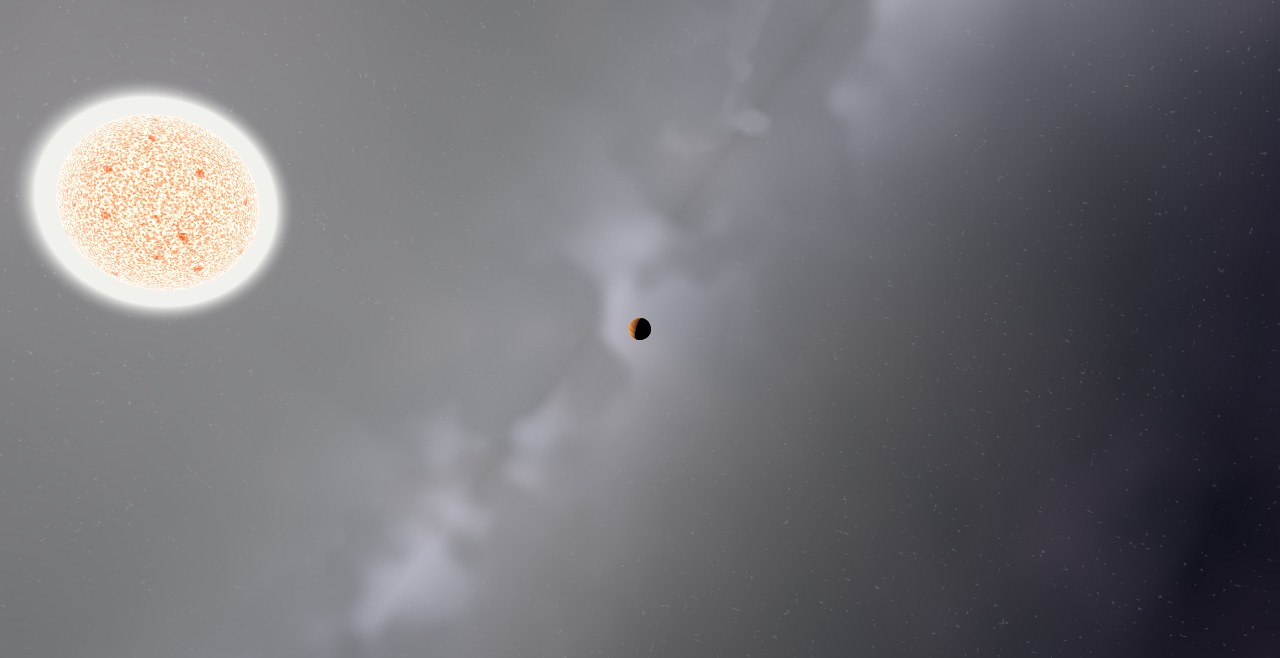
WASP-95, a Sun-like G-type star of 1.46 solar masses, and WASP-95 b, a 1.44-Jupiter-mass companion, with an orbital period of 2.2 days.
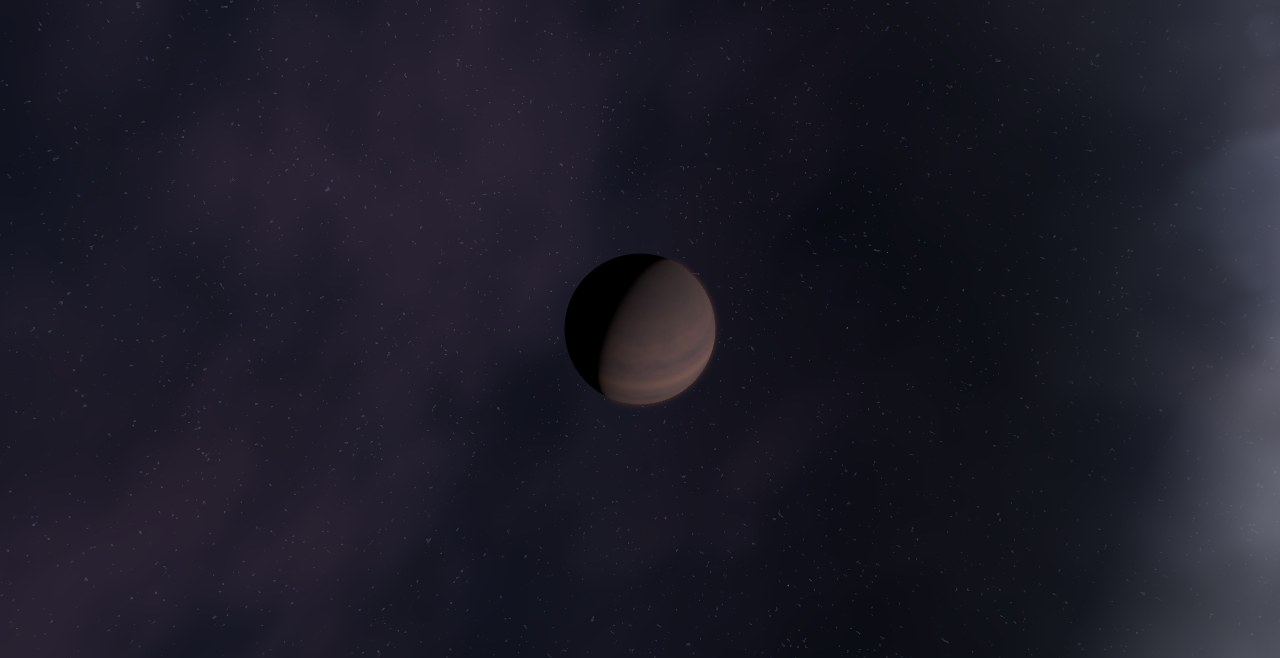
WASP-96 b, a clear hot Saturn used for some of JWST's first exoplanet spectra. Water showed up in a nearly cloud-free atmosphere. The spectrum is unusually free of high-altitude clouds.