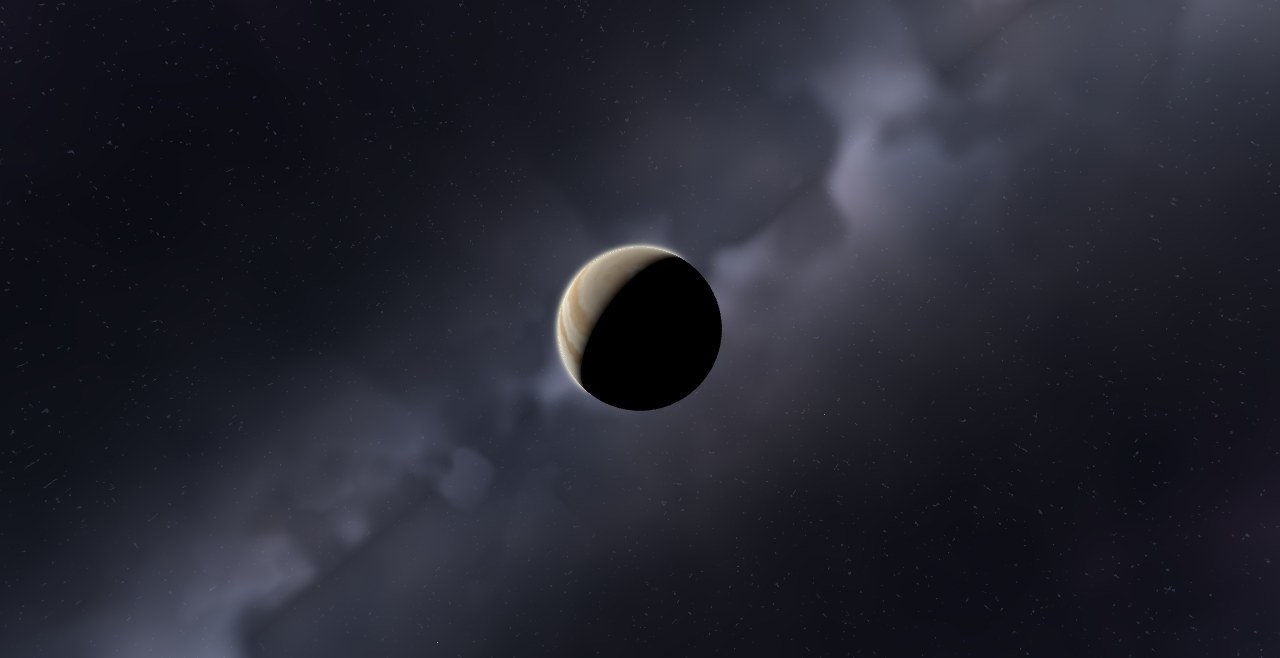
TWA 7 - System
TWA 7, a cool M-dwarf of 0.46 solar masses, and TWA 7 b, a 0.34-Jupiter-mass companion, at 52.0 AU from its star, and an equilibrium temperature near 316 K.
Scenarios
Discover alien solar systems and explore worlds far beyond our own. Simulate extreme orbital environments, habitable zones, and tightly packed resonant chains discovered by modern astronomy, all mapped accurately from real exoplanetary discovery data.
Share
TWA 7, a cool M-dwarf of 0.46 solar masses, and TWA 7 b, a 0.34-Jupiter-mass companion, at 52.0 AU from its star, and an equilibrium temperature near 316 K.
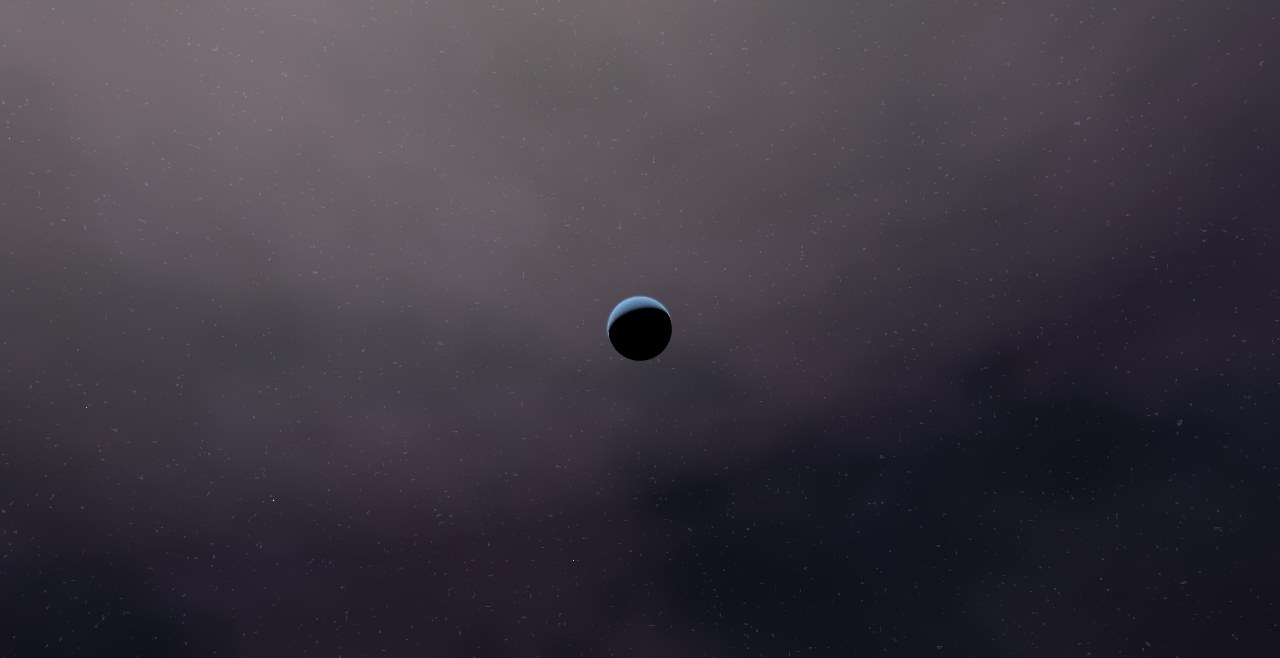
TYC 0434-04538-1, an orange K-type dwarf of 1.04 solar masses, and TYC 0434-04538-1 b, a 6.10-Jupiter-mass companion, with an orbital period of 193 days, at 0.660 AU from its star, on an eccentric orbit (e ≈.
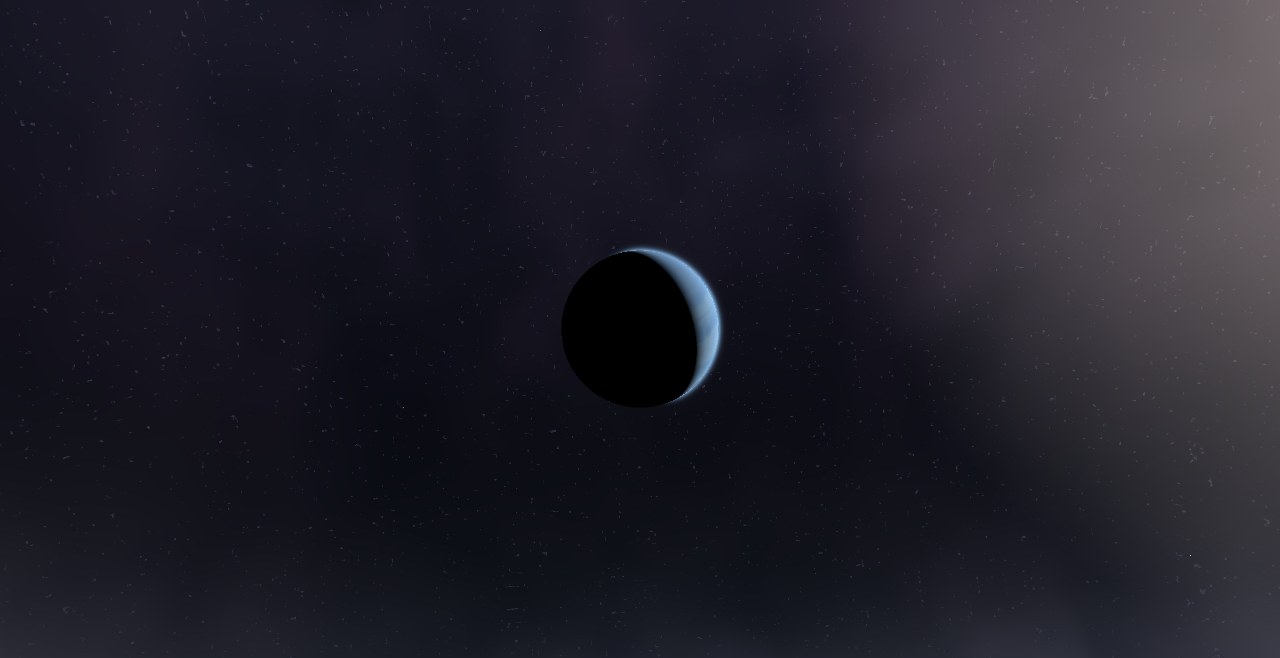
TYC 1422-614-1, an orange K-type dwarf of 1.15 solar masses, and TYC 1422-614-1 b, a 2.50-Jupiter-mass companion, with an orbital period of 198 days, at 0.690 AU from its star, on an eccentric orbit (e ≈ 0.06).
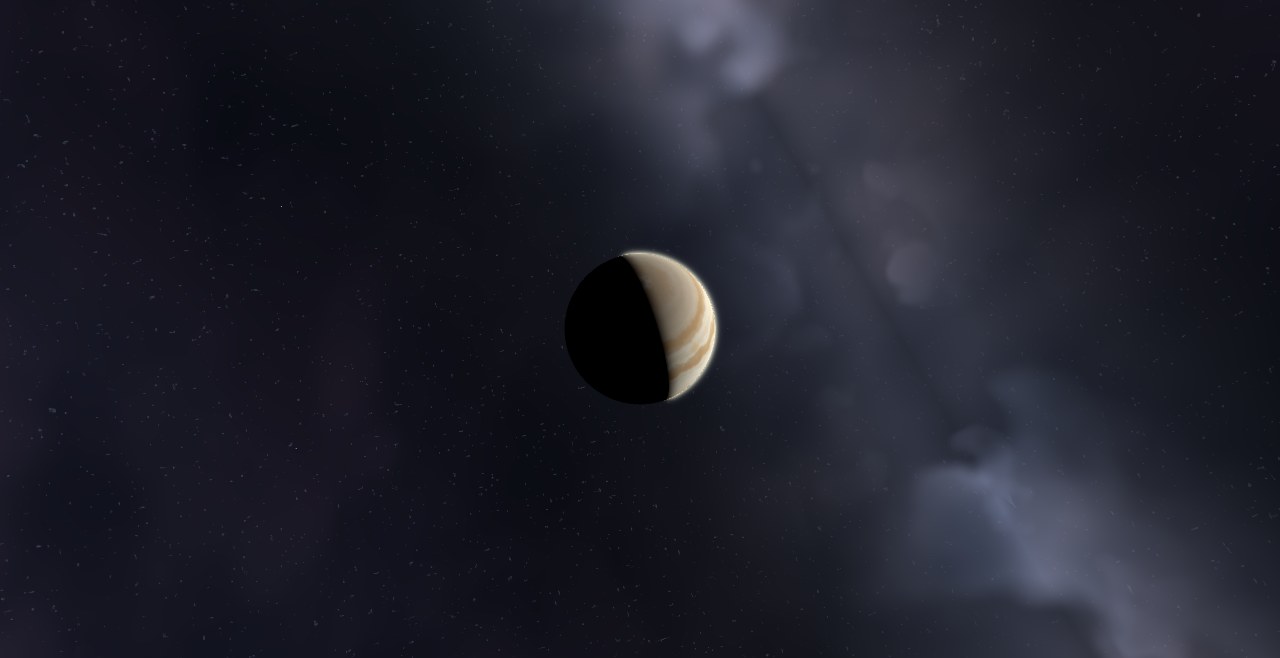
TYC 2187-512-1, a cool M-dwarf of 0.50 solar masses, and TYC 2187-512-1 b, a 0.33-Jupiter-mass companion, with an orbital period of 1.89 years, at 1.220 AU from its star.
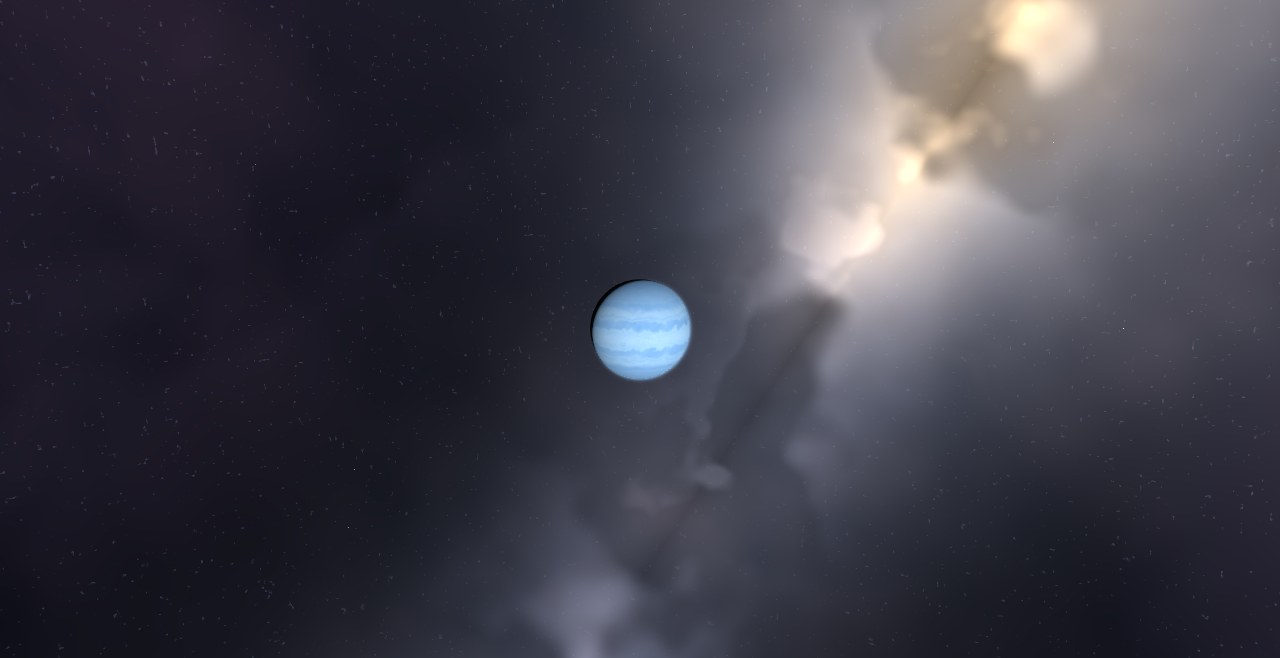
TYC 3318-01333-1, an orange K-type dwarf of 1.19 solar masses, and TYC 3318-01333-1 b, a 3.42-Jupiter-mass companion, with an orbital period of 1.54 years, at 1.414 AU from its star, on an eccentric orbit (e ≈.
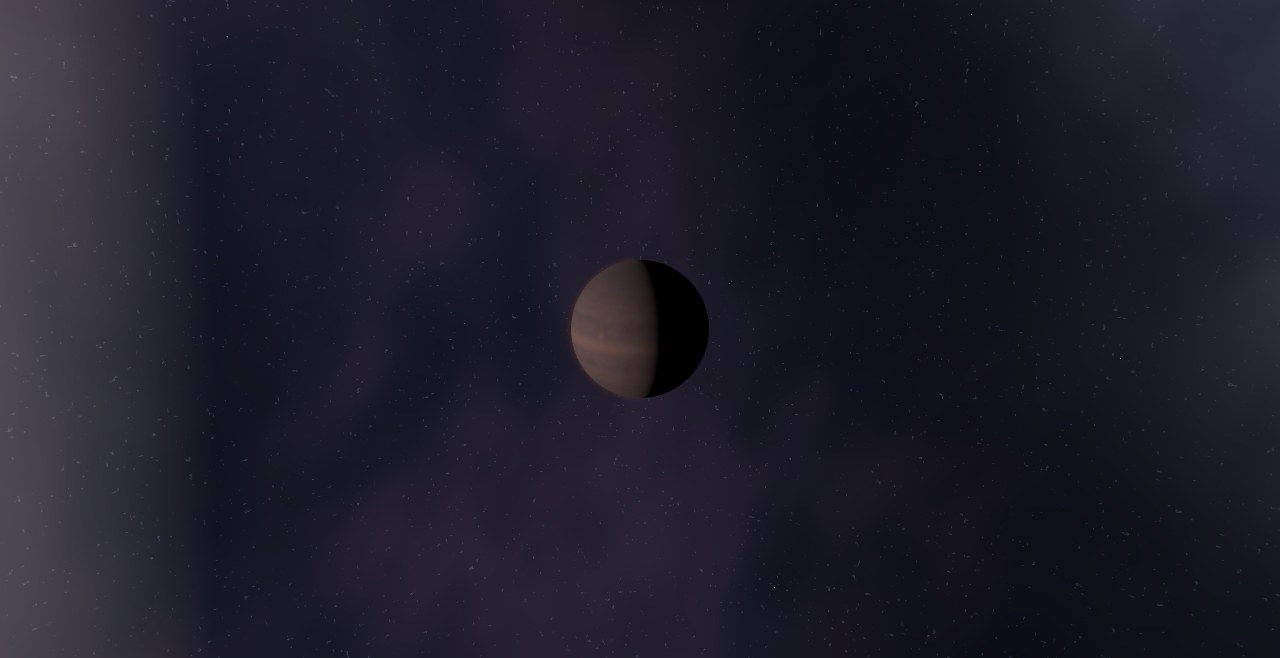
TYC 3667-1280-1, an orange K-type dwarf of 1.87 solar masses, and TYC 3667-1280-1 b, a 5.40-Jupiter-mass companion, with an orbital period of 26.5 days, at 0.210 AU from its star, and an equilibrium.
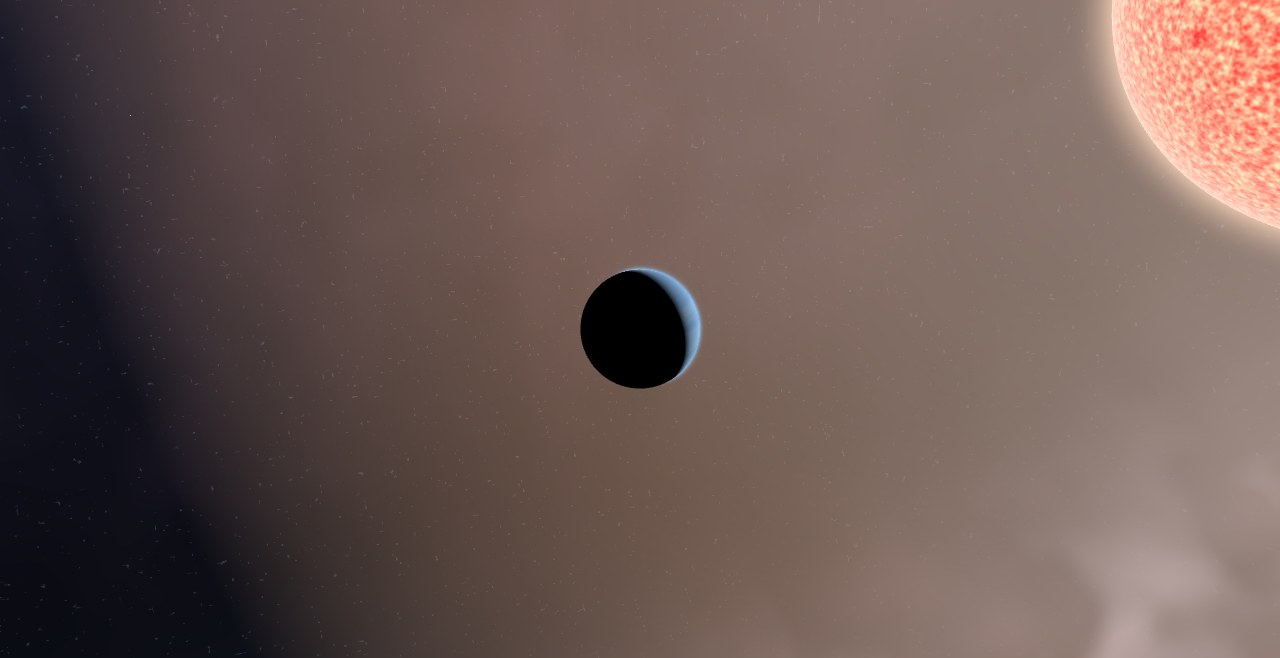
TYC 4282-00605-1, an orange K-type dwarf of 0.97 solar masses, and TYC 4282-00605-1 b, a 10.8-Jupiter-mass companion, with an orbital period of 102 days, at 0.422 AU from its star, on an eccentric orbit (e ≈.
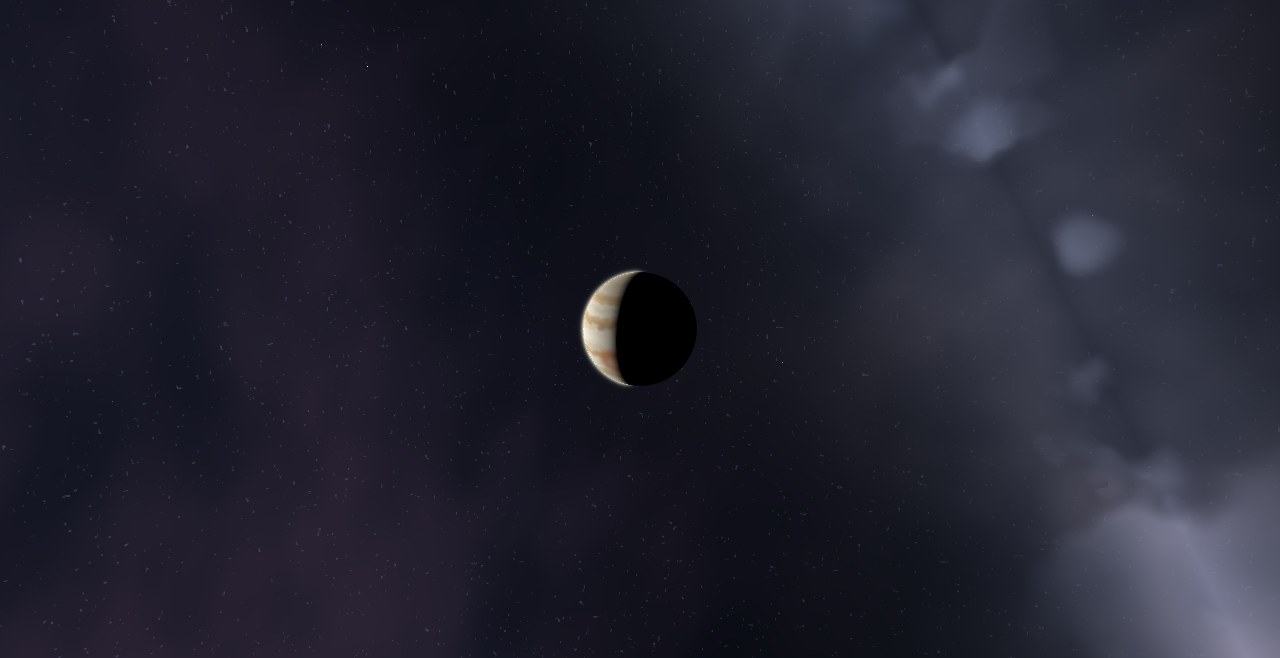
TYC 8998-760-1, a young star with two giant planets imaged on wide orbits. It is one of the few multi-planet systems seen directly. Both planets are still glowing from their formation heat.
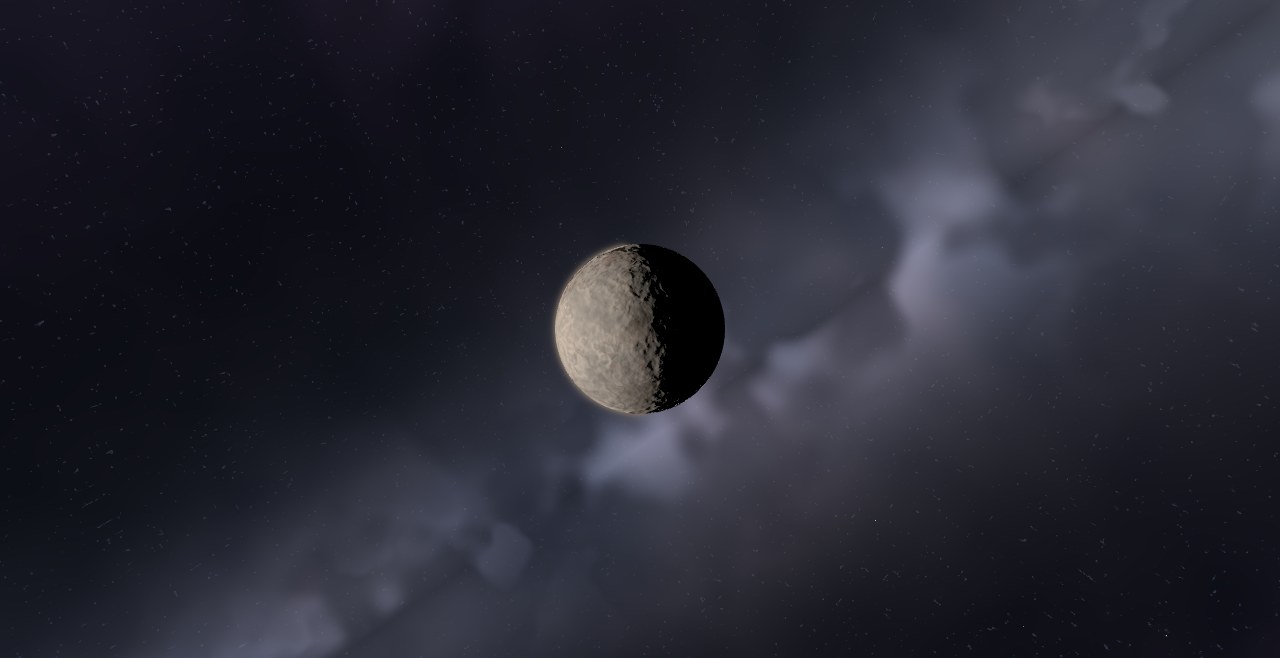
Teegarden's Star, a nearby ultracool dwarf with two Earth-mass planets in the habitable zone, among the closest potentially temperate worlds.
TrES-1, a Sun-like G-type star of 1.04 solar masses, and TrES-1 b, a 0.84-Jupiter-mass companion, with an orbital period of 3.0 days.
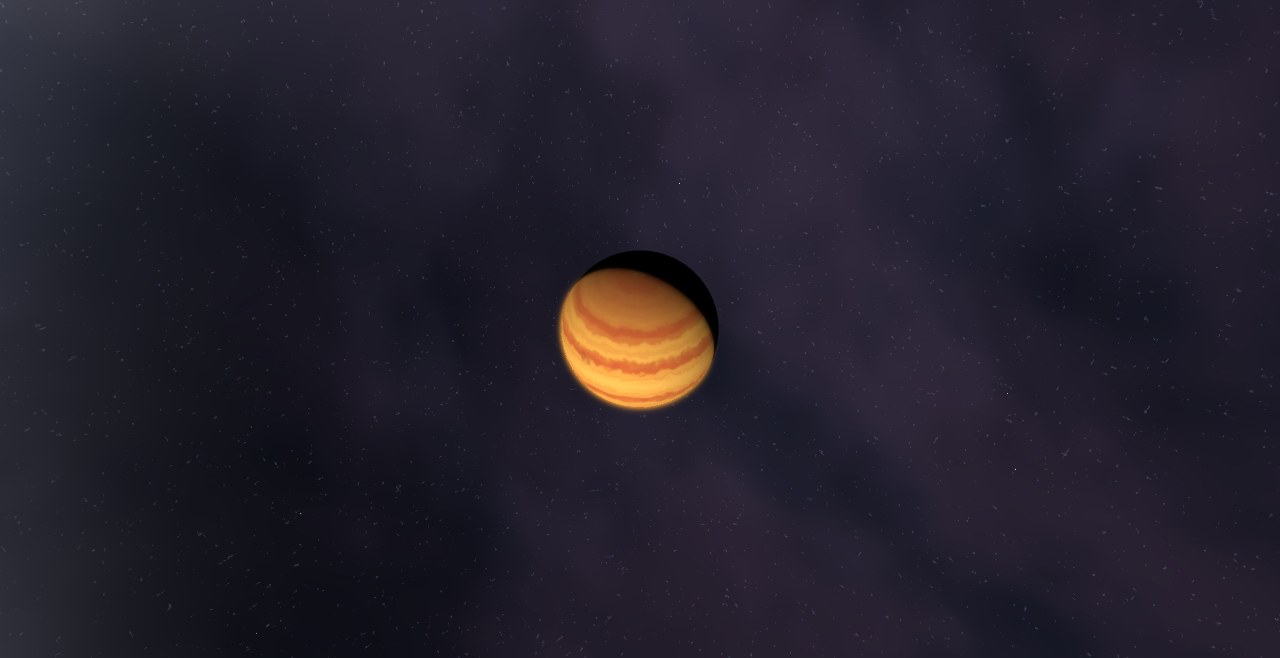
TrES-2 b, the darkest known exoplanet. It reflects less than one percent of incoming light, darker than coal, despite being a hot Jupiter. Kepler later refined that coal-dark albedo.
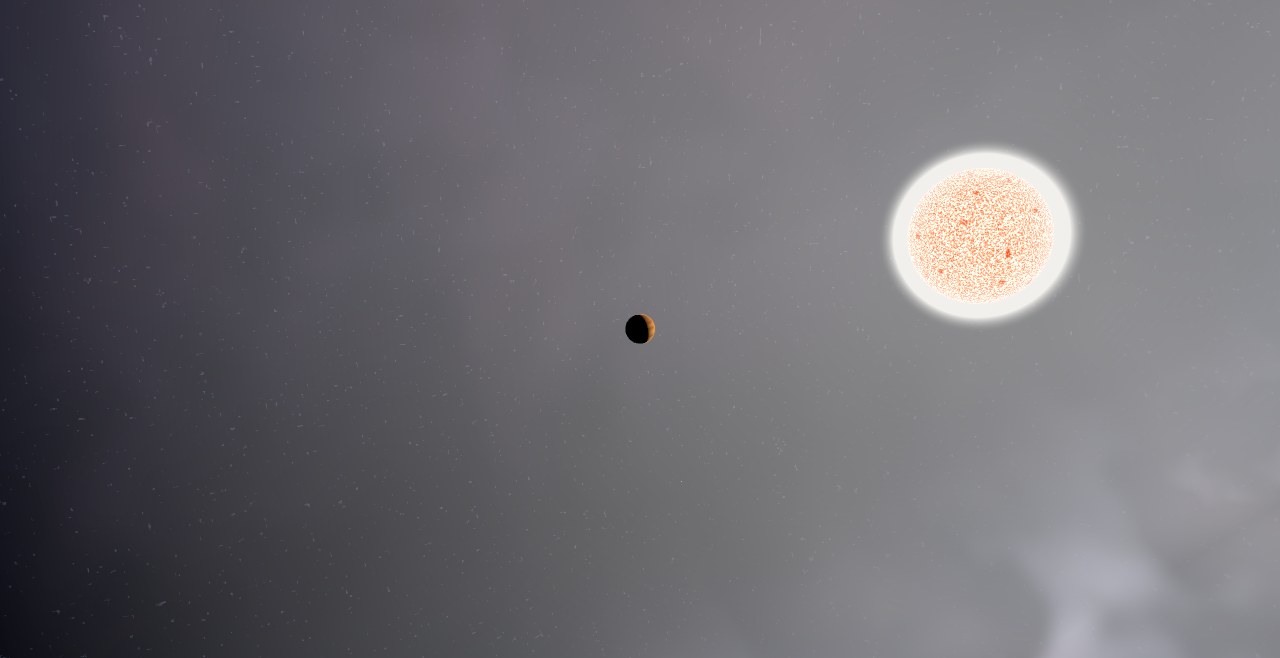
TrES-3, a Sun-like G-type star of 0.93 solar masses, and TrES-3 b, a 1.91-Jupiter-mass companion, with an orbital period of 1.3 days, at 0.023 AU from its star.
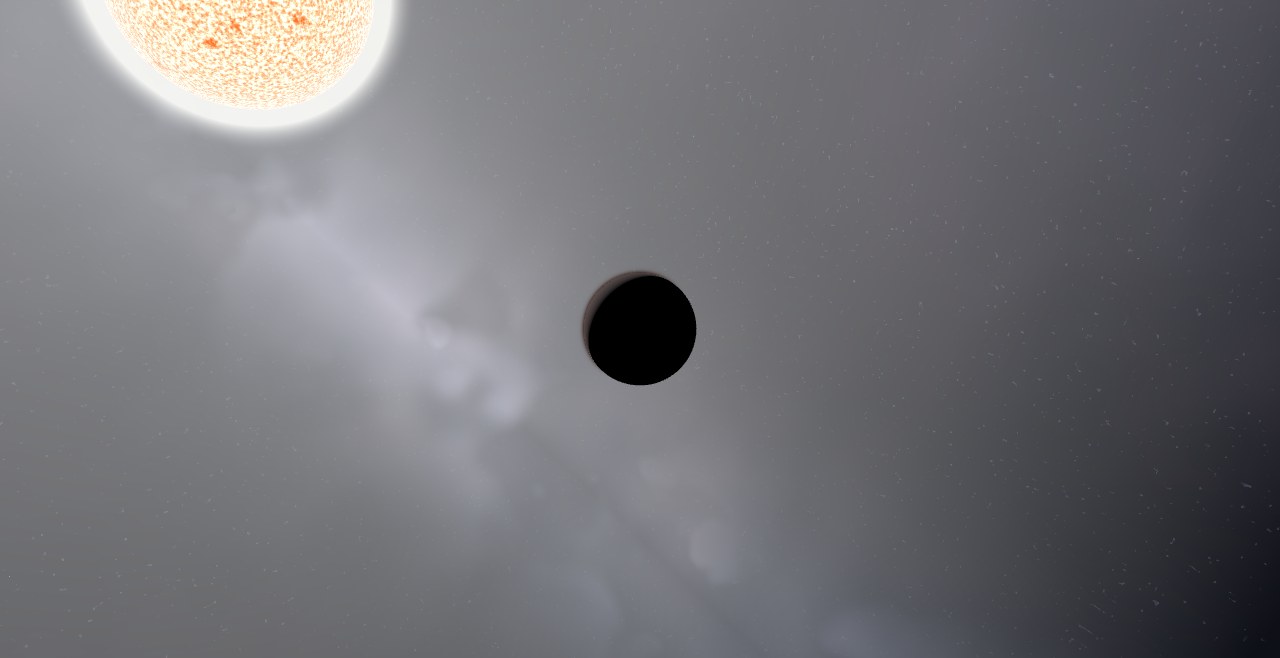
TrES-4, a Sun-like F-type star of 1.08 solar masses, and TrES-4 b, a 0.78-Jupiter-mass companion, with an orbital period of 3.6 days.
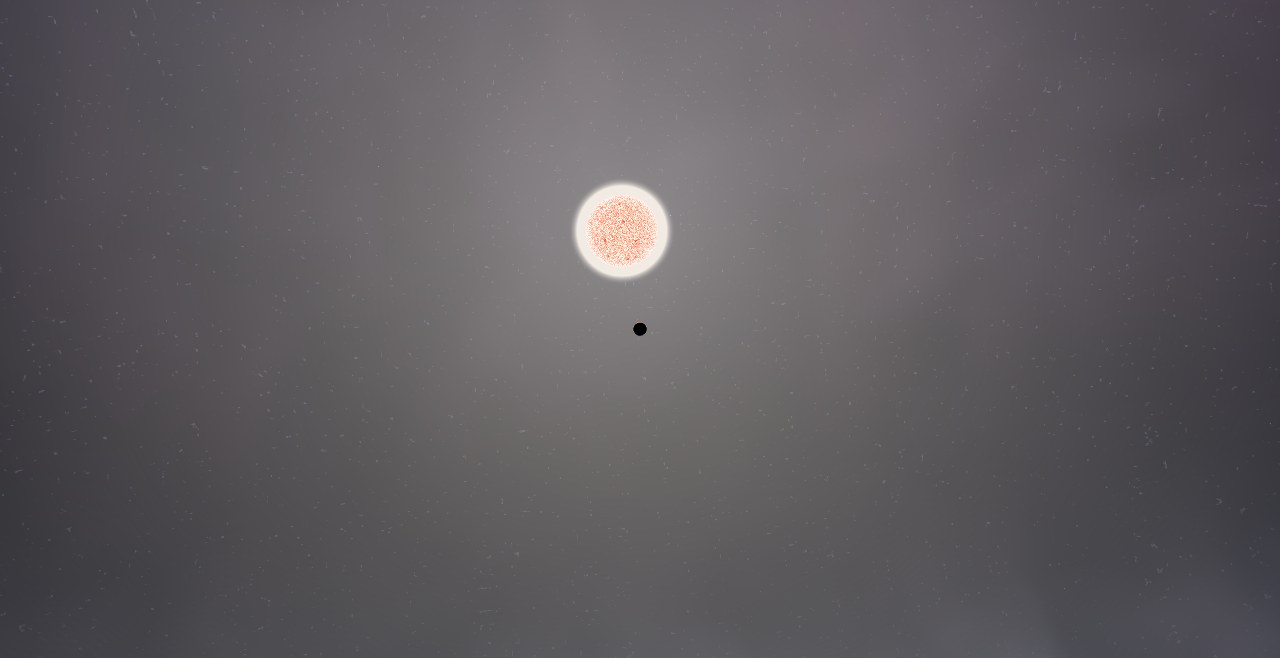
TrES-5, an orange K-type dwarf of 0.90 solar masses, and TrES-5 b, a 1.79-Jupiter-mass companion, with an orbital period of 1.5 days, at 0.025 AU from its star, and an equilibrium temperature near 1,480 K.
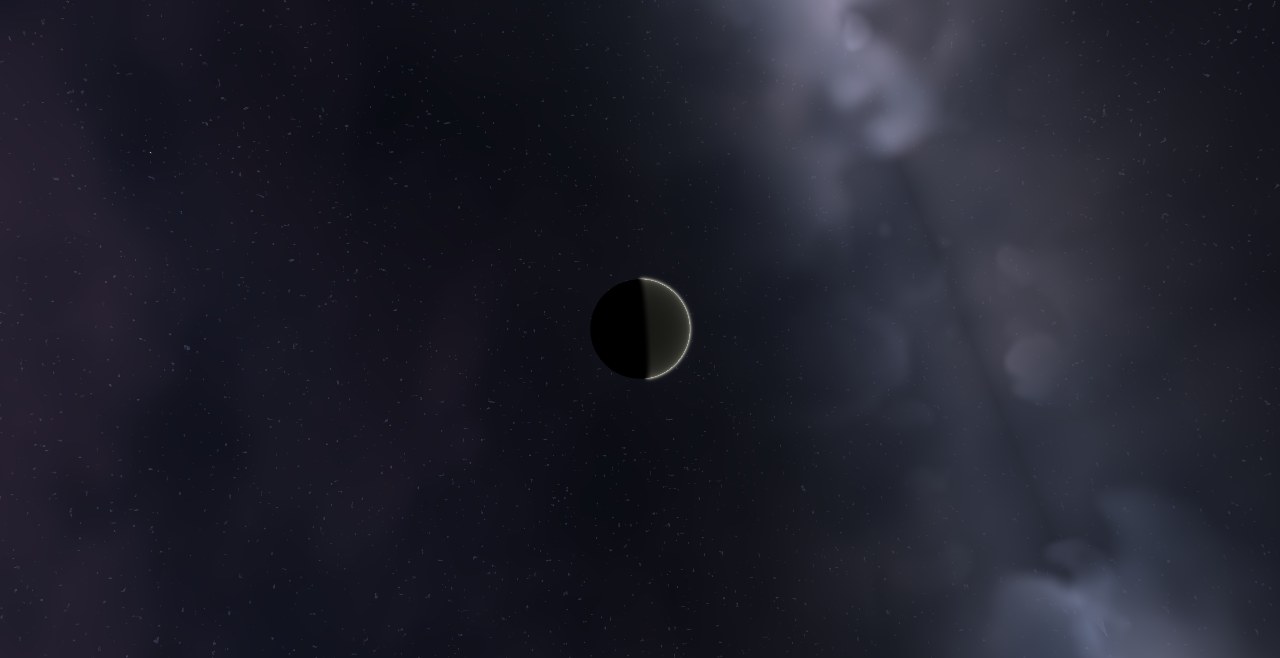
UCAC3 113-933, a cool M-dwarf of 0.61 solar masses, and UCAC3 113-933 b, a 21.0-Jupiter-mass companion, at 6,100 AU from its star.
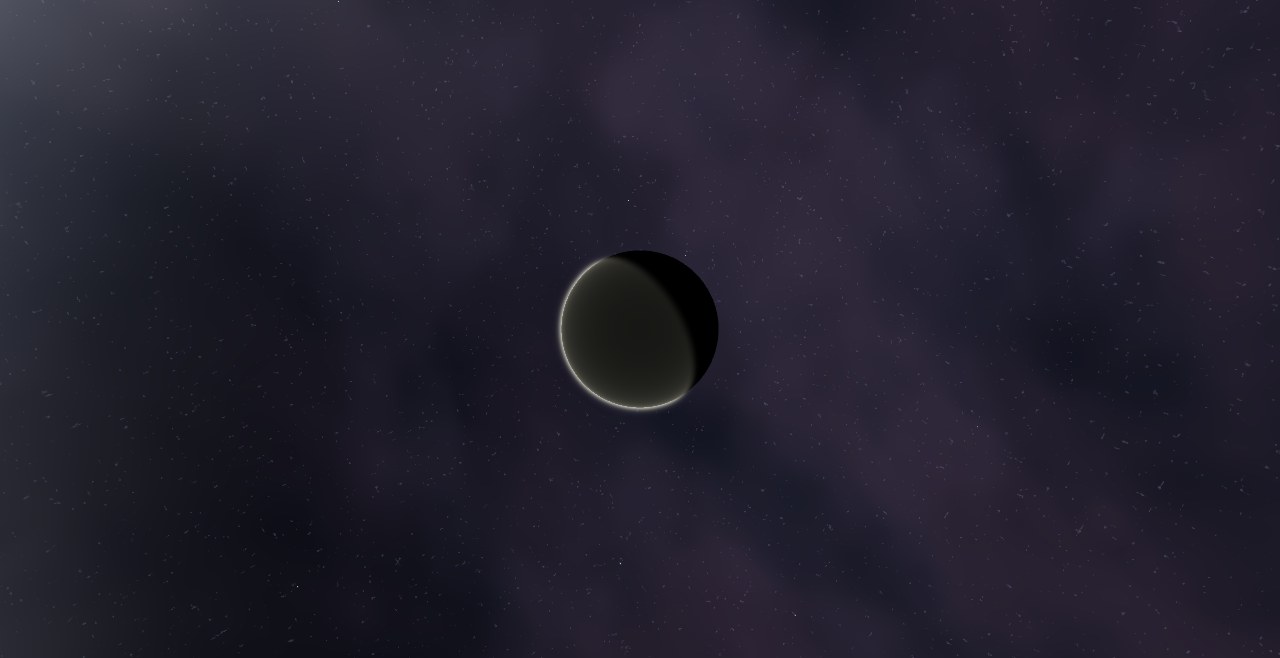
UCAC4 328-061594, a Sun-like G-type star of 1.19 solar masses, and UCAC4 328-061594 b, a 21.0-Jupiter-mass companion, at 19,000 AU from its star.
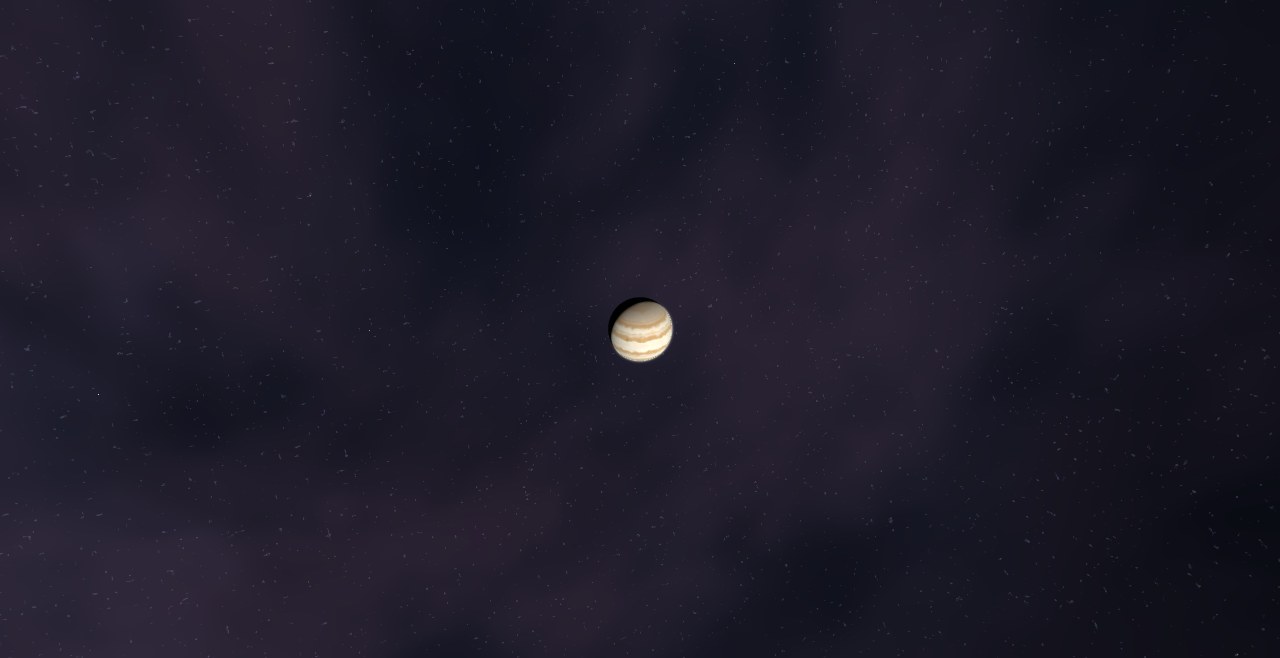
UKIRT-2017-BLG-001L, a Sun-like G-type star of 0.81 solar masses, and UKIRT-2017-BLG-001L b, a 1.28-Jupiter-mass companion, at 4.180 AU from its star.
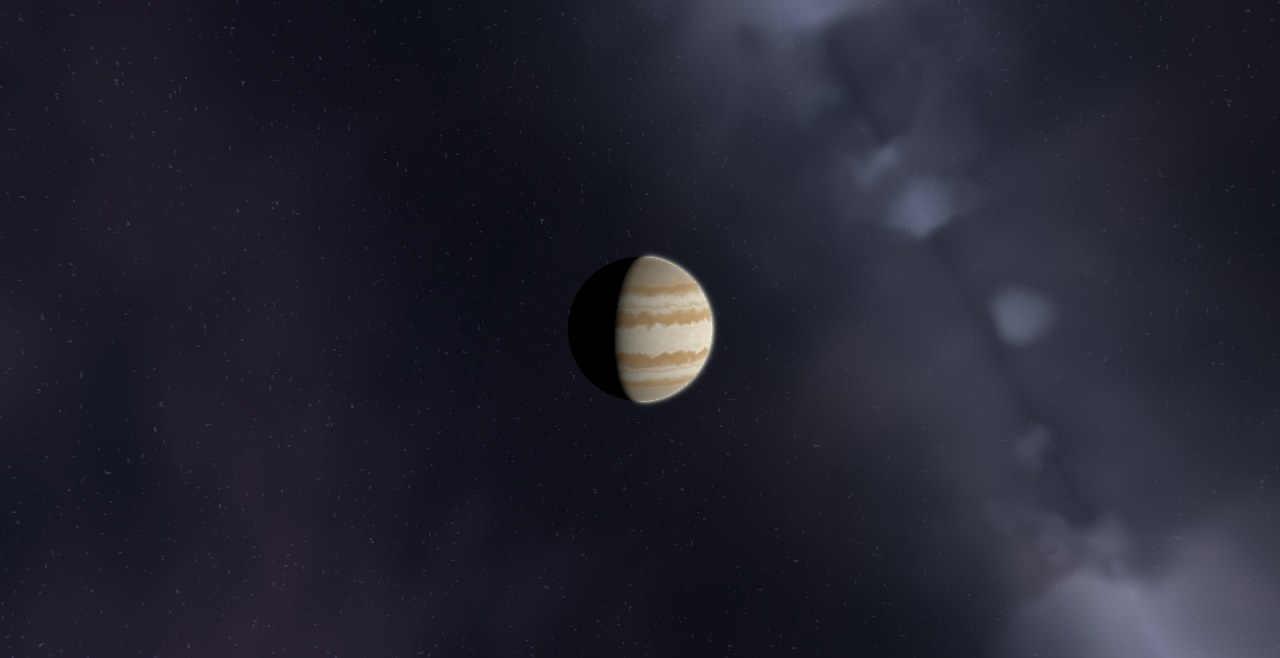
USco CTIO 108, a cool M-dwarf of 0.06 solar masses, and USco CTIO 108 b, a 14.0-Jupiter-mass companion, at 670 AU from its star.