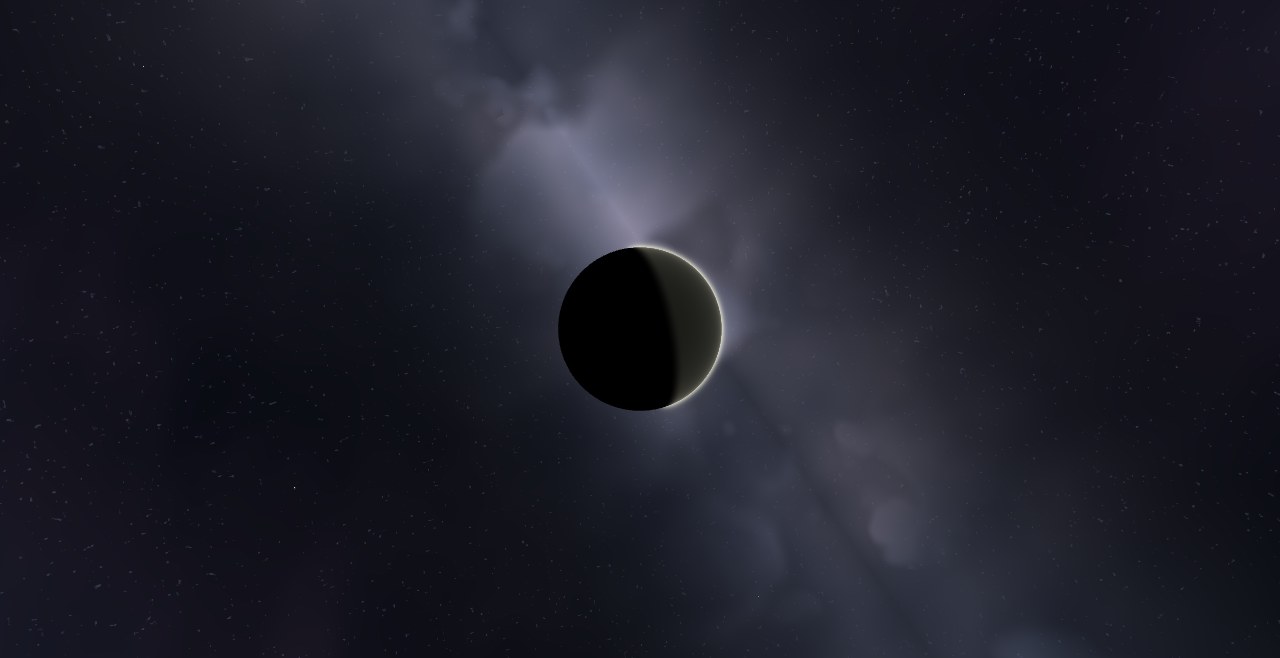
USco1556 A - System
USco1556 A, a cool M-dwarf of 0.33 solar masses, and USco1556 b, a 15.0-Jupiter-mass companion, at 3,500 AU from its star, and an equilibrium temperature near 2,240 K.
Scenarios
Discover alien solar systems and explore worlds far beyond our own. Simulate extreme orbital environments, habitable zones, and tightly packed resonant chains discovered by modern astronomy, all mapped accurately from real exoplanetary discovery data.
Share
USco1556 A, a cool M-dwarf of 0.33 solar masses, and USco1556 b, a 15.0-Jupiter-mass companion, at 3,500 AU from its star, and an equilibrium temperature near 2,240 K.
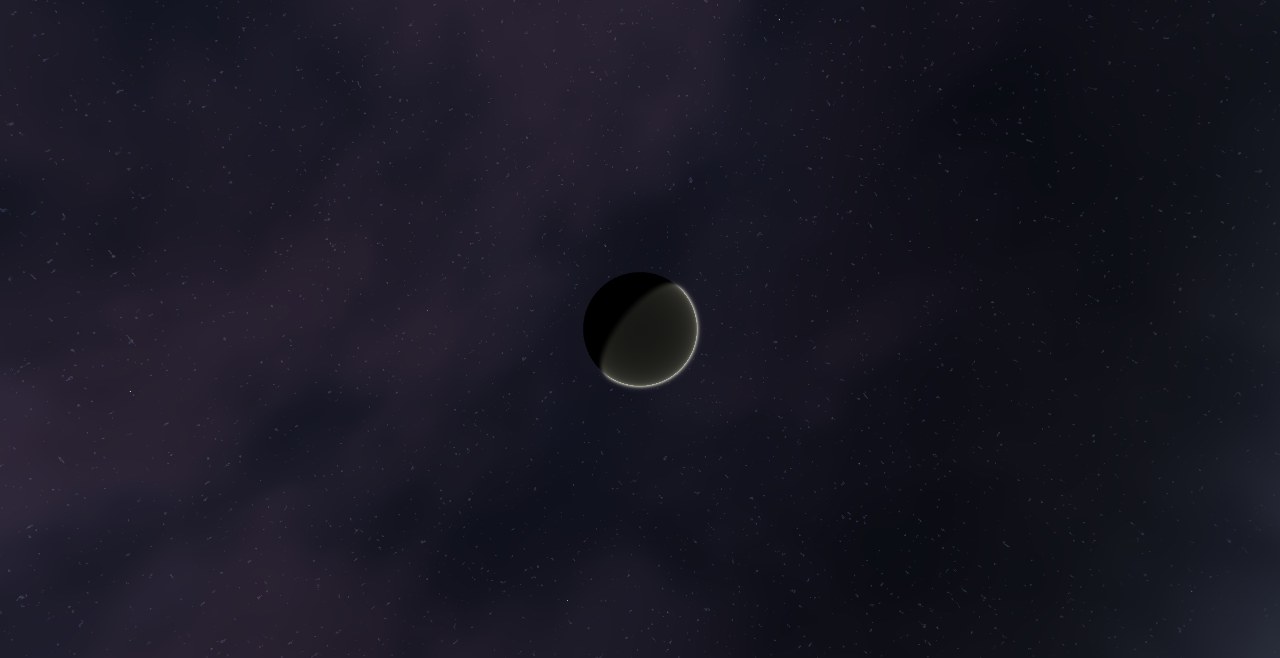
USco1621 A, a cool M-dwarf of 0.36 solar masses, and USco1621 b, a 16.0-Jupiter-mass companion, at 2,880 AU from its star, and an equilibrium temperature near 2,270 K.
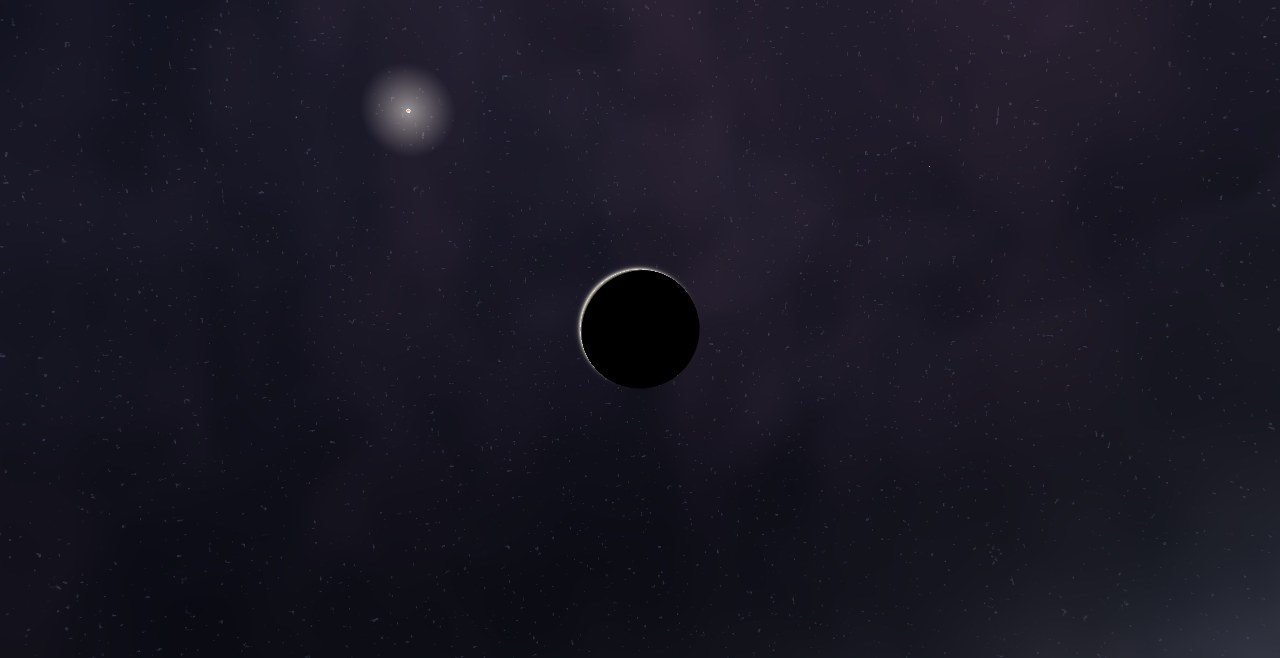
UZ For, a Sun-like G-type star of 0.70 solar masses, and UZ For c, a 7.70-Jupiter-mass companion, with an orbital period of 5.25 years, at 2.800 AU from its star.
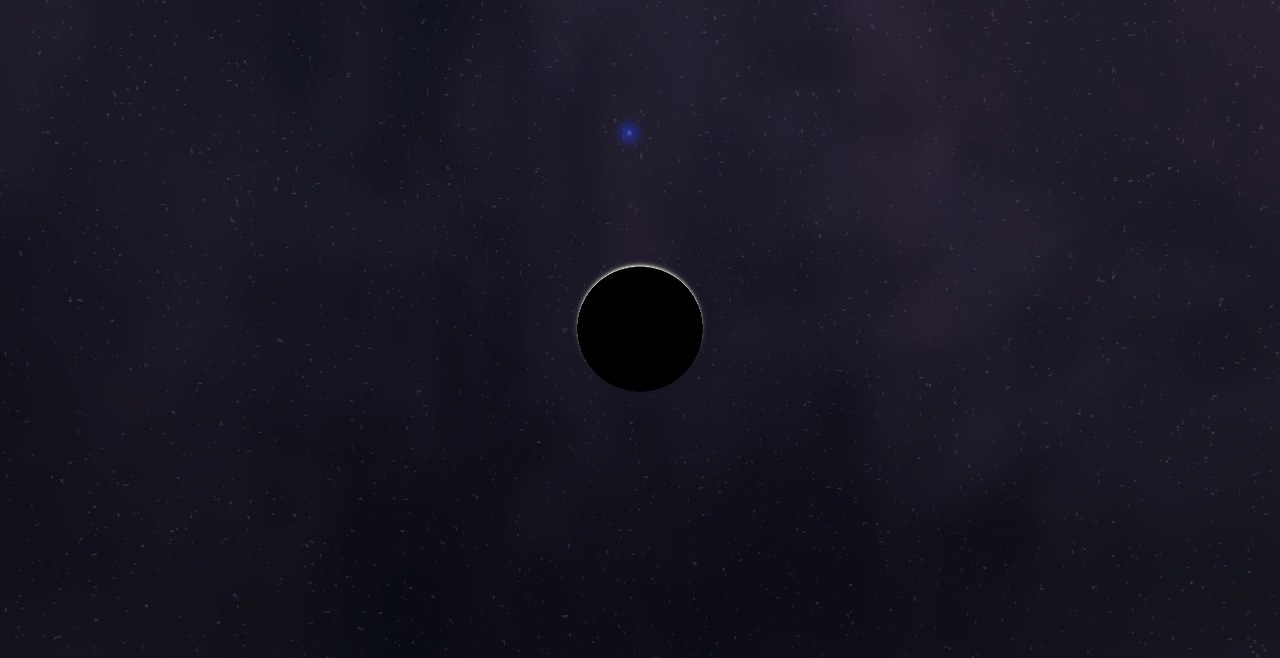
V0391 Peg, and V0391 Peg b, a 3.20-Jupiter-mass companion, with an orbital period of 3.20 years, at 1.700 AU from its star.
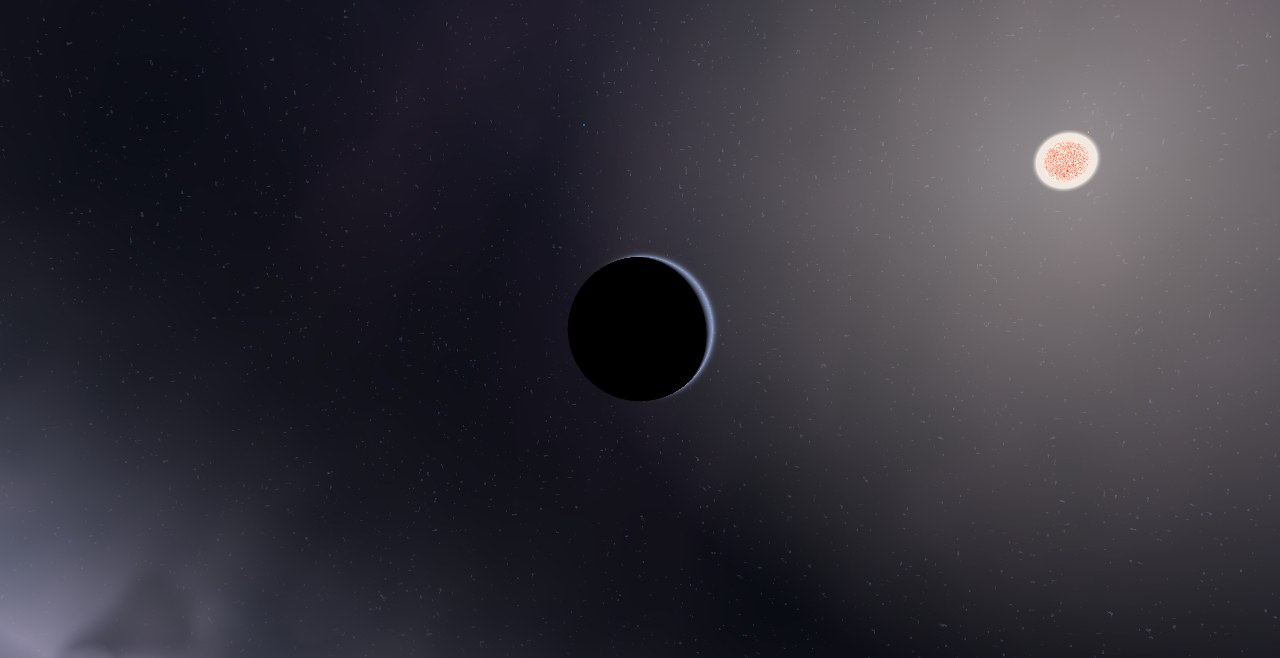
V1298 Tau, a 20-million-year-old star with four transiting planets. They are still contracting and look far puffier than mature planets. The star is a young K dwarf in Taurus.
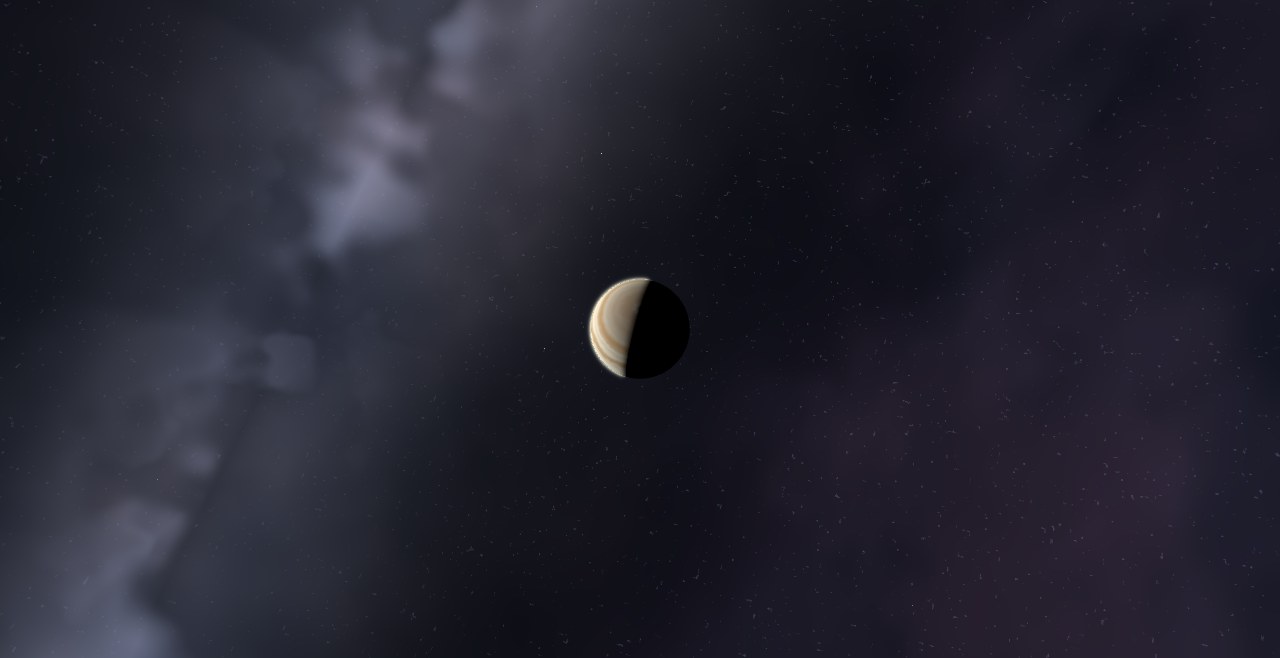
V2376 Ori, a cool M-dwarf of 0.45 solar masses, and V2376 Ori b, a 20.0-Jupiter-mass companion, at 71.0 AU from its star, and an equilibrium temperature near 2,100 K.
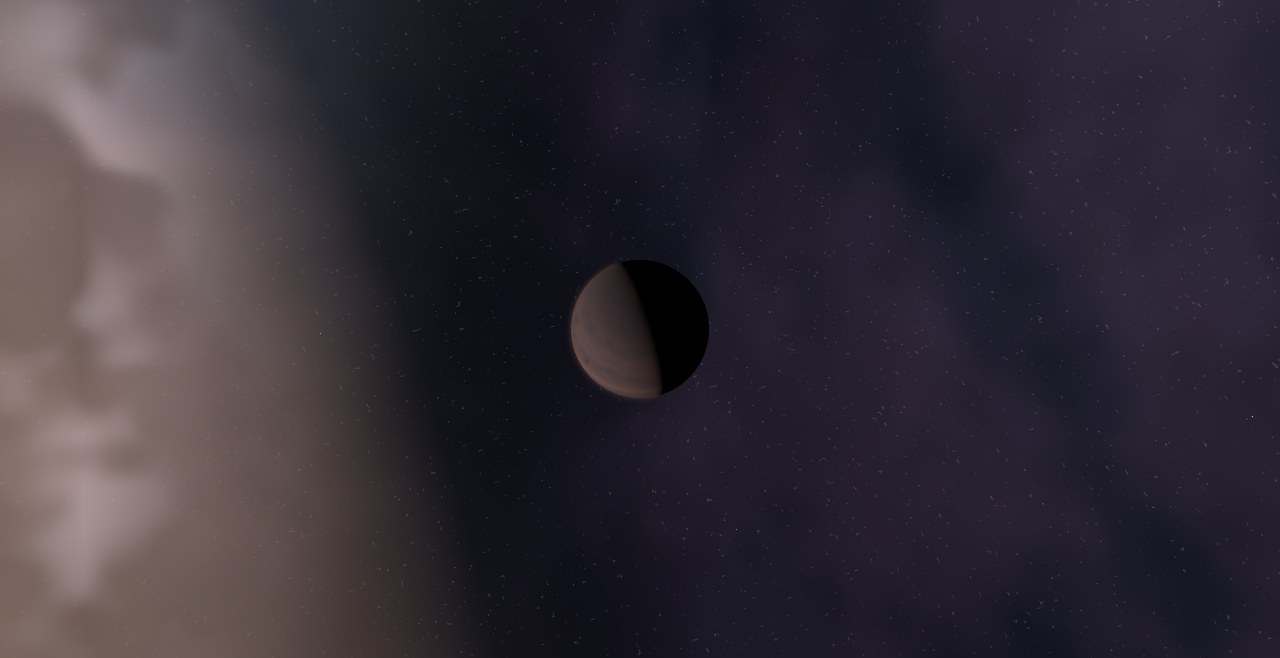
V830 Tau, an orange K-type dwarf of 1.00 solar masses, and V830 Tau b, a 0.70-Jupiter-mass companion, with an orbital period of 4.9 days, at 0.057 AU from its star.
VHS J125601.92-125723.9, a cool M-dwarf of 0.07 solar masses, and VHS J125601.92-125723.9 b, a 16.0-Jupiter-mass companion, with an orbital period of 15,880 years, at 350 AU from its star, and an equilibrium.
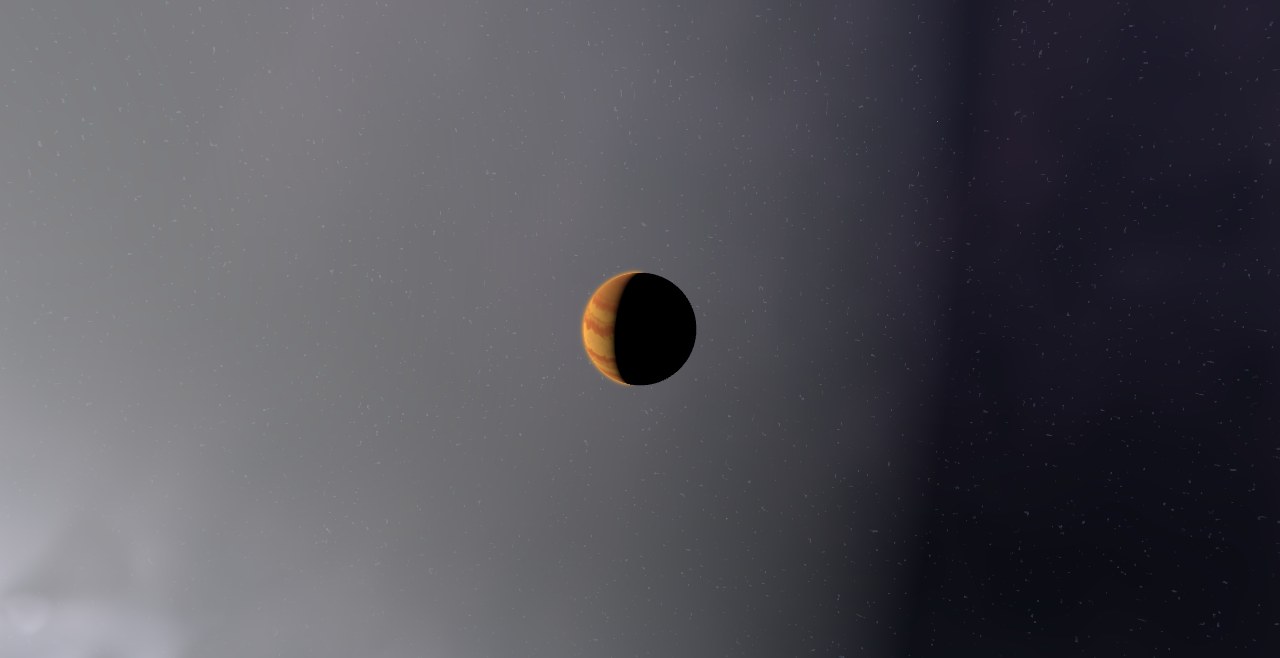
WASP-1, a Sun-like F-type star of 1.24 solar masses, and WASP-1 b, a 0.85-Jupiter-mass companion, with an orbital period of 2.5 days, at 0.039 AU from its star.
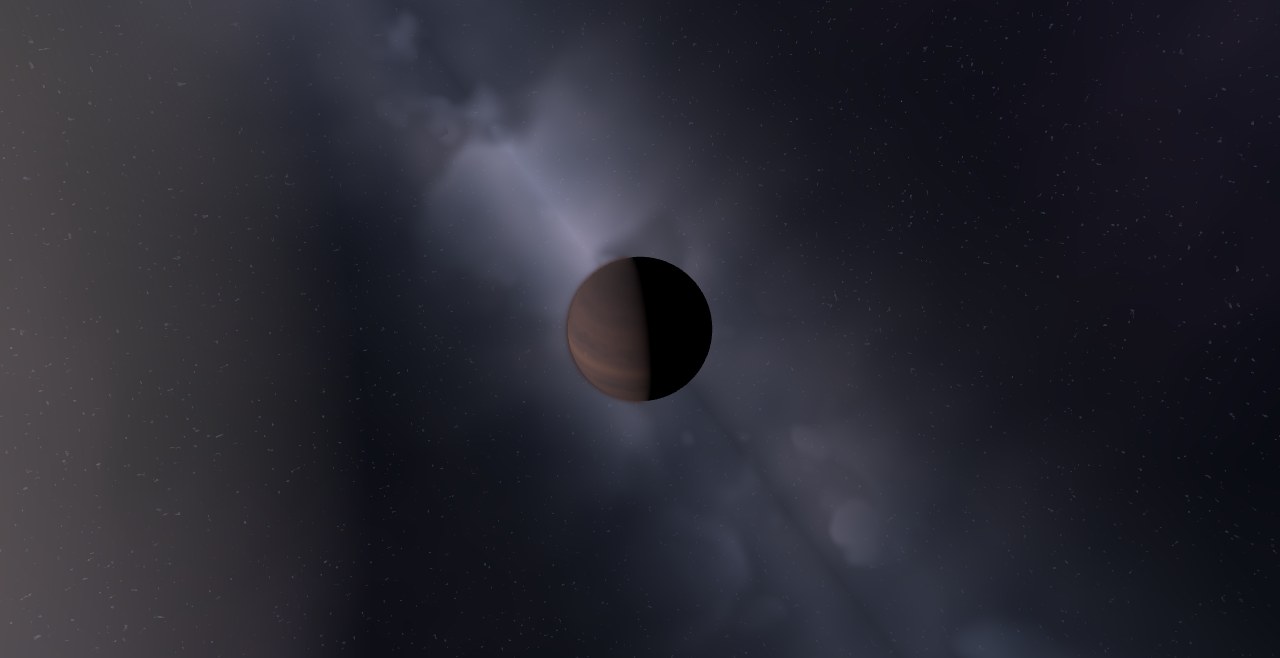
WASP-10, an orange K-type dwarf of 0.75 solar masses, and WASP-10 b, a 3.15-Jupiter-mass companion, with an orbital period of 3.1 days, at 0.038 AU from its star, and an equilibrium temperature near 1,370 K.
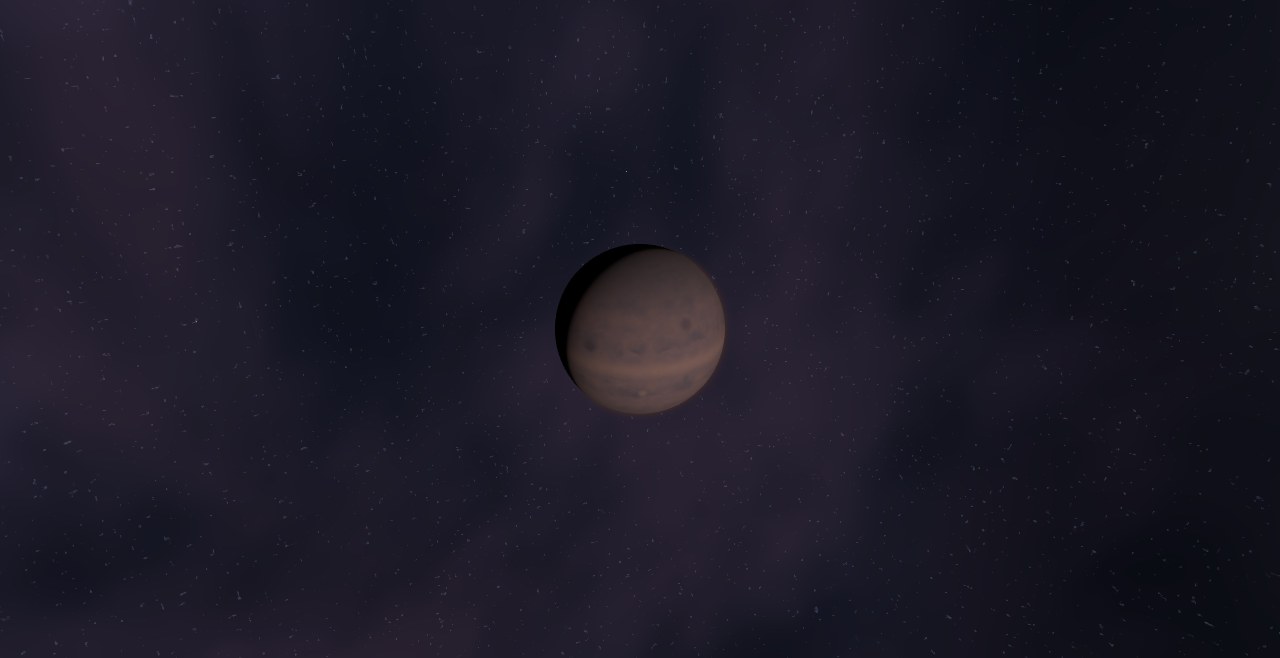
WASP-100, a Sun-like F-type star of 0.77 solar masses, and WASP-100 b, a 1.26-Jupiter-mass companion, with an orbital period of 2.8 days.
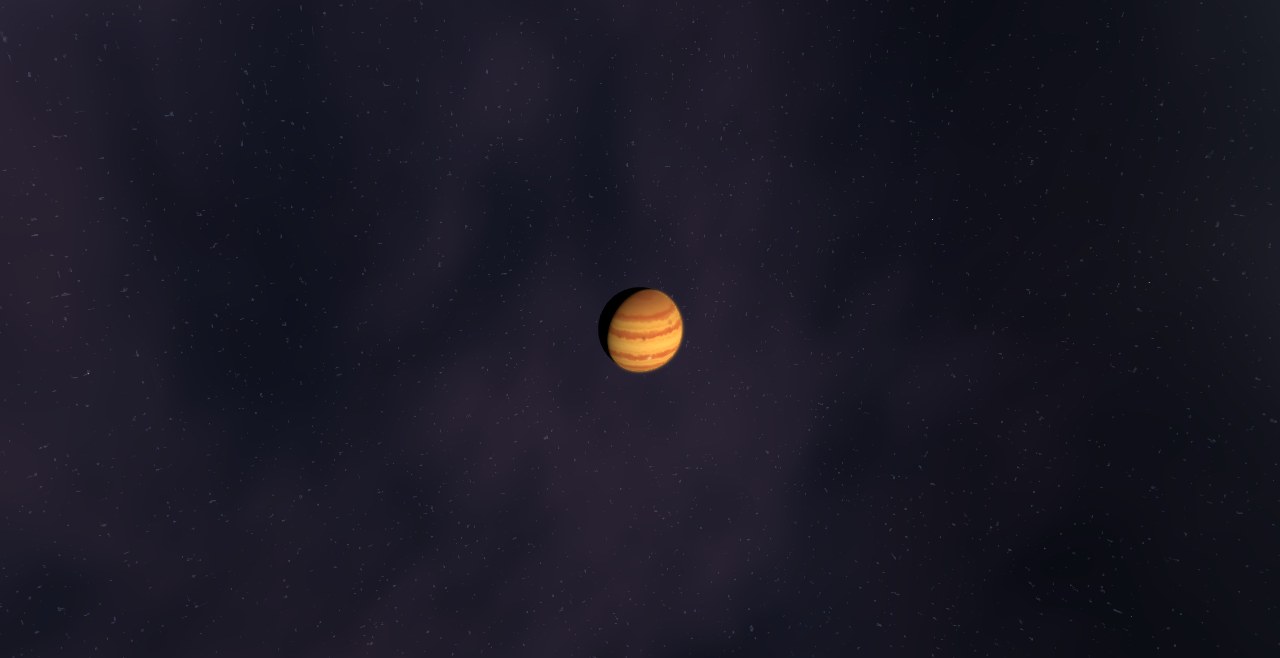
WASP-101, a Sun-like F-type star of 1.41 solar masses, and WASP-101 b, a 0.51-Jupiter-mass companion, with an orbital period of 3.6 days.
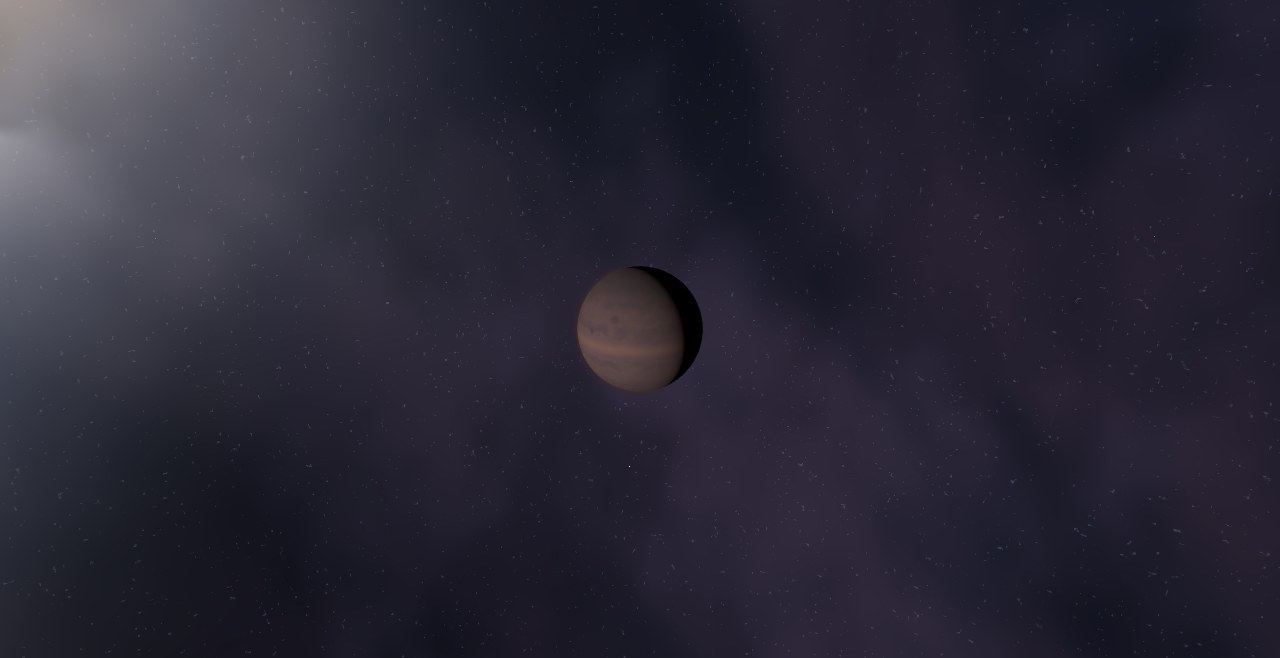
WASP-102, a Sun-like G-type star of 1.08 solar masses, and WASP-102 b, a 0.62-Jupiter-mass companion, with an orbital period of 2.7 days, at 0.041 AU from its star, and an equilibrium temperature near 1,671 K.
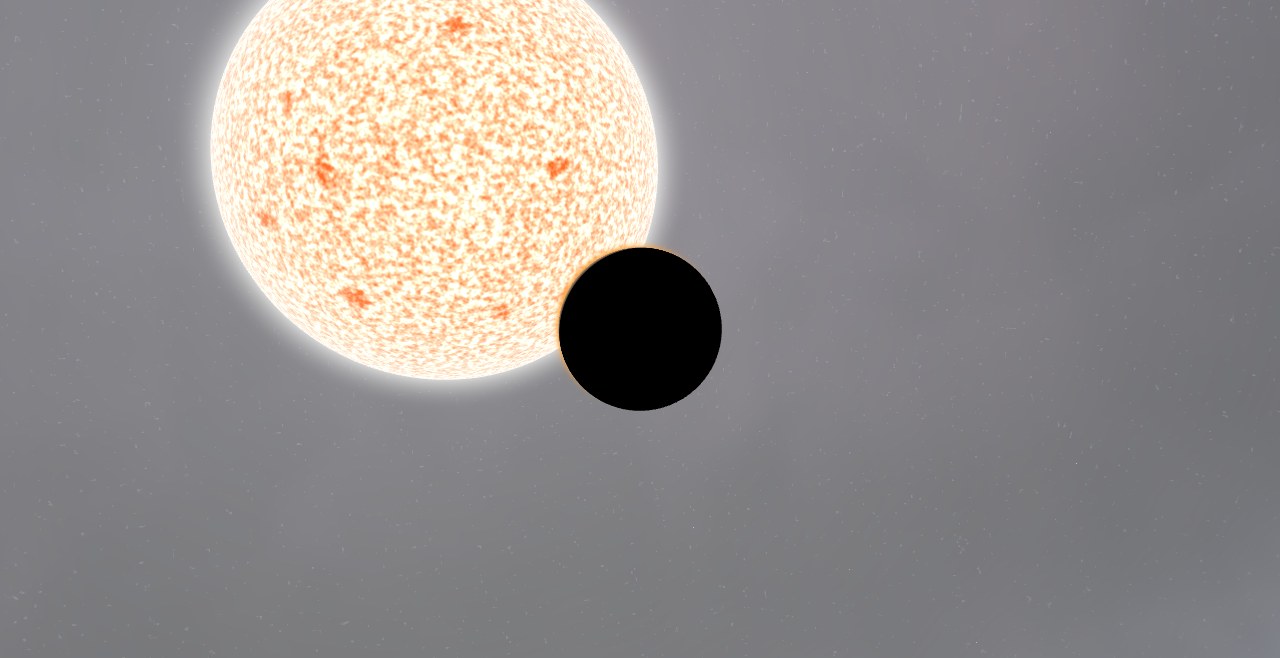
WASP-103 b, the first planet whose tidal bulge was measured. CHEOPS detected the deformation as this hot Jupiter is stretched by its star. The planet is one of the closest, hottest Jupiters known.
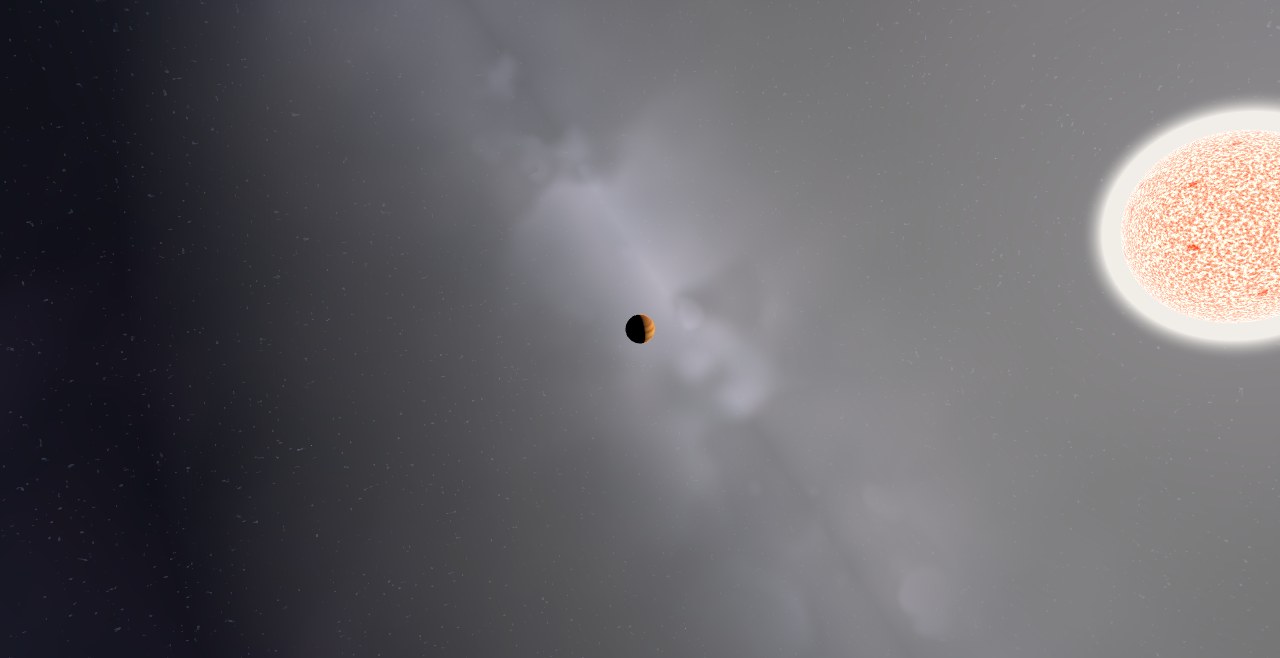
WASP-104, a Sun-like G-type star of 1.08 solar masses, and WASP-104 b, a 1.27-Jupiter-mass companion, with an orbital period of 1.8 days, at 0.029 AU from its star, and an equilibrium temperature near 1,516 K.
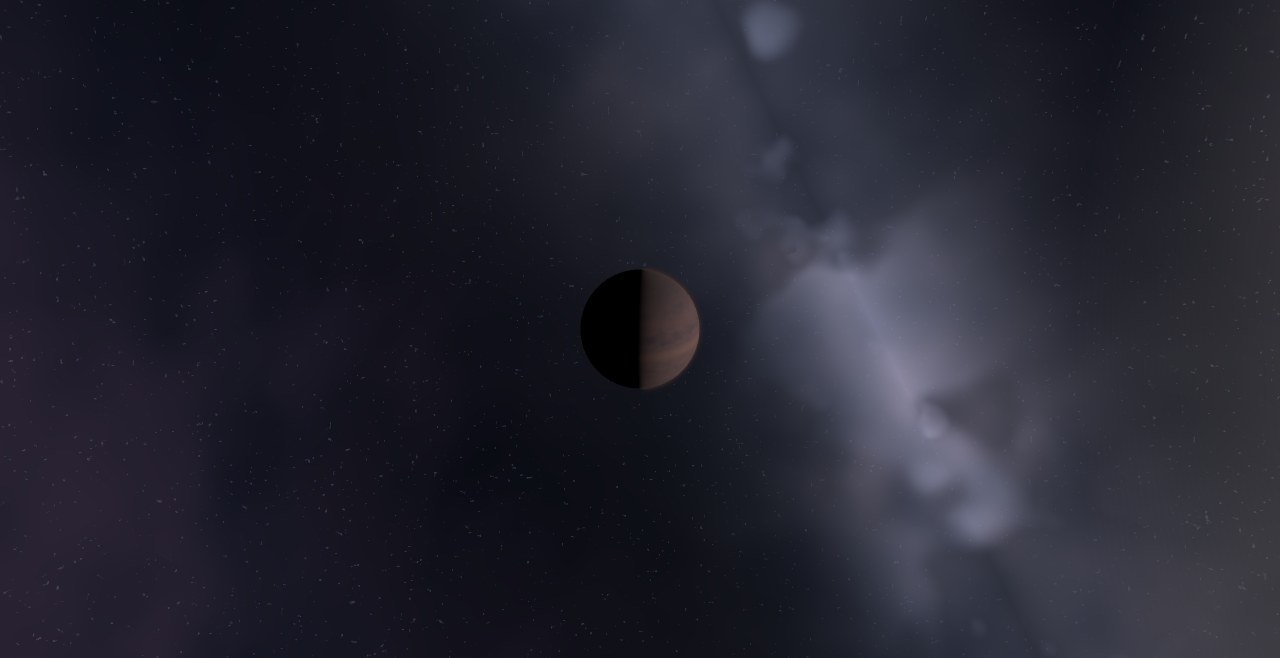
WASP-105, an orange K-type dwarf of 0.89 solar masses, and WASP-105 b, a 1.80-Jupiter-mass companion, with an orbital period of 7.9 days, at 0.075 AU from its star, and an equilibrium temperature near 900 K.
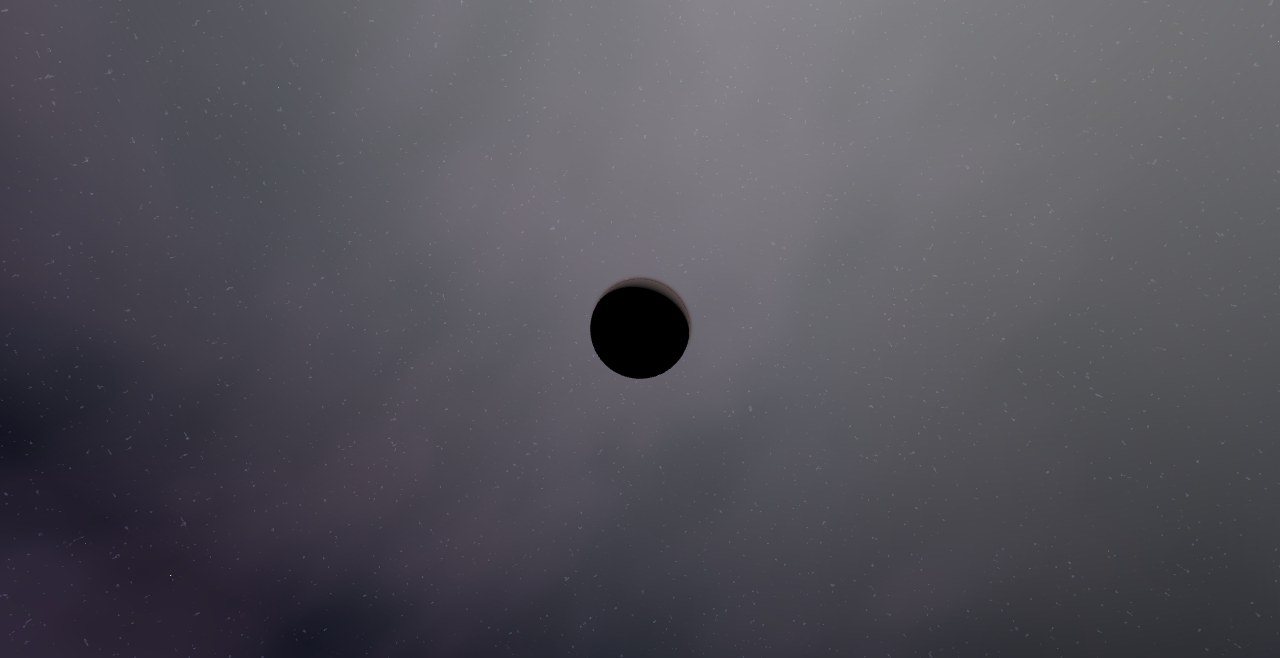
WASP-106, a Sun-like F-type star of 1.18 solar masses, and WASP-106 b, a 1.93-Jupiter-mass companion, with an orbital period of 9.3 days, at 0.090 AU from its star.
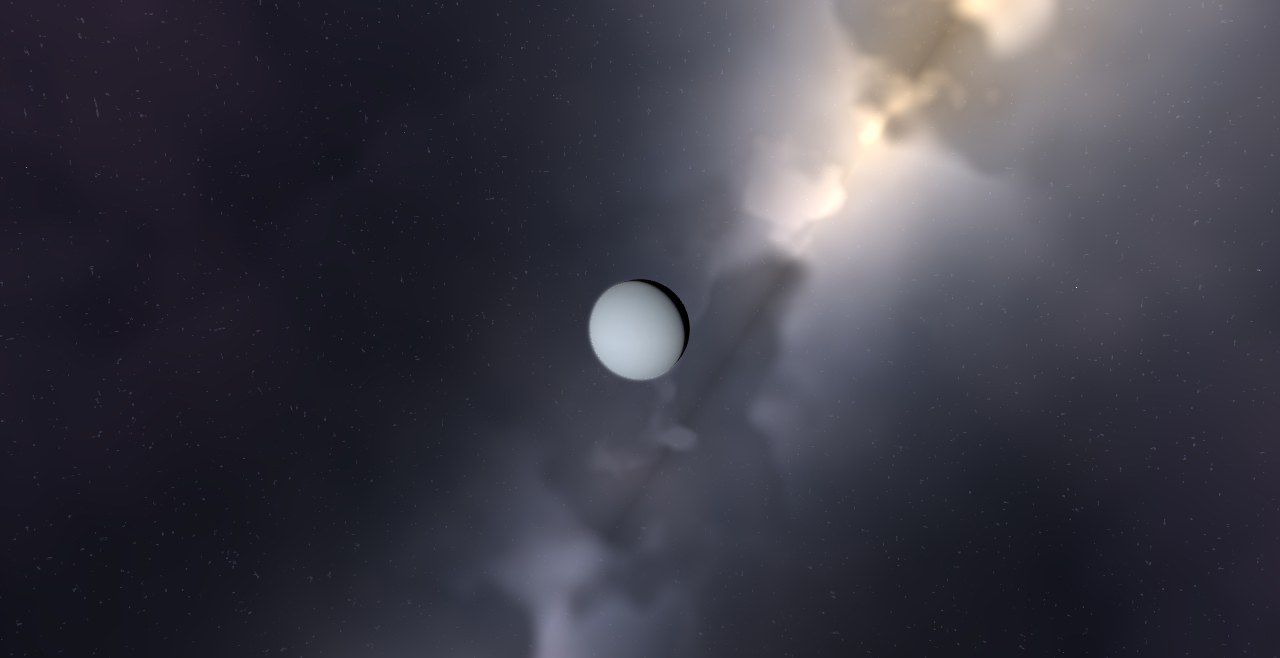
WASP-107 b, a super-puff Neptune with a helium tail. It is almost Jupiter-sized but only about 30 Earth masses, and its atmosphere is leaking.