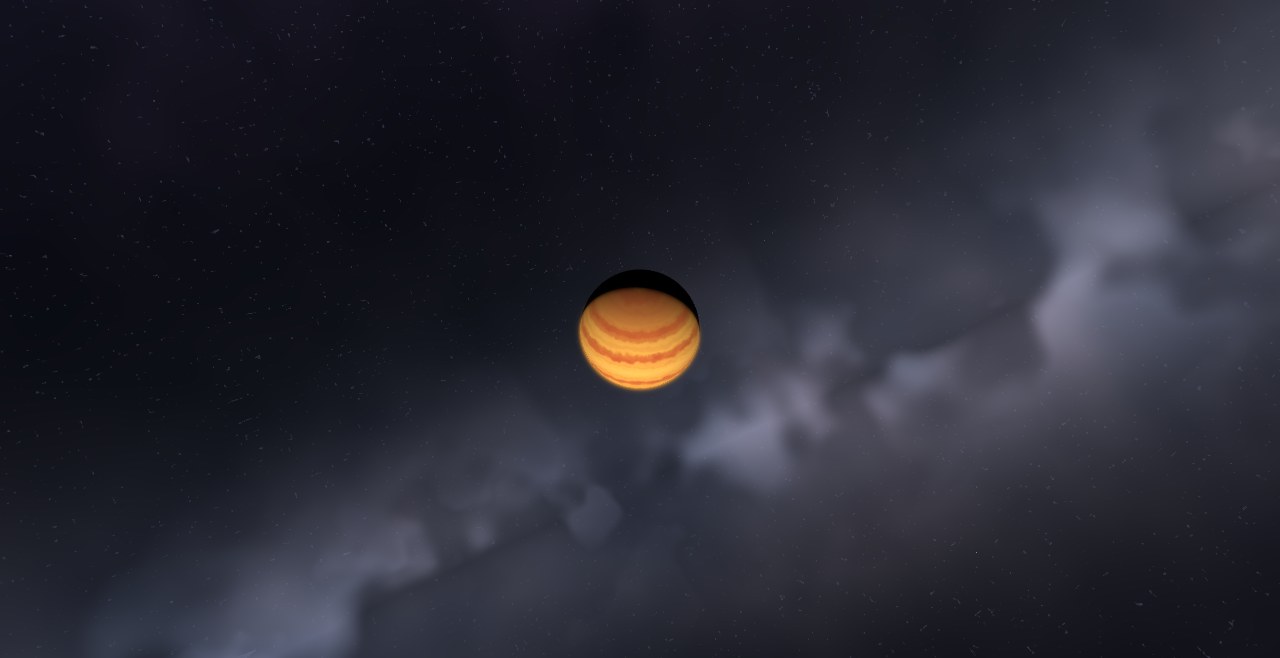
WASP-11 - System
WASP-11, an orange K-type dwarf of 1.42 solar masses, and WASP-11 b, a 0.79-Jupiter-mass companion, with an orbital period of 3.7 days.
Scenarios
Discover alien solar systems and explore worlds far beyond our own. Simulate extreme orbital environments, habitable zones, and tightly packed resonant chains discovered by modern astronomy, all mapped accurately from real exoplanetary discovery data.
Share
WASP-11, an orange K-type dwarf of 1.42 solar masses, and WASP-11 b, a 0.79-Jupiter-mass companion, with an orbital period of 3.7 days.
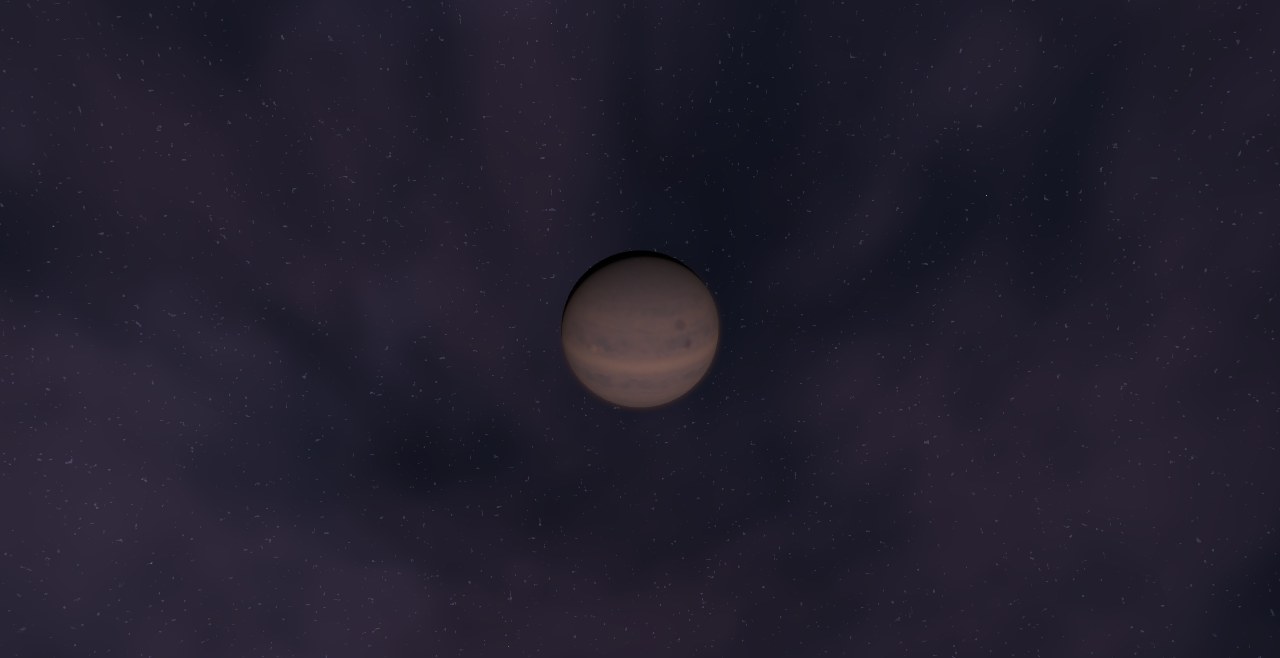
WASP-113, a Sun-like G-type star of 1.32 solar masses, and WASP-113 b, a 0.47-Jupiter-mass companion, with an orbital period of 4.5 days, at 0.059 AU from its star, and an equilibrium temperature near 1,496 K.
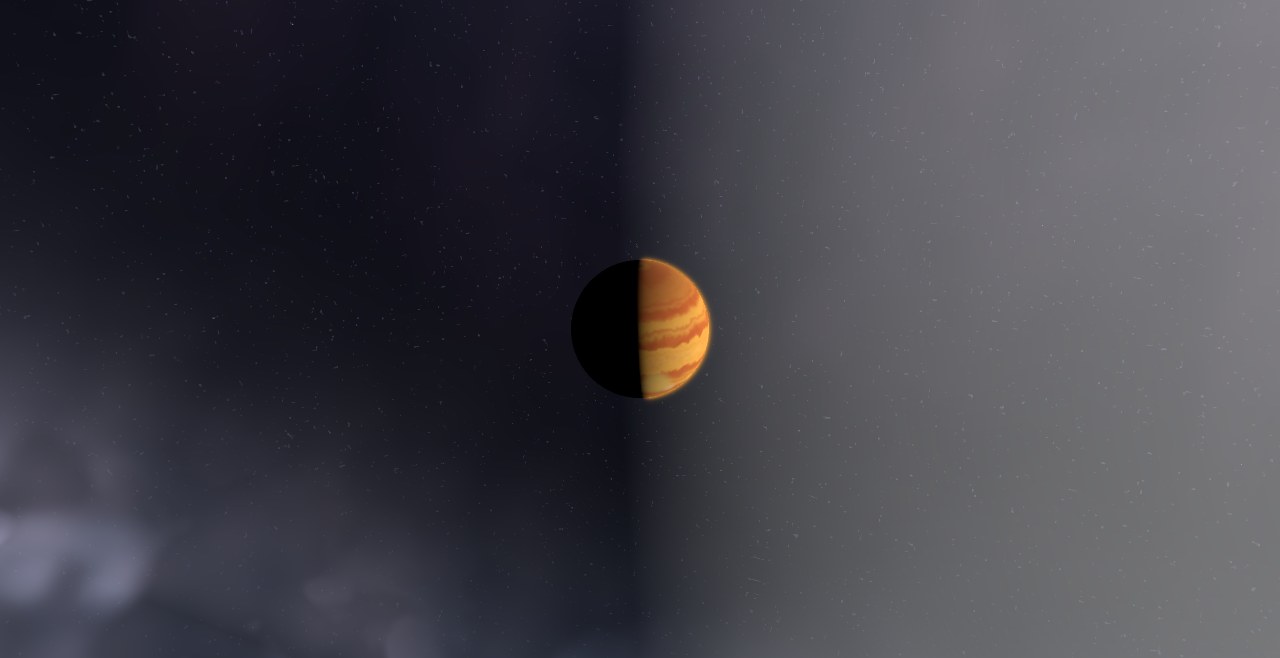
WASP-114, a Sun-like G-type star of 1.29 solar masses, and WASP-114 b, a 1.77-Jupiter-mass companion, with an orbital period of 1.5 days, at 0.029 AU from its star, and an equilibrium temperature near 2,043 K.
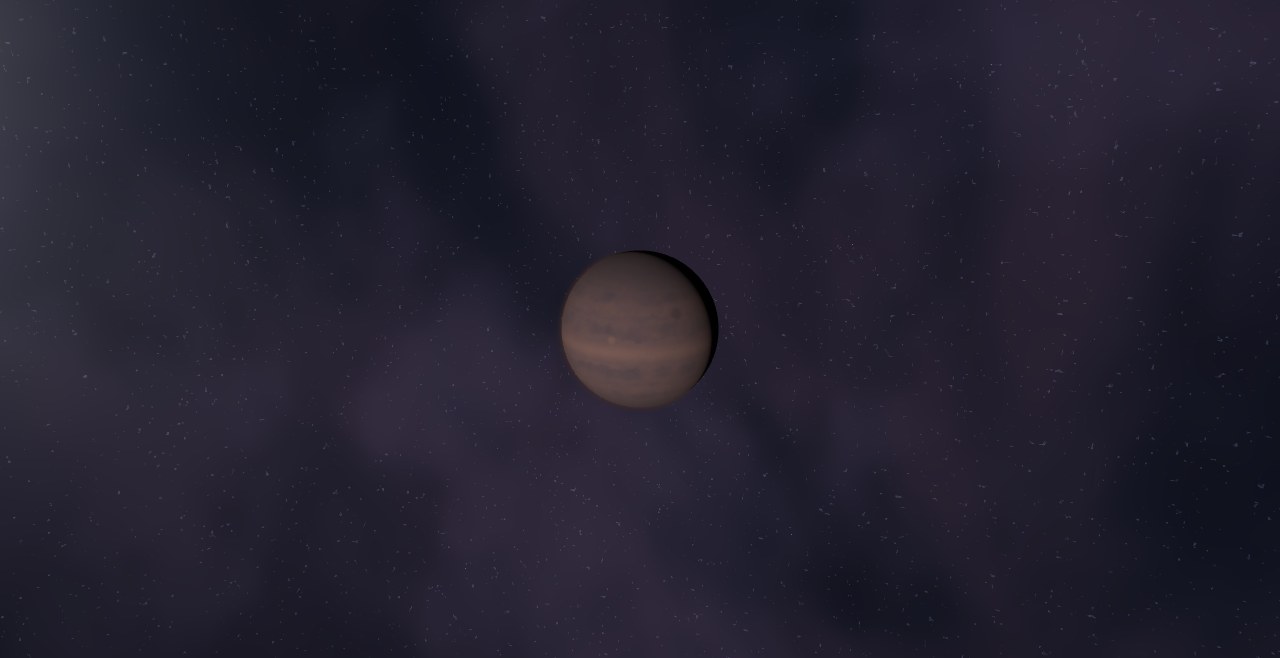
WASP-116, a Sun-like F-type star of 1.25 solar masses, and WASP-116 b, a 0.64-Jupiter-mass companion, with an orbital period of 6.6 days, at 0.065 AU from its star, and an equilibrium temperature near 1,414 K.
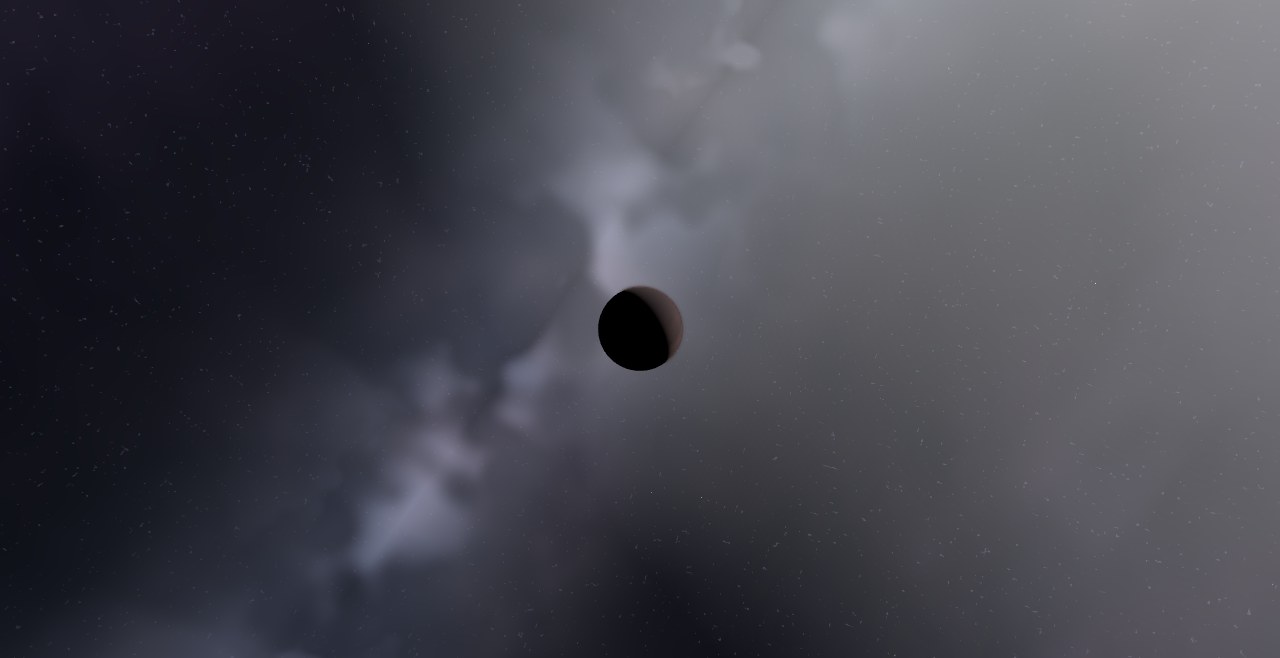
WASP-117, a Sun-like F-type star of 1.29 solar masses, and WASP-117 b, a 0.30-Jupiter-mass companion, with an orbital period of 10.0 days, on an eccentric orbit (e ≈ 0.30).
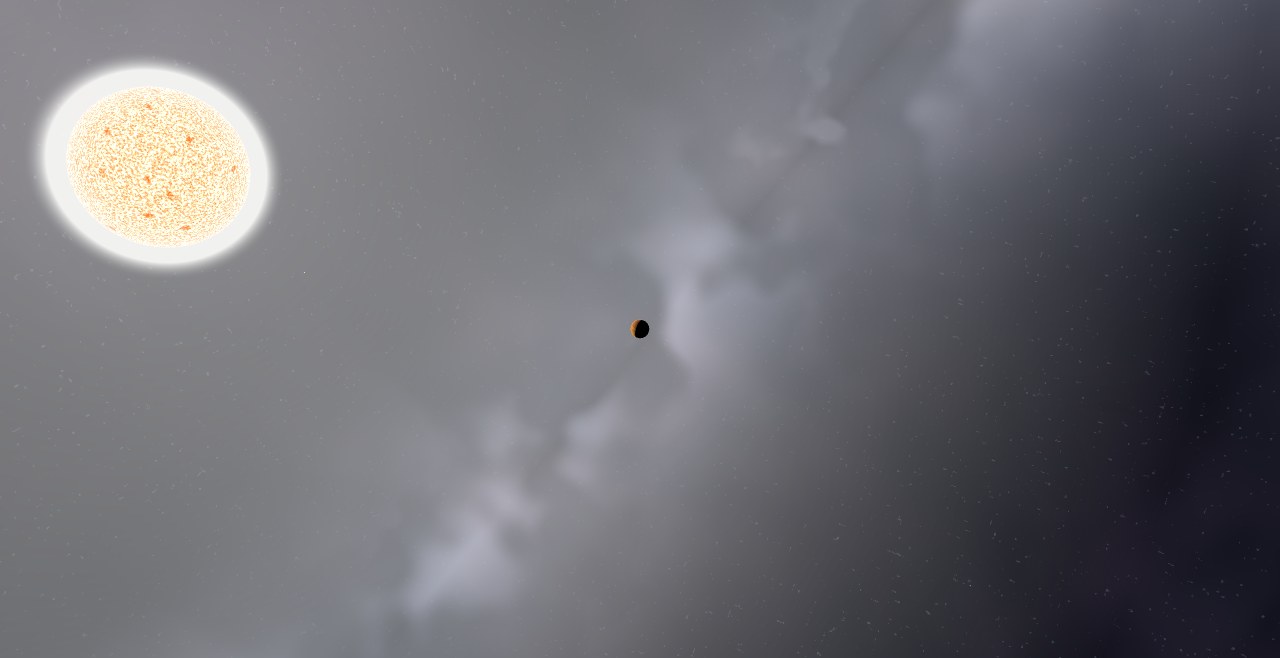
WASP-118, a Sun-like F-type star of 1.32 solar masses, and WASP-118 b, a 0.51-Jupiter-mass companion, with an orbital period of 4.0 days, at 0.055 AU from its star, and an equilibrium temperature near 1,729 K.
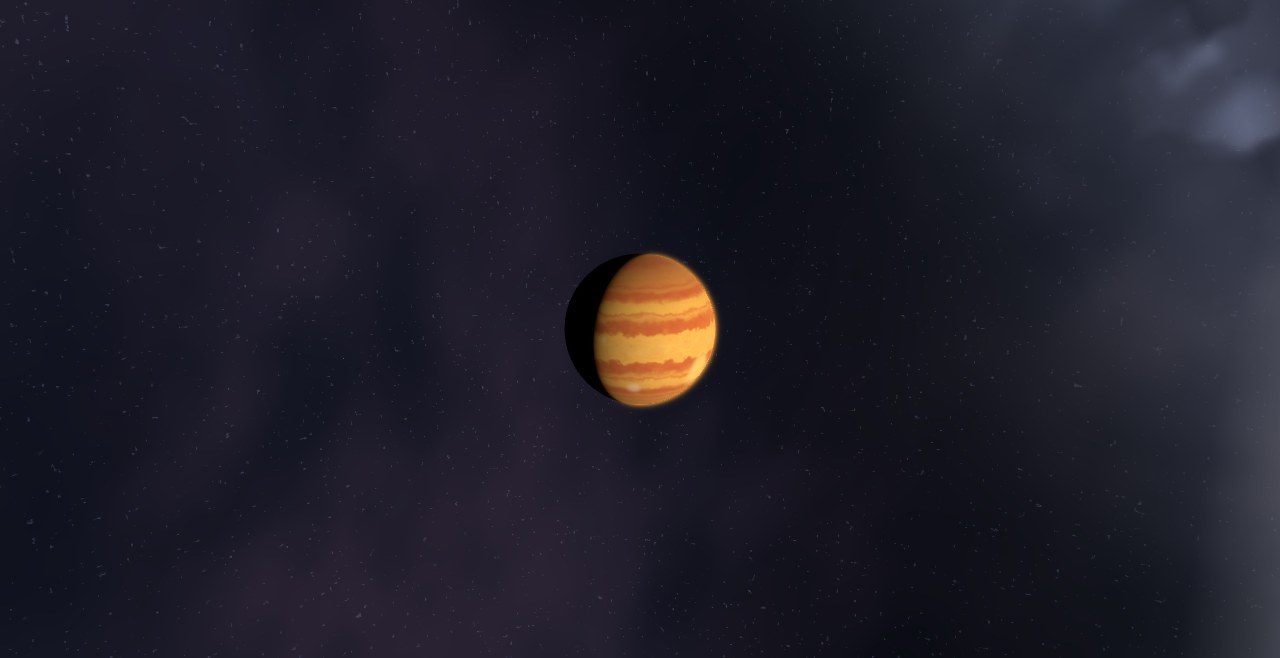
WASP-119, a Sun-like G-type star of 1.02 solar masses, and WASP-119 b, a 1.23-Jupiter-mass companion, with an orbital period of 2.5 days, at 0.036 AU from its star, and an equilibrium temperature near 1,600 K.
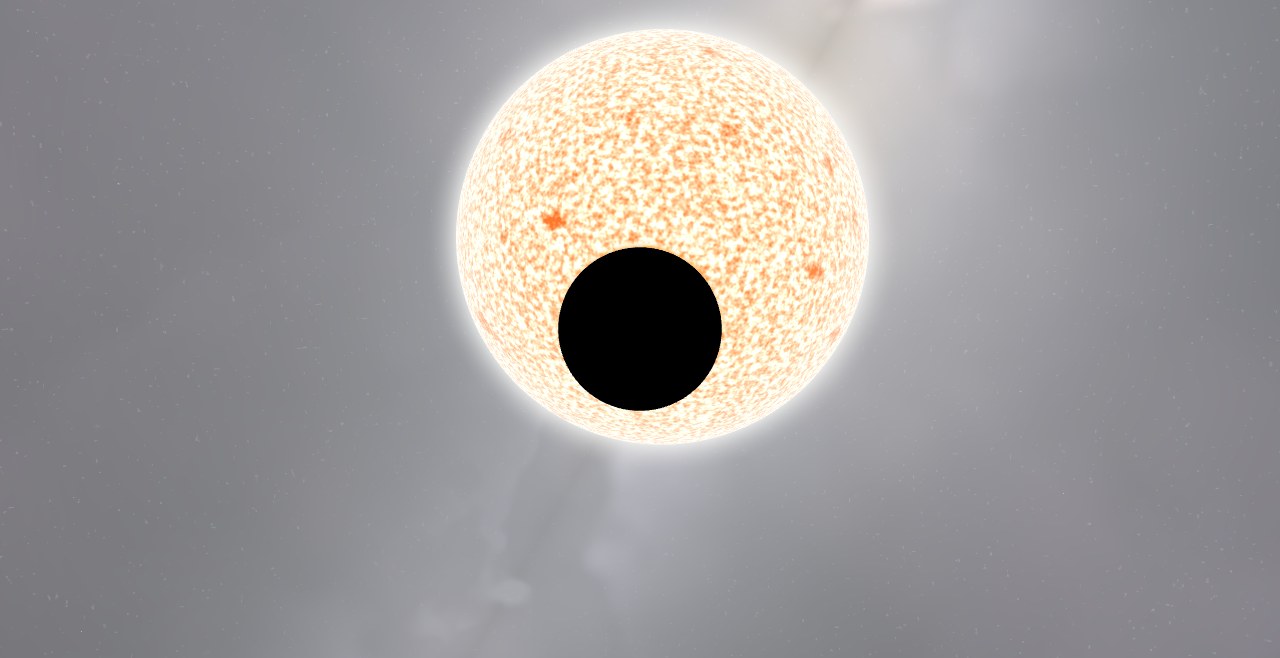
WASP-12 b, an inflated hot Jupiter so close that tides stretch it. Its orbit is decaying, and the planet may be spiraling into the star. Its year lasts a little more than one day.
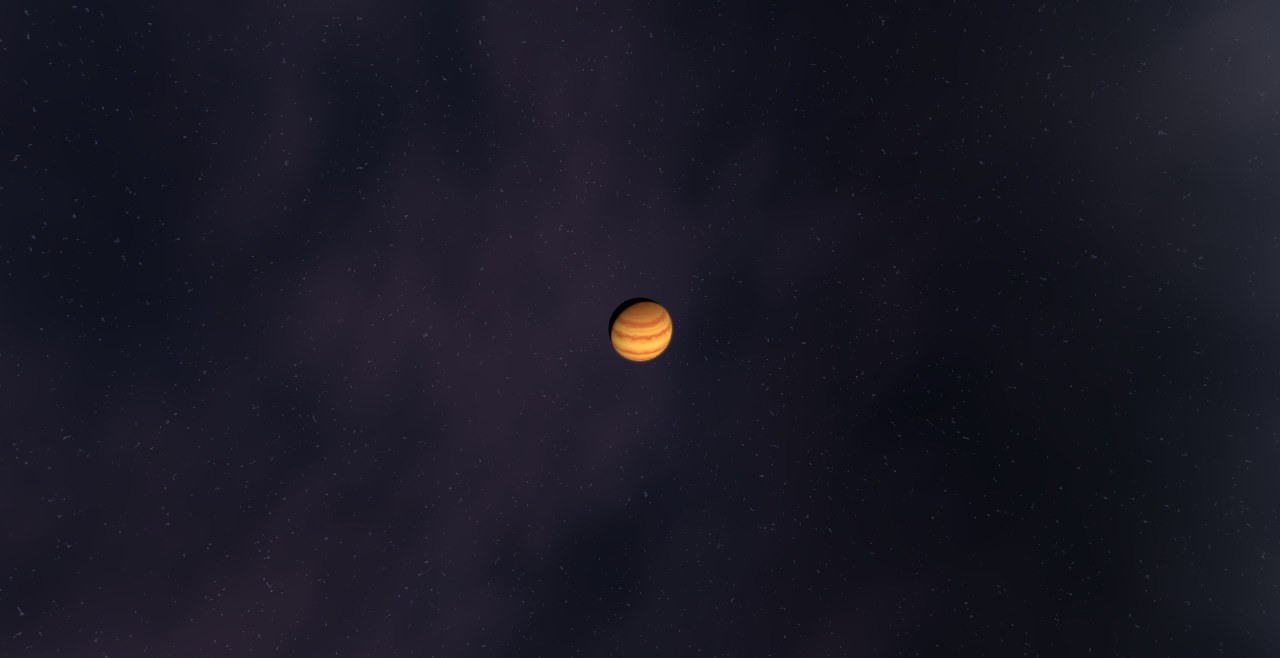
WASP-120, a Sun-like F-type star of 1.39 solar masses, and WASP-120 b, a planet with 15.6 Earth radii, and an equilibrium temperature near 1,749 K.
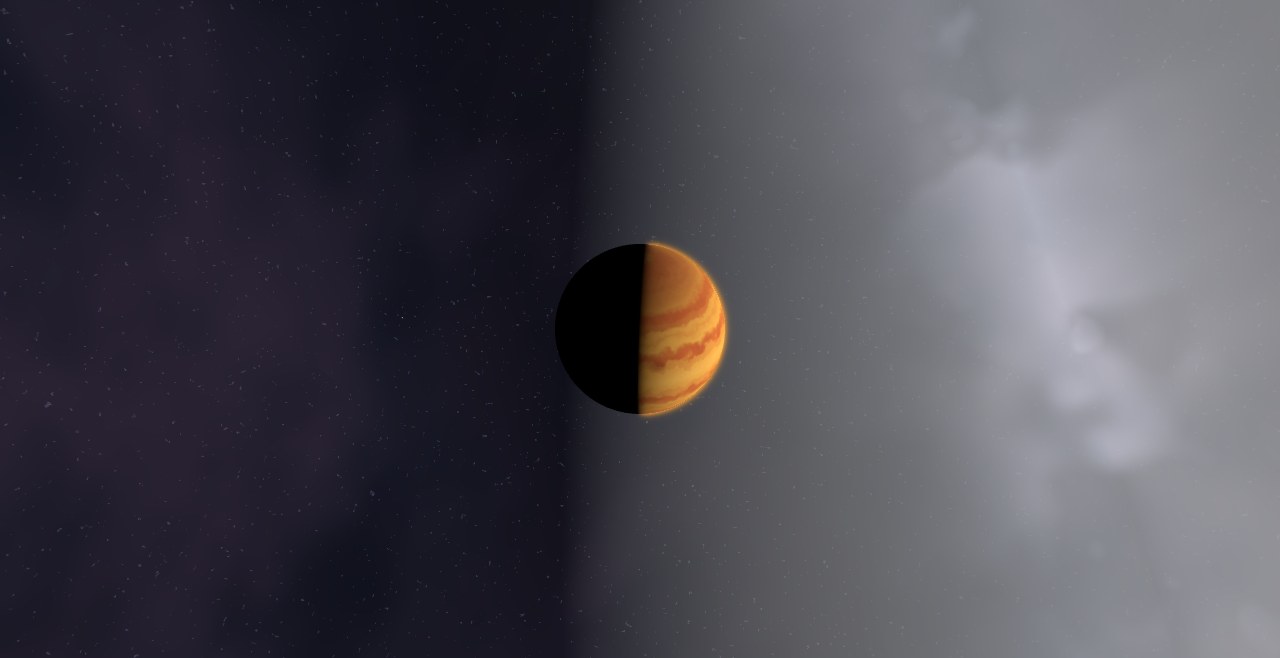
WASP-121 b, an ultra-hot Jupiter with a stratosphere. Metals and water are seen escaping from the dayside of this tidally locked world. One orbit takes only about 30 hours.
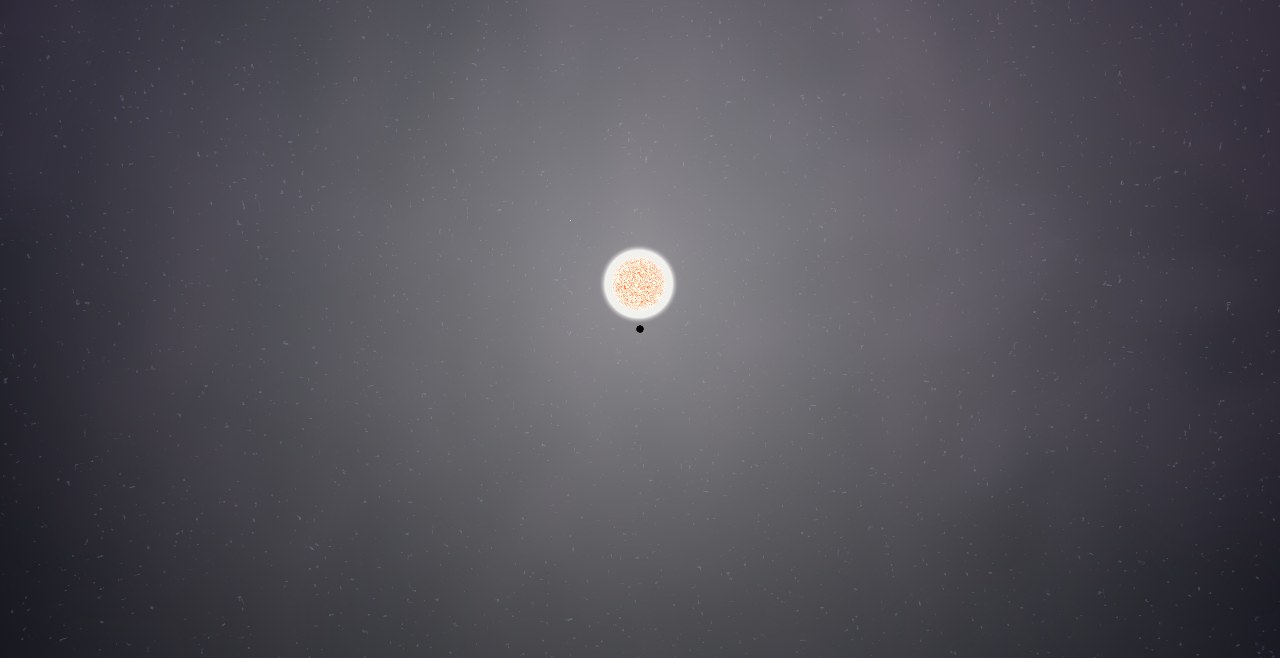
WASP-123, a Sun-like G-type star of 1.17 solar masses, and WASP-123 b, a planet with 15.1 Earth radii, and an equilibrium temperature near 1,500 K.
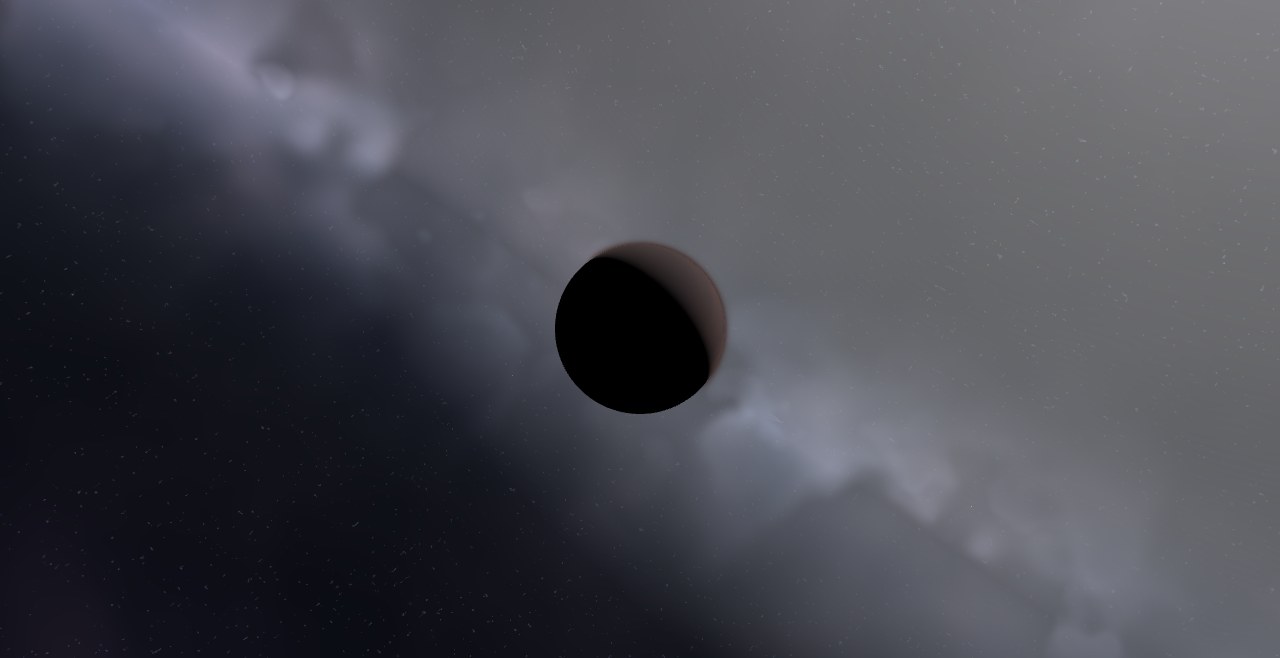
WASP-124, a Sun-like F-type star of 1.07 solar masses, and WASP-124 b, a 0.60-Jupiter-mass companion, with an orbital period of 3.4 days, at 0.045 AU from its star, and an equilibrium temperature near 1,400 K.
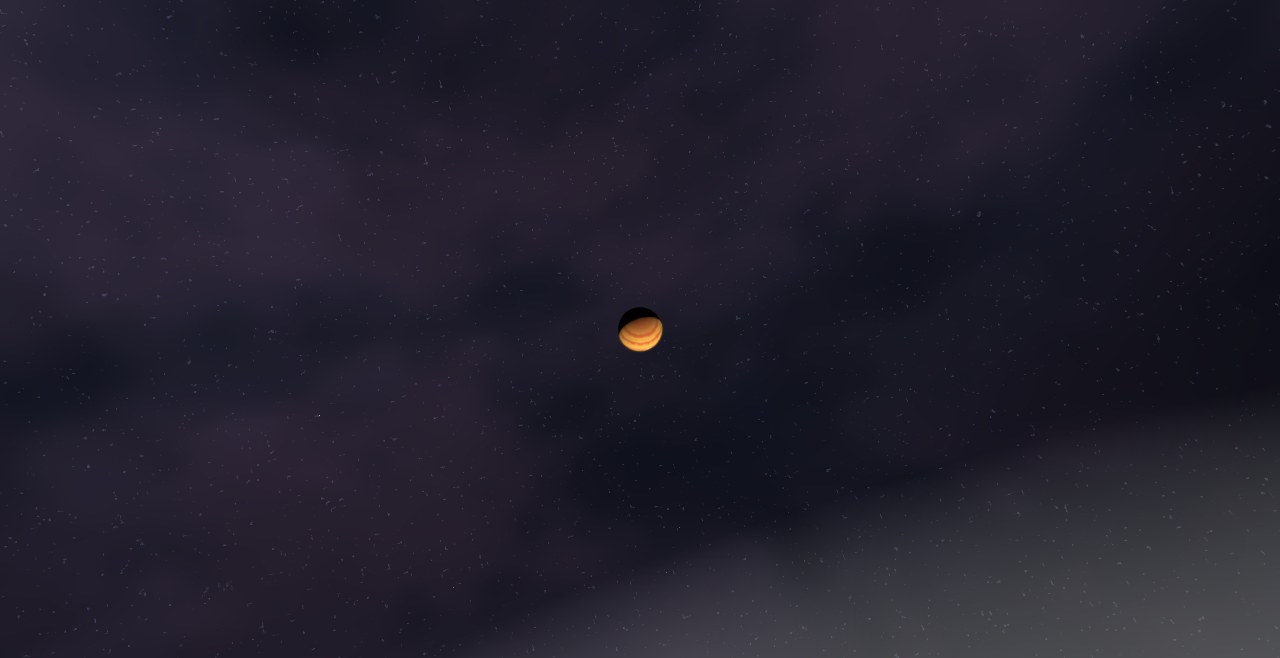
WASP-126, a Sun-like G-type star of 1.12 solar masses, and WASP-126 b, a 0.28-Jupiter-mass companion, with an orbital period of 3.3 days.
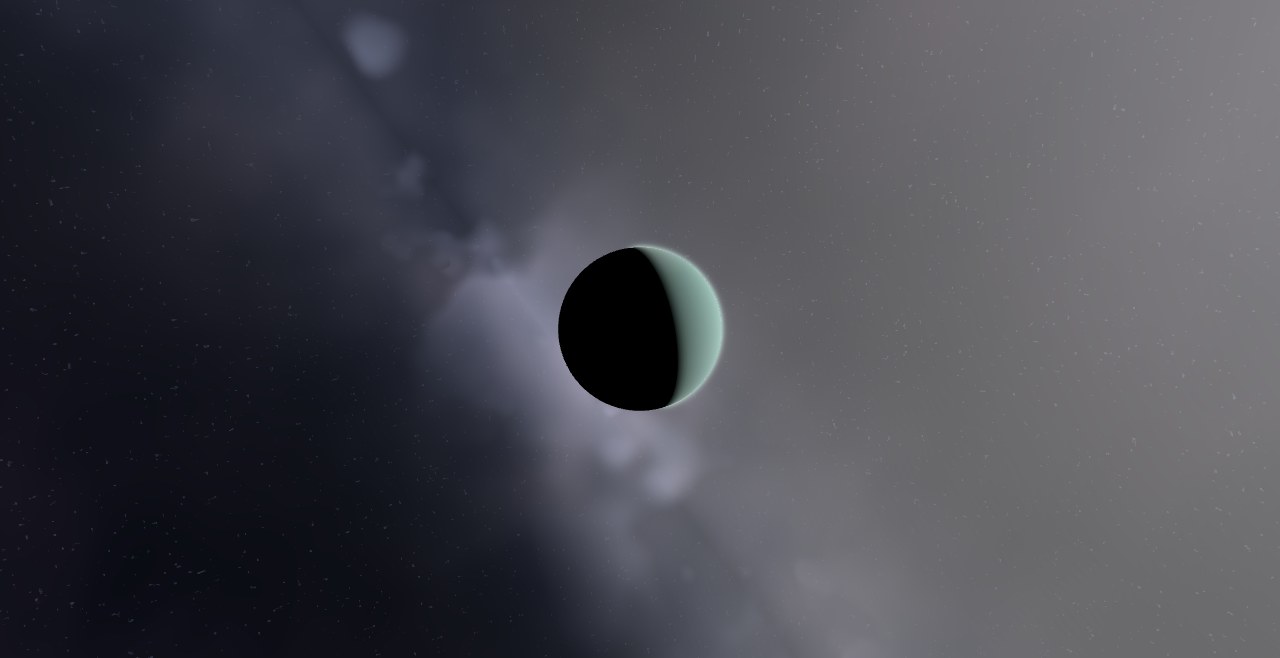
WASP-127, a Sun-like G-type star of 0.95 solar masses, and WASP-127 b, a 0.16-Jupiter-mass companion, with an orbital period of 4.2 days, at 0.048 AU from its star.
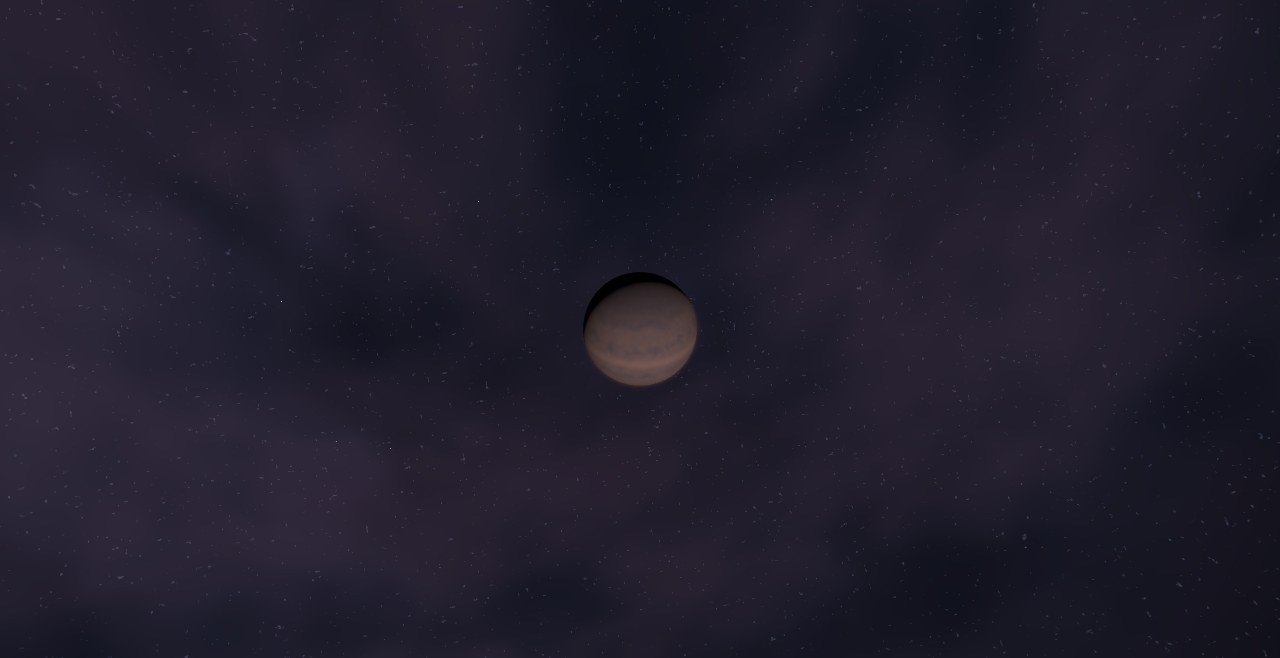
WASP-129, a Sun-like G-type star of 1.00 solar masses, and WASP-129 b, a 1.00-Jupiter-mass companion, with an orbital period of 5.7 days, at 0.063 AU from its star, and an equilibrium temperature near 1,100 K.
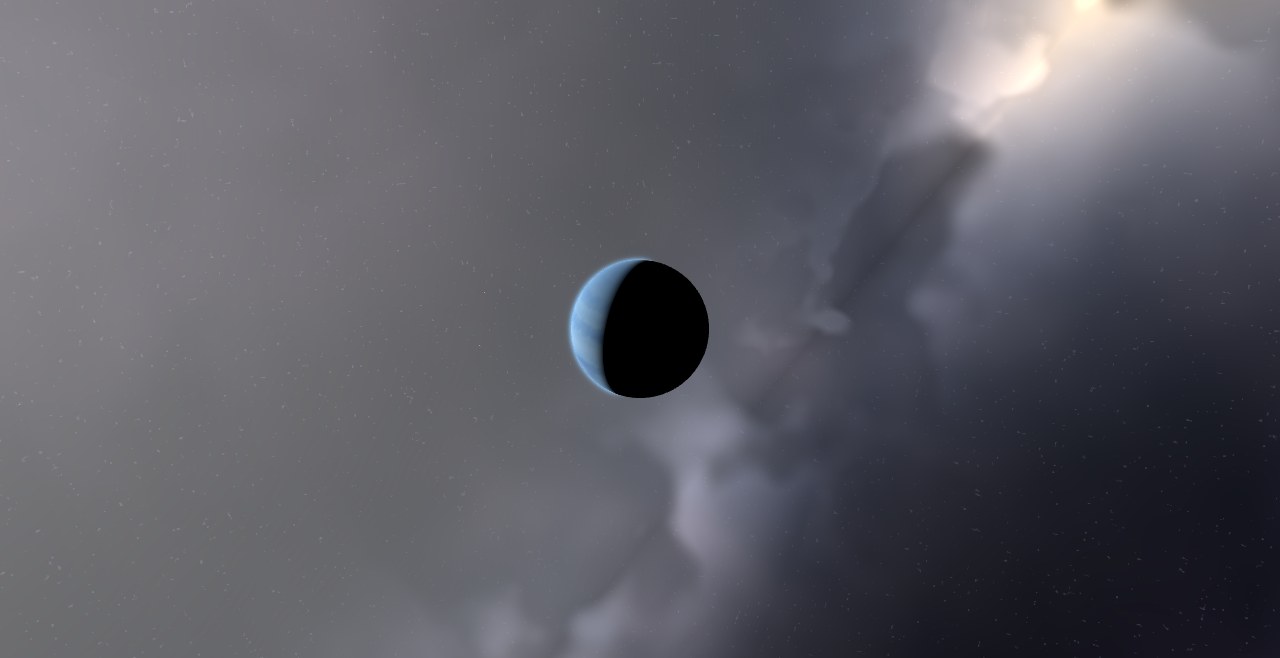
WASP-13, a Sun-like G-type star of 0.72 solar masses, and WASP-13 b, a 0.36-Jupiter-mass companion, with an orbital period of 4.4 days.
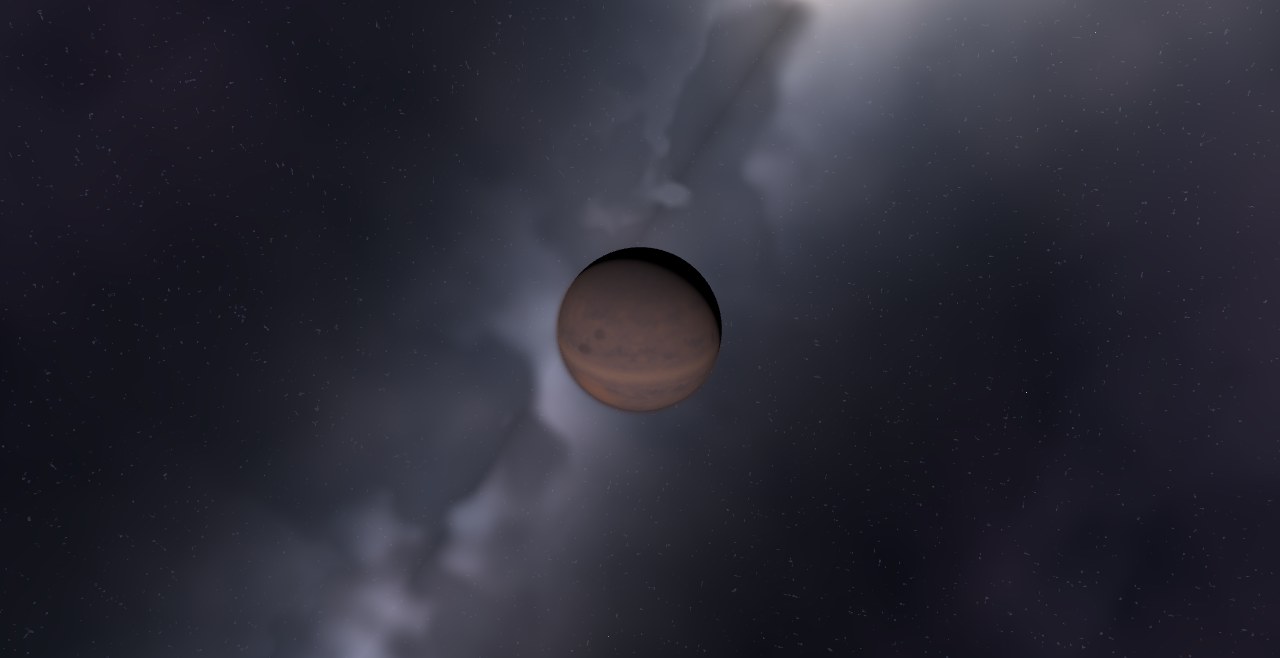
WASP-130, a Sun-like G-type star of 1.04 solar masses, and WASP-130 b, a 1.23-Jupiter-mass companion, with an orbital period of 11.6 days, at 0.101 AU from its star, and an equilibrium temperature near 833 K.
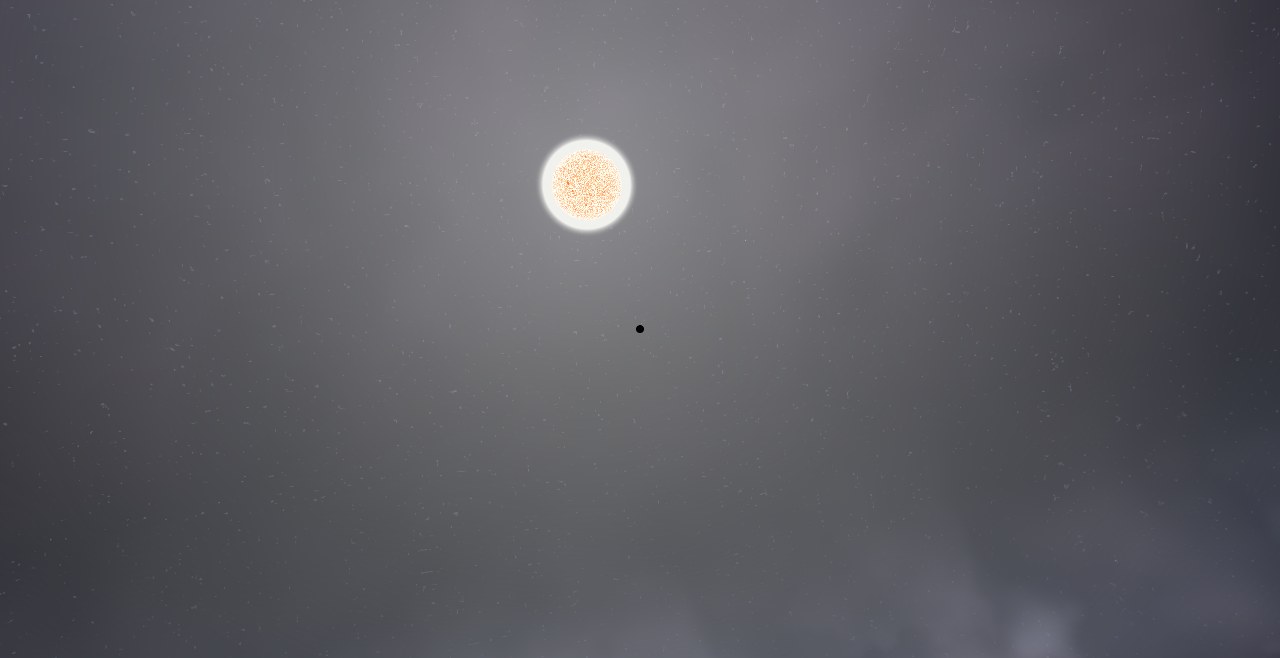
WASP-131, a Sun-like G-type star of 1.06 solar masses, and WASP-131 b, a 0.27-Jupiter-mass companion, with an orbital period of 5.3 days, at 0.061 AU from its star.