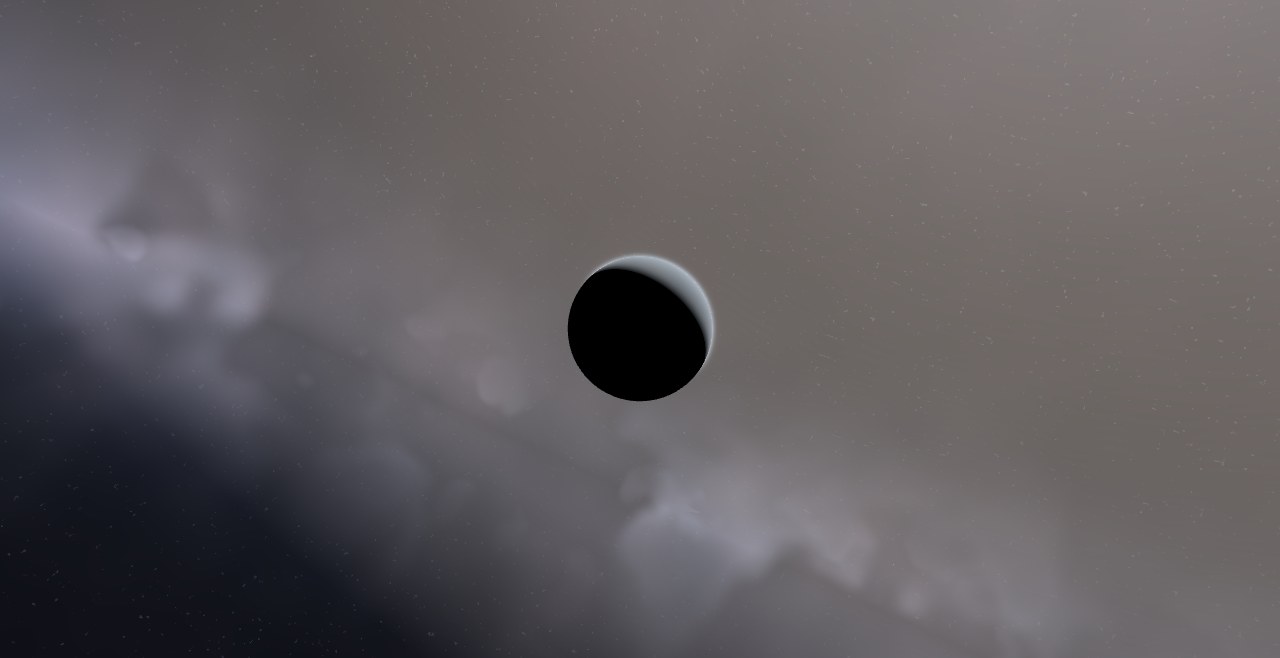
TOI-824 - System
TOI-824, an orange K-type dwarf of 0.71 solar masses, and TOI-824 b, a 0.06-Jupiter-mass companion, with an orbital period of 1.4 days, at 0.022 AU from its star, and an equilibrium temperature near 1,253 K.
Scenarios
Discover alien solar systems and explore worlds far beyond our own. Simulate extreme orbital environments, habitable zones, and tightly packed resonant chains discovered by modern astronomy, all mapped accurately from real exoplanetary discovery data.
Share
TOI-824, an orange K-type dwarf of 0.71 solar masses, and TOI-824 b, a 0.06-Jupiter-mass companion, with an orbital period of 1.4 days, at 0.022 AU from its star, and an equilibrium temperature near 1,253 K.
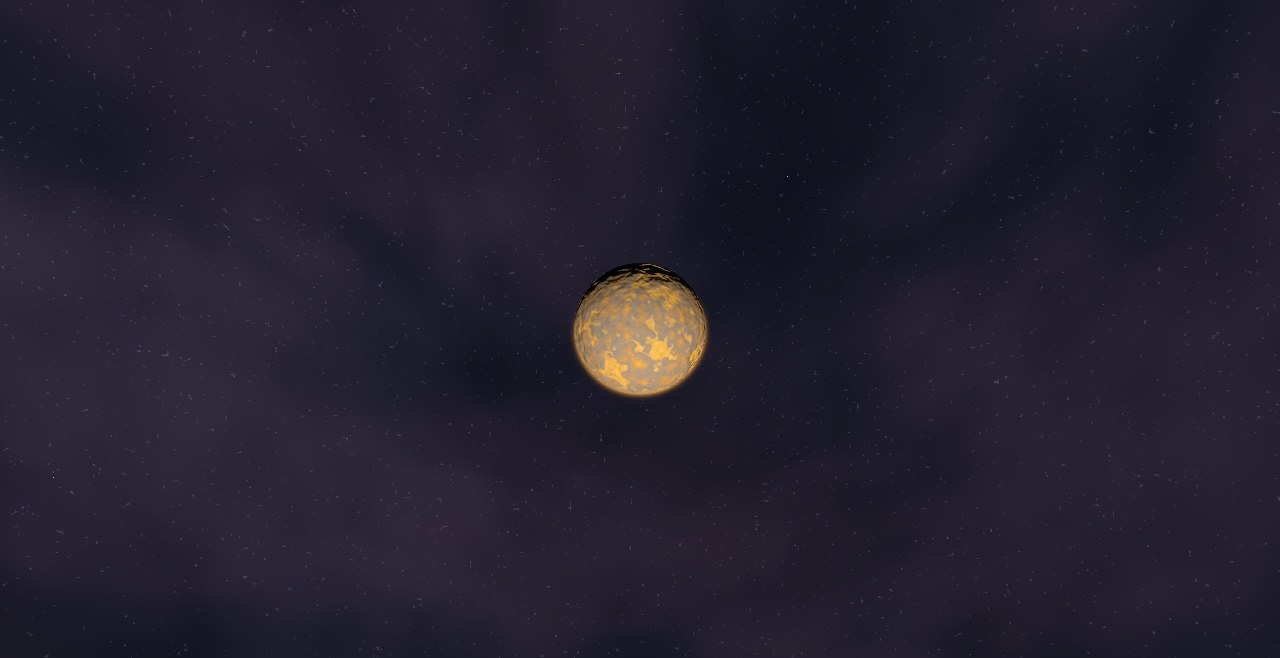
TOI-833, an orange K-type dwarf of 0.61 solar masses, and TOI-833 b, a planet with 1.3 Earth radii, with an orbital period of 1.0 days, at 0.017 AU from its star, and an equilibrium temperature near 1,118 K.
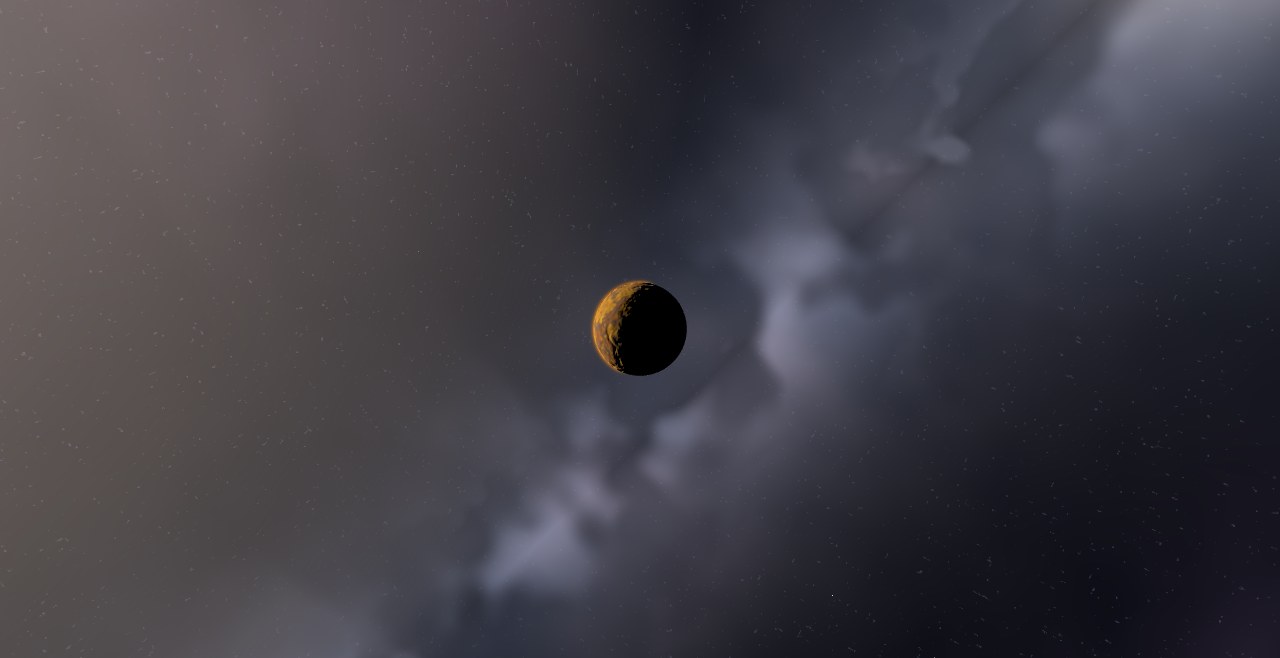
TOI-836, an orange K-type dwarf of 0.68 solar masses, and TOI-836 b, a 4.5-Earth-mass planet, with an orbital period of 3.8 days, at 0.042 AU from its star, and an equilibrium temperature near 871 K.
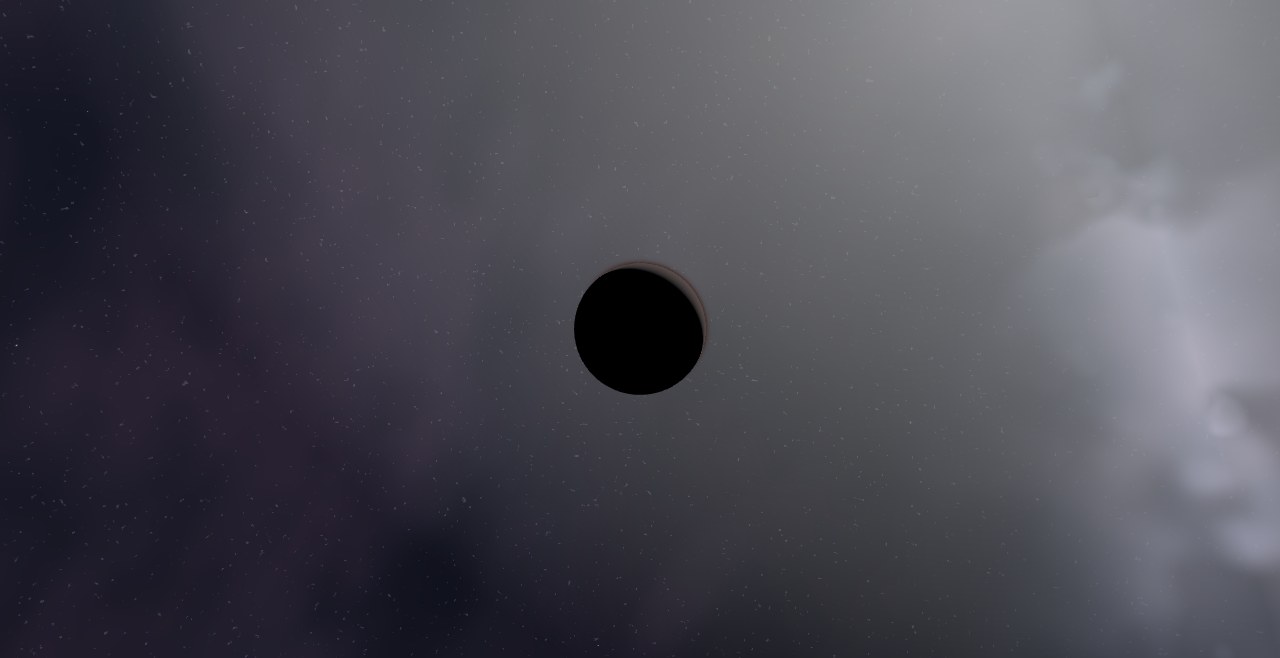
TOI-837, a Sun-like F-type star of 1.14 solar masses, and TOI-837 b, a 0.38-Jupiter-mass companion, with an orbital period of 8.3 days, at 0.089 AU from its star, and an equilibrium temperature near 995 K.
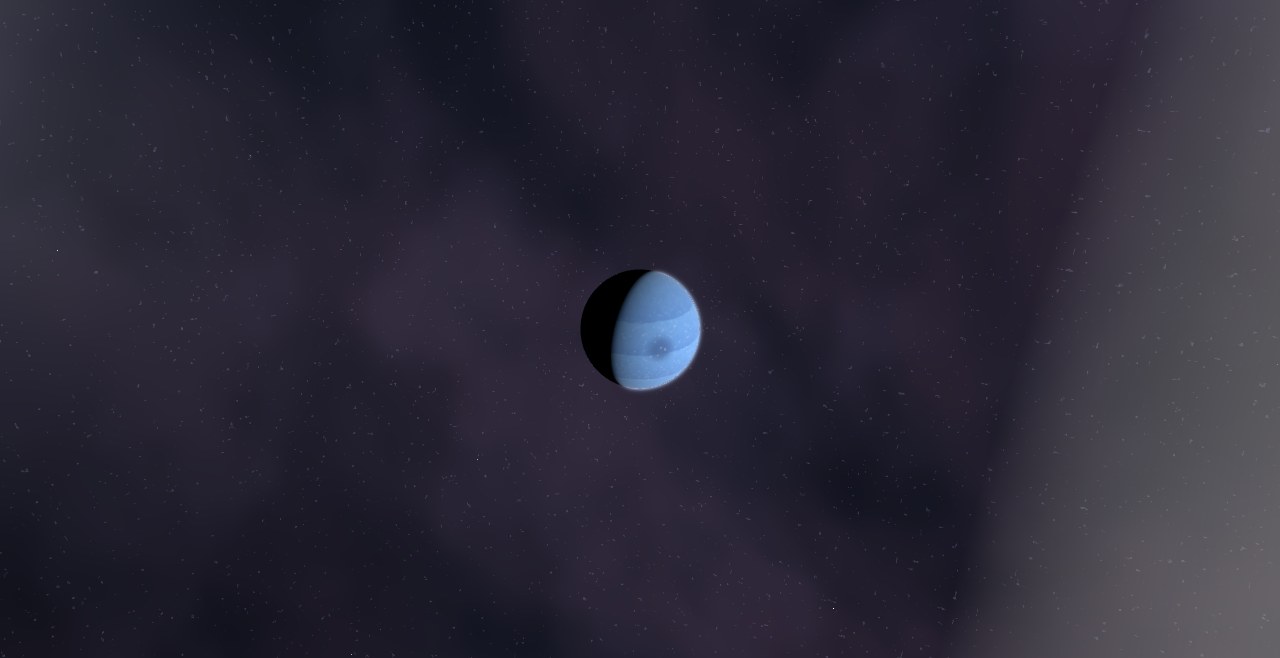
TOI-849 b, a dense Neptune sitting in the hot-Neptune desert. It may be the exposed core of a giant planet that lost its envelope. A year on this world lasts only about 19 hours.
TOI-858 B, a Sun-like G-type star of 1.08 solar masses, and TOI-858 B b, a 1.10-Jupiter-mass companion, with an orbital period of 3.3 days, at 0.044 AU from its star, and an equilibrium temperature near 1,529.
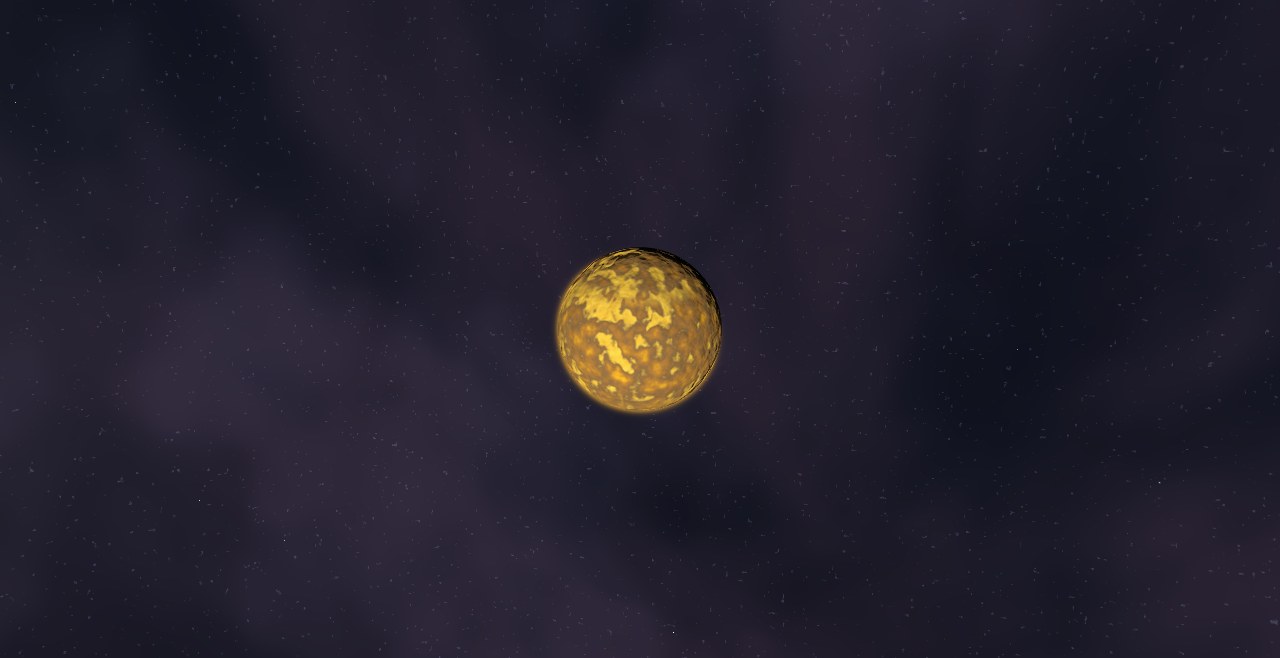
TOI-871, an orange K-type dwarf of 0.76 solar masses, and TOI-871 b, a planet with 1.7 Earth radii, with an orbital period of 14.4 days, at 0.105 AU from its star, and an equilibrium temperature near 621 K.
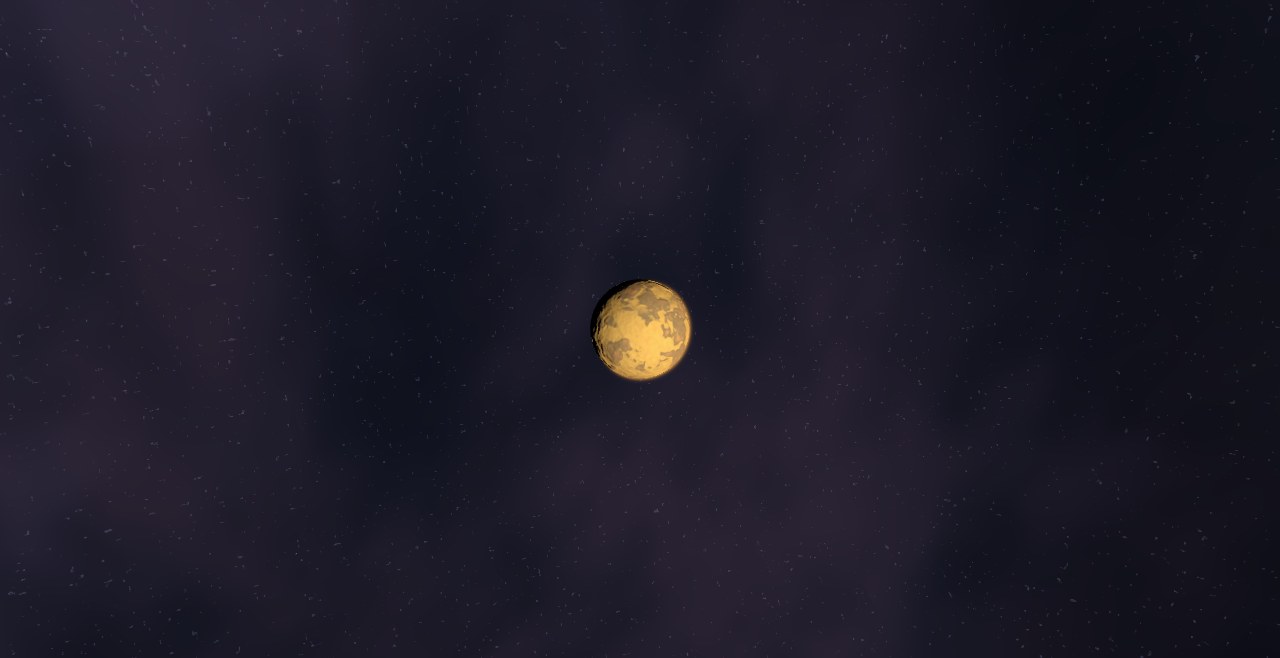
TOI-880, an orange K-type dwarf of 0.87 solar masses, and TOI-880.02, a planet with 2.2 Earth radii, with an orbital period of 2.6 days, at 0.035 AU from its star, and an equilibrium temperature near 1,085 K.
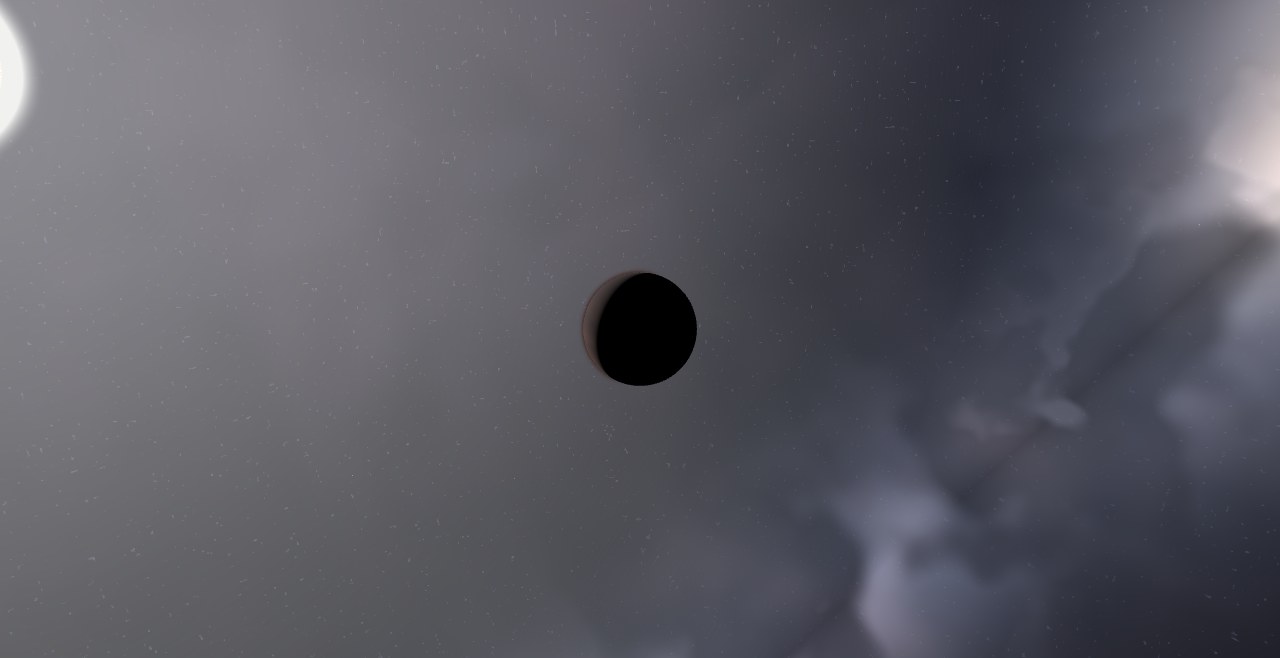
TOI-892, a Sun-like F-type star of 1.28 solar masses, and TOI-892 b, a 0.95-Jupiter-mass companion, with an orbital period of 10.6 days, at 0.092 AU from its star, and an equilibrium temperature near 1,397 K.
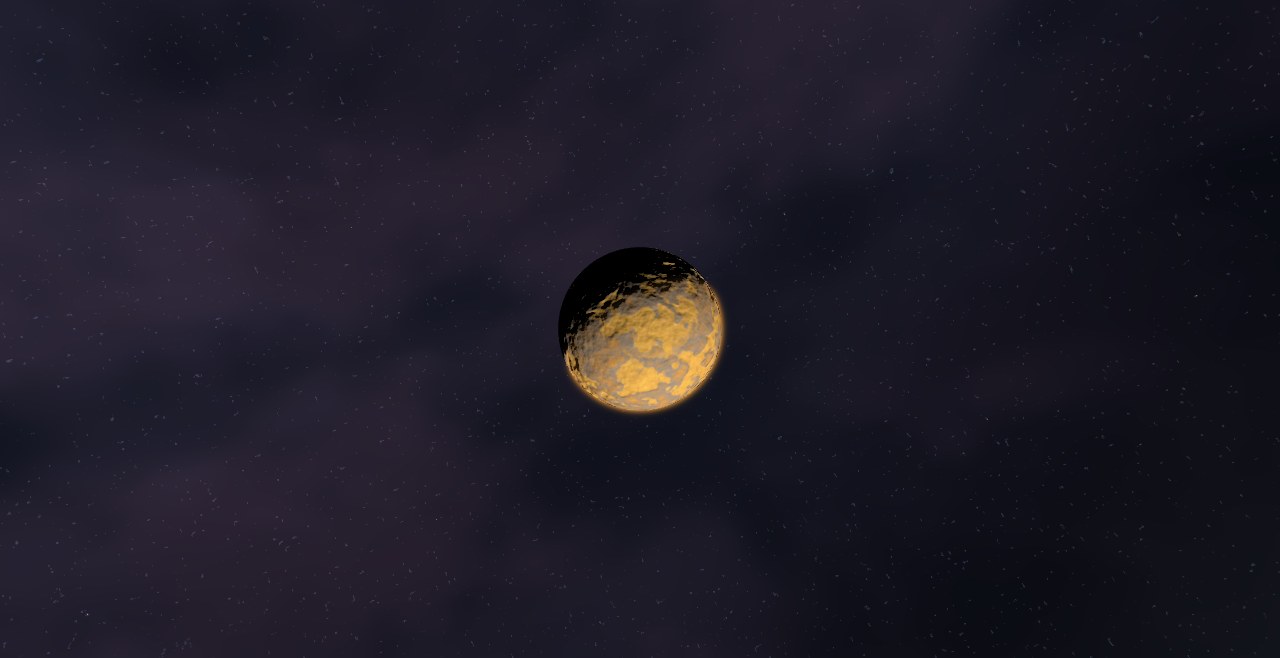
TOI-904, an orange K-type dwarf of 0.56 solar masses, and TOI-904 b, a planet with 2.4 Earth radii, with an orbital period of 10.9 days, at 0.056 AU from its star, and an equilibrium temperature near 429 K.
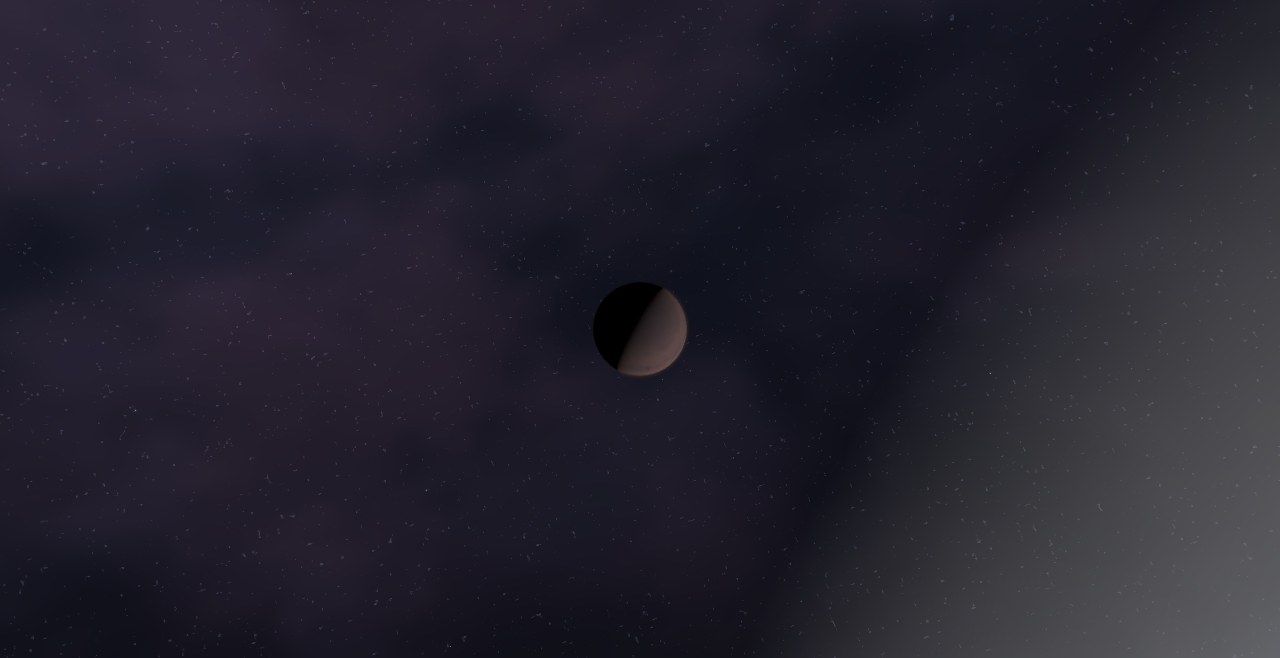
TOI-905, a Sun-like G-type star of 0.97 solar masses, and TOI-905 b, a 0.67-Jupiter-mass companion, with an orbital period of 3.7 days, at 0.047 AU from its star, and an equilibrium temperature near 1,192 K.
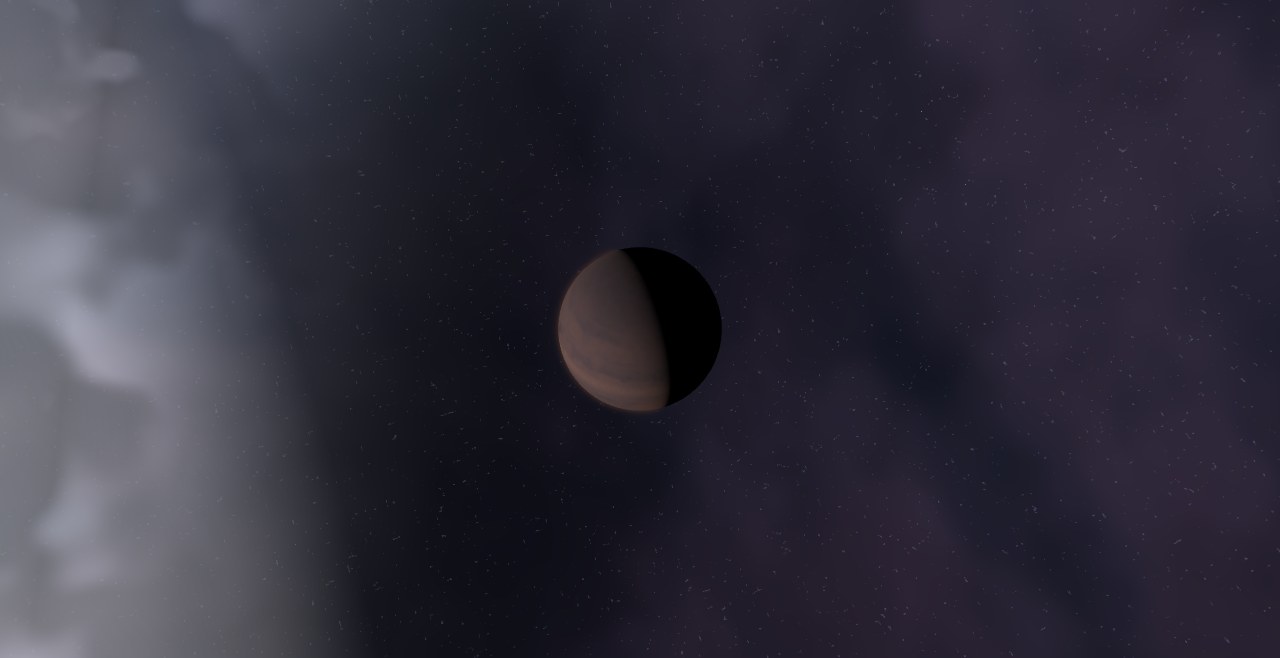
TOI-907, a Sun-like F-type star of 1.07 solar masses, and TOI-907.01, a planet with 9.6 Earth radii, with an orbital period of 4.6 days, at 0.055 AU from its star, and an equilibrium temperature near 1,847 K.
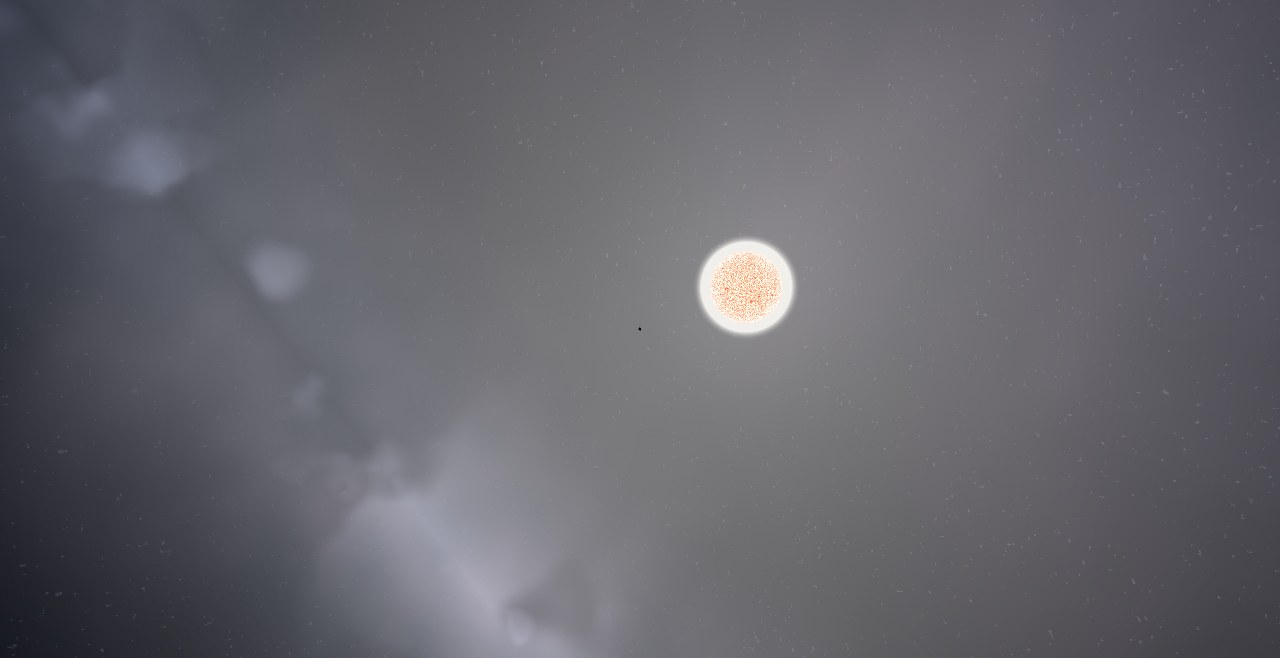
TOI-908, a Sun-like G-type star of 0.95 solar masses, and TOI-908 b, a 0.05-Jupiter-mass companion, with an orbital period of 3.2 days, at 0.042 AU from its star, and an equilibrium temperature near 1,317 K.
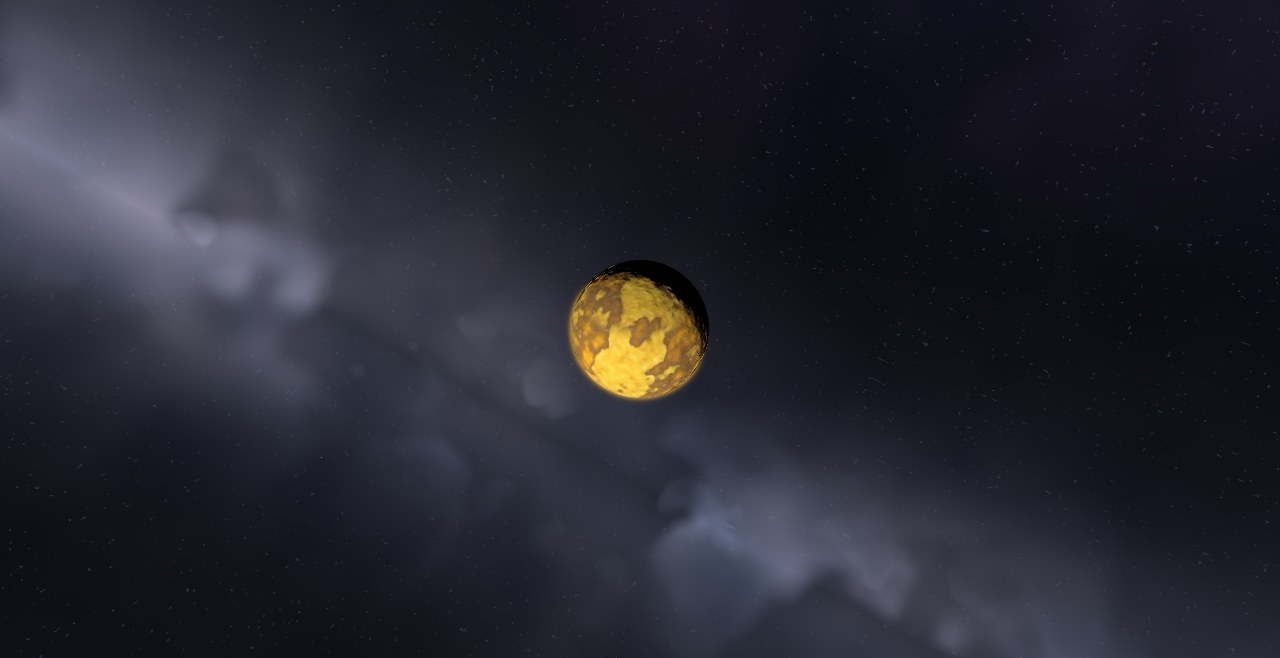
TOI-912, a cool M-dwarf of 0.42 solar masses, and TOI-912 b, a 5.1-Earth-mass planet, with an orbital period of 4.7 days, at 0.041 AU from its star, and an equilibrium temperature near 551 K, on an eccentric.
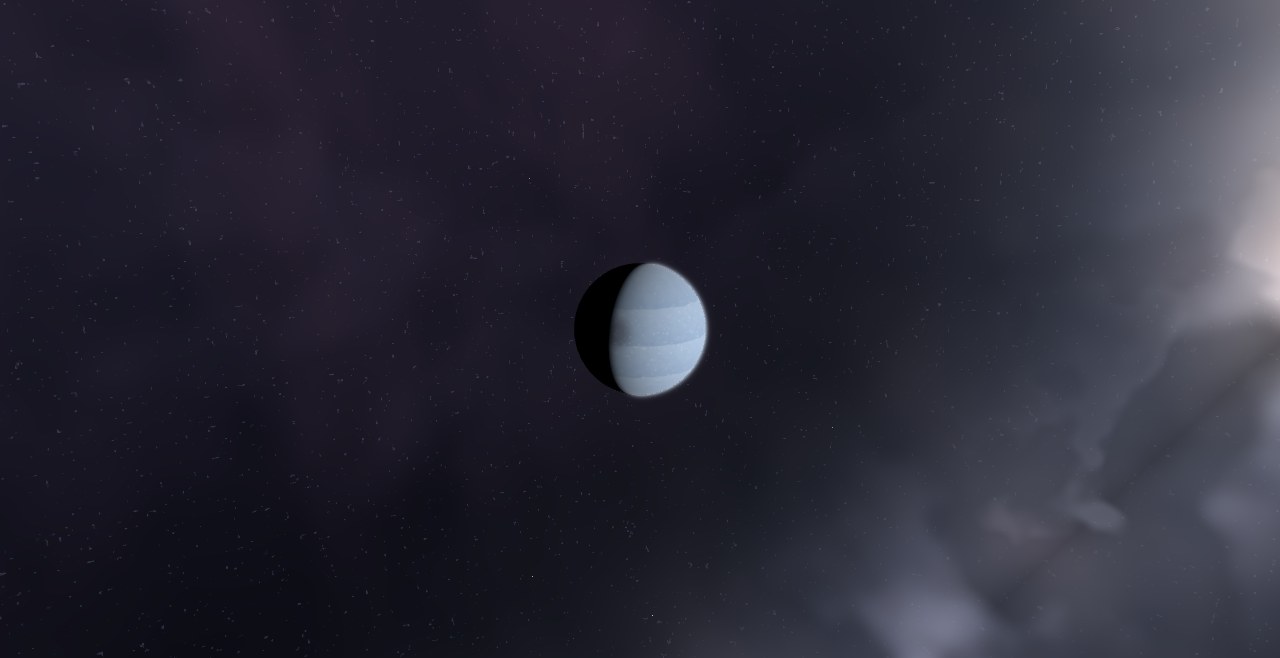
TOI-942, an orange K-type dwarf of 0.82 solar masses, and TOI-942 b, a planet with 3.9 Earth radii, with an orbital period of 4.3 days, at 0.049 AU from its star, on an eccentric orbit (e ≈ 0.34).
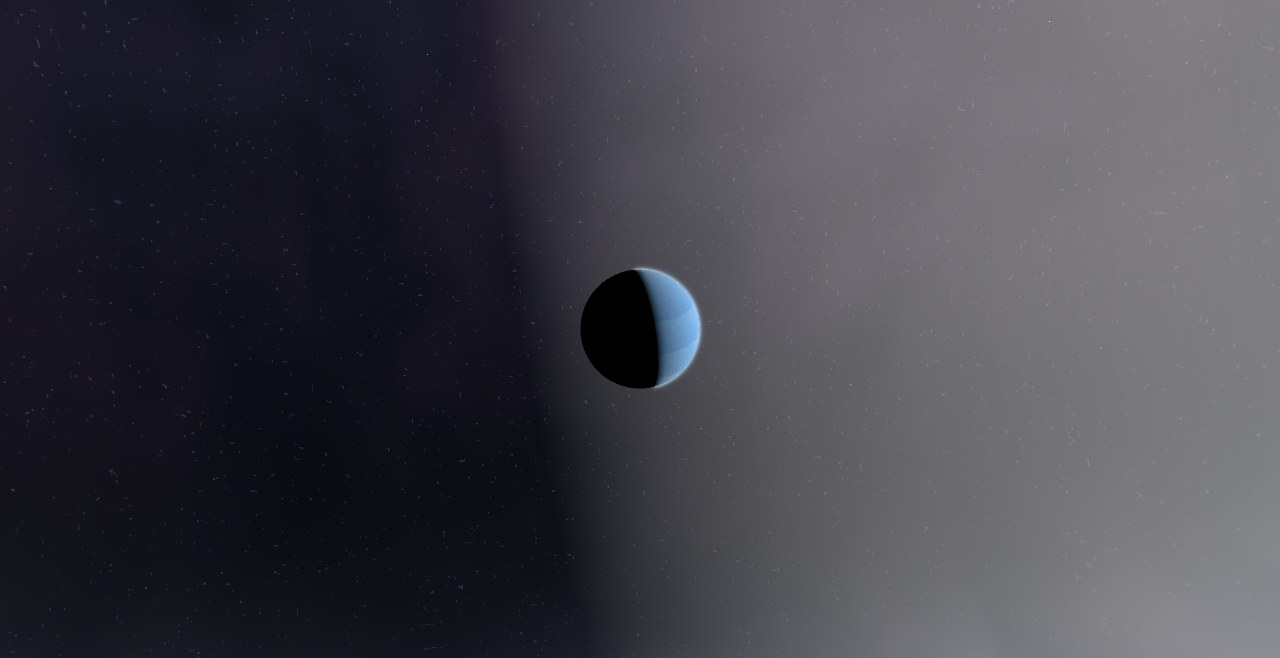
TOI-954, a Sun-like G-type star of 1.20 solar masses, and TOI-954 b, a 0.17-Jupiter-mass companion, with an orbital period of 3.7 days, at 0.050 AU from its star, and an equilibrium temperature near 1,526 K.
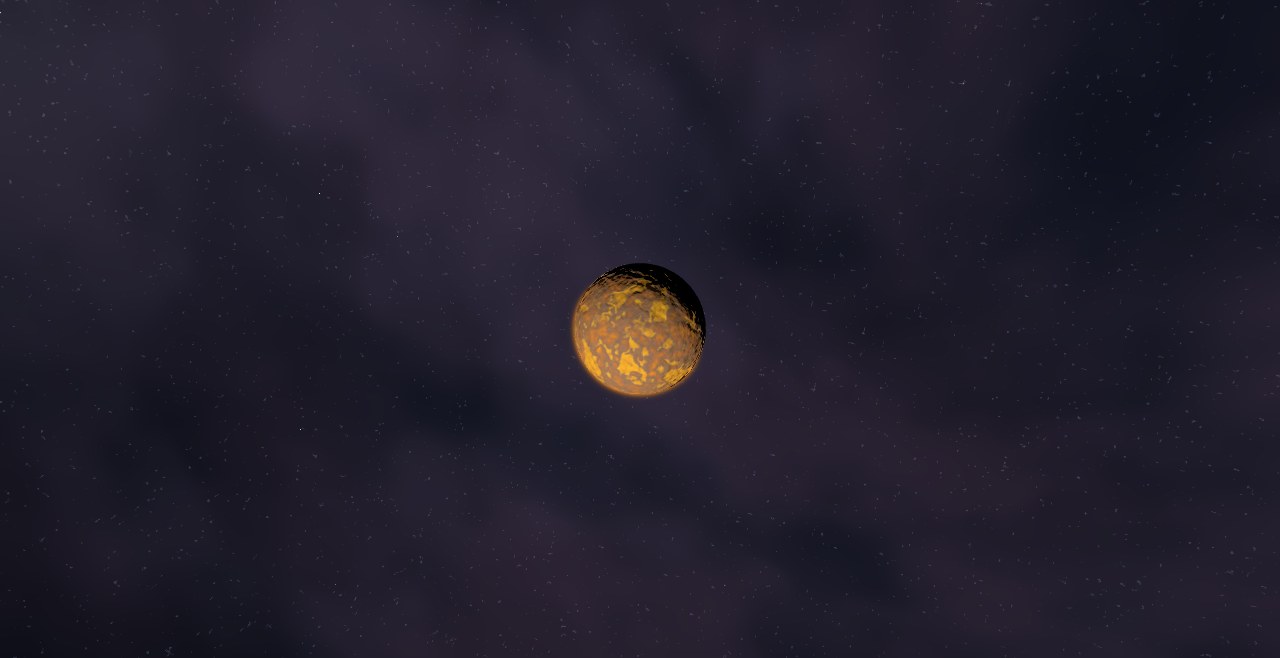
TOI-969, an orange K-type dwarf of 0.73 solar masses, and TOI-969 b, a 9.1-Earth-mass planet, with an orbital period of 1.8 days, at 0.026 AU from its star, and an equilibrium temperature near 941 K.
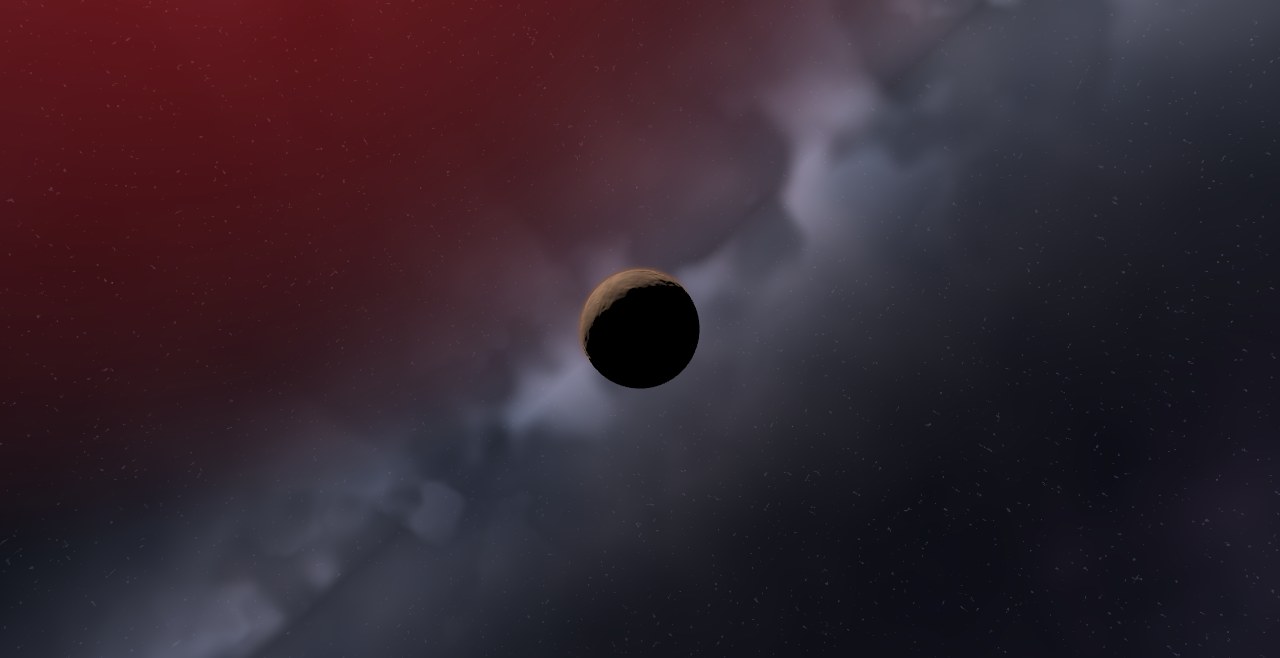
TRAPPIST-1, seven Earth-sized worlds in a resonant chain around an ultracool dwarf. Several orbit in the habitable zone, closer in than Mercury.