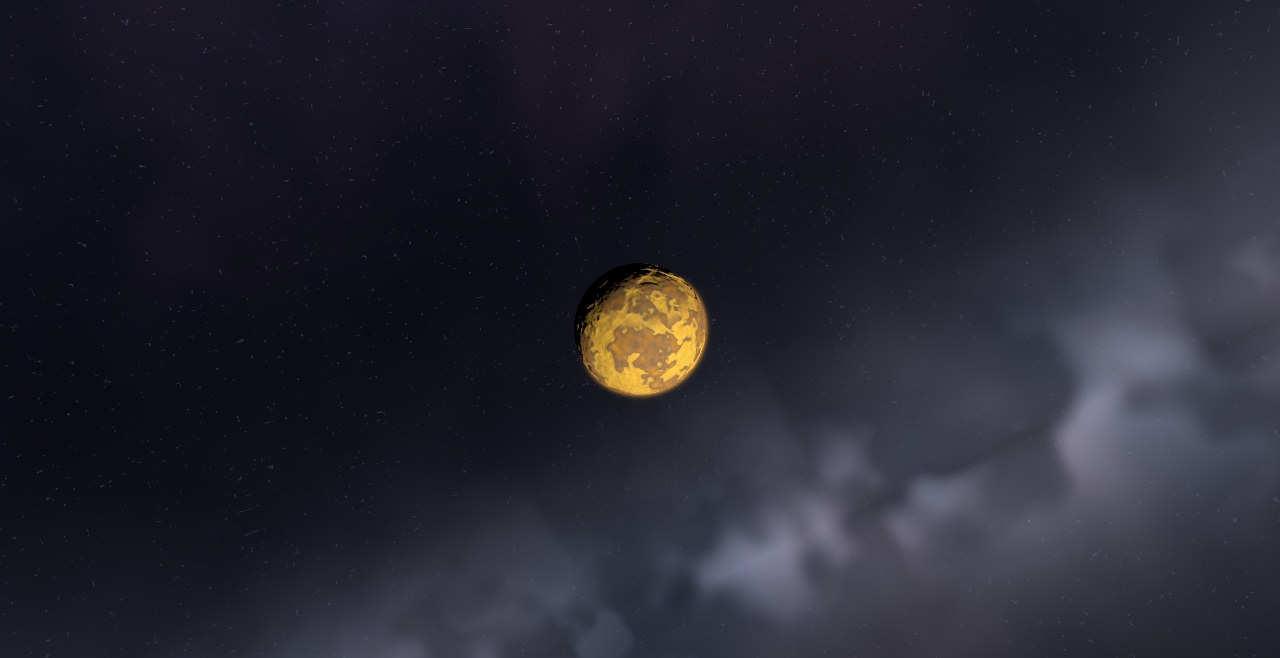
K2-243 - System
K2-243, a Sun-like F-type star of 1.29 solar masses, and K2-243 b, a planet with 2.2 Earth radii, with an orbital period of 11.5 days, at 0.109 AU from its star, and an equilibrium temperature near 1,035 K.
Exoplanets
Track gravitational perturbations, transit timing variations, and orbital stability between binary planet arrangements around distant stars.
Share
K2-243, a Sun-like F-type star of 1.29 solar masses, and K2-243 b, a planet with 2.2 Earth radii, with an orbital period of 11.5 days, at 0.109 AU from its star, and an equilibrium temperature near 1,035 K.
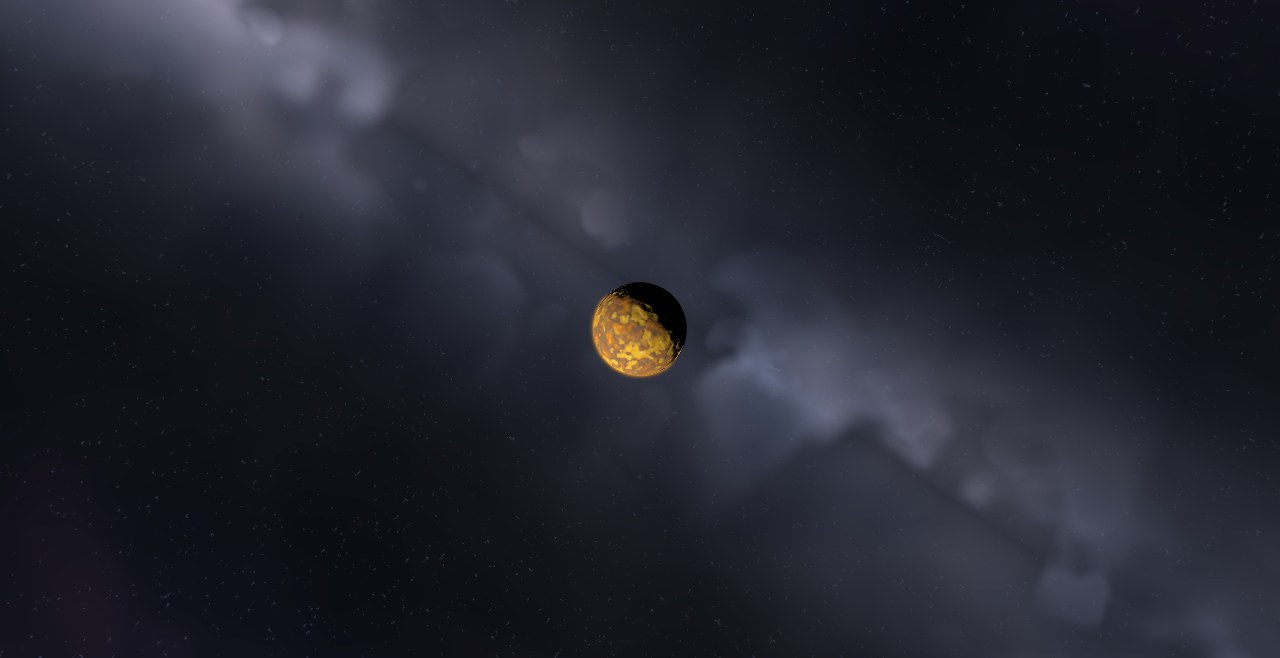
K2-247, an orange K-type dwarf of 0.74 solar masses, and K2-247 b, a planet with 2.1 Earth radii, with an orbital period of 2.3 days, at 0.030 AU from its star, and an equilibrium temperature near 979 K.
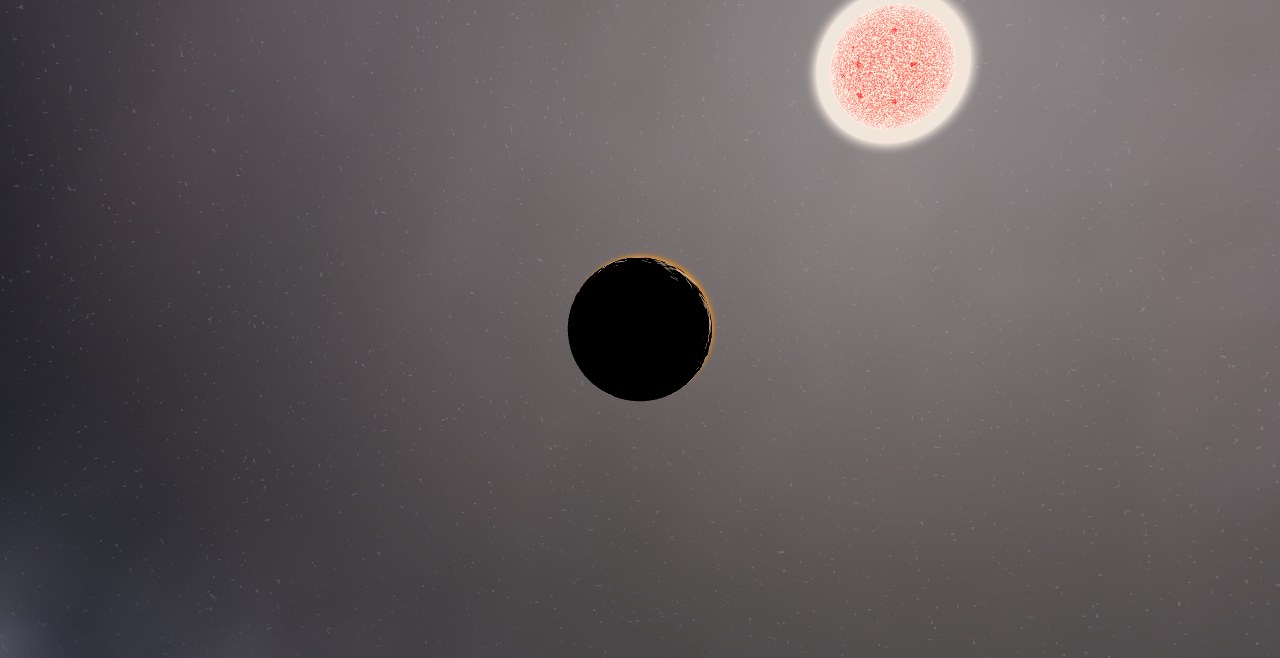
K2-254, an orange K-type dwarf of 0.71 solar masses, and K2-254 b, a planet with 1.6 Earth radii, with an orbital period of 4.1 days, at 0.045 AU from its star, and an equilibrium temperature near 791 K.
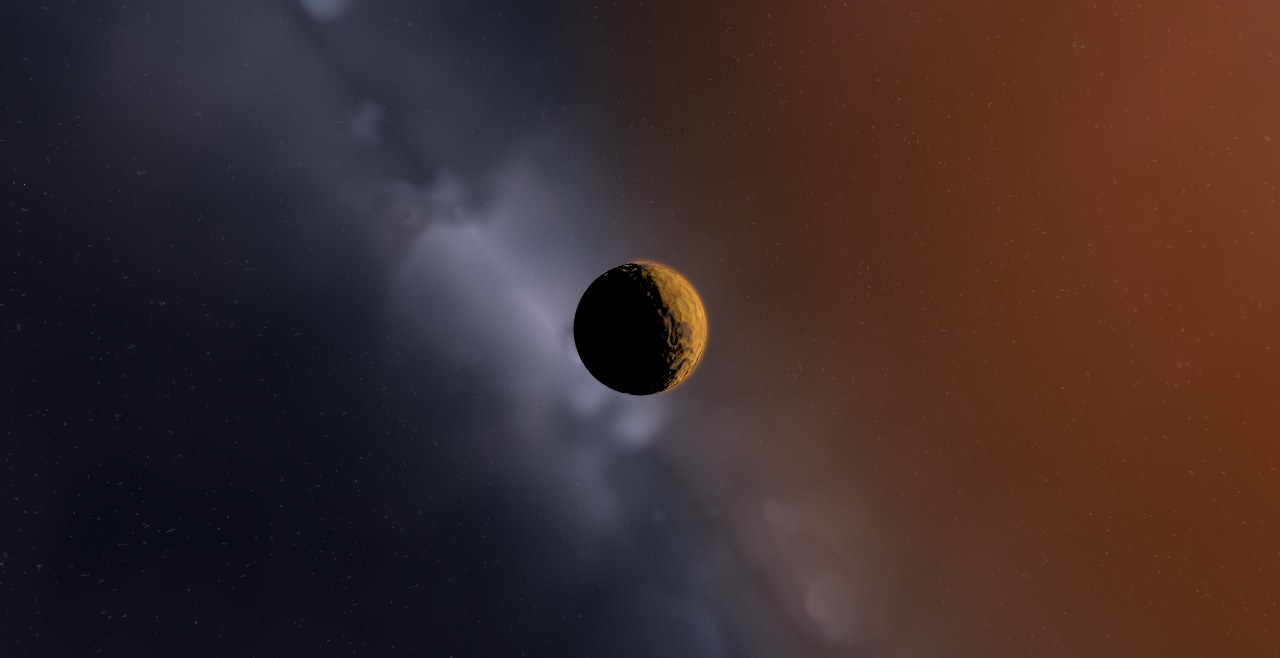
K2-264, a cool M-dwarf of 0.50 solar masses, and K2-264 b, a planet with 2.2 Earth radii, with an orbital period of 5.8 days, at 0.050 AU from its star, and an equilibrium temperature near 496 K.
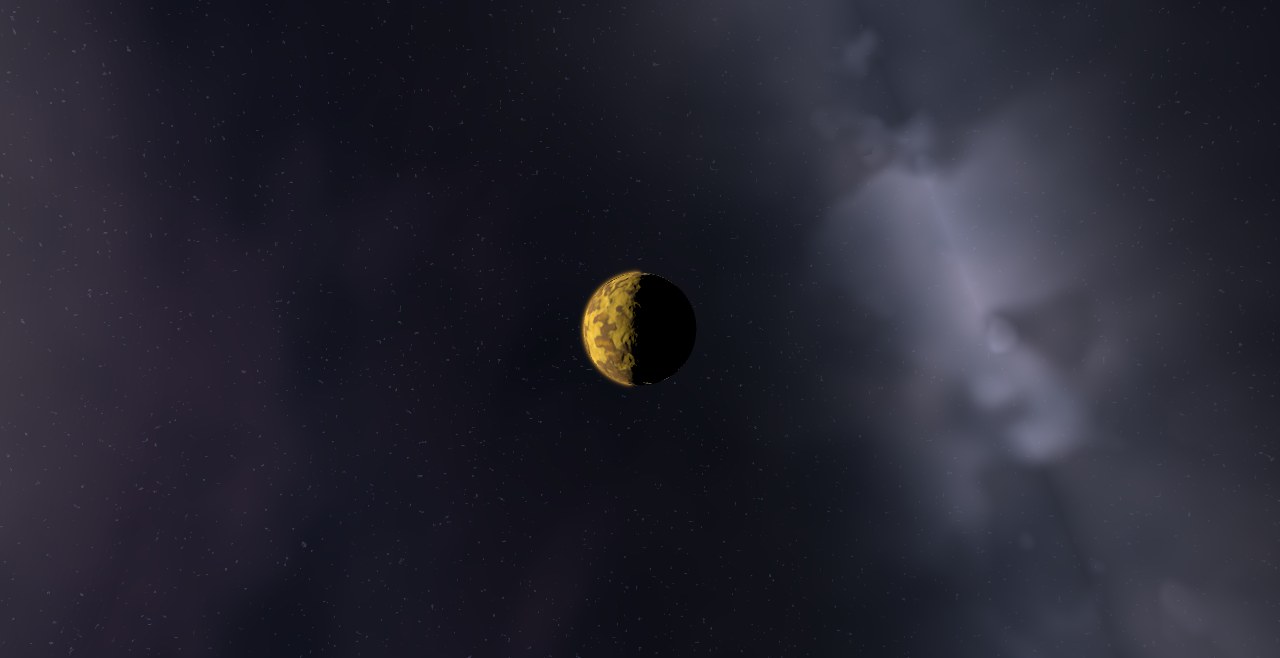
K2-268, an orange K-type dwarf of 0.84 solar masses, with its 2 planets on orbits from 2.2 days to 26.3 days.
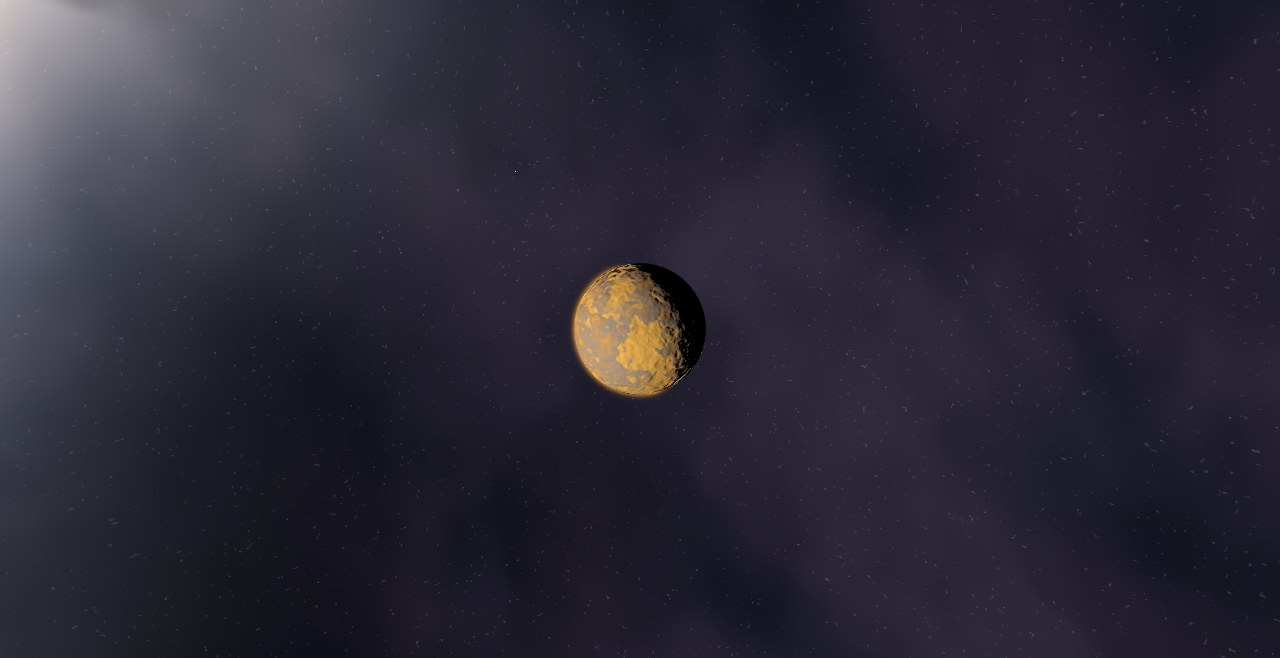
K2-270, an orange K-type dwarf of 0.85 solar masses, and K2-270 b, a planet with 1.4 Earth radii, with an orbital period of 1.5 days, at 0.025 AU from its star, and an equilibrium temperature near 1,203 K.
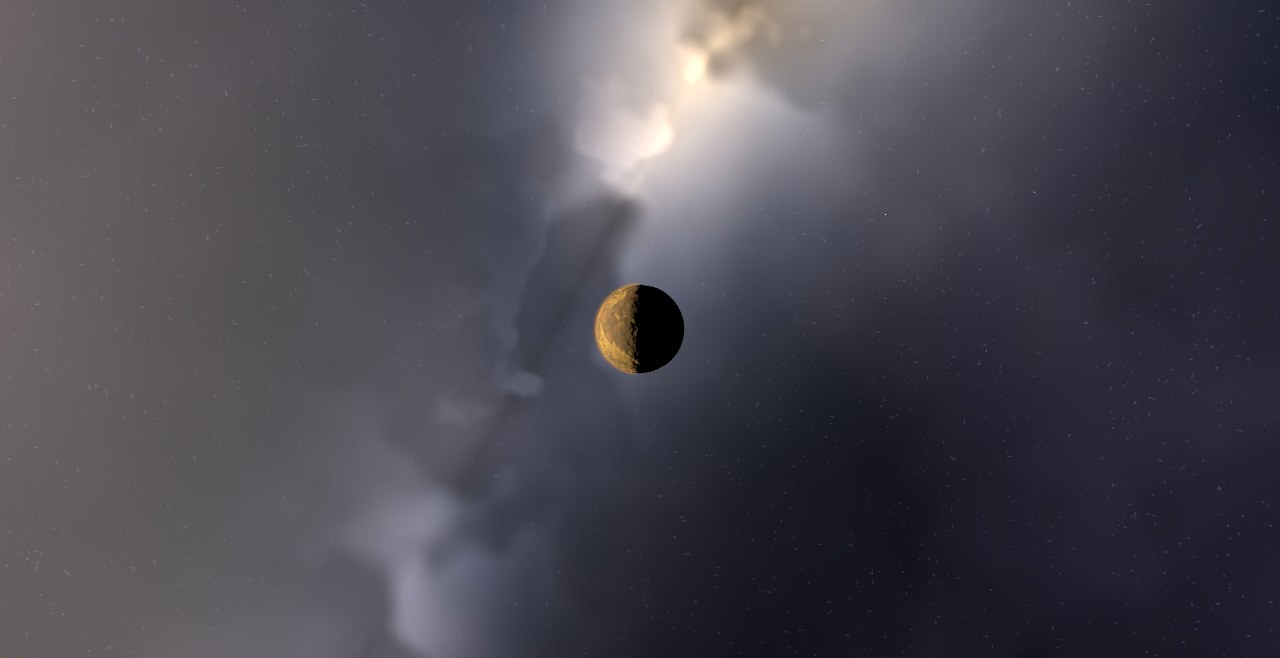
K2-275, an orange K-type dwarf of 0.77 solar masses, and K2-275 b, a planet with 2.3 Earth radii, with an orbital period of 3.3 days, at 0.028 AU from its star, and an equilibrium temperature near 1,166 K.
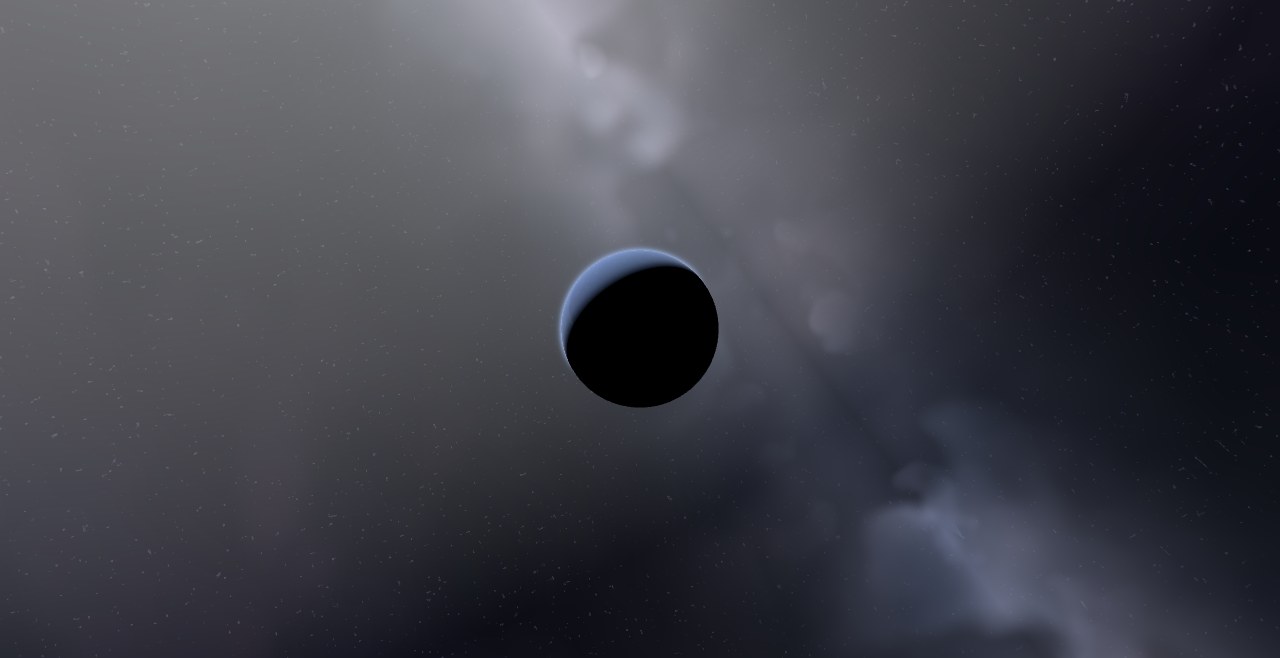
K2-290, a Sun-like F-type star of 1.19 solar masses, and K2-290 b, a 10.9-Earth-mass planet, with an orbital period of 9.2 days, at 0.092 AU from its star, and an equilibrium temperature near 1,230 K.
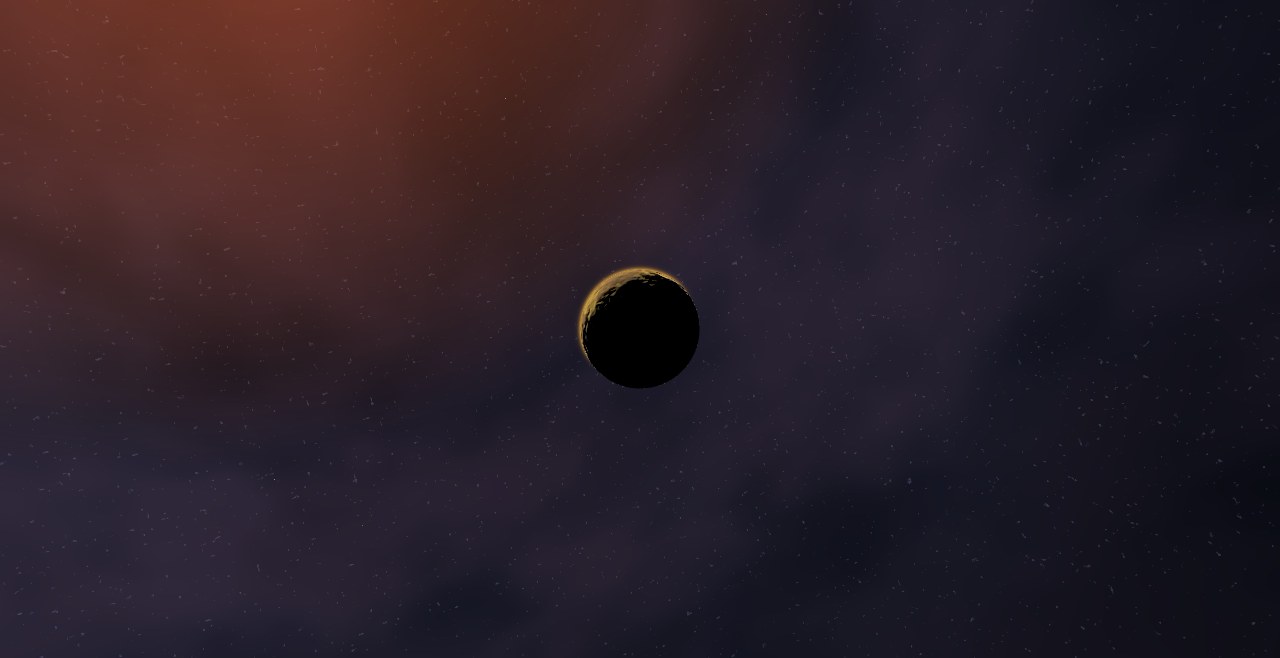
K2-316, a cool M-dwarf of 0.41 solar masses, and K2-316 b, a planet with 1.3 Earth radii, with an orbital period of 1.1 days, at 0.015 AU from its star, and an equilibrium temperature near 841 K.
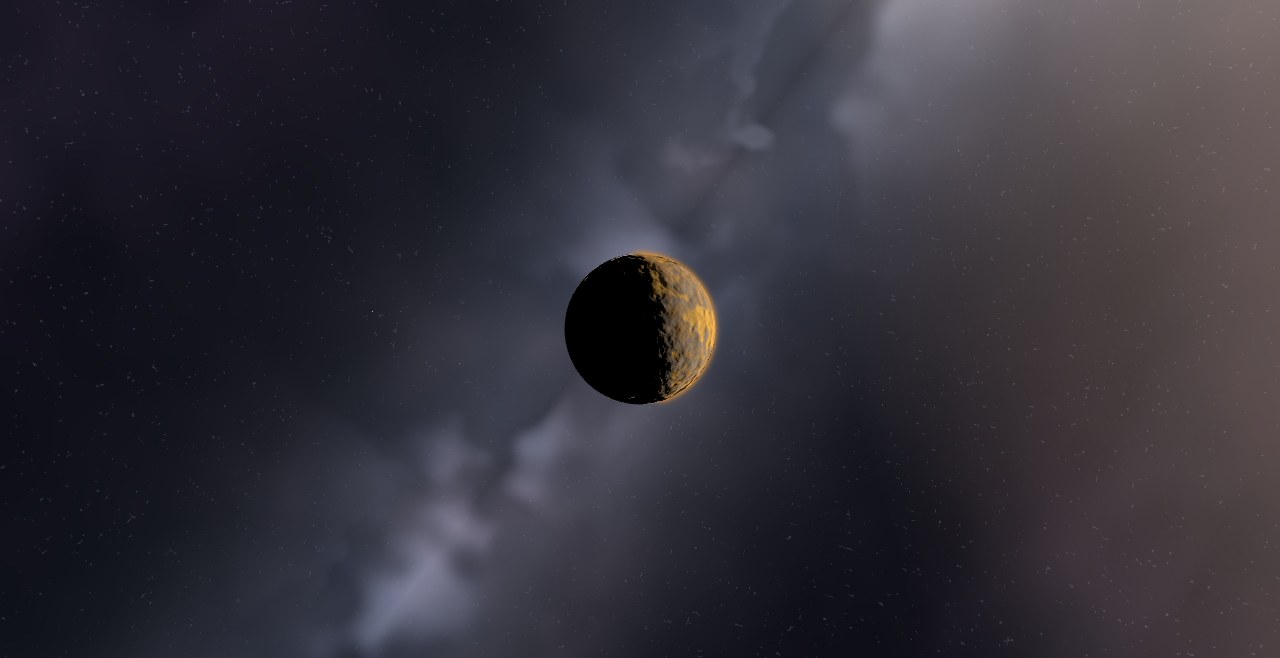
K2-35, an orange K-type dwarf of 0.70 solar masses, and K2-35 b, a planet with 1.3 Earth radii, with an orbital period of 2.4 days, at 0.031 AU from its star, on an eccentric orbit (e ≈ 0.13).
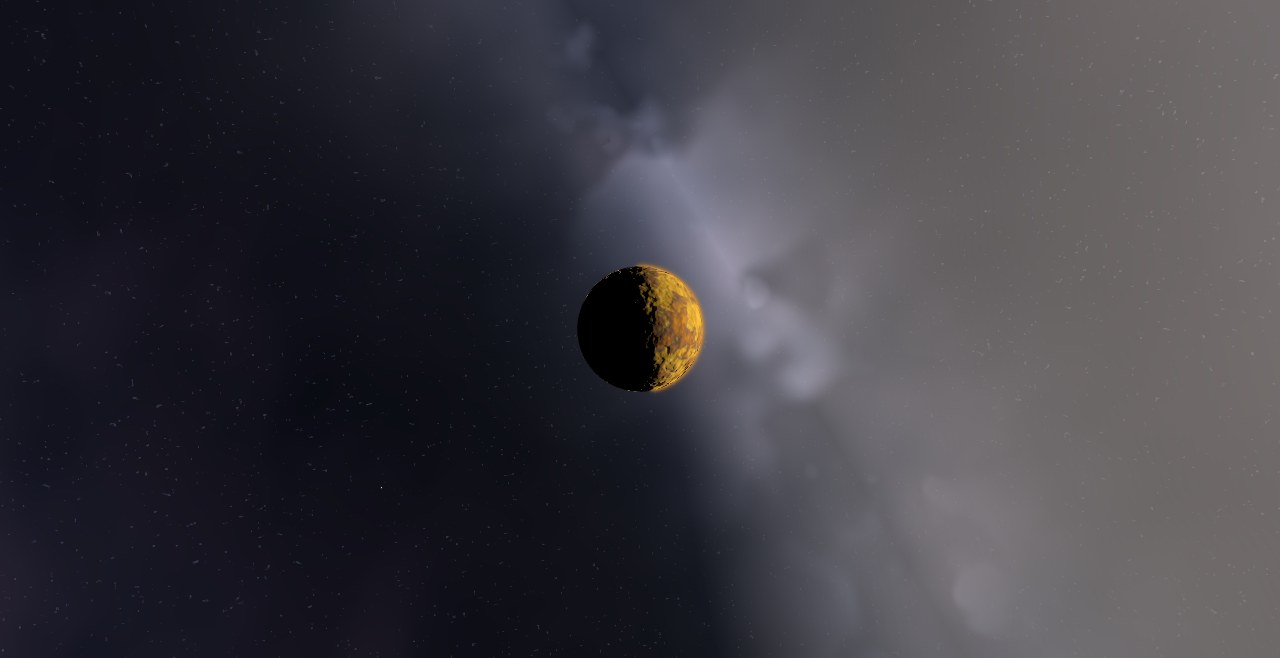
K2-36, an orange K-type dwarf of 0.79 solar masses, and K2-36 b, a 4.3-Earth-mass planet, with an orbital period of 1.4 days, at 0.023 AU from its star, and an equilibrium temperature near 1,328 K.
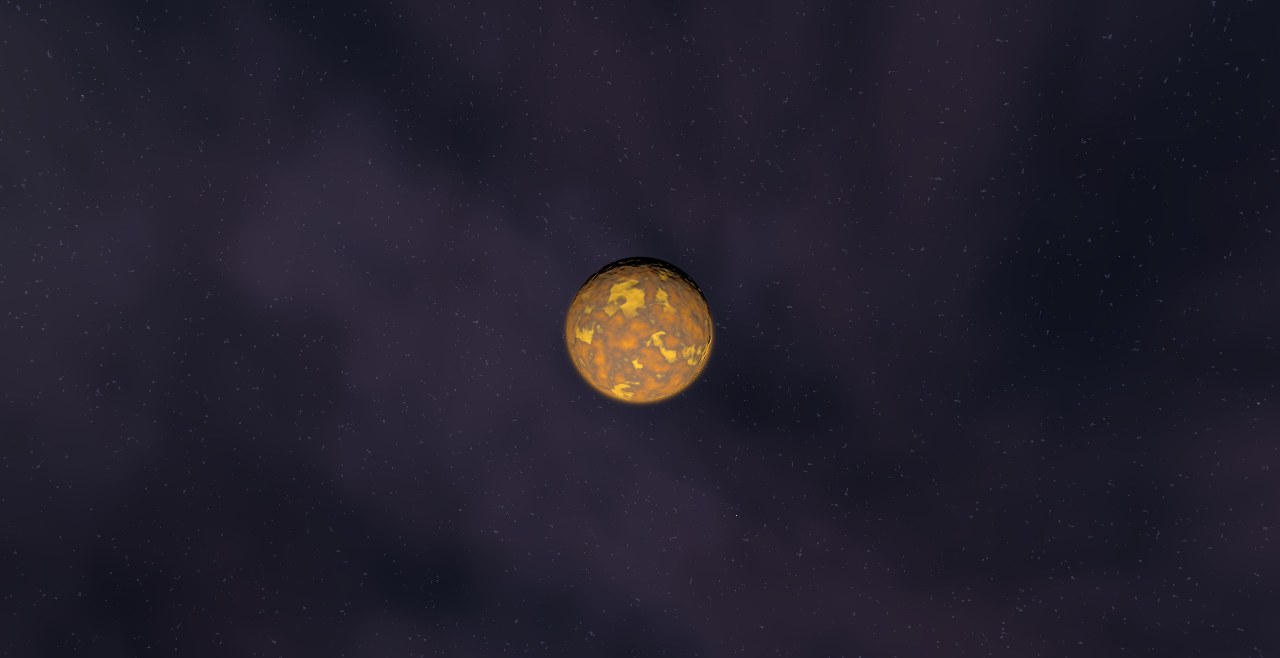
K2-38, a Sun-like G-type star of 1.03 solar masses, and K2-38 b, a 7.3-Earth-mass planet, with an orbital period of 4.0 days, at 0.050 AU from its star, and an equilibrium temperature near 1,266 K.
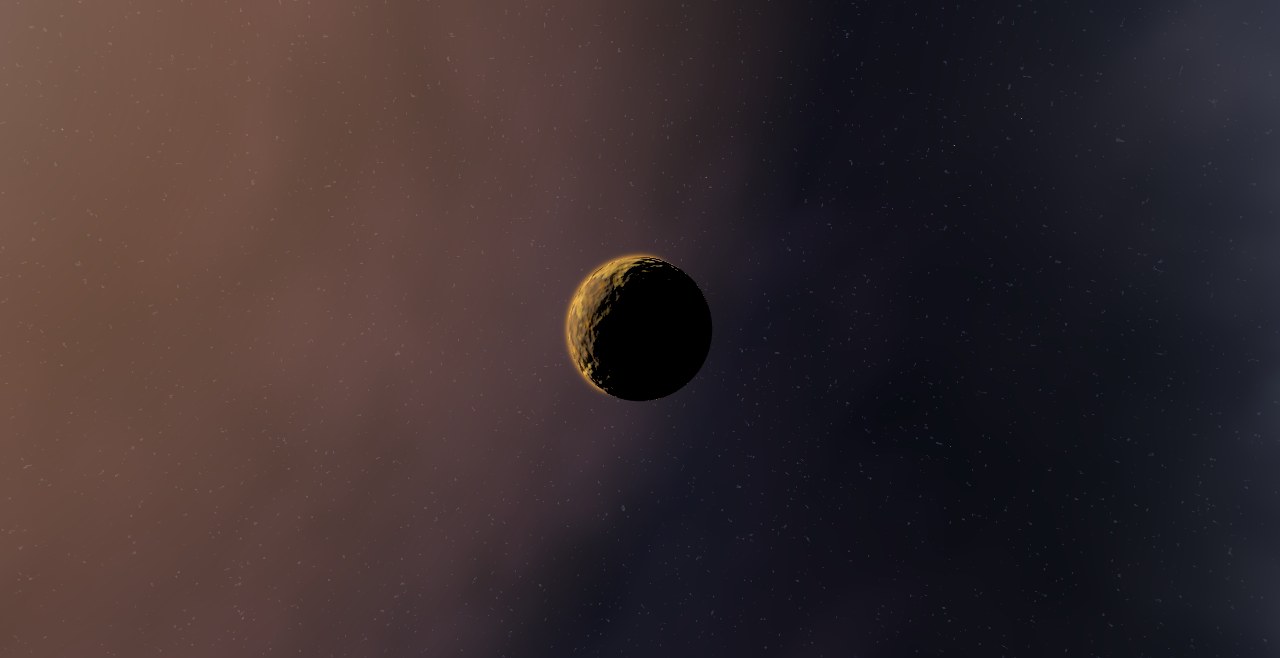
K2-413, an orange K-type dwarf of 0.81 solar masses, and K2-413 b, a planet with 0.8 Earth radii, with an orbital period of 19.4 hours, at 0.012 AU from its star.
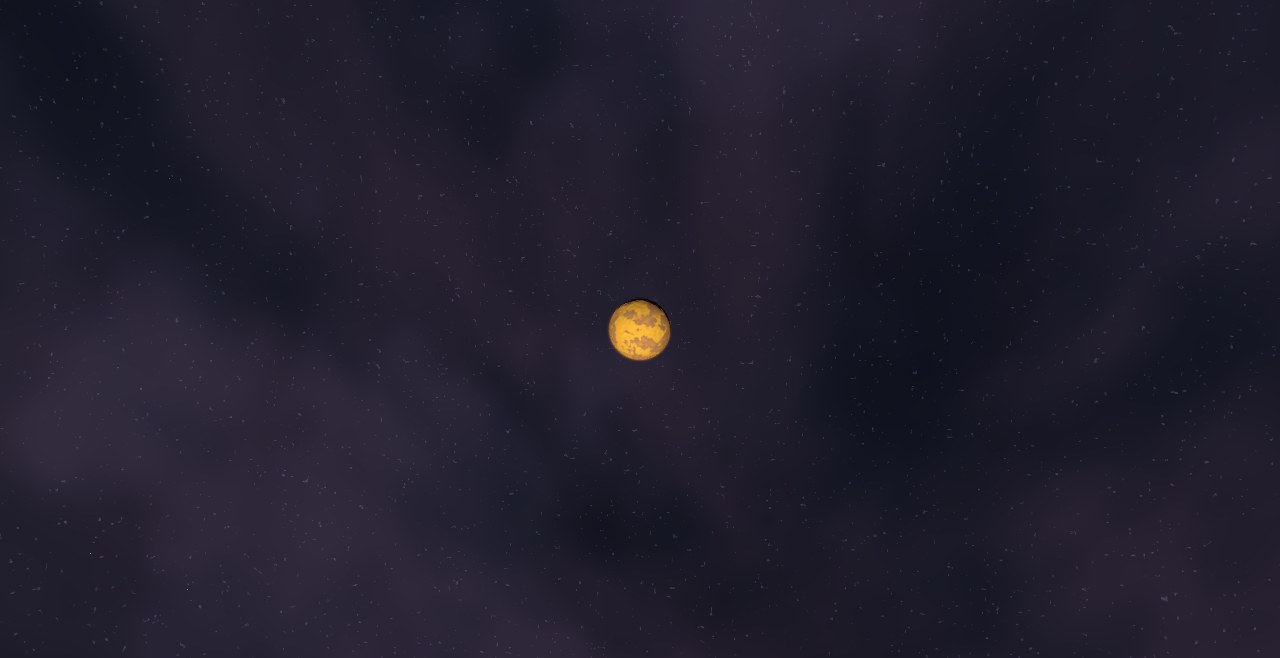
K2-414, an orange K-type dwarf of 0.81 solar masses, and K2-414 b, a planet with 1.2 Earth radii, with an orbital period of 4.4 days, at 0.049 AU from its star.
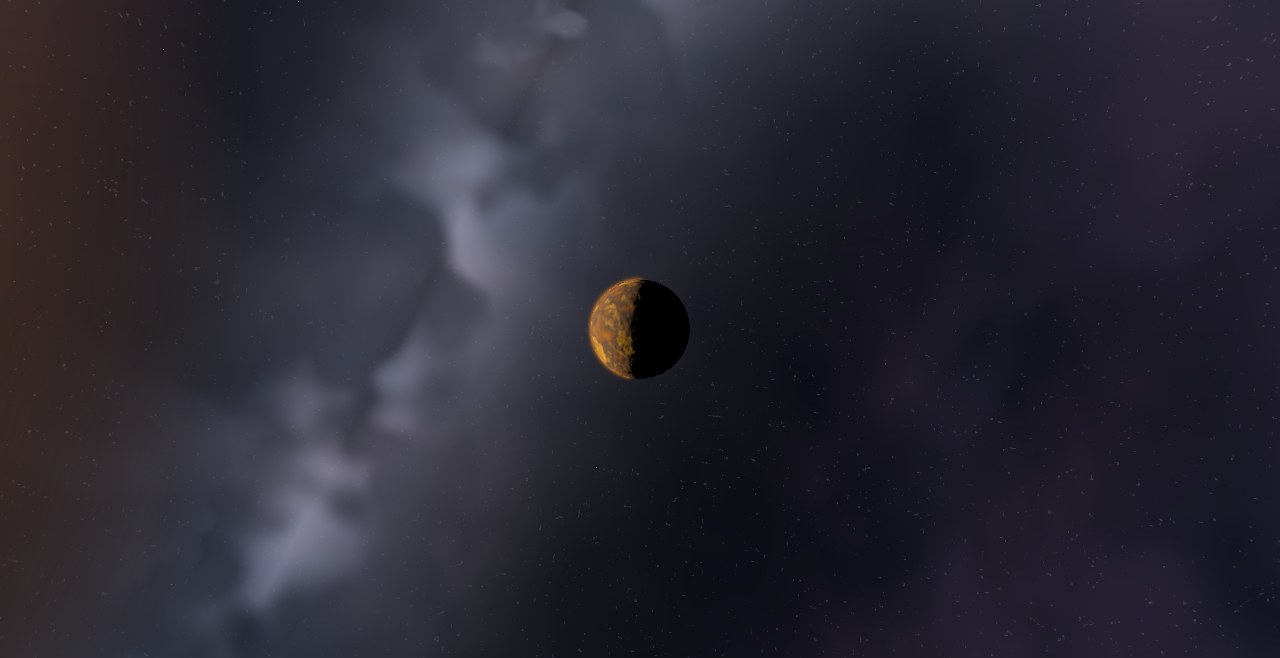
K2-5, an orange K-type dwarf of 0.61 solar masses, and K2-5 b, a planet with 1.9 Earth radii, with an orbital period of 5.7 days, at 0.053 AU from its star, and an equilibrium temperature near 565 K.
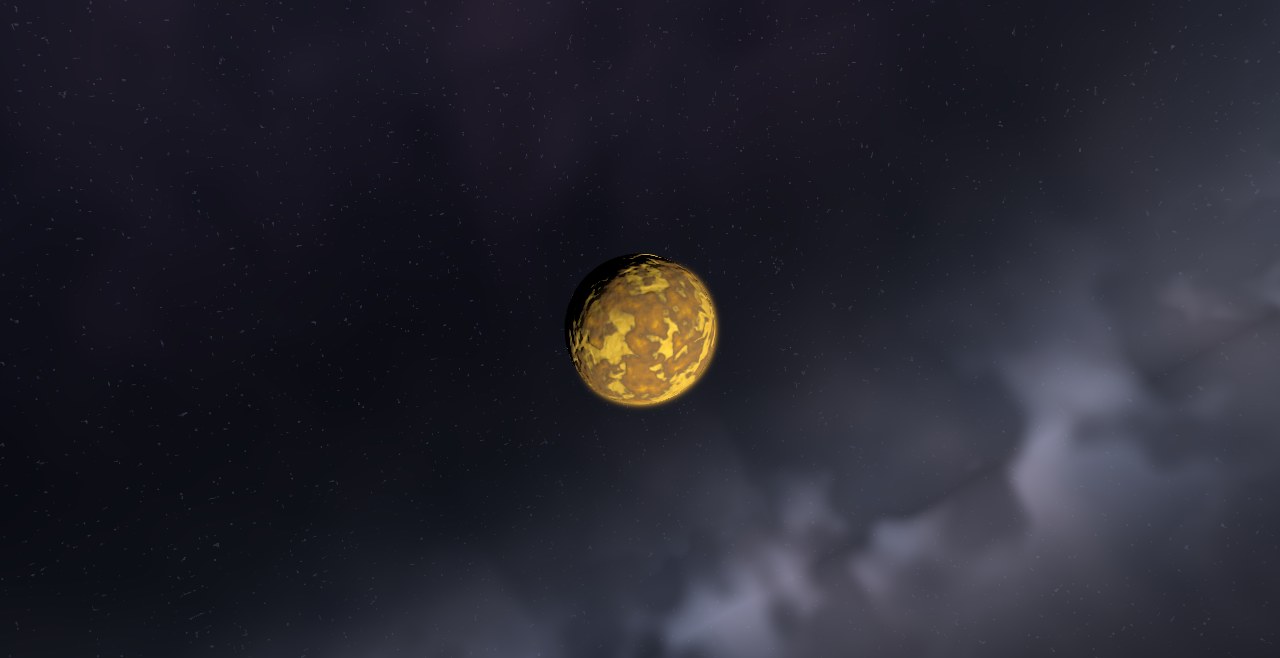
K2-59, an orange K-type dwarf of 0.77 solar masses, and K2-59 c, a planet with 2.3 Earth radii, with an orbital period of 11.3 days, at 0.090 AU from its star.
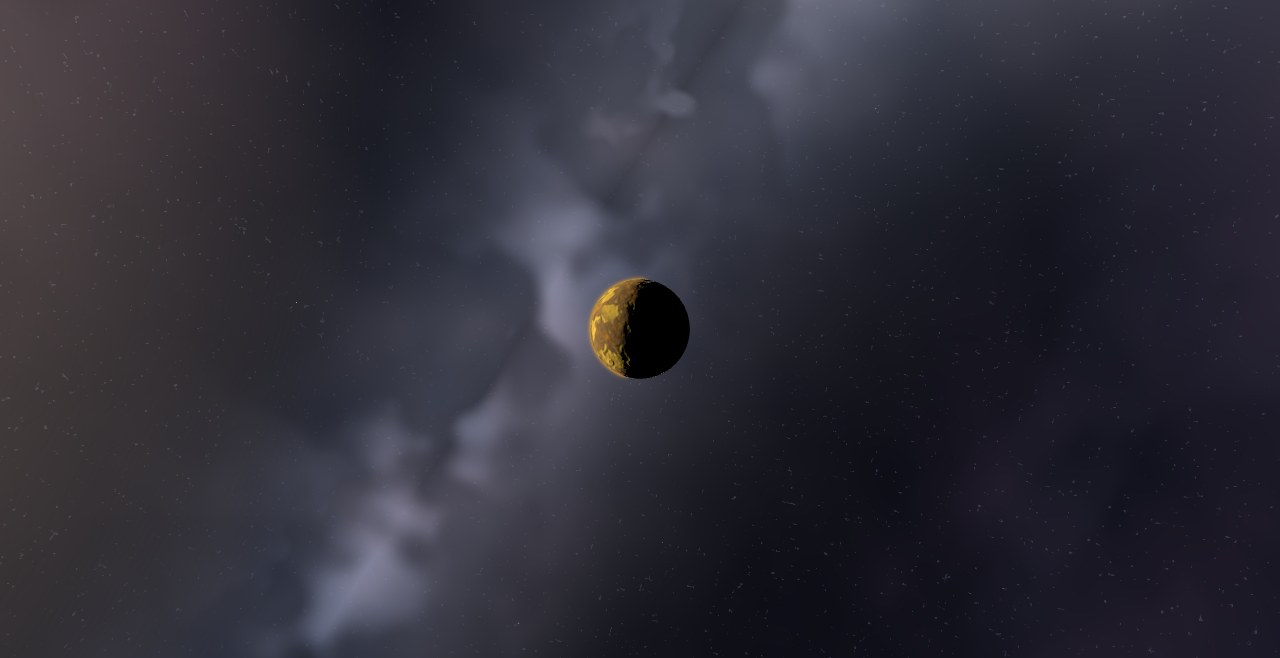
K2-62, an orange K-type dwarf of 0.67 solar masses, and K2-62 b, a planet with 2.0 Earth radii, with an orbital period of 6.7 days, and an equilibrium temperature near 666 K.
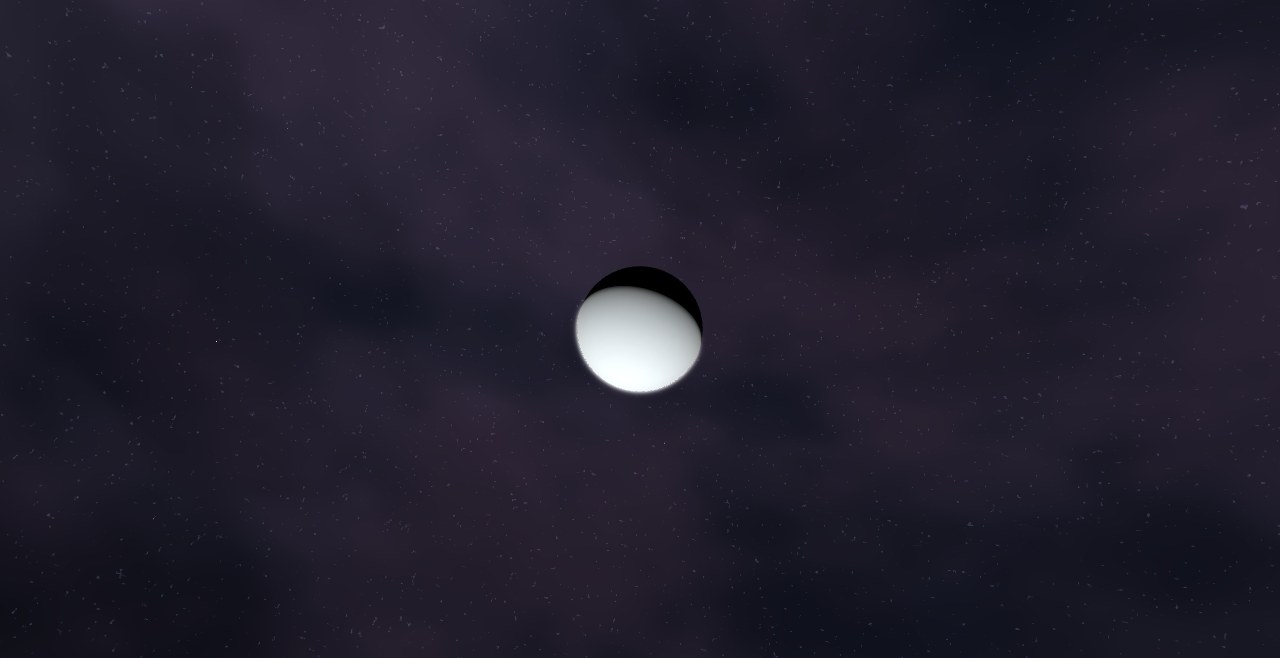
K2-63, a Sun-like F-type star of 1.40 solar masses, and K2-63 b, a planet with 3.2 Earth radii, with an orbital period of 20.3 days, at 0.163 AU from its star.