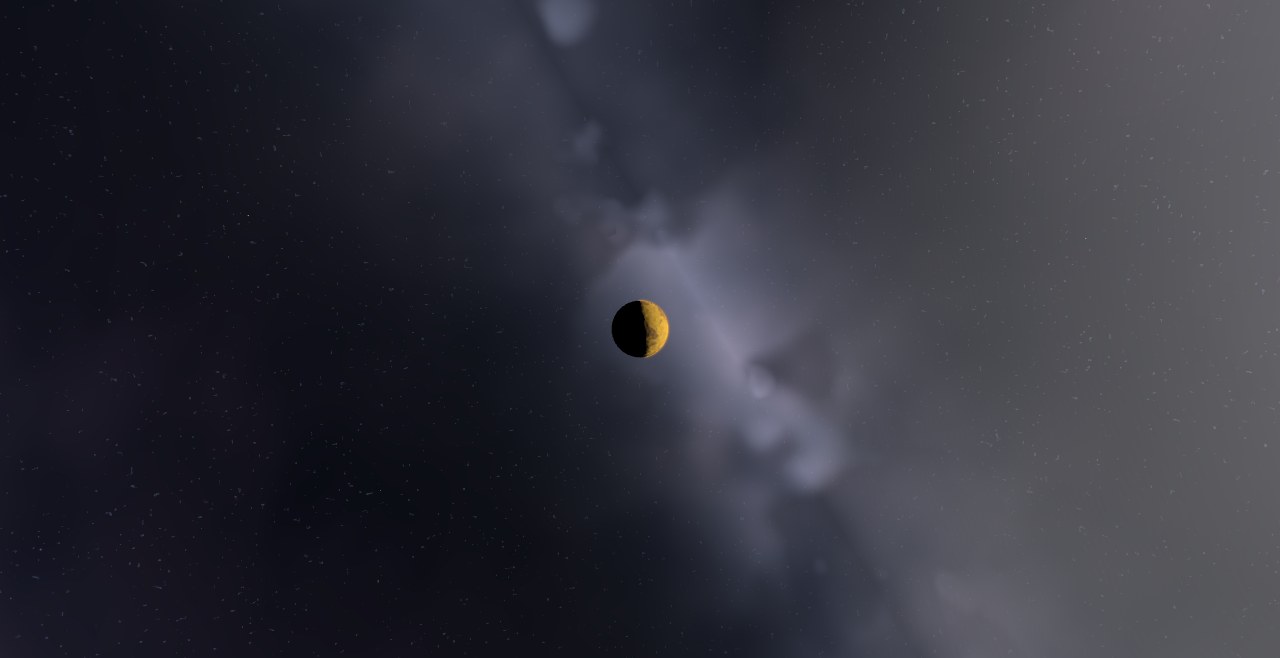
K2-75 - System
K2-75, a Sun-like G-type star of 1.16 solar masses, and K2-75 b, a planet with 2.7 Earth radii, with an orbital period of 7.8 days, at 0.081 AU from its star.
Exoplanets
Track gravitational perturbations, transit timing variations, and orbital stability between binary planet arrangements around distant stars.
Share
K2-75, a Sun-like G-type star of 1.16 solar masses, and K2-75 b, a planet with 2.7 Earth radii, with an orbital period of 7.8 days, at 0.081 AU from its star.
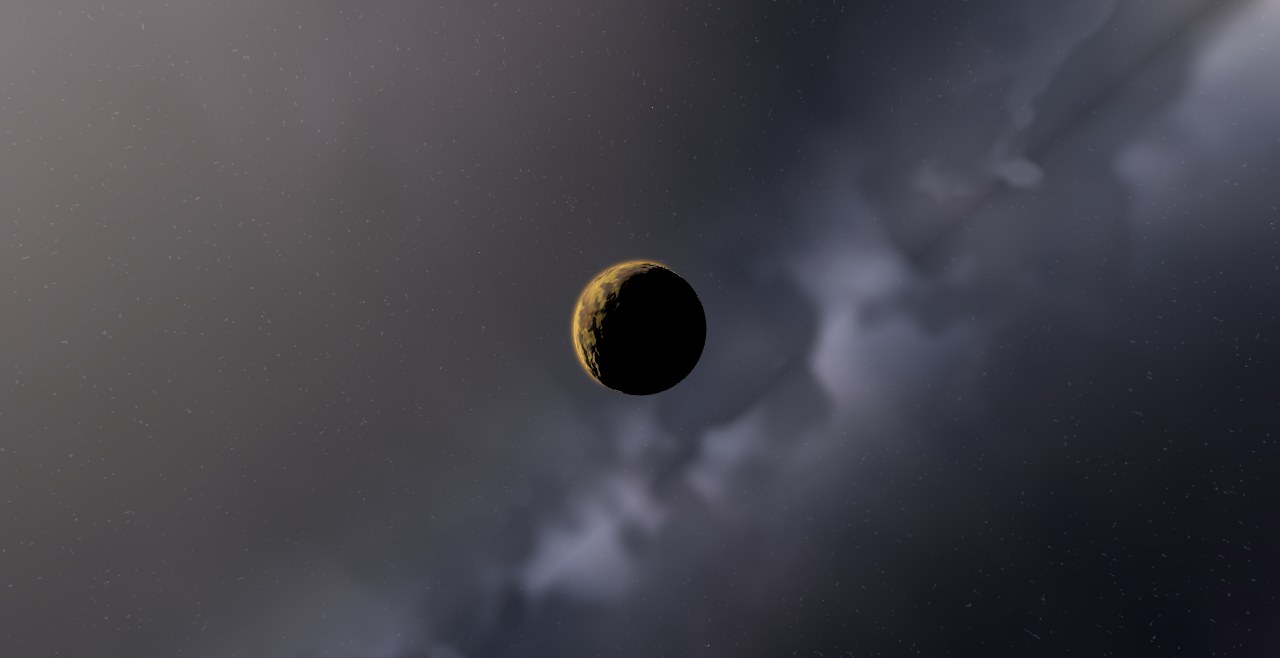
K2-8, an orange K-type dwarf of 0.78 solar masses, and K2-8 c, a planet with 2.4 Earth radii, with an orbital period of 5.1 days, at 0.053 AU from its star, and an equilibrium temperature near 801 K.
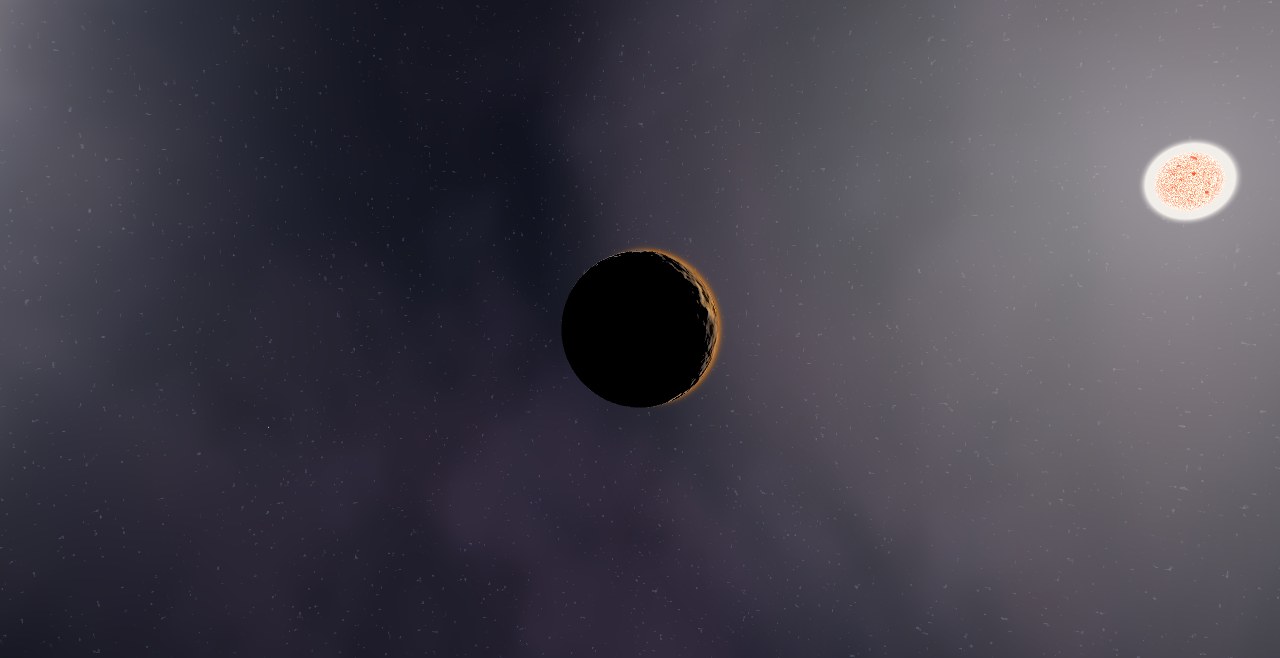
K2-80, a Sun-like G-type star of 0.90 solar masses, and K2-80 c, a planet with 1.5 Earth radii, with an orbital period of 5.6 days, at 0.060 AU from its star.
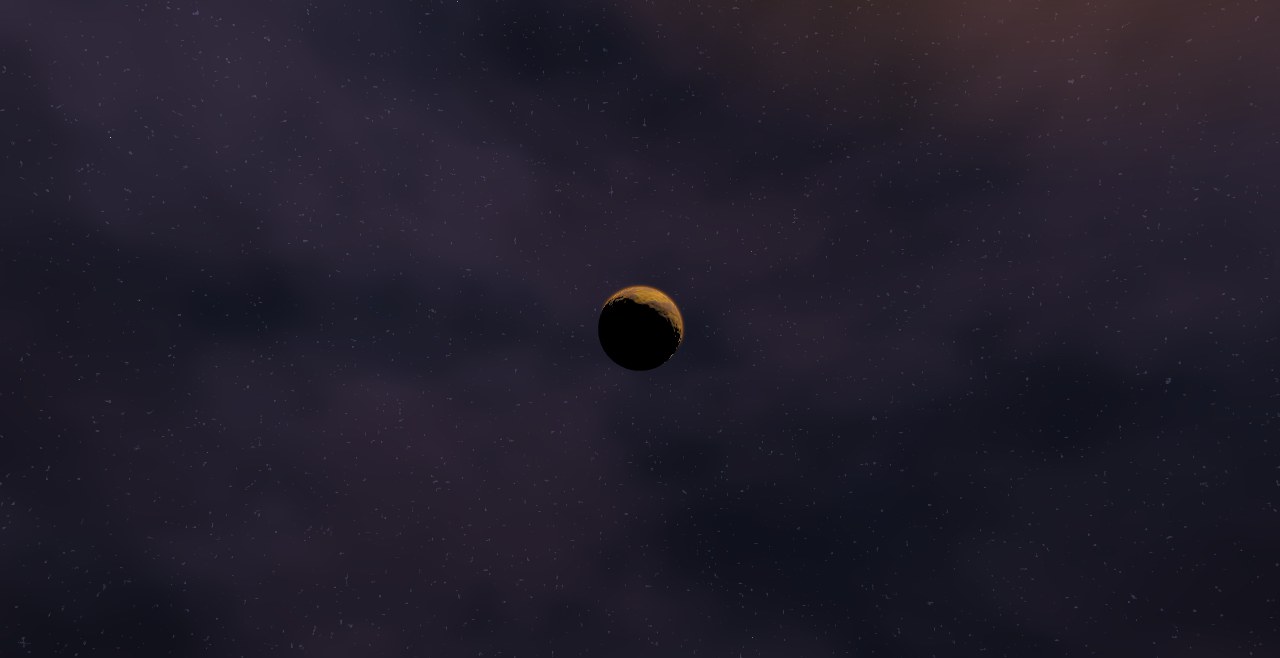
K2-83, an orange K-type dwarf of 0.48 solar masses, and K2-83 b, a planet with 1.2 Earth radii, with an orbital period of 2.7 days, at 0.030 AU from its star.
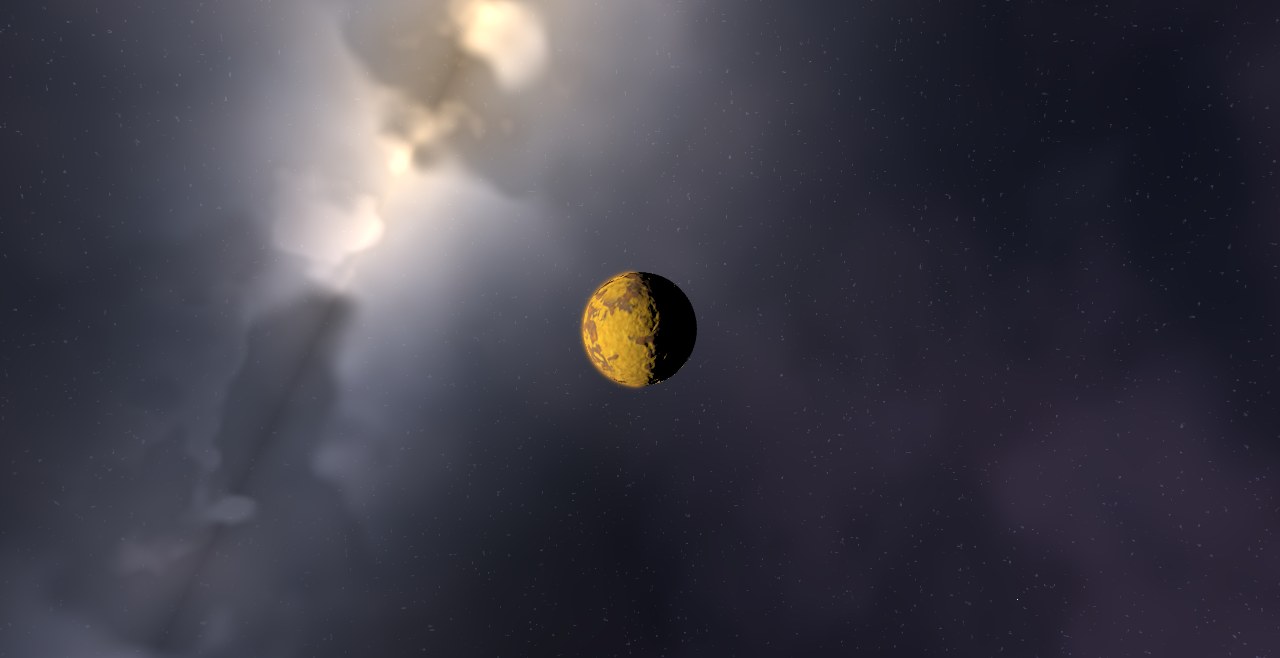
K2-84, a Sun-like G-type star of 0.95 solar masses, and K2-84 b, a planet with 2.4 Earth radii, with an orbital period of 6.4 days, at 0.067 AU from its star.
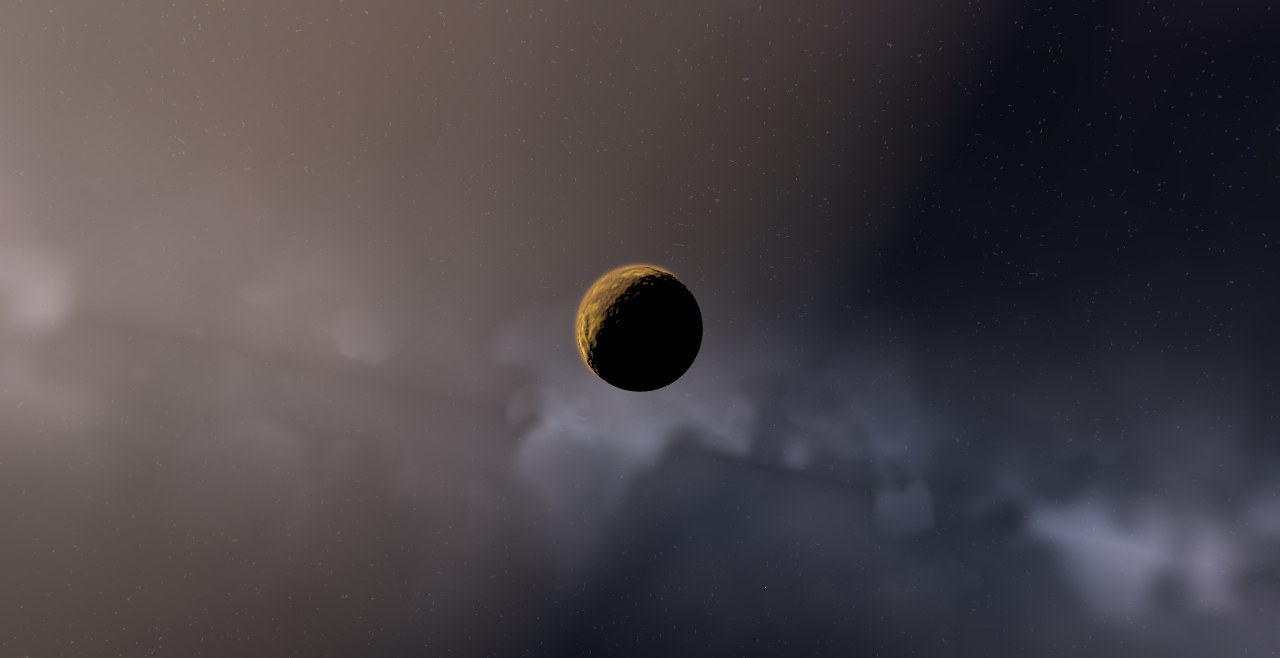
K2-90, an orange K-type dwarf of 0.63 solar masses, and K2-90 c, a planet with 1.3 Earth radii, with an orbital period of 2.9 days, at 0.035 AU from its star, on an eccentric orbit (e ≈ 0.19).
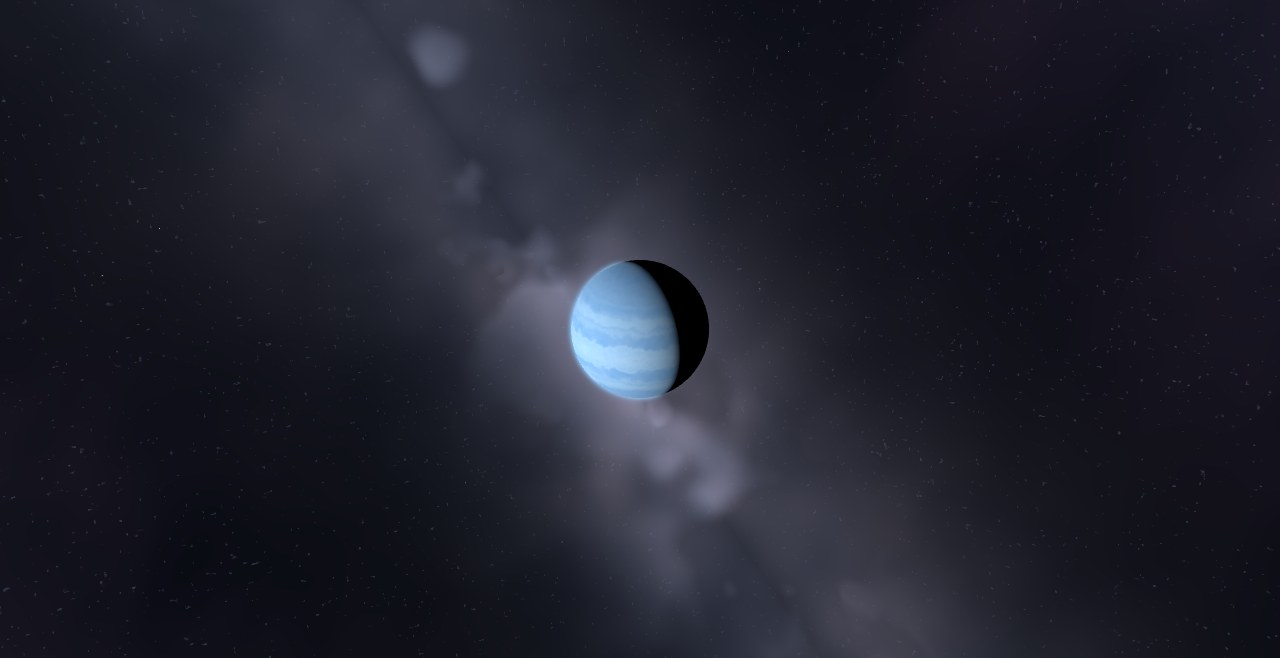
K2-99, a Sun-like F-type star of 1.44 solar masses, and K2-99 b, a 0.87-Jupiter-mass companion, with an orbital period of 18.2 days, at 0.153 AU from its star, and an equilibrium temperature near 1,184 K.
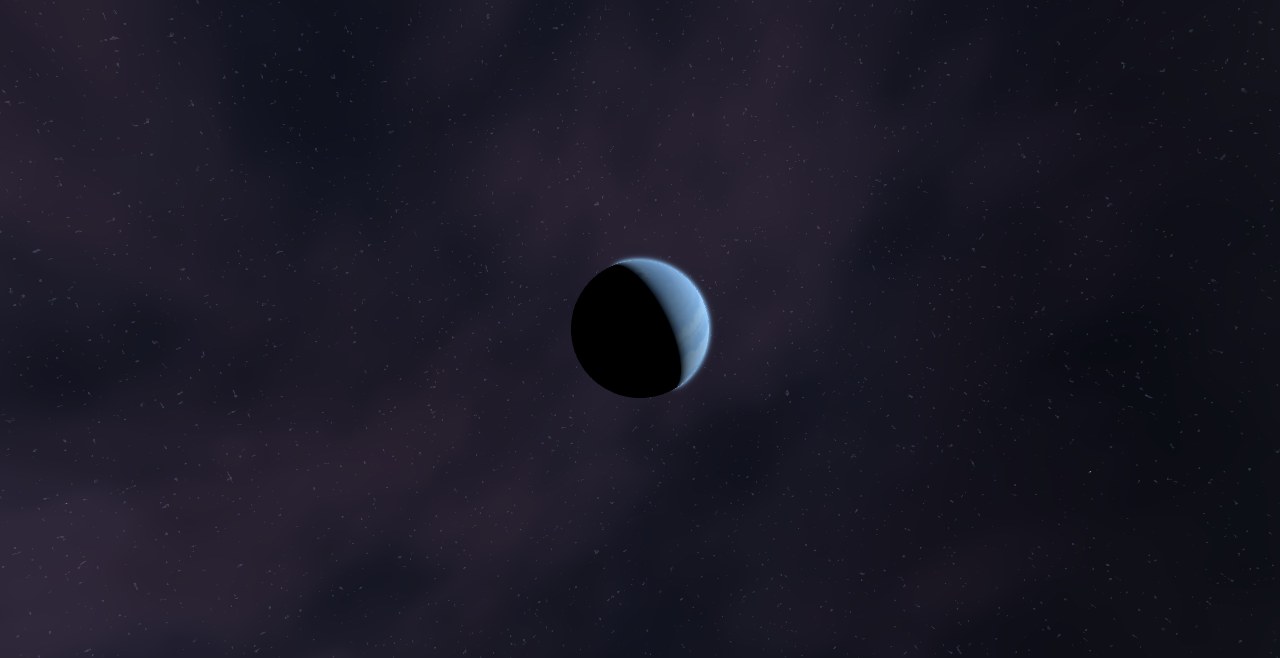
KELT-6, a Sun-like F-type star of 1.13 solar masses, and KELT-6 c, a 3.71-Jupiter-mass companion, with an orbital period of 3.49 years, at 2.390 AU from its star, on an eccentric orbit (e ≈ 0.21).
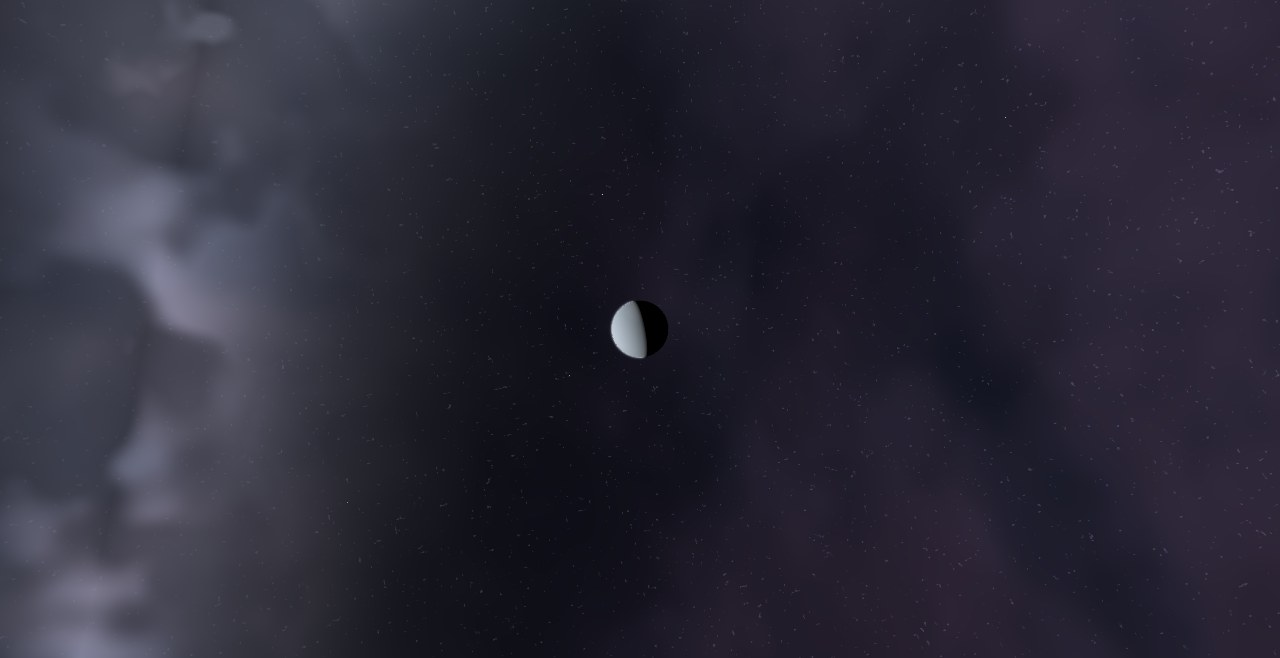
KIC 5437945, a Sun-like F-type star of 1.07 solar masses, and Kepler-460 c, a planet with 5.5 Earth radii, with an orbital period of 220 days.
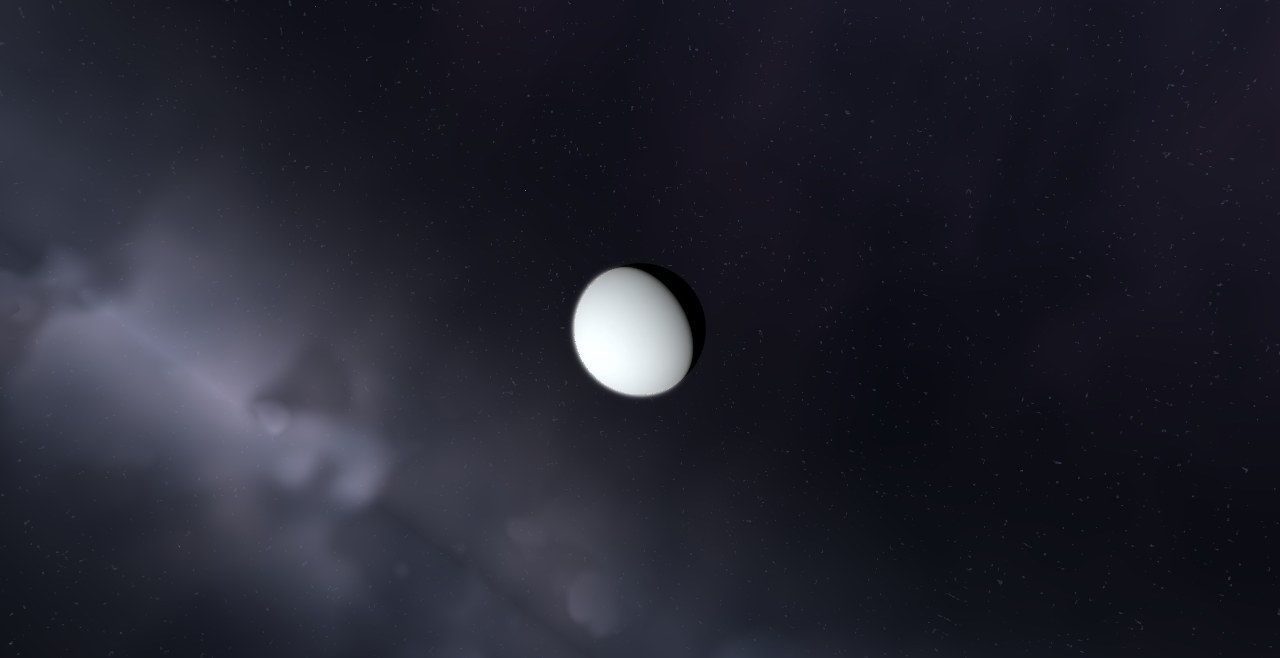
KIC 9663113, a Sun-like F-type star of 1.15 solar masses, and Kepler-458 c, a planet with 4.2 Earth radii, with an orbital period of 20.7 days.
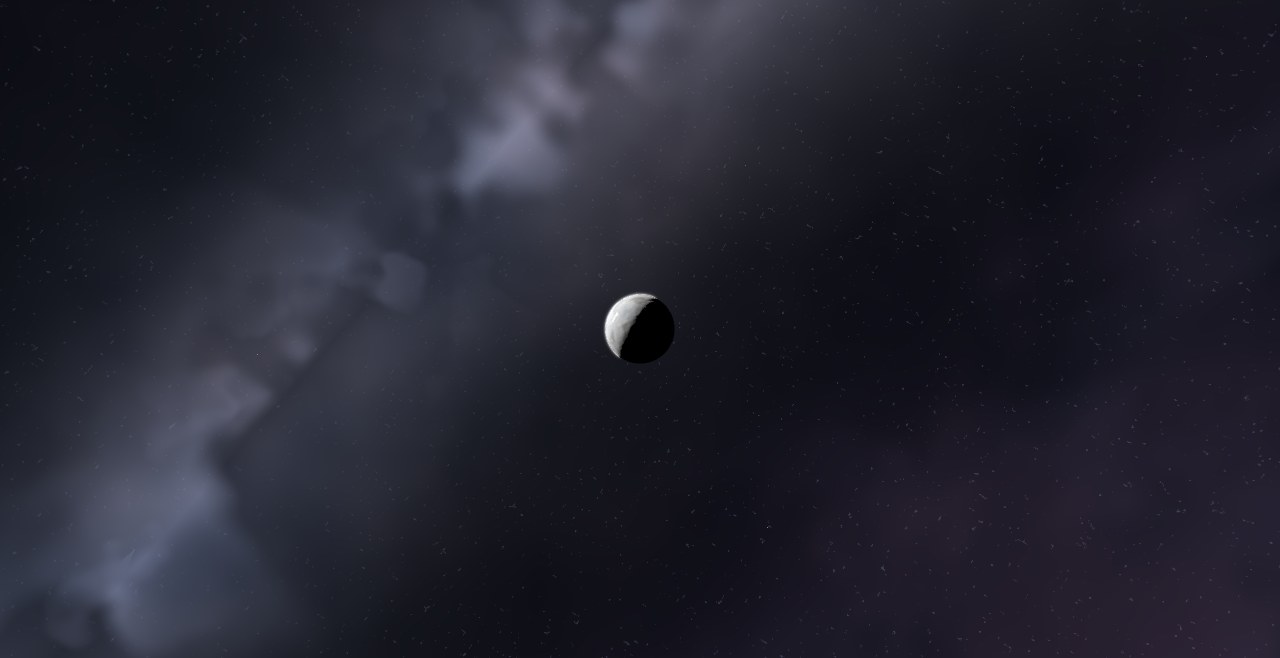
KMT-2020-BLG-0414L, a Sun-like G-type star of 0.49 solar masses, and KMT-2020-BLG-0414L b, a 1.9-Earth-mass planet, at 2.070 AU from its star.
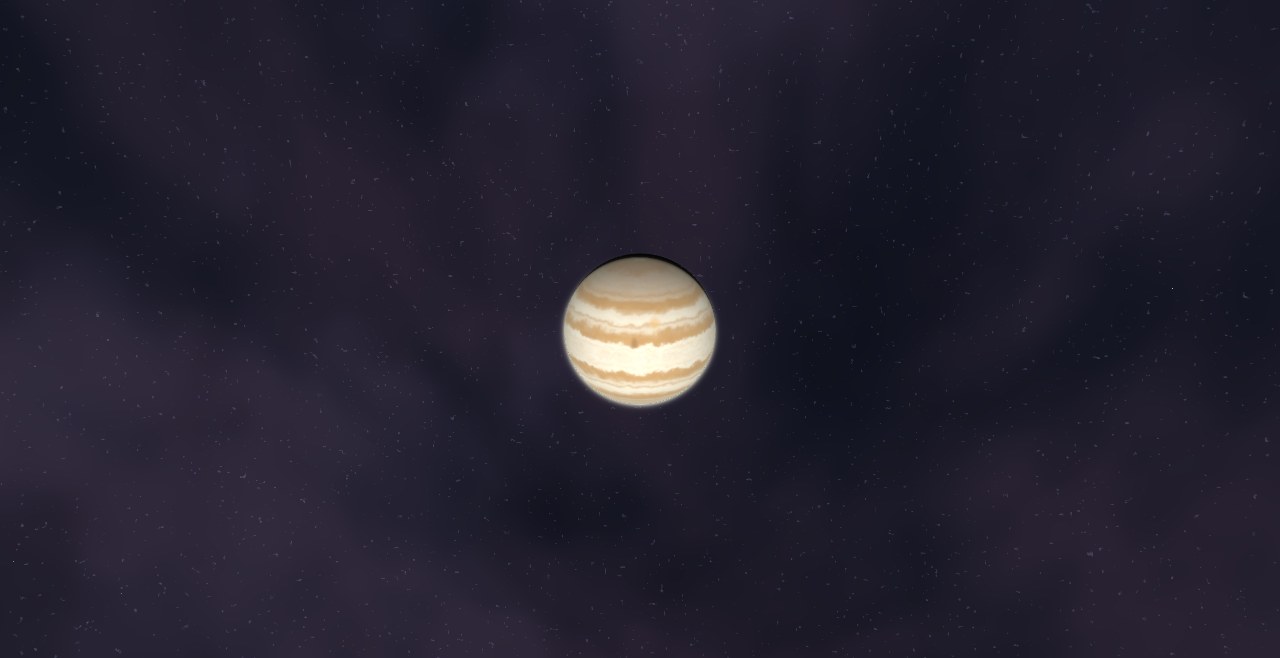
KMT-2021-BLG-1077L, a cool M-dwarf of 0.14 solar masses, and KMT-2021-BLG-1077L c, a 0.25-Jupiter-mass companion, at 0.930 AU from its star.
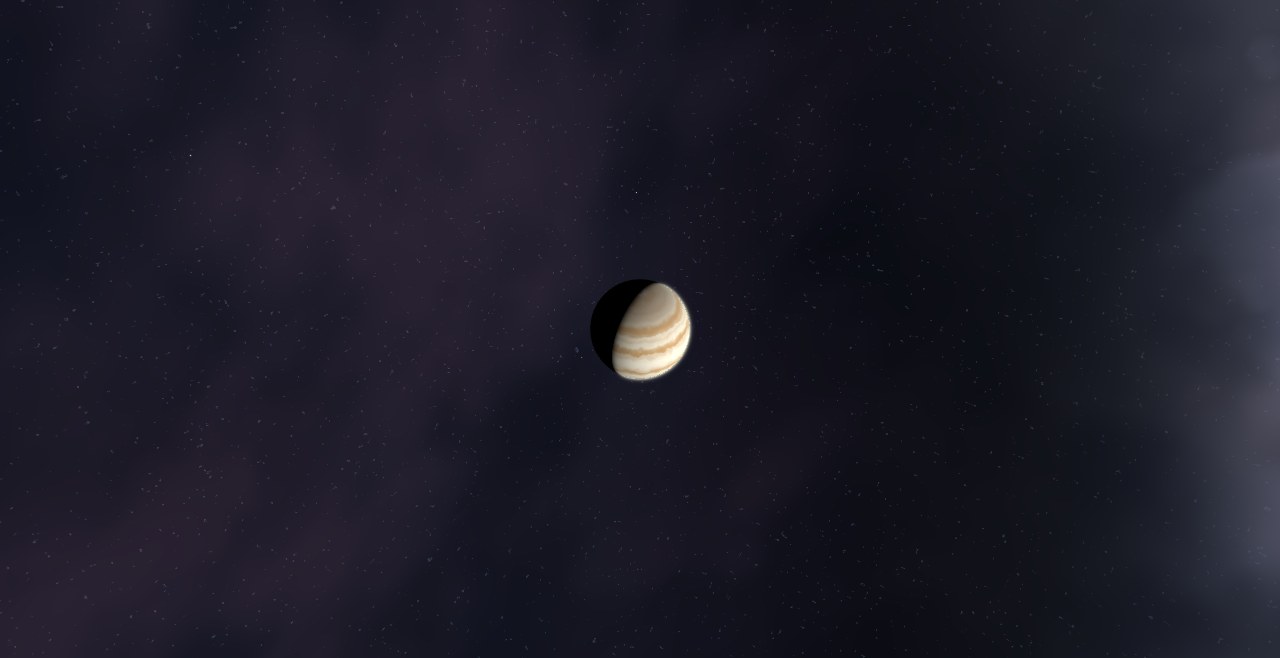
KMT-2022-BLG-1818L, a Sun-like G-type star of 0.79 solar masses, and KMT-2022-BLG-1818L b, a 4.00-Jupiter-mass companion, at 2.600 AU from its star.
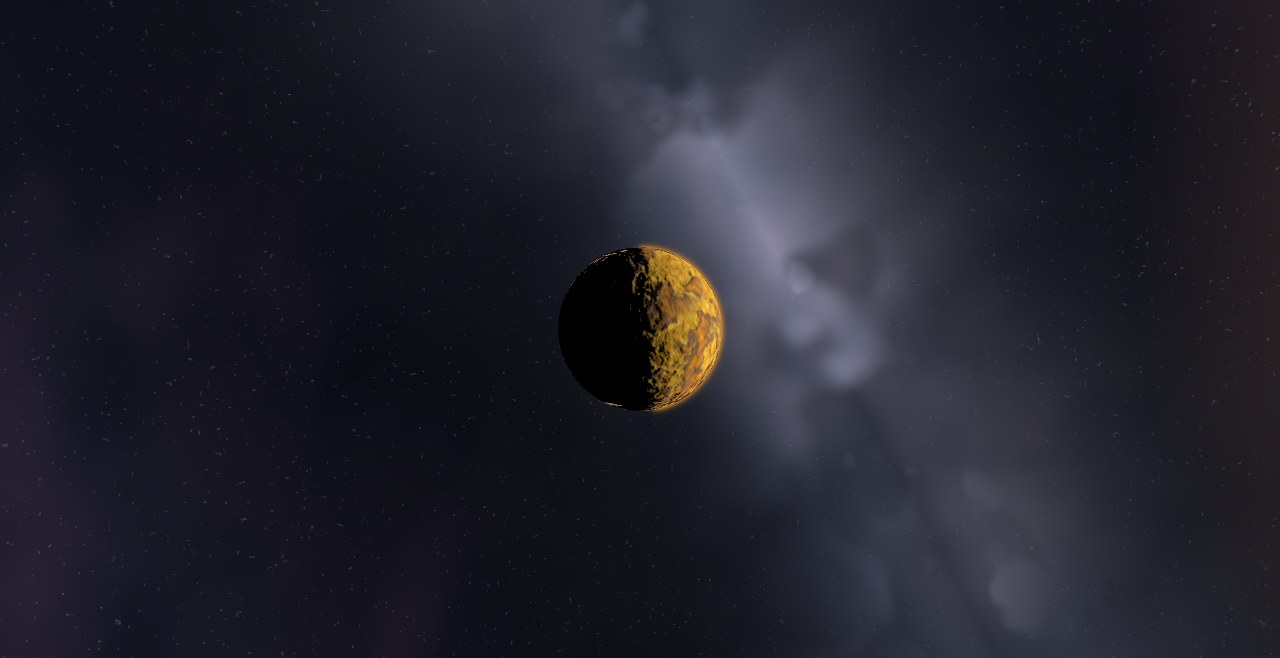
KOBE-1, an orange K-type dwarf of 0.63 solar masses, and KOBE-1 b, a 8.8-Earth-mass planet, with an orbital period of 8.5 days, at 0.070 AU from its star, and an equilibrium temperature near 594 K.
KOI-12, a Sun-like F-type star of 1.50 solar masses, and KOI-12 b, a 1.10-Jupiter-mass companion, with an orbital period of 17.9 days, at 0.154 AU from its star, on an eccentric orbit (e ≈ 0.34).
KOI-134, a Sun-like F-type star of 1.41 solar masses, and KOI-134 c, a 0.22-Jupiter-mass companion, with an orbital period of 34.0 days, at 0.231 AU from its star, on an eccentric orbit (e ≈ 0.24).
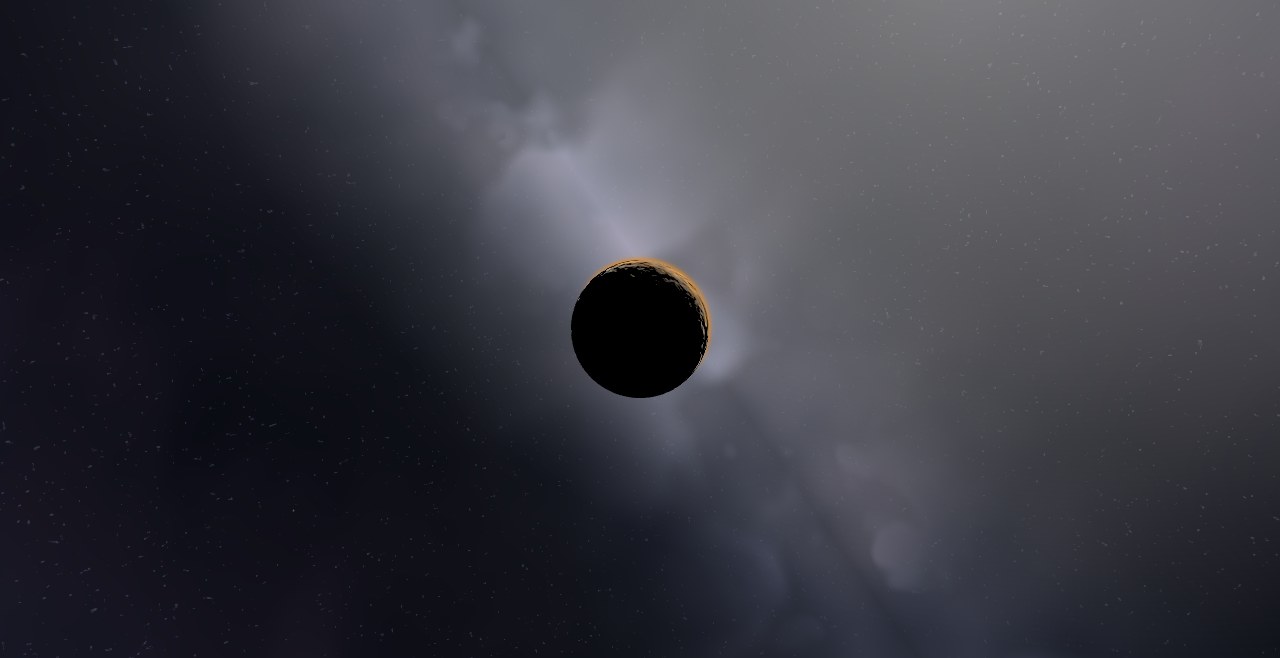
KOI-1599, a Sun-like G-type star of 1.02 solar masses, and KOI-1599.02, a 9.0-Earth-mass planet, with an orbital period of 13.6 days, at 0.112 AU from its star.
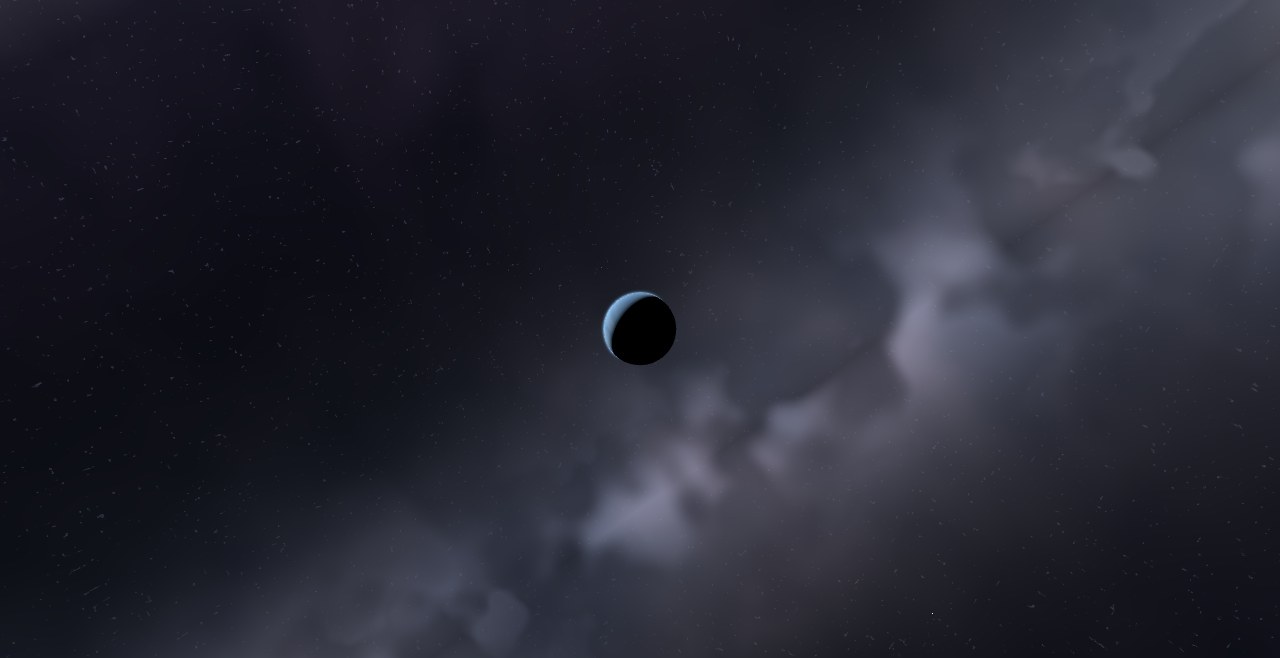
KOI-1783, a Sun-like G-type star of 1.08 solar masses, and KOI-1783.01, a 0.22-Jupiter-mass companion, with an orbital period of 134 days.