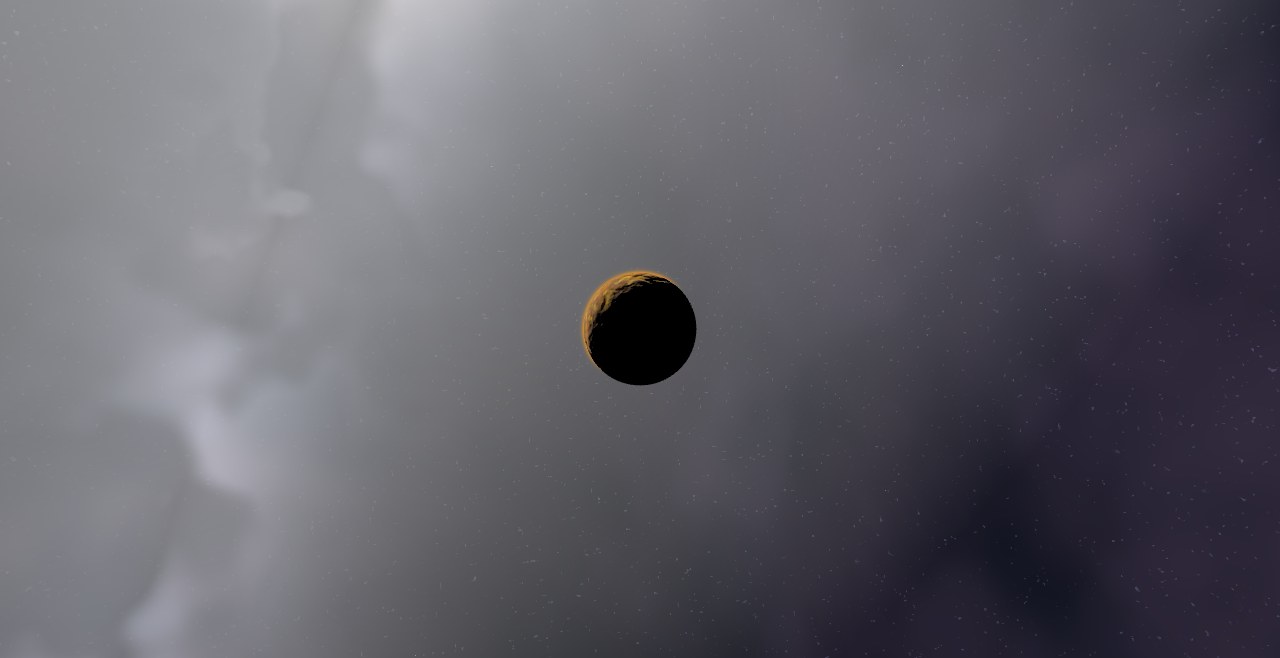
K2-111 - System
K2-111, a Sun-like G-type star of 0.84 solar masses, and K2-111 b, a 5.3-Earth-mass planet, with an orbital period of 5.4 days, at 0.057 AU from its star, and an equilibrium temperature near 1,293 K.
Exoplanets
Track gravitational perturbations, transit timing variations, and orbital stability between binary planet arrangements around distant stars.
Share
K2-111, a Sun-like G-type star of 0.84 solar masses, and K2-111 b, a 5.3-Earth-mass planet, with an orbital period of 5.4 days, at 0.057 AU from its star, and an equilibrium temperature near 1,293 K.
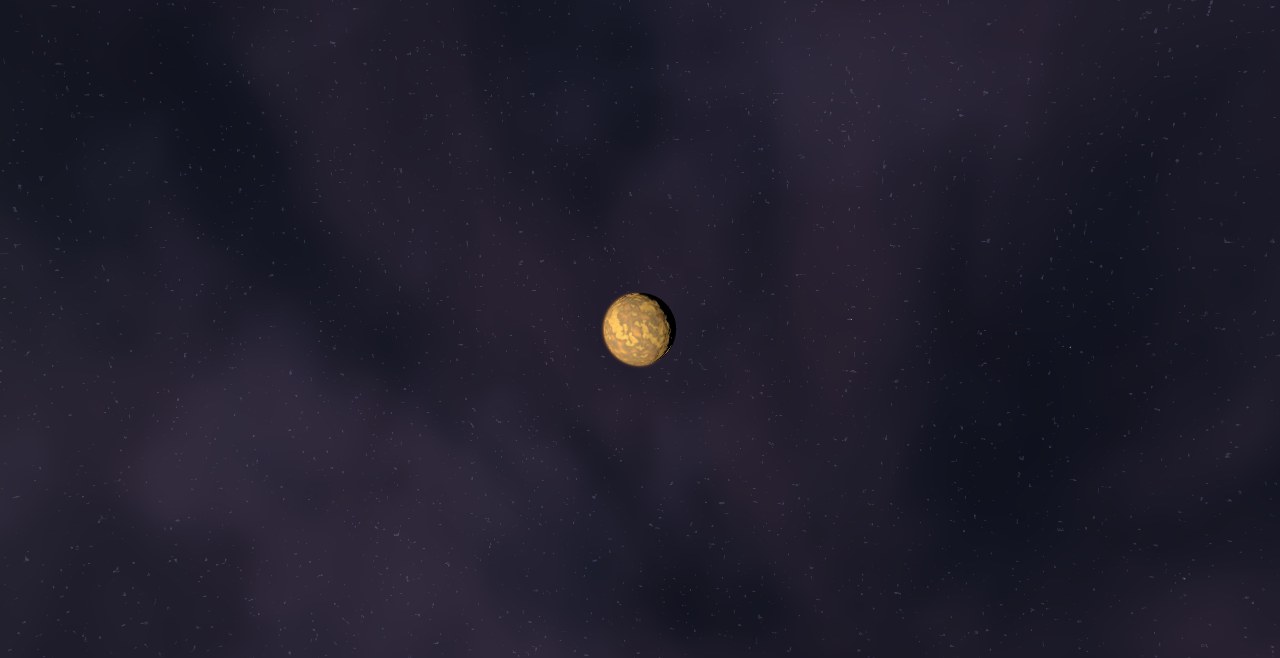
K2-117, an orange K-type dwarf of 0.54 solar masses, and K2-117 b, a planet with 2.0 Earth radii, with an orbital period of 1.3 days, at 0.019 AU from its star, and an equilibrium temperature near 868 K.
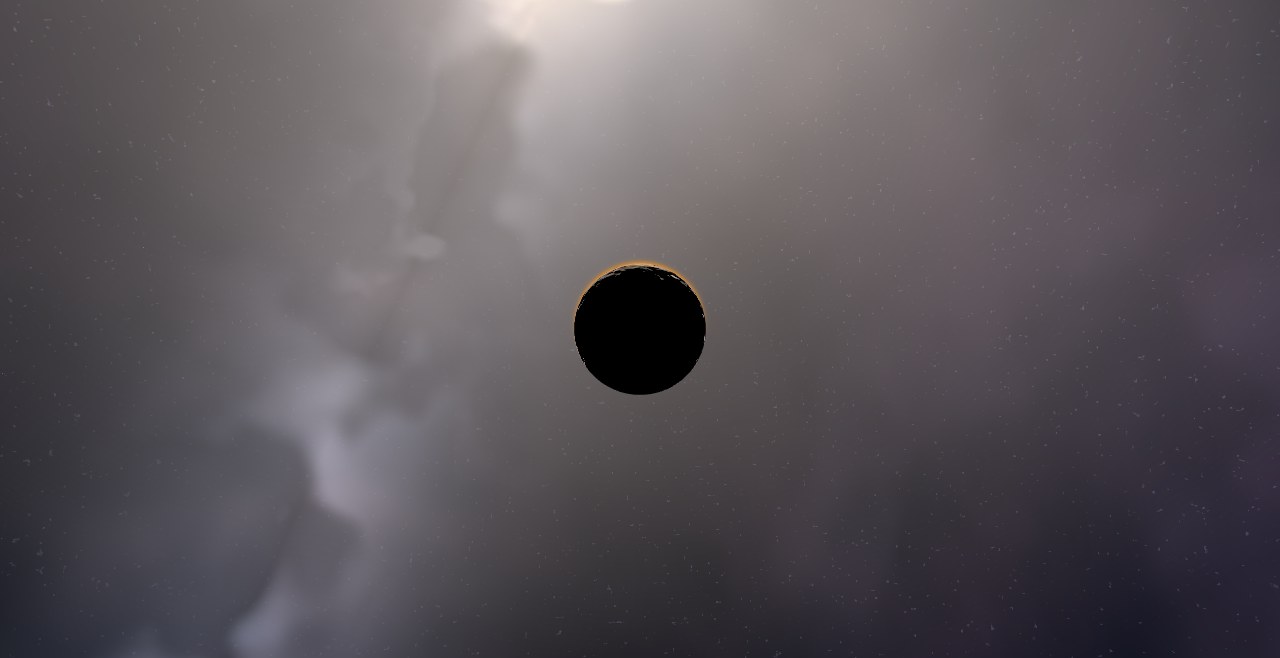
K2-141 b, a lava world on an ultra-short orbit. The dayside is hot enough for a rock-vapor atmosphere that may rain out as magma. A year on the lava world lasts only about 6.7 hours.
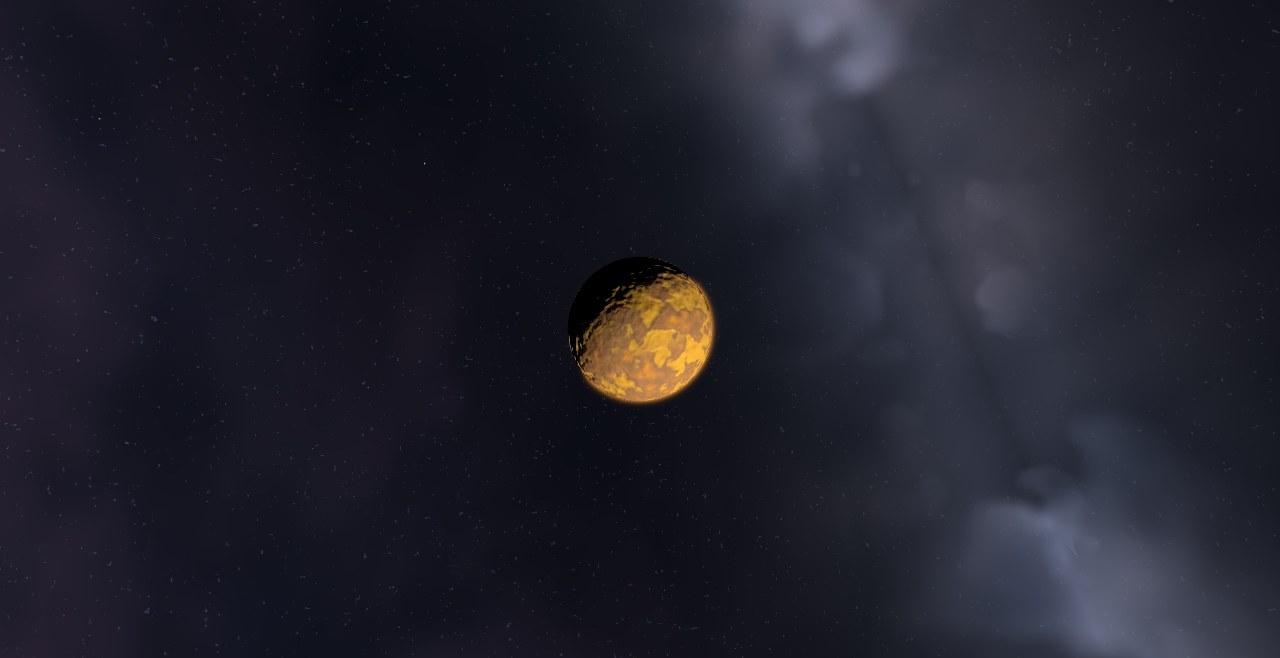
K2-146, a cool M-dwarf of 0.33 solar masses, and K2-146 b, a 5.8-Earth-mass planet, with an orbital period of 2.6 days, on an eccentric orbit (e ≈ 0.13).
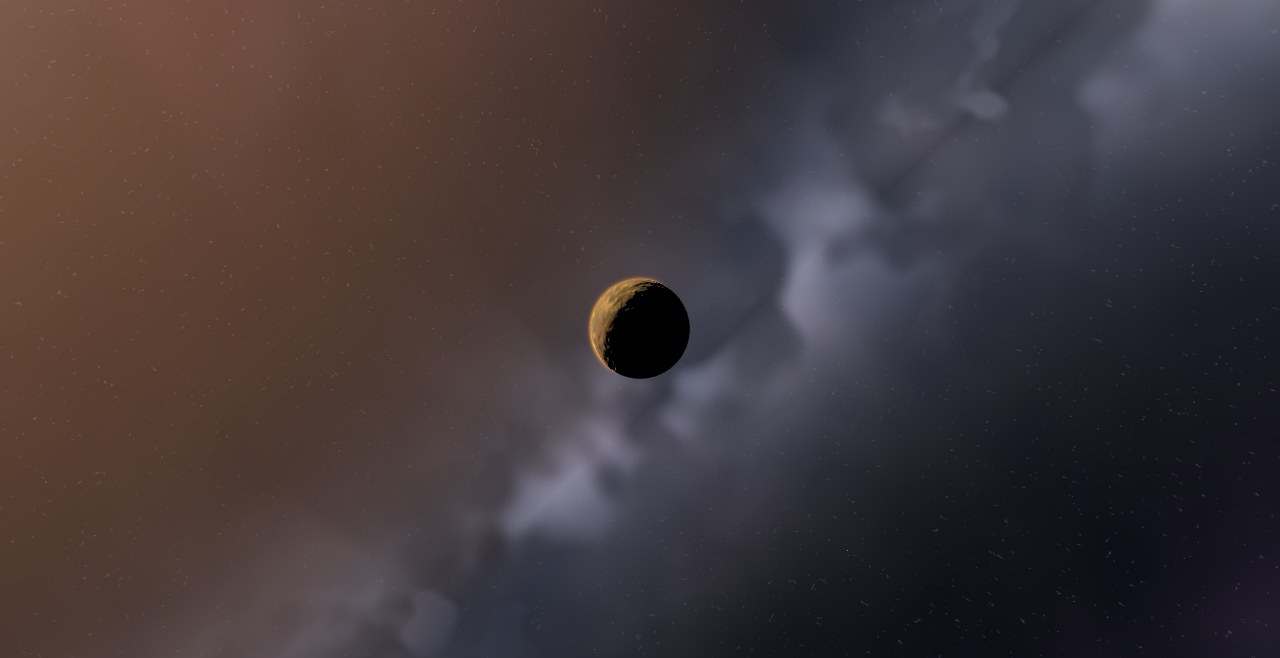
K2-154, an orange K-type dwarf of 0.65 solar masses, and K2-154 b, a planet with 2.0 Earth radii, with an orbital period of 3.7 days, at 0.041 AU from its star, and an equilibrium temperature near 715 K.
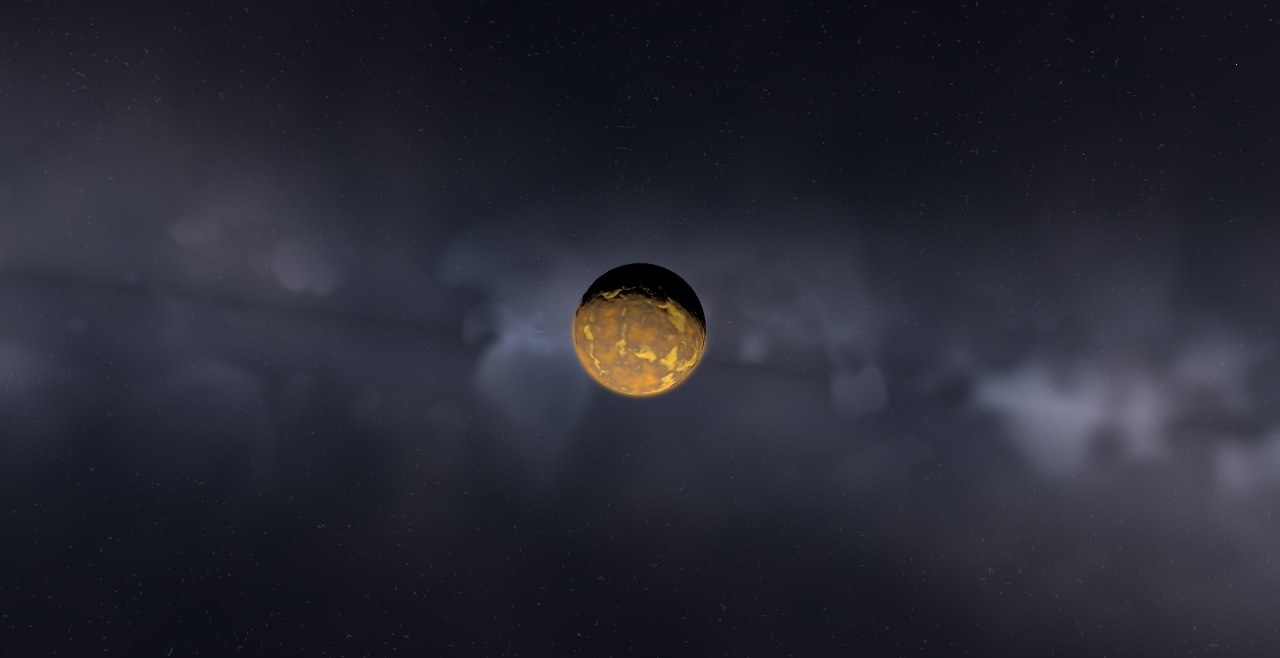
K2-158, a Sun-like G-type star of 0.92 solar masses, and K2-158 c, a planet with 1.3 Earth radii, with an orbital period of 5.9 days, at 0.062 AU from its star, and an equilibrium temperature near 948 K.
K2-16, an orange K-type dwarf of 0.68 solar masses, and K2-16 b, a planet with 2.0 Earth radii, with an orbital period of 7.6 days, at 0.067 AU from its star, and an equilibrium temperature near 658 K.
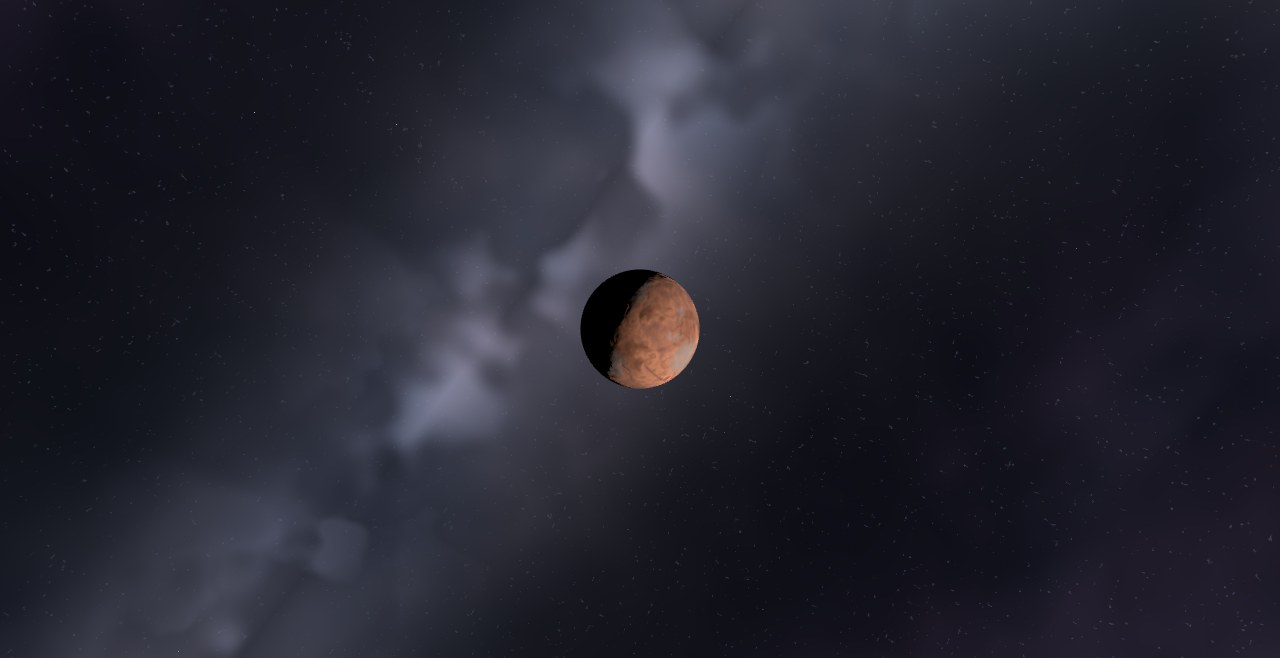
K2-18 b, a temperate sub-Neptune in the habitable zone of a red dwarf. It is one of JWST's most studied small-planet atmospheres. Hubble reported water vapor in its thick atmosphere.
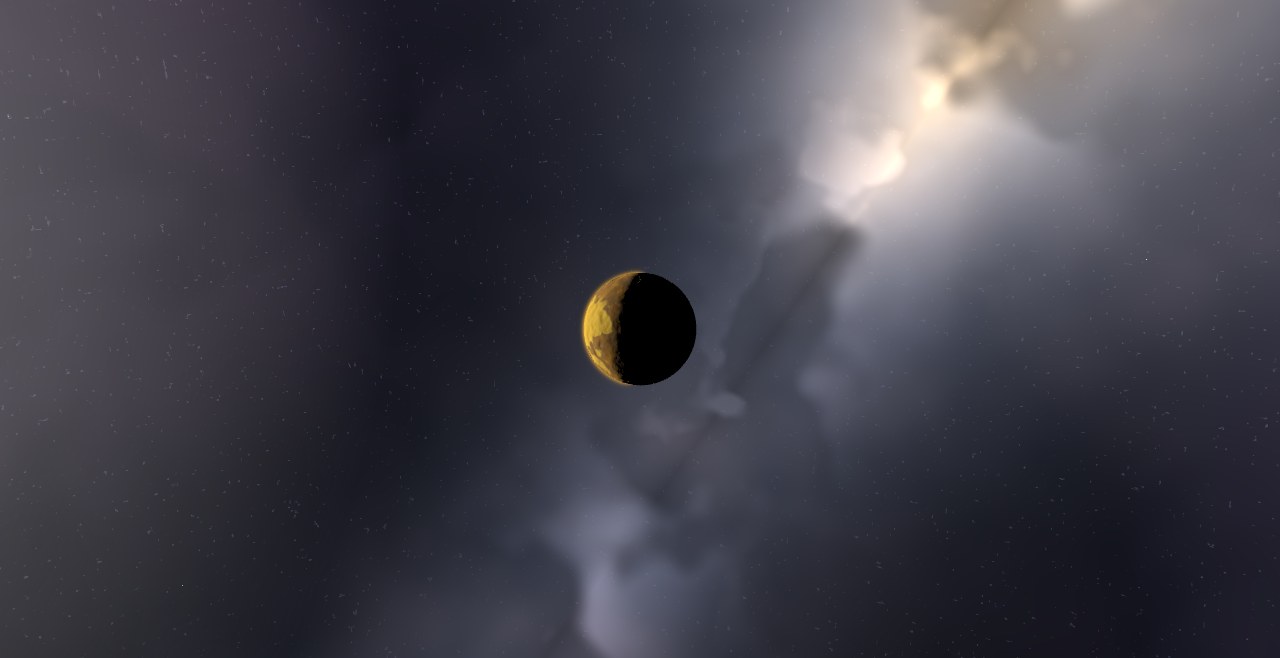
K2-183, a Sun-like G-type star of 0.94 solar masses, and K2-183 c, a planet with 2.3 Earth radii, with an orbital period of 10.8 days.
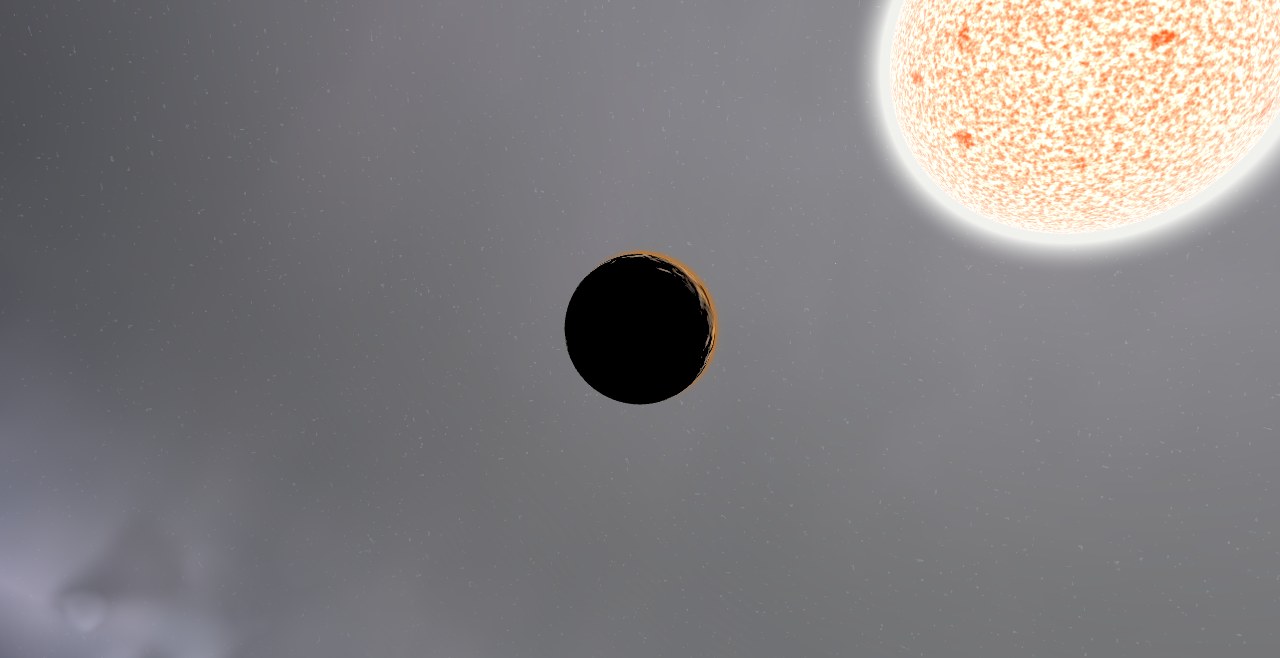
K2-188, a Sun-like G-type star of 1.06 solar masses, and K2-188 b, a planet with 1.4 Earth radii, with an orbital period of 1.7 days, at 0.029 AU from its star, and an equilibrium temperature near 1,692 K.
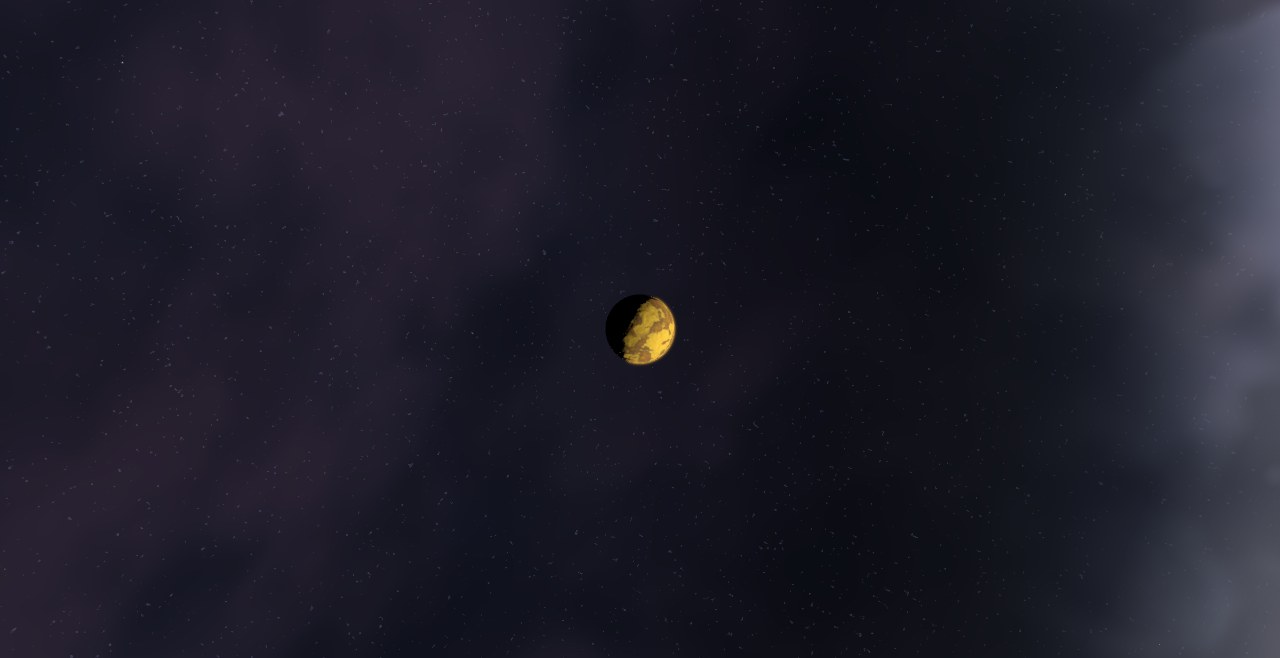
K2-189, a Sun-like G-type star of 0.85 solar masses, and K2-189 b, a planet with 1.4 Earth radii, with an orbital period of 2.6 days, and an equilibrium temperature near 1,203 K.
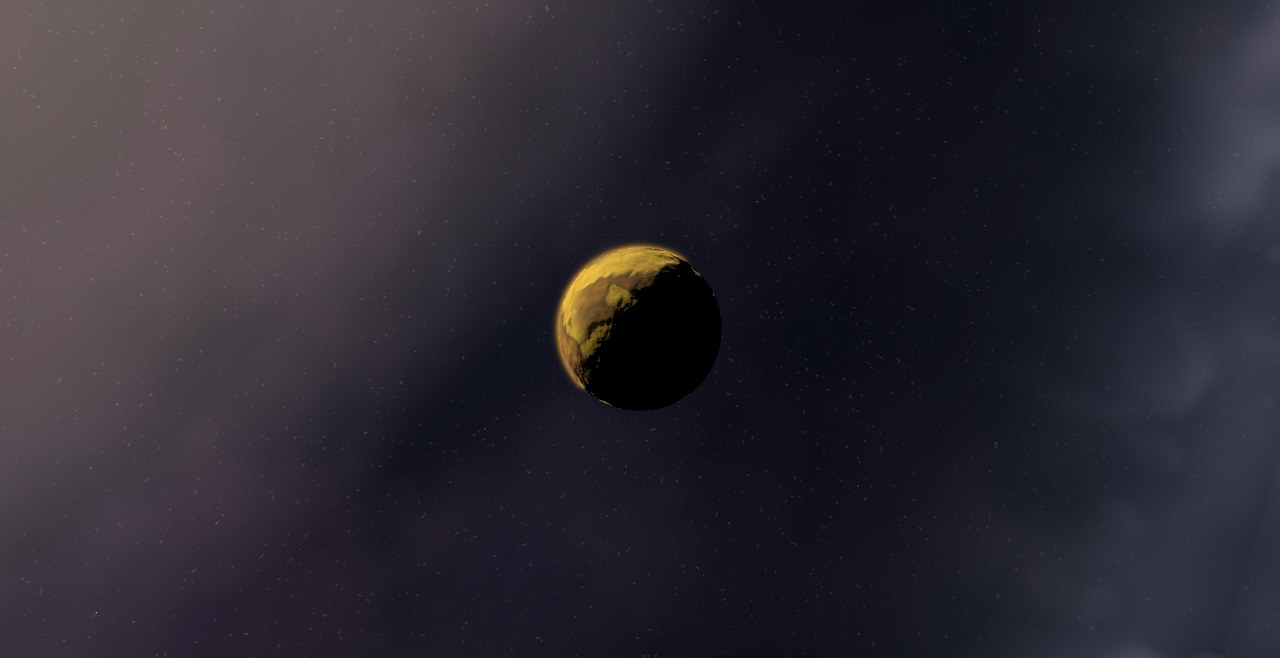
K2-199, an orange K-type dwarf of 0.71 solar masses, and K2-199 b, a 6.9-Earth-mass planet, with an orbital period of 3.2 days, at 0.038 AU from its star, and an equilibrium temperature near 913 K.
K2-21, an orange K-type dwarf of 0.68 solar masses, and K2-21 b, a planet with 1.8 Earth radii, with an orbital period of 9.3 days, at 0.076 AU from its star, on an eccentric orbit (e ≈ 0.10).
K2-223, a Sun-like G-type star of 1.06 solar masses, and K2-223 b, a planet with 0.9 Earth radii, with an orbital period of 12.1 hours.
K2-224, a Sun-like G-type star of 0.91 solar masses, and K2-224 b, a planet with 1.6 Earth radii, with an orbital period of 4.5 days, at 0.052 AU from its star, and an equilibrium temperature near 1,002 K.
K2-229, a Sun-like G-type star of 0.87 solar masses, and K2-229 c, a planet with 2.0 Earth radii, with an orbital period of 8.3 days, at 0.077 AU from its star, and an equilibrium temperature near 750 K.
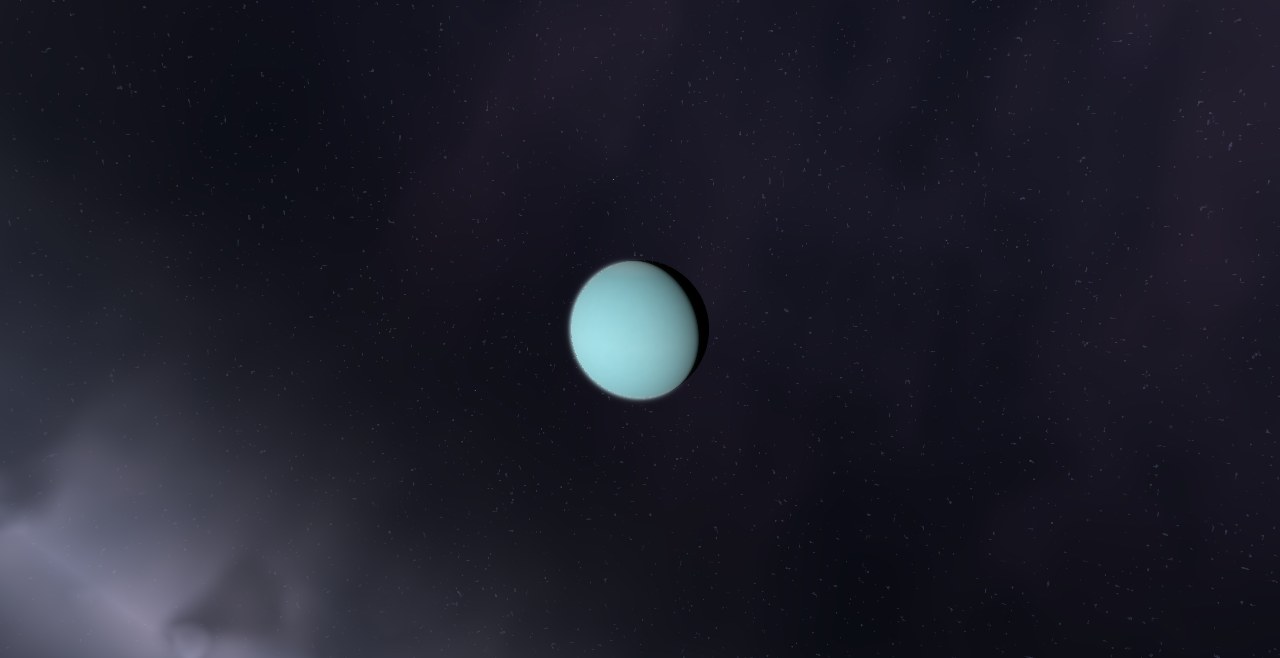
K2-24, a Sun-like G-type star of 1.09 solar masses, and K2-24 b, a 0.06-Jupiter-mass companion, with an orbital period of 20.9 days, at 0.167 AU from its star, and an equilibrium temperature near 732 K.
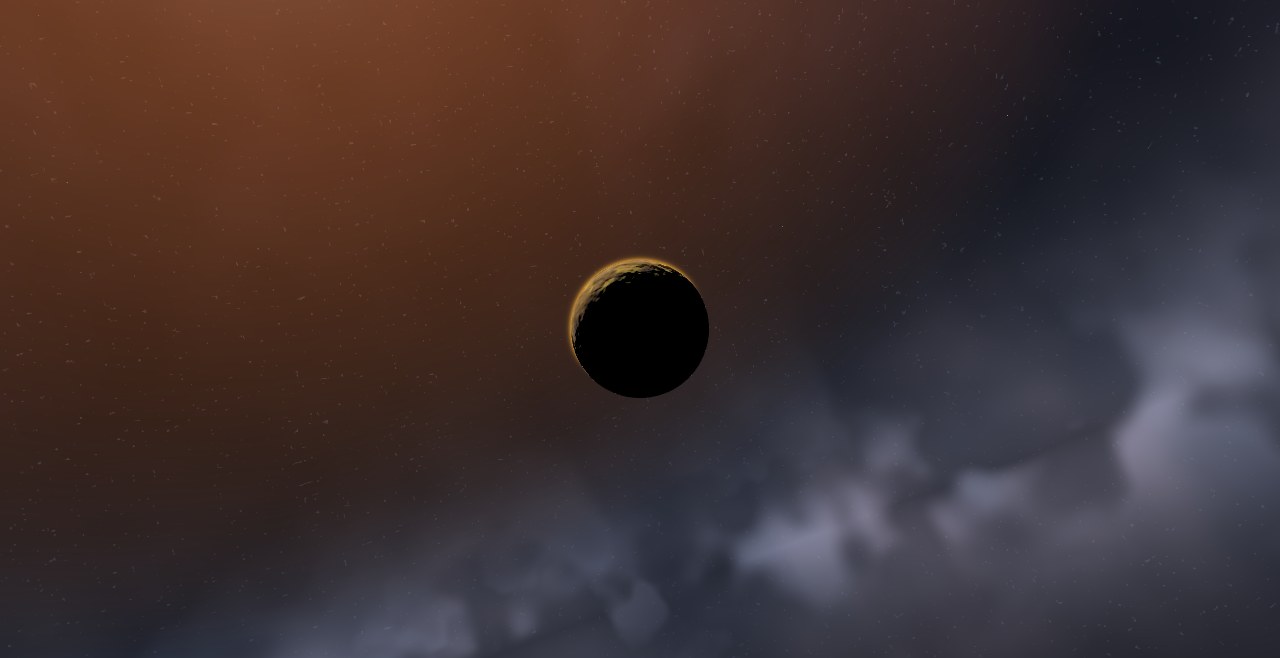
K2-240, a cool M-dwarf of 0.58 solar masses, and K2-240 b, a planet with 2.0 Earth radii, with an orbital period of 6.0 days, at 0.051 AU from its star, and an equilibrium temperature near 586 K.