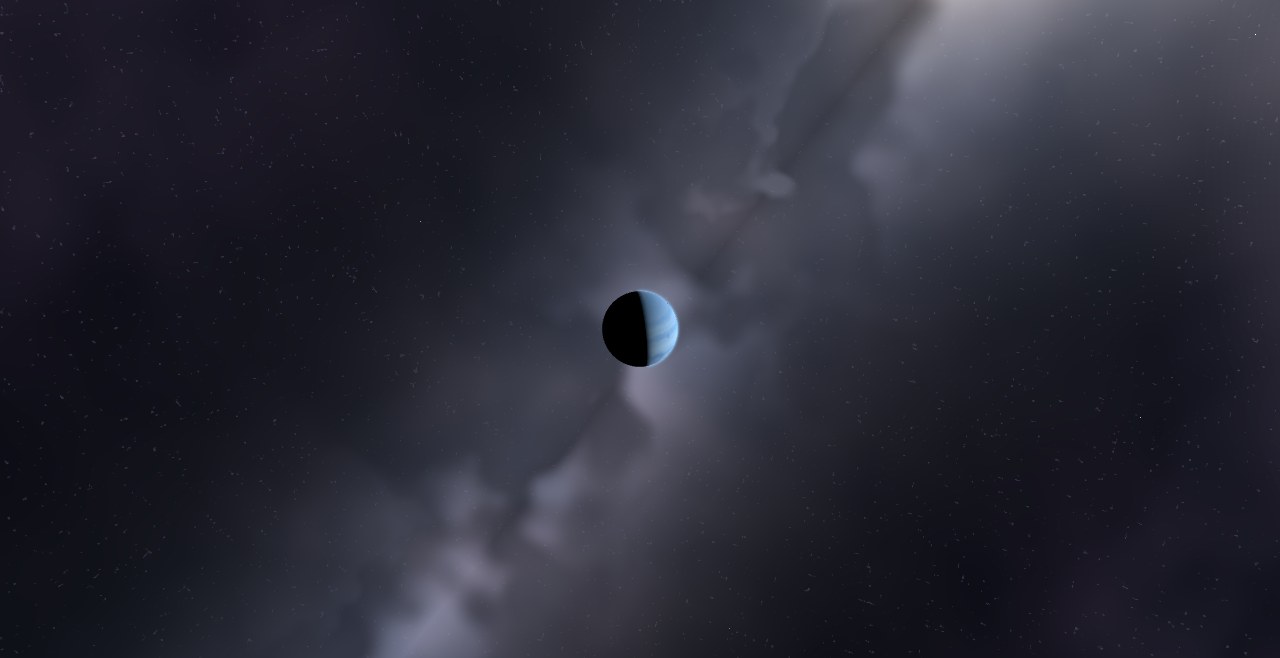
HD 9446 - System
HD 9446, a Sun-like G-type star of 1.00 solar masses, and HD 9446 b, a 0.70-Jupiter-mass companion, with an orbital period of 30.1 days, at 0.189 AU from its star, on an eccentric orbit (e ≈ 0.20).
Exoplanets
Track gravitational perturbations, transit timing variations, and orbital stability between binary planet arrangements around distant stars.
Share
HD 9446, a Sun-like G-type star of 1.00 solar masses, and HD 9446 b, a 0.70-Jupiter-mass companion, with an orbital period of 30.1 days, at 0.189 AU from its star, on an eccentric orbit (e ≈ 0.20).
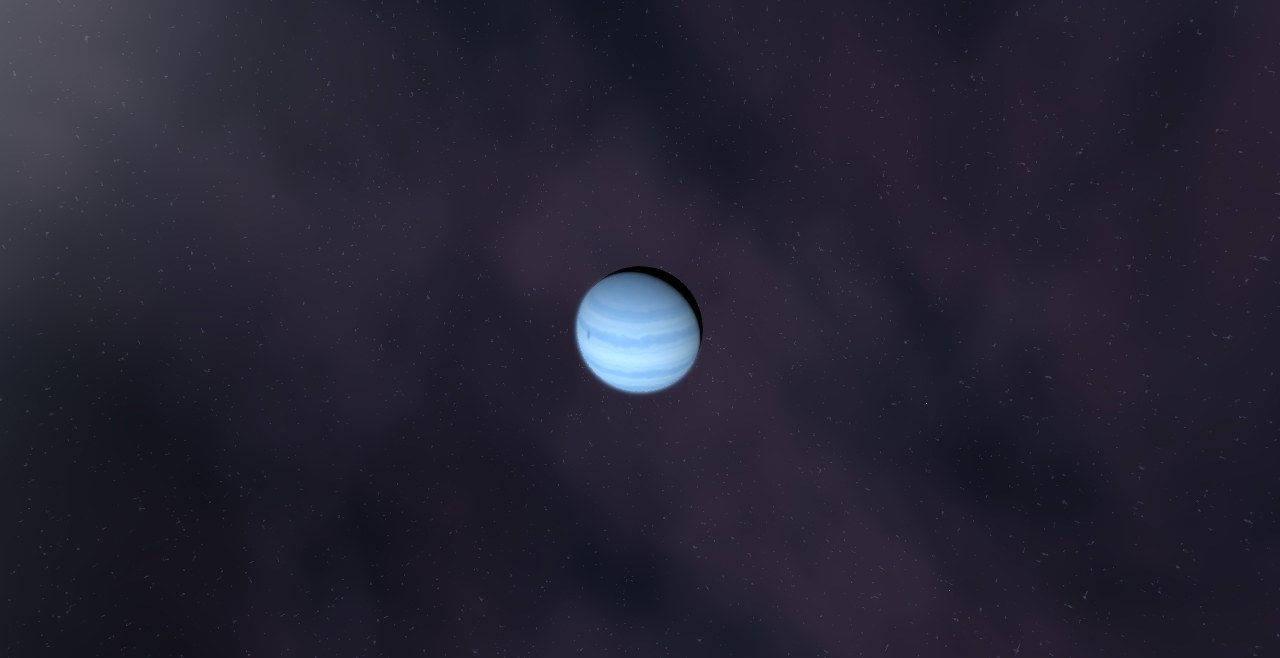
HD 94890, an orange K-type dwarf of 1.74 solar masses, and HD 94890 b, a 2.13-Jupiter-mass companion, with an orbital period of 2.26 years, at 2.070 AU from its star, on an eccentric orbit (e ≈ 0.22).
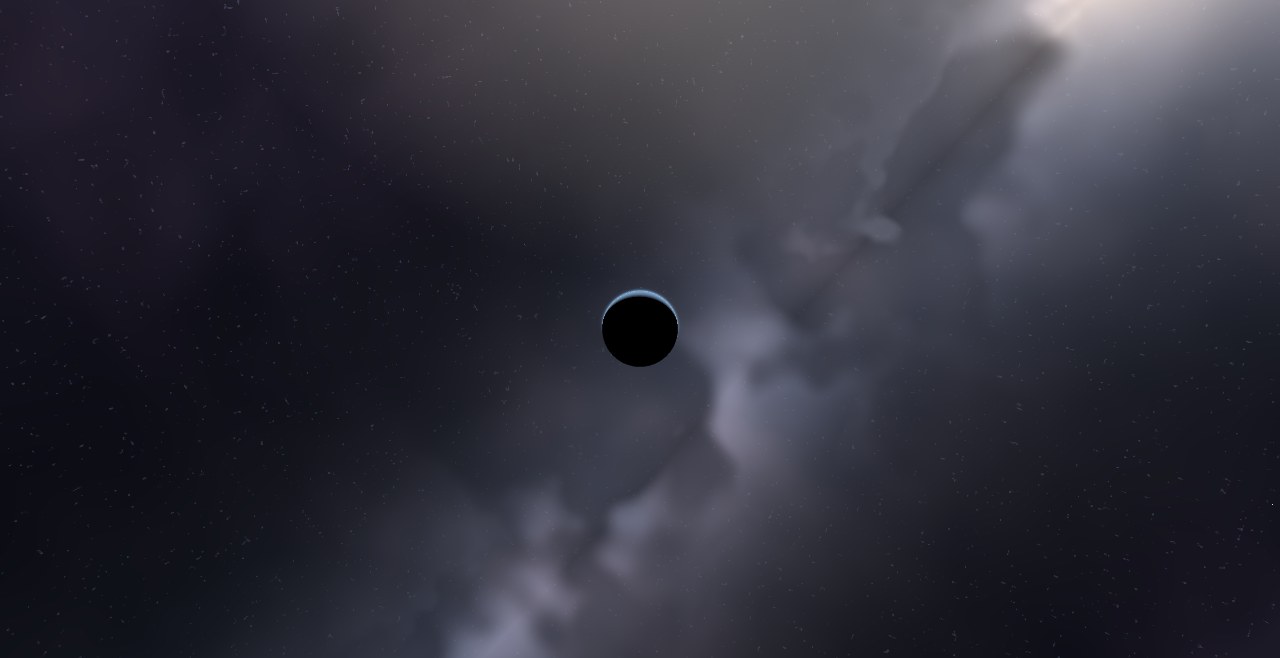
HD 95089, an orange K-type dwarf of 1.54 solar masses, and HD 95089 b, a 1.26-Jupiter-mass companion, with an orbital period of 1.27 years, at 1.360 AU from its star, on an eccentric orbit (e ≈ 0.12).
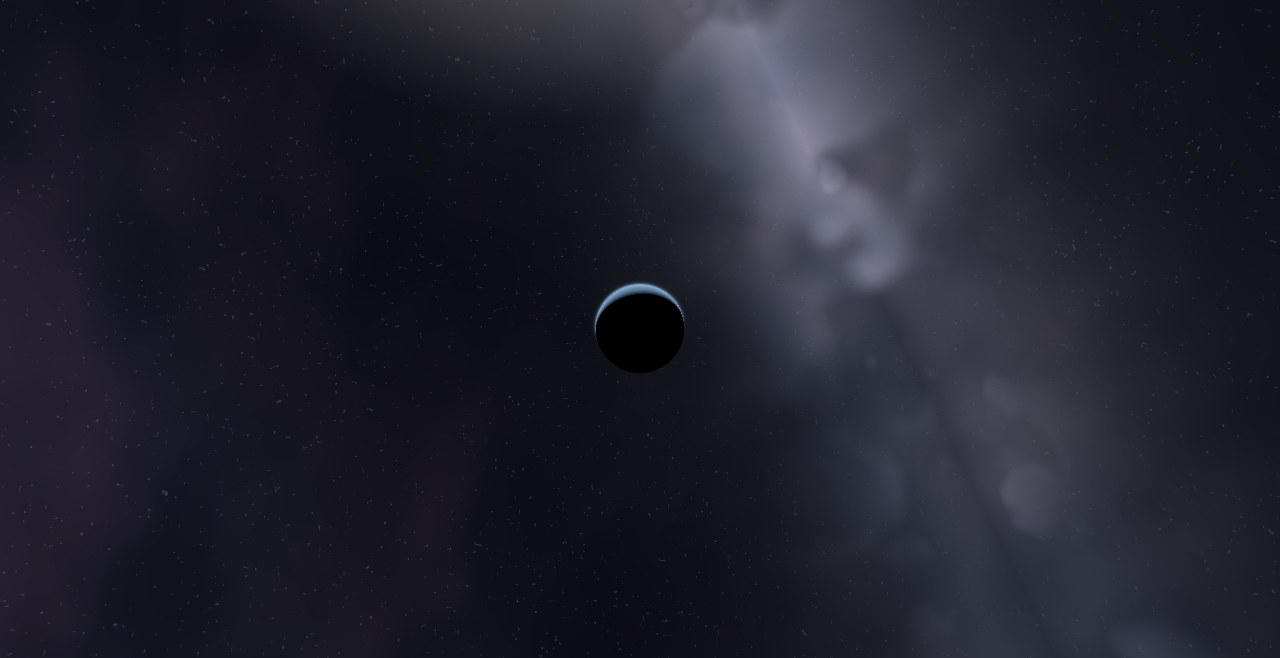
HIP 111909, an orange K-type dwarf of 1.28 solar masses, and HIP 111909 b, a 1.21-Jupiter-mass companion, with an orbital period of 1.33 years, at 1.320 AU from its star.
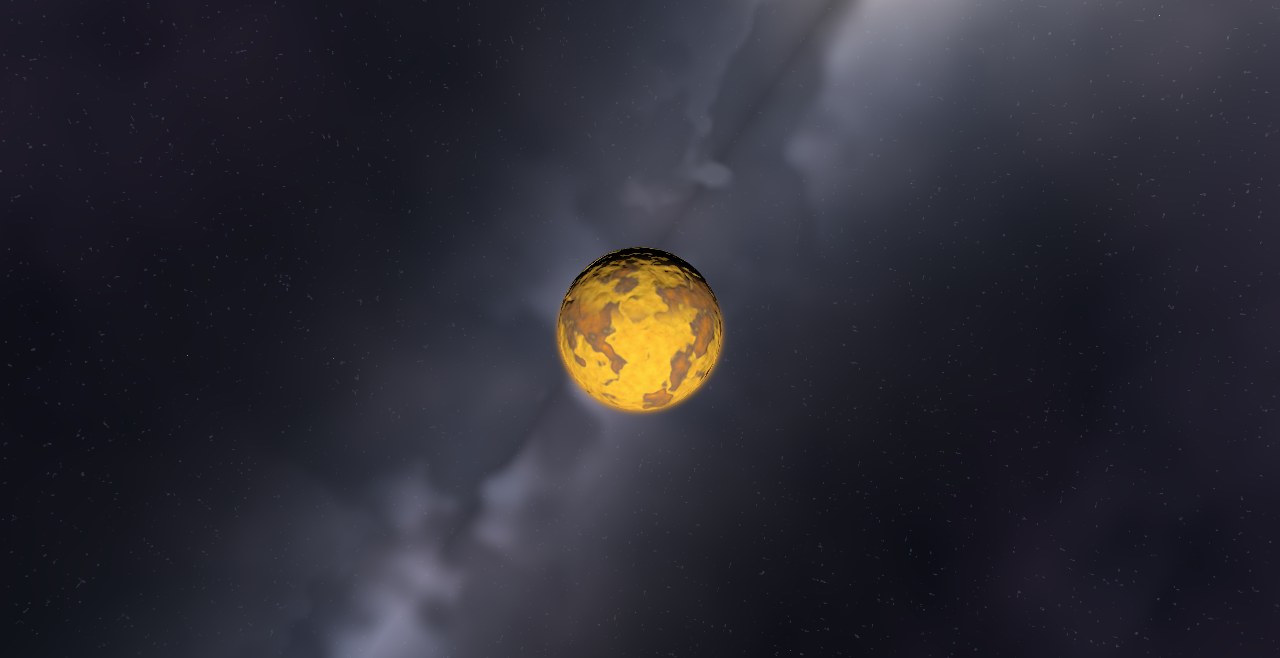
HIP 113103, an orange K-type dwarf of 0.76 solar masses, and HIP 113103 b, a planet with 1.8 Earth radii, with an orbital period of 7.6 days, at 0.069 AU from its star, and an equilibrium temperature near 721.
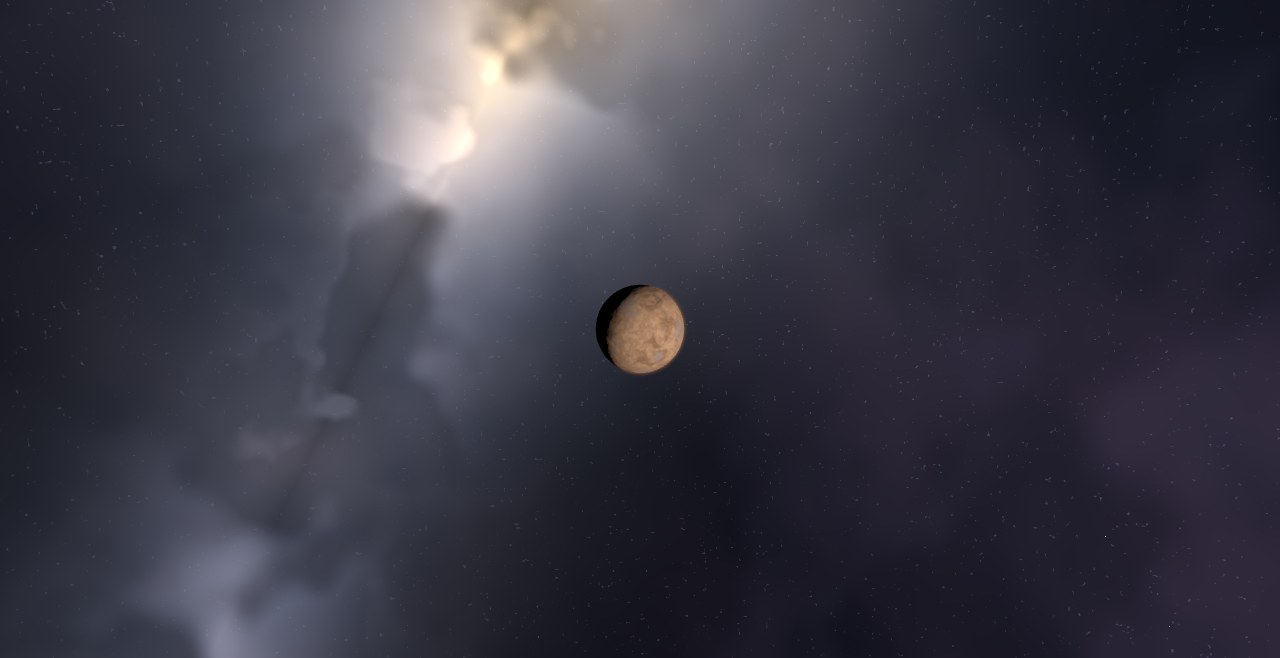
HIP 38594, a cool M-dwarf of 0.61 solar masses, and HIP 38594 b, a 8.1-Earth-mass planet, with an orbital period of 60.7 days, at 0.256 AU from its star, on an eccentric orbit (e ≈ 0.17).
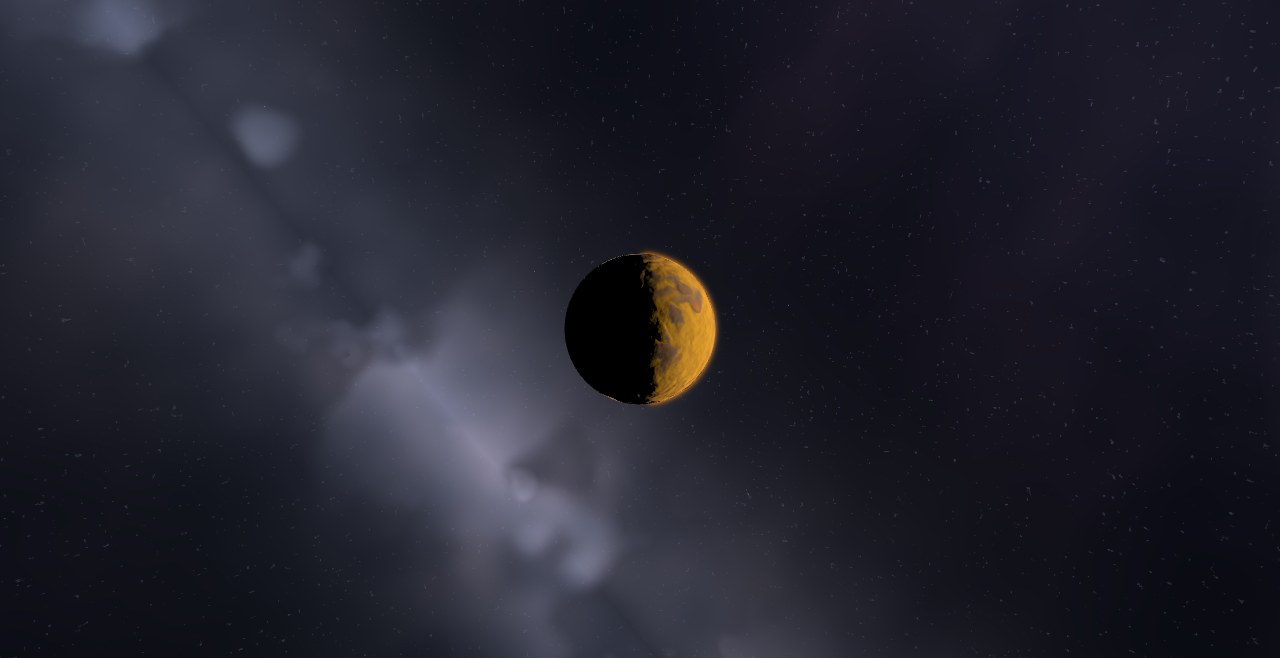
HIP 41378 b and c, a rare pair of long-period transiting planets. Most transiting worlds orbit in days; these take weeks to more than a year. Alignments this long are rare, so few such planets transit.
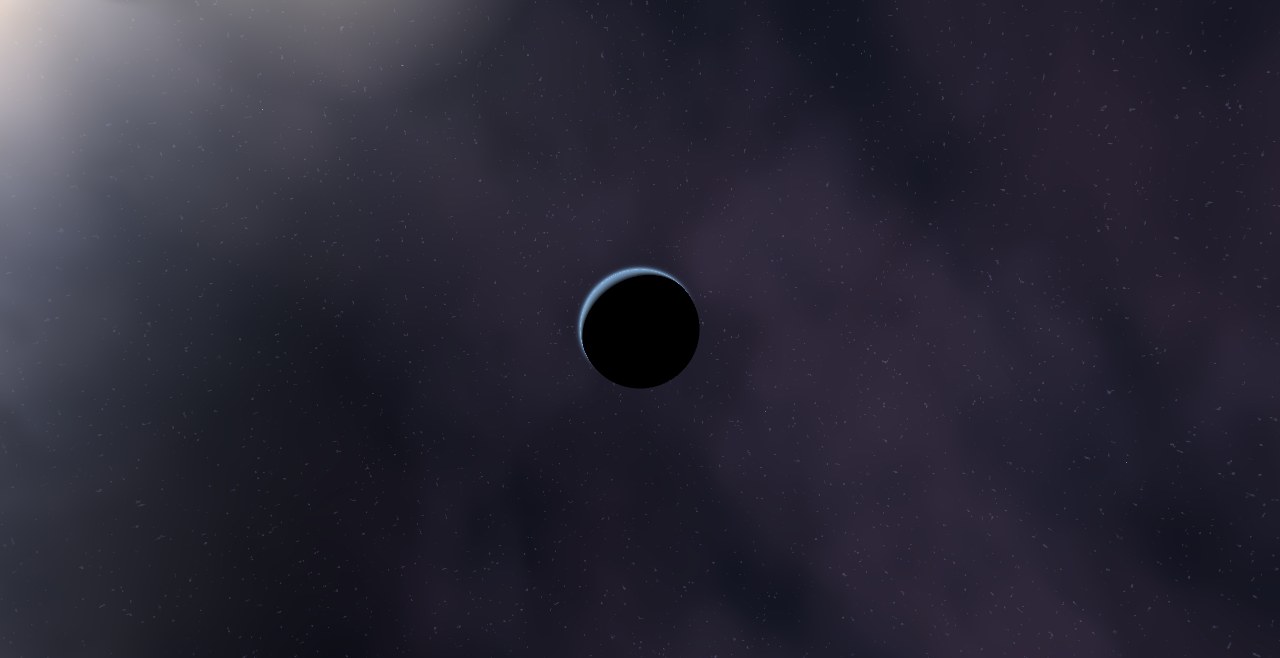
HIP 5158, an orange K-type dwarf of 0.78 solar masses, and HIP 5158 b, a 1.42-Jupiter-mass companion, with an orbital period of 346 days, at 0.890 AU from its star, on an eccentric orbit (e ≈ 0.52).
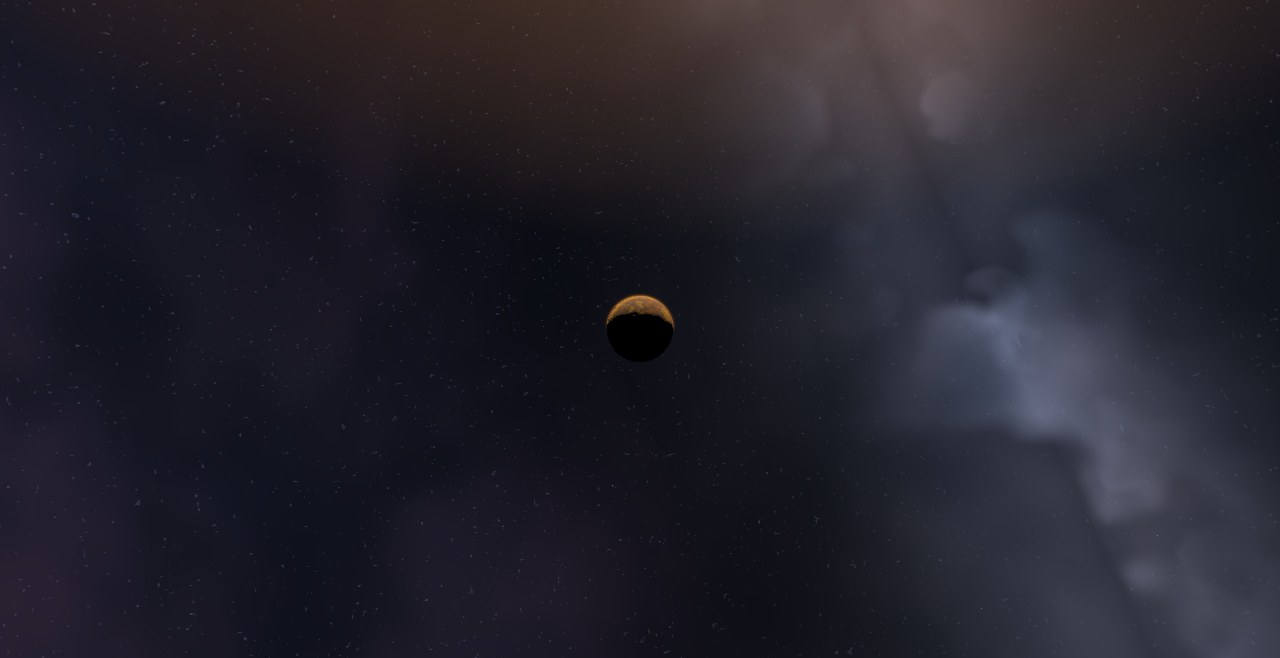
HIP 54373, an orange K-type dwarf of 0.57 solar masses, and HIP 54373 b, a 8.6-Earth-mass planet, with an orbital period of 7.8 days, at 0.063 AU from its star, on an eccentric orbit (e ≈ 0.20).
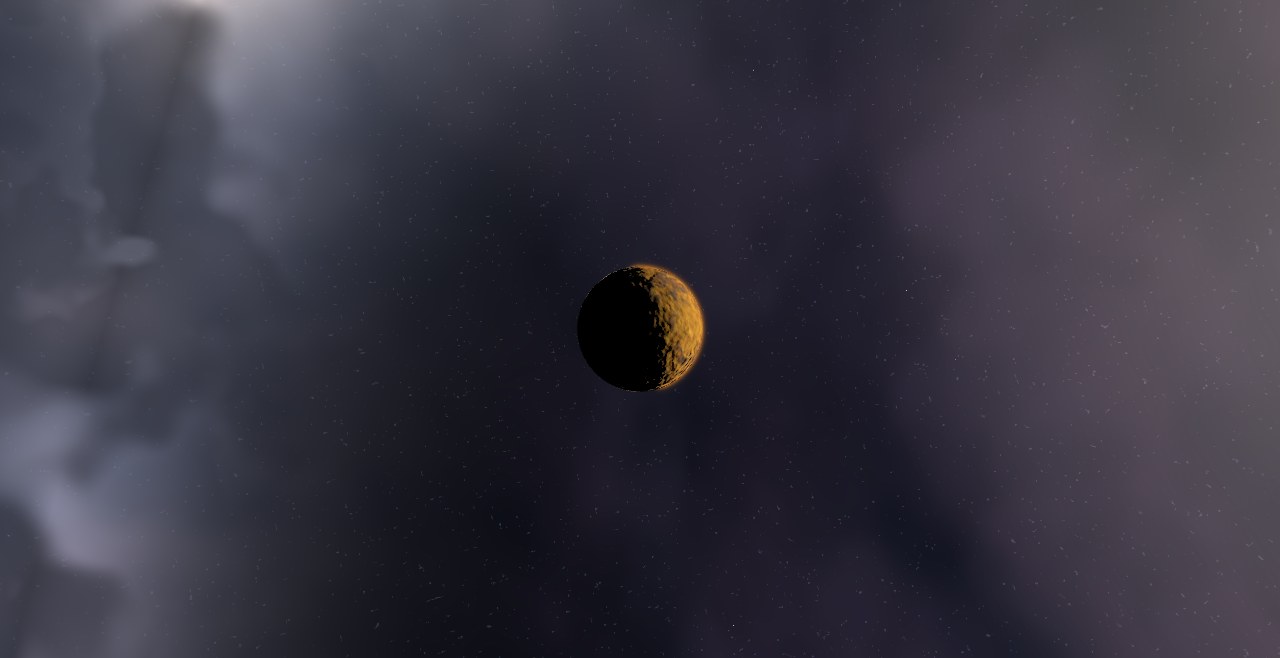
HIP 56998, an orange K-type dwarf of 0.65 solar masses, and HD 101581 b, a planet with 1.0 Earth radii, with an orbital period of 4.5 days, at 0.046 AU from its star, and an equilibrium temperature near 834 K.
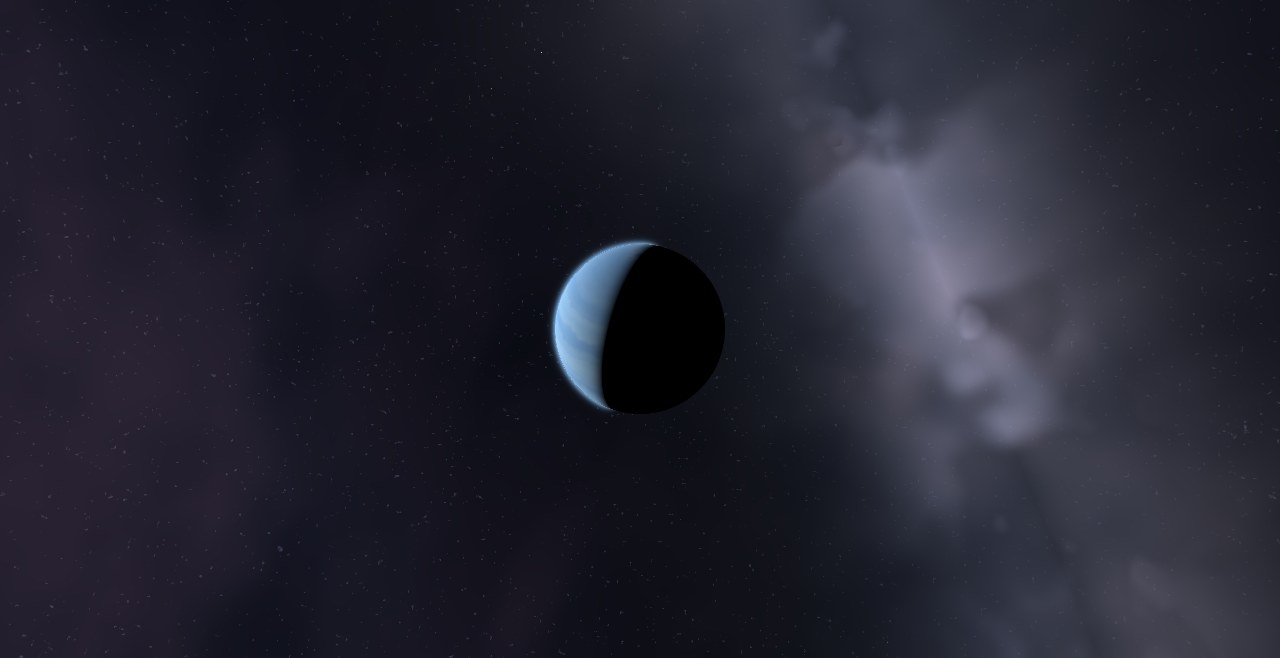
HIP 65407, an orange K-type dwarf of 0.93 solar masses, and HIP 65407 b, a 0.43-Jupiter-mass companion, with an orbital period of 28.1 days, at 0.177 AU from its star, on an eccentric orbit (e ≈ 0.14).
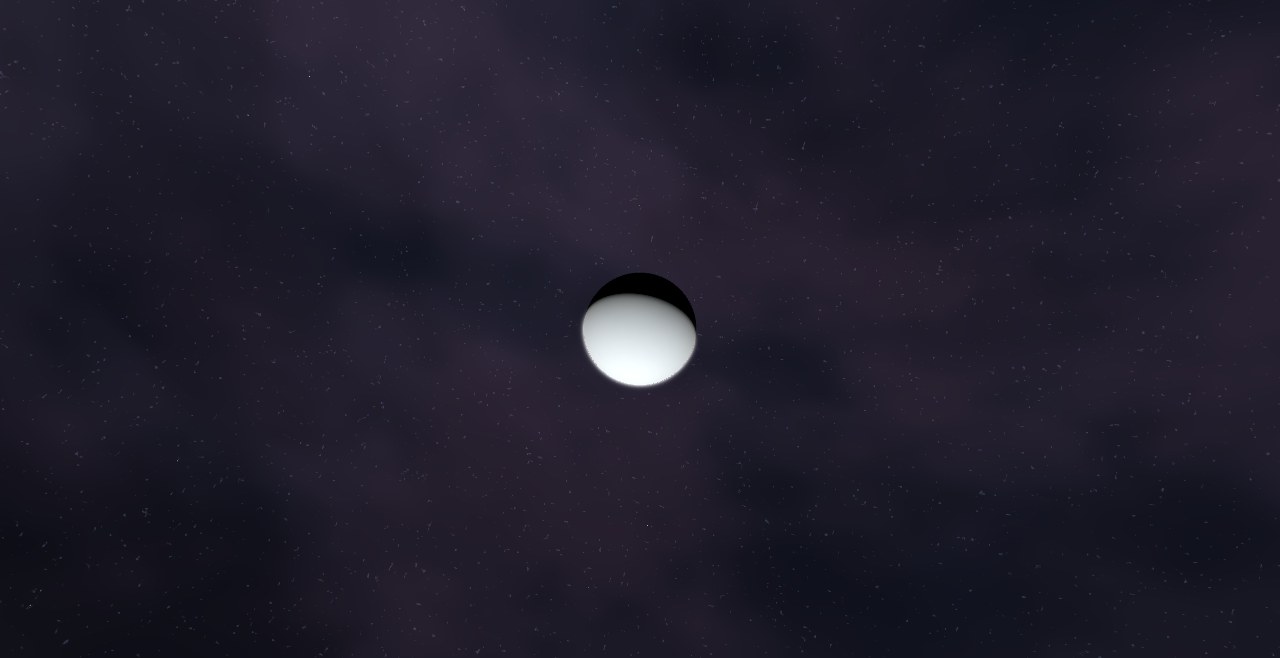
HIP 67522 b, a Jupiter-sized planet around a 17-million-year-old Sun-like star. Stellar flares and the young planet interact. The planet's radius is still inflated by youth.
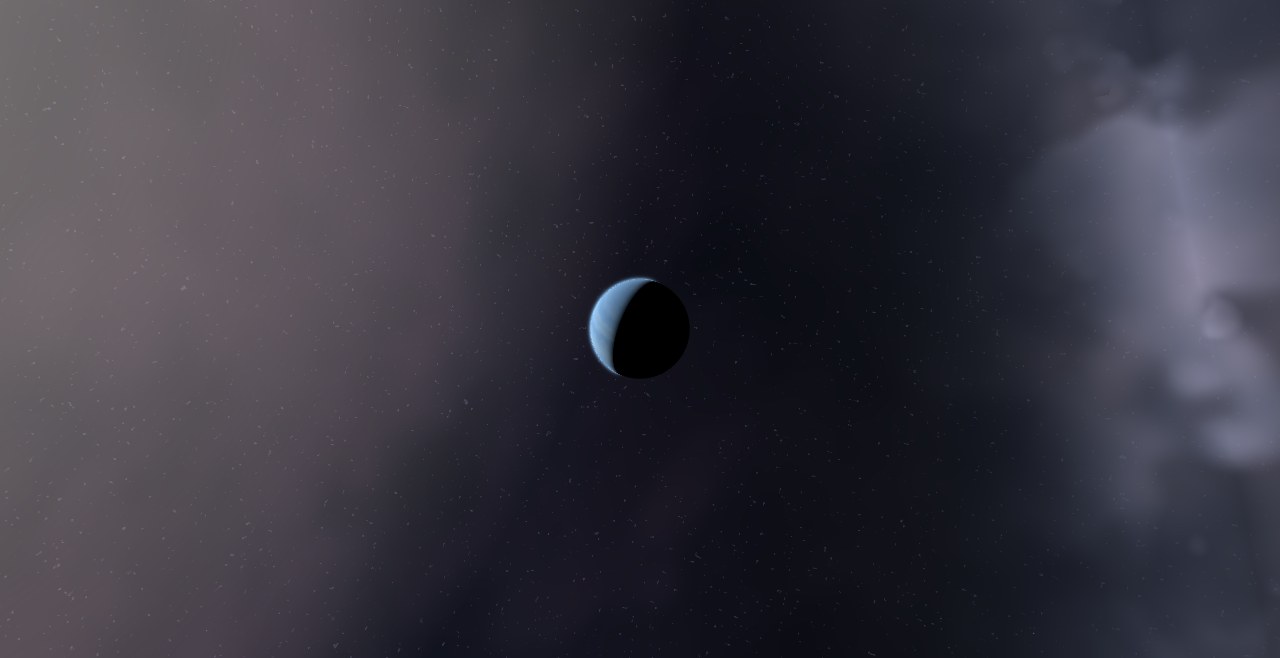
HIP 67851, an orange K-type dwarf of 1.28 solar masses, and HIP 67851 b, a 1.15-Jupiter-mass companion, with an orbital period of 89.2 days, at 0.420 AU from its star, on an eccentric orbit (e ≈ 0.13).
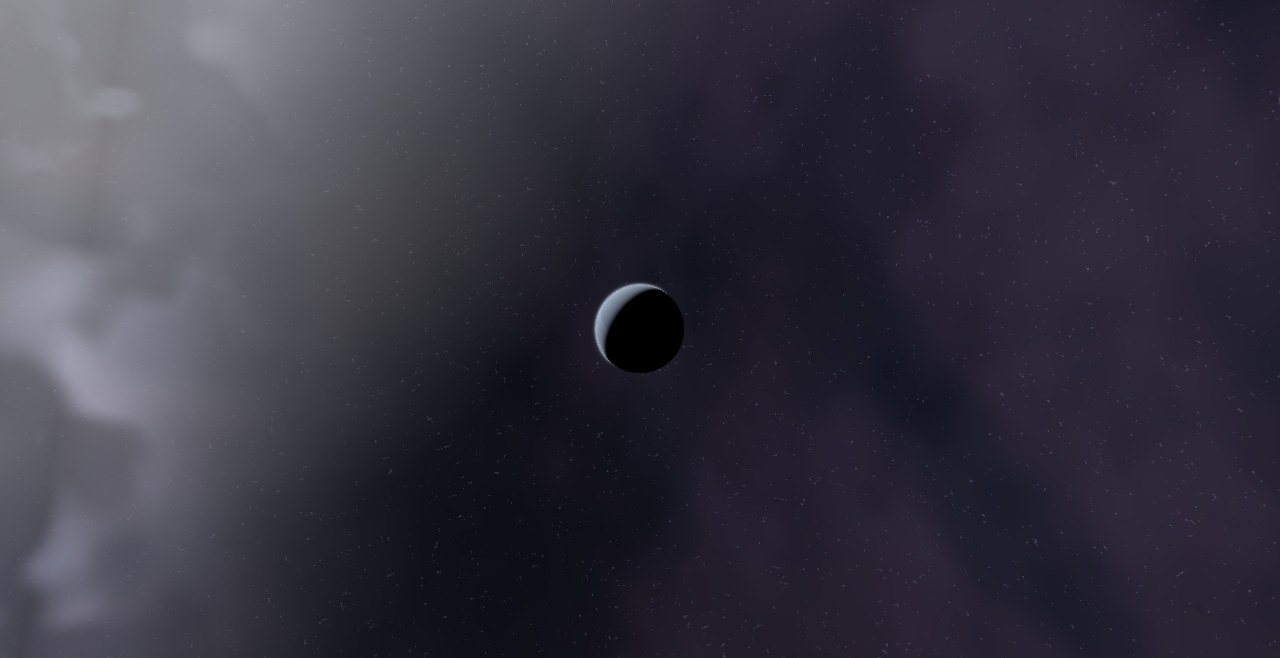
HIP 8152, a Sun-like G-type star of 0.94 solar masses, and HIP 8152 b, a 8.9-Earth-mass planet, with an orbital period of 10.8 days, at 0.093 AU from its star, and an equilibrium temperature near 795 K.
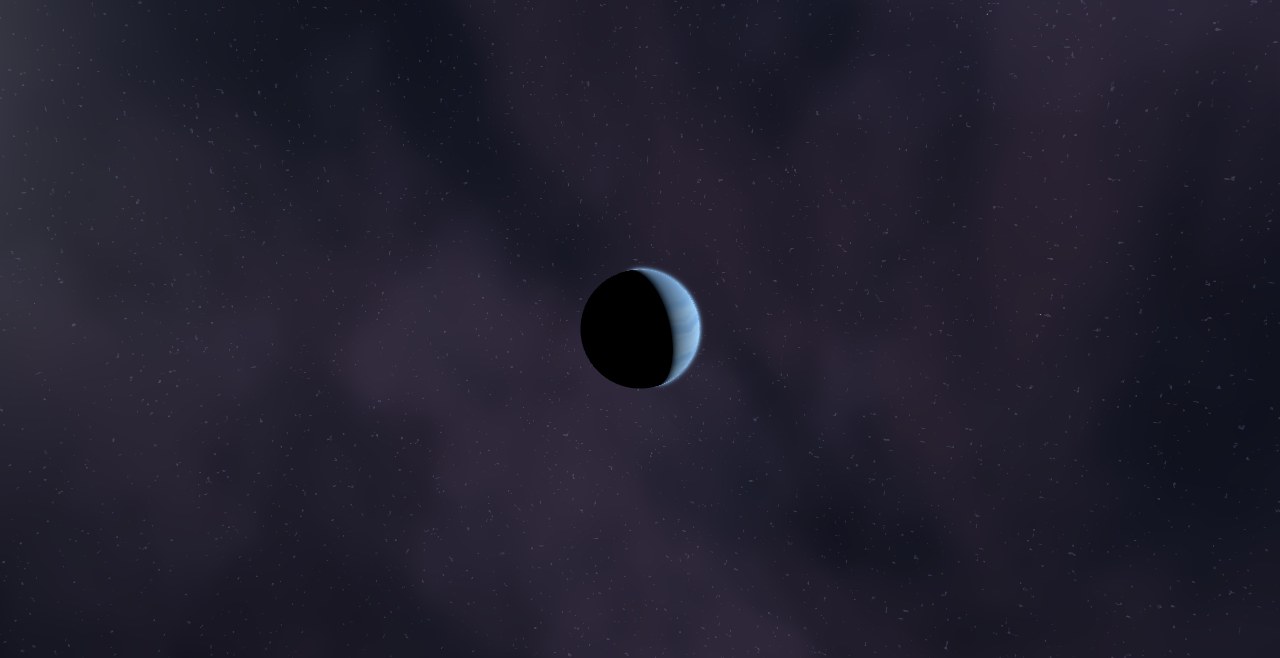
HIP 8541, an orange K-type dwarf of 2.01 solar masses, and HD 11343 c, a 0.80-Jupiter-mass companion, with an orbital period of 229 days, at 0.923 AU from its star, on an eccentric orbit (e ≈ 0.17).
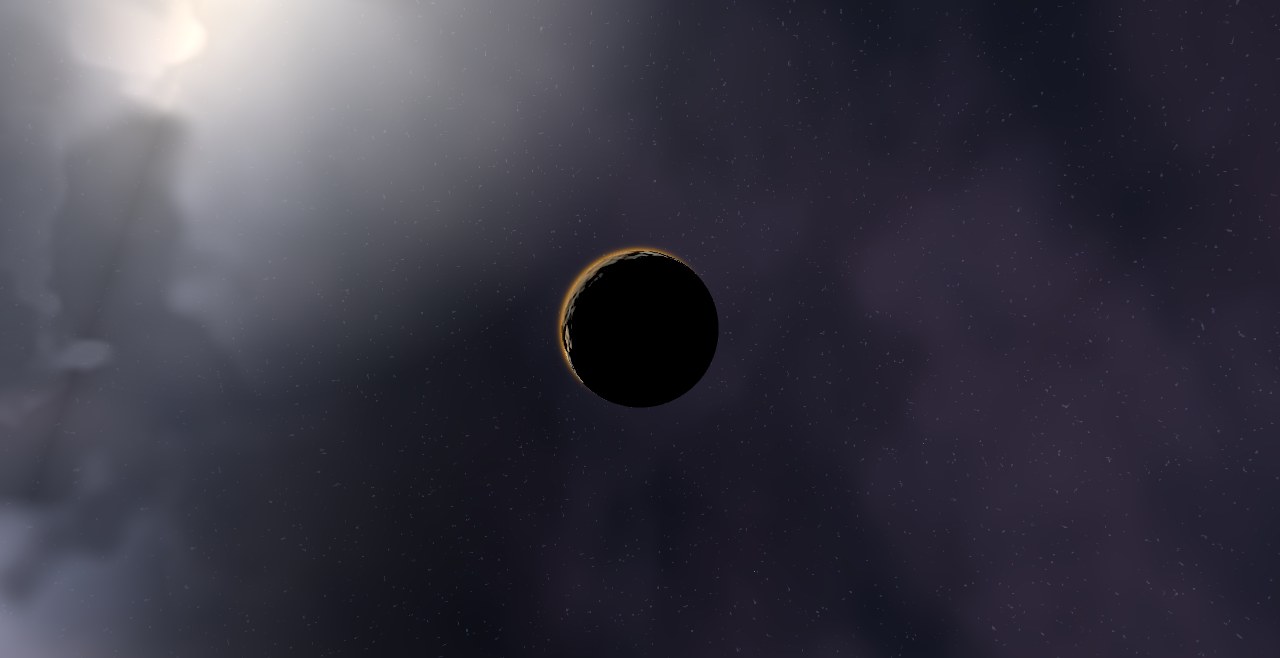
HIP 9618, a Sun-like G-type star of 0.94 solar masses, and HIP 9618 b, a 8.3-Earth-mass planet, with an orbital period of 20.8 days, at 0.145 AU from its star, and an equilibrium temperature near 641 K.
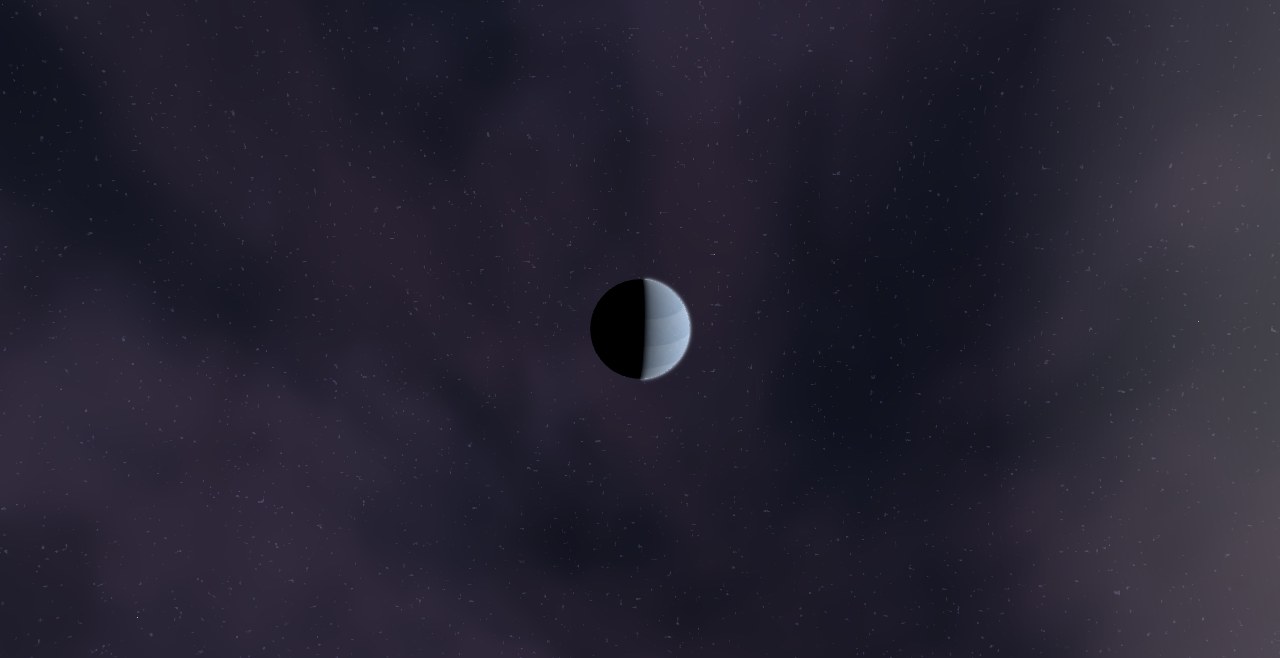
HIP 97166, a Sun-like G-type star of 0.93 solar masses, and HIP 97166 b, a 0.06-Jupiter-mass companion, with an orbital period of 10.3 days, at 0.091 AU from its star, and an equilibrium temperature near 702.
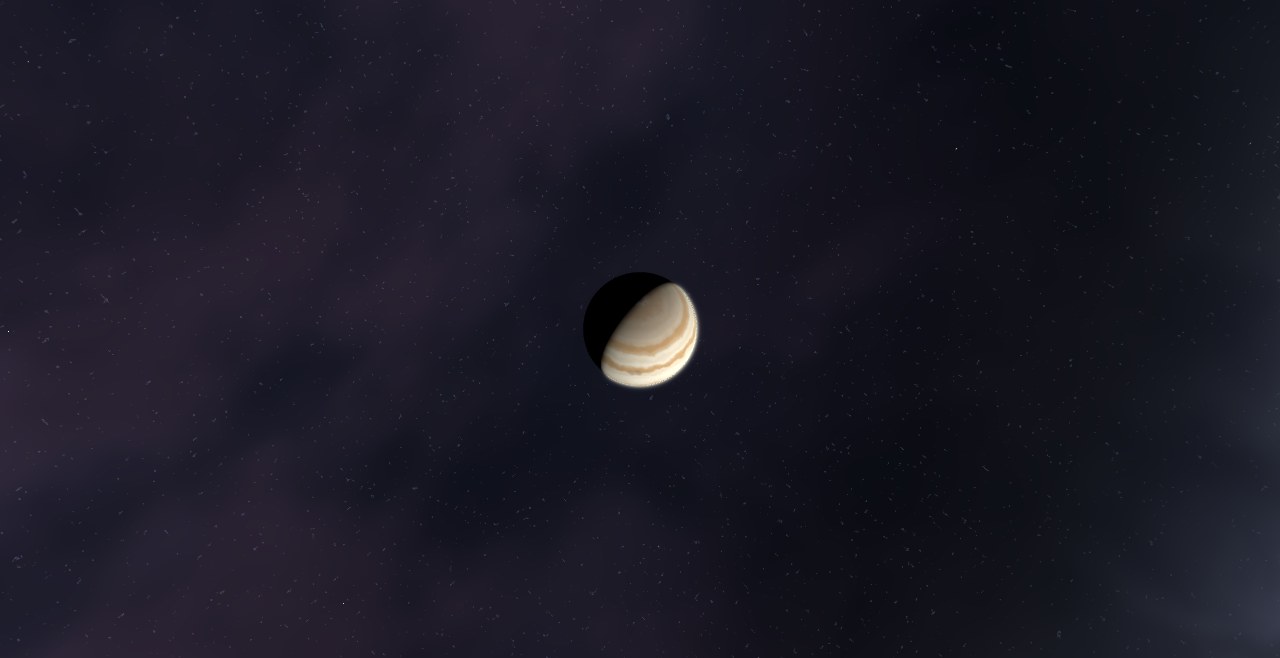
HU Aqr, a Sun-like G-type star of 0.88 solar masses, and HU Aqr AB b, a 5.90-Jupiter-mass companion, with an orbital period of 6.54 years, at 3.600 AU from its star.