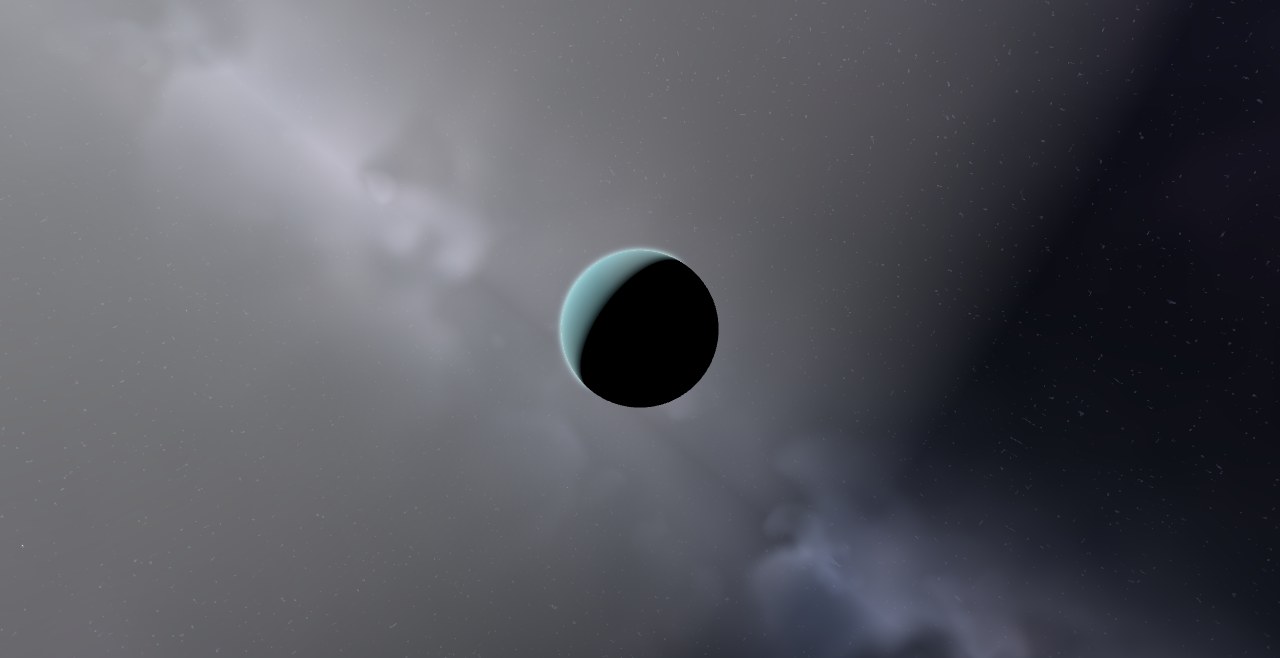
WASP-18 - System
WASP-18 b, a massive hot Jupiter ten times Jupiter's mass. It is a key target for measuring whether tides are pulling it into the star. It is one of the most massive hot Jupiters known.
Exoplanets
Track gravitational perturbations, transit timing variations, and orbital stability between binary planet arrangements around distant stars.
Share
WASP-18 b, a massive hot Jupiter ten times Jupiter's mass. It is a key target for measuring whether tides are pulling it into the star. It is one of the most massive hot Jupiters known.
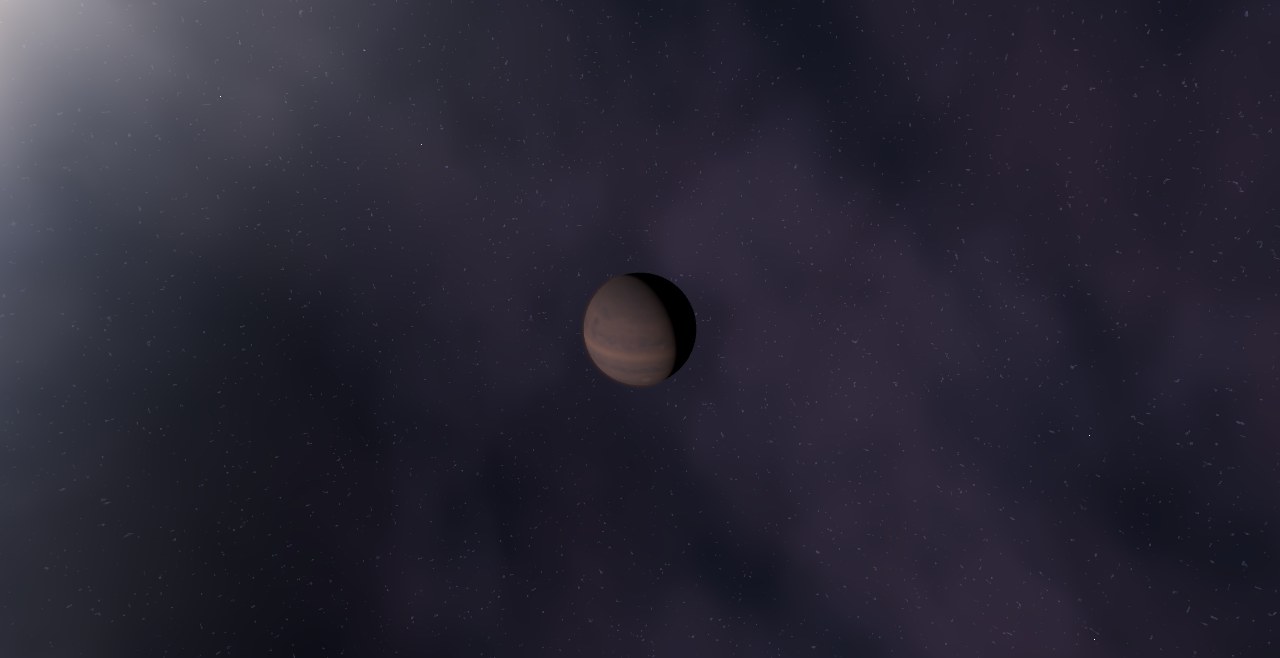
WASP-41, a Sun-like G-type star of 0.81 solar masses, and WASP-41 c, a 3.18-Jupiter-mass companion, with an orbital period of 1.15 years, at 1.070 AU from its star, and an equilibrium temperature near 241 K.
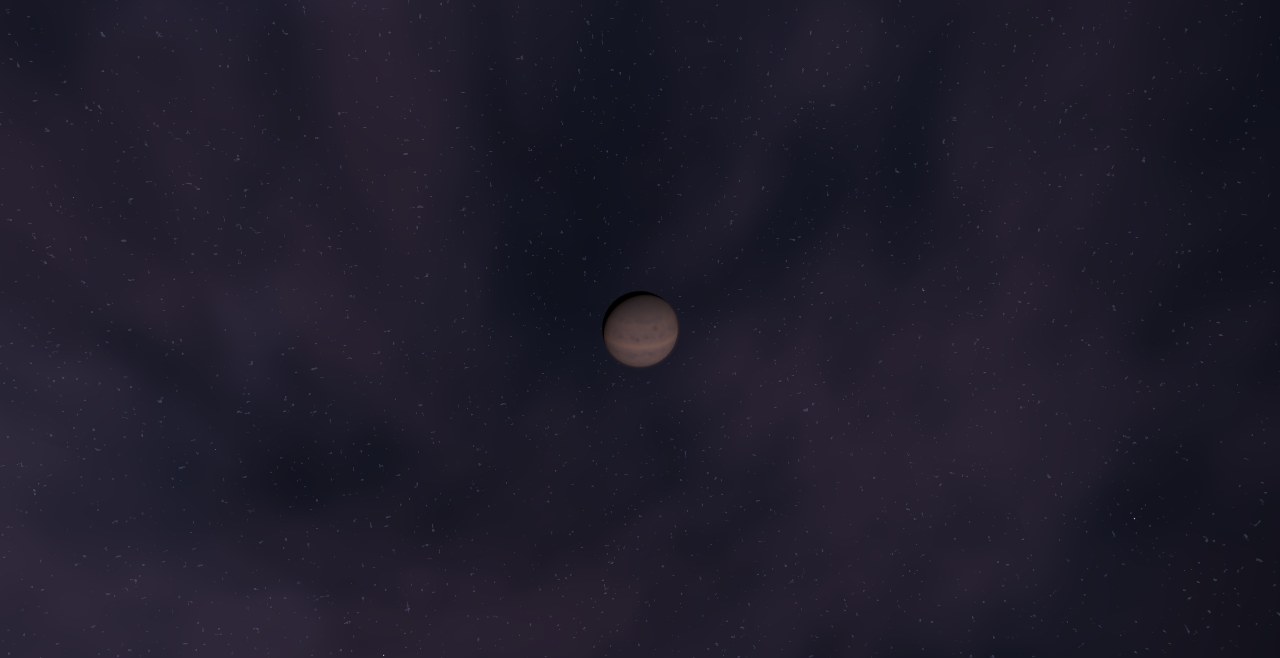
WASP-53, an orange K-type dwarf of 0.84 solar masses, and WASP-53 b, a 2.13-Jupiter-mass companion, with an orbital period of 3.3 days, at 0.041 AU from its star, and an equilibrium temperature near 1,053 K.
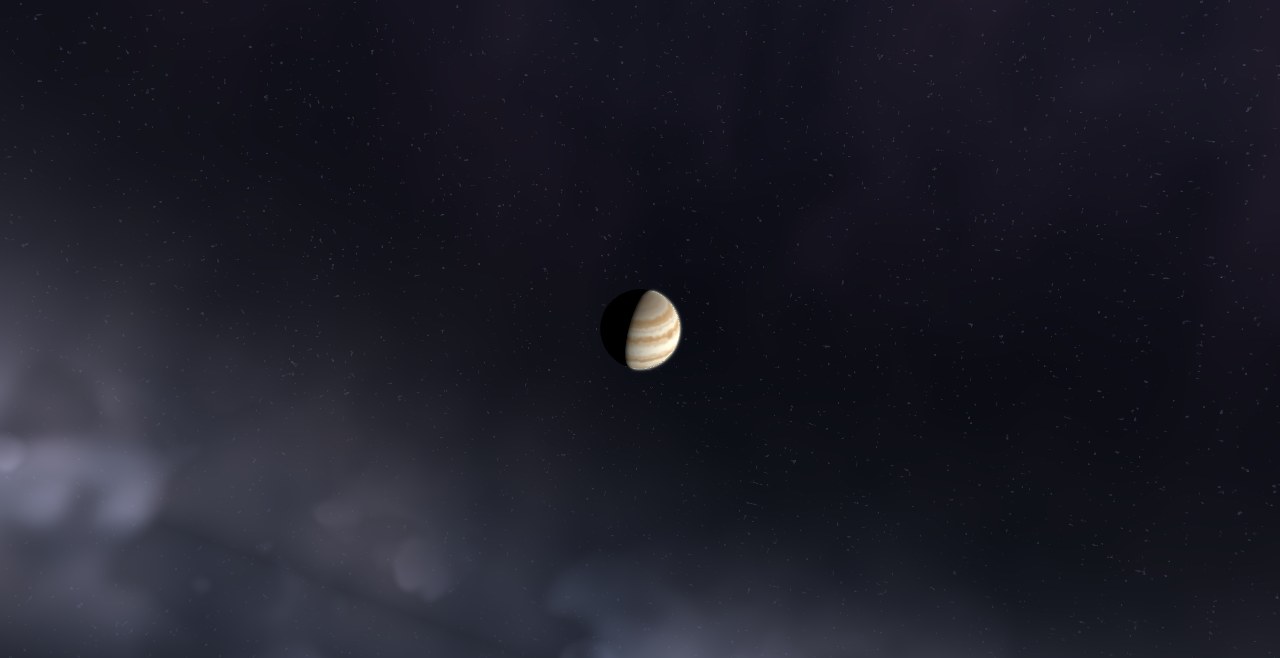
WASP-8, a Sun-like G-type star of 1.34 solar masses, and WASP-8 c, a 9.45-Jupiter-mass companion, with an orbital period of 11.8 years, at 5.280 AU from its star.
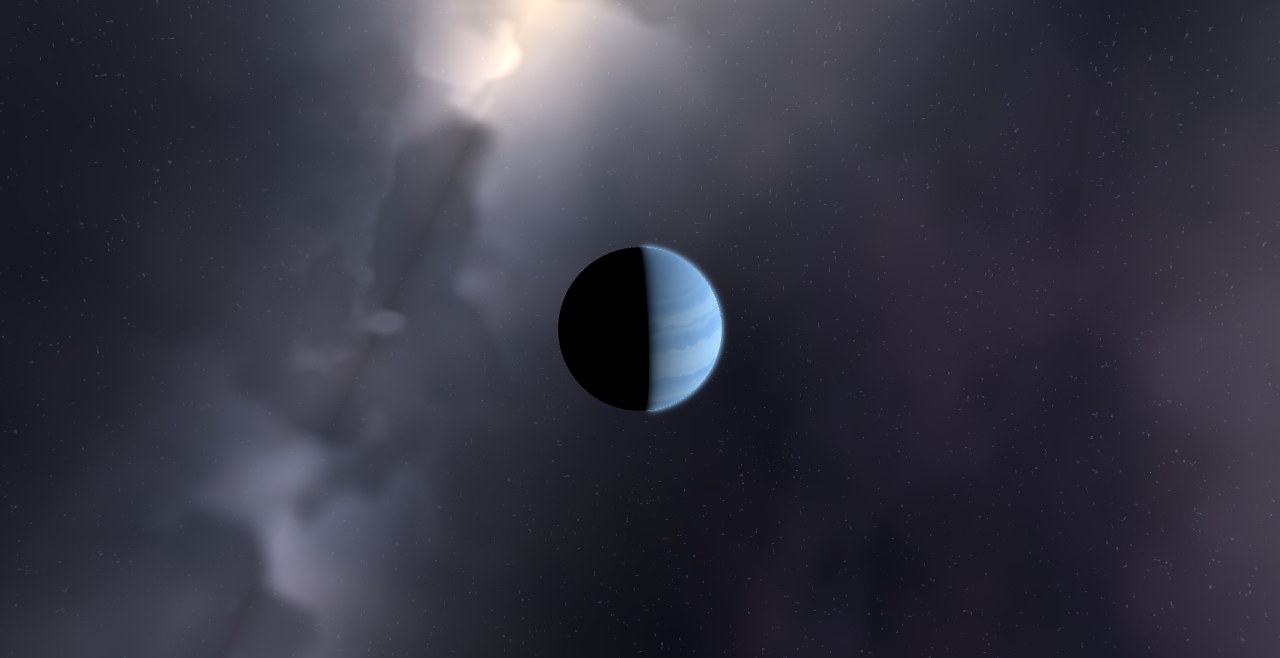
WASP-84, an orange K-type dwarf of 0.85 solar masses, and WASP-84 c, a 15.2-Earth-mass planet, with an orbital period of 1.4 days, at 0.024 AU from its star, and an equilibrium temperature near 1,329 K.
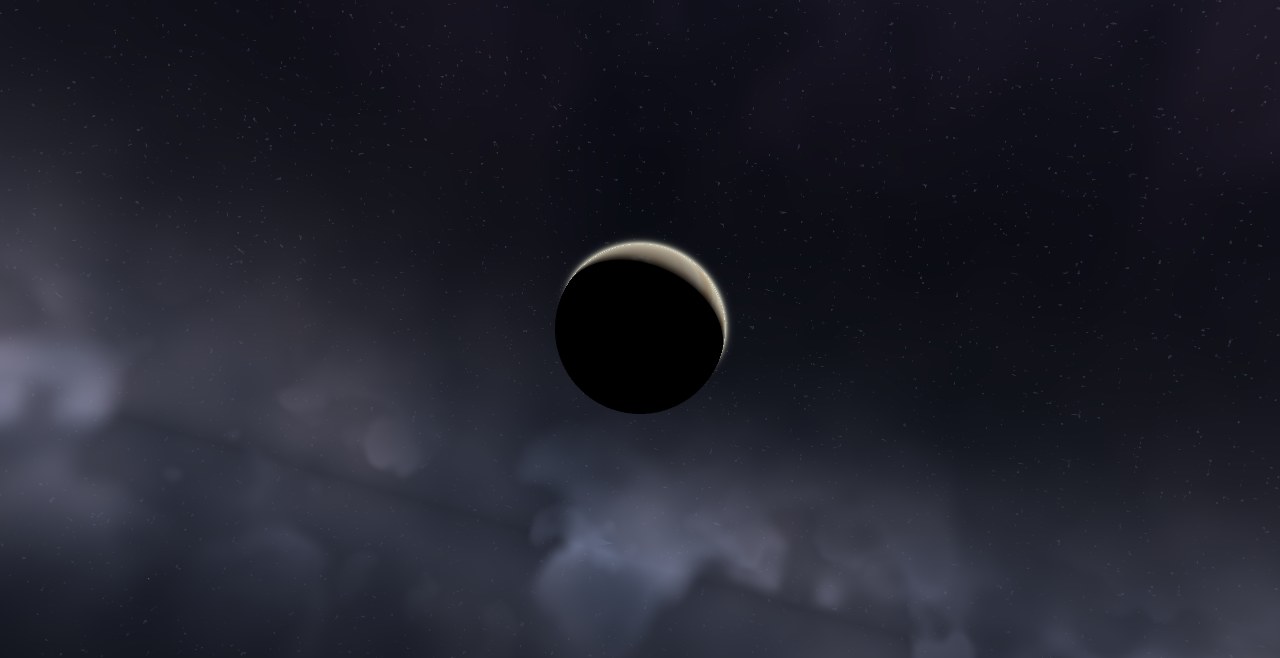
WISPIT 1, an orange K-type dwarf of 0.72 solar masses, and WISPIT 1 b, a 10.4-Jupiter-mass companion, at 338 AU from its star.
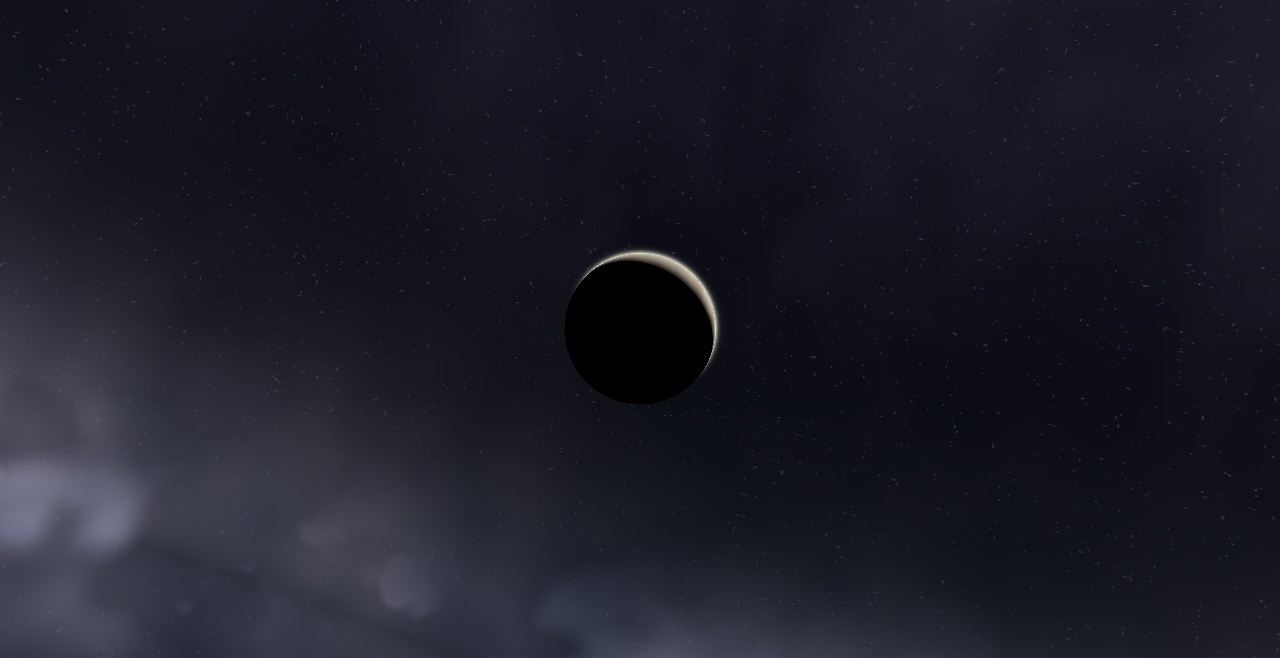
WISPIT 2, an orange K-type dwarf of 1.08 solar masses, and WISPIT 2 c, a 10.0-Jupiter-mass companion, at 14.0 AU from its star, and an equilibrium temperature near 2,050 K.
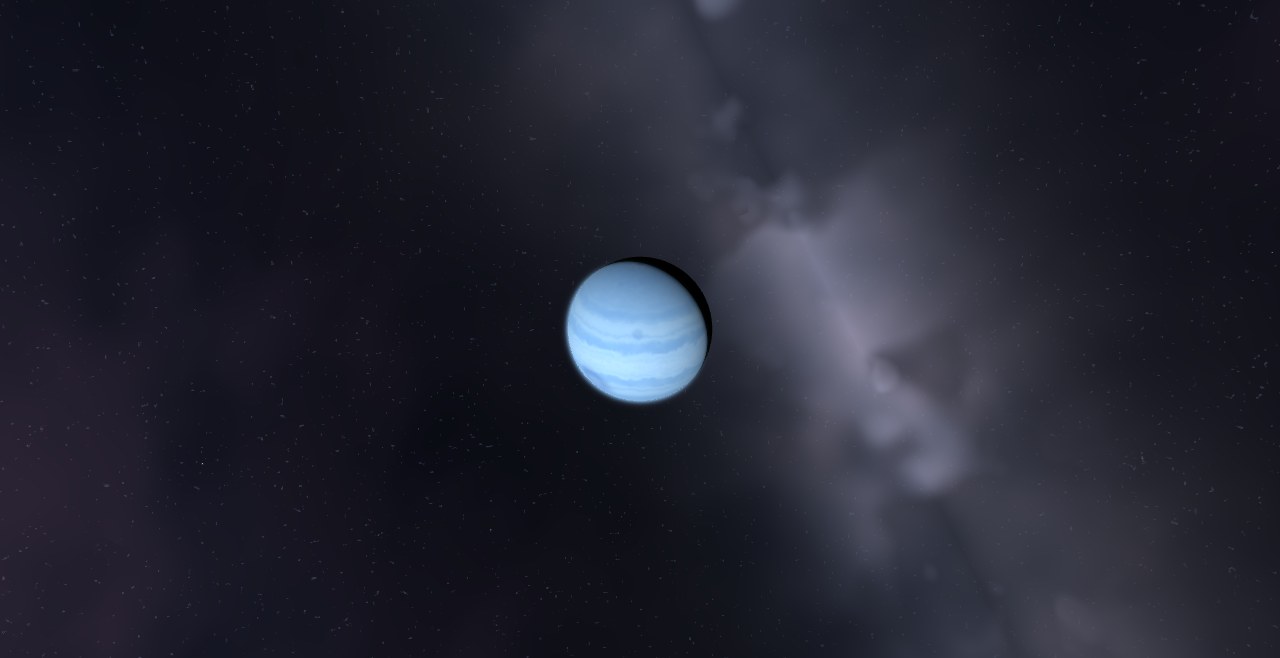
Beta Pictoris, a young star with a famous debris disk and two imaged giant planets. Beta Pic b was the first exoplanet whose spin was measured.
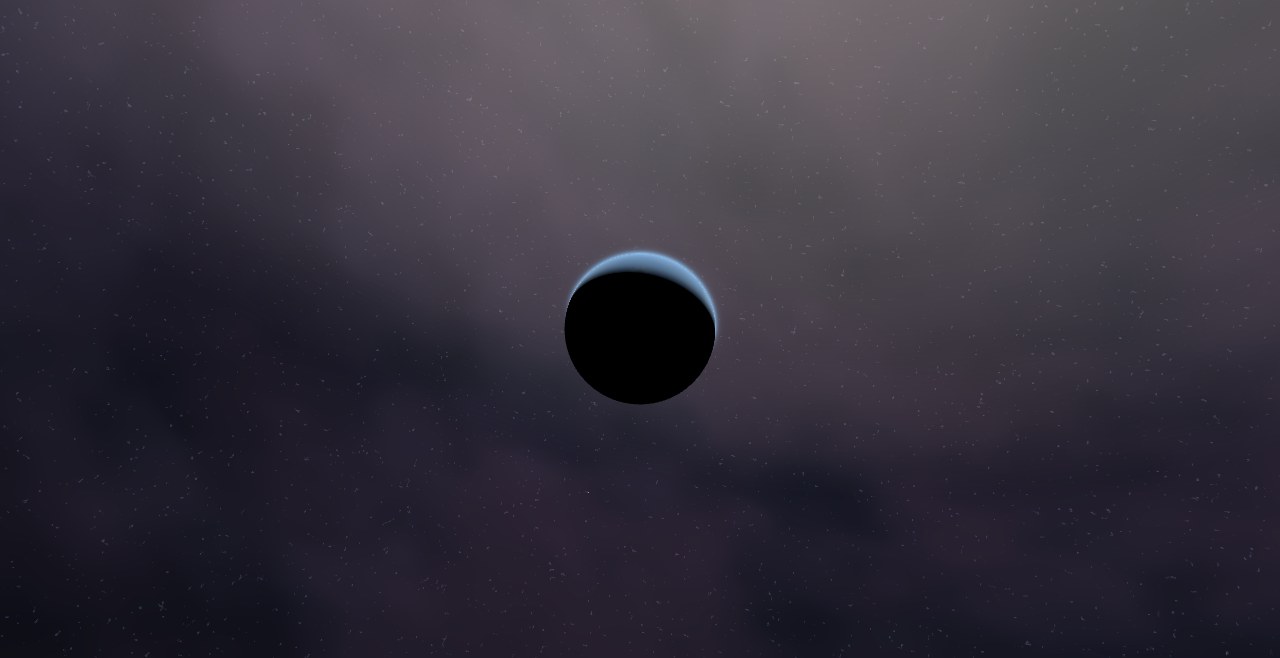
gam Lib, an orange K-type dwarf of 1.78 solar masses with 2 confirmed companions (gam Lib b, gam Lib c) on NASA archive orbits.
iot Dra, an orange K-type dwarf of 1.54 solar masses with 2 confirmed companions (iot Dra b, iot Dra c) on NASA archive orbits.
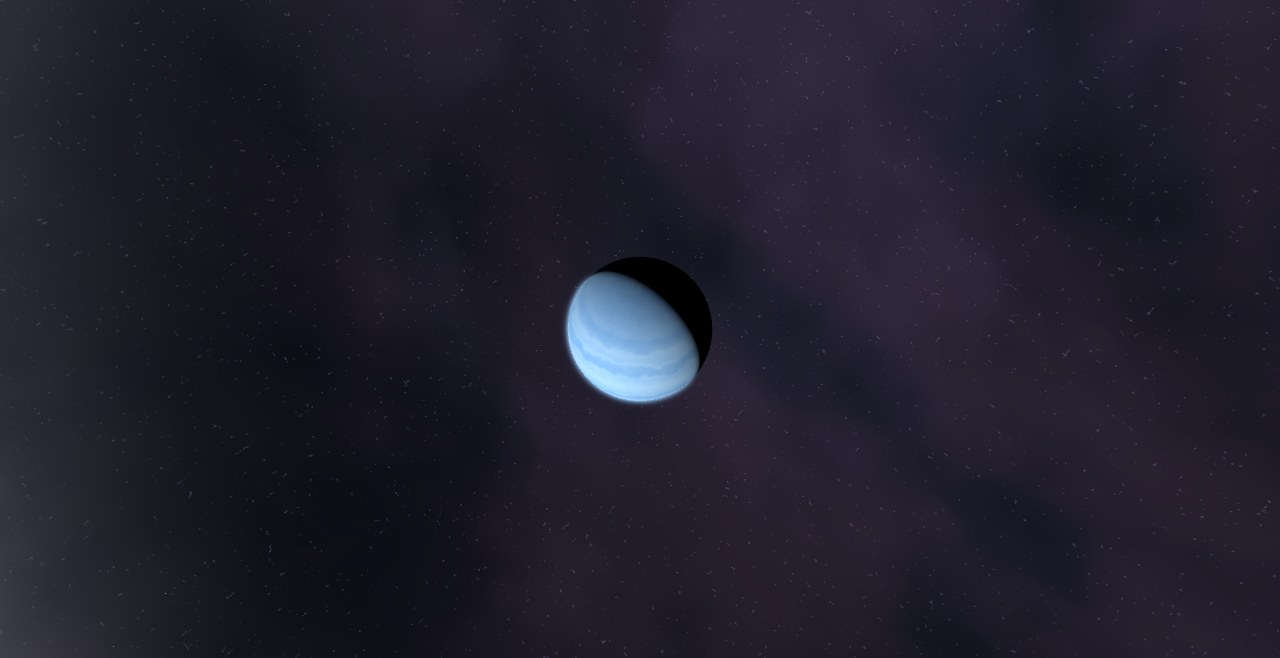
nu Oph, an orange K-type dwarf of 2.61 solar masses with 2 confirmed companions (nu Oph b, nu Oph c) on NASA archive orbits.