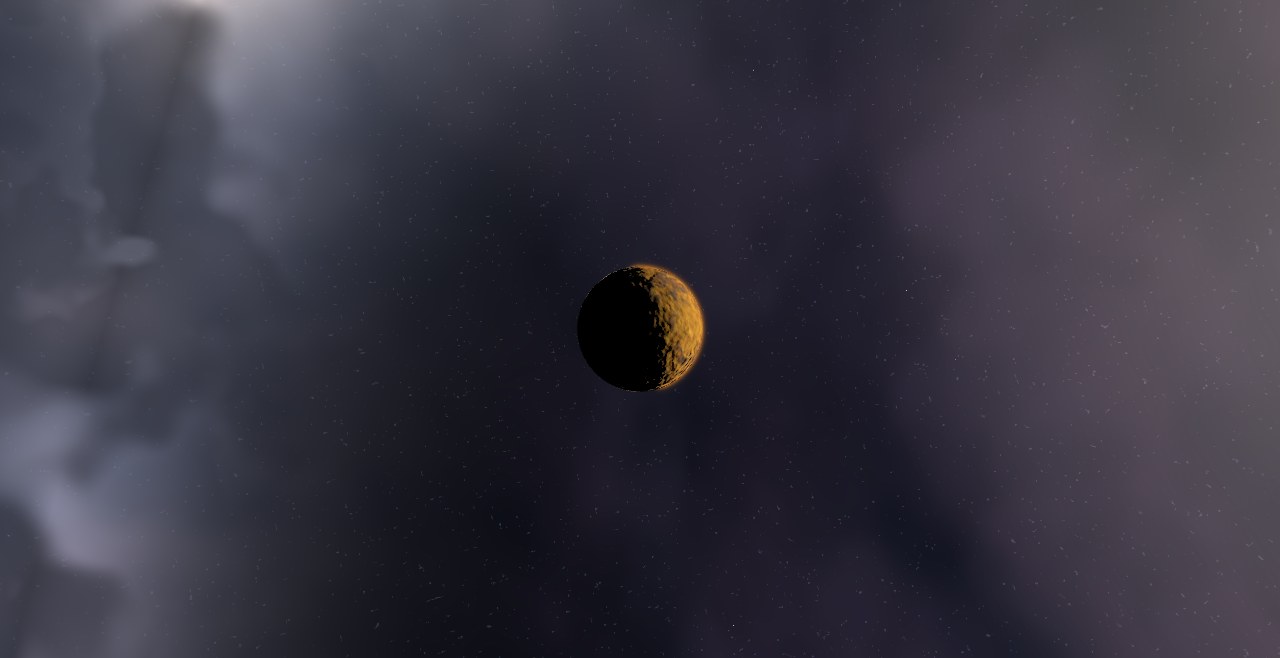
HIP 56998 - System
HIP 56998, an orange K-type dwarf of 0.65 solar masses, and HD 101581 b, a planet with 1.0 Earth radii, with an orbital period of 4.5 days, at 0.046 AU from its star, and an equilibrium temperature near 834 K.
3D Space and Gravity Simulator. Simulate the solar system, exoplanets and even colliding galaxies. Add, delete and modify planets, and change the laws of physics.
Share
HIP 56998, an orange K-type dwarf of 0.65 solar masses, and HD 101581 b, a planet with 1.0 Earth radii, with an orbital period of 4.5 days, at 0.046 AU from its star, and an equilibrium temperature near 834 K.
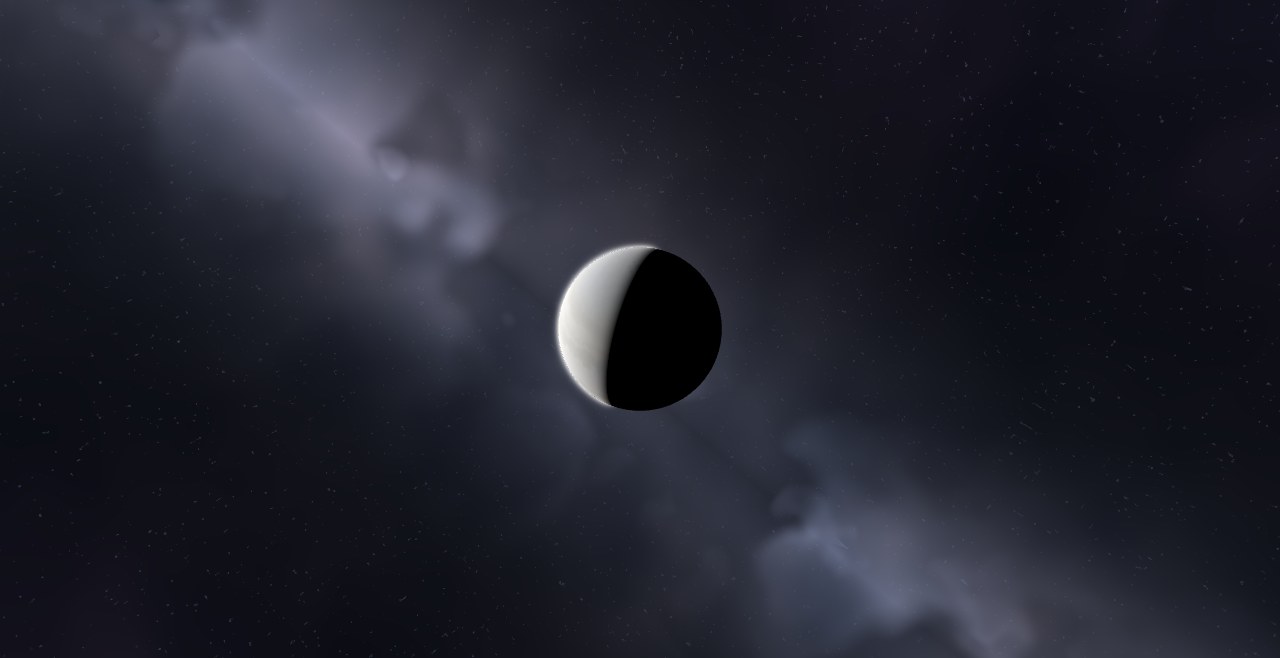
HIP 57274, an orange K-type dwarf of 0.73 solar masses, and HIP 57274 b, a 6.4-Earth-mass planet, with an orbital period of 8.1 days, at 0.070 AU from its star, on an eccentric orbit (e ≈ 0.19).
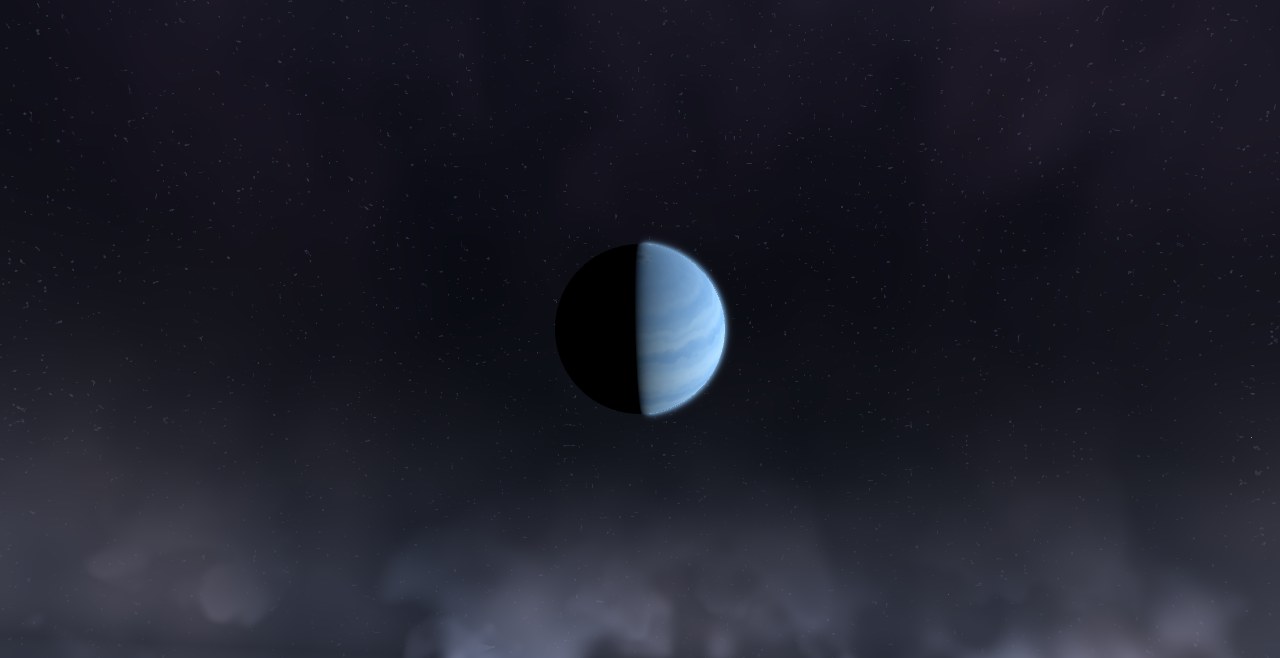
HIP 5763, an orange K-type dwarf of 0.72 solar masses, and HIP 5763 b, a 0.51-Jupiter-mass companion, with an orbital period of 30.0 days, at 0.170 AU from its star, on an eccentric orbit (e ≈ 0.05).
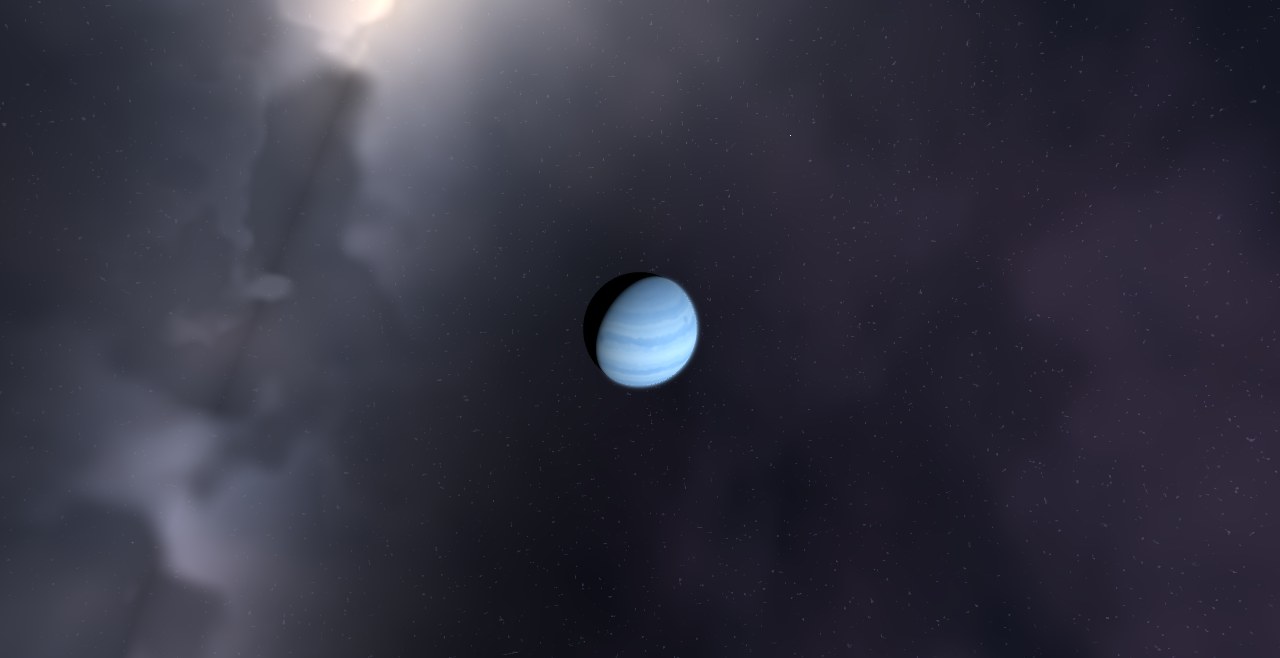
HIP 63242, a Sun-like G-type star of 1.54 solar masses, and HIP 63242 b, a 9.18-Jupiter-mass companion, with an orbital period of 125 days, at 0.565 AU from its star, on an eccentric orbit (e ≈ 0.23).
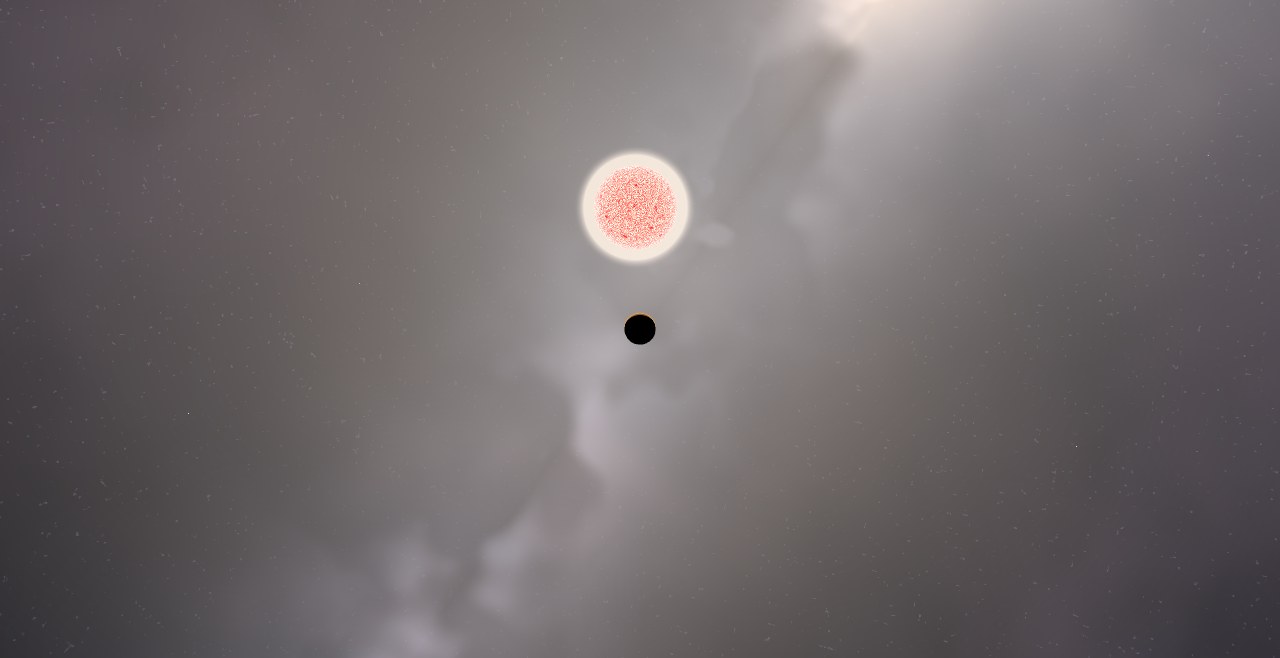
HIP 65 A, an orange K-type dwarf of 0.78 solar masses, and HIP 65 A b, a 3.21-Jupiter-mass companion, with an orbital period of 23.5 hours, at 0.018 AU from its star, and an equilibrium temperature near 1,411 K.
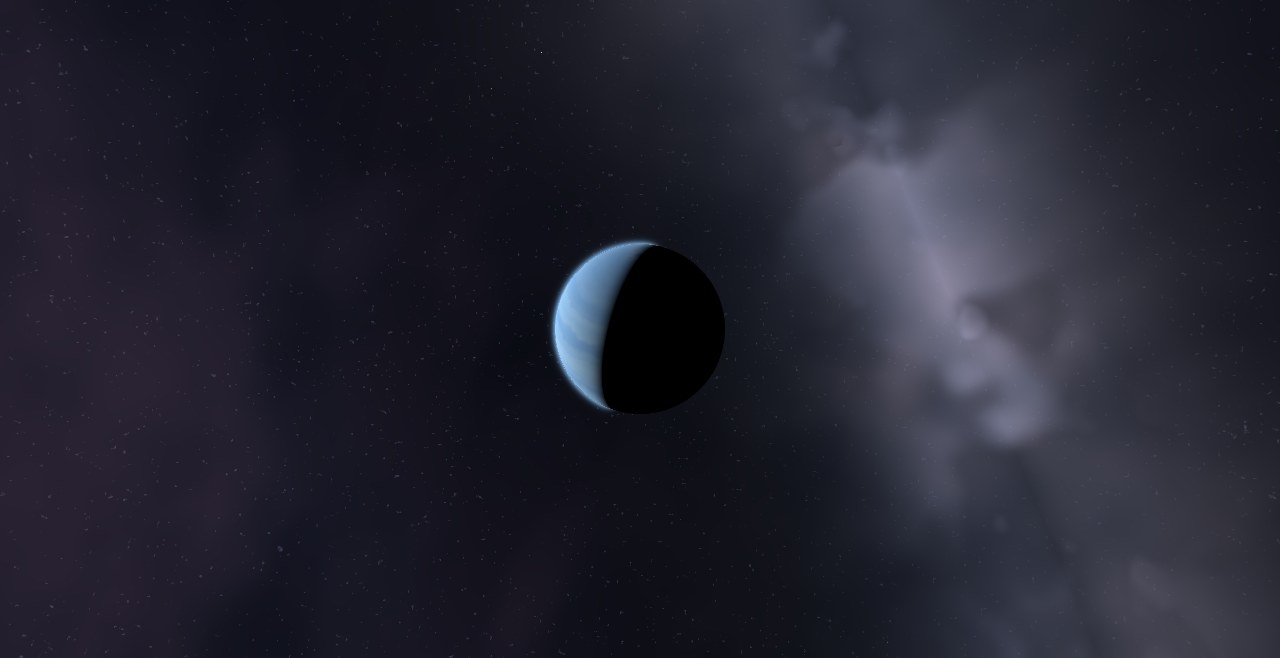
HIP 65407, an orange K-type dwarf of 0.93 solar masses, and HIP 65407 b, a 0.43-Jupiter-mass companion, with an orbital period of 28.1 days, at 0.177 AU from its star, on an eccentric orbit (e ≈ 0.14).
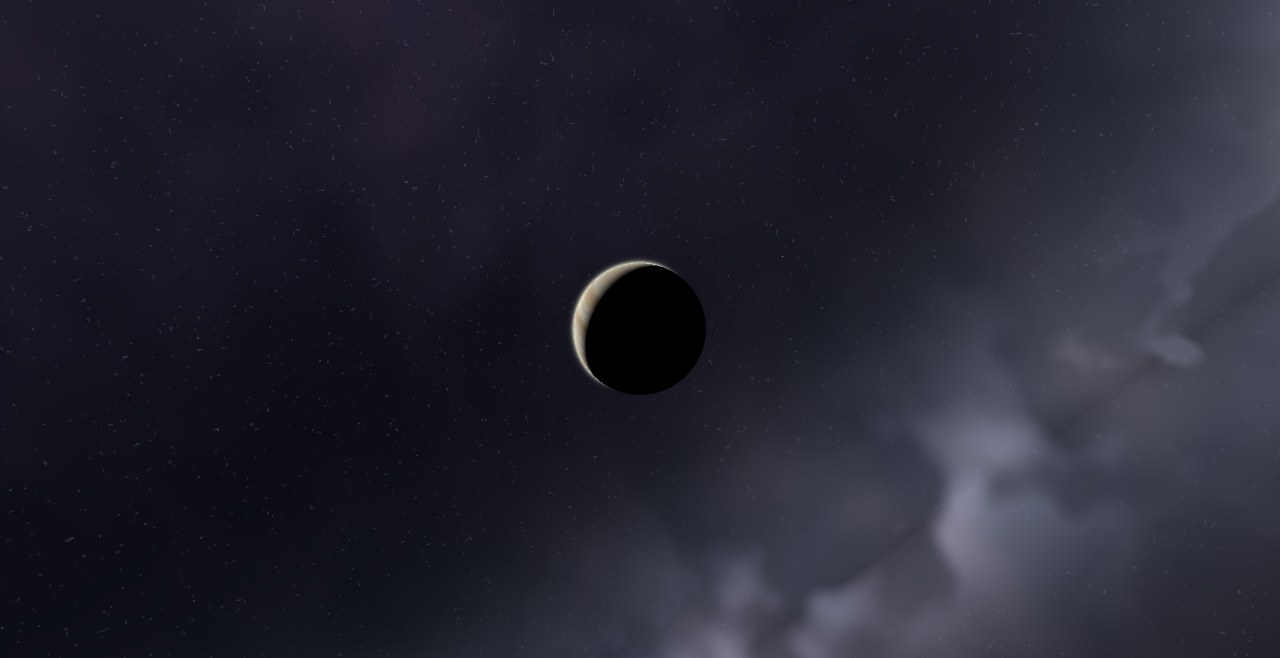
HIP 65426 b, the first exoplanet JWST imaged directly. This wide, young giant was a commissioning target for the telescope's coronagraphs. The planet orbits far outside any region we can transit.
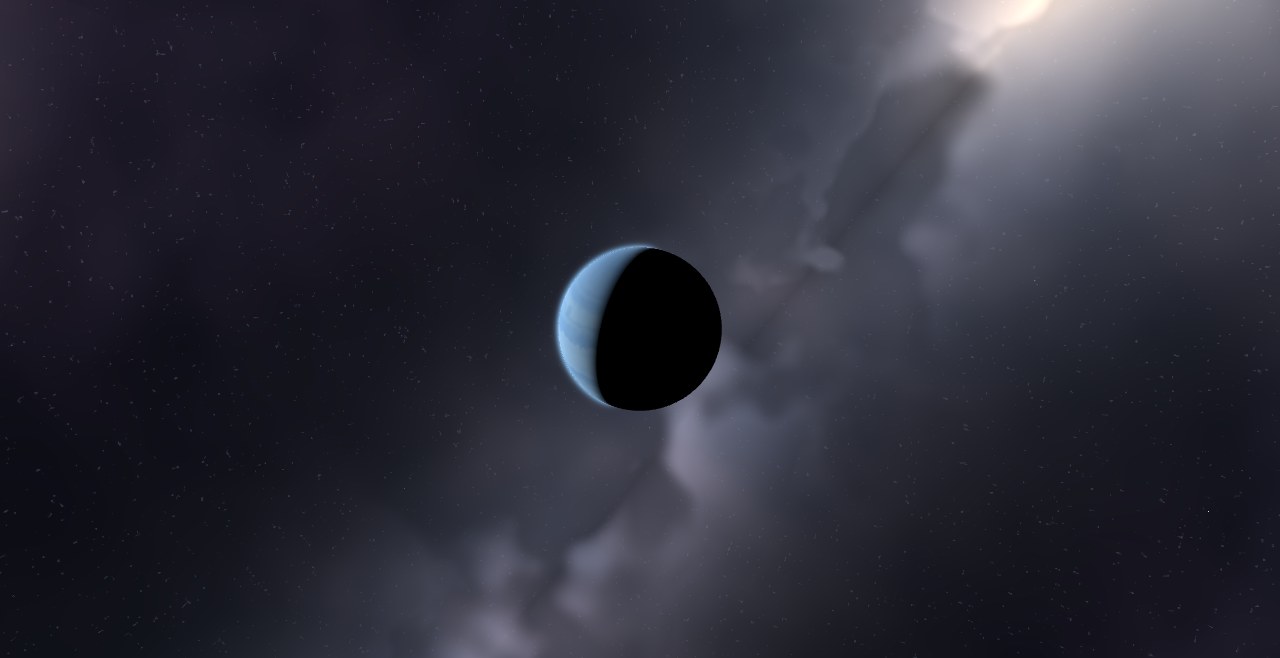
HIP 65891, an orange K-type dwarf of 2.50 solar masses, and HIP 65891 b, a 6.10-Jupiter-mass companion, with an orbital period of 2.98 years, at 2.820 AU from its star, on an eccentric orbit (e ≈ 0.09).
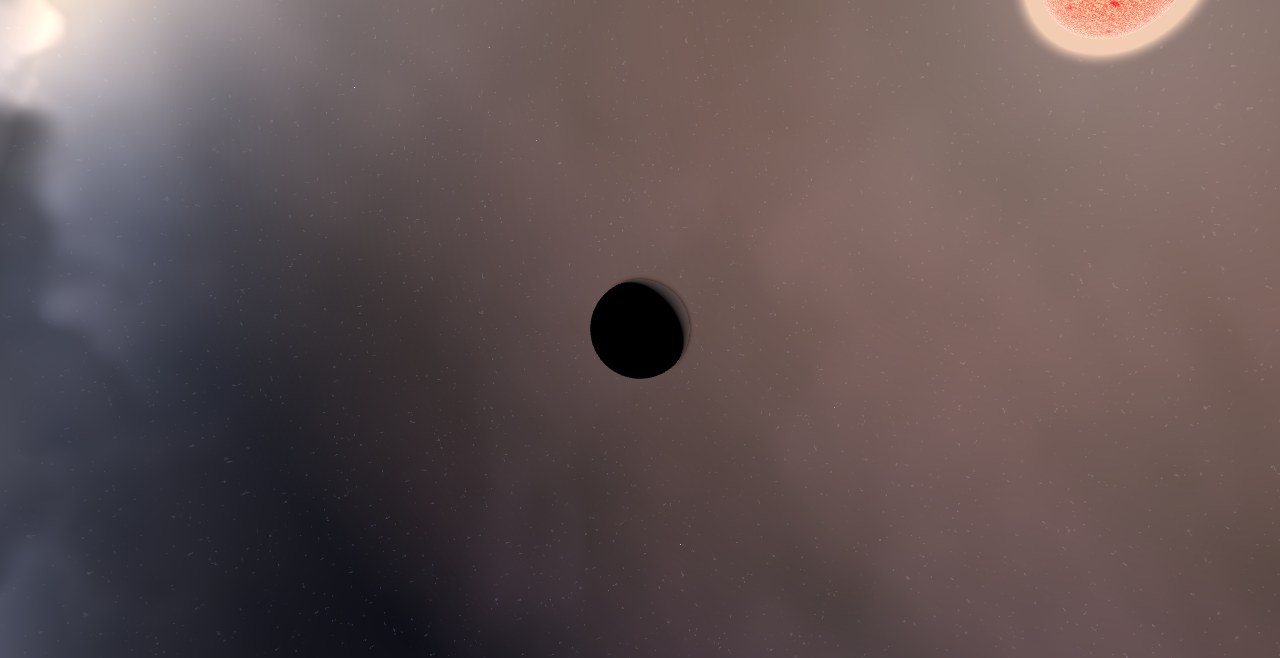
HIP 66074, an orange K-type dwarf of 0.70 solar masses, and HIP 66074 b, a 5.00-Jupiter-mass companion, with an orbital period of 311 days, at 0.799 AU from its star, on an eccentric orbit (e ≈ 0.95).
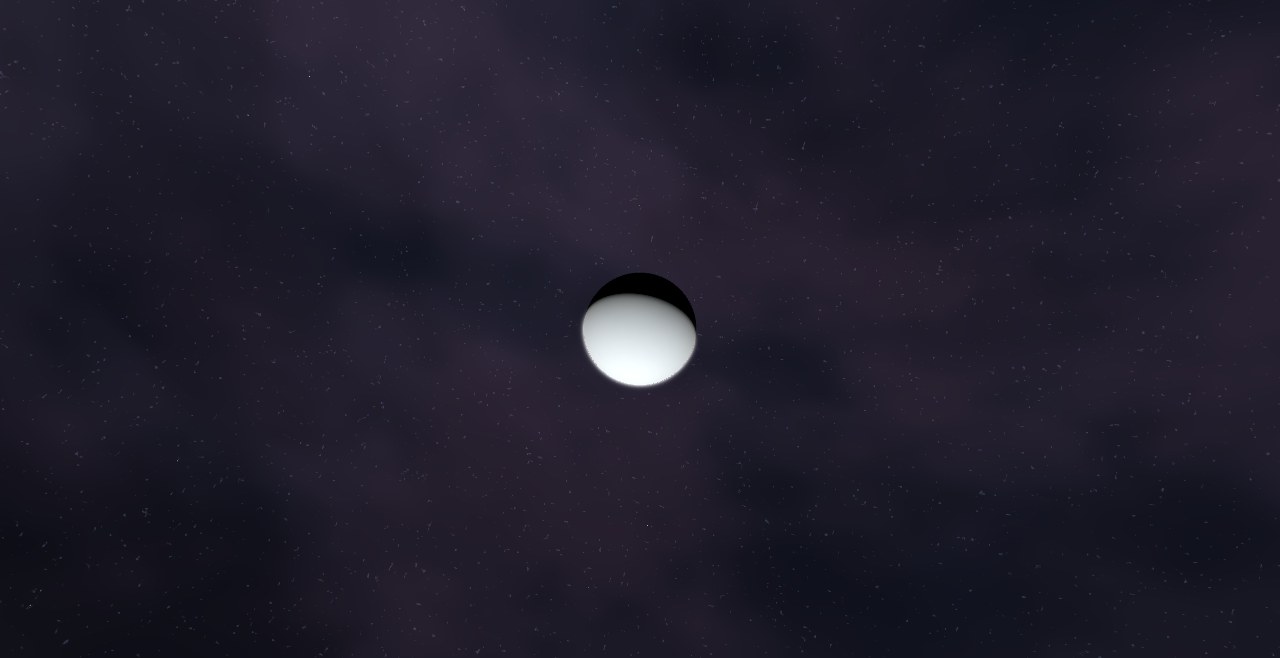
HIP 67522 b, a Jupiter-sized planet around a 17-million-year-old Sun-like star. Stellar flares and the young planet interact. The planet's radius is still inflated by youth.
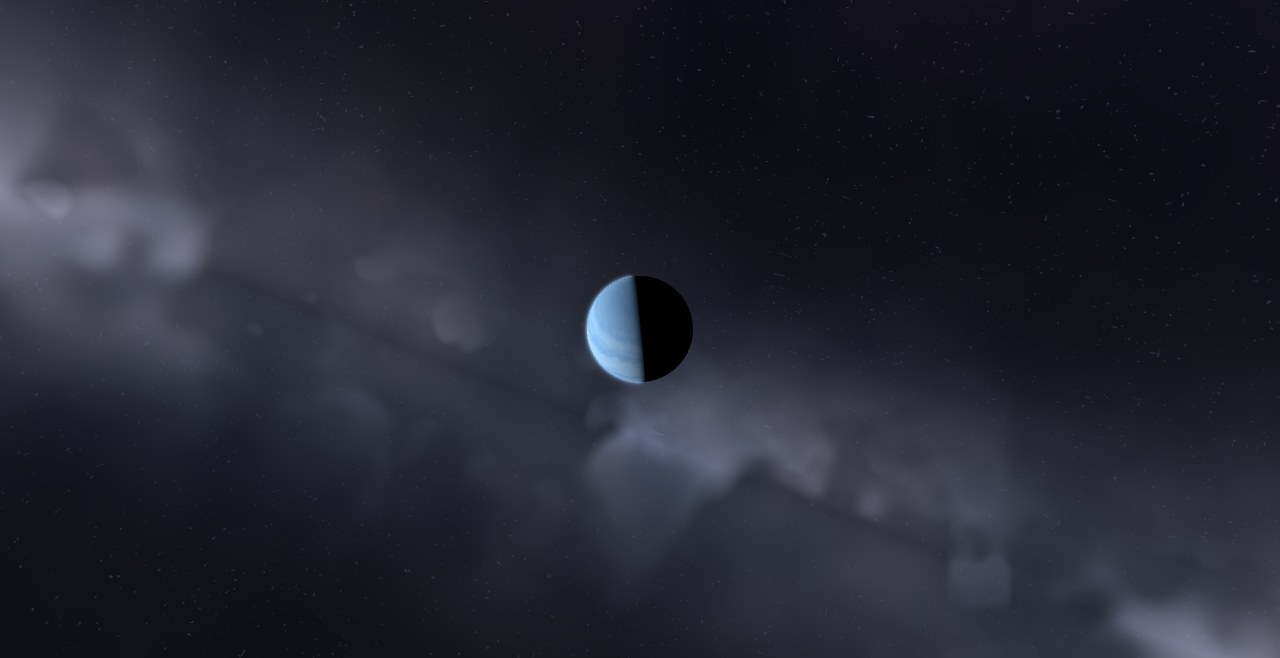
HIP 67537, an orange K-type dwarf of 2.32 solar masses, and HIP 67537 b, a 13.6-Jupiter-mass companion, with an orbital period of 6.91 years, at 4.807 AU from its star, on an eccentric orbit (e ≈ 0.59).
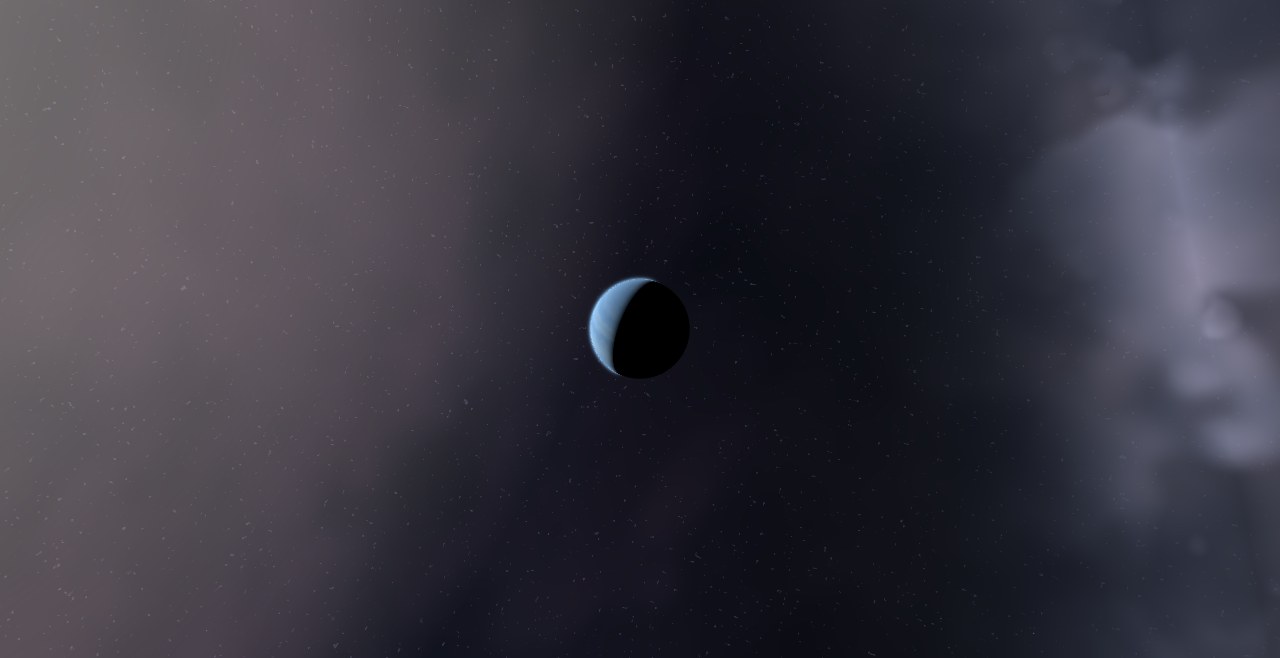
HIP 67851, an orange K-type dwarf of 1.28 solar masses, and HIP 67851 b, a 1.15-Jupiter-mass companion, with an orbital period of 89.2 days, at 0.420 AU from its star, on an eccentric orbit (e ≈ 0.13).
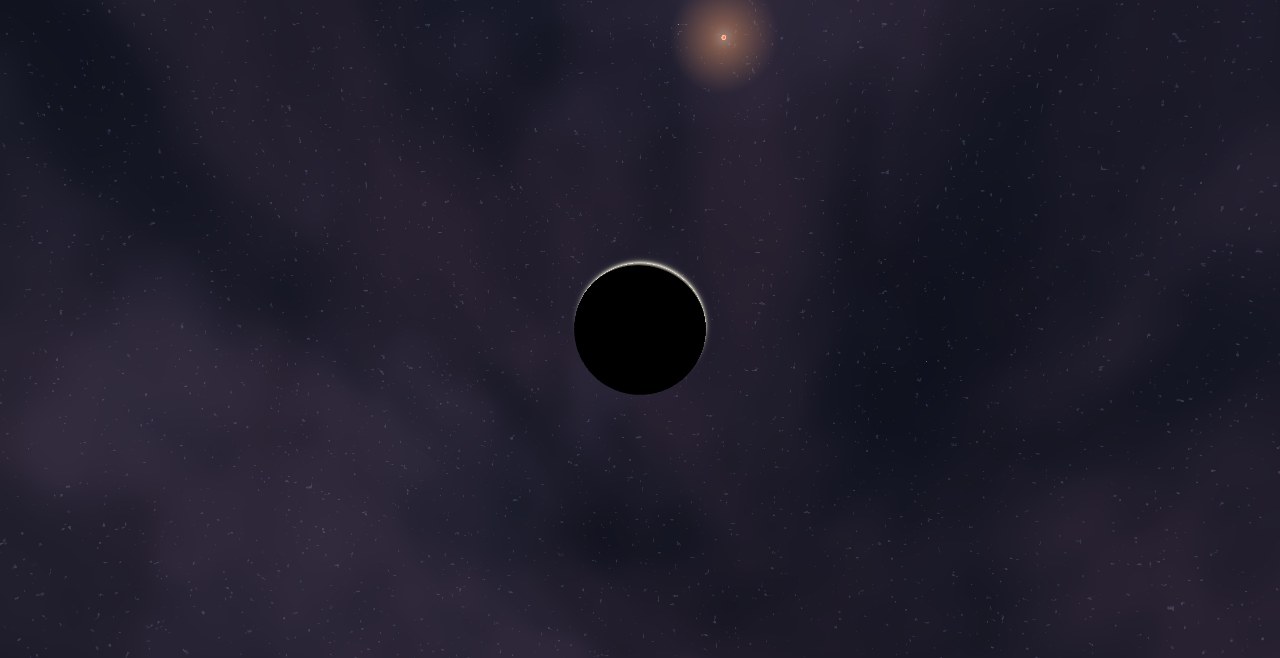
HIP 70849, an orange K-type dwarf of 0.65 solar masses, and HIP 70849 b, a 4.50-Jupiter-mass companion, with an orbital period of 9.99 years, at 3.990 AU from its star, on an eccentric orbit (e ≈ 0.65).
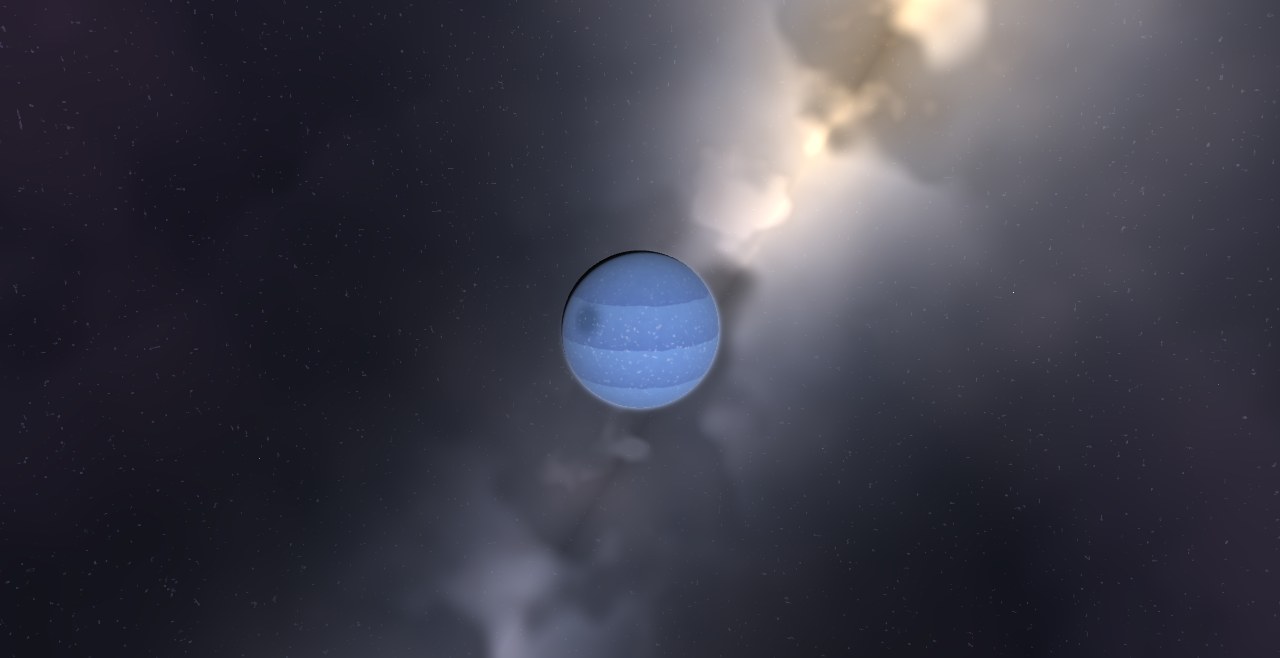
HIP 71135, a cool M-dwarf of 0.66 solar masses, and HIP 71135 b, a 0.06-Jupiter-mass companion, with an orbital period of 87.2 days, at 0.335 AU from its star, on an eccentric orbit (e ≈ 0.21).
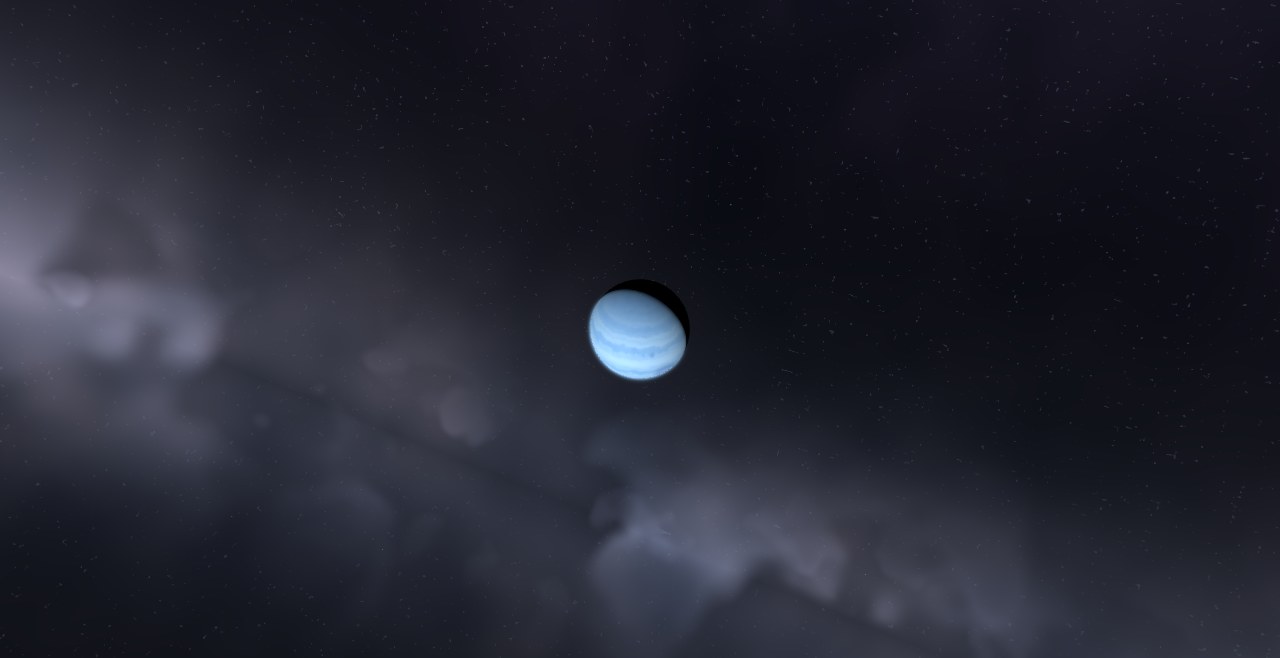
HIP 74890, an orange K-type dwarf of 1.74 solar masses, and HIP 74890 b, a 2.40-Jupiter-mass companion, with an orbital period of 2.25 years, at 2.100 AU from its star, on an eccentric orbit (e ≈ 0.07).
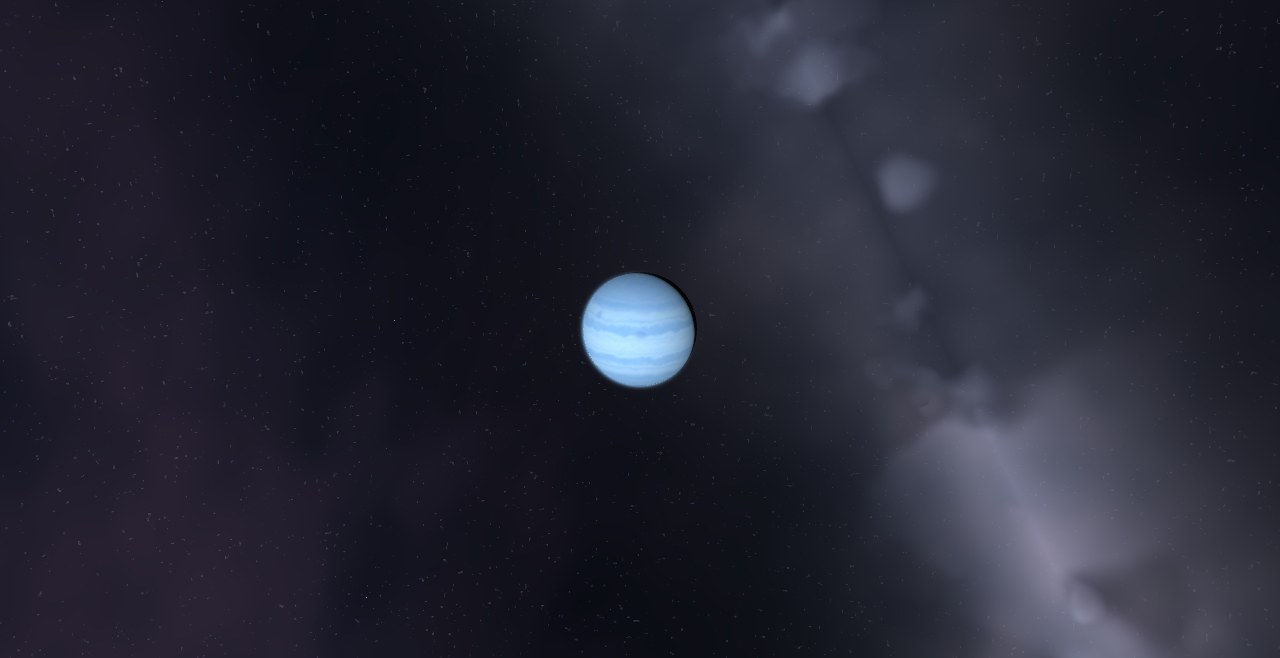
HIP 75092, an orange K-type dwarf of 1.28 solar masses, and HIP 75092 b, a 1.79-Jupiter-mass companion, with an orbital period of 2.54 years, at 2.020 AU from its star, on an eccentric orbit (e ≈ 0.42).
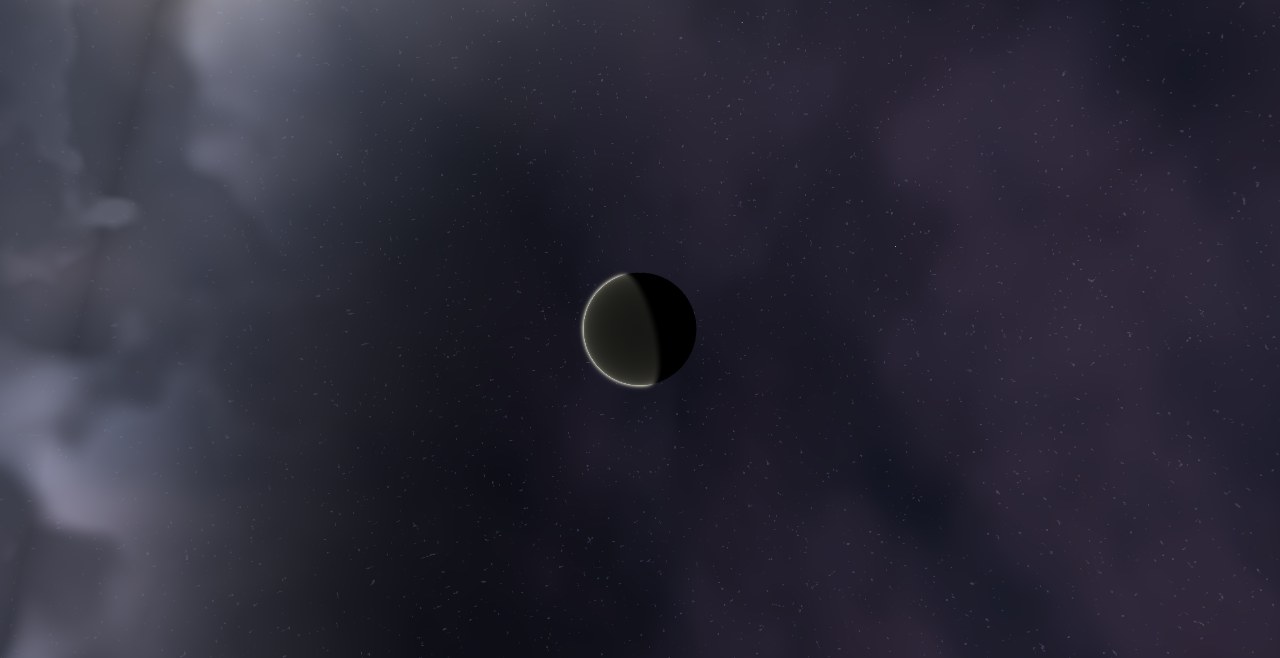
HIP 77900, and HIP 77900 b, a 21.0-Jupiter-mass companion, at 3,319 AU from its star, and an equilibrium temperature near 2,507 K.
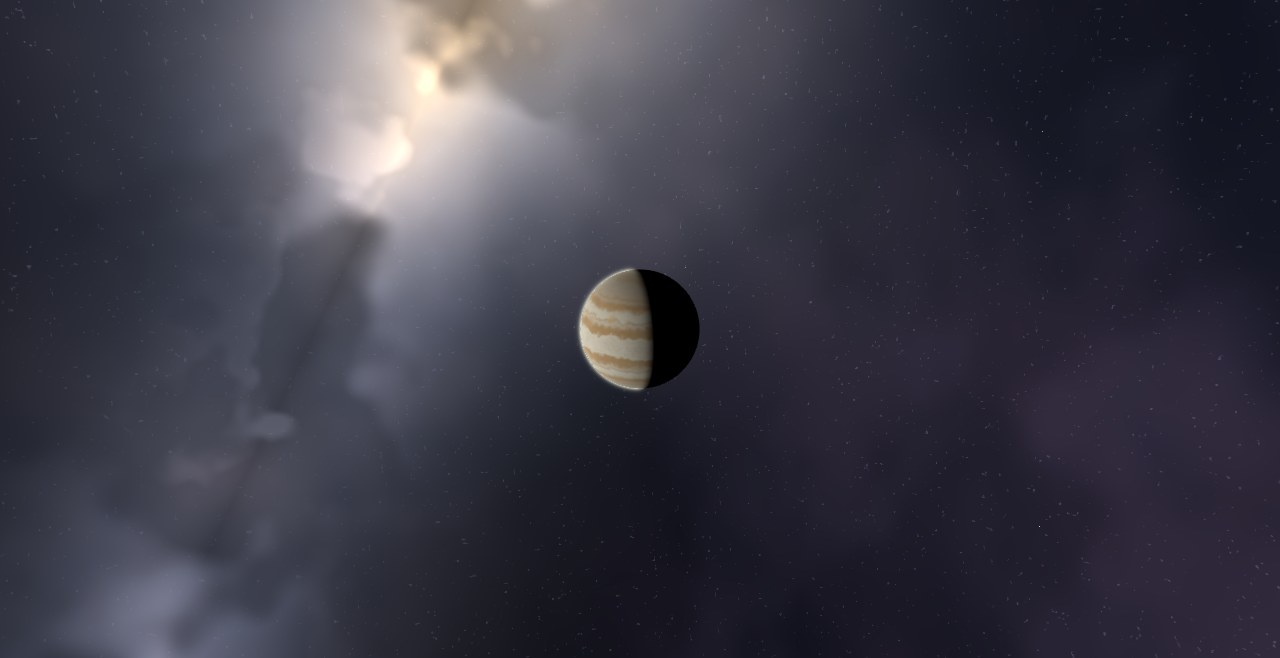
HIP 78530, a hot B-type star of 2.50 solar masses, and HIP 78530 b, a 23.0-Jupiter-mass companion, at 740 AU from its star, and an equilibrium temperature near 2,700 K.