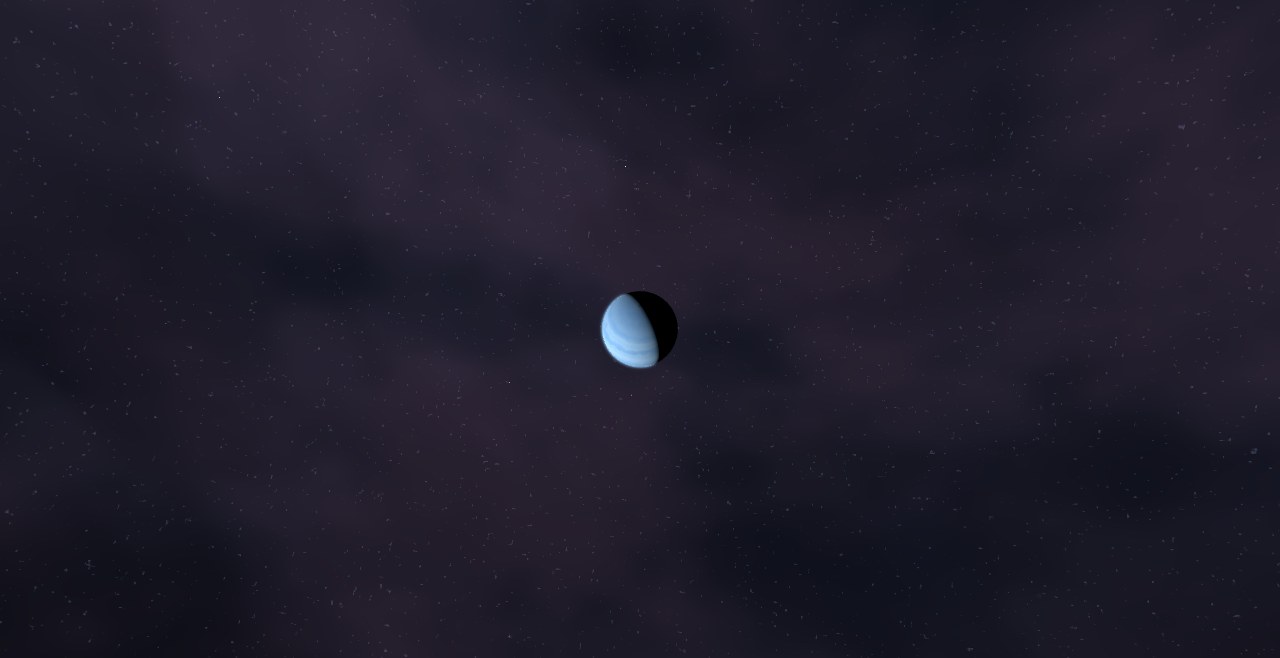
HR 810 - System
HR 810, a Sun-like F-type star of 1.34 solar masses, and HR 810 b, a 2.27-Jupiter-mass companion, with an orbital period of 303 days, at 0.920 AU from its star, on an eccentric orbit (e ≈ 0.14).
3D Space and Gravity Simulator. Simulate the solar system, exoplanets and even colliding galaxies. Add, delete and modify planets, and change the laws of physics.
Share
HR 810, a Sun-like F-type star of 1.34 solar masses, and HR 810 b, a 2.27-Jupiter-mass companion, with an orbital period of 303 days, at 0.920 AU from its star, on an eccentric orbit (e ≈ 0.14).
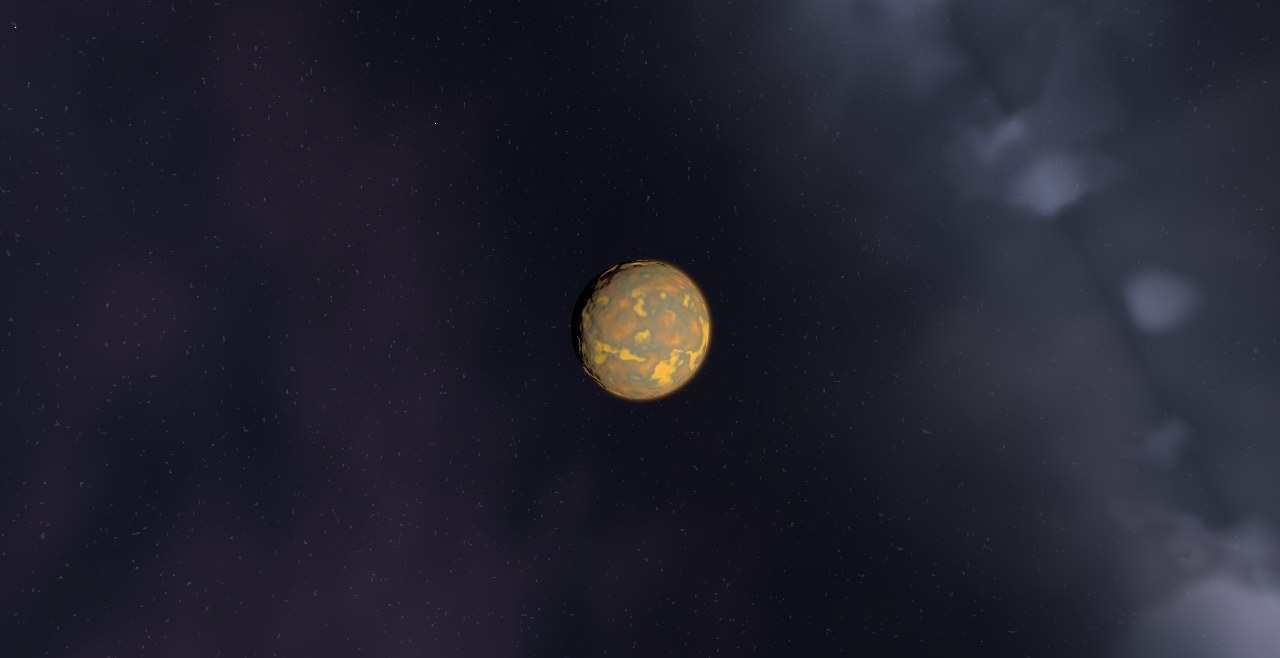
HR 858, a Sun-like F-type star of 1.20 solar masses, and HR 858 b, a 3.5-Earth-mass planet, with an orbital period of 3.6 days, at 0.049 AU from its star, and an equilibrium temperature near 1,552 K.
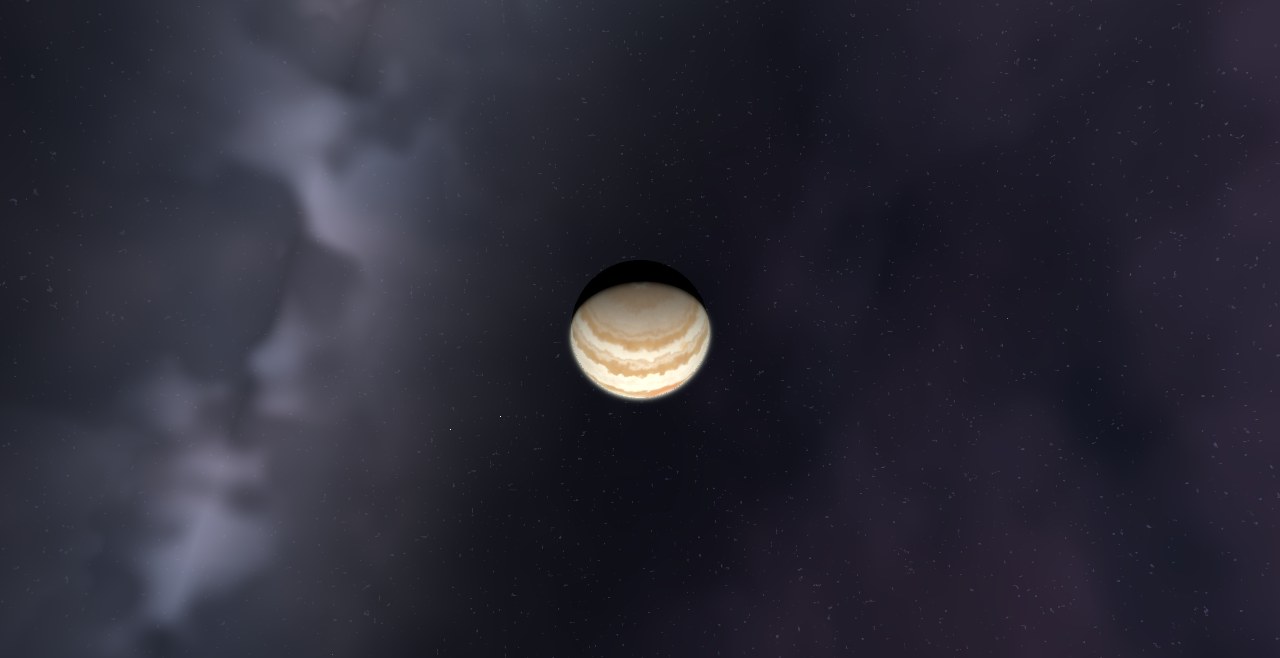
HR 8799, the first multi-planet system ever photographed. Four young giant planets orbit far outside a debris disk, all seen directly. The four planets were announced together in 2008.
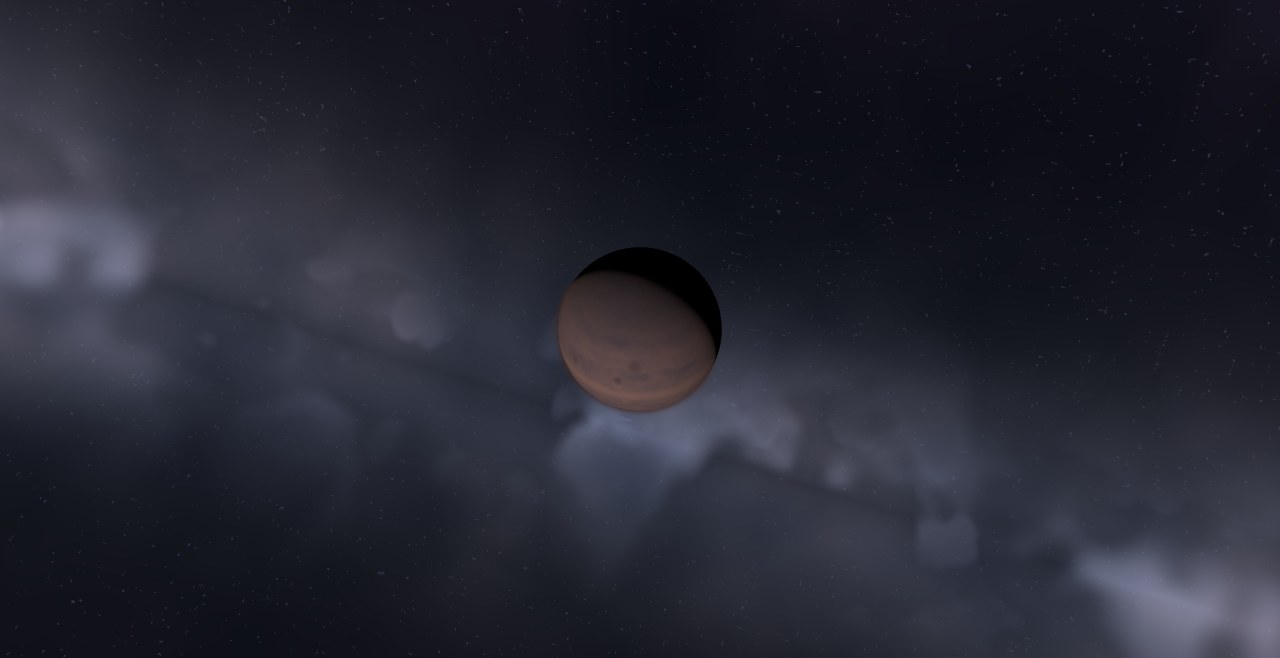
HS Psc, an orange K-type dwarf of 0.69 solar masses, and HS Psc b, a 1.46-Jupiter-mass companion, with an orbital period of 4.0 days, at 0.043 AU from its star, on an eccentric orbit (e ≈ 0.27).
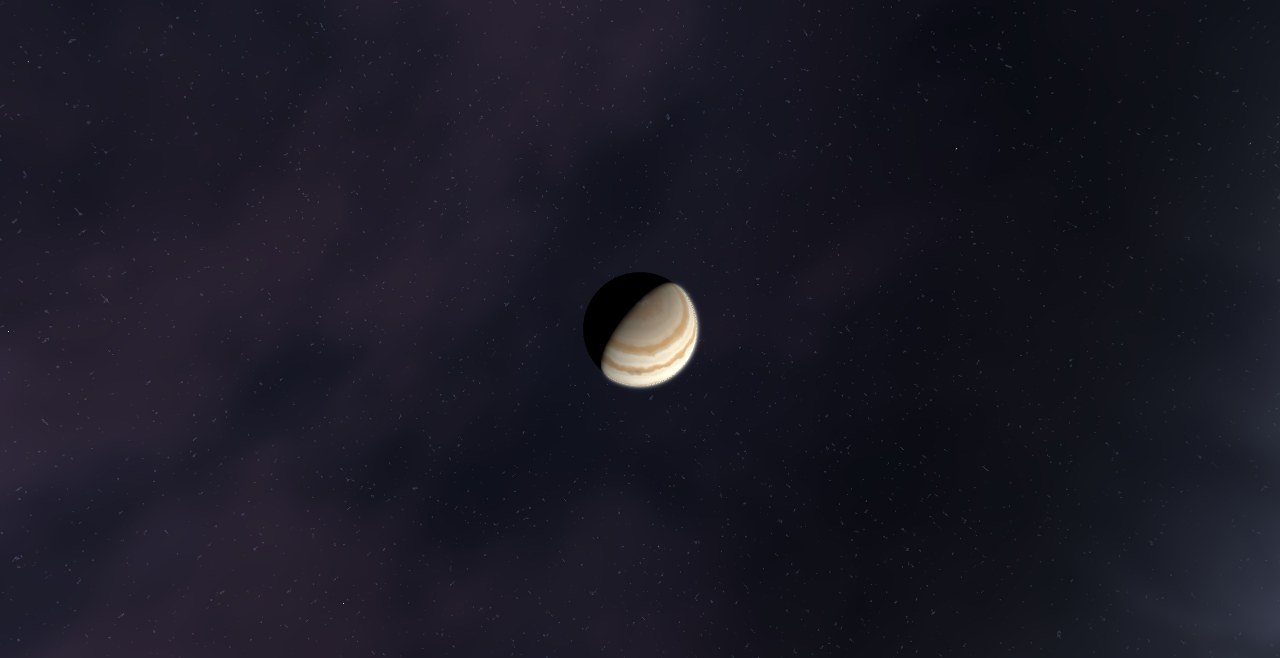
HU Aqr, a Sun-like G-type star of 0.88 solar masses, and HU Aqr AB b, a 5.90-Jupiter-mass companion, with an orbital period of 6.54 years, at 3.600 AU from its star.
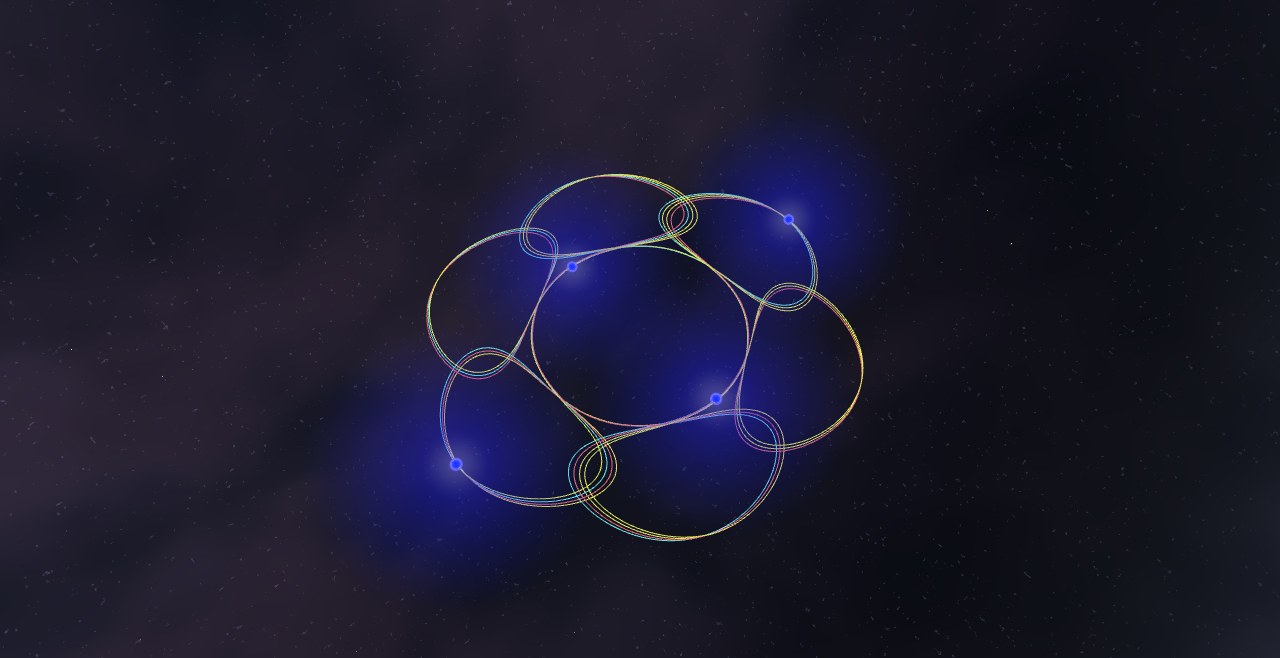
Watch four equal masses weave a mesmerizing hexagonal trajectory. Mutual Newtonian gravity alone preserves this delicate, periodic six-fold choreography indefinitely.
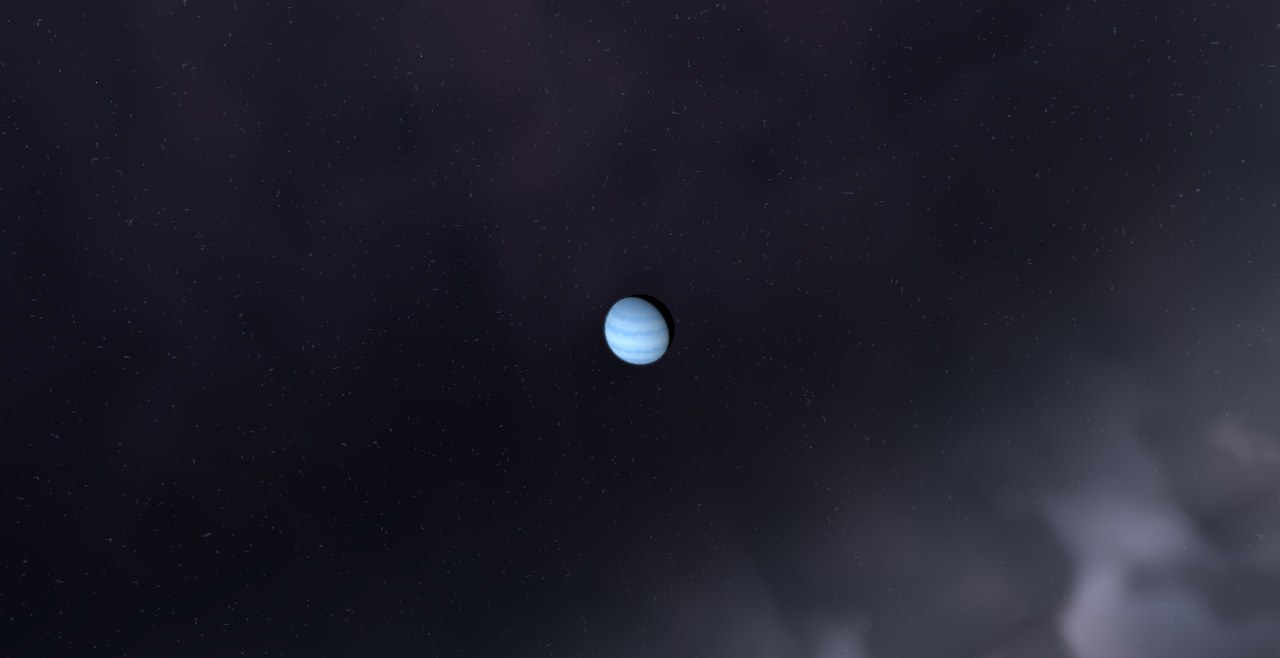
IC 4651 9122, an orange K-type dwarf of 2.10 solar masses, and IC 4651 9122 b, a 6.30-Jupiter-mass companion, with an orbital period of 2.01 years, at 2.038 AU from its star, on an eccentric orbit (e ≈ 0.18).
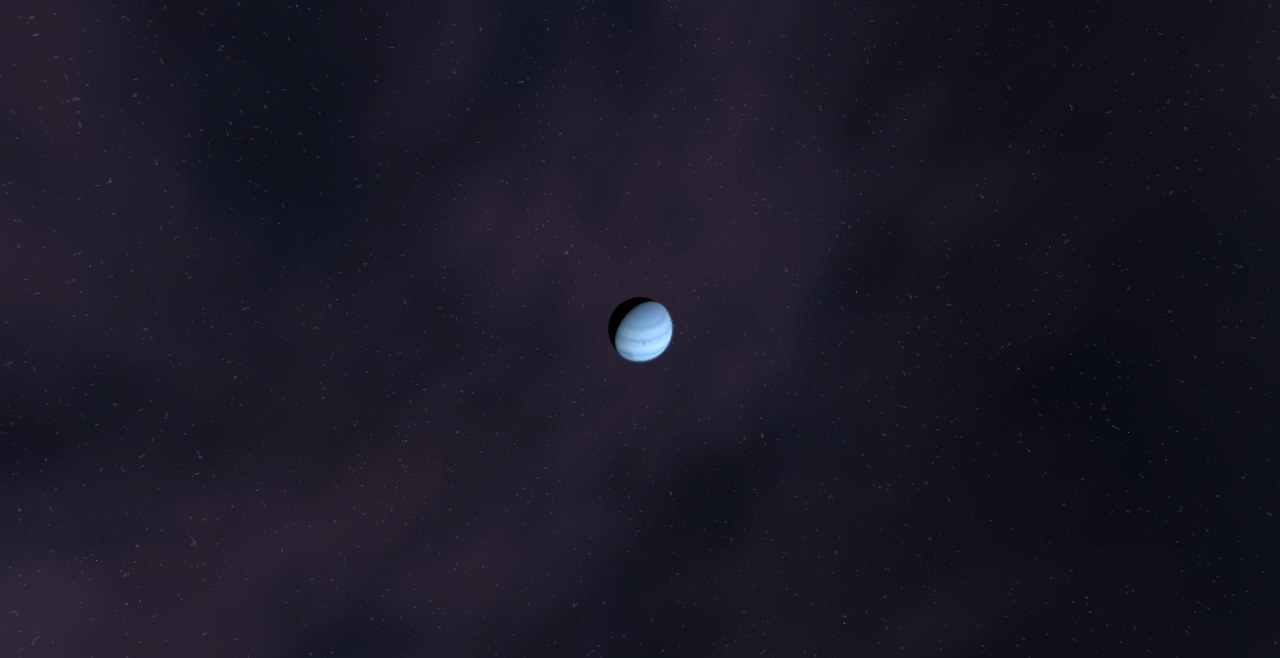
IRAS 04125+2902, an orange K-type dwarf of 0.70 solar masses, and IRAS 04125+2902 b, a planet with 10.7 Earth radii, with an orbital period of 8.8 days, at 0.077 AU from its star, and an equilibrium.
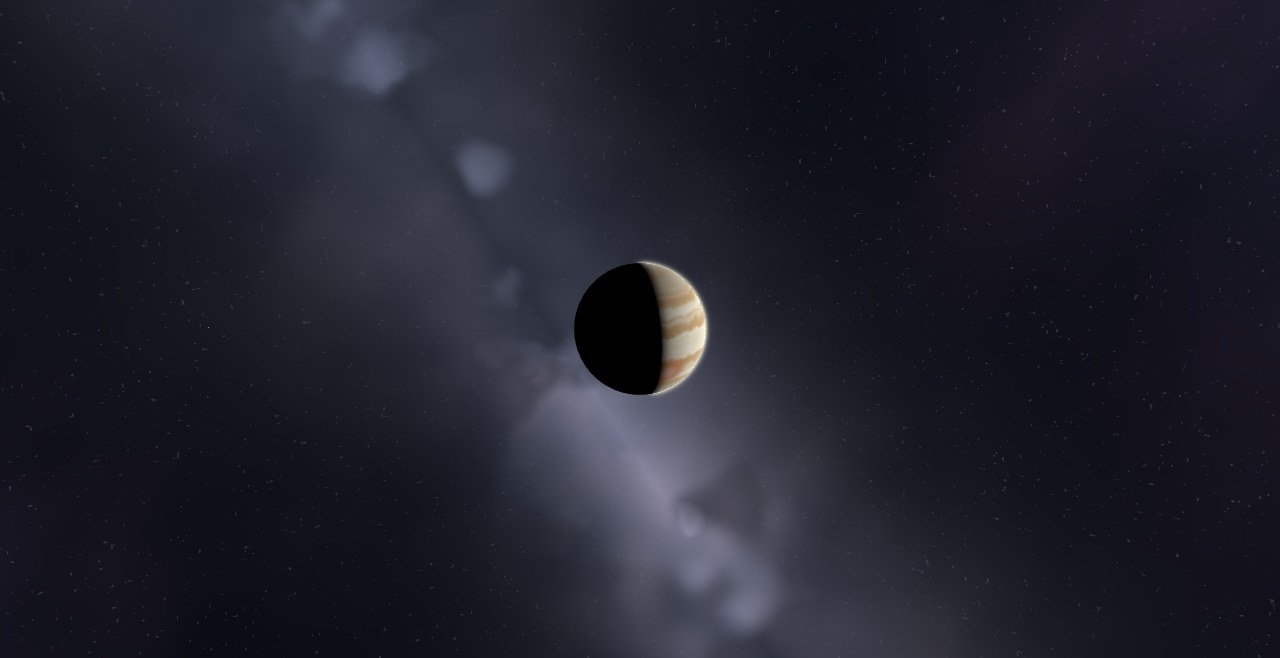
ISO-Oph 96, an orange K-type dwarf of 0.41 solar masses, and KOINTREAU-3 b, a 3.40-Jupiter-mass companion, at 342 AU from its star.
ITG 15 A, a Sun-like G-type star of 1.00 solar masses, and ITG 15 b, a 21.0-Jupiter-mass companion, at 435 AU from its star, and an equilibrium temperature near 2,601 K.
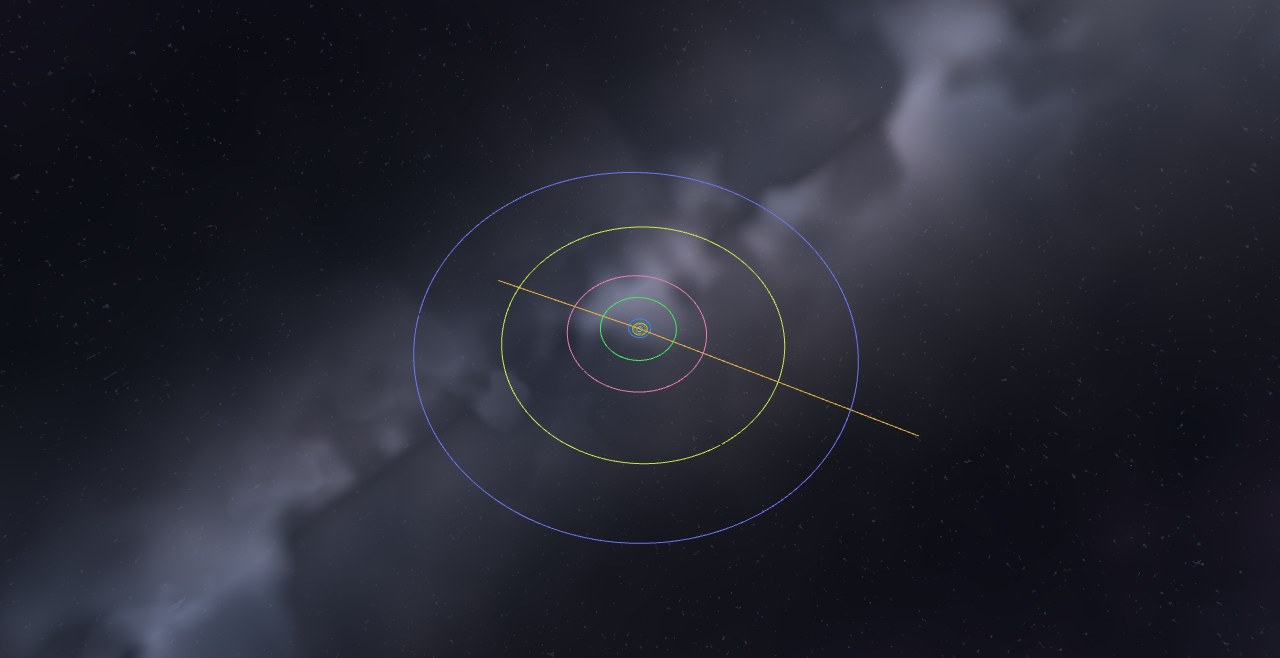
Follow 1I/ʻOumuamua, humanity's first discovered interstellar visitor. Trace its dramatic high-speed hyperbolic plunge around the Sun and escape from our Solar System in 3D.
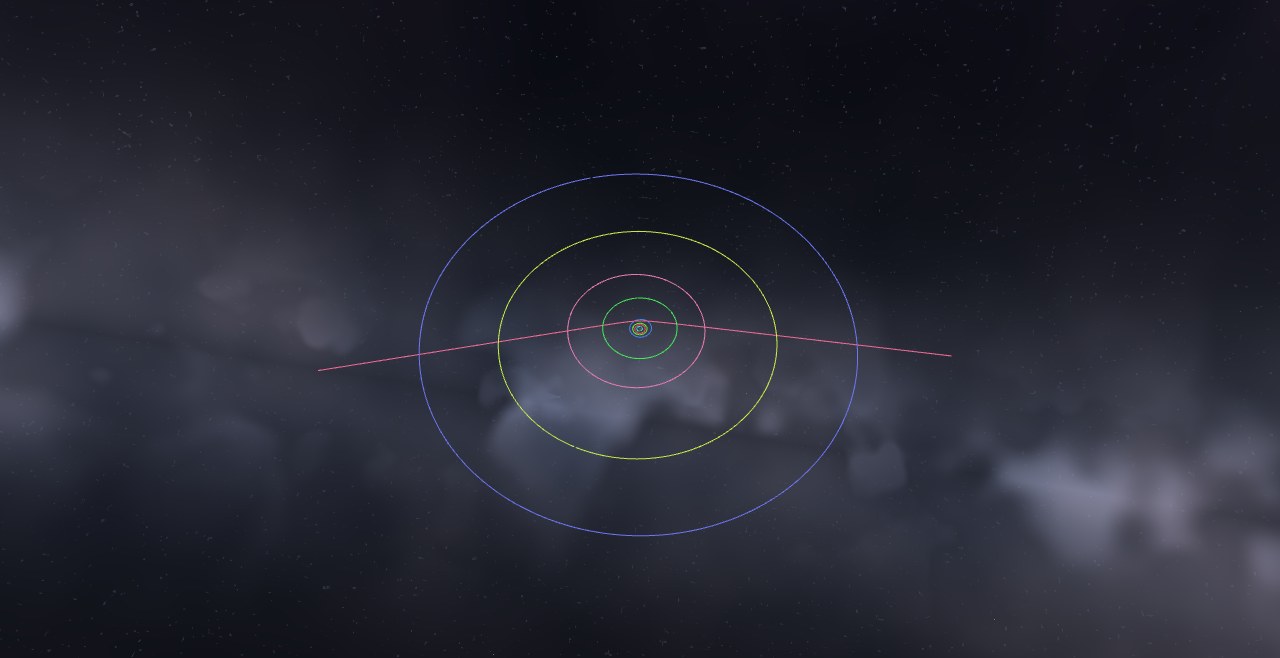
Track interstellar comet 3I/ATLAS hurtling inbound through the Solar System at 58 km/s. Witness its extreme hyperbolic trajectory across planetary space in interactive 3D.
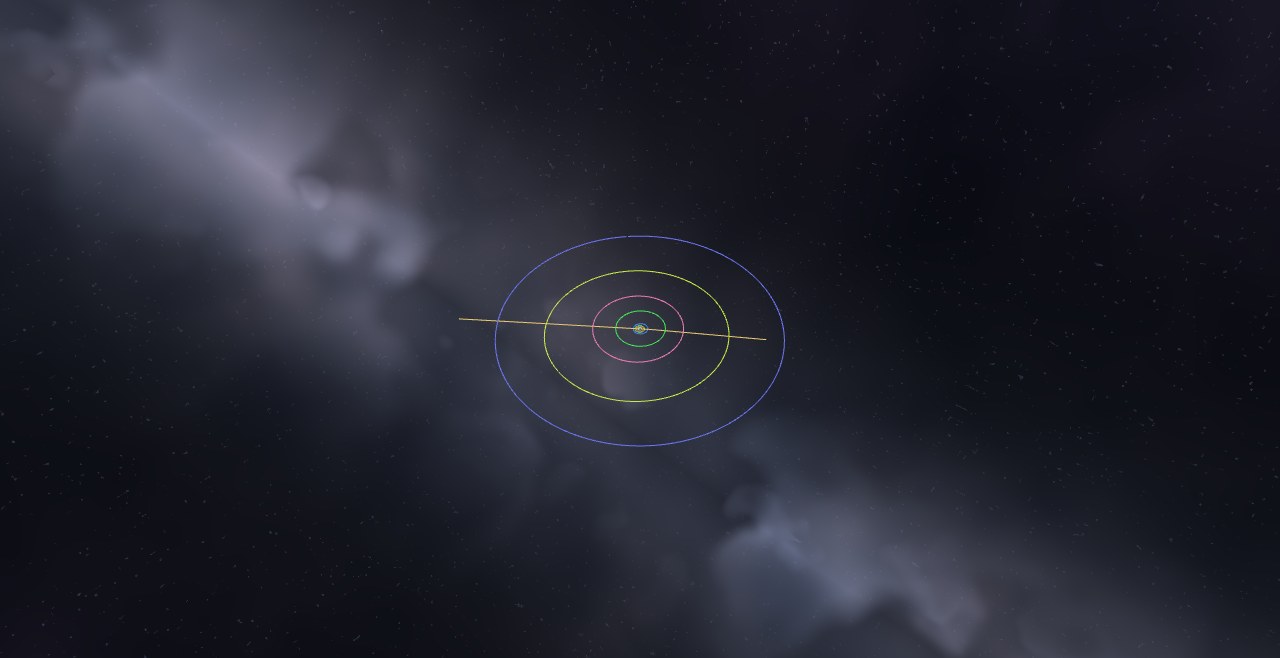
Simulate interstellar comet 2I/Borisov traversing our Solar System on an unbound hyperbolic path (eccentricity 3.4). Watch the visitor round the Sun and head back into deep space.
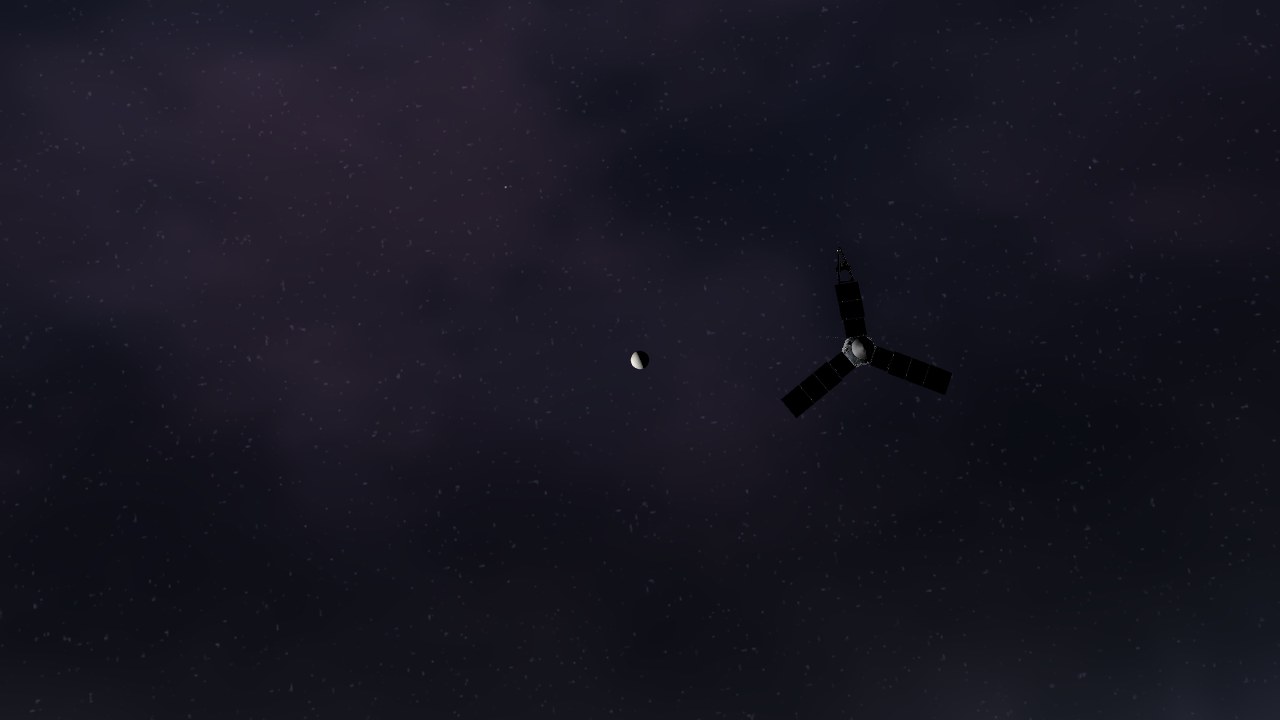
Track NASA's Juno spacecraft during its 10 April 2020 distant flyby of Europa. Follow its trajectory as it sweeps through the Jovian system using official JPL Horizons states.
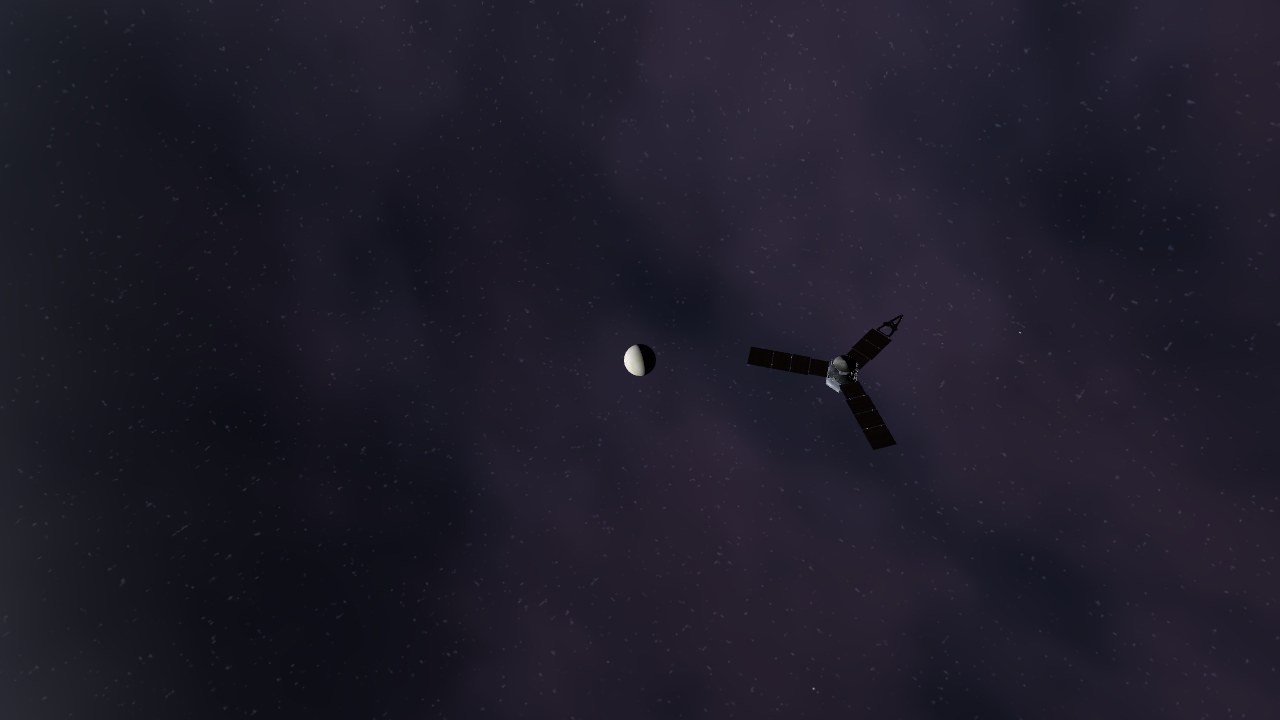
Simulate Juno's 16 October 2021 flyby of Europa during perijove 37. Watch the probe close to 81,360 km above Europa's fractured ice crust on an accurate JPL Horizons trajectory.
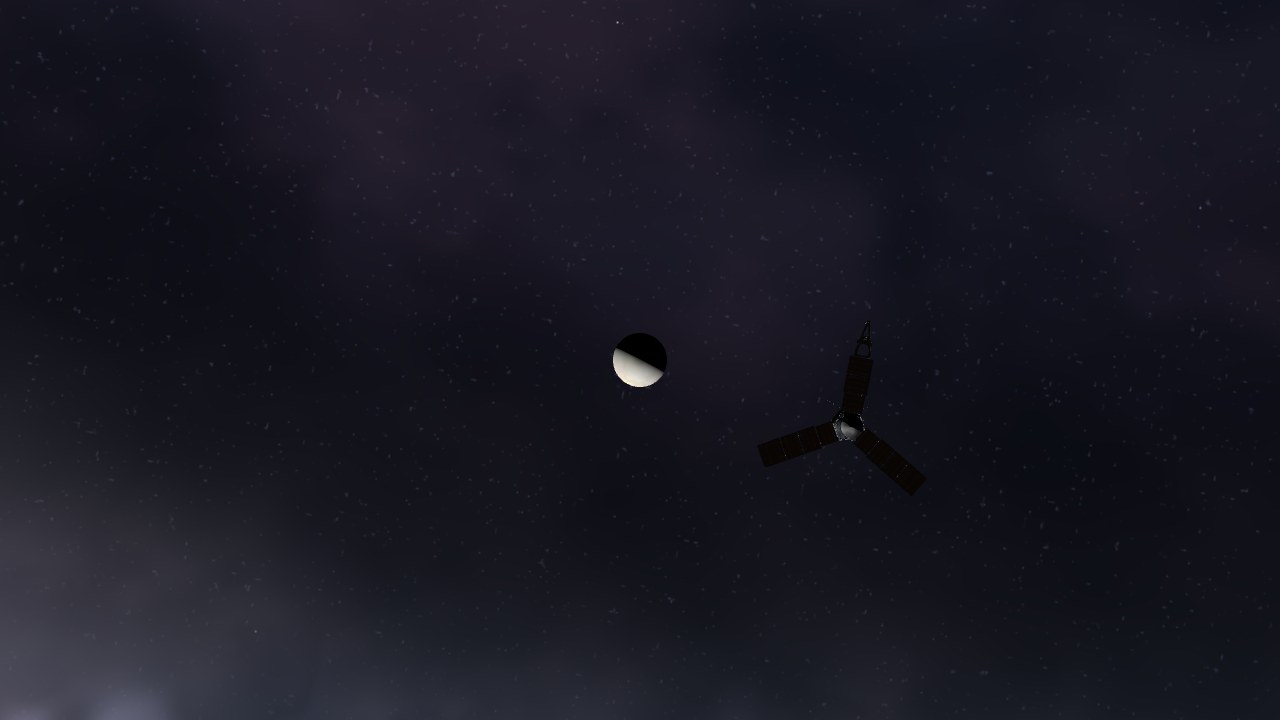
Follow NASA's Juno probe during its perijove 40 encounter with Europa on 24 February 2022. Experience a 46,982 km altitude orbital pass through Jupiter's radiation belts in 3D.
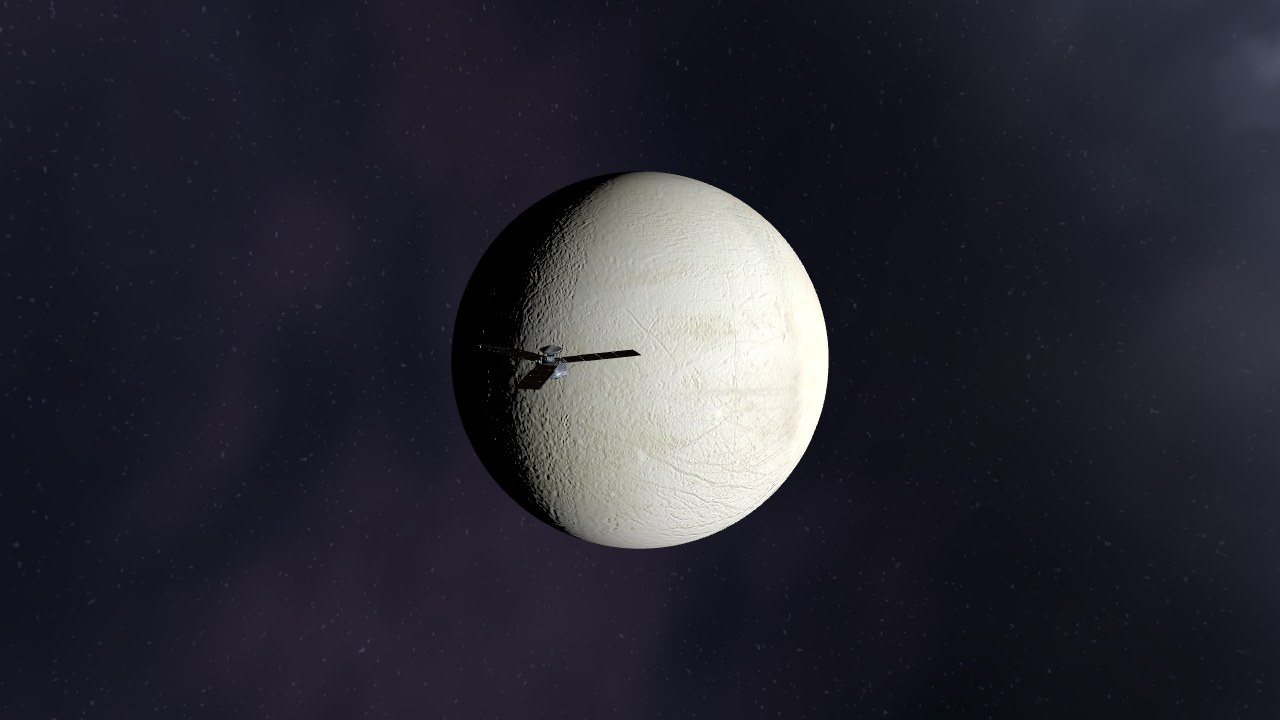
Witness NASA's Juno spacecraft skimming just 355 km above Europa's icy shell on 29 September 2022. Experience one of the closest Jovian moon flybys in history in 3D.
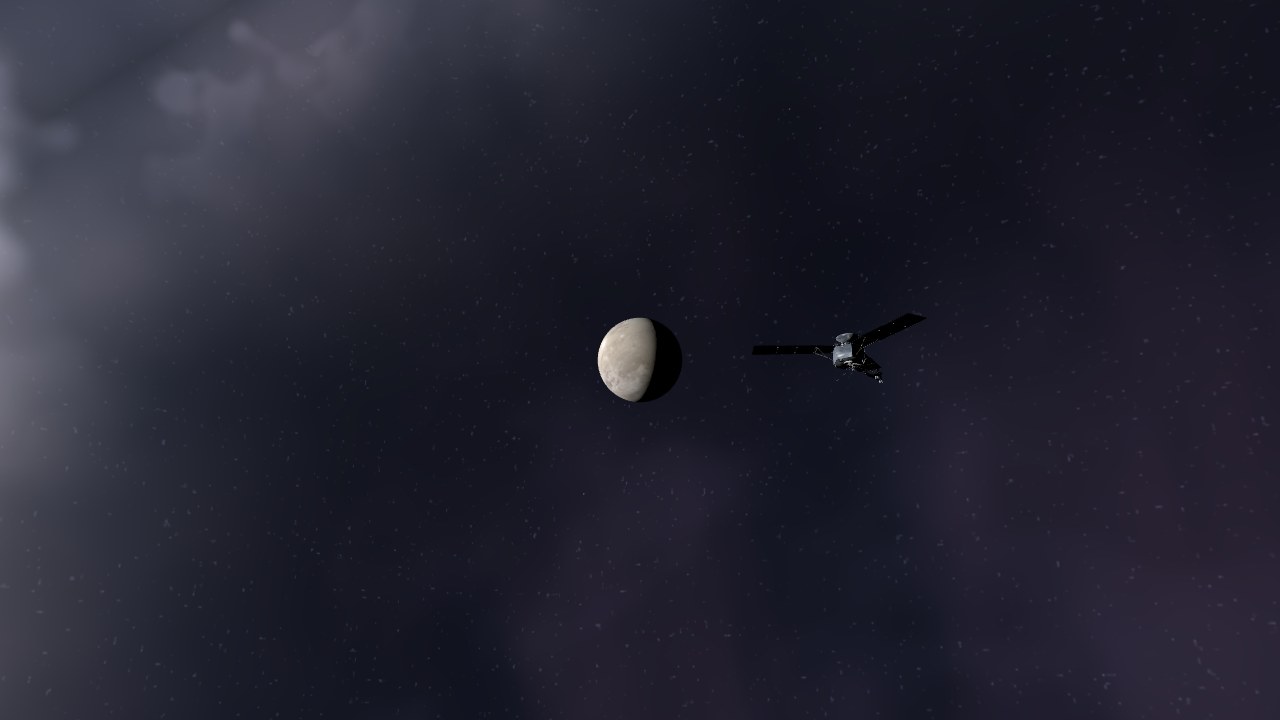
Simulate Juno's perijove 35 close encounter with Ganymede on 20 July 2021. Trace the spacecraft's 49,992 km flyby through Jupiter's magnetosphere with JPL orbital data.