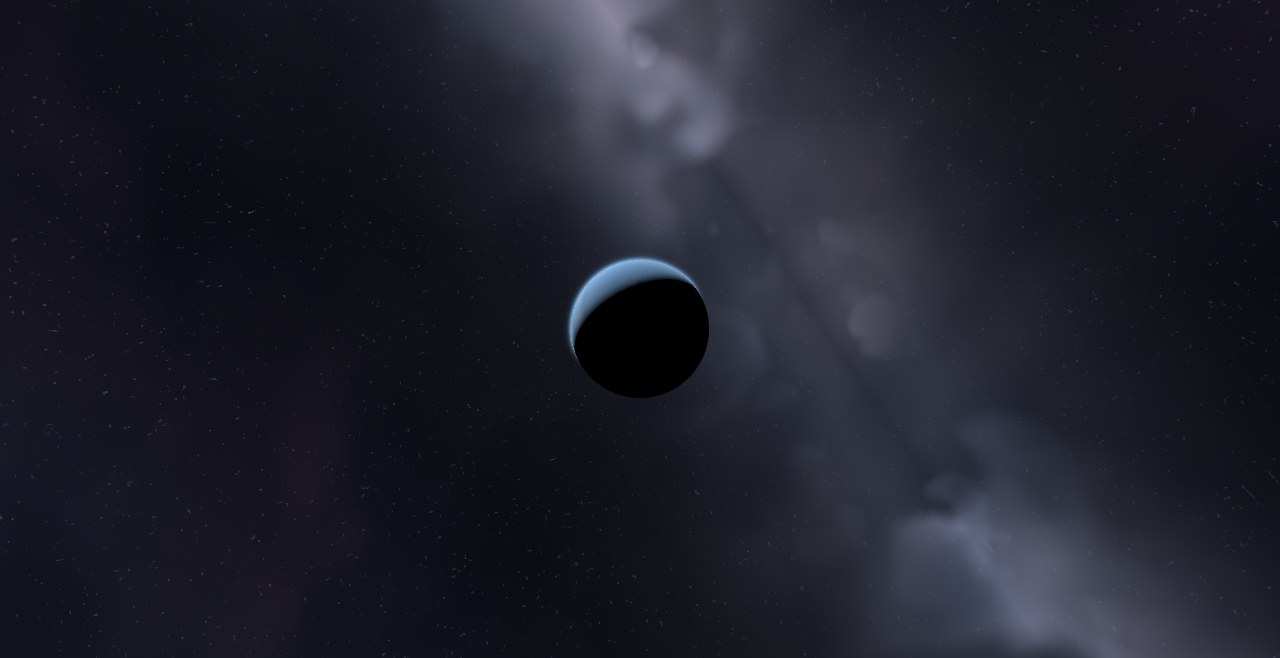
HIP 14810 - System
HIP 14810, a Sun-like G-type star of 1.01 solar masses, and HIP 14810 b, a 3.90-Jupiter-mass companion, with an orbital period of 6.7 days, at 0.070 AU from its star, on an eccentric orbit (e ≈ 0.14).
3D Space and Gravity Simulator. Simulate the solar system, exoplanets and even colliding galaxies. Add, delete and modify planets, and change the laws of physics.
Share
HIP 14810, a Sun-like G-type star of 1.01 solar masses, and HIP 14810 b, a 3.90-Jupiter-mass companion, with an orbital period of 6.7 days, at 0.070 AU from its star, on an eccentric orbit (e ≈ 0.14).
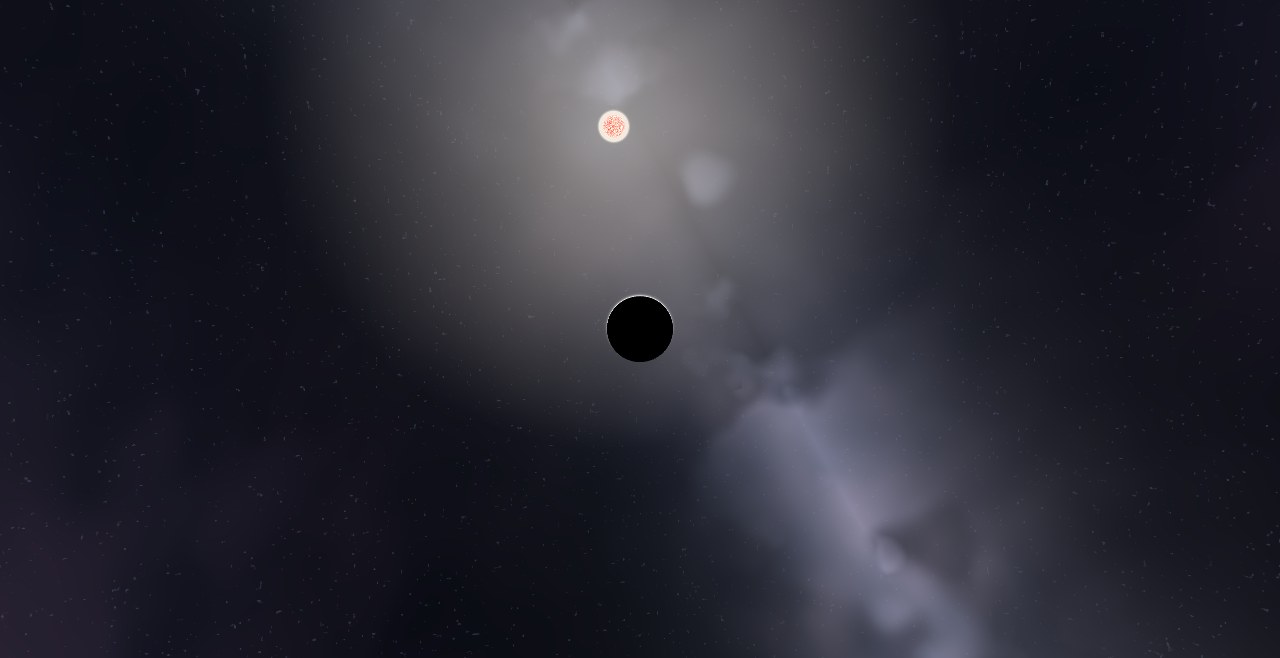
HIP 18606, an orange K-type dwarf of 1.21 solar masses, and HIP 18606 b, a 0.77-Jupiter-mass companion, with an orbital period of 1.85 years, at 1.610 AU from its star.
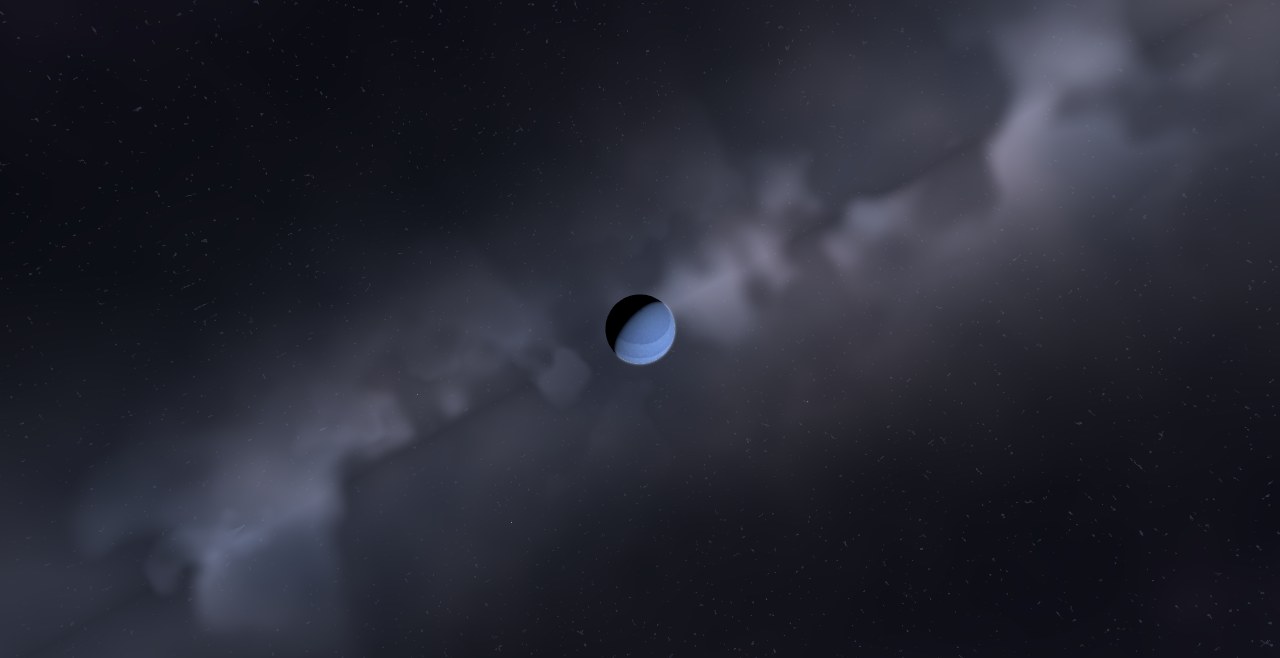
HIP 19976, an orange K-type dwarf of 0.67 solar masses, and HIP 19976 b, a 0.07-Jupiter-mass companion, with an orbital period of 50.7 days, at 0.234 AU from its star, on an eccentric orbit (e ≈ 0.30).
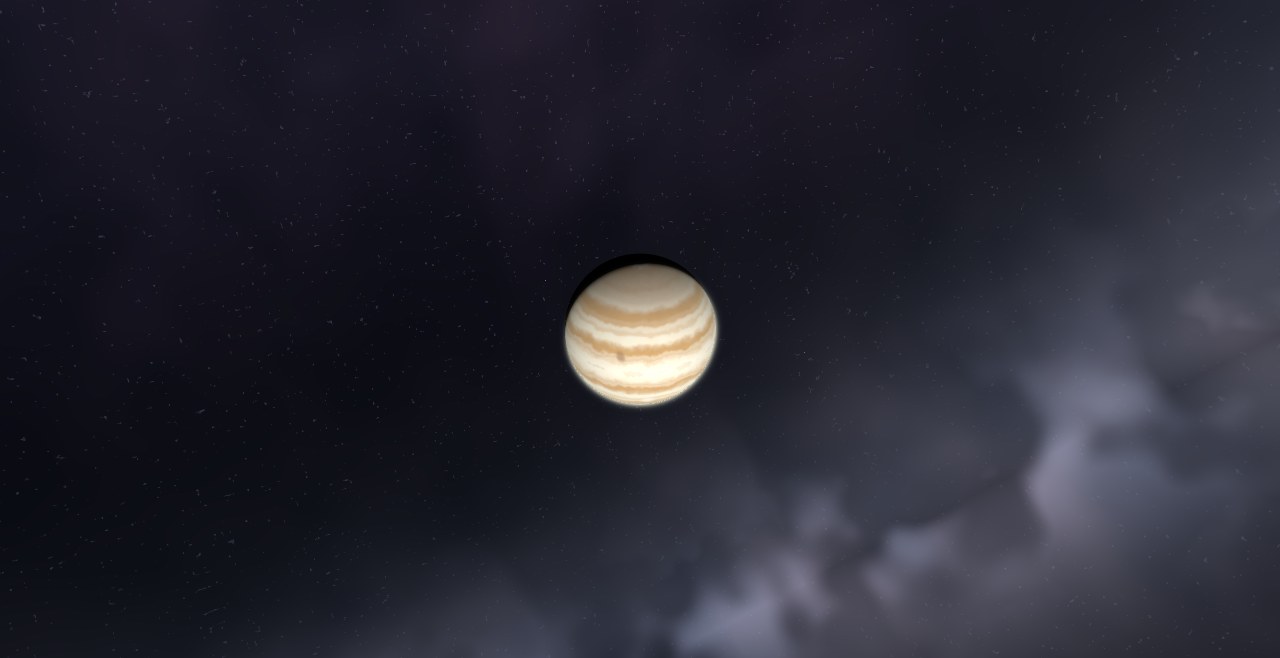
HIP 21152, a Sun-like F-type star of 1.40 solar masses, and HIP 21152 b, a 24.0-Jupiter-mass companion, with an orbital period of 60.2 years, at 17.0 AU from its star, and an equilibrium temperature near 1,300.
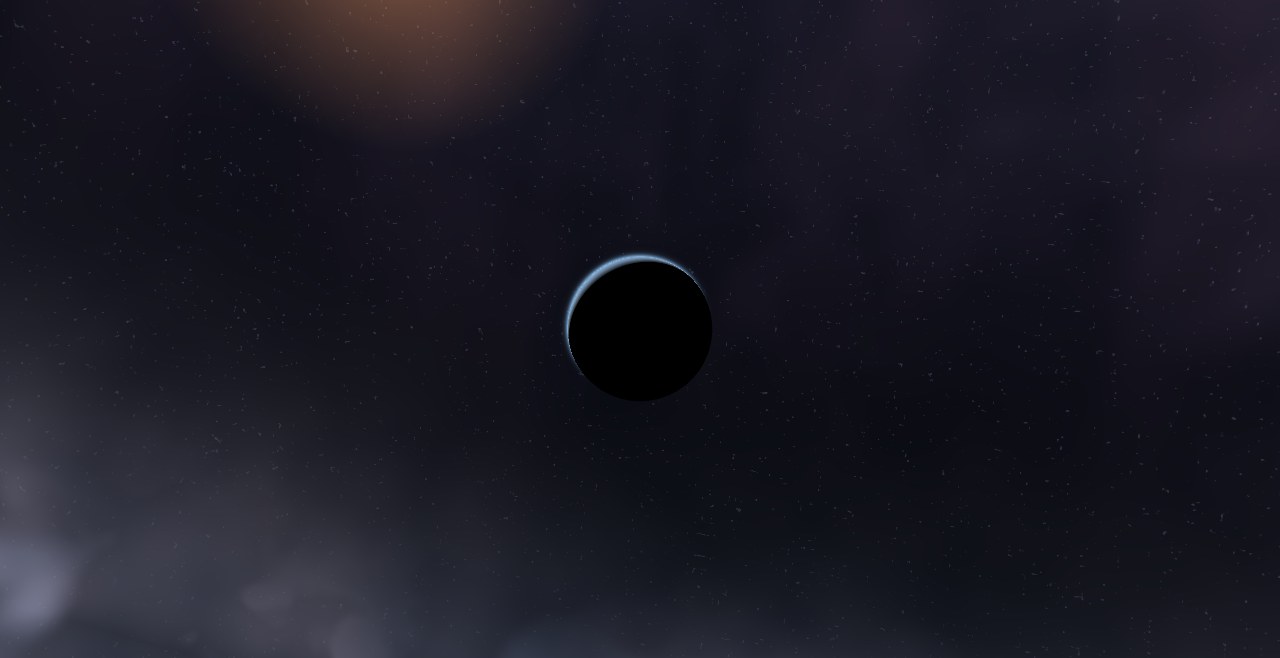
HIP 34222, an orange K-type dwarf of 0.62 solar masses, and HIP 34222 b, a 0.83-Jupiter-mass companion, with an orbital period of 160 days, at 0.492 AU from its star, on an eccentric orbit (e ≈ 0.30).
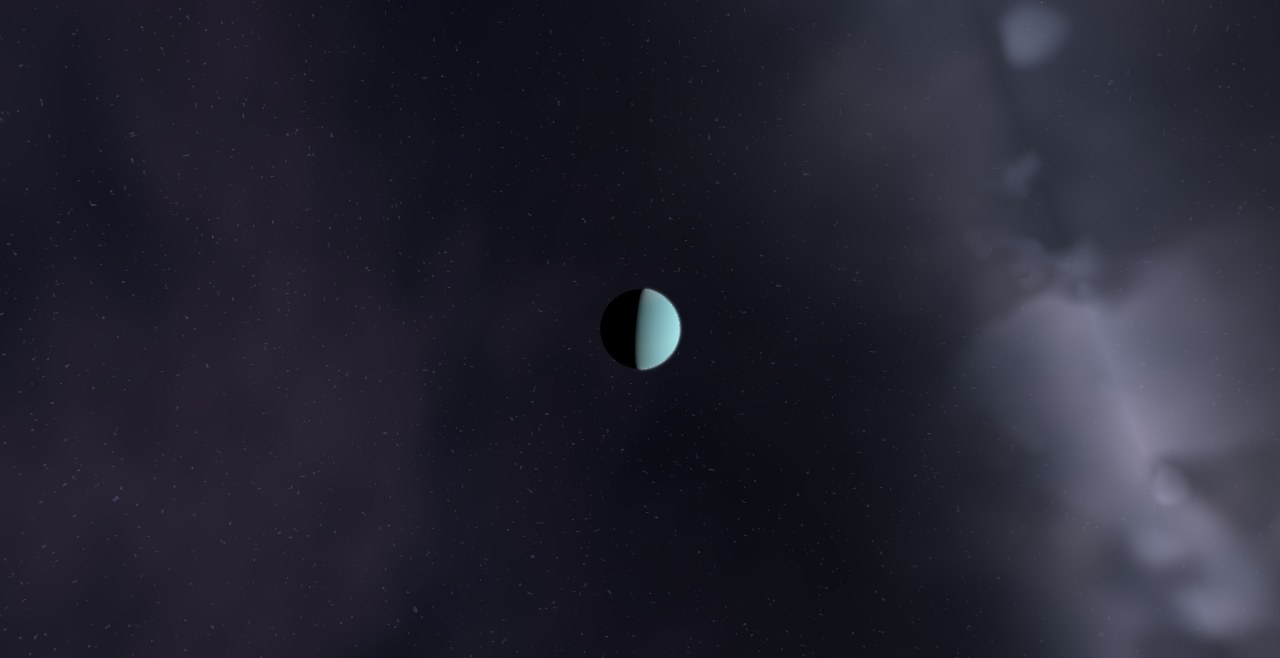
HIP 35173, an orange K-type dwarf of 0.79 solar masses, and HIP 35173 b, a 12.7-Earth-mass planet, with an orbital period of 41.5 days, at 0.217 AU from its star, on an eccentric orbit (e ≈ 0.16).
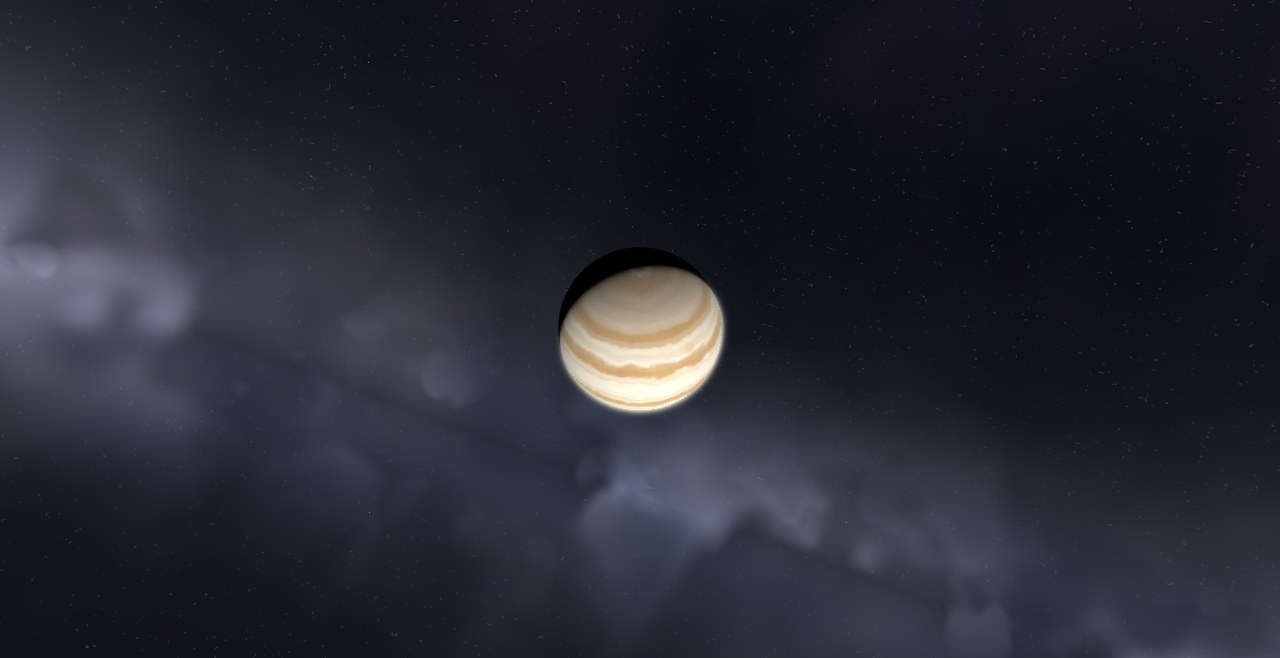
HIP 35965, an orange K-type dwarf of 0.78 solar masses, and HIP 35965 b, a 8.15-Jupiter-mass companion, with an orbital period of 71.5 years, at 15.9 AU from its star, on an eccentric orbit (e ≈ 0.14).
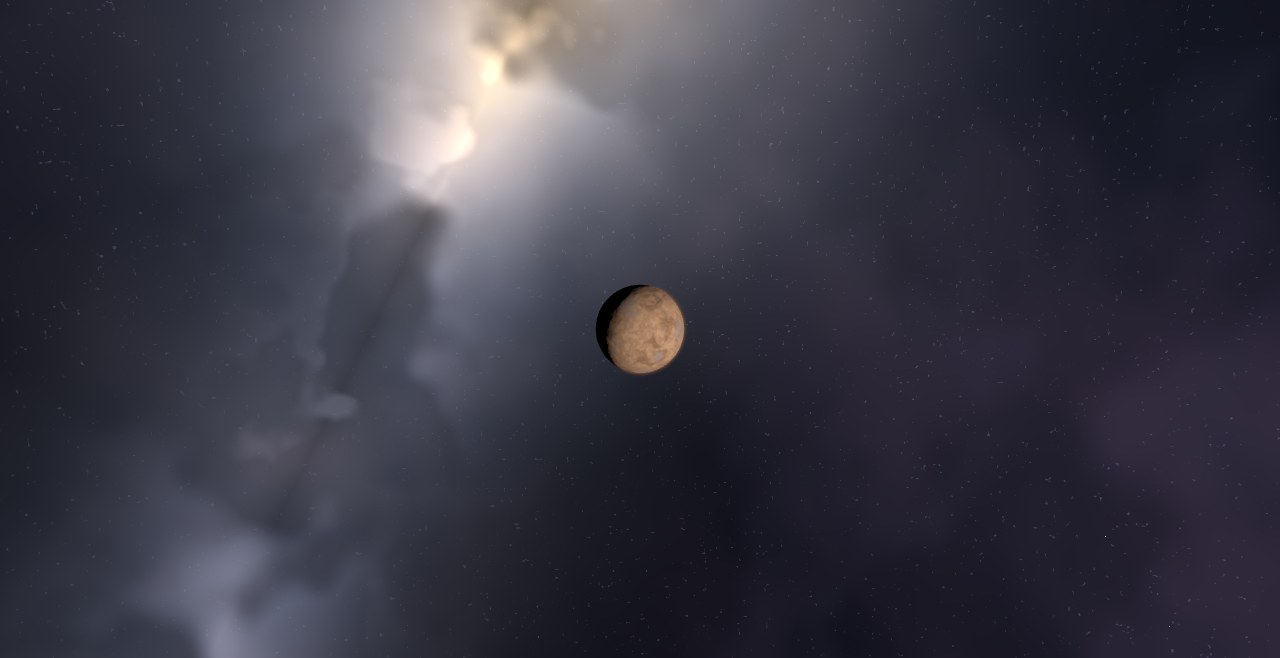
HIP 38594, a cool M-dwarf of 0.61 solar masses, and HIP 38594 b, a 8.1-Earth-mass planet, with an orbital period of 60.7 days, at 0.256 AU from its star, on an eccentric orbit (e ≈ 0.17).
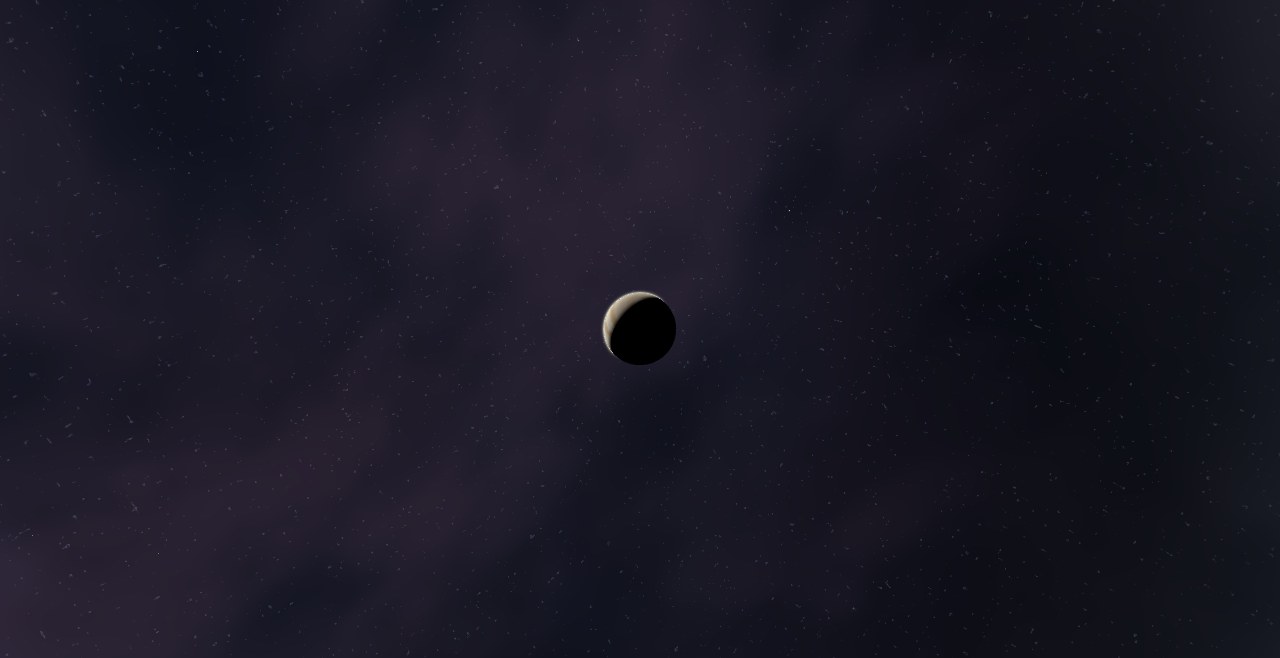
HIP 39017, and HIP 39017 b, a 23.6-Jupiter-mass companion, with an orbital period of 84.9 years, at 22.1 AU from its star, on an eccentric orbit (e ≈ 0.55).
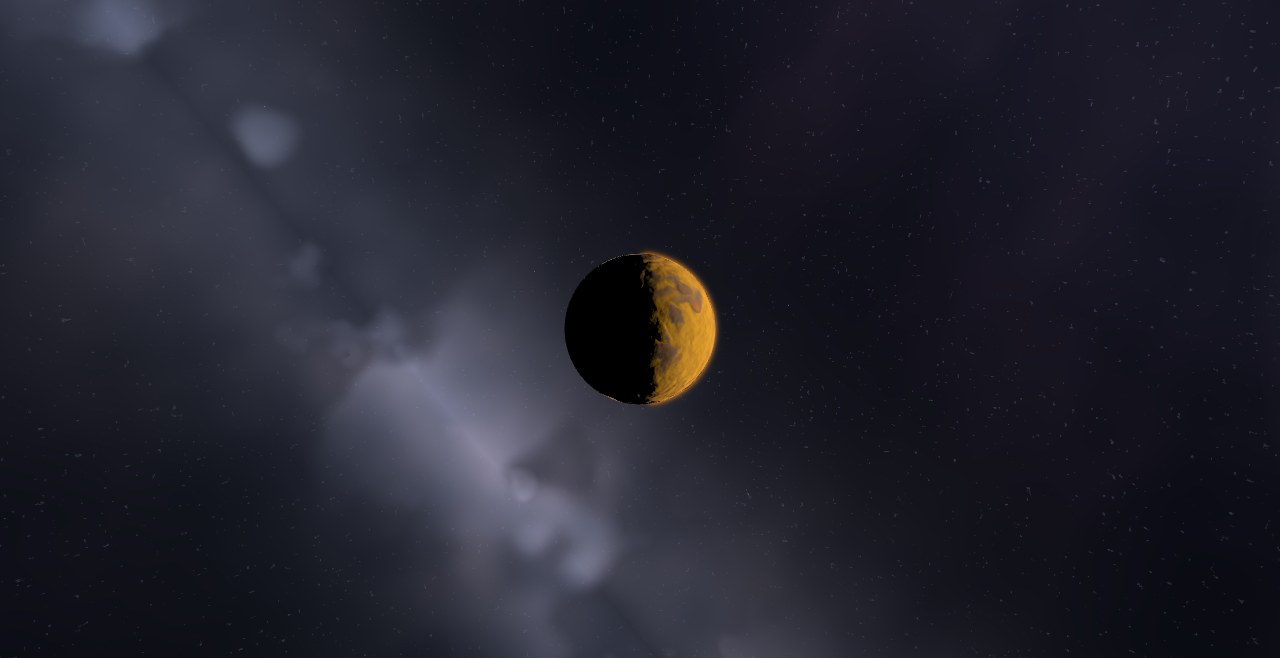
HIP 41378 b and c, a rare pair of long-period transiting planets. Most transiting worlds orbit in days; these take weeks to more than a year. Alignments this long are rare, so few such planets transit.
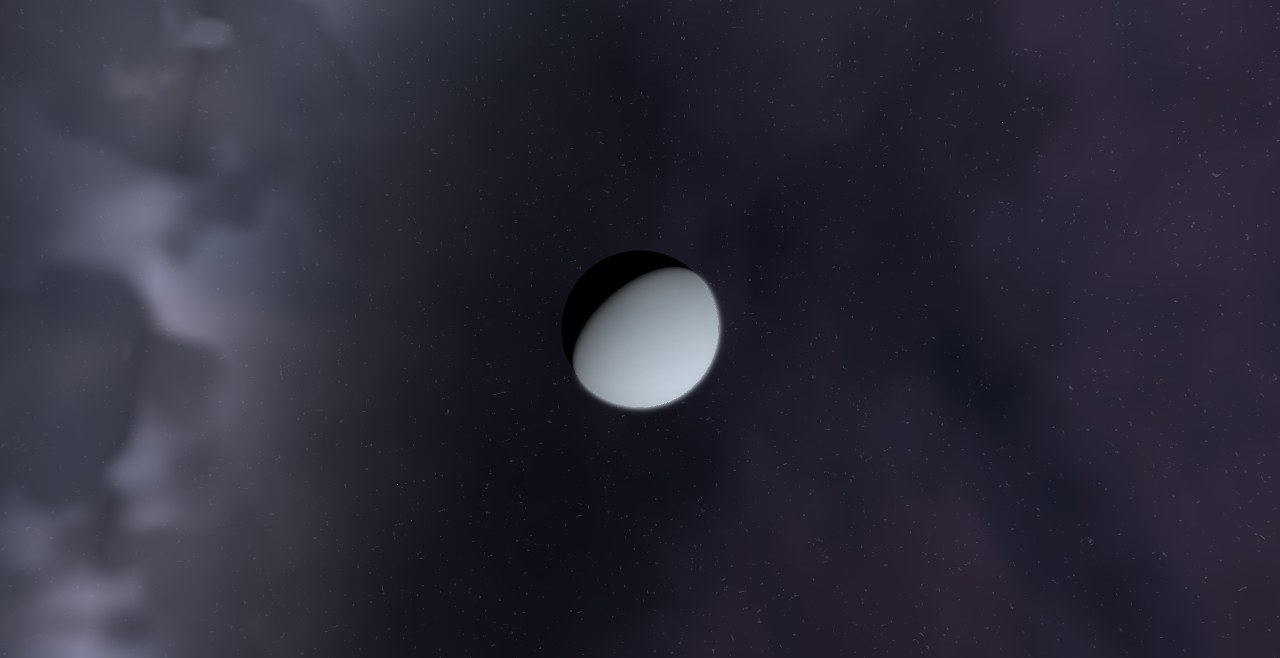
HIP 4845, an orange K-type dwarf of 0.62 solar masses, and HIP 4845 b, a 14.4-Earth-mass planet, with an orbital period of 34.1 days, at 0.176 AU from its star, on an eccentric orbit (e ≈ 0.25).
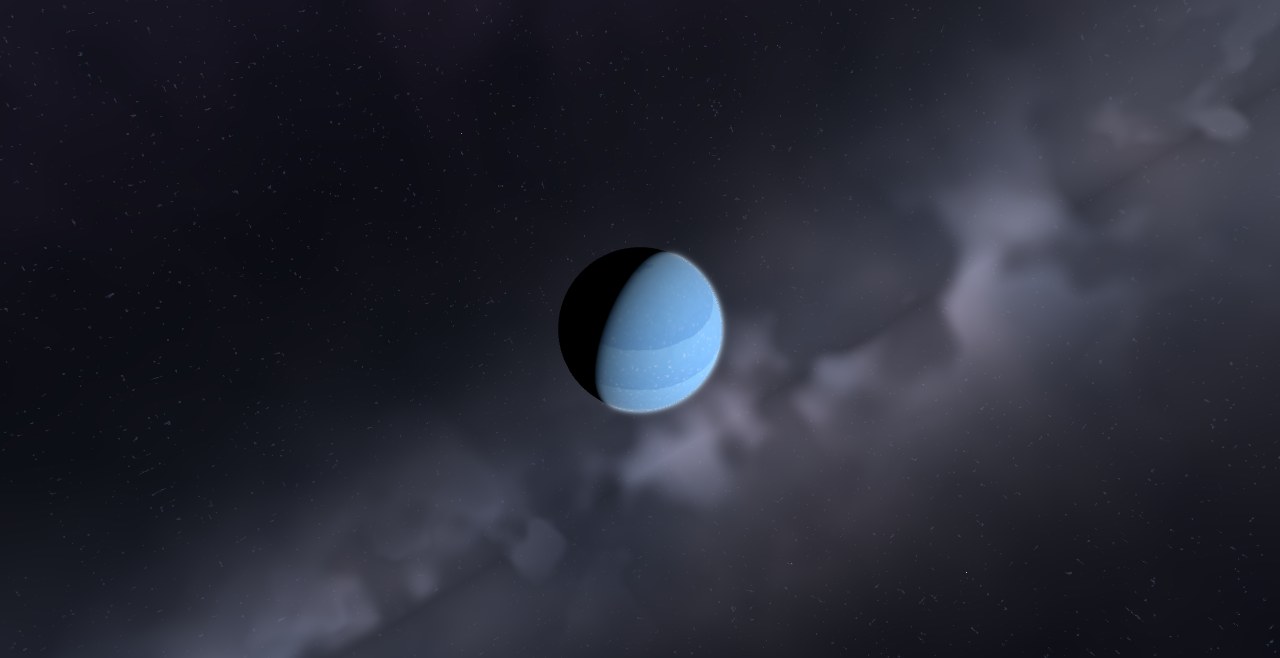
HIP 48714, a cool M-dwarf of 0.58 solar masses, and HIP 48714 b, a 0.07-Jupiter-mass companion, with an orbital period of 17.8 days, at 0.112 AU from its star, on an eccentric orbit (e ≈ 0.50).
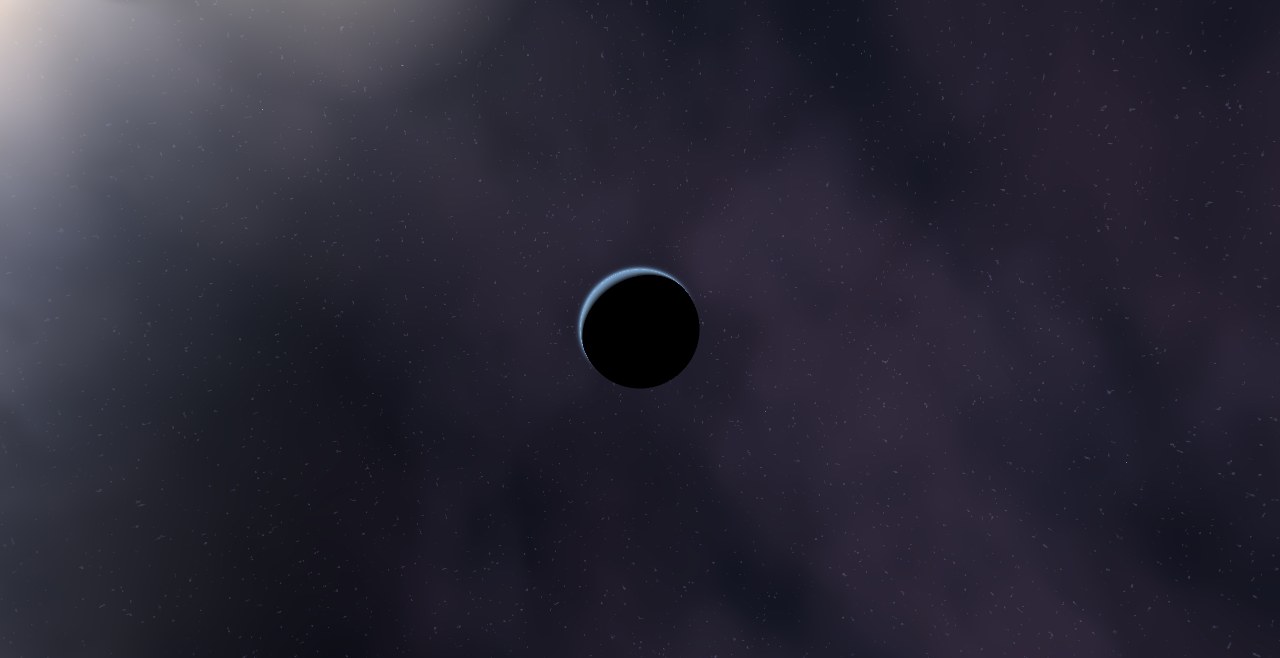
HIP 5158, an orange K-type dwarf of 0.78 solar masses, and HIP 5158 b, a 1.42-Jupiter-mass companion, with an orbital period of 346 days, at 0.890 AU from its star, on an eccentric orbit (e ≈ 0.52).
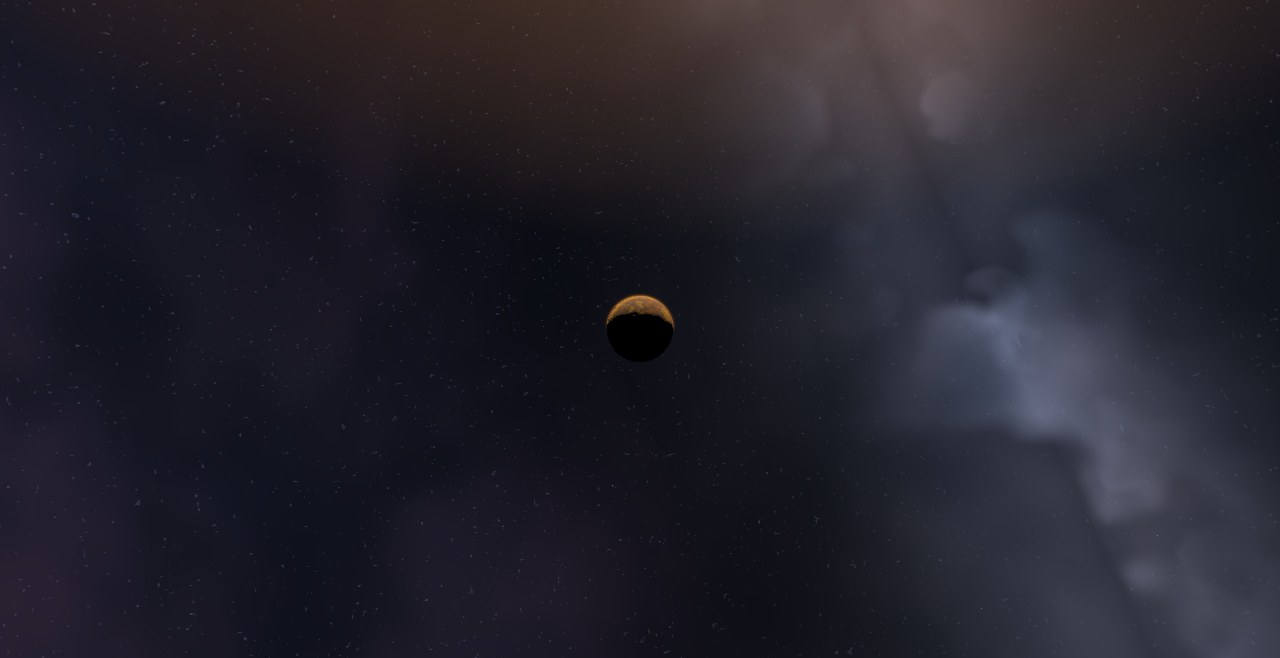
HIP 54373, an orange K-type dwarf of 0.57 solar masses, and HIP 54373 b, a 8.6-Earth-mass planet, with an orbital period of 7.8 days, at 0.063 AU from its star, on an eccentric orbit (e ≈ 0.20).
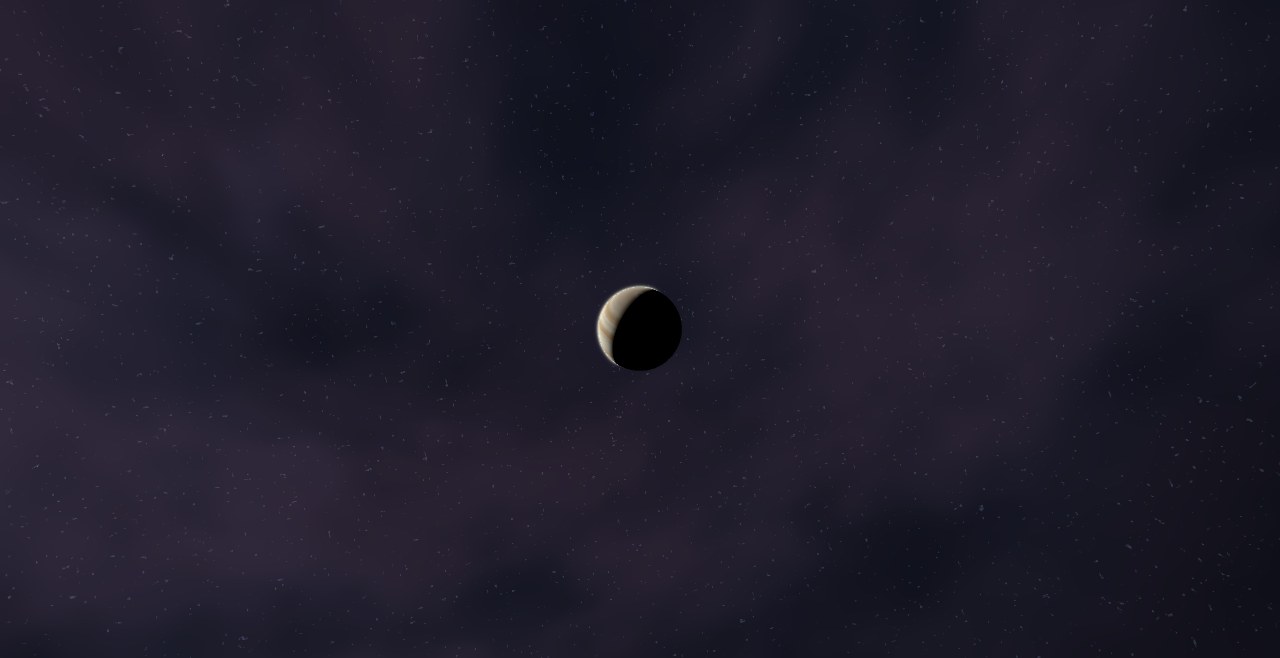
HIP 54515, and HIP 54515 b, a 17.7-Jupiter-mass companion, with an orbital period of 90.3 years, at 24.8 AU from its star, on an eccentric orbit (e ≈ 0.42).
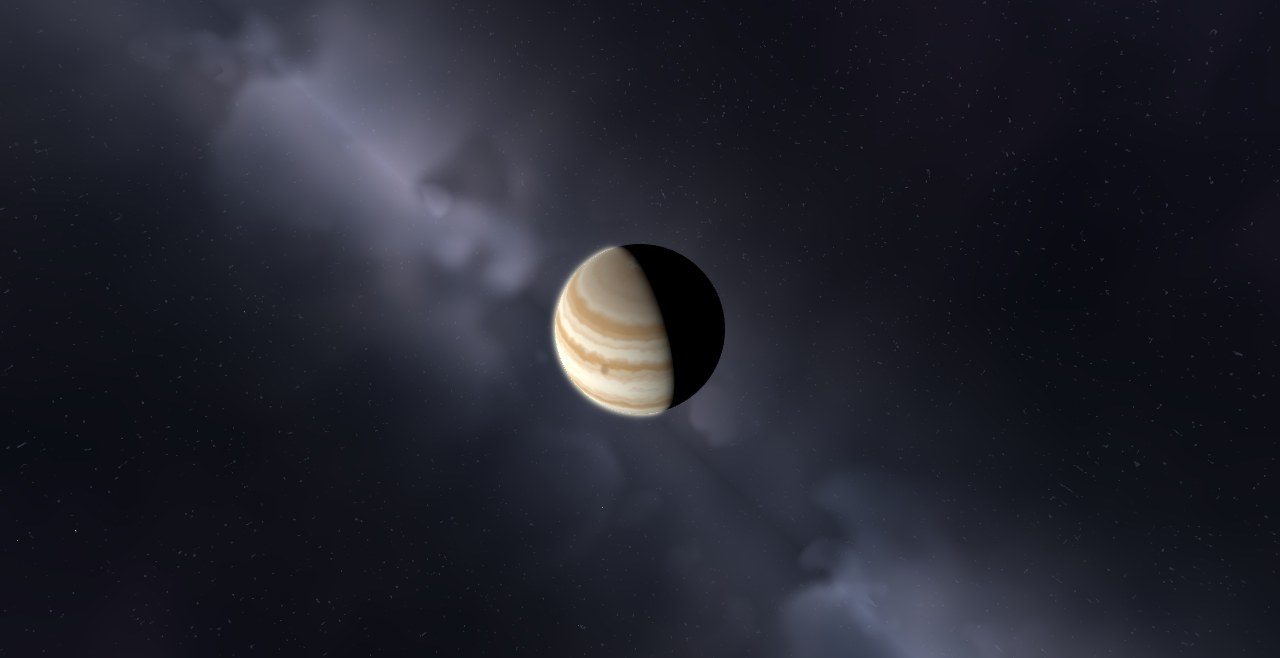
HIP 54597, an orange K-type dwarf of 0.80 solar masses, and HIP 54597 b, a 2.40-Jupiter-mass companion, with an orbital period of 8.96 years, at 4.000 AU from its star.
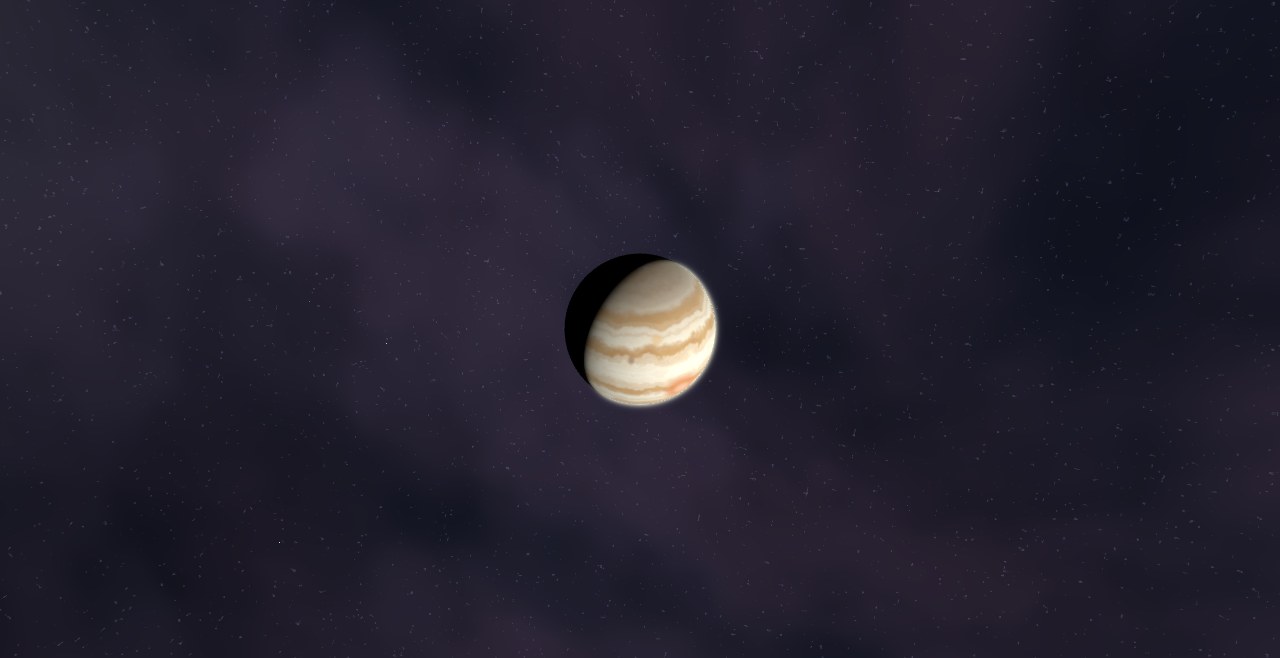
HIP 55507, an orange K-type dwarf of 0.65 solar masses, and HIP 55507 b, a 8.13-Jupiter-mass companion, with an orbital period of 14.1 years, at 5.062 AU from its star, on an eccentric orbit (e ≈ 0.36).
HIP 56640, an orange K-type dwarf of 1.75 solar masses, and HIP 56640 b, a 6.77-Jupiter-mass companion, with an orbital period of 7.33 years, at 4.550 AU from its star, on an eccentric orbit (e ≈ 0.12).