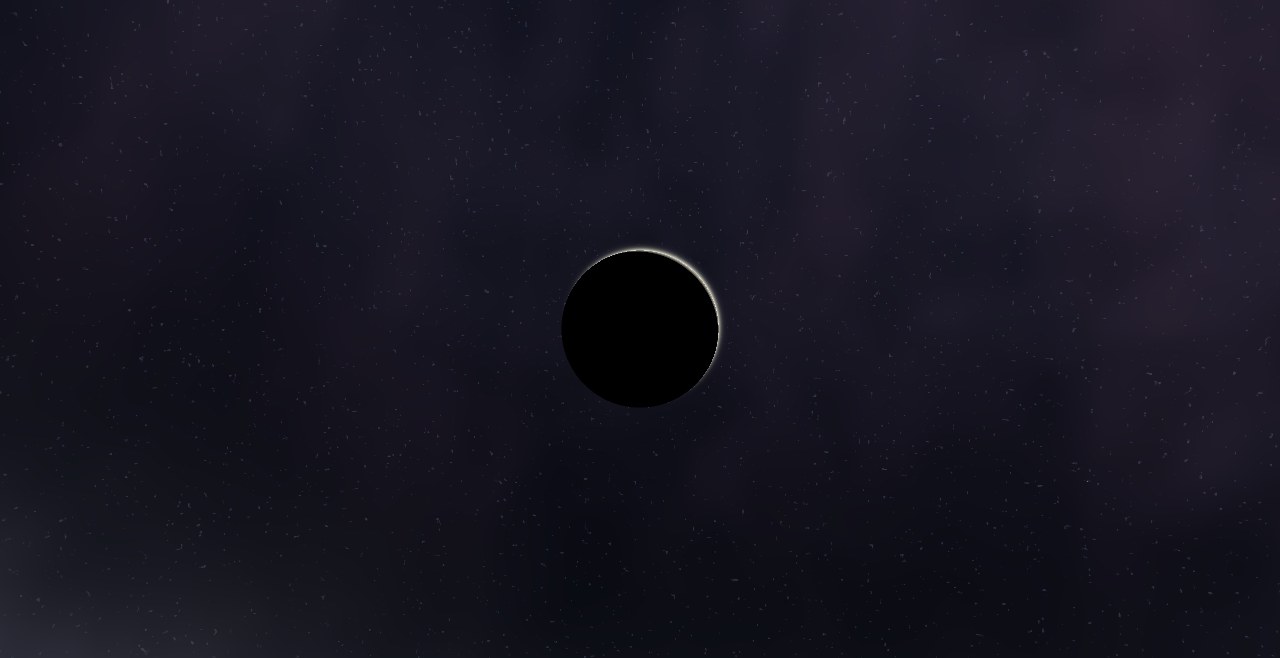
HIP 79098 AB - System
HIP 79098 AB, and HIP 79098 AB b, a 20.5-Jupiter-mass companion, at 345 AU from its star, and an equilibrium temperature near 2,450 K.
3D Space and Gravity Simulator. Simulate the solar system, exoplanets and even colliding galaxies. Add, delete and modify planets, and change the laws of physics.
Share
HIP 79098 AB, and HIP 79098 AB b, a 20.5-Jupiter-mass companion, at 345 AU from its star, and an equilibrium temperature near 2,450 K.
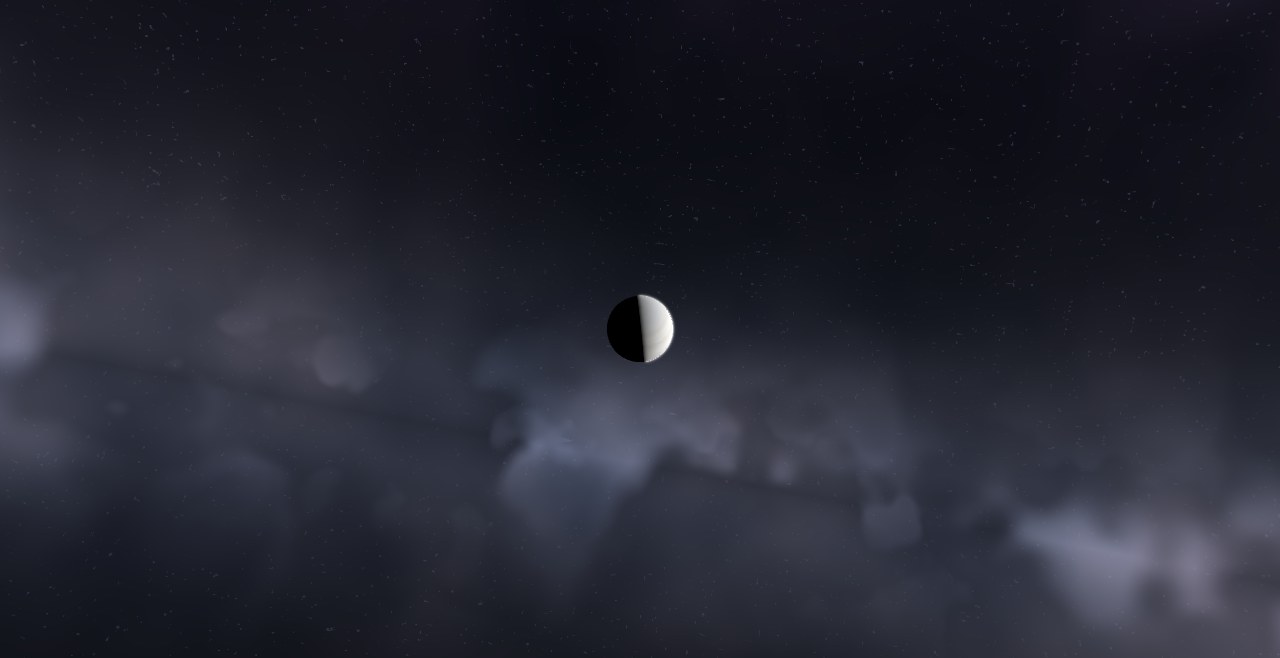
HIP 79431, a cool M-dwarf of 0.49 solar masses, and HIP 79431 b, a 2.10-Jupiter-mass companion, with an orbital period of 112 days, at 0.360 AU from its star, on an eccentric orbit (e ≈ 0.29).
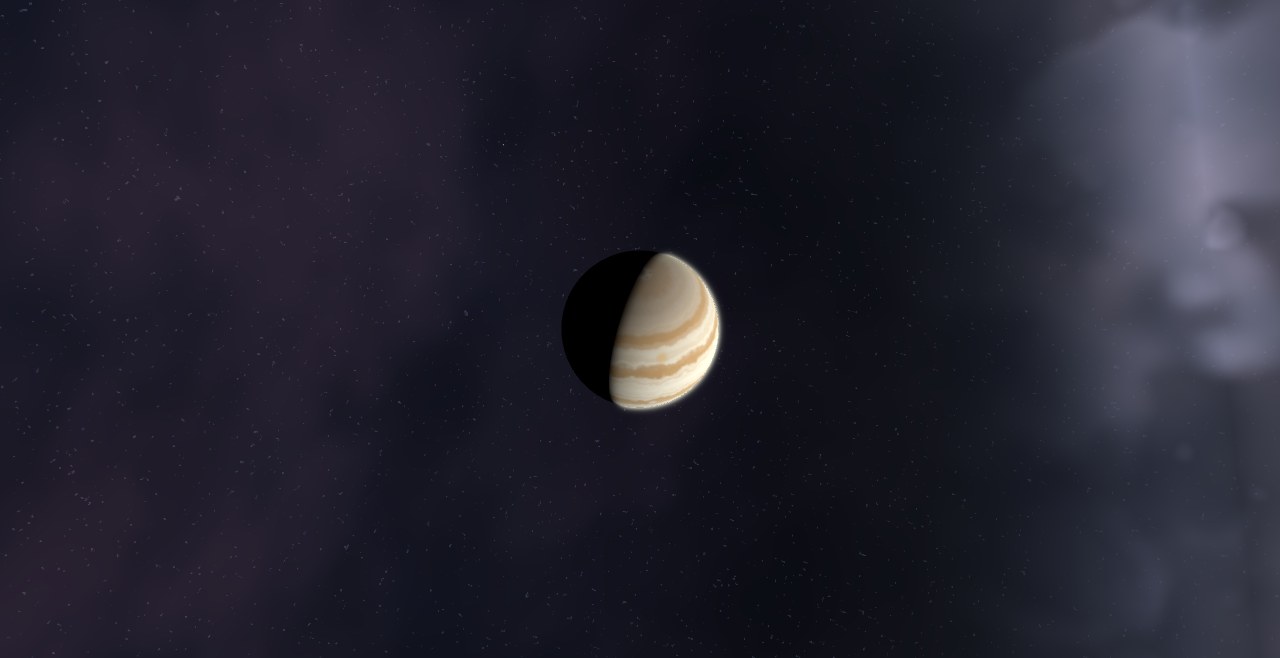
HIP 81208 C, a cool M-dwarf of 0.14 solar masses, and HIP 81208 C b, a 14.8-Jupiter-mass companion, with an orbital period of 285 years, at 23.0 AU from its star, and an equilibrium temperature near 2,050 K.
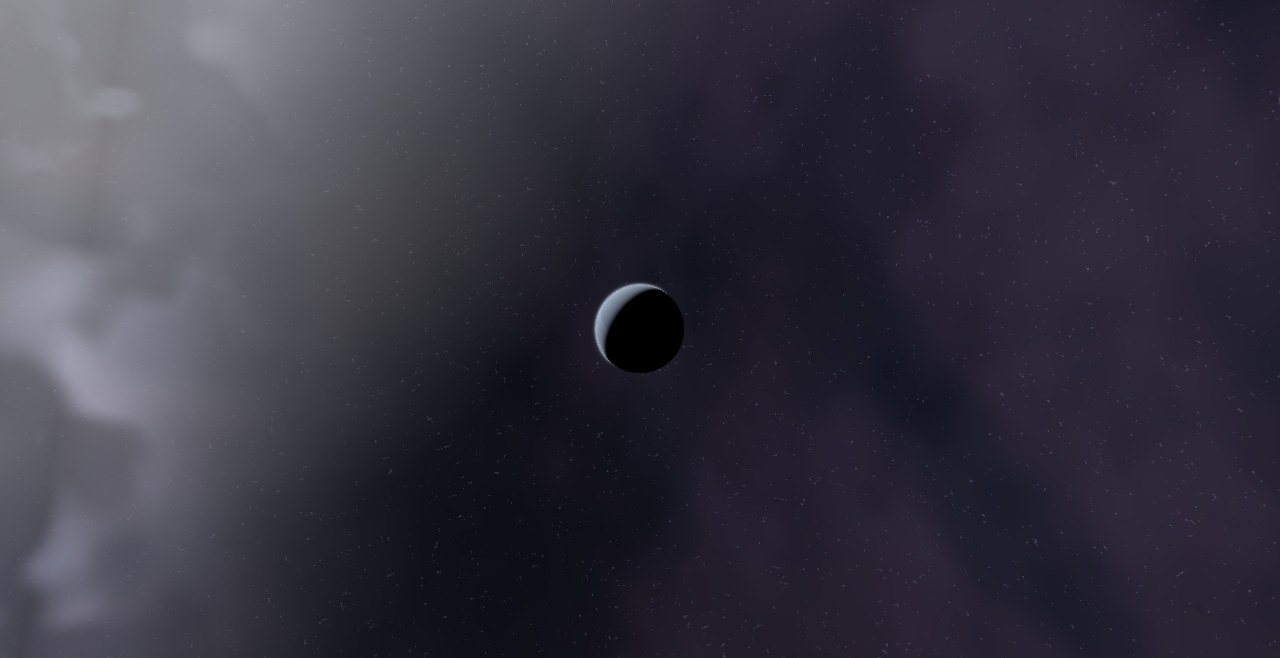
HIP 8152, a Sun-like G-type star of 0.94 solar masses, and HIP 8152 b, a 8.9-Earth-mass planet, with an orbital period of 10.8 days, at 0.093 AU from its star, and an equilibrium temperature near 795 K.
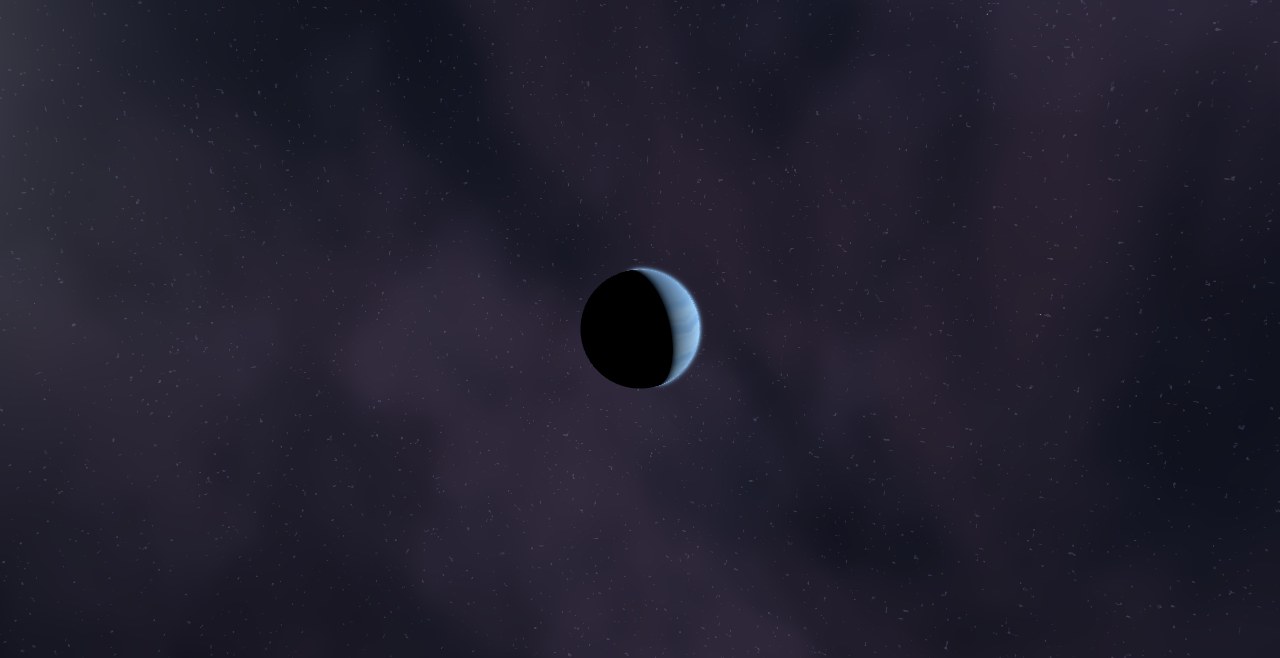
HIP 8541, an orange K-type dwarf of 2.01 solar masses, and HD 11343 c, a 0.80-Jupiter-mass companion, with an orbital period of 229 days, at 0.923 AU from its star, on an eccentric orbit (e ≈ 0.17).
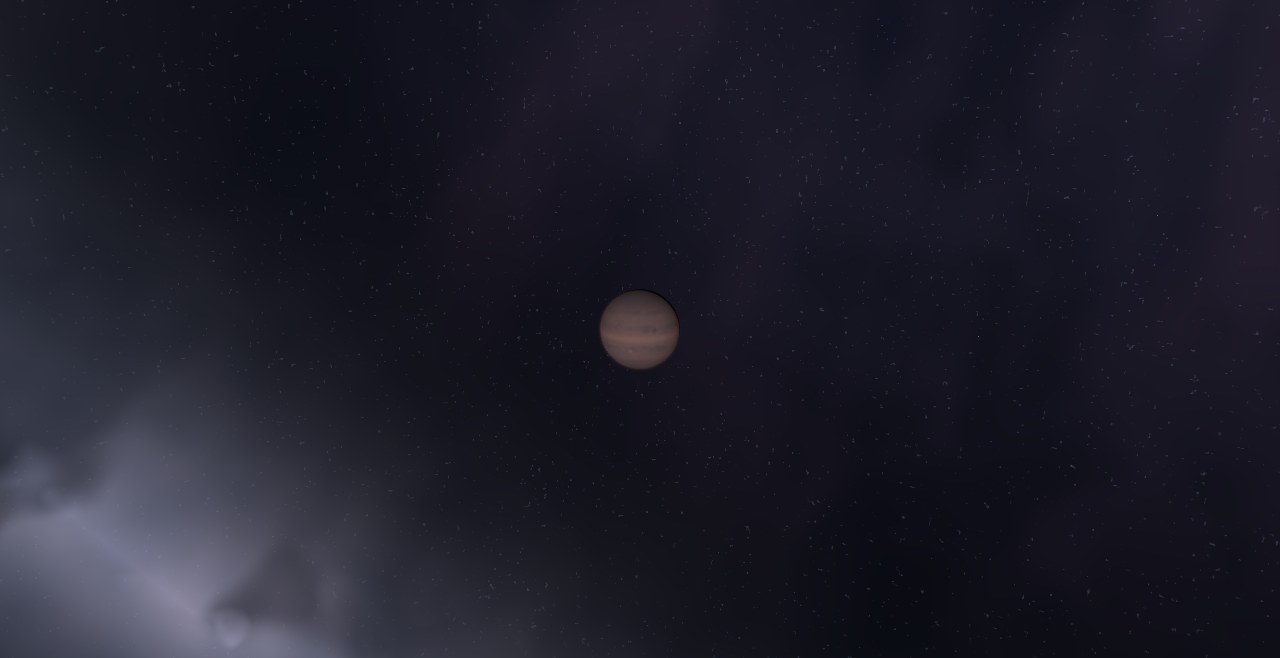
HIP 86221, an orange K-type dwarf of 0.79 solar masses, and HIP 86221 b, a 0.71-Jupiter-mass companion, with an orbital period of 2.2 days, at 0.031 AU from its star, on an eccentric orbit (e ≈ 0.09).
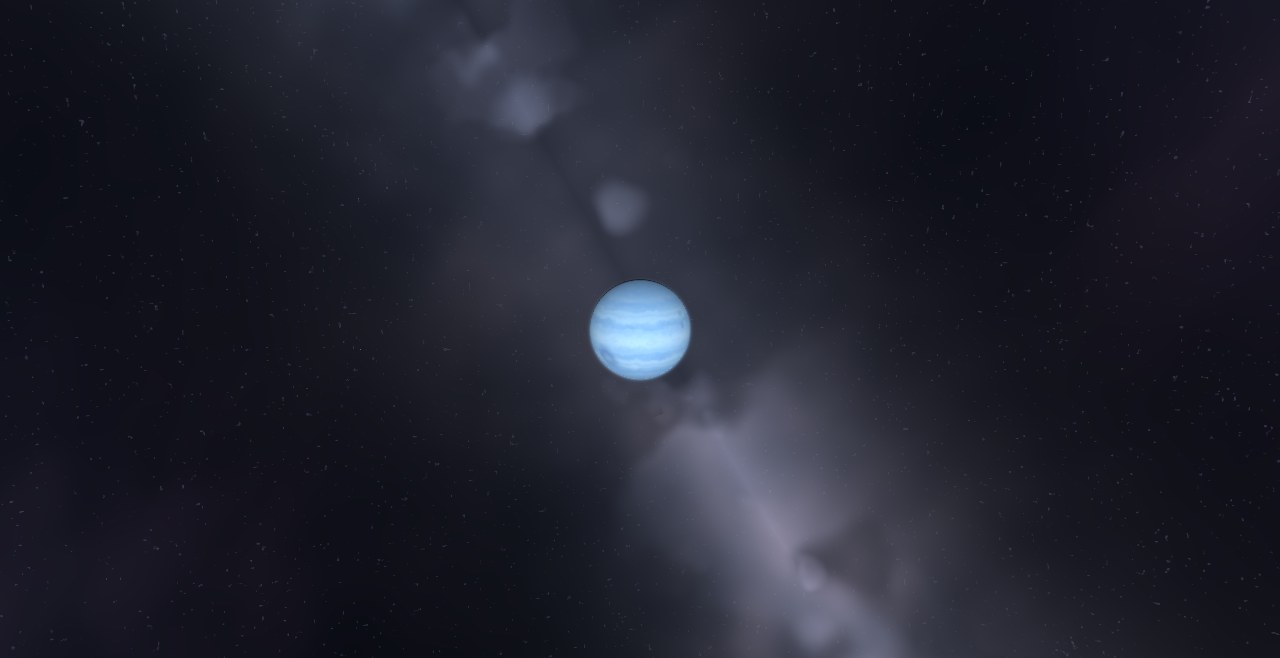
HIP 90988, an orange K-type dwarf of 1.61 solar masses, and HIP 90988 b, a 2.10-Jupiter-mass companion, with an orbital period of 1.25 years, at 1.360 AU from its star, on an eccentric orbit (e ≈ 0.08).
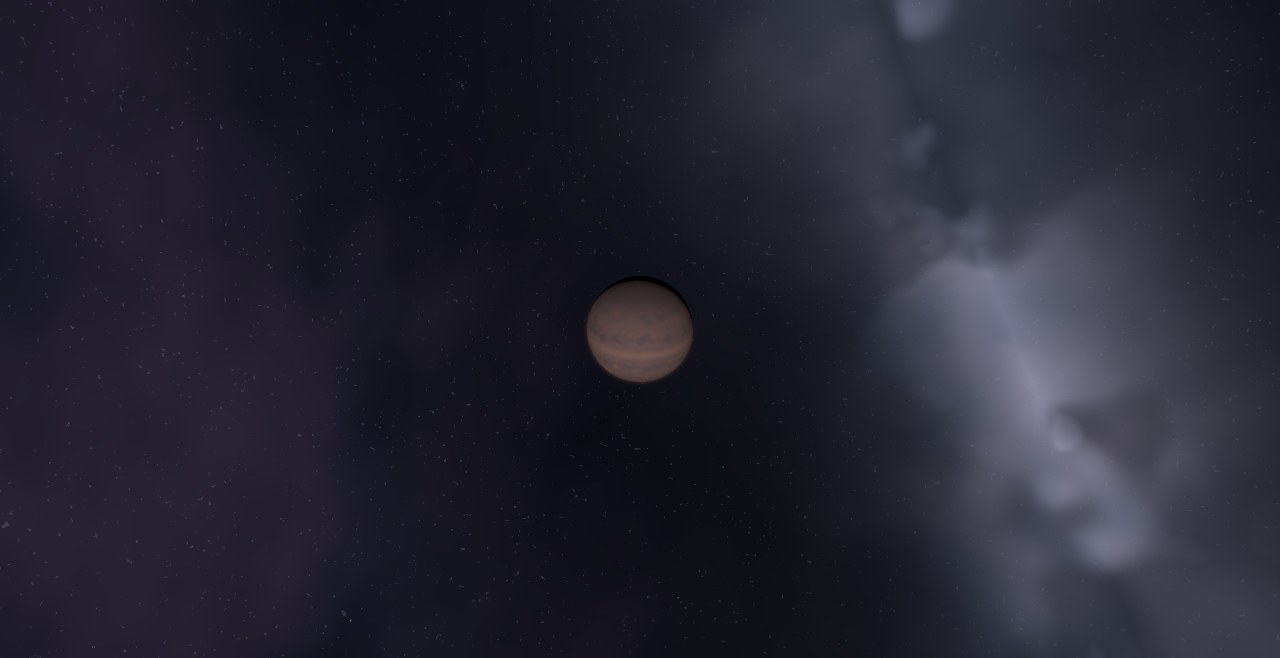
HIP 91258, a Sun-like G-type star of 0.97 solar masses, and HIP 91258 b, a 1.09-Jupiter-mass companion, with an orbital period of 5.1 days, at 0.060 AU from its star.
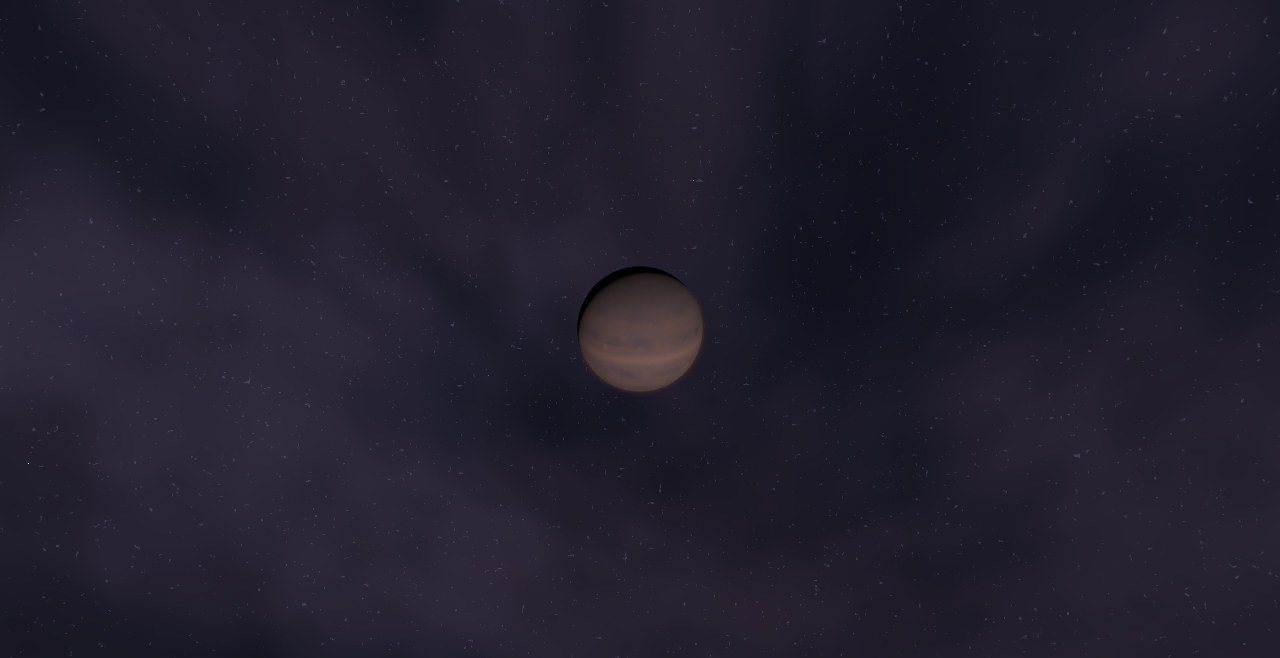
HIP 94235, a Sun-like G-type star of 1.09 solar masses, and HIP 94235 b, a 1.19-Jupiter-mass companion, with an orbital period of 7.7 days, at 0.079 AU from its star, and an equilibrium temperature near 1,060.
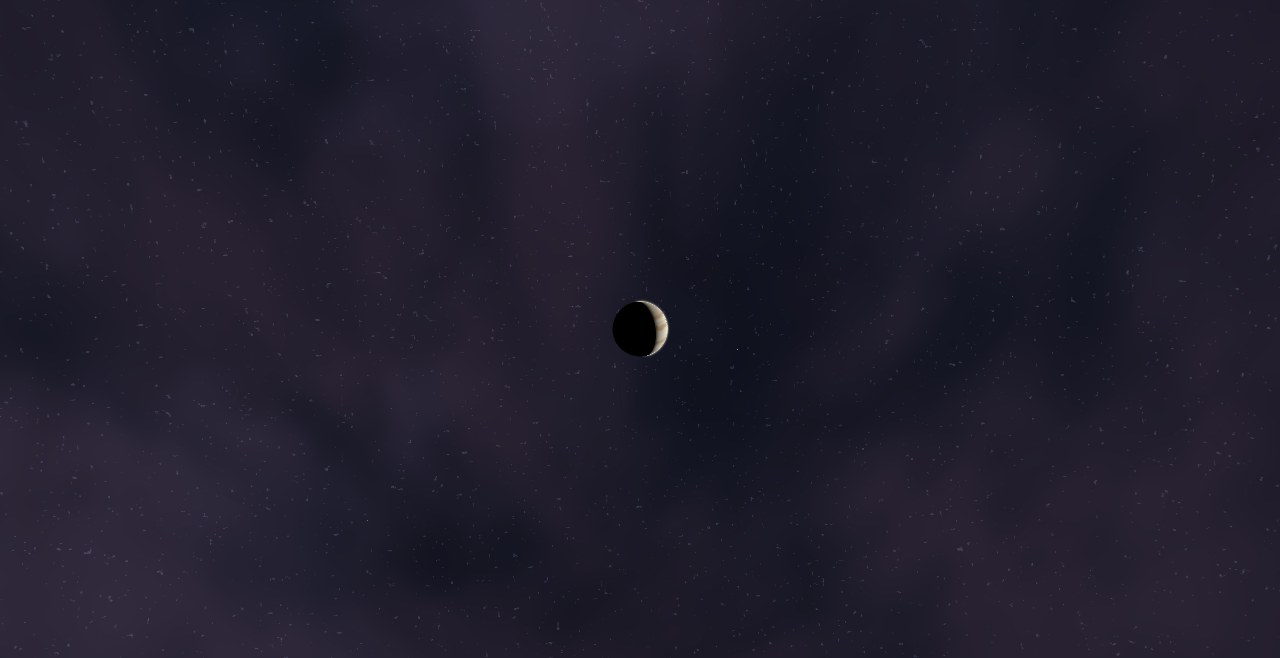
HIP 948, an orange K-type dwarf of 0.71 solar masses, and HIP 948 b, a 20.6-Jupiter-mass companion, with an orbital period of 68.3 years, at 15.0 AU from its star, on an eccentric orbit (e ≈ 0.23).
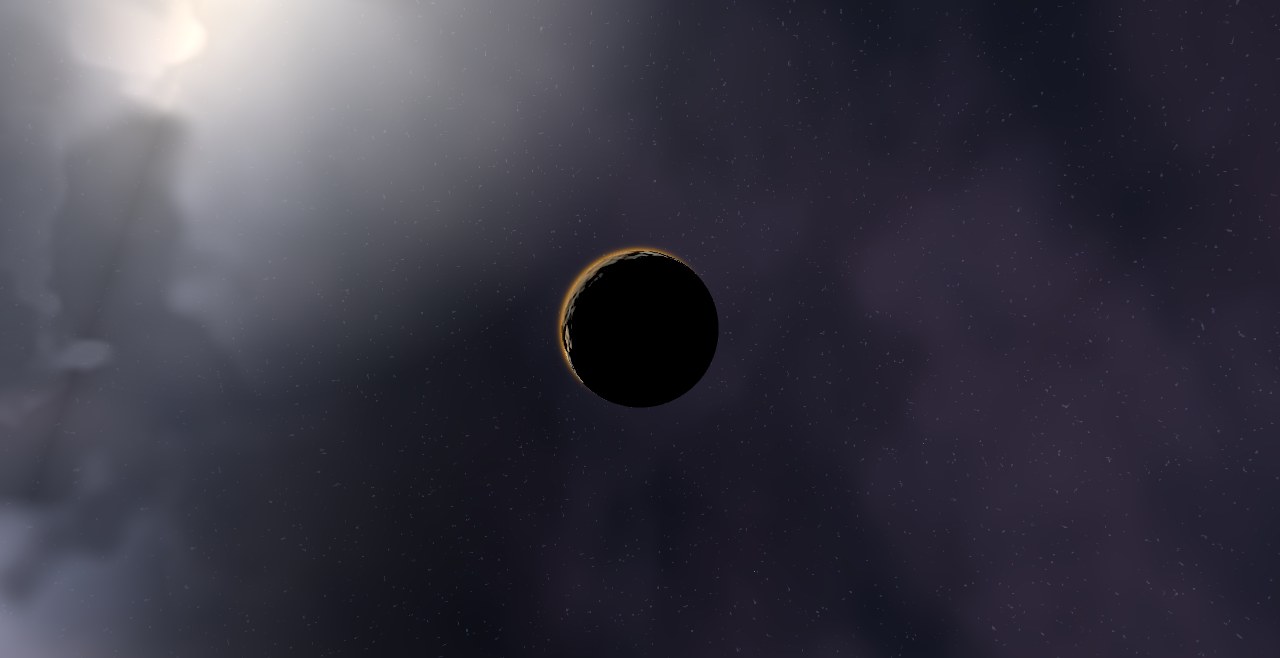
HIP 9618, a Sun-like G-type star of 0.94 solar masses, and HIP 9618 b, a 8.3-Earth-mass planet, with an orbital period of 20.8 days, at 0.145 AU from its star, and an equilibrium temperature near 641 K.
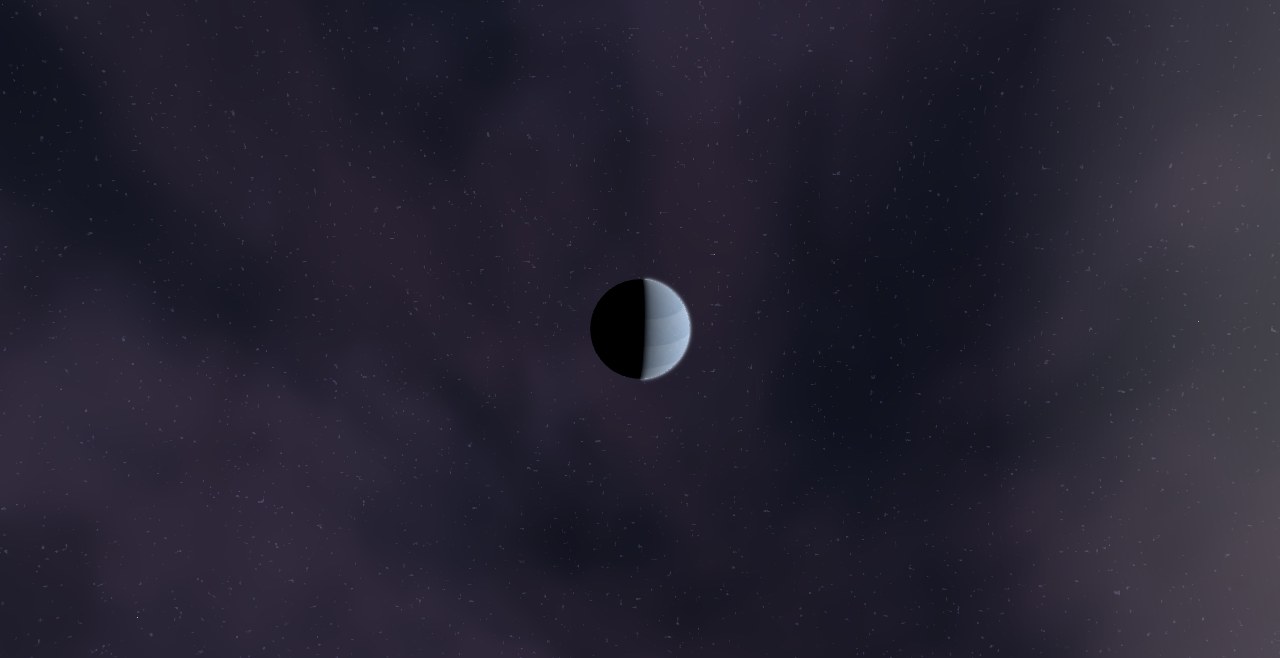
HIP 97166, a Sun-like G-type star of 0.93 solar masses, and HIP 97166 b, a 0.06-Jupiter-mass companion, with an orbital period of 10.3 days, at 0.091 AU from its star, and an equilibrium temperature near 702.
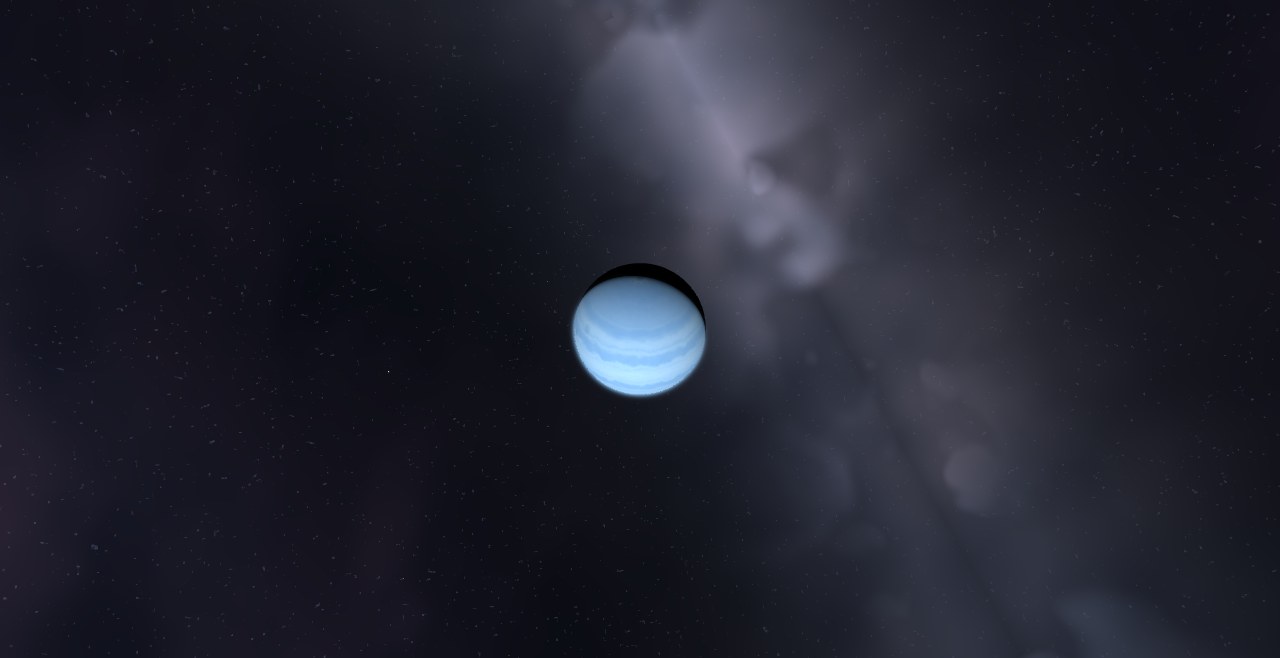
HIP 97233, an orange K-type dwarf of 1.81 solar masses, and HIP 97233 b, a 19.2-Jupiter-mass companion, with an orbital period of 2.91 years, at 2.491 AU from its star, on an eccentric orbit (e ≈ 0.63).
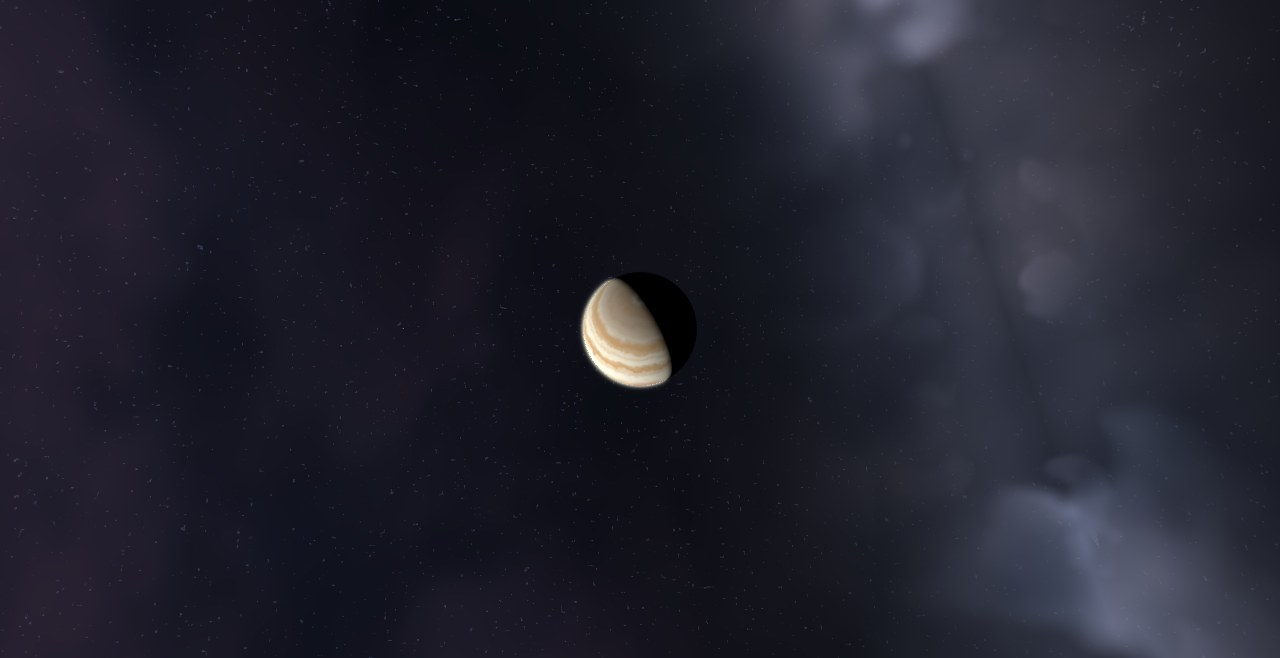
HIP 99770, and HIP 99770 b, a 17.0-Jupiter-mass companion, at 15.8 AU from its star, on an eccentric orbit (e ≈ 0.31).
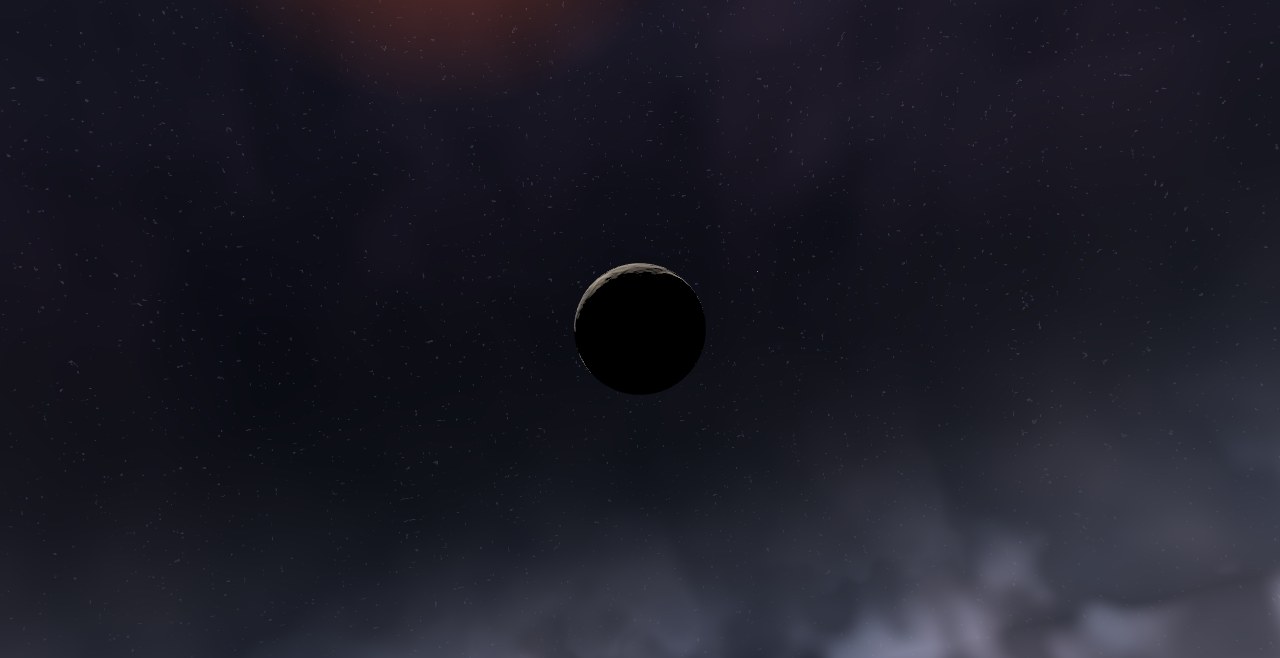
HN Lib, a cool M-dwarf of 0.29 solar masses, and HN Lib b, a 5.5-Earth-mass planet, with an orbital period of 36.1 days, at 0.142 AU from its star, and an equilibrium temperature near 234 K, on an eccentric.
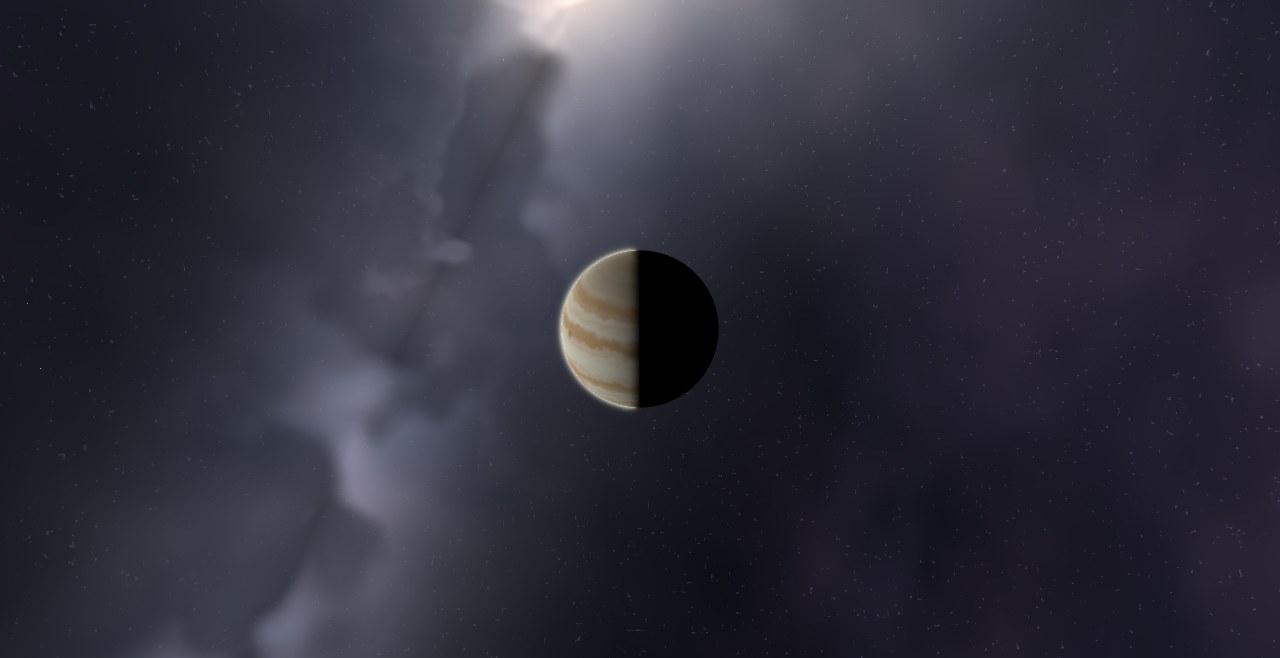
HN Peg, a Sun-like G-type star of 1.08 solar masses, and HN Peg b, a 22.0-Jupiter-mass companion, at 773 AU from its star.
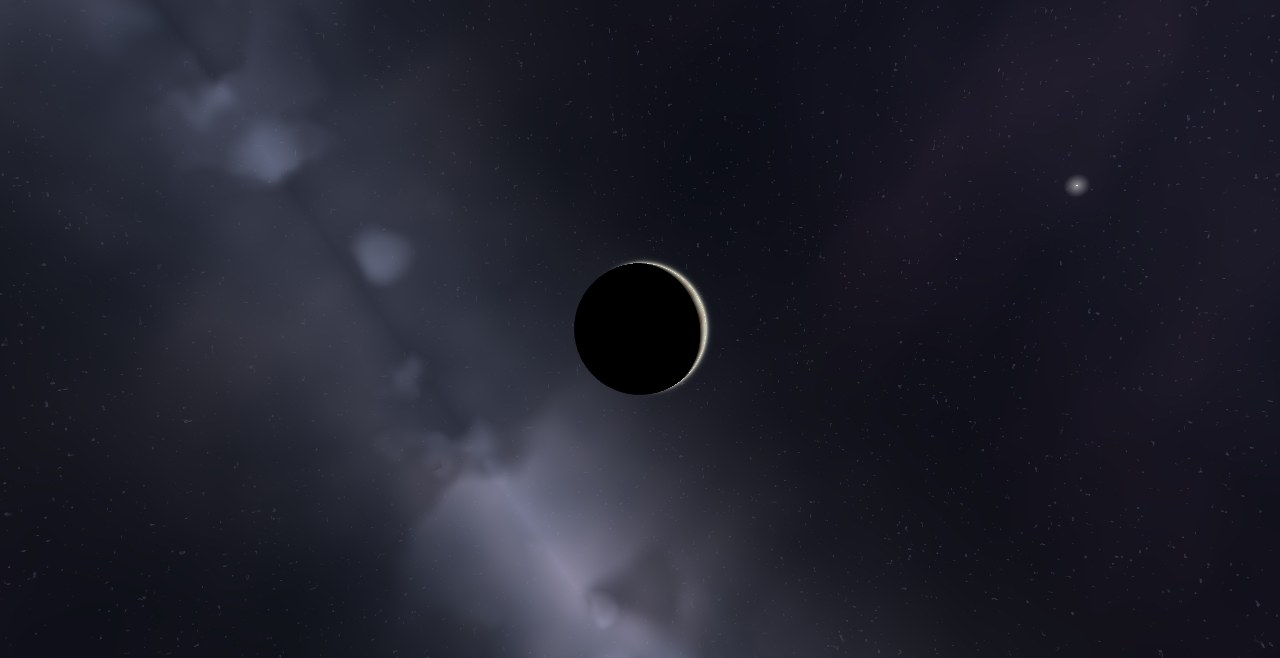
HR 2562 b, a massive companion imaged inside a debris disk. It sits near the planet-brown-dwarf boundary, carving a gap in the dust. The companion was found with the Gemini Planet Imager.
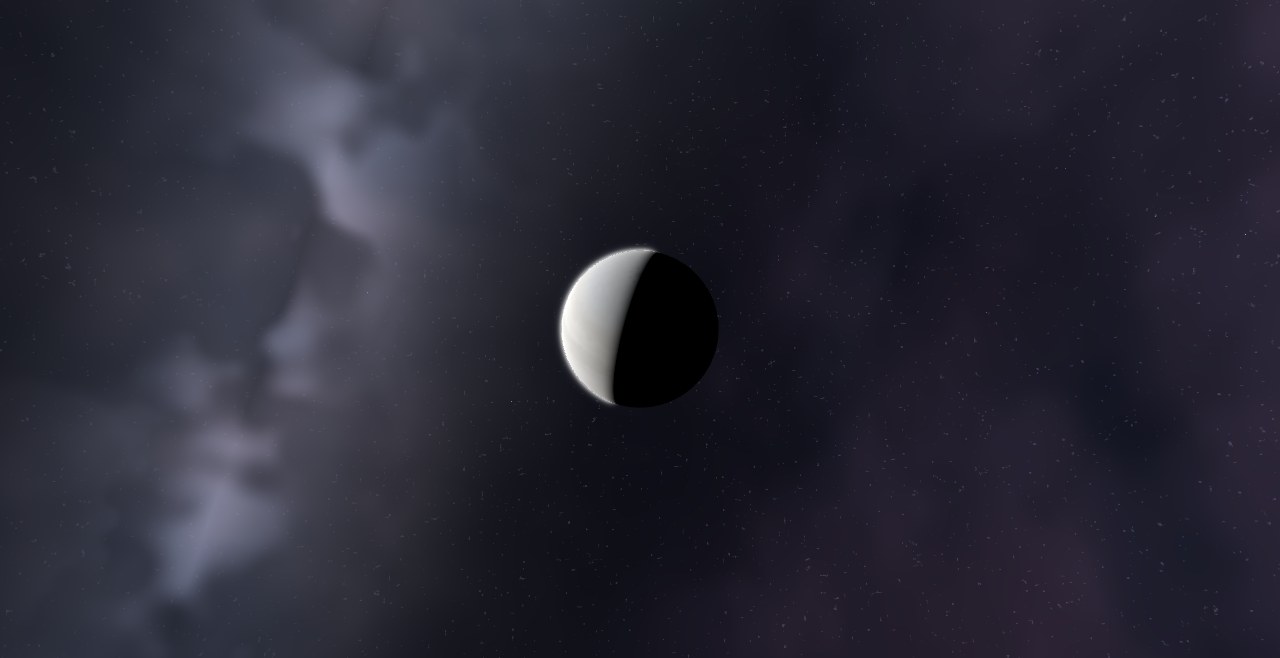
HR 5183, a Sun-like G-type star of 1.07 solar masses, and HR 5183 b, a 3.23-Jupiter-mass companion, with an orbital period of 73.9 years, at 18.0 AU from its star, and an equilibrium temperature near 171 K.