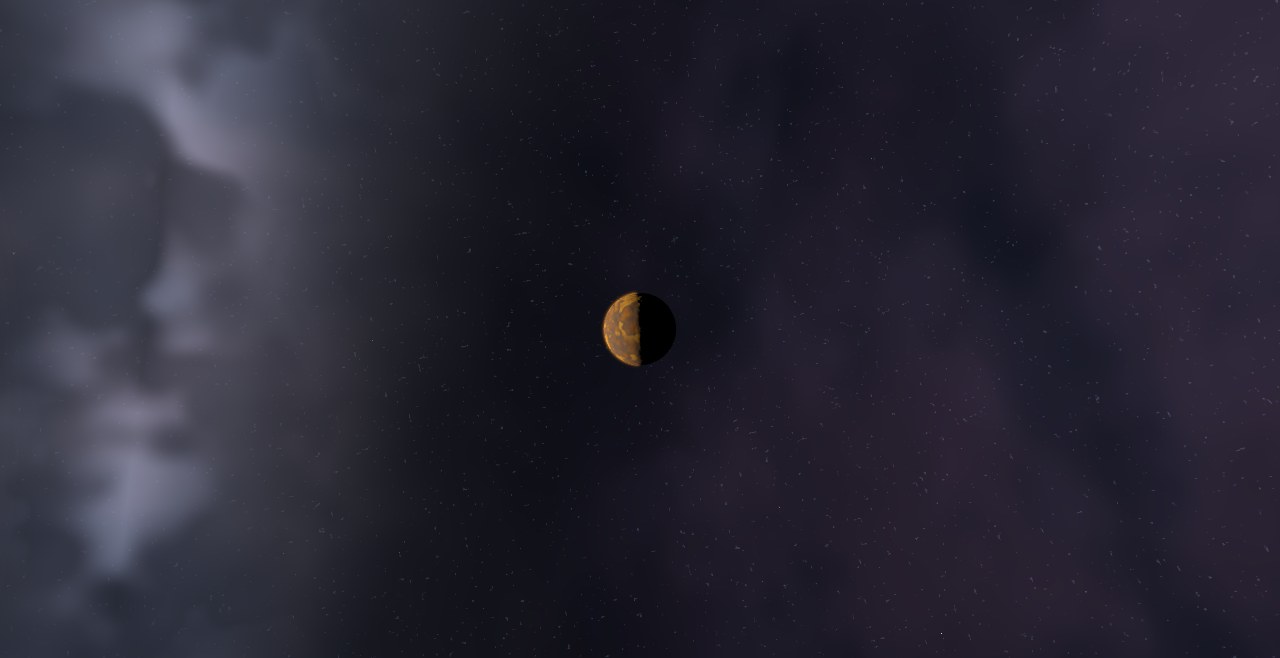
HD 97658 - System
HD 97658, an orange K-type dwarf of 0.85 solar masses, and HD 97658 b, a 8.3-Earth-mass planet, with an orbital period of 9.5 days, and an equilibrium temperature near 751 K.
3D Space and Gravity Simulator. Simulate the solar system, exoplanets and even colliding galaxies. Add, delete and modify planets, and change the laws of physics.
Share
HD 97658, an orange K-type dwarf of 0.85 solar masses, and HD 97658 b, a 8.3-Earth-mass planet, with an orbital period of 9.5 days, and an equilibrium temperature near 751 K.
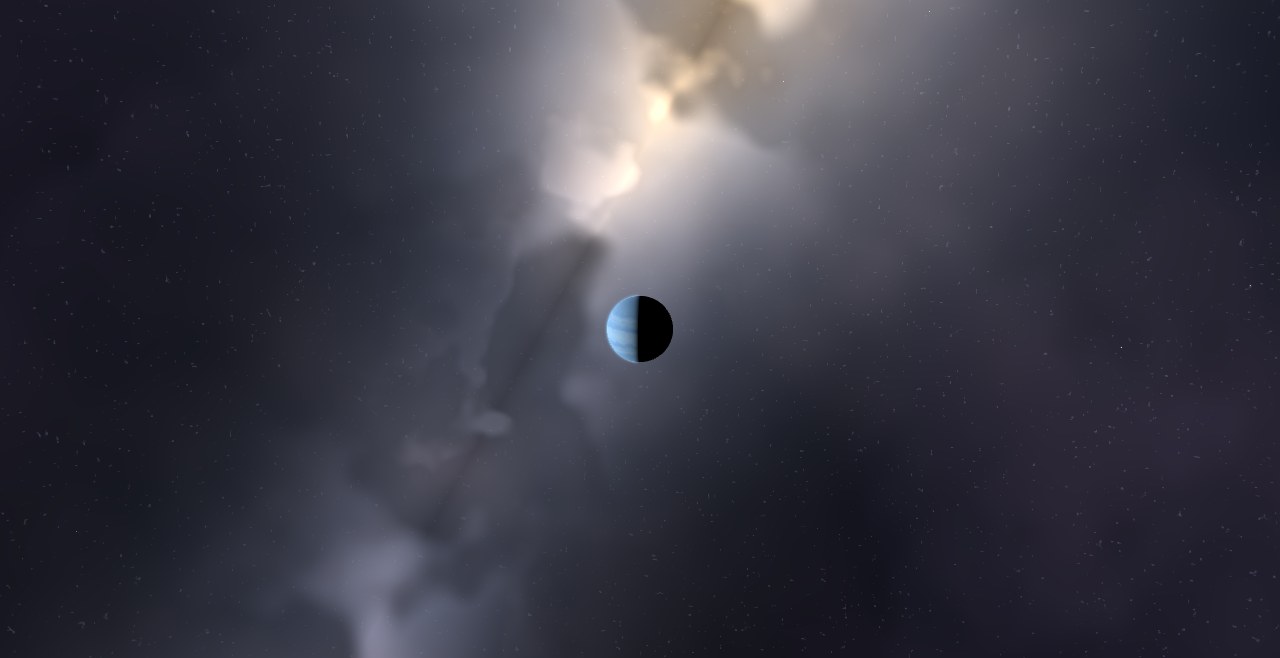
HD 98219, an orange K-type dwarf of 1.41 solar masses, and HD 98219 b, a 1.96-Jupiter-mass companion, with an orbital period of 1.19 years, at 1.260 AU from its star, on an eccentric orbit (e ≈ 0.08).
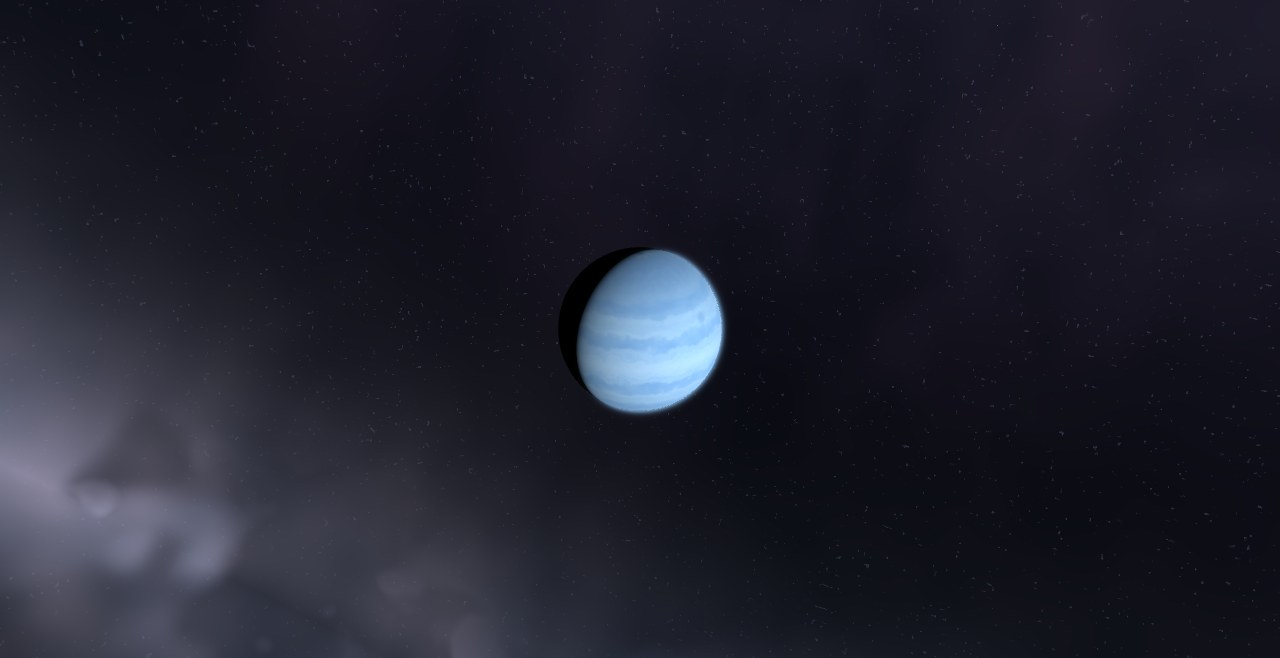
HD 98649, a Sun-like G-type star of 0.97 solar masses, and HD 98649 b, a 9.70-Jupiter-mass companion, with an orbital period of 14.7 years, at 5.970 AU from its star, on an eccentric orbit (e ≈ 0.85).
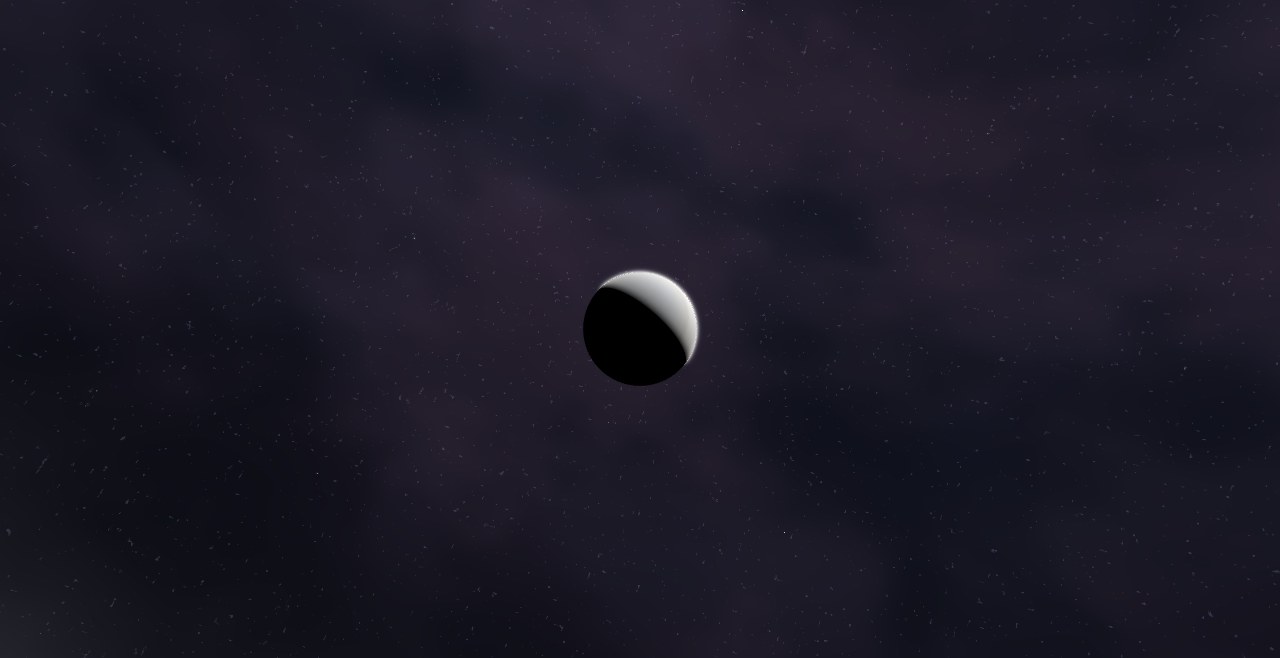
HD 98736, a Sun-like G-type star of 0.92 solar masses, and HD 98736 b, a 2.33-Jupiter-mass companion, with an orbital period of 2.65 years, at 1.864 AU from its star, on an eccentric orbit (e ≈ 0.23).
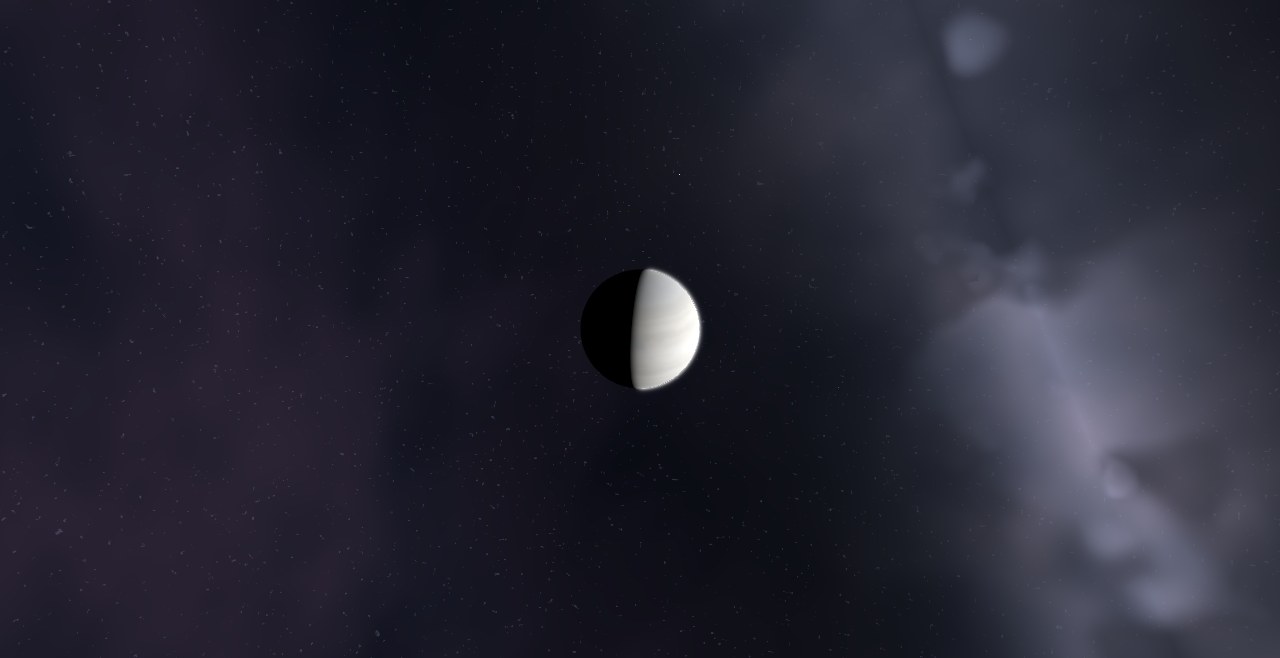
HD 99109, a Sun-like G-type star of 0.76 solar masses, and HD 99109 b, a 0.44-Jupiter-mass companion, with an orbital period of 1.20 years, at 1.110 AU from its star, on an eccentric orbit (e ≈ 0.09).
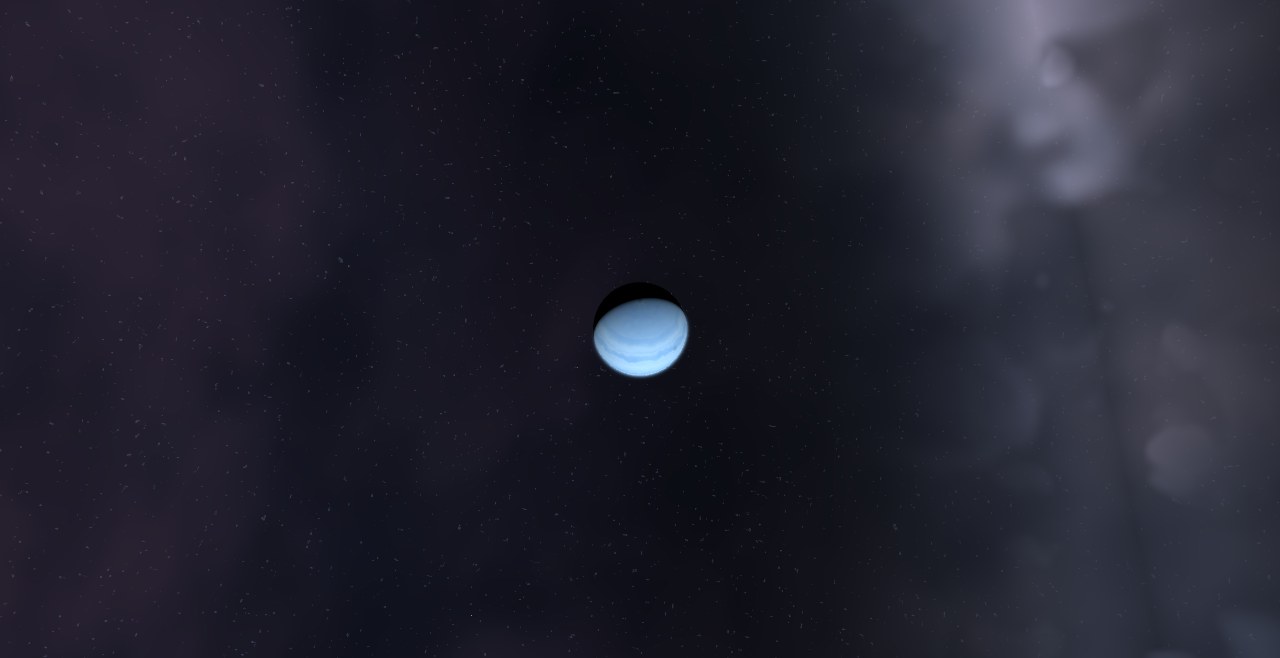
HD 99283, an orange K-type dwarf of 1.76 solar masses, and HD 99283 b, a 0.97-Jupiter-mass companion, with an orbital period of 310 days, at 1.080 AU from its star, on an eccentric orbit (e ≈ 0.20).
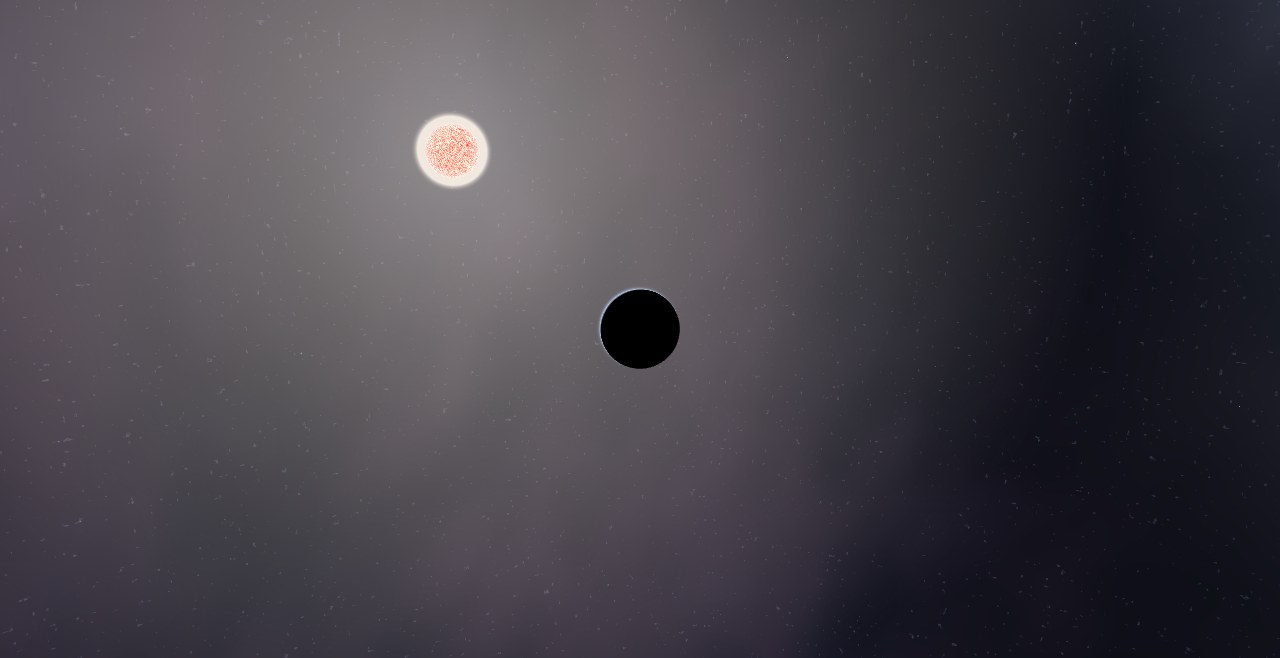
HD 99492, an orange K-type dwarf of 0.85 solar masses, and HD 99492 b, a 0.08-Jupiter-mass companion, with an orbital period of 17.1 days.
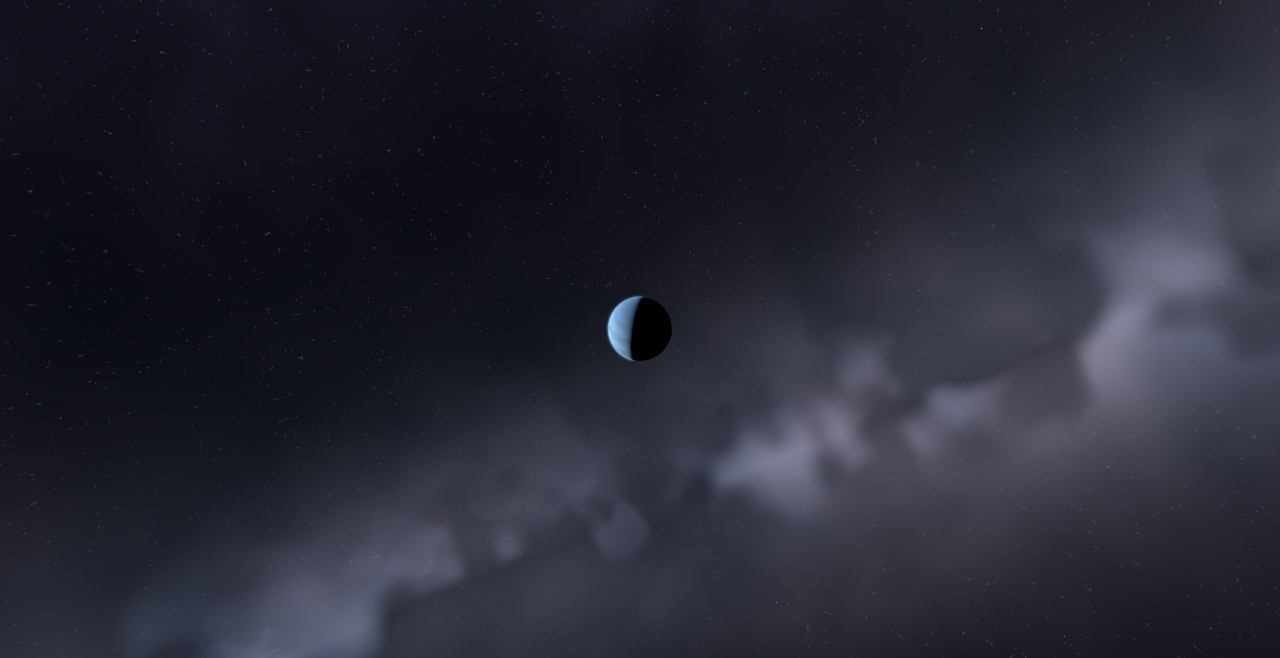
HD 99706, an orange K-type dwarf of 1.46 solar masses, and HD 99706 b, a 1.23-Jupiter-mass companion, with an orbital period of 2.30 years, at 1.980 AU from its star, on an eccentric orbit (e ≈ 0.25).
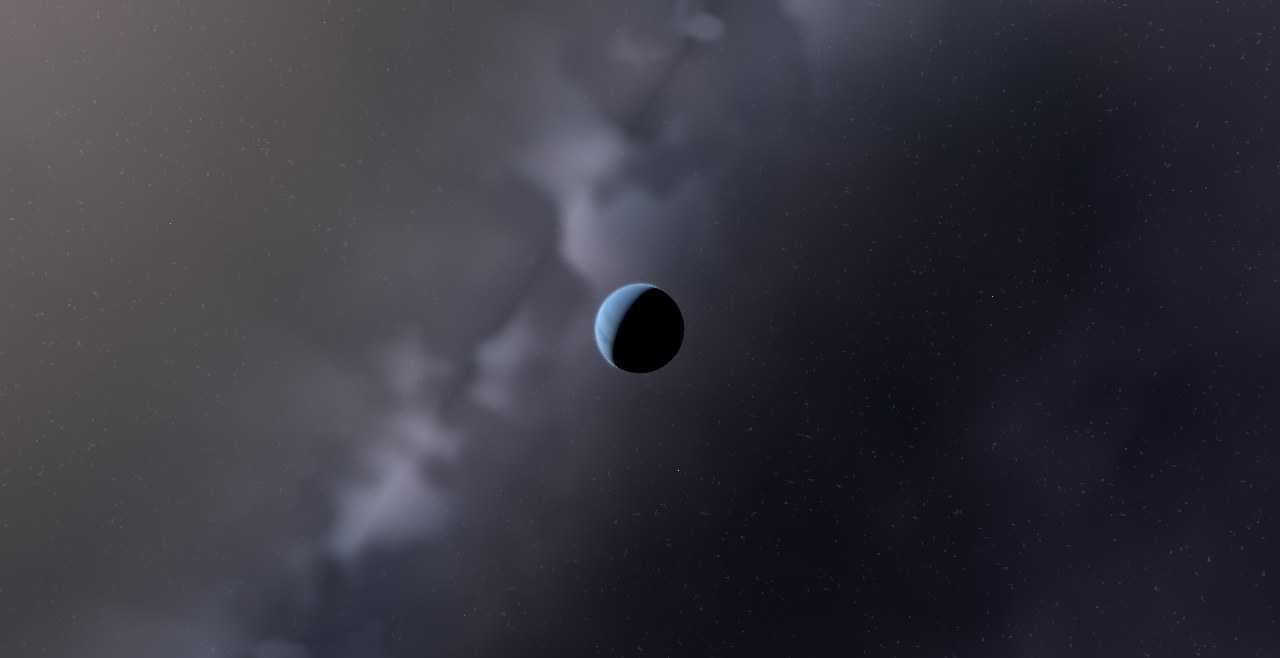
HIP 105854, an orange K-type dwarf of 2.10 solar masses, and HIP 105854 b, a 8.20-Jupiter-mass companion, with an orbital period of 184 days, at 0.810 AU from its star.
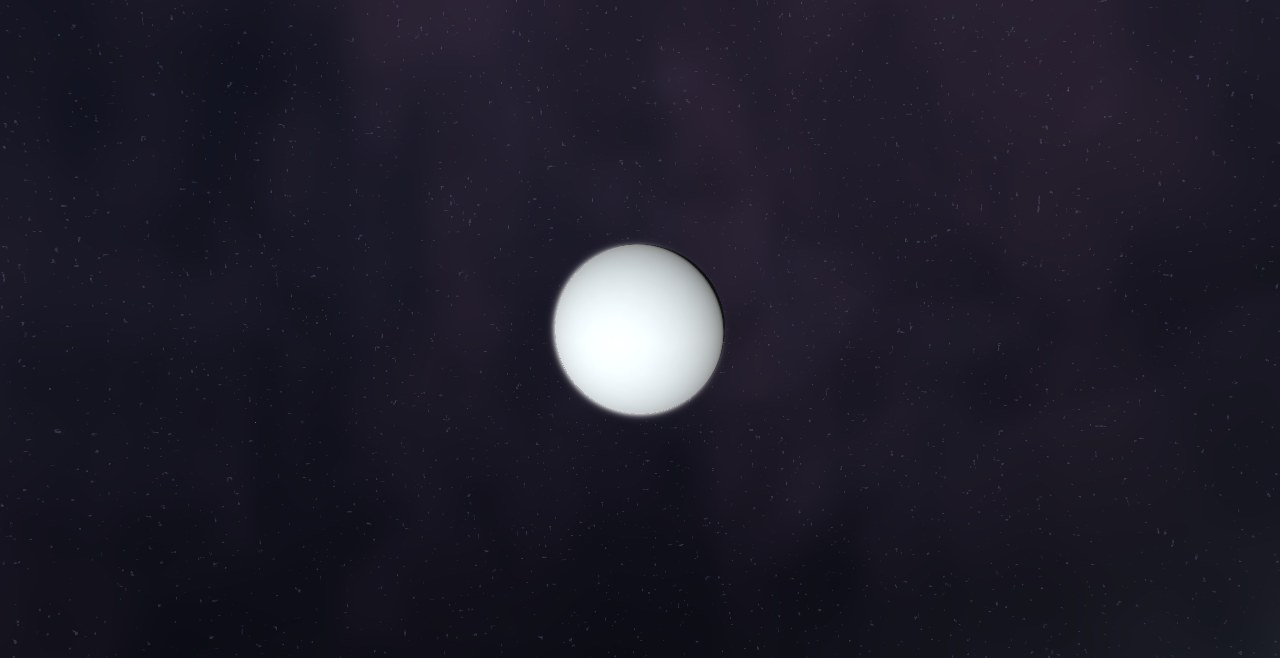
HIP 107772, a cool M-dwarf of 0.63 solar masses, and HIP 107772 b, a 12.9-Earth-mass planet, with an orbital period of 55.2 days, at 0.243 AU from its star, on an eccentric orbit (e ≈ 0.18).
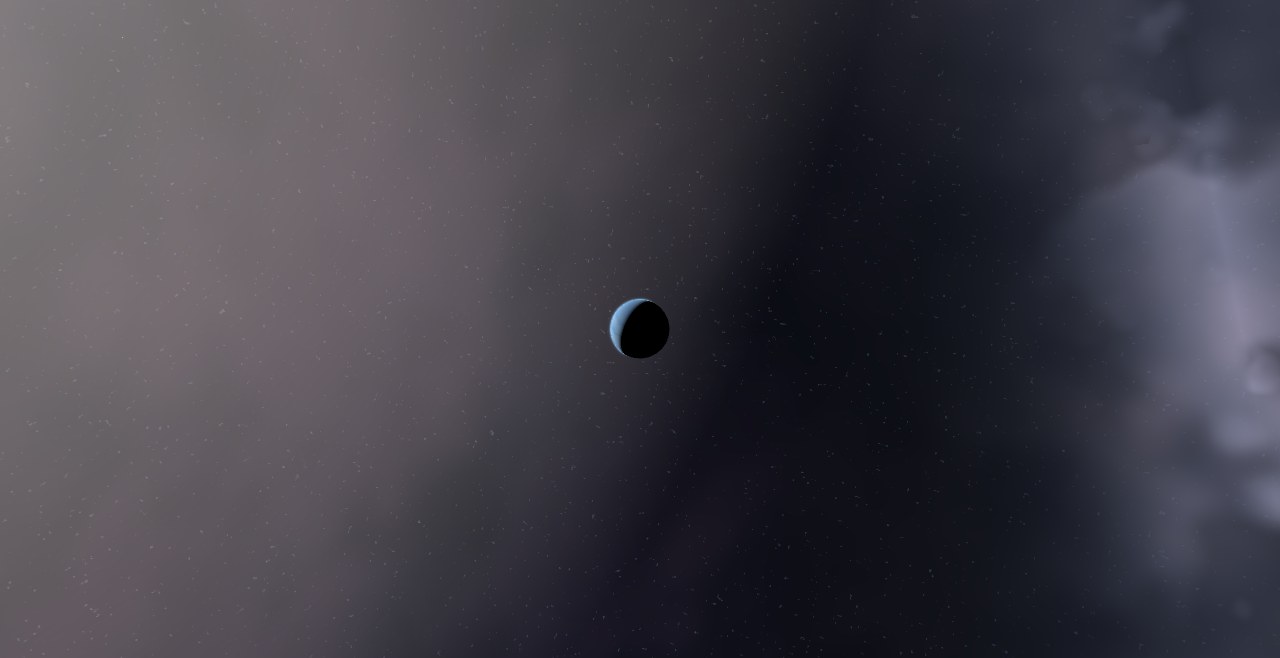
HIP 107773, an orange K-type dwarf of 2.42 solar masses, and HIP 107773 b, a 1.98-Jupiter-mass companion, with an orbital period of 144 days, at 0.720 AU from its star, on an eccentric orbit (e ≈ 0.09).
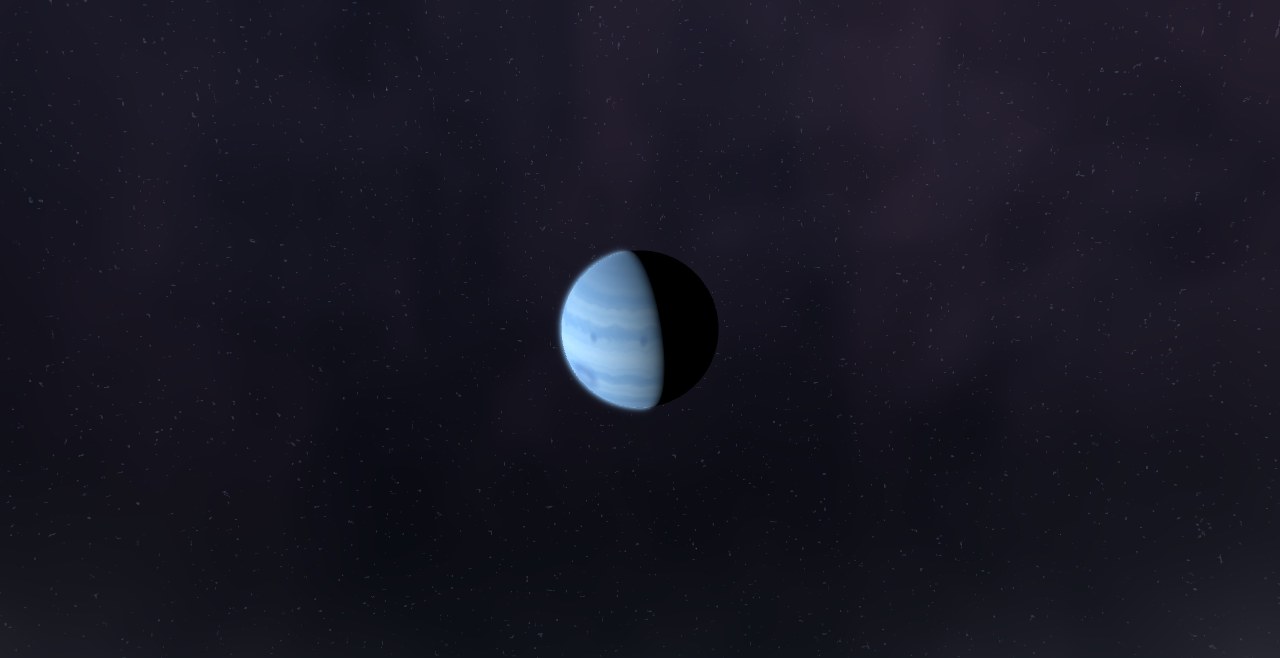
HIP 109384, a Sun-like G-type star of 0.78 solar masses, and HIP 109384 b, a 1.56-Jupiter-mass companion, with an orbital period of 1.37 years, at 1.134 AU from its star, on an eccentric orbit (e ≈ 0.55).
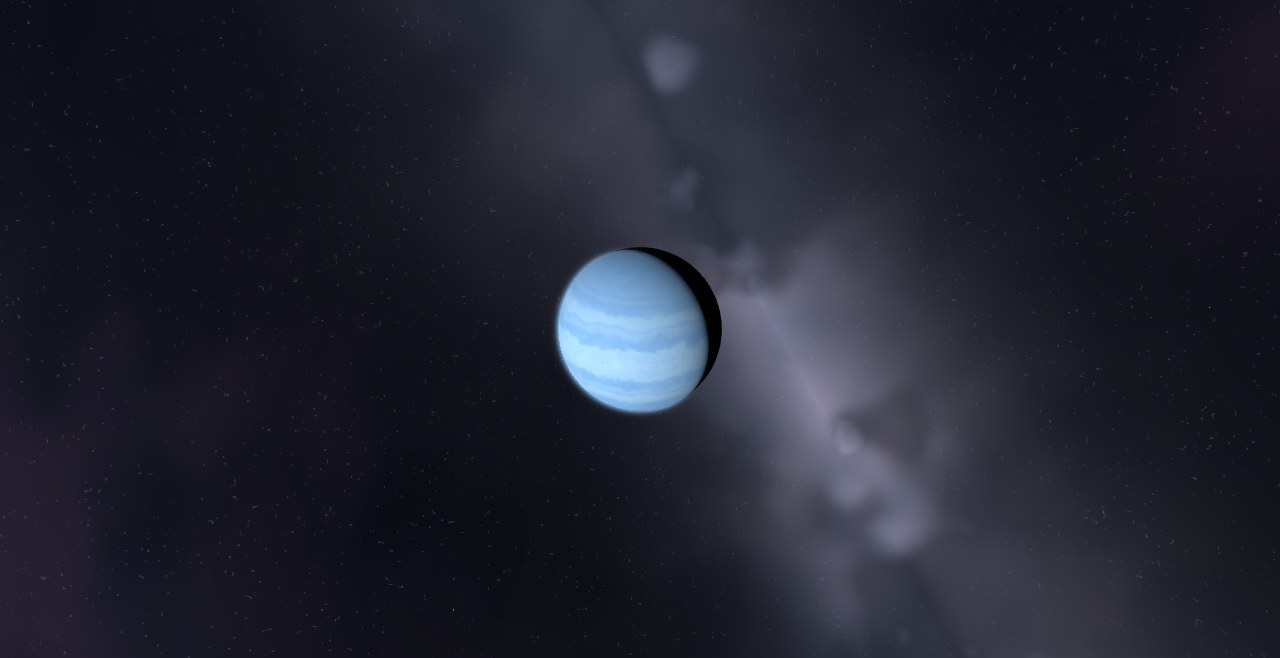
HIP 109600, a Sun-like G-type star of 0.87 solar masses, and HIP 109600 b, a 2.68-Jupiter-mass companion, with an orbital period of 232 days, at 0.706 AU from its star, on an eccentric orbit (e ≈ 0.16).
HIP 111909, an orange K-type dwarf of 1.28 solar masses, and HIP 111909 b, a 1.21-Jupiter-mass companion, with an orbital period of 1.33 years, at 1.320 AU from its star.
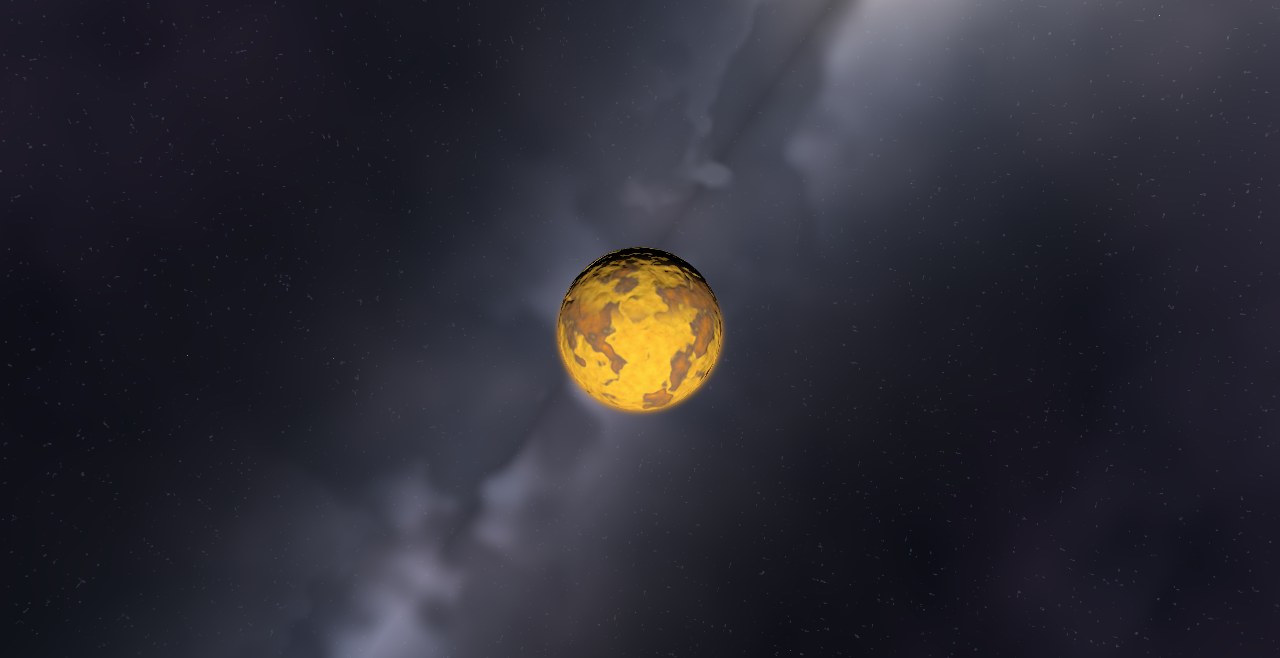
HIP 113103, an orange K-type dwarf of 0.76 solar masses, and HIP 113103 b, a planet with 1.8 Earth radii, with an orbital period of 7.6 days, at 0.069 AU from its star, and an equilibrium temperature near 721.
HIP 114933, an orange K-type dwarf of 1.39 solar masses, and HIP 114933 b, a 1.94-Jupiter-mass companion, with an orbital period of 4.06 years, at 2.840 AU from its star, on an eccentric orbit (e ≈ 0.21).
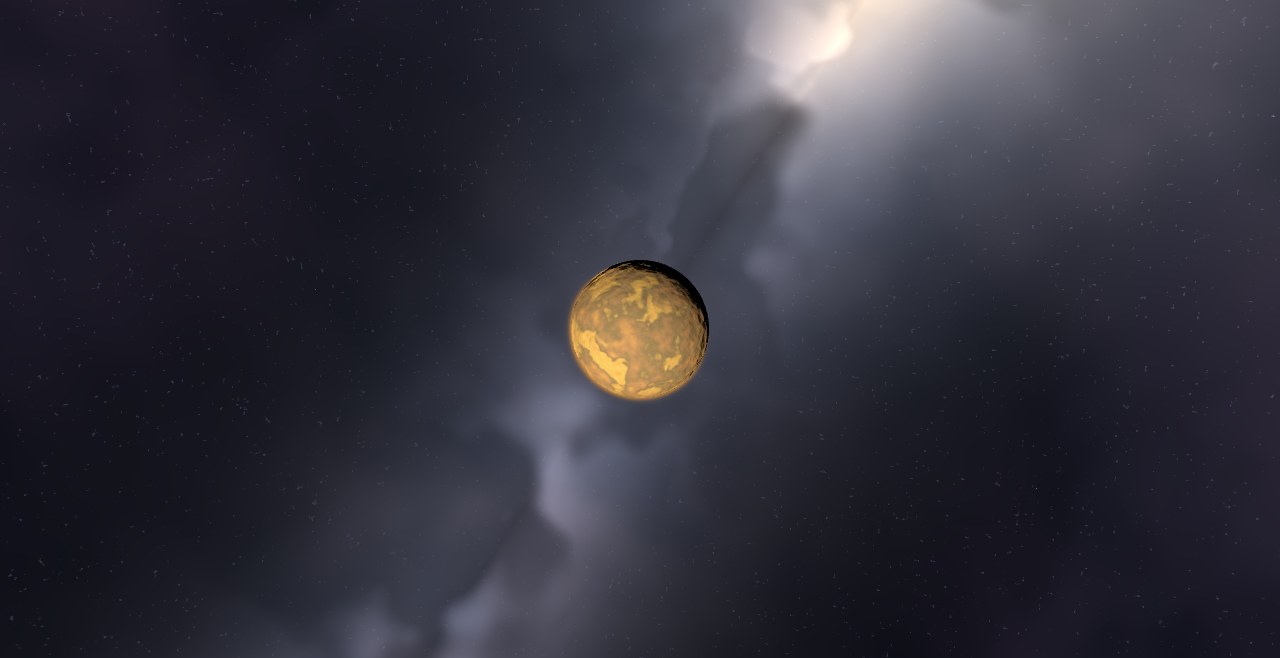
HIP 116454, an orange K-type dwarf of 0.80 solar masses, and HIP 116454 b, a 9.7-Earth-mass planet, with an orbital period of 9.1 days, at 0.079 AU from its star, and an equilibrium temperature near 753 K.
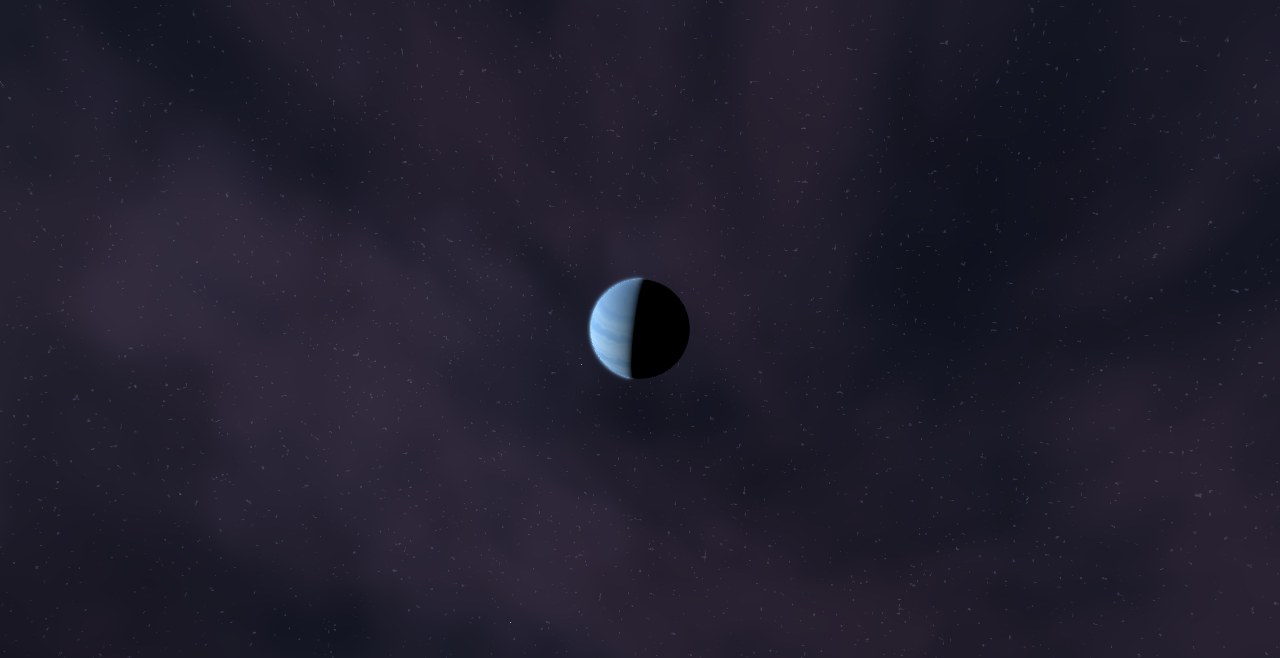
HIP 12961, an orange K-type dwarf of 0.69 solar masses, and HIP 12961 b, a 0.36-Jupiter-mass companion, with an orbital period of 57.4 days, at 0.250 AU from its star, on an eccentric orbit (e ≈ 0.17).