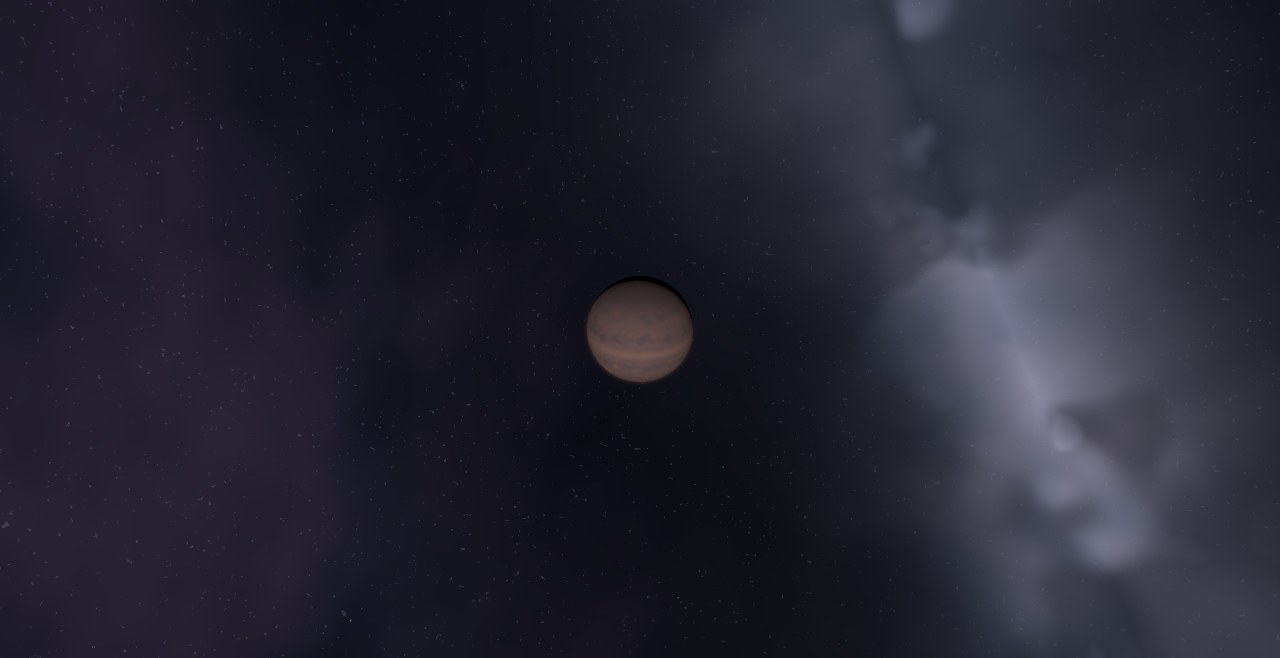
HIP 91258 - System
HIP 91258, a Sun-like G-type star of 0.97 solar masses, and HIP 91258 b, a 1.09-Jupiter-mass companion, with an orbital period of 5.1 days, at 0.060 AU from its star.
Scenarios
Discover alien solar systems and explore worlds far beyond our own. Simulate extreme orbital environments, habitable zones, and tightly packed resonant chains discovered by modern astronomy, all mapped accurately from real exoplanetary discovery data.
Share
HIP 91258, a Sun-like G-type star of 0.97 solar masses, and HIP 91258 b, a 1.09-Jupiter-mass companion, with an orbital period of 5.1 days, at 0.060 AU from its star.
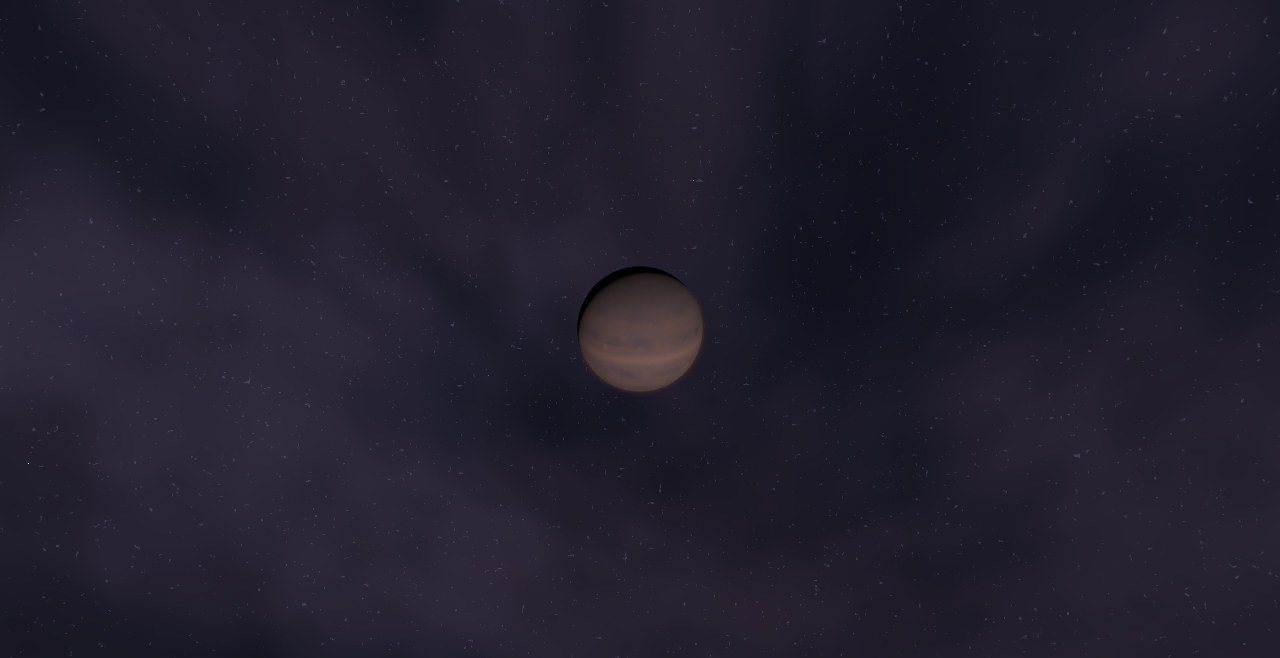
HIP 94235, a Sun-like G-type star of 1.09 solar masses, and HIP 94235 b, a 1.19-Jupiter-mass companion, with an orbital period of 7.7 days, at 0.079 AU from its star, and an equilibrium temperature near 1,060.
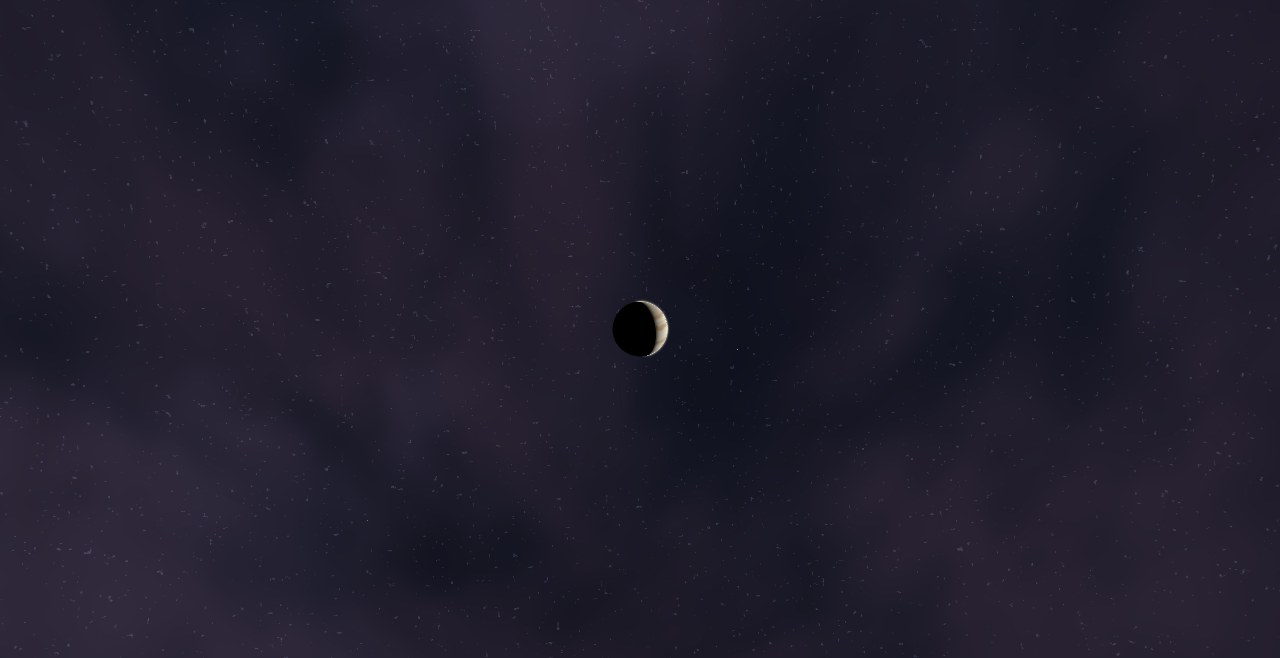
HIP 948, an orange K-type dwarf of 0.71 solar masses, and HIP 948 b, a 20.6-Jupiter-mass companion, with an orbital period of 68.3 years, at 15.0 AU from its star, on an eccentric orbit (e ≈ 0.23).
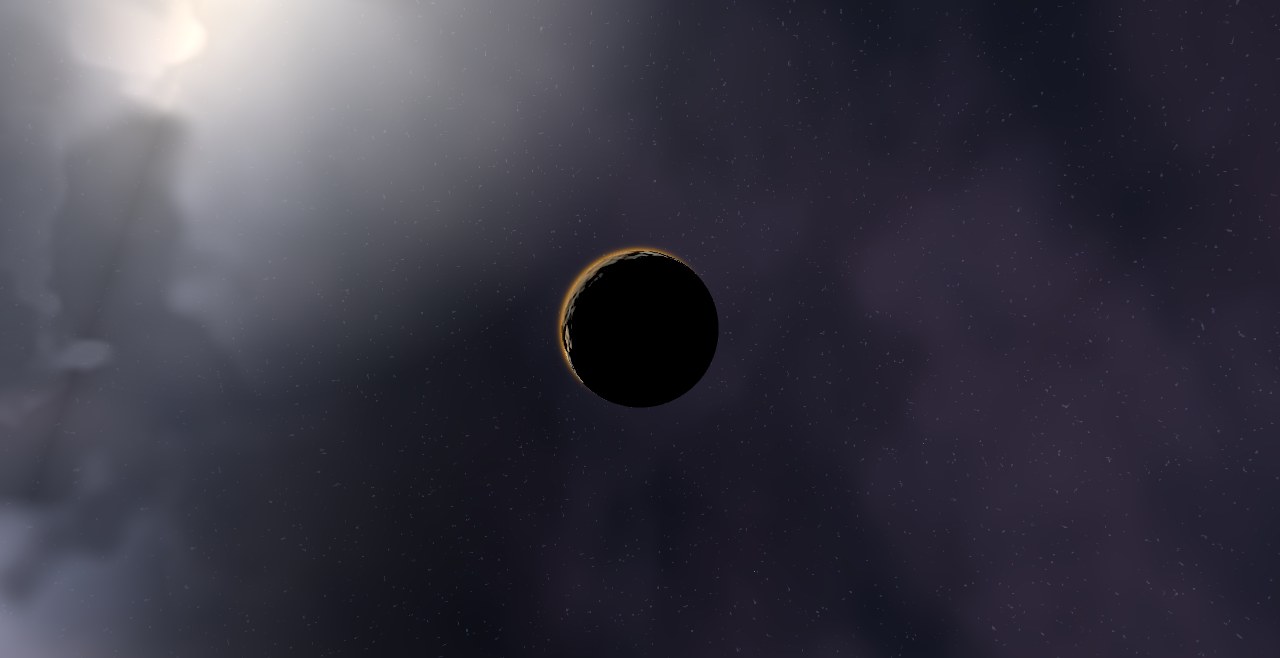
HIP 9618, a Sun-like G-type star of 0.94 solar masses, and HIP 9618 b, a 8.3-Earth-mass planet, with an orbital period of 20.8 days, at 0.145 AU from its star, and an equilibrium temperature near 641 K.
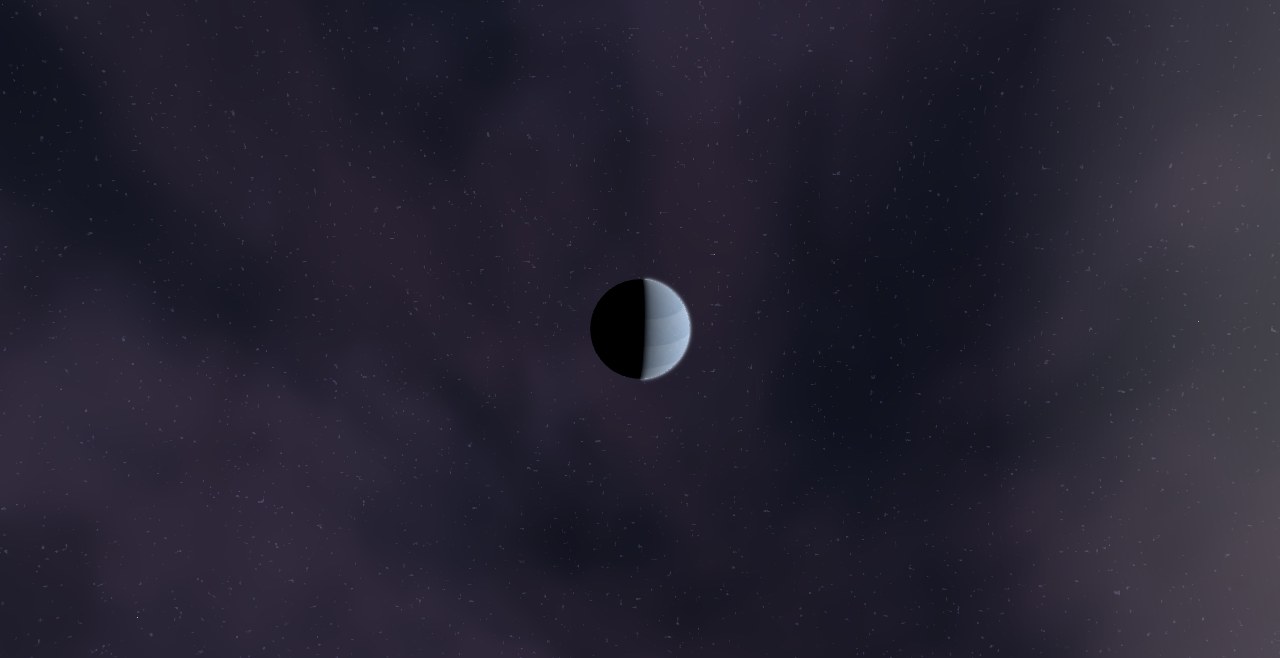
HIP 97166, a Sun-like G-type star of 0.93 solar masses, and HIP 97166 b, a 0.06-Jupiter-mass companion, with an orbital period of 10.3 days, at 0.091 AU from its star, and an equilibrium temperature near 702.
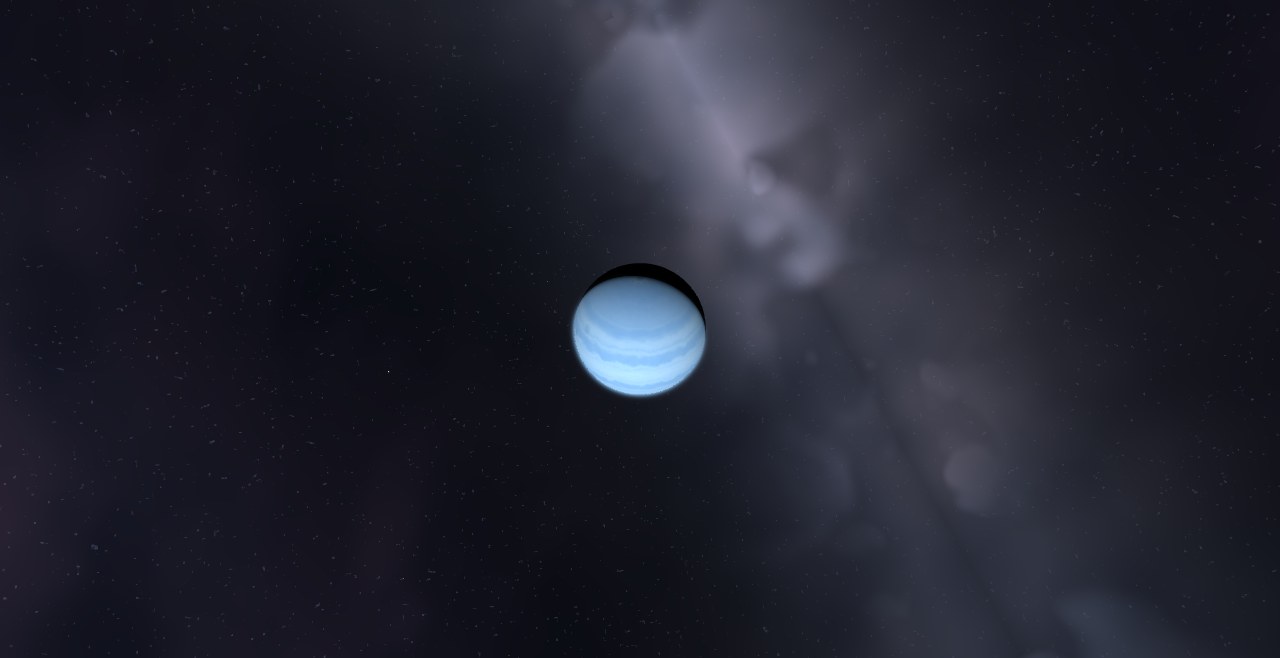
HIP 97233, an orange K-type dwarf of 1.81 solar masses, and HIP 97233 b, a 19.2-Jupiter-mass companion, with an orbital period of 2.91 years, at 2.491 AU from its star, on an eccentric orbit (e ≈ 0.63).
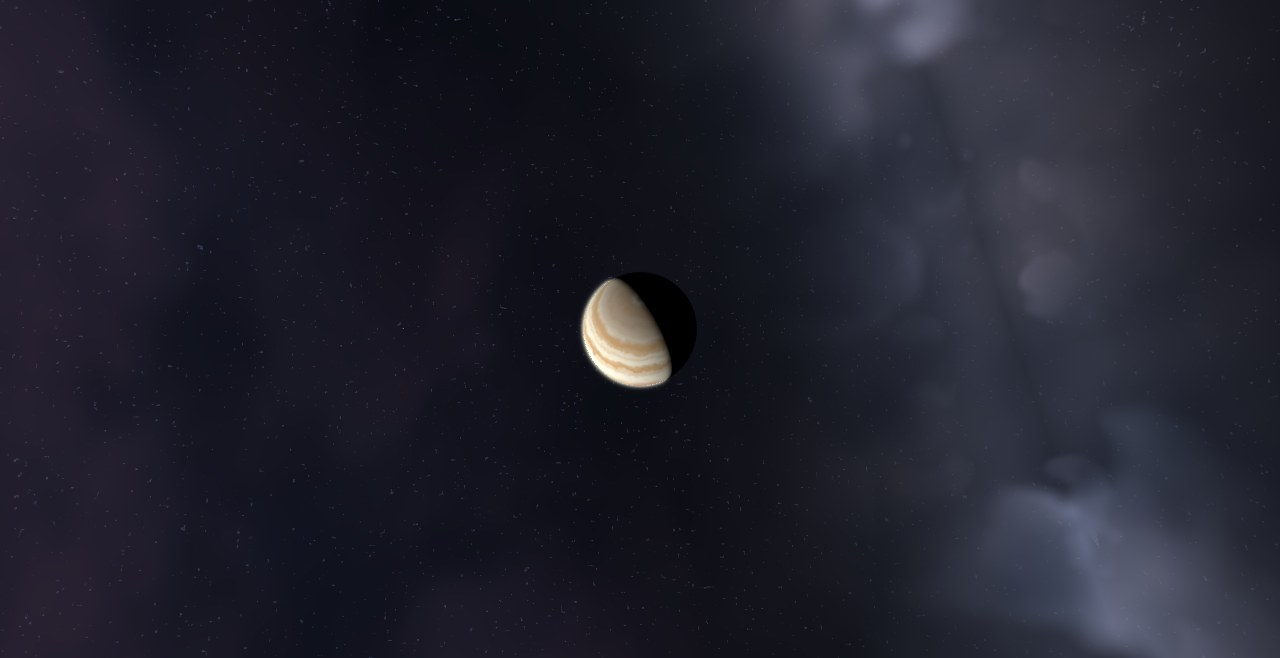
HIP 99770, and HIP 99770 b, a 17.0-Jupiter-mass companion, at 15.8 AU from its star, on an eccentric orbit (e ≈ 0.31).
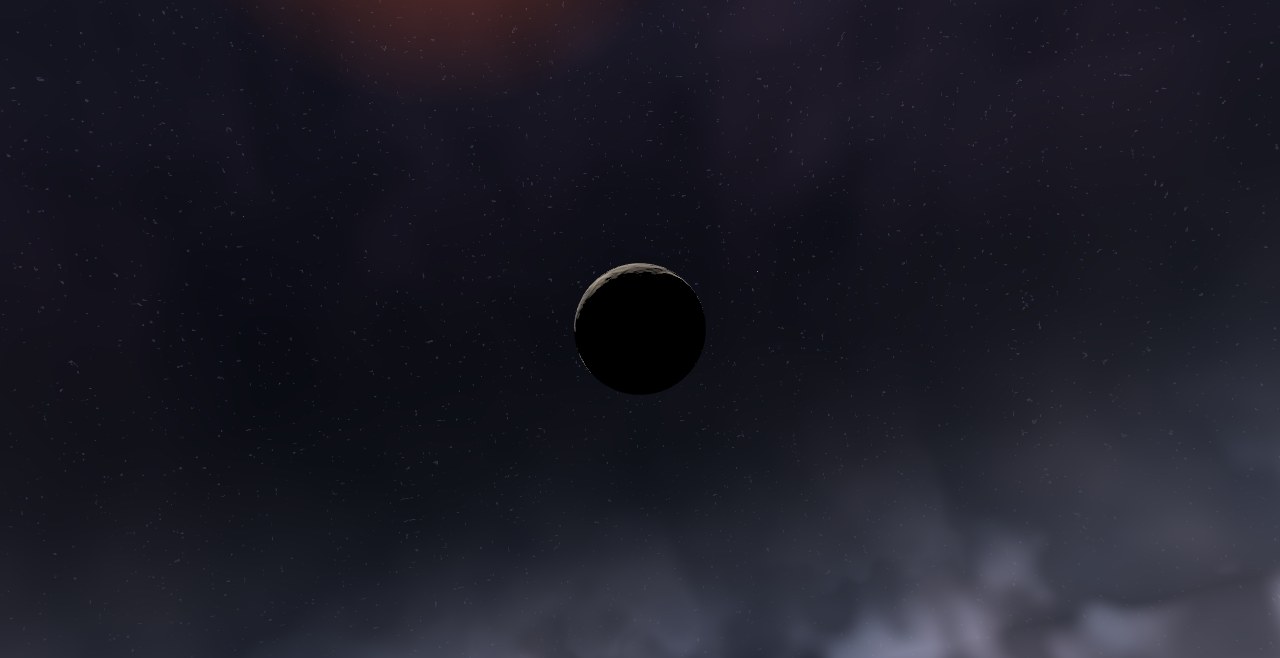
HN Lib, a cool M-dwarf of 0.29 solar masses, and HN Lib b, a 5.5-Earth-mass planet, with an orbital period of 36.1 days, at 0.142 AU from its star, and an equilibrium temperature near 234 K, on an eccentric.
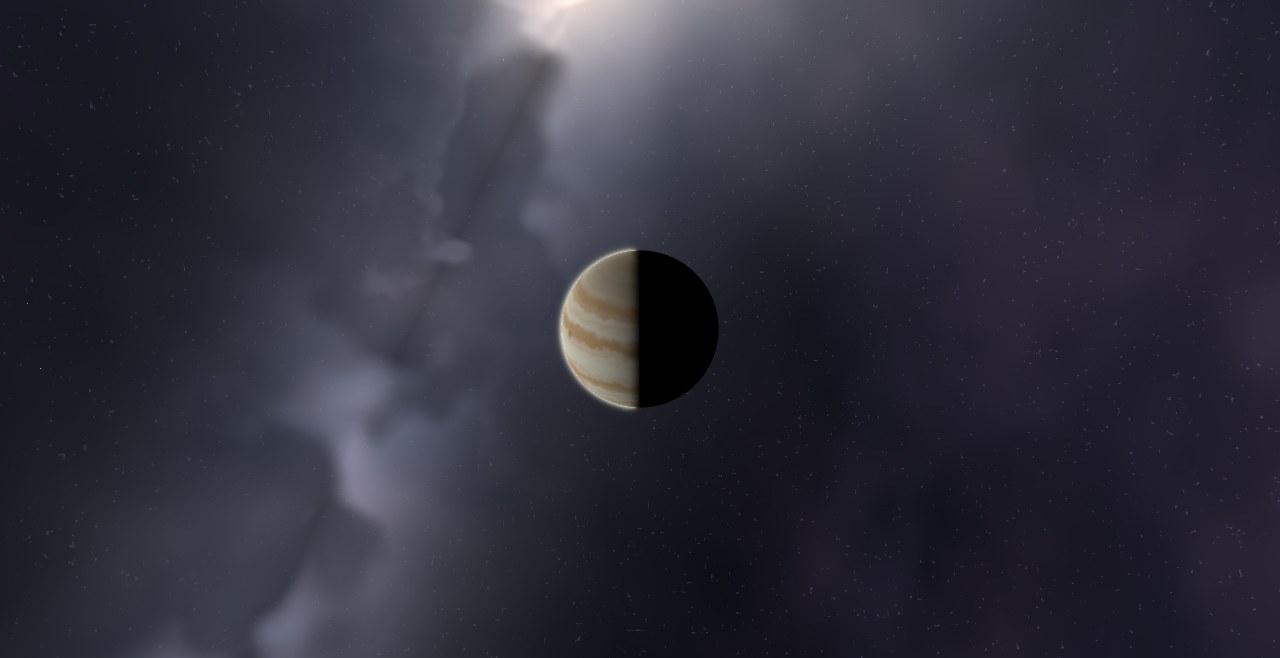
HN Peg, a Sun-like G-type star of 1.08 solar masses, and HN Peg b, a 22.0-Jupiter-mass companion, at 773 AU from its star.
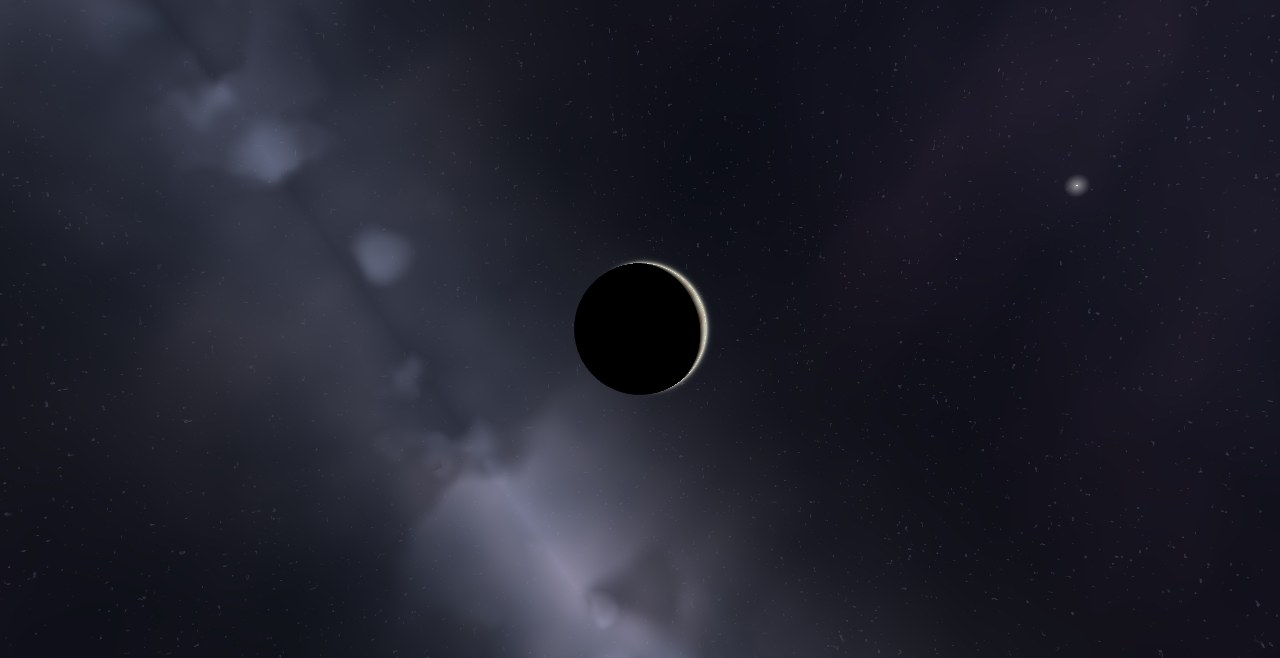
HR 2562 b, a massive companion imaged inside a debris disk. It sits near the planet-brown-dwarf boundary, carving a gap in the dust. The companion was found with the Gemini Planet Imager.
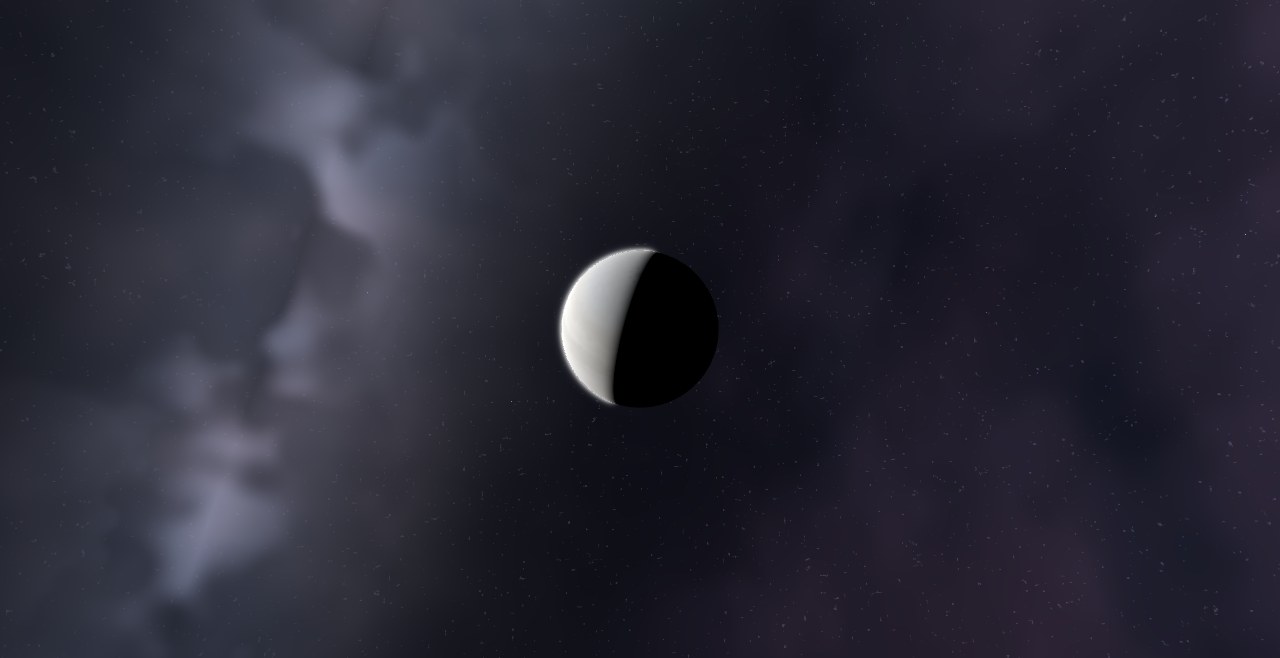
HR 5183, a Sun-like G-type star of 1.07 solar masses, and HR 5183 b, a 3.23-Jupiter-mass companion, with an orbital period of 73.9 years, at 18.0 AU from its star, and an equilibrium temperature near 171 K.
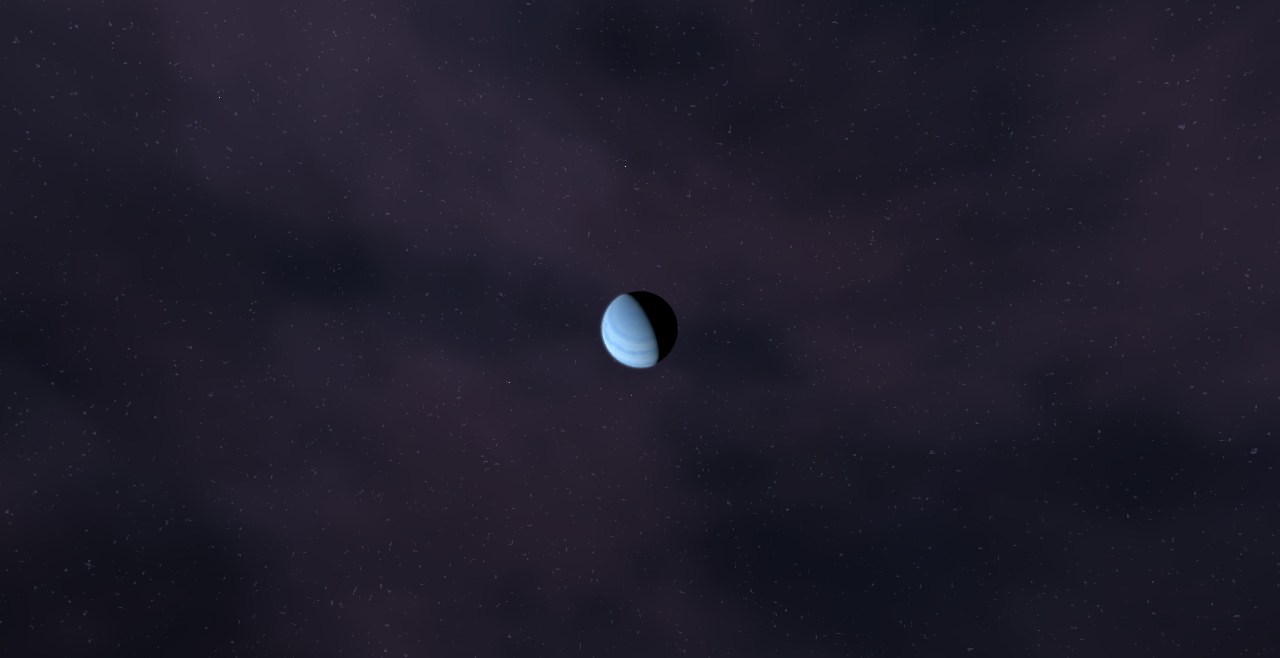
HR 810, a Sun-like F-type star of 1.34 solar masses, and HR 810 b, a 2.27-Jupiter-mass companion, with an orbital period of 303 days, at 0.920 AU from its star, on an eccentric orbit (e ≈ 0.14).
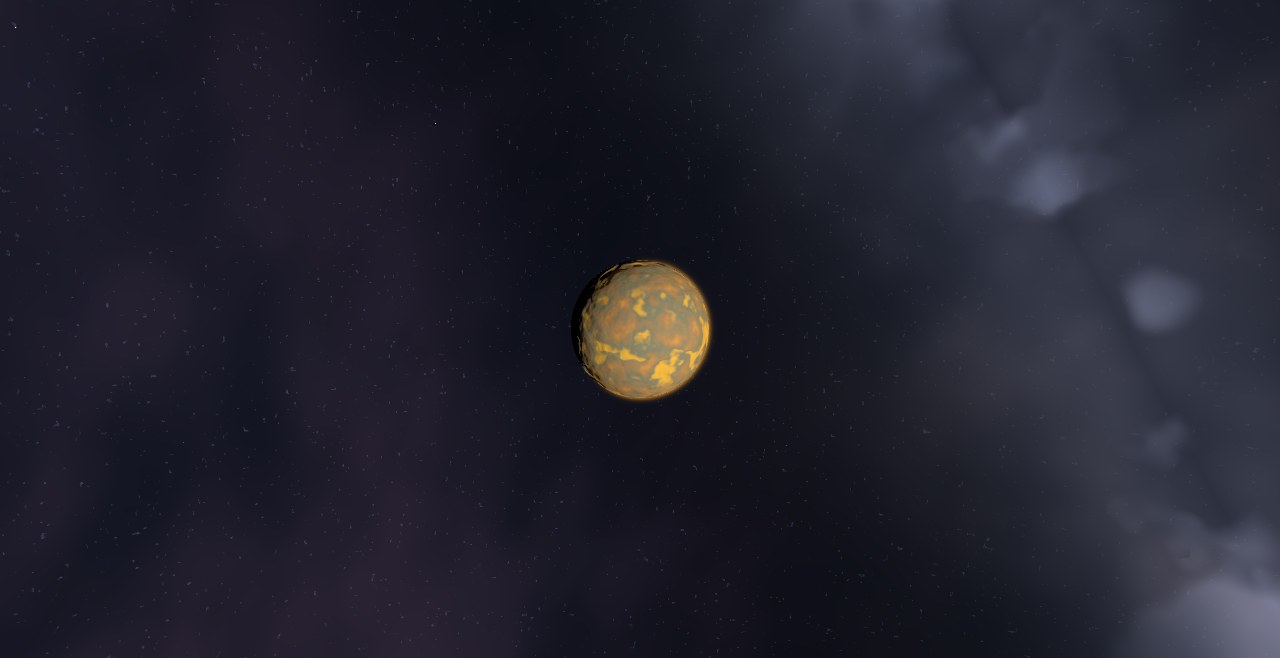
HR 858, a Sun-like F-type star of 1.20 solar masses, and HR 858 b, a 3.5-Earth-mass planet, with an orbital period of 3.6 days, at 0.049 AU from its star, and an equilibrium temperature near 1,552 K.
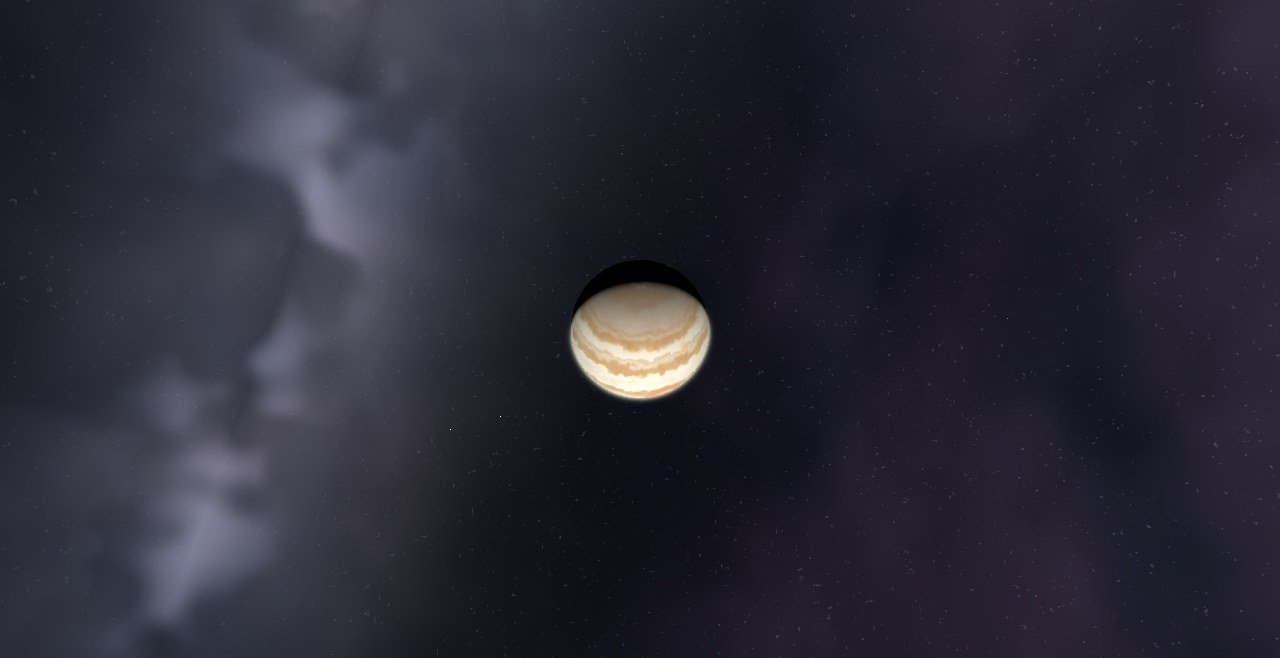
HR 8799, the first multi-planet system ever photographed. Four young giant planets orbit far outside a debris disk, all seen directly. The four planets were announced together in 2008.
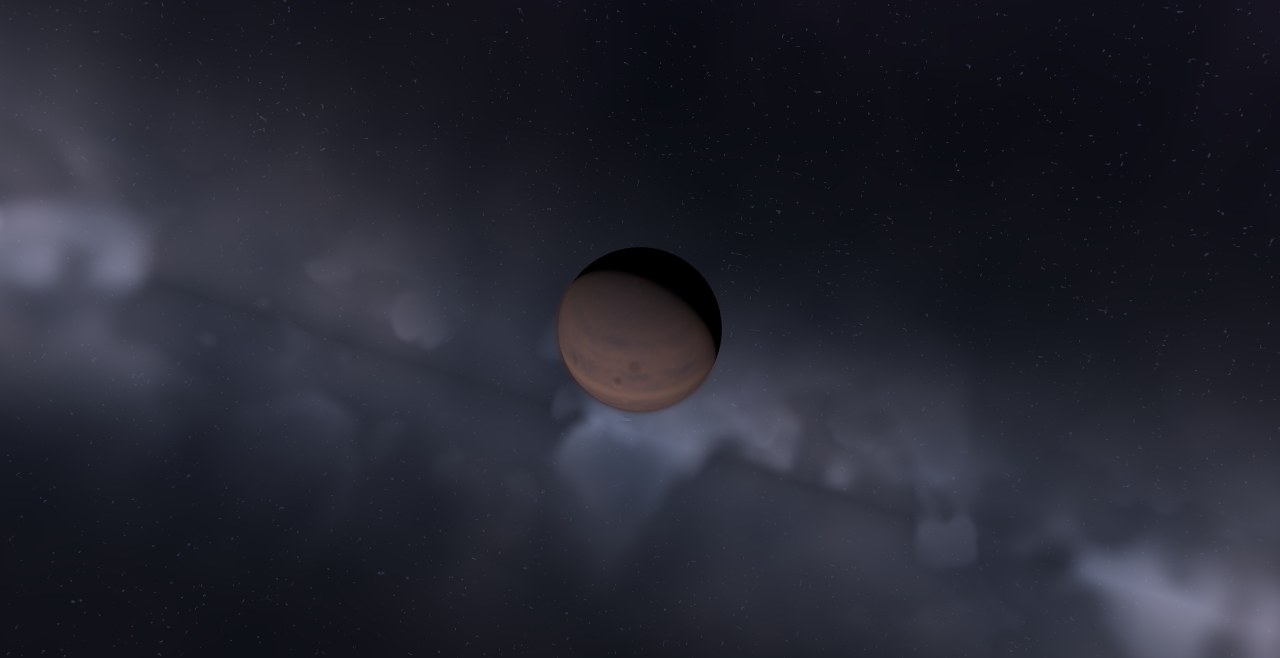
HS Psc, an orange K-type dwarf of 0.69 solar masses, and HS Psc b, a 1.46-Jupiter-mass companion, with an orbital period of 4.0 days, at 0.043 AU from its star, on an eccentric orbit (e ≈ 0.27).
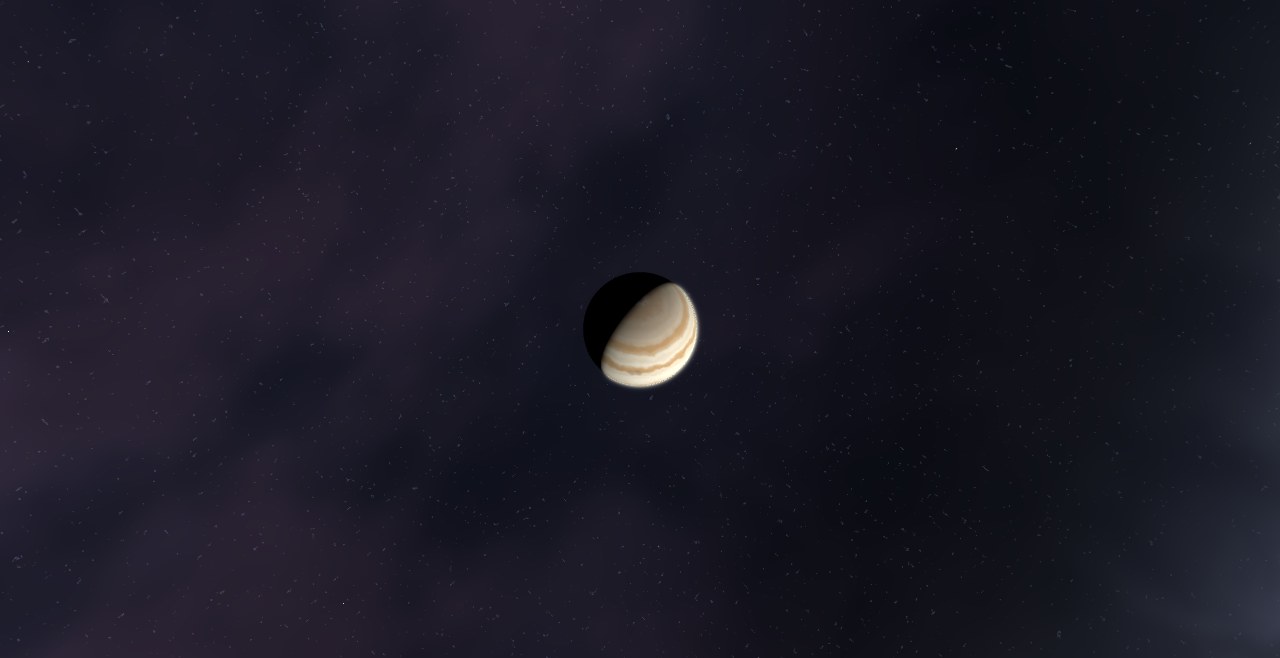
HU Aqr, a Sun-like G-type star of 0.88 solar masses, and HU Aqr AB b, a 5.90-Jupiter-mass companion, with an orbital period of 6.54 years, at 3.600 AU from its star.
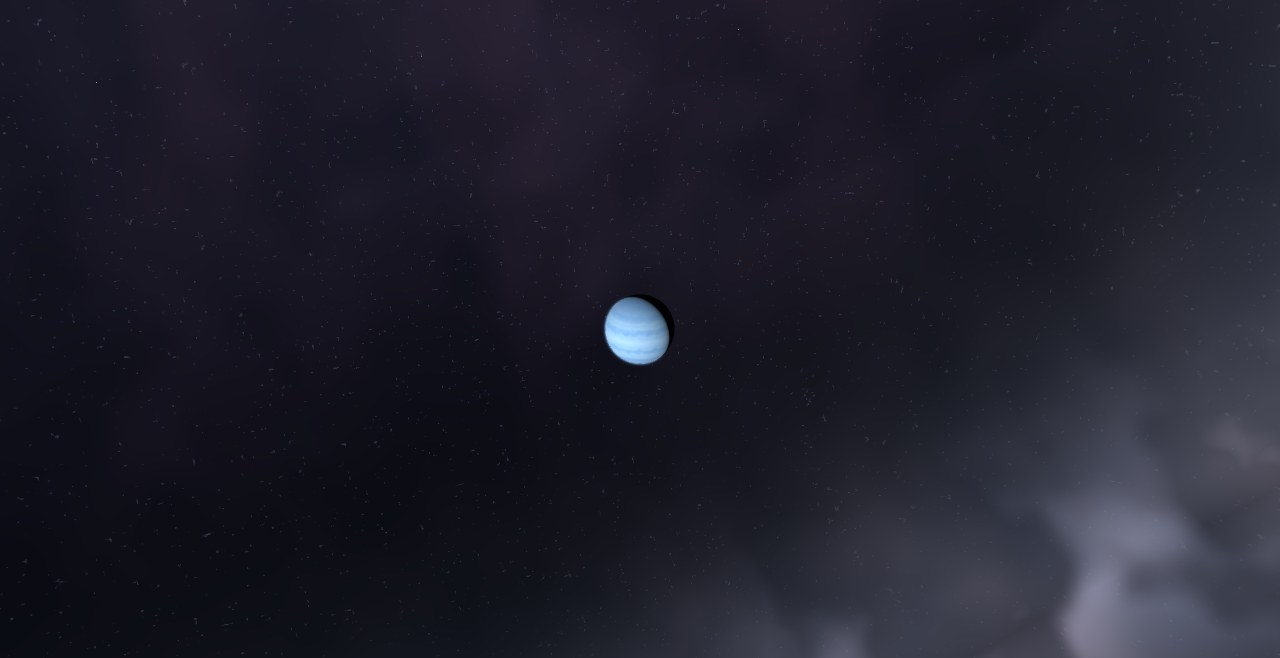
IC 4651 9122, an orange K-type dwarf of 2.10 solar masses, and IC 4651 9122 b, a 6.30-Jupiter-mass companion, with an orbital period of 2.01 years, at 2.038 AU from its star, on an eccentric orbit (e ≈ 0.18).
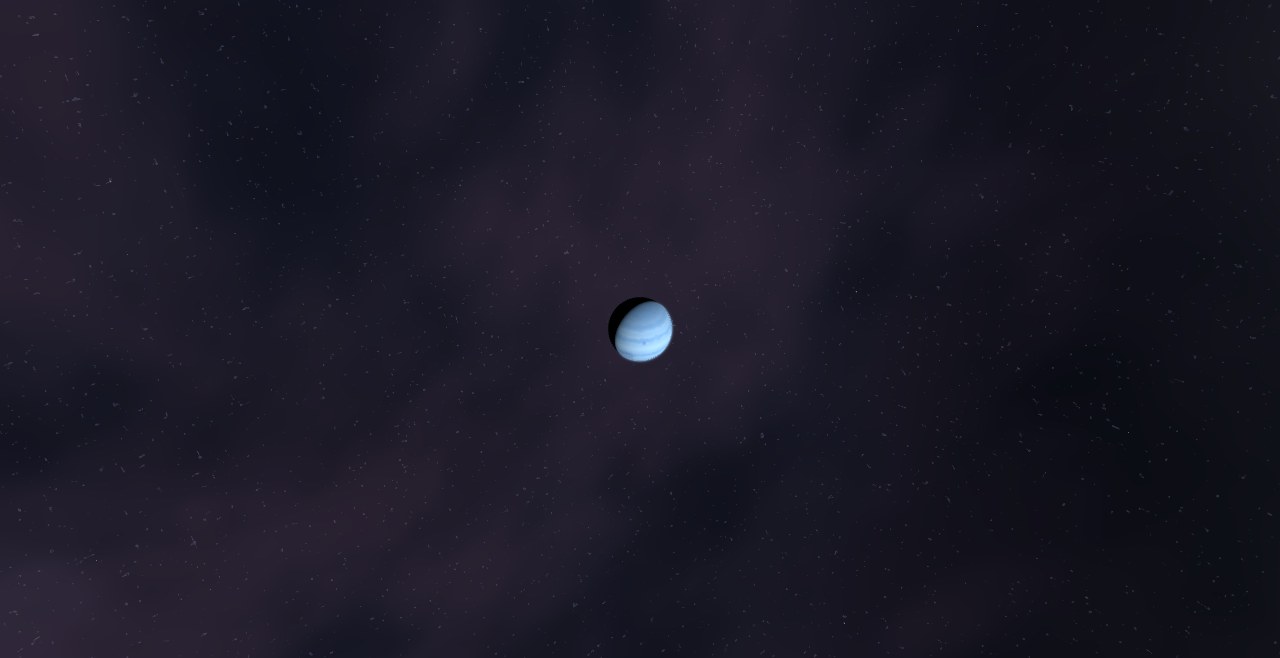
IRAS 04125+2902, an orange K-type dwarf of 0.70 solar masses, and IRAS 04125+2902 b, a planet with 10.7 Earth radii, with an orbital period of 8.8 days, at 0.077 AU from its star, and an equilibrium.