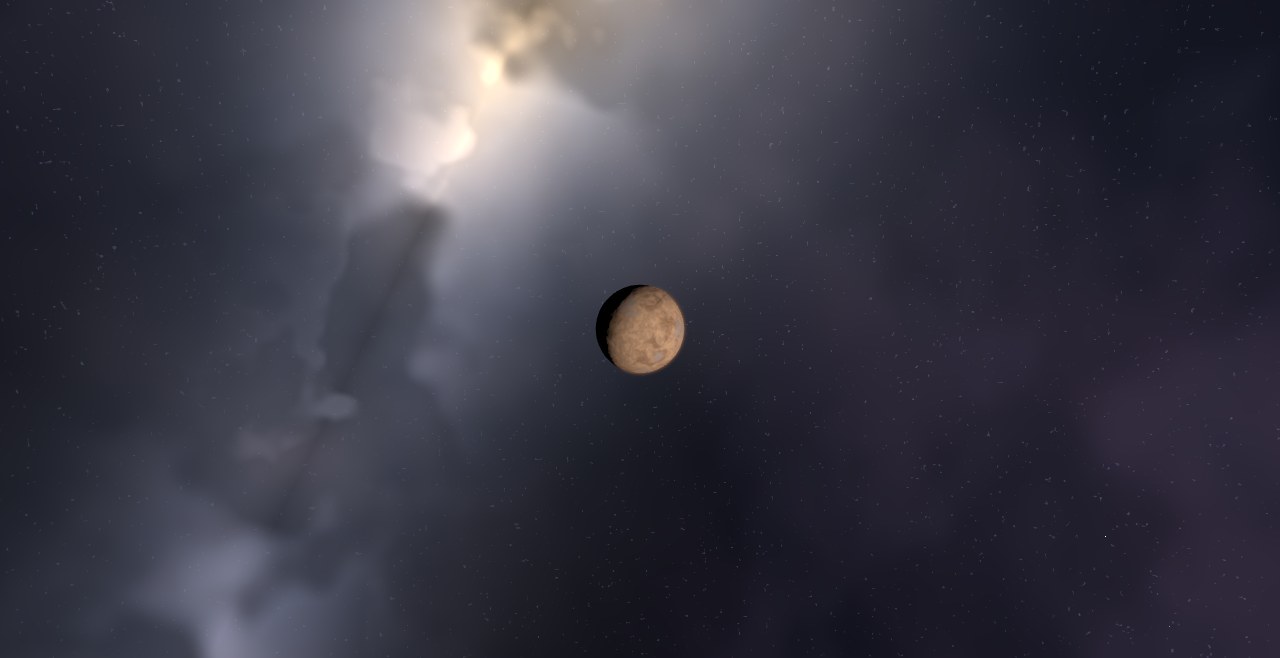
HIP 38594 - System
HIP 38594, a cool M-dwarf of 0.61 solar masses, and HIP 38594 b, a 8.1-Earth-mass planet, with an orbital period of 60.7 days, at 0.256 AU from its star, on an eccentric orbit (e ≈ 0.17).
Scenarios
Discover alien solar systems and explore worlds far beyond our own. Simulate extreme orbital environments, habitable zones, and tightly packed resonant chains discovered by modern astronomy, all mapped accurately from real exoplanetary discovery data.
Share
HIP 38594, a cool M-dwarf of 0.61 solar masses, and HIP 38594 b, a 8.1-Earth-mass planet, with an orbital period of 60.7 days, at 0.256 AU from its star, on an eccentric orbit (e ≈ 0.17).
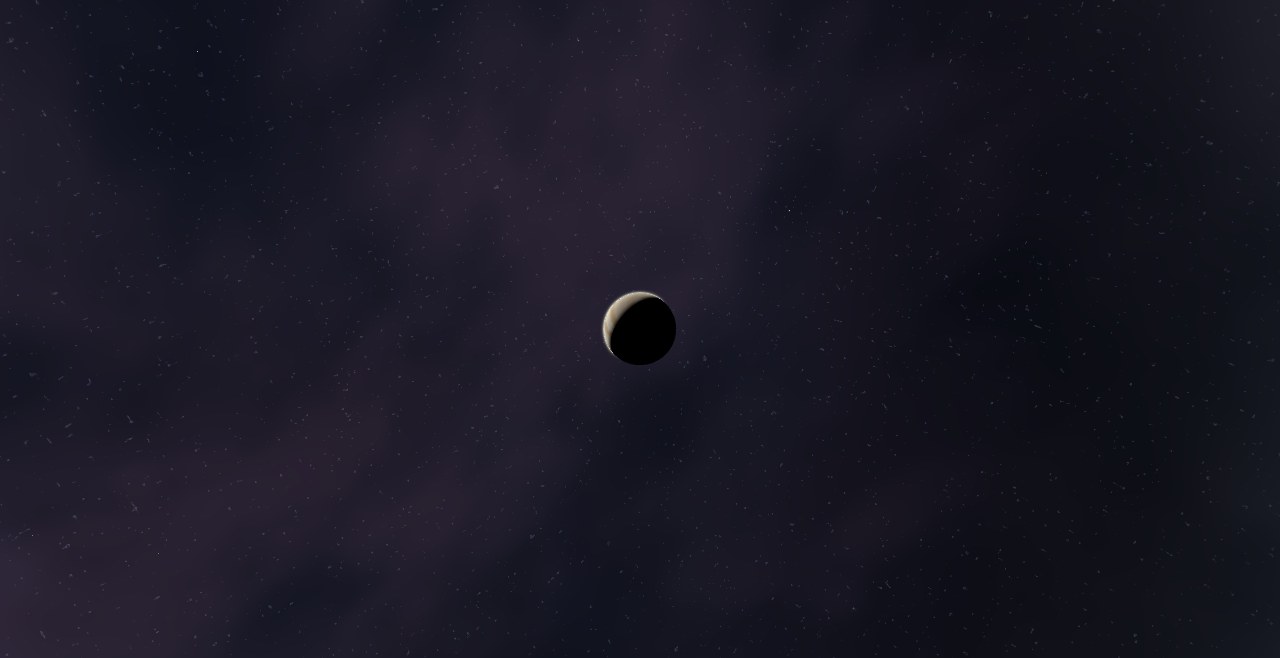
HIP 39017, and HIP 39017 b, a 23.6-Jupiter-mass companion, with an orbital period of 84.9 years, at 22.1 AU from its star, on an eccentric orbit (e ≈ 0.55).
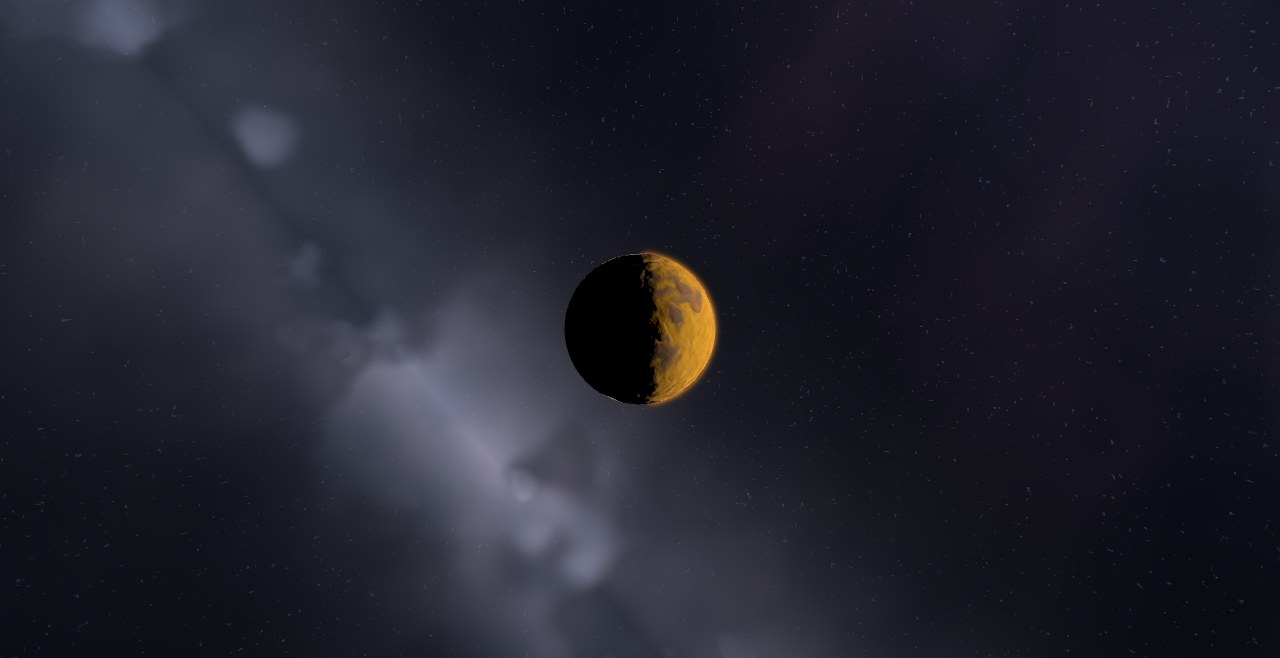
HIP 41378 b and c, a rare pair of long-period transiting planets. Most transiting worlds orbit in days; these take weeks to more than a year. Alignments this long are rare, so few such planets transit.
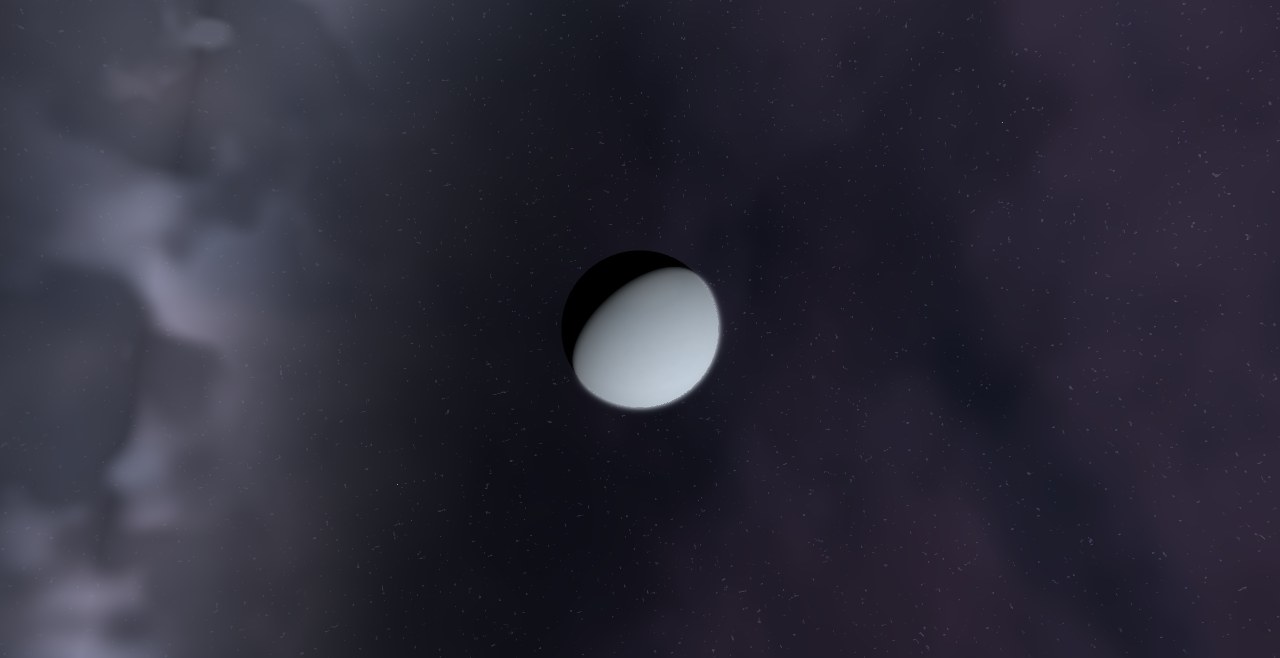
HIP 4845, an orange K-type dwarf of 0.62 solar masses, and HIP 4845 b, a 14.4-Earth-mass planet, with an orbital period of 34.1 days, at 0.176 AU from its star, on an eccentric orbit (e ≈ 0.25).
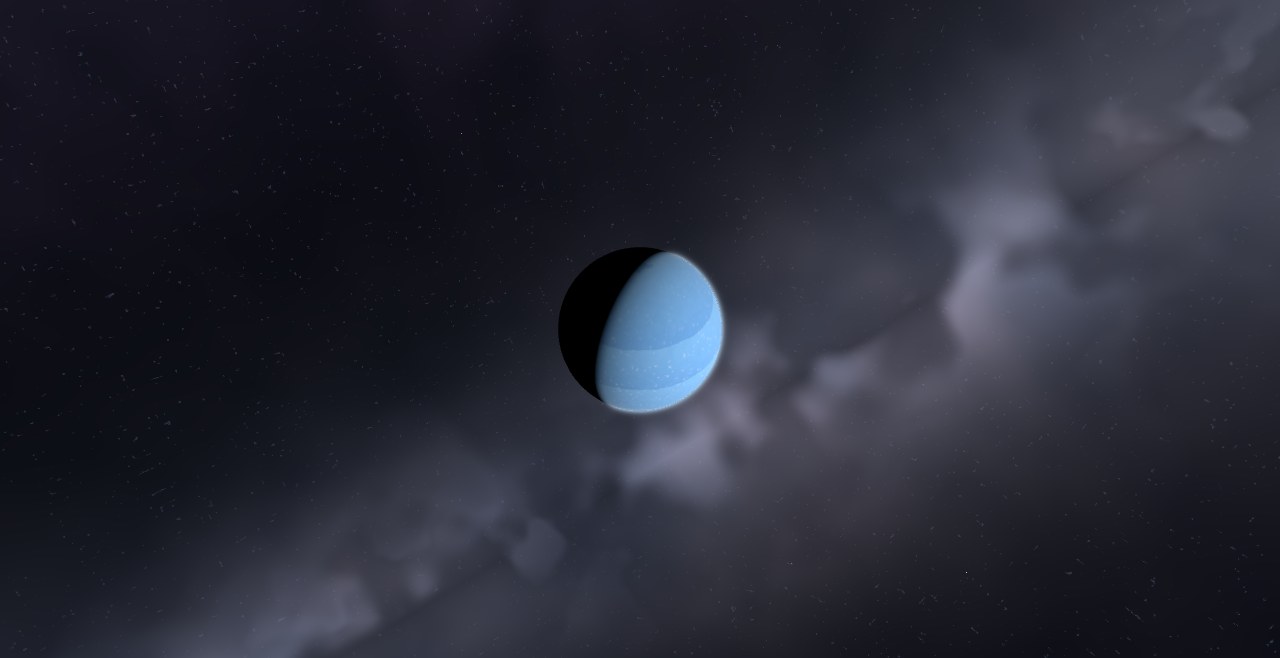
HIP 48714, a cool M-dwarf of 0.58 solar masses, and HIP 48714 b, a 0.07-Jupiter-mass companion, with an orbital period of 17.8 days, at 0.112 AU from its star, on an eccentric orbit (e ≈ 0.50).
HIP 5158, an orange K-type dwarf of 0.78 solar masses, and HIP 5158 b, a 1.42-Jupiter-mass companion, with an orbital period of 346 days, at 0.890 AU from its star, on an eccentric orbit (e ≈ 0.52).
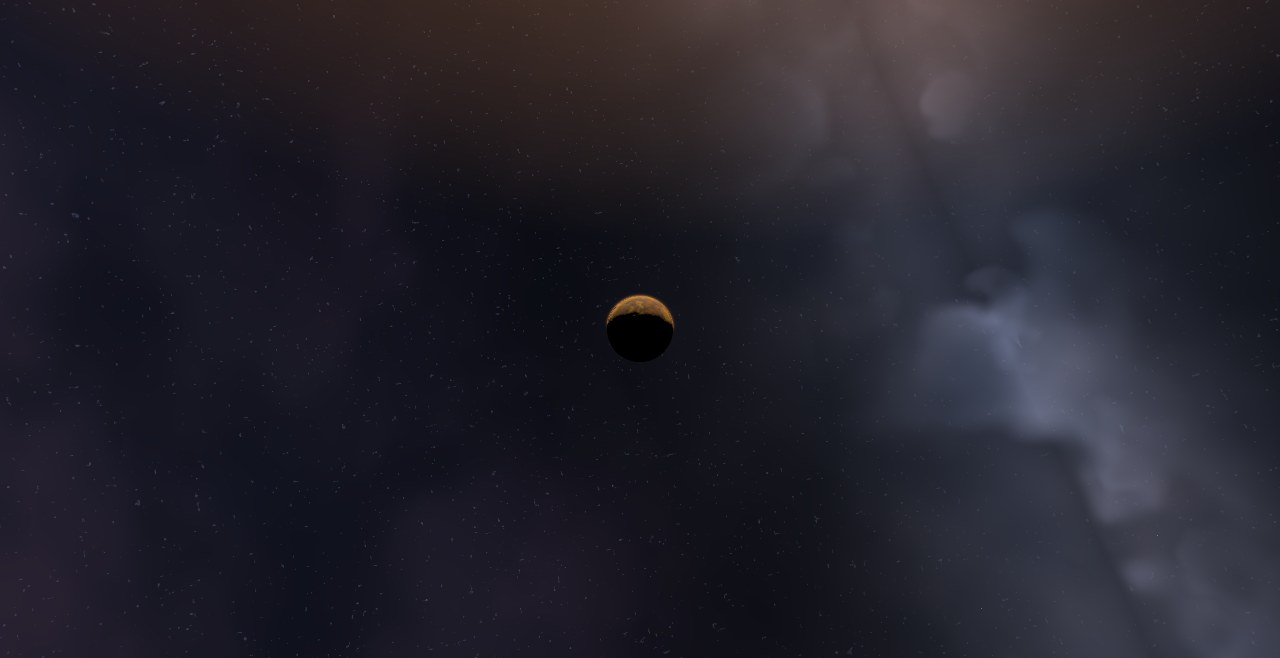
HIP 54373, an orange K-type dwarf of 0.57 solar masses, and HIP 54373 b, a 8.6-Earth-mass planet, with an orbital period of 7.8 days, at 0.063 AU from its star, on an eccentric orbit (e ≈ 0.20).
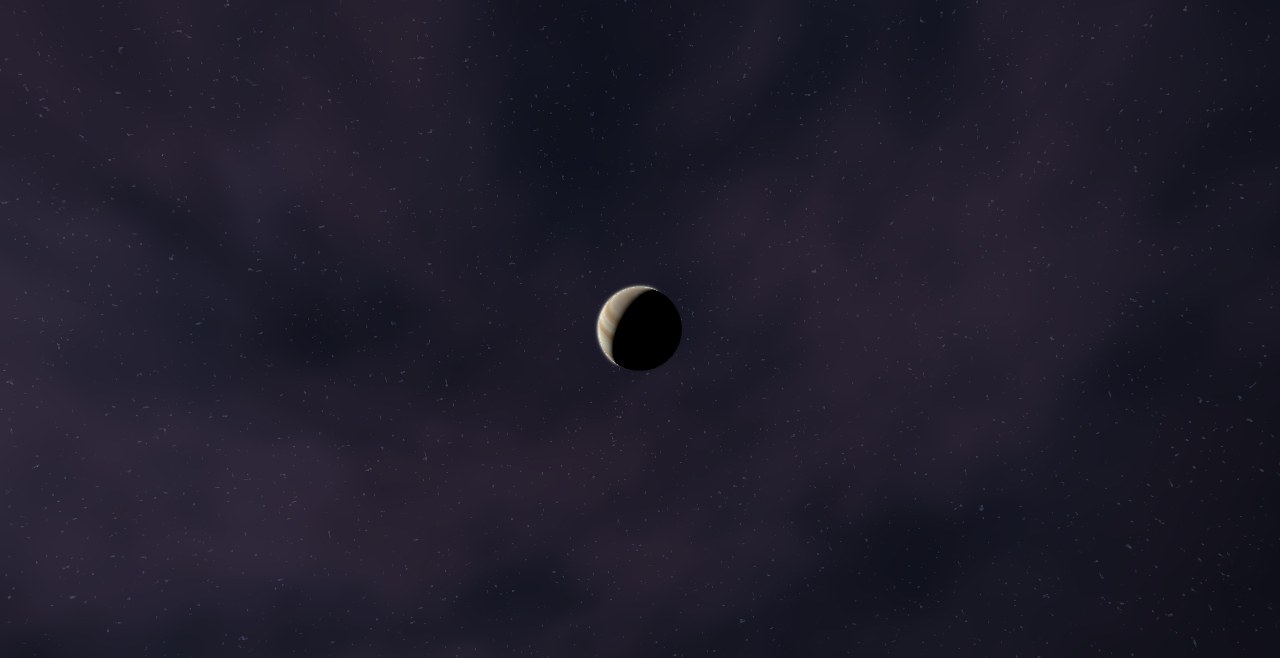
HIP 54515, and HIP 54515 b, a 17.7-Jupiter-mass companion, with an orbital period of 90.3 years, at 24.8 AU from its star, on an eccentric orbit (e ≈ 0.42).
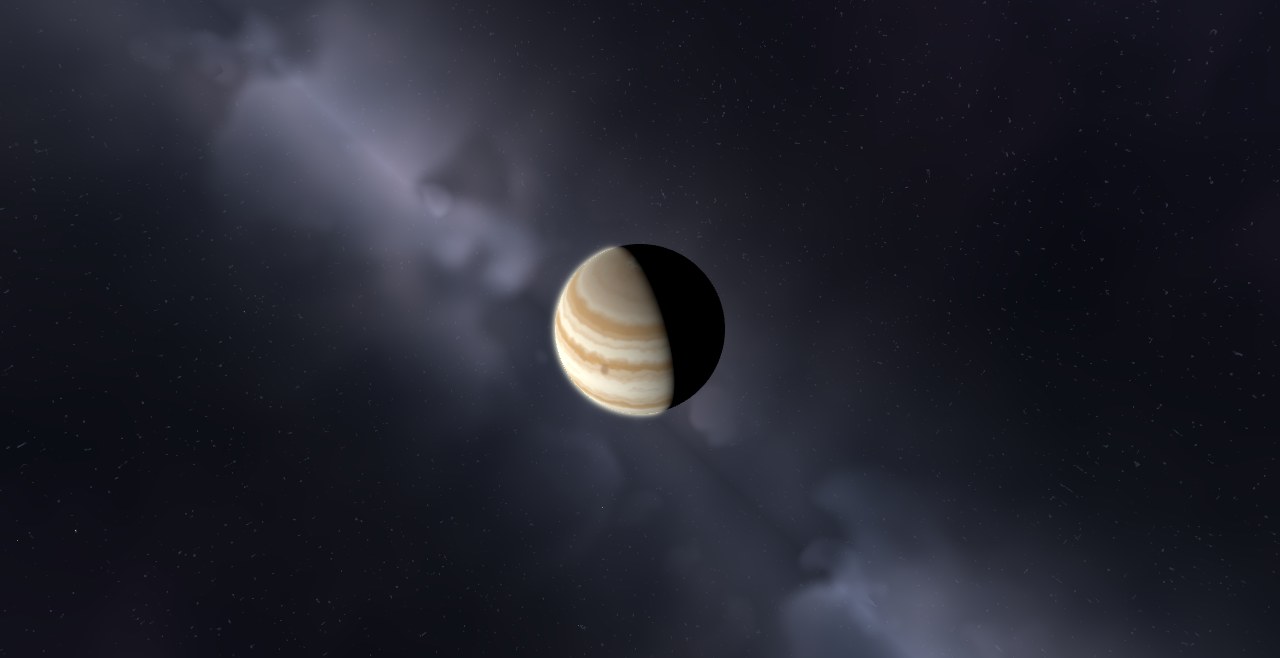
HIP 54597, an orange K-type dwarf of 0.80 solar masses, and HIP 54597 b, a 2.40-Jupiter-mass companion, with an orbital period of 8.96 years, at 4.000 AU from its star.
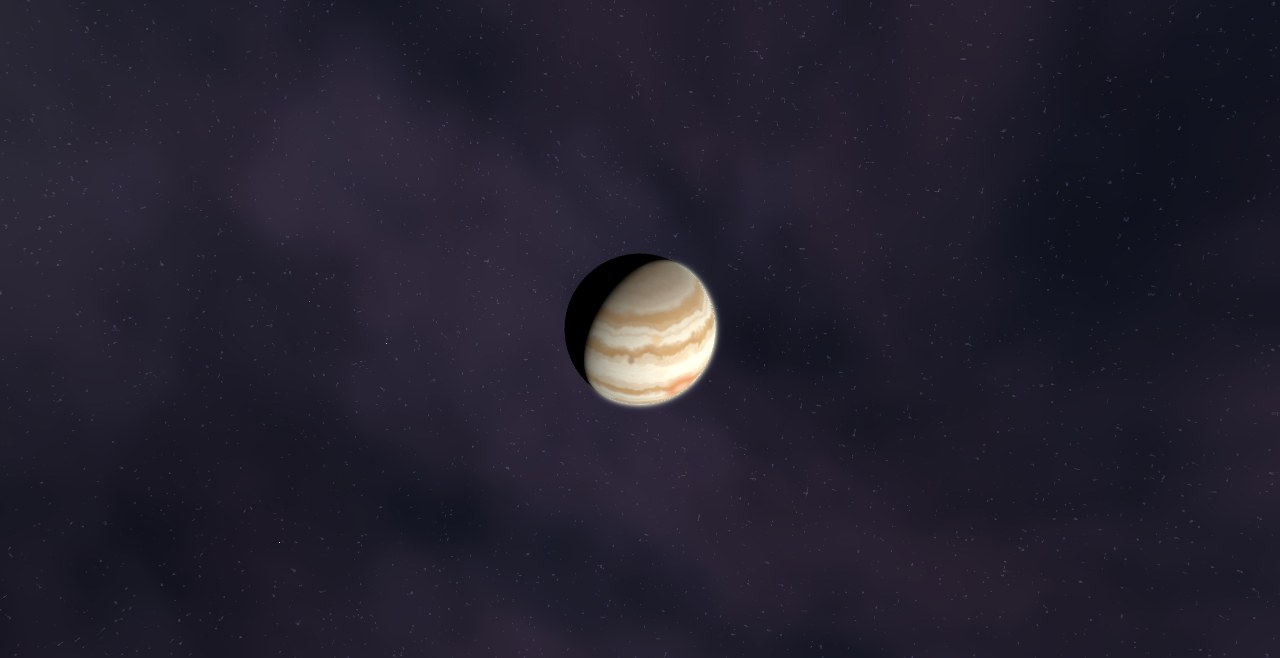
HIP 55507, an orange K-type dwarf of 0.65 solar masses, and HIP 55507 b, a 8.13-Jupiter-mass companion, with an orbital period of 14.1 years, at 5.062 AU from its star, on an eccentric orbit (e ≈ 0.36).
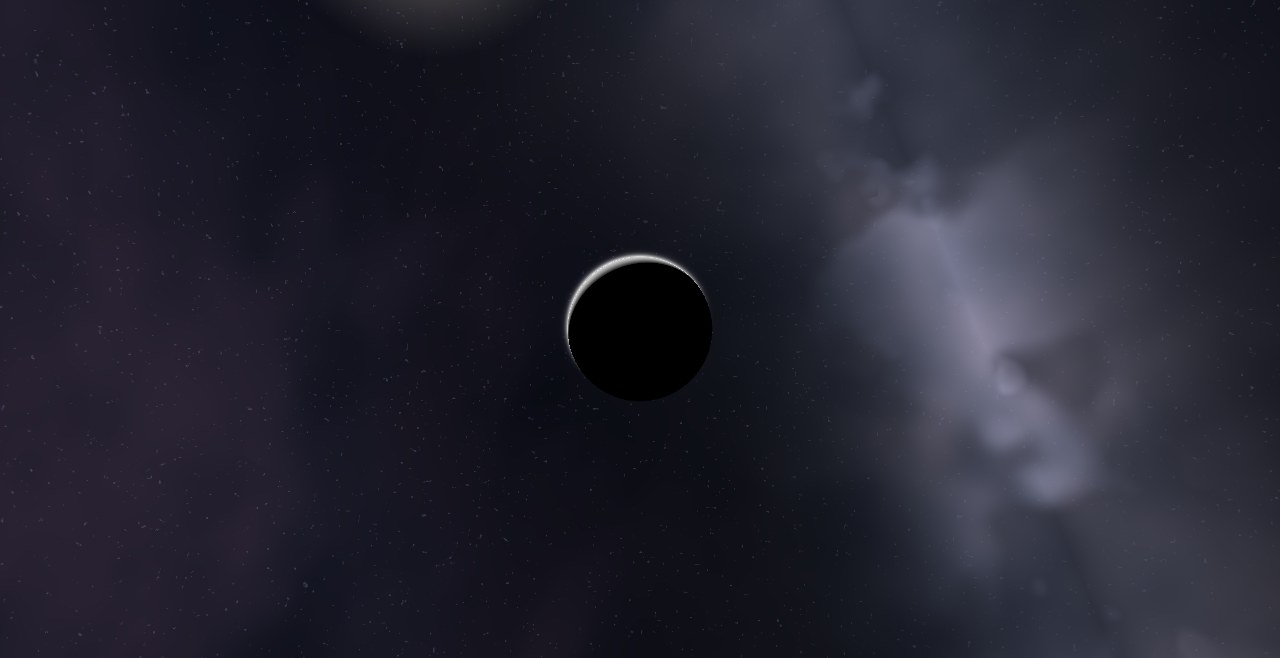
HIP 56640, an orange K-type dwarf of 1.75 solar masses, and HIP 56640 b, a 6.77-Jupiter-mass companion, with an orbital period of 7.33 years, at 4.550 AU from its star, on an eccentric orbit (e ≈ 0.12).
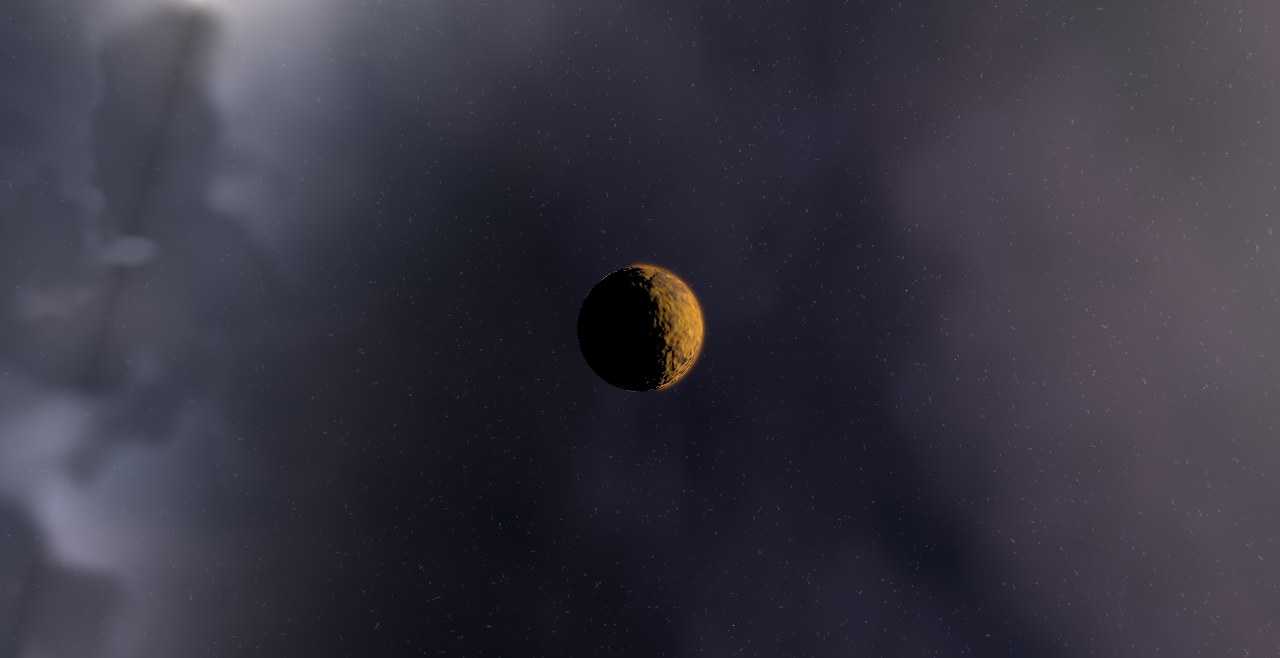
HIP 56998, an orange K-type dwarf of 0.65 solar masses, and HD 101581 b, a planet with 1.0 Earth radii, with an orbital period of 4.5 days, at 0.046 AU from its star, and an equilibrium temperature near 834 K.
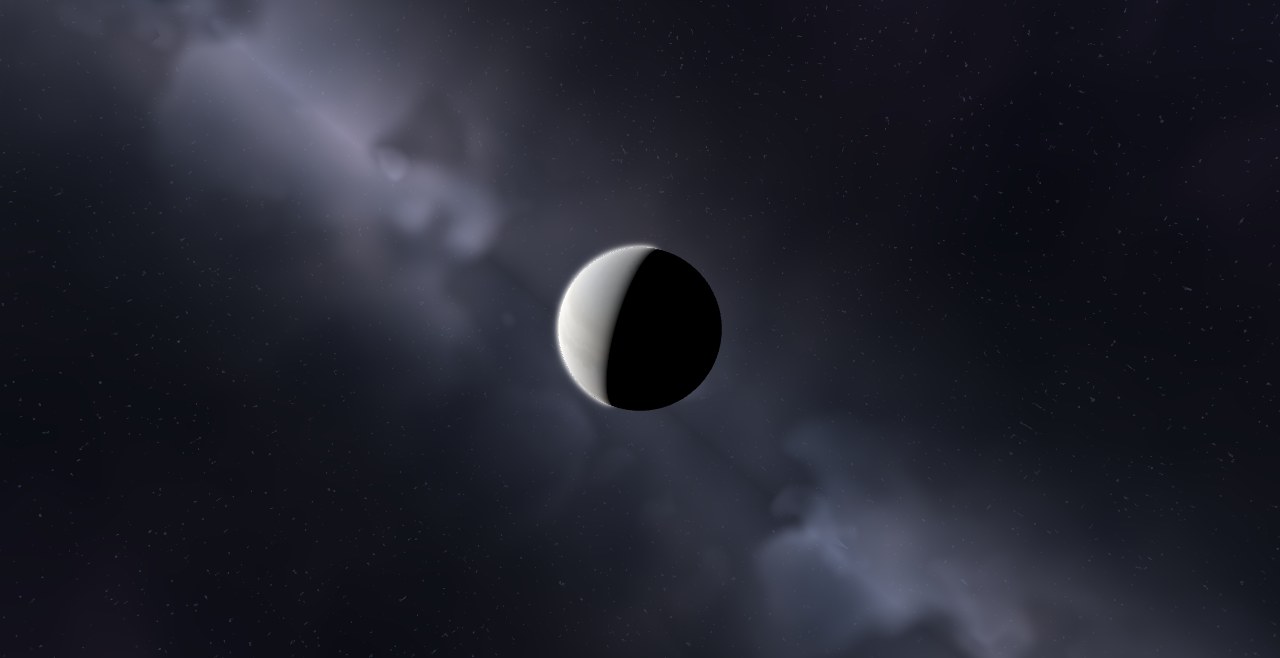
HIP 57274, an orange K-type dwarf of 0.73 solar masses, and HIP 57274 b, a 6.4-Earth-mass planet, with an orbital period of 8.1 days, at 0.070 AU from its star, on an eccentric orbit (e ≈ 0.19).
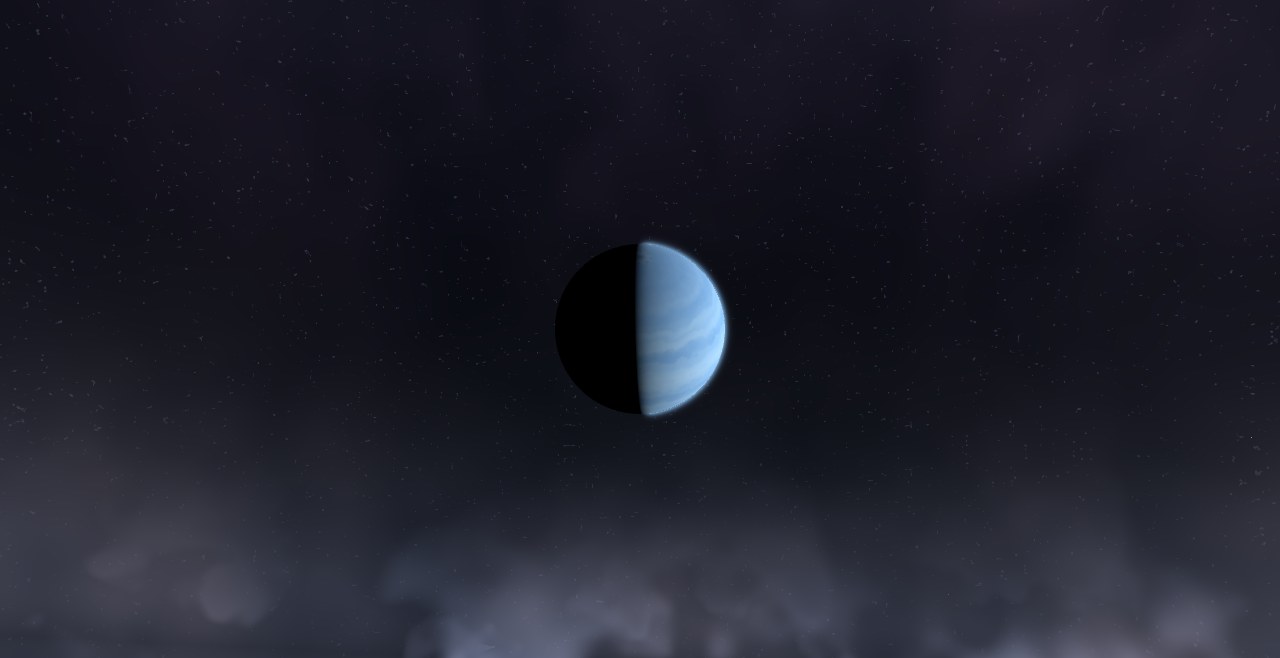
HIP 5763, an orange K-type dwarf of 0.72 solar masses, and HIP 5763 b, a 0.51-Jupiter-mass companion, with an orbital period of 30.0 days, at 0.170 AU from its star, on an eccentric orbit (e ≈ 0.05).
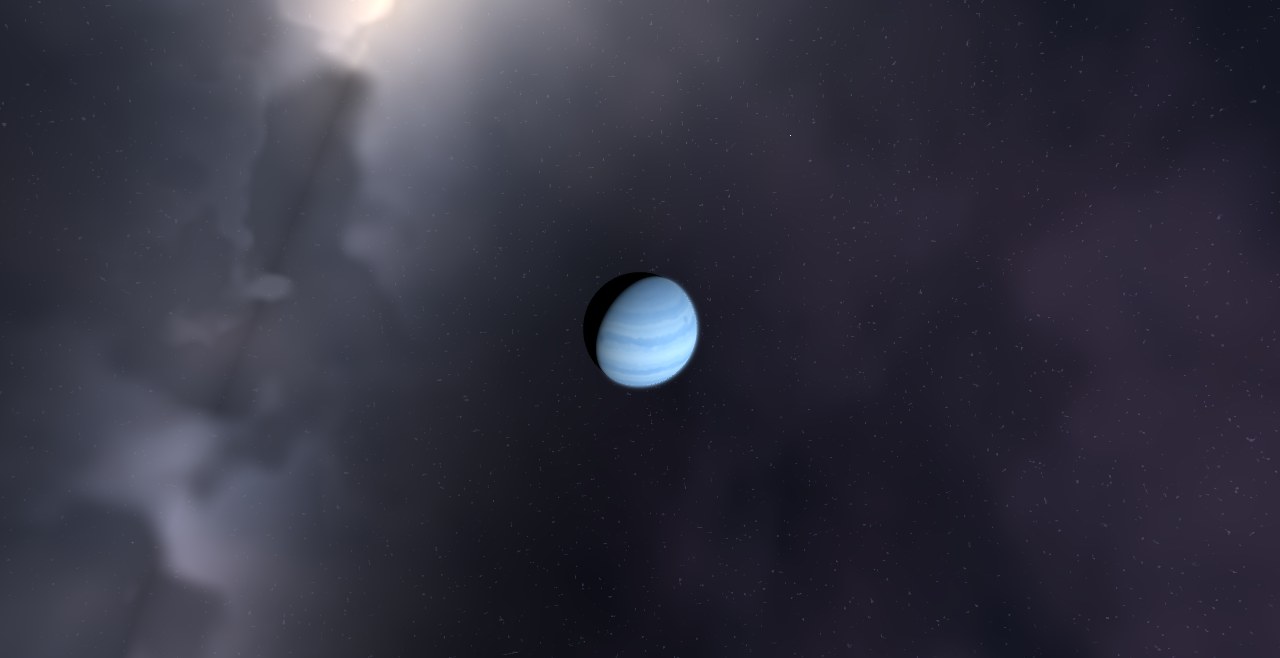
HIP 63242, a Sun-like G-type star of 1.54 solar masses, and HIP 63242 b, a 9.18-Jupiter-mass companion, with an orbital period of 125 days, at 0.565 AU from its star, on an eccentric orbit (e ≈ 0.23).
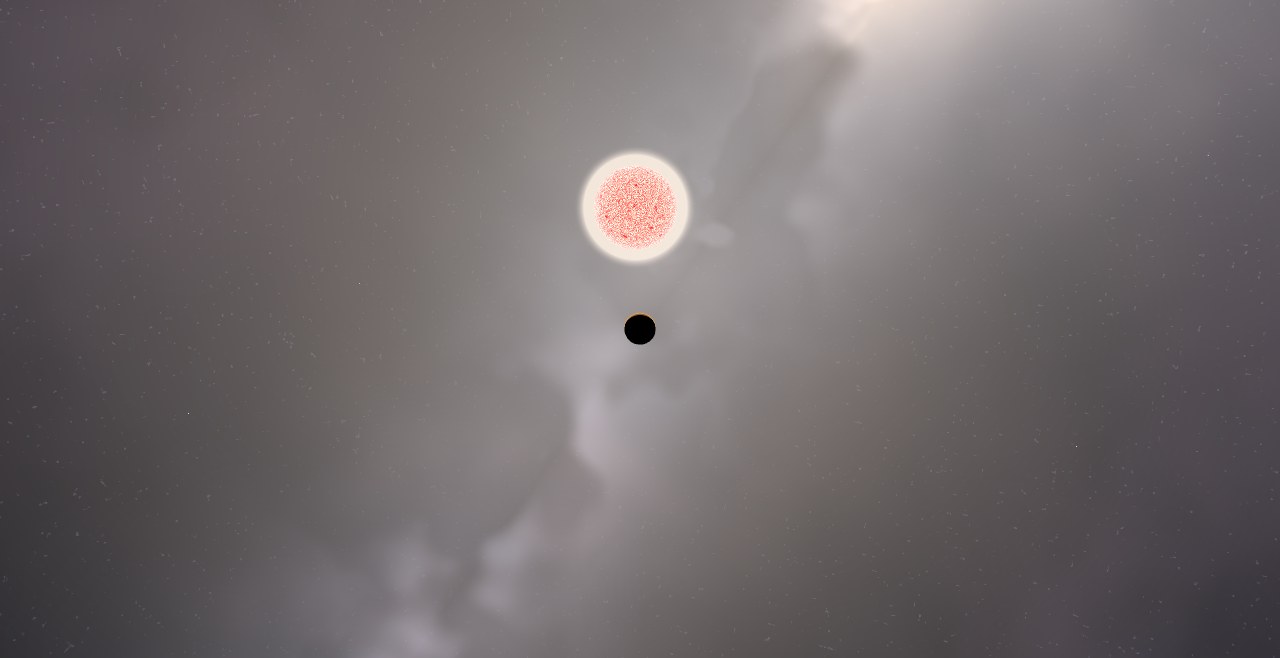
HIP 65 A, an orange K-type dwarf of 0.78 solar masses, and HIP 65 A b, a 3.21-Jupiter-mass companion, with an orbital period of 23.5 hours, at 0.018 AU from its star, and an equilibrium temperature near 1,411 K.
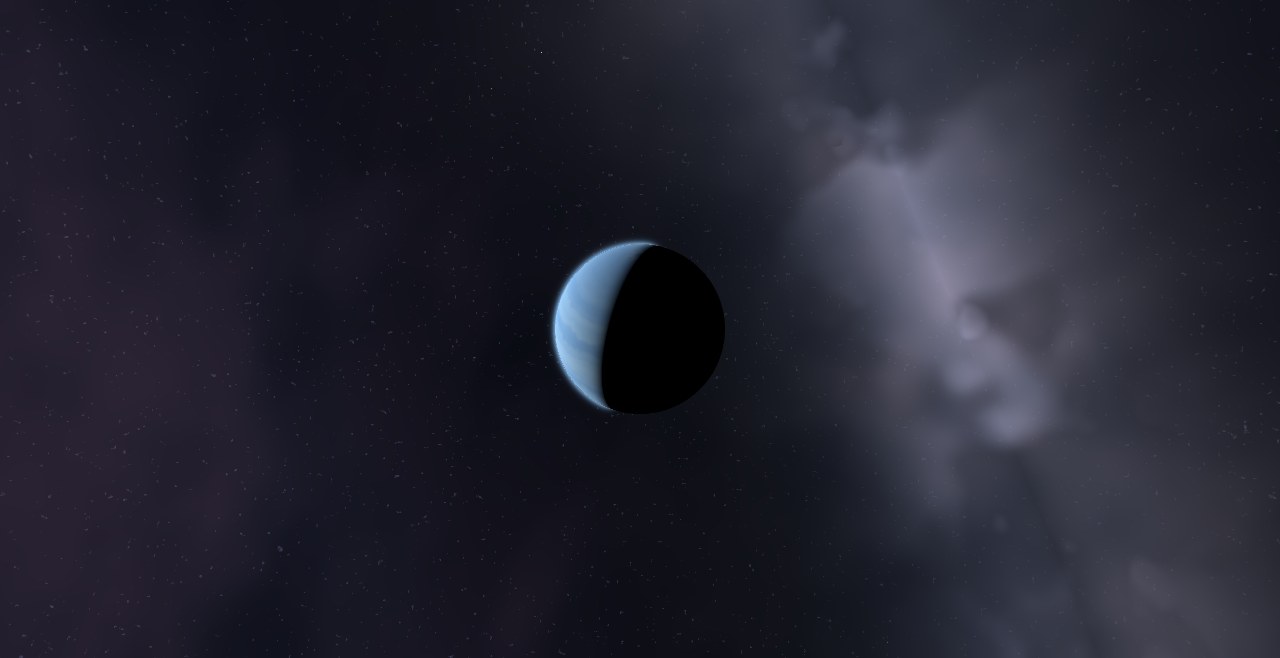
HIP 65407, an orange K-type dwarf of 0.93 solar masses, and HIP 65407 b, a 0.43-Jupiter-mass companion, with an orbital period of 28.1 days, at 0.177 AU from its star, on an eccentric orbit (e ≈ 0.14).
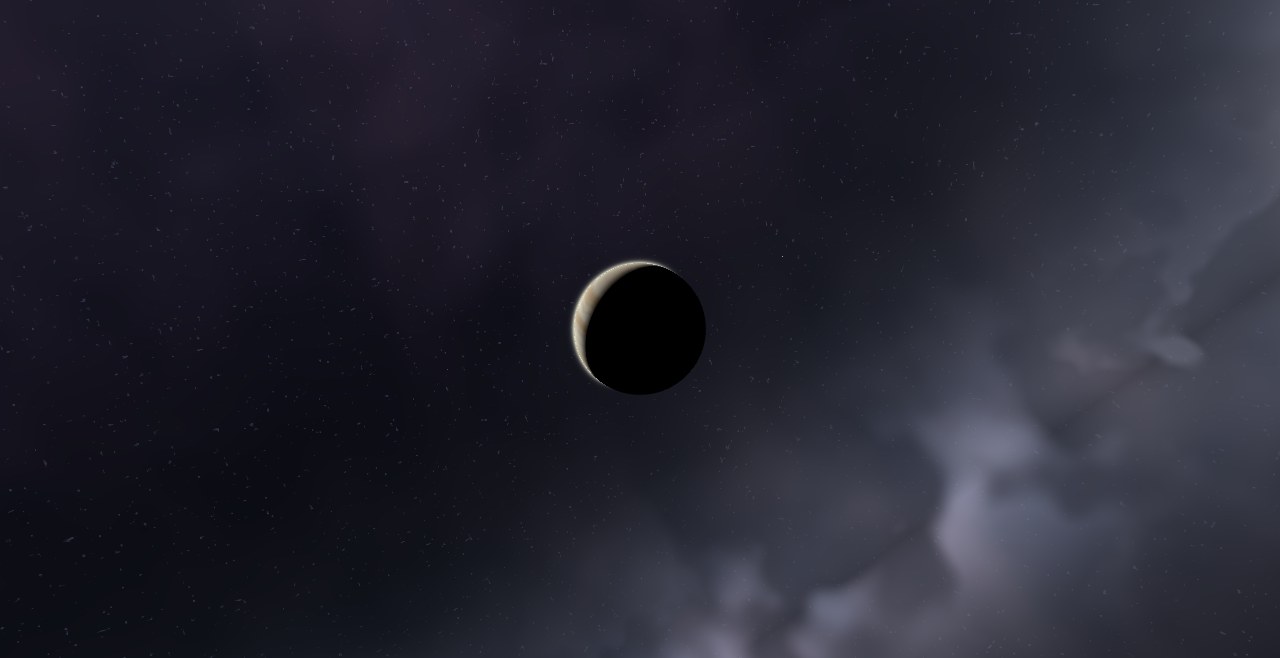
HIP 65426 b, the first exoplanet JWST imaged directly. This wide, young giant was a commissioning target for the telescope's coronagraphs. The planet orbits far outside any region we can transit.