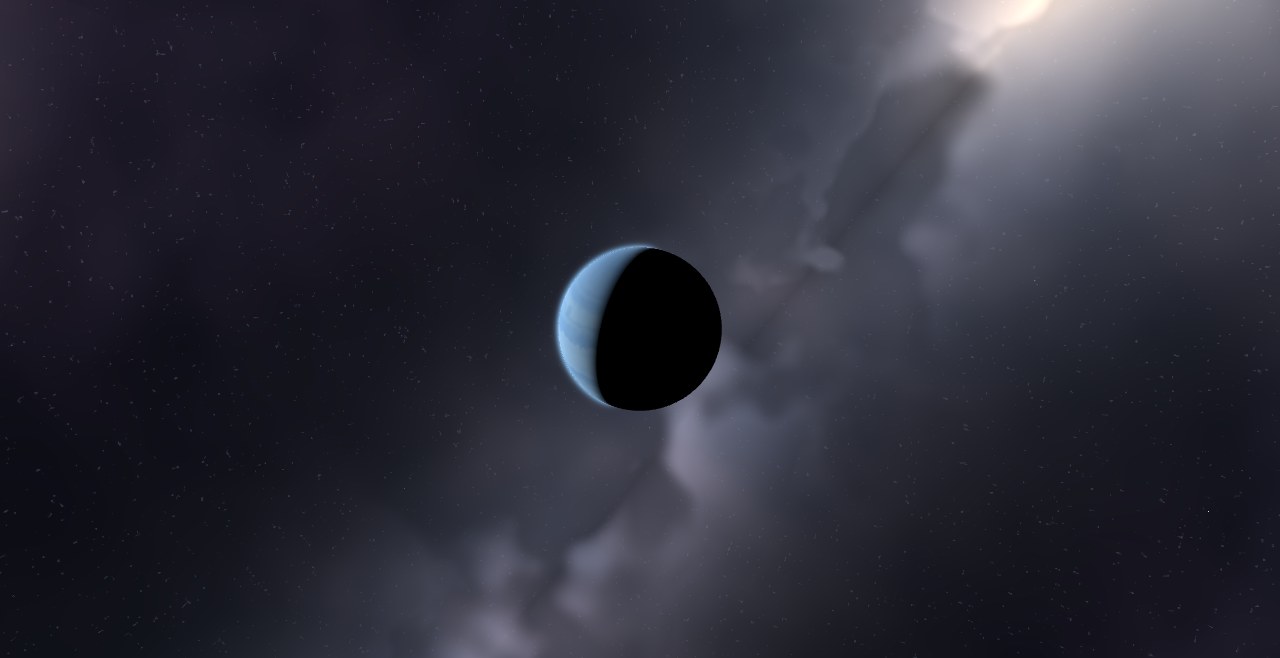
HIP 65891 - System
HIP 65891, an orange K-type dwarf of 2.50 solar masses, and HIP 65891 b, a 6.10-Jupiter-mass companion, with an orbital period of 2.98 years, at 2.820 AU from its star, on an eccentric orbit (e ≈ 0.09).
Scenarios
Discover alien solar systems and explore worlds far beyond our own. Simulate extreme orbital environments, habitable zones, and tightly packed resonant chains discovered by modern astronomy, all mapped accurately from real exoplanetary discovery data.
Share
HIP 65891, an orange K-type dwarf of 2.50 solar masses, and HIP 65891 b, a 6.10-Jupiter-mass companion, with an orbital period of 2.98 years, at 2.820 AU from its star, on an eccentric orbit (e ≈ 0.09).
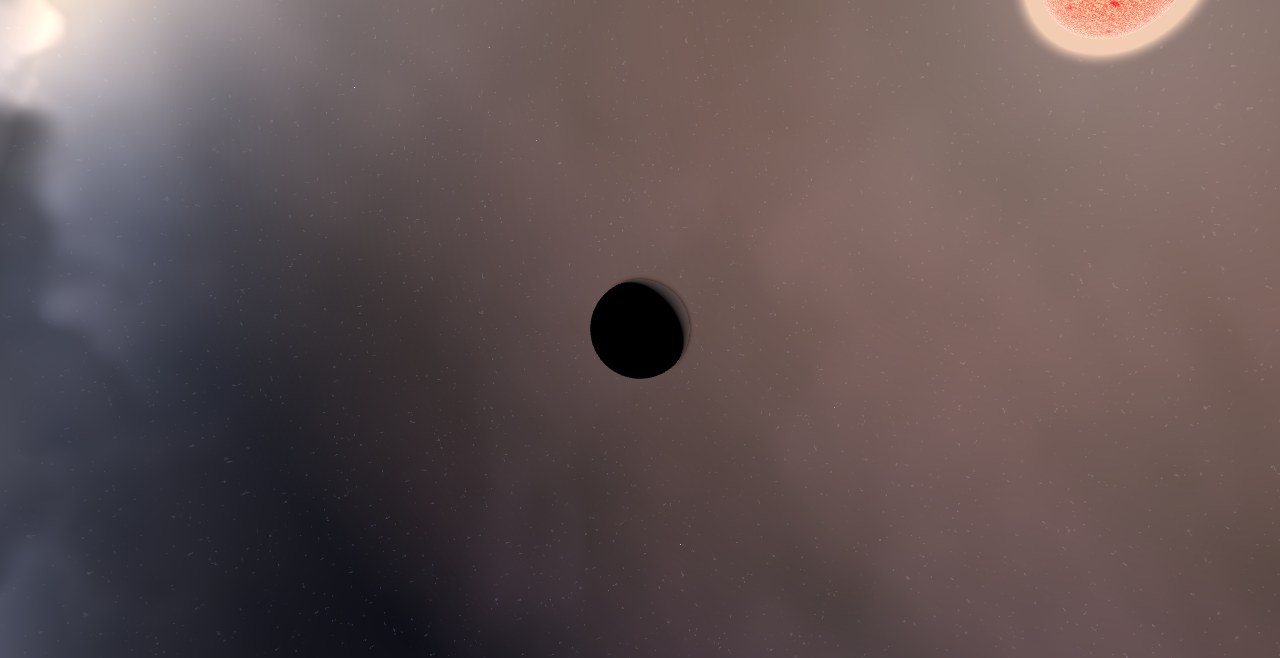
HIP 66074, an orange K-type dwarf of 0.70 solar masses, and HIP 66074 b, a 5.00-Jupiter-mass companion, with an orbital period of 311 days, at 0.799 AU from its star, on an eccentric orbit (e ≈ 0.95).
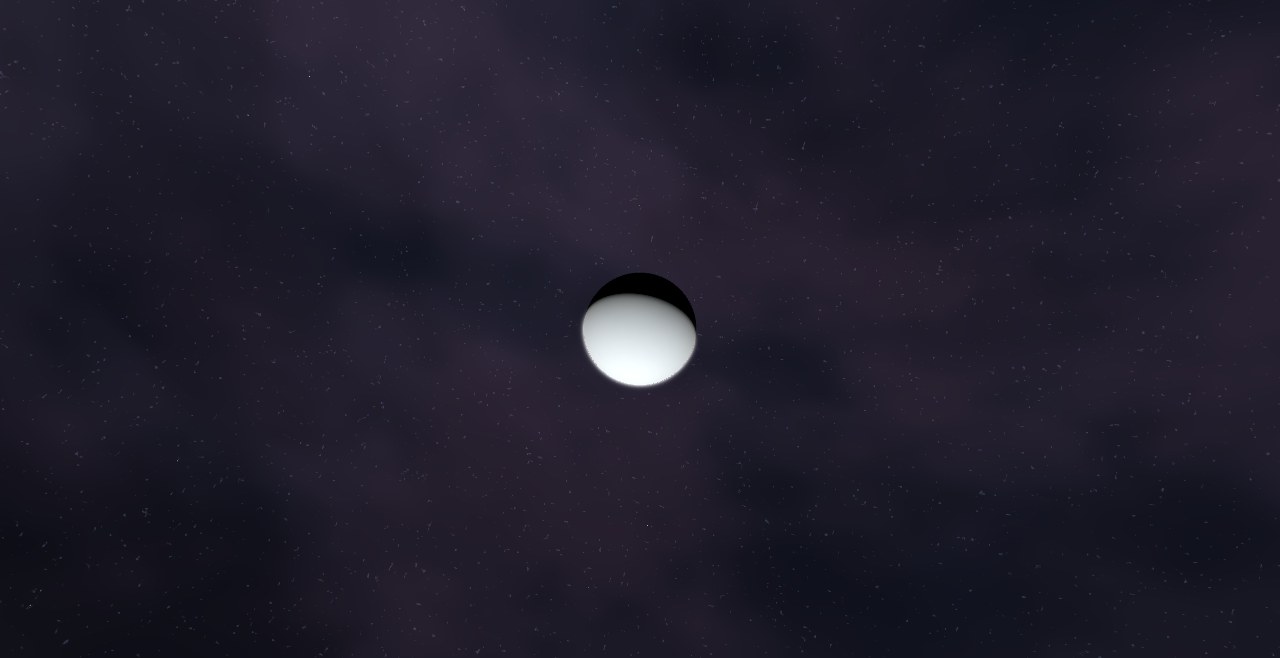
HIP 67522 b, a Jupiter-sized planet around a 17-million-year-old Sun-like star. Stellar flares and the young planet interact. The planet's radius is still inflated by youth.
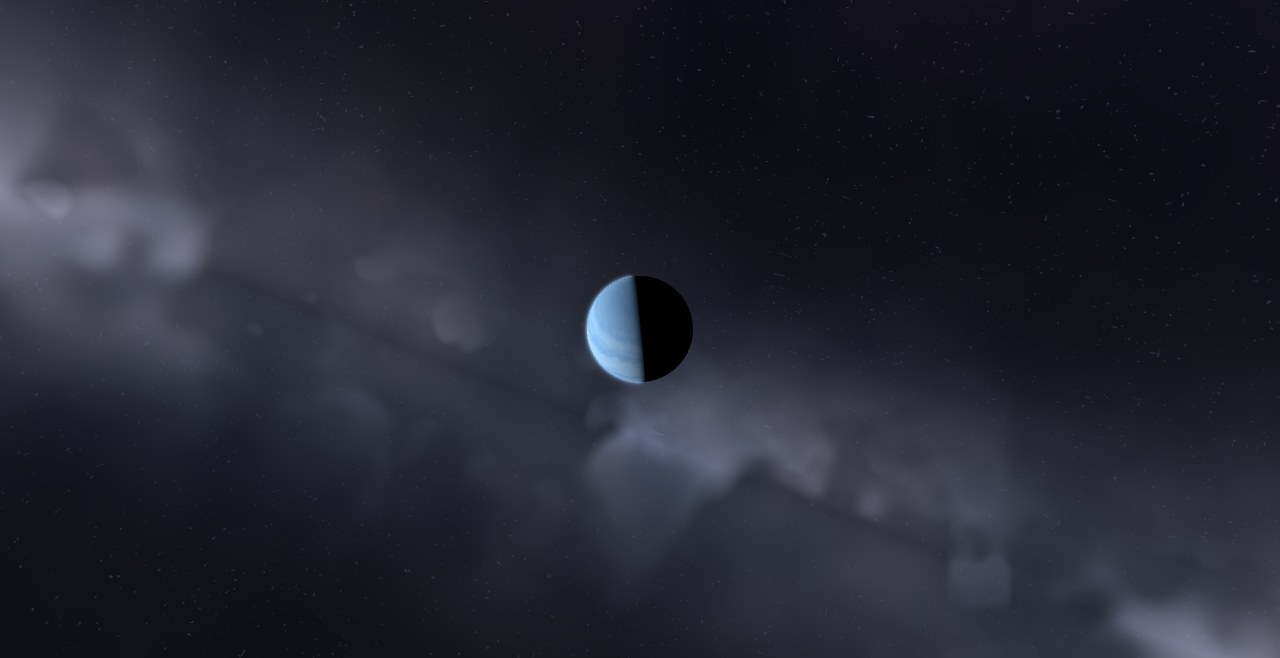
HIP 67537, an orange K-type dwarf of 2.32 solar masses, and HIP 67537 b, a 13.6-Jupiter-mass companion, with an orbital period of 6.91 years, at 4.807 AU from its star, on an eccentric orbit (e ≈ 0.59).
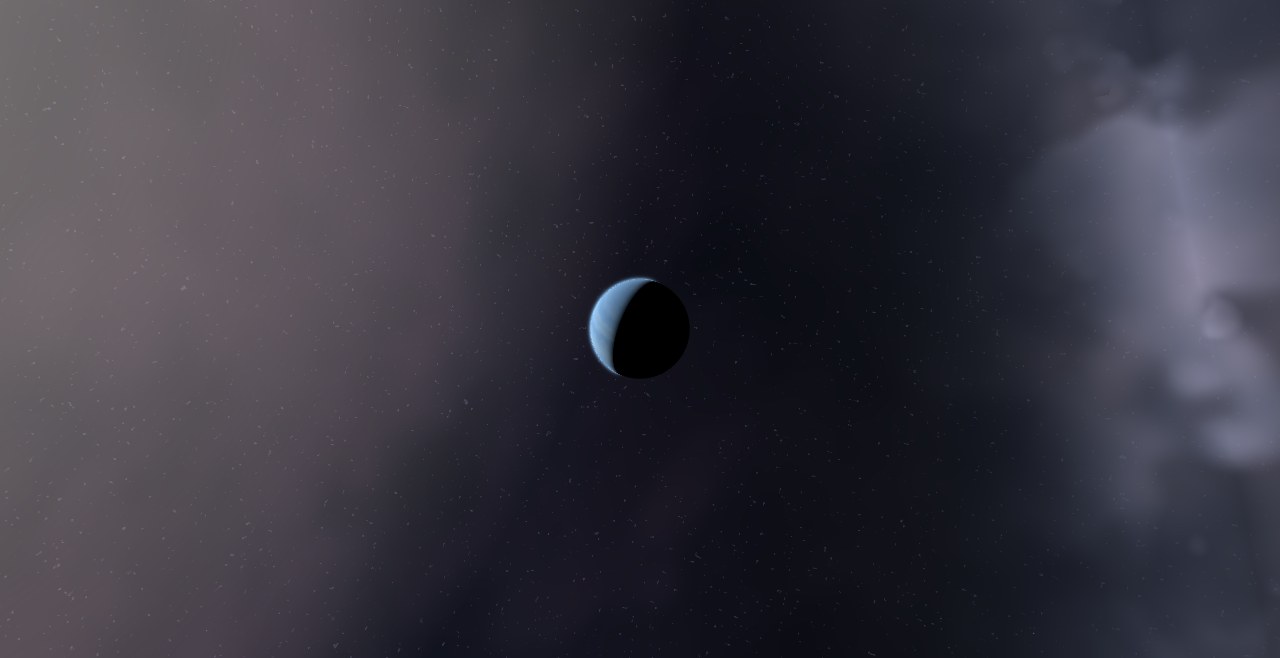
HIP 67851, an orange K-type dwarf of 1.28 solar masses, and HIP 67851 b, a 1.15-Jupiter-mass companion, with an orbital period of 89.2 days, at 0.420 AU from its star, on an eccentric orbit (e ≈ 0.13).
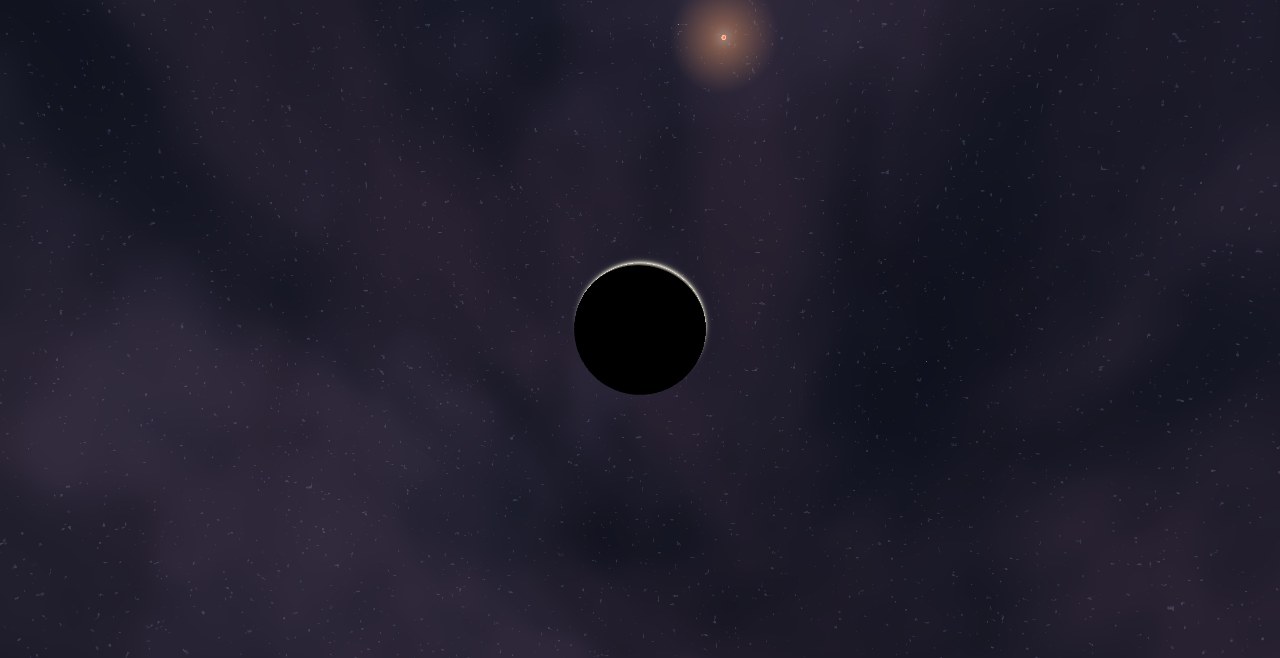
HIP 70849, an orange K-type dwarf of 0.65 solar masses, and HIP 70849 b, a 4.50-Jupiter-mass companion, with an orbital period of 9.99 years, at 3.990 AU from its star, on an eccentric orbit (e ≈ 0.65).
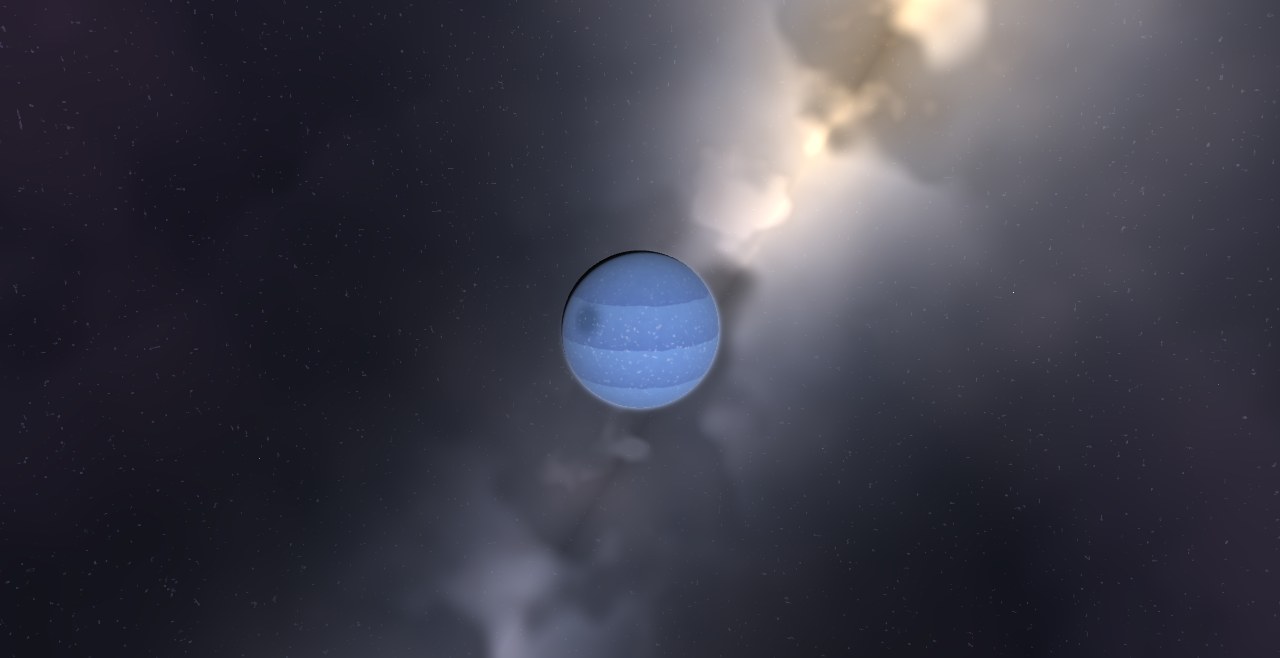
HIP 71135, a cool M-dwarf of 0.66 solar masses, and HIP 71135 b, a 0.06-Jupiter-mass companion, with an orbital period of 87.2 days, at 0.335 AU from its star, on an eccentric orbit (e ≈ 0.21).
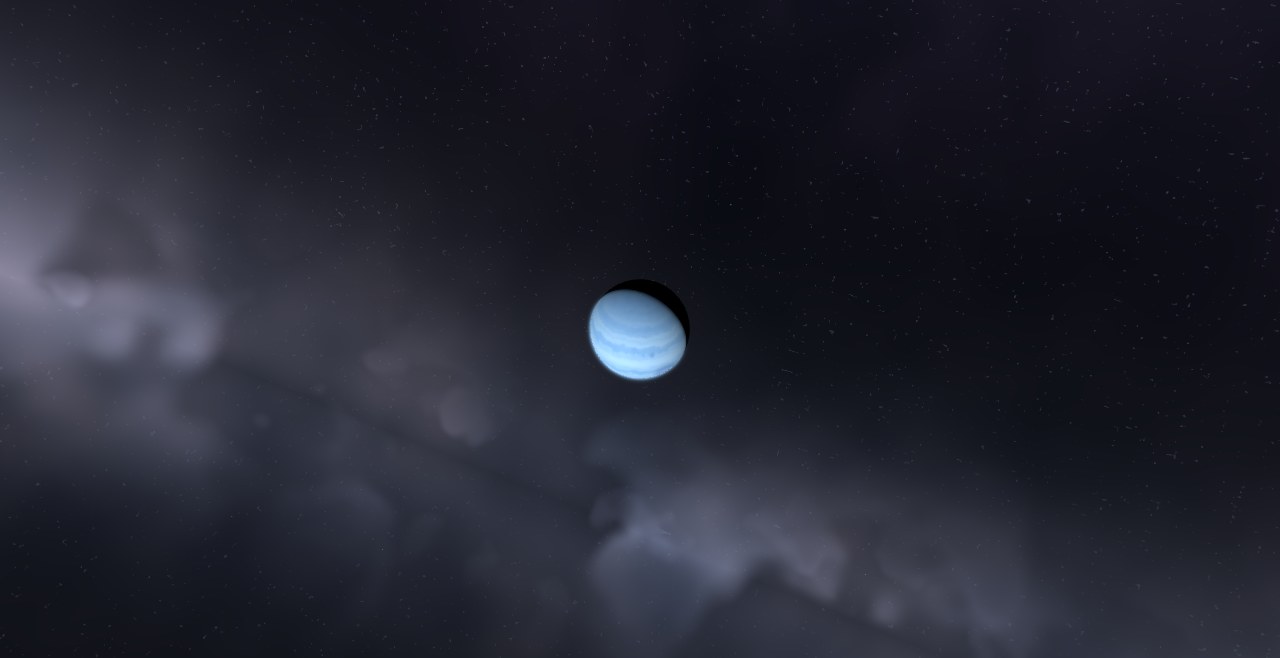
HIP 74890, an orange K-type dwarf of 1.74 solar masses, and HIP 74890 b, a 2.40-Jupiter-mass companion, with an orbital period of 2.25 years, at 2.100 AU from its star, on an eccentric orbit (e ≈ 0.07).
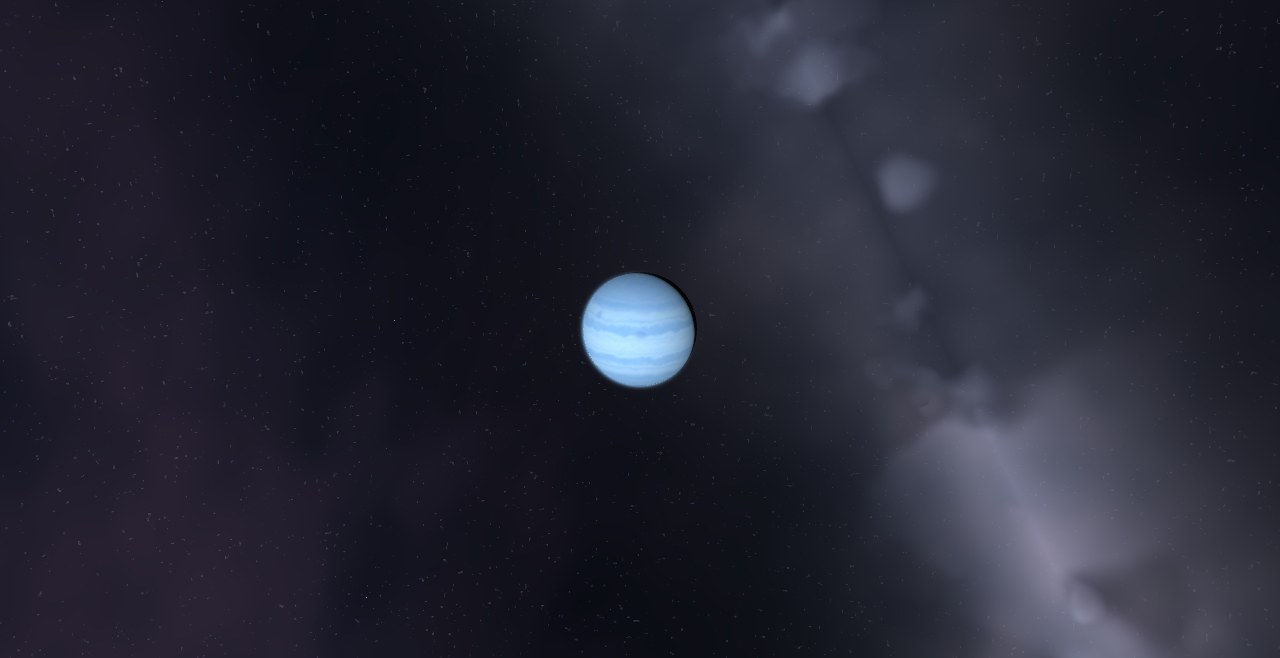
HIP 75092, an orange K-type dwarf of 1.28 solar masses, and HIP 75092 b, a 1.79-Jupiter-mass companion, with an orbital period of 2.54 years, at 2.020 AU from its star, on an eccentric orbit (e ≈ 0.42).
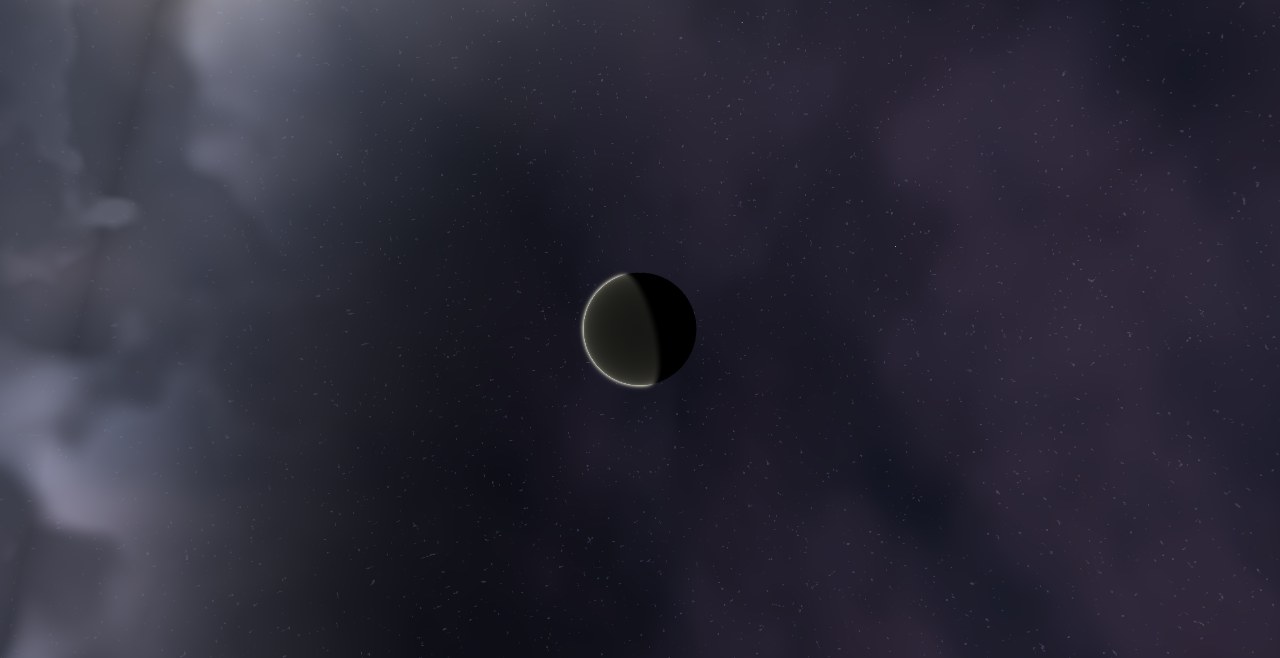
HIP 77900, and HIP 77900 b, a 21.0-Jupiter-mass companion, at 3,319 AU from its star, and an equilibrium temperature near 2,507 K.
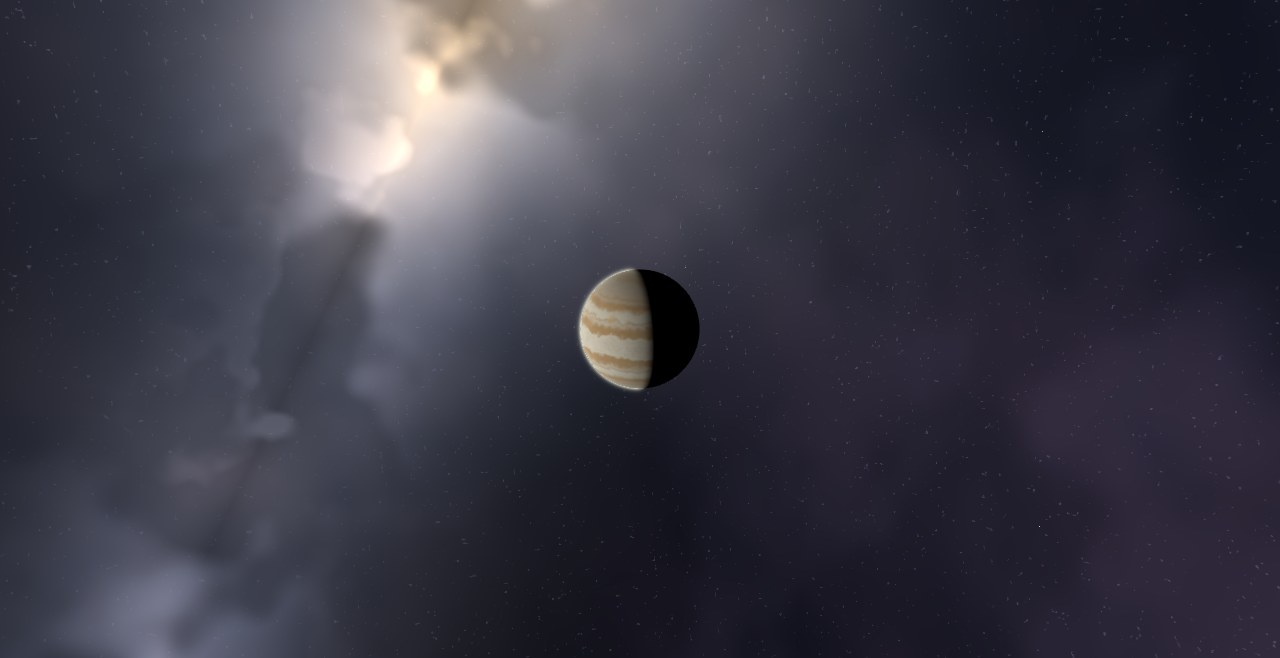
HIP 78530, a hot B-type star of 2.50 solar masses, and HIP 78530 b, a 23.0-Jupiter-mass companion, at 740 AU from its star, and an equilibrium temperature near 2,700 K.
HIP 79098 AB, and HIP 79098 AB b, a 20.5-Jupiter-mass companion, at 345 AU from its star, and an equilibrium temperature near 2,450 K.
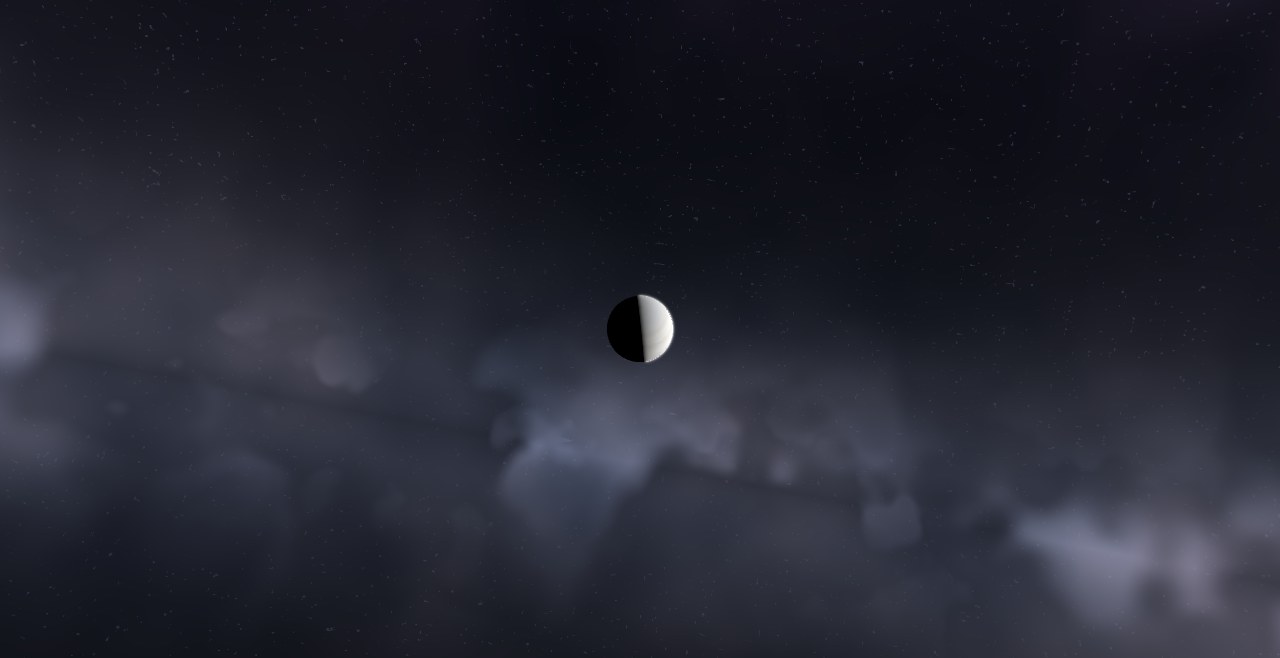
HIP 79431, a cool M-dwarf of 0.49 solar masses, and HIP 79431 b, a 2.10-Jupiter-mass companion, with an orbital period of 112 days, at 0.360 AU from its star, on an eccentric orbit (e ≈ 0.29).
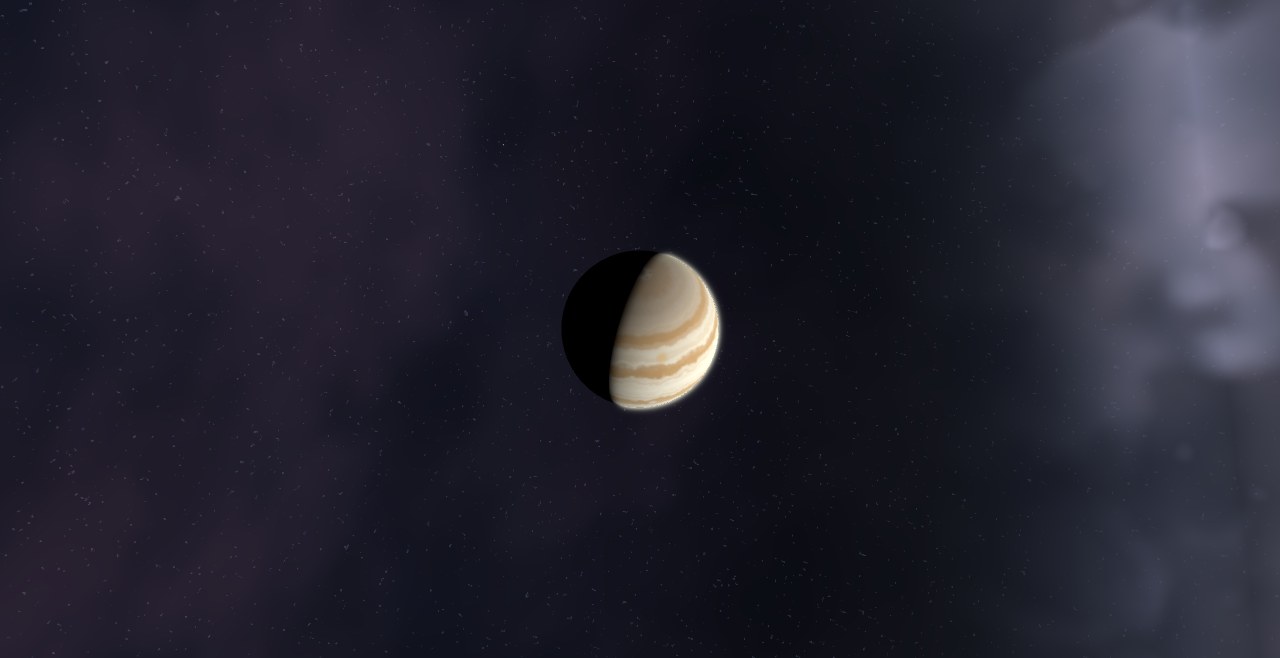
HIP 81208 C, a cool M-dwarf of 0.14 solar masses, and HIP 81208 C b, a 14.8-Jupiter-mass companion, with an orbital period of 285 years, at 23.0 AU from its star, and an equilibrium temperature near 2,050 K.
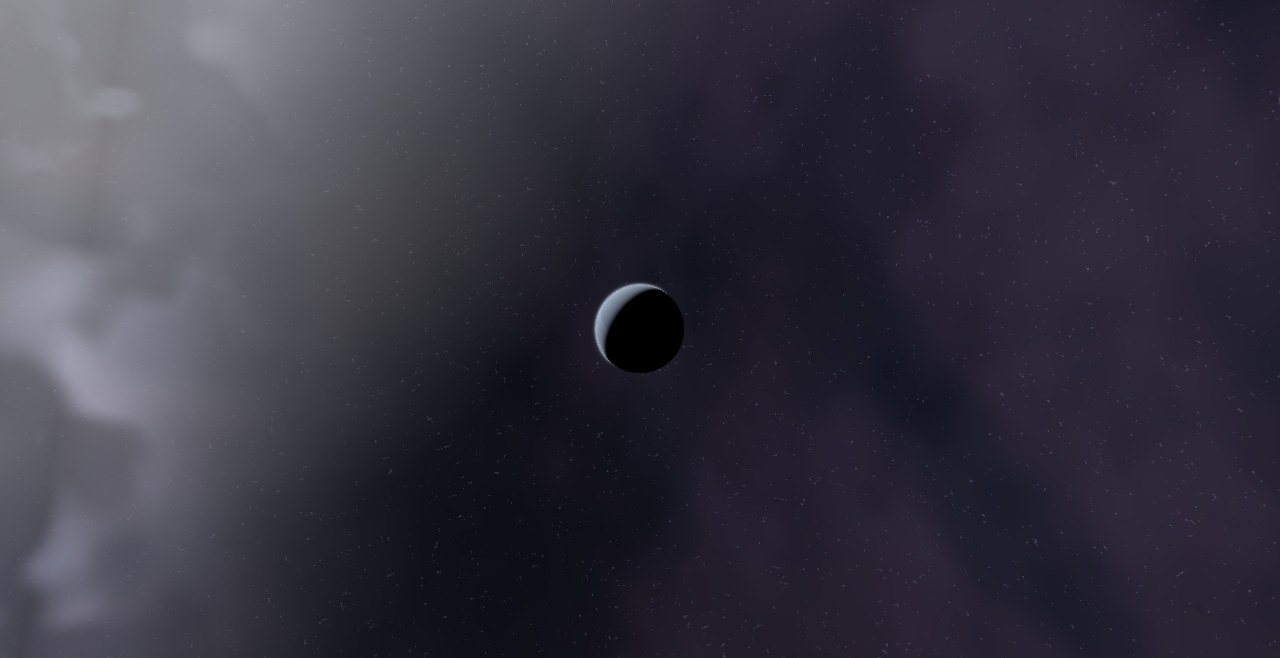
HIP 8152, a Sun-like G-type star of 0.94 solar masses, and HIP 8152 b, a 8.9-Earth-mass planet, with an orbital period of 10.8 days, at 0.093 AU from its star, and an equilibrium temperature near 795 K.
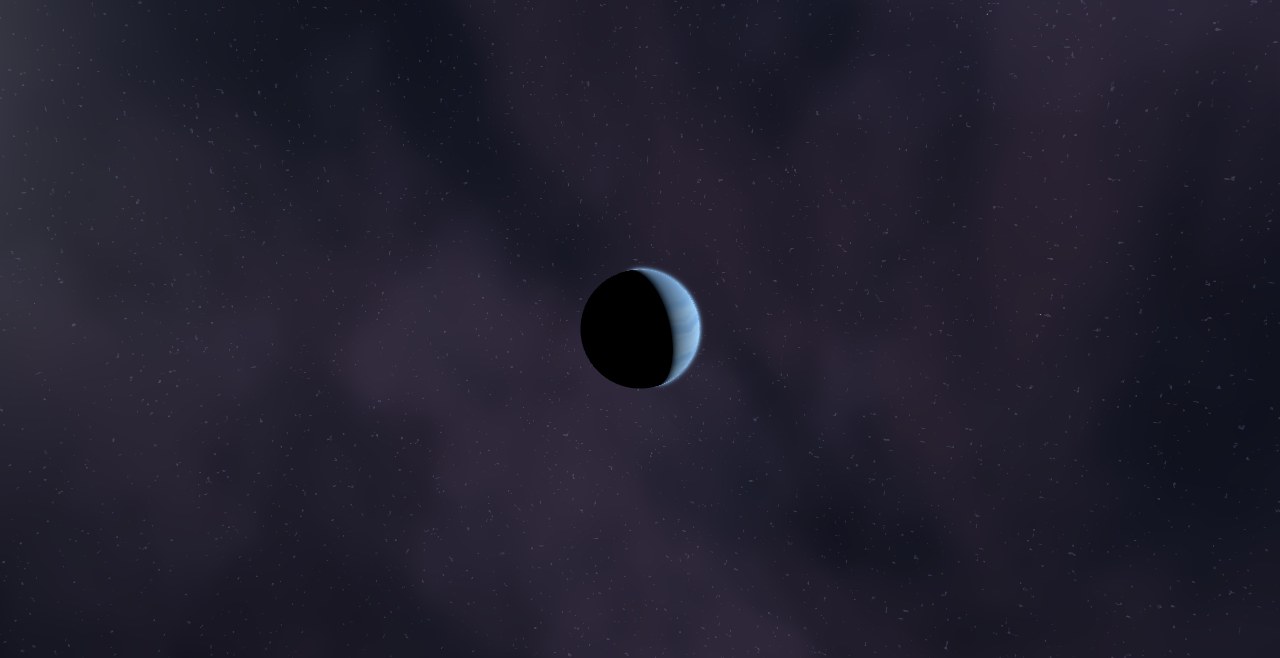
HIP 8541, an orange K-type dwarf of 2.01 solar masses, and HD 11343 c, a 0.80-Jupiter-mass companion, with an orbital period of 229 days, at 0.923 AU from its star, on an eccentric orbit (e ≈ 0.17).
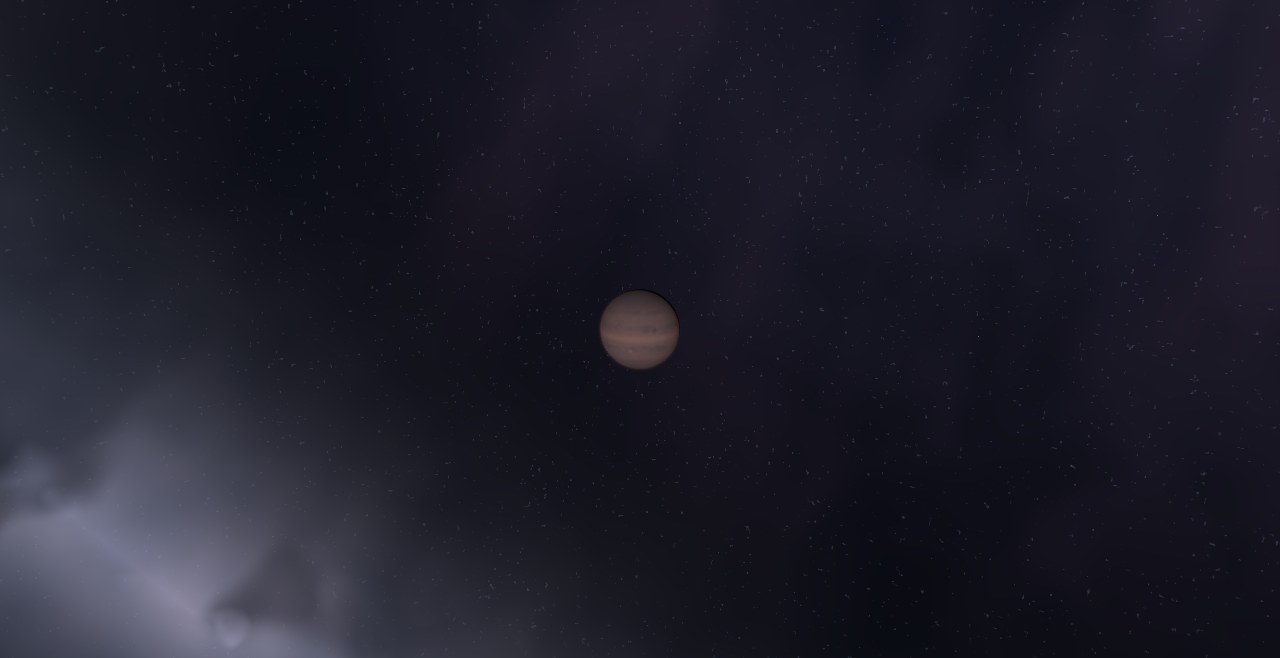
HIP 86221, an orange K-type dwarf of 0.79 solar masses, and HIP 86221 b, a 0.71-Jupiter-mass companion, with an orbital period of 2.2 days, at 0.031 AU from its star, on an eccentric orbit (e ≈ 0.09).
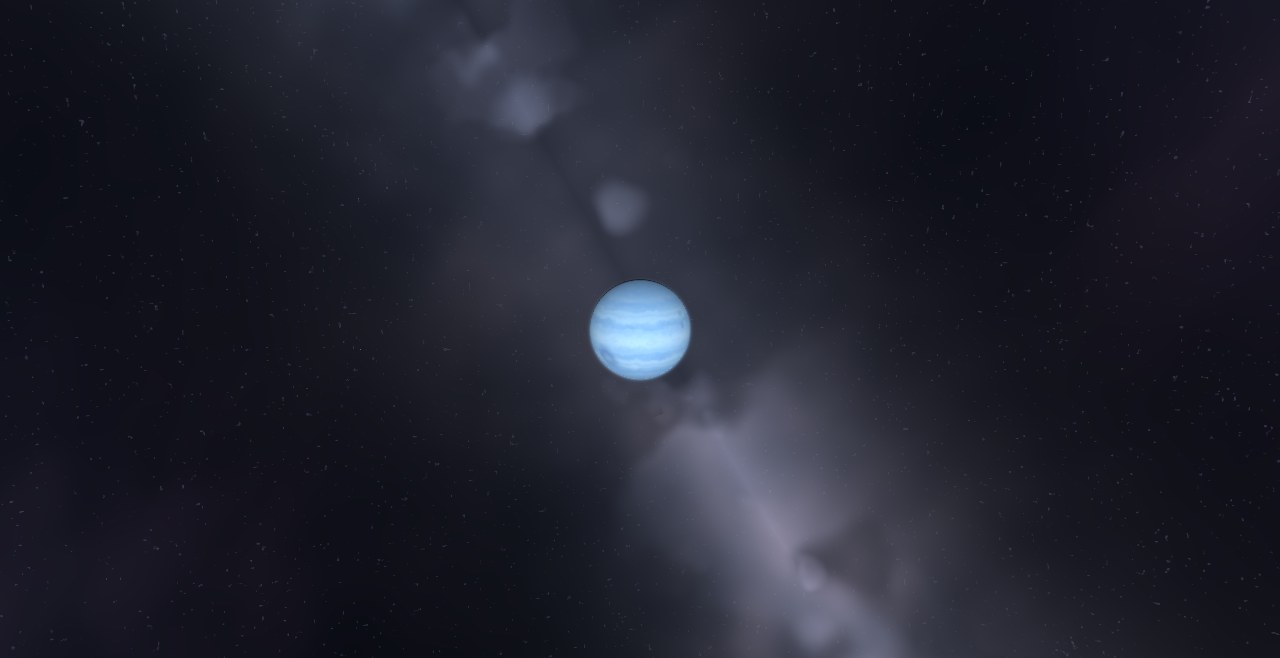
HIP 90988, an orange K-type dwarf of 1.61 solar masses, and HIP 90988 b, a 2.10-Jupiter-mass companion, with an orbital period of 1.25 years, at 1.360 AU from its star, on an eccentric orbit (e ≈ 0.08).