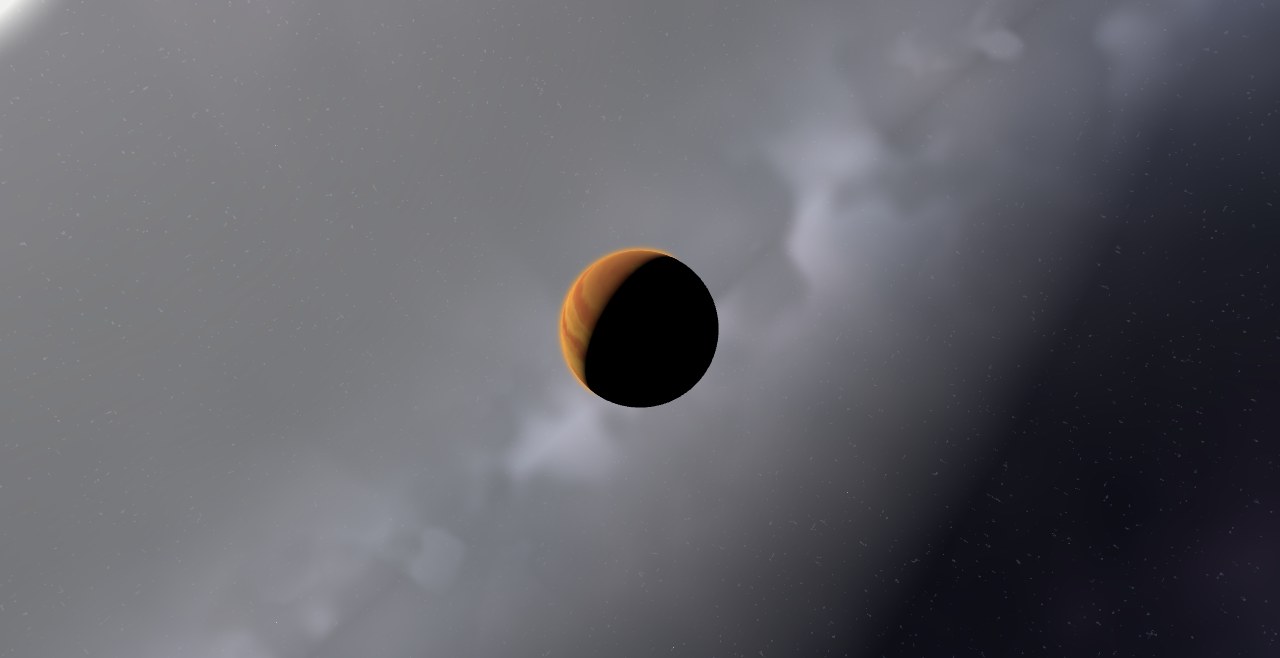
Qatar-7 - System
Qatar-7, a Sun-like F-type star of 1.41 solar masses, and Qatar-7 b, a 1.88-Jupiter-mass companion, with an orbital period of 2.0 days, at 0.035 AU from its star, and an equilibrium temperature near 2,053 K.
Scenarios
Discover alien solar systems and explore worlds far beyond our own. Simulate extreme orbital environments, habitable zones, and tightly packed resonant chains discovered by modern astronomy, all mapped accurately from real exoplanetary discovery data.
Share
Qatar-7, a Sun-like F-type star of 1.41 solar masses, and Qatar-7 b, a 1.88-Jupiter-mass companion, with an orbital period of 2.0 days, at 0.035 AU from its star, and an equilibrium temperature near 2,053 K.
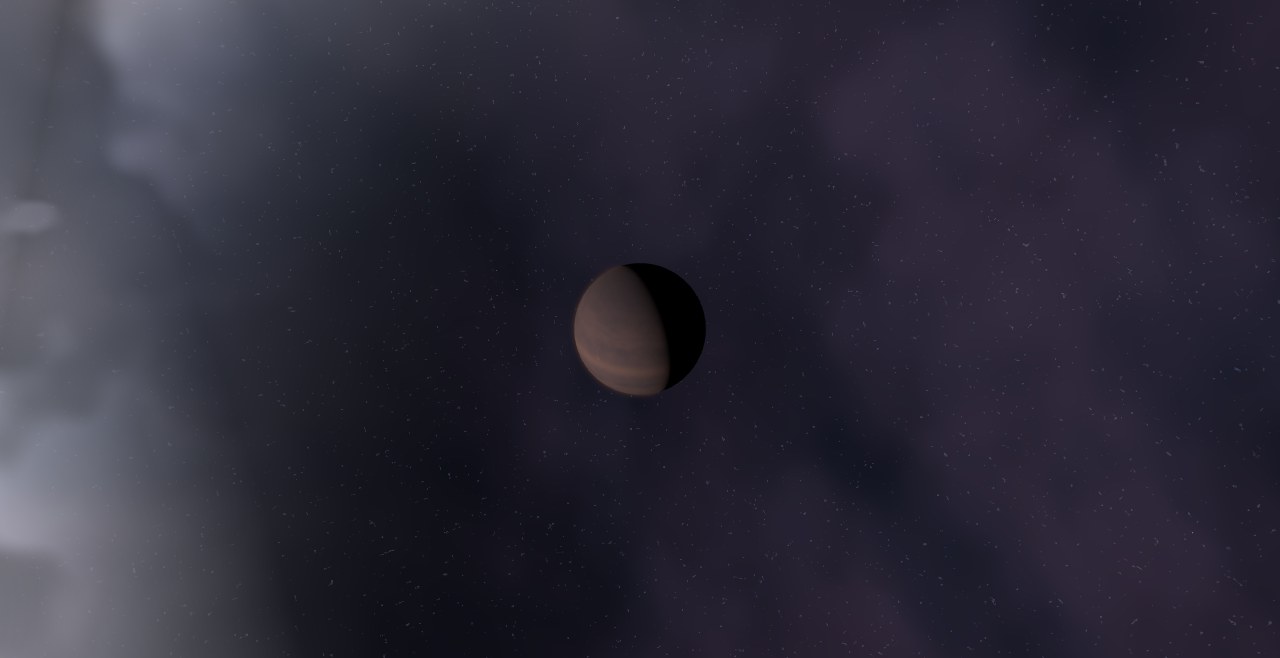
Qatar-8, a Sun-like G-type star of 1.03 solar masses, and Qatar-8 b, a 0.37-Jupiter-mass companion, with an orbital period of 3.7 days, at 0.047 AU from its star, and an equilibrium temperature near 1,457 K.
Qatar-9, an orange K-type dwarf of 0.72 solar masses, and Qatar-9 b, a 1.19-Jupiter-mass companion, with an orbital period of 1.5 days, at 0.023 AU from its star, and an equilibrium temperature near 1,134 K.
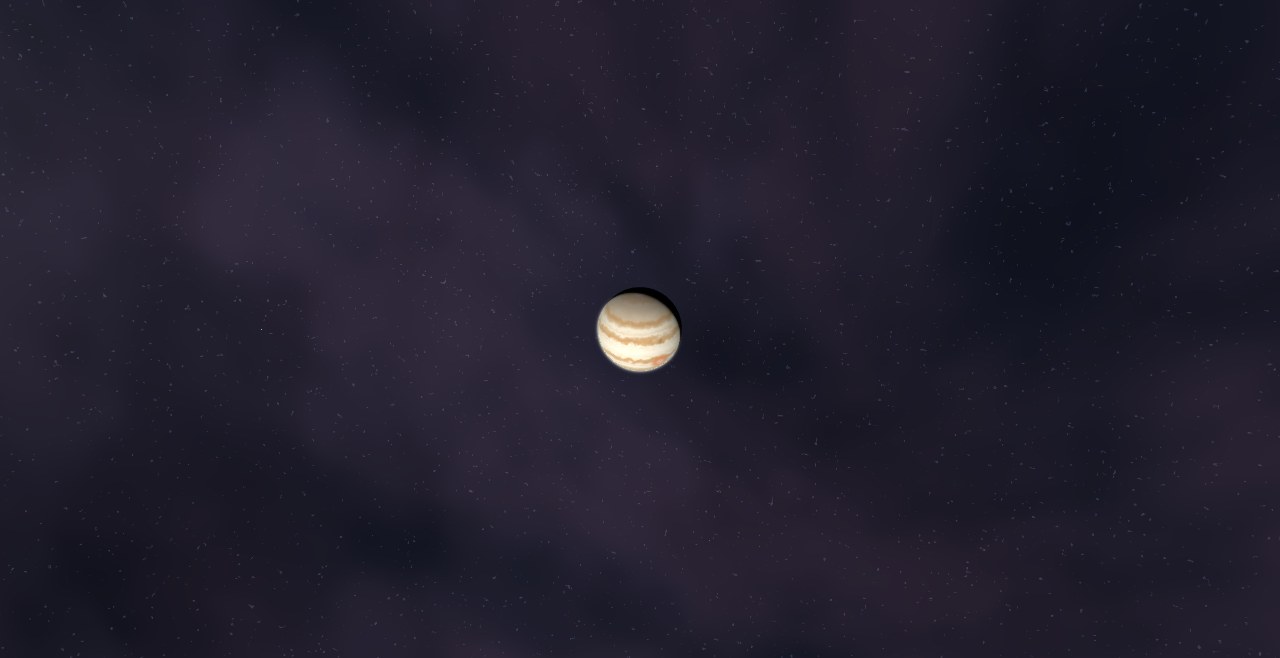
ROXs 12, a cool M-dwarf of 0.87 solar masses, and ROXs 12 b, a 16.0-Jupiter-mass companion, at 210 AU from its star.
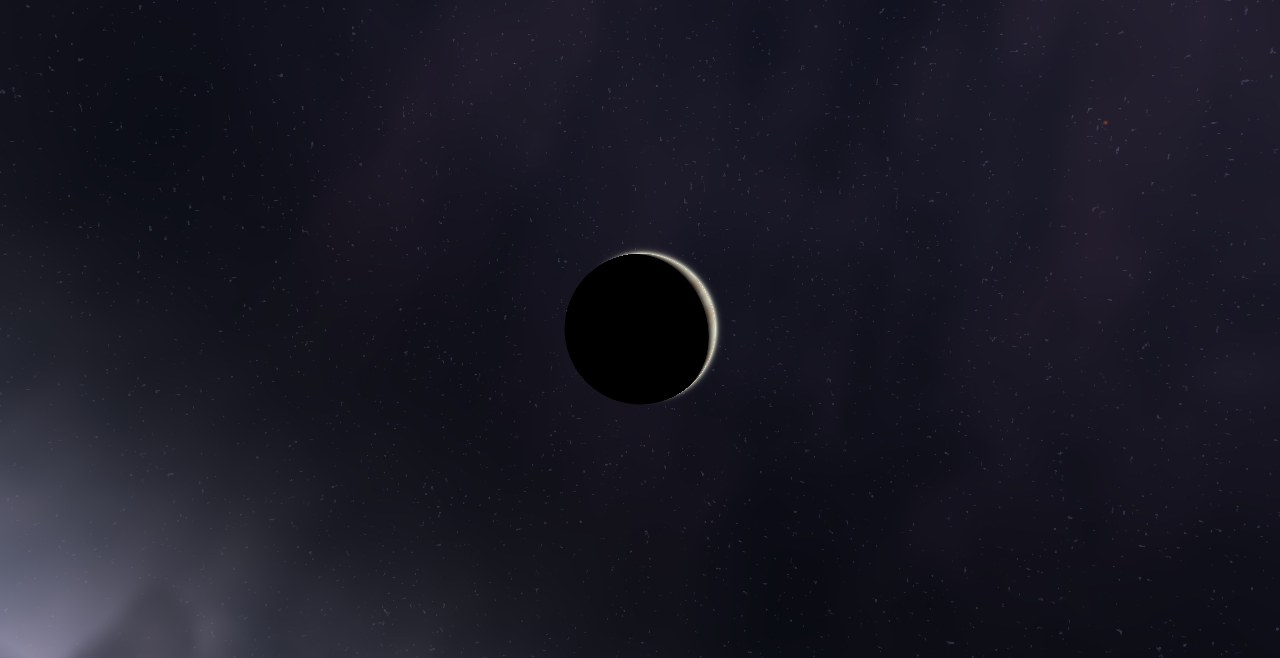
ROXs 42 B, a cool M-dwarf of 1.00 solar masses, and ROXs 42 B b, a 9.00-Jupiter-mass companion, at 157 AU from its star, and an equilibrium temperature near 1,975 K.
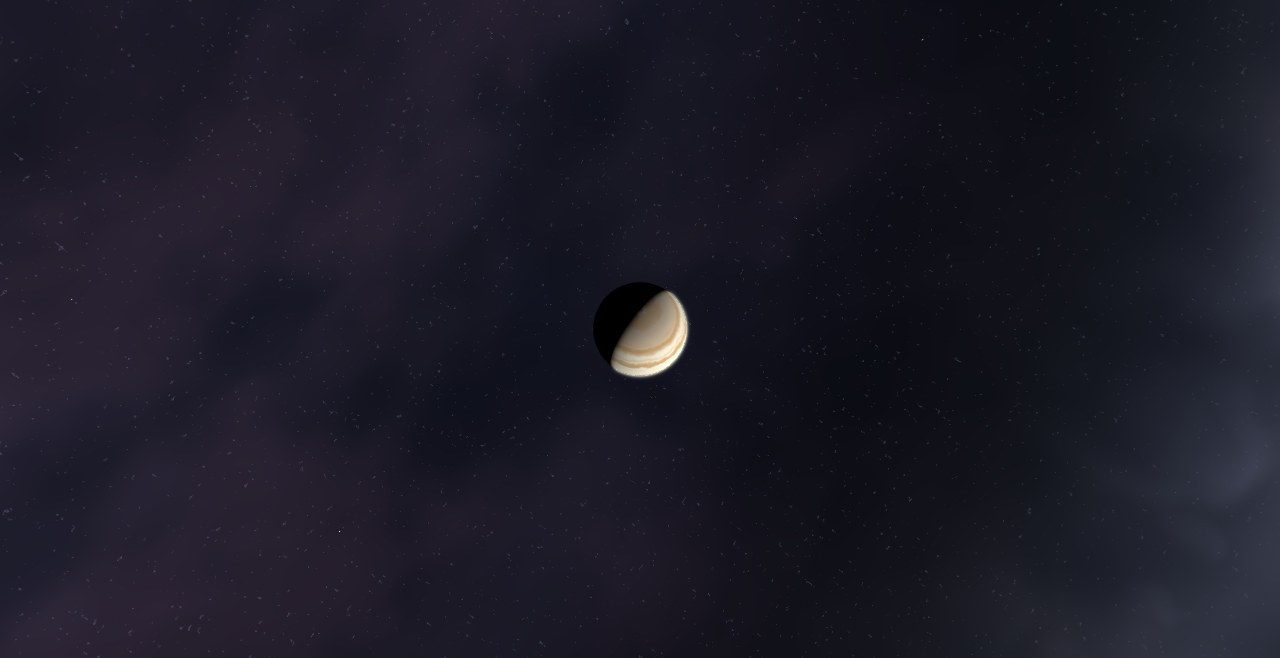
RR Cae, a cool M-dwarf of 0.44 solar masses, and RR Cae b, a 4.20-Jupiter-mass companion, with an orbital period of 11.9 years, at 5.300 AU from its star.
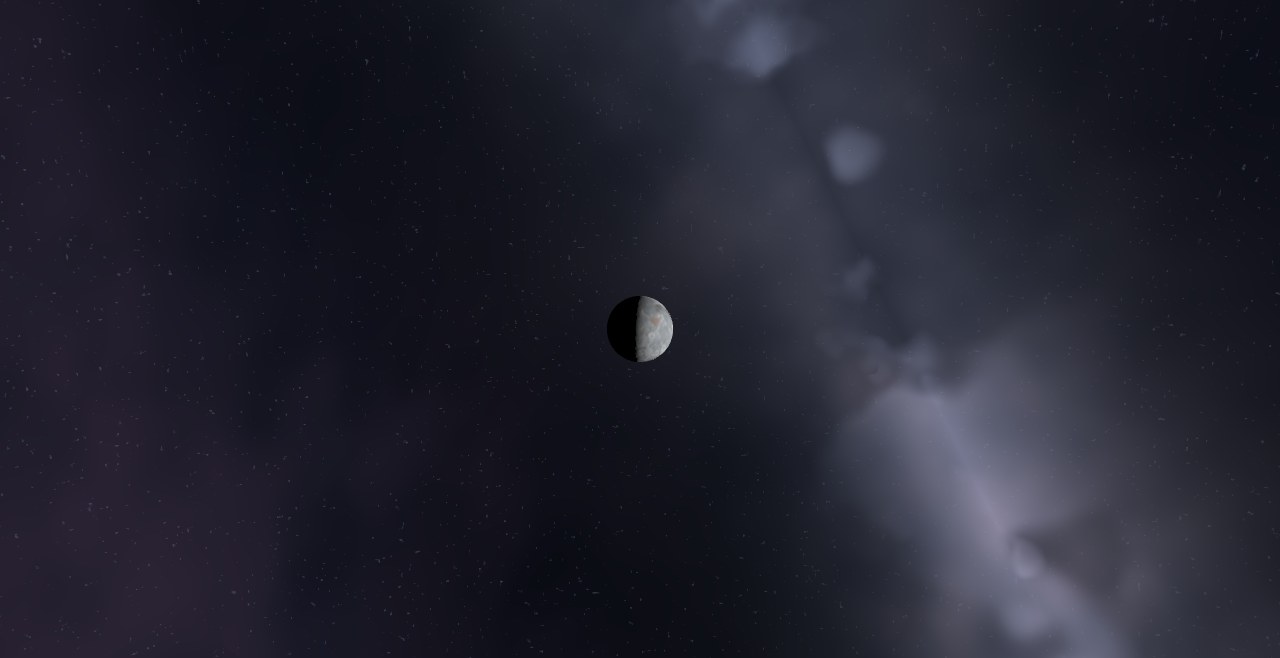
Ross 128 b, a temperate Earth-mass planet about 11 light-years away. Its quiet red-dwarf host is a neighbor of Proxima Centauri. It receives a similar amount of starlight to the Earth.
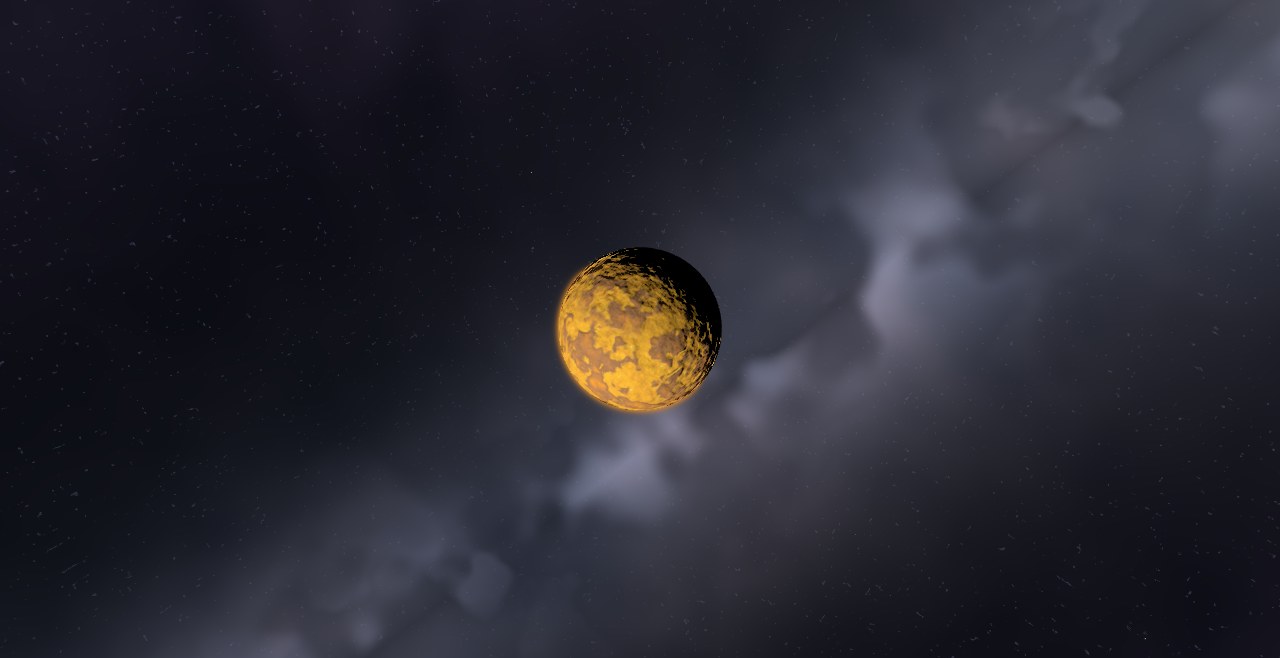
Ross 176, an orange K-type dwarf of 0.58 solar masses, and Ross 176 b, a 4.6-Earth-mass planet, with an orbital period of 5.0 days, at 0.046 AU from its star, and an equilibrium temperature near 682 K.
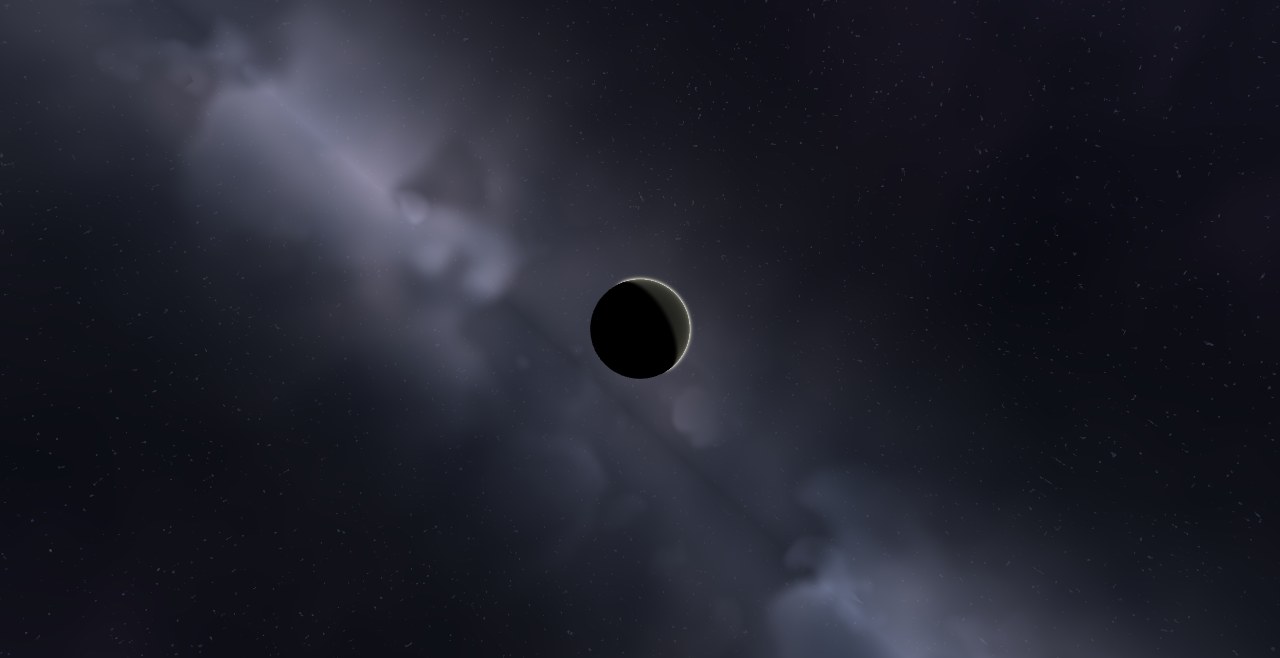
Ross 458, an orange K-type dwarf of 0.56 solar masses, and Ross 458 c, a 6.00-Jupiter-mass companion, at 1,100 AU from its star.
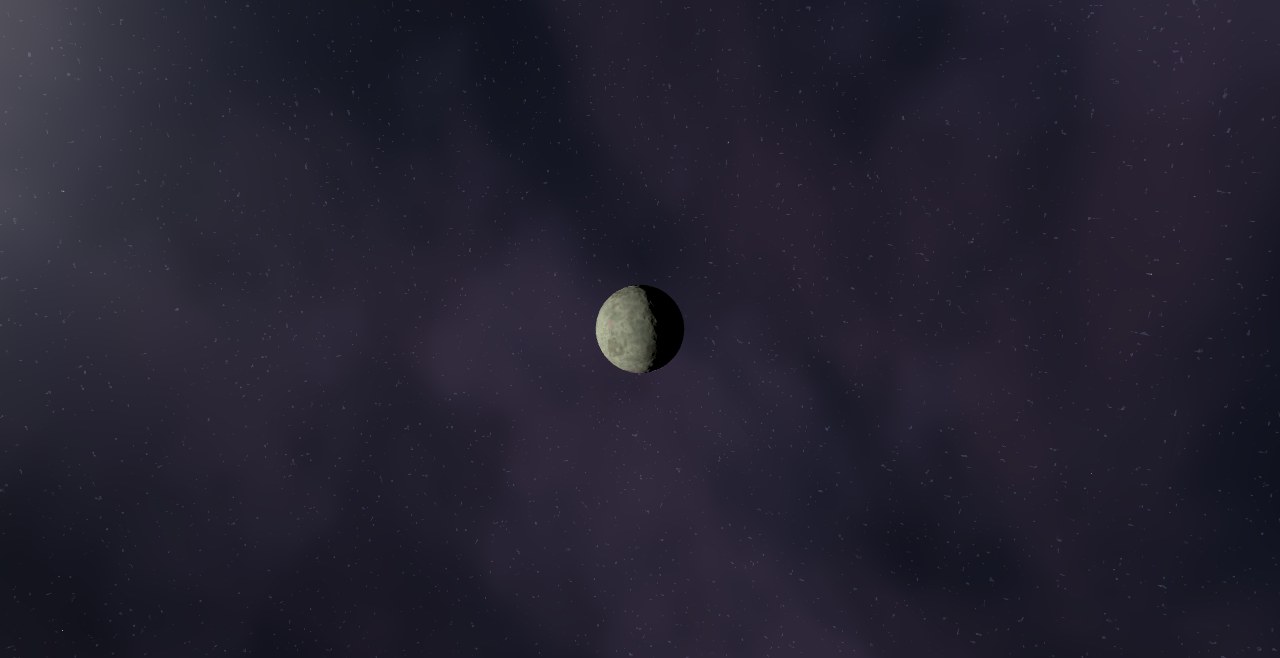
Ross 508, a cool M-dwarf of 0.18 solar masses, and Ross 508 b, a 4.0-Earth-mass planet, with an orbital period of 10.8 days, at 0.054 AU from its star, on an eccentric orbit (e ≈ 0.33).
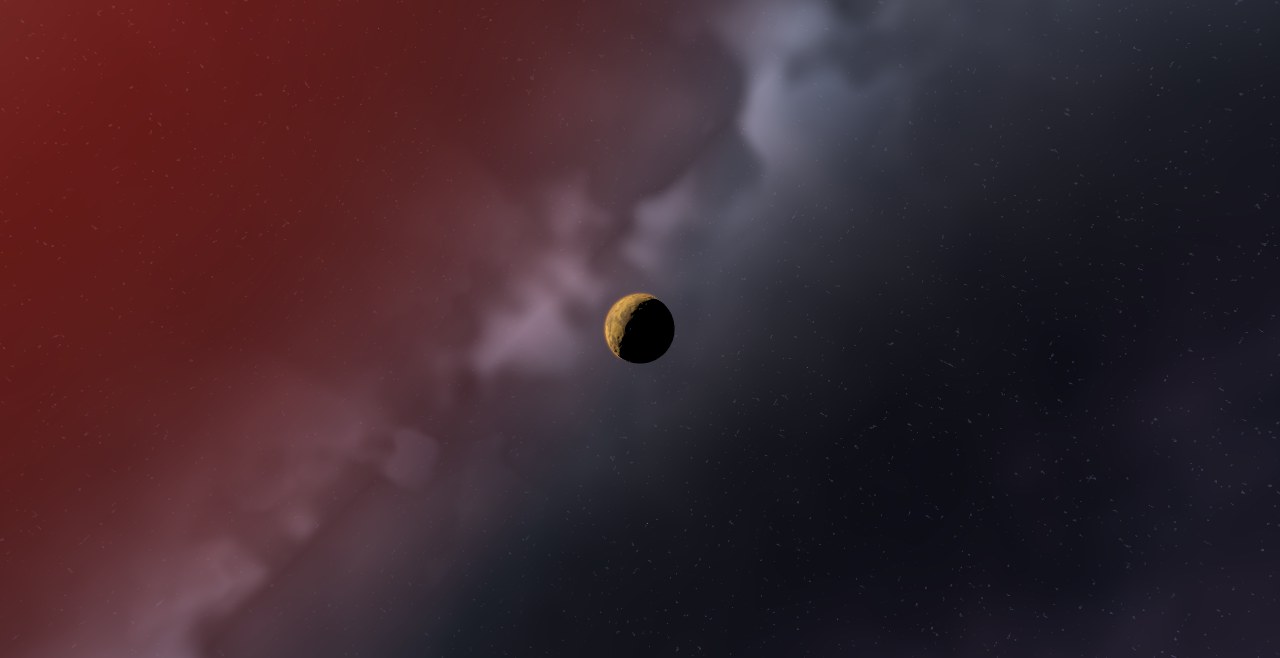
SPECULOOS-3 b, an Earth-sized planet on a 17-hour orbit around an ultracool dwarf. It is a nearby laboratory for bare, roasted rock. The host is only about 55 light-years away.
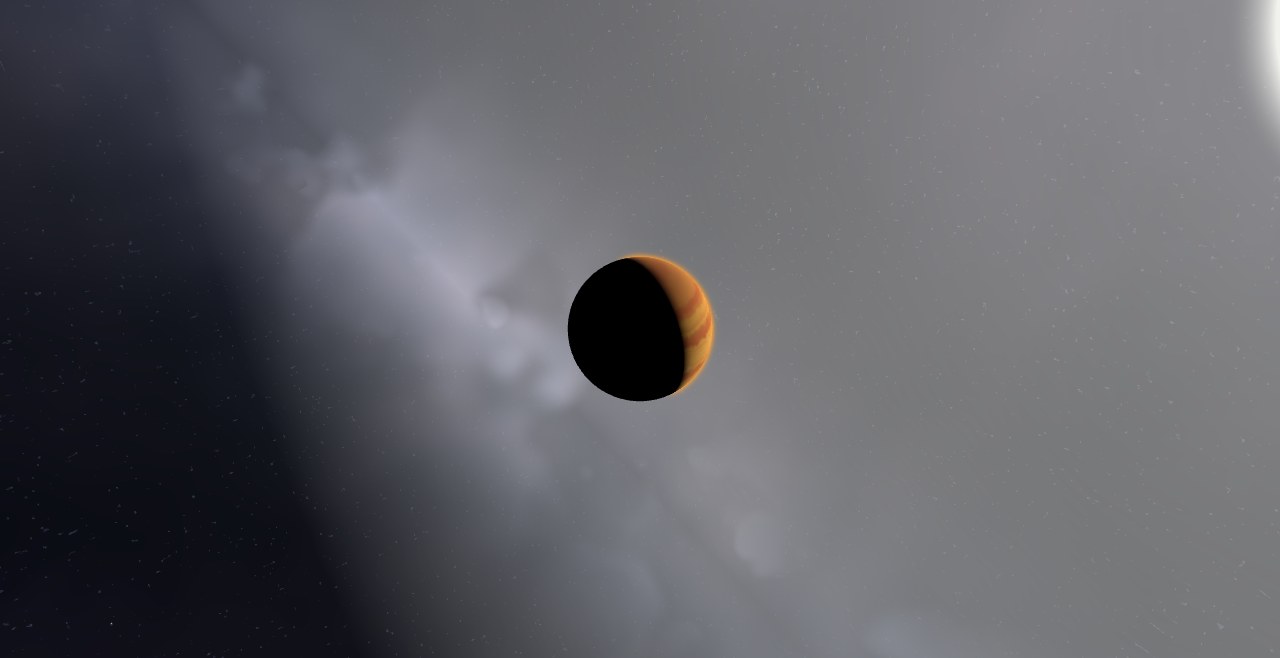
SWEEPS-11, a Sun-like G-type star of 1.10 solar masses, and SWEEPS-11 b, a 9.70-Jupiter-mass companion, with an orbital period of 1.8 days, at 0.030 AU from its star.
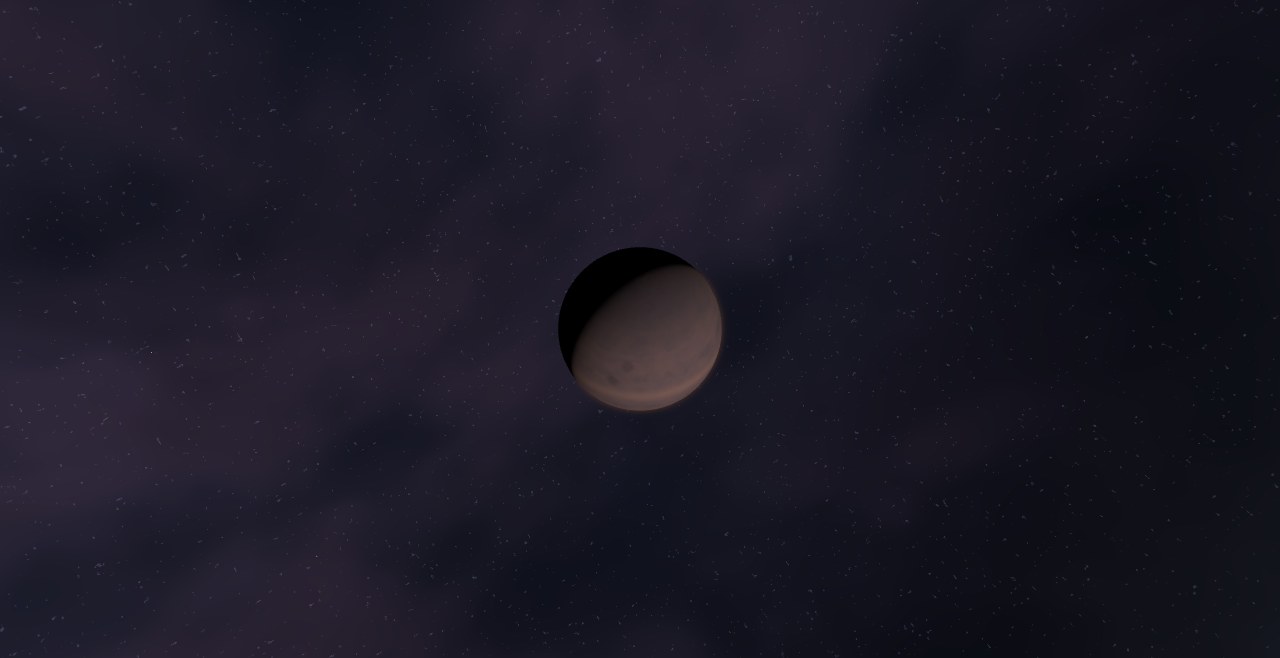
SWEEPS-4, a Sun-like G-type star of 1.24 solar masses, and SWEEPS-4 b, a 3.80-Jupiter-mass companion, with an orbital period of 4.2 days, at 0.055 AU from its star.
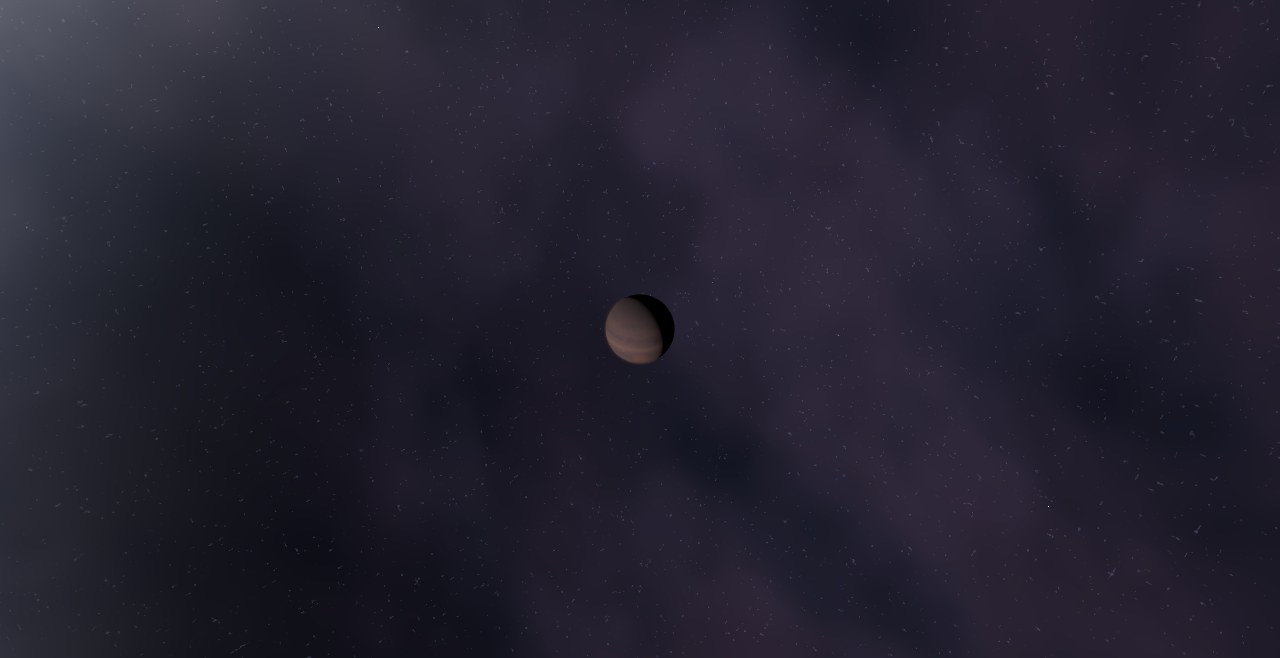
TAP 26, an orange K-type dwarf of 1.04 solar masses, and TAP 26 b, a 1.66-Jupiter-mass companion, with an orbital period of 10.8 days, at 0.097 AU from its star.
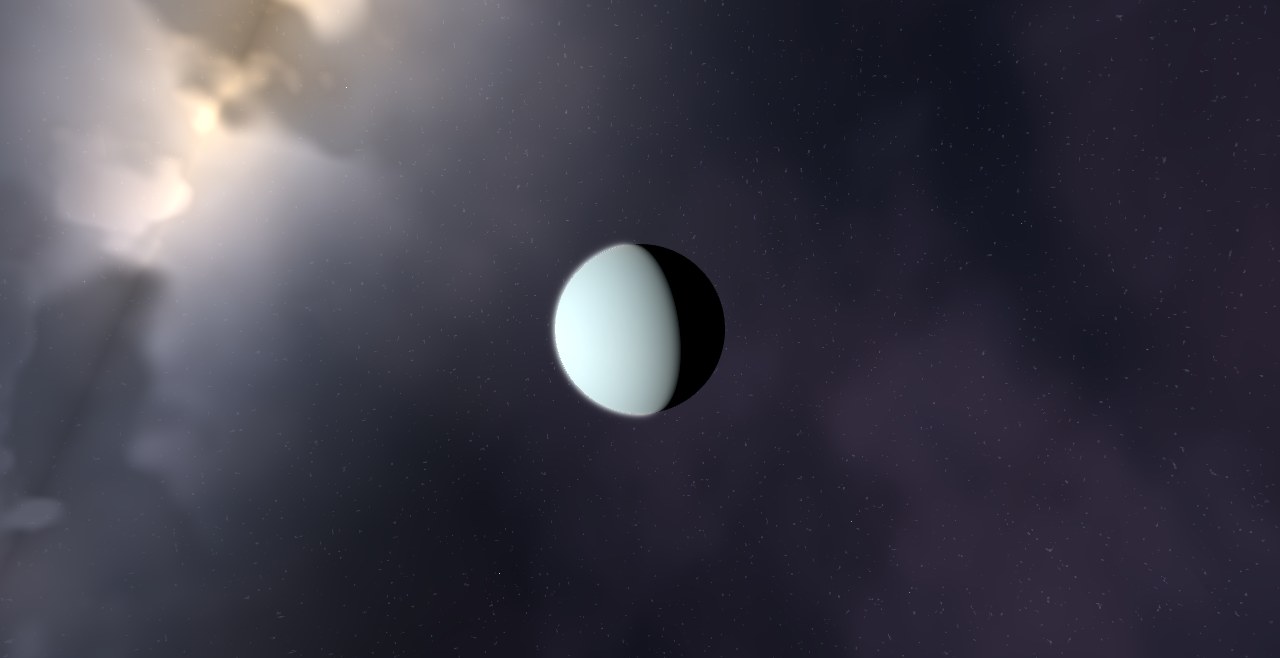
TCP J05074264+2447555, a Sun-like G-type star of 0.59 solar masses, and TCP J05074264+2447555 b, a 0.06-Jupiter-mass companion, at 0.940 AU from its star.
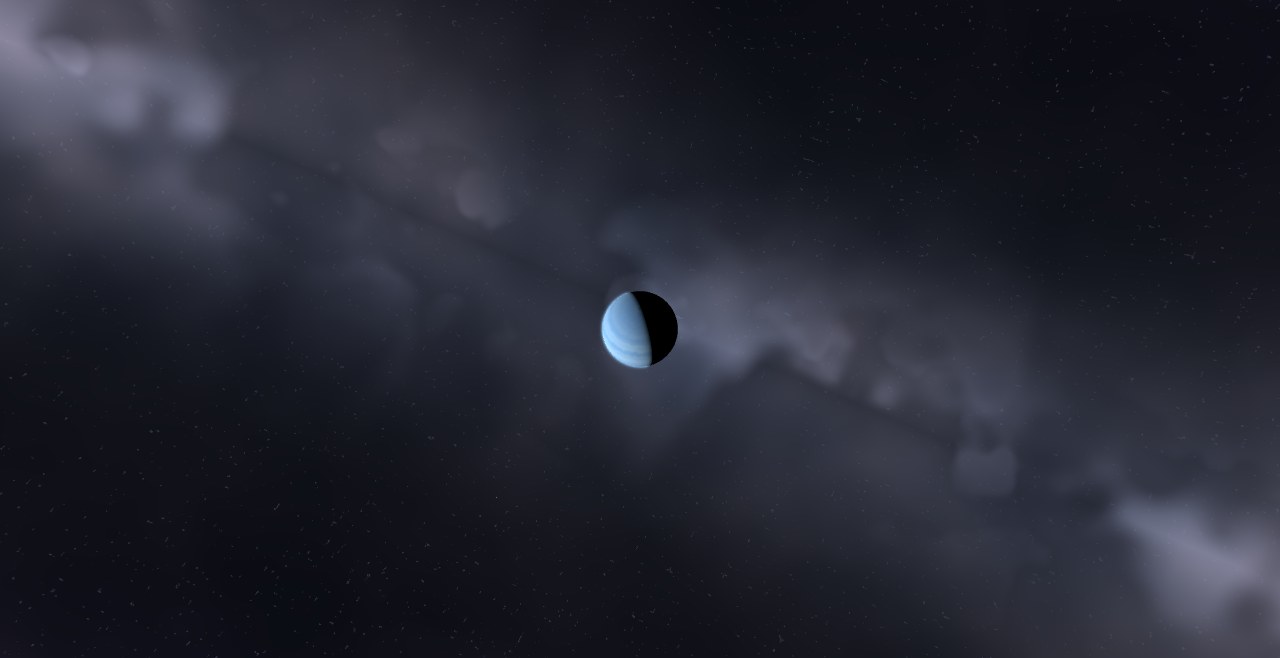
TIC 139270665, a Sun-like G-type star of 1.03 solar masses, and TIC 139270665 b, a 0.46-Jupiter-mass companion, with an orbital period of 23.6 days, at 0.163 AU from its star, and an equilibrium temperature.
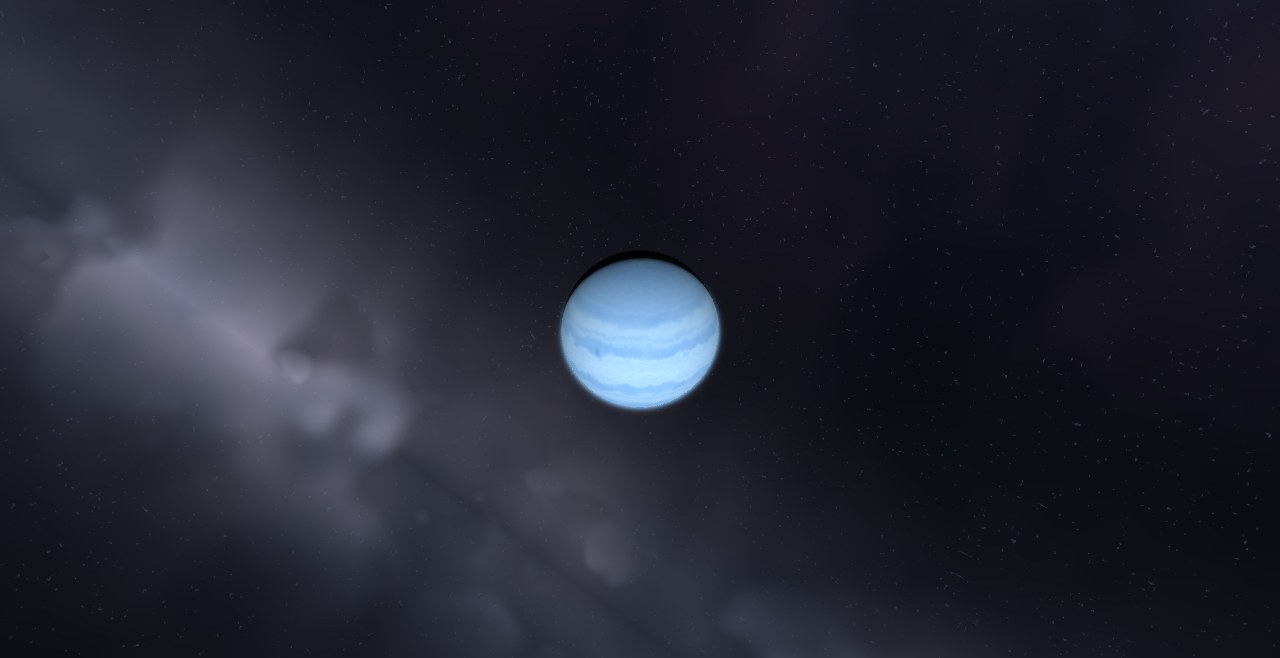
TIC 147027702, a Sun-like F-type star of 1.41 solar masses, and TIC 147027702 b, a 1.09-Jupiter-mass companion, with an orbital period of 44.4 days, at 0.274 AU from its star, and an equilibrium temperature.
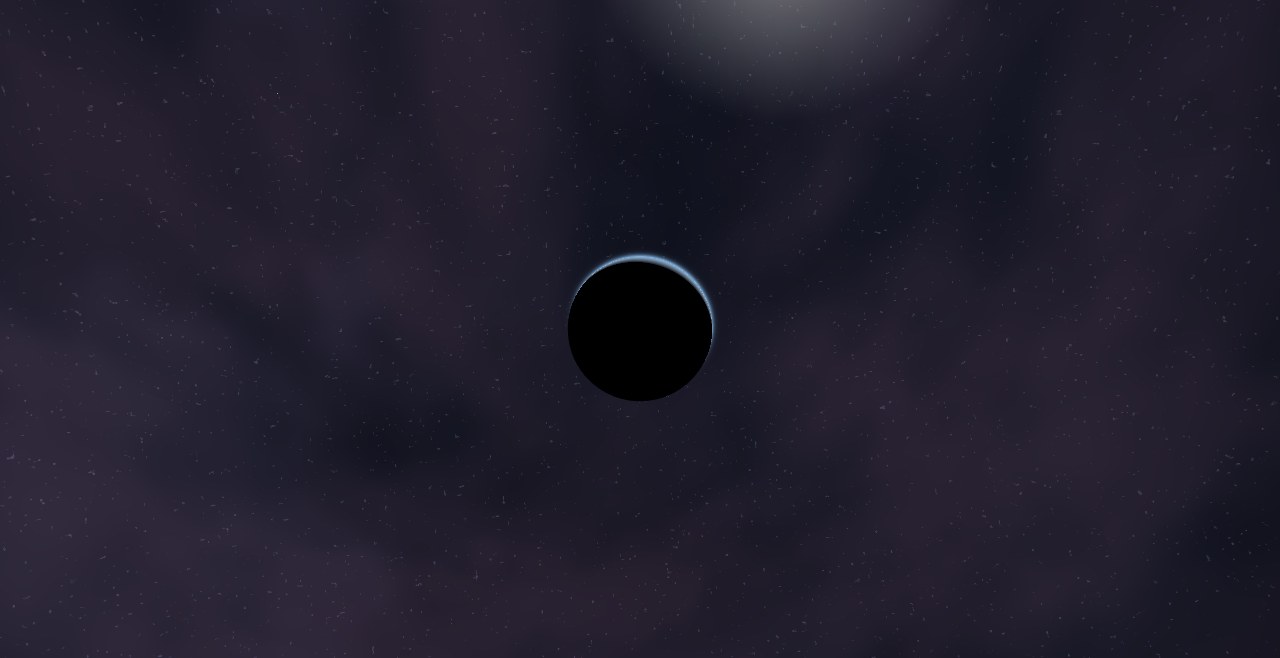
TIC 172900988 Aa, a Sun-like F-type star of 1.24 solar masses, and TIC 172900988 b, a 2.96-Jupiter-mass companion, with an orbital period of 200 days, at 0.903 AU from its star.