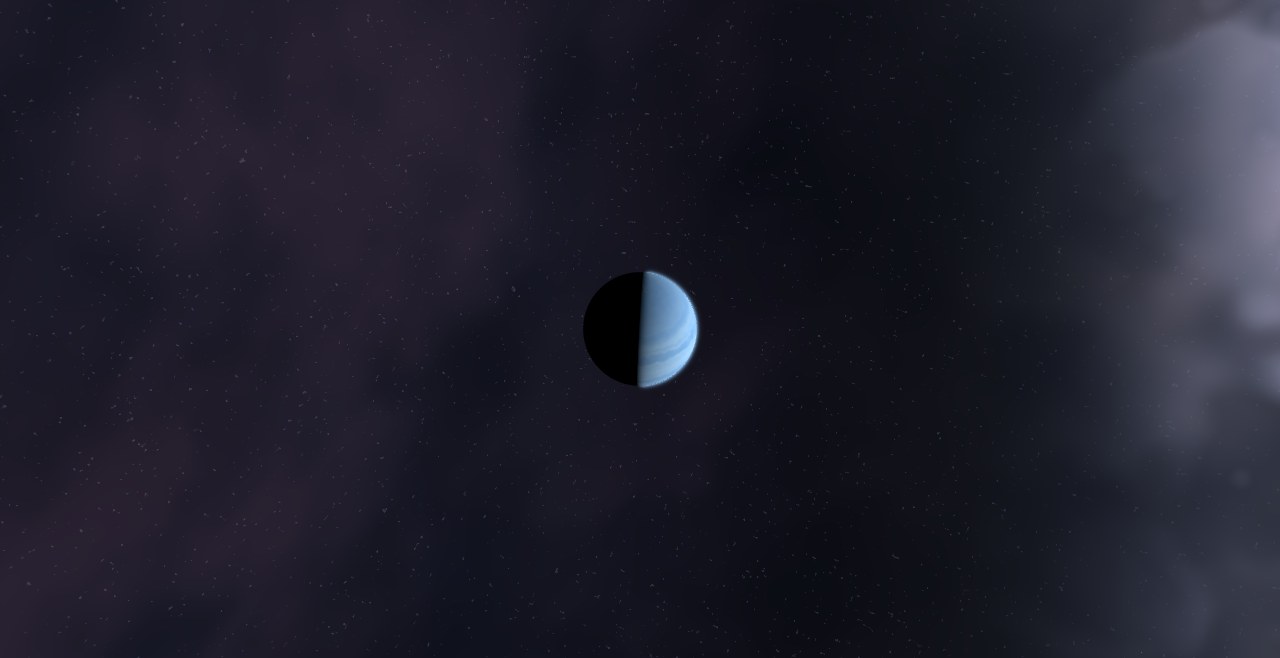
PH2 - System
PH2, a Sun-like G-type star of 0.97 solar masses, and PH2 b, a 0.27-Jupiter-mass companion, with an orbital period of 283 days, at 0.833 AU from its star, and an equilibrium temperature near 295 K.
Scenarios
Discover alien solar systems and explore worlds far beyond our own. Simulate extreme orbital environments, habitable zones, and tightly packed resonant chains discovered by modern astronomy, all mapped accurately from real exoplanetary discovery data.
Share
PH2, a Sun-like G-type star of 0.97 solar masses, and PH2 b, a 0.27-Jupiter-mass companion, with an orbital period of 283 days, at 0.833 AU from its star, and an equilibrium temperature near 295 K.
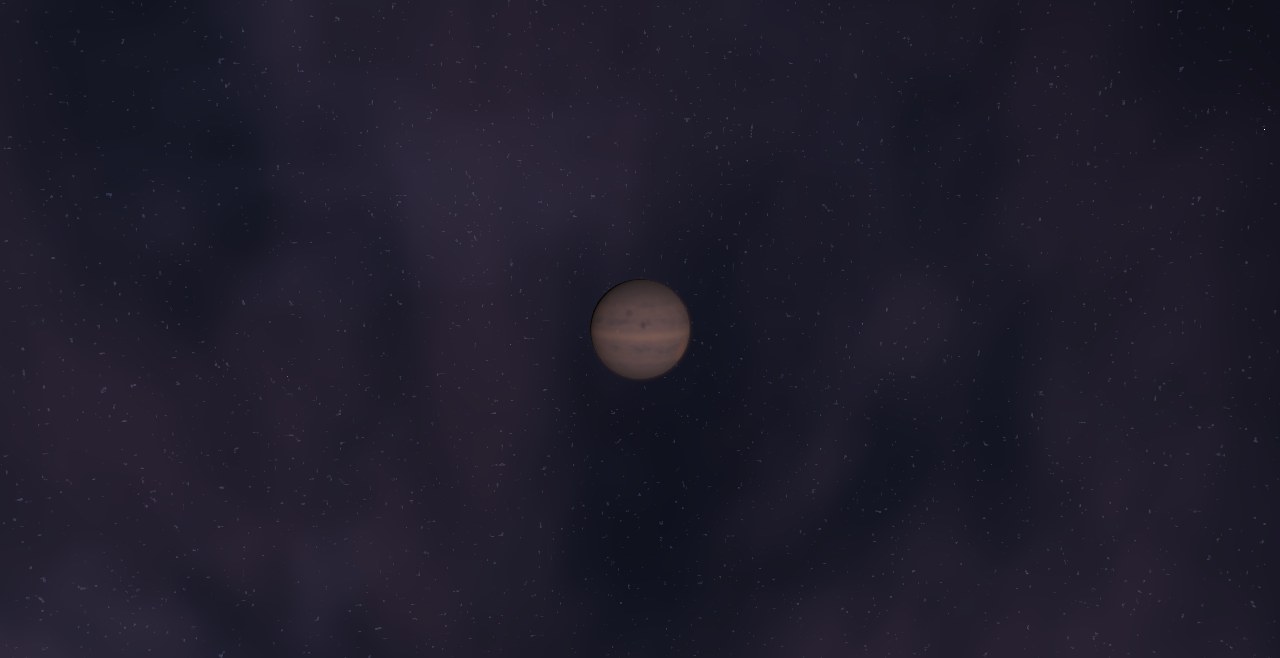
POTS-1, an orange K-type dwarf of 0.69 solar masses, and POTS-1 b, a 2.31-Jupiter-mass companion, with an orbital period of 3.2 days, at 0.037 AU from its star.
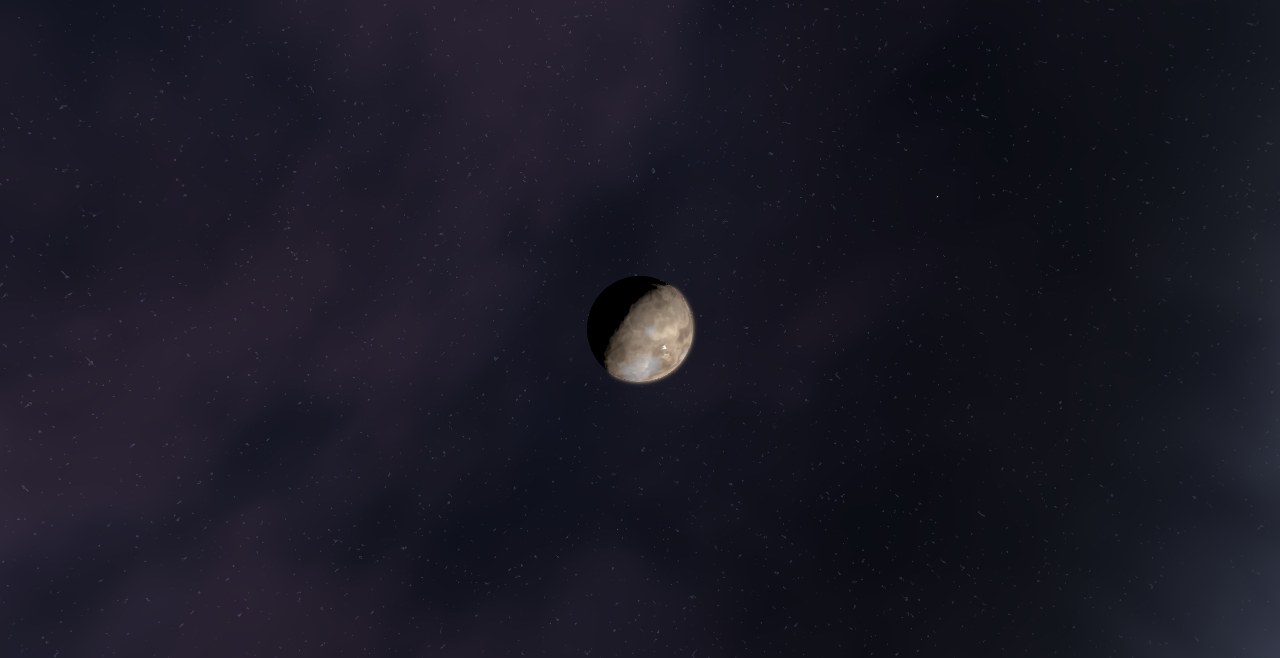
PSR B0329+54, a Sun-like G-type star of 1.44 solar masses, and PSR B0329+54 b, a 2.0-Earth-mass planet, with an orbital period of 27.8 years, at 10.3 AU from its star, on an eccentric orbit (e ≈ 0.24).
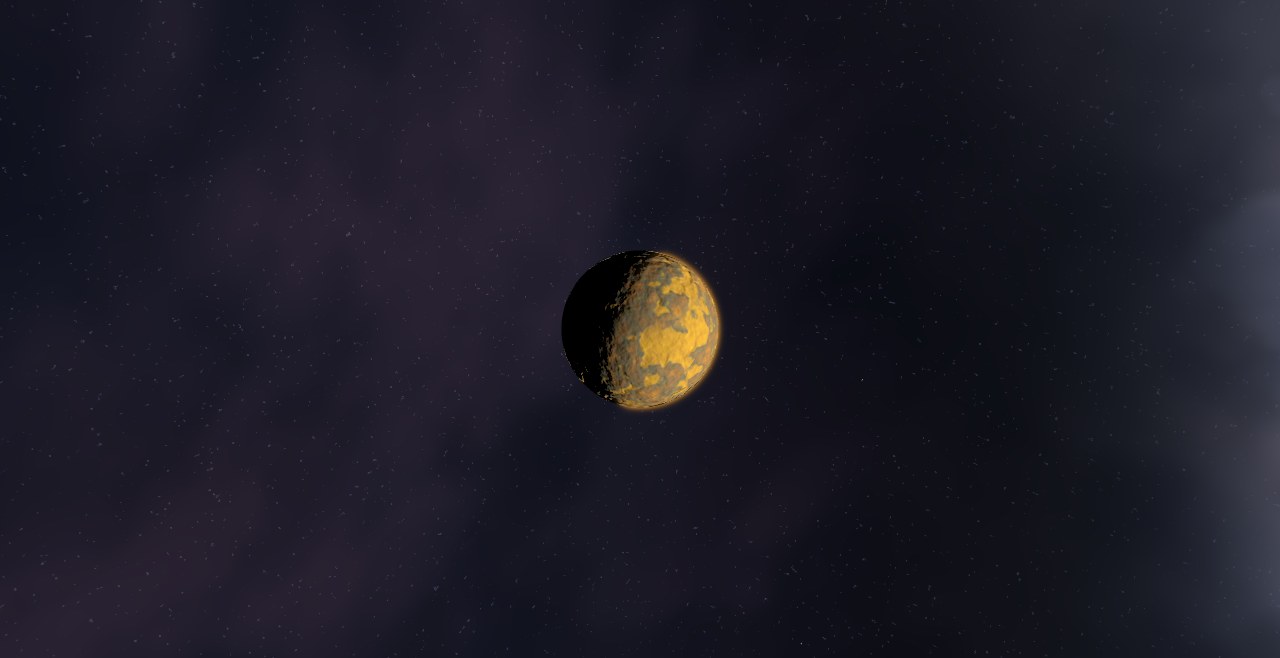
PSR B1257+12, the first confirmed exoplanets. In 1992 pulsar timing revealed three worlds, including a Moon-mass body, around a dead star. The host is a millisecond pulsar, not a living star.
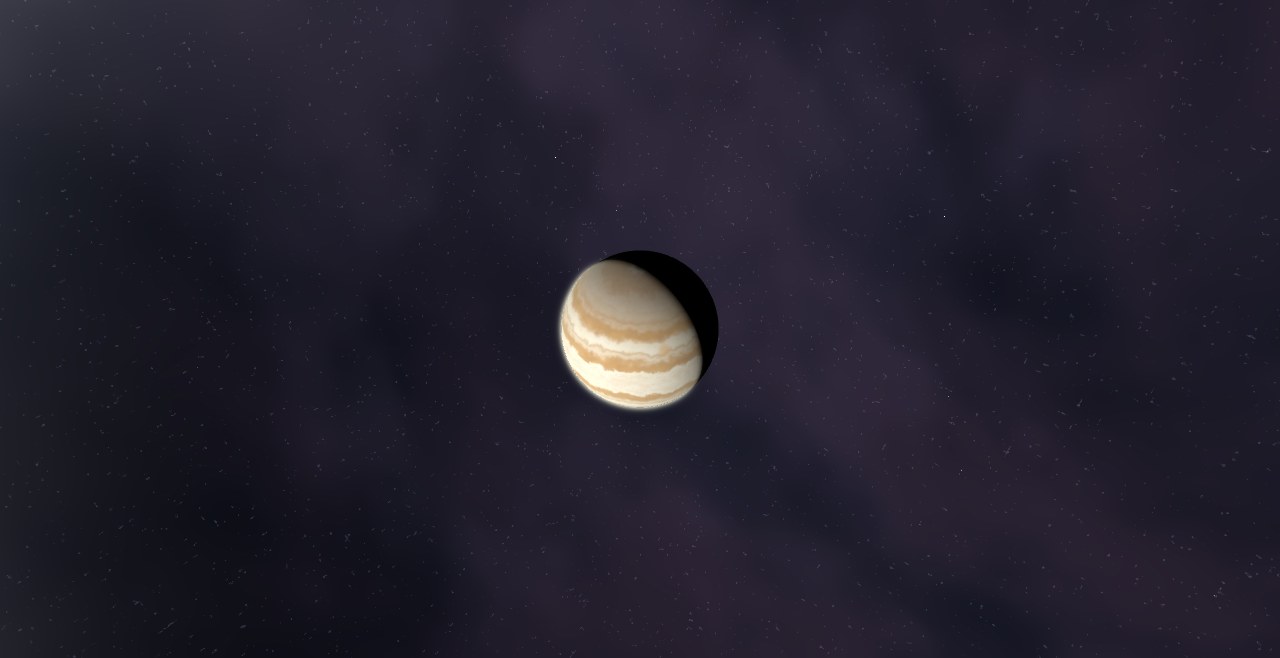
The Methuselah planet PSR B1620-26 b, about 12.7 billion years old. It circles a pulsar and white dwarf in the globular cluster Messier 4. Its orbit around the pair takes roughly a century.
PSR J1719-1438 b, the so-called diamond planet. This ultra-dense remnant orbits a millisecond pulsar every 2.2 hours and may be crystallized carbon.
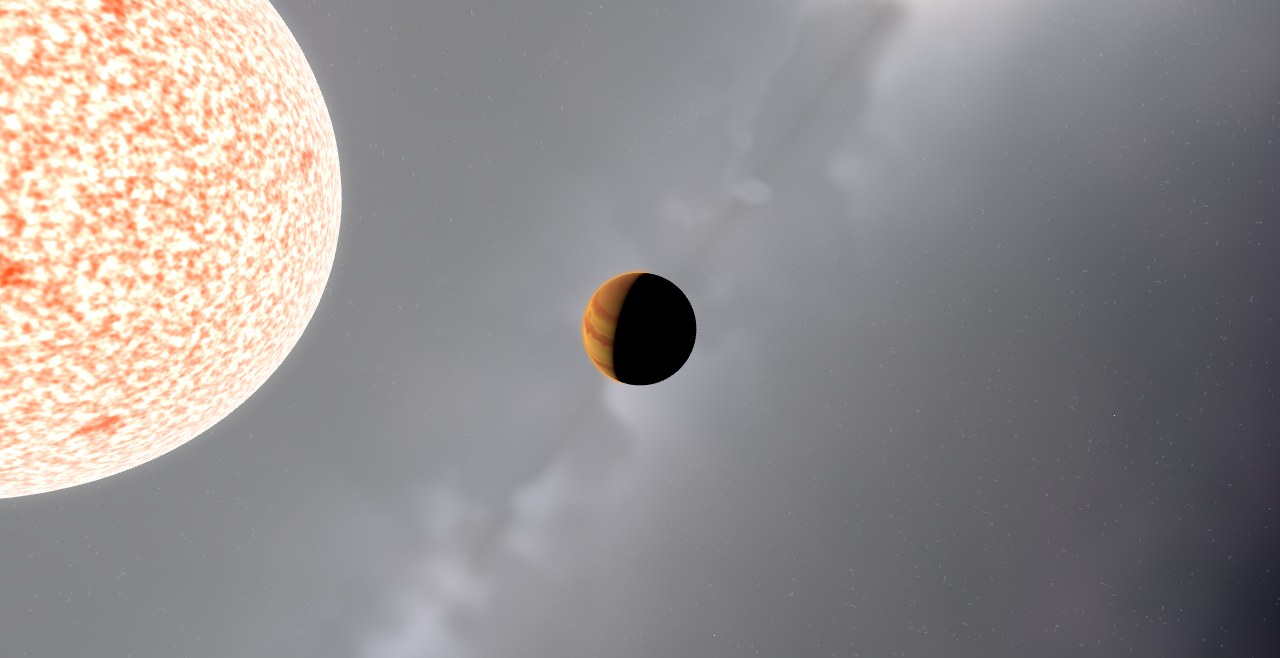
PSR J2322-2650, a Sun-like G-type star of 1.40 solar masses, and PSR J2322-2650 b, a 0.79-Jupiter-mass companion, with an orbital period of 7.8 hours, at 0.010 AU from its star.
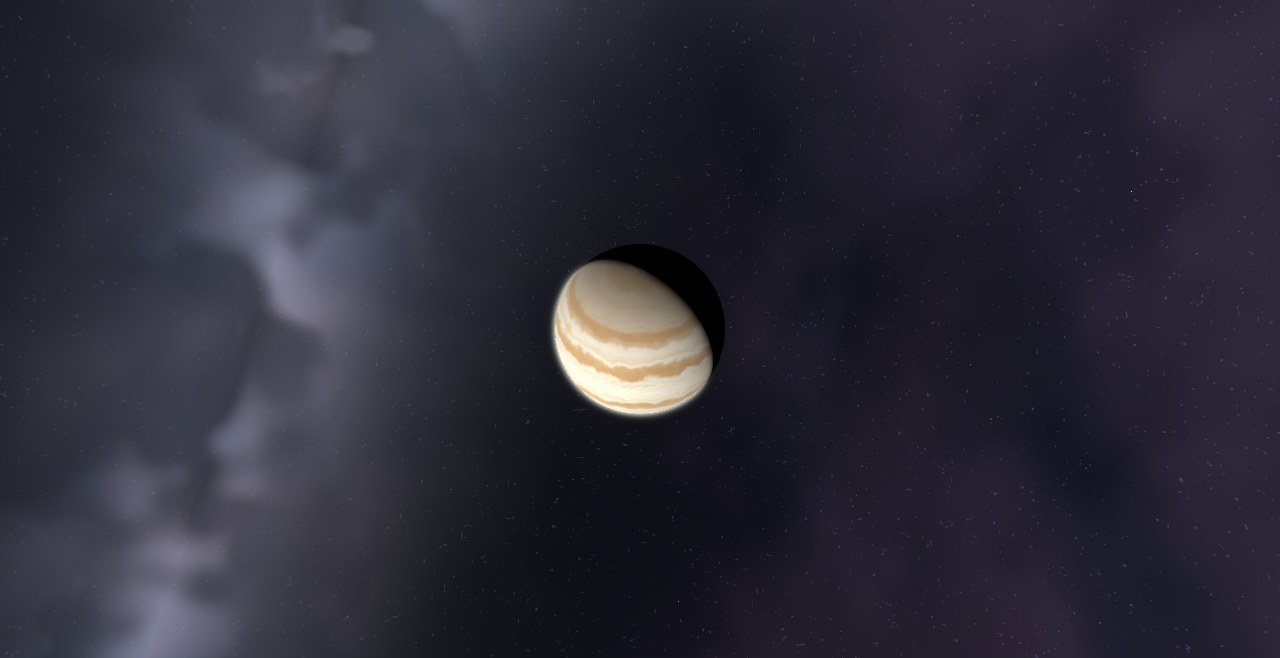
PZ Tel, a Sun-like G-type star of 1.36 solar masses, and PZ Tel b, a 27.0-Jupiter-mass companion, with an orbital period of 120 years, at 27.0 AU from its star, on an eccentric orbit (e ≈ 0.52).
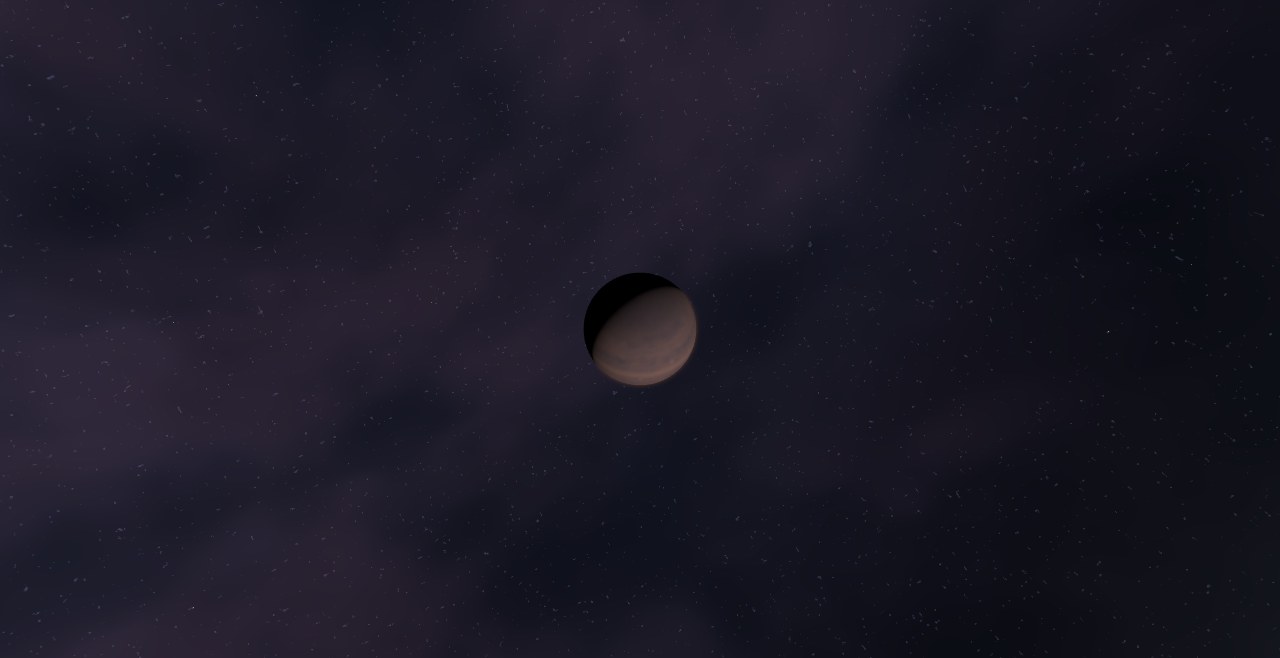
Pr0201, a Sun-like F-type star of 1.24 solar masses, and Pr0201 b, a 0.54-Jupiter-mass companion, with an orbital period of 4.4 days, at 0.060 AU from its star.
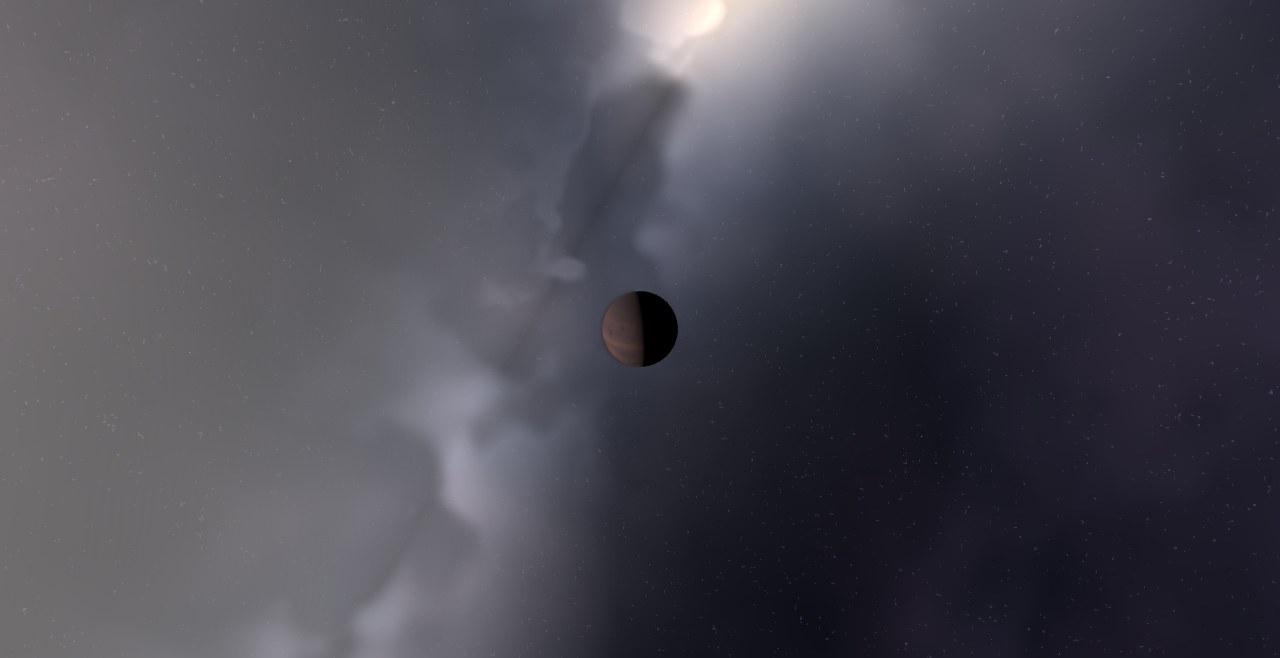
Pr0211, a Sun-like G-type star of 0.94 solar masses, and Pr0211 b, a 1.88-Jupiter-mass companion, with an orbital period of 2.1 days, at 0.032 AU from its star.
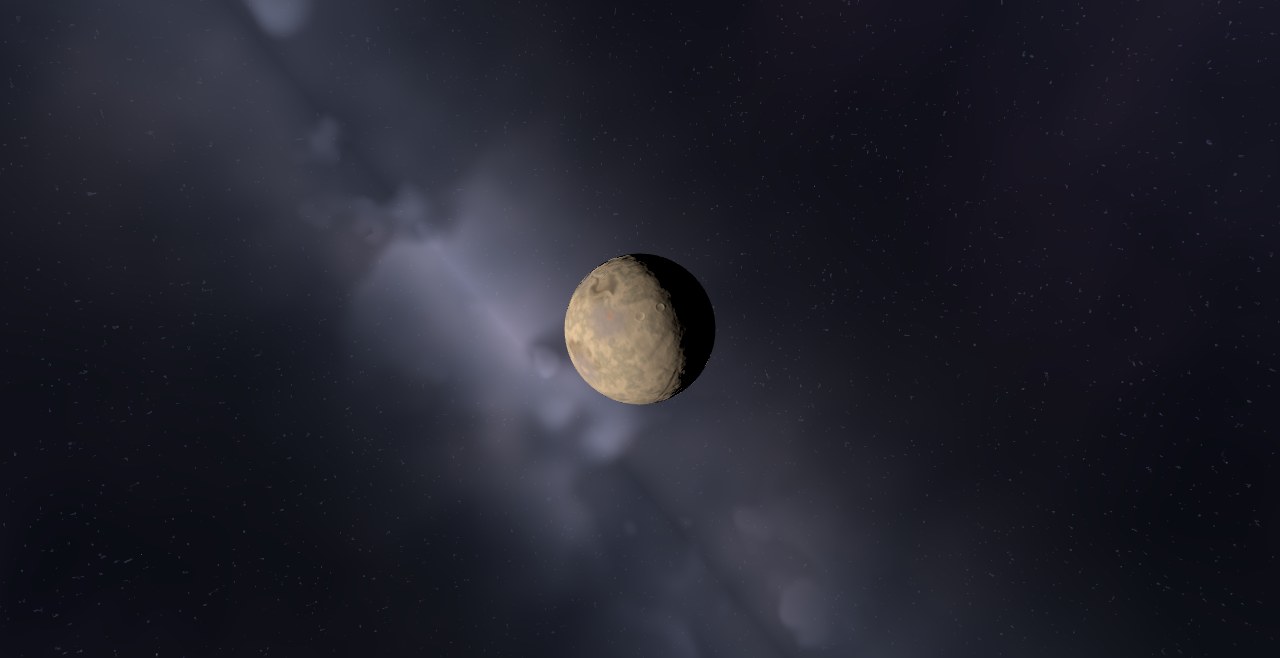
Proxima Centauri, the nearest star to the Sun. Proxima b is an Earth-mass world in the habitable zone, only 4.2 light-years away. The host is a flare-active red dwarf in Alpha Centauri.
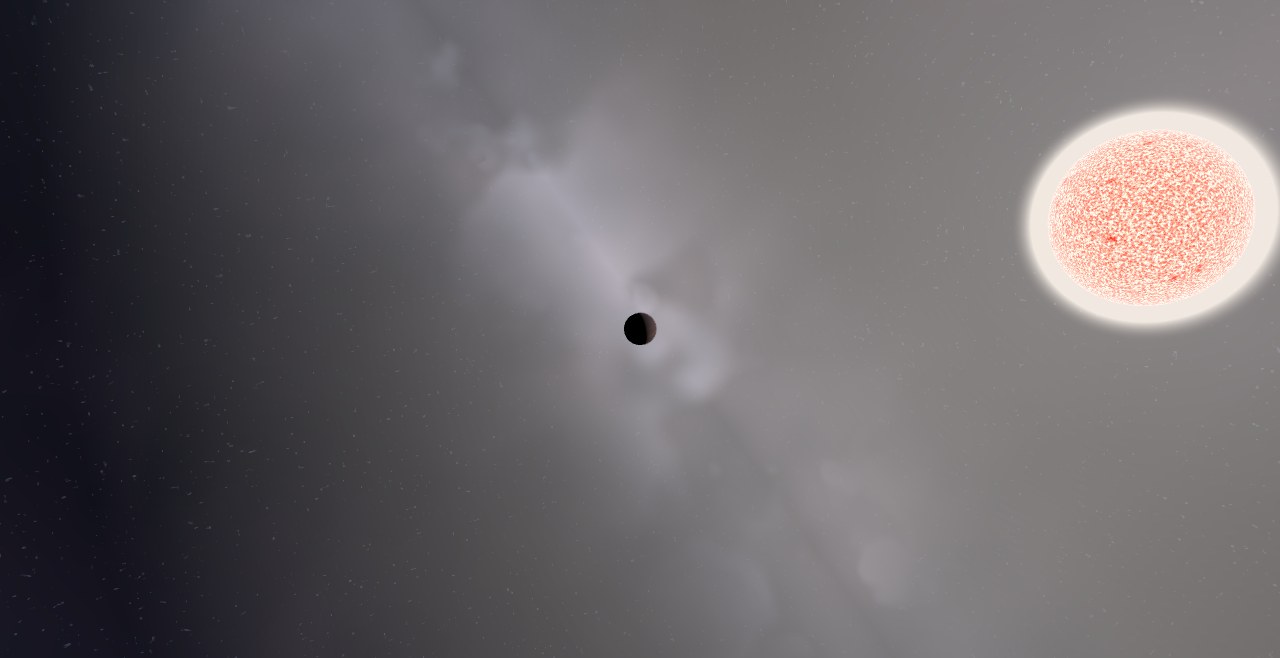
Qatar-1, an orange K-type dwarf of 0.84 solar masses, and Qatar-1 b, a 1.29-Jupiter-mass companion, with an orbital period of 1.4 days, at 0.023 AU from its star, and an equilibrium temperature near 1,418 K.
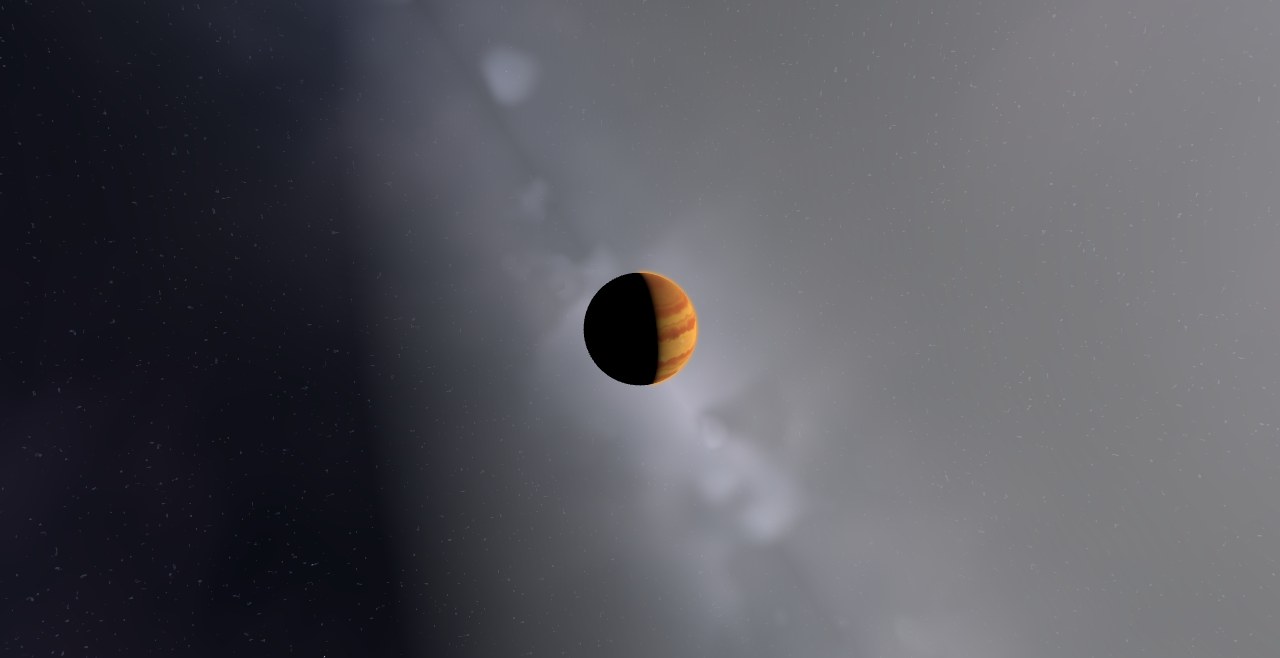
Qatar-10, a Sun-like F-type star of 1.16 solar masses, and Qatar-10 b, a 0.74-Jupiter-mass companion, with an orbital period of 1.6 days, at 0.029 AU from its star, and an equilibrium temperature near 1,955 K.
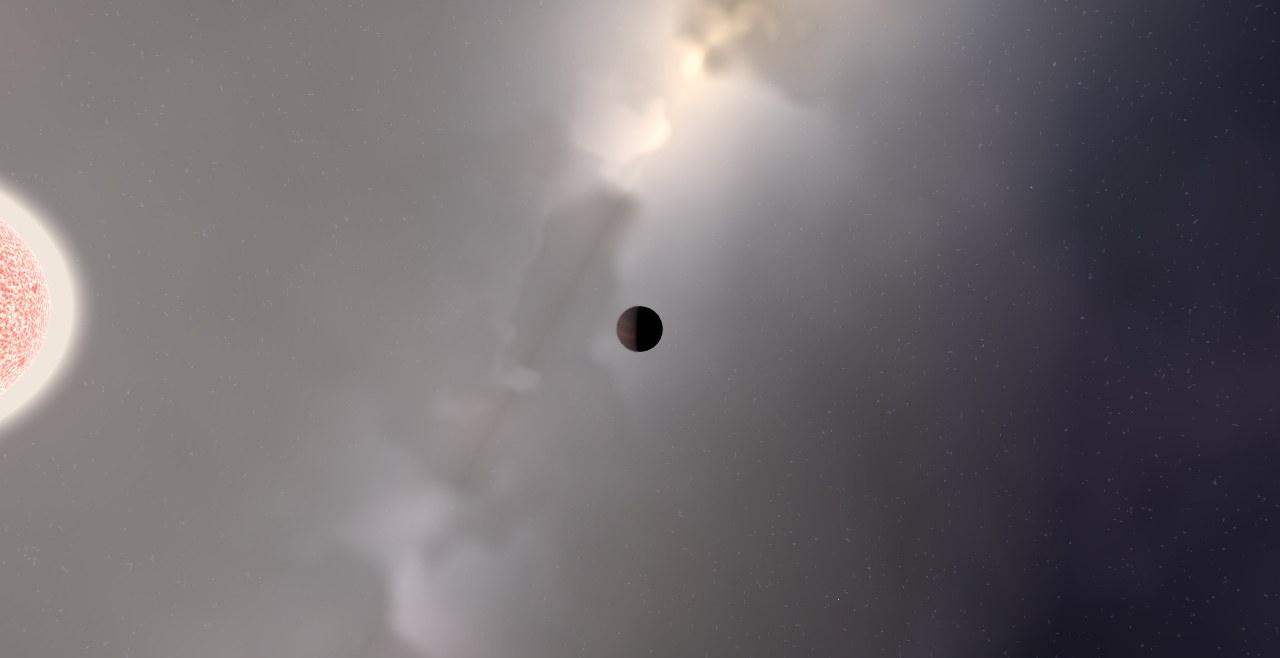
Qatar-2, an orange K-type dwarf of 0.74 solar masses, and Qatar-2 b, a 2.49-Jupiter-mass companion, with an orbital period of 1.3 days, at 0.022 AU from its star, and an equilibrium temperature near 1,344 K.
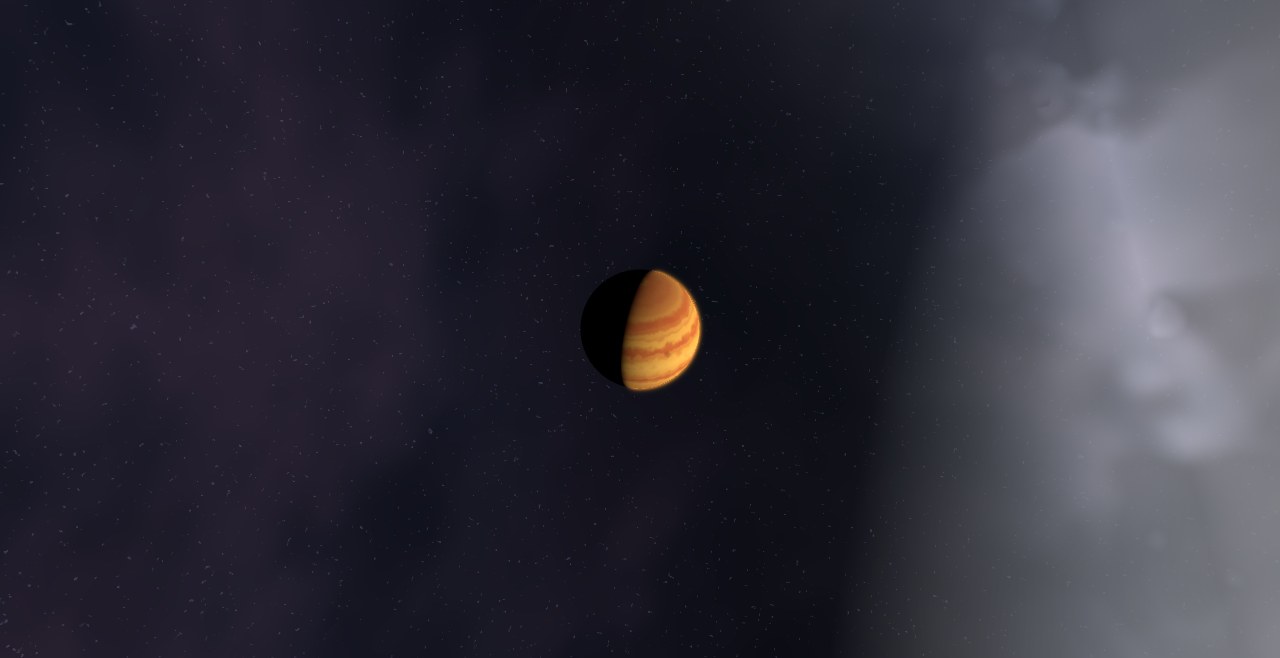
Qatar-3, a Sun-like G-type star of 1.15 solar masses, and Qatar-3 b, a 4.31-Jupiter-mass companion, with an orbital period of 2.5 days, at 0.038 AU from its star, and an equilibrium temperature near 1,681 K.
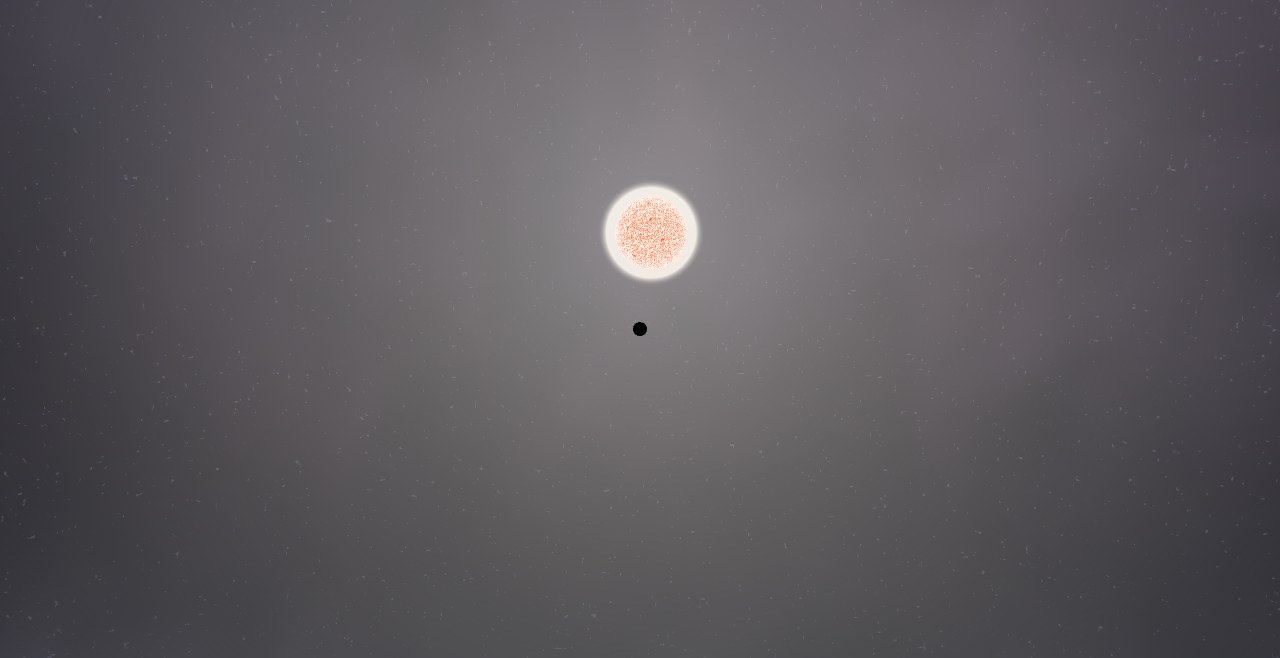
Qatar-4, an orange K-type dwarf of 0.90 solar masses, and Qatar-4 b, a 6.10-Jupiter-mass companion, with an orbital period of 1.8 days, at 0.028 AU from its star, and an equilibrium temperature near 1,385 K.
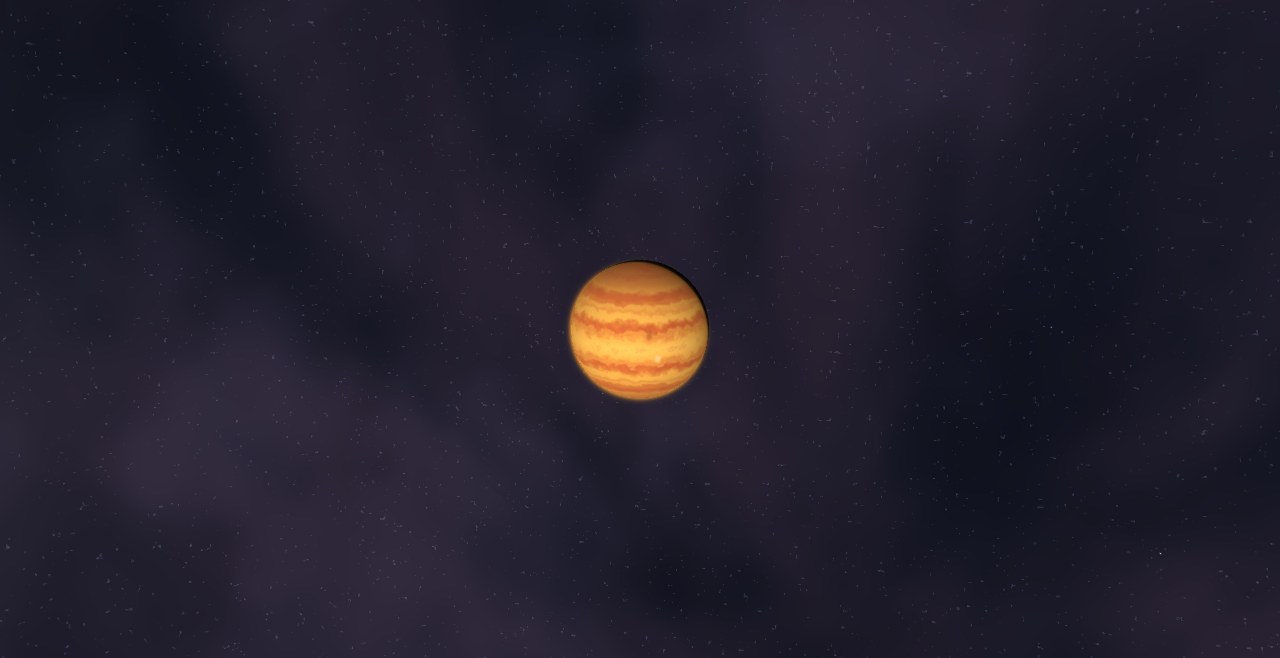
Qatar-5, a Sun-like G-type star of 1.13 solar masses, and Qatar-5 b, a 4.32-Jupiter-mass companion, with an orbital period of 2.9 days, at 0.041 AU from its star, and an equilibrium temperature near 1,415 K.
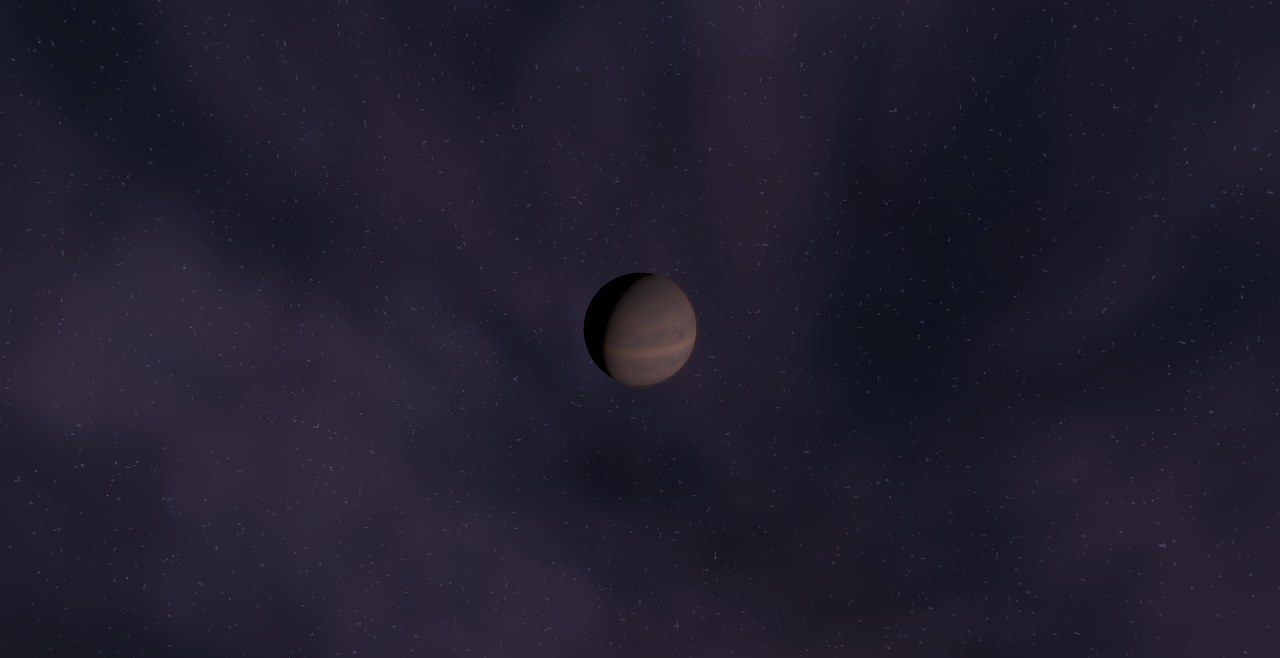
Qatar-6, an orange K-type dwarf of 0.82 solar masses, and Qatar-6 b, a 0.67-Jupiter-mass companion, with an orbital period of 3.5 days, at 0.042 AU from its star, and an equilibrium temperature near 1,006 K.