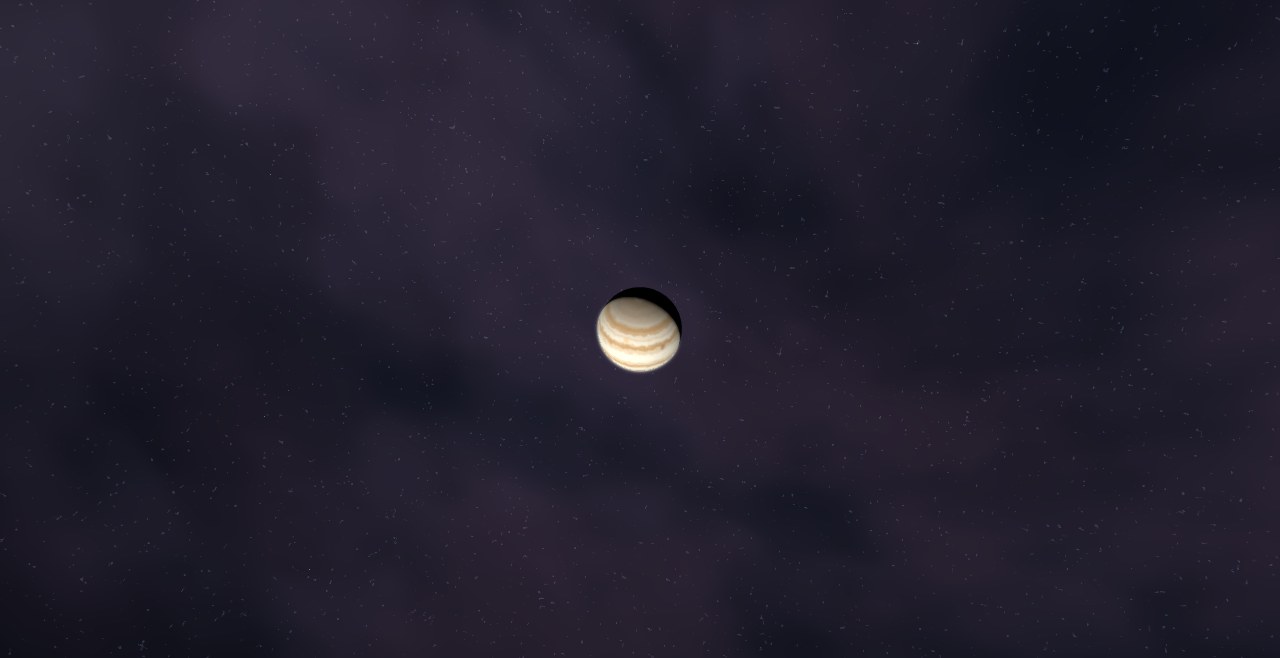
OGLE-2019-BLG-0954L - System
OGLE-2019-BLG-0954L, a Sun-like G-type star of 0.80 solar masses, and OGLE-2019-BLG-0954L b, a 14.2-Jupiter-mass companion, at 2.650 AU from its star.
Scenarios
Discover alien solar systems and explore worlds far beyond our own. Simulate extreme orbital environments, habitable zones, and tightly packed resonant chains discovered by modern astronomy, all mapped accurately from real exoplanetary discovery data.
Share
OGLE-2019-BLG-0954L, a Sun-like G-type star of 0.80 solar masses, and OGLE-2019-BLG-0954L b, a 14.2-Jupiter-mass companion, at 2.650 AU from its star.
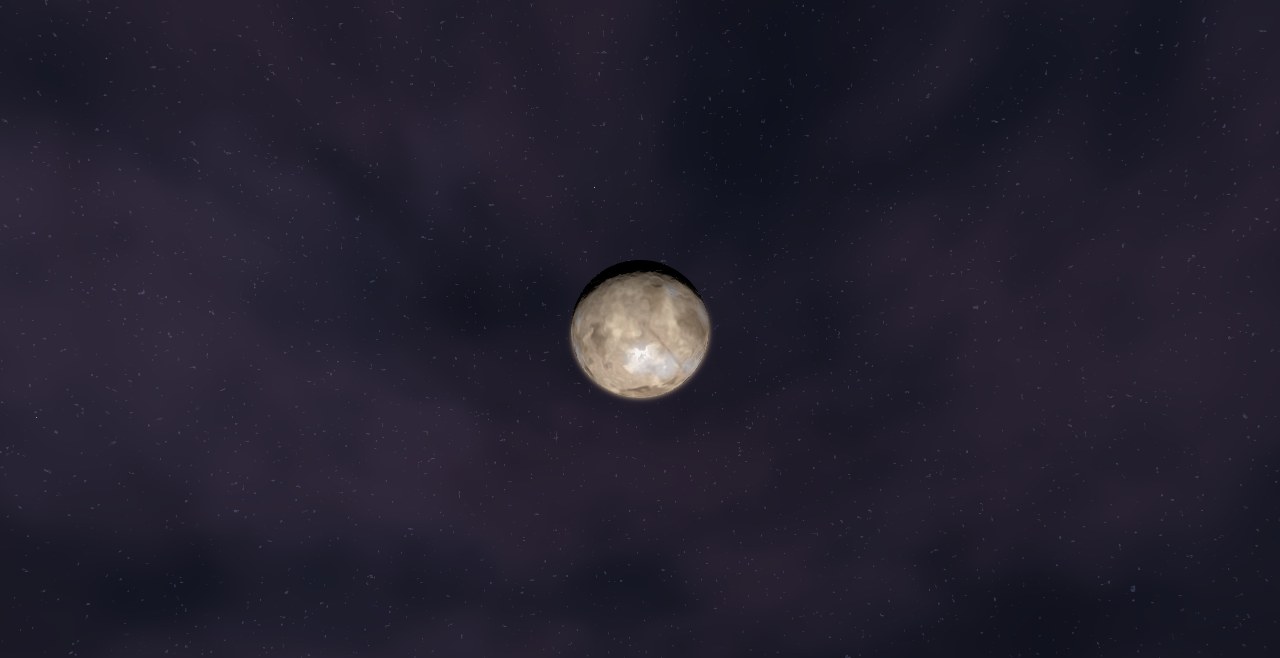
OGLE-2019-BLG-0960L, a Sun-like G-type star of 0.50 solar masses, and OGLE-2019-BLG-0960L b, a 2.5-Earth-mass planet, at 1.900 AU from its star.
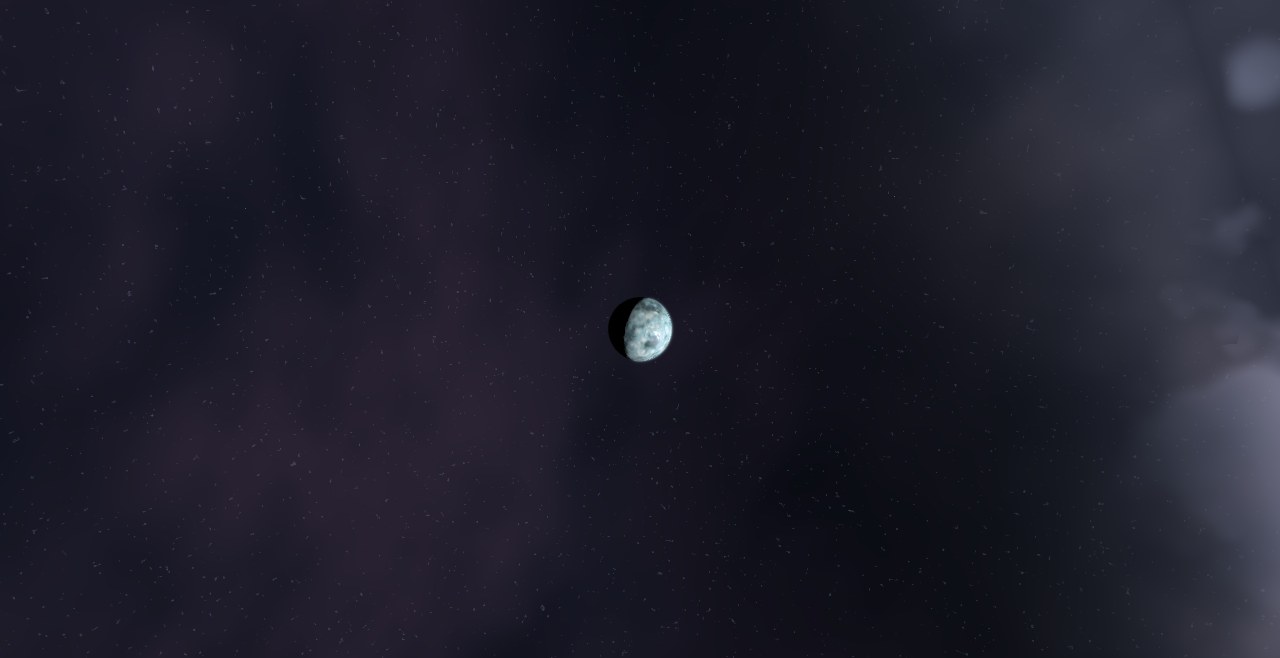
OGLE-2019-BLG-1053L, a Sun-like G-type star of 0.61 solar masses, and OGLE-2019-BLG-1053L b, a 2.5-Earth-mass planet, at 3.400 AU from its star.
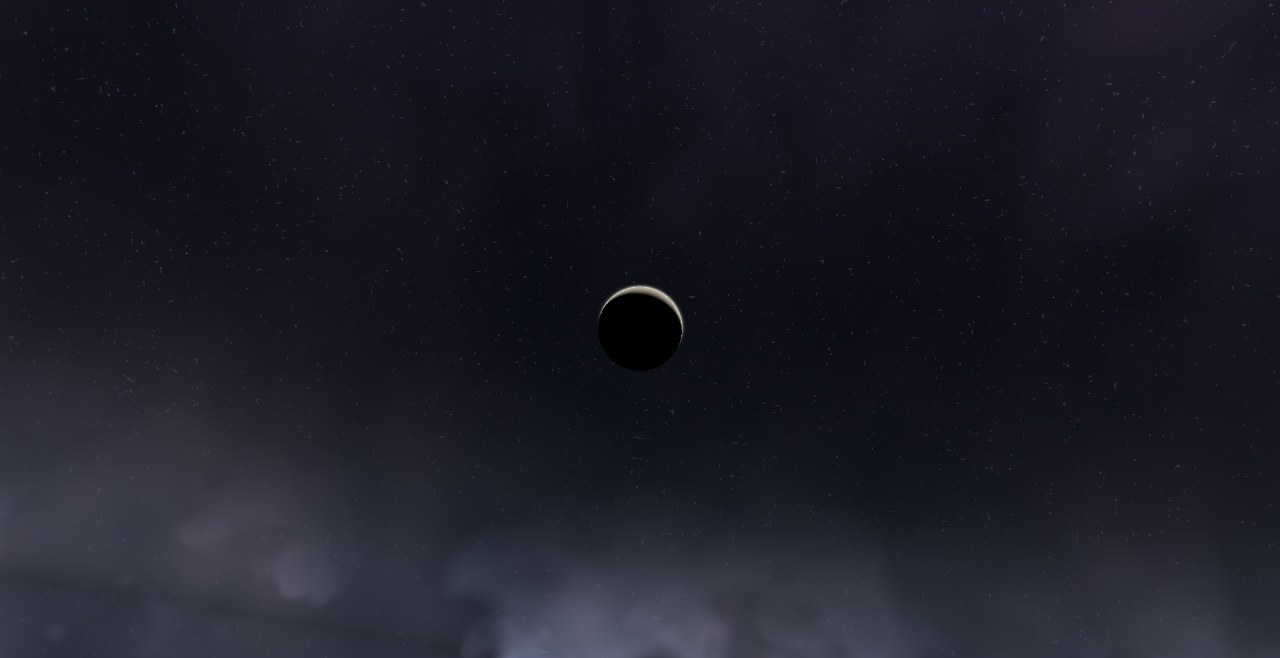
OGLE-2019-BLG-1180L, a Sun-like G-type star of 0.55 solar masses, and OGLE-2019-BLG-1180L b, a 1.75-Jupiter-mass companion, at 5.190 AU from its star.
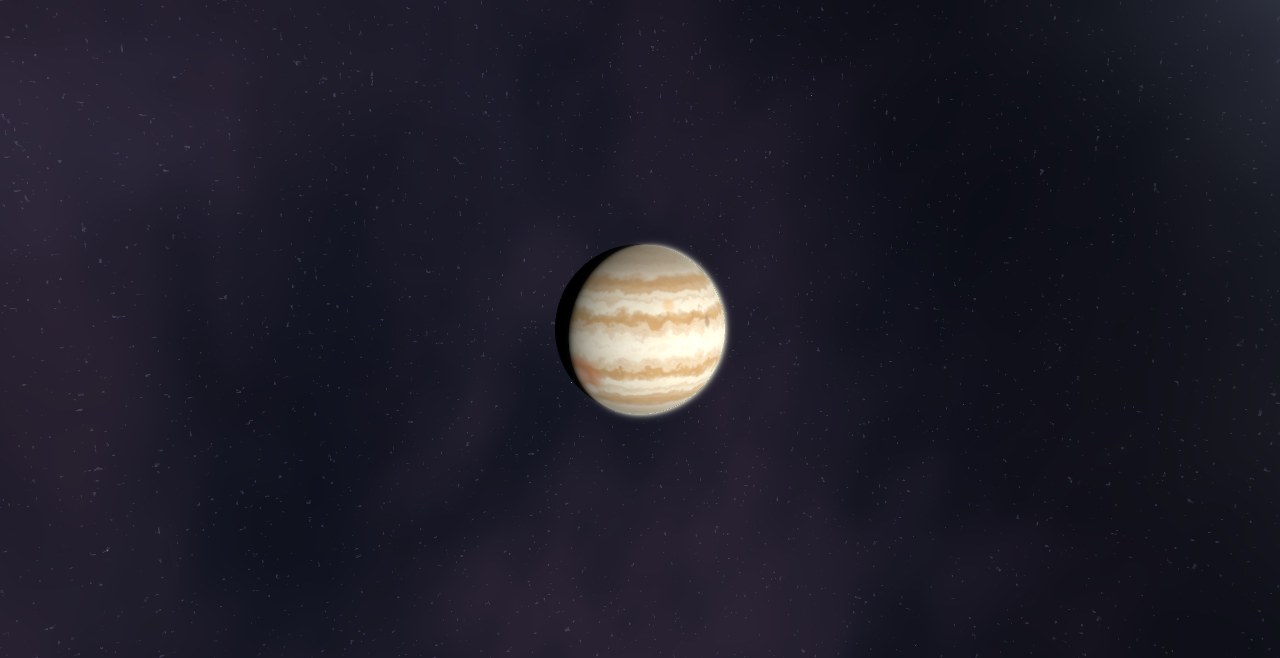
OGLE-2019-BLG-1470L A, a Sun-like G-type star of 0.57 solar masses, and OGLE-2019-BLG-1470L AB c, a 2.20-Jupiter-mass companion, at 3.200 AU from its star.
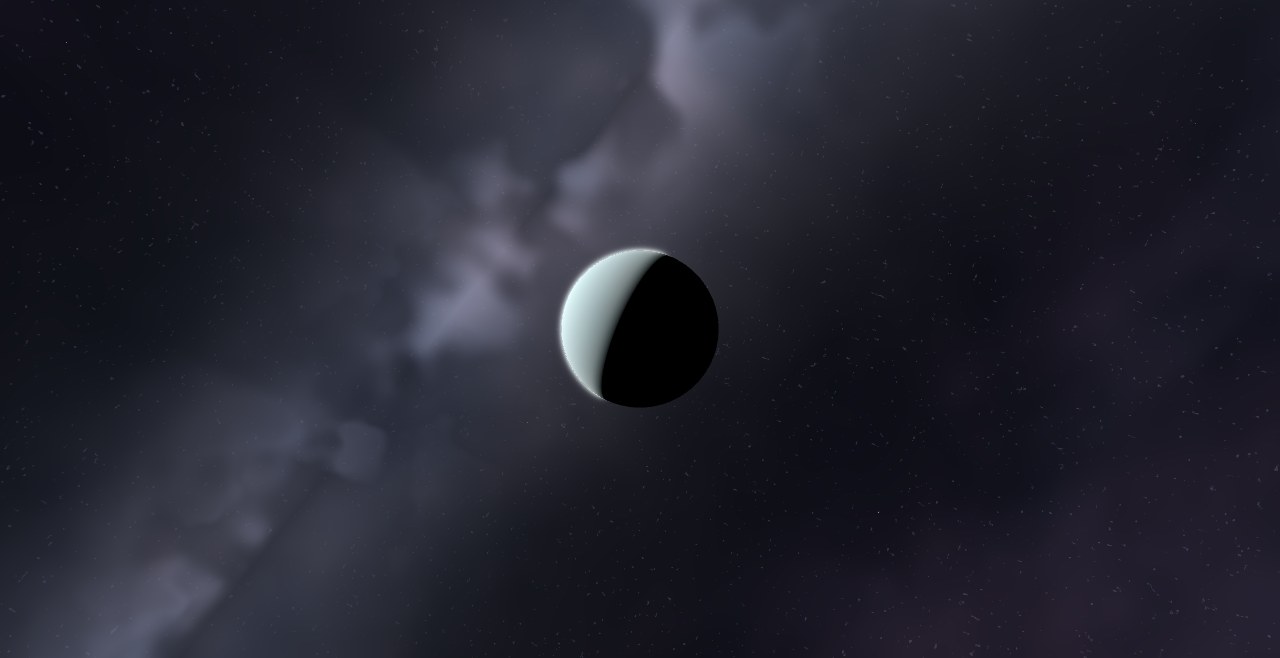
OGLE-2019-BLG-1492L, a Sun-like G-type star of 0.68 solar masses, and OGLE-2019-BLG-1492L b, a 0.12-Jupiter-mass companion, at 2.700 AU from its star.
OGLE-2023-BLG-0836L, a Sun-like G-type star of 0.71 solar masses, and OGLE-2023-BLG-0836L b, a 4.36-Jupiter-mass companion, at 3.700 AU from its star.
OGLE-TR-10, a Sun-like G-type star of 1.14 solar masses, and OGLE-TR-10 b, a 0.62-Jupiter-mass companion, with an orbital period of 3.1 days, at 0.043 AU from its star.
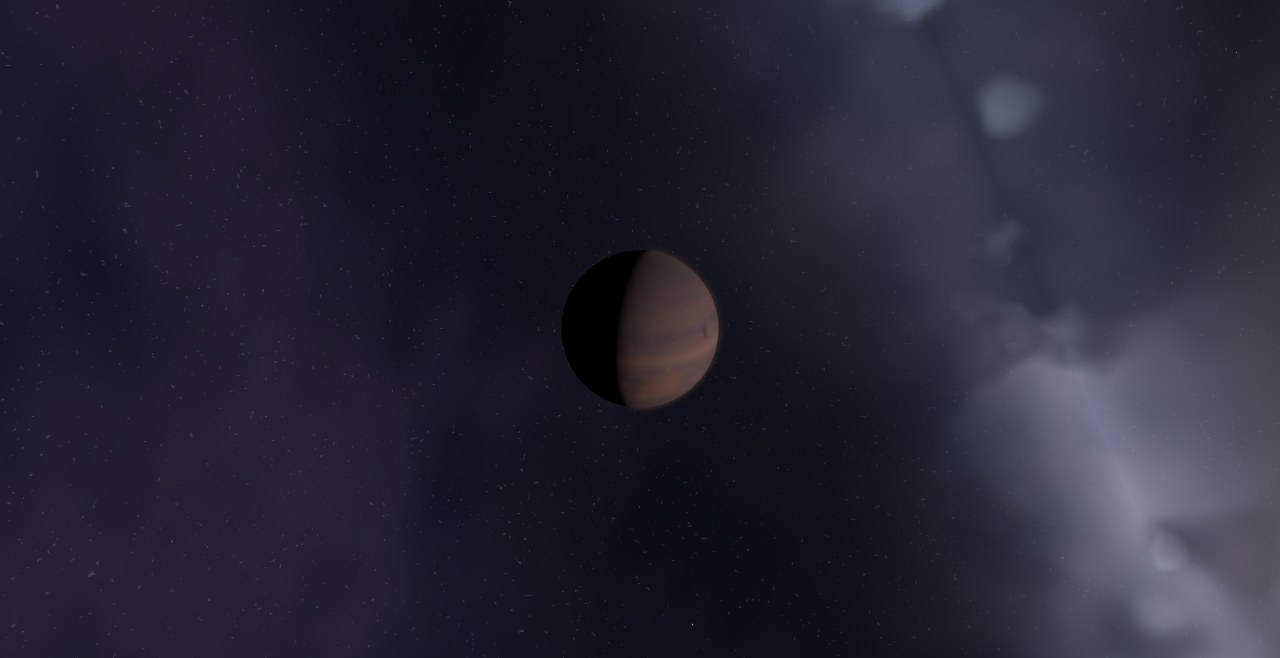
OGLE-TR-111, an orange K-type dwarf of 0.82 solar masses, and OGLE-TR-111 b, a planet with 11.4 Earth radii, with an orbital period of 4.0 days, at 0.047 AU from its star.
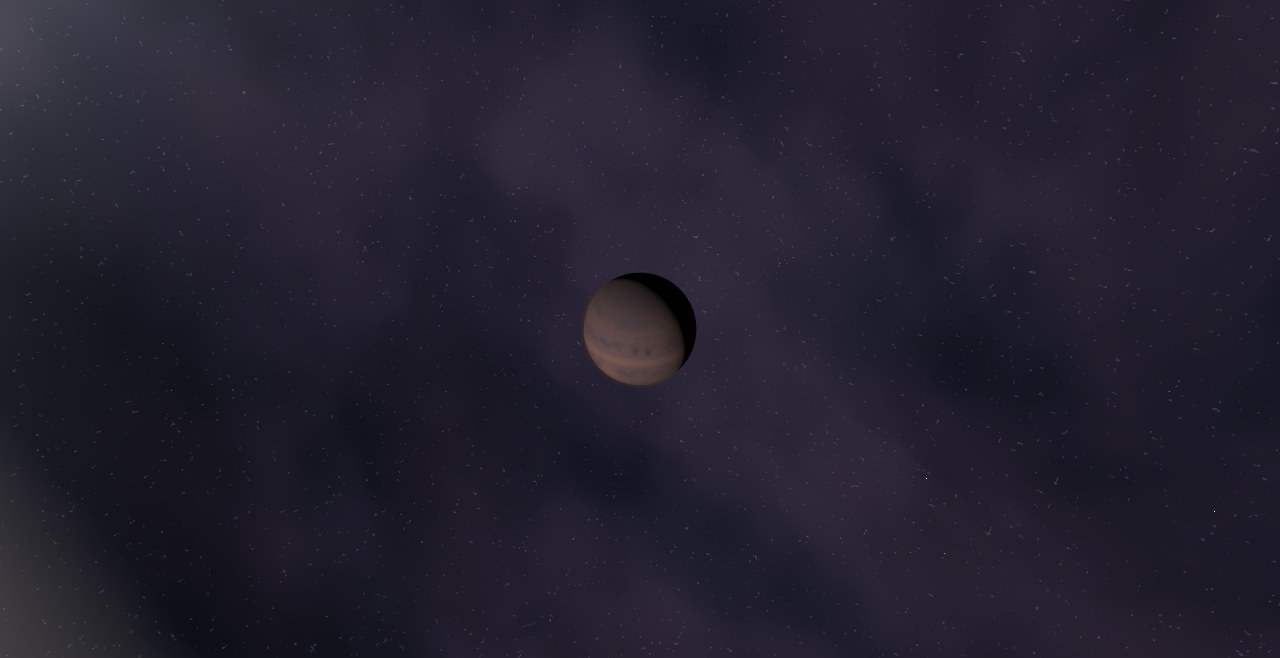
OGLE-TR-113, an orange K-type dwarf of 0.78 solar masses, and OGLE-TR-113 b, a 1.26-Jupiter-mass companion, with an orbital period of 1.4 days, at 0.023 AU from its star.
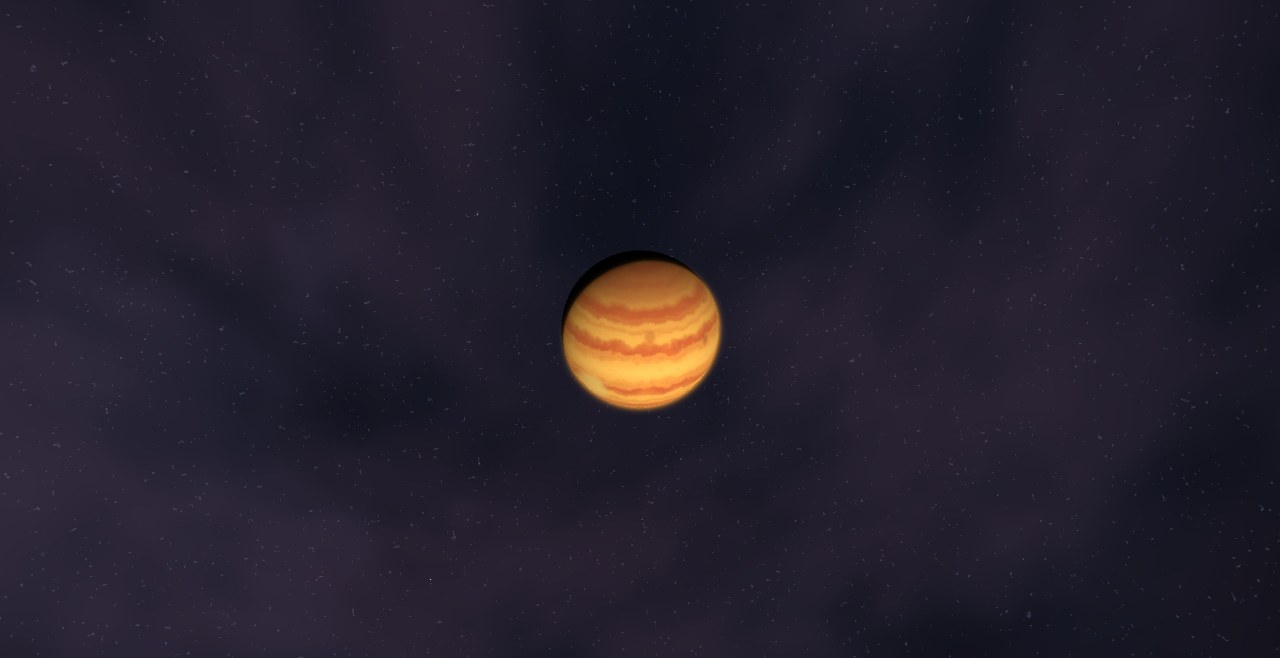
OGLE-TR-132, a Sun-like F-type star of 1.30 solar masses, and OGLE-TR-132 b, a 1.18-Jupiter-mass companion, with an orbital period of 1.7 days, at 0.030 AU from its star, and an equilibrium temperature near.
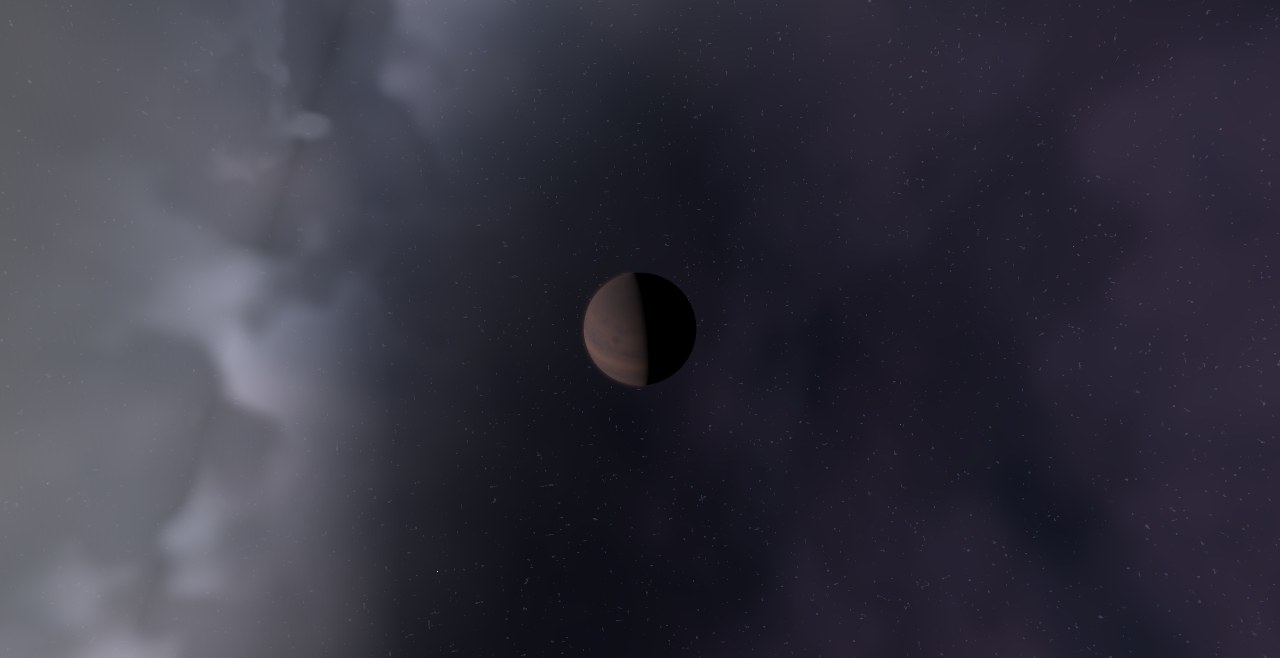
OGLE-TR-182, a Sun-like G-type star of 1.14 solar masses, and OGLE-TR-182 b, a 1.01-Jupiter-mass companion, with an orbital period of 4.0 days, at 0.051 AU from its star.
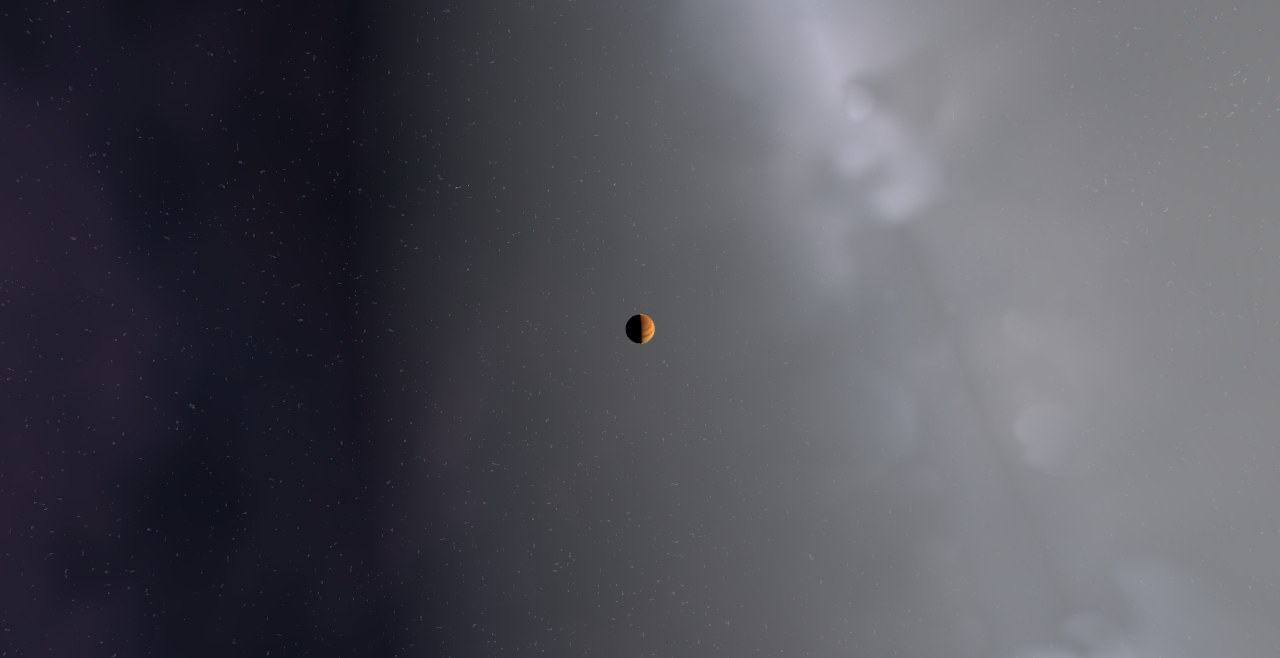
OGLE-TR-211, a Sun-like F-type star of 1.33 solar masses, and OGLE-TR-211 b, a 1.03-Jupiter-mass companion, with an orbital period of 3.7 days, at 0.051 AU from its star.
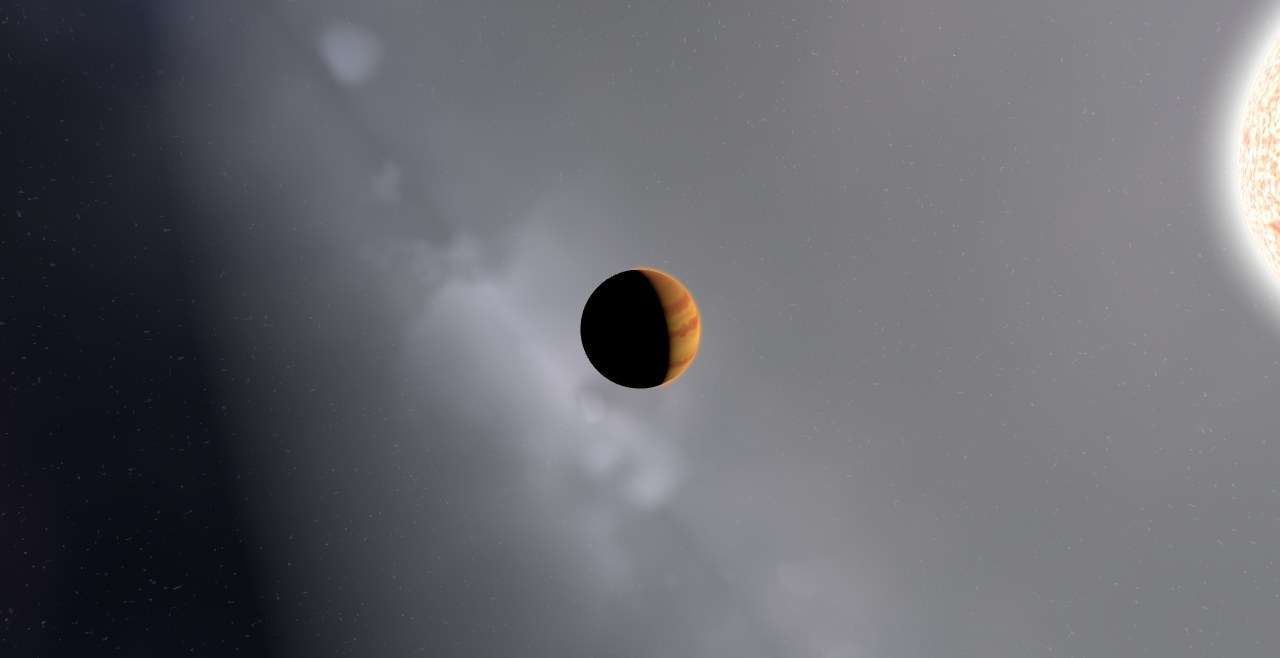
OGLE-TR-56 b, the first planet discovered by the transit method itself. Earlier transiting worlds had already been found by radial velocity.
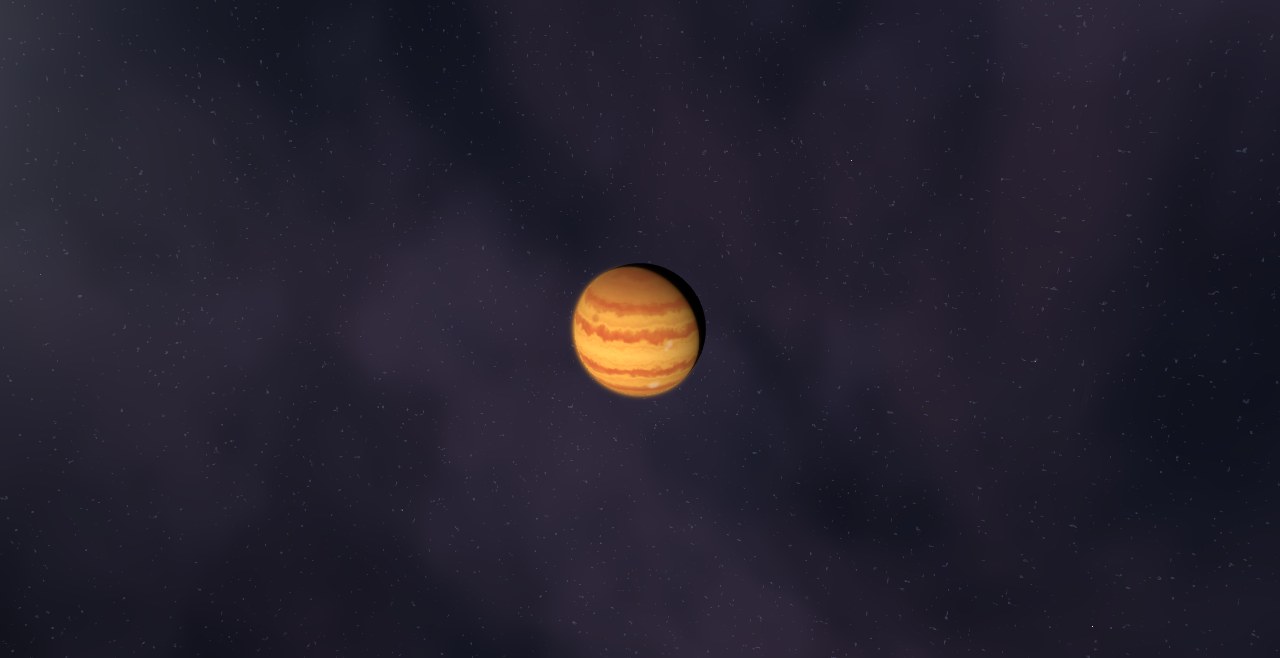
OGLE2-TR-L9, a Sun-like F-type star of 1.52 solar masses, and OGLE2-TR-L9 b, a 4.50-Jupiter-mass companion, with an orbital period of 2.5 days, at 0.031 AU from its star.
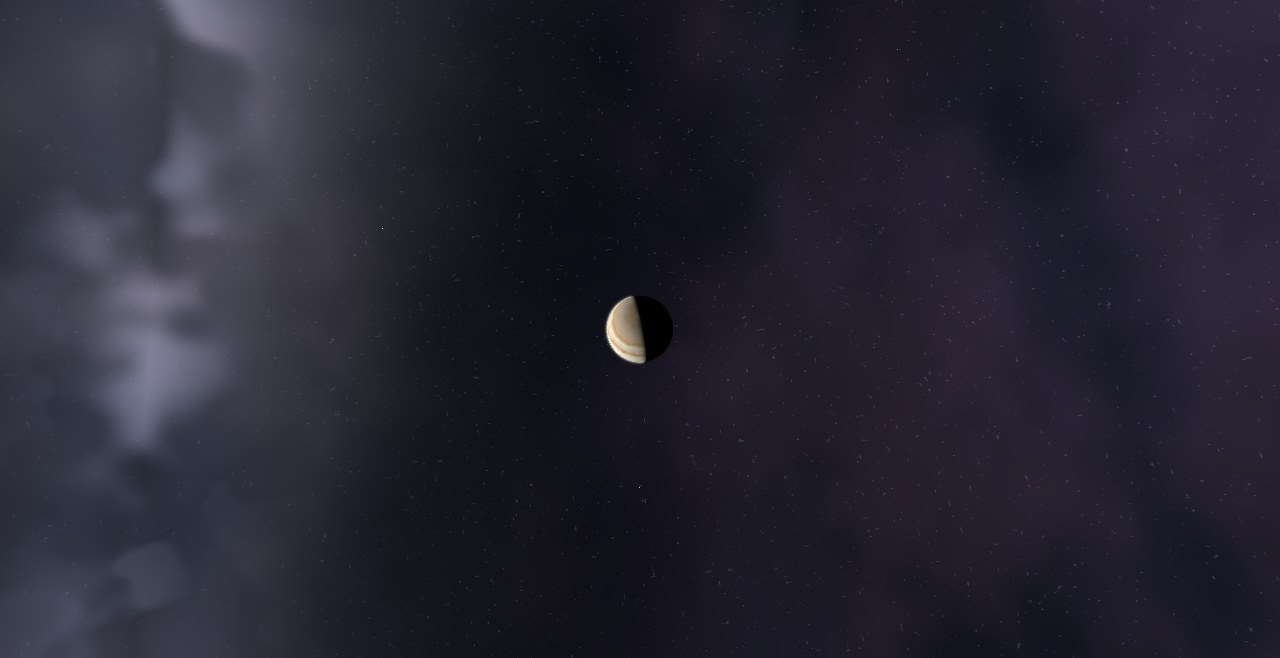
Oph 11, a cool M-dwarf of 0.02 solar masses, and Oph 11 b, a 14.0-Jupiter-mass companion, with an orbital period of 19,986 years, at 243 AU from its star, and an equilibrium temperature near 2,175 K.
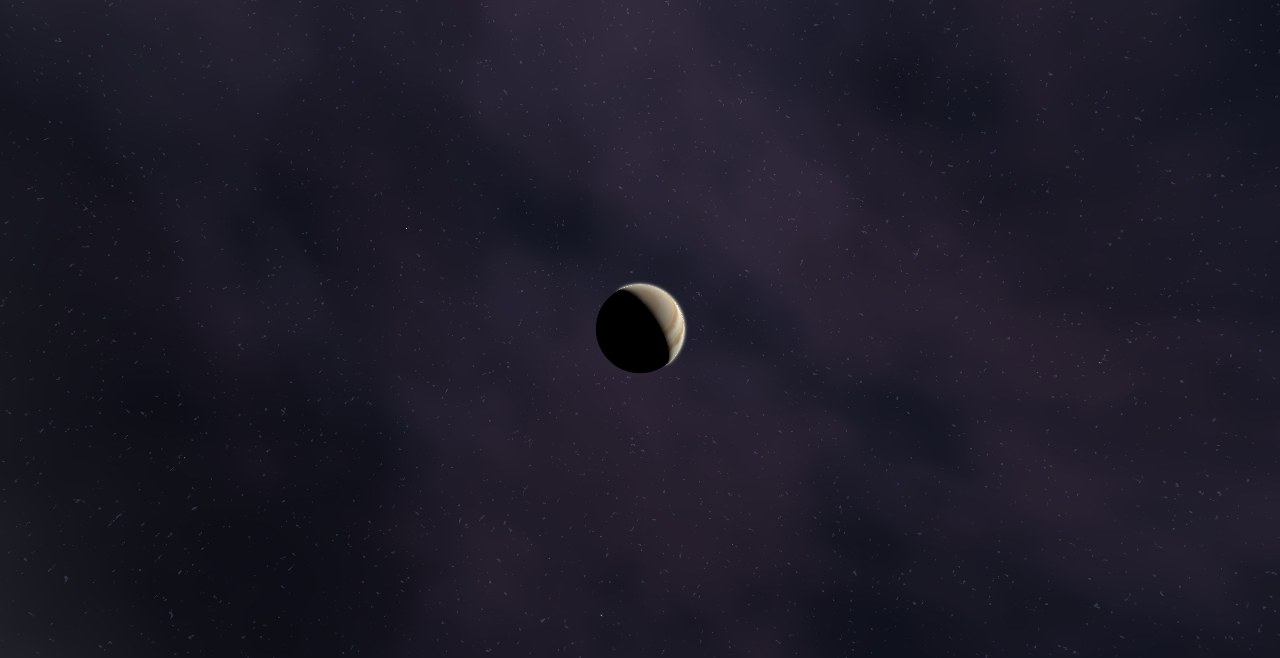
PDS 70, the first system where planets were seen still forming. Two giants sit inside a gap they have cleared in the protoplanetary disk. Both PDS 70 b and c are still accreting gas.
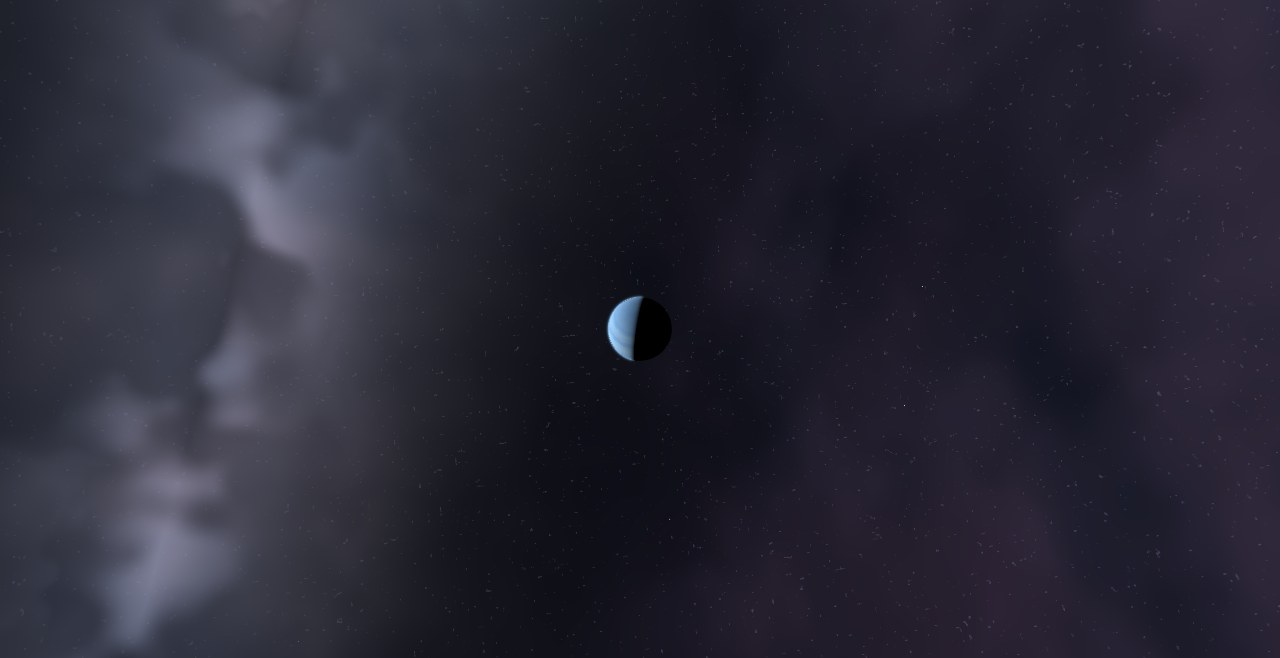
PH1, or Kepler-64 b, a planet in a quadruple star system. It orbits one stellar pair while a second binary shines in the distance. Volunteers in Planet Hunters spotted it in Kepler data.