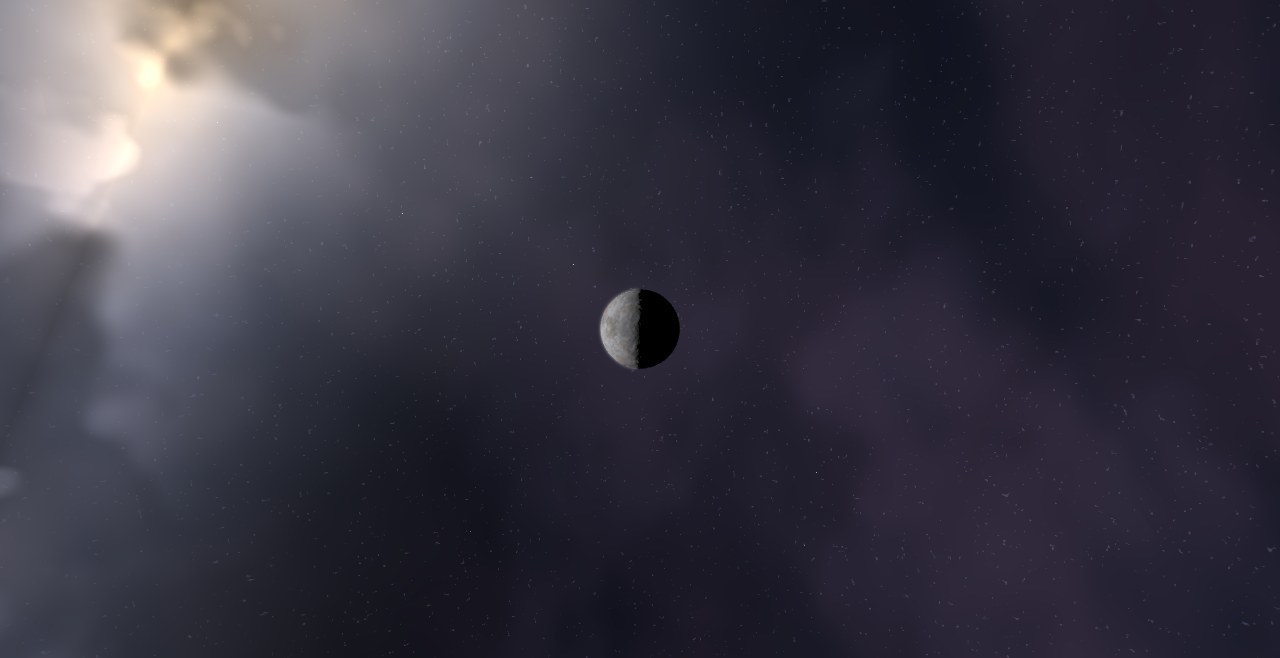
GJ 411 - System
GJ 411, an orange K-type dwarf of 0.39 solar masses, and GJ 411 b, a 2.7-Earth-mass planet, with an orbital period of 12.9 days, at 0.079 AU from its star, on an eccentric orbit (e ≈ 0.06).
Exoplanets
Track gravitational perturbations, transit timing variations, and orbital stability between binary planet arrangements around distant stars.
Share
GJ 411, an orange K-type dwarf of 0.39 solar masses, and GJ 411 b, a 2.7-Earth-mass planet, with an orbital period of 12.9 days, at 0.079 AU from its star, on an eccentric orbit (e ≈ 0.06).
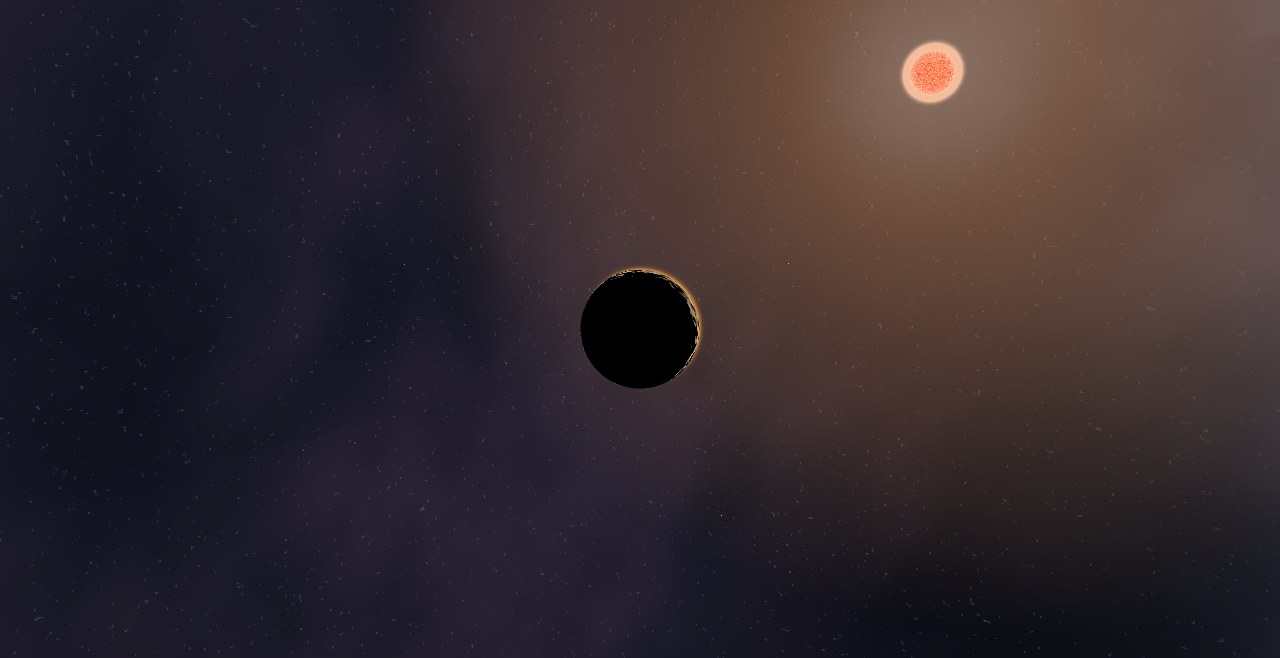
GJ 414 A, an orange K-type dwarf of 0.65 solar masses, and GJ 414 A b, a 7.6-Earth-mass planet, with an orbital period of 50.8 days, at 0.232 AU from its star, and an equilibrium temperature near 309 K.
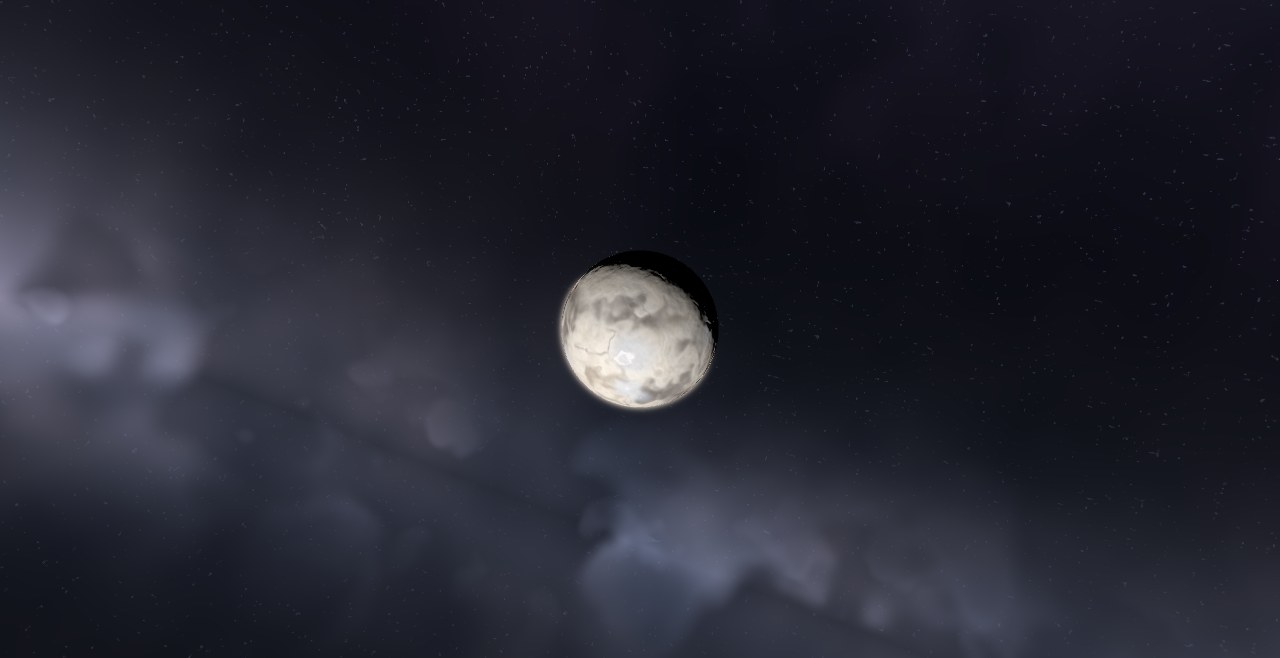
GJ 4274, a cool M-dwarf of 0.18 solar masses, and GJ 4274 b, a 3.0-Earth-mass planet, with an orbital period of 1.6 days, at 0.015 AU from its star.
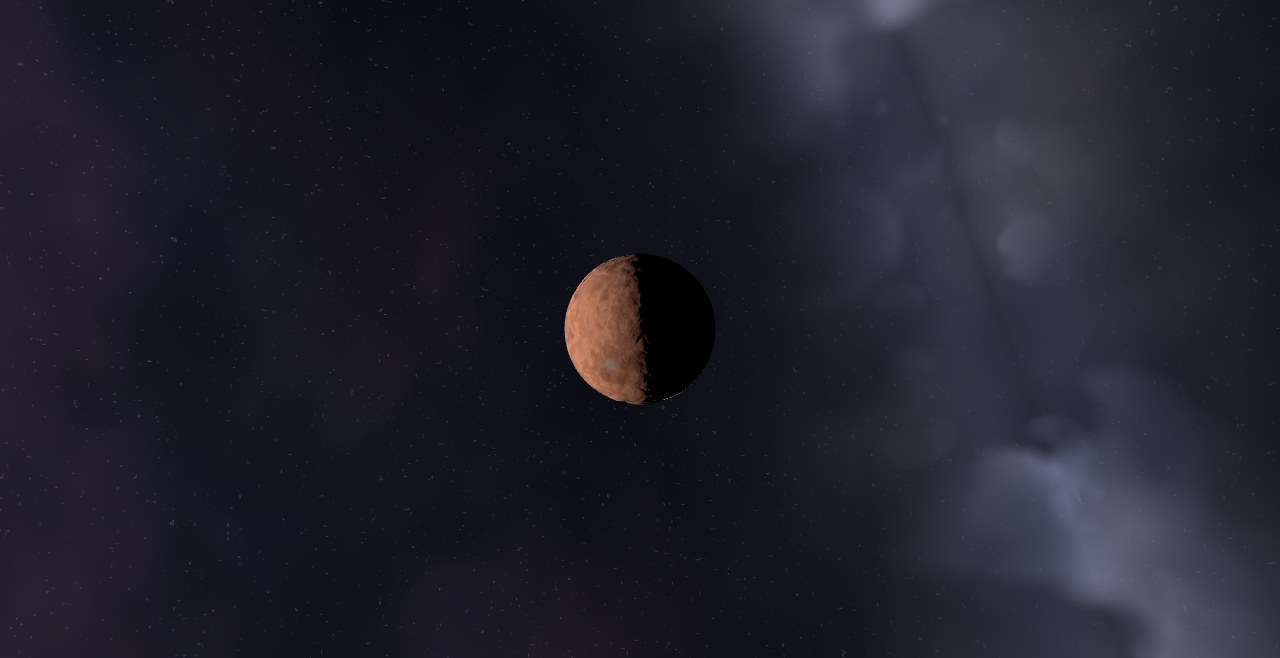
GJ 536, a cool M-dwarf of 0.53 solar masses, and GJ 536 b, a 6.4-Earth-mass planet, with an orbital period of 8.7 days, at 0.067 AU from its star, and an equilibrium temperature near 451 K.
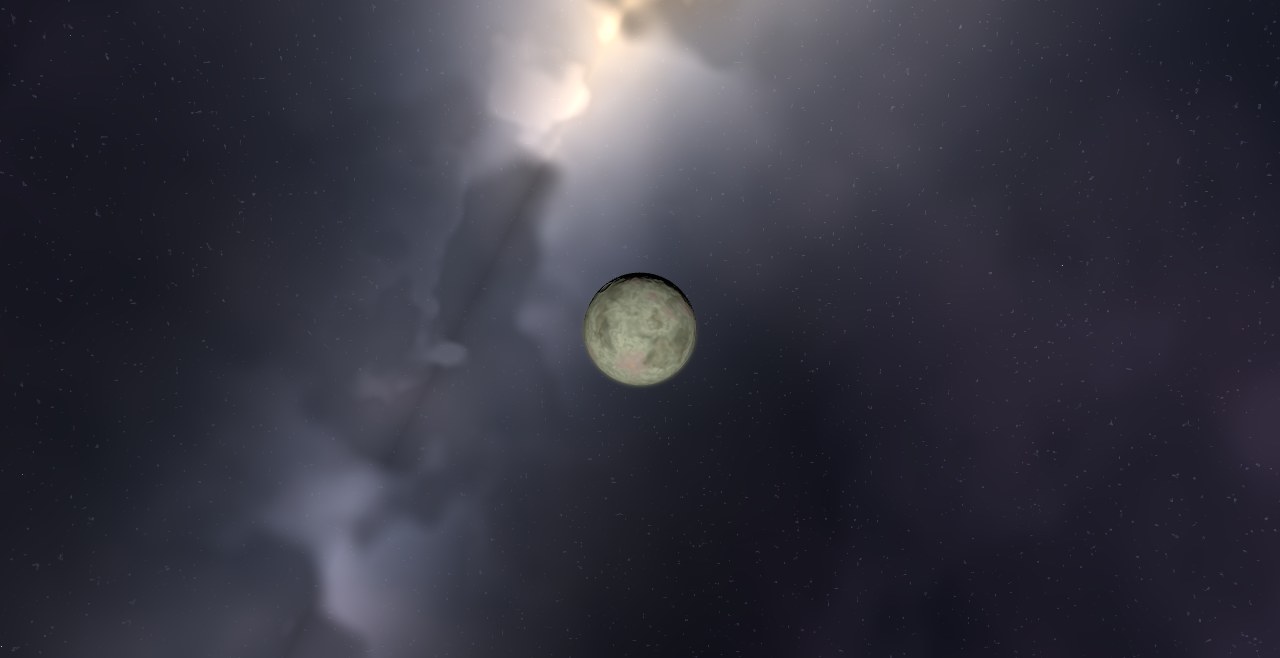
GJ 682, a cool M-dwarf of 0.27 solar masses, and GJ 682 b, a 4.4-Earth-mass planet, with an orbital period of 17.5 days, at 0.080 AU from its star, on an eccentric orbit (e ≈ 0.08).
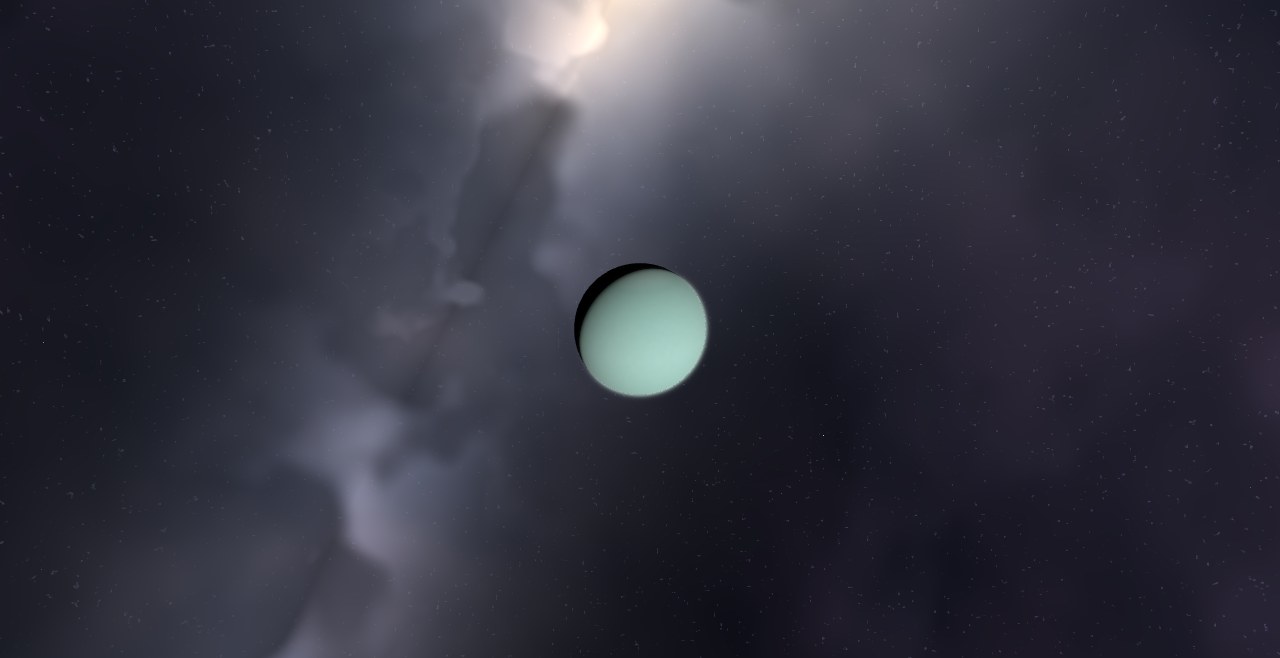
GJ 687, a cool M-dwarf of 0.40 solar masses, and GJ 687 b, a 0.05-Jupiter-mass companion, with an orbital period of 38.1 days, at 0.163 AU from its star, on an eccentric orbit (e ≈ 0.17).
GJ 806, a cool M-dwarf of 0.41 solar masses, and GJ 806 b, a 1.9-Earth-mass planet, with an orbital period of 22.2 hours, at 0.014 AU from its star, and an equilibrium temperature near 940 K.
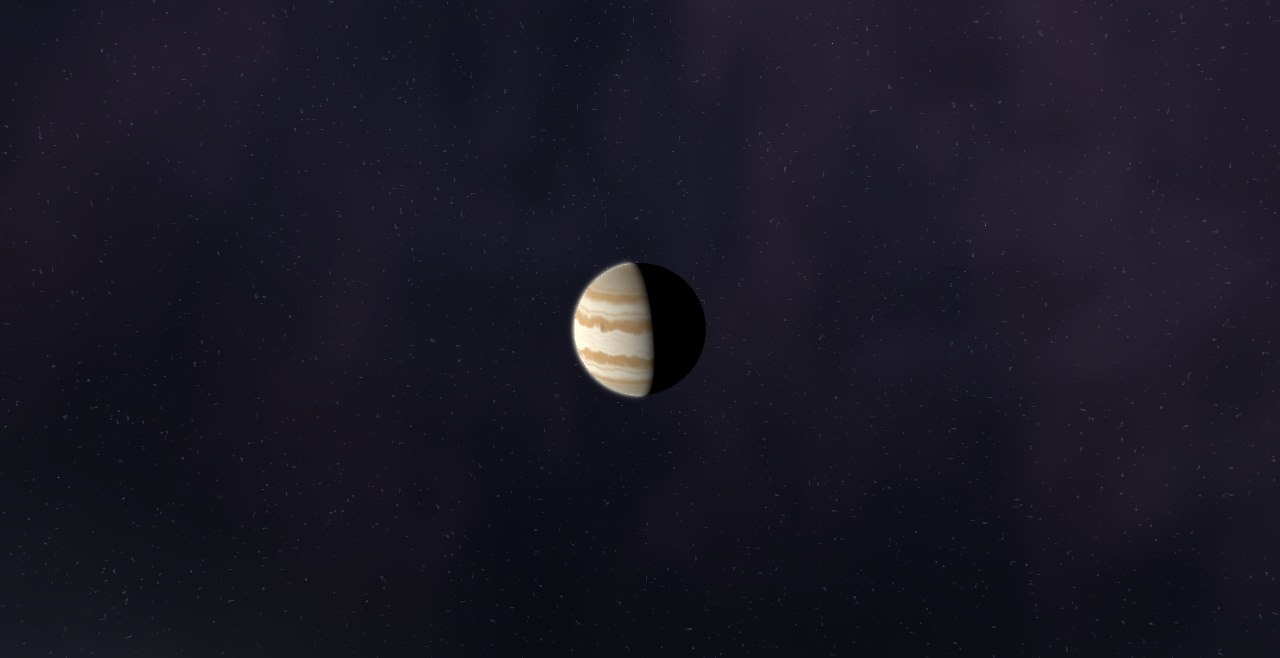
GJ 849, a cool M-dwarf of 0.45 solar masses, and GJ 849 b, a 0.89-Jupiter-mass companion, with an orbital period of 5.27 years, at 2.320 AU from its star.
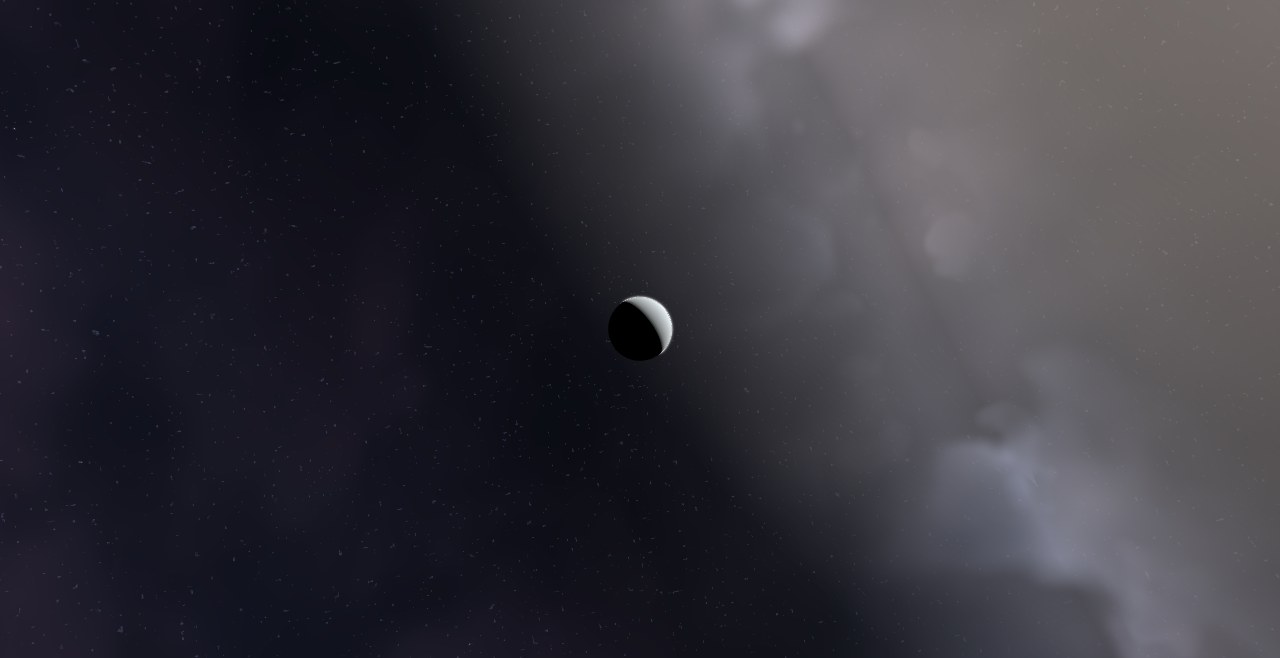
HAT-P-11 b, an eccentric warm Neptune with water vapor in its atmosphere. It is one of the smallest planets with a measured transmission spectrum.
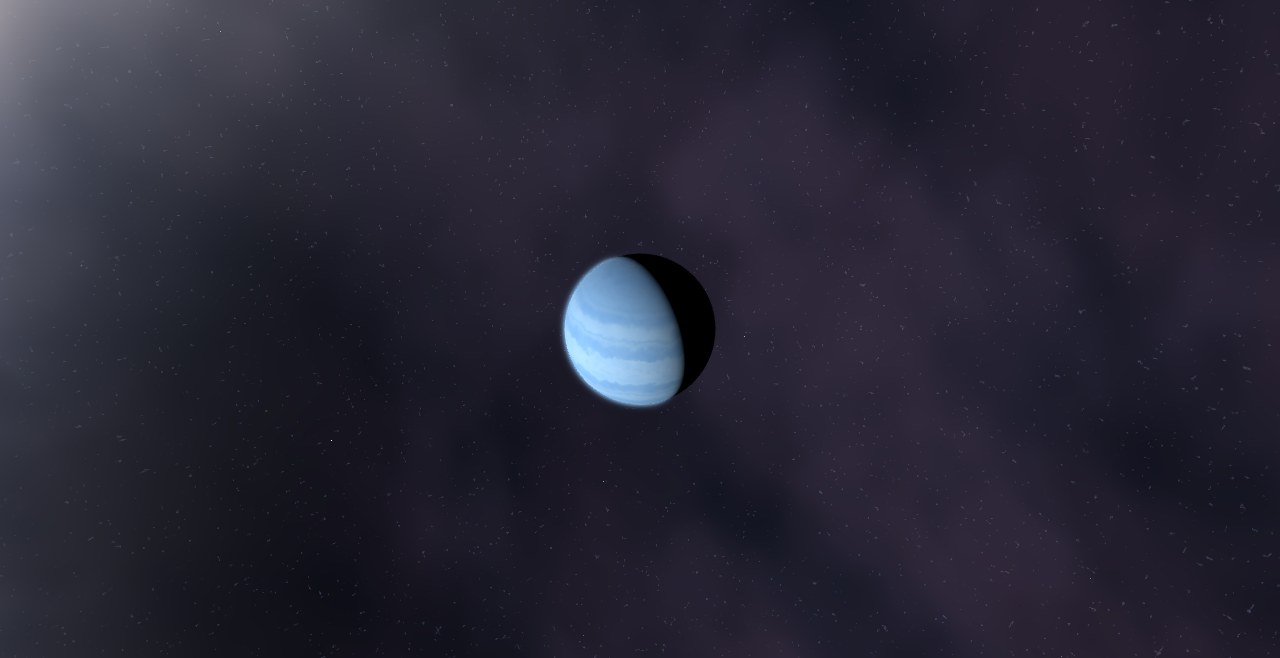
HAT-P-13, a Sun-like G-type star of 1.32 solar masses, and HAT-P-13 b, a 0.85-Jupiter-mass companion, with an orbital period of 2.9 days.
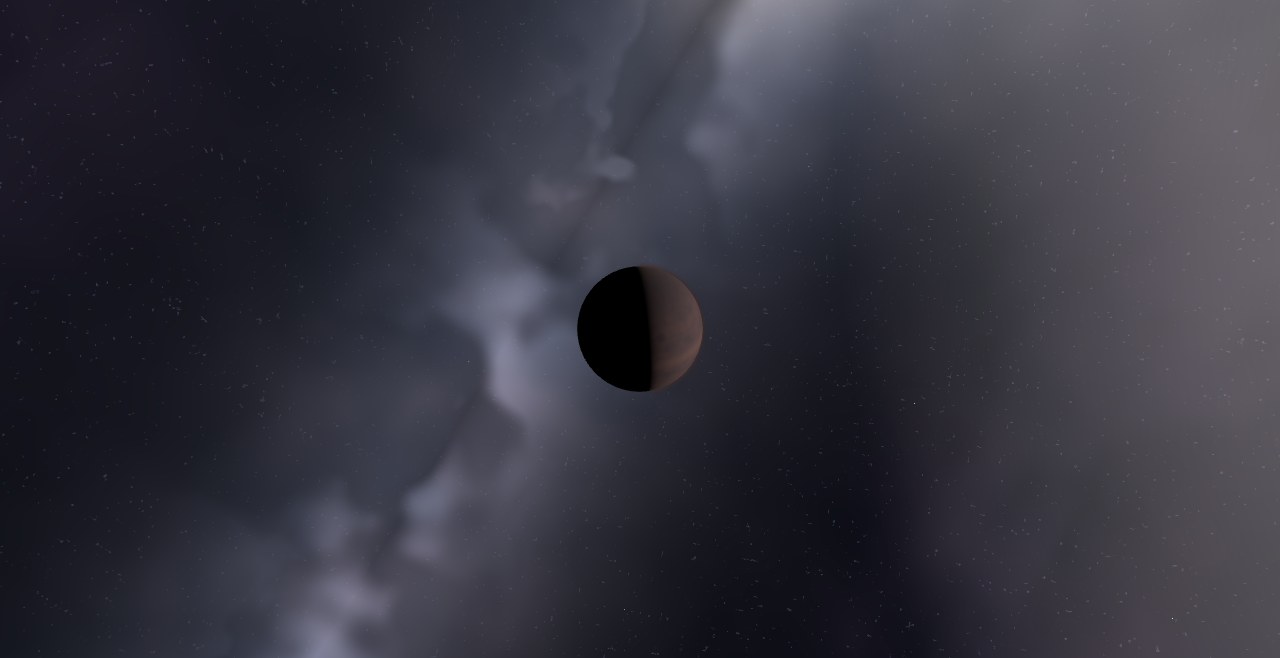
HAT-P-17, a Sun-like G-type star of 0.92 solar masses, and HAT-P-17 c, a 3.40-Jupiter-mass companion, with an orbital period of 15.3 years, at 5.600 AU from its star, on an eccentric orbit (e ≈ 0.39).
HAT-P-44, a Sun-like G-type star of 0.94 solar masses, and HAT-P-44 b, a 0.35-Jupiter-mass companion, with an orbital period of 4.3 days, at 0.051 AU from its star, and an equilibrium temperature near 1,108 K.
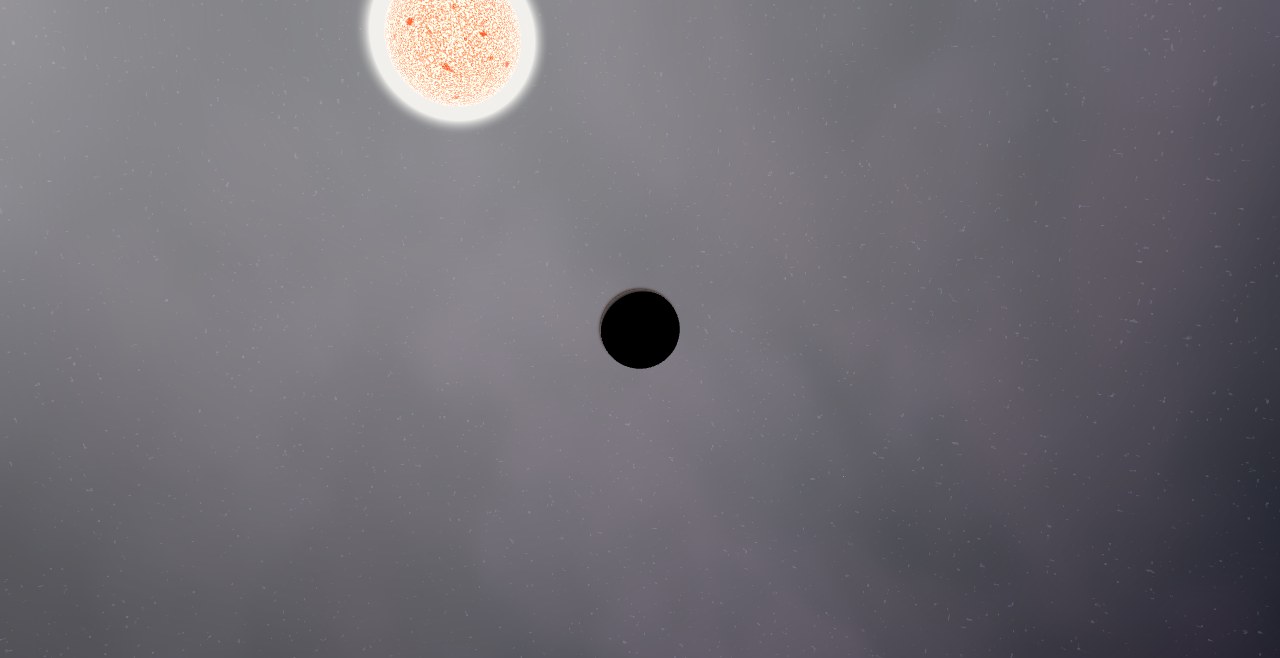
HATS-59, a Sun-like G-type star of 1.04 solar masses, and HATS-59 b, a 0.81-Jupiter-mass companion, with an orbital period of 5.4 days, at 0.061 AU from its star, and an equilibrium temperature near 1,128 K.
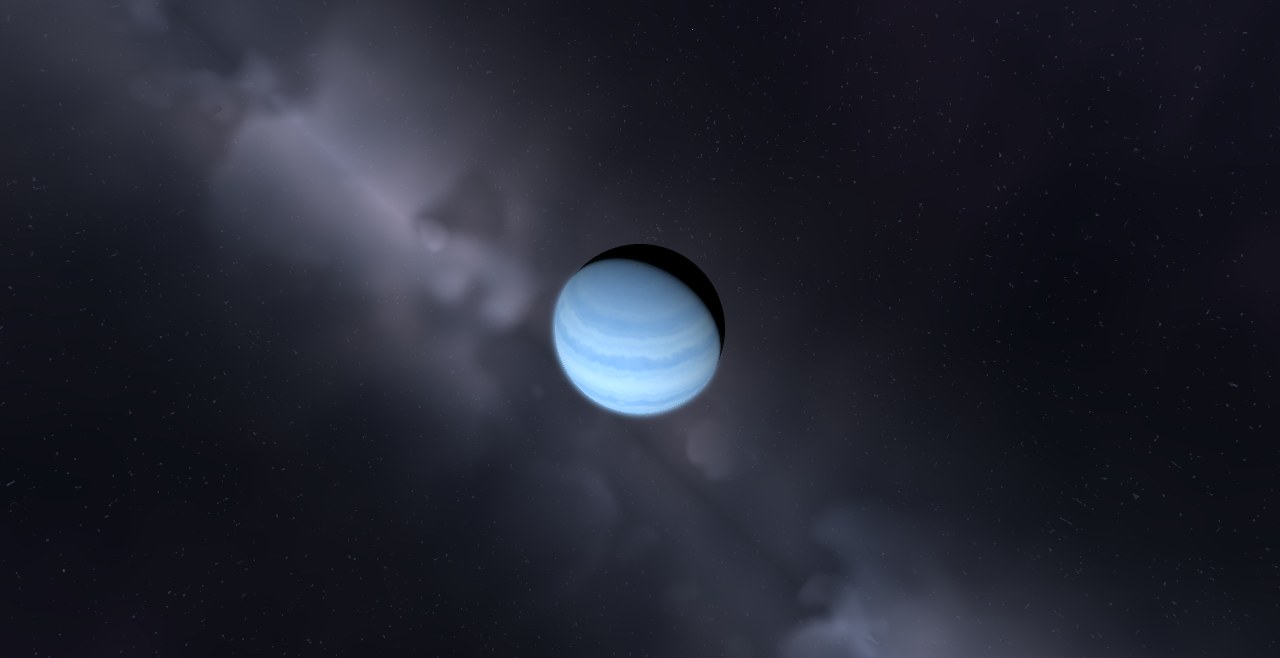
HD 104067, an orange K-type dwarf of 0.82 solar masses, and HD 104067 c, a 13.2-Earth-mass planet, with an orbital period of 13.9 days, at 0.106 AU from its star, on an eccentric orbit (e ≈ 0.29).
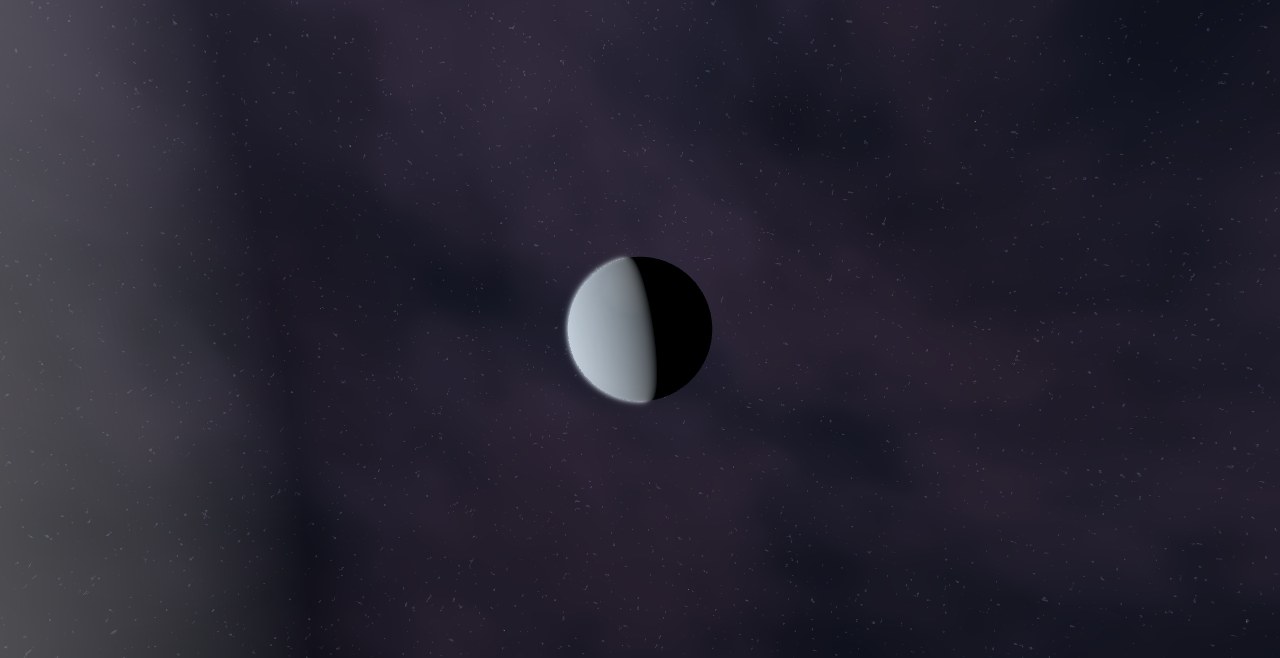
HD 105618, a Sun-like G-type star of 1.01 solar masses, and HD 105618 b, a 0.08-Jupiter-mass companion, with an orbital period of 10.0 days, at 0.091 AU from its star, on an eccentric orbit (e ≈ 0.46).
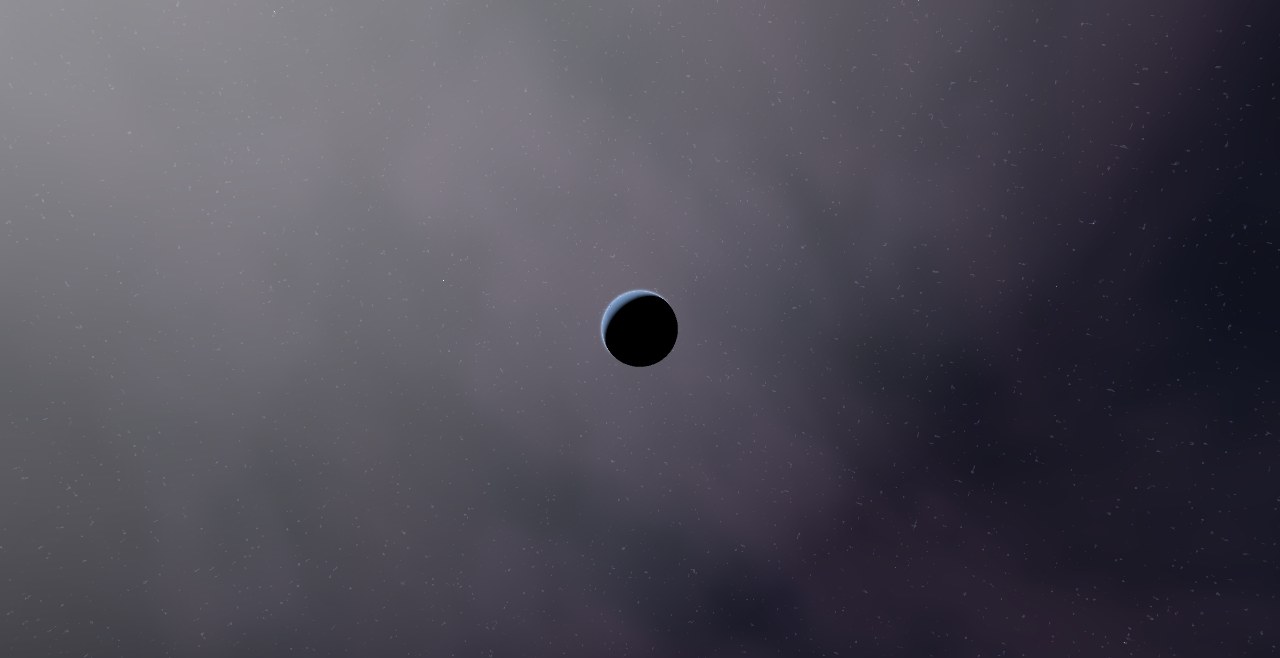
HD 106315, a Sun-like F-type star of 1.09 solar masses, and HD 106315 b, a 12.6-Earth-mass planet, with an orbital period of 9.6 days, at 0.091 AU from its star, and an equilibrium temperature near 1,153 K.
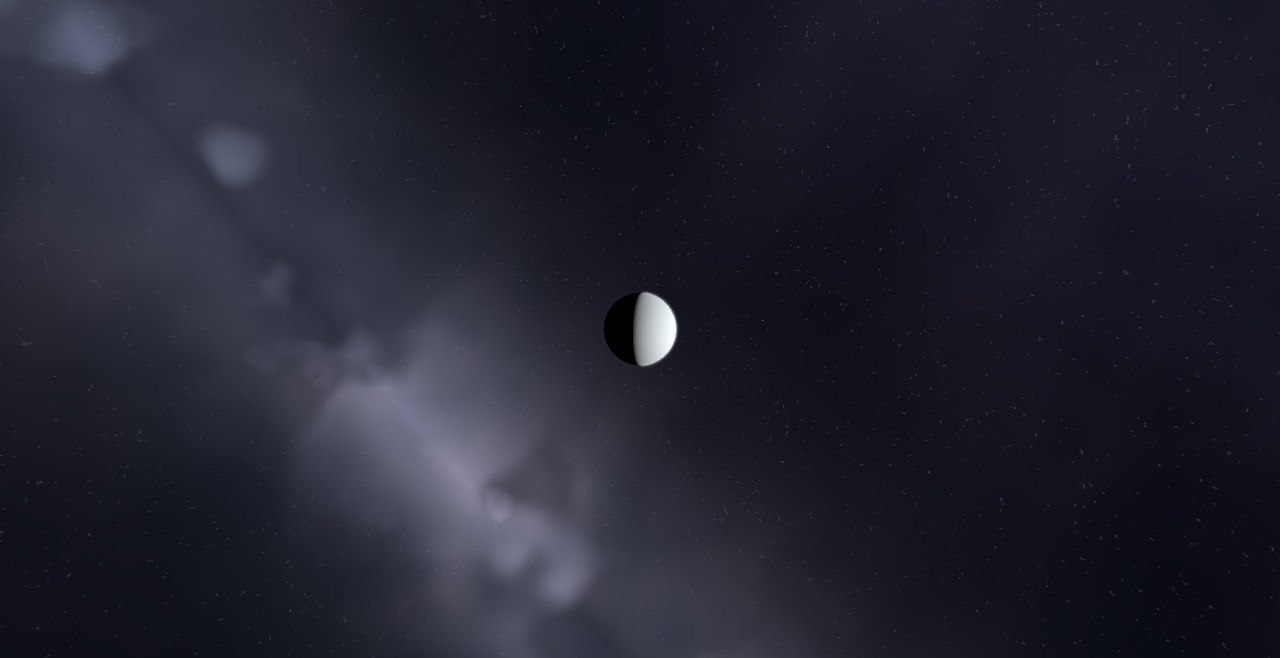
HD 107148, a Sun-like G-type star of 1.11 solar masses, and HD 107148 c, a 0.06-Jupiter-mass companion, with an orbital period of 18.3 days, at 0.141 AU from its star, on an eccentric orbit (e ≈ 0.34).
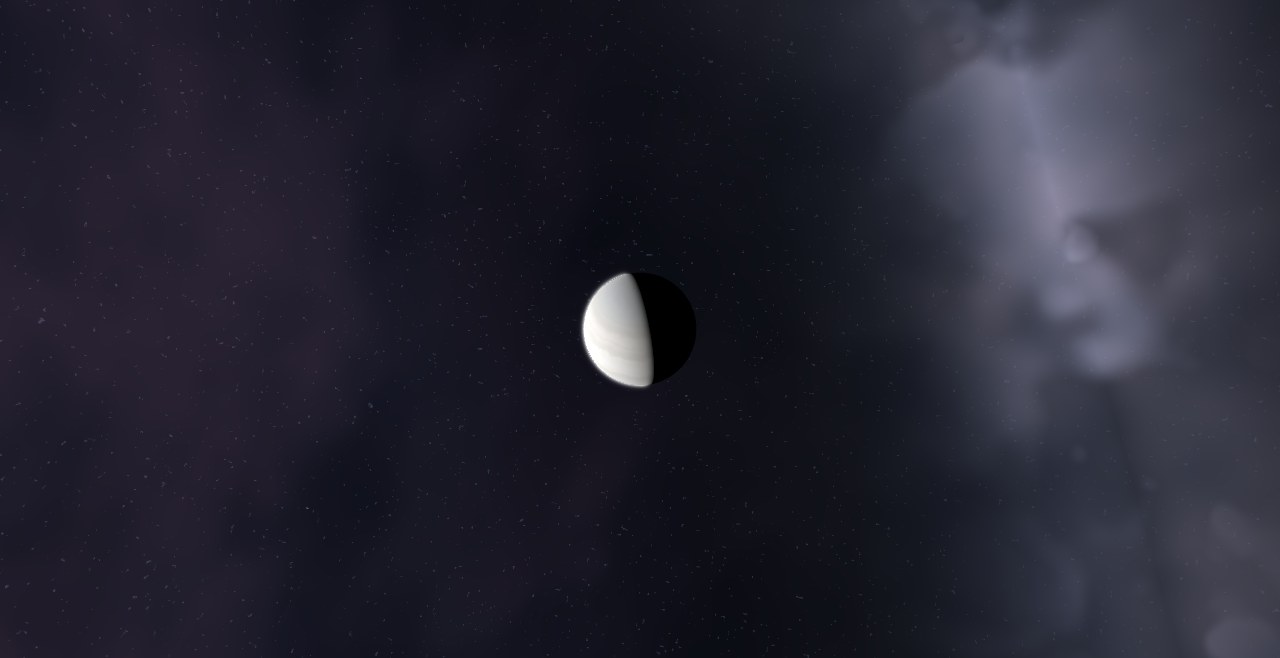
HD 108874, a Sun-like G-type star of 0.95 solar masses, and HD 108874 b, a 1.42-Jupiter-mass companion, with an orbital period of 1.08 years, at 1.040 AU from its star, on an eccentric orbit (e ≈ 0.13).