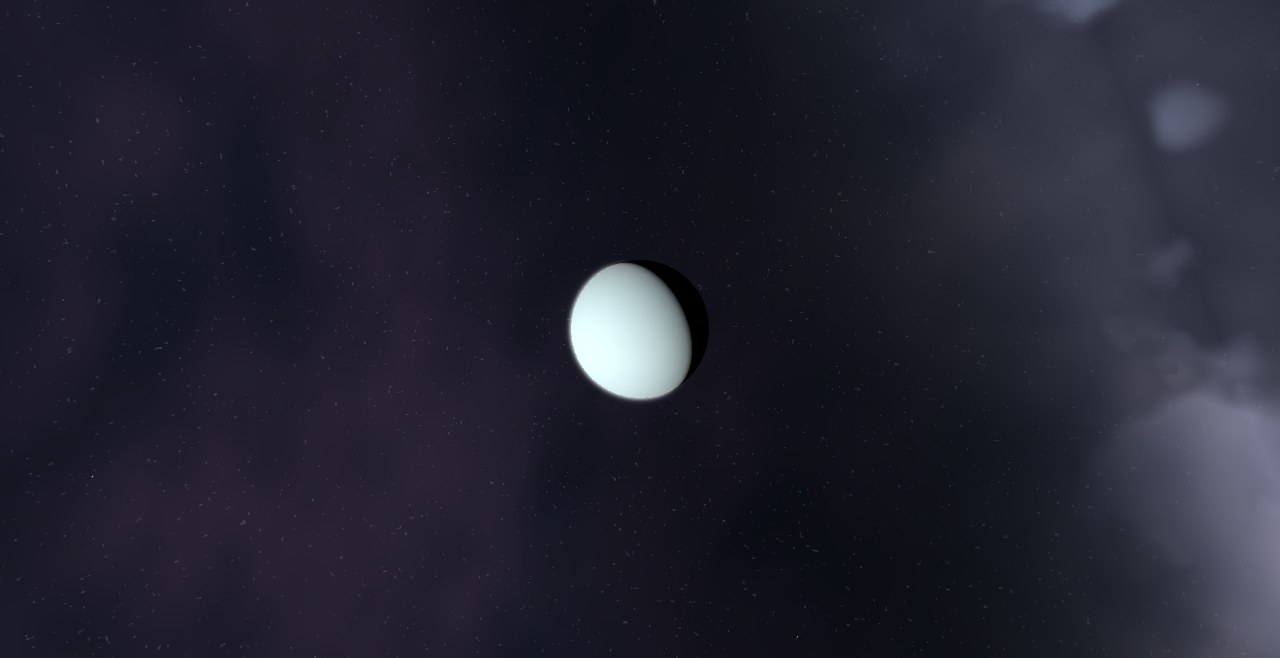
G 192-15 - System
G 192-15, a cool M-dwarf of 0.13 solar masses, and G 192-15 b, a 1.0-Earth-mass planet, with an orbital period of 2.3 days, at 0.017 AU from its star, and an equilibrium temperature near 454 K.
Exoplanets
Track gravitational perturbations, transit timing variations, and orbital stability between binary planet arrangements around distant stars.
Share
G 192-15, a cool M-dwarf of 0.13 solar masses, and G 192-15 b, a 1.0-Earth-mass planet, with an orbital period of 2.3 days, at 0.017 AU from its star, and an equilibrium temperature near 454 K.
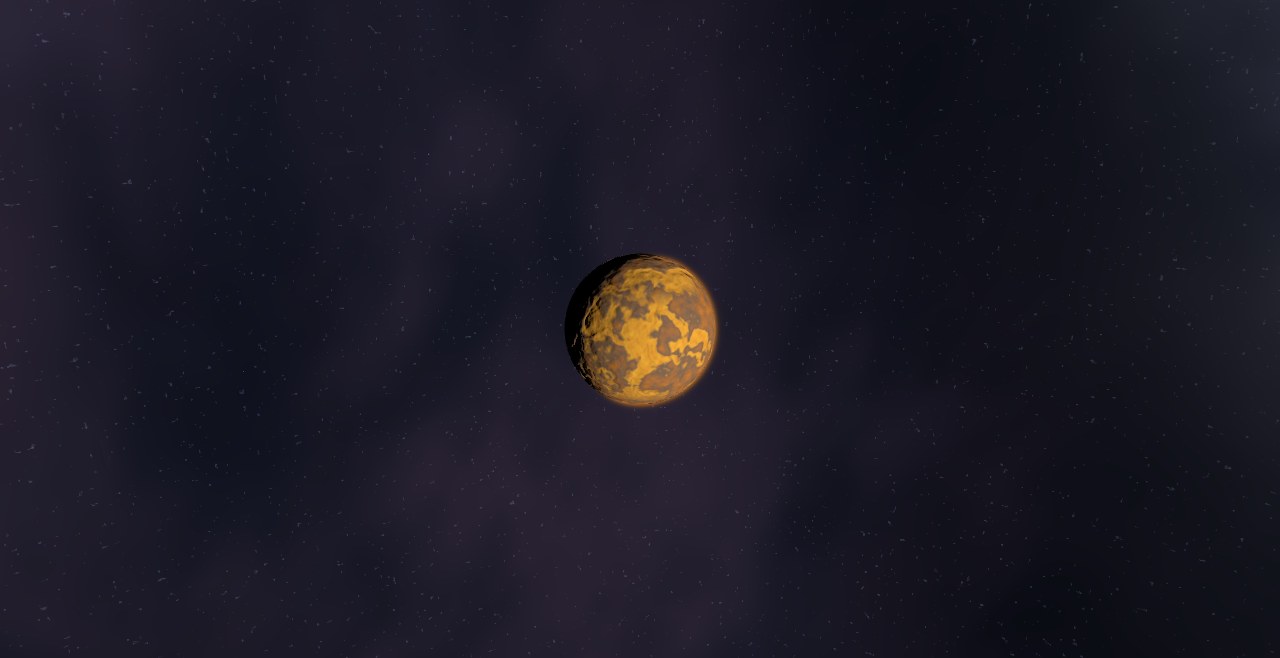
G 264-012, a cool M-dwarf of 0.30 solar masses, and G 264-012 b, a 2.5-Earth-mass planet, with an orbital period of 2.3 days, at 0.023 AU from its star, and an equilibrium temperature near 587 K.
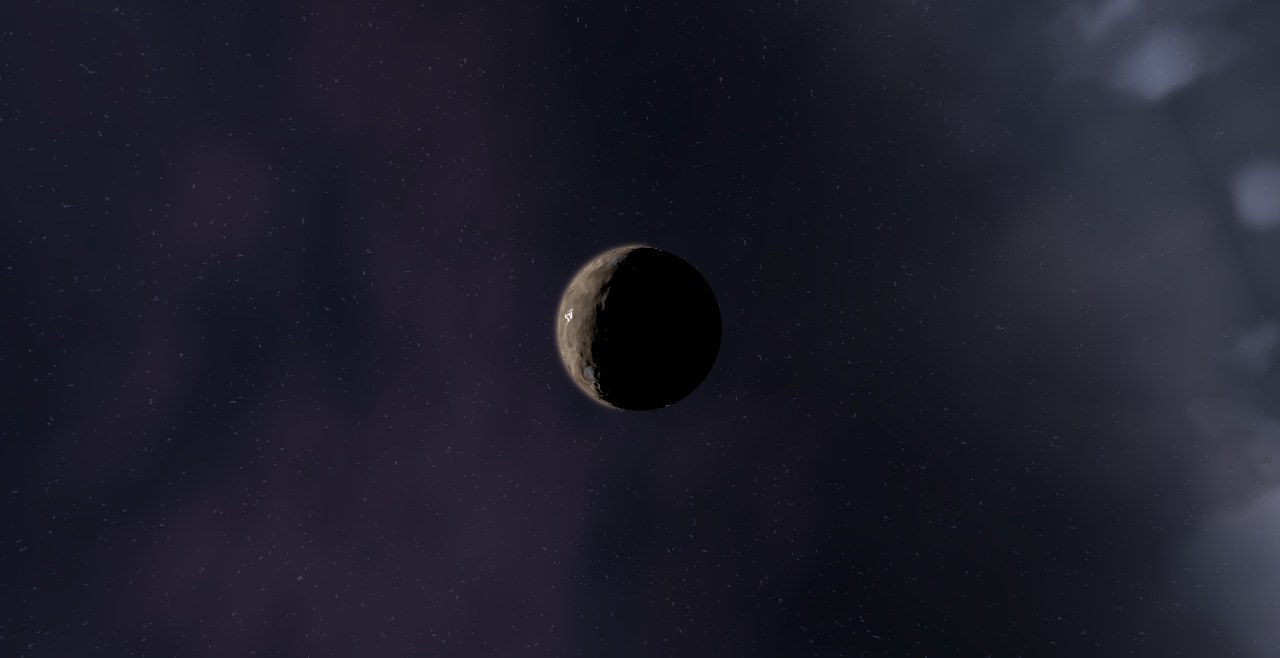
GJ 1002, a nearby quiet red dwarf with two Earth-mass planets in the habitable zone, among the closest temperate worlds known. Both planets were found by radial-velocity monitoring.
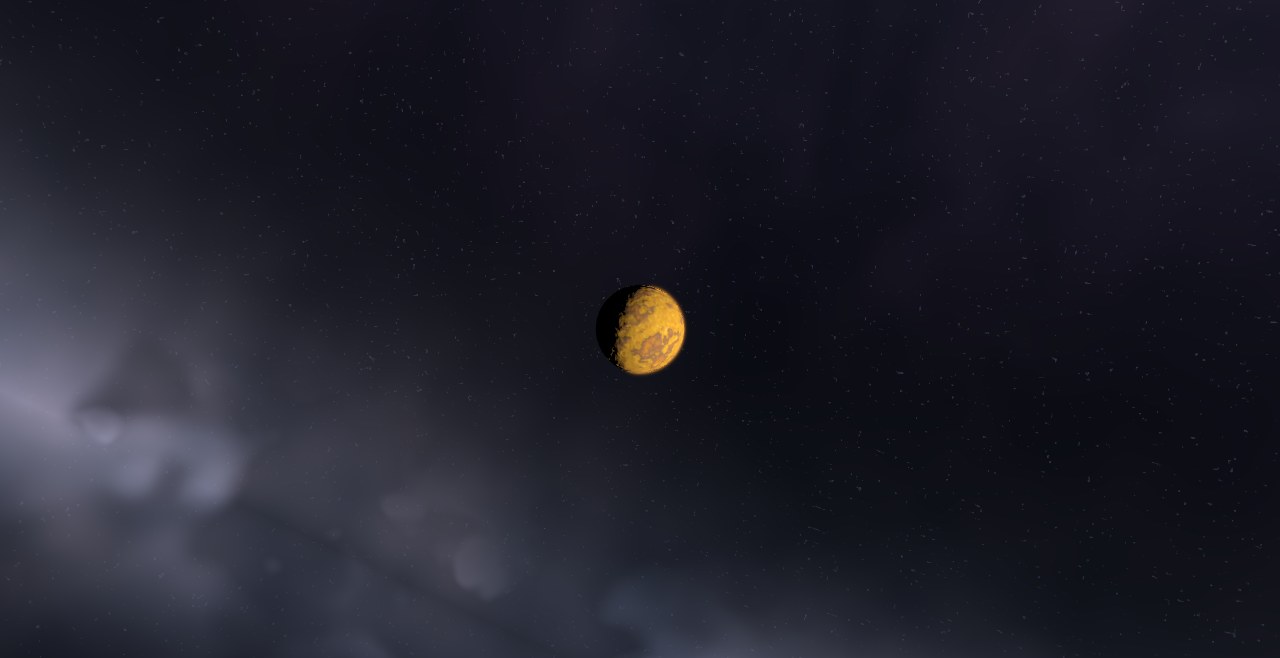
GJ 1132 b, a nearby rocky planet that may have lost and then rebuilt an atmosphere. It is a key JWST target for secondary atmospheres. The red dwarf is only about 41 light-years from the Sun.
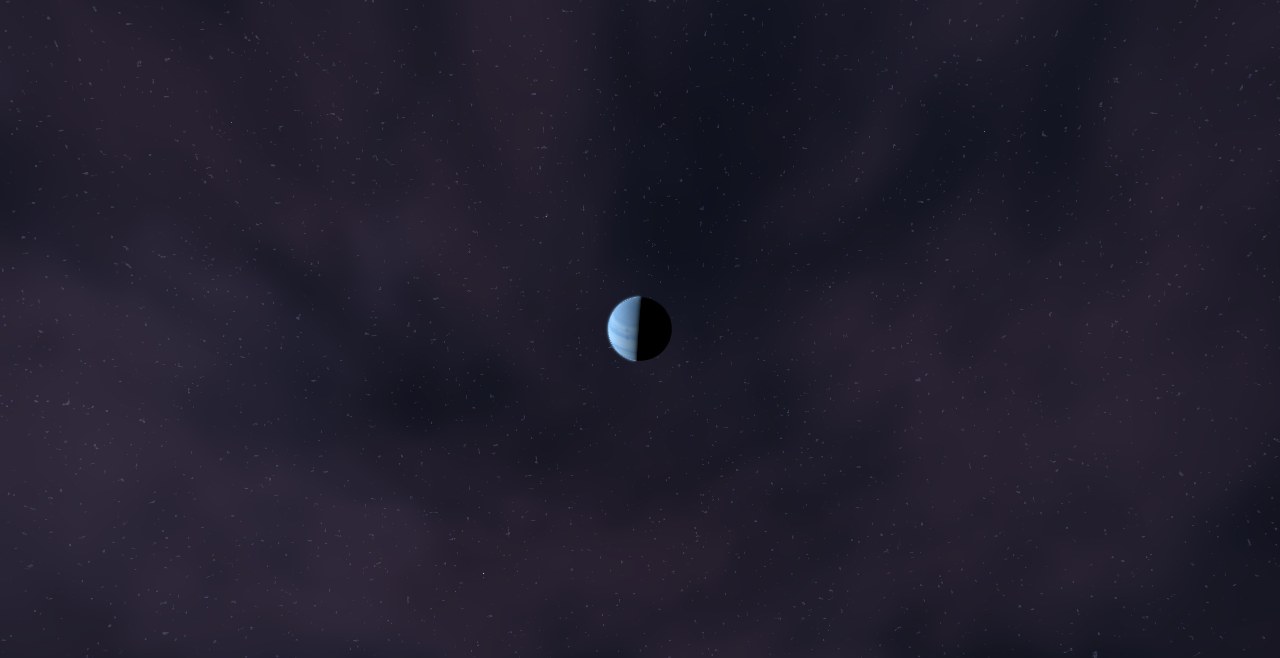
GJ 1148, a cool M-dwarf of 0.34 solar masses, and GJ 1148 b, a 0.30-Jupiter-mass companion, with an orbital period of 41.4 days, at 0.166 AU from its star, on an eccentric orbit (e ≈ 0.38).
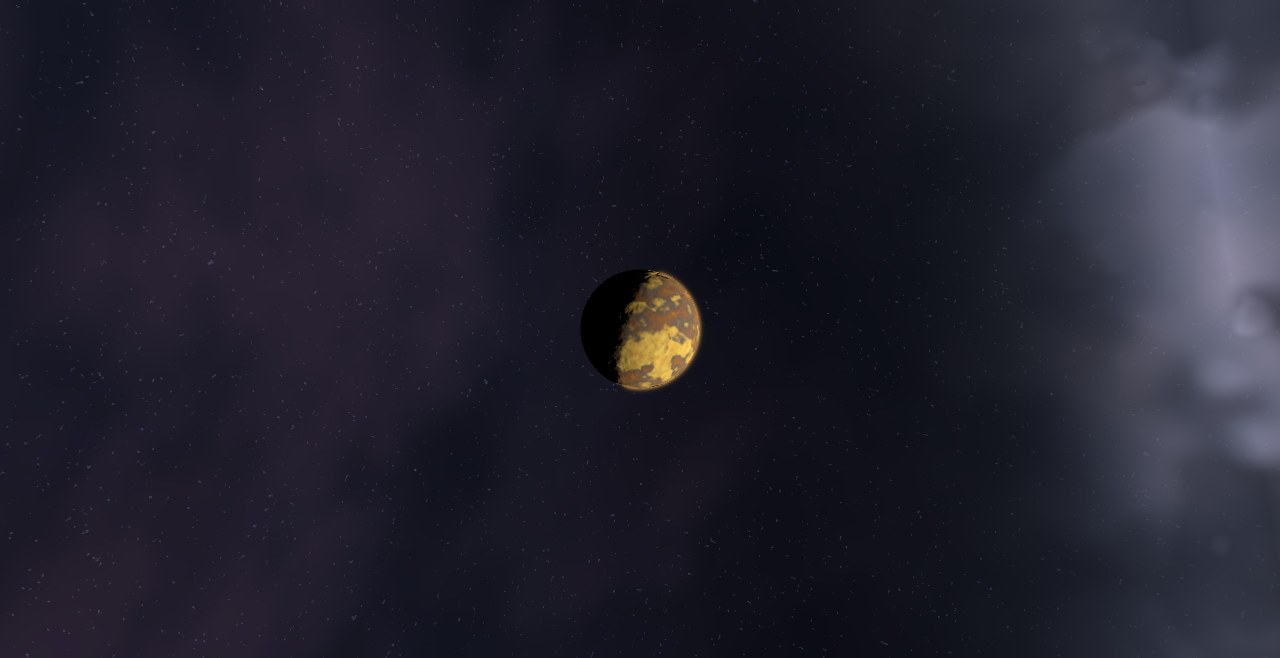
GJ 143, an orange K-type dwarf of 0.73 solar masses, and HD 21749 c, a 3.7-Earth-mass planet, with an orbital period of 7.8 days, at 0.070 AU from its star, and an equilibrium temperature near 701 K.
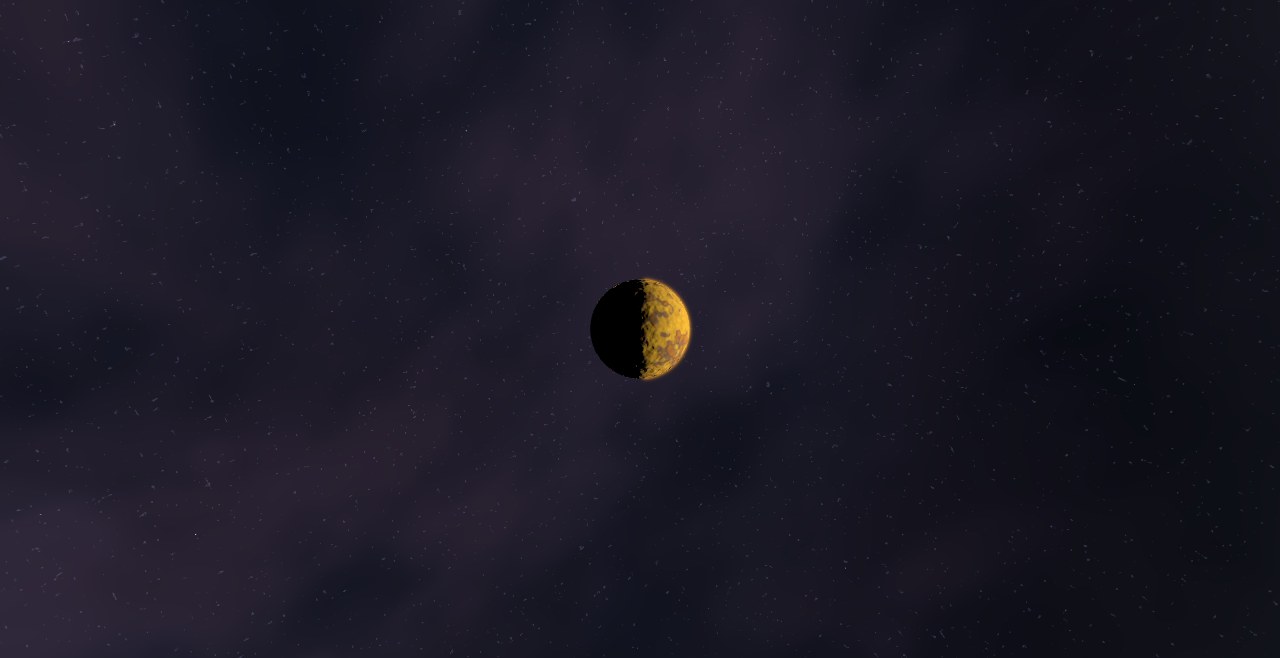
GJ 15 A, a cool M-dwarf of 0.38 solar masses, and GJ 15 A b, a 3.0-Earth-mass planet, with an orbital period of 11.4 days, at 0.072 AU from its star, on an eccentric orbit (e ≈ 0.09).
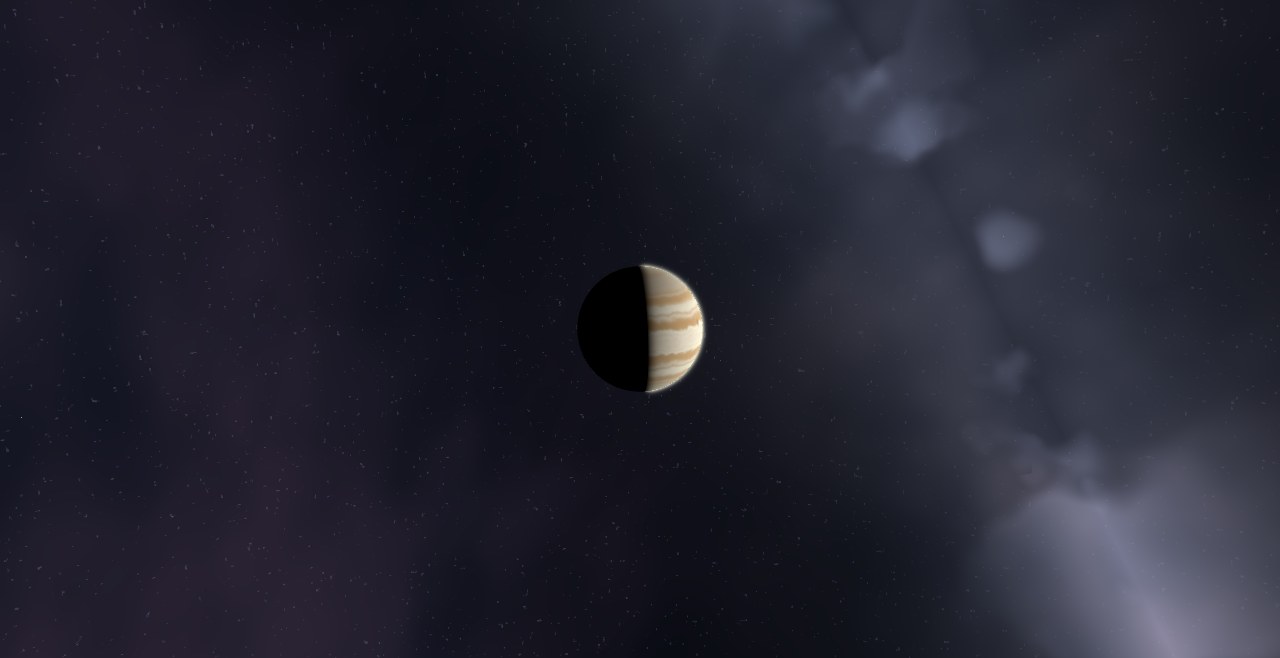
GJ 2030, a Sun-like G-type star of 0.96 solar masses, and GJ 2030 b, a 4.8-Earth-mass planet, with an orbital period of 2.4 days, at 0.034 AU from its star, on an eccentric orbit (e ≈ 0.24).
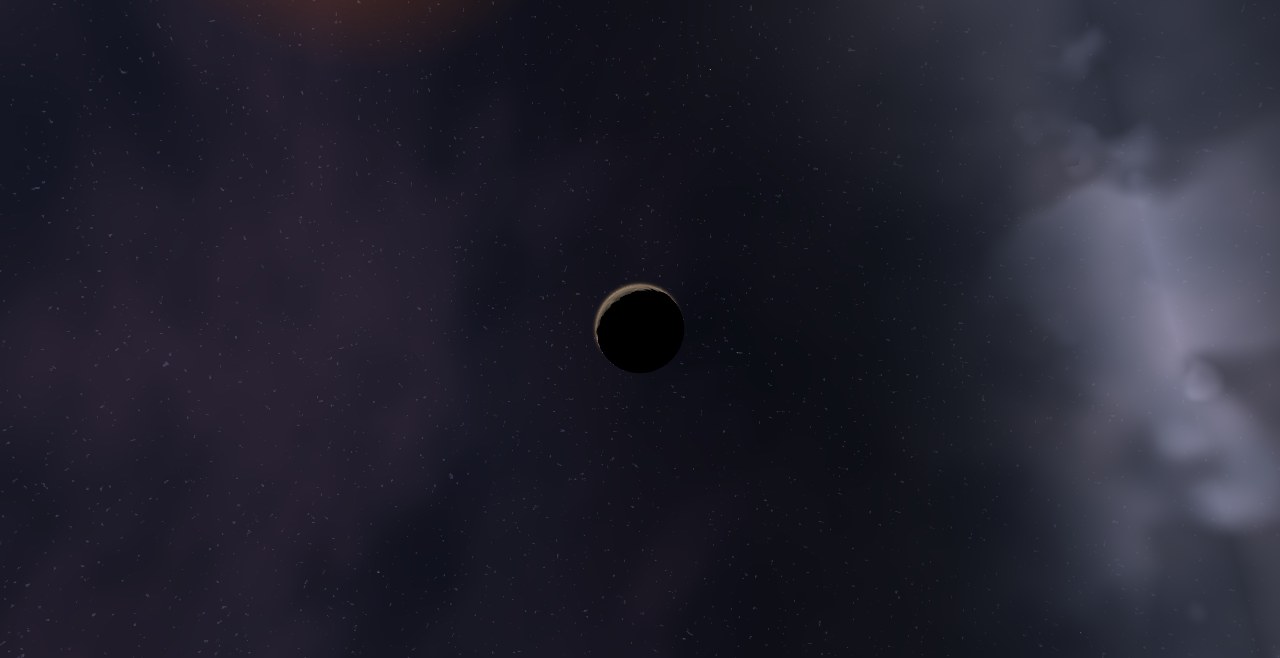
GJ 229, a cool M-dwarf of 0.51 solar masses, and GJ 229 A c, a 8.6-Earth-mass planet, with an orbital period of 122 days, at 0.384 AU from its star, on an eccentric orbit (e ≈ 0.37).
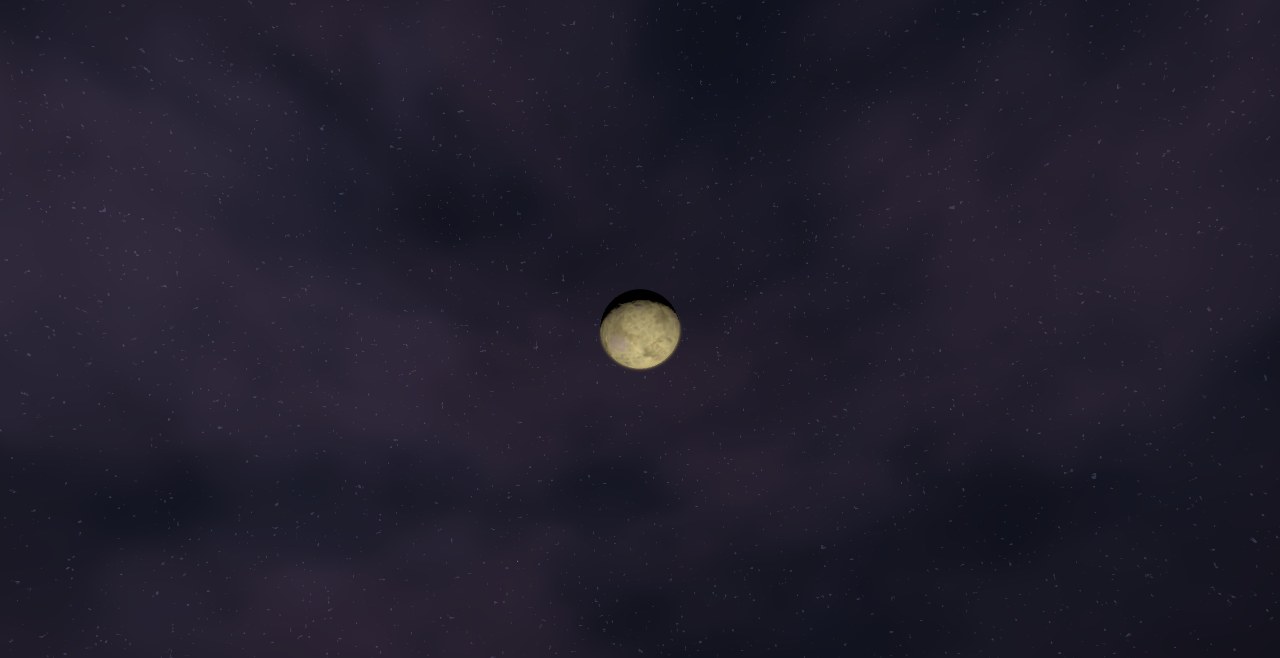
GJ 251, a cool M-dwarf of 0.35 solar masses, and GJ 251 b, a 3.9-Earth-mass planet, with an orbital period of 14.2 days, at 0.081 AU from its star, and an equilibrium temperature near 336 K.
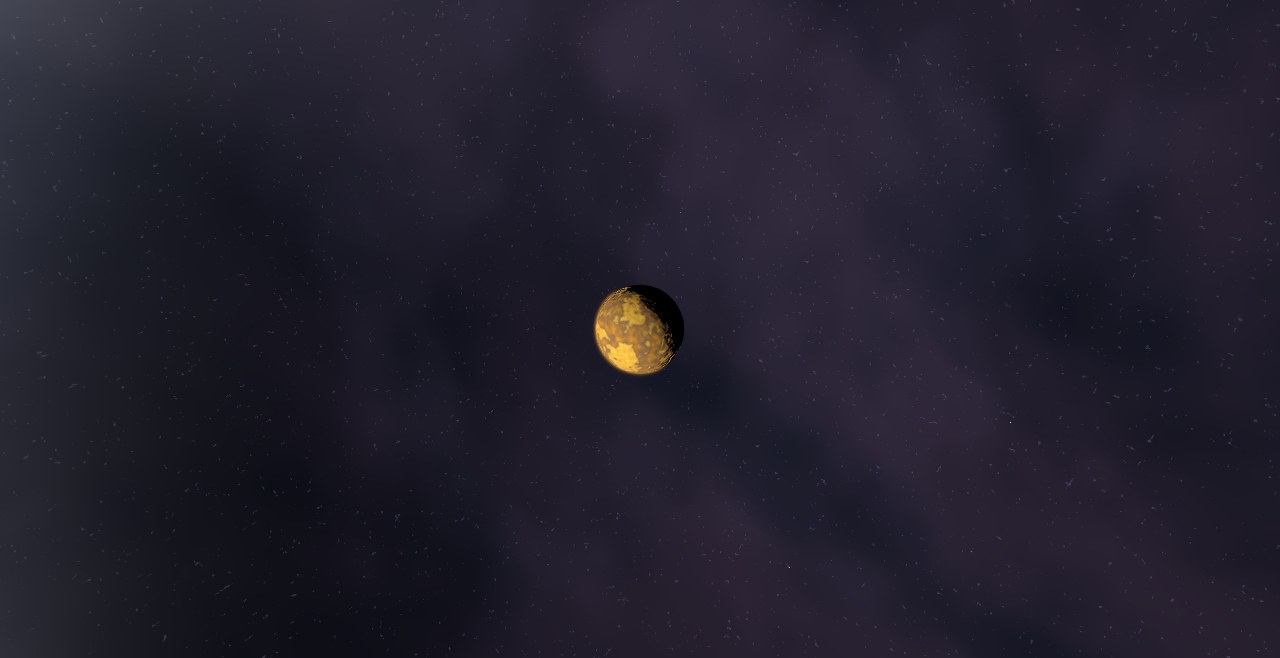
GJ 273, Luyten's Star, a nearby red dwarf only 12 light-years away. Its planets include a world near the inner edge of the habitable zone. Radial velocities revealed the planets.
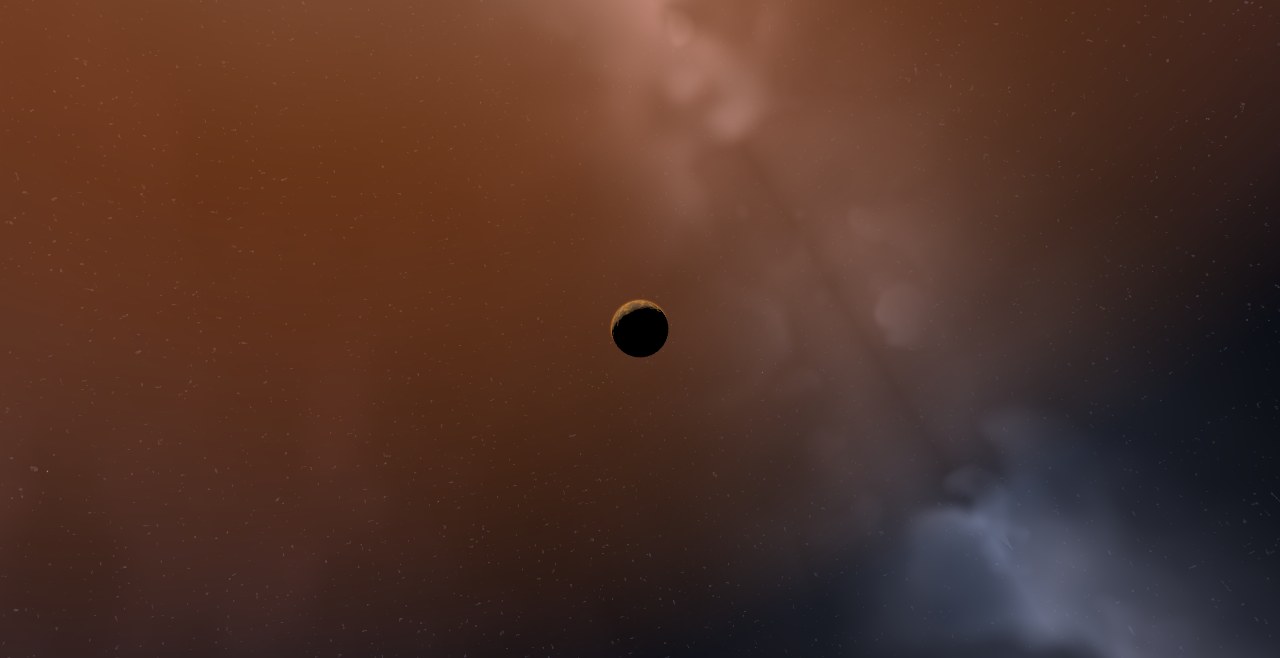
GJ 3090, a cool M-dwarf of 0.52 solar masses, and GJ 3090 b, a 4.5-Earth-mass planet, with an orbital period of 2.9 days, at 0.032 AU from its star, and an equilibrium temperature near 723 K, on an eccentric.
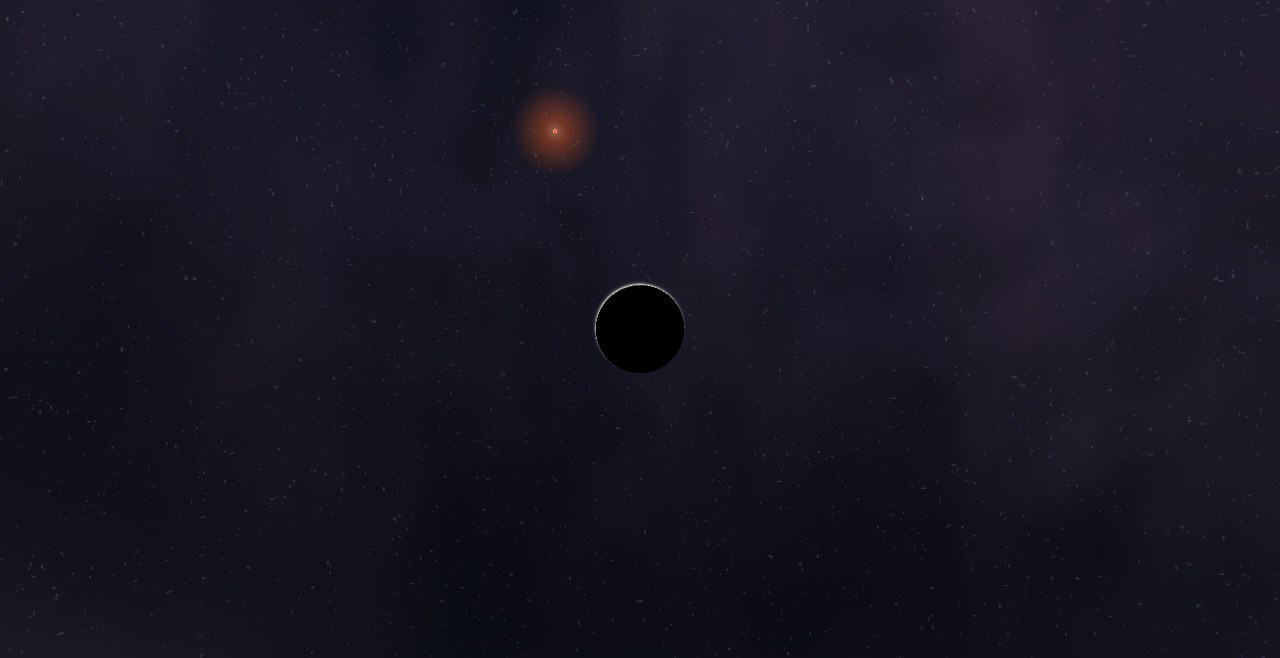
GJ 317, a cool M-dwarf of 0.40 solar masses, and GJ 317 b, a 1.69-Jupiter-mass companion, with an orbital period of 1.90 years, at 1.138 AU from its star, on an eccentric orbit (e ≈ 0.08).
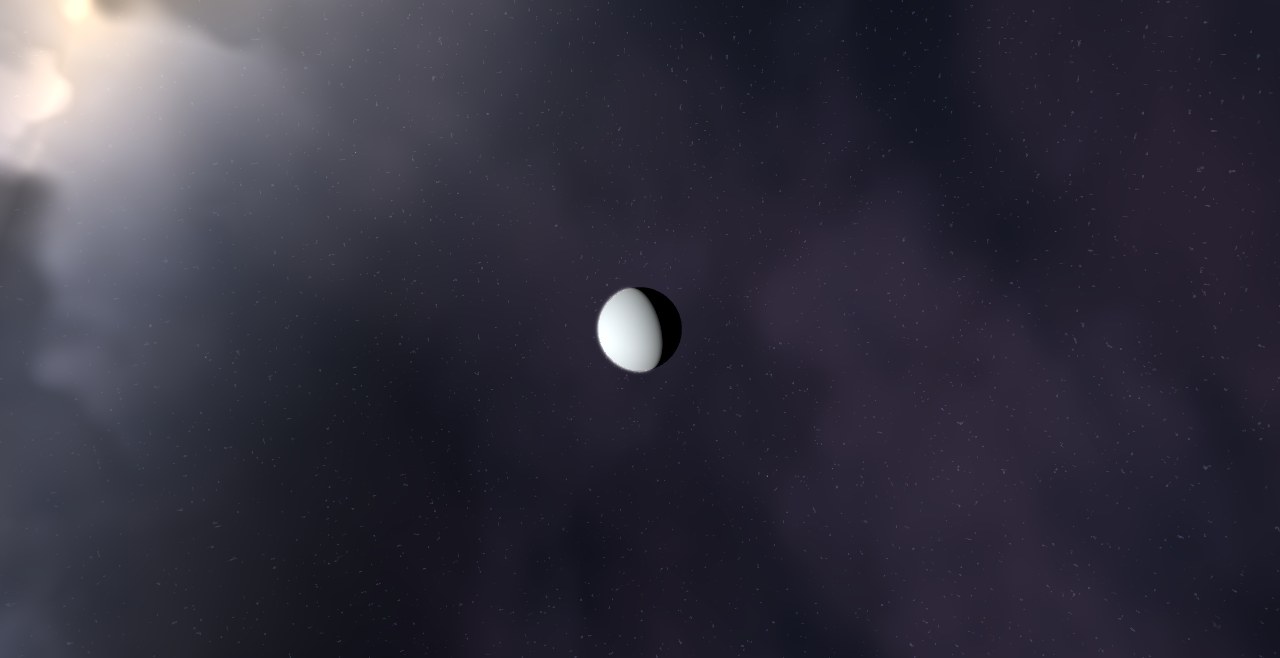
GJ 328, a cool M-dwarf of 0.65 solar masses, and GJ 328 c, a 0.07-Jupiter-mass companion, with an orbital period of 242 days, at 0.657 AU from its star.
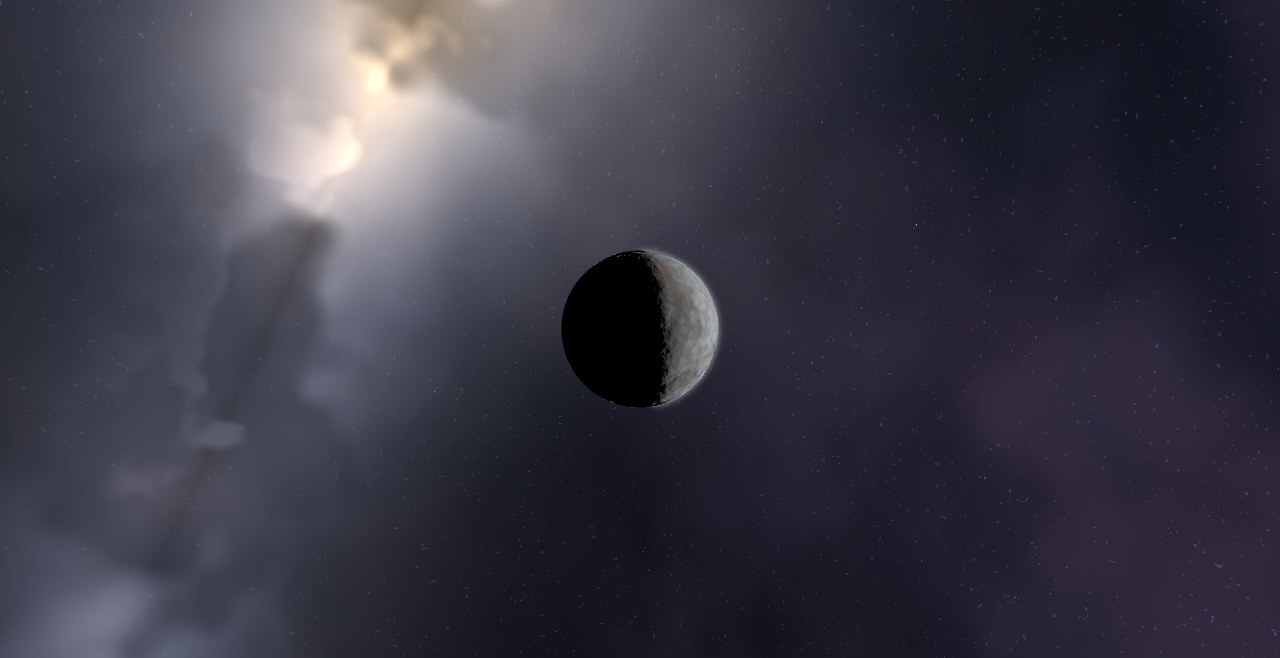
GJ 3323, a cool M-dwarf of 0.16 solar masses, and GJ 3323 b, a 2.0-Earth-mass planet, with an orbital period of 5.4 days, at 0.033 AU from its star, on an eccentric orbit (e ≈ 0.23).
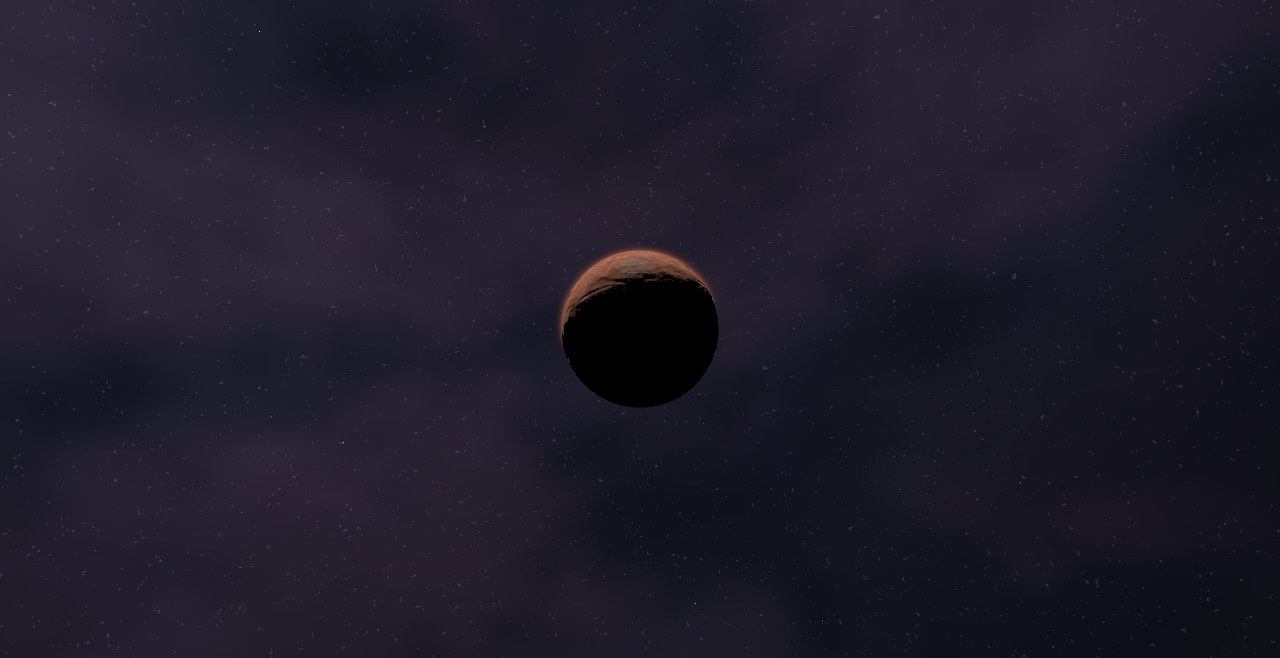
GJ 3473, a cool M-dwarf of 0.36 solar masses, and GJ 3473 b, a 1.9-Earth-mass planet, with an orbital period of 1.2 days, at 0.016 AU from its star, and an equilibrium temperature near 773 K.
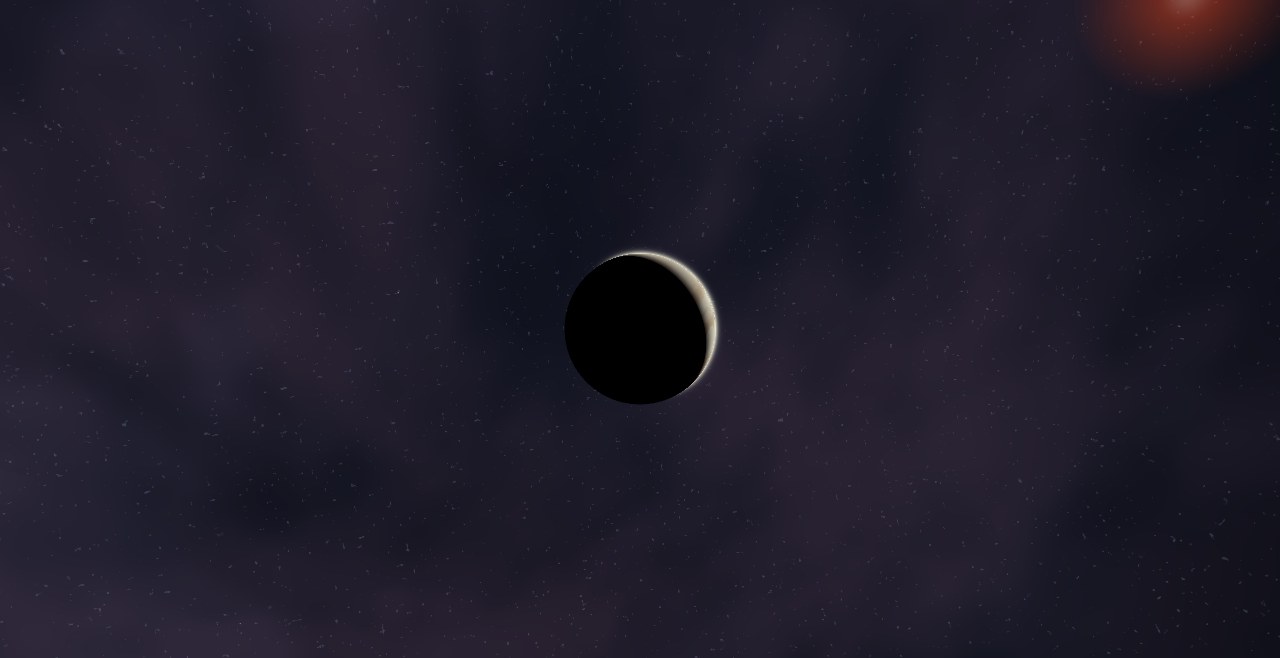
GJ 3512, a cool M-dwarf of 0.12 solar masses, and GJ 3512 b, a 0.46-Jupiter-mass companion, with an orbital period of 203 days, at 0.338 AU from its star, on an eccentric orbit (e ≈ 0.43).
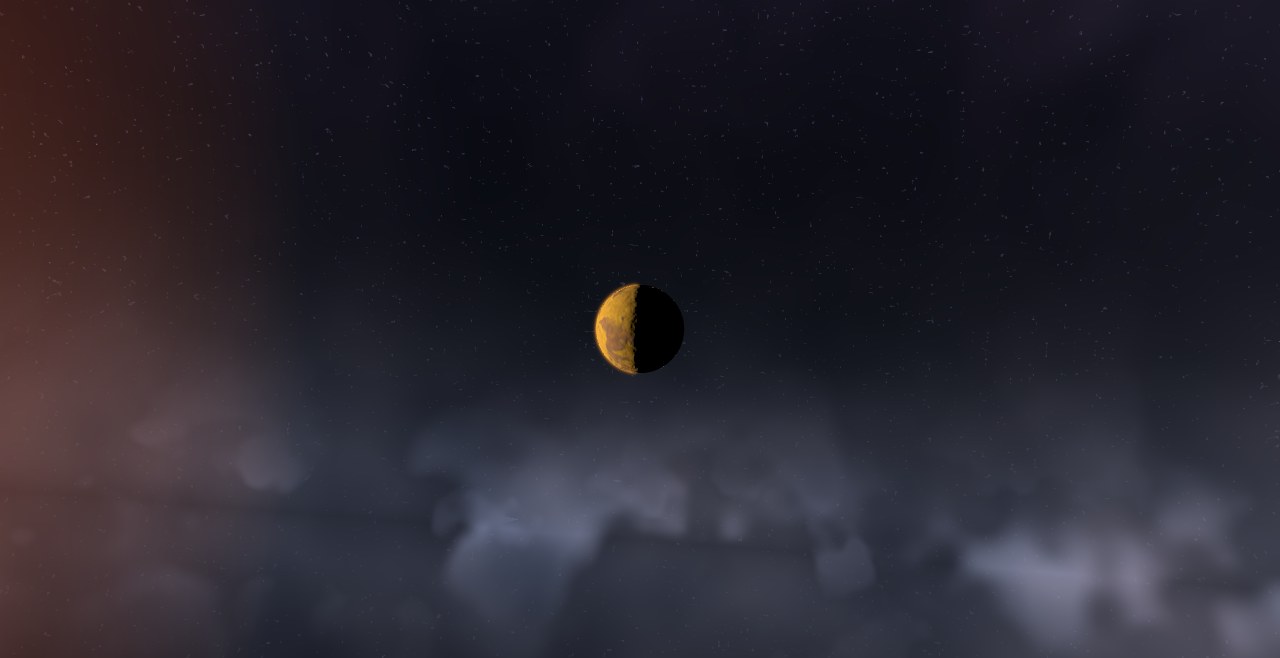
GJ 3929, a cool M-dwarf of 0.31 solar masses, and GJ 3929 b, a 1.8-Earth-mass planet, with an orbital period of 2.6 days, at 0.025 AU from its star, and an equilibrium temperature near 568 K.