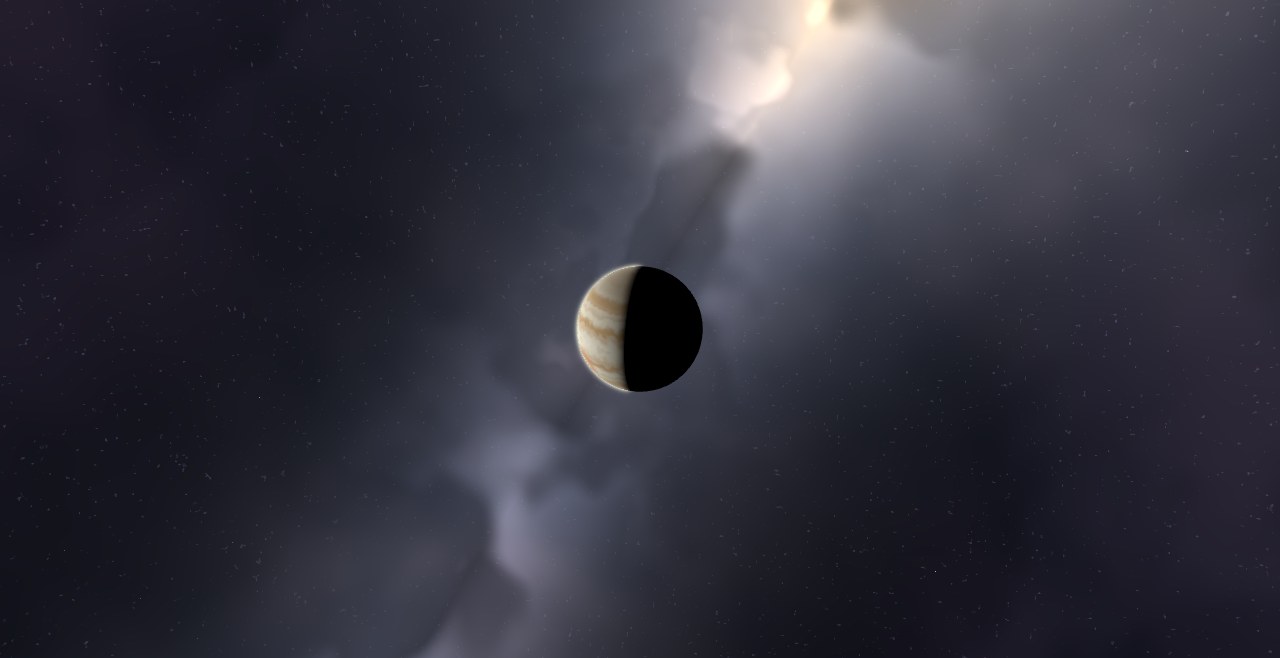
2MASS J11550485-7919108 - System
2MASS J11550485-7919108, a cool M-dwarf of 0.59 solar masses, and 2MASS J11550485-7919108 b, a 20.0-Jupiter-mass companion, at 587 AU from its star, and an equilibrium temperature near 2,506 K.
Scenarios
Discover alien solar systems and explore worlds far beyond our own. Simulate extreme orbital environments, habitable zones, and tightly packed resonant chains discovered by modern astronomy, all mapped accurately from real exoplanetary discovery data.
Share
2MASS J11550485-7919108, a cool M-dwarf of 0.59 solar masses, and 2MASS J11550485-7919108 b, a 20.0-Jupiter-mass companion, at 587 AU from its star, and an equilibrium temperature near 2,506 K.
2M1207 b, the first planetary-mass object ever imaged. It orbits a young brown dwarf, wide enough to be seen directly in infrared light. The 2004 image was taken with the Very Large Telescope.
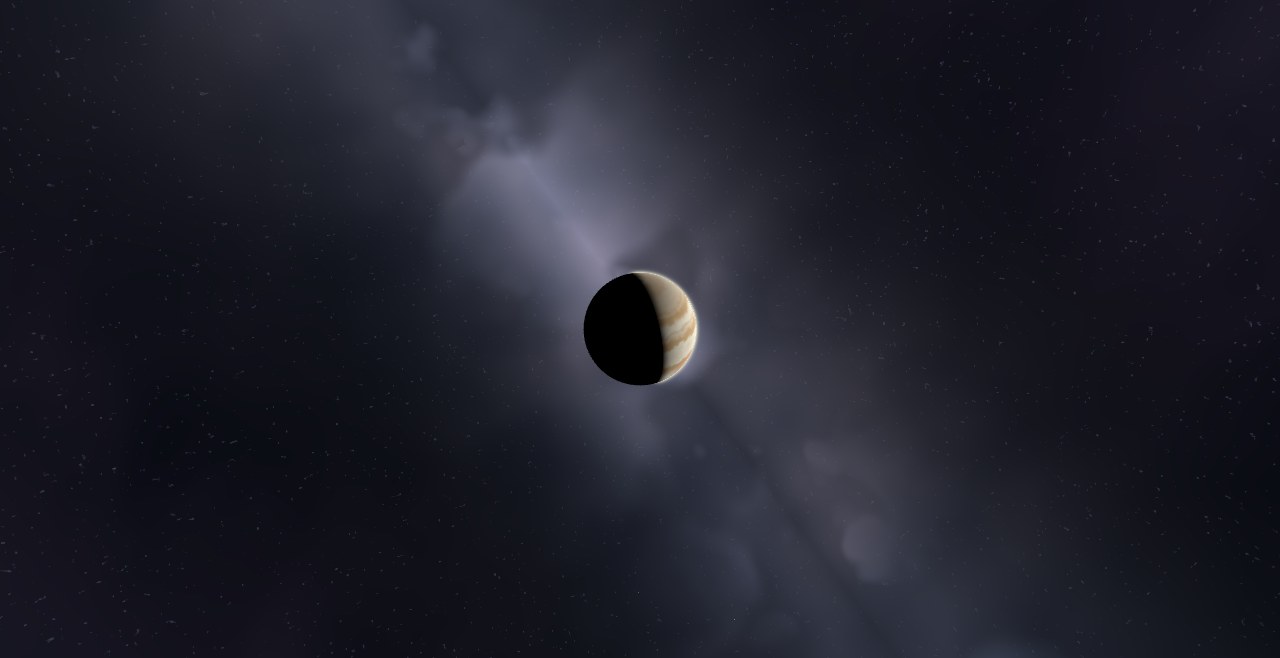
2MASS J16262785-2625152, a cool M-dwarf of 1.00 solar masses, and KOINTREAU-4 b, a 15.3-Jupiter-mass companion, at 182 AU from its star.
2MASS J19383260+4603591, and 2MASS J19383260+4603591 b, a 1.86-Jupiter-mass companion, with an orbital period of 1.11 years, on an eccentric orbit (e ≈ 0.33).
2MASS J21252752-8138278, a cool M-dwarf of 0.64 solar masses, and 2MASS J21252752-8138278 b, a 12.0-Jupiter-mass companion, at 7,493 AU from its star, and an equilibrium temperature near 1,616 K.
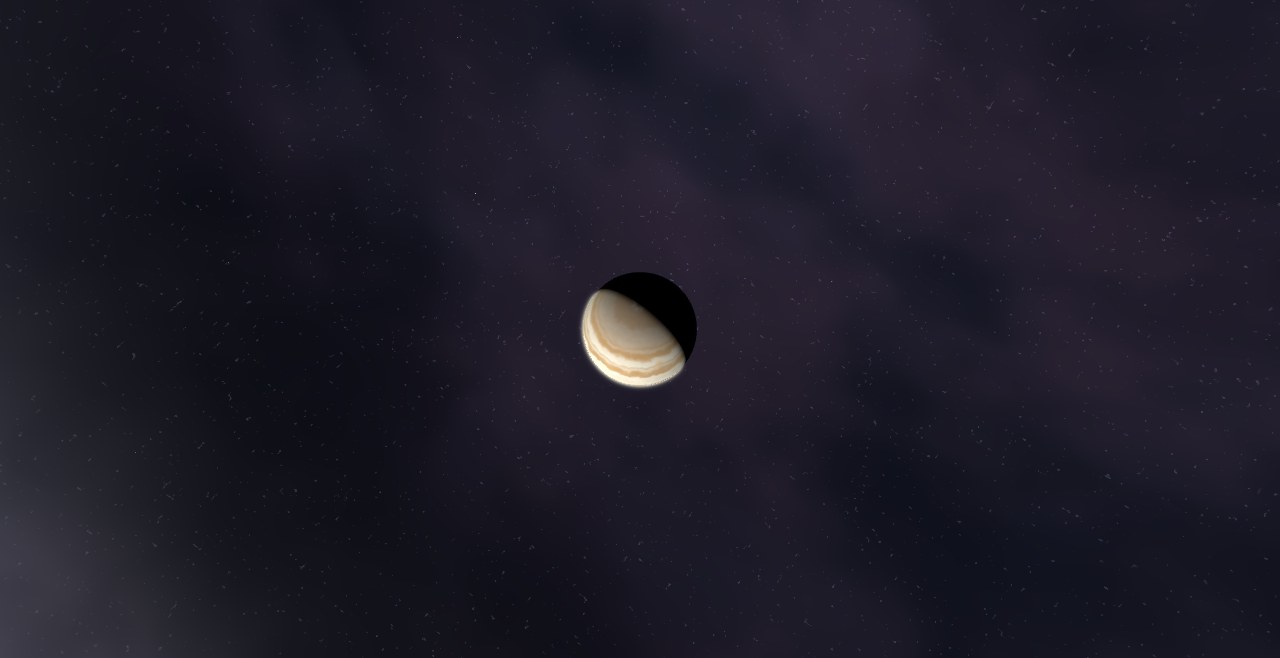
2MASS J22362452+4751425, an orange K-type dwarf of 0.60 solar masses, and 2MASS J22362452+4751425 b, a 12.5-Jupiter-mass companion, at 230 AU from its star.
2MASS J22501512+2325342, a cool M-dwarf of 0.43 solar masses, and 2MASS J22501512+2325342 b, a 30.0-Jupiter-mass companion, at 518 AU from its star, and an equilibrium temperature near 1,600 K.
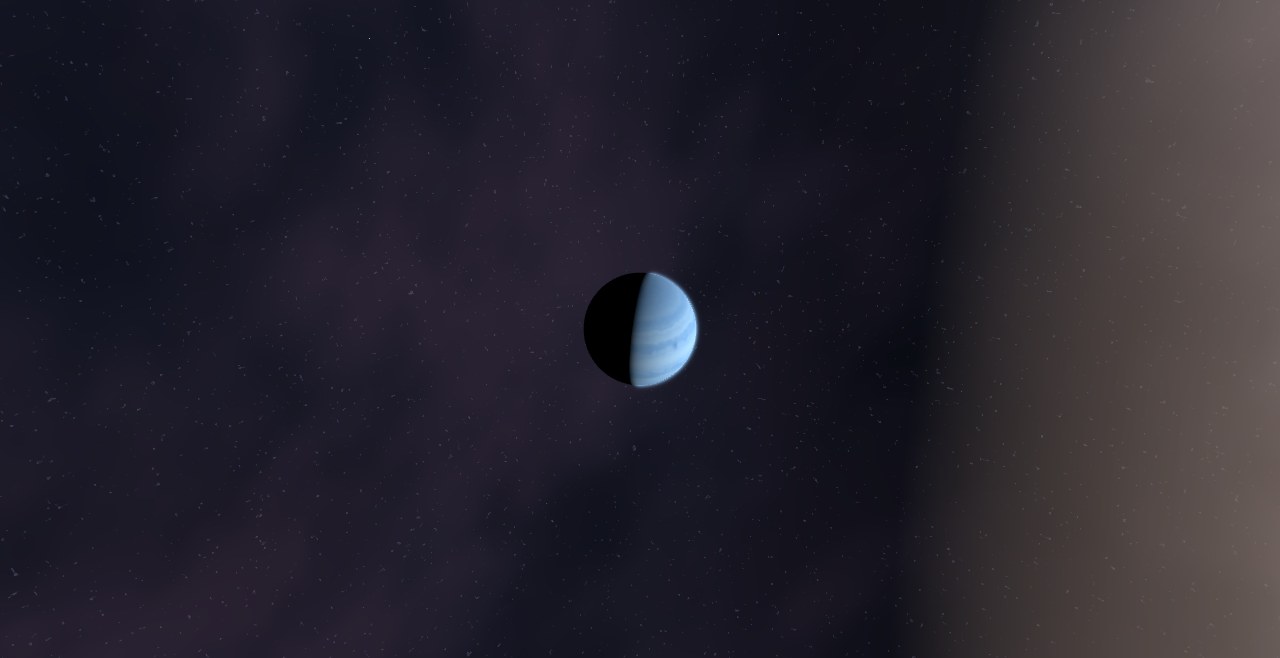
4 UMa, an orange K-type dwarf of 1.23 solar masses, and 4 UMa b, a 7.90-Jupiter-mass companion, with an orbital period of 270 days, at 0.877 AU from its star, on an eccentric orbit (e ≈ 0.45).
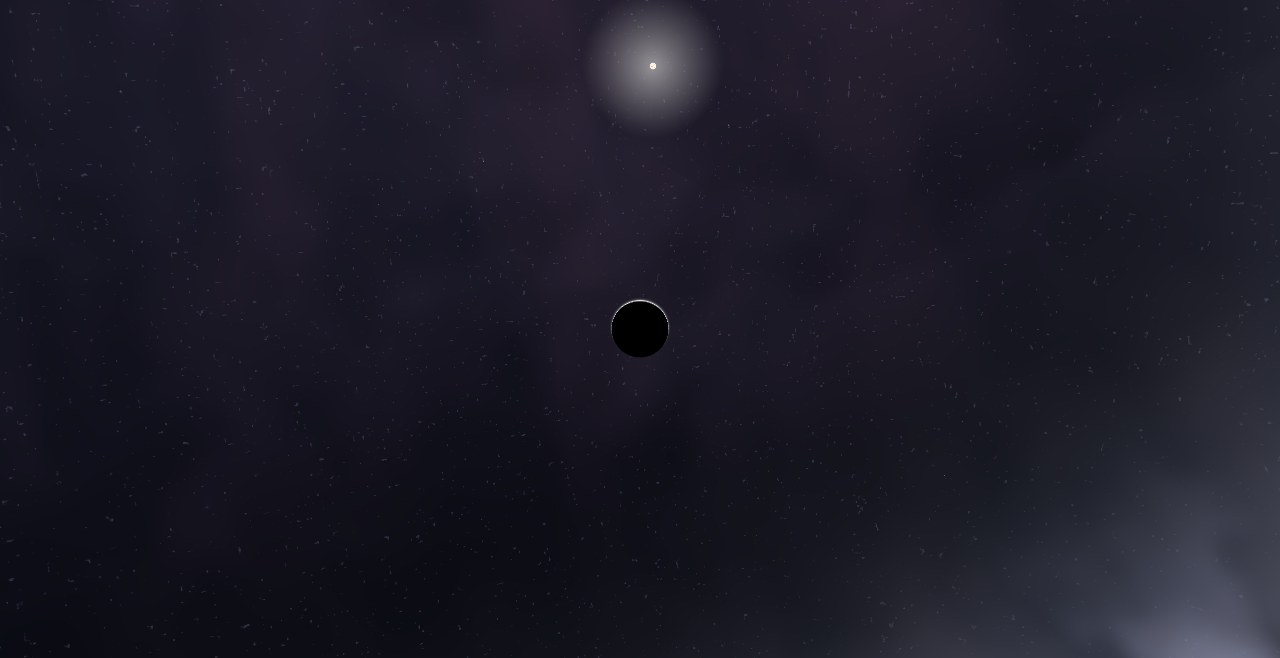
47 Ursae Majoris, one of the first Sun-like stars found to host Jupiter-like planets on year-long orbits rather than a scorched hot Jupiter.
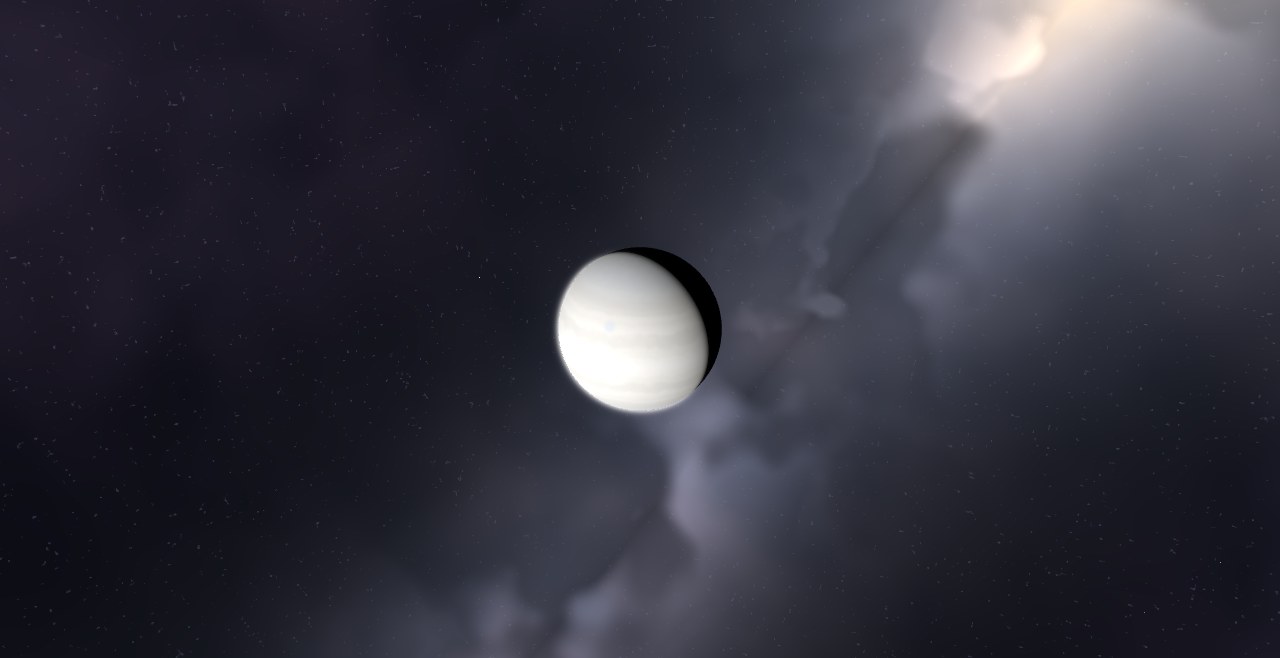
51 Eridani b, a young Jupiter analog imaged in a debris disk. Its methane-rich atmosphere looks more like Jupiter's than most imaged giants.
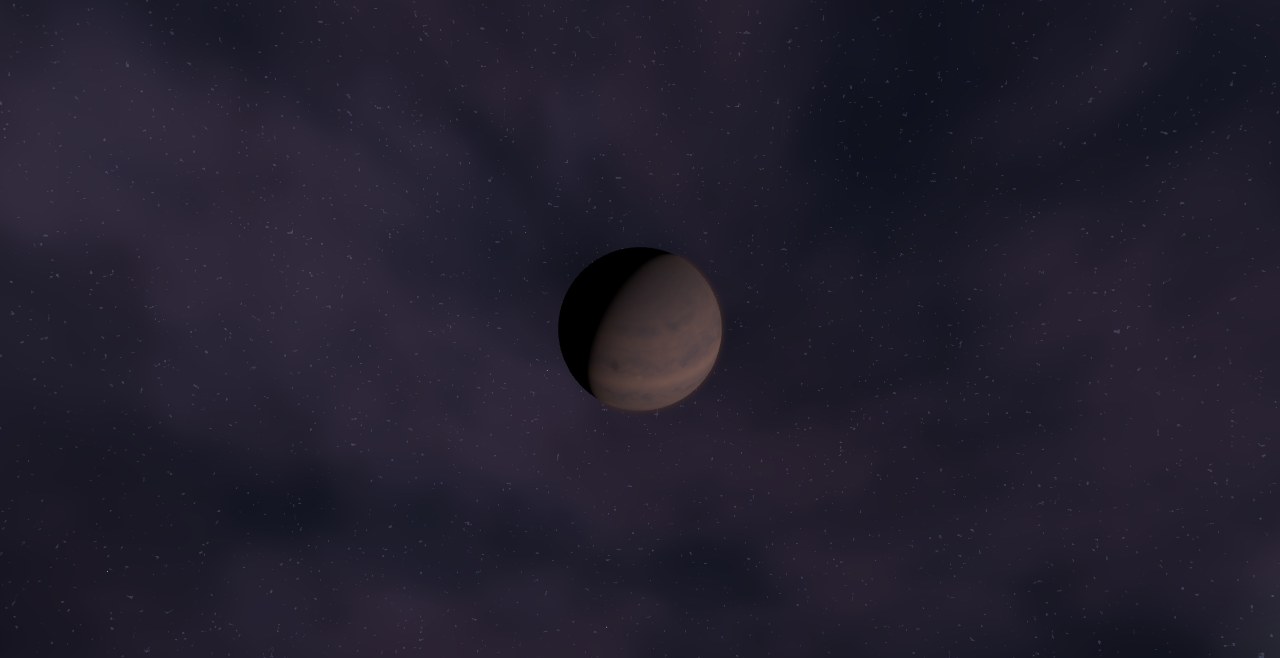
51 Pegasi b, the first planet found around a Sun-like star. This 1995 hot Jupiter won Michel Mayor and Didier Queloz the 2019 Nobel Prize in Physics.
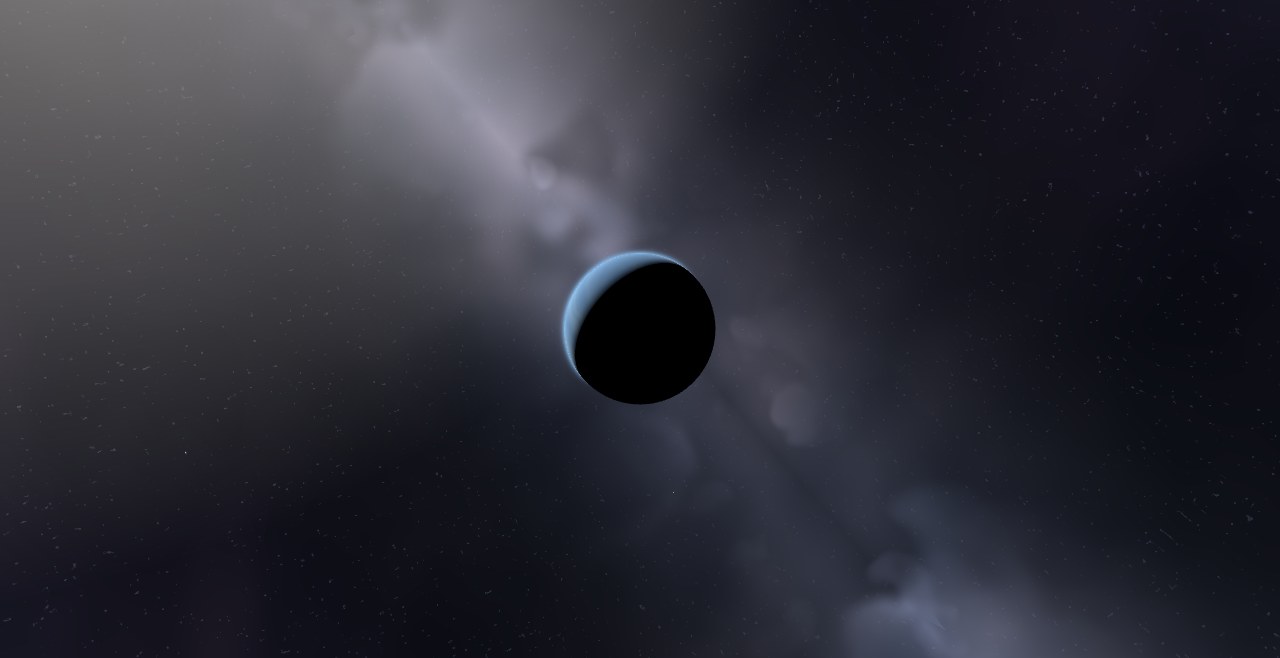
Nearby 55 Cancri, a five-planet system about 41 light-years away. Inner world 55 Cnc e is a lava super-Earth and a prime target for JWST. The host also has a distant red-dwarf companion.
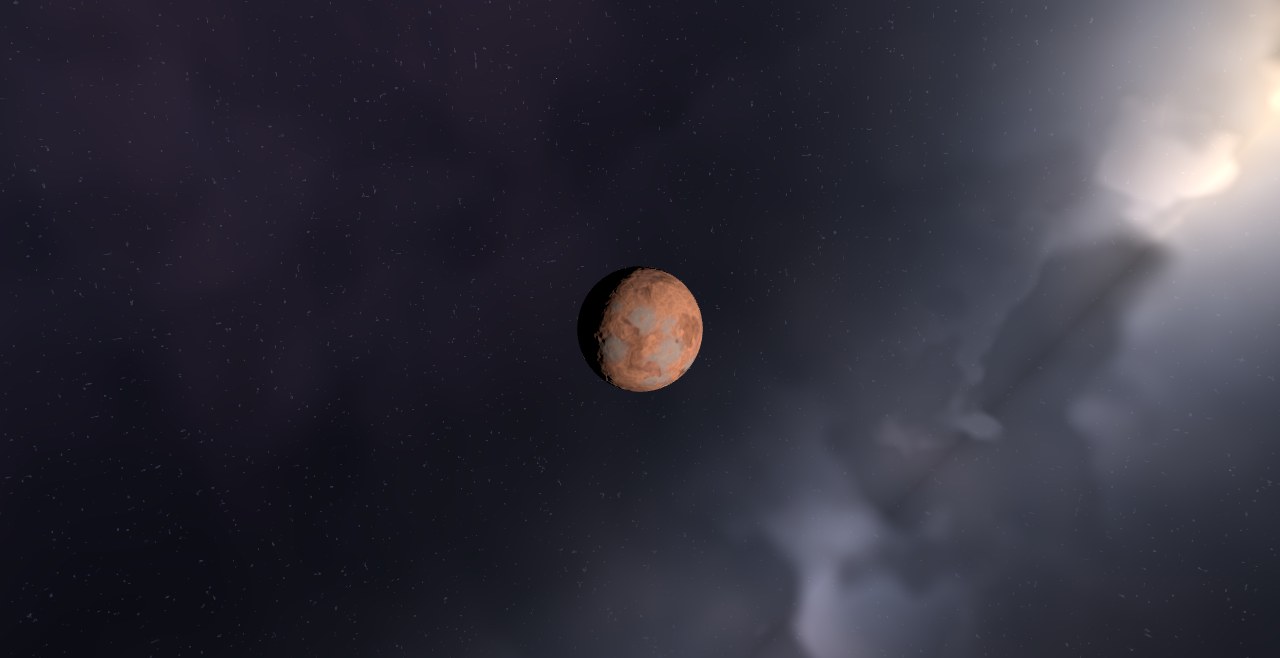
55 Cnc B, a cool M-dwarf of 0.26 solar masses, and 55 Cnc B b, a 3.5-Earth-mass planet, with an orbital period of 6.8 days, at 0.044 AU from its star.
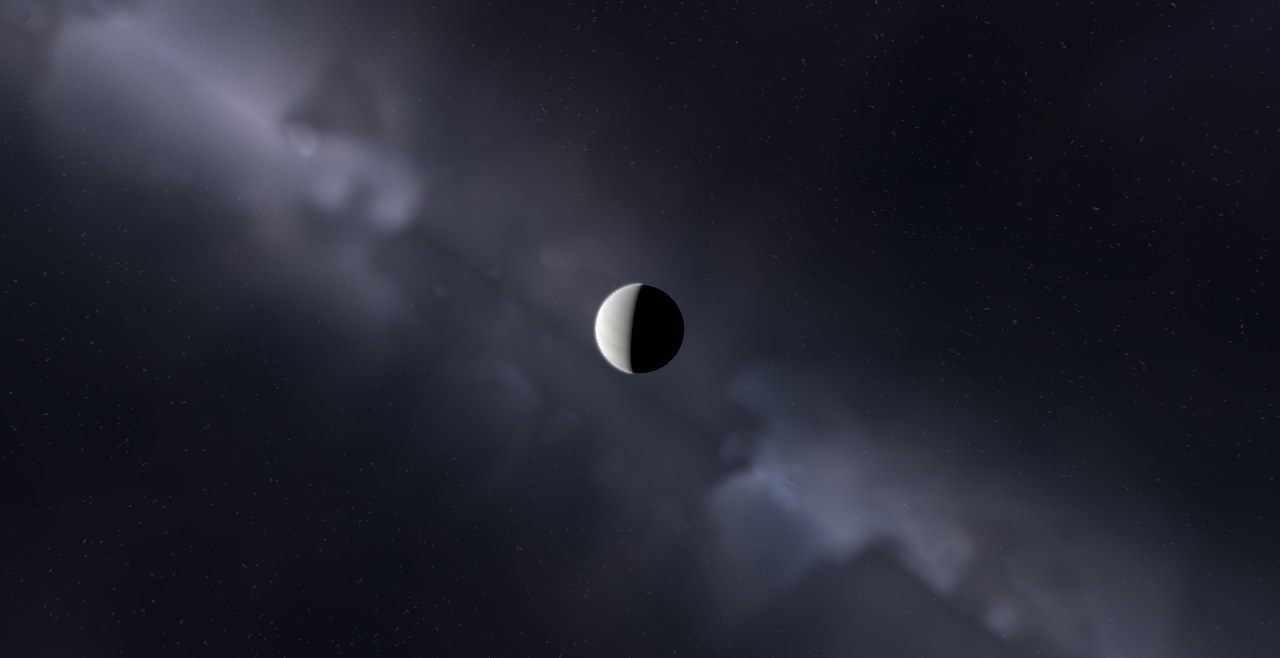
6 Lyn, an orange K-type dwarf of 1.32 solar masses, and 6 Lyn b, a 1.88-Jupiter-mass companion, with an orbital period of 2.52 years, at 2.028 AU from its star.
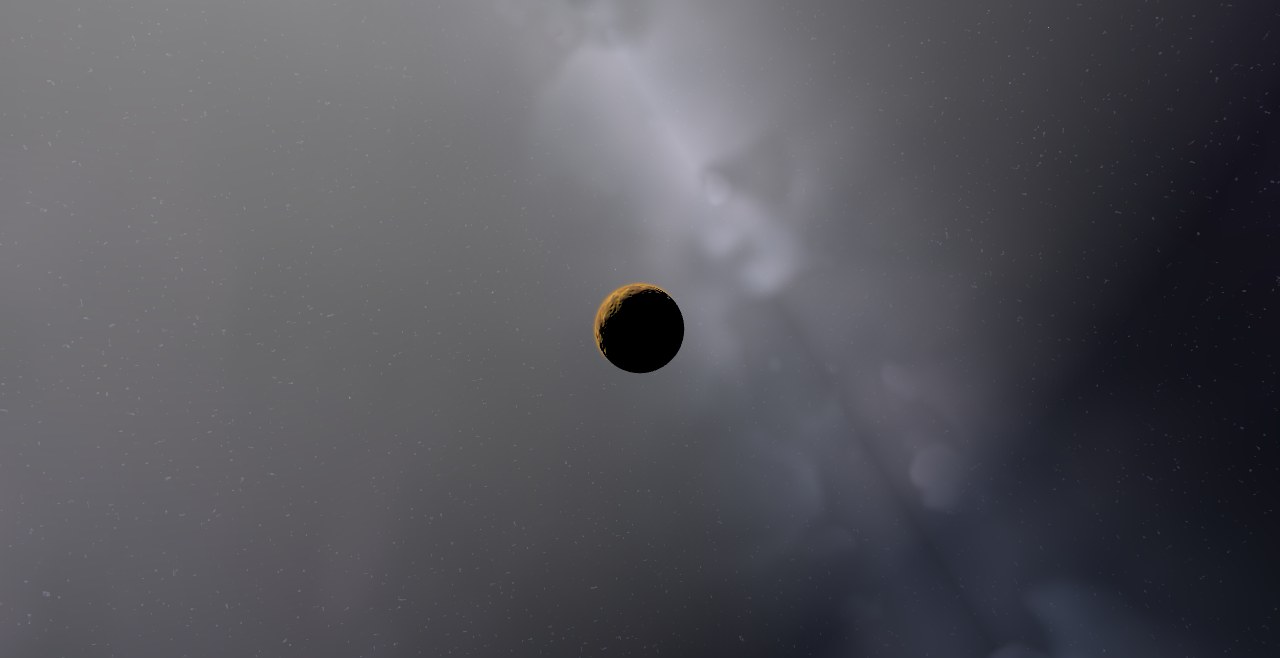
61 Vir, a Sun-like G-type star of 0.94 solar masses, and 61 Vir b, a 5.1-Earth-mass planet, with an orbital period of 4.2 days, at 0.050 AU from its star, on an eccentric orbit (e ≈ 0.12).
7 CMa, an orange K-type dwarf of 1.34 solar masses, and 7 CMa b, a 1.85-Jupiter-mass companion, with an orbital period of 2.01 years, at 1.758 AU from its star, on an eccentric orbit (e ≈ 0.06).
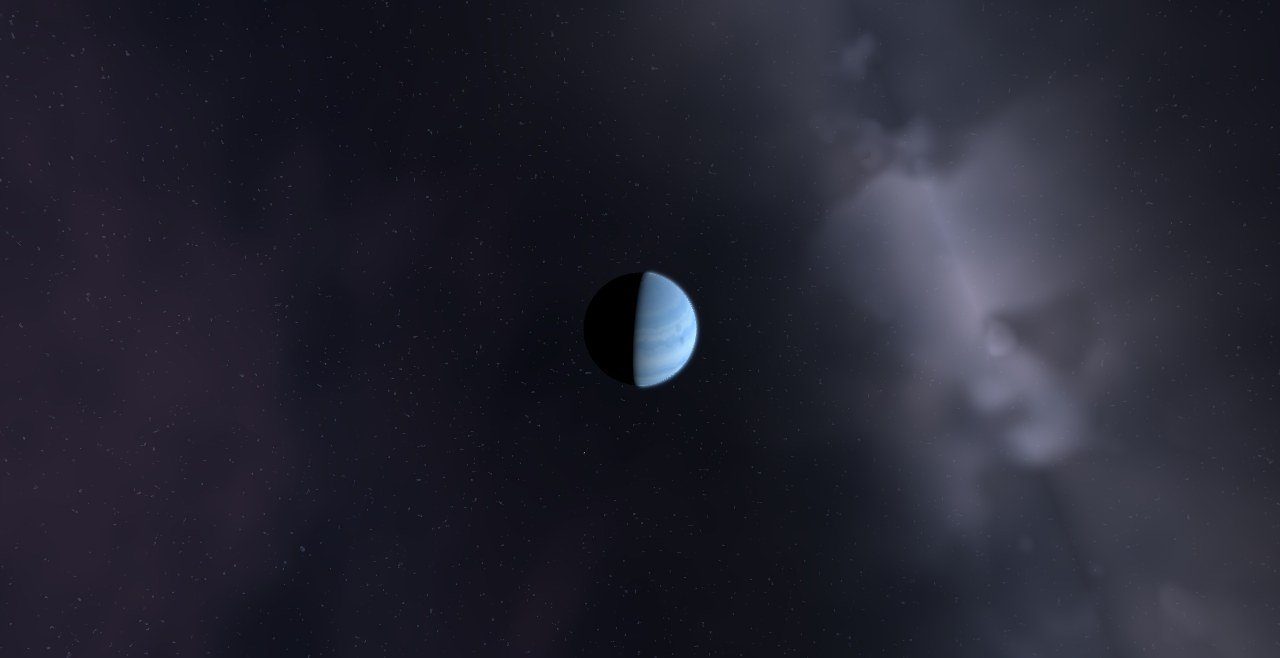
70 Virginis b, a massive eccentric giant announced in 1996. It was one of the first exoplanets and briefly a candidate for a habitable moon host.
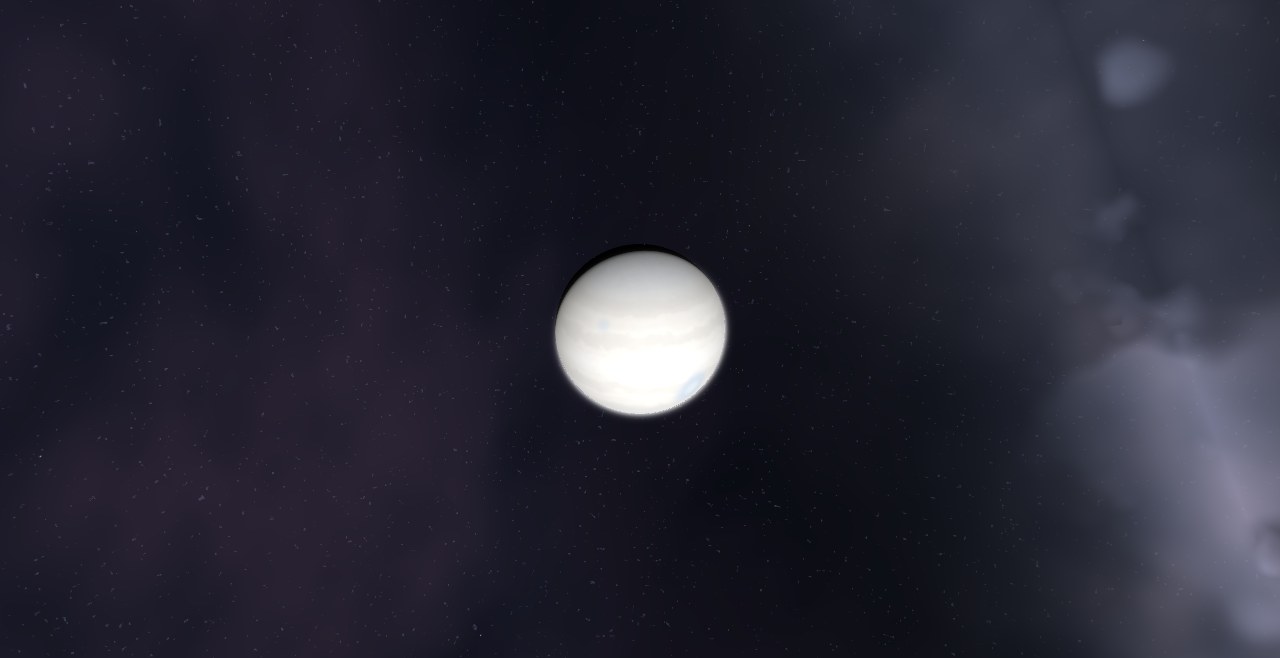
75 Cet, a Sun-like G-type star of 1.92 solar masses, and 75 Cet b, a 2.48-Jupiter-mass companion, with an orbital period of 1.91 years, at 1.912 AU from its star, on an eccentric orbit (e ≈ 0.09).