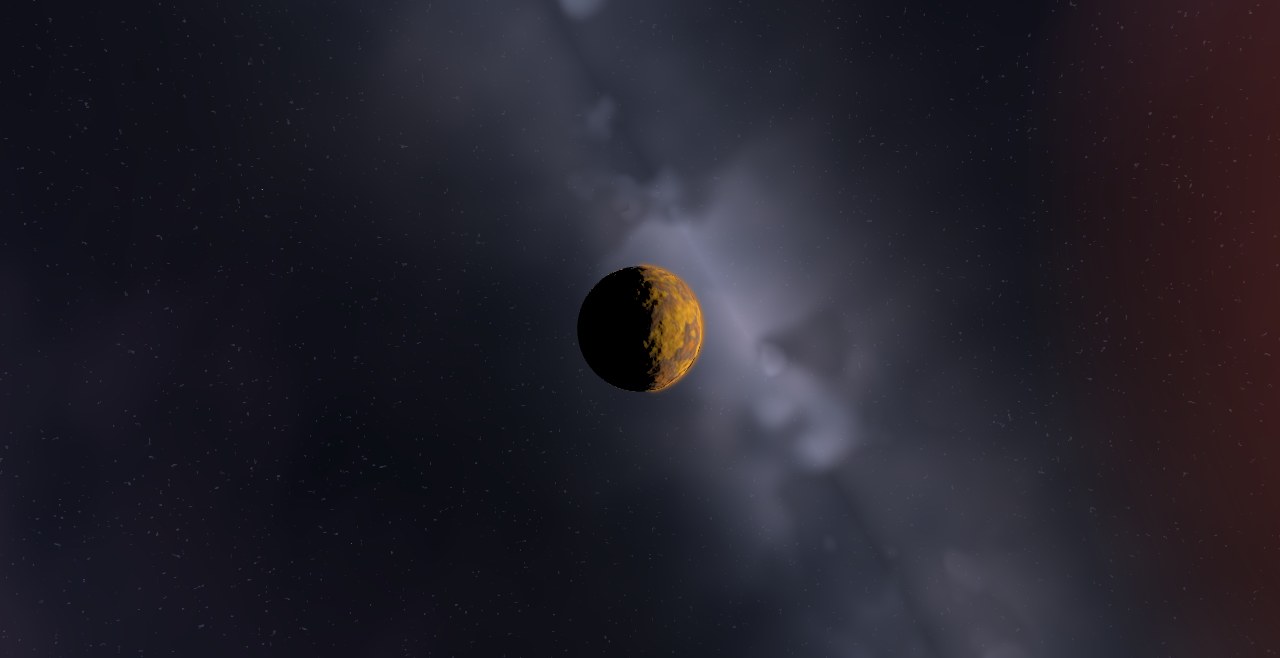
CD Cet - System
CD Cet, a cool M-dwarf of 0.16 solar masses, and CD Cet b, a 4.0-Earth-mass planet, with an orbital period of 2.3 days, at 0.018 AU from its star, and an equilibrium temperature near 464 K.
Scenarios
Discover alien solar systems and explore worlds far beyond our own. Simulate extreme orbital environments, habitable zones, and tightly packed resonant chains discovered by modern astronomy, all mapped accurately from real exoplanetary discovery data.
Share
CD Cet, a cool M-dwarf of 0.16 solar masses, and CD Cet b, a 4.0-Earth-mass planet, with an orbital period of 2.3 days, at 0.018 AU from its star, and an equilibrium temperature near 464 K.
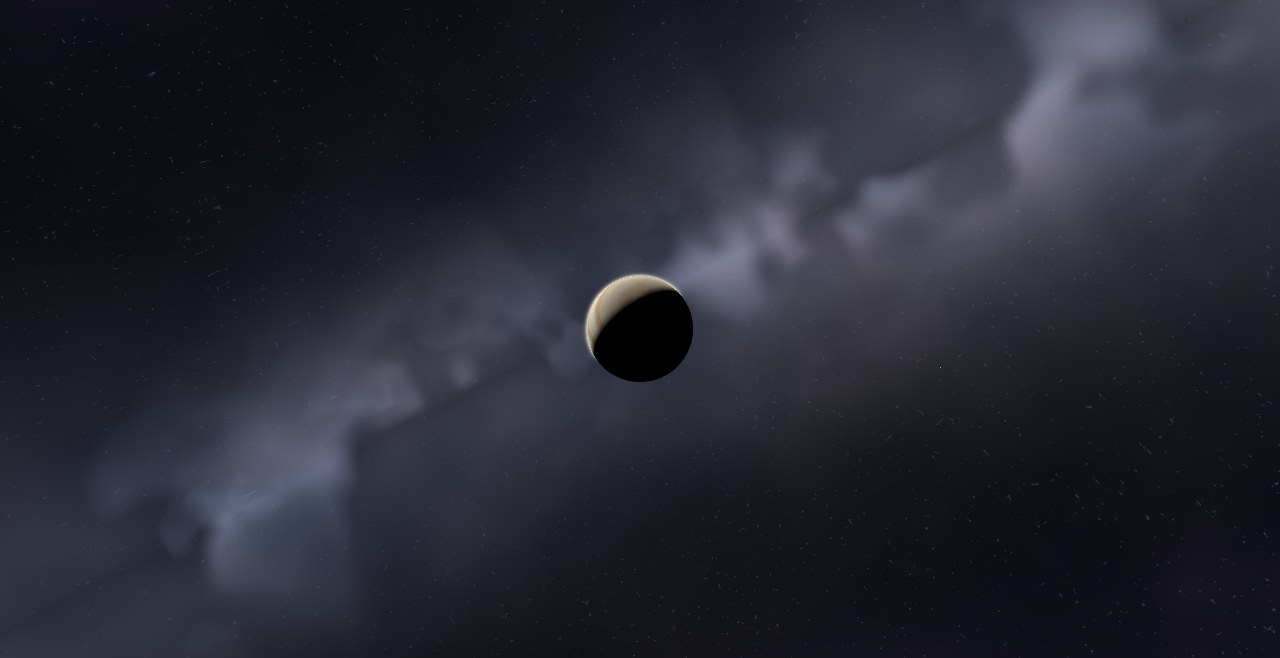
CD-35 2722, a cool M-dwarf of 0.40 solar masses, and CD-35 2722 b, a 29.5-Jupiter-mass companion, at 67.0 AU from its star.
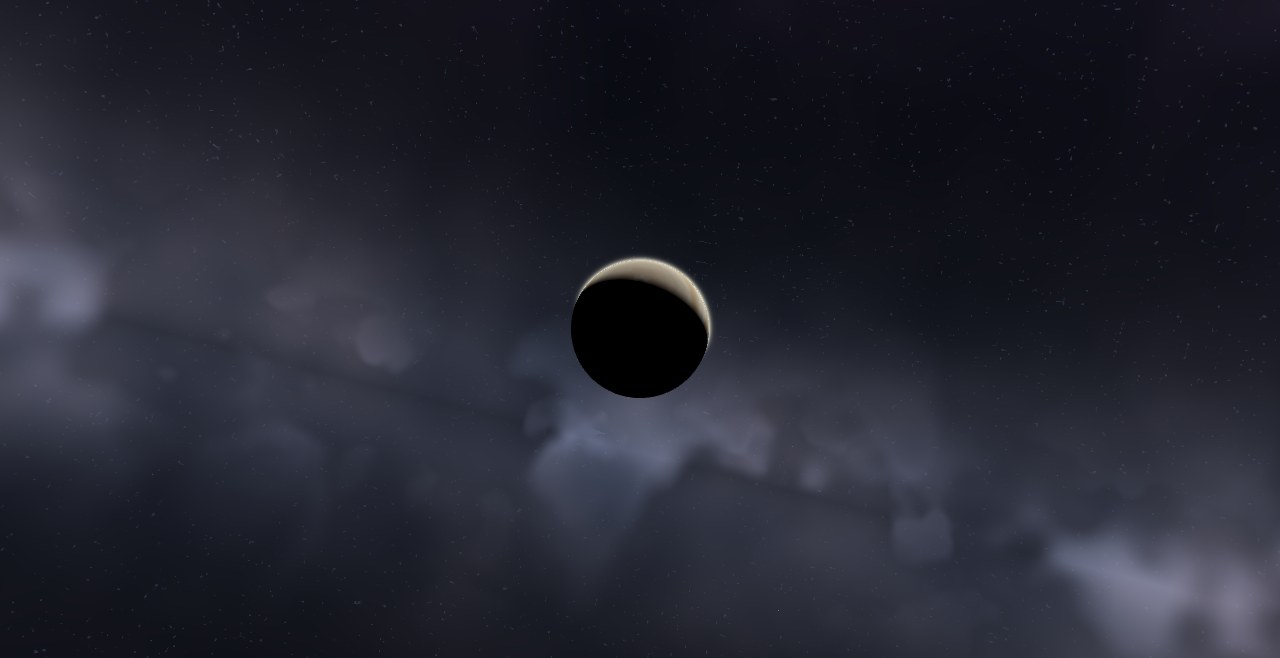
CFBDSIR J145829+101343, a cool M-dwarf of 0.02 solar masses, and CFBDSIR J145829+101343 b, a 10.5-Jupiter-mass companion, with an orbital period of 27.5 years, at 2.600 AU from its star, and an equilibrium.
CFHTWIR-Oph 98 A, a cool M-dwarf of 0.01 solar masses, and CFHTWIR-Oph 98 b, a 7.80-Jupiter-mass companion, with an orbital period of 22,012 years, at 200 AU from its star, and an equilibrium temperature near.
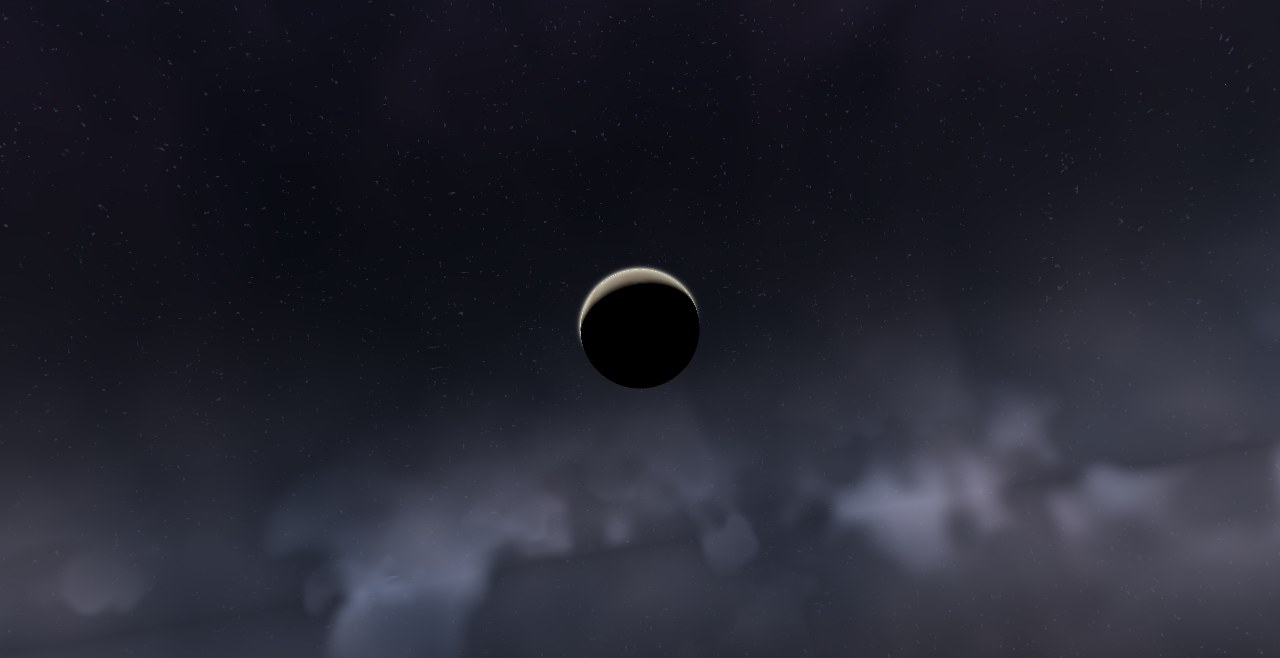
CHXR 73, a cool M-dwarf of 0.35 solar masses, and CHXR 73 b, a 12.6-Jupiter-mass companion, at 210 AU from its star.
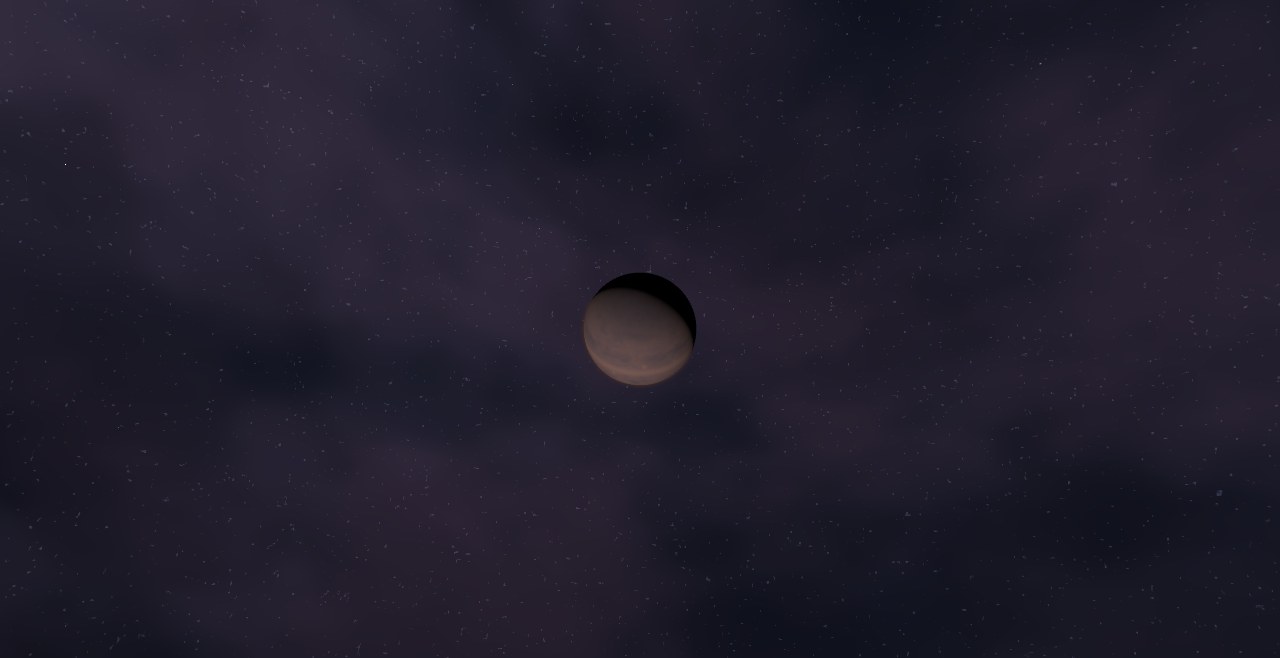
CI Tauri c, a giant planet on a 25-day eccentric orbit. The host is only about 2 million years old and still surrounded by a protoplanetary disk.
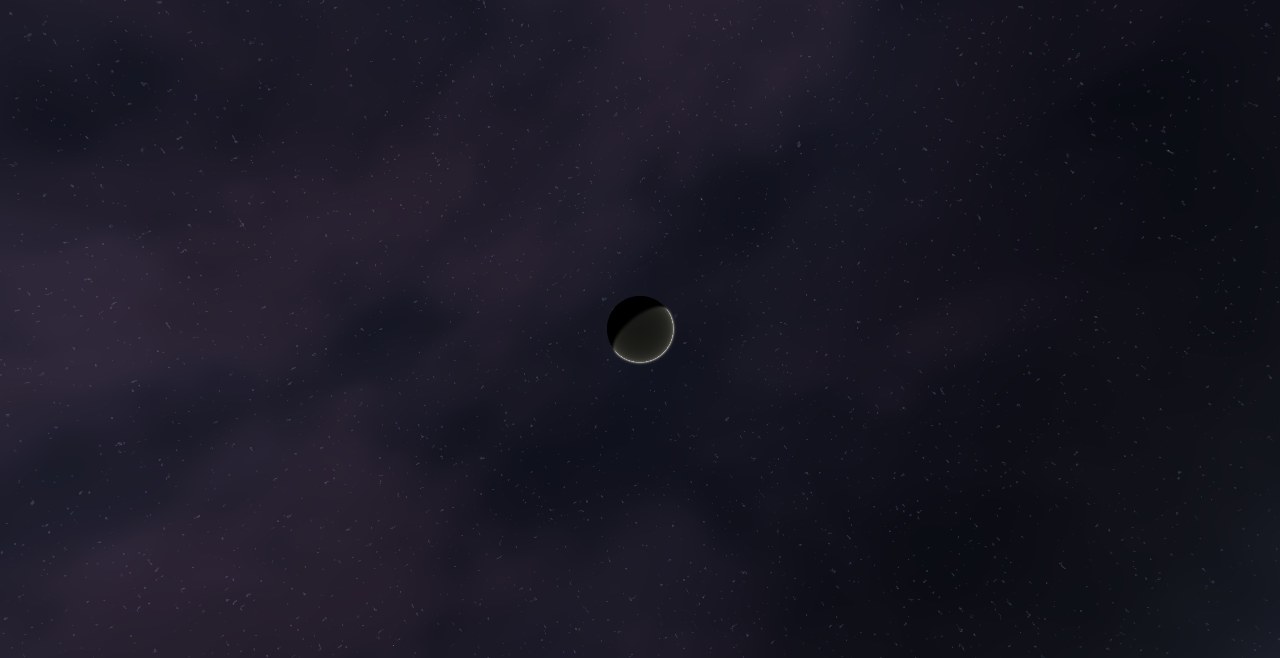
COCONUTS-2 A, a cool M-dwarf of 0.40 solar masses, and COCONUTS-2 b, a 7.50-Jupiter-mass companion, and an equilibrium temperature near 493 K.
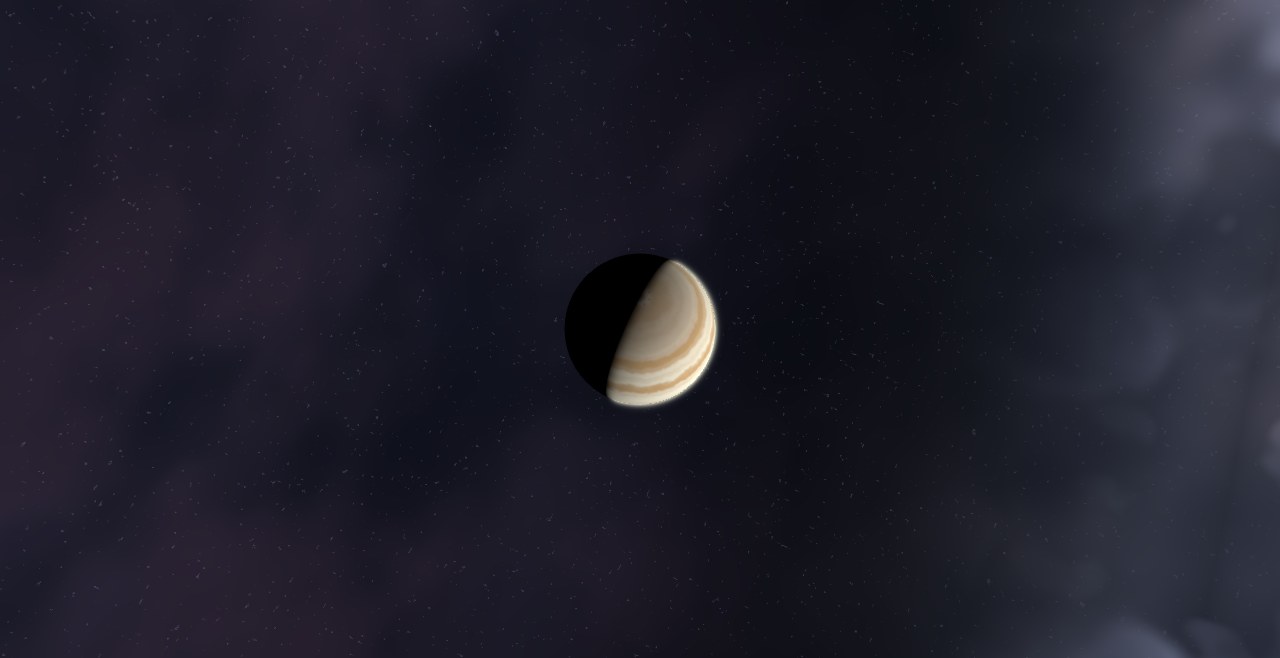
CT Cha, an orange K-type dwarf of 1.00 solar masses, and CT Cha b, a 17.0-Jupiter-mass companion, at 440 AU from its star, and an equilibrium temperature near 2,600 K.
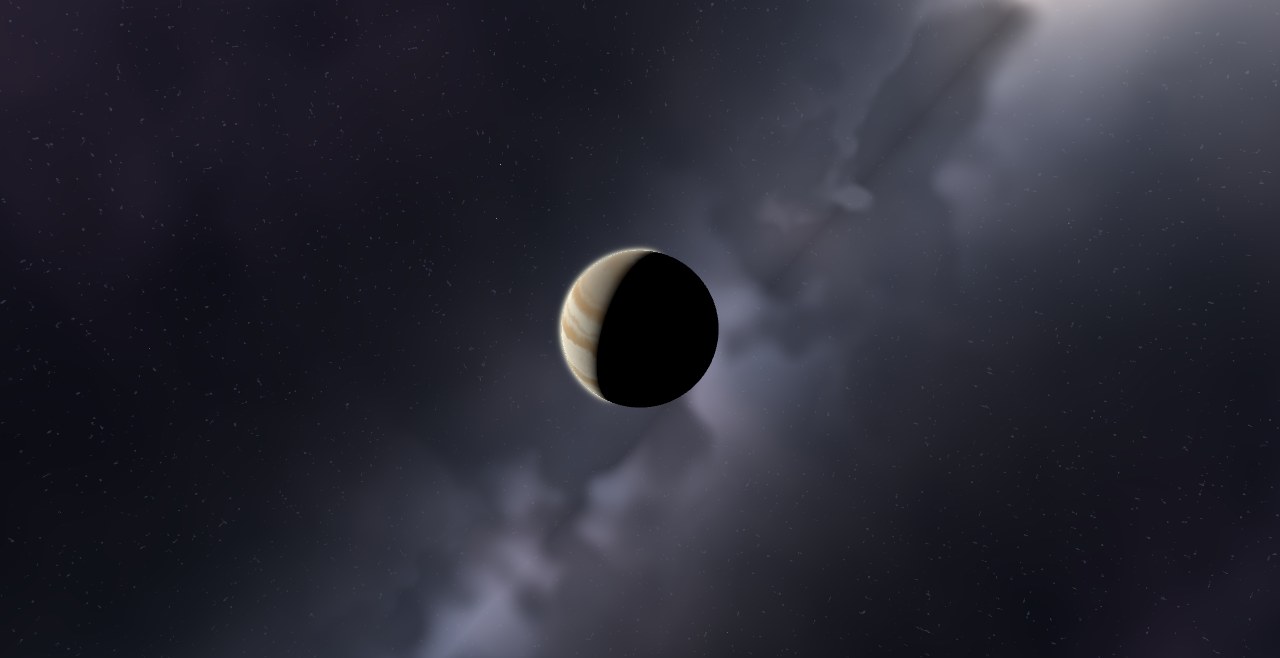
CWISEP J193518.59-154620.3, a Sun-like G-type star of 0.02 solar masses, and CWISEP J193518.59-154620.3 b, a 15.5-Jupiter-mass companion, at 2.480 AU from its star, and an equilibrium temperature near 390 K.
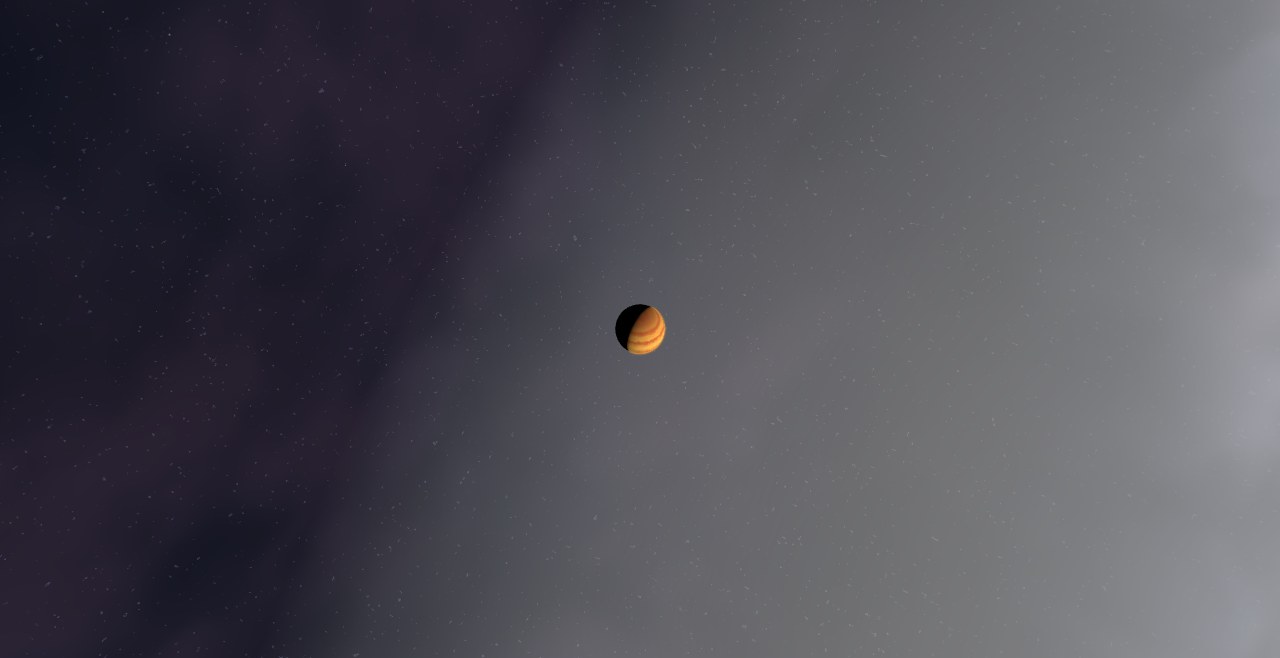
CoRoT-1 b, the first exoplanet whose changing phases were seen in visible light. The orbiting hot Jupiter brightens and fades like a moon. The signal is the planet's own changing brightness.
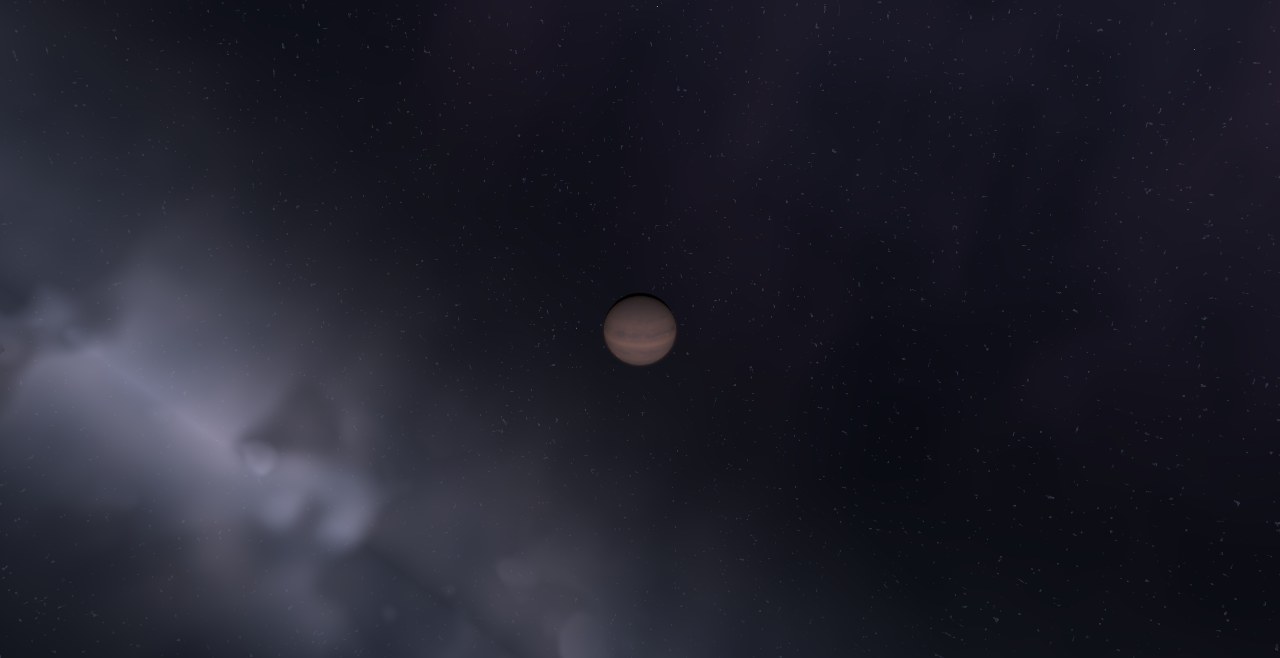
CoRoT-10, an orange K-type dwarf of 0.89 solar masses, and CoRoT-10 b, a 2.75-Jupiter-mass companion, with an orbital period of 13.2 days, at 0.105 AU from its star, and an equilibrium temperature near 600 K.
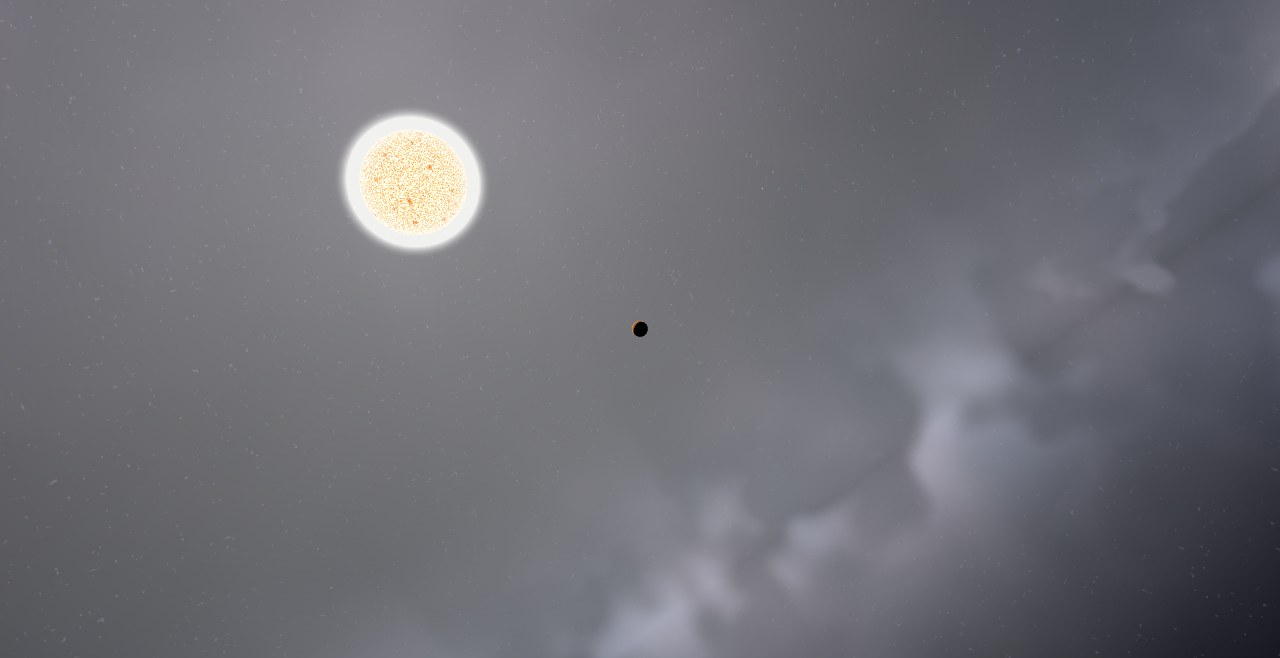
CoRoT-11, a Sun-like F-type star of 1.27 solar masses, and CoRoT-11 b, a 2.33-Jupiter-mass companion, with an orbital period of 3.0 days, at 0.044 AU from its star, and an equilibrium temperature near 1,657 K.
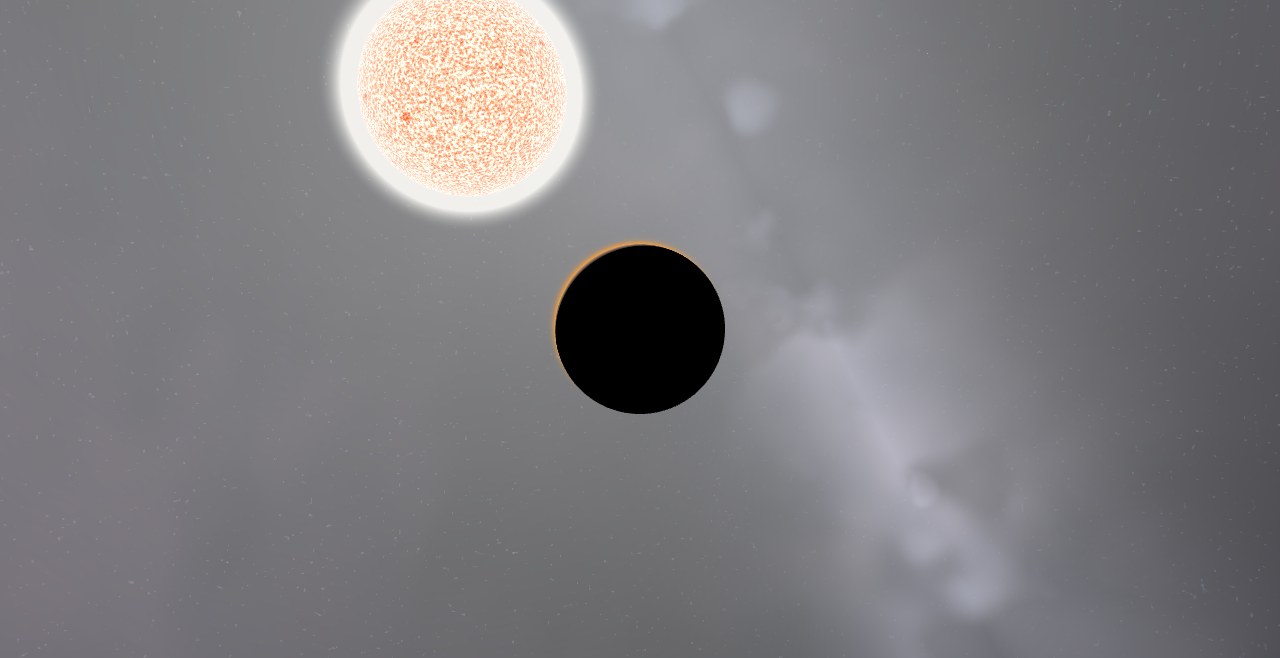
CoRoT-12, a Sun-like G-type star of 1.08 solar masses, and CoRoT-12 b, a 0.92-Jupiter-mass companion, with an orbital period of 2.8 days, at 0.040 AU from its star, and an equilibrium temperature near 1,442 K.
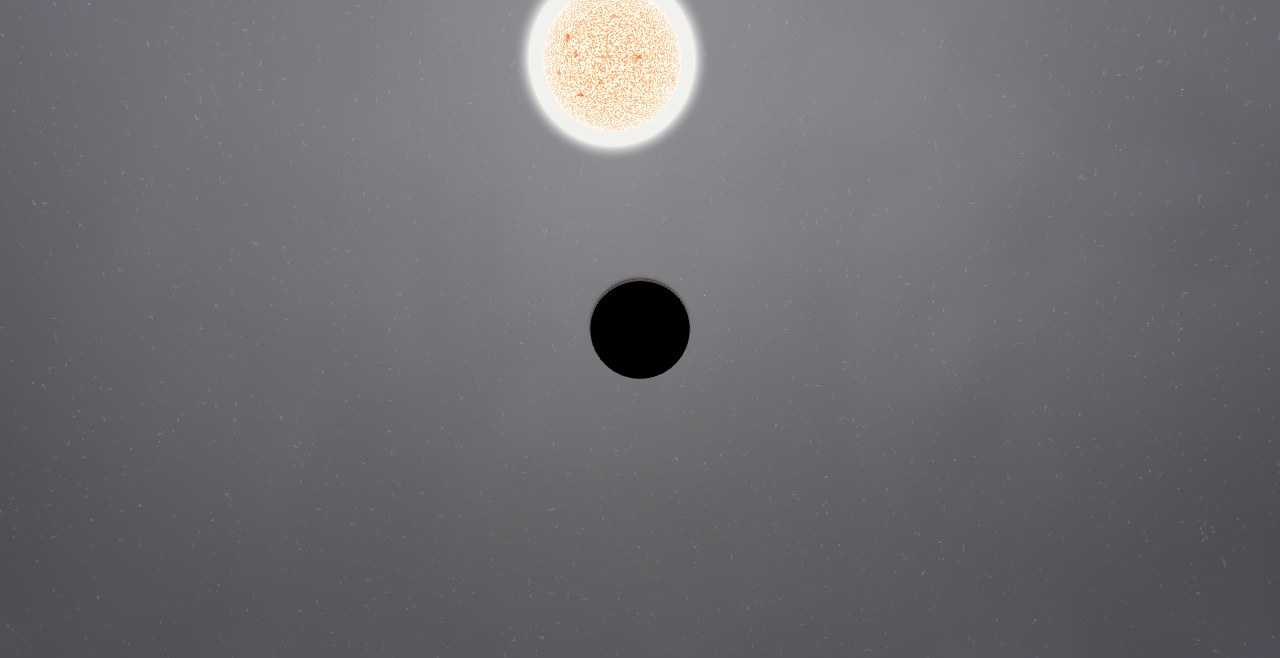
CoRoT-13, a Sun-like G-type star of 1.09 solar masses, and CoRoT-13 b, a 1.31-Jupiter-mass companion, with an orbital period of 4.0 days, at 0.051 AU from its star, and an equilibrium temperature near 1,700 K.
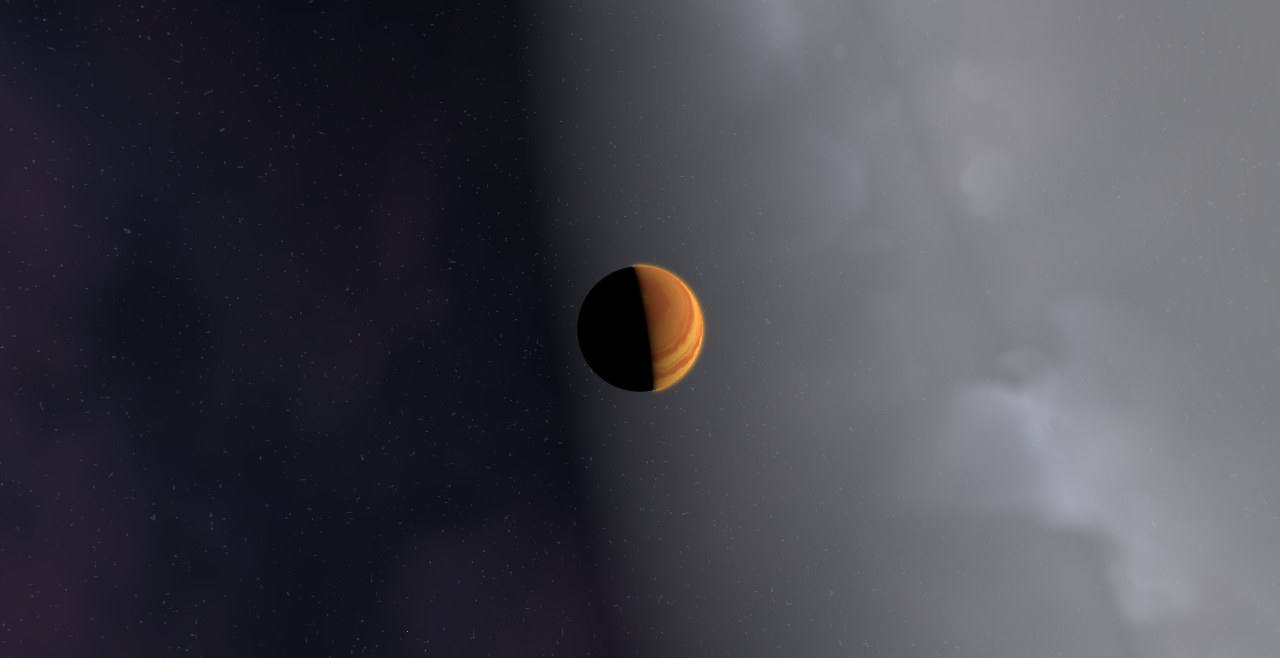
CoRoT-14, a Sun-like F-type star of 1.13 solar masses, and CoRoT-14 b, a 7.60-Jupiter-mass companion, with an orbital period of 1.5 days, at 0.027 AU from its star, and an equilibrium temperature near 1,952 K.
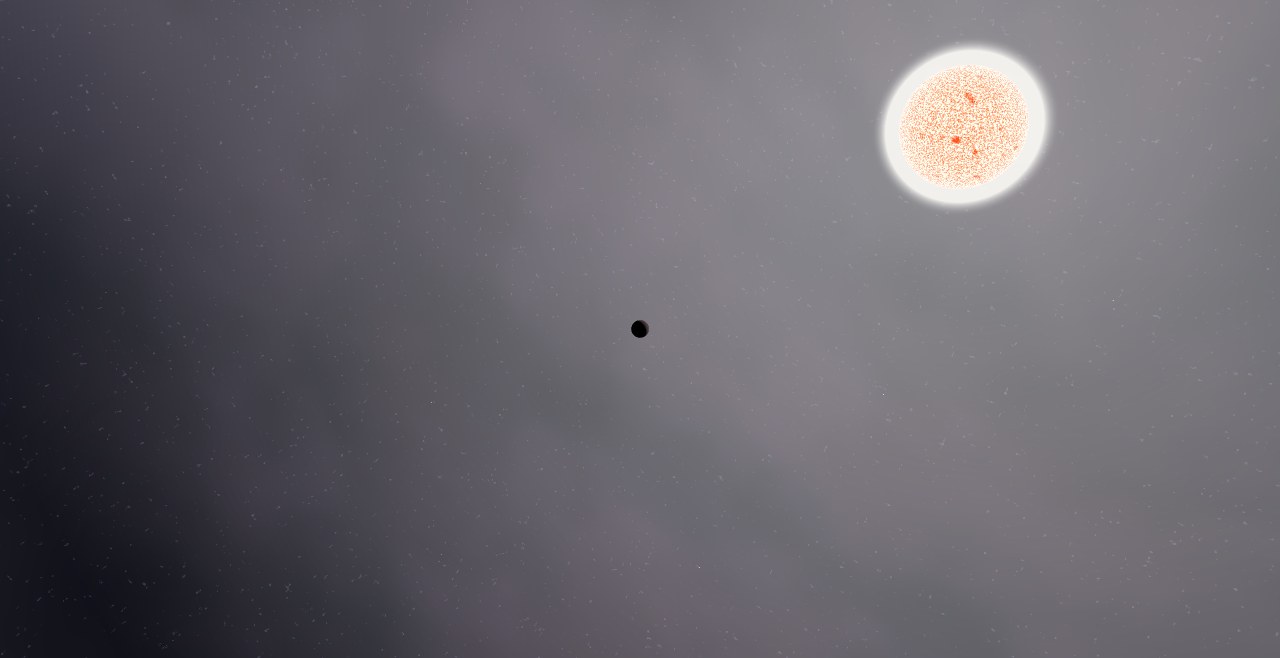
CoRoT-16, a Sun-like G-type star of 1.10 solar masses, and CoRoT-16 b, a 0.54-Jupiter-mass companion, with an orbital period of 5.4 days, at 0.062 AU from its star, on an eccentric orbit (e ≈ 0.33).
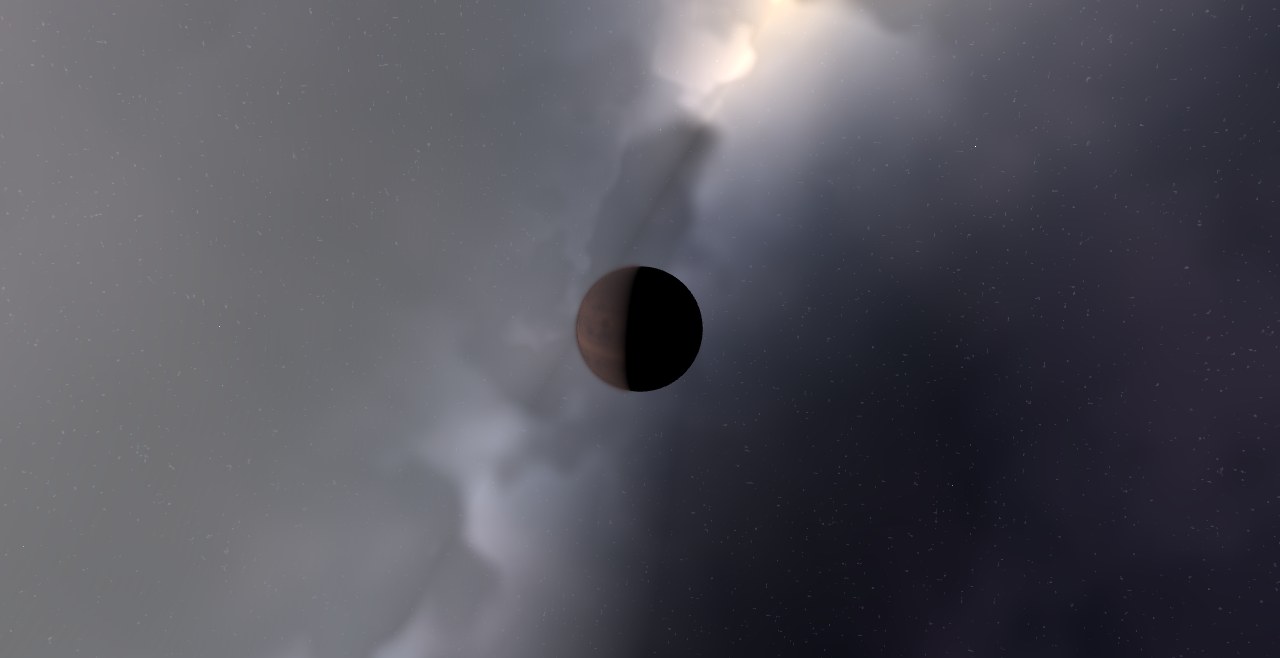
CoRoT-17, a Sun-like G-type star of 1.04 solar masses, and CoRoT-17 b, a 2.43-Jupiter-mass companion, with an orbital period of 3.8 days, at 0.046 AU from its star, and an equilibrium temperature near 1,626 K.
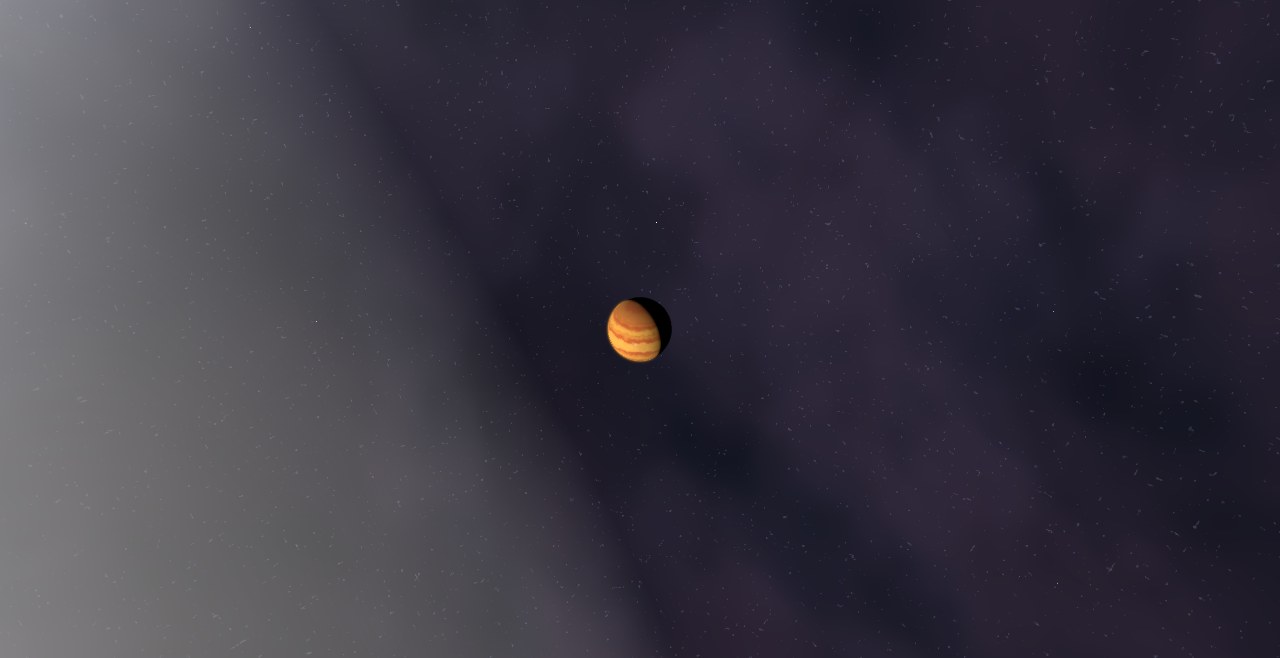
CoRoT-18, a Sun-like G-type star of 0.95 solar masses, and CoRoT-18 b, a 3.47-Jupiter-mass companion, with an orbital period of 1.9 days, at 0.029 AU from its star, and an equilibrium temperature near 1,550 K.