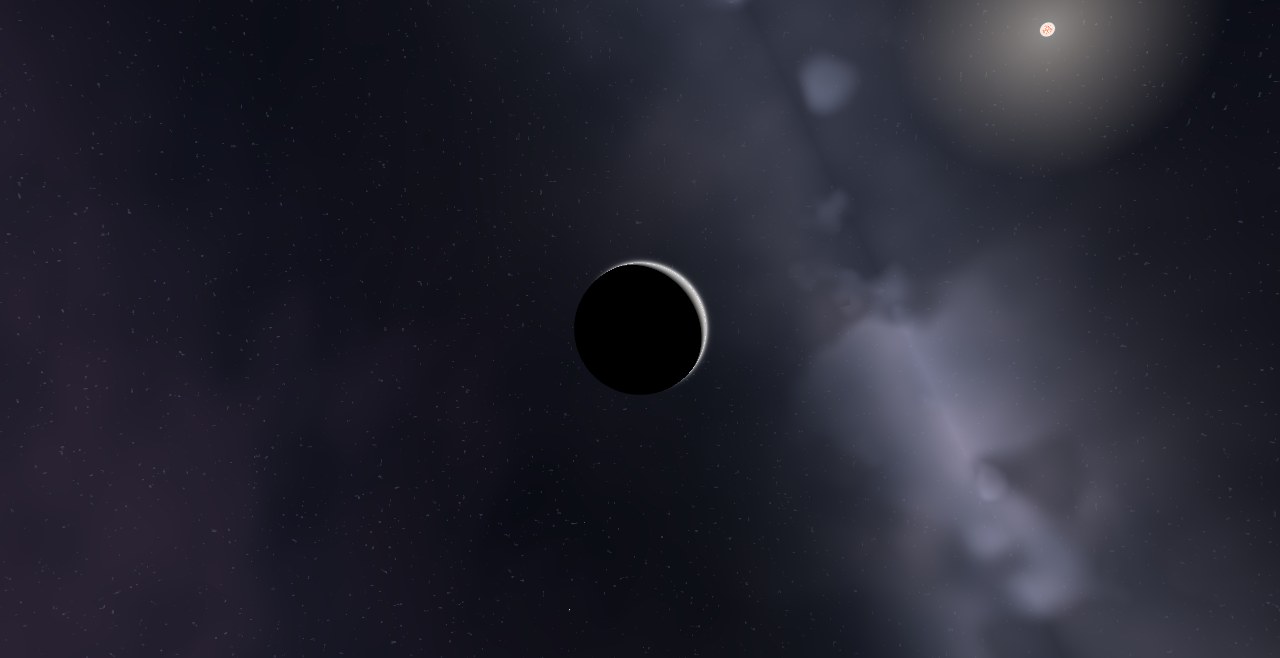
BD+45 564 - System
BD+45 564, an orange K-type dwarf of 0.81 solar masses, and BD+45 564 b, a 1.36-Jupiter-mass companion, with an orbital period of 308 days, at 0.830 AU from its star, on an eccentric orbit (e ≈ 0.12).
Scenarios
Discover alien solar systems and explore worlds far beyond our own. Simulate extreme orbital environments, habitable zones, and tightly packed resonant chains discovered by modern astronomy, all mapped accurately from real exoplanetary discovery data.
Share
BD+45 564, an orange K-type dwarf of 0.81 solar masses, and BD+45 564 b, a 1.36-Jupiter-mass companion, with an orbital period of 308 days, at 0.830 AU from its star, on an eccentric orbit (e ≈ 0.12).
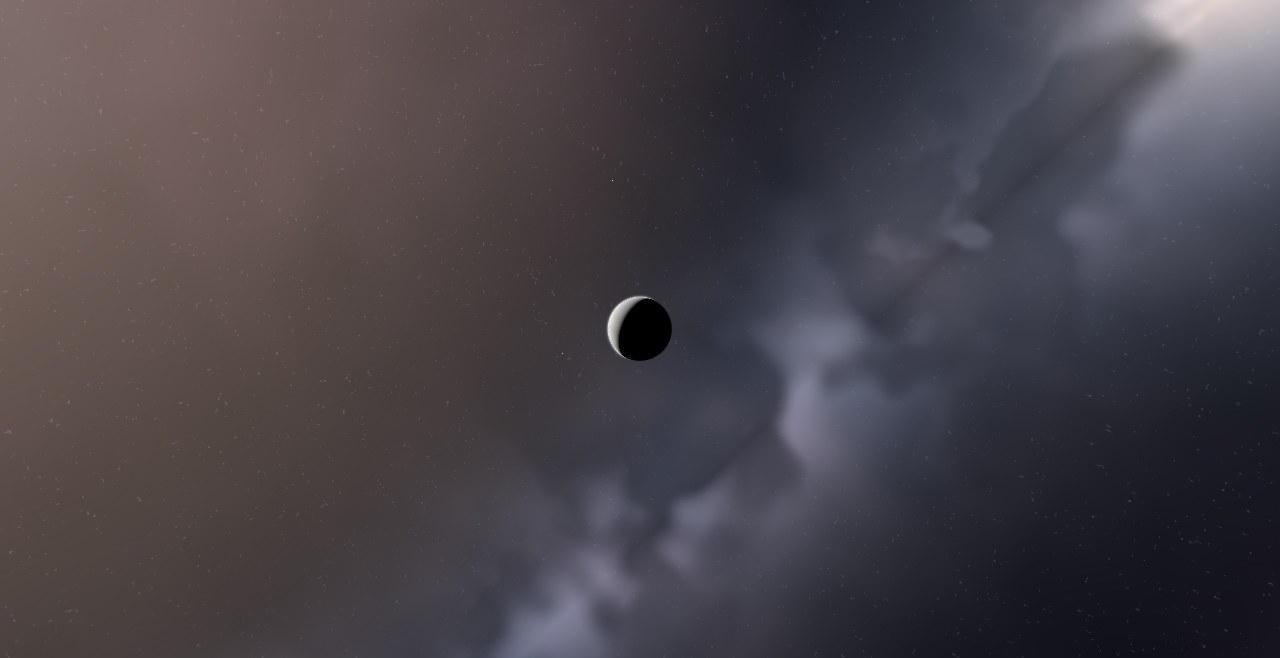
BD+48 738, an orange K-type dwarf of 0.74 solar masses, and BD+48 738 b, a 0.91-Jupiter-mass companion, with an orbital period of 1.07 years, at 1.000 AU from its star, on an eccentric orbit (e ≈ 0.20).
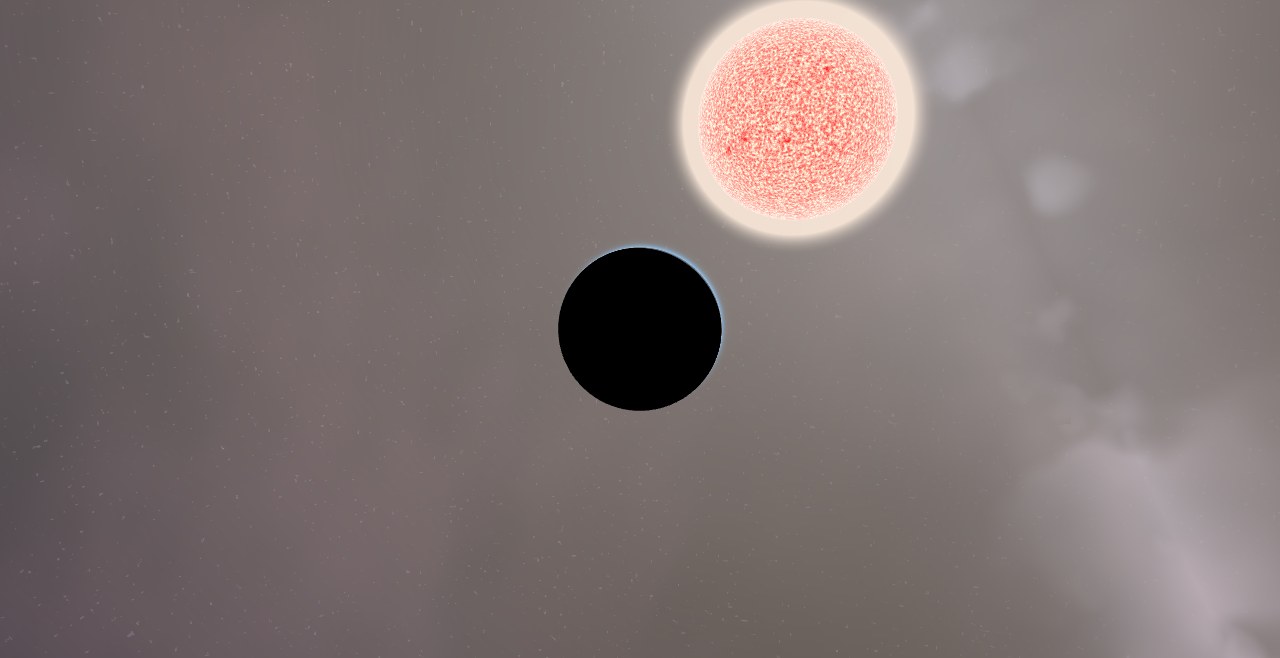
BD+48 740, an orange K-type dwarf of 1.09 solar masses, and BD+48 740 b, a 1.70-Jupiter-mass companion, with an orbital period of 2.01 years, at 1.700 AU from its star, on an eccentric orbit (e ≈ 0.76).
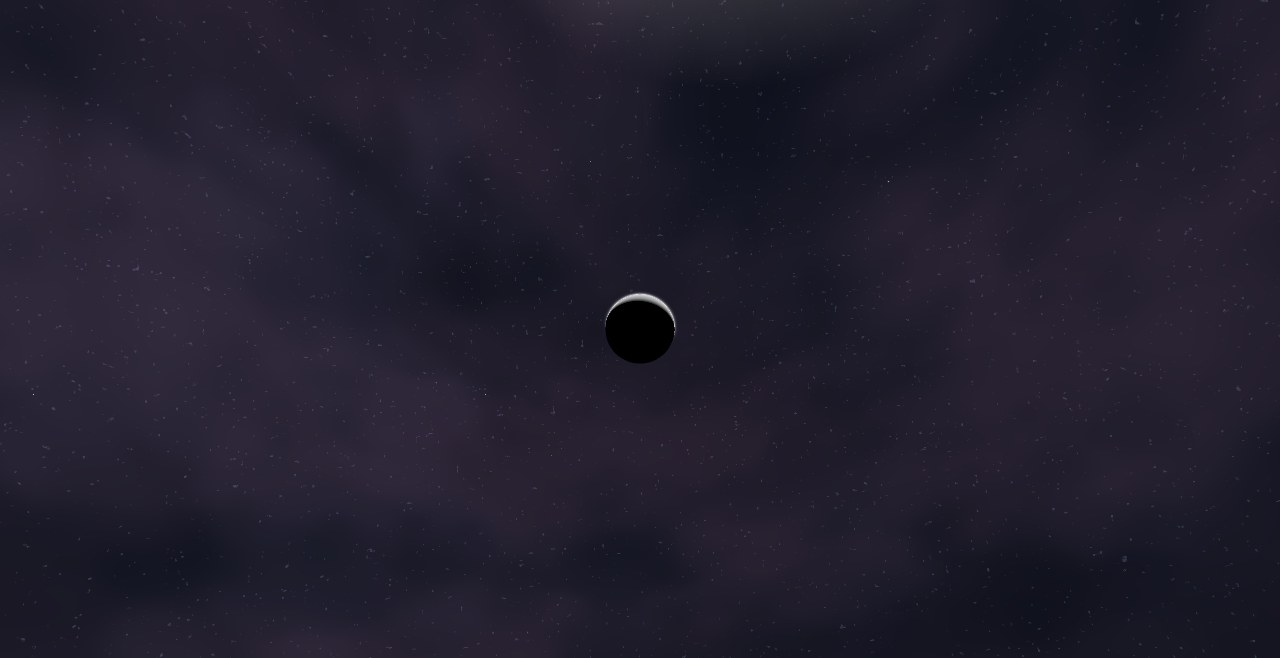
BD+49 828, an orange K-type dwarf of 1.52 solar masses, and BD+49 828 b, a 1.60-Jupiter-mass companion, with an orbital period of 7.09 years, at 4.200 AU from its star, on an eccentric orbit (e ≈ 0.35).
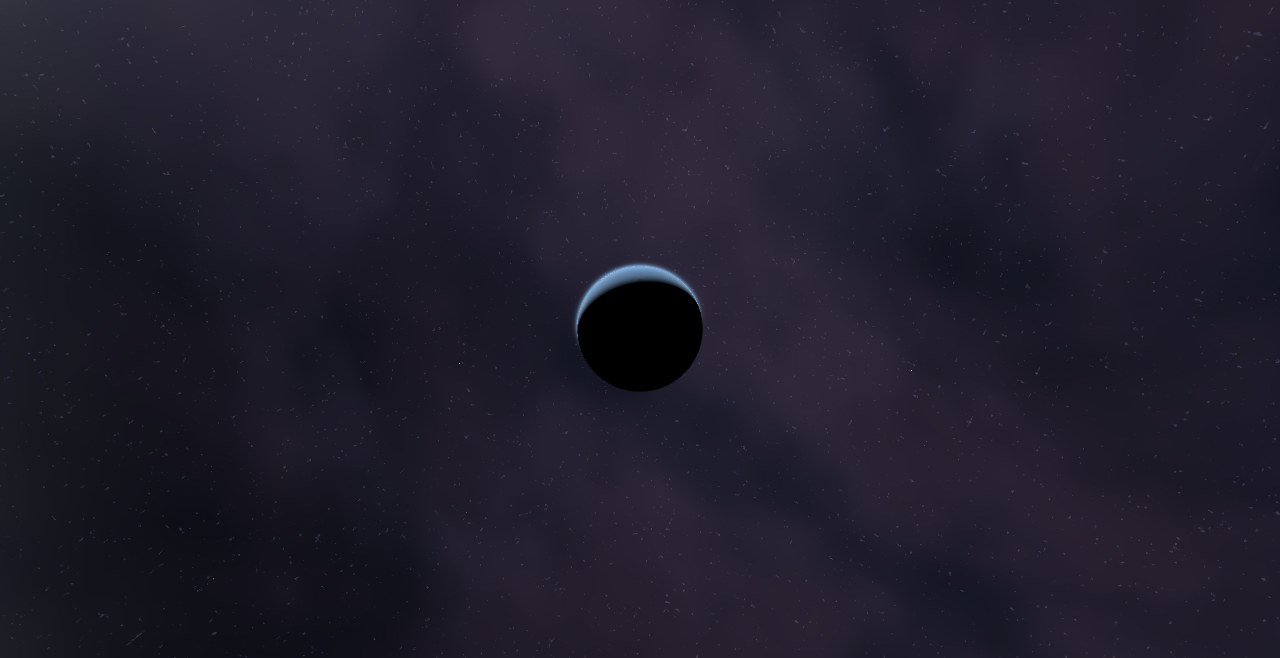
BD+55 362, an orange K-type dwarf of 0.91 solar masses, and BD+55 362 b, a 0.72-Jupiter-mass companion, with an orbital period of 266 days, at 0.780 AU from its star, on an eccentric orbit (e ≈ 0.27).
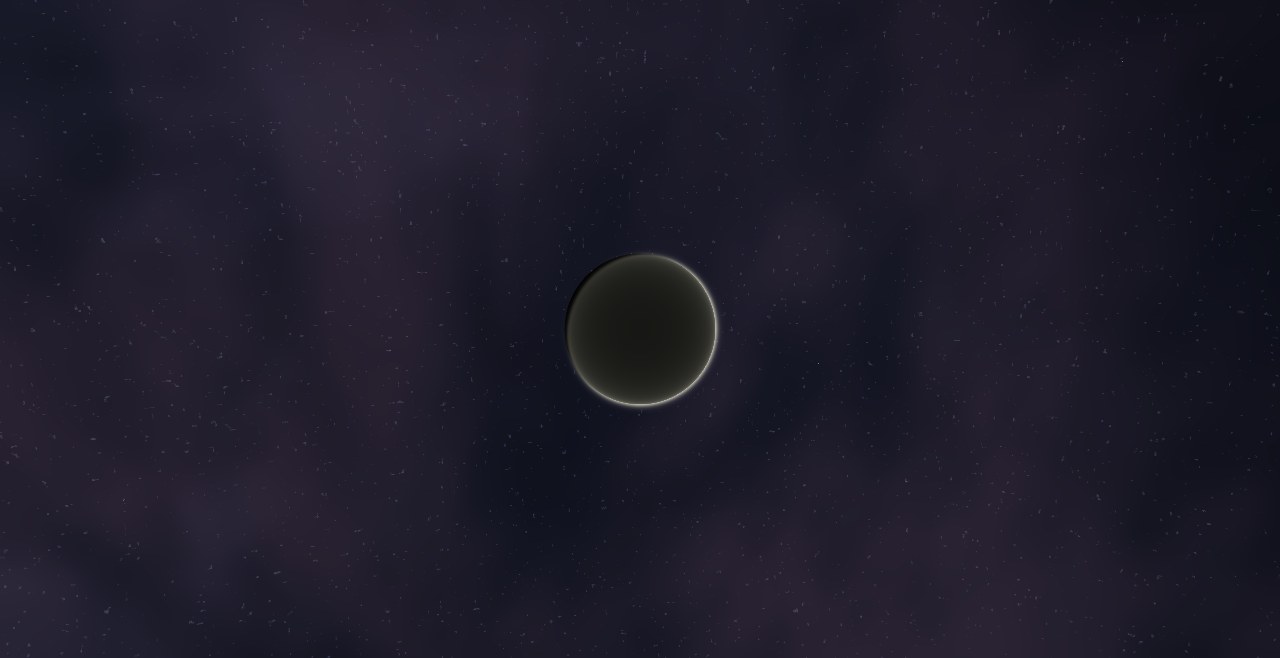
BD+60 1417, an orange K-type dwarf of 1.00 solar masses, and BD+60 1417 b, a 15.0-Jupiter-mass companion, at 1,662 AU from its star, and an equilibrium temperature near 1,303 K.
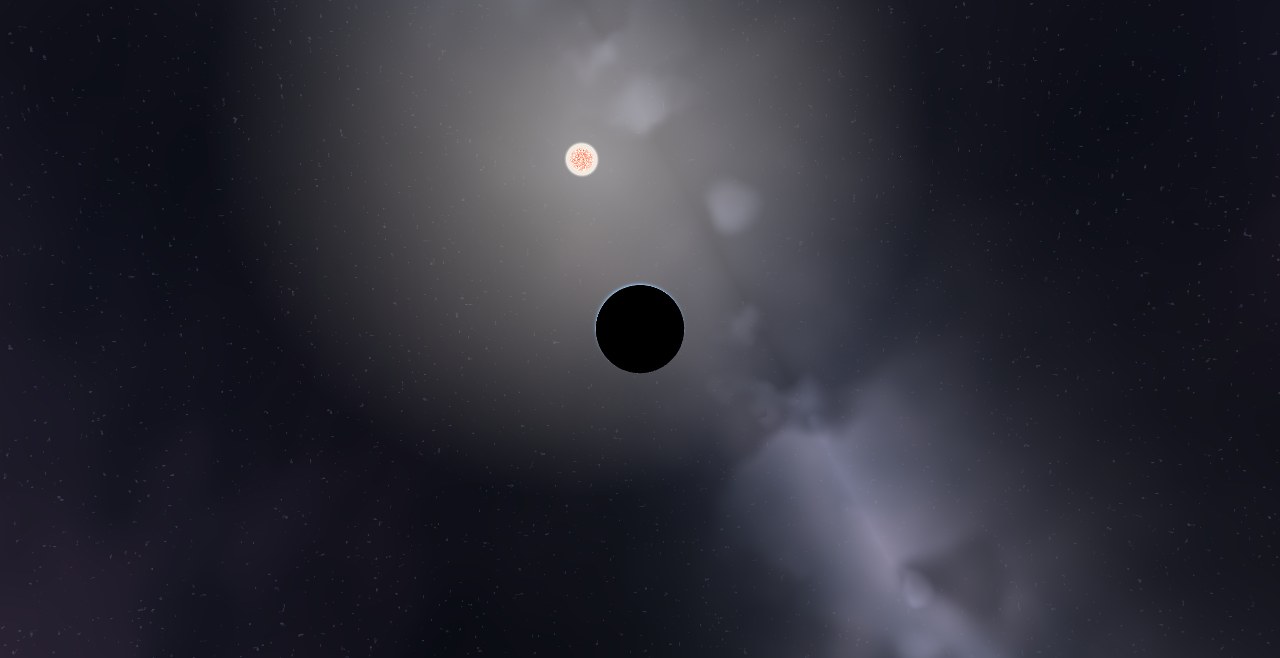
BD+63 1405, an orange K-type dwarf of 0.82 solar masses, and BD+63 1405 b, a 3.96-Jupiter-mass companion, with an orbital period of 3.28 years, at 2.060 AU from its star, on an eccentric orbit (e ≈ 0.88).
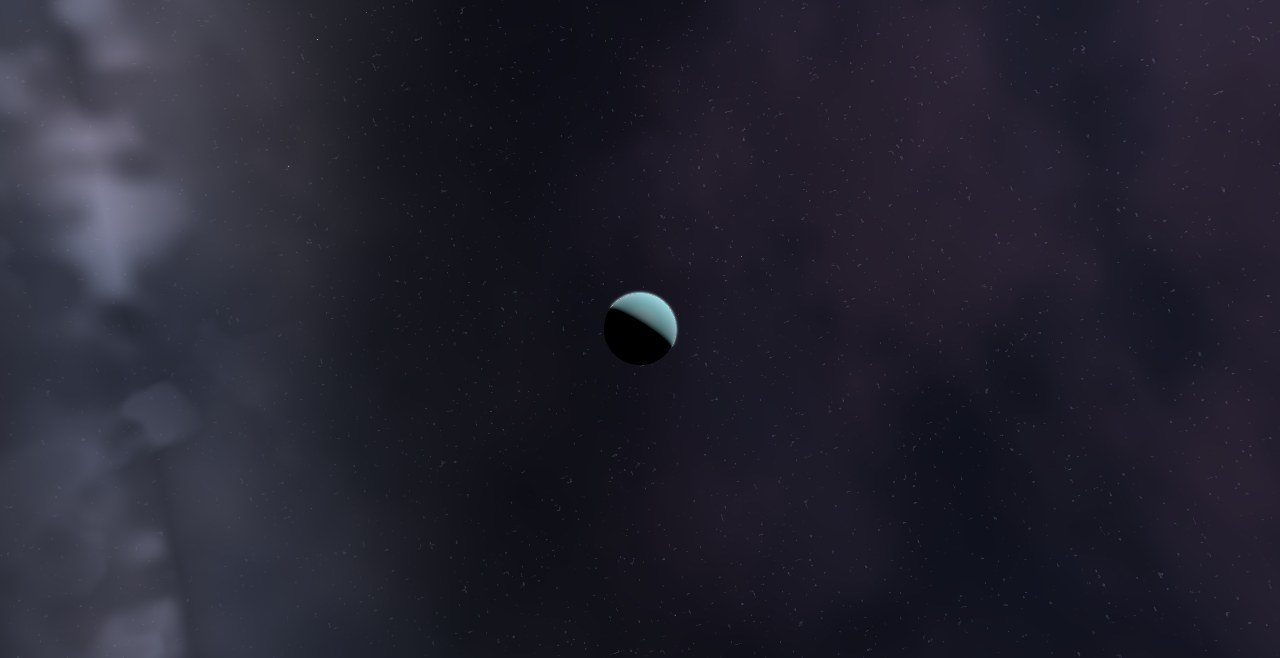
BD-06 1339, an orange K-type dwarf of 0.70 solar masses, and BD-06 1339 b, a 8.5-Earth-mass planet, with an orbital period of 3.9 days, at 0.043 AU from its star.
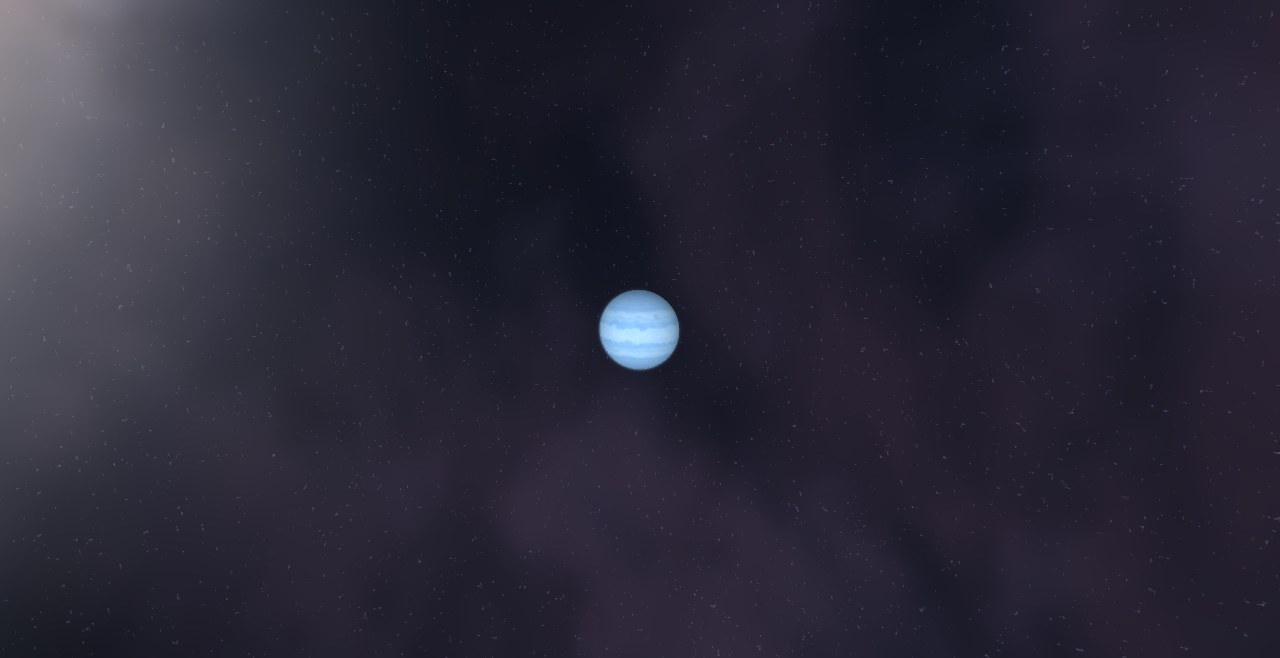
BD-08 2823, an orange K-type dwarf of 0.74 solar masses, and BD-08 2823 b, a 12.7-Earth-mass planet, with an orbital period of 5.6 days, at 0.060 AU from its star, on an eccentric orbit (e ≈ 0.15).
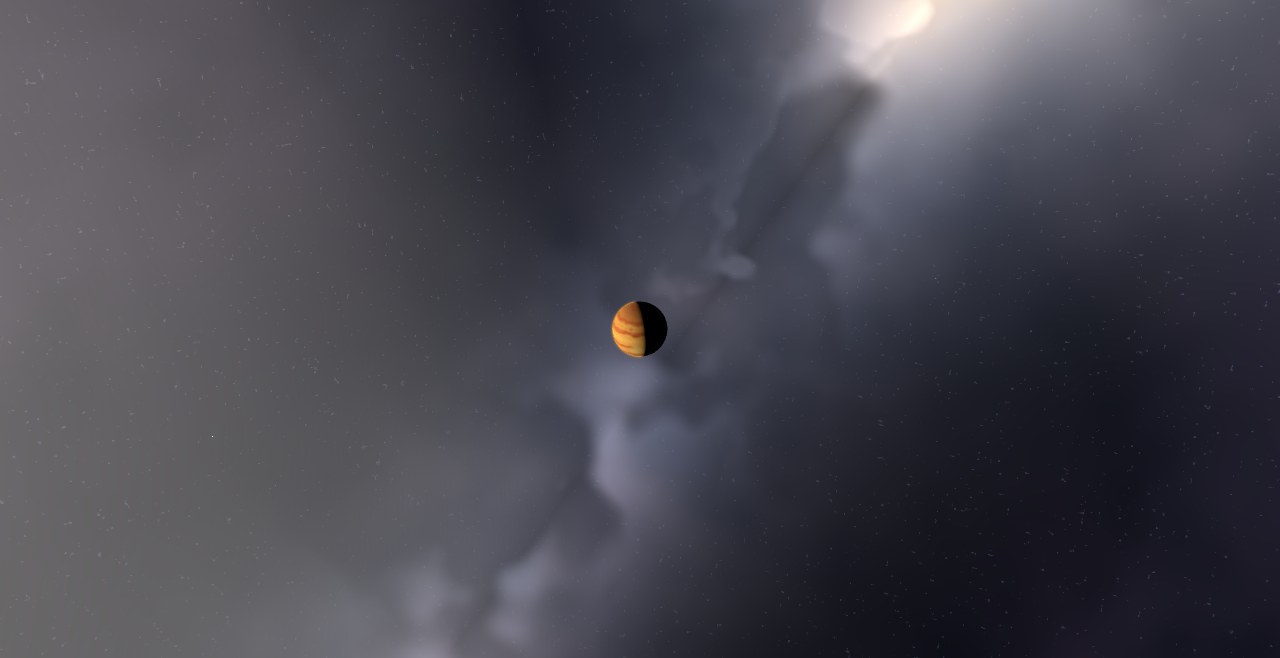
BD-10 3166, a Sun-like G-type star of 1.47 solar masses, and BD-10 3166 b, a 0.59-Jupiter-mass companion, with an orbital period of 3.5 days, at 0.040 AU from its star.
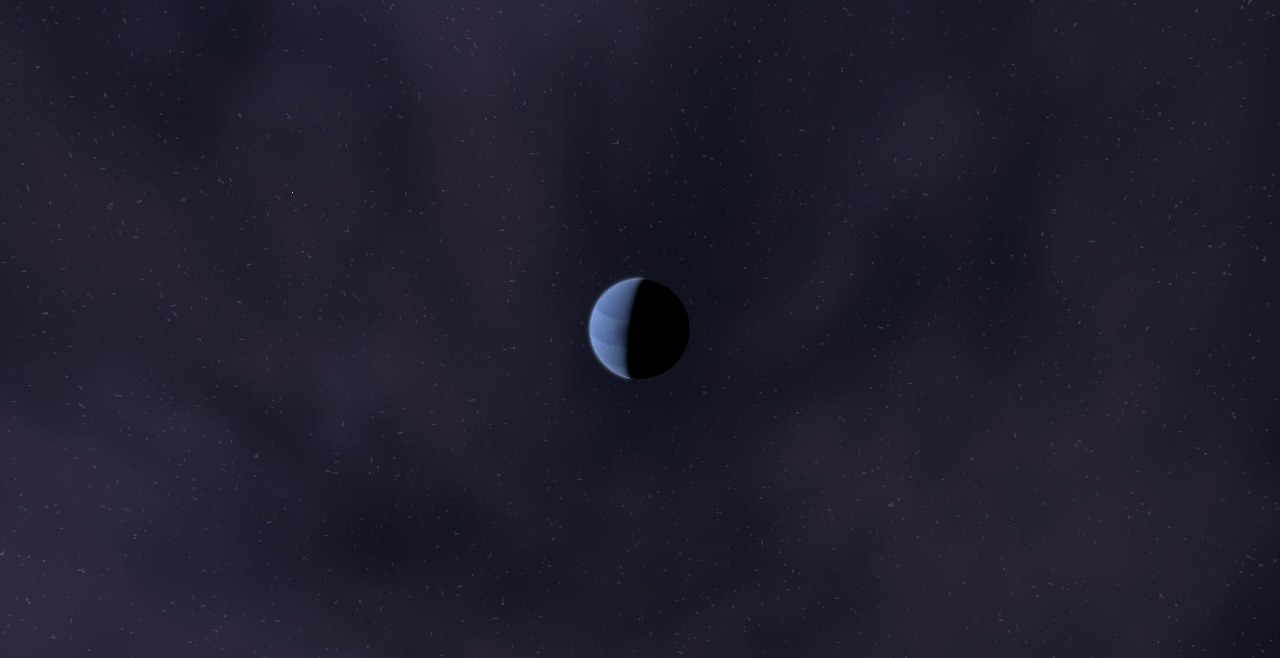
BD-11 4672, an orange K-type dwarf of 0.65 solar masses, and BD-11 4672 c, a 15.4-Earth-mass planet, with an orbital period of 74.2 days, at 0.300 AU from its star, on an eccentric orbit (e ≈ 0.40).
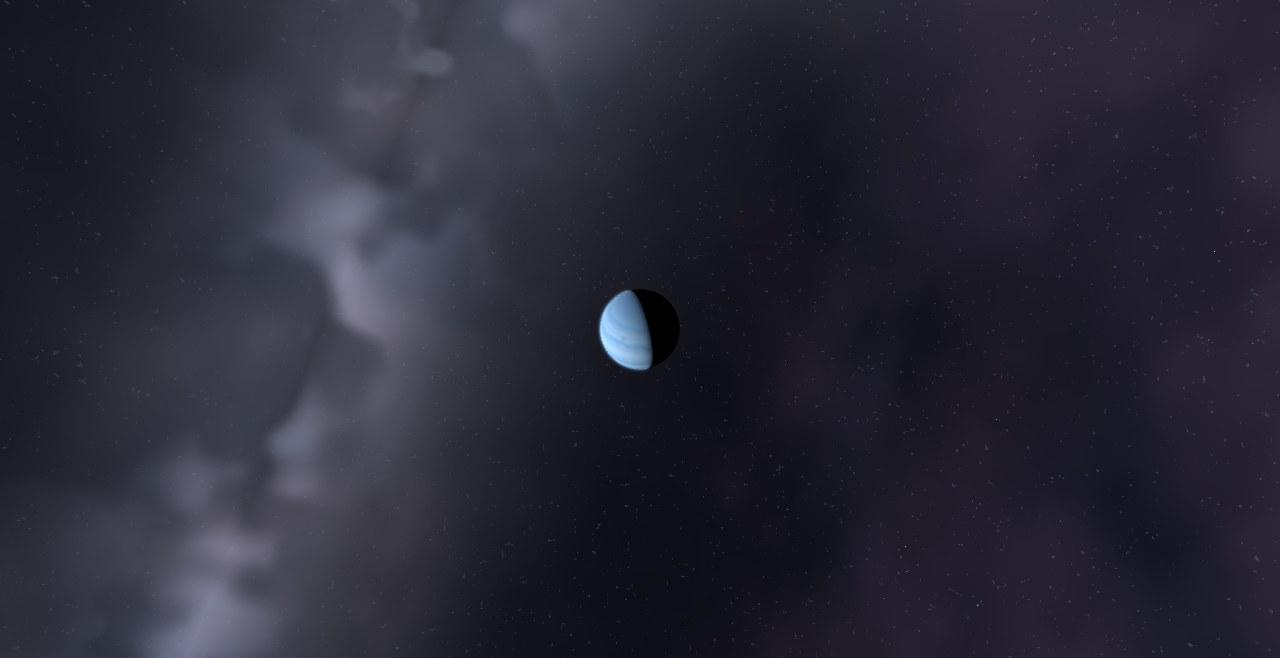
BD-13 2130, an orange K-type dwarf of 2.12 solar masses, and BD-13 2130 b, a 9.78-Jupiter-mass companion, with an orbital period of 1.96 years, at 1.660 AU from its star, on an eccentric orbit (e ≈ 0.21).
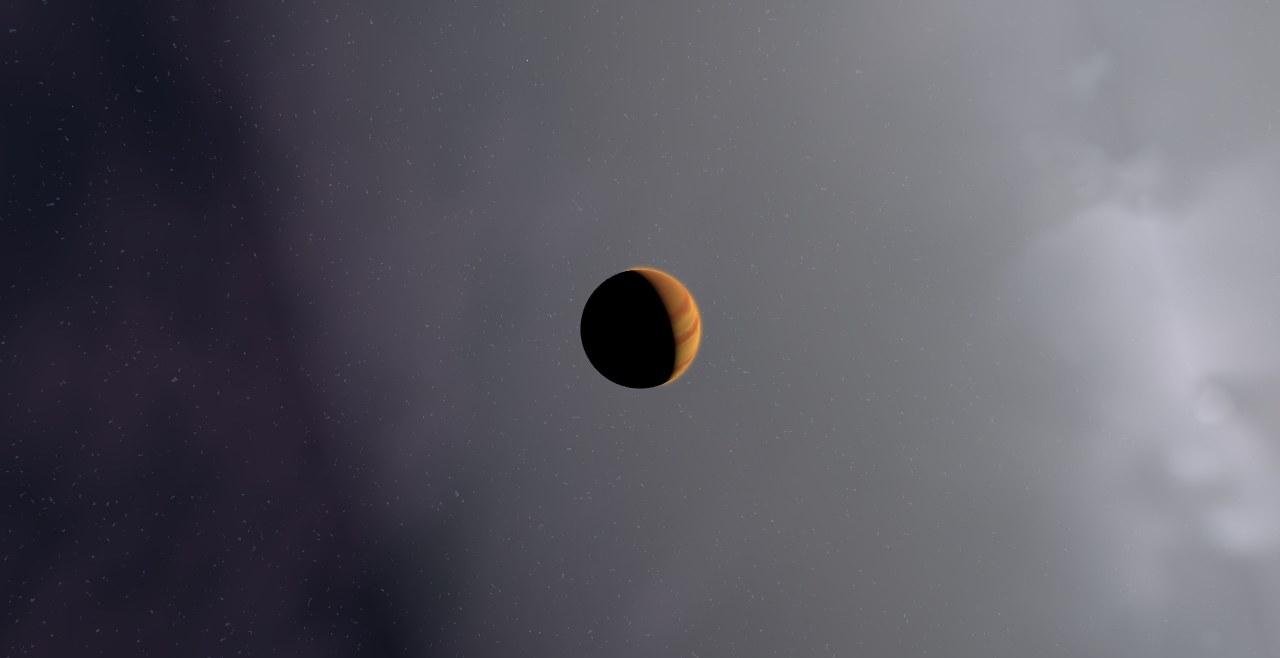
BD-14 3065 A, a Sun-like F-type star of 1.41 solar masses, and BD-14 3065 b, a 12.4-Jupiter-mass companion, with an orbital period of 4.3 days, at 0.066 AU from its star, and an equilibrium temperature near.
BD-17 63, an orange K-type dwarf of 0.74 solar masses, and BD-17 63 b, a 5.16-Jupiter-mass companion, with an orbital period of 1.79 years, on an eccentric orbit (e ≈ 0.54).
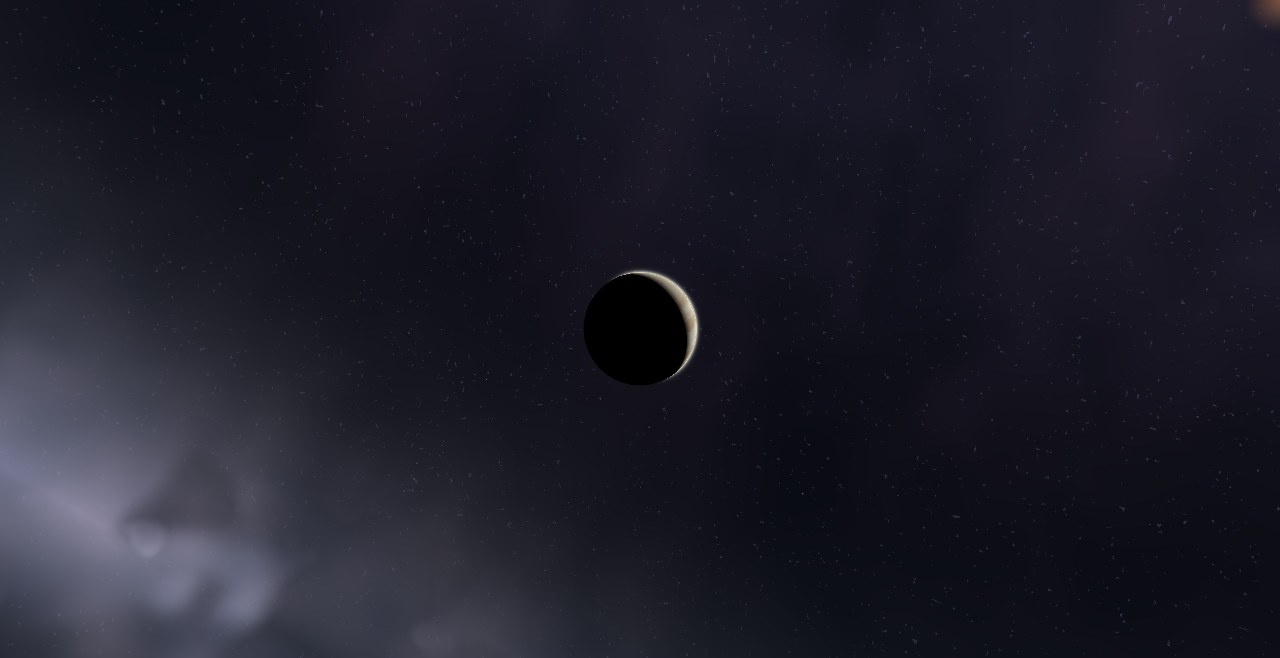
BD-210397, an orange K-type dwarf of 0.68 solar masses, and BD-210397 b, a 0.70-Jupiter-mass companion, with an orbital period of 5.18 years, at 2.630 AU from its star, on an eccentric orbit (e ≈ 0.10).
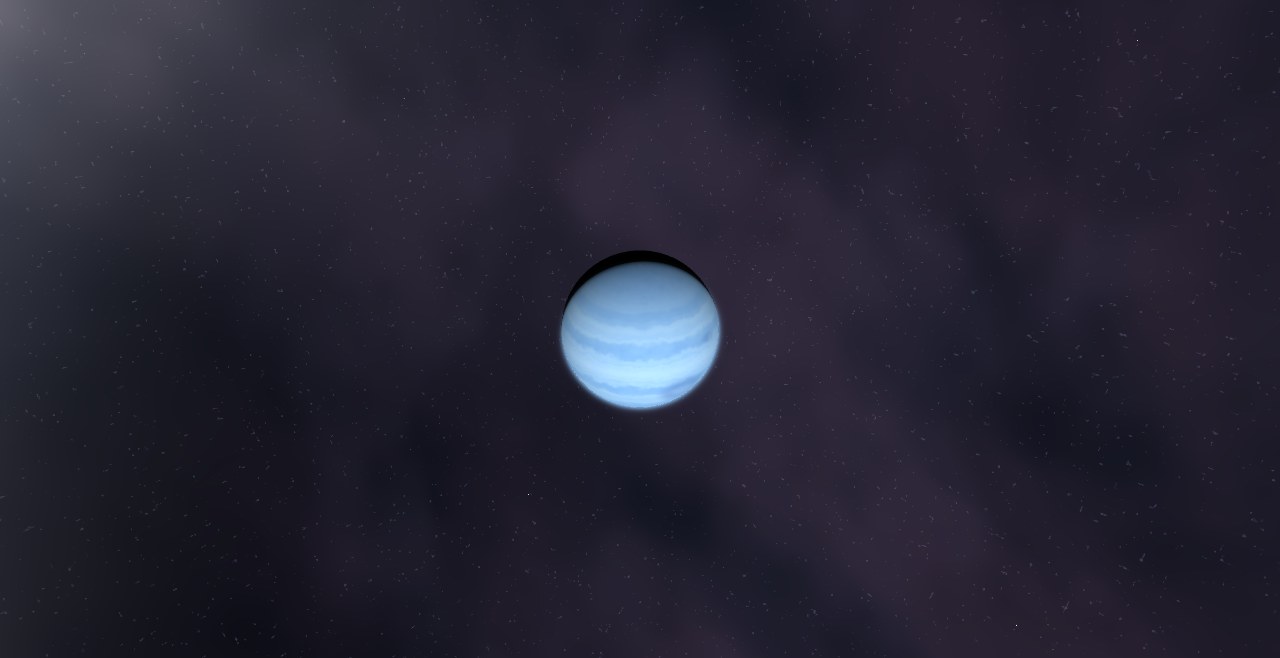
BEBOP-3, a Sun-like F-type star of 1.08 solar masses, and BEBOP-3 b, a 0.56-Jupiter-mass companion, with an orbital period of 1.50 years, at 1.444 AU from its star, on an eccentric orbit (e ≈ 0.25).
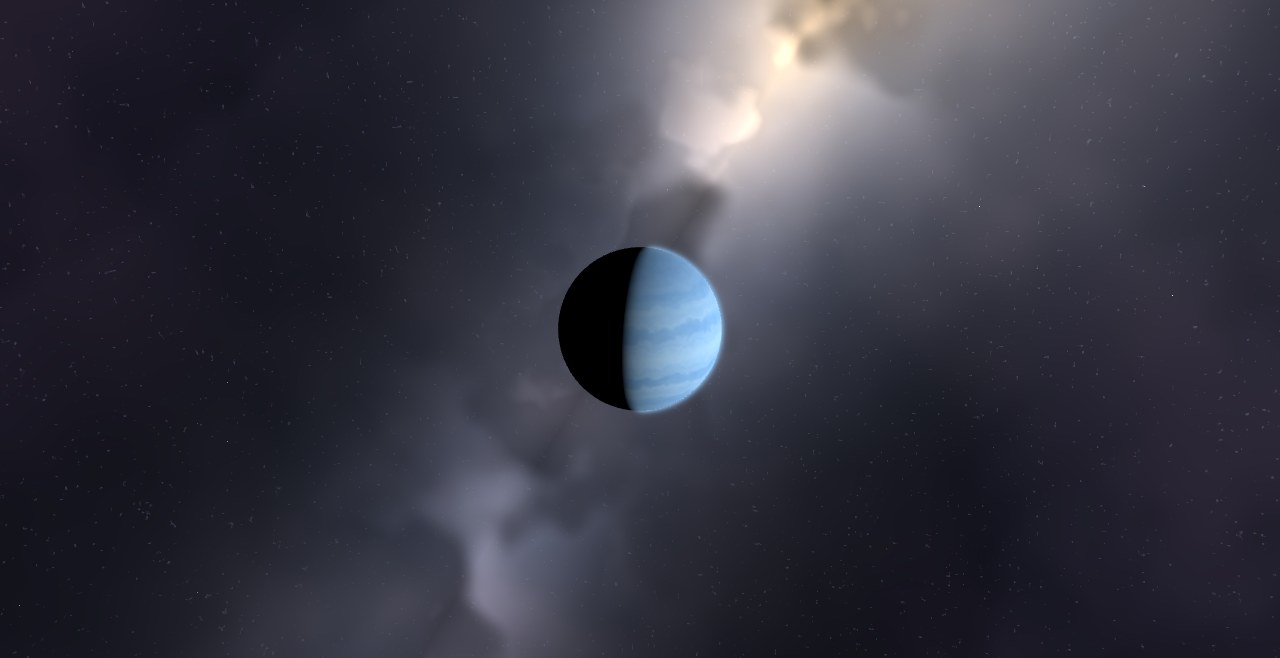
BEBOP-4 A, a Sun-like G-type star of 1.51 solar masses, and BEBOP-4 AB b, a 26.3-Jupiter-mass companion, with an orbital period of 4.99 years, at 3.634 AU from its star, on an eccentric orbit (e ≈ 0.43).
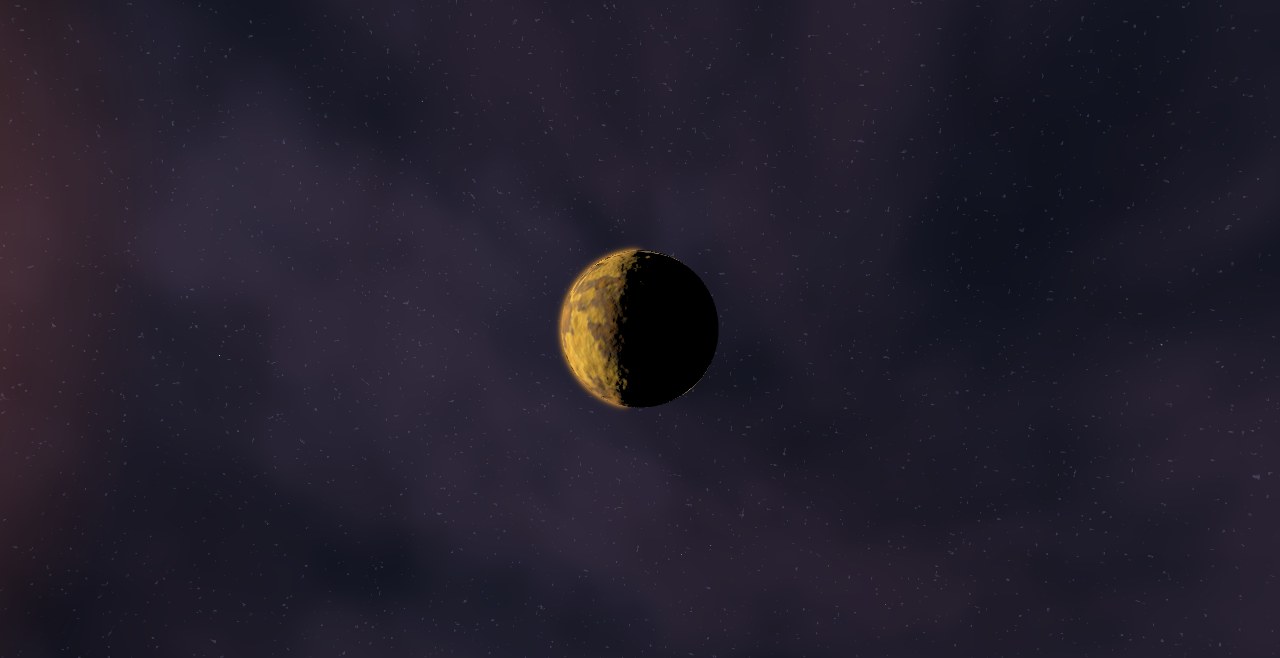
Barnard's Star, the nearest single star to the Sun. Its low-mass planets are among the closest known worlds beyond the Solar System. The star is famous for its rapid motion across the sky.