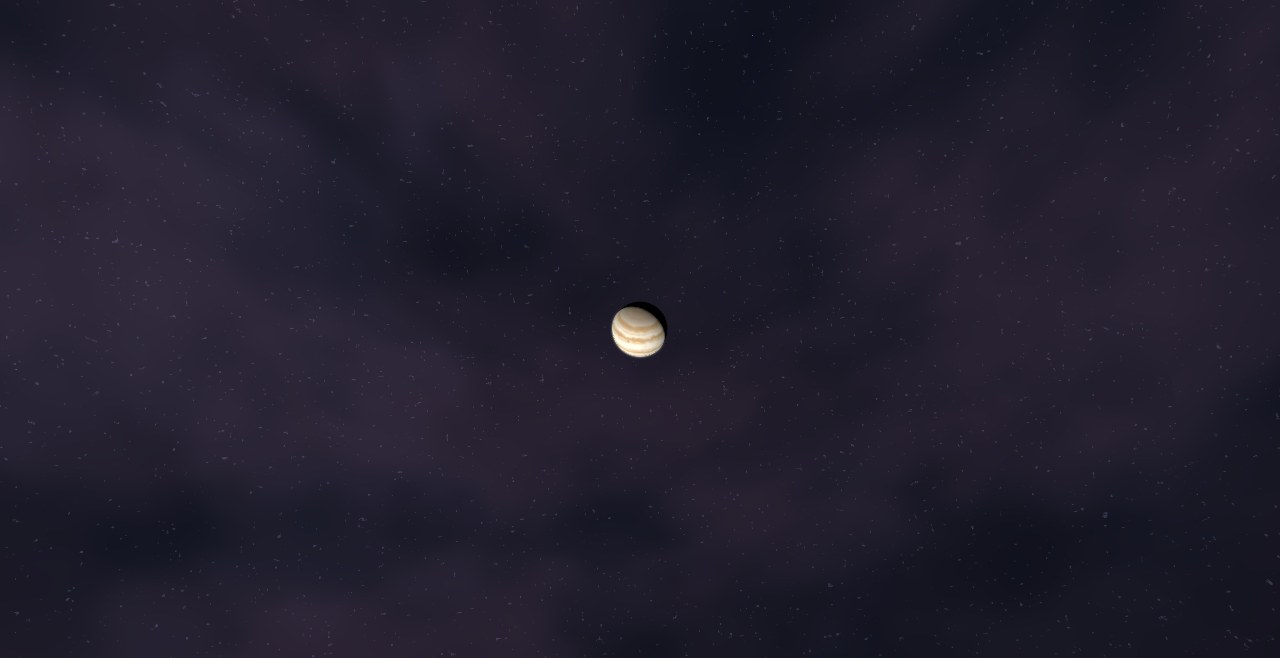
GJ 463 - System
GJ 463, a cool M-dwarf of 0.49 solar masses, and GJ 463 b, a 1.65-Jupiter-mass companion, with an orbital period of 9.47 years, at 3.530 AU from its star, on an eccentric orbit (e ≈ 0.15).
Scenarios
Discover alien solar systems and explore worlds far beyond our own. Simulate extreme orbital environments, habitable zones, and tightly packed resonant chains discovered by modern astronomy, all mapped accurately from real exoplanetary discovery data.
Share
GJ 463, a cool M-dwarf of 0.49 solar masses, and GJ 463 b, a 1.65-Jupiter-mass companion, with an orbital period of 9.47 years, at 3.530 AU from its star, on an eccentric orbit (e ≈ 0.15).
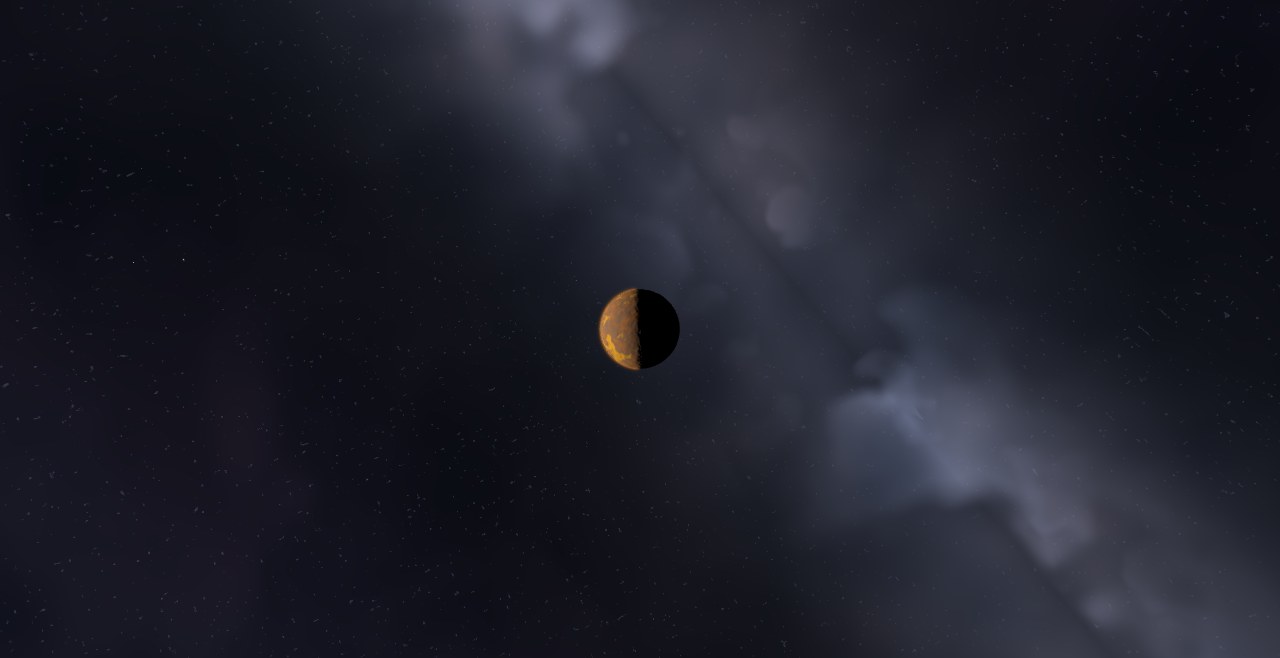
GJ 480, a cool M-dwarf of 0.45 solar masses, and GJ 480 b, a 8.8-Earth-mass planet, with an orbital period of 9.6 days, at 0.068 AU from its star, and an equilibrium temperature near 406 K.
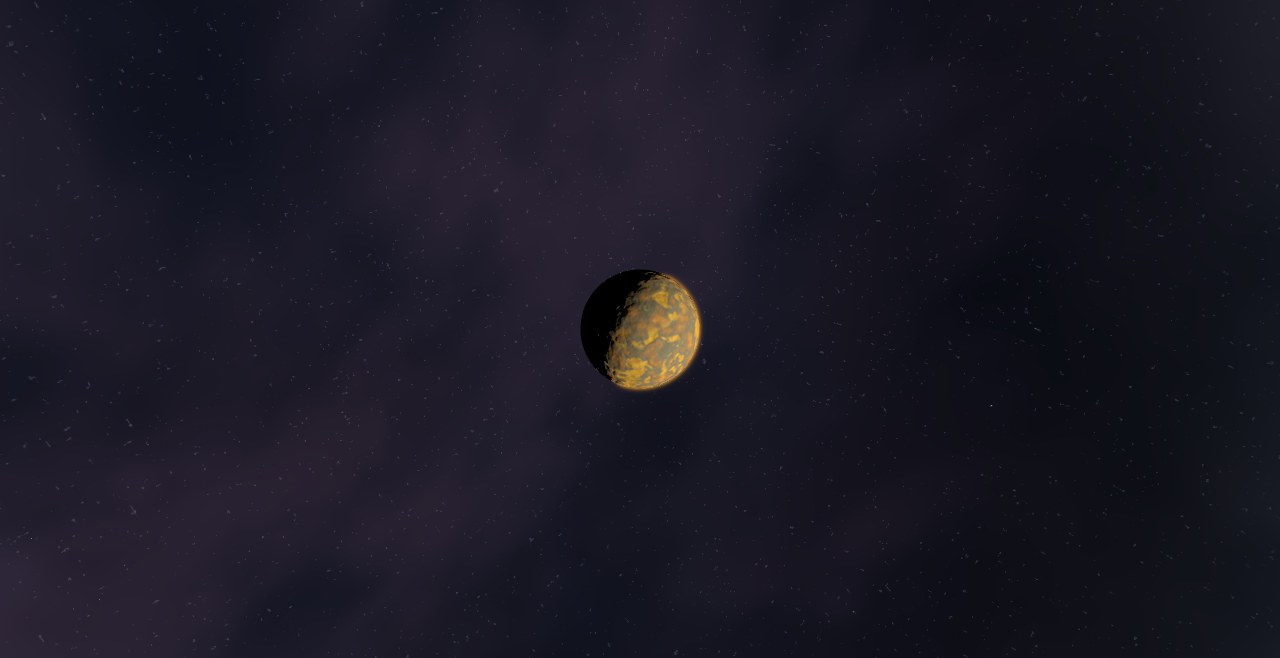
GJ 486 b, a hot rocky planet around a nearby red dwarf. JWST watches its dayside glow to see whether any atmosphere survives. Emission spectra test whether any air remains at all.
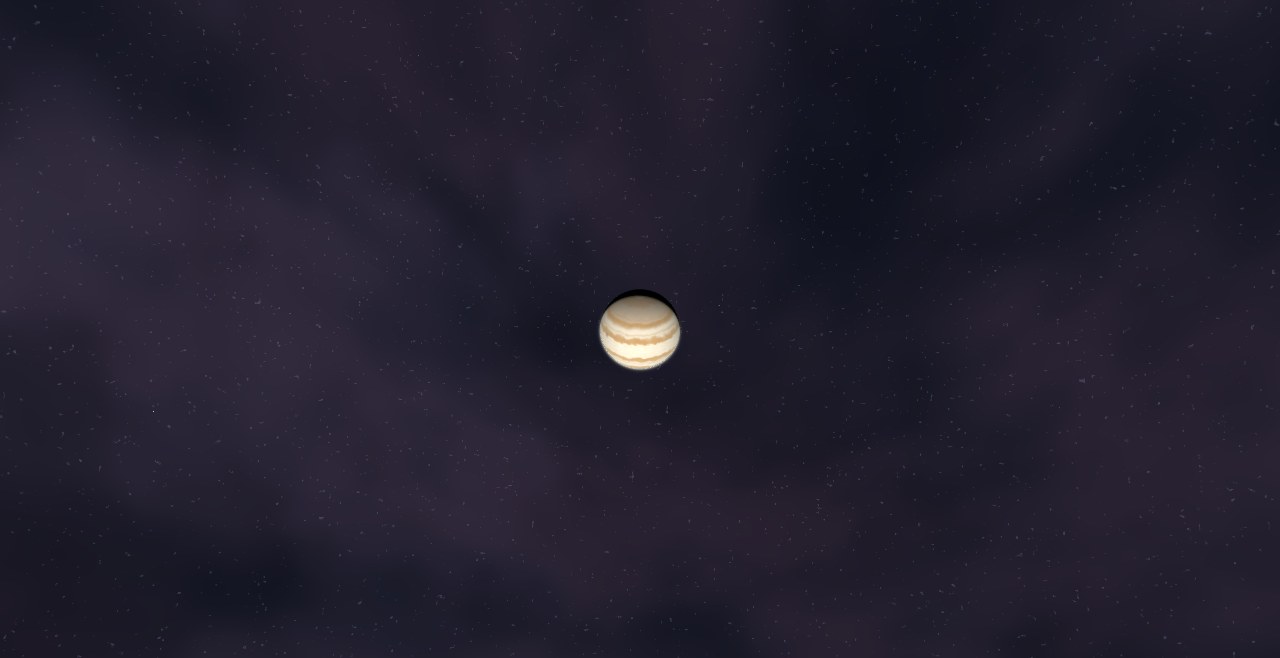
GJ 504 b, a cold giant planet imaged far from a Sun-like star. It is pinkish in infrared and one of the least massive planets seen directly.
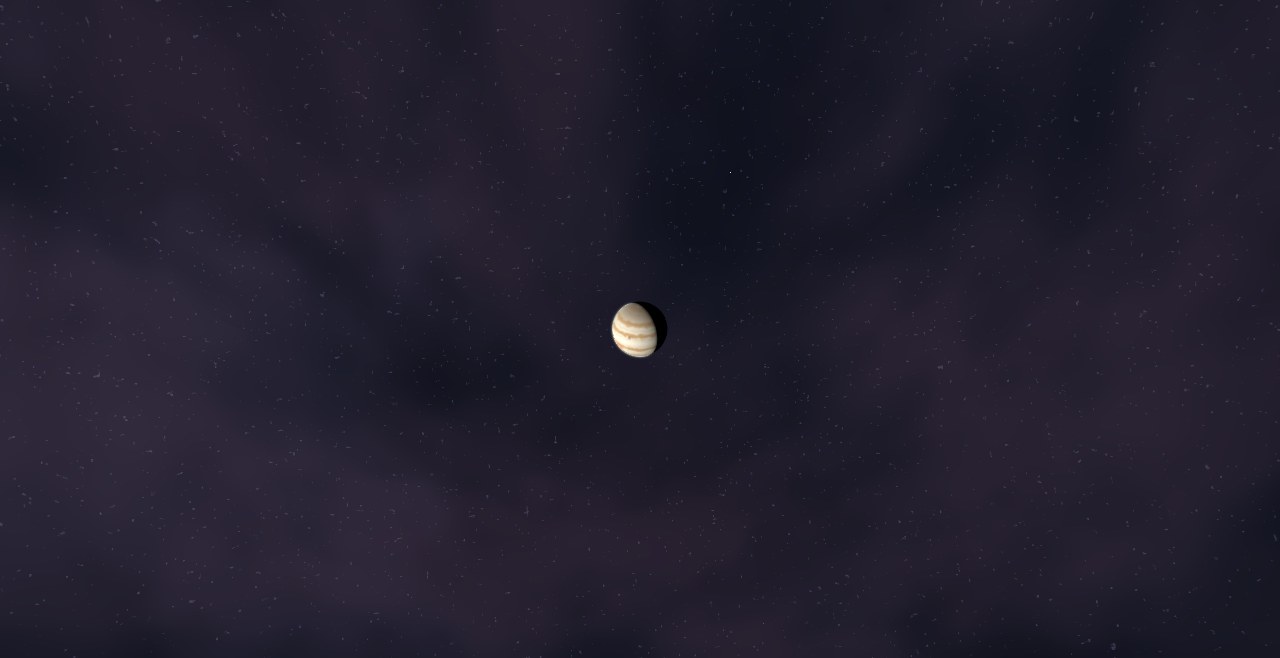
GJ 508.2, a cool M-dwarf of 0.54 solar masses, and GJ 508.2 b, a 1.85-Jupiter-mass companion, with an orbital period of 14.5 years, at 4.850 AU from its star, on an eccentric orbit (e ≈ 0.27).
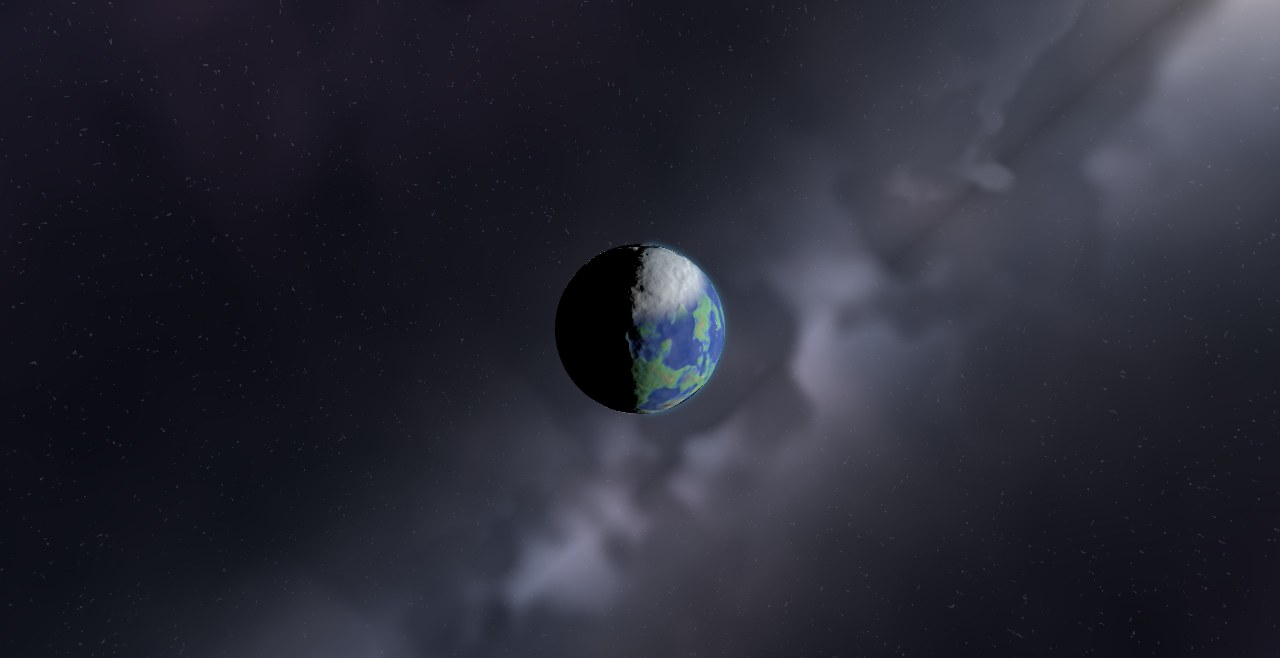
GJ 514, a cool M-dwarf of 0.51 solar masses, and GJ 514 b, a 5.2-Earth-mass planet, with an orbital period of 140 days, at 0.422 AU from its star, and an equilibrium temperature near 202 K, on an eccentric.
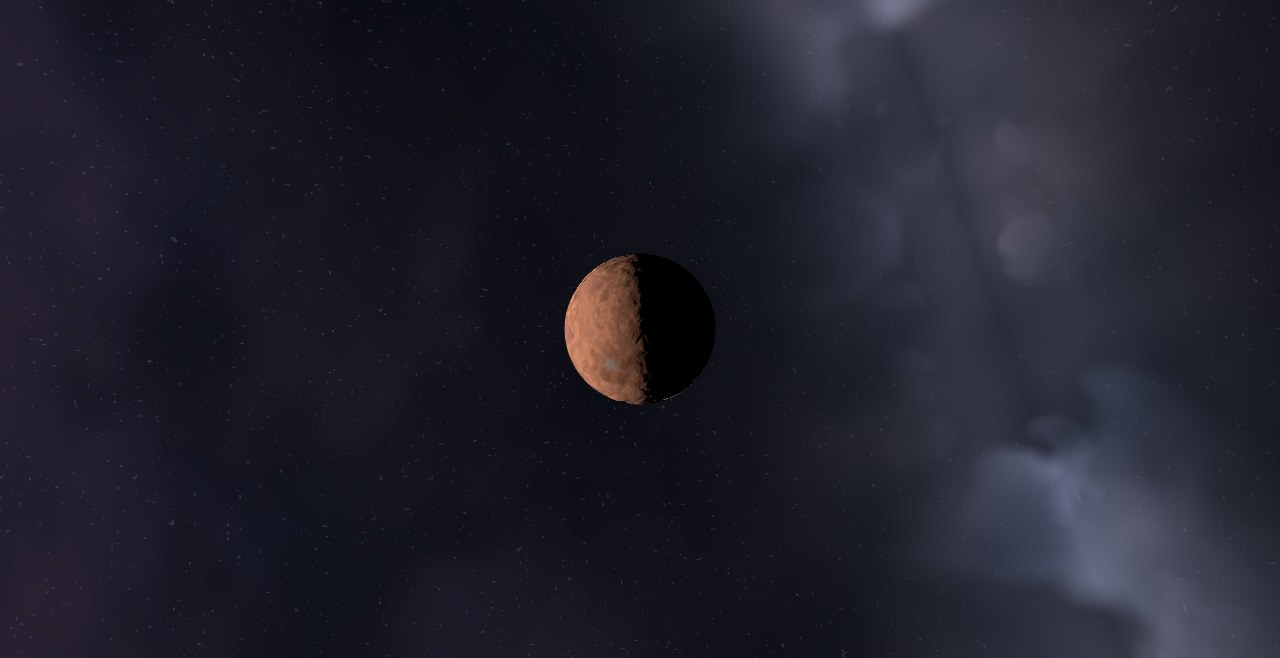
GJ 536, a cool M-dwarf of 0.53 solar masses, and GJ 536 b, a 6.4-Earth-mass planet, with an orbital period of 8.7 days, at 0.067 AU from its star, and an equilibrium temperature near 451 K.
GJ 581, a cool M-dwarf of 0.29 solar masses, and GJ 581 e, a 2.5-Earth-mass planet, with an orbital period of 3.1 days, at 0.028 AU from its star.
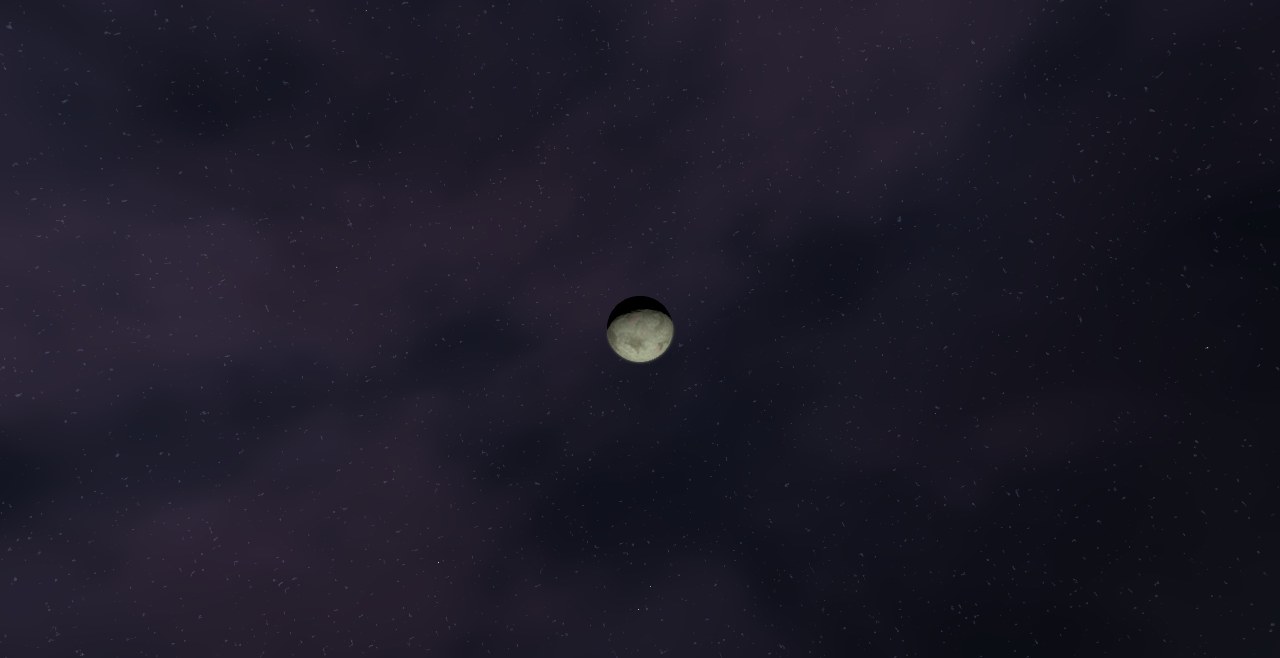
GJ 625, a cool M-dwarf of 0.30 solar masses, and GJ 625 b, a 2.8-Earth-mass planet, with an orbital period of 14.6 days, at 0.078 AU from its star, on an eccentric orbit (e ≈ 0.13).
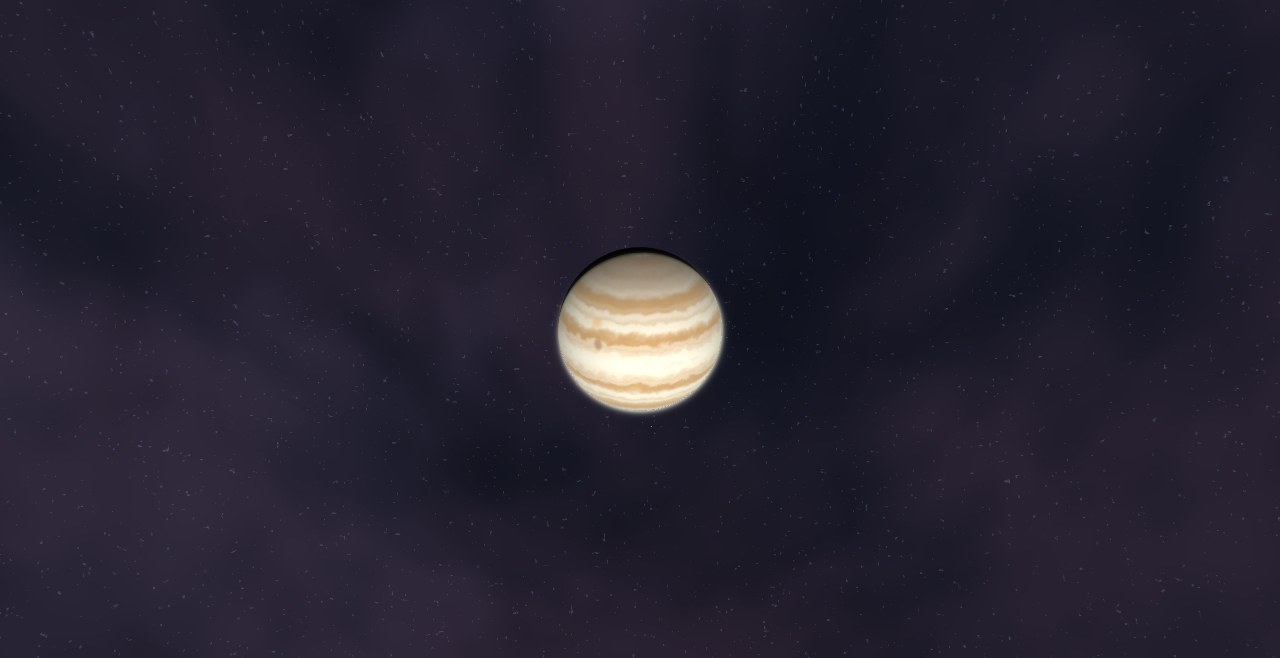
GJ 649, a cool M-dwarf of 0.51 solar masses, and GJ 649 b, a 0.26-Jupiter-mass companion, with an orbital period of 1.64 years, at 1.112 AU from its star, on an eccentric orbit (e ≈ 0.08).
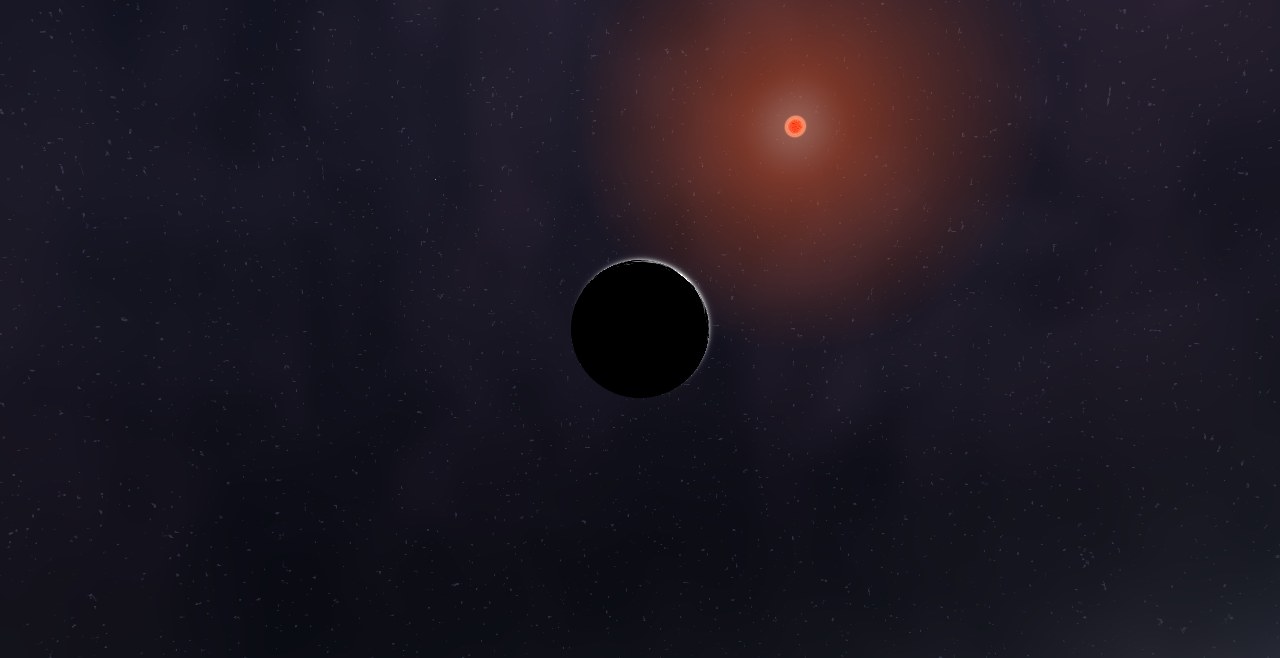
GJ 667 C, a cool M-dwarf of 0.33 solar masses, with its 5 planets on orbits from 28.1 days to 7.2 days.
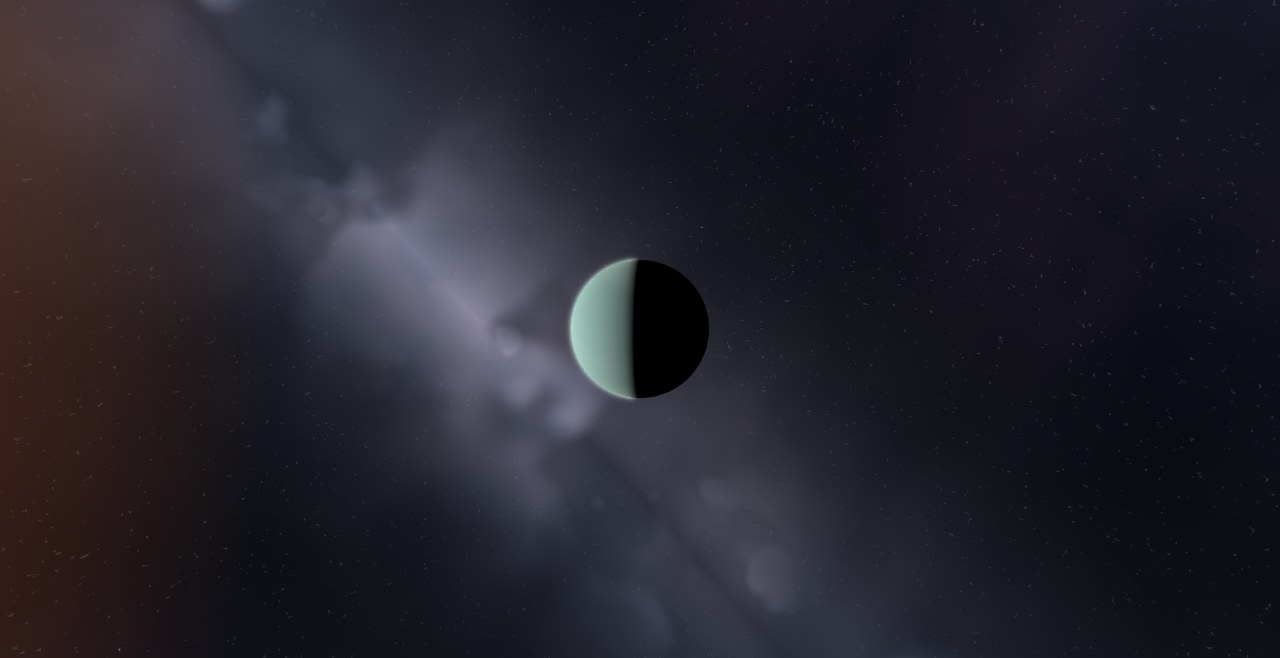
GJ 674, a cool M-dwarf of 0.35 solar masses, and GJ 674 b, a 11.1-Earth-mass planet, with an orbital period of 4.7 days, at 0.039 AU from its star, on an eccentric orbit (e ≈ 0.20).
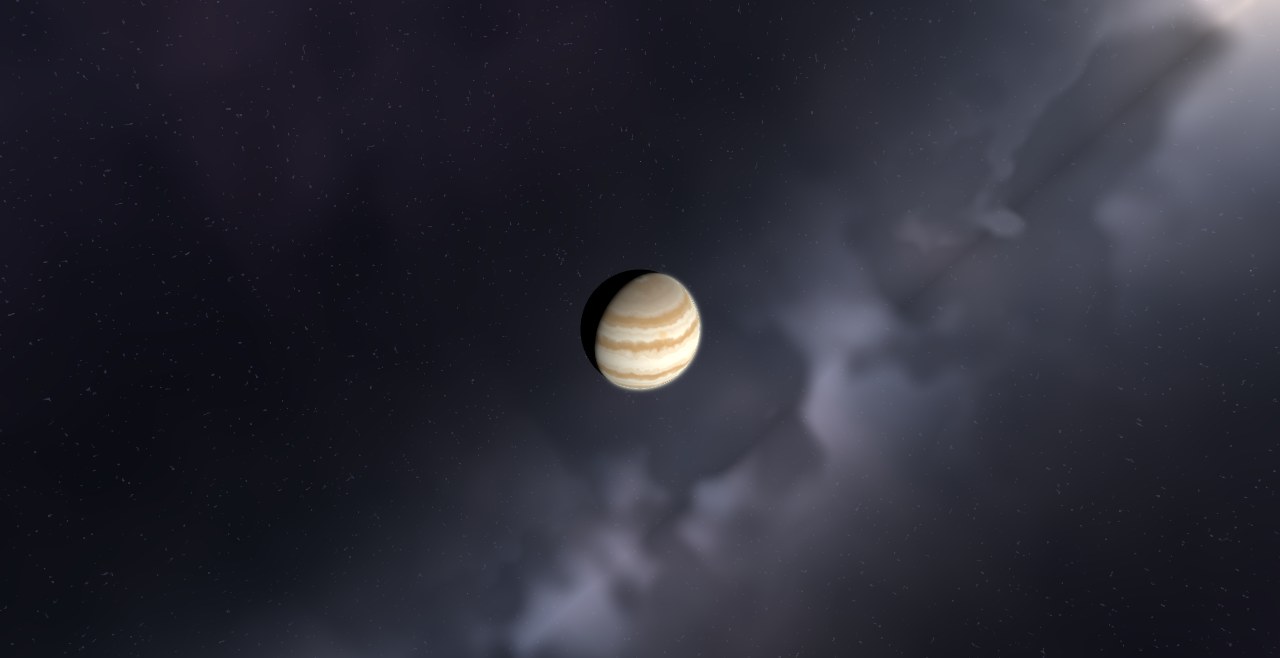
GJ 676 A, an orange K-type dwarf of 0.63 solar masses, and GJ 676 A d, a 3.8-Earth-mass planet, with an orbital period of 3.6 days, at 0.039 AU from its star, on an eccentric orbit (e ≈ 0.19).
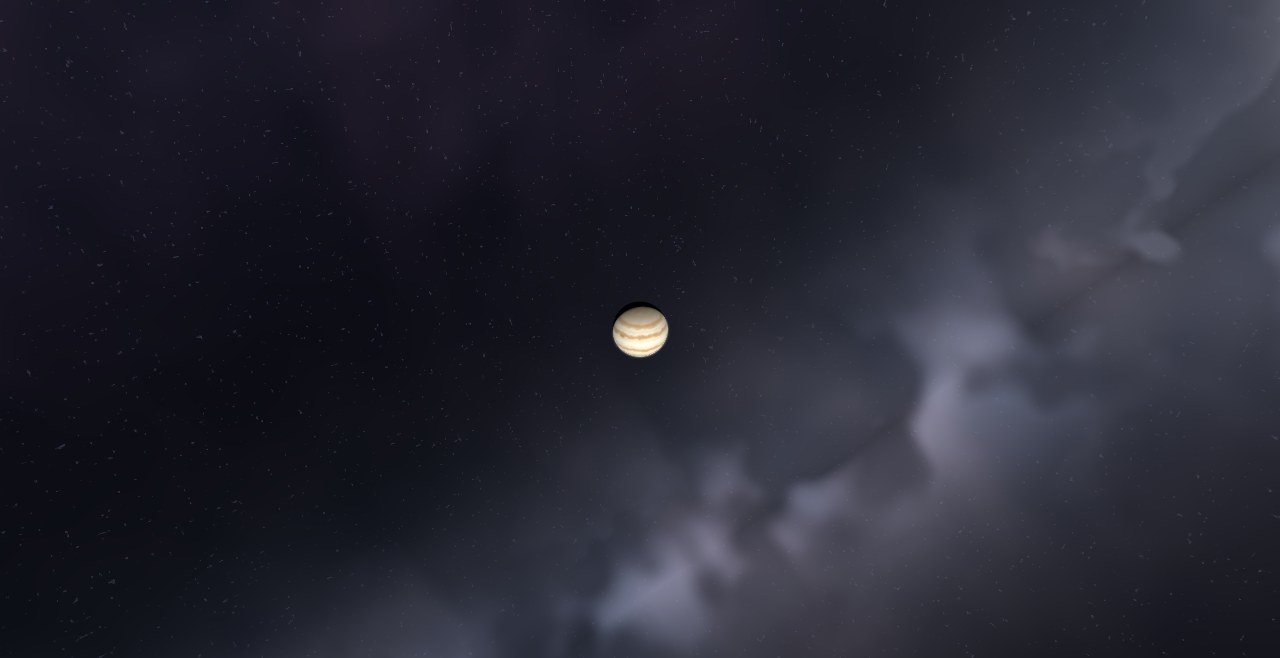
GJ 680, a cool M-dwarf of 0.46 solar masses, and GJ 680 b, a 25.1-Jupiter-mass companion, with an orbital period of 47.3 years, at 10.1 AU from its star, on an eccentric orbit (e ≈ 0.38).
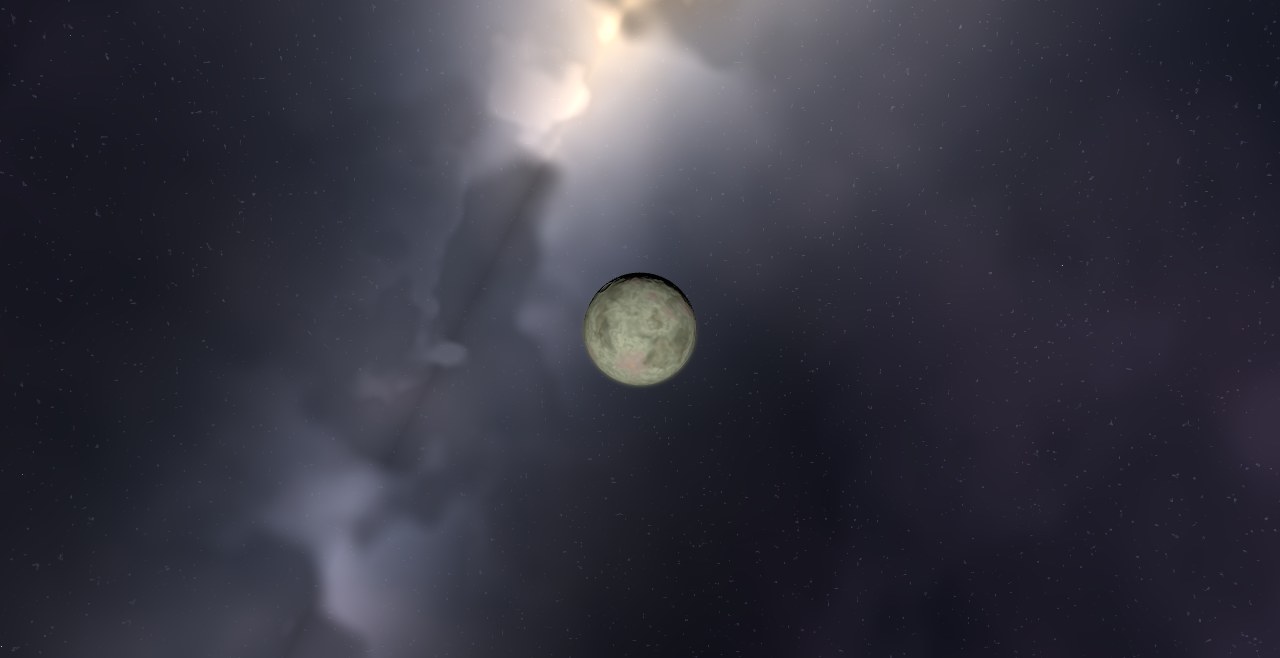
GJ 682, a cool M-dwarf of 0.27 solar masses, and GJ 682 b, a 4.4-Earth-mass planet, with an orbital period of 17.5 days, at 0.080 AU from its star, on an eccentric orbit (e ≈ 0.08).
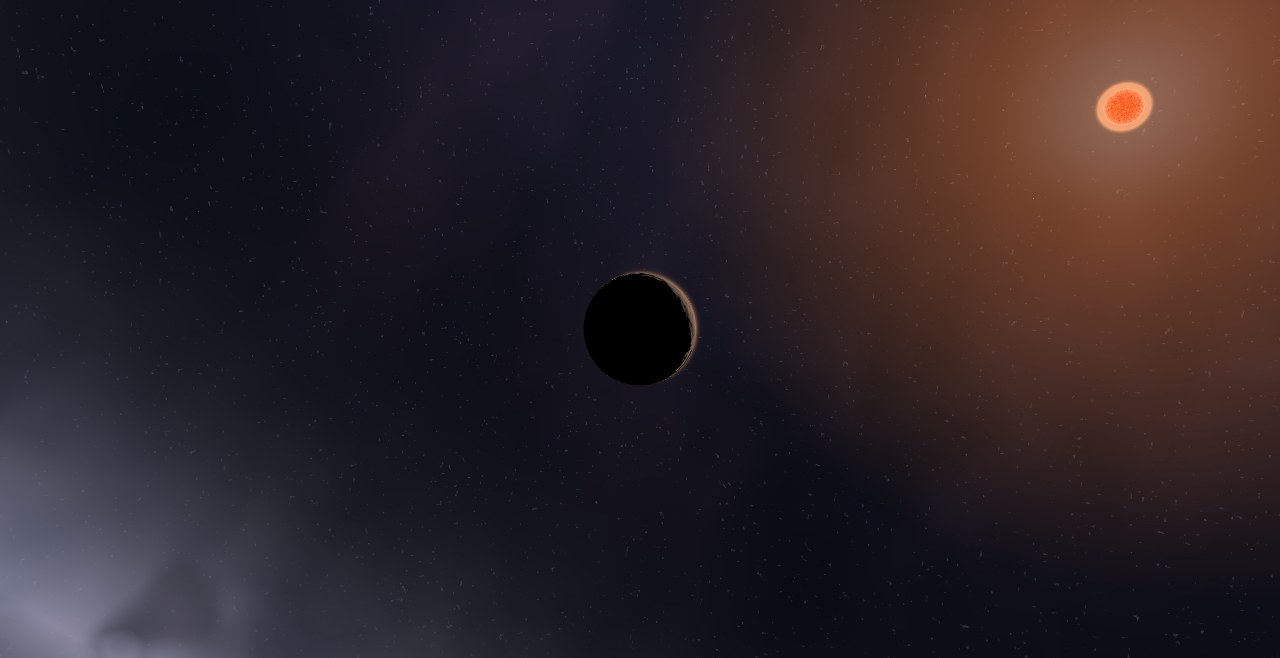
GJ 685, a cool M-dwarf of 0.55 solar masses, and GJ 685 b, a 9.0-Earth-mass planet, with an orbital period of 24.2 days, at 0.134 AU from its star.
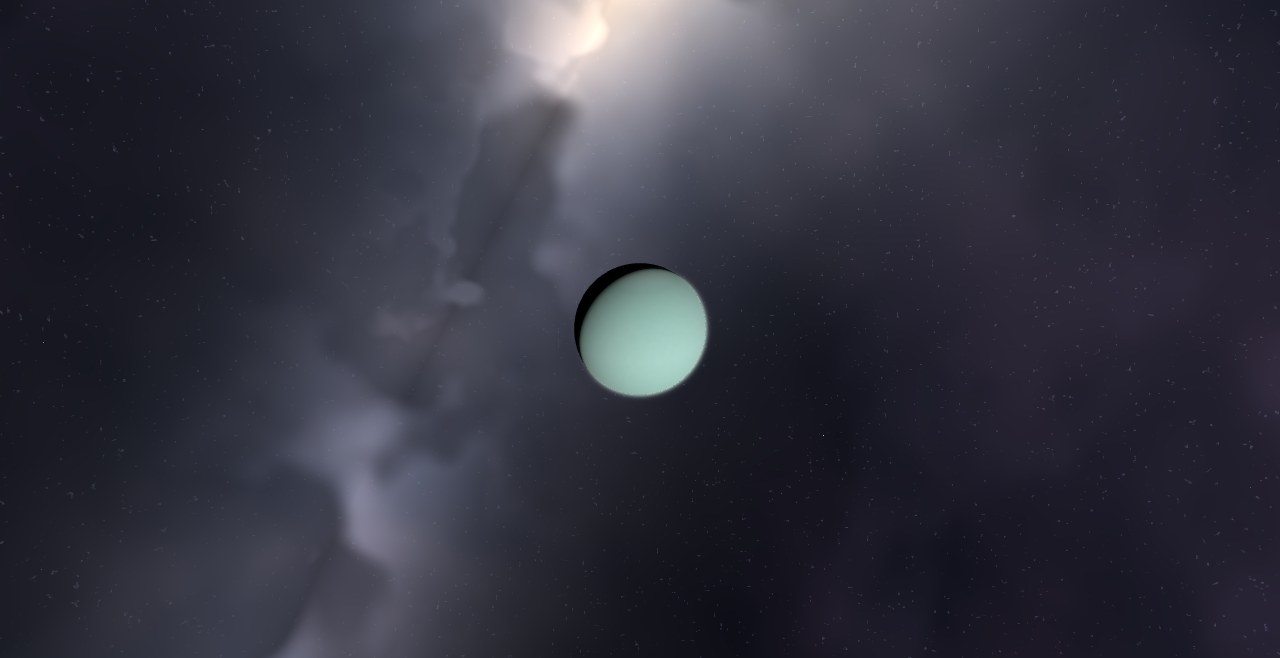
GJ 687, a cool M-dwarf of 0.40 solar masses, and GJ 687 b, a 0.05-Jupiter-mass companion, with an orbital period of 38.1 days, at 0.163 AU from its star, on an eccentric orbit (e ≈ 0.17).
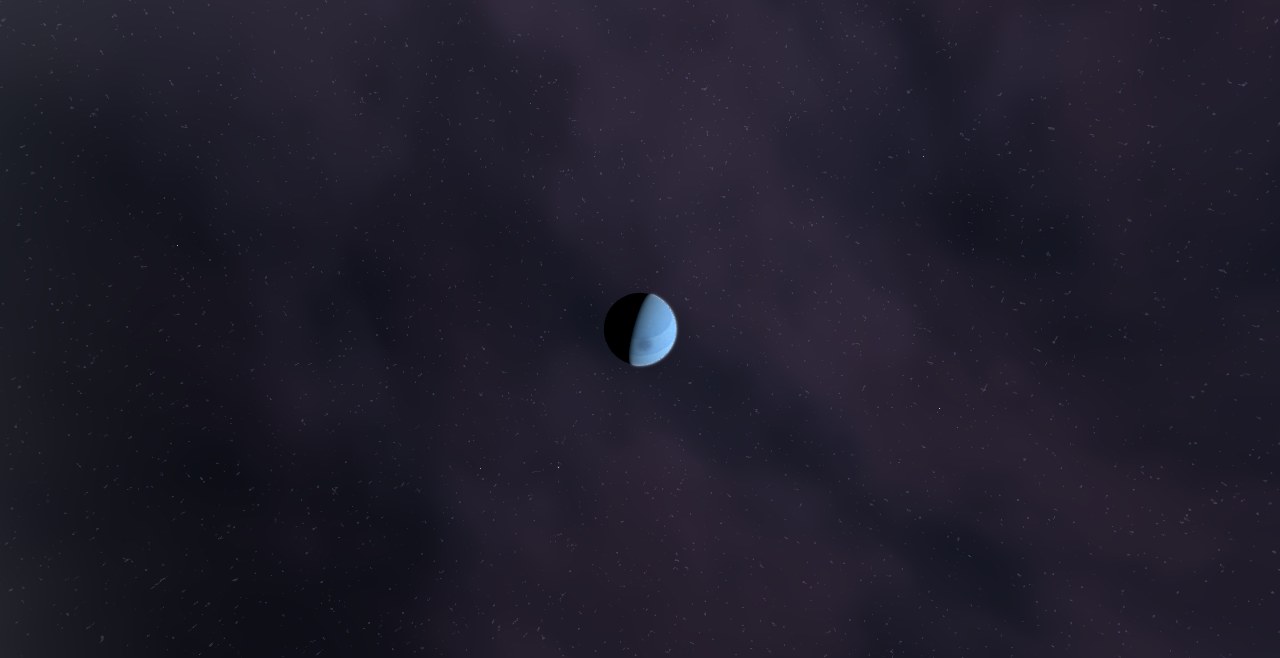
GJ 720 A, a cool M-dwarf of 0.57 solar masses, and GJ 720 A b, a 13.6-Earth-mass planet, with an orbital period of 19.5 days, at 0.119 AU from its star, and an equilibrium temperature near 401 K.