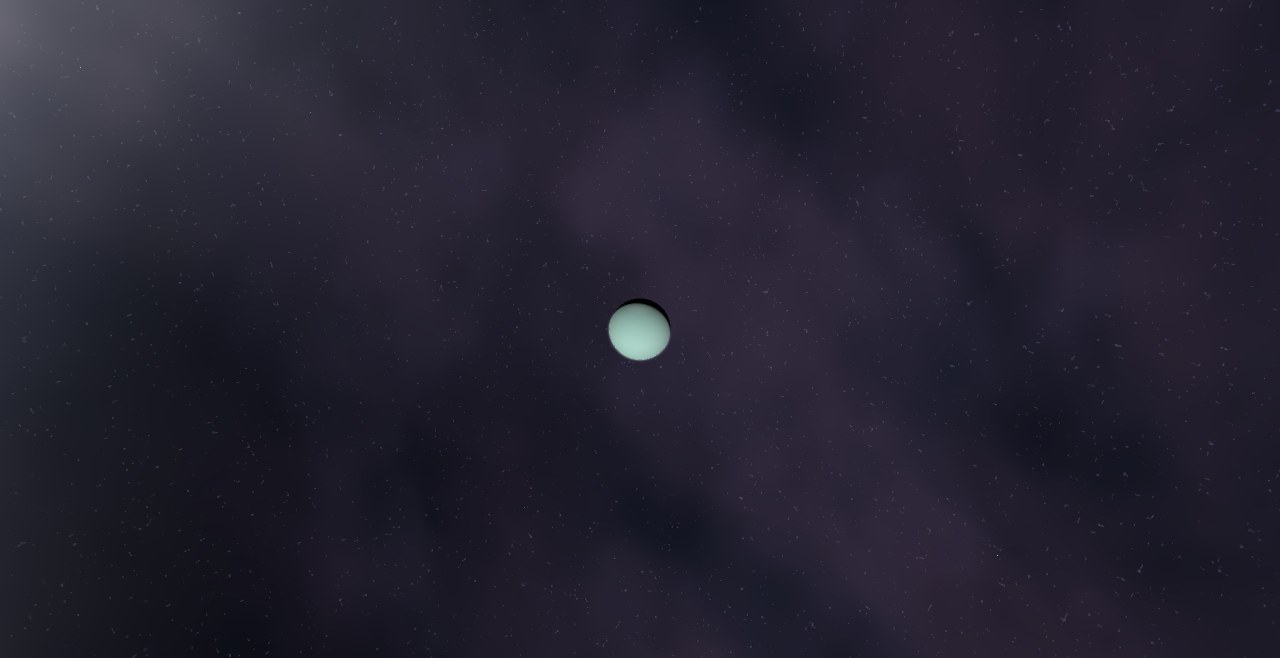
GJ 724 - System
GJ 724, a cool M-dwarf of 0.53 solar masses, and GJ 724 b, a 10.8-Earth-mass planet, with an orbital period of 5.1 days, at 0.047 AU from its star, and an equilibrium temperature near 611 K, on an eccentric.
Scenarios
Discover alien solar systems and explore worlds far beyond our own. Simulate extreme orbital environments, habitable zones, and tightly packed resonant chains discovered by modern astronomy, all mapped accurately from real exoplanetary discovery data.
Share
GJ 724, a cool M-dwarf of 0.53 solar masses, and GJ 724 b, a 10.8-Earth-mass planet, with an orbital period of 5.1 days, at 0.047 AU from its star, and an equilibrium temperature near 611 K, on an eccentric.
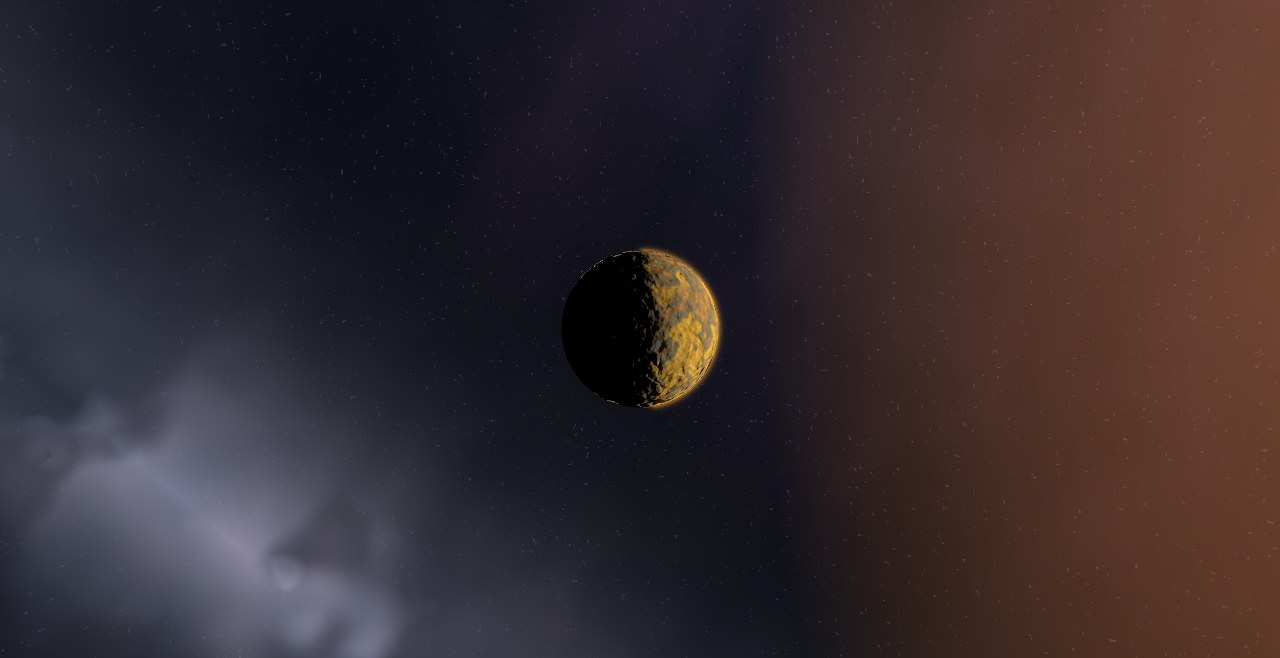
GJ 740, a cool M-dwarf of 0.58 solar masses, and GJ 740 b, a 3.0-Earth-mass planet, with an orbital period of 2.4 days, at 0.029 AU from its star, and an equilibrium temperature near 829 K, on an eccentric.
GJ 806, a cool M-dwarf of 0.41 solar masses, and GJ 806 b, a 1.9-Earth-mass planet, with an orbital period of 22.2 hours, at 0.014 AU from its star, and an equilibrium temperature near 940 K.
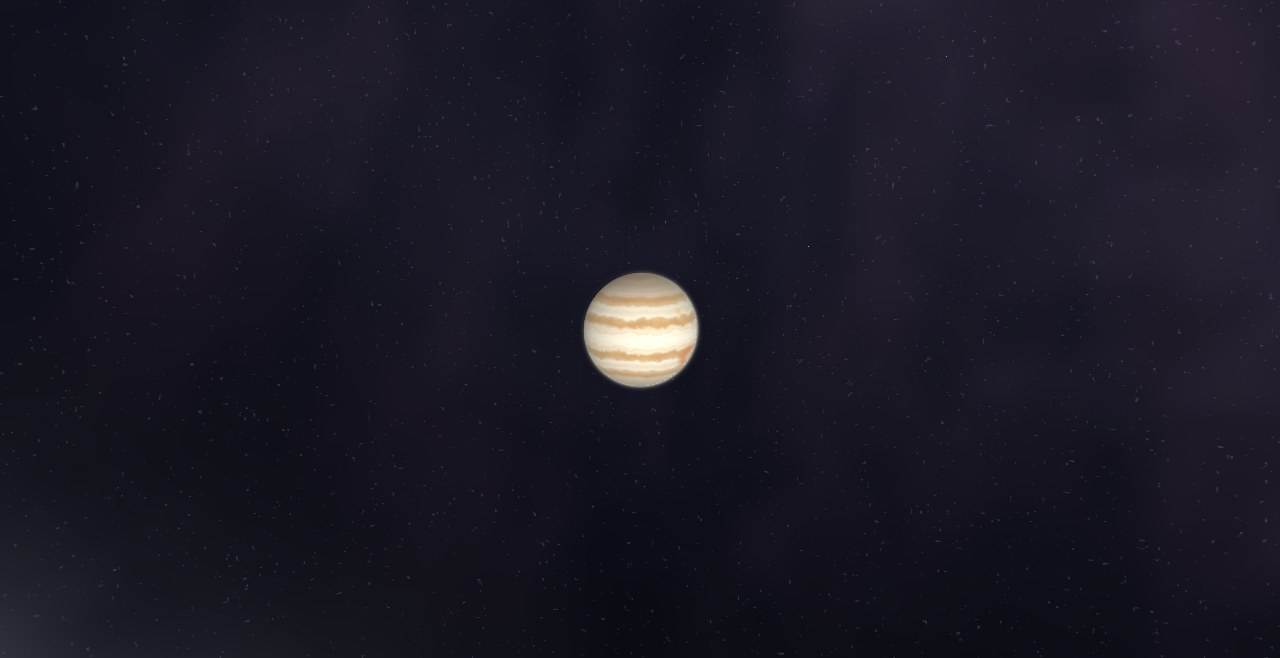
GJ 832, a cool M-dwarf of 0.45 solar masses, and GJ 832 b, a 0.99-Jupiter-mass companion, with an orbital period of 10.5 years, at 3.700 AU from its star.
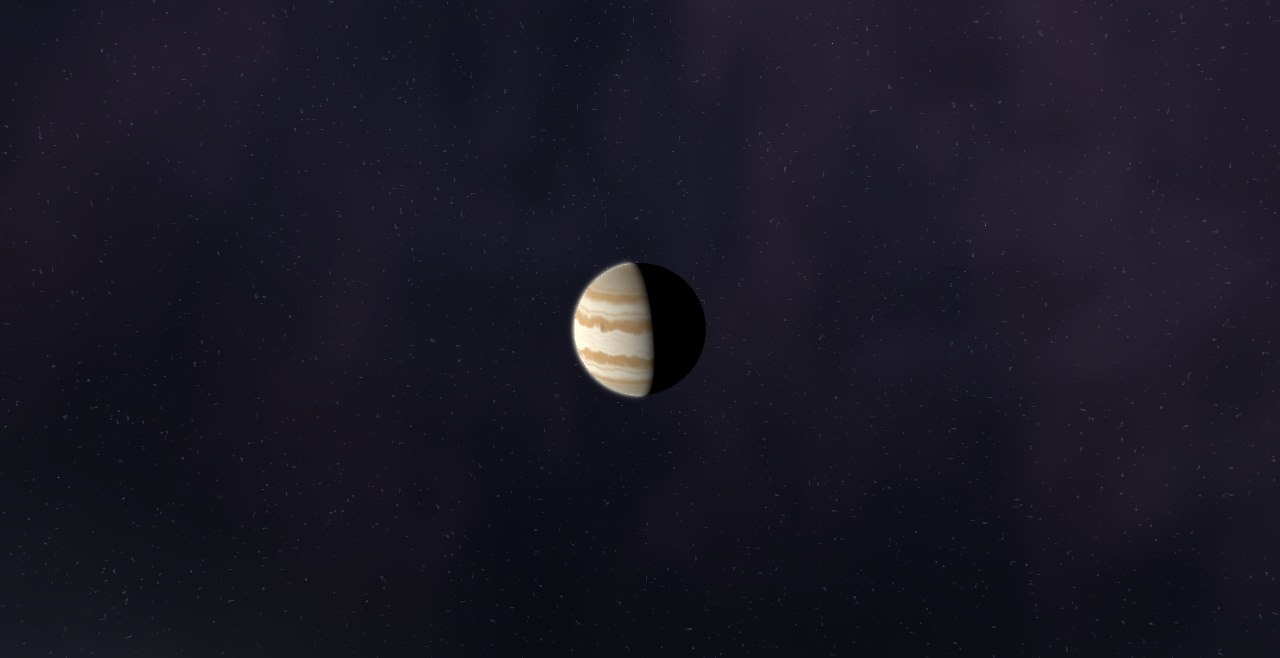
GJ 849, a cool M-dwarf of 0.45 solar masses, and GJ 849 b, a 0.89-Jupiter-mass companion, with an orbital period of 5.27 years, at 2.320 AU from its star.
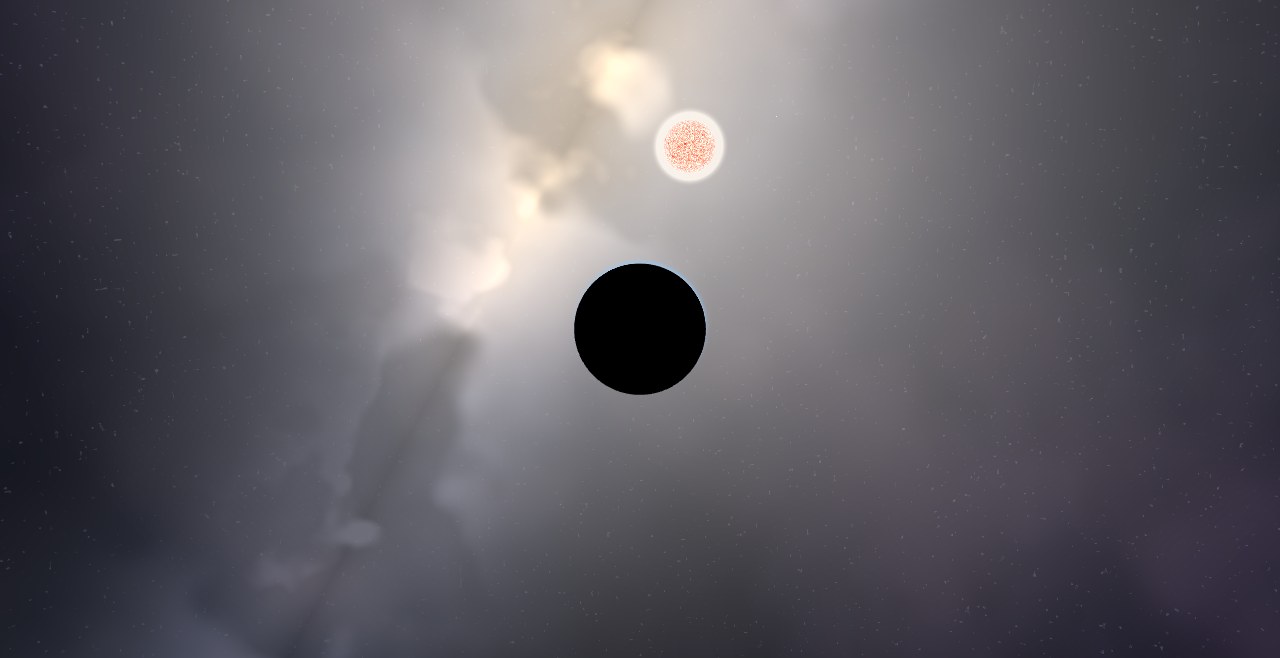
GJ 86, an orange K-type dwarf of 0.93 solar masses, and GJ 86 b, a 4.42-Jupiter-mass companion, with an orbital period of 15.8 days, at 0.110 AU from its star.
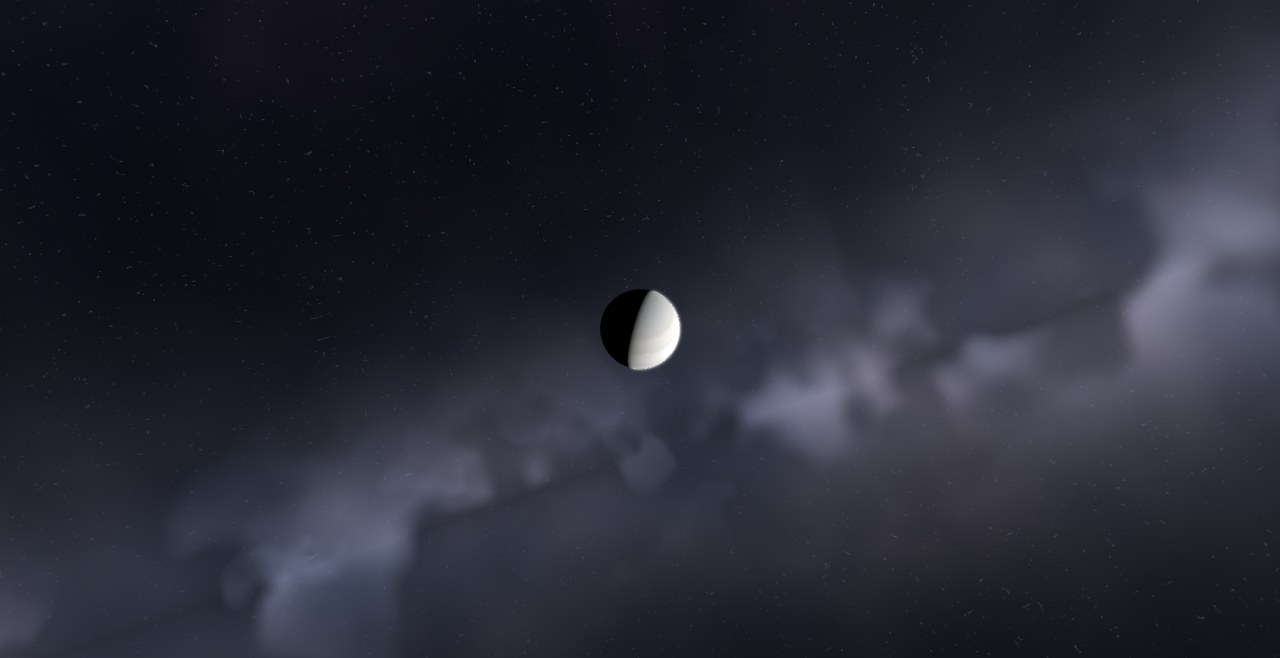
GJ 876, the first planet found around a red dwarf. Its giants are locked in a Laplace resonance, so their orbits keep a repeating gravitational rhythm.
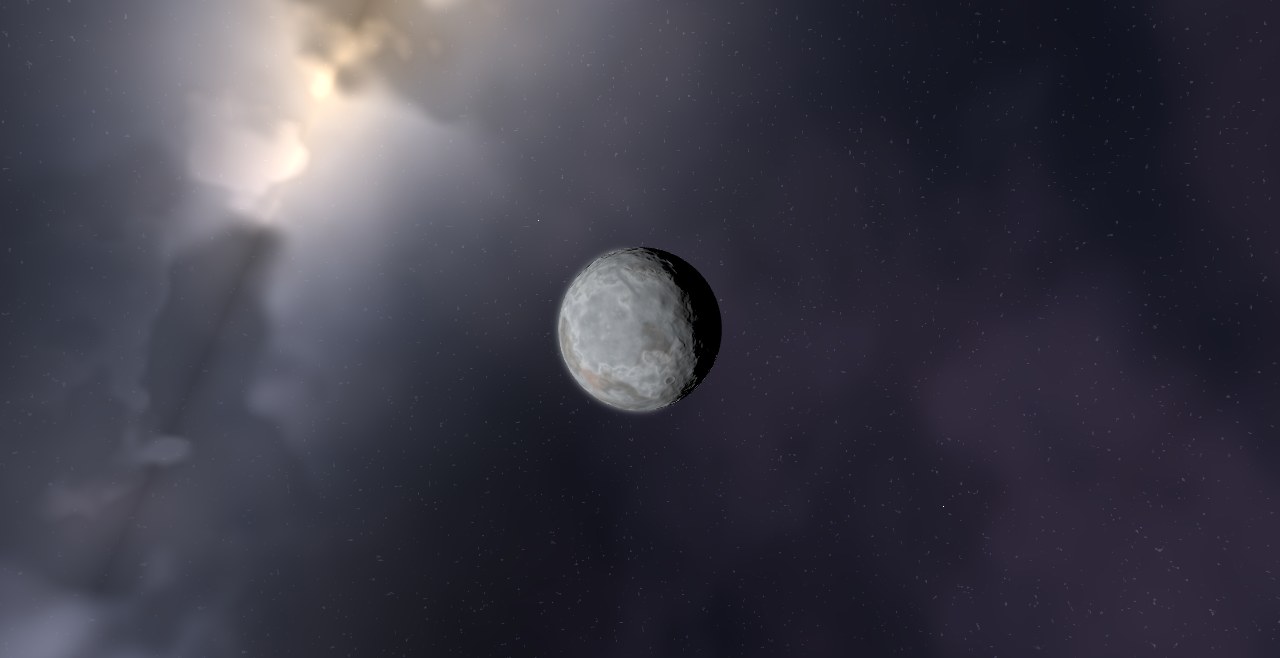
GJ 887, a cool M-dwarf of 0.49 solar masses, and GJ 887 e, a 1.5-Earth-mass planet, with an orbital period of 4.4 days, at 0.042 AU from its star, and an equilibrium temperature near 544 K.
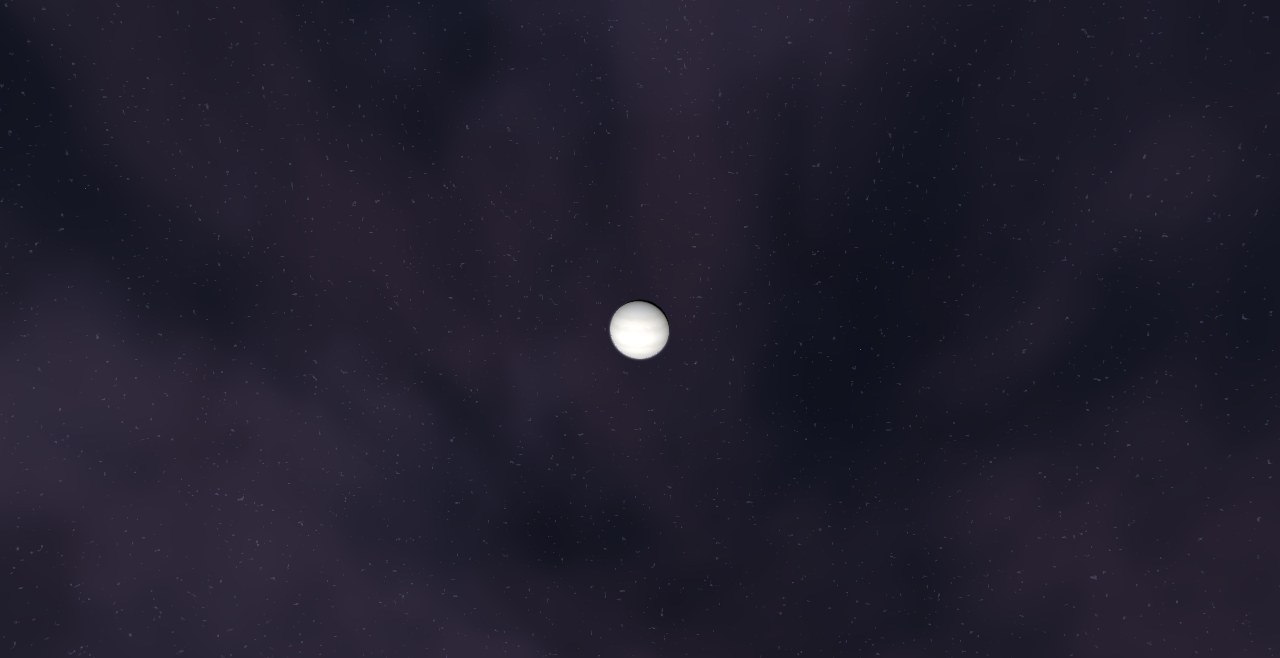
GJ 896 A, a cool M-dwarf of 0.44 solar masses, and GJ 896 A b, a 2.26-Jupiter-mass companion, with an orbital period of 284 days, at 0.640 AU from its star, on an eccentric orbit (e ≈ 0.35).
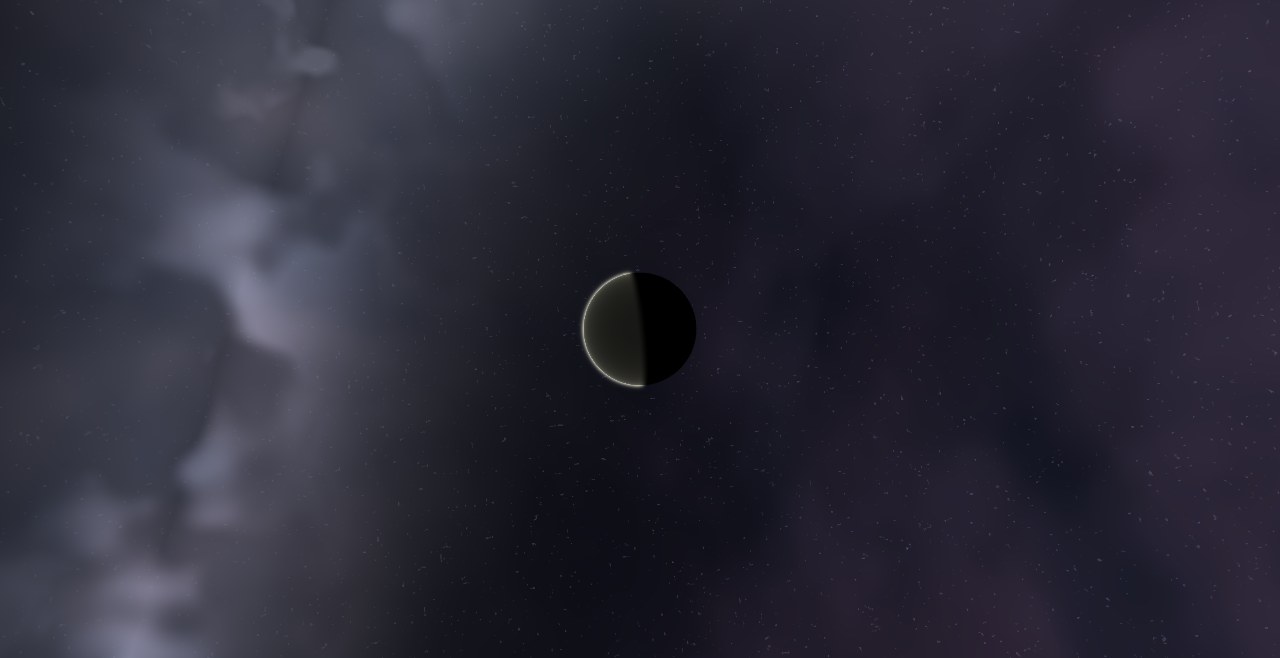
GJ 900 A, an orange K-type dwarf of 1.08 solar masses, and GJ 900 b, a 11.0-Jupiter-mass companion, at 12,000 AU from its star.
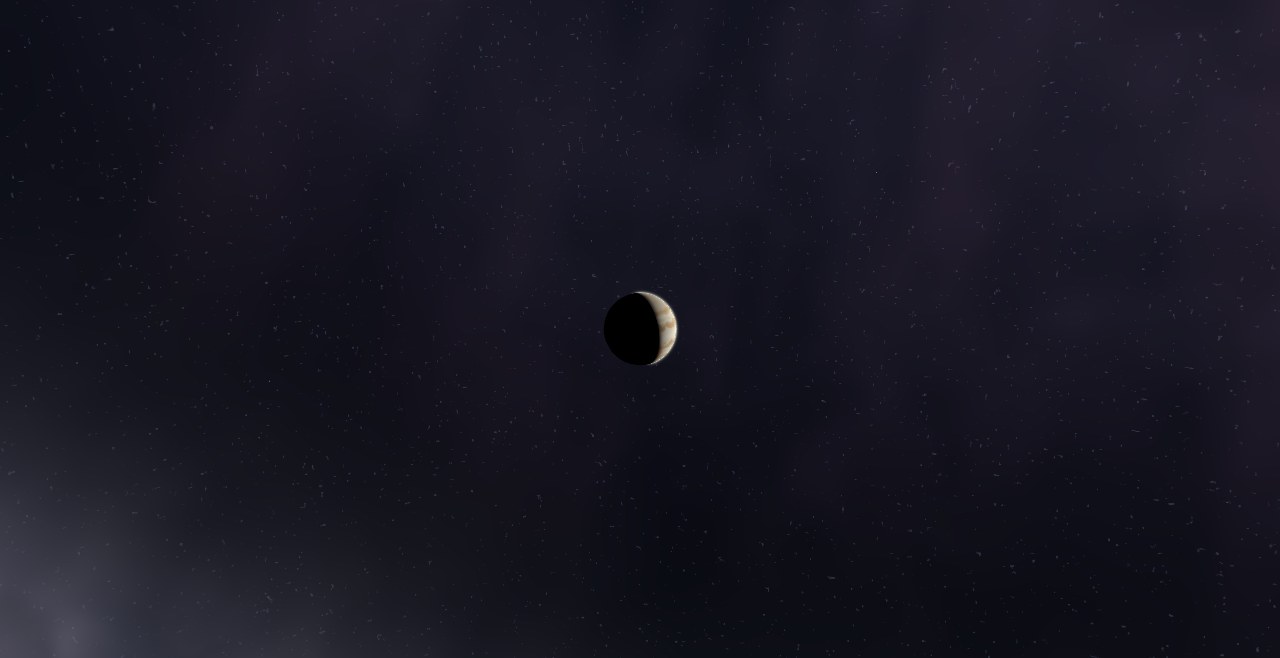
GJ 9066, a cool M-dwarf of 0.15 solar masses, and GJ 9066 c, a 0.21-Jupiter-mass companion, with an orbital period of 2.11 years, at 0.880 AU from its star, on an eccentric orbit (e ≈ 0.46).
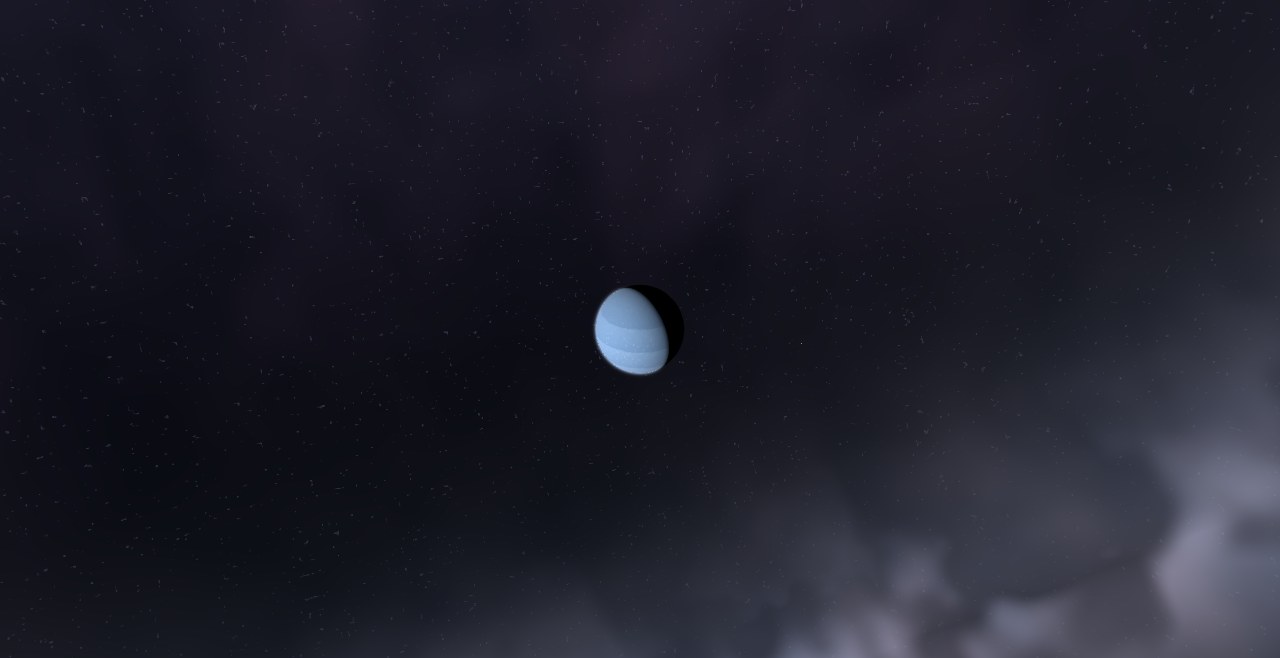
GJ 9404, an orange K-type dwarf of 0.62 solar masses, and GJ 9404 b, a 11.9-Earth-mass planet, with an orbital period of 13.5 days, at 0.094 AU from its star, on an eccentric orbit (e ≈ 0.49).
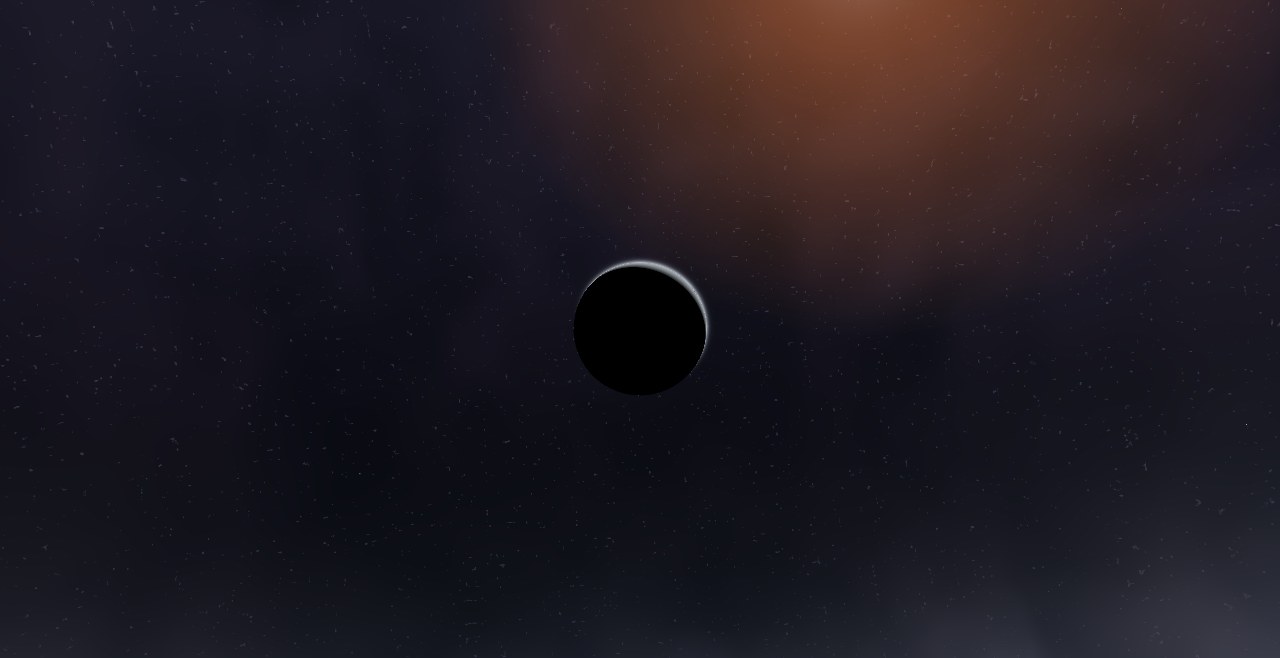
GJ 96, a cool M-dwarf of 0.60 solar masses, and GJ 96 b, a 0.06-Jupiter-mass companion, with an orbital period of 73.9 days, at 0.291 AU from its star, on an eccentric orbit (e ≈ 0.44).
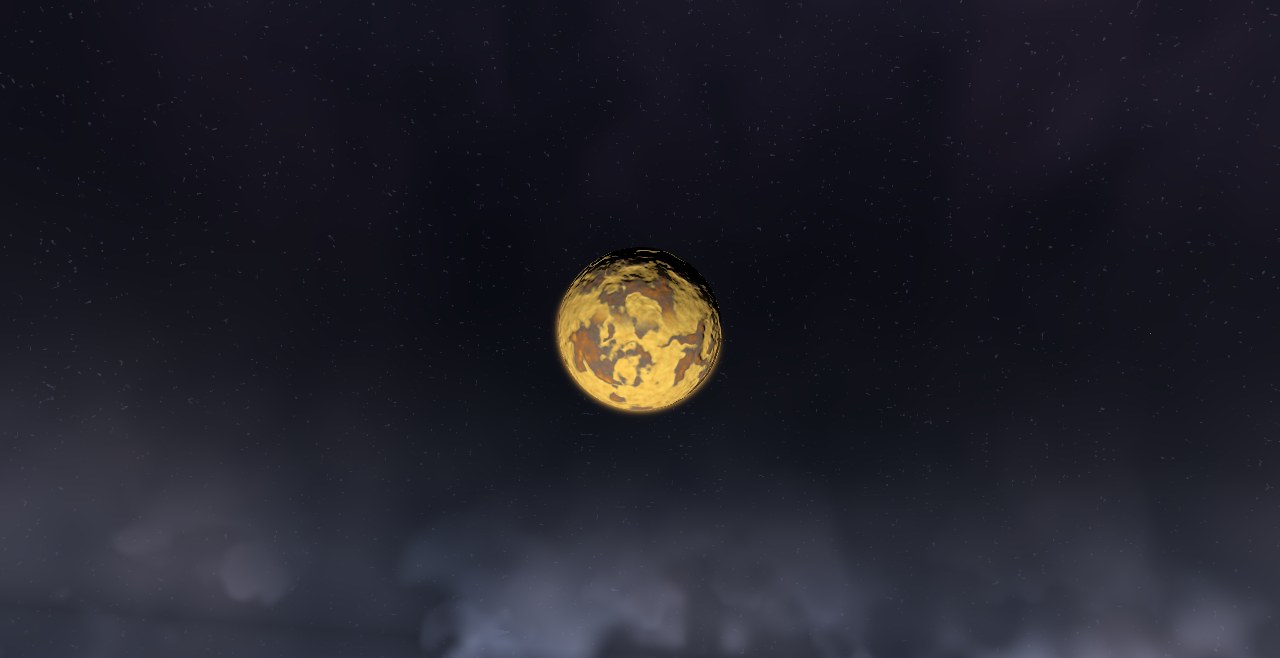
GJ 9689, a cool M-dwarf of 0.59 solar masses, and GJ 9689 b, a 9.7-Earth-mass planet, with an orbital period of 18.3 days, at 0.114 AU from its star, and an equilibrium temperature near 453 K, on an eccentric.
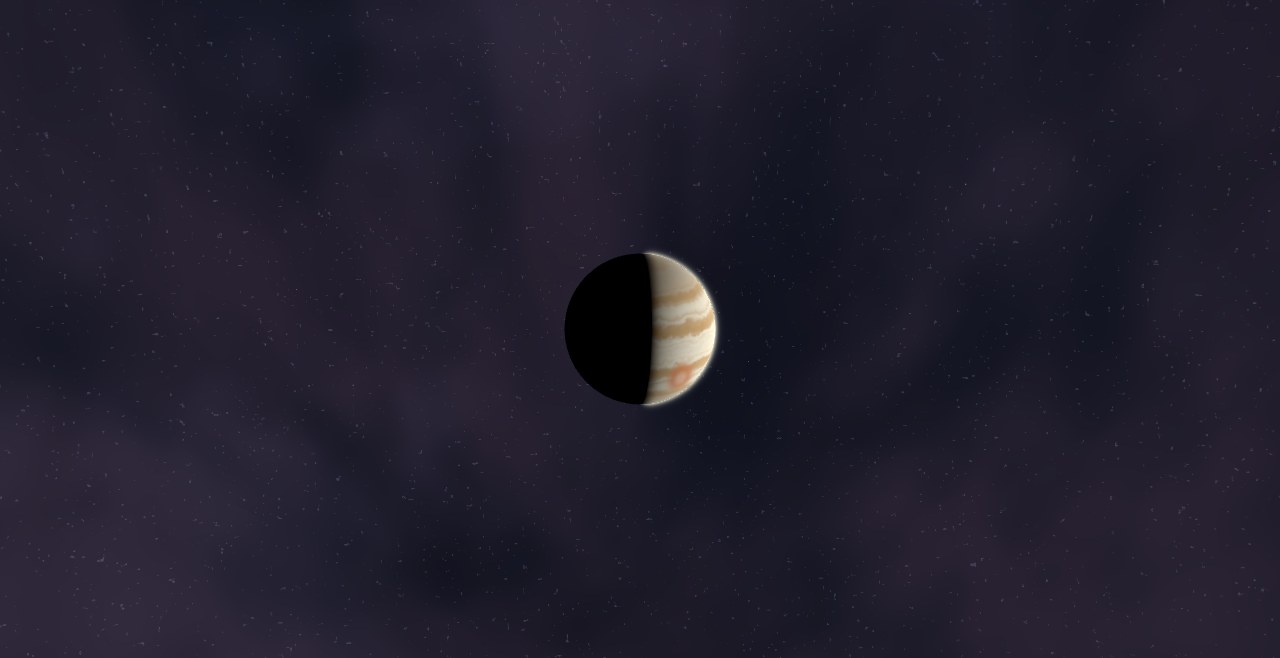
GJ 9714, an orange K-type dwarf of 0.67 solar masses, and GJ 9714 b, a 9.40-Jupiter-mass companion, with an orbital period of 52.7 years, at 12.3 AU from its star, on an eccentric orbit (e ≈ 0.15).
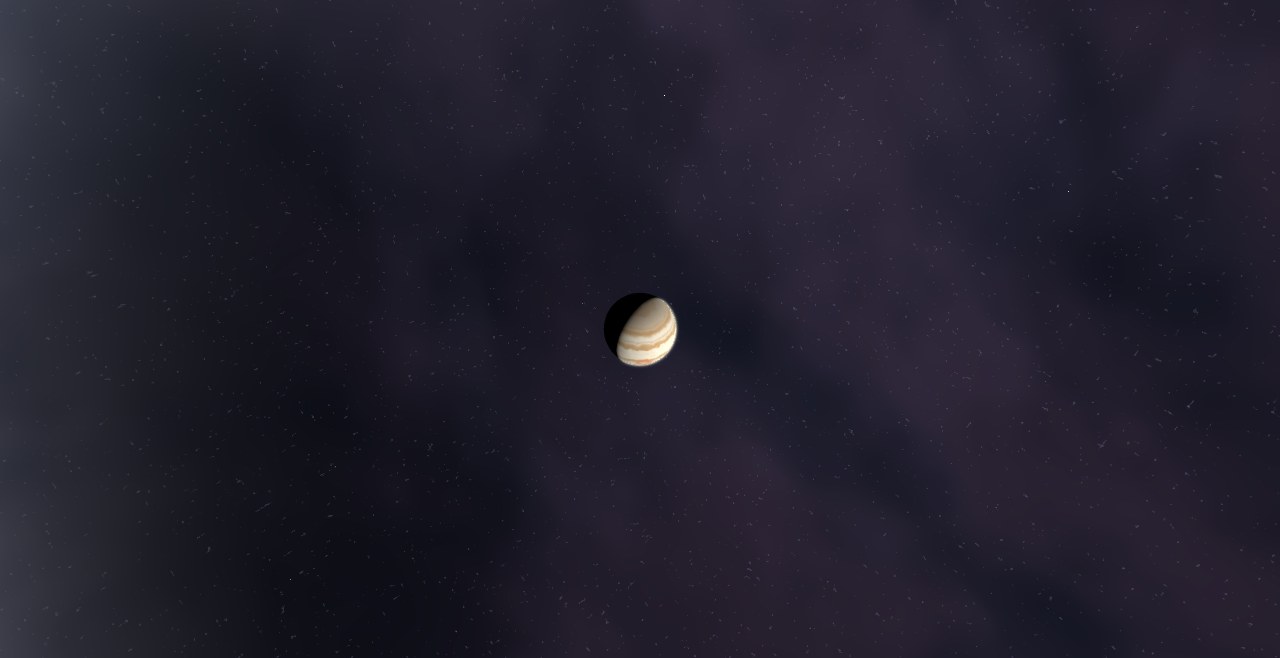
GJ 9773, a cool M-dwarf of 0.36 solar masses, and GJ 9773 b, a 0.54-Jupiter-mass companion, with an orbital period of 8.12 years, at 2.921 AU from its star, on an eccentric orbit (e ≈ 0.22).
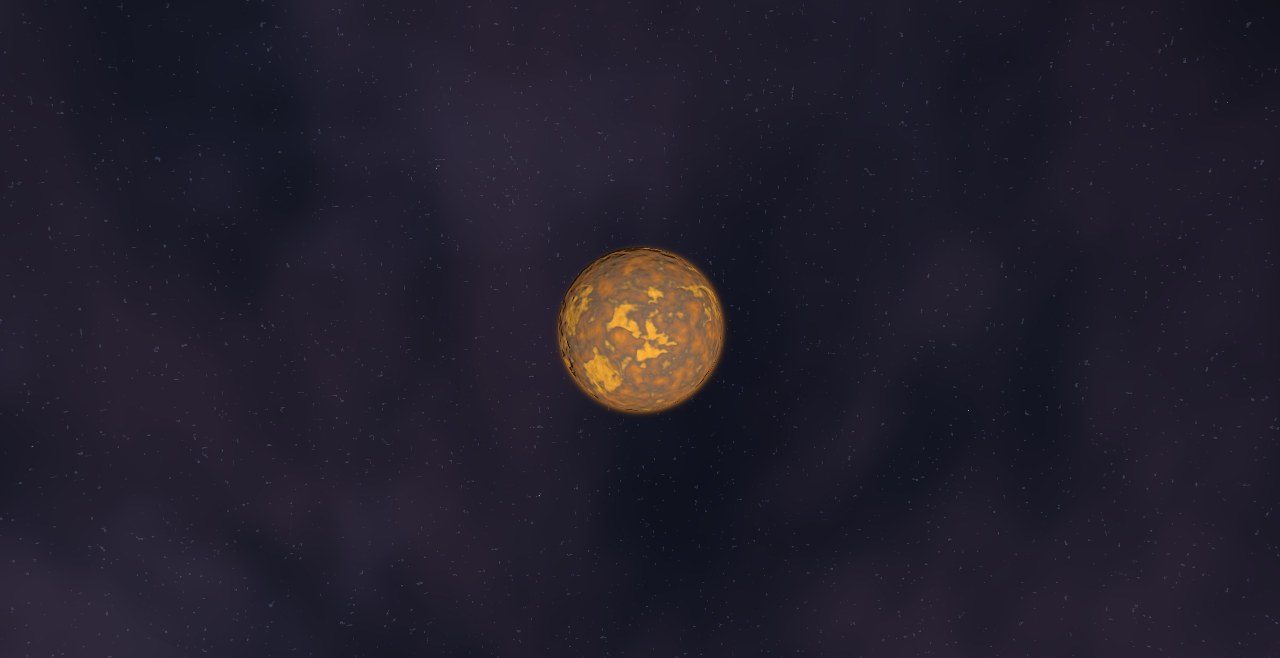
GJ 9827, three planets straddling the radius valley. Neighbors on either side of the rocky-to-gaseous divide orbit the same star. The three planets were found by K2 photometry.
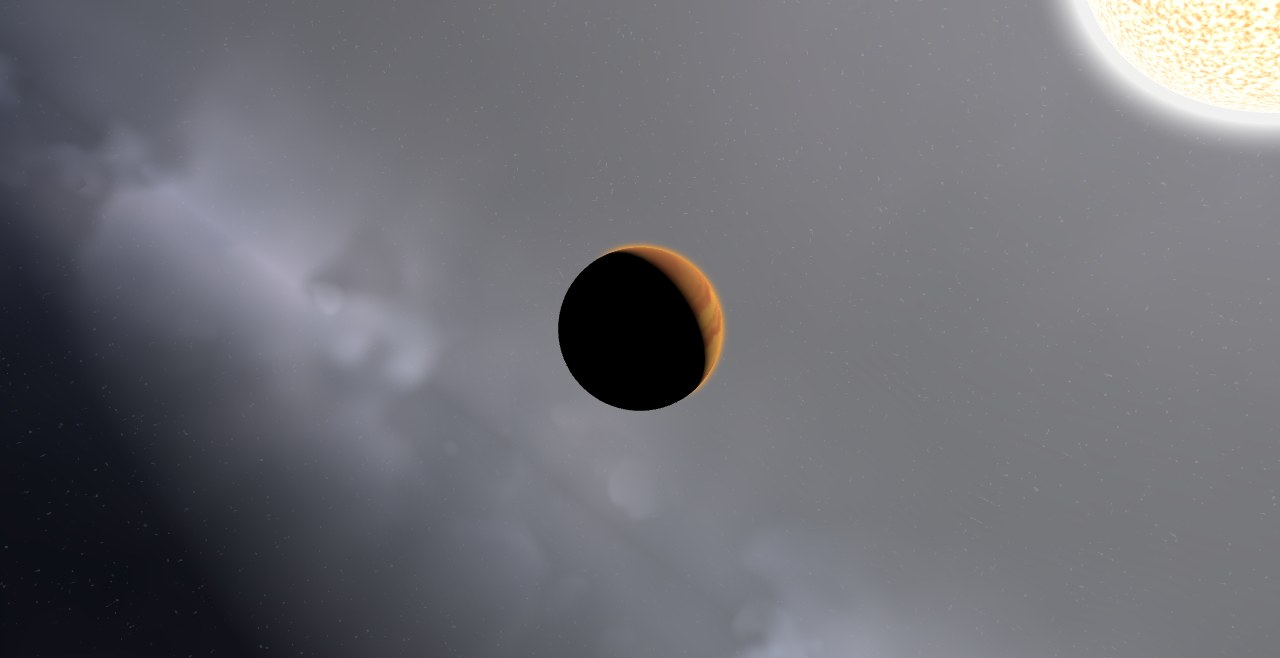
GPX-1, a Sun-like F-type star of 1.68 solar masses, and GPX-1 b, a 19.7-Jupiter-mass companion, with an orbital period of 1.7 days, at 0.034 AU from its star, and an equilibrium temperature near 2,300 K.