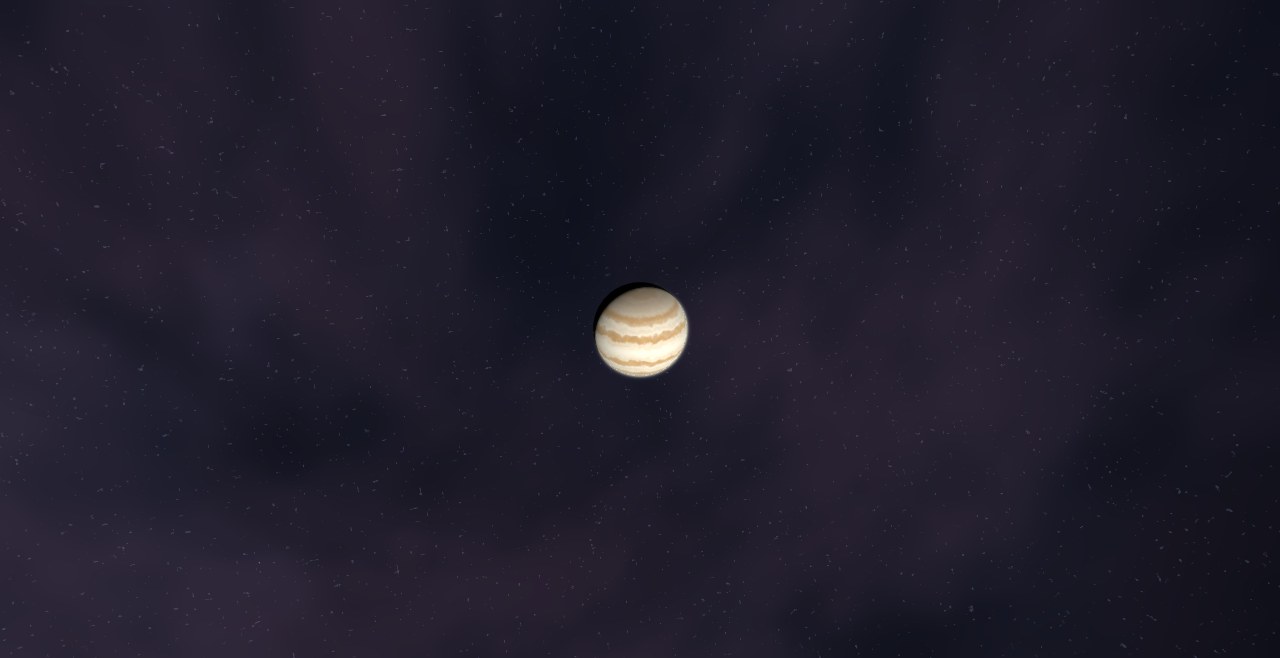
GQ Lup - System
GQ Lup, an orange K-type dwarf of 0.70 solar masses, and GQ Lup b, a 20.0-Jupiter-mass companion, at 100 AU from its star, and an equilibrium temperature near 2,650 K.
Scenarios
Discover alien solar systems and explore worlds far beyond our own. Simulate extreme orbital environments, habitable zones, and tightly packed resonant chains discovered by modern astronomy, all mapped accurately from real exoplanetary discovery data.
Share
GQ Lup, an orange K-type dwarf of 0.70 solar masses, and GQ Lup b, a 20.0-Jupiter-mass companion, at 100 AU from its star, and an equilibrium temperature near 2,650 K.
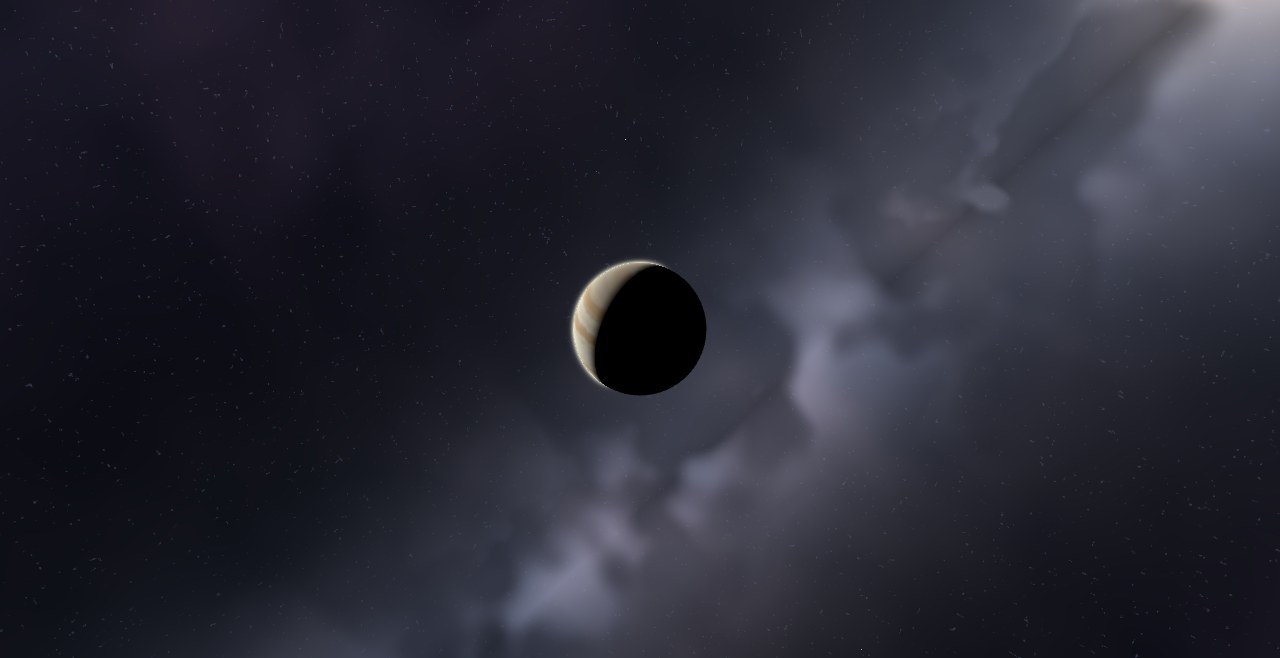
GSC 06214-00210, an orange K-type dwarf of 0.90 solar masses, and GSC 06214-00210 b, a 16.0-Jupiter-mass companion, at 320 AU from its star, and an equilibrium temperature near 2,300 K.
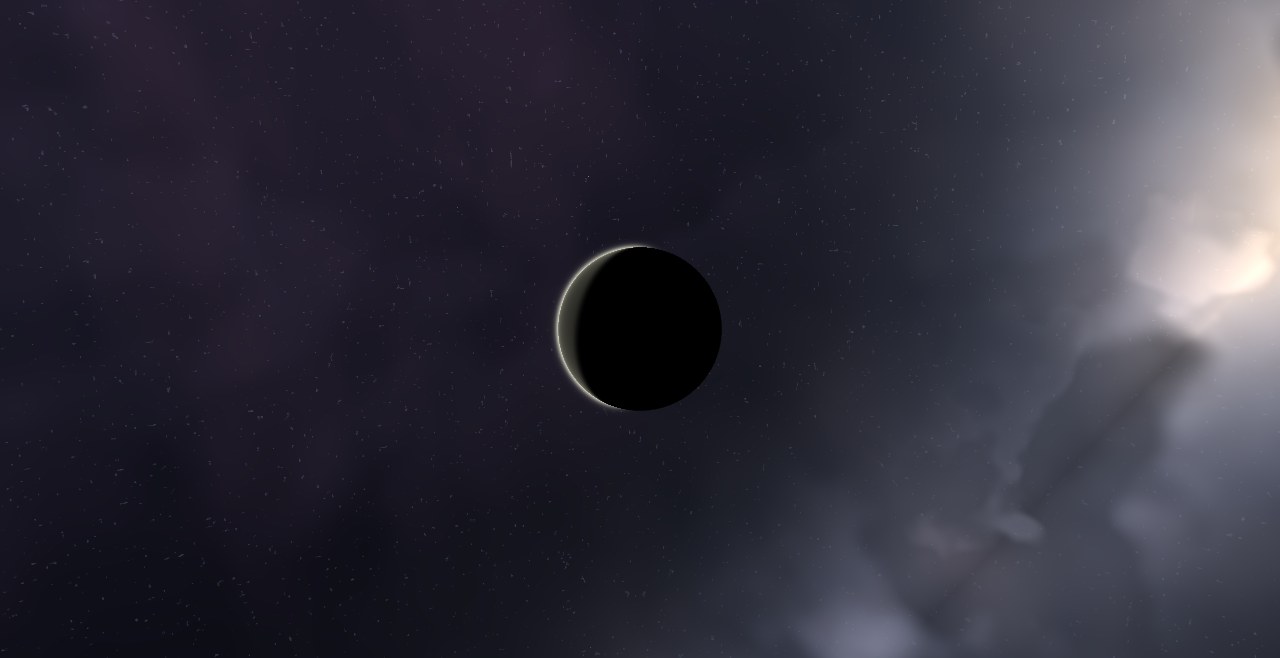
GU Psc, a cool M-dwarf of 0.33 solar masses, and GU Psc b, a 11.3-Jupiter-mass companion, at 2,000 AU from its star, and an equilibrium temperature near 1,050 K.
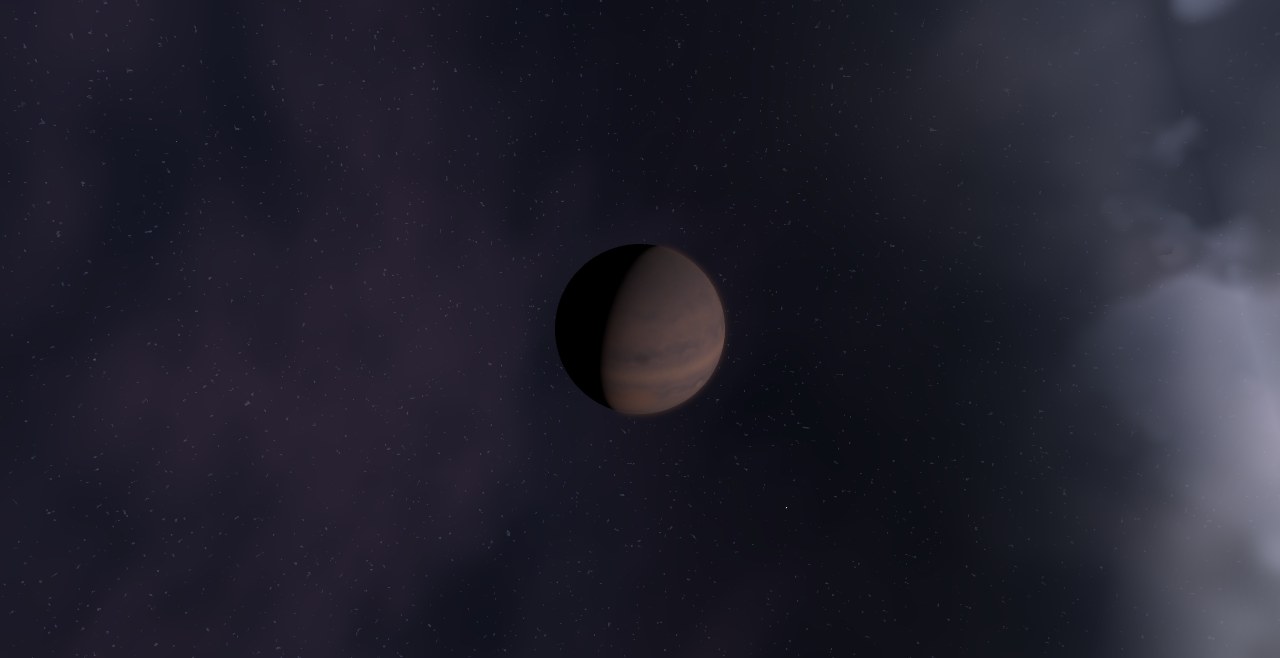
Gaia-1, a Sun-like G-type star of 0.95 solar masses, and Gaia-1 b, a 1.68-Jupiter-mass companion, with an orbital period of 3.1 days, at 0.040 AU from its star.
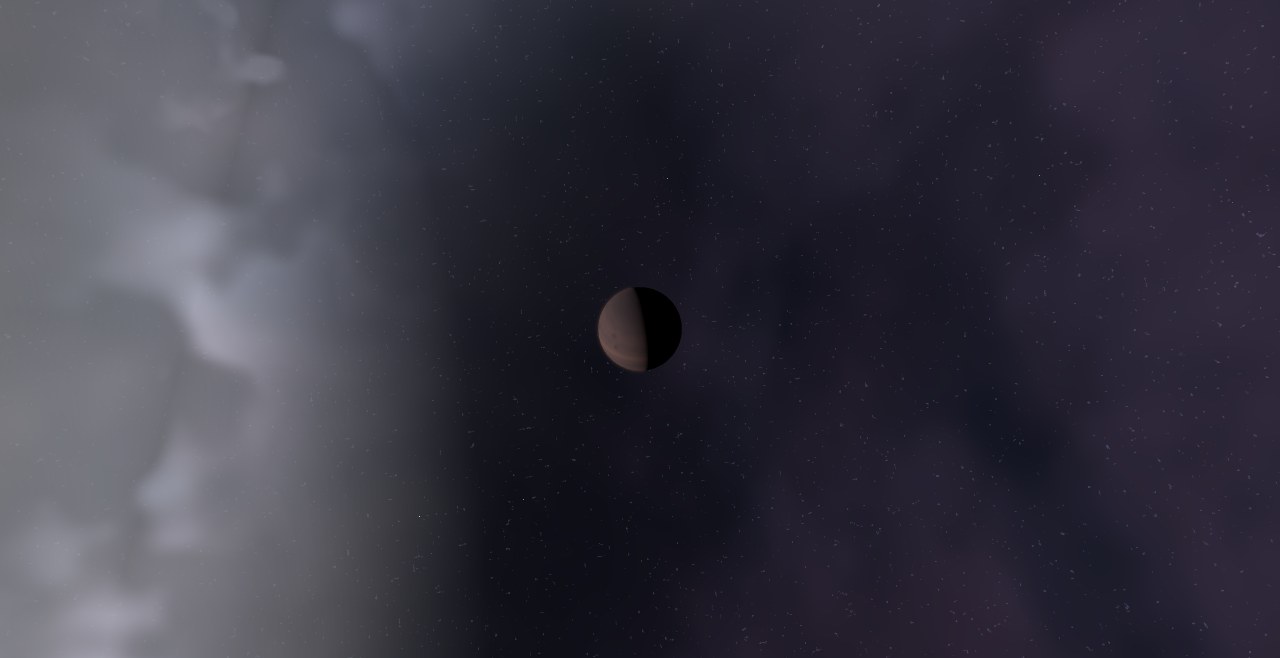
Gaia-2, a Sun-like G-type star of 1.00 solar masses, and Gaia-2 b, a 0.82-Jupiter-mass companion, with an orbital period of 3.7 days, at 0.047 AU from its star.
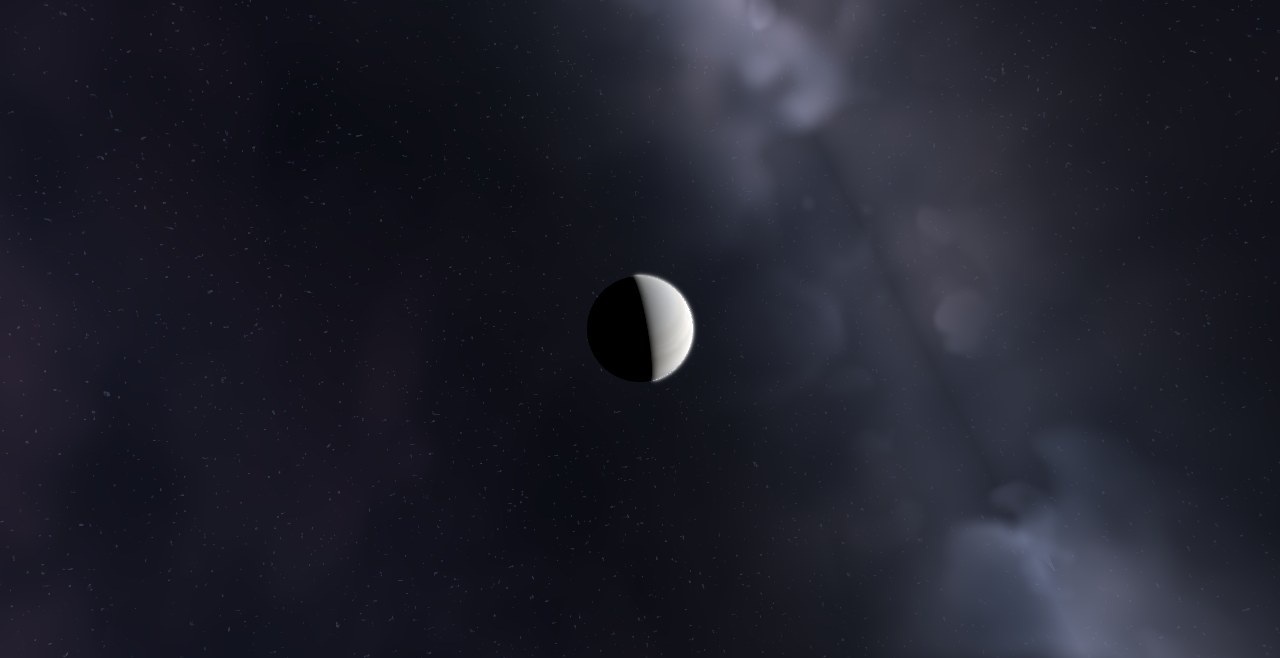
Gaia22dkvL, a Sun-like G-type star of 1.15 solar masses, and Gaia22dkvL b, a 0.59-Jupiter-mass companion, at 1.400 AU from its star.
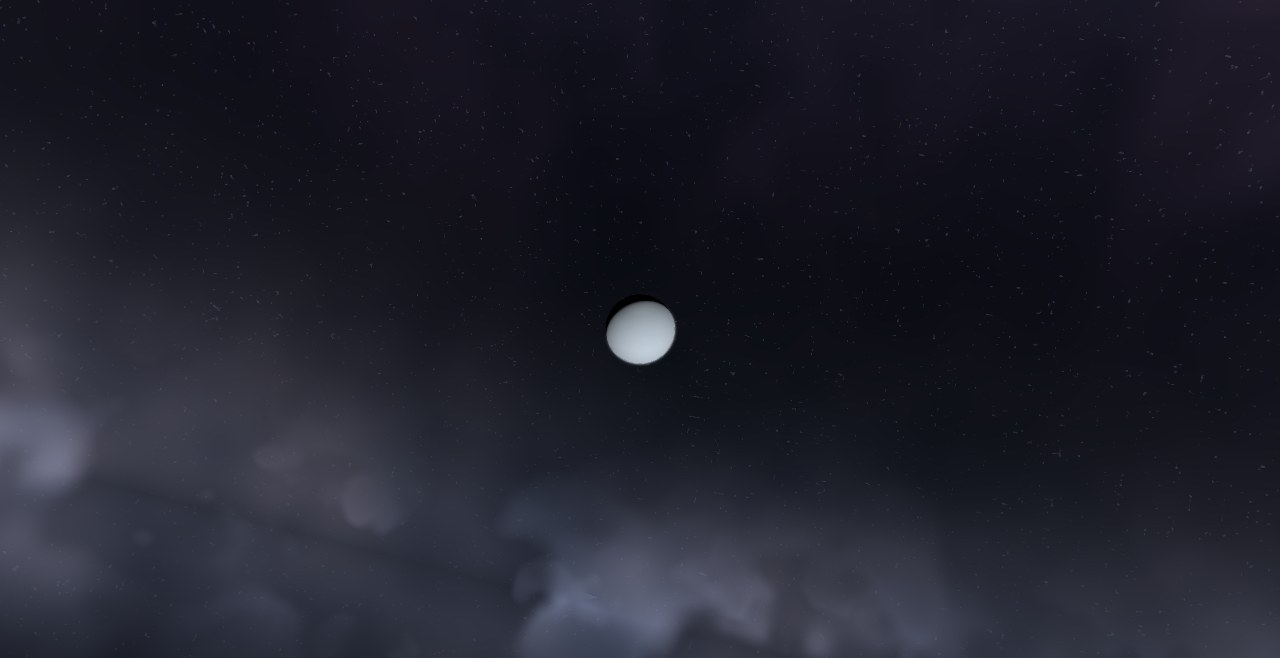
Gl 378, a cool M-dwarf of 0.56 solar masses, and Gl 378 b, a 13.0-Earth-mass planet, with an orbital period of 3.8 days, at 0.039 AU from its star, and an equilibrium temperature near 830 K, on an eccentric.
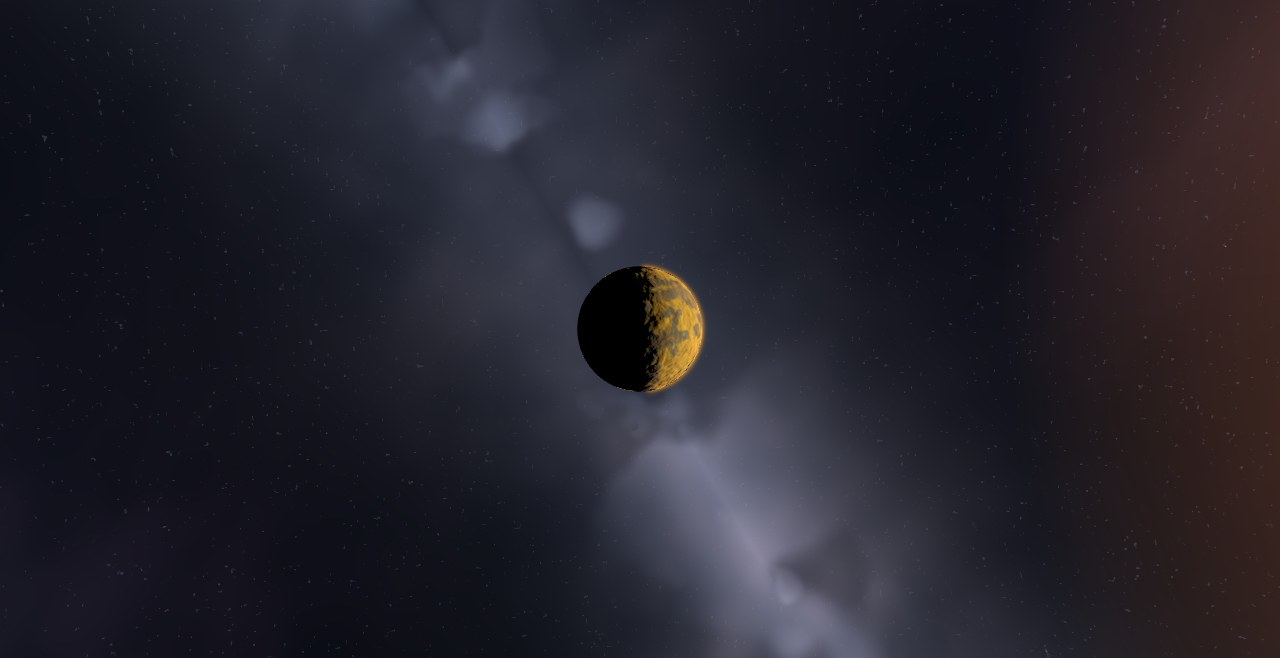
Gl 410, an orange K-type dwarf of 0.55 solar masses, and Gl 410 b, a 8.4-Earth-mass planet, with an orbital period of 6.0 days, at 0.053 AU from its star.
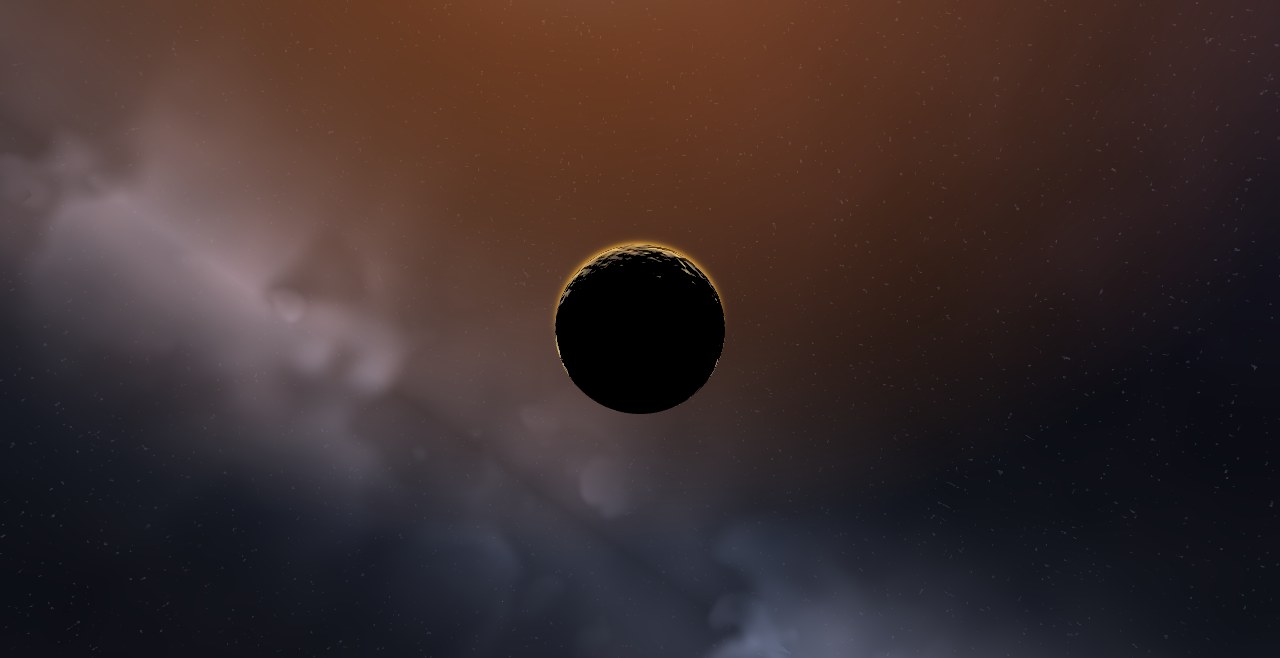
Gl 49, a cool M-dwarf of 0.52 solar masses, and Gl 49 b, a 5.6-Earth-mass planet, with an orbital period of 13.9 days, at 0.090 AU from its star, on an eccentric orbit (e ≈ 0.36).
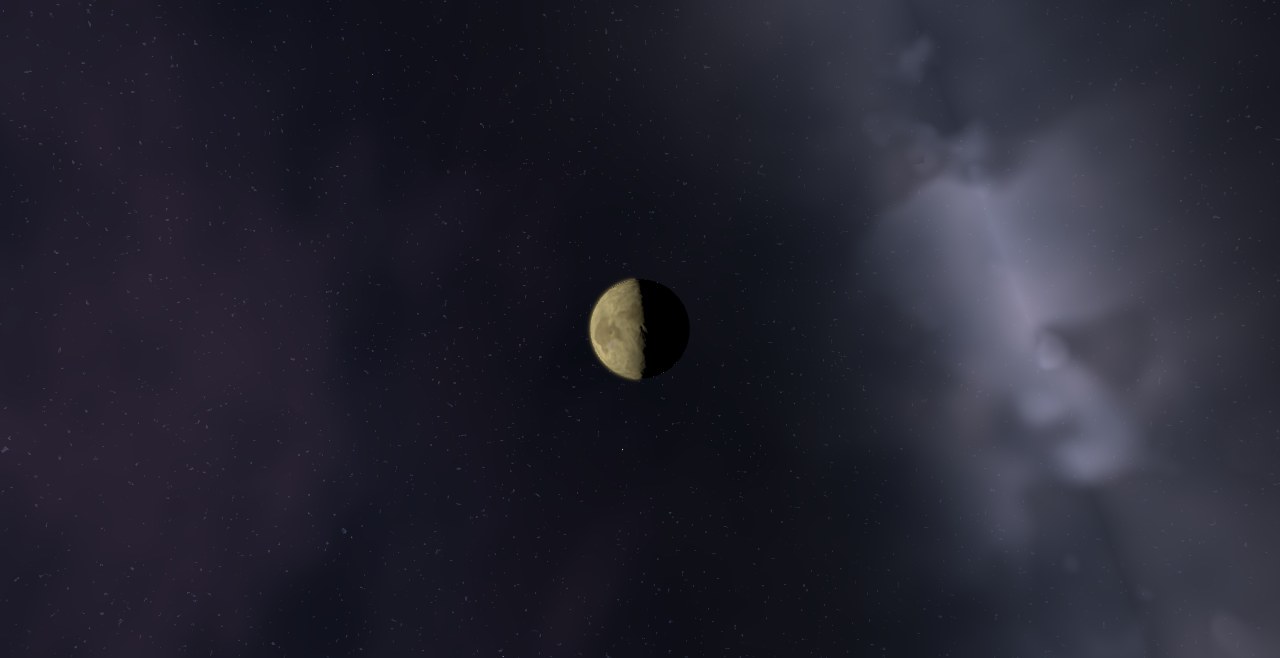
Gl 686, a cool M-dwarf of 0.43 solar masses, and Gl 686 b, a 6.6-Earth-mass planet, with an orbital period of 15.5 days, at 0.091 AU from its star.
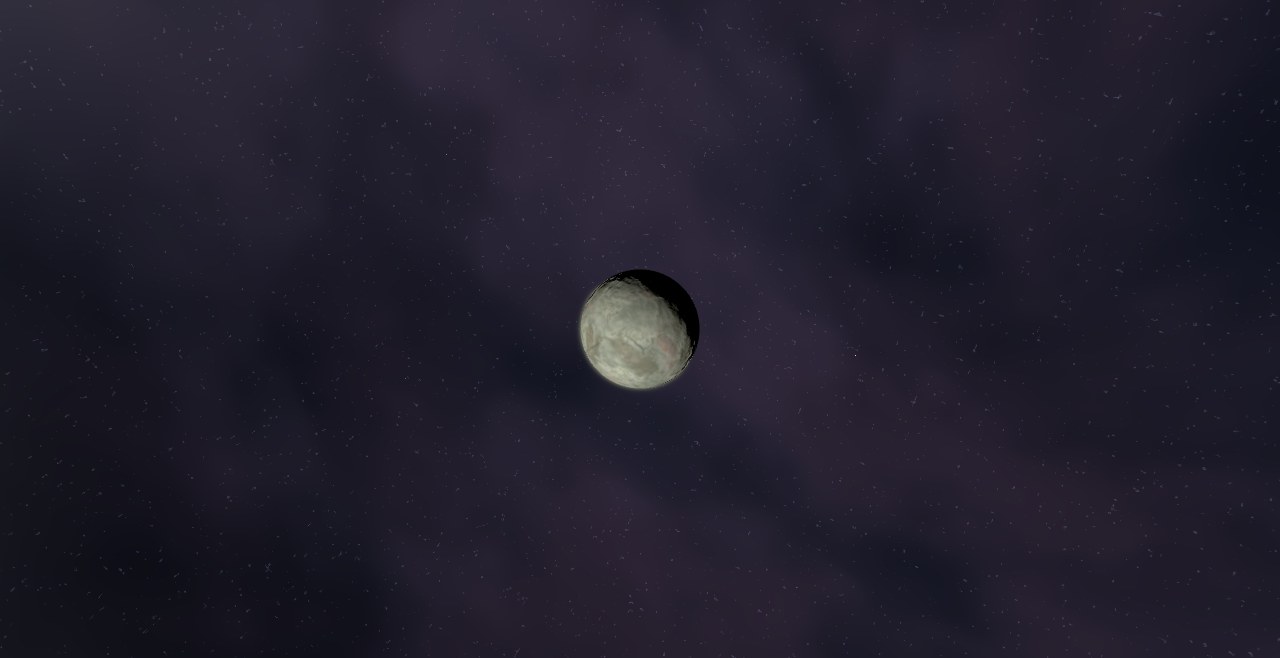
Gl 725 A, a cool M-dwarf of 0.33 solar masses, and Gl 725 A b, a 2.8-Earth-mass planet, with an orbital period of 11.2 days, at 0.068 AU from its star.
Gliese 12, a cool M-dwarf of 0.26 solar masses, and Gliese 12 b, a 0.9-Earth-mass planet, with an orbital period of 12.8 days, on an eccentric orbit (e ≈ 0.24).
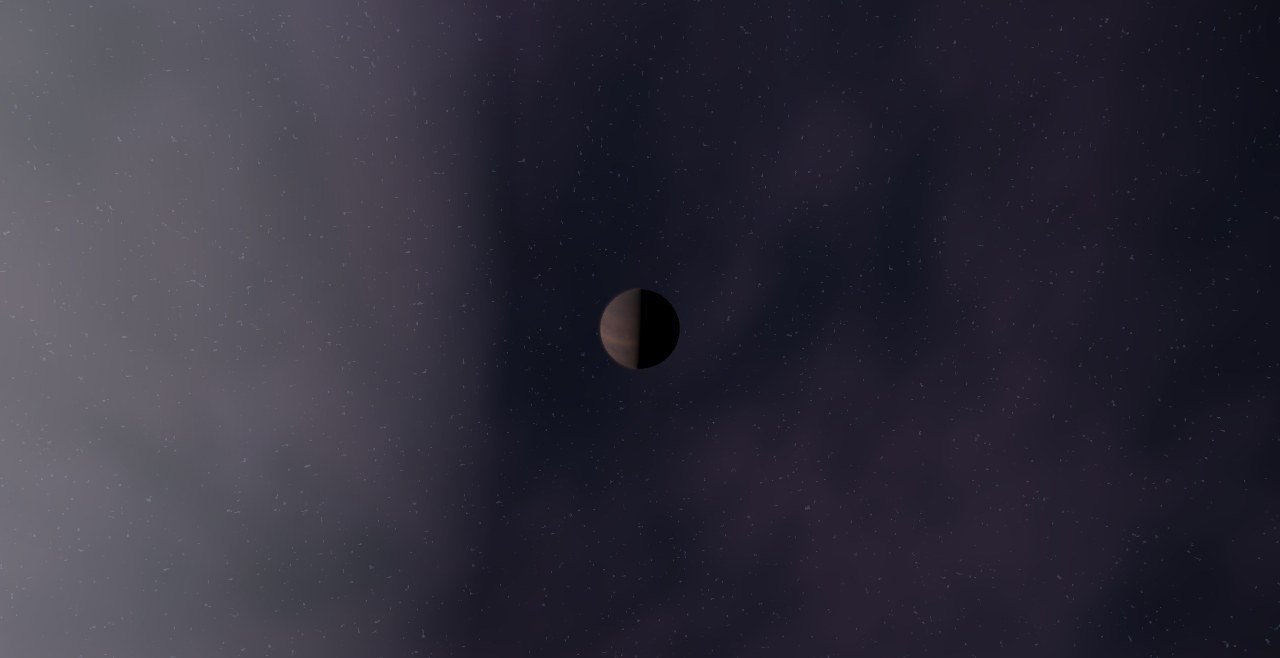
HAT-P-1, a Sun-like G-type star of 1.15 solar masses, and HAT-P-1 b, a 0.53-Jupiter-mass companion, with an orbital period of 4.5 days, at 0.056 AU from its star, and an equilibrium temperature near 1,322 K.
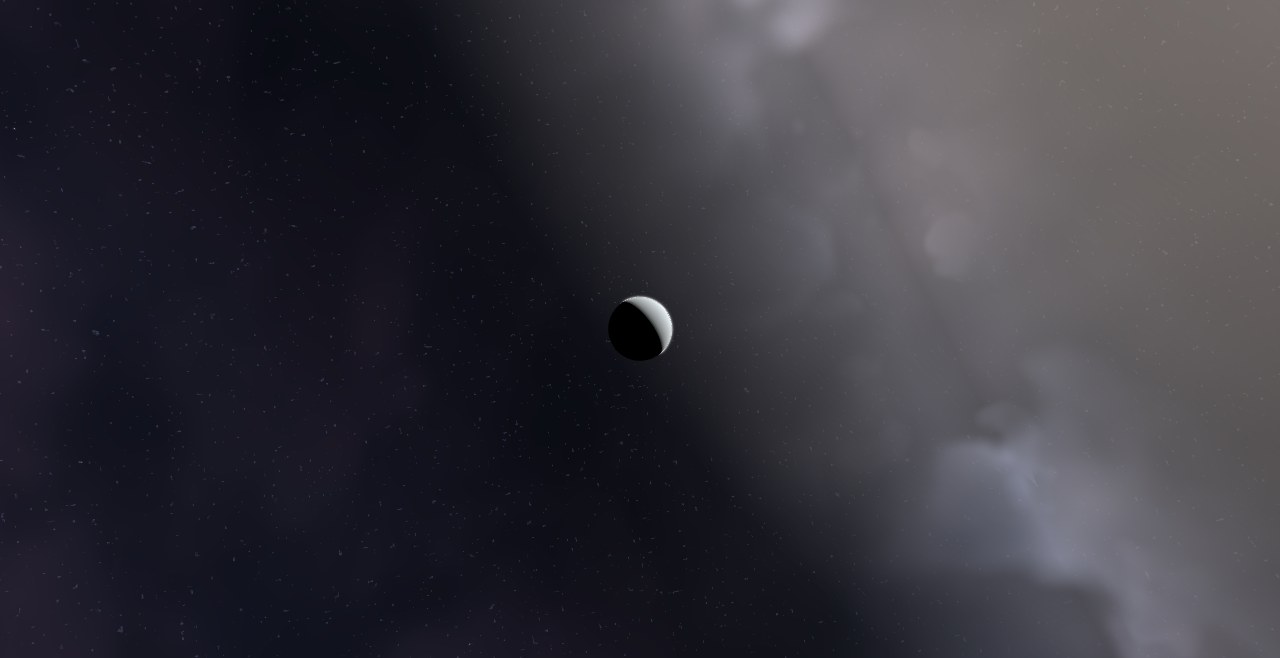
HAT-P-11 b, an eccentric warm Neptune with water vapor in its atmosphere. It is one of the smallest planets with a measured transmission spectrum.
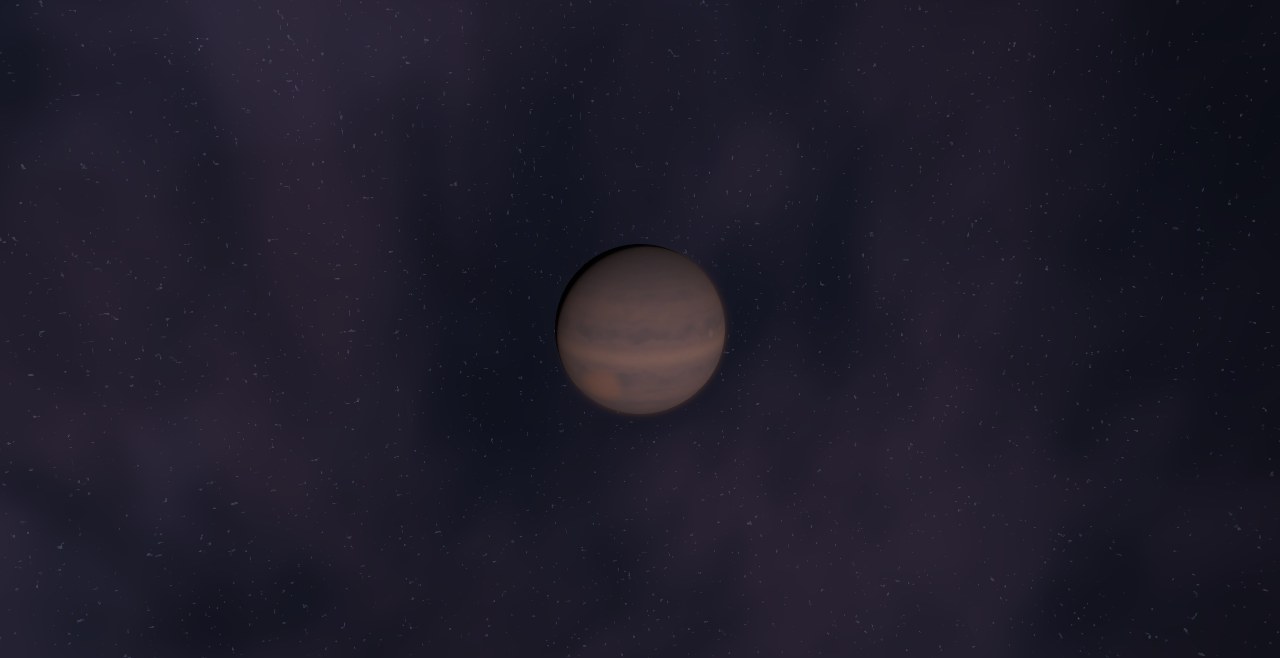
HAT-P-12, an orange K-type dwarf of 0.73 solar masses, and HAT-P-12 b, a 0.21-Jupiter-mass companion, with an orbital period of 3.2 days, at 0.038 AU from its star, and an equilibrium temperature near 963 K.
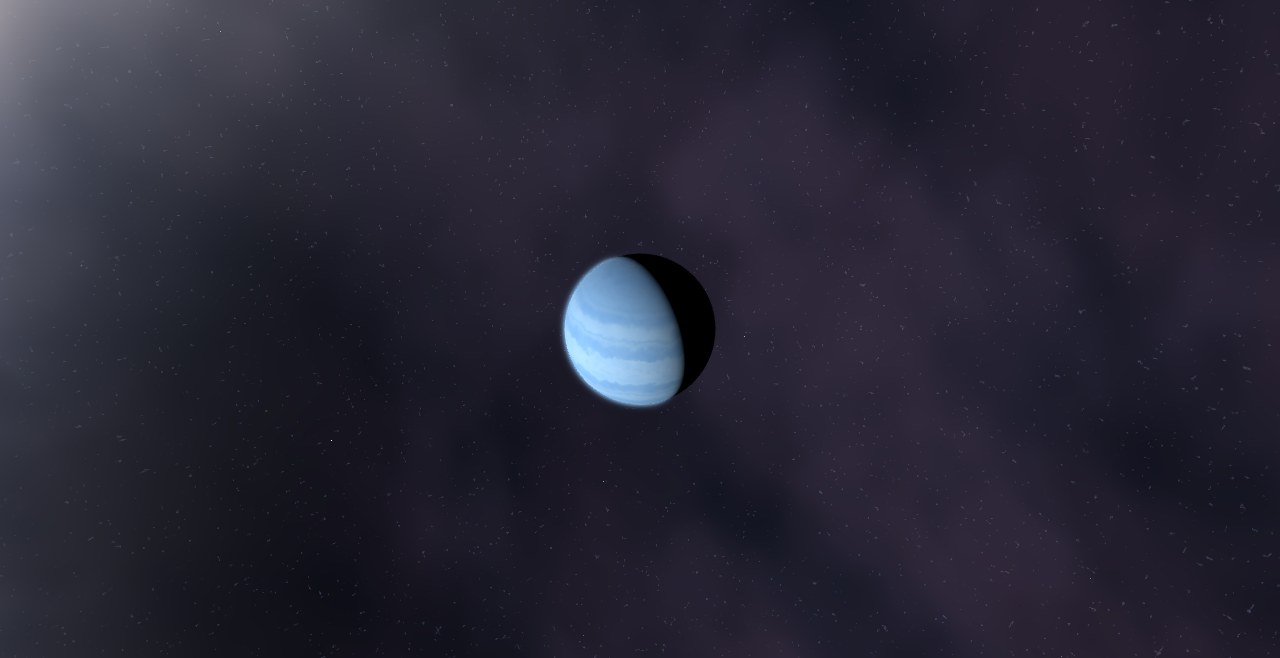
HAT-P-13, a Sun-like G-type star of 1.32 solar masses, and HAT-P-13 b, a 0.85-Jupiter-mass companion, with an orbital period of 2.9 days.
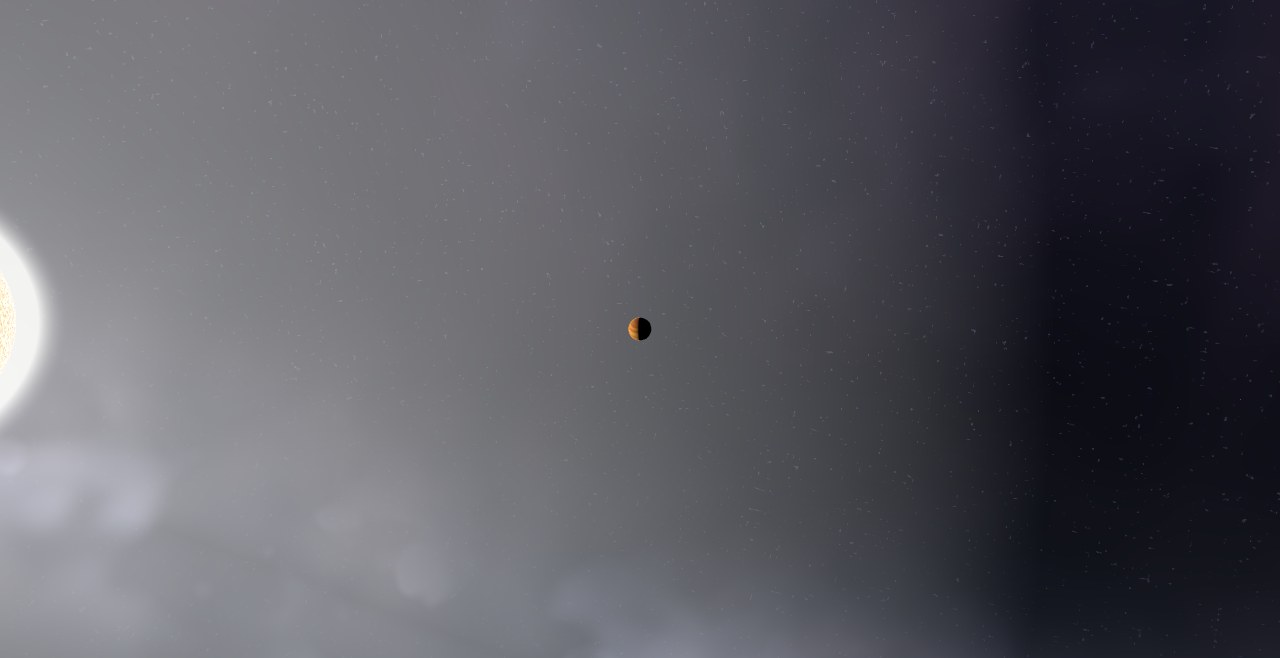
HAT-P-14, a Sun-like F-type star of 2.65 solar masses, and HAT-P-14 b, a 3.44-Jupiter-mass companion, with an orbital period of 4.6 days, on an eccentric orbit (e ≈ 0.11).
HAT-P-15, a Sun-like G-type star of 1.00 solar masses, and HAT-P-15 b, a 1.94-Jupiter-mass companion, with an orbital period of 10.9 days, on an eccentric orbit (e ≈ 0.19).