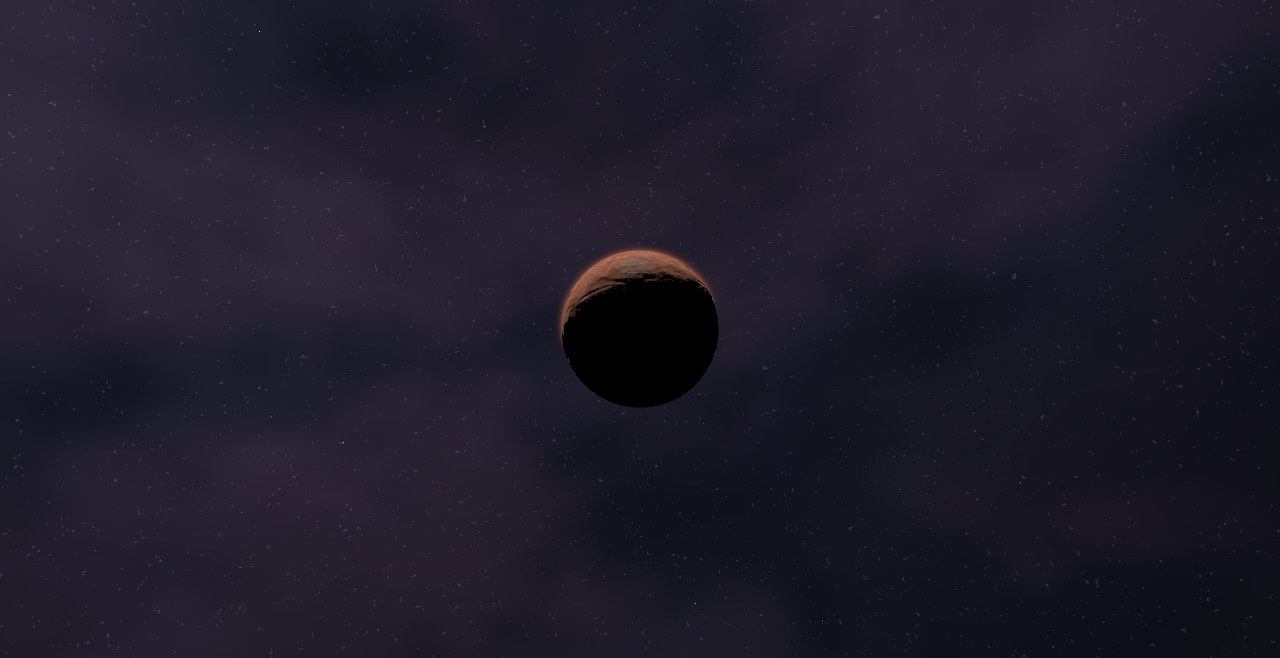
GJ 3473 - System
GJ 3473, a cool M-dwarf of 0.36 solar masses, and GJ 3473 b, a 1.9-Earth-mass planet, with an orbital period of 1.2 days, at 0.016 AU from its star, and an equilibrium temperature near 773 K.
Scenarios
Discover alien solar systems and explore worlds far beyond our own. Simulate extreme orbital environments, habitable zones, and tightly packed resonant chains discovered by modern astronomy, all mapped accurately from real exoplanetary discovery data.
Share
GJ 3473, a cool M-dwarf of 0.36 solar masses, and GJ 3473 b, a 1.9-Earth-mass planet, with an orbital period of 1.2 days, at 0.016 AU from its star, and an equilibrium temperature near 773 K.
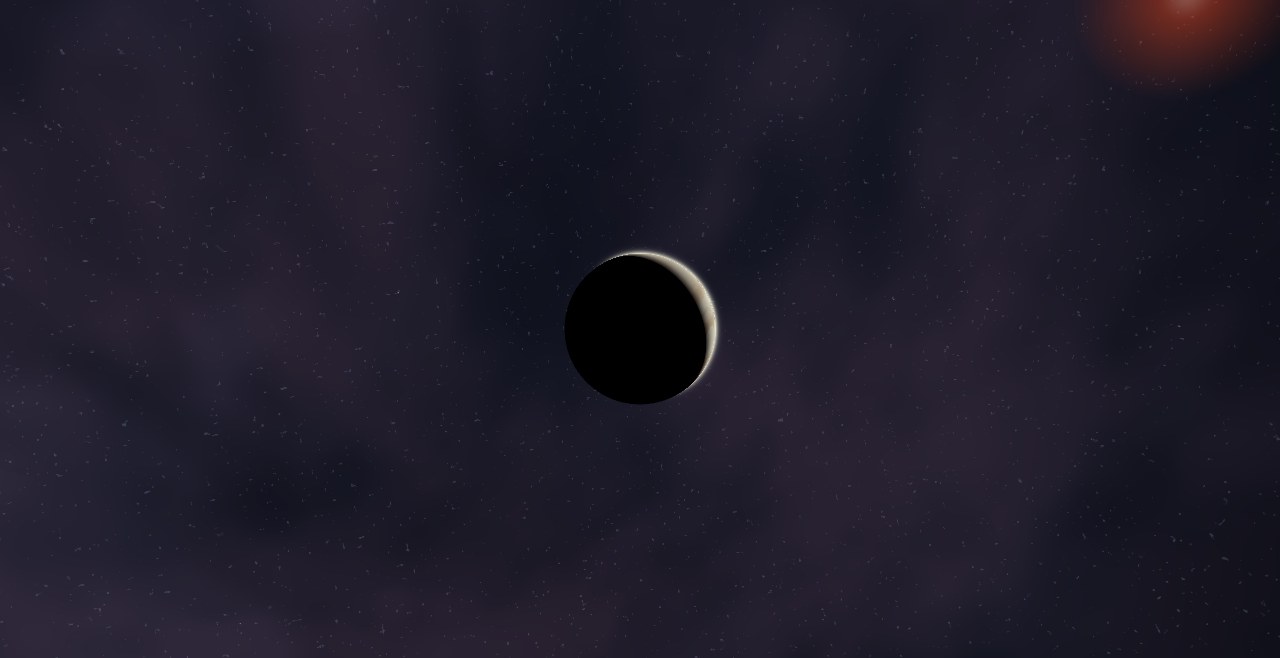
GJ 3512, a cool M-dwarf of 0.12 solar masses, and GJ 3512 b, a 0.46-Jupiter-mass companion, with an orbital period of 203 days, at 0.338 AU from its star, on an eccentric orbit (e ≈ 0.43).
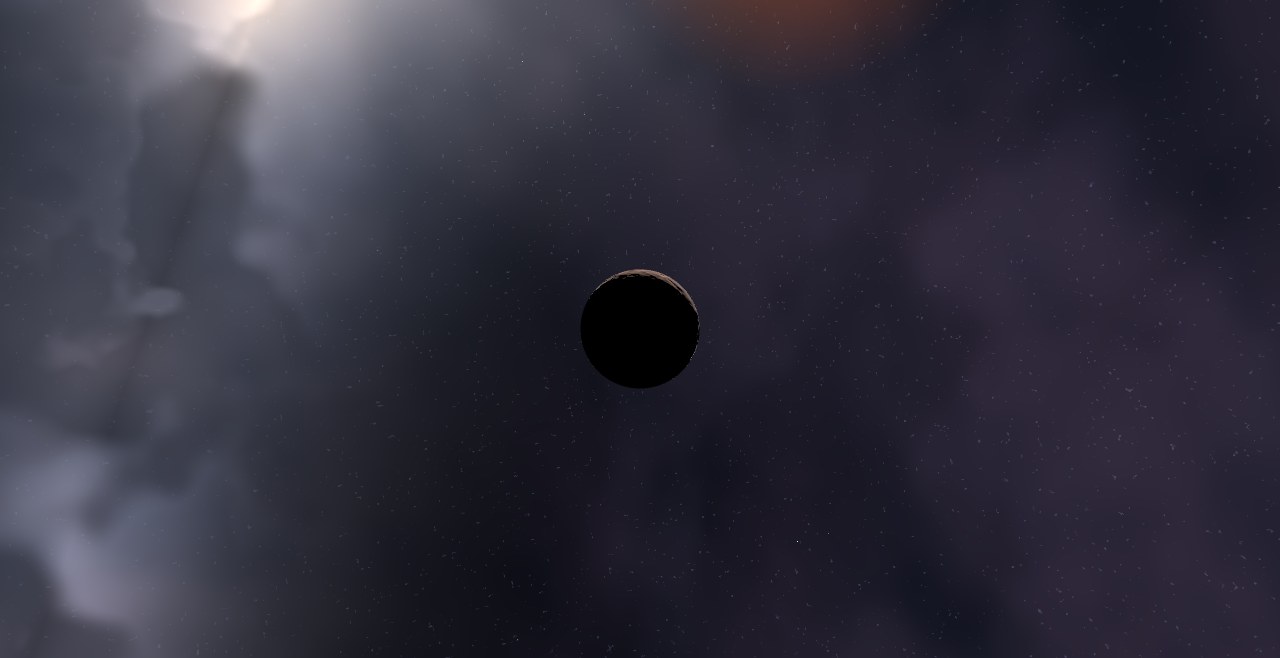
GJ 357, a nearby red dwarf with a transiting hot Earth and an outer habitable-zone planet. The outer world does not transit. The system is about 31 light-years from the Sun.
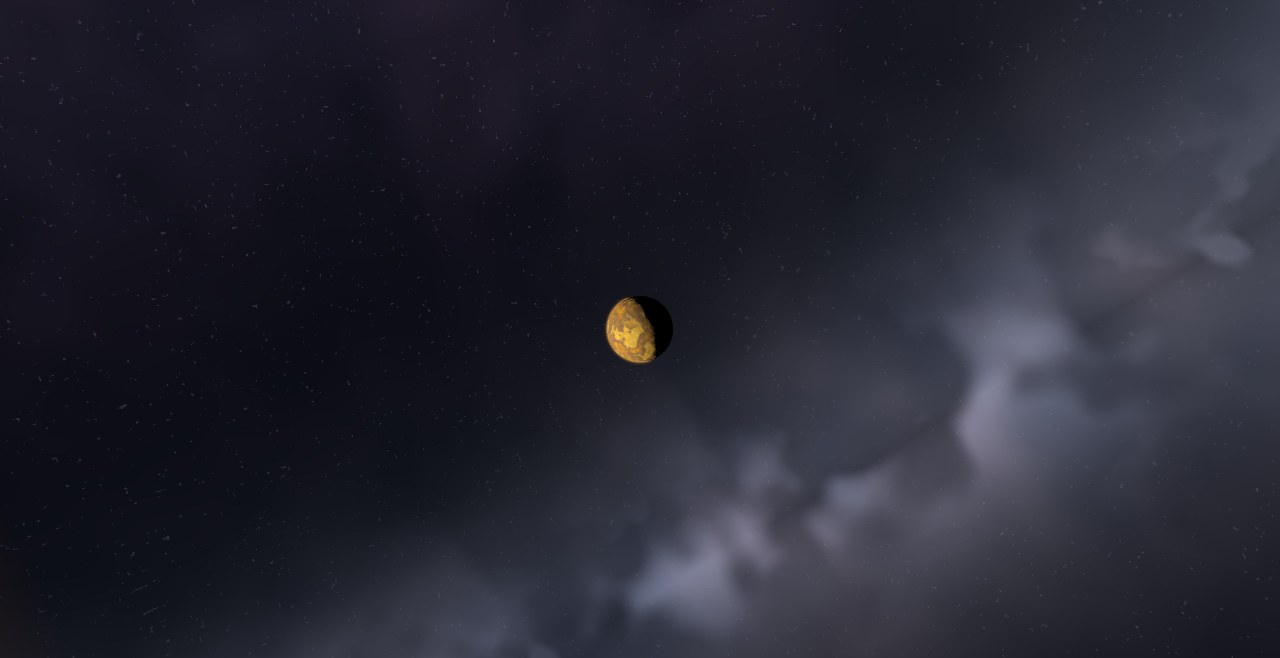
GJ 3634, a cool M-dwarf of 0.45 solar masses, and GJ 3634 b, a 8.4-Earth-mass planet, with an orbital period of 2.6 days, at 0.029 AU from its star, on an eccentric orbit (e ≈ 0.08).
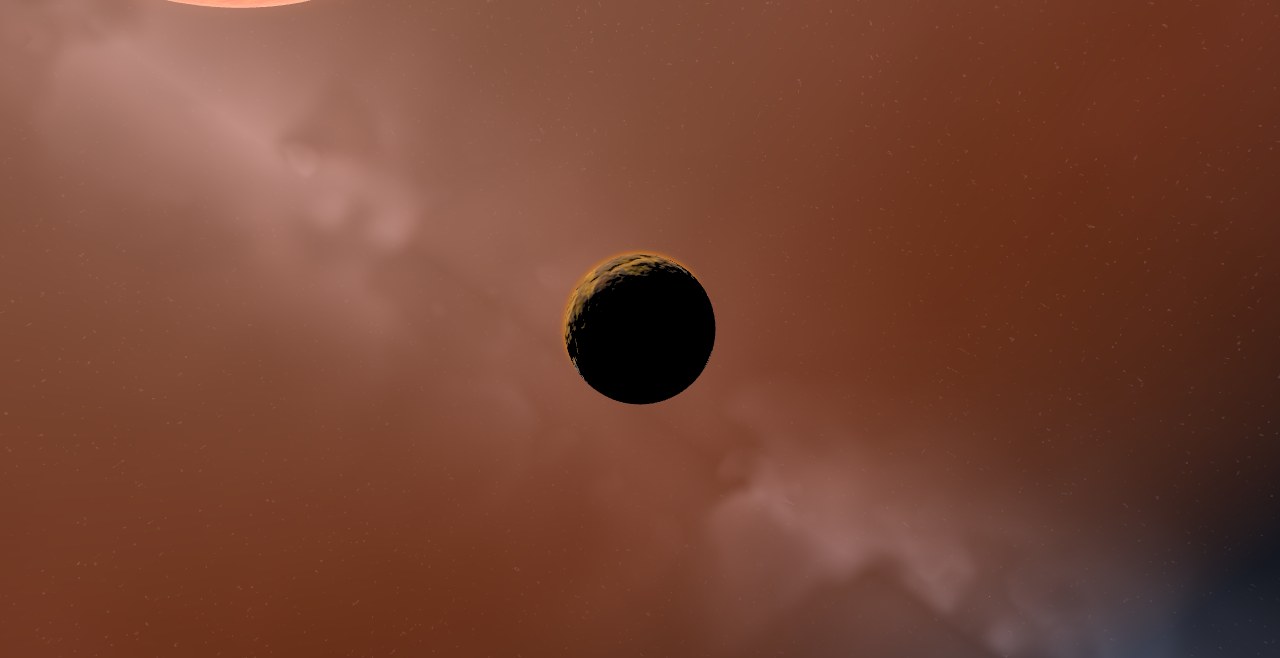
GJ 367 b, an iron-rich world on an ultra-short orbit. A year lasts about eight hours, and the high density points to an exposed iron core. The density is higher than Earth's.
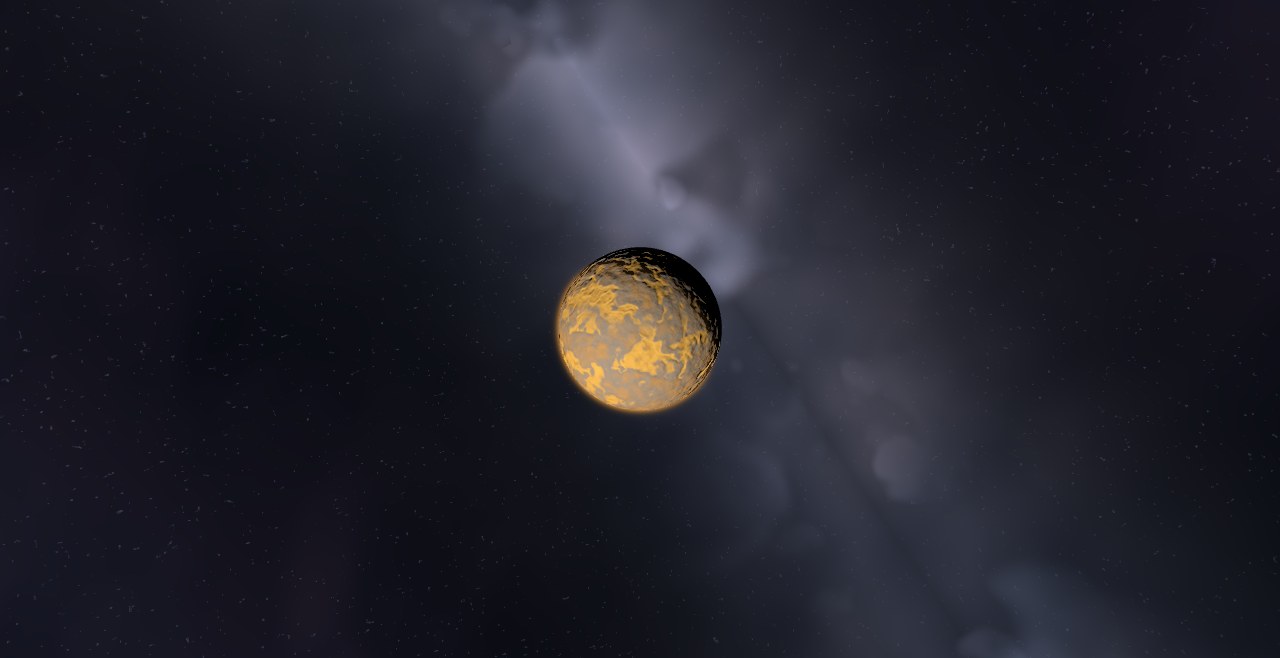
GJ 3779, a cool M-dwarf of 0.27 solar masses, and GJ 3779 b, a 8.0-Earth-mass planet, with an orbital period of 3.0 days, at 0.026 AU from its star, on an eccentric orbit (e ≈ 0.07).
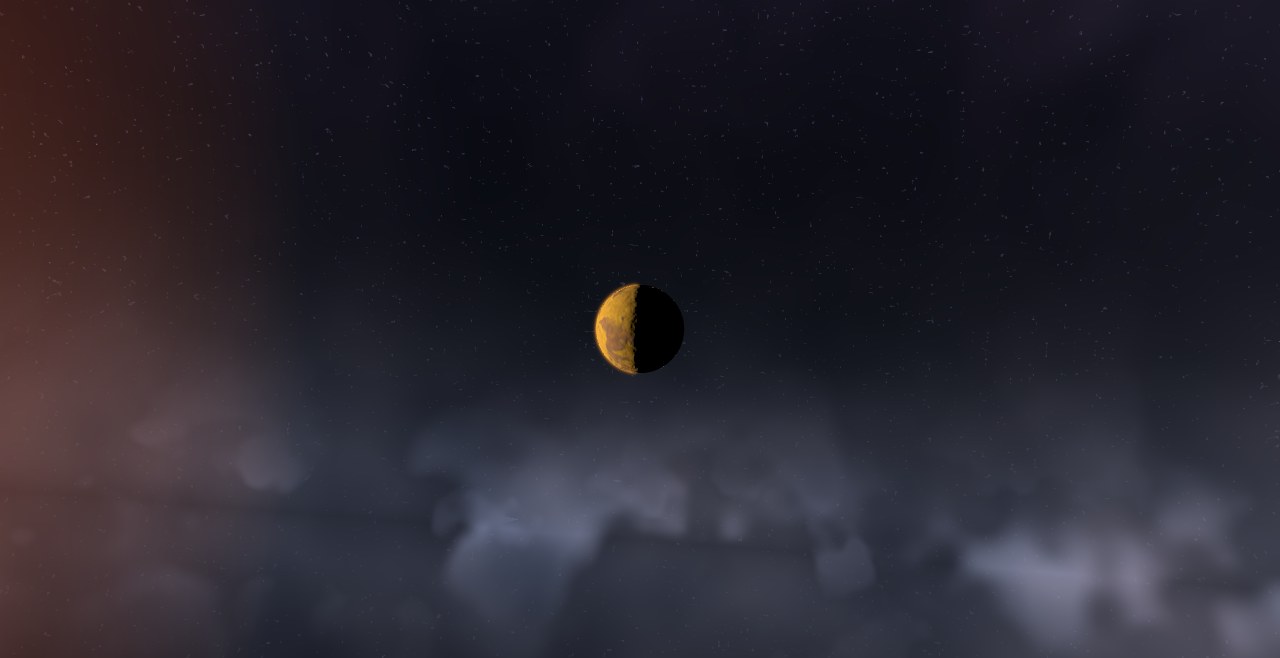
GJ 3929, a cool M-dwarf of 0.31 solar masses, and GJ 3929 b, a 1.8-Earth-mass planet, with an orbital period of 2.6 days, at 0.025 AU from its star, and an equilibrium temperature near 568 K.
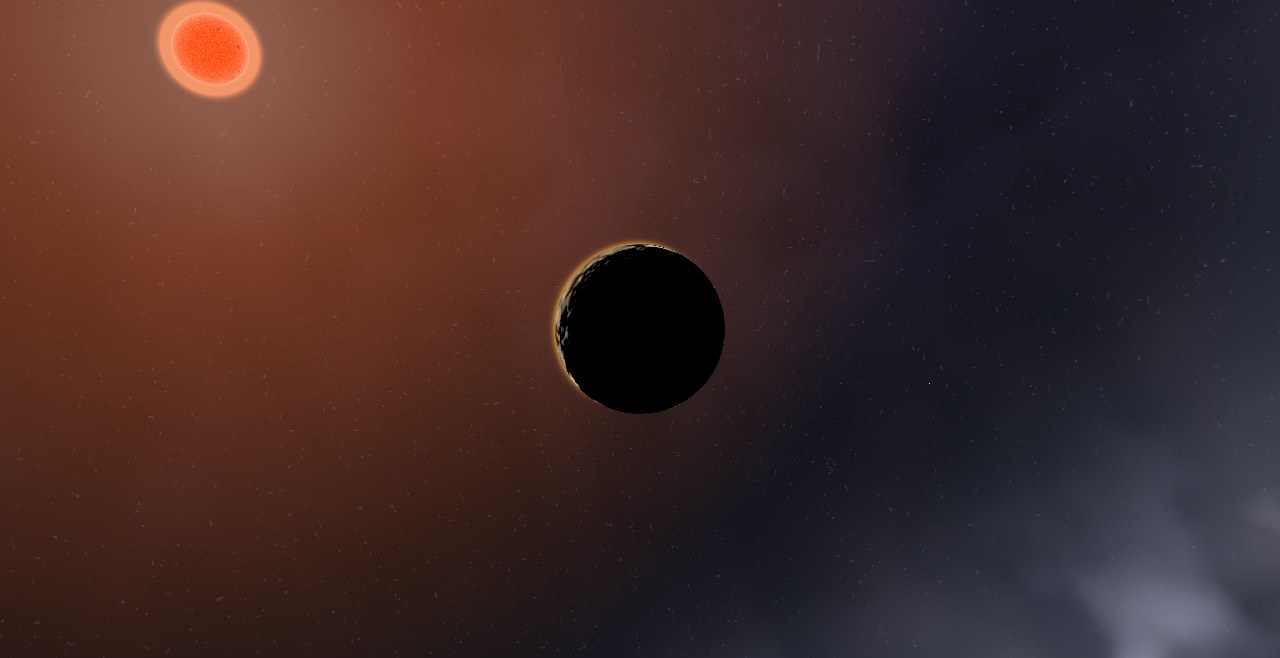
GJ 393, a cool M-dwarf of 0.43 solar masses, and GJ 393 b, a 1.7-Earth-mass planet, with an orbital period of 7.0 days, at 0.054 AU from its star, and an equilibrium temperature near 485 K.
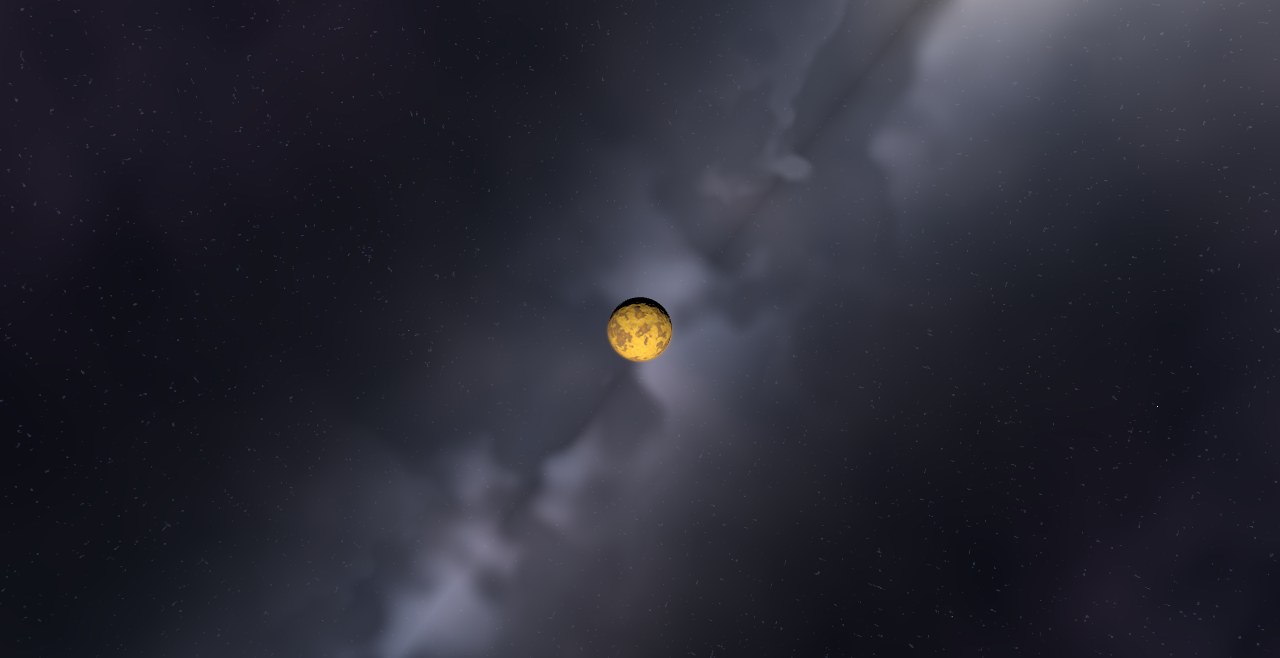
GJ 3942, a cool M-dwarf of 0.63 solar masses, and GJ 3942 b, a 7.1-Earth-mass planet, with an orbital period of 6.9 days, at 0.061 AU from its star, and an equilibrium temperature near 590 K, on an eccentric.
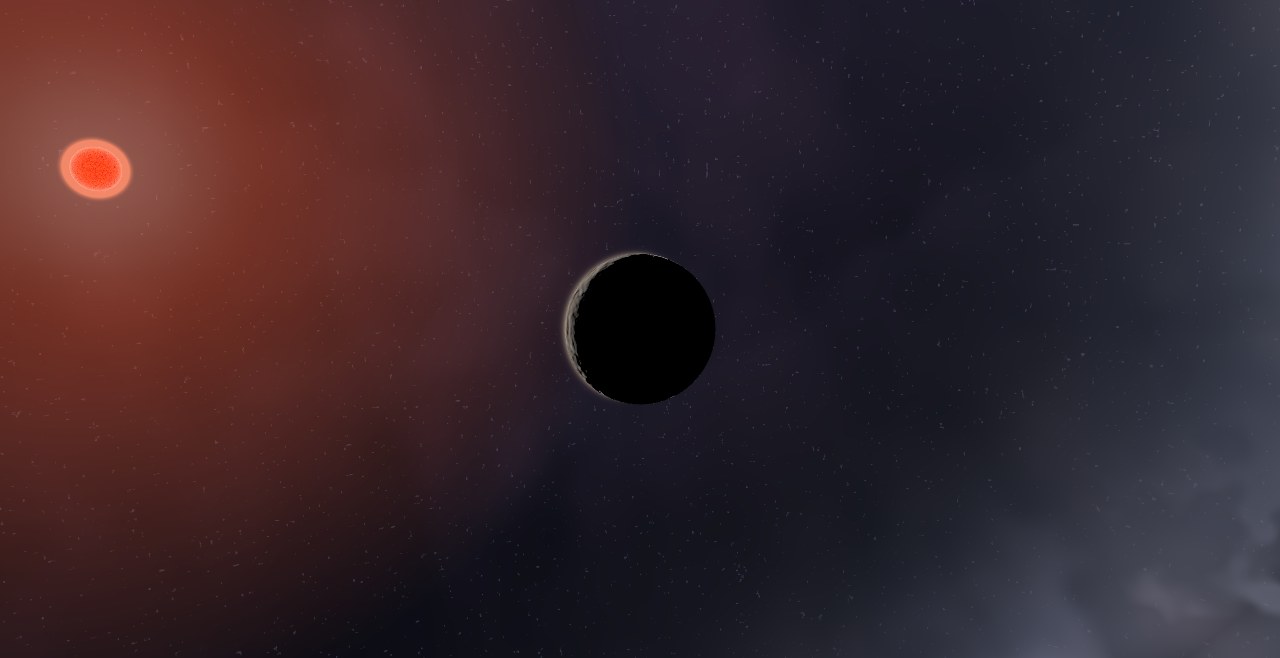
GJ 3988, a cool M-dwarf of 0.18 solar masses, and GJ 3988 b, a 3.7-Earth-mass planet, with an orbital period of 6.9 days, at 0.041 AU from its star, and an equilibrium temperature near 348 K.
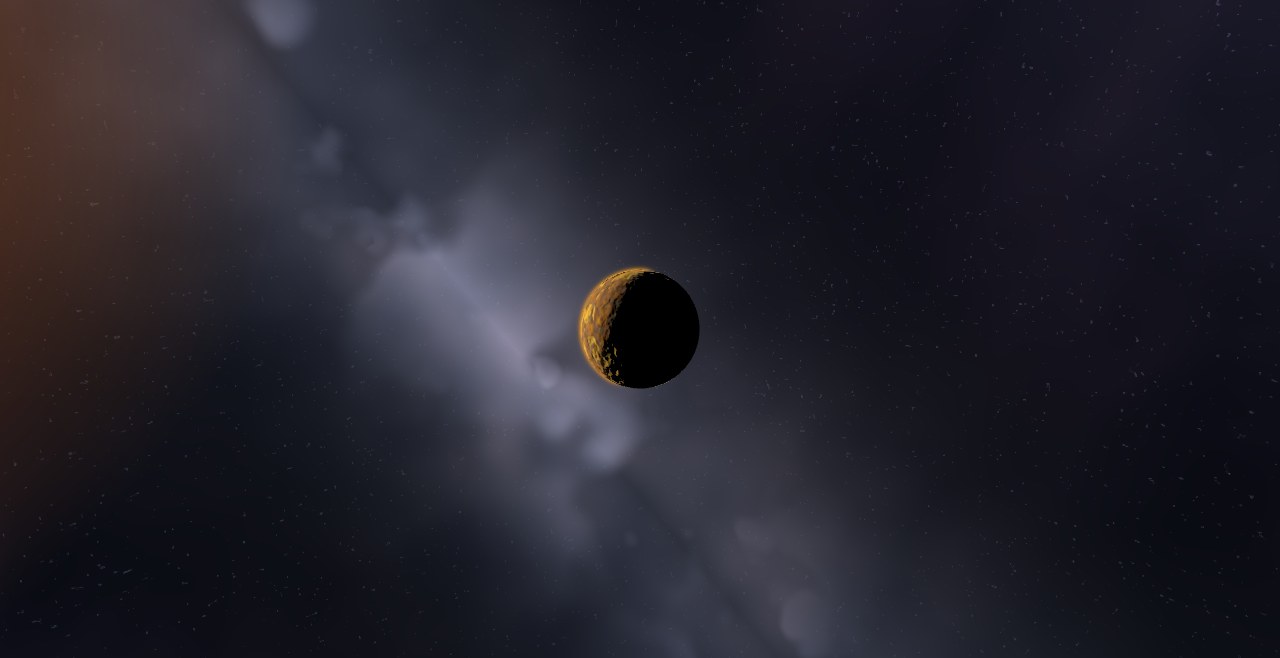
GJ 3998, an orange K-type dwarf of 0.52 solar masses, and GJ 3998 b, a 2.5-Earth-mass planet, with an orbital period of 2.7 days, at 0.030 AU from its star.
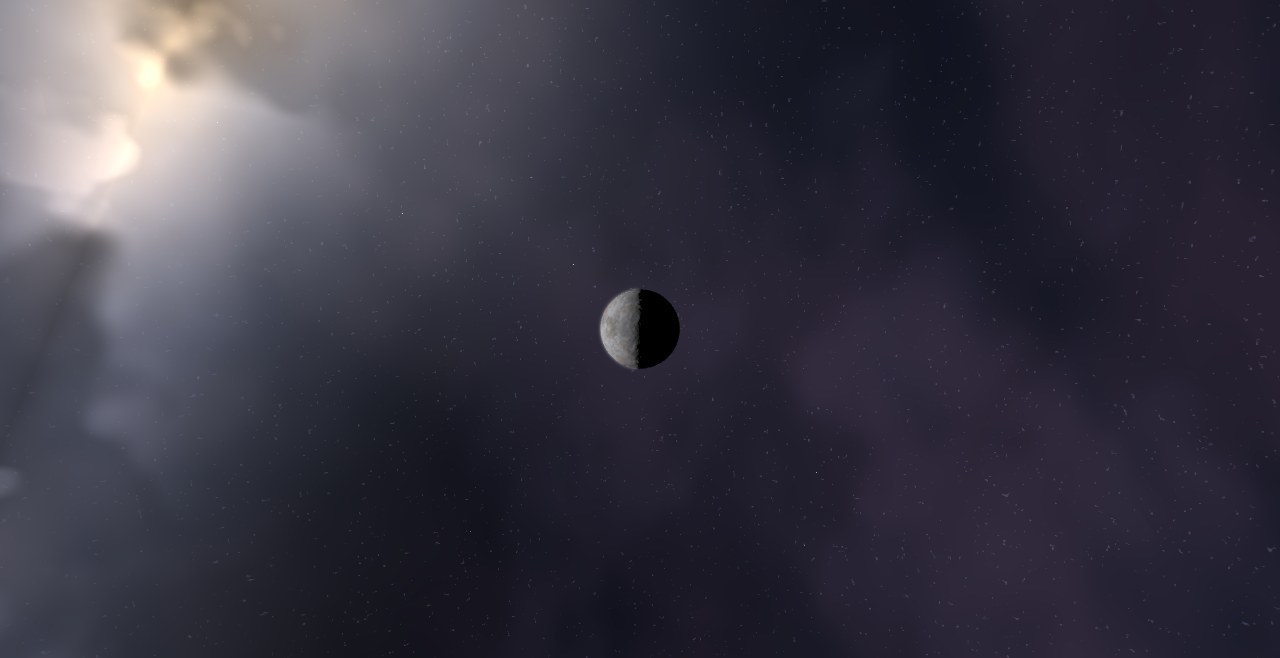
GJ 411, an orange K-type dwarf of 0.39 solar masses, and GJ 411 b, a 2.7-Earth-mass planet, with an orbital period of 12.9 days, at 0.079 AU from its star, on an eccentric orbit (e ≈ 0.06).
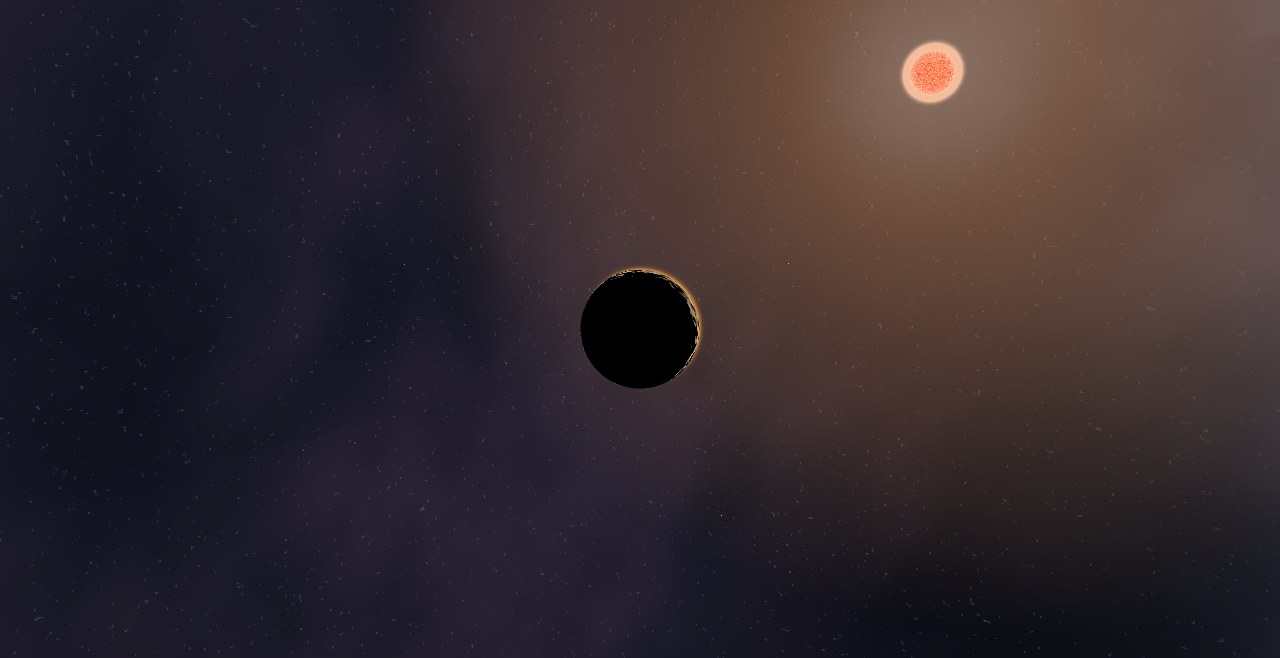
GJ 414 A, an orange K-type dwarf of 0.65 solar masses, and GJ 414 A b, a 7.6-Earth-mass planet, with an orbital period of 50.8 days, at 0.232 AU from its star, and an equilibrium temperature near 309 K.
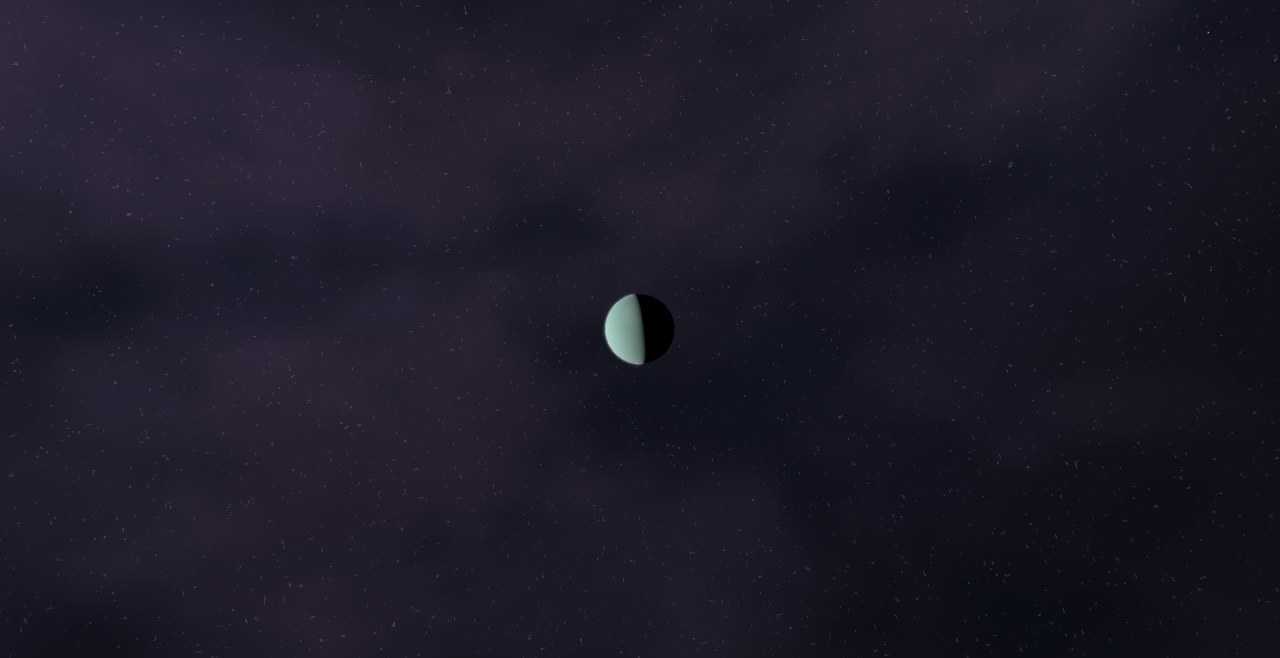
GJ 422, a cool M-dwarf of 0.35 solar masses, and GJ 422 b, a 11.1-Earth-mass planet, with an orbital period of 20.1 days, at 0.111 AU from its star, on an eccentric orbit (e ≈ 0.11).
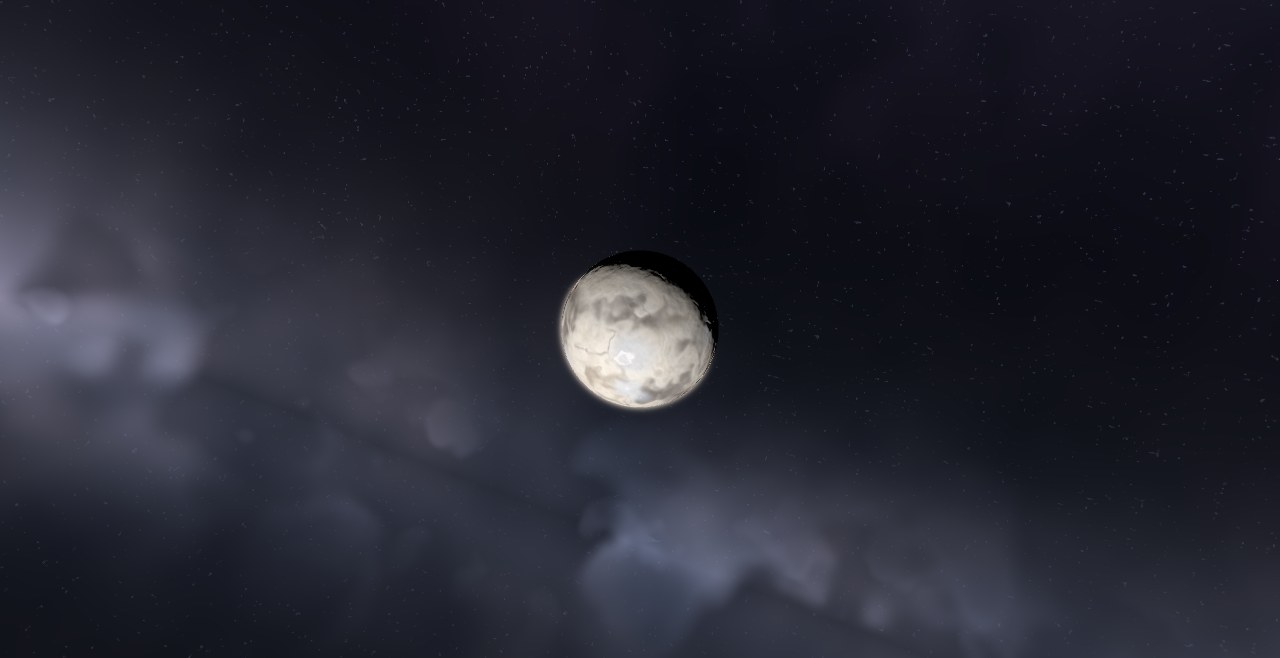
GJ 4274, a cool M-dwarf of 0.18 solar masses, and GJ 4274 b, a 3.0-Earth-mass planet, with an orbital period of 1.6 days, at 0.015 AU from its star.
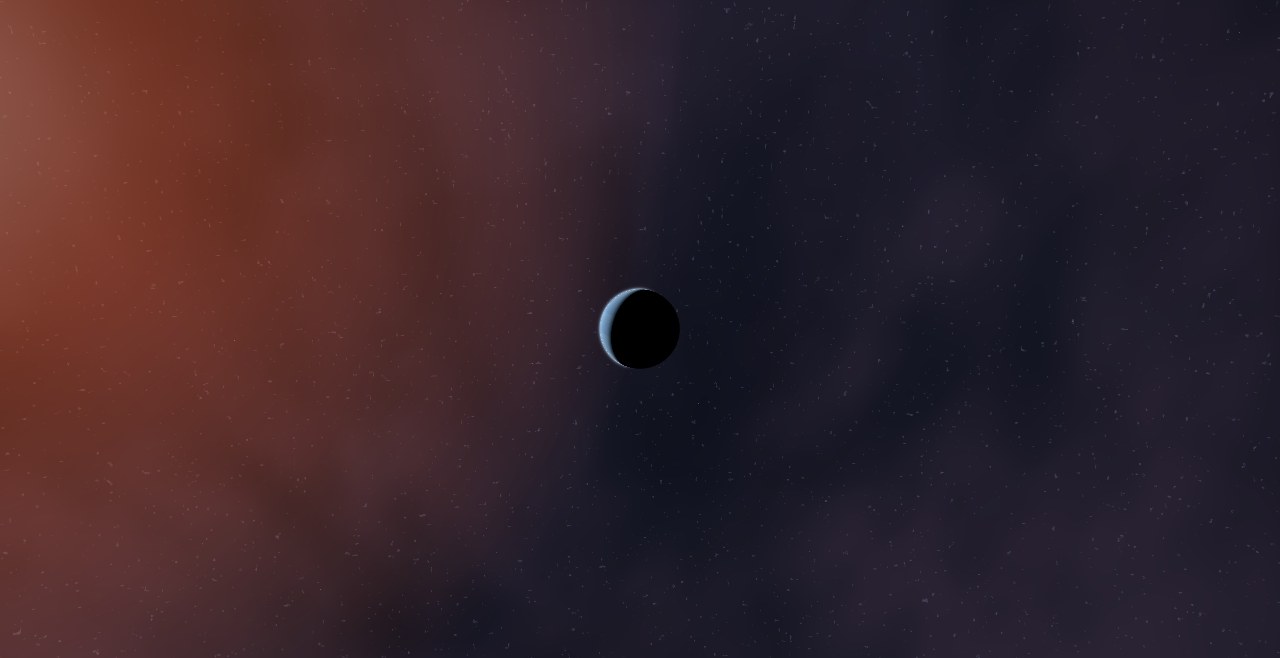
GJ 4276, a cool M-dwarf of 0.41 solar masses, and GJ 4276 b, a 0.05-Jupiter-mass companion, with an orbital period of 13.4 days, at 0.082 AU from its star, on an eccentric orbit (e ≈ 0.37).
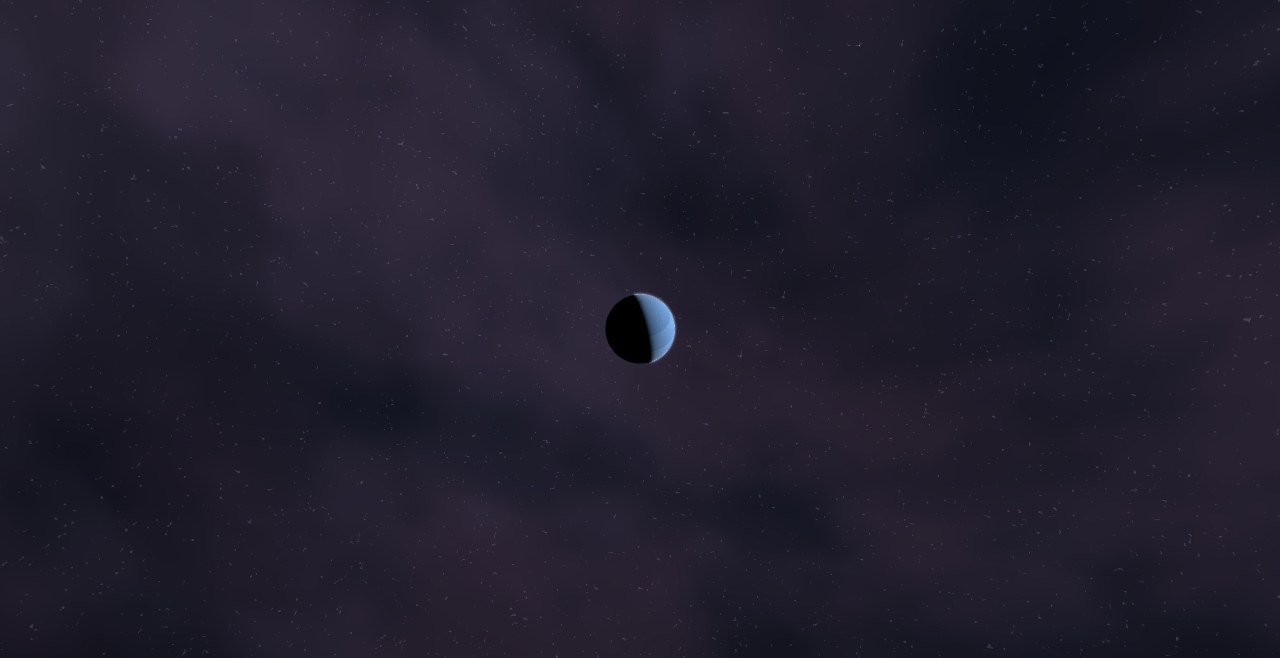
GJ 433, a cool M-dwarf of 0.48 solar masses, and GJ 433 b, a 6.0-Earth-mass planet, with an orbital period of 7.4 days, at 0.062 AU from its star.
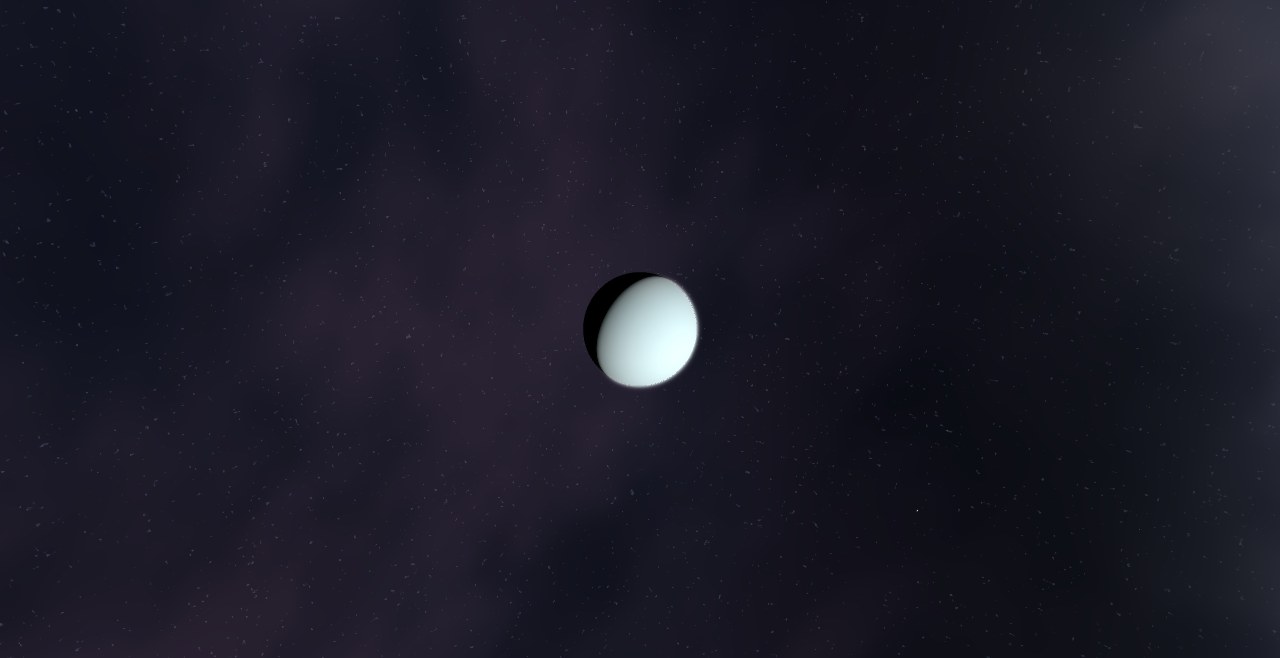
GJ 436 b, an eccentric hot Neptune trailing a huge comet-like helium and hydrogen tail. The oval orbit has persisted despite strong tides. The tail extends millions of kilometers behind the planet.