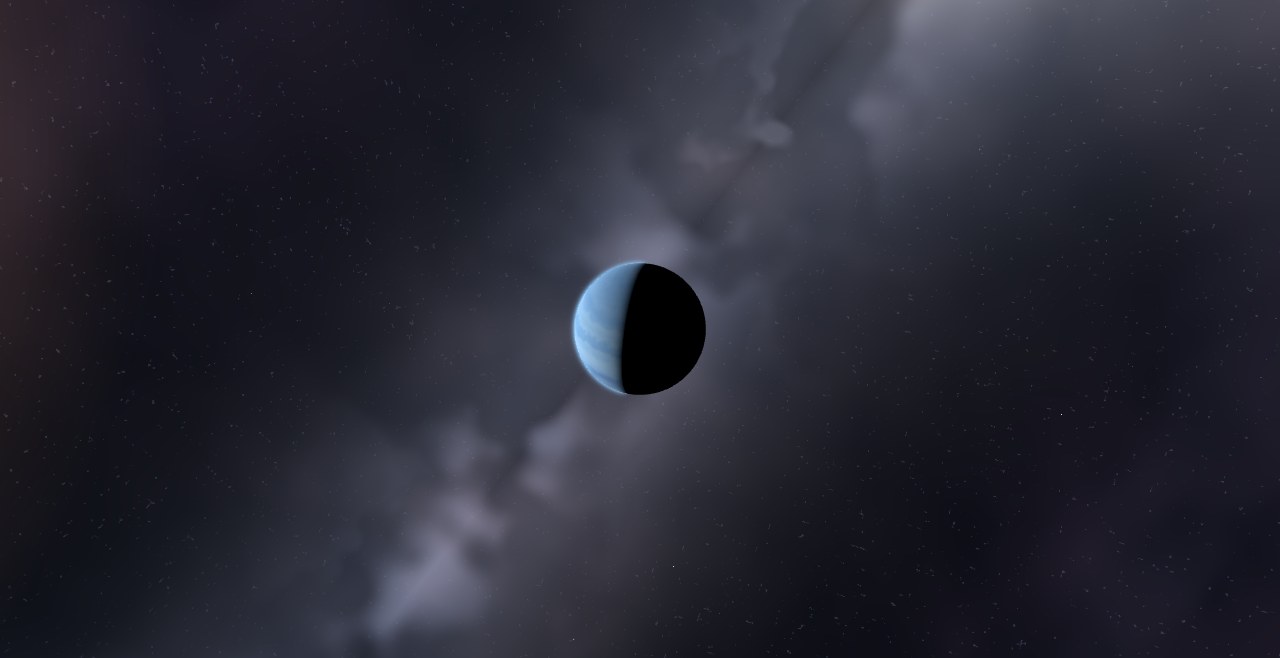
GJ 2126 - System
GJ 2126, a cool M-dwarf of 0.65 solar masses, and GJ 2126 b, a 1.30-Jupiter-mass companion, with an orbital period of 273 days, at 0.710 AU from its star, on an eccentric orbit (e ≈ 0.85).
Scenarios
Discover alien solar systems and explore worlds far beyond our own. Simulate extreme orbital environments, habitable zones, and tightly packed resonant chains discovered by modern astronomy, all mapped accurately from real exoplanetary discovery data.
Share
GJ 2126, a cool M-dwarf of 0.65 solar masses, and GJ 2126 b, a 1.30-Jupiter-mass companion, with an orbital period of 273 days, at 0.710 AU from its star, on an eccentric orbit (e ≈ 0.85).
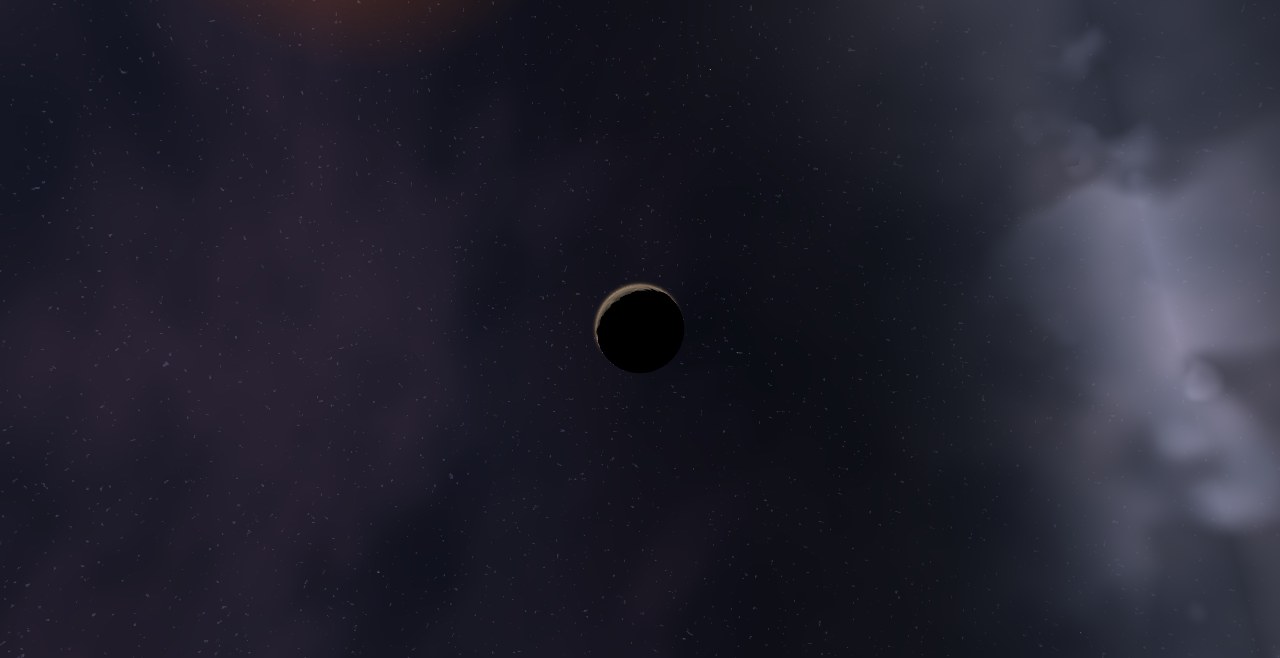
GJ 229, a cool M-dwarf of 0.51 solar masses, and GJ 229 A c, a 8.6-Earth-mass planet, with an orbital period of 122 days, at 0.384 AU from its star, on an eccentric orbit (e ≈ 0.37).
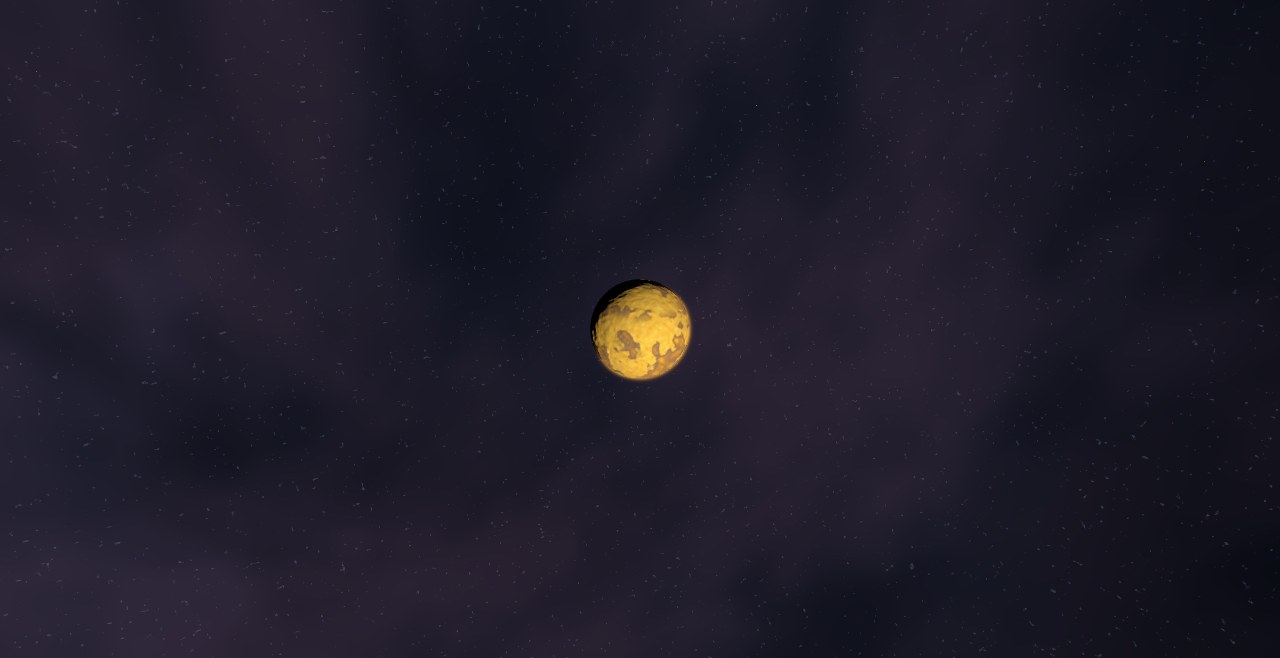
GJ 238, a cool M-dwarf of 0.42 solar masses, and GJ 238 b, a planet with 0.6 Earth radii, with an orbital period of 1.7 days, at 0.021 AU from its star, and an equilibrium temperature near 758 K.
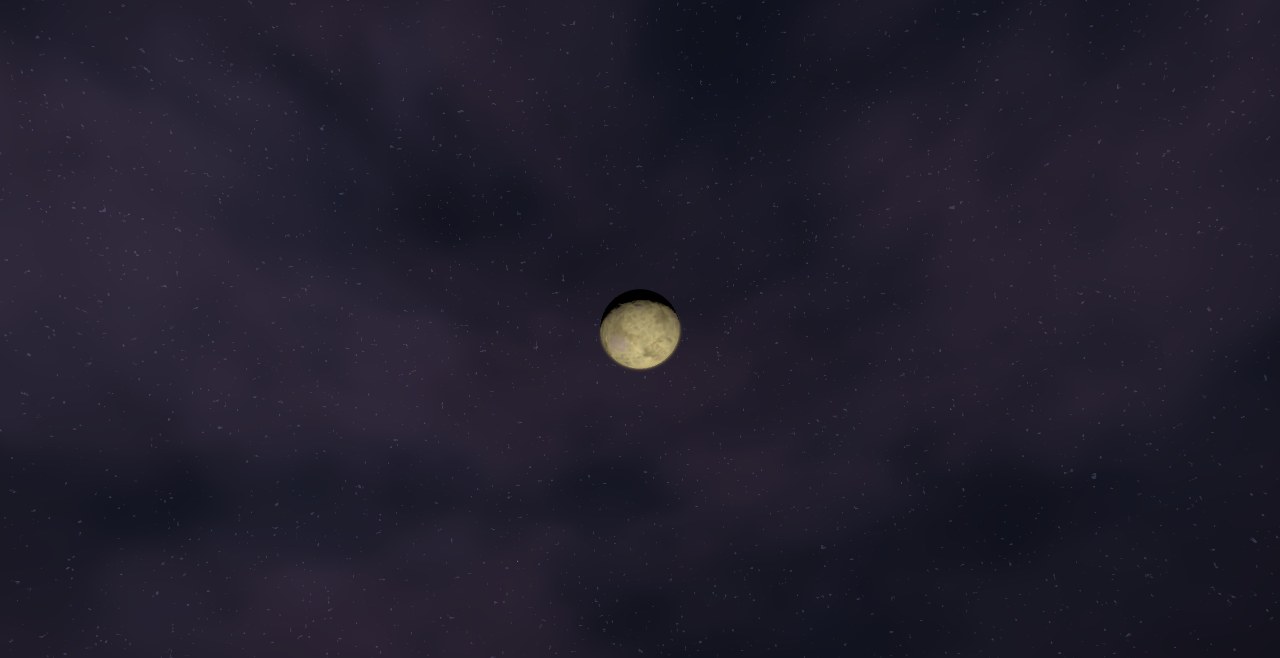
GJ 251, a cool M-dwarf of 0.35 solar masses, and GJ 251 b, a 3.9-Earth-mass planet, with an orbital period of 14.2 days, at 0.081 AU from its star, and an equilibrium temperature near 336 K.
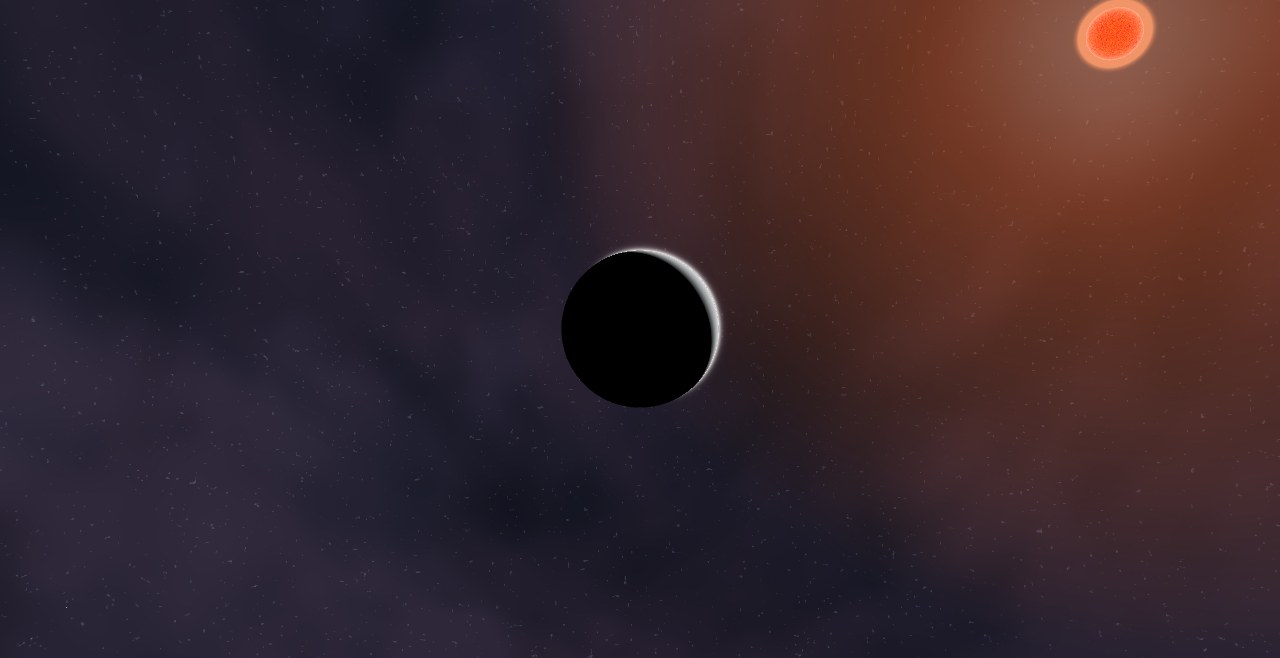
GJ 27.1, a cool M-dwarf of 0.53 solar masses, and GJ 27.1 b, a 13.0-Earth-mass planet, with an orbital period of 15.8 days, at 0.101 AU from its star, on an eccentric orbit (e ≈ 0.08).
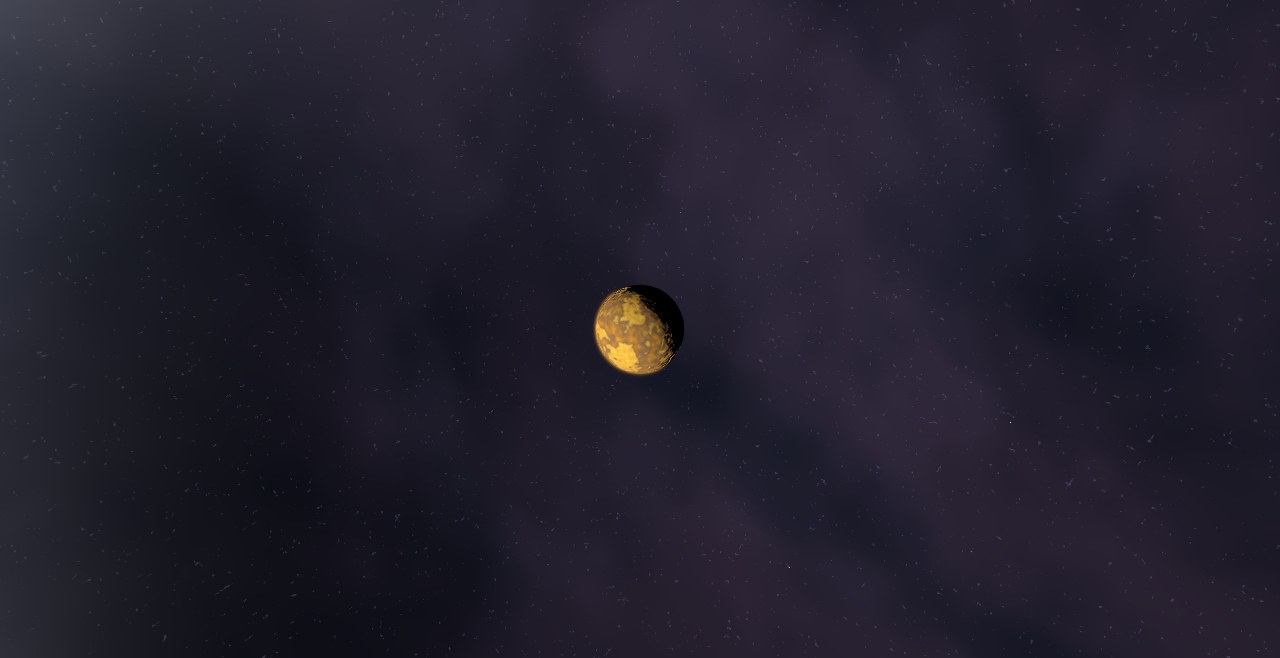
GJ 273, Luyten's Star, a nearby red dwarf only 12 light-years away. Its planets include a world near the inner edge of the habitable zone. Radial velocities revealed the planets.
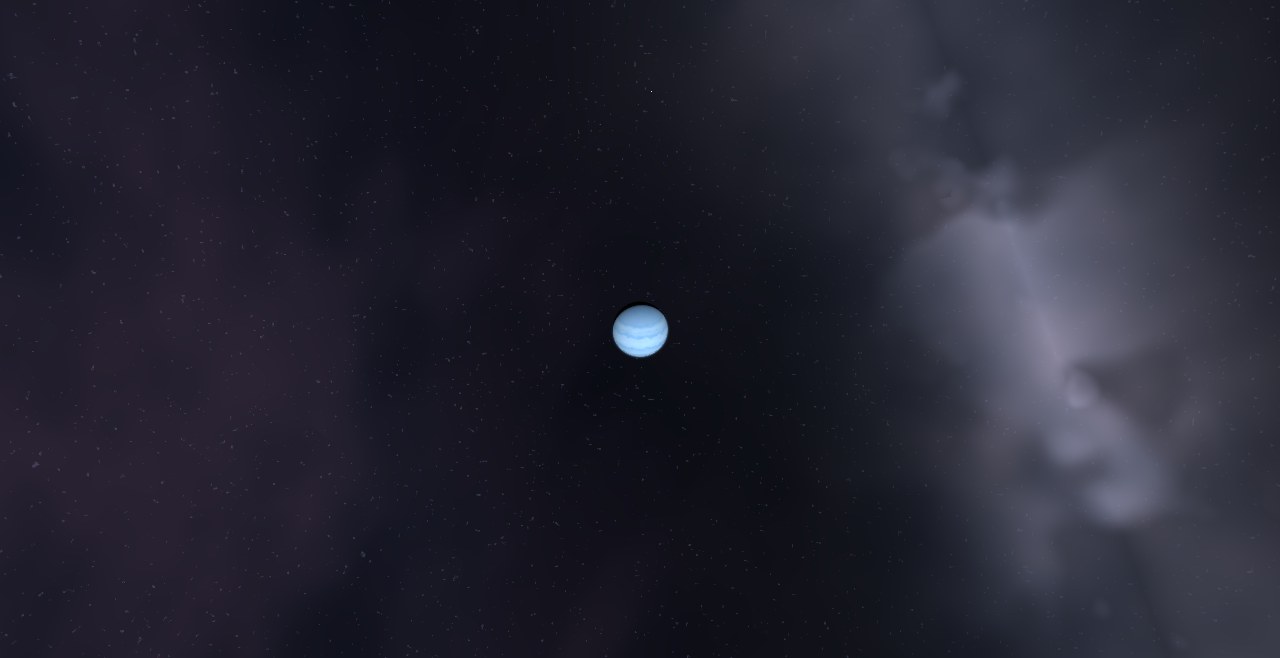
GJ 3021, a Sun-like G-type star of 0.90 solar masses, and GJ 3021 b, a 3.37-Jupiter-mass companion, with an orbital period of 134 days, at 0.490 AU from its star, and an equilibrium temperature near 350 K.
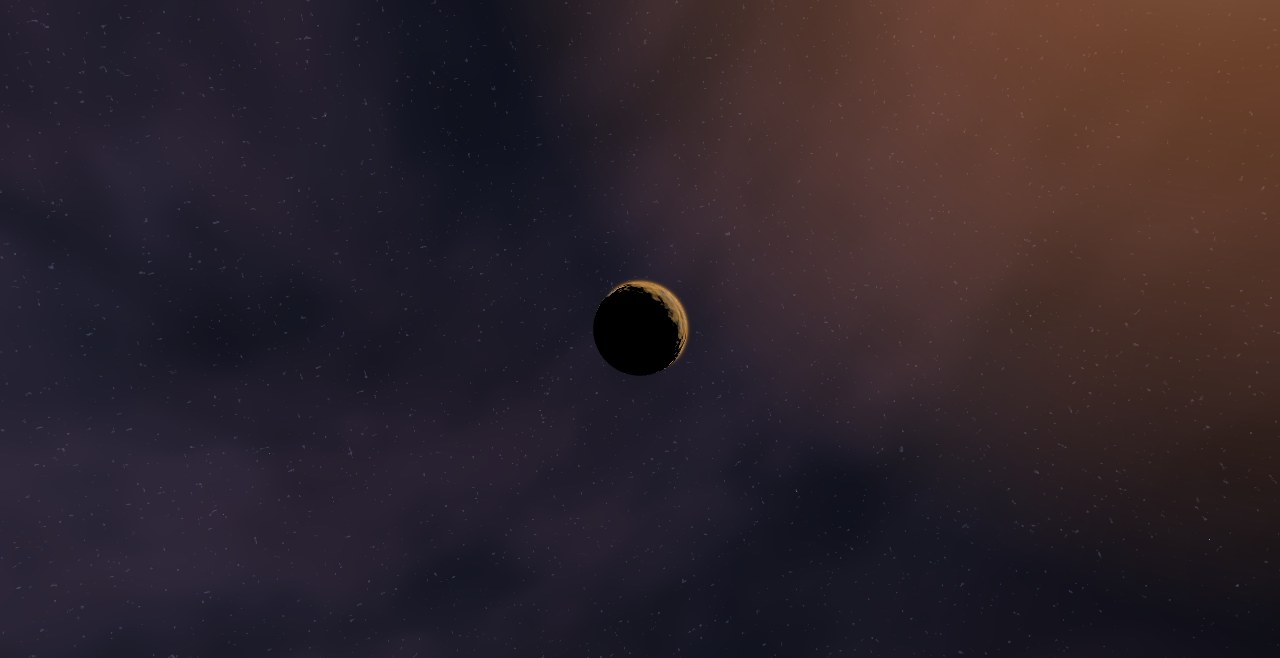
GJ 3082, an orange K-type dwarf of 0.47 solar masses, and GJ 3082 b, a 8.2-Earth-mass planet, with an orbital period of 11.9 days, at 0.079 AU from its star, on an eccentric orbit (e ≈ 0.22).
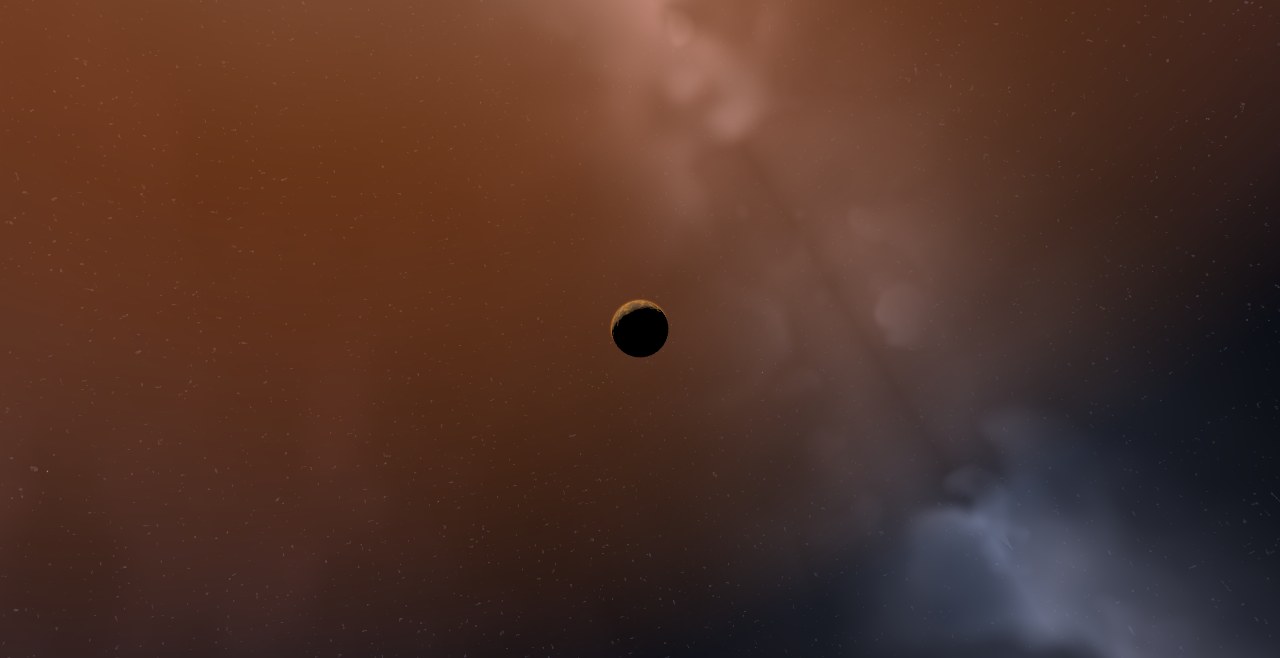
GJ 3090, a cool M-dwarf of 0.52 solar masses, and GJ 3090 b, a 4.5-Earth-mass planet, with an orbital period of 2.9 days, at 0.032 AU from its star, and an equilibrium temperature near 723 K, on an eccentric.
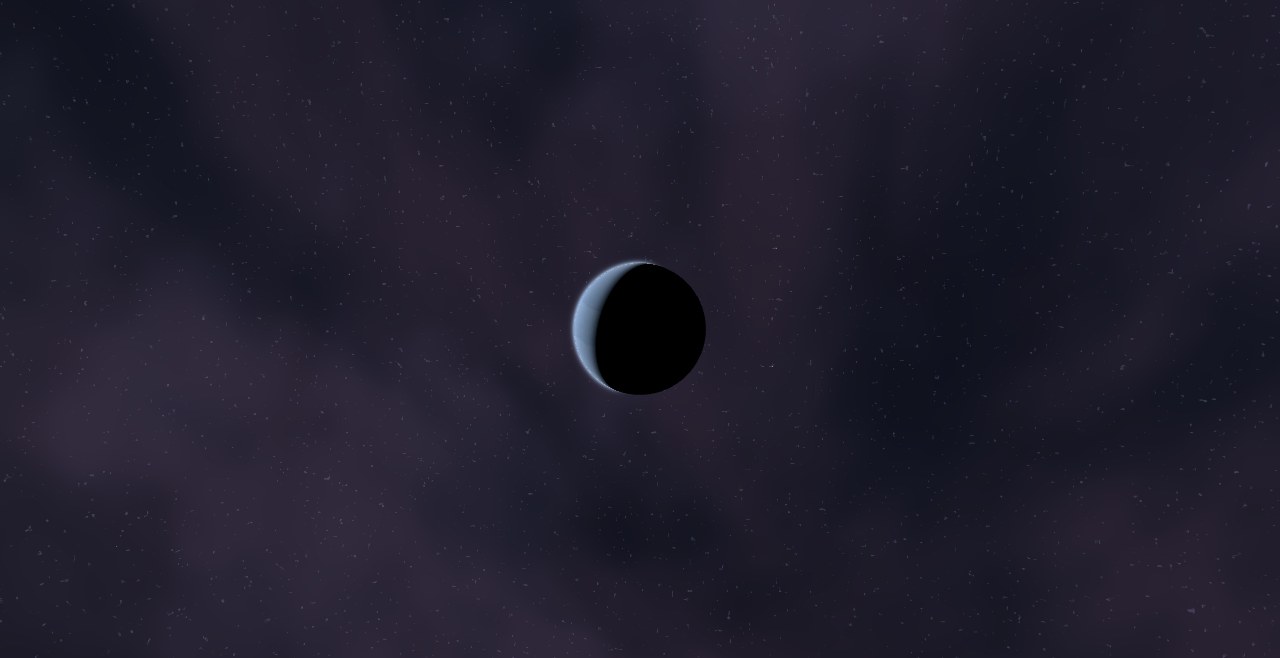
GJ 3138, a cool M-dwarf of 0.68 solar masses, and GJ 3138 b, a 1.8-Earth-mass planet, with an orbital period of 1.2 days, at 0.020 AU from its star, on an eccentric orbit (e ≈ 0.19).
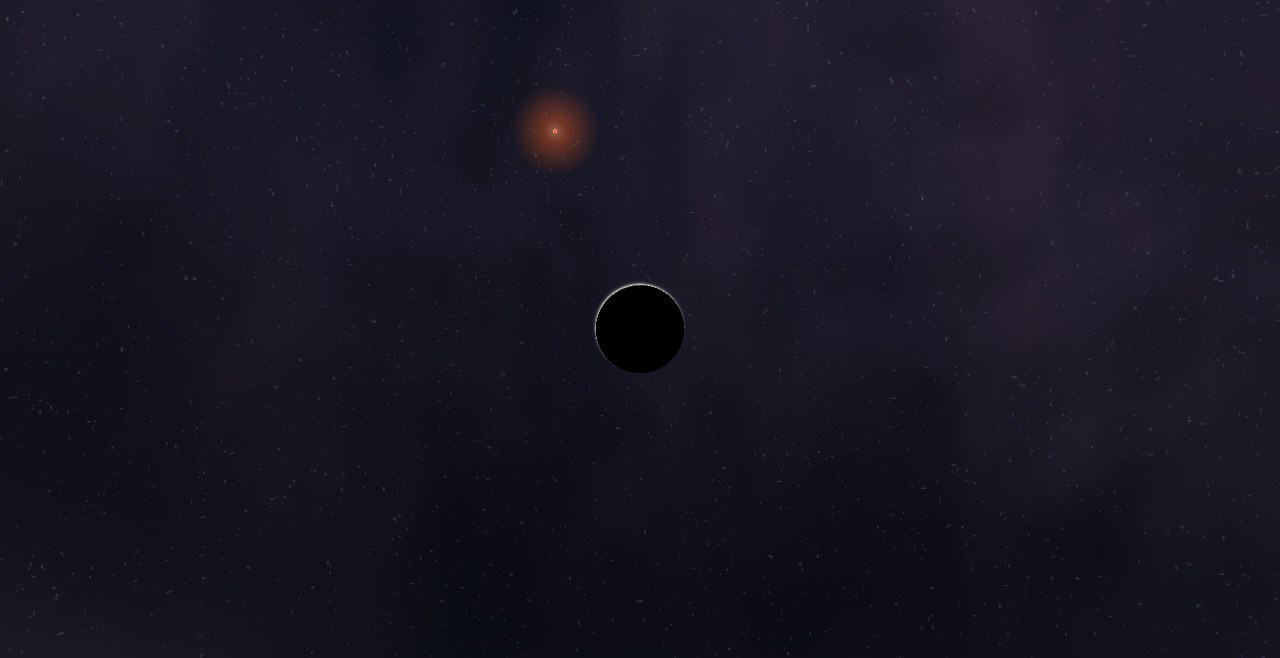
GJ 317, a cool M-dwarf of 0.40 solar masses, and GJ 317 b, a 1.69-Jupiter-mass companion, with an orbital period of 1.90 years, at 1.138 AU from its star, on an eccentric orbit (e ≈ 0.08).
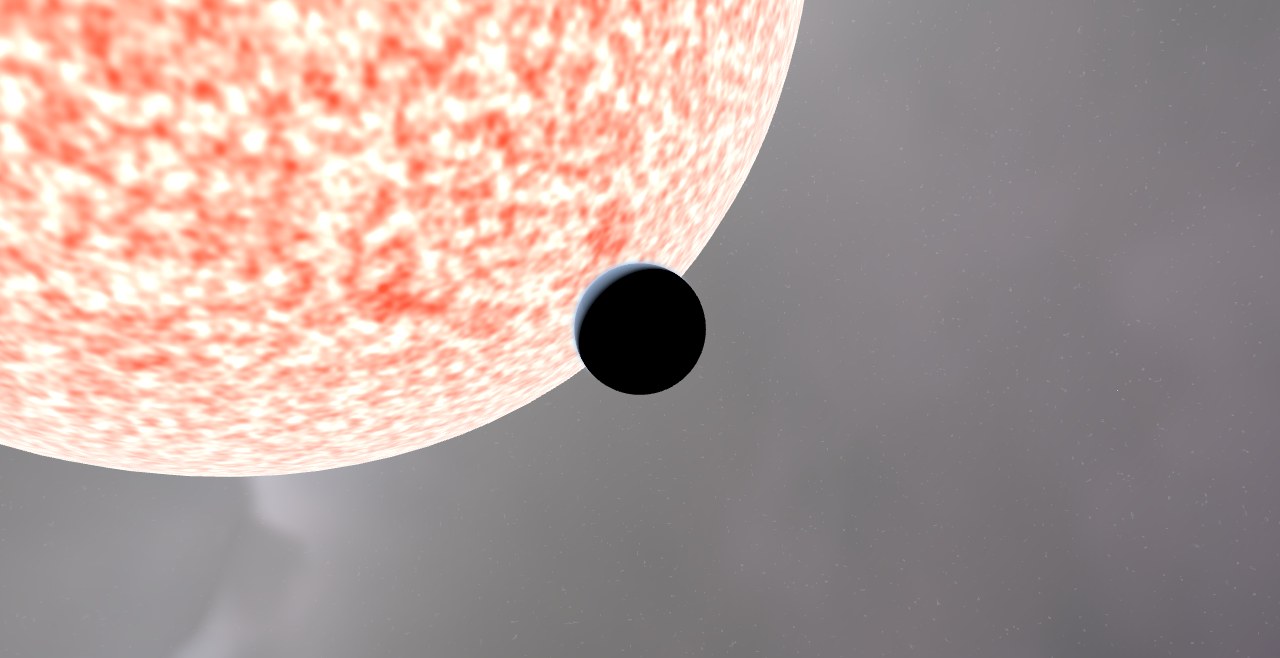
GJ 3222, a Sun-like G-type star of 0.89 solar masses, and GJ 3222 b, a 11.4-Earth-mass planet, with an orbital period of 10.7 days, at 0.091 AU from its star, on an eccentric orbit (e ≈ 0.93).
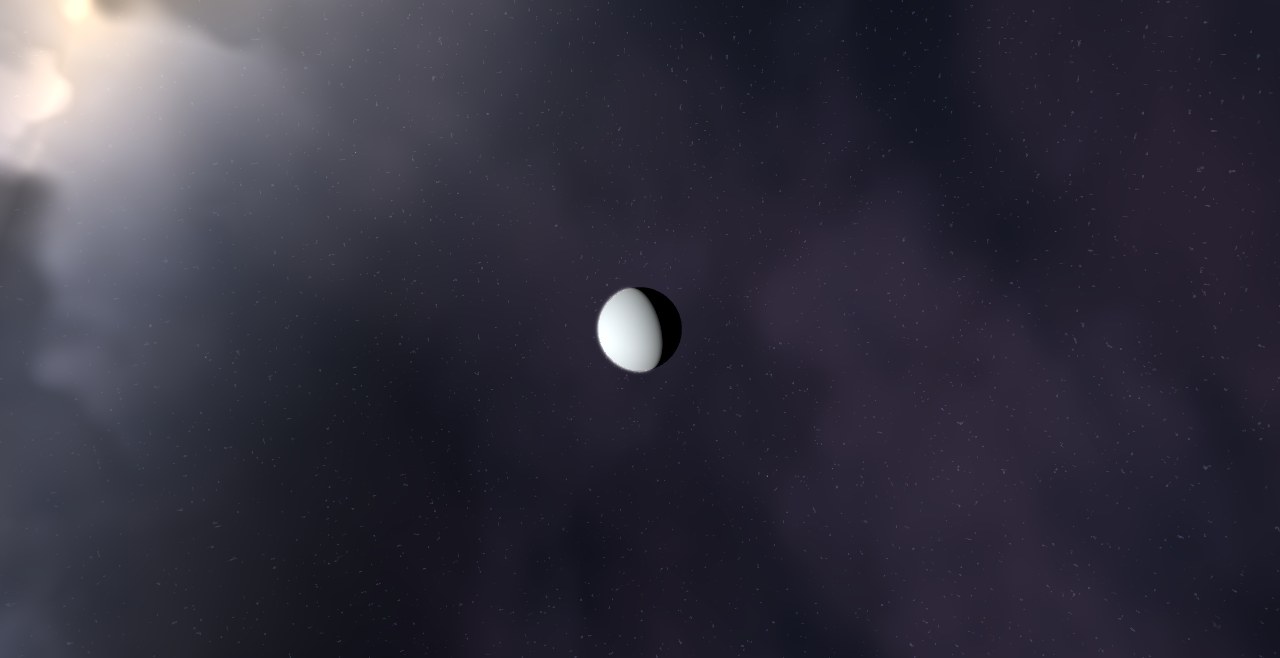
GJ 328, a cool M-dwarf of 0.65 solar masses, and GJ 328 c, a 0.07-Jupiter-mass companion, with an orbital period of 242 days, at 0.657 AU from its star.
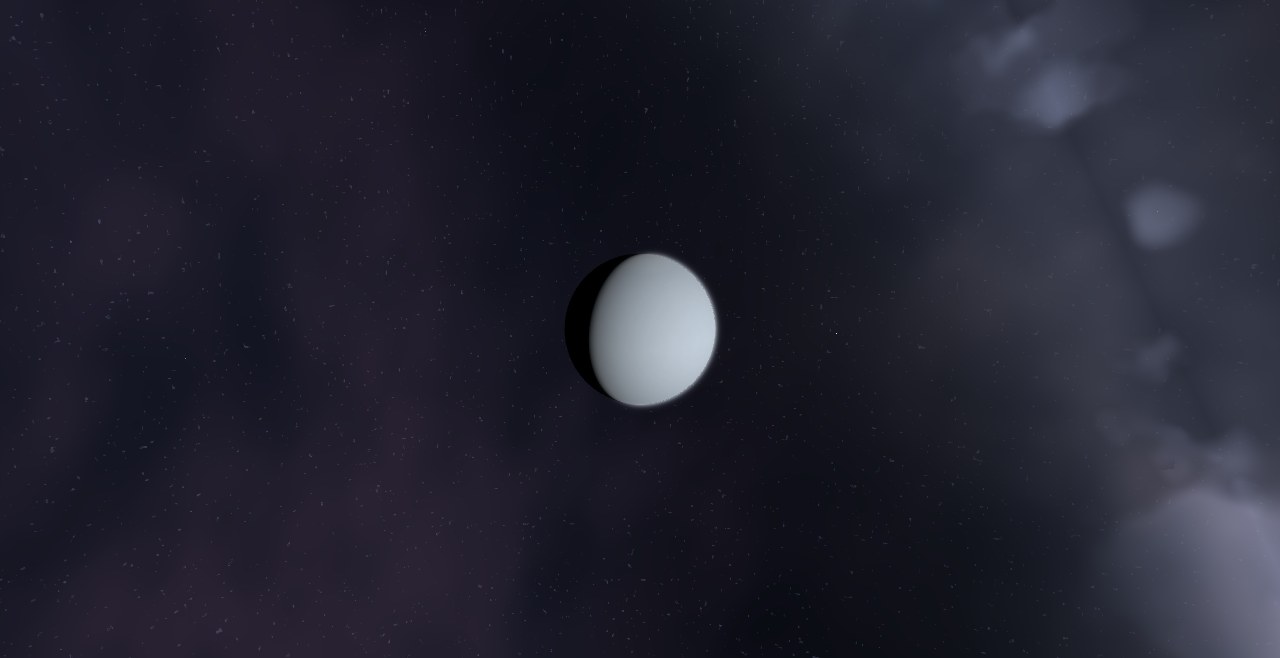
GJ 3293, a cool M-dwarf of 0.42 solar masses, and GJ 3293 e, a 3.3-Earth-mass planet, with an orbital period of 13.3 days, at 0.082 AU from its star, on an eccentric orbit (e ≈ 0.21).
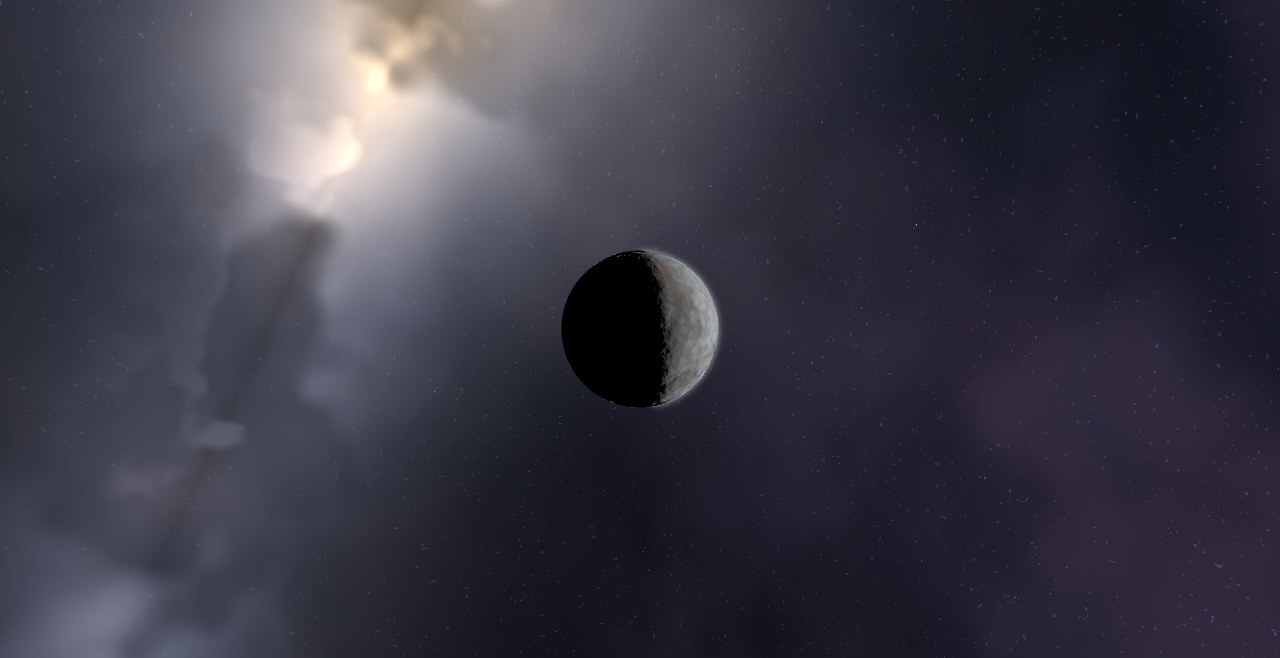
GJ 3323, a cool M-dwarf of 0.16 solar masses, and GJ 3323 b, a 2.0-Earth-mass planet, with an orbital period of 5.4 days, at 0.033 AU from its star, on an eccentric orbit (e ≈ 0.23).
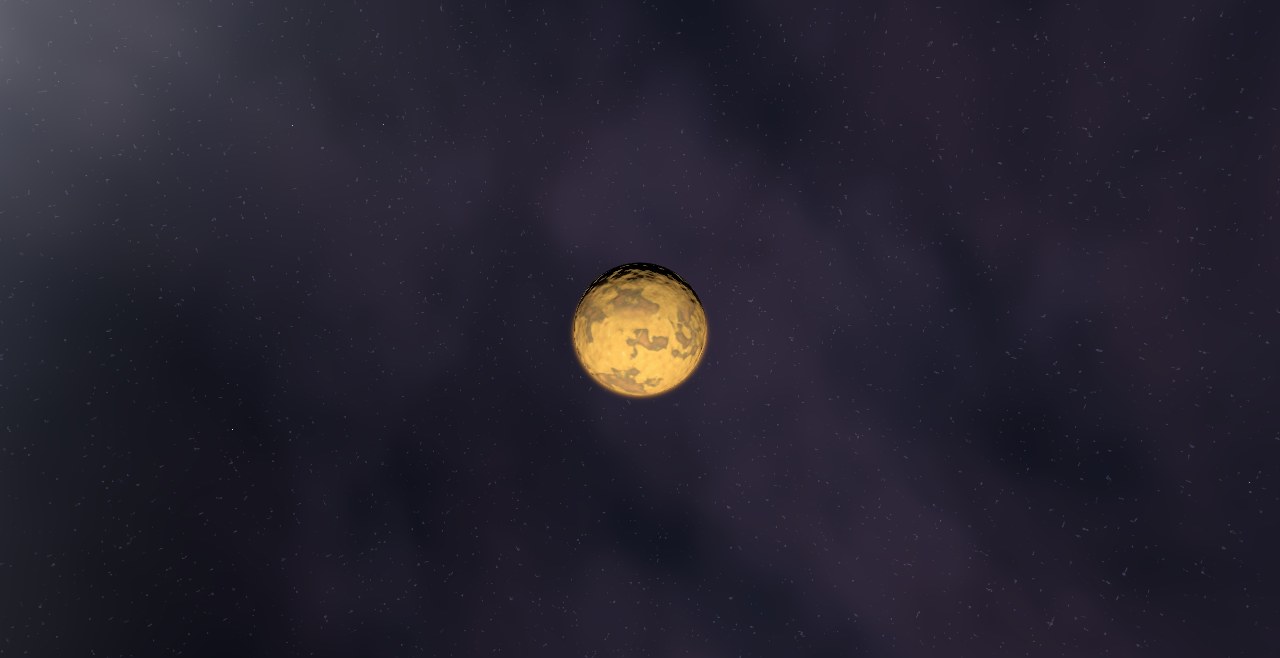
GJ 3341, a cool M-dwarf of 0.47 solar masses, and GJ 3341 b, a 6.6-Earth-mass planet, with an orbital period of 14.2 days, at 0.089 AU from its star, on an eccentric orbit (e ≈ 0.31).
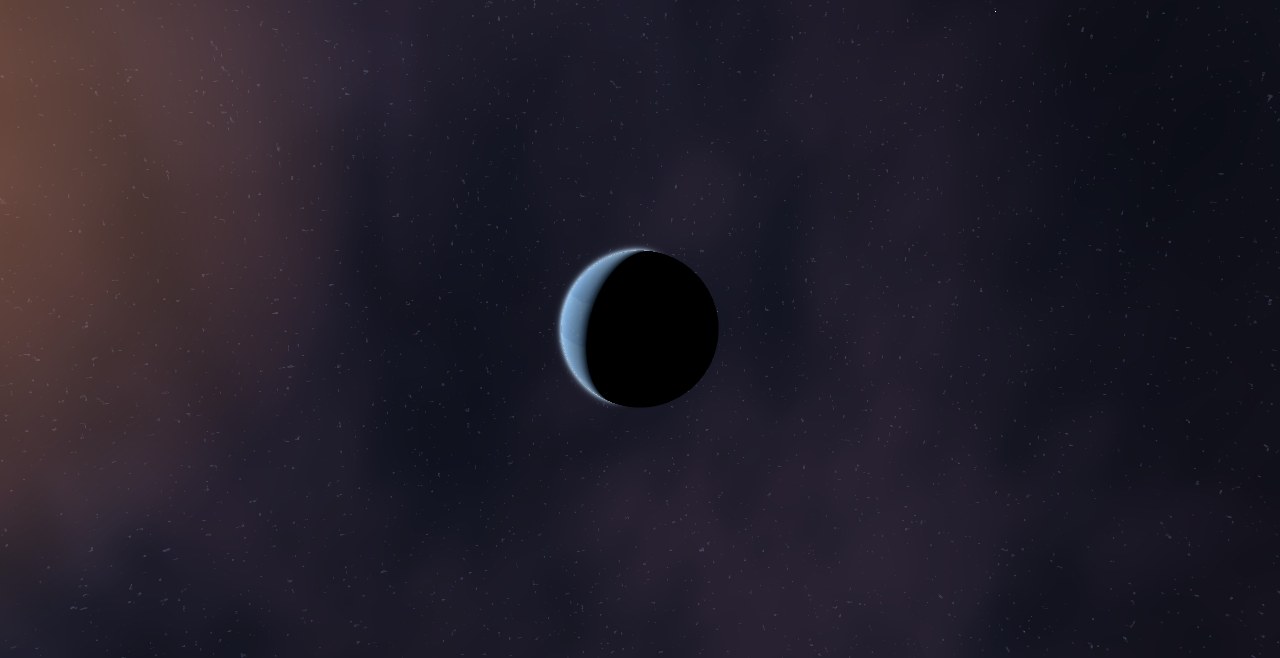
GJ 338 B, a cool M-dwarf of 0.64 solar masses, and GJ 338 B b, a 10.6-Earth-mass planet, with an orbital period of 24.4 days, at 0.142 AU from its star, on an eccentric orbit (e ≈ 0.11).
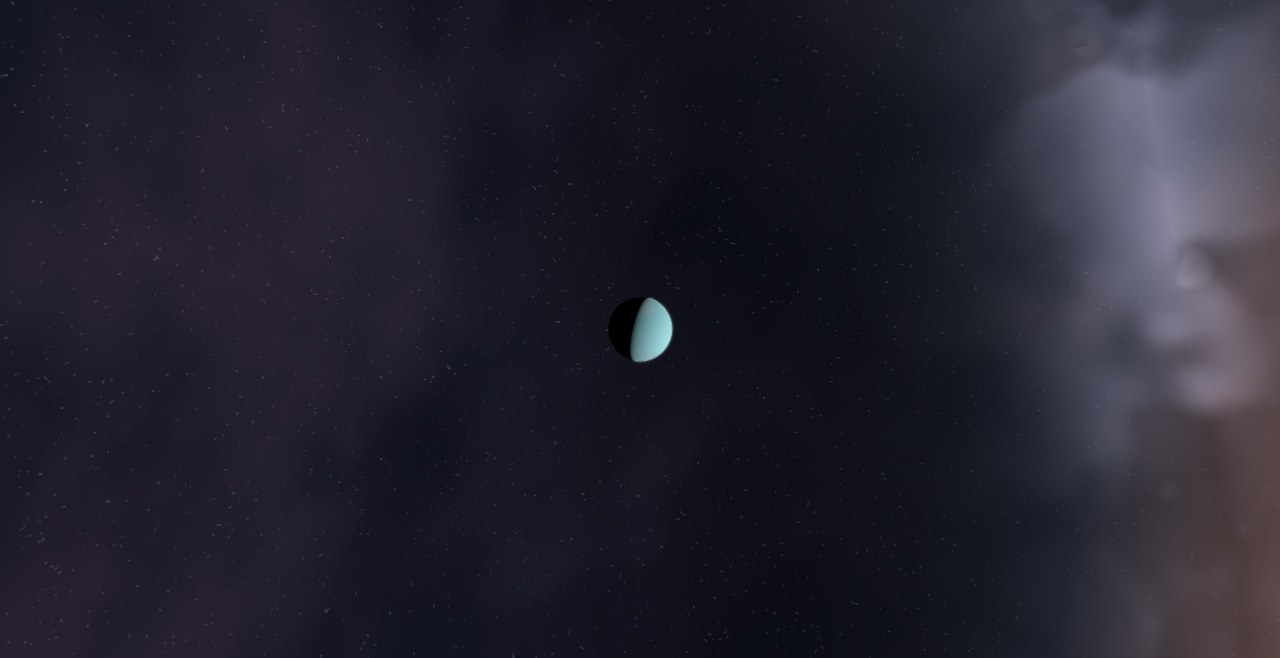
GJ 3470, a cool M-dwarf of 0.54 solar masses, and GJ 3470 b, a 13.9-Earth-mass planet, with an orbital period of 3.3 days, at 0.035 AU from its star, and an equilibrium temperature near 594 K.